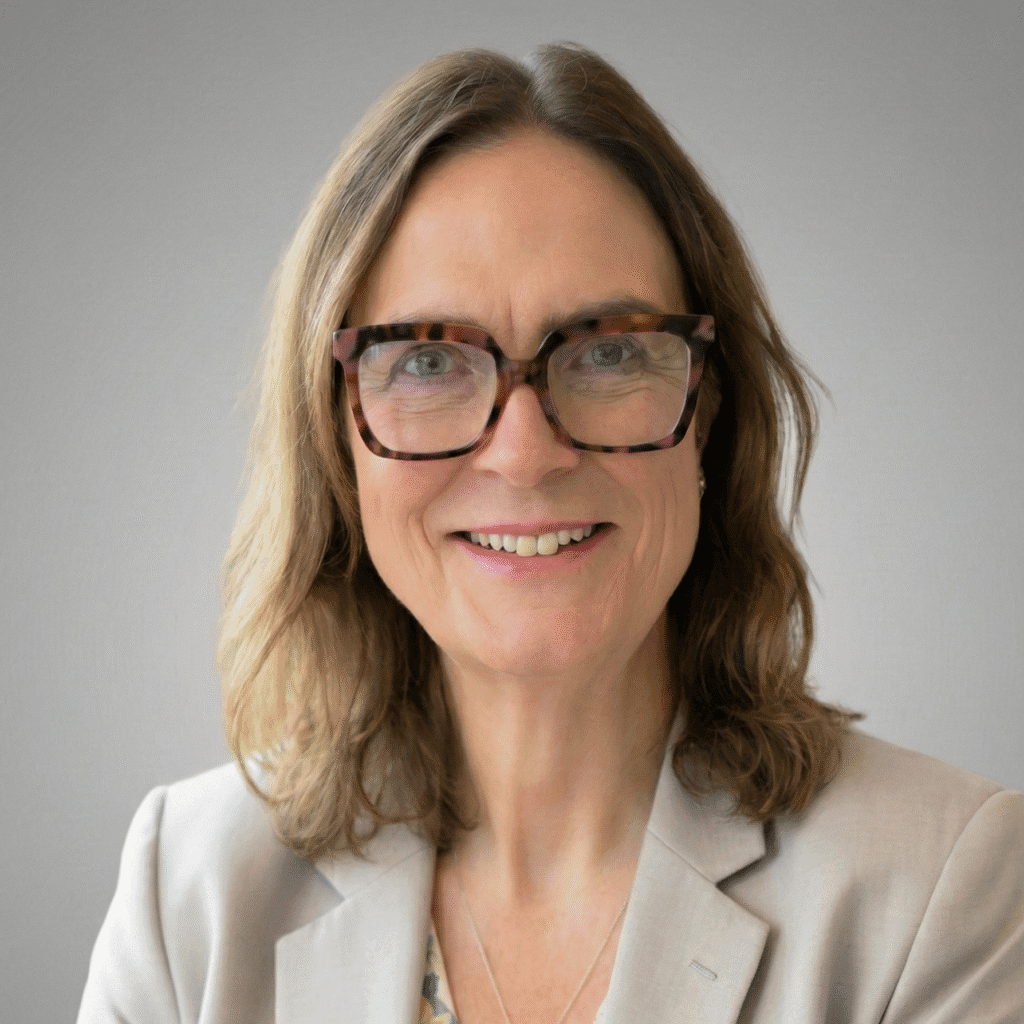
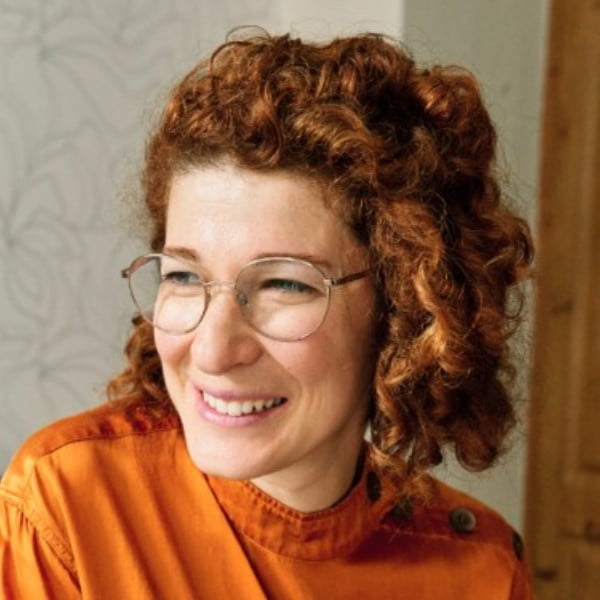
Join Joanne Lockwood as she chats to style expert Kay Korsh about the impact of dressing for success, personal branding, and using clothing to enhance your public speaking presence on the Inclusion Bites Podcast.
In this episode of Inclusion Bites, Joanne Lockwood speaks with Kay Korsh about careers growth confidence.
Hello, everyone. My name is Joanne Lockwood and I am your host for theInclusion Bites podcast. In this series, I have interviewed anumber of amazing people and simply had a conversation around the subject ofinclusion, belonging, and generally making the world a better placefor everyone to. If you'd like to join me in the future, thenplease do drop me a line tojo.lockwood@seechangehappen.co.uk.That's S-E-~E Change Happen dot Co dot UK. Youcan catch up with all of the previous shows on iTunes, Spotifyand the usual places.So plug in your headphones, grab a decaf, and let'sget going. Today is episode103 with the title"Dressing thePart"", and I have the absolute honour and privilege to welcomeKay caution. Kay is a stylist forspeakers, and when I asked Kay to describe her superpower, she said,knowing how to make someone shine through the way theylook. Hello, Kay. Welcome to the show. Hi, Jo. I'm so happy
Kay Korshguest
to be here. It's a pleasure. Pleasure, Kay,
Joanne Lockwoodhost
you've got an interesting background. Tell me a bit about howwe got here today. Tell me a bit about yourself. Shall
Kay Korshguest
I go all the way back?I grew up in Ukraine during Perestroika,and I've always been obsessed with style, andI'm not sure where it came from because no one in my family isinto style. I was doing anything creative at all and therewasn't much fashion going on in Ukraine, but Iwas always thinking about it. And when I was about ten yearsold, my mom and I were watching tv at home and we had twotvs, black and white, one in the kitchen and the colour one in the livingroom. And we were watching this movie and I asked my mom, what did thiswoman in the red dress say? And she looked at me and was like,this is a black and white tv. And both of us ran into the livingroom and switched it on, and she was wearing a red dress.So I always kind of had this thing aboutstyle. And anyway, then I grew up and I moved to theUK in the early two thousand s, and I started buildingmy career working with celebrities and high endbrands. And I loved doing that. And one ofthe most important things I learned was paying a lotof attention to detail because those people areconstantly being scrutinised by the media andthey are public figures, so everybody judges them by theway they look. So it's really important to get that lookright and as near to perfect as possible, isn'tit? So that was really exciting andI love doing that. But also, another part of me always feltthat fashion is really superficial, and I think it's my sovietbackground, because I didn't grow up with much, anda lot of the stuff which fashion stands for,I don't find useful and necessary, and I don'tunderstand all the overconsumption and buying lots ofstuff and producing lots of stuff. So I wanted to create somethingmore useful. So four years ago, I started myown company called mind over fashion, and Icombined style with my otherpassion, which is learning about human behaviour andhow our minds work, because whether we want it or not,we are being judged and stereotyped by the way welook, even before we speak. So I helpspeakers to connect with their audience andto use their style and their look as apowerful tool to change the narrative.
Joanne Lockwoodhost
There's a lot in there. Absolutely. Wow.Do you mind if I just talk about your early part of your life? Soyou mentioned you grew up in the era ofthe Soviet Union. Yeah. So pre BerlinWall, pre glass, it was Glasgow andperestroika, those words would be using. It was Gorbachev,we had Poland, we had the solidarity movement, we hadlekvoenza, all those kind of things.You mentioned you grew up in the Soviet Union, where you'd be usedto having, or you'd be used to not over consuming becauseof availability, because that was the environment you grew up in. Yes. Doyou mind sharing a bit of how was your life back in those days? I'msure you were happy, but it was different. Was so, you know,
Kay Korshguest
we always see the world when we grow up. We see the world just fromthat perspective. So this was the world to me.I didn't really know much about how it can be different.I remember going as an exchange student for a couple of weeksto the US when I was about 16. So now we're wellinto potentially just past peristroic.I was born in 1981 and Iremember sitting at a maths lesson in America,and the students by the teacher were asked,you can ask these exchange students any questions youlike. And the questions we got were, are there anygenes in Ukraine? And is there Coca Cola in Ukraine? And it wasreally funny because by that stage there were genes and Coca Cola,but obviously they still probably remembered orheard what was happening before Peristoica, wherethere wasn't anything, which was when I was very,very young. So if we go back to morewhen my mom was my age, probably, butsaying that for many years after that. SoI moved to the UK in 2005,and when I was still living in Ukraine, to me,the way I felt it when I was on the underground andjust walking around is that everything was grey. And I thinkfor me, because I'm a very visual person andmy energy feeds off looking at other people. AndI get creative when I see different peopleof different cultures and different styles. AndI didn't have any of that. It was all very bland.So when I moved to the UK, imagine this scene inthe wizard ofoz where they are walking through grey and then all of asudden everything is coloured and becomes morevibrant. So this is the way I felt when I came toLondon. And this is the thing which I absolutelylove about London and other multicultural bigcities and capitals, is that you have so much cultureand so many different things to look at. Andfor me, as a creative person, it's really important.
Joanne Lockwoodhost
So you were in Ukrainein 1986 when reactor number four inChernobyl broke down. And there's that huge, obviously,nuclear disaster in Chernobyl. You were in the countryat that time. What was that like? Yes, I was
Kay Korshguest
very little. I was just under sixyears old. But I heard a lot frommy parents when I was older talking about this. SoI was born in Odessa, so we were quite far away fromChernobyl, so we weren't affected as much. Althoughthey know that the puddles inthe street were kind of. Imagine if there is oilspilled in the puddle. That's the way puddles looked. So wewere affected, but not as much as a lot of other places.But I think the biggest thing and shockabout this whole situation is obviously the fact that it washidden from people for a long time bythe government. But these are things whichI generally don't talk about politics or things likethis. I'm interested from the psychological perspectivewhy they were done. But I'm verychannelled in my interests. Yeah, of course.
Joanne Lockwoodhost
And I'm just curious about, say, you as a little girlat that time, what the impact on youwas. And if you say you were in Odessa, which is Ukraine is a bigcountry, so you can be a long way awayfrom Chernobyl, I understand that. So I just wonder, and I think what yousaid there was, you weren't aware of it because of the secrecy or because ofthe lack of political broadcast of these things.The world knew about it, but I guess the people didn't. Yeah.
Kay Korshguest
And that's obviously absolutely crazy to think aboutit. Yeah. You say you
Joanne Lockwoodhost
moved out or emigrated in. What did you say?2001, early? Two thousand s. Two thousand and five. Two thousand and
Joanne Lockwoodhost
five. So you still havefamily there. And I was in Kievin 2019, and I heard thestories of the revolution in 2014and the snipers from the rooftopswho murdered, assassinated, shotpeople in the square, almost like randomly. And I seen therevolution Square with all of the people's faces on the boards and thememorials there. And I was absolutely stunnedand tearful just being in that place and hearingthe stories. And this was five years previously. And Ifelt a sense of real sadness and loss aboutthat could happen in a modern society. And then we wind the clock forwardand what's going on in Ukraine now, it's devastating.It's devastating. What I knew before this.You must still have people over there that you keep in touch with. It mustbe hugely impactful.
Kay Korshguest
It's incredibly sad on so many levels.I managed to get my parents topersuade, with a lot of persuasion, and managed to getthem to the UK. And they were one of the first people toarrive. Although to me it felt like months and months. In reality, itwas only ten days, but they really didn't want tomove. They're very happy now, and they live very close to ushere in London. I still have somefamily and friends there. And what is incredible, actually,is how when I talk to my friend,how they react to it and how humans getused to, no matter what conditions they live in.
Kay Korshguest
So their reality now is thatpretty much every night there are still sirens going on andthere is always fear that something canhappen and then it can be two streets away.And they would come. Every time there is a siren, they would have to comein the middle of the night to their neighbours and sit in the porchin their neighbor's flat because they don't have a basementin their building. So they would just sit there for hoursand obviously wouldn't get much sleep.And when I don't get much sleep on one night, I can'toperate. So I'm not sure how they can do this, butyet there is so much kind ofnormality in the way they talk about this, whichis absolutely crazy. Yeah. Are they still living or were
Joanne Lockwoodhost
living in the Odessa areas? Is that where your family were?
Kay Korshguest
My. Yes, exactly. So my friend, who I'm talking aboutnow, who keeps me informed the most. They live in
Joanne Lockwoodhost
Odessa because we see it on the news. That's notfar from Kerzon. It's on the Black Sea.It's right in the heart, really, of the frontline of the problems and the war and theatrocities that occurring. That's not on thewest, out of the trouble. This is right in the sort ofsouthern eastern area. Yeah. So Odessa, compared
Kay Korshguest
to some of the other places wasn't affected nearlyas still. So I justdescribed to you their life. So it's definitelyterrible. Anda few days ago there was an explosion and awhole building was exploded and people died. But yetcompared to some other places, it's safer placeto be, if we can even imagine that.So Odessa is a very strategic placebecause it's a port and this is how theytransport. Soactually in the beginning of the war, we were surprised that Odessa wasuntouched and we don't untouched compared toother places and we don't know why. But anyway, at themoment, I don't really know when. Nobody knowswhen it's going to end. And there is no end.
Joanne Lockwoodhost
No, no. I think that is the sad thing. Andit's a war of attrition. It's a war of wearing the ukrainian peopledown. I think there seems to be a belief that if Russia keepgoing long enough, the world will lose interest and Ukraine will run out ofresources. And it's just Russia just taking the long game.They'll keep doing this for 20 years if they have to. And that'sthe destroying the culture, destroying the people,destroying the economy. And so sad. So sad. And also,
Kay Korshguest
unfortunately, as there areobviously things move on, there are different things happening in theworld. Media kind of moves on fromUkraine and that's a massive part of it because that's kindof a driving force. If people are talking about something, that's whatpeople want to help. And now, because it's notbeen spoken as much about, Ukraine doesn't getas much help nearly as it did in the beginning of thewar. Yeah, I can completely relate to that.
Joanne Lockwoodhost
There are other things going on now, aren't there? That we've got the Middle east,we've got issues going on with our governmentin the UK. And the Americans bombing, was it hoofyrevels? I can't remember how you pronounce it now. But there's another thing going onhere. We've got UK general election, we've got the american general election coming up. There'sa whole load of other world politics that are just diverting themedia. And Ukraine is no longer news, is it? Morepeople have been bombed, more people have been killed. It's the samegoing on. And that's the worst place to be in thisstalemate situation where no one's winning eitherway. There's no news. There's no news in thatevery time that ukrainian army pushes back, that becomesnews. They've got ground, they've taken another village, they've taken another town,there's something to report on. But now it's just people on the front lineliving in really poor, cold, wet, miserable conditions, trying todefend their country. And the thing is that going back
Kay Korshguest
to the brain, we can only take onas much. We only have certain amount ofcapacity. And that's why whenpeople move on, because they can't take onany of that as much as they did, and they have to moveon. And for people who are still in that crisis, they alsoneed to process it. It's like the same as peoplein concentration camps where they had tosurvive, so they had to kind of find mechanismsin their brain how to do this.
Joanne Lockwoodhost
Yeah, I'm sure anyone listening to this,my heart reaches out to you and the people of Ukraine. Still, whilst you maynot be in the front of my mind anymore, you're still there. And I stillhave that compassion and empathy. But should we go back to talkingabout that black and white tv with the lady in a red dress andthose early kind of. Some people see patterns inclouds, some people hear music, some people have a rhythm, some have a beat.You have a perception for style and colour anddress. So tell me more about how you built thatpassion and built that way of thinking. So I
Kay Korshguest
didn't have to build it, it just was alwaysthere. But of course, as years goon, I always learn more and more and more. Andthe interesting thing is, when I was working behind the scenes,I did a lot on intuition andobserving latest trends and latestcatalogues. But the interesting thing was, when I startedmy own company and I had to teach people, becausenow I have a community for speakers and they runprogrammes, and they need to explain to my one toone clients as well, why I say certainthings. Why do I think they need to wear this shape?Why do I think that is the particular colour which works forthem? So I created the wholesystem around it, which I walk peoplethrough in understanding why theyneed to look a certain way and wear certain things. So I hadto dig deep on our friend Googleand search for different systems which are already out there.And then based on that, I developed my own materials.So I always walk people through five stages,and we always start with their existing stuff, and thenlooking at that existing stuff, we look atthe shapes which work for them. So we first look at their shapes, then wemove on and look at the colours. And then Ialways ask a lot of questions and make themthink about who is their audience. BecauseI normally work with speakers, so it's peoplewho are the front of their brand, right? And theyhave their own voice. So I always ask themwho their audience is and what is their tone of voice andwhat their values are as a business and as aspeaker. And when we go through all of thesequestions, we then start thinking howwe can apply what already works for them, just asa person, just with their shape and their colour. And then weapply it to their audience and to their business.And the main reason why it's so important is that weare stereotyped straight away. So Iteach people how to use that as a helpfultool and as a powerful tool. So it's likewhen you, for example, prepare a presentation or aspeech, you have your slides and you think about,I'm going to use these metaphors as a tool to connect, I'mgoing to use the jokes, the slides. So theseare all your different tools to connect to your audience and to make sure thatthey absorb the material you're talking about faster.So I'm teaching speakers how to use their style andtheir look as another additional tool to helpthem pick up. On what you're saying. So you're talking about the
Joanne Lockwoodhost
judgement and you talked about that's human behaviour.We have a very prehistoric viewon judgement. Friend or foe, who's going to look after me?It's not going to look after me. People who look different to me, sounddifferent to me, come from a different place, are probably going to be a threat.Therefore I don't see them as part of my team sort of thing. And wealso have sort of congruence, isn't it, where, how you look, how yousound, they have to kind of align with the message.If you turn up in a scruffy t shirt with stains on it andjeans and trainers and you want to talk about business,something people aren't going to necessarilytake you as seriously unless you've got that personal brandwhere you can get away with dressing down, becausethat's who you are and people kind of expect it. And when we think aboutsome of the. Was it the founder of Apple,Steve Jobs? Yeah, Steve Jobs. He got a black t shirt.And we see other people now who are tech startupgeniuses with trainers and that kind of moderngrungy look, that's kind of how they're expecting. That's howtech leaders are supposed to dress now, isn't it? That's kind of like the uniform.You don't look smart. You look kind of have to, youhave to work into that. You can't just put jeans and t shirt on andsay, hey, I'm here now. The Mark Zuckerberg got away with it as well.
Kay Korshguest
Well, actually, a lot of the time I help peopleunderstand that they don't necessarily have to wear a blazer andlook super sharp, because a lot of speakersthink that when they go to speak at acorporate firm, for example, and everybodyis dressed smartly and for anoffice, that they need to go there and respect themand wear similar clothes to what their audience wears. And what Ialways talk about is that you come there with your story andthey are there to listen to your story and to listen to who youare so you can bring that into yourlook. So a lot of the times, actually finding that unique look,which is not necessarily very sharp and very strict, is muchbetter. And I had this in the past with clients where they actuallylanded their biggest client themselveswhen they changed from wearing a blazer to findingthat niche, what they are comfortable with and alsowhat aligns with what they're talking about. And they always say,you start with your own comfort, what you are comfortable with, because weall have our comfort zone.It can be physical limitations or it can be justour preferences. Some people prefer to wearkind of more structured fabrics because when they putit on, they feel like, now I'm a speaker, now I'm hereto speak. But other people prefer something looserand they like moving around and they like to becomfortable. So you always need to think about that comfort first,and then you move on to thinking about your audience and how youcan marry it all together so that theyunderstand you. But also you feel comfortable, because otherwise you're not goingto be able to be 100% authentic when you speakto them. I completely get that.
Joanne Lockwoodhost
I think for me, it's how do I feel first?And then what looks good for where I'm going tobe. I've got some dresses. I've got some outfits that Iwould never wear on stage, even though I love wearing them. They bring mejoy casually, but I would never wear them on stage. I thinkthe dress is a little bit too short. I need a little bit on theknee or below the knee or if I'm going to be walking around onstage. I love these shoes, but they don't work on stage. I needsomething I can maybe flats or certainly don't wantheels if I'm going to be standing up all day. I don't want to bewearing something that is, I can't walk after about 4hours. So you're thinking about the entire day. AndI find it. There's a lot more thought goes intohow I dress, how I look, how I feel as awoman than I ever had in the past where I would just tendto, pair of shoes, pair of trousers, shirt. Does it fit?Does the tie work with a jacket? Put a jacket on. That was kind oflike it was off the peg. Now there's so many dynamics I have tothink about as a woman that are completely different. And it'sall these different combinations you have to think about, isn't it? And it's so
Kay Korshguest
true. It's harder for women in terms of exactly. There ismore choice and it's easier to get lost. Formen, the main thing is that it's cut well andit fits well, and the fabrics are good quality and things like this,even when it comes to casual. But for women, it's moreabout finding that style. And I think whatI help with when I work with somebody iswidening their horizons. Because people tend to kind of get in therut of wearing the same thing over and over again. And because styleis not something which is their specialty orsomething what they're interested in, they just don't have asmuch imagery in their head of different possibilities as I do.So when we start working together, I start telling them, okay,you can look into this and you can look into that, and you can stillkeep your comfort zone, but expandinto different things you haven't tried before. I had my
Joanne Lockwoodhost
colours done okay, four or five years ago, and it wasa fascinating day with a friend, and she wasalways like, napkin hankies, and put them on my shoulder and put them around myneck and see how my face changed and trying to get my skin tones.And I really enjoyed the day, butmy brain didn't switch in to what she wastrying to say. She has so much passion about make me look good and howI. But I just went, this sounds like too much effort.I've now got all these rules I have to follow, and my brainwasn't ready for that at the time. I suppose being a queerwoman, part of that gives me empowermentto be queer, which doesn't always follow rules,has a different rule set, I guess. Not that I don't want to look good,not that I don't want to wear stuff that makes me feel comfortableand resonates with the audience, but I felthaving just spent a big part of my life fittinginto a rule set that I've broken out of. I didn't want to go suddenlyinto another rule set before I'd found myself completely.I've wore some colours and I often wear asilk scarf, which is a kind of an orangey yellow colour.And every time I wear it, people go, wow, that is your colour, that reallyyou up? And that, I'm sure is one of the colours I wastold I should encourage. So that I do knowpeople do say things to me when I get it right, Iget it. So what happened to you on that day is
Kay Korshguest
the reason why I structured my business the way I did.I don't believe in quick transformations. I don't think you can justclick your fingers, go shopping with somebody for 2 hours and tell thema set of rules of things, and then they're going to completelyagree with you and get transformed. Because we're all set in ourown ways and we are used to the way we are.And it takes time for me to get to know you and for you toget to know me and for you to get to know yourself. SoI always give a long time for thattransformation. And that's why I have a community which is anongoing process and goes from month to month ondifferent topics. And that's why I work with one to one clientsover three month period of time,because you need time to getthere and I need time to get there as well, and tofind that kind of middle ground where weagree on what works. Because you're absolutely right. If somebodyjust reads you a set of rules or tells you you should dothis and you should do that, it is overwhelming, especially ifit's not your expertise and you don't know much aboutit. I think part of it was I'd already
Joanne Lockwoodhost
found some colours I liked and some styles I liked. AndI was almost being told that everything I kind ofgot comfortable with didn't work for me. And I thought, hang on a minute, Ilike them. There was no migration orhalfway house or actually, you can still wear that blue, butif you're going to wear that blue, make sure you pair it with this. Abrighter colour or something to light the face up or something like that. Or yes,wear it lower down your body, but up higher in your body where you're tryingto bring your face out and illuminate. Then think about these sort of colours. AndI go, okay, because I likesilver based jewellery and I was told that my colour was I shouldbe wearing more gold. I don't like wearing gold.Jewellery. I'm not going to throw all my earrings awayand all my rings away and start going gold becauseI prefer silver. So, yeah, it's trying to find thatmarriage of comfort of what I wantversus what looks fantastic and people resonate with.
Kay Korshguest
Yeah, and that takes time.
Joanne Lockwoodhost
This is a podcast, people are listening, they can't see. You've got amazingauburn hair, haven't you? I don't know how you would describethe colour, but it's a beautiful, thick, curly,reddish auburn colour.You are a minority, if you like, in society, so you must findit harder to find compliments orcomplementary colours for your hair and makeupand style, where your hair is not the typical,actually. So this is not my natural hair colour. I try to
Kay Korshguest
keep it as natural as possible, and normally people thinkit's natural, but my natural colour is kind of like mousybrown. But having red hairsuits me. I don't like wearing much makeup,so if I do wear makeup, it's very little. As you can seetoday, I don't have any makeup on, but when I havemy hair this colour, it's easier. Then Idon't really need much because it works with my complexion and thatfeeds back into how important it is to wear thecolours which work for you. Because I have something which is calledwarm undertone, so we all have either warm or coolor neutral undertone, so I have warm undertone, whichmeans this warm red tone worksfor me. So I kind of made it work for me and made my jobeasier by doing my hair this colour.And it's not difficult because then also Iwear warm tones in my clothes because these are the toneswhich suit me. So it kind of supports thecolour of my hair, supports the colours that wear in my clothes. That's
Joanne Lockwoodhost
fascinating. So I had no idea, obviously,why should I? I think it is striking, as you say, yourcomplexion and you dress for it. It worksso well for who you are and it is you. So, yeah, Iguess you are living proof of your ownmethodology. Thank you.Your hair and the way you dress, your complexion all align.So, yeah, it does work. I suppose that's the other thing. As awoman, I now have my hair styled, I now have my hair dyed, I havecolour put in it. That's another outfit, isn't it?Your hair is another outfit? Yes, 100%. And
Kay Korshguest
you can think of it either as a conor as a pro, because if you think about it as a positive,you kind of can use it again to helppeople around you, to connect with you for men. I guess it's morelimiting. And it is. I hate spendingtime on the way I look. If it was up to me, I wouldjust go out in my pjs and not worry aboutit. Surprisingly. I know it's very surprising,but I look at these peoplewho say, for example, if I attend aworkshop or a master class by a man, andthey obviously didn't have to think about their hair andtheir makeup, and I think to myself, I have to keepit to minimum. I have to work it out in a way that I actuallyspend as little amount of time as possible because Idon't want to spend my timeon getting ready. I want to spend it on something moreuseful. So I think that's, again, a bigpart of learning how to do this. And when I work withclients, the majority of people are frustrated with the amount of timethey have to spend. This is one of their pain points. They want to minimisethat process. So how do you cut offthe unnecessary bites and just concentrate on makingthat change? So the reason I dye my hair thisway is to make a visible, positive change,which will help me without actually doing much oneveryday basis. Yeah, I'm one of these people that
Joanne Lockwoodhost
I often don't know what I'm going to wear untilI put it on and then I go, yes, thisis what I'm thinking. So maybe I have an idea in it, or maybe I'llwear that dress, or maybe I'll wear that dress, which is awkward. If I'm travellingaway, I'm staying in a hotel. I need to take about four or five dresseswith me because I don't know how I'm going to feel when I wake up.And if I could see the night before, I will wear that. I wake upin the morning, go, no, I don't feel that. That doesn't feel right to metoday. This is the one that I want to wear today. So it's almost likeit comes in that moment. There's that alignment of howI feel, what I'm doing, and I need to have thatchoice at that moment rather than just take one option and then Igo, I wish I bought the other one now.Does it fit into that as well? Am I unique there? Thisfeeling about what you are definitely. Not unique because I'm
Kay Korshguest
myself the same. And okay, with clothes, it doesn't work.Exactly. It's not as hard for me because I obviously thinkabout it all the time and stuff like this, but it reminded me of myway of social media and how people always teach ushow we need to batch create and we need to prepare ourposts on Monday for the whole week. And Ican never do this. I'm a very spontaneous person.I prefer to do this on the day and do as Iwish and have this creativity spark where allof a sudden I write this amazing post or what Ithink sounds amazing, right? But in terms ofthe clothes, what I normally suggest, and itdoes take time. So you kind of have todecide to spend time on it, is to try everythingon what you have and take pictures of yourself, justselfies in the mirror so that, you know, this is the wayit looks on you and there won't be any surprises.And also this is the time where youcan just play around and try it with different footwear,different layering. So this processis really helpful to spark thatcreativity in you and actually to understand what is alsoworth keeping and what is worth giving away. Becauseyou need that space in your wardrobe, because that will create space inyour head as well. So it will be less overwhelming when you open thewardrobe if you have less stuff in it and don't need the stuff which actuallyworks. So I really highly recommend toeither do it by yourself, put some music on and just spend a couple ofhours going through everything and taking pictures, or doit with your family member or a friend because thatexercise really opens your eyeson things. Why are you laughing? Sorry, I'm not sticking
Joanne Lockwoodhost
away. I could just see my wife indulging me for aday when I twelve lots of outfits and she takes photographs. I thinkI might be able to get her to take one or two, but I'm notsure I could get her to do a photo shoot forher. She's not into clothes.Who knows what she is? I just think she might find that a little bitoverindulging for me. But no, I could do selfies. AndI often use Facebook and post things on Facebookand I find myself using thistime last year, this time two years ago, this time three years ago. And Ilook at those sometimes those time hop type posts and think, oh,I love that dress. I wonder where that dress is. What have I done withthat outfit? All those shoes. I like those shoes. So sometimes I remind myselfof what was in my head three or four years ago and I go,yeah, I've evolved away from that, but that was great. I love that.I go back to the wardrobe and I go, where is that? Oh yeah, bringit out and start wearing it again. The danger of that is I endup wearing the same outfit on the same day each yearbecause it pops up from last year to go, I like that. And I've donethat before. I've looked back and gone last year, the year before, the year beforethat, I'm wearing the same outfit because it's reminded me of the outfit. And Igo, oh, I really want to wear that again. What you can
Kay Korshguest
do, even before you do the exercise, which I told youabout, is go through those pictures and save them on your phonein a folder, so you have an album on your phone. Andthen when you think about you're going to go to a conferenceor something where you need four or five outfits, you will have thatfolder to spark your memory and creativity.And that will be a good start because you will look at it and youwill remember, this is what it looks. This is good for the panel, or thisis good for standing up or differentoccasions. Yeah, some of these are just me going to Sainsbury's, me going for
Joanne Lockwoodhost
a coffee. So this is kind of casual stuff as well. So it's just tshirts or a dress or, I don't know, pair of trains or something.But yeah, it's interesting. And I also noticed,because I'm a stage speaker, I stand up in front of people. And inevitably, whenyou're on stage, people take photographs, or you ask people to take photographs, you'vegot video, you got footage. So I'm really conscious about makingsure I'm wearing something different often, becauseotherwise, every stock photograph you ever have of you, every social mediapost, you're wearing the same thing, even though I like it. SoI am really hyper focused on making sure I have a change ofoutfits. And I will think, what did I wear this week? What did Iwear last week? What sort of event is it? Am I going toget photographed? Am I going to get videoed? What do I want out of thisfrom a marketing perspective? So that's anotherdimension, isn't it, to what we talk about, how we plan?Is this outfit overexposed already?
Kay Korshguest
So another way to be organised, and that's for peopleout there who like being organised.Another thing which I recommend is to take lay flatpictures of what you own. So, for example, if it'sa dress, it might be just a standalone outfit, just a dress. But obviouslyyou need to think about the shoes as well. Or it could be trousers,plus top and blazer or whatever it is.And what I recommend is to take pictures of everysingle item you have in your wardrobe and thenyou can use either canva to remove thebackground. And a lot of people who have their own businesses, theyuse canva to create graphics for social media. Soit's likely that you know what I'm talking about and you canremove the background of all of those things and then you can havedifferent pages in the document oncanva of different occasions. So you could, forexample, create a page aboutworkshops you run or about bigspeeches in front of 2000 people or 5000 people.So kind of create different outfits fordifferent occasions and then it will be very visual. And the reason whyit's better in that case to take lay flatimages rather than selfies is that you can thendrag the same top with, say, for example,you have the same pair of trousers and five different tops. So you can createfive outfits like that. So this isanother way where you can then again, if you areorganised and it helps you, you can thensit down and think, okay, I have a conference to go to next weekand they need five different outfits. And then you can look through those outfitsand decide on which day what you are going to wear, dependingon what you are doing at the conference on that day. I started
Joanne Lockwoodhost
doing that and I think it's part of my evolutionas a speaker and as a woman to recognise that you can't wear the samething twice. You have to accessorise, you have to have mix and match,turn one outfit into three outfits by just swapping one partof it, sort of thing. So yeah, it is. Andwhen we go to using the professional speaking association conference as anexample, that's kind of a four day event. By the time you've got thepre, so you've got a couple of dinners, you've got a posh night, you've gotsome stage time, you've also got some casual nights, you've got some meet and greetstuff. So yeah, there's a whole load of different scenarios you're dressingfor, whereas being on stage is just maybe one ofthose scenarios. The rest of it is the networking, themixing, socialising and all the other stuff. So being an audience member, soyou got to try and think about all those different dynamics again, we talked aboutthe beginning, about being comfortable and relaxed,thinking about the temperature, the air conditioning,the amount of time on your feet, going to thetoilet. You think, I can't take all this off every five minutes if I'm wearinga nice jumpsuit. I've got to think about all those kind of things as well,isn't it? So there's a huge amount of stuff going on here,let alone has it look, has it fit? What's thecolour and what does it say about me? It's aminefield. Wow. I'm just being blown away here. Yes. I
Kay Korshguest
think the one where you actually get on stage is the mostimportant, because you are kind of centre of attention. You need to makesure that there are not manyunnecessary creases and the outfit fits well.But with the rest of it, it can be more casual or moreplayful, depending on what you're doing. So,yeah, I think that organisational toolswhich I described, definitely, I seea lot of success with people who are using that and that they findit helpful. So let me just flip over
Joanne Lockwoodhost
to the other side. So you see a lot of success. Where does itgo badly wrong? What are typical mistakes people might make?Maybe talk about people who, maybe men, maybe women. What are themistakes that people often make? So, for
Kay Korshguest
men, as I mentioned before, it's really important toget it neat. It has to be neat.And exactly as I mentioned just now, the way I describe,what does it mean that something fits you? Well? It means that there areas little unnecessary lines when you look at yourself aspossible. So it's very important that if you are going onstage, whenever you are preparing your outfit to goon stage, you need to try this outfit in front of afull length mirror. And if you haven't got a full length mirror and you're apublic professional speaker, you have to get one, becauseyou need to see, head to toe, what you're wearing.So making sure there are no stains, makingsure that nothing can be undone byaccident. So I have this example I quite often showat my workshops of a womanwearing a blouse with astring which got undone. So what I always talkabout is make sure that what you're wearing can't, byaccident, get undone and go wrong. So maybeit's better to avoid something with the string which might get undone. Andit's not to say that you have to wear something super minimalist, because forsome people, they like expressing themselves throughclothes and you can play around so much. There areloads of different ways to play around with your outfit, but just making sure thatit can't go wrong by accident or you missedsomething. Like, for example, another time,what happened is somebody shared this with me where the speakerwas on stage and they had the prop in their pocket, so they tookthe prop out of the pocket and then the lining of the pocket came outand then everything. What people were looking at wasthat pocket lining. They weren't listening to him.Anymore. Right. So it's these things whichmatter even before I start talking about theshapes and the colours which work for you is try the outfitbefore, make sure there are no stains, that it's ironed.Also, you kind of need to go forfabrics which don't crease as much. And I learnedthis as I start speaking more in front of theaudiences, that I need to think a lot about it. And thereare brands out there which specifically aredesigned fantastically well, which use fabrics whichdon't crease as much. So I would always recommendto go for those, because it's just straight away when yourlook is untidy, unexpectedlyuntidy. Especially around the kind of hips and waist
Joanne Lockwoodhost
where you sort of stretch when you sit down, you end up with thosehorizontal lines exactly around your middle if you're not careful, don't you?
Kay Korshguest
Exactly. Yeah. I think we're both at the same
Joanne Lockwoodhost
meeting on Saturday, the professional speaker association meeting in London. And onething that sparked from a conversation as a result of thatwas microphone radio packs thatwe speakers. You put your lav mic on, you have a mic packsomewhere, and you've got to think about where you're going to hang it as aman. You can put it in your pocket, maybe clip it to your belt. AndI noticed one of the speakers on Saturday had it clipped in the topof her knee length boots, which I always find is a great place to clipit in the back of your boots. It's always a sound place to put yourmic back, but, yeah, sometimes it's clipped to your back of yourbra, your shapewear or your back of your dress, under your hair,at the back of your neck. But, yeah, you got to think about that aswell, because the weight of that also pulled down.So if you've kind of got it in your suit pocket or a breast pocket,it will create that imbalance as well, won't it? Yeah. So you just mentioned
Kay Korshguest
loads of ways where to do it. So you mentionedboots, bra strap, belt pocket.One other thing, which I heard from another speaker, which I thoughtwas fantastic, is that they cut offthe PJs, belt line, so the elasticof an old pjs, which they wear under the dress,and they put the transmitter in there,hook it in there, and then that's another place whereyou can put it if you don't have a belt or any otherplaces to do it. So I think that'sdefinitely 100% a very important point as well, to think about whenyou prepare your outfit. Yeah.
Joanne Lockwoodhost
And when you're starting on speaking circuit, you don't always think aboutit. The person comes up to you say, where am I going to clip this?I was lucky. I took part in a tv documentaryabout six, seven years ago and we did it for aboutthree years. And I was always having a mic pack put on me in variousdifferent casual outfits. I'm quite used to someone lifting my dressup, pulling my top up, just letting someone put it on me. But as aspeaker, you got to get prepared to have the Avtech just putting a bites on you and disruptingyou. So if you've got everything really together, you're in a little roomand someone's going to be wiring you up, you got to think about how you'regoing to handle that. Yeah, it definitely all comes with experience.
Kay Korshguest
And you can have a checklist ofthings, what you need to do in order toprepare. I think I saw a post of yours on LinkedIn the other week
Joanne Lockwoodhost
around trouser length on men,making sure that it doesn't bunch up on the top of yourshoe. Because that, again, can look scruffyor you haven't taken the time to have your trousers taken up a couple ofinches. Yes. And it applies to women as well.
Kay Korshguest
And the majority of the time, you have to do something aboutthe stuff which you buy, becauseif you're buying it off a shelf in a store,they are making it, obviously, for mass production. So it doesn't matter if it'sa high end brand or high street brand,it's very likely that you are going to do some adjustmentsto this. And the length of the trousers is a very common one,which you need to do something about. And it'sjust knowing how crucially important it is, because it canliterally rack up the whole look, if you will lookfrumpy and untidy if the trousers are toolong. My pet hate on people. We talk about judgement.
Joanne Lockwoodhost
When I judge people, it's generally around thefront of someone's shirt or top, where the buttons are undertension. There's too much belly or too muchboob, if you like, creating that gape. Andthat's my pet hate is a shirt that's too tight or a blouse that's too
Joanne Lockwoodhost
tight. Yes. So I always recommend
Kay Korshguest
to go one size bigger than one size smaller.And we don't want to let go of that size, don't we?We don't want to go one size up. Because it's like, if Iadmit to myself that I am one size bigger than Iwas, it's the end of the world. In reality, it'sactually, you're going to look bigger if the itemis too tight on you. So I always recommend to go one sizebigger and sometimes we are between sizes,in which case we need to take it to the tailors or aseamstress to adjust with men'sshirts. I do recommend to wear a vestunder a shirt to avoid that situation, apart from thefact that it might. So just first make sure that it's nottoo tight and it doesn't gape. And then wearinga vest also helps, just in case. And sometimes someshirts are a little bit too transparent. And for women,actually, a lot of the time, you might want totry different types of blouses which don't even have thosebuttons. That might be helpful. If somebody has a bigbust, it's quite often a problem that it's going to gap, even if it'sthe correct size. Or if you found ablouse which is your classic blouse withbuttons and you do want to wear it. And there arealso ways which measures you can taketo avoid this problem. One of the things you can dois put tiny little poppers between the buttonsso that there is more support in the middle where thebuttons are. You could even, dependingon the structure of the bites, sometimes you get things which havebuttons in the back and buttons at the front, for example, and the frontones are just for show or something, so you can evenstitch it together. So it depends on the actual item andyou kind of need to look at it one by one. But I reallyhighly recommend to have your trusted seamstress or atailor which you can take the bites to after you bought it,if you think that something is wrong and then ask them for their opinion,what you think can be done to fix that. I think we were saying
Joanne Lockwoodhost
earlier is use that full length mirror and also recognise, no matterhow much you like that outfit or that top or how much it resonates andmakes you feel good, you have to be honest and look in the mirror andsay, actually, this doesn't work today, I'll wear it adifferent day, or maybe not in this scenario,or just start choosing outfits with more lycra in themso there's more give. That's my friend, makingsure that the outfit itself has a bit of give. Talking
Kay Korshguest
about stretchy fabrics, I thinkstretchy can be good, but it's also really important that itdoes hold shape. So I never recommend kindof thin jersey or thinknitwear, because it just shows everythingand that's not what you want as a speaker. Right. Youdon't want people to see your underwearlines under the clothes. Andagain, it distracts from the message. Soeven if your general look is more relaxed,and I always encourage that if that's where you want to go,you can find things which are made out of substantialfabric which keep that shape and just look morepremium, and you will look more respected to theaudience. Or just wear really reinforced shapewear underneath
Joanne Lockwoodhost
and create that smooth line. Yes, but it's
Kay Korshguest
also not for everybody. Some people find it really uncomfortable.And again, if somebody doesn't want to do that, I don'tencourage that. That's very personal. And again, there arelots of different shapes you can find to findthat middle ground where you are comfortable. And also you look presentable.
Joanne Lockwoodhost
Yeah. No, I completely agree. That's greatadvice, Kay. It's been fascinating. We've been chatting nowfor over an hour, right, from talking about yourchildhood in the soviet era, Ukraine andOdessa through to some of the conflict today, and then your passionfor style and helping people look fantastic,how can people get hold of you? They want to find more about yourservices or just say hi on some of that. How do people get hold of
Joanne Lockwoodhost
you? I would love for people to connect with me on LinkedIn, and it's very
Kay Korshguest
easy to find me. You just put in my name, KayKorsh, and you will find me. And please connectand ask me any questions. And I amworking with men and women, andI am also growing a community of likeminded women speakers where I support them andthey can talk to each other and ask questions as wellabout style. And we all go through the style journey together. Andthis is something which I'm really passionate about at the moment. So if youwant to hear more news about it, find me on LinkedIn andlet's chat. Awesome. And just so people know
Joanne Lockwoodhost
it, K-A-Y KoshK-O-R-S-H. And I'll put all the details in the show notesas well, how to get hold of you. Kay, fascinating. Thank you somuch. Thank you very much. I really, really appreciate you having
Kay Korshguest
me. Here, and maybe one day I'll ask you and be brave enough to find
Joanne Lockwoodhost
out if I'm getting it right or getting it wrong. But let's save that conversationfor another day. But thank you. And also, thank you to you,the listeners, for tuning in, for listening to the end. I reallyvalue your support on this channel, on this podcast. Pleasedo subscribe follow like to keep intouch with future episodes of the Inclusion Bites podcast. That'sB-I-T-E-S bites. Tell your friends, tell your colleagues.
Joanne Lockwoodhost
And if you feel minded, why not leave a review or share this onLinkedIn or some other platform? Because other people would love to hearthis. And remember. Also, if you'd like to be a guest, then please letme know. And I also welcome comments, feedbacks, and suggestions tojo.Lockwood@seechangehappen.co.ukhow can we improve? So finally, my name is JoanneLockwood and it's been an absolute pleasure to host this podcast for youtoday. Catch you next time. Bye.
Professional Dressing and Presentation for SpeakersPersonal Style and Wardrobe OrganisationPersonal Transformation and Colour Coordination
Joanne Lockwood is joined by stylist Kay Korsh to explore how clothing and personal presentation influence credibility, connection, and impact when you’re speaking in public. Kay shares how her career evolved from working with high-profile clients and fashion brands to building her own approach through “Mind over Fashion”, combining style with an understanding of human behaviour and first impressions.
They discuss practical ways speakers can choose outfits that support their message: prioritising comfort, understanding shapes and colours, and thinking about audience expectations without losing individuality. Kay explains how she guides clients through a structured process, from reviewing what they already own to developing a look that reflects values and tone of voice.
The conversation also covers common pitfalls that distract audiences, such as poor fit, creasing fabrics, avoidable wardrobe malfunctions, and the overlooked logistics of microphone packs. Alongside the practical tips, there’s a reflective thread about identity, confidence, and the time and emotional effort involved in getting dressed—especially for women—ending with how listeners can connect with Kay and learn more about her work.
“I remember sitting at a maths lesson in America, and the students by the teacher were asked, you can ask these exchange students any questions you like. And the questions we got were, are there any jeans in Ukraine? And is there Coca Cola in Ukraine?”
“I'm a very spontaneous person. I prefer to do this on the day and do as I wish and have this creativity spark where all of a sudden I write this amazing post or what I think sounds amazing, right?”
“It's very important that if you are going on stage, whenever you are preparing your outfit to go on stage, you need to try this outfit in front of a full length mirror.”
The significance of neatness and well-fitted clothing for professional speaking engagements, which can positively impact the speaker's message delivery.
Practical tips for positioning microphone radio packs, ensuring they are seamlessly integrated with the outfit for speaking engagements.
The importance of finding a unique, authentic look that aligns with the speaker's story and values for effective personal branding.
Using the process of trying on different outfits, taking pictures, and organising them to spark creativity and understand wardrobe contents.
Suggestions for creating different outfit combinations for various occasions using lay-flat pictures of wardrobe items and Canva.
Strategically choosing different outfits for stage appearances to avoid overexposure in photographs and social media posts.
The significance of having a well-fitted outfit when getting on stage and employing organisational tools for planning outfits.
One thing to remember
The key learning from this episode is the importance of dressing neatly and professionally for speaking engagements, the impact of personal style on confidence, and the practical tips for planning outfits and avoiding wardrobe mishaps. Short
Questions this episode helps answer
How does Kay Korsh's experience growing up in Ukraine during Perestroika and the Chernobyl disaster influence her approach to style and personal transformation?
In what ways does Kay's system for helping clients understand why they should dress in a particular way reflect her personal journey and cultural background?
What are some practical tips shared by the hosts and guest about dressing for public speaking engagements, such as handling microphone radio packs and avoiding clothing mishaps?
How do Joanne Lockwood and Kay Korsh discuss the impact of personal style on confidence and congruence with the message being conveyed by a speaker?
How does Kay Korsh encourage spontaneity in social media and clothing choices, while also recommending practical tools for planning outfits and avoiding wardrobe overexposure?
What are the key takeaways from Kay Korsh's approach to personal transformation, particularly her belief in slow and ongoing change over quick fixes?
Explore topics
Ideas from this episode
Professional Dressing and Presentation for Speakers
During my conversation with Kay Korsh, we delved into the significance of professional attire for speakers, particularly the emphasis on neatness and avoiding clothing mishaps that could distract from the speaker's message. We explored practical tips for positioning microphone radio packs and discussed the impact of personal branding and style on audience connection and content absorption.
Personal Style and Wardrobe Organisation
The importance of personal style and effective wardrobe organisation for speakers. We delved into the process of trying on different outfits, taking pictures, and organising them to spark creativity and understand the contents of one's wardrobe.
Personal Transformation and Colour Coordination
The conversation expanded to encompass personal transformation and the importance of colour coordination in personal style. Kay shared insights into the process of finding colours that suit an individual's undertone and discussed her own experience of aligning her hair colour with her warm undertone.
Learn
Frequently asked questions
Why is neatness in clothing important for professional speaking engagements?
Neatness in clothing is vital for professional speaking engagements as it conveys a polished and professional image. It allows the speaker's message to take centre stage without any distractions.
What are some practical tips for positioning microphone radio packs when speaking in public?
Microphone radio packs can be positioned by clipping them to belt pockets or the back of boots to ensure they are discreetly secured and do not interfere with the speaker's appearance.
How important is personal branding in public speaking, and what does it entail?
Personal branding is crucial in public speaking, encompassing shapes, colours, and audience connection. It seeks to create a unique and authentic visual representation that resonates with the speaker's story and values.
What are some wardrobe organising techniques and tools for planning outfits for speaking engagements?
Techniques include trying on different outfits in front of a full-length mirror, taking pictures of outfits and organising them, using lay-flat pictures of wardrobe items, and creating different outfit combinations for various occasions using tools like Canva.
What are the benefits of taking time for personal transformation rather than seeking quick fixes in personal style?
Personal transformation takes time and involves ongoing community support and working with professionals over a sustained period, leading to a more effective and meaningful change in personal style and representation.
How can individuals ensure that their clothing complements their undertone and enhances their appearance?
It is essential to wear colours that suit one's undertone and to explore new style possibilities to align with personal undertones, enhancing overall appearance.
Share this episode
Heard something worth passing on? Send this conversation to someone who needs to hear it.