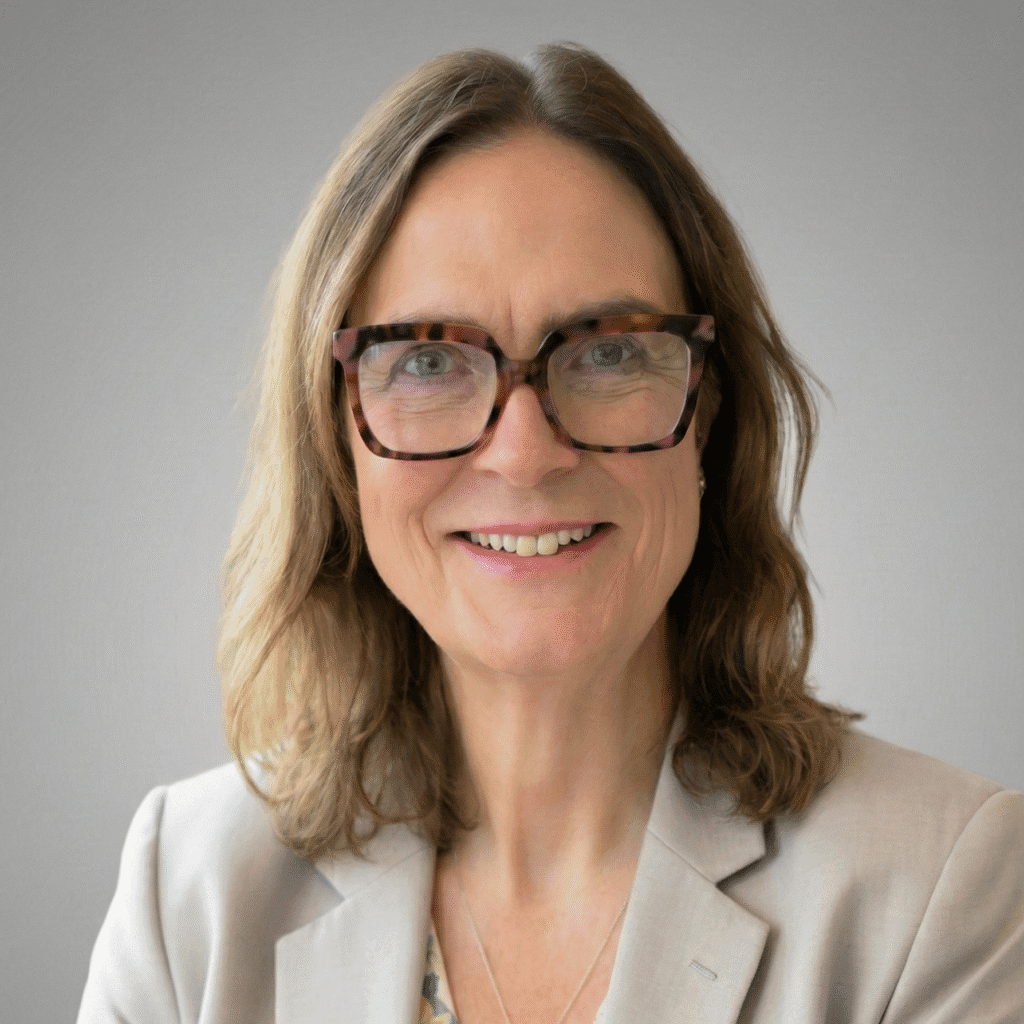
Helen Joy unravels the complexities of middle management, spotlighting the significance of emotional intelligence, empathetic leadership, and nurturing a culture of active listening and genuine curiosity to encourage a thriving team environment.
In this episode of Inclusion Bites, Joanne Lockwood speaks with Helen Joy about inclusive leadership management.
“The biggest asset in their business is their people.”
Explore
Navigate this episode
Joanne Lockwoodhost
Welcome to inclusion bites, your sanctuaryfor bold conversations that spark change. I'm Joanne Lockwood,your guide on this journey of exploration into the heart ofinclusion, belonging and societaltransformation. Ever wondered what it truly it takes to createa world where everyone not only belongs, butthrives? You're not alone. Join me aswe uncover the unseen, change the status quoand share stories that resonate deep within.Ready to dive in? Whether you're sipping your morning coffeeor winding down after a long day, let's connect,reflect and inspire action together.Don't forget, you can be part of the conversation too. Reachout to jo.Lockwood@seechangehappen.co.ukto share your insights or to join me on theshow. So adjust your earbuds and settle in.It's time to ignite the spark of inclusion withinclusion bites.And today is episode 107 with thetitle Voices Unleashed. And I have theabsolute honour and privilege to welcome Helen Joy.Helen is a management development specialist and when I asked Helen
Joanne Lockwoodhost
to describe her superpower, she said it's her ability tobuild rapport and inspire people to make small changesthat create big impacts. Hello, Helen, welcome tothe show. Hello, Joanne, and thank you so much for having me
Helen Joyguest
on this beautifully cloudy, Grey Friday. It is greatto have some sunshine in my life by spending some time with you.
Joanne Lockwoodhost
I know someone put on LinkedIn earlier. What was your idealtheme tune for the weekend? And I put, here comes thesun. And I thought then, Rob, it's a bit early in the year, we're onlyin February, but I can onlydream. Yes, it's coming. It's coming just a little bit away.So, Helen, Voices Unleashed. Tell memore. Well, in most
Helen Joyguest
organisations, there is this midlevel of managers who so oftenhave the hardest job in the business. They arefiltering messages that come down from above. They don't get to make thedecisions. The decisions are made up there in those ivory towers of Csuites, and they're cascaded down through varying layers ofmanagement. And then they come down to those mid managers who thenhave to transfer that knowledge and that changeor whatever's happening in the organisation to the people on the frontline doing the role. They then have to absorb backup all of the things that might be wrong with thatparticular choice of direction, all the issues, all thosethings. But quite often, those middle managersare never heard, they're never asked, they're never listenedto, they're never given the opportunity toactually share their knowledge and experience of what's happeningand how things can be changed and adaptedand for me, it's about making sure that those middlemanagers have the skills, the knowledge and theconfidence to use those voices, to make surethat what's happening in a business is actually forthe benefit of everybody across the business. Sothat's one side of it. It's that making sure that they're heard, but it'salso about those managers being able to create environmentswhere their teams can genuinely thrive, whereeverybody in their team has got that sense ofpsychological safety, so they know thatthey can be who they are, they can bring theirown uniqueness into that team and theyare valued exactly for that. And everybody's voice in theorganisation then gets heard, because nothing changes without allof those different perspectives. Your introtalks about challenging the status quo and that's what weneed in organisations at the moment. And the status quo isn't going tochange unless we listen to everybody, unless we get all of thosedifferent perspectives, all of those different thoughts and ideas and ways ofdoing things. So getting to hear those voices isso important. And that begins with building the confidence of those managers to be ableto push those messages back up the chain and make sure that they're listenedto. I've been a middle manager at the beginning of my career,
Joanne Lockwoodhost
probably without experience, withoutsupport. I think one of the challenges I find in organisationsis we tend to promote people who are good at theirjo, not fantastic at leading, inspiringand I'd probably use the term leader rather than manager. I alwaysbelieve that you manage staff but you lead people. So Iprefer that. I think we often promote people into thoseroles without the support, without developing them andsay because they are great at what they do and they're looking for apay rise or career development without actually putting them on the career developmentpath first, or even surround them in cottonwool in their first year to help them develop, and we seethat so often. So that's, for me, where the challenge in organisations lies isinvesting properly in that lower level, mid manager tierand without just expect them to pick it up and getting it right all thetime. That is the biggest challenge
Helen Joyguest
in organisations. There's a statistic around82% of managers are what we'recalled accidental managers. There's a Gallup stat.I'm terrible for remembering where these stats come from. I can remember the stats, cannever remember exactly who to credit them back to, but I've seen it in lotsand lots of places and it's that 82% of accidental managers, soexactly, as you say, they're great at their jobs, but that doesn'tmake them instantly great at getting the best out ofthose people. And quite often they're not. At thatpoint, they could be with the right support, with the rightdevelopment, but businesses just don't investin that. They seem to expect that people, you instantly give them that jobtitle and suddenly they're bespoked with that job title and all the skills andabilities to do that. And they invest lots and lots at senior
Helen Joyguest
level in the C suite, in executive coaching and things like that.Lots of technical organisations invest huge amounts of money in technicalskills and abilities and inductions, but they completely forgetthat the biggest asset in their business is their people. And if theirpeople aren't being led, managed,supported by people with the right skills to do that, that willalways be the blocker from any significantgrowth, productivity development for that organisation. Andyou create environments where people are not happy, and when peoplearen't happy, it impacts on every area of their life. It means that theydon't want to be there, they underperform, they eventually leave, andyou end up with this constant cycle thatjust by improving the skills and qualities of yourmanagers, people want to work with you, they want to stay there,they want to be. We've all had those managers and leadersthat we would do anything for. And when you question people aboutthat, because I always talk about that when I'm doing a management programme, we alwaysstart by talking about leadership and management and that your job title might bemanager, but you're there to lead that team. And whenever we talk about thecharacteristics of the managers that have brought the best out in you, lo andbehold, they're all the skills of leaders every time. The
Joanne Lockwoodhost
other problem I found when I was in that zone, if youlike, was I hadn't let goof my old job. I was still good at what I did. I wasa good it technician, a good electronics engineer, I was afantastic at installing servers and flying around the world and putting thisstuff in and making it happen, then suddenly I had to care andmotivate and worry about people, whereas my focus was on gettingthe job done. I didn't realise for many years that actuallymy job, my role, was actually motivating the people.And then whatever my role was other than that,was second, you come in the morning, yourmission is to deploy your team, your troops, make surethey're happy, you do your toolbox talk, do whatever you do, you brief it, youdo your agile, whatever scrum. Andthen, and only then, once you've dealt with everybody and got themmotivated, then you can step back into your techie role or yoursenior accountant role, whatever it is, and do get on the tools again.I think that's the other trouble. We promote people without letting themlet go or they don't want to let go. They didn't realise that.They thought it was just about being in charge,not having to worry about things. Well, that's it, isn't it? I'll tell you what
Helen Joyguest
to do and you'll do it. And that's that kind of shift of people. Ithink it's because people aren't given the real clarity about what theirrole involves, rather than it just be they're just told, yes, you're promoted,here's your pay rise, which everyone go, yeah, brilliant. Now I've sourced that,the rest of it will just happen. And it doesn't, because wealso motivating, driving, supporting,developing people. It's hard becauseeverybody's different and everybody takes a different tweak and a differentmotivator and a different conversation and all of those things,and suddenly we've got to think about 15 people's motivators rather than just our own.So it's so easy to drop back into the comfort zone of,as you say, on the tools or whatever that may be. Going back into thatis like, well, I feel comfortable here because I know I'm great at this, whereasthat bit is hard, so I'm going to avoid that. And all that happens isthe problems get bigger and bigger and our team get more and more disillusioned becausethey're not getting what they need, whether they've had what they need from yourpredecessor or not, they have those expectationsthat you're going to deliver those. Yeah. Another thing I learned about
Joanne Lockwoodhost
myself is that I don't enjoy managingpeople on a day to day basis. I really don't.But I do enjoy being a seniormanager, a senior leader, a director, where I have people,managers beneath me. And we can have kind of. You have shortcutconversations, don't you? You don't have to do all of the. Are you okay?Sorry. I'm not saying you don't have to do that, but you have to doit in a different way. They tend to be self starting achievers,getting on with stuff and then kind of their problem tocommunicate the plan downwards. And I think I need a level ofobfuscation or separation between me and the coalface because I really don't enjoy that.I like to see big pictures and it's often hard to translate abig picture into everyday speak when you've got people who are tooworried about where the widget goes. So I've learned that aboutmyself. I don't think that's uncommon because
Helen Joyguest
again, like you say, the bit that's difficult aboutmanaging people on a day to day basis is you are, to a degree, you'recarrying their problems in your head quite a lotbecause there are those people who are those ultimatenurturers who are just amazing at doing that one to one piece with theindividuals in their team as well as the whole bit. And they love it andthey thrive on that. But actually, I think those people are quiteunusual because I think most of us, because I'm exactly the same asyou, I spent a lot of my time talking to managers about how they dothat, get the most out of doing that day to day bit. But I knowfor a fact I'm much better when I've got that separation. I can justgo, okay, right, well, this is where we need to get to your job isto get them there, because that's me beingable to go, right. You deal with the really hard bit and I'll dothe forward thinking bit and not thetactics bit, but you kind of go off and actually do thosedealing with 810 people's issues because, andI know there's getting older as well. The older I get, the less kind ofpatience of sometimes, but it's hard.
Joanne Lockwoodhost
It is. You've got three people want holiday at the same time. You gotto have the same old argument at Christmas about who gets the three days off,who has to come in. They're all no winconversations. You got to try and deliver the badnews in the best way possible to people. And it is. It's exhaustingmanaging people. And I don't thinkanybody does it with ease. There's always a challengethere. People are different every day, aren't they? Yeah. And you think
Helen Joyguest
the way that workplaces are these days in terms of hybrid workingas well, when you could go in and you were physically with your team everyday, it was easier to spot instantly if somebody wasn't quite themselves,because within half an hour you could usually tell if someone was in a badmood, someone was in a bit down or something like that. And Ithink for managers who had really good, strongrelationships with their team, shifting to hybrid has been easier than people thatdidn't. Because again, with people working at home,it's easy to put a brave face on for 20 minutes whileyou're on a call with your boss and then turn off andcrumble in a way that you couldn't do when you're in the office. You eitherhad to maintain that facade for the whole day, which is really hard,or somebody would spot it. And I think a lot offrustrations and challenges and issues that people are dealing with gotspotted a lot quicker than they do now becausemanagers more stressed, they're busier, they're havingto take all the skills that maybe they weren't always great atin the office and apply them in a completely different setup ina way that they don't always know how to manage.And some organisations do it really well,most don't. And I think where the ones thatdo are the ones that support their managers to learn theskills to manage remotely, because obviously, likeyou say, when you were in your old job, you were flying around all overthe place and doing stuff like. So you got used tobeing remote and lots of people have got that knowledge and experience, but also alot of people haven't. And I'd be so interesting, when you wereflying around and being remote and doing all that stuff, how were you managedat that point and how did that work for you? I was kind
Joanne Lockwoodhost
of empowered with the project, so I would betouching base user management to be touching base. That's abit you're. If you'rein Hong Kong, Singapore, La,San Diego, then you've got eight hour time differences. You can't sitand say, I can't do anything until people come in because your day is goneand their days started sort of thing. So you had a level of empowerment.You get on the plane and all you would do is chequein on a regular basis. This is back in the preemail, you weren't texting each other. This was a phone call. It hadto be a phone call. And so it was a phone call, just notnecessarily every day. Every time there's a situation or a problem, butalso we were hooking stuff up betweenthem and the UK and so sometimes there was conversations happeninganyway, but very often, and I was going to talk about this, it's about thisasynchronous form of management where we look at theevolution of email. We started that, so we ping an email off, can youdo this? Someone reads the email, does something and says, that's done.Or can you clarify? That's not an interactive conversation or synchronousasynchronous. And now with teams with SlackWhatsApp, all these sort of messaging tools, we're now far morecomfortable having one liner asynchronous conversations to firepeople off. And that's, again, a different management style. If you needme, call me. If you don't get on. I thinkthat's how it was for me. It was empowerment andresponsibility, knowing. And I knew myself whatI had to achieve by the end of the week because the flight is bookedon Friday and I have to be on it sort of thing. Write a veryclear project plan, get in, do this, do this, do this, getout. And if it was going badly, then I'd have to report that quickly becauseI'd need someone to change my flight and push back the next schedule. So, yeah,I think it was empowerment, trust and personalresponsibility to communicate back. And I think know if you think about Daniel
Helen Joyguest
Pink's model for motivation, where it's autonomy,mastery and purpose. And so for you there, that autonomywas a great way of making sure, like you say, you've gotthose boundaries and those parameters that you've got to deliver in andyou know that you're trusted and that you're valued and that you can deliver thatand that you've got support if you need it. And I think where we arenow, I think, like you say, with the advance of technology, thereis almost for someone that just feel like they have to be checking in allthe time and they feel like that's their job. And actually it's the complete oppositeof what we need as humans in terms of being able to havethat desire to deliver and to do our very bestat something because we're constantly being kind of micromanaged.I did some work with a client earlier this year when we were talkingabout time management and prioritisation, andwe talked about how they communicate and they had 15 differentmethods of communication and it was chaosbecause everybody was using something different andgetting frustrated that everyone was. So we ended up. They put together a communication charterof how they would communicate, when they would communicate, which method they'd use forwhichever purpose, and which ones they were just going to bin. As a business,they're clearly not going to stop people using them from their private lives. But as
Helen Joyguest
a business, this is how we communicate. And it's then down to you totalk to your manager about how often you need that and for your manager tostart to and work out how you develop that trust,because it can feel, I don't know if you've ever had it. I've had itsometimes with clients where you're kind of working on something and they're constantly kind of,what about this? What about that. What about the other? And it's like, justabsolutely want you to be involved. But let me get to thispoint first, and then we'll talk about it and then discuss anything. We'retoo easily accessible now. But also, it's too easy toavoid all of those interactions if you want to, which is the other endof it sometimes for managers, which is that we don't know if there'sa problem sometimes until it's too late, because it's easy for people tohide if they want to. Yeah. And I think sometimes
Joanne Lockwoodhost
when you talked earlier about the cascading down andwhat can happen is in that cascade,the critical parts of the information or the plan aren't alwayspassed down as well. You're given this precywhere people at the top know exactly what the long term goal is, butby the time it gets down to the person at the bottom, it just says,step forward. It doesn't say why or how or what the purpose of stepping forwardis. And I remember doing a leadership development training with Hoskins atthe time. This was late 80s, early ninety s. And Iremember we were given a task to leadour team to build a bridge between two desks. And sowe were given a bit of information. We said, okay, team, we need you tobuild a desk with this box of Lego or Meccano over. Across thisdesk. And some of the people built this really nicerope bridge, this swing thing. And then people didthis and they did that. And then we,as sort of like the leaders, got this next bit of information. We need tobe able to drive a car over that bridge. So we had to go backto them and say, right, okay, the plans changed, the goalposts changed it. We actuallyneed to. So you need to take down the rope bridge. Now it is drivea car over it. Anyway, this carried on, carried on, carried on. And the finalthing we found out was the bridge is actually over somewater and boats go under the bridge and sometimes the bridgeneeds to lift up in order to get the boat under it. Of course, noneof the designs catered for that part of the plan. So it's all aboutrecognising as leaders, we need to communicate thegoal and buy people into the shared success of theproject and the outcome, not think, oh, I can't trust them with this justyet, because that'll blow their minds. And then we protect peopleand that ends up with this communication gap.
Helen Joyguest
Absolutely. And I do stuff around changemanagement and using ad car tothe ad car model that some people may or may not have heard of, isreally simple, it's really easy, and it's just five steps that takeyou from awareness through toreinforcement. And it's all about communication, it'sall about right up at the beginning. The more you communicate with people, the moreyou tell them and give them and share with them, the more awarethey are, the more likely they are to engage with that. But there's thisthinking, I don't know what happens as people get further and further up thetree. I'm using my hands. Nobody else can see this, can they?That people kind of lose the ability to see people'scapability further down the line. And actually, the more youcommunicate and share pre change, the moredifferent perspectives you get inside. And the morepeople you get talking about what that might look like and what theimpact can be, the more chance there is of that being something that actually isgoing to work. Because when decisions are made completely in abubble about, based on statistics, spreadsheets,data with no thought orconsideration put into the reality behind thefigures that are spewed out of whichever software, it'snever going to be something that can be delivered, that there will alwaysbe better ways to do, better ways to add. But we just don't, as organisations,we so often just don't. Like you say, we're too scared of frighteningpeople, when actually the more people hear rumours about what'sgoing on without any consolidation of those rumours, the worsethe fears. And there's a word, but my menopausal brain can't thinkof it. The conjecture. It's not conjecture, but it's that kind ofthing. But the worse it gets. And Ithink the day that big organisations recognise thatchange can be done in a different way, they'll be so muchsmoother, so much easier. No wonder there's such a massivechange or industry in people coming in and consulting onthis, because just being honest and open with people,people are far more capable than they're given credit for.
Joanne Lockwoodhost
And they want to be trusted, they want to be able to take responsibility, theywant to be able to bring some of their own creativity. And I appreciate we'vegot. There's lots of psychological models about type x andtype Y people, or whatever it is, and some people like to begiven a task with very tight bounds and said, do this,put screw a into hole b, do it andrepeat. Some people are artisans, some people are artists, some peopleare technicians and creative and they wantparameters, not straitjackets. And it's recognising as aleader. The different management styles you have to adopt with different peopleto get the best out of them. And some people are high maintenanceand some people are low maintenance and some people reactdifferently. I know if you don't give someone a tight boundary,they'll break down and go, I don't know what's expected. I can't handle this. Idon't know what's expected of me. Other people over manage, they rebel and go, hangon a minute, I know what I'm doing. And you end up having to diffusethese conflicts. And I think that's the biggest challenge as a leader is recognising thatpeople are different and really are different and surprise you.
Helen Joyguest
Yeah. As a manager or a leader,the time that you invest in getting to know andunderstanding your people and having theawareness that go into those conversations without an agenda,just go in and sit down and get to know them as people, asindividuals and not as their job title,but just sitting down and saying, right, I'm your new manager.Tell me about yourself, tell me about you, tell me about what you enjoy,tell me about what you don't enjoy, tell me about what you want to domore of, tell me what your plans, what do you want? And some people don'twant to share that stuff in work. They don't want to share anything beyond, I'mhere to do my job and I want to just do my job and gohome and that's fine. Butyou don't just make that assumption about everybody and ask the questionsand over time, even those kind of quite tightly boundpeople will ease off and relax when they appreciate that you're doing itfrom a point of genuine interest and genuineconcern for them as an individual, because you've got to. Yeah.If you can recognise what each of your team want andneed to be their very, very best, and if you've got theskills and the ability to have those conversations,then you're making your job so much easier. I think peoplemanage, especially new managers, get really, really caught up on the idea that they've gotto be fair. And what they mean by fair is they've
Helen Joyguest
got to treat everybody exactly the same. Because I remember when I got my firstmanagement role and that's basically what I was told, you treat everybodyexactly the same. And how I treated people got greatresults from some people, didn't get great results from others because they neededeither more nurturing or more freedom, but becauseI'd been set this blinkered focus,it took me years to recognise that, oh, if I just give them that andgive that. And I kind of started doing it under the table. It was abit kind of like, okay, come here, we'll treat you. But then thatcreates unfairness in itself because you're doing itsecretly, so people perceive it as favourites and things like that.But if you've got a culture where you back to recognisingthe uniqueness that everyone brings and the strength that thatbrings, but that needs to be coaxed out of different people in different ways,but you've got to know that, you've got to have that across the board. Youcan't just. I don't know about you, I've worked in organisationswhere there'd be one department or one function whereit was amazing and everyone had a wonderful experience of working for that organisation.But different parts of the business, if you spoke to people there, they hated it,they had a terrible experience. And it's all down to the leadership, it's downto the cultures that are created and the way that theytreat and value and respect their individuals. And that's the differencebetween those two. You're in the same organisation, sameoutputs, but completely different experience of being there. And the same can happen with
Joanne Lockwoodhost
customer service. I can make a telephone call and have a wonderfulexperience dealing with that wonderful human being. I can phone up another timeand there's a miscommunication, there's no lack of listening or whatever it maybe. And I have a terrible experience with that same organisation. Yeah, I'mpretty sure. I'm pretty confident the organisation I'm dealing with wants me to have afantastic experience. Just sometimes it goes wrong andit's often down to that human to human interfacewhere it goes wrong, a lack of whatever it may be.You mentioned earlier the phrase psychological safety, which is kindof a buzzy thing where everyone's talking aboutit's one step forward from bring your whole self to work, isn't it? It's kindof that bring your whole self to work and sub.What does it mean to you in context, what you're just saying?
Helen Joyguest
Yeah, I can talk about psychological safety for about18 years. So right back in the early daysof Amy Edmondson coming out there and talking about this, because it reallyresonated with me as a person and how I believemanagers and leaders should be in the workplace. And for me itis about creating an environment where everybody inyour team is treated equally, isrespected, is valued, is able to bring theirvery, very unique version of themselves and theirperspectives into work every single day withno fear or concern aroundjudgement, around fear of failure, aroundbeing judged. I was recording a video on this yesterday. She got to rattle thisoff the top of my head, shouldn't I? These fundamentals, learner safety,
Joanne Lockwoodhost
creativity, all those kind of things. Those things. So, yeah, the learner safety, the inclusion
Helen Joyguest
safety, the challenger safety, the contributor safety. So all of those bits whereyou can come to work and you can be yourself. Absolutely. But thateverybody around you is in exactly the same place and there is no judgement, thereis no fear of failure. The whole thing, when you doworkshops and training, there's no such thing as a stupid question, there really isn't. It'sthat sense of creating an environment where stuffhappens and it's fine because we learn from it and we move onand we keep going forward. But everybodyis valued for who they are and what theybring. And that for me is massive. One of the challenges
Joanne Lockwoodhost
I find is that when you are that mid level manager or maybea supervisor or team lead, you're very focused on these things aroundyour team because you're that human to human contact. I think the higher up theorganisation to go in that there is less tolerance of failure,less tolerance. You almost have expect to have thisrobust adult conversation with someone, say, I'm going to tell you like it is,and I don't care about your feelings, I just want to say, you need todo this, you need to do that. So I think higher up there's less psychologicalsafety. And of course, as you go down, youtend to bring, you repeat what you've been given. So if you've beengiven fear and bullying or victimisation orblame, all this kind of blame culture stuff, it takes a really strong person inthe middle there to be able to put a fire break in and says,okay, I'll take the arrows in the chest, my team, myresponsibility, and then I come and have a chat with my team and say,okay, this is how we need to work all this together, thisis how we can solve these problems. What are the challenges we're facing?How do I push back? Because theCEO just wants the share price to go up.
Helen Joyguest
And that to me, is kind of what's wrong with capitalism theway it is at the moment. I mean, that's a whole other thing, isn't it?We could go on to that for hours. But it is that you'reabsolutely right. The humanity seems to be stripped out the further people go,because I think you're right, that it's their experience of, I'm now inthis role this is how I'm expected to behave. AndI think, for me, one of the biggestexamples recently was the ferry company.I can't remember which one it was with the ferry company. They just sackedso many people. Oh, yeah. Pno. They laid off all of
Joanne Lockwoodhost
their low paid workers or something, didn't they? Yeah. And that
Helen Joyguest
was a decision. And when you kind of looked into theownership structure of the business and how it kind of. The peoplemaking those decisions were so far removed from theindividuals who lost their jobs, it really is just a caseof they are numbers on a spreadsheet and they're numbers on a spreadsheet. Ina spreadsheet. In a spreadsheet, in a spreadsheet. So they haveabsolutely no connection on a humanlevel at all. And my view, that can'tbe right. No, but isn't that the whole challenge
Joanne Lockwoodhost
around Edi? Discrimination, bullying, victimisation.It's where people start using dehumanising language. And ifI describe you as not in the human way, then I coulddo what I like to you, because I don't see you as a human. Sowe invent these dehumanising words and we can do the same with our corporatespreadsheet. We don't see people, we see numbers. TheRwanda policy, for example, we're just seeing a boatload of immigrants, aboatload of people, people who are costing us money.Therefore we see numbers on a spreadsheet. Therefore those numbers need to be sortedwith another spreadsheet. I think that's what happens withgenocide and cleansing and all this kind of stuff is whereyou don't see people as human beings anymore. No, and I
Helen Joyguest
think that the mainstream media. I saw something the otherday that was saying that the amount of people readingmainstream media has dropped massively. Although whenyou see where they're getting the news from, I'm not totally sure whether that's agood thing or a bad thing. People are making up their
Joanne Lockwoodhost
own mainstream media now. Viral on wackytheories, isn't it? The media, over the last
Helen Joyguest
510 years, the whole world seemsso polarised and that you're either you're this or you're that.There's no grey anymore. People just kind of. But it'sbizarre, isn't it? Because you see this, and this is social media, this ismainstream media, but day to day interactions with the peoplearound you are not like that for most people,that most people interact withmost other people in a predominantly positive way.Or maybe I'm still an idealist that likes to believe thathumanity is still 95% positive.
Joanne Lockwoodhost
I don't know if you've read humankind by Ruka Bregman.He's also the author of Utopia for Realists. I've mentioned several times in thispodcast series. But yeah, I'm a great fan of Ruka's outlook on life andhow he sees people. But yeah, humankind. He proposesand supposes that humans, by their very nature aregood and kind and people generally, most people,don't wake up to be evil or nasty or horribleor discriminatory or anything like this. Some of their behaviour islearnt and they can be perceived as that, butgenuinely they believe they're doing right, being kind.There's a difference between intent and impact sometimes. And it's a very interesting book. And
Joanne Lockwoodhost
he talks a lot about the psychology of warfare and how theybelieve they could destroy people by carpet bombing and bombing and bombing and bombingand believing the civilization become demoralised.And actually the opposite occurs, as we've seen in Ukraine.The Russians haven't destroyed the will and the backbone ofUkraine. What they've done is they strengthened it. And that's what happened when in theSecond World War, we were bombed, we had the Blitz spirit andthen we did the same in Germany and carpet bombed residentsin other places. It didn't destroy anybody, it just made them more resolute.So this old mantras of warfare and human psychology,we've got to step back from these. I think we can take a lot aboutthis in the workplace. Have faith in people, in theirhumanity, treat people as people, recognise them as humanbeings and they will behave as human beings. If you treat somebody in a negativeway or a disrespectful way, they'll learn that behaviour and they'llrespond in that way as well.
Helen Joyguest
For managers, it's just that bit of recognising thatwhen you've got conflict in your team as a manager, the first time that happens,it's terrifying because you don't know how to deal with it. For most people, youkind of sit and look at these two people that are just not getting onand you're just like, oh, my God, I've got to deal with. That's my problemnow. I've got to deal with that. But actually, if yougo into those conversations and again, back to that, no agenda, butjust go in with genuine curiosity to find out, right, what's theproblem? You tell me what the problem is right now. You tell me what theproblem is now. Let's work out, because actually theproblem is often just a misperception, it'sa mixed message, it's a lack of understandingof something that's happened at some point in there. And once you can actually sitdown and take the emotion out of it and just sit people down and go,right, let's talk about it. But as a manager, that's one of the most
Helen Joyguest
terrifying things to do, because your expectation is you're going toget yourself in the middle of this and everyone's going to start screaming and shoutingand it's all going to be your fault all of a sudden. But actually recognisinghow to deescalate things is such apowerful thing to do. And the more what you'rethen doing is exactly that is taking them back and going, right, this is justanother person who's trying to do their best in thissituation, in these circumstances. And that's why sometimesmiscommunications in organisations. I say, when that cascading comes down,people hear rumours, they hearsometimes what they want to hear or what they don't want to hear. And thatcauses fear, which when we're afraid, quite often wepush out because we're frightened and it's getting beyondthat. But it's, again, the managers having the skill to understand that thisbehaviour isn't that person's normal default. So if they'reacting out of their normal parameters of behaviour,what's going on? What's the problem? And being able tohave the confidence to go into that conversation, and that's one thing our managerslack massively. Yeah, I think I learned a lot
Joanne Lockwoodhost
about humanity and humans having children. I thinkanyone who's suddenly found themselves with a two year oldlaying on the floor in Marks and Spencer's, pummeling the floor with their fists, saying,I don't want to, I'm not going to, or whatever it is, and you endup having to pick them up, stick them over your shoulder and watch everybody aroundyou judge you for a. Your child's behaviour and yourreaction to it. You'll go, nothing to see here, just another twoyear old. So some of the people just go, I feel for you, butsometimes as a manager, you do have togive some parental or pastoral guidance, which mayactually be out of your own comfort zone. We'resupposing that managers are good at all of this. They're not, are they?
Helen Joyguest
No. Especially in more technicalorganisations, where peopleare employed for their technical skills and abilities, andthat's the way that their brains work, that's the waythat they compute the world around them. Isvery logical,strict parameters. And then when you start throwing emotions andthings in there, that can be really hard for people in thoseorganisations. And we do, we just make this assumption that they're goingto be able to deal with it. And until we provide them with the skillsto do that, and not everybody wants to do it. I used torun, it's one of the things I'm still really passionate about is thepreskilling. So doing leadership academies, whereyou're getting those managers before they're promoted and you're saying, these are the skills you'regoing to need. And when I first did these 20 years
Helen Joyguest
ago, we would take a group every year of 2024people and by the end of that year, half of them would have beenpromoted. Probably six of them would have turned around and said,I absolutely never, ever want to go down that route in my life becauseI have not got the tolerance, the patience, the desire tobe in that role. But for us that was a win because we could sitdown with them and go, right, that's great, we know that now. So we're notgoing to put you into that position and watch you fail. We're going to go,this is your career path then, and these are the people that we'll bring into do that pastoral piece for you. Do you find it in. I mean, Iwas talking to a solicitor recently about the factthat lawyers make some of the worst managers in theworld and it perpetuates, like we said earlier, the behaviours, youcontinue the behaviours that you've seen and they are just. Because they arejust trained from the moment they set foot in anorganisation. It's about billing, it's about revenue, it's about getting the job done for theclient and that's it. So then you start to bring people in and start tolook at the softer side of things and itis such a struggle for so many of them. I read an article
Joanne Lockwoodhost
recently about surgeons in thehealthcare sector and they were saying that the bestsurgeons and consultants are the ones that have the worst bedsidemanner because they need to stay detached andobjective. And as soon as you have a better bedsidemanner, you become invested in that person and you can't make objectivedecisions. So they're actually saying you actually want a search ora consultant who has no bedside manner because he's likely, or she'slikely to be far more efficient at doing the rightthing for you. I've read something, I don't know if it was the same article,
Helen Joyguest
but there was a doctor who said we cut people up? You can'tbe emotionally attached to someone you're about to slice into. And that waslike, I never, ever considered that before. Like, saywe complain about doctors and surgeons not having a good bedside manner, but actually,yeah, I'm with that one now.
Joanne Lockwoodhost
Yeah. As trouble is, when you have a lot of empathy andcompassion yourself and a bit of high EQ,you see people as being grumpy, dismissive,nasty, horrible, when really they're just being clinicaland efficient. We want people, everyone, to be kind of touchy,feedy, warm and cuddly, but actually they're not. I think you got to get overthat as well. I've learned my own communicationstyle changes when I'm stressed under pressure, busyunder things. I know that I could become cold, grumpy, all these kindof things. I'm sure most of us can if we're under pressure. So it's havingthe EQ or the emotional intelligence to be able to recognise that and be selfaware and step back and go, actually, give me 5 minutes,let me focus myself, centre myself and I'll be ready for that conversation. Butjust, if you come to me now, I'm prickly. I know it, I'm sorry.
Helen Joyguest
Yeah, I'm exactly the same, actually, in thatmy natural default is I'm the person at the front of a training roombouncing around and teasing and energising and getting everybody where they need to beto get in the way. And there's some people in the room that I haveto be very conscious, that I've got to rein myself in for you because you'rejust looking at night, oh, dear God. But then under pressure, I canbe very. I just want to get stuff done. And I used to, like yousay, I used to say to my team, I know I'm goingto get really crossed in a minute, so can you just let me deal withthis and then we'll deal with that. Didn't always do that the very firsttime. I may have shouted and got a bit grumpy for a couple of years,but learned in the end. But that's the basis
Joanne Lockwoodhost
of EQ and emotional intelligence and it is that self awareness piece. Unlessyou actually look in the mirror or if someone has the courage to tellyou in those appraisals and 360 feedbacks and those sessionsyou have, if people keep shying away fromthe constructive feedback and you're doing all right, you're doing allright. But if someone actually said, did you know, in a constructive way, yougo really? I never knew that about myself. I did a very interesting exercise afew years ago when I was just starting out my own. I wrote to everybodyI knew and just said, look, I'd just like to know how I come across.Come up with some words that you could use to describe me. And it wasreally interesting just to get their feedback on how people perceive me, both as ahuman being and in what I did. So there's a separation between, if you thinkabout disprofiling, it's always your natural self and your businessself, if you like. And it's good to reflect on how people perceiveme and how much alignment there was between how I thoughtI was perceived and I was actually perceived. And I thought that was really positive.There's a few things that people went this out there. I'll go, actually, Iknow that you're not surprising me there, so there's nothing surprising. Butpeople did notice that I can be a bit grumpy and a bit kindof sometimes. Yeah. But it's a good exercise,I think. I reckon everyone should give it a go if they trust theirfriends. Or you soon find out who you can
Helen Joyguest
trust. Yeah. It's like going to toastmasters,
Joanne Lockwoodhost
having a speech evaluation. You have to trust the people in the room that aregoing to be objective and not just go, I didn't like it. I was going
Helen Joyguest
to say, but you answered the question. Did you get any feedback thatsurprised you? What was the most surprising thing thatpeople. I think people. I
Joanne Lockwoodhost
was pleasantly surprised that most. Quite afew people described me as very generous with my time andwilling to help people thatI probably hadn't seen in myself. It was just something I did. Andmy wife, Marie, she always says that I'm an extremelygenerous person, not just money, but justin what I will give. And that has a downside, is it end up cuttingme into multiple little slices and I end up giving too much of myself awaysometimes. But diversity of spirit, I think, was one of the things that I reallywarmed to. And I thought, I'd never thought of that before. But no, thankyou. I'll put that in my box. I'll keep that. Yeah,it's interesting. That's interesting. That's one of the first things I noticed about you when
Helen Joyguest
I first met you and the generosityof the time that you give to people within the PSAand supporting people there. And just, you're the firstperson to kind of support and offer suggestions andrecommendations. And I come away from most of the meetings witha little note of must go do that. Thank you very much. That's a greatidea. I'll go and do that. I
Joanne Lockwoodhost
think sometimes when we're given feedback, I always think that the first question orthe best question is, how do you think you did? BecauseI need to know how you think you did, because actuallyit's not about me. I can give you my perspective, my opinion, myview, but really what I'm looking for is how did you think you did?And then that's the basis of a conversation. Because if you think you did amazing,I can take a different tact to if you thought you did badly, I couldtailor the feedback to now, you weren't that bad. No, there's a few things thatyou could have improved on. There's a few things you did really well and focuson those areas, whereas if you think you did really well, then it's harderto be a little bit negative. So you got to build up the positive stuffand then think, actually would be better. If I think just havingthat first question, how do you think you did? What do you think you couldhave done better? I recorded the podcast on the other day, and Italked about rubber ducking, and it's all about this concept whereinstead of coming to me and asking for my opinion,you talk to a rubber duck that's on a shelf somewhere, and you have theconversation with an inanimate object. And often speaking out loudand hearing yourself, analysing something is enough for your brain to thenreinterpret. It's got to go through that cycle of brain, mouth,ears, and that helps you solve problems. Andsometimes asking somebody just to listen and shrugtheir shoulders occasionally is all you need. So I think getting someone to say howthey think they felt and then how do you feel about that? How do youfeel about that? Allows them to bring out some of the anxiety or some ofthe challenges or the bits they're proud of that you can then validate.So, actually, this brings me back to something you said right at thebeginning, and as we've woven through this recording is the artof listening, and we often want to fix.Not here. I want to solve your problem. I want to tell you what todo. Actually, sometimes what you just need is space to gather yourthoughts. Absolutely. I'll
Helen Joyguest
do exercises with managers around listening because we'll say to them, where's the lasttime you had a good listening to? Because we don't oftenwe have conversations, but like you said, the other person is always waiting to jumpin with their solutions and their ideas and they're trying to be helpful, they're notbeing difficult or anything, they want to help,but it's getting them. When we talk about coaching and gettingmanagers to ask questions and listenand to not think about generating the next question until that person stoppedtalking and allowing pauses, because how often do wewait that somebody stops and we're straight in? And actuallythey're just coming to the really juicy bit becauseexactly I said that brain process is going blah, blah, blah. That's the first bit.Oh, actually this is the issue.Managers don't because they feel like their job is to go straight intoproblem solving, into fixing, but recognising that.Using coaching is actually giving people that opportunity tolearn and develop and grow. And every time you give them a solution, you'reactually preventing them from growing and developing.But it's hard to just listen.I have to physically do that sometimes I'm sitting there like that because I'mlike focus and I know it's not one ofmy strengths, so I have to work really hard at it. Yeah, I run
Joanne Lockwoodhost
some training courses and one thing I have the right at the beginning is alistening exercise and each person's put into a breakout orgoes off and finds a space, just two people, and they have tosay, tell me how it feels to be, or tell me what it feelslike to something like that. And then they have to talk for 5 minutes andthe other person, all they're allowed to do is, and if they freeze,you say thank you, please tell me what it's like. And all they have todo is restart the conversation. And I found when I've done thatexercise is that you start very superficial, thatveneer of feeling, and then every time you go round the cycle, you godeeper and deeper and deeper and deeper and deeper and then you uncoverthings that you never even thought of. And that's the power of the rubber ducking,if you like, or having no one trying to fix you or solve yourproblem, allowing you to really get down to what it really means. And I guessin the coaching model that's what you're trying to do as well. You're trying totake people from a five to an eight, from an eight to a ten, andwhat do they need to do to get there? Yeah, and managers
Helen Joyguest
really struggle with that. They really struggle to let people come up with theirown solutions because it's not their solution and it will probablynever be their solution because that person's got a different way of doing thingsand having to let go because they feel that accountability of that itneeds to look exactly like that. So they try and steerconversations, whereas actually listening properly and askingthe right question. And like you say, going deeper and deeper.And it can take time to build the relationships so people feel confident to letyou go deeper. But that's thebeauty of having a coaching approach within your team anyway,is that the more they get used to you asking questions, the morethey get used to thinking for themselves and the more open, the more honest thatthey actually become. It's the old school management style of walking to a
Joanne Lockwoodhost
meeting saying, this is the problem and this is how I think we should solveit. What do you think? Everyone goes, okay, that's whatyou want to do. Whereas the enlightened manager will say,we've got this big issue, I'm looking for ideas. Anyone got any thoughts?And then working the room to get those thoughts out and then trying to summarisethem at the end going, does that make sense for everybody? They go, yeah, that'swhat we said. Because they're all excited, because they're all participated.
Helen Joyguest
And we go straight to solutions as well. We don't spend anywherenear enough time actually talking about theproblem and finding out the absolute solution to the problem. So quite oftenwe're problem solving something that's just a symptom ofthe problem rather than the problem itself as well. Yeah, rather than
Joanne Lockwoodhost
fix the root cause, we're trying to fix the problem, if you like. And wedo that a lot in health care and other things. The government's nowrealising if they can stop people getting to this point,then they'll never have to spend more money later to resolve that. So if wecan stop people smoking, stop people getting heart disease, stop people beingunhealthy, if people are starting to get. They lose their eyesight,it's better to give them an eye operation immediately, find it, rather thanput them on a waiting list for six months. And then they get. Then youend disability benefits that people can't see, they can't work. So, yeah, it's thepreemptive strike. And looking at root cause, I think, is the be there.And it's getting people around the table to start looking at those root causesrather than just the solution, the preventative element. Yeah, but
Helen Joyguest
again, that takes time and that's something that certainly in a lot oforganisations at the moment, where there's a lot of pressure to get resultsimmediately, then people aren't given the time to do that, unfortunately, whichcan, but causes exactly those same problems further down theline. So I think, just to summarise what we've talked
Joanne Lockwoodhost
about, being a mid manager is a really tough job, isn't it?You're under supported, undertrained,you're the conduit of the brown stuff that flows from the top and you'reexpected to hand it out to everybody beneath you. Andthen you are in equipped when people react in a way thatyou weren't expecting as well. So, yeah, middle managers, I think we needto give them a gold star for being there, hanging inthere. Absolutely. Helen, it's been fantastic. I've really enjoyed this
Joanne Lockwoodhost
conversation, and I know I said this right at the belonging in the greenroom, that I would tell you that I'd enjoy the conversation and I could talkto you all day and I could. And I look forward to meeting up withyou again at another professional speaking association eventsomewhere around the country, somewhere in the near future, because it's been absolutelyinspiring and thank you for your time. So, how can people get hold of youif they'd like to chat more? Oh, lovely. Well, yes. So, thank you, Joe.
Helen Joyguest
It's been absolutely fantastic. Again. Yes. We could go on for hours, really could. Icould talk about this for bites. So, best places to find me. So,website is www. Dot. Do you even say that these days,people,LinkedIn is where I can be found most days. Those are thetwo places that I'm around. I'm not great on other social media,but, yeah, LinkedIn is always a great place. Fantastic. And I'll make sure we
Joanne Lockwoodhost
put all of those details in the show notes for people to connect with you.So, Helen, thank you very much. Thank you.As we bring this conversation to a close, I want toexpress my deepest gratitude to you, our listener, forlending your ear and heart to the cause ofinclusion. If today's discussion struck a chord,consider subscribing to inclusion bites and become partof our ever growing community, driving real change.Share this journey with friends, family and colleagues. Let's amplifythe voices that matter. Got thoughts,stories or a vision to share? I'm all ears.Reach out tojo.Lockwood@seechangehappen.co.ukAnd let's make your voice heard. Until next time, thisis Joanne Lockwood signing off with a promise to returnwith more enriching narratives that challenge,inspire and unite us all. Here's to fostering a moreinclusive world, one episode at a time. Catch you on the nextbite.
Embracing Individuality in Team ManagementThe Art of Listening and Feedback in LeadershipMotivating Teams with Autonomy, Mastery, and Purpose
Joanne Lockwood is joined by management development specialist Helen Joy to explore why middle managers often have one of the toughest roles in an organisation: translating decisions made “above” into day-to-day reality, while also trying to feed insights and concerns back up the chain.
Together they unpack what helps managers create teams where people can thrive—especially through psychological safety, better listening, and coaching-style conversations that resist the urge to jump straight into fixing. They discuss the difference between treating people “the same” and leading fairly by tailoring support to individual needs, and the importance of clarity and communication during change.
The conversation also looks at modern working patterns and technology: hybrid work, asynchronous communication, the risks of micromanagement, and how trust and autonomy can improve motivation. Joanne and Helen reflect on self-awareness, feedback, and emotional intelligence under pressure, finishing with a call to better support and develop managers before (and as) they step into leadership roles.
“Well, in most organisations, there is this mid level of managers who so often have the hardest job in the business. They are filtering messages that come down from above. They don't get to make the decisions. The decisions are made up there in those ivory towers of C suites, and they're cascaded down through varying layers of management.”
“Lots of technical organisations invest huge amounts of money in technical skills and abilities and inductions, but they completely forget that the biggest asset in their business is their people.”
“I don't think that's uncommon because again, like you say, the bit that's difficult about managing people on a day to day basis is you are, to a degree, you're carrying their problems in your head quite a lot.”
“And I think for managers who had really good, strong relationships with their team, shifting to hybrid has been easier than people that didn't. Because again, with people working at home, it's easy to put a brave face on for 20 minutes while you're on a call with your boss and then turn off and crumble in a way that you couldn't do when you're in the office.”
“As a manager or a leader, the time that you invest in getting to know and understanding your people and having the awareness that go into those conversations without an agenda, just go in and sit down and get to know them as people, as individuals and not as their job title, but just sitting down and saying, right, I'm your new manager. Tell me about yourself, tell me about you, tell me about what you enjoy, tell me about what you don't enjoy, tell me about what you want to do more of, tell me what your plans, what do you want?”
“And how I treated people got great results from some people, didn't get great results from others because they needed either more nurturing or more freedom, but because I'd been set this blinkered focus, it took me years to recognise that, oh, if I just give them that and give that.”
“Probably six of them would have turned around and said, I absolutely never, ever want to go down that route in my life because I have not got the tolerance, the patience, the desire to be in that role.”
“When we talk about coaching and getting managers to ask questions and listen and to not think about generating the next question until that person stopped talking and allowing pauses.”
The misconception of treating all team members the same and the outcomes it yields.
Cultivating a workplace culture of psychological safety, respect, and value for all.
The dehumanizing effects of corporate decision-making and media polarization.
The significance of self-awareness and reflection in receiving and giving feedback.
Strategies for managers to enhance their listening abilities and the challenges presented by a rush to problem-solving.
Reflection on the inherently good nature of humankind and the learning required to manage conflict.
The challenges middle managers face, including lack of voice and support, and the consequential impact on their teams.
One thing to remember
The primary takeaway from the "Voices Unleashed" episode with Helen Joy is the profound understanding of the nuanced challenges in leadership and management. The discussion zeroes in on the essentiality of embracing individuality, fostering psychological safety, and developing active listening skills for managers. The conversation also underscores the importance of emotional intelligence and communication in creating a positive workplace where teams can thrive and conflict is managed with genuine curiosity.
Questions this episode helps answer
How can managers effectively recognize and foster the unique strengths of individual team members without falling into the trap of treating everyone the same?
Can you share strategies for creating psychological safety within teams, particularly in high-pressure environments?
In what ways can organizations mitigate the dehumanizing effects of corporate decision-making and encourage a more inclusive culture?
How can leaders develop self-awareness and constructively use feedback to improve their management style?
Why is it important for managers to ask team members for their self-assessment before providing their own feedback during reviews?
What exercises can help managers improve their listening skills and resist the urge to immediately jump to problem-solving?
Explore topics
Ideas from this episode
Embracing Individuality in Team Management
In a captivating conversation I had with the ever-insightful Helen Joy, we delved into the nuances of individuality within team management. As someone deeply passionate about creating a workplace where everyone can thrive, the discussion centred around the imperative of tailoring managerial approaches to the unique strengths and quirks of each team member.
The Art of Listening and Feedback in Leadership
Our dialogue transitioned into the crucial role of listening and feedback in leadership, where Helen Joy shared her intriguing perspectives on manager-employee dynamics. From talking about building trusted relationships to highlighting the importance of truly understanding team members, we dissected the elements of empathetic leadership.
Motivating Teams with Autonomy, Mastery, and Purpose
Discourse gleamed another facet when Helen illuminated upon the motivating agents of autonomy, mastery, and purpose, as per Daniel Pink's model. We mused on the intrinsic and extrinsic factors that galvanise teams, how trust in their autonomy can lead to greater satisfaction and productivity within the workforce.
Learn
Frequently asked questions
How can managers recognize and develop the unique strengths of their team members?
Helen Joy suggests that treating everyone the same can yield varied results, and it's crucial to identify and nurture individual strengths. This involves observing team members, giving personalized feedback, and encouraging them to leverage their unique abilities.
What is psychological safety, and why is it important in the workplace?
Psychological safety is an environment where employees feel valued, respected, and confident to express their opinions without fear of judgement or failure. Joanne and Helen discuss its importance as it enables open communication and fosters an atmosphere of mutual trust, which is vital for a collaborative and inclusive work environment.
What challenges do higher roles face in maintaining psychological safety?
Joanne Lockwood notes that people in higher positions might struggle with maintaining psychological safety due to the pressures of leadership. Balancing authority with empathy is key to creating a safe and productive workplace.
What impact does corporate decision-making and media portrayal have on workplace inclusion?
Both guests note the dehumanizing effect of corporate decision-making and mainstream media. They advocate for focusing on nuanced, individual interactions over generalized, polarized views often portrayed in the media.
How can feedback help with self-awareness and development?
Joanne highlights the role of feedback in self-awareness. By inviting others to describe you, one can gain insight into how they are perceived. Trust and openness in receiving feedback are crucial, as it allows one to listen and reflect without immediate defensiveness.
How can managers improve their listening skills?
Helen Joy recommends exercises that focus on improving active listening. This means resisting the urge to solve a problem right away and allowing the team member to fully articulate their thoughts and feelings.
Share this episode
Heard something worth passing on? Send this conversation to someone who needs to hear it.