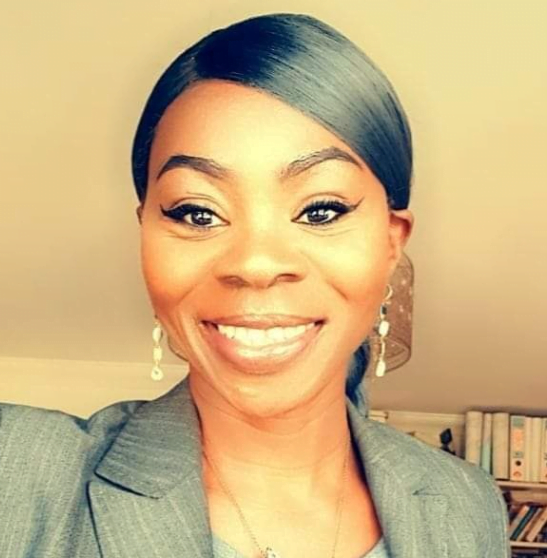
Paris Bartholomew explores overcoming adversity in care, cultivating resilience, and inspiring a corporate culture shift towards genuine inclusion and diversity.
In this episode of Inclusion Bites, Joanne Lockwood speaks with Paris Bartholomew about lived experience identity.
Welcome to inclusion bites, your sanctuaryfor bold conversations that spark change. I'm Joanne Lockwood,your guide on this journey of exploration into the heart ofinclusion, belonging and societaltransformation. Ever wondered what it truly takes to createa world where everyone not only belongs, butthrives? You're not alone. Join me as weuncover the unseen, challenge the status quo,and share stories that resonate deep within.Ready to dive in? Whether you're sipping your morning coffeeor winding down after a long day, let's connect,reflect and inspire action together.Don't forget, you can be part of the conversation too. Reachout tojo.Lockwood@seechangehappen.co.ukto share your insights or to join me on the show.So just your earbuds and settle in. It's timeto ignite the spark of inclusion with inclusionbites.And today is episode 108 with thetitle from resilience to inspiration. And I have theabsolute honour and privilege to welcome Paris Bartholomew. Parisis a speaker, writer, lecturer and trainer. And when Iasked Paris to describe her superpower, she said empathy,love, compassion and resilience.Hello, Paris, welcome to the show. Hello, Joanne. Thank
Paris Bartholomewguest
you so much for having me on the show, really,it's such a pleasure to be here. It's an honour for me.
Joanne Lockwoodhost
I've read some of the background of the show notes and I'mso looking forward to this conversation. So, yeah, welcome, Paris,from resilience to inspiration. Tell me more aboutyourself. Well, I suppose it's worth
Paris Bartholomewguest
mentioning that I am a lived, experiencedspeaker. So what that means is that I spent themajority of my childhood within the british care system. Iwent into care at the age of six and aftermultiple placements, we're talking twelve
Paris Bartholomewguest
placements over a 1314 yearperiod. I left local authority care at the age of 18 with myown flat, my own independence, my life ahead ofme, but maybe not in a very solid place,maybe not in a very comfortable, loving place.And I suppose for me it was about building identity,building resilience, learning how tointeract with people and building trust with otherhumans. Things that I think a lot of people develop from a very youngage. But just due to the many moves that Ihad during my childhood, it just made for avery unstable, traumatic time growingup. I'm just doing the maths here. So, six
Joanne Lockwoodhost
to 1812 placements, you're effectively movingevery year. Yeah, there were some placements that
Paris Bartholomewguest
were three to six months long and there were others that were justover a year. My longest placement was just under twoyears and that was a large group home inonestead in east London. But the majority of my time, asyou say, was very much, very short periods of timein foster families, group homes, independent livingprojects, you name it. I've stayed in hotels longer than some of
Joanne Lockwoodhost
those placements. It's bad enough movinghome where you have to pack and unpack and become familiarwith not only where you're living, but the surroundings, the people aroundyou. It really is destabilising, isn't it, that kind ofnomadic lifestyle? Absolutely.
Paris Bartholomewguest
Very unstable. And I suppose when you're thinking aboutyour childhood years and the things that you need tonavigate naturally, like learning how to trust, learninghow to build bonds and learning how to give andreceive love, these are just things that I unfortunately was never ableto develop over the years as a child. So it was aboutnavigating some of that as an adult. Can I ask how you
Joanne Lockwoodhost
entered the care system in the first place at the age of six? How didthat come about? Absolutely. Unfortunately, my birth
Paris Bartholomewguest
mum was convicted of several accounts ofabuse so severe that it did end up in the localpress. I was hospitalised for a couple of weeksfor assessments, tests and then releasedinto an assessment centre, which,without revealing my age, whichback in the 70s, was a very,very different system to what we're looking at now. So an assessmentcentre back then was full of children whohad varying levels of behavioural and emotionalproblems? Yeah, it was avery traumatic time. It was a very uncertain time. But onething I would say is that when you're a child, you know no different.You only know your reality. So as traumatic as it was,I just got on with it because it was all I knew. So the person
Joanne Lockwoodhost
who was there to protect you, there to nurture you, there tobe an example to you, was the person causing you the painand the distress. So when you were moving into the care system,you didn't come from a position of learnt love, if youlike, learnt. You must have been very waryabout people and contact authority figures.That's been really difficult for you as a young child. It was difficult.
Paris Bartholomewguest
And I remember at the age of six, when I entered care, Iremember being quite distrustfulgenerally and wary, but at the sametime loving my mum, regardless of the fact that she did all thesehorrible things. I knew when she went into prison that she haddone something wrong. And I think the difference betweenmyself and I do believe that this is some of where theresilience came in, is that other adults that I have metas part of my work, that were in the care system often blamedthemselves for going into care. I didn't do that. Iknew because of the conviction that it was very much somethingthat was done to me that was wrong, something that was punishableand something that was extremely traumatic.But what's interesting about trauma is that you don't fullyexperience it until you learn what it is. And at6710, I didn't know what it was, and I thinkit wasn't till I got to around 1112. When I'm socialisingwith friends at school, when I'm going to friends homes for dinner,that's when you'll begin to realise that your life is very different tothe average child in your school. So you must have been kind of considered a
Joanne Lockwoodhost
bit of an outsider, maybe mixing with people who are,in quotes, stable family homes. Was thereany distrust of you or did peopleembrace you fully, if you like? Yeah, that's a good question, actually,
Paris Bartholomewguest
because I think that people saw my life as actuallyquite advantageous in some ways. When you're a child,all you're thinking about is, oh, mum won't letme do this, or dad won't let me do that, or I want this andI want that. And I think a lot of my friends looked at mylife and saw some of the things that we would probably define asbeing quite know. I got pocket money every week, someof my friends didn't, some of my friends didn't have moneyto sort of buy things that they wanted to buy.In one of the large group homes, we used to haveclothing allowance, and I don't know if you're old enough to remember a shop calledCNA, but that was myregular allowance shop, and we'd go there with ourallowance and I could choose what I wanted. Andagain, in some of the areas that I lived,which were very working class, quite a lot ofpoverty, quite a lot of socioeconomicfactors that made for very poverishcircumstances. I went to school with children that couldn'tafford new clothes. So as superficial as those things mightbe, if we think about the hierarchy of what weneed as individuals, we need security, we need love, we needprotection. I didn't have all of those things, but I did have some of thethings that other children would look at, and so I wasaccepted in most of the arenas that I wasin. Do you have siblings? Were you with anybody?I do. I have two sisters, but unfortunately we weren'tplaced together. I'm the oldest of three girlsand both of my siblings went into care at differenttimes. So my youngest sister who's eleven yearsyounger than me, was entering the system at the time when I wasleaving the system. So a lots of kind ofseparateness, but I was lucky enough to alwaysknow where they were and I was a confident childregardless of what was going on around the age of sort of1213 14. I was an outgoing child, I was atalkative child and I very much wanted torepresent myself and I would camp outsidesocial services office and say, I'm not moving until you tell me where mysister is. That was very demandingand not easy. It wasn't easy for some of the familiesthat I lived with. Didn't work out because I wasn't the sort of childthat was able to assimilate well into a family because Ijust didn't have the things that I neededto understand how to give and receive love. How did that
Joanne Lockwoodhost
manifest? Was it frustration, anger, disruptivebehaviour, that kind of things? Was it? It was some of that.
Paris Bartholomewguest
Some of it was over compliance. So it was extremes.I remember, for example, I lived in a white familyin the area near Margate, Seaside town. I was theonly black child in the school. I was the onlychild in that family. And it was verydifficult because I knew nothing about my heritage. Ididn't understand the fact that I was black. Yes. I knew I was different. Yes.Obviously, it was obvious to me that I was different in many ways, but becausemy cultural needs were not being met, it was very difficult for me to thenlook positively at what it meant to be a black child.And that made me angry. And that anger did manifestas bad behaviour, as aggressive behaviour, yeah. If
Joanne Lockwoodhost
you were the only black child in a school and it was in afoster family, they would have had very little experienceof racism. Or as you say, your culturalneeds, your nourishment as ayoung black girl, if you like, and what you needed growing up, you needed rolemodels, you needed someone who could bounce off of andrespect and look up to. And you had none of that. We're living in awhite environment. Yeah, absolutely. You've hit the
Paris Bartholomewguest
nail on the head around the lack of role models because that wassomething that I found a bit later on was veryhelpful in the formation of my identity andunderstanding culturally, racially, ethnically,what I was about. I think what was really difficultfor those particular foster parents, as you've said, they didn'tunderstand racism. They didn't understand and it was difficultfor them because they weren't armed with what they needed to protectme. The school did what they could, but again, when you'rein an environment where they've never had to put these things in place before,and now you've come along, it's very much a case of, well, what do wedo here? How do we navigate this? Yeah. And I certainly didn'thave the answers at that age. It's
Joanne Lockwoodhost
hard for me to create a link to your lived experience because itis so detached from my reality. And I canfeel the way you're talking about describing it. It must have beenreally, you were ten years old and some twelve years old oryounger. So did you exit the caresystem at 18 with a good education,with the tools for life, or you lackedsome of that? I was lucky enough to,
Paris Bartholomewguest
as I said earlier, have the confidence andstrength, maybe courage even, to be quitedemanding about what I wanted. And when I got to the age of 15, Isaid to my social worker, I've had enough, I've had enough. We arenine placements in. I am tired,I am fed up, and I want something different for myself.And the only option that I can see at this point isindependence and freedom. Can I have a flat? Can I just get on with mylife? And my social worker said, you're 15, of course you can't have a flat,but what I can do is meet you halfway. She said, I reallywant you to just give this foster system a chance one moretime. So at 15, I had my final fosterplacement, which again, didn't really work out. It was with ablack family, it was a single parent family, a lovelywoman who I'm still in contact with, actually.And it didn't work out because I was hell bent onindependence and freedom, just like most 15 year olds, actually,I don't think I was very different in that respect. So I then movedinto a Bernardo's semi independent living project. It was justbefore my 16th birthday and I was able to have my own room.A member of staff, a residential social worker, would come inon in the evenings at around 06:00 p.m. And they would be there till sixin the morning just in case anybody needed them. And there werearound, I think, eight or nine rooms. Everybody had their ownroom and we had a small allowance every week and we had to pay rent.And it was a taste of freedom for me. I was at college, I wasdoing performing arts. I knew where I wanted to go in mylife. And this taste of freedom really gave mea little bit of an insight into what I wantedfor myself. And I grabbed it with both hands, I paidmy rent on time. I went to college, Ifinished my course and then I went into another placementat the age of 17 before getting my flat at 18. And by the timeI got my flat, I felt a little lost, a littleconfused. But I'd had two to threeyears of so called adultness.I'd had an opportunity to find my feet. Soby the time I got my flat at 18, I was ready. I was readyfor that independence. And I say I'm lucky because I know a lot of youngpeople are not ready at that age. Yeah, I think
Joanne Lockwoodhost
we called this episode resilience.And to inspiration, your lived experience overthose years from the age of six taught you that necessityof resilience, having to cope with meeting differentfamilies, different schools, a lack of stabilityin your life. Yes, you rebelled. Yes, you were probably angry, yes, you werefrustrated, but it gave you those life skills, if youlike, to be able to stand in your own 2ft. And when you were ready,you were ready. Yeah, I was ready. I
Paris Bartholomewguest
remember I had this lovely little brown philofaxthat I bought from wh Smiths. I got it out of my pocketmoney and I was probably not even 15 atthe time. And I had these lists that were all colour coded andthey were all about what I wanted for myself. It was like aplan, it was almost like a life plan.And it was about where I wanted to be. And as much as I wasangry, as much as I was hurt, as muchas I felt quite sorry for myself in some ways, Ialso had hope. And I never lostthat little bit of hope that my life would get better as long as Iwas in the driving seat, because I, for many years, feltthat there was very little control over where I went,when I went and who I went with. That sense of control wasreally important for me because it just meant that I could begin buildingmy identity, building all the things that I felt that was lacking.
Joanne Lockwoodhost
Statistically, people who are careleavers tend notto succeed in life, enter maybe theprison system or homelessness or joblessness or.How did you break that cycle of the contextualexpectation of who you are? Because you must have hadchallenges where you were seeking employment orwhatever it may be, where you had that lived experience, people maybewould have had some prejudice against you. A mistrustmaybe? Absolutely. And I learned from a very
Paris Bartholomewguest
early age that there were times to tell the truth and there were times whereyou maybe needed to be creative with the truth. And I didn'talways say that I was care experience. Sometimes I didn'tneed to. But sometimes I was able to use that to myadvantage. So when I applied to do my first degreeand there was an element of social work withinthe degree, it was a combined degree of social work teaching.I used my care experience because they said, well, you need to be 21to come onto this course. And I was 19 going on20. And I said, okay, I'm not 21, but I canexplain to you how I have got moreexperience than your average 21 year old. My life experienceup until this point is probably a bitmore than the average 21 year old. And I was very open about my careexperience at that interview for my degree. AndI got onto that course and I was the youngest person on the course andqualified with a first degree and then went on to do a master'sin psychology, philosophy combined. And I enjoyed learning.I enjoyed education. When I was a child,books were my escape. Books were my way ofescaping the reality of my existence. I used books as away of forgetting the traumatic environment that Iwas in and almost transporting myself into the characters in thebooks. And for that reason, learning was fun because I enjoyedreading and I enjoyed acquiring knowledge. And I was a curious child.
Joanne Lockwoodhost
You mentioned at the beginning about your queerness.We start to form our identity at the age of six or seven, don't we?So, right, the age you were going through, the trauma with your mother,you had started to kind of discover who you are, think about who youare. And this would have been without ageing you. Thiswould have been the. It wasn't an easy time to be queer inthe, in the care system and without role modelsand being with white families. As a black woman, how did youfind that queerness came out, or wasit suppressed until you were 18? I
Paris Bartholomewguest
did not see myself as queer until I was well into my twentys. I was so busy navigating thereal basic aspects ofbeing a child. Puberty, adolescence,friends, socialising, all of that kind of. And then thecare experience of the moves, the many, many moves and the adaptationthat that meant. Some of the families I lived with were very religious, so Iwas navigating this religious environment thatsaid, men and women get together and then they havea child. And I never questioned any of that becauseI was so busy questioning my sheer existence.I didn't navigate sexuality. I dated boys,I enjoyed the company of youngmen and didn't question any of that until I was wellinto my twenty s. And I remember there was a show called the Vanessa show,
Paris Bartholomewguest
and me and a couple of friends, we applied to get onthis show. And I'll never forget, the episode was allabout gay marriage. And this was in the 80s when, as you said,queerness was so unacceptable. And Vanessa had thisshow all about gay marriage. And I remember one of my friendswho was in the audience at the time stood up and said, it's Adamand Eve, not Adam and Steve. And I just turned round and looked at themand went, what did you just say? Iwas absolutely horrified that I had a friendthat had that view and at no pointhad we had any conversations about sexuality,dating, relationship. It was just assumed inmy mind that people respected and loved each other and that it wasall about who you was and not about who you sleptwith. And it shocked me to the core. And it probablywas around that time that I started exploring myrelationships with women. And I remember writing a short pieceentitled all the good things about being in care, all the good thingsabout not having a mum and dad that loved meand kind of raised me. And one of those things on that list was thefact that coming out was easy. I didn't need toworry about how people were going to see me. I didn'tneed to worry about a mum or a dad that loved me, thatexpected me to be a certain way. There were noexpectations put on me. I was able to be who I wanted to be.
Joanne Lockwoodhost
Do you still have contact with your sisters? Are you kind of close? And
Paris Bartholomewguest
very close. Like I said,I was that naughty, mouthy, confident,slightly passive aggressive individual that would camp outside social servicesand say, look, I'm not moving. Where's my sister? We have. Havesuch a close relationship and I'm so grateful that they area part of my life. I've got nieces, I've got nephews. I don't haveany of my own children, so I love being an auntie. Ilove having my nephew over during the summer holidays and then at the endsaying off, you know, when mynephew Thomas was a baby, it was just brilliant. He'd start crying, I'll just handhim straight. Know. My relationship withmy sisters means the world to me and I honestlydon't know what I would do if I didn't have them in my life. Do
Joanne Lockwoodhost
you forgive your mum? Absolutely. I had to for my own
Paris Bartholomewguest
mental health, for my own strength.It took a long time. I was angry when shecame out of prison, the contact that we had was sosporadic. She would just turn up out of the bluesometimes and I often wouldn't know when she would be there and whenshe wouldn't. And that upset me. I would visither and there would be times when she would just open the front door, say,what do you want? And close the front door. I mean, it was very, verydifficult, but what I had to do, and thisis the run up to forgiving her, I had to accept that she wasn't goingto be the person I wanted her to be. And I honestly believethat part of that resilience that I've got isabout accepting my life for what it was,accepting the things that I could control and the things that I can't. And Icouldn't control my childhood and I can't control the past, but what I cancontrol is my responses to those things. And myresponse to my mum was anger. I had it out with her,I did. And she was unable to saysorry. She was unable to accept what she did, regardless of herprison sentence. And it took a while, but I had to say, well, you knowwhat? She won't. And that's going to have to be fine. It's going to haveto be just fine. So I did forgive her for myself, not for her.
Joanne Lockwoodhost
So you've kind of taken the power back, if you like.
Paris Bartholomewguest
Definitely taken the power back, taken back the controland really put myself in the driving seat of my life bit by bit.
Joanne Lockwoodhost
So, talking about your life. So you, 18,independent, in a flat, carving your own way in the world,looking after your sisters from a distance and as much as you can, keeping intouch, doing your degree, doing your masters, thenwhere, what did you go on to next? My younger sister
Paris Bartholomewguest
was having quite a difficult time, so I applied to be a foster carer.At the age of 20, I was granted short term fostercarer status. My youngest sister came to live with me. She lived withme for two years. I was able to get a twobedroom flat so that I could accommodate her. Andthe trauma that she experienced at the hands of mymum had such a detrimental effect on her that I hadto make a decision as to whether or not I couldprovide what she needed, emotionally,physically, socially. I made the decisionthat she would be better placed in a permanent family as longas it was a family that she would be able to stay andnot have what I had moving around constantly. Soshe left me after a year and a half and movedinto a permanent family. So I was a foster carer for a short while. Imoved to Birmingham, carried on studying, carried on working,started doing some teaching, came back to London. I live inEssex, on the London Essex border now and I was workingfor a school for a while. I was a secondary school teacher beforemoving into training and development, and I really embracedthe whole aspect of care as well as having this personal experience.I knew that I had the skills to support and to carefor other people. So I did loads of work with different charities,lots of voluntary work, and that gave me the experience I neededto go on and become self employed as atrainer, developing my own training skills andproviding training to professional teachers, youthworkers, psychologists. And so now I combineteaching and training and speaking. So I noticed in
Joanne Lockwoodhost
the show notes you mentioned that you did some work with Samaritans and crisis.What sort of trauma were you dealing with day in, day out? Because it'snot all suicide ideation. There are other crisisthat people go through as well. Aren't there much
Paris Bartholomewguest
crisis in terms of things like, gosh, during theLockwood, when I was at Samaritans, a lot of thevolunteers were older people, retiredpeople. So you can imagine during the COVIDoutbreak, a lot of them were off. So I was covering four to sixshifts a week at Samaritans during the Lockwood period.I enjoyed it because it was an opportunity to come out of the house.I had a letter from Samaritans that said, you're allowed out, you'reout, you're supporting. I was going to branch. I was on thetelephone, I was doing four hour shifts.And these were people that were in domesticviolence, relationships, in lockdown, with partners thatwere abusive. These were students that were in lockdown atuniversities miles away from home. These were people whowere in prison, who were calling Samaritans for support because they weren't allowedoutside of their cells. It was such a traumatic timefor many, many people, and I'm just happythat I was able to provide that little bit ofsupport. As you said, majority of the people that called us during thattime did not have suicide idealation. These were people thatwere lonely, that were stressed, that were reallyhaving a difficult time. How did you manage to stay
Joanne Lockwoodhost
detached and objective? Because you're doing that many shiftswith the people that are calling in and you're involved with,it must be really hard not to become evolved emotionally andconnected with them. I appreciate you don't know who they are, they don't know whoyou are. You still must absorb some of thatpain. Yeah, I learned
Paris Bartholomewguest
some what's called somatic practises, things like Tai Chi,things like going for lovely long walks and being very mindful whenI'm walking. I learned meditation.These are things that have kept me healthy, kept me well. I'dfinish a shift and I'd literally go for a walk. I'd walk for45 minutes, I'd absorb the atmosphere.And during lockdown, walking was lovely because the streets were just silent, there wasnobody around, there was hardly any cars on the road, the air qualitywas better. It was just really nice to just go for lovelylong walks. And we had a lovely summer. In 2020, I'd go
Paris Bartholomewguest
jogging and I'd use that time to really justdetach, if for want of a better word, from some of the stuff thatI'd heard, and really look after myself. Self care andself love is something else that I've learned to do over theyears. I've learned to really take time out for me.And in 2007, I was diagnosed with PTSDand I had some sessions of a therapy calledEMDR. I don't know if you've heard of it. Eye movement,desensitisation, reprocessing. I found that veryhelpful. It helped me with childhood trauma,it helped me unpack and unpick someof the stuff that I had lived with and heldonto, and also talking therapies. I say toeverybody, regardless of your childhood, regardless of yourbackground, everybody should spend time working on theirmind, developing their mind. And I foundtherapy really helpful for that. Yeah, the world's moved on a lot
Joanne Lockwoodhost
since you were six, and I was guessing I would havebeen 13 or 14 when you were six, I guess, without saying myage. The world's moved on a lot sincethe. But it's still notgreat for many people. I notice you'reworking in a professional speaker, you're a trainer, and youwork in communities and support people. What are the challenges that you see in theworld at the moment? I guess from a London, UK queer.
Paris Bartholomewguest
Black woman perspective, I think some of the keychallenges at the moment are professionals being ableto have the right training, the rightsupport and the right ability almostto be themselves and besecure and protected within the workforce.Around inclusion, around diversity.Diversity and the inclusion are real buzzwords at the moment, but Ithink that companies are still ticking boxes toan extent, and I think that there is still a lot more work thatneeds to be done about sort of how we actuallypractically, really kind of take seriously theidea that we need to be moving towards aculture of inclusion. We need tobe thinking about trauma informed practisethat is inclusive, completely inclusive. Andpeople like myself, with lived experience, people like yourselfwith lived experience of diversity. These are wherethe people that companies should be calling on to come in andsupport what they're trying to do. I think the key issues at themoment are things around diversity, things aroundunderstanding the talents of people who areon the spectrum, for example, what support mechanisms should be in place forthose people. But recognising the amazingtalents that we all bring, and that's whatdiversity is. Diversity is that acceptance that we're different,but we're special and we've all got something that we bring and it's about beingable to really see the talents that we've got. Ithink health and well being in general and mental health is just massive at themoment with more and more people being diagnosed. But
Joanne Lockwoodhost
I've noticed, if you like a backslidinginto old practises during lockdown, duringCOVID everybody was throwing money at mental health, mentalwealth, these well being initiatives. Butthere seems to be, I don't know if it's the financial crisis, if we're oneof those, but if you want to call it cost of living. Companiesare not investing anymore in these well being or EDIprogrammes. We're seeing EDI teams being laidoff, training, budgets, awareness budgets, initiatives being cutback. People have been forced back into the office, whichfor many people who have hidden disabilities oraccessibility needs, they were able to thrive in theirremote home or local cafe, wherever they wereworking. Now, all those things we learned, because Iremember we all cared, we've now learnt we can do this from home. Andit's almost like people are now forgetting again, saying, well, we have to go tothe office. To me, it's crazy that we're not being personcentric and looking at individuals best needs toalive with the company. And you must see a lot of that, a lot ofthat challenge from the work you do. Absolutely. I'm seeing
Paris Bartholomewguest
that daily. And as you say, it'sabsurd, because we should have learned, surely we should havelearned from this. When people are stressed,they take time off work. Time off work is costing the company a hellof a lot more than allowing somebody to work from home. It makesno sense that companies are not, for example, rolling out things likemental health first aid, to have a mental health first aida withinyour company that can spot the early signs ofvicarious trauma, burnout,stress in terms of pressure beforeit turns into depression and idolation.And these are all things that are going to cost orare costing the NHS and companies billions ofpounds. Do you think there's a pushback from,
Joanne Lockwoodhost
just use the nebulous term, people with privilegesay it like that. However you want to describe those people, feelingthat we're bending of a backwards wokism, ifyou like, or giving people the opportunities that they neverhad. Hang on a minute. I've had to work hard. Surely they can get offtheir backside and work hard and succeed anyway. Why do I need togive my time and effort or money to help them? There's a lot of pushback,isn't there? There is a lot of pushback. And I'm lucky
Paris Bartholomewguest
because as a black female and I present myself at companiesand we're talking about things like equality and we're talking about things like inclusion.Sometimes there can be a sense that people sometimes wantto just say what they think you want to hear, but maybeit's my psychology degree. I don't know if it's my background or just a naturalaptitude. I have the ability of allowingor getting people to open up and be quite open and honestand frank about their difficulties in this area,because I go in with a very non judgmental approach, and I sayto companies, this is not about saying, you're doing thiswrong. This is not about pointing a finger and saying, white privilege this and whiteprivilege that. It's about acknowledging that, yes, peopleare privileged, but they don't always ask for that privilege. In the same way thatI didn't ask to be black, female and queer.
Joanne Lockwoodhost
Without asking. Didn't they? Without asking. Exactly. It's a gift
Paris Bartholomewguest
that I've acquired. And so in the same way that you've acquiredthat gift, it's about looking at, well, what do we do with these gifts? Andpeople are open and honest, and they say,we have very few peoplefrom XYZ group in our company. It's not ourfault we've not recruited those people. And if they're notable to do the job that we want them to do, then why would werecruit them? Comments like that kindof makes you sort of very aware of the fact thatthere's so much more that can be done, but there is thatpush. There is that push, and there is a senseof, we've done enough. Why should we be doing more? We
Joanne Lockwoodhost
live in this echo chamber, though, don't we? You and I and many others inthe same sort of field as us in this echo chamber, where wetalk about this stuff all the time. For us, it feels so obvious.But if you're not in the HREdi Dni space, then a lot of theseconversations are alien, and people are so scared of getting itwrong, saying the wrong thing they don't understand. They'drather flick the football on than watch a documentary onmaking the world a better place. Sometimes, yeah.How do we persuade people to show an interestwithout our big stick? Because never work. It's how dowe create that attraction to finding out? I think you've
Paris Bartholomewguest
already answered that question in some ways, Joanne, because I think that,as you've mentioned, one of the things that makes it difficultfor a lot of these individuals is fear. Fear ofgetting it wrong, fear of saying it wrong. And Ithink the more people like you and I go in and say, well, look, we'renot here to point a finger. We're not here to judge you getting it wrong.We want you to make mistakes, because actually, that's how you learn. But let's lookat what we can do to support you moving this forward. And I think theanswer is collaborating with the people that know, the people thathave experienced it, like you and I, the people that have that lived experienceof inequality. We're the best people to go in and say,well, actually, these are the things that you're doing, but there's a lotmore that can be done. There needs to be a culture of inclusion.Those difficult conversations don't need to be had oncein three years, because you're looking at updating your policy and procedures.Those are conversations that can be had every other teammeeting. Put it on the agenda and let's create aspace where all of your workers who are from those diversegroups or not, can input and say, well, have you thought of this? Have youthought of that? Open up discussions, give people an opportunity to sharetheir ideas, anonymously, even. But people need to breakdown that fear barrier. And it is fear. It really is fear. I was
Joanne Lockwoodhost
just thinking, as you're saying, that no child ever learnt to walkwithout falling over. So you need to learn what falling over feelslike in order to know not to do it, orespecially maybe on concrete or something like that. Soyou see many little children, they're running off and then they tumble and fallover. Yeah. You have to learn that your legs only move so fast and you've
Joanne Lockwoodhost
got balance and you've got rhythm and all these things.One day, if you just learned to walk without those, you'd never know the fearof failure or the fear of getting it wrong. So youhave to learn. We learn by making mistakes and we learn how tocorrect. I think we need to create thesesafe spaces, don't we, where people can,with respect, obviously make mistakes,learn, be able to talk to each other to understand livedexperience and why it matters. And if youstart hearing stories, and I'm a great believer in thepower of stories because as a speciesgrowing up in caves, growing up in our prehistory, ifyou like, the only way we had to remember was stories, whichwe handed down painted pictures on cave walls or whatever it was,or etched in tablets to form rudimentary language. But the storiesare our historical communication. And Ivisited Iceland some 10, 15, 20 years ago, andthey love their sagas, and it's all about theancient icelandic people telling these sagas.And there are very well known and rememberedstorytellers or saga talents that are booksand publishing. So, yeah, I'm a great believer that we needto have these conversations, we need to talk to each other, we need to sharethis and hand it down to generations so that eachgeneration doesn't start from scratch. They build on thelessons of the past. Absolutely. And
Paris Bartholomewguest
storytelling is amazing because it allows people toshare parts of themselves. It allows peopleto really connect and engage. And it is all about connectionsbecause we don't do these things in isolation. And as you've said, storytellingis nothing new about it. This is something that has happened forcenturies. But I think that a sense ofcommunity is somewhat lost, and storytelling is somethingthat brings communities together. On that note, you're writing a book.
Joanne Lockwoodhost
Does I see that you're writing a book where you've written a book and you'rewaiting to have it published. Correct. What's the book about?What inspired you? My life story inspired me to write
Paris Bartholomewguest
the book. The title of this podcast ispretty much the theme of the book. It's not the title of the book, butit certainly is the theme. And you mentioned itearlier, lots and lots of care. Experienced people are inprison. They are homeless. They are using drugs andalcohol. They are tryingto recover and live with mental healthissues and mental illness. And I want people to
Paris Bartholomewguest
understand that you can have adverse childhoodexperiences, traumatic childhoods, and stilllead productive, successful, happy lives.Your childhood trauma hasn't got to be the storythat you tell yourself day in, day out as an adult. It canbe the backdrop, and it can be the springboard whichcatapults you into amazing things. That's kind of what I'm trying to dowith the book. It is about me, it is about my life. It is aboutthe many moves, but it's also about the inspirationthat I try to share as a personthat has lived that experience but also come through the other end. And Ilike to think come through the other end in a fairly successful way.I'm looking for publishers. I finished writing it in Octoberlast year and so I've just been trying to get it out thereand find a publisher that's going to take me on. Not
Joanne Lockwoodhost
thought about self publishing or do you want. I have thought,
Paris Bartholomewguest
I have thought about it but I would love to go for a publisher becauseit's my first major piece of publishing. I'd likea bit of a handhold. I'd like somebody to come along and say do youknow what, this needs changing, that might need a little bit of paddingout. I'm quite happy to do that. I'm not precious about it because it's alearning process. Well I wish you luck with getting it
Joanne Lockwoodhost
published because I really want to read it, I really want to hear your lifeand I think it'd be even more amazing to get the audioversion and you narrating it so I can actually hear yourwords telling your story. That would be sopowerful to hear those words. Great idea. Love an
Paris Bartholomewguest
audiobook. Yeah, fantastic. Yeah.
Joanne Lockwoodhost
So what do you do right now? So you say you're speaking, you'retraining, so you're working with organisations and somecharity work still? I'm doing some charity work still. So you mentioned
Paris Bartholomewguest
crisis. That'smy personal kind of passion. I've been with crisisfor 19 years and I only do theChristmas so I do the Christmas and new year. We run a daycentre in east London and we have the hotels in the Docklandsarea of east London that I am a part of. But at the momenta lot of my time is around speaking engagements andtraining. I'm an associate trainer for fosteringnetwork so I do quite a lot of consultancy work for them.I do some speaking work with Bernardo's NSPCCand some other corporates and so I'm looking at really developing thata bit more and sort of continuingsupporting through Samaritans. I'm only doing onesamaritan shift a fortnight these days but it's enough and I'm atcollege doing british sign language so that's exciting.I love learning so I've always wantedto be fluent in sign language so I'm on my level two at the momentnavigating that, which is great, that's brilliant. I've
Joanne Lockwoodhost
got some friends who have cochlear implants and theysign and lip read. Yeah and it's afascinating. Currently I haven't got thedrive to do it. Maybe Monday, maybe Monday, but it's interesting to hearthat you're still engaging with the fostering systemand the care system to feed back your lived experience.And to the people I know who've been through care, who,black or brown, had so many experiences of beingfostered with white families and losing their cultural identity and their heritage and things likethis, I'd like to think we've evolved.Has the care system evolved a lot since then? Very much so.
Paris Bartholomewguest
The 1989 Children act was one of the first pieces oflegislation to specifically mentioncultural heritage and the fact that when a child is placedwith foster carers, it's not that the foster carers have tospecifically be from exactly the same cultureor culture experience or race as the child, but they have tohave links in those communities, they have to havethe ability to actively engage thatchild in identity work. They have to be able togive that child continual cultural support andcollaborate with other community groups and organisations thatcan provide that. For example, I remember one, a foster carer that shavedall my hair off because they tried to wash it withthis soap and it just turned into a mattymess, so they just shaved it off with the clippers. And I was called aboy for ages and I just remember the traumaof turning up to school and everyone just laughing and just saying, you'veturned into a boy. And for me at that, I was about eight ornine at the time, I was so traumatised byit. And so it's just really. Foster care isunderstanding that children have cultural needs, children haveidentity needs, and it's great that you've got a spare bedroomand you've got all this love to give, but you also need to be ableto meet that child's cultural and identity needs aswell. Yeah, you'd better enrich their experience with
Joanne Lockwoodhost
all their dimensions as well. Absolutely. And it needs to
Paris Bartholomewguest
be therapeutic and it needs to be supportive and it needs to beeducational. It's about ticking all of thoseboxes and being with the fostering network has just given me that abilityto be part of that screening process for foster carers,so that when I'm training them, I can give specificfeedback to say, well, look, this person seems like they reallyknow what they're saying and they're willing to learn. Yeah. Regretfully,
Joanne Lockwoodhost
there'll always be demand for fostering and the care systembecause of someone's familysituation, whether it's not just domestic violence orabuse, also tragedy and trauma in people's lives.
Paris Bartholomewguest
Absolutely. And I guess if we also look at
Joanne Lockwoodhost
the impact of people who are maybe migrating tothis country, we see lots of unaccompaniedyoung people who are arriving on our shores with nomeans of support, parents or family around, escapingfrom war or other tragedies from their home country. So I guess that makesit even more complex when we've got language challengesas well as identity challenges and coming from war zonesand escaping, well, potentialdeath or situations where you are fleeing for your lives,aren't you? Yeah. Horrific violence, horrific
Paris Bartholomewguest
family and cultural events and events thatin some countries being meted out in the name of religion andpolitics and all the rest of it and tradition. You'reright, there is a massive need for morecarers that can respond to those needs, that can respond to what thosechildren need. And you mentioned earlier aboutcuts being made. And that's the concern. That's theworry, because actually what we need to be doing is pumping more moneyin those directions so that people thathaven't got all of the skills to support those types of people can developthose skills because the resources are there for them to be able to develop thoseskills. Fascinating. Paris. Wow. Absolutely
Joanne Lockwoodhost
blown away by our conversation. And I feel privileged to have metyou several times in person, and I'm sure we'll meet many times again in thefuture. But you have certainly opened my eyes and my heartand all of me to your lived experience.And I've got a greater understanding ofcare and the potential. And it doesn't have to be the end of anyone'slife. It's just the beginning. Absolutely. I'msure others listening today will want to get in contact with you.What's the best way of getting hold of you, finding you, tracking you down?
Paris Bartholomewguest
So I do have a website. I have a website that's specificallydedicated to my training, and you can findthat@survivegrowinspire.com.That's survivegrowinspire. And I also have my speaking website,which is parisbatholomew.com. Of course, I'm onall the usual platforms, LinkedIn and Instagram andTikTok even. But it would be great if you wantto connect with me and open up a conversation, because I'm allabout storytelling and conversations, as you said, that is definitely theway forward. I love your email address. It's
Joanne Lockwoodhost
Paris, not the city. And I thought that was great. Paris, not the city,not the hotel. Not the hotel, definitely not the city,
Paris Bartholomewguest
definitely not the person. Absolutely.
Joanne Lockwoodhost
Paris, the Bartolomew. That's the one. That's the one. So
Paris Bartholomewguest
yes, email atParisNotTheCity@gmail.com. It's been such a pleasurehaving a conversation with you, Joanne. It's just been really nicejust talking about inclusion from myperspective and reflecting on some of thoseexperiences that I've had as well. Thank you so much for having me.
Joanne Lockwoodhost
Absolute pleasure. As we bring thisconversation to a close, I want to express my deepestgratitude to you, our listener, for lending your earand heart to the cause of inclusion.Today's discussion struck a chord. Consider subscribing toinclusion bites and become part of our ever growingcommunity, driving real change. Share this journey withfriends, family and colleagues. Let's amplify the voicesthat matter. Got thoughts, stories, or avision to share? I'm all ears. Reach out tojo.Lockwood@seechangehappen.co.uk.and let's make your voice heard. Until next time,this is Joanne Lockwood signing off with a promise to returnwith more enriching narratives that challenge,inspire, and unite us all. Here's to fostering a moreinclusive world, one episode at a time. Catch you on the next bite.
Creating a Culture of InclusionThe Inspirational Journey from Adversity to Achieving DreamsSupporting Mental Health and Diversity in Professional Settings
Joanne Lockwood speaks with Paris Bartholomew, a speaker, writer, lecturer and trainer, about growing up in the British care system and the long path from instability and trauma to building a life rooted in empathy and purpose.
Paris recounts entering care at six after severe abuse, navigating frequent placement moves, and the impact this had on trust, identity, and relationships. They reflect on the added complexity of being a Black child placed in white environments, where cultural needs and protection from racism were not well understood, and how role models and community links later supported identity formation.
The conversation follows Paris’s transition into independence and education, including using lived experience as evidence of capability when accessing opportunities. Paris also shares their work supporting others through fostering-related training and voluntary roles, including listening support with Samaritans during the COVID period. They describe self-care practices, a PTSD diagnosis, and therapies including EMDR as part of maintaining wellbeing.
They close by discussing the gap between “tick-box” diversity efforts and meaningful inclusion at work, including the importance of safe spaces for learning, trauma-informed practice, and storytelling as a route to connection and culture change. Joanne also highlights Paris’s forthcoming book, which aims to show that adverse childhood experiences can be a backdrop rather than a life sentence.
“I spent the majority of my childhood within the british care system. I went into care at the age of six and after multiple placements, we're talking twelve placements over a 1314 year period.”
“I knew because of the conviction that it was very much something that was done to me that was wrong, something that was punishable and something that was extremely traumatic. But what's interesting about trauma is that you don't fully experience it until you learn what it is.”
“I did loads of work with different charities, lots of voluntary work, and that gave me the experience I needed to go on and become self employed as a trainer, developing my own training skills and providing training to professional teachers, youth workers, psychologists.”
“Diversity and the inclusion are real buzzwords at the moment, but I think that companies are still ticking boxes to an extent, and I think that there is still a lot more work that needs to be done about sort of how we actually practically, really kind of take seriously the idea that we need to be moving towards a culture of inclusion.”
“Sometimes there can be a sense that people sometimes want to just say what they think you want to hear, but maybe it's my psychology degree. I don't know if it's my background or just a natural aptitude. I have the ability of allowing or getting people to open up and be quite open and honest and frank about their difficulties in this area, because I go in with a very non judgmental approach, and I say to companies, this is not about saying, you're doing this wrong. This is not about pointing a finger and saying, white privilege this and white privilege that. It's about acknowledging that, yes, people are privileged, but they don't always ask for that privilege.”
“Foster care is understanding that children have cultural needs, children have identity needs, and it's great that you've got a spare bedroom and you've got all this love to give, but you also need to be able to meet that child's cultural and identity needs as well.”
The complexities and apprehensions surrounding discussions of equality and inclusion in the workplace.
Strategies for fostering a culture of openness and learning from errors to advance inclusive progress.
The role of safe environments in facilitating growth from each other’s varied life experiences.
Storytelling's magnetic pull in building community connections and empathetic engagement.
Enduring a tumultuous upbringing and channeling pain into educational pursuit and personal triumph.
Valuing authentic diversity and the interplay between mental health and effective inclusion practices.
Maintaining resilience through volunteering and self-care techniques amidst societal and professional hurdles.
One thing to remember
In this thought-provoking episode of The Inclusion Bites Podcast titled "From Resilience to Inspiration", we unravel the remarkable journey of Paris Bartholomew from a tumultuous childhood in the care system to becoming an influential voice in the world of inclusion and equality. The episode underscores the extraordinary power of resilience in the face of adversity and the importance of fostering inclusive environments that allow individuals to openly discuss, make mistakes, and learn from each other. Paris's story is a testament to the human spirit's capacity to overcome and inspire change in ourselves and in the institutions we inhabit.
Questions this episode helps answer
In what ways did Paris Bartholomew's experience in the British care system shape her understanding and approach to resilience and identity?
How can workplaces foster a culture of inclusion and encourage open discussions about equality, as highlighted by Paris during the episode?
What role do you believe storytelling plays in engaging communities and promoting a sense of inclusion, as touched upon by Paris and Joanne?
Paris discusses the need for genuine diversity and inclusion practices in the professional world. What practical steps can organisations take to improve their D&I initiatives?
Given the experiences shared by Paris, how important is it to address the cultural and identity needs of children in the care system today?
Paris Bartholomew shared techniques for managing emotional involvement, such as Tai Chi and meditation. How can individuals incorporate these practices into their daily routines to improve mental well-being?
Explore topics
Ideas from this episode
Creating a Culture of Inclusion
I recently had an enriching conversation with Paris Bartholomew where we unpicked the complex themes around fostering an inclusive culture in corporate environments. The fear of saying or doing the wrong thing often paralyses progress, so we discussed how businesses can cultivate an atmosphere where open discussions are encouraged and learning from missteps is seen as a form of advancement.
The Inspirational Journey from Adversity to Achieving Dreams
As our talk progressed, we explored Paris's own life journey, which serves as a beacon of hope and inspiration. From a turbulent childhood in the care system to becoming a voice for those who have faced similar challenges, the resilience displayed is nothing short of remarkable.
Supporting Mental Health and Diversity in Professional Settings
Our heart-to-heart included a deep dive into the ongoing struggles for genuine diversity and inclusion in the workplace and the support for mental health and well-being. We highlighted the importance of listening, learning, and leadership in upholding not just diversity, but also the mental health first aid that is crucial in today’s professional sphere.
Learn
Frequently asked questions
What does Paris Bartholomew discuss about the challenges in a corporate setting?
Paris Bartholomew talks about the difficulty many individuals face in discussing topics like equality and inclusion in corporate environments, due to a fear of saying or doing the wrong thing. She stresses the importance of creating inclusive cultures where open discussions are encouraged.
How important is it to create safe spaces according to Joanne Lockwood?
Joanne Lockwood believes that creating safe spaces in the workplace is crucial. These are environments where individuals can freely make mistakes and learn from them, as well as from each other's lived experiences, without fear of judgment or retribution.
What role does storytelling play in fostering inclusion?
During the podcast episode, the power of storytelling is highlighted as a vital tool in connecting and engaging communities. It serves as a means to share diverse experiences and perspectives, fostering a deeper understanding and empathy which are core to an inclusive society.
Is Paris Bartholomew seeking a publisher for her book?
Yes, Paris Bartholomew is currently seeking a publisher for her book, which aligns with the themes of resilience and inspiration detailed in her life story.
What was Paris Bartholomew’s experience with the British care system?
Paris shares her journey through the care system, having been moved through 12 placements from the age of six to 18. The instability and trauma from these experiences impacted her ability to build identity, resilience, and trust.
How did her care experience affect Paris Bartholomew's later career and activism?
Paris's care experience influenced her deeply, leading to her gaining a social work teaching degree and eventually becoming a trainer, lecturer, and advocate for children in the care system. Her focus has expanded to include supporting people's cultural identities and mentoring in the foster care system.
Share this episode
Heard something worth passing on? Send this conversation to someone who needs to hear it.