“And what if we learn to sit in stillness and just be with our breath, with ourselves, with our thoughts, with the feelings?”
Explore
Navigate this episode
Joanne Lockwoodhost
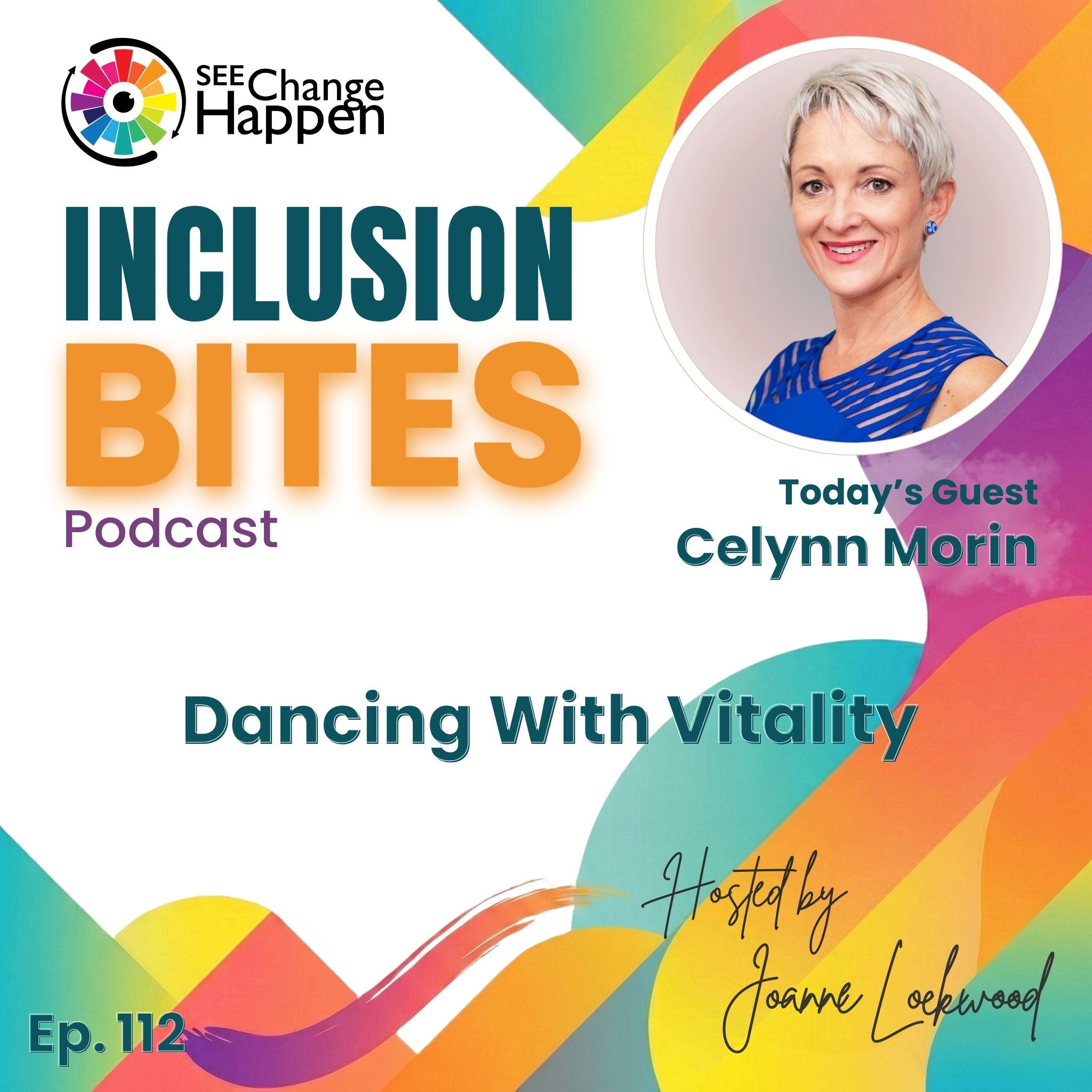
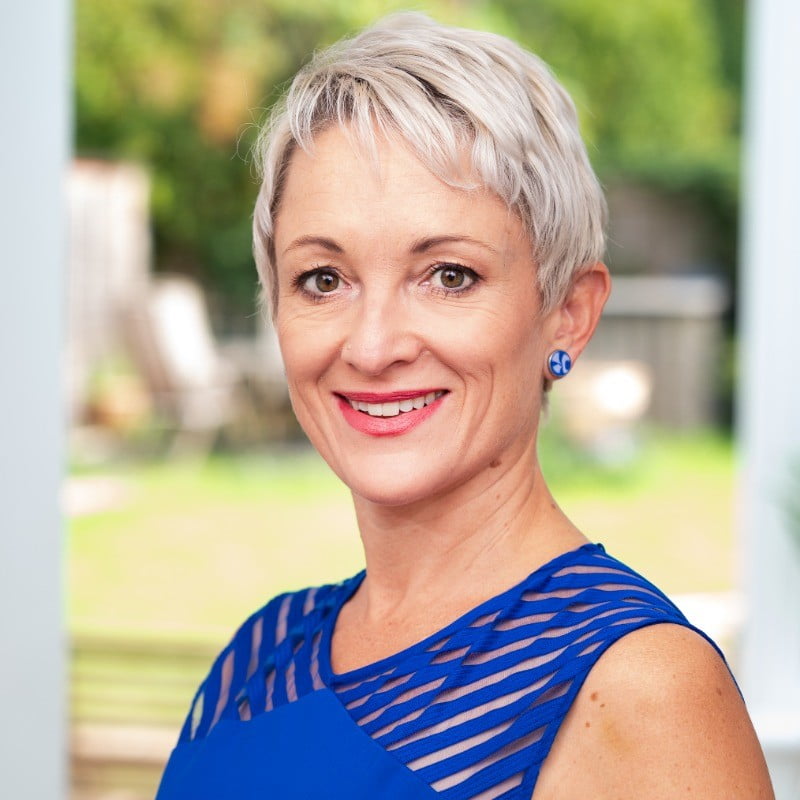
Welcome to Inclusion Bites, yoursanctuary for bold conversations that spark change. I'mJoanne Lockwood, your guide on this journey of exploration into theheart of inclusion, belonging, and societaltransformation. Ever wondered what it truly takes to create aworld where everyone not only belongs but thrives?You're not alone. Join me as we uncoverthe unseen, challenge the status quo, and sharestories that resonate deep within. Ready to divein, Whether you're sipping your morning coffee or windingdown after a long day, let's connect, reflect,and inspire action together. Don't forget,you can be part of the conversation too. Reach out tojo.Lockwood@seechangehappen.co.ukto share your insights or to join me on the show.So just your earbuds and settle in. It's time toignite the spark of inclusion with Inclusion Bites.And today is episode 112 withthe title dancing with vitality.And I have the absolute honor and privilege to welcome Celynn Morin.Celynn is an holistic well-being advocate for theworkplace. That's easy for me to say. And when I asked Celynn to describe hersuperpower, she said that she helps enrich the quality ofpeople's lives through holistic and practical workplacebased well-being training and inspiration.Hello, Celynn. Welcome to the show. Hi,
Celynn Moringuest
Joanne, and to all the listeners. It's really, really a pleasure to be here.
Joanne Lockwoodhost
Fabulous. I struggled a bit with the intro there. I don't know what my brain'sdoing today, but anyway, it's great to have you here. So Celynn,
Joanne Lockwoodhost
Dancing with Vitality, tell us a bit about your missionand where you've come from. Well, I guess I can tie that into the introduction
Celynn Moringuest
because, like, you've just authentically shared, how we are is how we areregardless of where we are. So our mental health or how we're thinking andprocessing things, some days we can have lots of energy, some days not.And in the past, it's almost like we expected the workplace to be purelyprofessional, and anything that was happening in our personal space wasn'tthere. But, of course, we know that that's changed. And with the pandemic anddevelopments in workplace well-being and the trends around stress and burnout,it's really wonderful to see how now everyone understands howimportant it is to look at holistic well-being, even if it is amouthful. So I always knew I wanted to be ahealer of some kind. I thought I wanted to be a doctor or a pharmacist.But when I was looking into what I could study, I discoveredsomething called dietetics, which was a degreewith doctors and other health practitioners thatfocused on food and nutrition. And I thought, youknow what? My love of food because of being French, so myentire family are French. I was born in South Africa because myparents went there, and they ended up spending 53 yearsthere. They're now back in France. But the idea of linkingfood and nutrition to health and well-being and vitality,I just knew that was what I wanted to do, so I studied to bea dietitian. And after 5 years in clinicalpractice, I had an opportunity to work with aworkplace insurer, and that was way back in 2006where I started doing workplace well-being initiatives.And so my ideal day is when I'm with a group ofleaders or any high performing team and speaking about how they canbetter manage stress, increase resilience, manage theirhead, heart, and gut so that they they do enrich the quality of theirlives. That's fascinating. I I think you need you need to expand a
Joanne Lockwoodhost
bit more how your diet can impact your overallwell-being, but not only that, but also your stress levels. I'm reallyintrigued to find out about how this this link betweenintake of food and stress. How how does that play out? Tell memore. Well, I guess the most important link, there are multiple ones,
Celynn Moringuest
but the most important one would be the fact that our gut is so muchmore than just this tube that Diversity what we decide toput into our mouths and chew and swallow. Everything that weeat will affect the gut andspecifically the gut microbiome, which is this universe of bacteria andviruses and all kinds of organisms without which we can't survive.They're incredibly important for helping us manage stress because they help uswith our mental health and many other things, immunity,digesting foods, hormone regulation, detoxification, producingvitamins and minerals. Yeah. So everything you eathas the ability to either upregulate your gut, which means it's goingto help you better manage stress, or potentially it's gonna add to the levelof stress because it might produce compounds that canthen switch on what we call inflammation, and that candrive more stress within the body.So I would say the main link there is through the gut. Everything's connected whenit comes to the body, how we think, how we feel, how we move, howwe breathe, which is good news because it means you cantake various routes to helping your well-being. There's no onesize fits all or one solution for everybody. And we're alsounique. The more I do this work, the more I realize how we eachneed a unique individual approach to enhancing our well-being.
Joanne Lockwoodhost
What what sort of foods have an impact in that way?I I appreciate it's a bit of a generalist sub yeah. What I've just saidis a bit generalization, but are those foods that specificallyhelp calm us and some foods that will maybe cause us more stress? Oris it down to the impact of digestion of that food and how itimpacts the as you talk about the the the the culture ofall the microorganisms and things in our gut. Is it how thatinteraction occurs that causes the the changes in our body?
Celynn Moringuest
Yeah. So context is everything. Right? So depending on ageand activity levels and medication and your exposure to stress andeven your emotional state can affect how a meal is digested. You know, if youeat a particular type of food while you're feelinghighly stressed or very angry, it's going to digestdifferently to if you ate that same meal when you werecompletely calm and relaxed and serene. You know?So, yeah, it's I wanna say it's acomplex picture, but there are some fundamental guidelines. So for instance,the research shows that eating more plant based foodsgenerally is good for us. A lot of us don't eat enough plant based foods.We have a lot of processed refined foods, high sugar, highflour, a lot of animal products. But if wemake a point to include what I call it eating like an artist, sohaving a lot of color from nature, that can help youpaint better health because we know that if you eat the moreof a variety of foods that you eat, the more of a variety of microbiomeyou Happen, and the more exposure you get to all the vitamins, all the minerals,all the antioxidants, and the chemicals that can do good. Bites
Joanne Lockwoodhost
I know, but I'm stressed or focused orreally got my head down. I I lose my appetite. Is that isthat all part of it? Because because my brain is so busy thinking aboutstuff. It's not thinking about being hungry. Yeah. That
Celynn Moringuest
that's part of the stress response for some of us when we're feelingparticularly perhaps not stressed, but focused on something. It's notimportant for your digestive system to digest your breakfast if you've gota clear outcome and your mind has now decided you've got to finish that articleor record that podcast or, you know, work through the client list.And so a lot of the blood will then move away from the internal organs,the digestive system towards the brain. However, some of usmay find that we have an increased appetite, especially for sugary foods,because when we are feeling stressed, we release more cortisoland glycogen and glucose into the blood, and so you can then crave sweet things,which is why when people are stressed, they often say, I have to eat morecake or I really feel like alcohol or I need stimulants.And so we can get end up being caught in that spiral where it canbe quite difficult to break it. I mean, if all this stuff was easy, right,Joanne, we would all be doing it. We would be healthier, happier, fitter, and Iwouldn't have a job. So it's not that simple. Even if we knoweverything we need to do, a lot of what I talk about is the psychologyof behavior change and understanding neuroscience and alsounderstanding our psychological makeup. Like,different personality types have different habits, and and I don'tthink we give consideration to our uniqueness enough when itcomes to well-being. Yeah. So I'd say that I think yeah. Because we have
Joanne Lockwoodhost
this sort of concept of comfort eating, don't we? We as as you see, whenwe're feeling sad, upset, stressed, whateverit may be, we turn to something generallySafety, and, you know, the chocolates go out, whatever it may be,or the glass of Bites, potentially. And that's allabout the brain chemicals, the pleasure sensors, and things. So we'rewe're rewarding ourselves, aren't we, effectively, by by boosting ourbrain to to think in a happier way. And we, I guess, thatbecomes kind of addictive or or ora cycle that we can't break out of because we associateeating this with feeling better. Therefore, if we're not feeling great, we wantto eat something to feel Bites. That that's kind of the the addiction cycle ofthe sugars and chocolates and stuff, isn't it? Absolutely. And it gets so
Celynn Moringuest
reinforced and embodied through our upbringing because our parents'parents' parents did that, you know, you know, to make us feel better, they wouldtreat us with food often. It also gets deeply, deeply embeddedand advertised and marketed by our environment, you know, the foodindustry. We don't particularly live in a society thatencourages well-being, you know, so I don't wanna go down that route. It's a bittoo Psychological, but, you know, the health care pharmaceutical industry ismassive, and it's in their best interest that we are not healthy and well anddancing with vitality. And so for many of us, it reallymeans investing in ourselves and not relying onthe greater society to take care of us. It's about takingaccountability and responsibility for yourself, asking questions,trying things, getting the right advice from the right places, because there's lots of peoplegiving advice out there. It doesn't mean that it's the right advice for you. Yeah.
Joanne Lockwoodhost
So I'm I'm I'm just casting my mind back to Christmas as aas an example of just thinking my own my own cyclesof of eating and alertness. You know, we we the chocolatescome out because we're we're bored. We're watching telly. We're having family time. We're feelinghappy. We're sharing. We have our massive Christmas dinner, and, of course, wewanna be like the lions on the Serengeti. We eat a big meal, and thenthen we wanna go to sleep for 2 days. It's kind of soovereating, again, pulls all the blood, I suppose, fromyour brain into the gut to process all this stuff, and it it caused thatsluggishness and that Yes. Gluttony response, Iguess. Yeah. So that's also another direct link between how we eat and what we
Celynn Moringuest
eat and how it affects our energy levels. Yeah. SoI think it's wonderful. I always say start with awareness, like, become moreaware of how your body is when you're eating, when you're noteating, when you're drinking, when you're not drinking, when you're out in nature, when you'renot, when you're at your desk. If we just ask ourselves a question everynow and again, how am I? That self awarenesscan start to lead to being able to make more conscious decisions. Becausesometimes, you know, in the afternoon, you could be tired. You could have aheadache. You could you could think you're hungry, but maybe you're just dehydrated.And if you checked in with yourself before you reached for a packet of crisps,you may see, okay. Yeah. Gosh. I've had only 2 cups of coffee. Let meget a glass of water or some tea, and then I'll make a decision whetherI'm actually hungry. So that self awareness can lead tobetter choices. Yeah. I I found that when I if I have a
Joanne Lockwoodhost
a large glass of water, half yeah. 500 milliliters,something like that before I eat, it means that I'm I'm fullquicker as well. It means I'm not tempted to finishthat dish or have the 2nd course or go on from well, maybeI always do go for dessert, but, it it it makes you conscious aboutyour your level of hunger. Whereas if you just eat on anempty stomach, your brain doesn't realize you're full until you'veeaten too much. And then you get the, oh, I've eaten too much feeling ratherthan the sufficiency feeling, which is probably more healthy for us.
Celynn Moringuest
Exactly. Exactly. It's I I find it so difficult
Joanne Lockwoodhost
to to snack healthily. Yeah. And you should say that the wholeindustry is around feeding our our addictionsto whatever it may be. You know, if I if I'm on a long journey,I wanna stop off to fill up with petrol while I'm in there, pickup something to snack on. It's not easy to snack on somethinglight and healthy. It's it's all pastry based or fat Bites.And I'd I'd I'd grab a bag of carrots and a batons andand and snack on carrots or something, but it's you you just don'tfind those around, do you? No. It isn't easy. I mean, you can make
Celynn Moringuest
some choices. Like, you know, you may not be able to find carrots, but youcould find maybe a tub of hummus or some other dip and maybesome cornstons, raw and and perhaps even some what wecall, you know, like small bite sized pieces ofvegetables. Ideally, when you have the opportunityto eat well, eat well. And if you can, stock up your environment with someoptions. So, like, for instance, later this afternoon, I'm going to be driving2 hours to go dancing. I go once a month to this beautiful place inOxford. And I know that I'm gonna be starving when I drive the 2 hourshome at midnight. So I'm gonna take snacks with me in the car becauseotherwise, I'm going to end up at a garage and be like, okay. Do Ibuy Doritos again? Because that's what I always go for if I don't have snacksin the car. Yeah.
Joanne Lockwoodhost
No. I I yeah. You're right. It's it's it is about I mean, we'readults. We we we know this. We know the game. We know the situation. Weknow what's gonna happen, and we can plan ahead. And when my wife andI, we go to the cinema, we we take our own coffee now and ourown little flask because we know that it's £3.50 per per cup of coffeein the cinema. So we take our own thermos cups,and we we take our own little snacks, which is generally grapes orcrudites or something like that. Or if it is lunchtime, we'll we'll make ourown sandwich or something so we know what's in it. Because I suppose you getthere, and it's hot dog or popcorn, which neither are are gonnaactually do anything for us. So Yeah. Yeah. Yeah. You're right. It's the planningahead and and and and being an adult, really, isn't it? I
Celynn Moringuest
like that. I've never heard of it as a term of being an adult. Yeah.I think it's about taking responsibility for yourself rather than it's so easyto blame and shame and point outwards. But there's some people that are gettingit right, and we're all living in the same communities in society. Somaybe find people that are role modeling better behavior or something youwould like to aspire to, and then make it possible rather thanBites too difficult. It's too expensive. It takes too much time. I can't do it.Yeah. I think you said a bit earlier about being conscious
Joanne Lockwoodhost
of what you consume. And I'm on ajourney this year, and I I'm not sure the word journey is always appropriate,but to try and lose weight. So I'm not I'm not trying to go ona what I call a diet, you know, in in real terms. Butmy objective is to be a lot lighter by the end of the year throughsome of Bites through fitness. I have a personal trainer. Igo to the gym twice a week. I'm starting to do more walking. I wannaget back on my ebike Bites sort of things. But the other thing that mywife and I are doing is we're keeping a food diary. Mhmm.And we we scan barcodes into it. We take photographs ofit. We record everything we're eating, or even down to the just2 shakes of black pepper we put on our dinner. We put in that inthere as well. And just the act of putting into the appand recording it makes you really conscious about what you'regonna eat. It also makes you conscious about your next choice. Because
Joanne Lockwoodhost
if we're trying to hit a a calorie target, let's say, 1750calories a day, when we're sitting there, when we've got 1300spent and we've got 400 left. We're thinking, how do I wanna use that400? What do I really wanna do with that? And it's like, if I havethat now, I can't have that. So yesterday, we were out and have in acoffee shop, and there was a a chocolate muffin staring at us. You know,like they do. They they Bites on the counter saying, eat me eat me. Andwe we kind of looked at it and said, we can't afford a whole oneeach in terms of our intake, but we can share it and have half.And that's what we found. We found recently that we we end up eating mealsthat are too big, but we end up finishing it because it's there.And we we were I think we were at the Safety Sart Museum in Londonthe other see, and, we we realized what we could have done was sharedthat one meal between us and be perfectly happy for lunchrather than force that extra bit into your mouth. So thisfood diary is really making us, you know, that word you say, consciousabout our intake and then making smarter decisionsbased on the investment we wanna make into the foodwe're putting inside us. And it it I'm not saying we're we'renecessarily healthy in terms of carbohydrates and fatsand sugars. And we're not necessarily reading the label, but we are kindalooking at the gross calorific, if you like, value,whatever that's worth. So, yeah, very conscious about it now. So that's a
Celynn Moringuest
great example of how being more conscious can drive awareness, and it's drivingchoices. Even if you do still decide to have the muffin, I think that's wonderful.And now that you've shared it, how many other future desserts and snacksmight you share with your wife because of that one piece ofinformation? Yeah. It was a conscious realism
Joanne Lockwoodhost
reality that we we when we were at the say the countryside, we sat thereand thought, we should Happen shared that. A, it's cheaper, becauseit's not cheap. And and, b, we didn't need it.And, c, we then occupy we we then consume more calories than wewanted to on a meal snack rather than a main mealthat we would have enjoyed better later. So, yeah, I we'vewe've made a conscious decision now that to buy 1 andshare it and get an extra plate, get a knife, cut it in half. So,yeah, we we are more conscious of that. And the objective, we're both tryingto get to this weight target without without calling it a diet. It's it'sconscious eating. I think it's probably the way that that dovetailsinto what you said. Yeah. Absolutely. You know, I always say the first three
Celynn Moringuest
letters of the word diet give you an idea of what it is. It'susually about the deprivation, denial, and we don't get veryexcited about it. So, yeah, my approach has never been about dieting. It's alwaysbeen about lifestyle and joy because food ismeant to nourish us, and it's a wonderful opportunity for us to engage thesenses, you know, sight and smell and tasteand texture. So, yeah, I think it ismeant to be part of that holistic enjoyment of life.
Joanne Lockwoodhost
Yeah. And the color and the and also the social element.Because one thing I noticed, you know, way back in the past, Iused to smoke. I gave up smoking because it's bad for you.It didn't do anything for me. And, yeah, it was a it became clear itwas just an addiction. The topic of food is you can't avoid eating, can you?You you have to eat to live. Yeah. It's just the choices of the food
Joanne Lockwoodhost
and the amount you you you consume, that you have choice over. But it'sI think I when I see my GP about this, he he said, the bodyis not designed to lose weight. You lose weight, and the body isdesigned to keep a certain healthiness or buildup fat stores or, you know, we go back into our prehistoric time. Humanbody wasn't designed to to be skinny. It was designed to burn energyand store it when needed. And we haven't forgotten that we don't need to storeenergy in the same way we used to, But our bodies still want to doit, and it it's a really hard thing to overcome that that desire. Because whenwe're putting on weight and eating and eating and eating, it'sfun. We're social. It's it's it's Bites feeding ourchemicals. When we're denying ourselves, we feelempty and sad and kind of it's it's trying to just change thatrelationship, isn't it? Yeah. And perhaps it's true that a
Celynn Moringuest
vacuum or a void is never enjoyable and bad habitsalways then get sucked back in. So if you are going to make achange to see the way that you eat, it's important to think about what youcan add in. So I speak in my workshops around, lossaversion. We have an aversion to loss and losing out. Soknowing that, let's say you want to drink less alcohol because you know it's highin calories and you, you know, you're wanting to perhaps lose a bit of weightor you wanna see better at night. Instead of coming home andthinking, I can't drink. I can't drink. What can you add
Celynn Moringuest
in that might help you displace the fact that youwere going to drink? So an example, I love to drinka good quality wine. I used to enjoy drinking wine while Icook. However, as I've gone gotten into mid middle ageJoanne I'm definitely, you know, going through the perimenopause, I just can't drink as muchalcohol as I could before. I don't tolerate it well. So I can't drinkwhile I'm cooking and drink wine with my meal. So what I do is Iuse a wine glass and I fill it with sparkling water, maybe a slice oflemon or lime or maraschino cherry, and it feels like I'mdrinking at least something special while I'm preparing my meal, and thenI have a glass of wine with my meal. So I don't feel like inthat moment that I'm denying myself because I've added somethingin. And let's say you're feeling quite stressed and you're used to eatingchocolate or something else to de stress. What if youtaught yourself some breathing techniques? What if you taught yourselfparticular types of movements that you could do, or maybethere's music that you could listen to that can help change your states, that canlift your spirit? So you end up doing somethingin place of the eating the chocolate instead of just saying, I can't have chocolate.
Joanne Lockwoodhost
Yeah. I'm I'm a great advocate for sparkling water. We bought ourselves aSodaStream, and, I gave her back a whole780 days away ago. I mean,rather than record it at the end where I say I didn't drink. No. I'mnot gonna drink. So it's a very positive affirmation about my my drinking.And I've now got an investment of 780 days in notdrinking. Why would I want to start again? Idon't. So it's I've I've I've kind of got this momentum now, andI'm now proud, not not outwardly proud, but inwardlyproud of of that number that I wanna protect it.So, yeah, it means more to me to not drink than ever willto want to drink. And I hope my whatever happens inmy life, I maintain that. I don't I don't ever fall back on it. Butyeah. And I I agree with you. The sparkling water, I bought SodaStream. I said,just that that buzz in your mouth. And I noticed you in the showBites, you talk about champagne and, how that the the metaphoraround Change, but that dancing of the bubbles on your tongueand the way it makes you feel is very invigorating, isn'tit? Absolutely. Yeah. And, how
Celynn Moringuest
wonderful that we are so unique, Joanne, because I just last night opened a bottleof champagne and posted about it because I live on my own, and mymind was saying, you can't open a bottle Change. Who opens a bottle of champagneon there? Wait till you've got company. And I'm like, if I wait, I mightnot be around tomorrow, and I am not gonna have guaranteed ofcompany anytime soon. So I posted about why,for me, I and I will just have one glass because I've got really goodquality stoppers that keep the bottle for days days. And for me, it'sabout quality over quantity. And I alsomy whole family come from the champagne region in France. So I have thisdeep understanding of how Change works, and one of the workshops Ioffer is, around the champagneor sparkling wine making process as a metaphor for well-being.And I always see, I'm not advocating that we should drink alcohol. We know alcoholis really not good for us. We would probably all be better off if wewere more like you, Joanne, and not drinking alcohol, thatis because, yeah, I don't think we fully appreciate the effect ithas on us. But if we are going to drink, to do it in thesame way that we would eat a muffin or a slice of cake or abag of crisps or any meal is to do it with consciousness and joyinstead of doing it maybe to reduce stress or, like Isay, don't drink to forget, Drink to celebrate.So if you are going to drink alcohol, come from a good positive placerather than I've had such a hard day, my boss and my managers drive memad, or I just wanna have this drink and then I can face the kids.Yeah. Then it's used as a crutch rather than something to uplift andleverage joy. Yeah. And that that goes back to the the chocolates, the cream
Joanne Lockwoodhost
cake, and the other things that we we we comforteat. Actually, we're we're trying to mask and cover theunderlying reality of what we're going through, using food oralcohol as a, as you say, a crutch to to boost us
Joanne Lockwoodhost
up. And I do feel that if we taught
Celynn Moringuest
ourselves to be more still moreoften, It would be easier to manage any of these,I don't know if we should call them vices, but any of these otherbehaviors. And what I mean by that is often,we have a form of so stress is a form of agitation. It's abuildup of the need for the body to to fight orto flee or to do something. And so we often end up doing something,be that talking, driving, working,eating, drinking. And what if we learn tosit in stillness and just be withour breath, with ourselves, with our thoughts, with the feelings?And I find the more that I do that lately, the easierit's becoming for me to not automatically reach for something to eat ordrink or to keep on working because I tend to go to workaholism if I'mquite stressed, and I'm feeling fearful or guilty. Sothat's something I haven't spoken a lot about, but I'm going to this year, ishow can we cultivate more stillness and comfort with justbeing in the moment without having to do anything? Andwhat helps with that is to also be able to regulate our breath. So alot of what I teach is around being mindful breathers,being conscious breathers, knowing how to breathe correctly, because we getvery tight and constricted when we're stressed and end up almost hyperventilating.
Joanne Lockwoodhost
Yeah. Again, I I've got I've I've got see of relief on that.I've I've I don't know if it was an Apple Watch update I got recently,but all of a sudden, it's now asking me every so often to doa a a mindfulness exercise, a 10 minute justconsciously breathing. And you you get a voice over from thewatch sort of saying, listen to your breath. Listen to how itsounds. You know, bring yourself into a place that your mind wander,and then be conscious of your breathing all the way through. It's a fascinating10 minutes, and I'm I'm surprised how quickly that 10 minute passesjust by focusing on it, on your breathing. And towards the end, it saysright now, now see more conscious about your breathing and bring it back.Become aware of the surroundings, and it's like, and it's a really,really deep experience. I've until recently, I'd I'd never explored breathingin that way, and it's it's a fascinating thing for self awareness,self care, and just relaxation. Yeah. That's wonderful. Because
Celynn Moringuest
when you regulate your breathing, when you slow it down, and that can happen in,in as few as, you know, 2 or 3 breaths,you reduce your blood pressure, you increase what we call heart rate variability, whichis an important predictor for well-being and stress management.You help the the parasympathetic nervous system, which is thepart of the nervous system that brings on digestion,healing, resting, restoration, and we also help our brainwavesto slow down. So we go from, like, beta brainwave, which is when we're superalert and quite stressed, to perhaps more alpha brainwave,which can help us be more creative. It encourages more whole brainthinking. And that's why I don't know if you found that already orperhaps as you sit more still and have these moments of mindfulnessthat you problem solve, that you remember something that you would have forgotten orall of a sudden you're like, oh, that's what I need to do with thatissue. And that's because the brain is more creative and able to thinkmore holistically. Yeah. That that reminds me of the story I've got. Jo I
Joanne Lockwoodhost
was I I have high blood pressure, jo I'm on medication. Andevery so often, I have to go to my GP and have myblood pressure taken. And when I sit in the chair, then the I I decidedto just give me a second. And I I center myself and getmyself to a position where all of that car journey, all of the waiting room,all of the stress I had before I went into that room, I just bringmyself down. And she says, what are you doing? I said, I'm just trying tocenter myself to get my blood pressure down to 18 120 over80. And she says she looks at me like I'm crazy. Andshe says, my blood pressure. She said, wow. Yeah. 122 over76. And I go, there we are. Right right over now. Because I know ifI sit there, it's gonna be 140 over 110 or something if I justgo into it without that. But literally, as you say, within a few breaths, withina few moments, I can literally just almost pull my hand over my face,down my body. Oh. And as I do it, I just let that calmnesstake over, and I go, okay. I'm now ready. Go for it. And Ialso find that when dealing with problems,yeah, because we we're very quick to react to things. If we're not careful,this you know, the parasympathetic.Some have you spoke? The vagus the vagus nerve kicks in, doesn't it?And drives all these adrenalin and the the brain chemicals fly. And ifwe're not in the right state of consciousness, we we don'tcommunicate effectively. We don't listen effectively. And it's about bringingourselves centering us. And sometimes I found when I'm in that stressful situation, I needto just put my hand over my face, down my body, breathe, and see,right now, I'm ready to communicate. I'm nowcentered. I'm now my mind is alert for for you.Whereas before, it was it was somewhere else. I think my my my work asan inclusion specialist, it's trying to press pause onthings to slow down thinking rather than people being hot headed anddiving straight in. And that that's that's exactly what you're advocating here, isn't it?
Celynn Moringuest
It's the same. I mean, we both know as professional speakers, I know that ifI walk onto a stage or a platform and I don't takethat one deep breath and mindfully ground myself before I speak,I give a very different presentation. You know, I can start off feelinga bit rushed and hyper alert, almost like I've had too much caffeine. I canmaybe stutter because as a child, I had quite a a I had a badstutter, and it comes back when I'm stressed or tired. So, yeah, thoselittle moments and often the people I work with feel like they're just toostressed or too busy to take time out. They're like, yeah, but I can't dothat. I'm too busy. I've got, like, 7 back to back meetings every day.And then when they try, you know, one mindful minute or understanding howto use what you just spoke about in anchor, like moving your hand down yourface, how powerful it can be and how it makes us more productive and givesus clearer mind and thoughts jo we actually get more done in lesstime, we make those mistakes, that we cangain time by doing that. Yeah. And you see we've got back
Joanne Lockwoodhost
to back meetings, and you can always turn the camera off for 30 secondsand just say, one moment. I'm just I'm just sorting something out. I'll be withyou in 2 seconds. see to yourself, and then say, right. Now I'mready. Bites we don't have to be minute perfect. Aslong as we connect, as long as people know we're there to say, sorry.I I see the bathroom. One moment, please. I need to get a glass ofwater. Whatever it is, those are genuine humaninteractions that people don't, no problem at all. Take your time. It's fine.Then you realize you don't need permission. But byinteracting, you buy yourself that time to createthat that distressing, that, calmness youneed rather than feel like you're under this demand pressureof having to be then Mhmm. Probably fine. The person you're talking togoes, oh, that's great. I could do it a second as well. Thank you.Yeah. And it's off on the way. Absolutely. Do you mind ifI dive into some of your past? You know, you put it in the shownotes, and I'm I'm I'm curious about you say you're single now,but you weren't always single. You you've been in relationships. Do you do you wannaare you are you willing to share a bit about that that past?
Celynn Moringuest
Yes. Yes. When I was 18, I had, for thepast few years before then, done some searching. I wasn't very happywith the Catholic church, which is what I grew up with, and itbrought me to I went to a few churches, and then I discovered a conservativeChristian community. Some people may know them, the Jehovah's Witnesses,and I decided to join them because they really provided what it was that Iwas searching for at the time. And then I also met myhusband, and so we got married when I was 23,and we were married or well, we were together for18 years, married for 13 of those. And then at the ageof 36, I decided that that community was no longerwhere I wanted to be, and so I left. So that's a little bitabout my past. I have been married, and I thoughtthat that was going to be it for the rest of my life, that Iwas going to be in this monogamous relationship. But as we know,life isn't always as we think it's going to be, especially not when we're 18years old. I think at any time, really, we can't predict what's going tohappen tomorrow, let alone in a week or a year's time.
Joanne Lockwoodhost
How did you find leaving because it the community.Because it it is a community where youlive by like see do in in in society, we live by a certainrule base, but you must have been living in a in a in aa less open rule base, more restricted sort of,lifestyle. How did you find coming out of that ininto the the wider world again? Was that a a shock to the system? Itwas something you craved or had did you take an adjustment at the time?
Celynn Moringuest
Yeah. That's a great question, actually. Iit wasn't an easy process for me because I I I takeI still do my spirituality quite seriously. So forme, it was more than just the community. It was really I hadidentified so strongly with that belief system that, you know, I would havecalled it my truth. And so the biggest lesson I've had from thatexperience is I will never call anything my truth againbecause I don't know if it's going to change. So atthat time, I was convinced this was it. I said my marriage vows that Iwould stay with my husband till death do us part, and I really believethat I had found the answer to myspiritual questions. However, now I completely you
Celynn Moringuest
know, I don't agree with that thought process at all. And so I had someshame around that, a lot of shame actually, and guilt aroundI felt like I had let people down, family, friends, peoplein that community. So it's been a verysacred and delicate journey. You know? It's been almost 10years now and 7 years since I've been in the UK, and movingto the United Kingdom was one of the best decisions I made because Ihad to move I had to create distance between that part of mylife. And so being in the UK enabled me toalmost have a fresh start and discover whoam I if I don't have a religious bodytelling me how to be or the patriarchy or ahusband even. You know? And so it's Belonging avery adventurous 7 years discovering who am I at myessence, and I'm not quite there, I can still feel there's parts ofme that are still to be discovered, but there's much less shame andguilt, there's much more curiosity and joy andlove and love. I have so much more love for everyoneif you are Jehovah's Witness or not. I think what we need is muchmore unconditional love. Bites huge for life is is a
Joanne Lockwoodhost
Wellbeing the time you you left at 36, it was half ofyour life. All of your adult life, and theformative years in your twenties. It must be reallydifficult because, presumably, you you you have to breakalmost completely. You don't necessarily pop back and say hi or keep intouch as as you would because Bites kind of acomplete separation. Is that is that how I'm interpreting it?
Celynn Moringuest
Yes. Yes. There are people that were considered my best friends that I've neverspoken to in a decade because I've left. Yeah.But you know what, Joanne? I I understand it because, you know, we were allplaying, let's say, football, you know, and then Idecided to play hockey. So you can't play hockey on afootball pitch or field, so you've got to leave. Otherwise, you're gonna upset the otherplayers. It's not fair because the rules are Diversity, you know, and thenit's confusing. And so that's how I looked at it. I just wanted to playa different sport, and that doesn't make me right and them wrongor the other way around.Yeah. And the more I learn about myself and the world, thethe less I believe any of us have got the answers. And I trulybelieve I'd love us to come to a place where and this is fromdoctor Zach Busch. He's a health practitioner that I'm Wellbeing following a lot at themoment, who speaks about how ideally we should get to a place where we don'thave any titles. You know, so it doesn'tmatter if you're he, her, she, him, or what you believe,or what your age is, we're human. Having this humanexperience, and that's a beautiful thing that should be respected,and ideally, we should always treat each other from a place oflove and respect. I completely agree, and
Joanne Lockwoodhost
I I think the boxes we we create for ourself or givento us by other people limit our potential.But society is kind of built aroundcertainty and definitions, and our brain is designed tohave stereotypes. And, Pat, we like to better say, well, you're one ofthese and you're one of those, because that makes me feel comfortable knowing who Iam as well. It takes Joanne enlightened mind to step out of thoseconstructs and and call it out for the BSthat it potentially is. I mean, when I to use your analogy, whenI gender transitioned, I stopped playing football Joanne startedplaying hockey. And I I walked away from alarge chunk of my life because they're football players. AndI we we haven't got anything to talk about anymore because I'm moreinterested in shooting the, the the ball into the back of the net withmy stick. And it's it's a and it and it is it's it'ssad sometimes that I've broken away from a lot of Belongingstanding relationships. But in a way, it's also very cathartic andvery empowering to find, as youmy current truth, my current sense of self, my my who I amtoday has evolved. And I allowed myself toreshift my thinking about myself. And I I I think you're right. I'malways evolving myself on a micro level. I'm always learning,always growing. So day by day, I do a lot of self reflectionabout who I am, not to judge myself, but just to sort of say, it'sokay. Just figure it out. And having conversations like these, and this is why Ilove recording this podcast, is I meet so many fascinating people.It allows me to have a network micro growth, if you like,every every conversation I have. Yeah. One of my values is,
Celynn Moringuest
curiosity. So I always want to stay curious about myself,about others, about the greater world at large. Andalso for me, it's joy. So joy and freedom are possibly the 2things that matter the most to me. And I think, you know, I don't knowif everybody can answer that question. Like, what are your 2 or 3 topvalues? You know, what is driving your your behaviors andthoughts and actions? And that alone can be really enriching.So I've done a lot of work with many coaches, many therapists. Iuse different systems like the Enneagram, and currently, I'm using seekeys. I'm very interested in mysticismand shamanism at the moment and connecting more with nature.And I think if we just always stay curious and ask questions and never acceptthe status quo because we don't have control. We're we'reour infinite energy having a finite experience.And I think we want to keep things the same, especially if we're Happen,you know, if we're in a certain relationship or we've got a certain job andthe kids are doing well and we're about to go on vacation or holiday,then we allow ourselves to be Happen. We don't want anything to Change. But that'snot what life is about. You know? The weather's always gonna change, andthings are gonna come up that's gonna take a big chunk out of your budget,and you might lose your job, and there might be war. And
Celynn Moringuest
does that mean we can't be happy? And that for me is maybe the differencebetween happy and joy. So joy is an internal job.How can I manage my own joy despite what's happening aroundme? And that's really my focus, or it has been for thelast few years, but currently is how can I just be me andjoyful? And that might not please other people, but I'm not hereto please other people. So I wannabe able to be even in a state of suffering, you know,be really sick or be mourning. You know, I I've lost people todeath, but that doesn't mean that I can't keep my inner sense of joy.And I think when we realize that we control very little and that wehave everything available to us, so we can drop this idea of scarcityand fear of lack, and there won't be enough. Itruly believe that there's a benevolent collective consciousness that's guidingus. And the more we connect to that, the more we allow forthis the the feminine archetype, you know, ofnature to to rise, because that's what we need. I mean, we are soletting the earth down that the more we do this work withinourselves and then that can impact our close friendships andrelationships, then we can create communities that start to think about thesethings because the system that has been is clearly notworking. Yeah. It's not working in the way that I would like humanity tolive in a place of joy and abundance and freedom.Yeah. If we look at the way society, commerce,
Joanne Lockwoodhost
scarcity is kind of the model that's being pushed, isn't it? see marketing,it's it's always about trying to this offer onlylasts today. You've got you've got to make a decision now.Websites, interactions, signage, whatever it may see, is all around trying tocreate this scarcity mindset that I have to have something.And you're right. The the essence here is joy. What bringsme joy? And one of the things that brings me joy is sufficiency.I have sufficient for my needs. Sufficient mayWellbeing to that I I need sufficient plusa bit for the rainy day, but I don't needdouble what I need. I just need enough to to last meand to and to see me out. And I think the other side of thatis freedom, freedom of choice. And jo if you havesufficient, you can make choices. If you have insufficient,then you you you you don't you lose the power to decide over certain things.You you lose agency. But, yeah, if you're constantlyfound fed this gluttony modelof of of deficit, then you're always trying to strive for more, andthat that doesn't bring you joy, does it? Always wanting more. No. And, I mean,
Celynn Moringuest
I work with a lot of very successful leaders,business owners, you know, when I'm doing either 1 on 1 consulting or group work,and they share a lot around their emotional and mental health with me, which issuch a privilege. But there's you know, the more theyseem to have, the less happy they are because there's a sense of,well, you know, I could lose it all. And I'd feel like if I justget one more client or if the business just grows and merges with that onemore division or if I just work a little harder, but thenwe end up with burnout and fatigue. And, you know, this isn'teasy. The reality is is that we need to go out and buy groceries andpay our mortgages. Right? However, I do feelthat there's a way to soften and notcompromise our health while we're building this wealthand to also approach everybodyas equals, regardless what titles or belief systems wehave. So that's something I learned in my journey of transitioning andleaving a country and a marriage and a religion,yeah, is to try not to make judgments about anybody because we don't know whatother people are processing. We have no idea when you go to the post officewhat that person behind the counter had to deal with that morning or the personwho's driving behind you that feels like they're trying to get around you too quickquickly. They could be rushing to pick up their sick child at school. And ifwe just come at it from a place of, you know, assume people aredoing the the best they can with what they have and where they are. Andif we did that, perhaps then this this life that is quite tough and hardcould just be a little bit more joyful, and that could be a great placeto start. Yeah. More consideration, compassion,
Joanne Lockwoodhost
understanding. Yeah. I I could relate to that. And I was I was I thinkI was reading something, and as you do scroll through your phone sometimes, andI I asked her, I was popping up on one of the, news Change, wasaround the Beckhams, David Beckham and Victoria Beckham.And and I think the interview was with Victoria saying that shesees very little of David these times. She misses the the family and thehome or the kids have moved out. They've got this massive house.David spends a lot of his time in America now, and she spends a lotof time in London doing her business. And I just thought,why can't or why couldn't they step off of thatconveyor belt and say, we have sufficient. We've got moremoney, more wealth, more assets, more status than we we canever use. Why do we need more? And, actually,we if if if our core value was around having that family timein our home, they could make that decision if they wanted to.They have they have freedom. They have choice because they havesufficient and more. And I think you oftensee famous people, actors, who have done very wellsuddenly disappear. Mhmm. And they they step off of that that rung, andthey they retire. They do whatever they do. You see them on a beachsomewhere, or or they they take a different career. And you thinkthat sometimes what you need to say to yourself is what is gonna bring mejoy? Am I am I still chasing somethingthat I'll never achieve because there's never an end to this status,wealth, having more, getting bigger? By just trying tofeed the monster inside me all the time? And how can I justwhack the stop button on the escalator and say, this doesn't bring me joy? Ihave sufficient. I could do things differently and and get off. It's ait's a tough thing to do when you're from your teens, you'realmost programmed to grow and and grab.
Celynn Moringuest
Absolutely. Yeah. And I mean so I've been asking myself that question over thepast year and a bit. And so in my way, whatI've done is, do I need to start as early as I do? Because onceI start work, I find I just get so pulled into it because I lovewhat I do. And I've been gifting myself, you know, 2hours in the morning, maybe 3, where I do my own thing, look after mefirst, and I take more time off nowthan I ever did. And interestingly, I am makingmore money with more ease. You know, there was a transitionalphase where it wasn't that clear cut, but I findthat the more I authentically connect to me and find myjoy, my sense of freedom, my sense of enoughness, you know, I've simplified mylife. I recently moved into an apartment from being in quite a big house.It's not that great. I mean, I can hear the kids upstairs and downstairs, and,sure, I'd love to be in a big country home in the middle of nowhere.But right now, having the joy and the freedom, you know, I'm going awaynext week for a few days to catch the sun because I can.So in my I'm doing I'm making small declarations to myself, andI'm noticing how the more I do that, the more there seems tobe an abundance of everything. You know? I'm not starving. I am paying my bills.I'm my my friendships are enriched because I'm more relaxed and I have moretime with them. I think we don't know what we don't know, Joanne. And whenwe give ourselves an opportunity to try something new, even if it feelsa bit woo woo, like this breathing technique or taking a mindfulminute or reading a book that somebody tells you about that you think you maynever have engaged with, we can make space for magic to
Joanne Lockwoodhost
Yeah. Magic never happens when you're stressed. Magic happens when youyour mind goes clear, that that blue sky thinking, you know,phrase or we just ideate. But your your brainneeds spare Joanne capacity and cycles to be able to ideateand let let things flow. Opportunities happen when you're, when you're, when you'rerelaxed. And, you know, we have research to back up what
Celynn Moringuest
you've just said, you know, there's wonderful work being done by people like Doctor. JoDispenza and the HeartMath Institute that are showingwhen we're relaxed and we're taking slow, deep breaths and ourbrainwaves slow down, we literally create a different electromagneticfield around us, and we attract different people andopportunities. I know this sounds out there, and we can't go into the detail ofhow that works now, But quantum physics is ais a science. It's it's what holds atoms and life together in thewhole of cosmos and space. And we're realizing now that when you arerelaxed, when you're not stressed, you literally open up your fieldaround you, and you act like a magnet in a different way to when you'restressed and closed down and super focused on your life and your billsand what's wrong, you know, which I think is veryexciting. I mean, even in the space of health care and healing, you know, we'reseeing spontaneous healings taking place, which back in the day, we wouldhave said Belonging to the times of Jesus and miracles, but they're happeningnow with people who are deeply relaxed, have a dailymeditative practice, who are using techniques that help with their heartand brain coherence, and their autoimmune conditions are goingaway, and they are improving their mentalhealth, and they are healing conditions that doctorshave said, well, that's, you know, chronic. You'll have that for the rest of yourlife. So once again, if this strikes a chord with anyone who'slistening, be curious. Be curious. Maybe look atheart math or doctor Jo Dispenza and see, you know,what is out there that you don't know, and then practice it and let yourbody show you if it's something that you could use. I always say that topeople. Like, don't listen to me or anybody. Practice these things, andlet the intelligence of your body and your mind and your soul tell you whetherit's a good thing for you. Do you have a a Wellbeing calculator
Joanne Lockwoodhost
assessment, and you take people on this sort of, like,journey of Yes. 10 steps or something to,assess someone's well-being foundation. Yeah. Do you want tojust give us a little summary of how are those 10 steps ormaybe, yeah, the pathway you take to and the and the foundations there?
Celynn Moringuest
So the Wellbeing calculator is, I guess, itis a calculation of how well you are based on some fundamental habits. Sothere's 10 areas that the world calculator looks at, and I always start with theworld calculator with all my clients. It doesn't matter who you are, what youdo, what your current health status is, where you are in your well-being journey.And it's 10 statements that you answer yes or no to, and they look atareas like sleep, mindset, positiveoutlook, exercise, breathing, posture, guthealth, refueling portions that youeat, mindfulness, hydration.You can access the Wellculator on my website, which I can always share a bitlater, and I take you through it. I have used theWorkulator for 16, 17 years. Somyself, I do it maybe 3, 4 times a year. I just kind of takea check, and so it's an incredibly helpful tool. It's it'snot the only thing to look at when you look at well-being, but as afoundation, because that's the work that I do with teams, is looking at buildinga solid foundation. Because when you have a good physical base,then it's easier to self actualize or to find energy formanaging your emotions or, you know, processing thoughts. Butif you're sleep deprived, dehydrated, and you have a headache because you're not drinkingenough water, it's gonna be really hard for you to manage your emotionsor regulate your thought processes, which is why I always go back tothe fundamentals. Yeah. I I can relate to that. I I definitely
Joanne Lockwoodhost
feel more in tune whenI'm going to the gym. I'm not by any meanssaying that I'm fit, but just the act of going to working out, havinga good hour of of of of intenseexercise, plus focusing on my diet, what I'meating, thinking about what I consume, and and distressing aboutthings that don't matter, you know, letting things go, having morepositive outlook on things. It it's uplifted my whole sense of well-being. And Ithink probably over the last 7 or 8 years sincemy life Change, I've been a lot more in touch withthat side of me, that femininity and that inner core. And it itbrings me joy. And I I think that's the only thing I can say isthat I never knew that joy could exist in the oldmodel. The new model embraces that that sort of sense,and I'm I've got a smile on the inside, and it'sit's a genuine smile. Well, you do. I mean, the Jo I know
Celynn Moringuest
definitely has this twinkle and a smile that comesDecaf from within, for sure. Thank you. Celynn, we could talk all
Joanne Lockwoodhost
day. We've wrapped it off for just over an hour anda little bit off before that in the greenery when we've we've met several timesand had conversations as well. How can people get a hold of you? It's tofind out more. I think the best place is to go to the home page
Celynn Moringuest
of my website and sign up for the calculator and then take it yourself. You'llbecause you'll get it immediately as a PDF, or you Joanne go through 2short 5 minute videos where I take you through it myself. That that iskind of fun because then I can help you negotiate whether you answer yes orno or half points and that kind of thing. And, my name is, of course,is spelled Diversity, so please take a look at the show notes. It's celinemorin.com.see e l y, double n, morinsaleenmorren.com.I think that's the best place, and you can find me under Celynn Moran onFacebook, on Instagram, and on LinkedIn. Fabulous. And I will
Joanne Lockwoodhost
put a link to the calculator on the, on the show notes.And, honestly, it's been a fascinating talk, andit's it's sometimes when you a conversation like this, itit resonates so deep inside. You think, kind of I'veI've discovered this, but now I've discovered that it's a thing as well. It's notjust me. It's it's Bites a state of being as well. And I
Celynn Moringuest
think what's interesting is, you know, we started off talking about the gut and nutritionand food. And a really easy way, if I only had a fewminutes with a group and they asked me, well, how do I take care ofmy well-being? I would say, well, think of head, heart, and gut. So I'mthinking of your hand when you put your hand in front of your face. Head,heart, and gut. So the gut we've spoken about, you know, eat a lot ofplant based foods, like see your microbiome. Because when you look after your gut, yourgut will look after you. And then in terms of your head and your heart,the head, I would stay curious. Keep thinking and asking questions. Don'tassume that you know anything because you might think what you know todayis truth, but in 5 years' time, you'll be looking back and maybe feeling guiltand shame around that. So stay curious. And then with yourheart, I would say, yeah, just come from a place of love. Like, tellyourself that you love yourself as often as possible. I tell myself that all thetime. I love you, Selene. I love you, Selene. And then love others.Just assume that the person at the traffic light, at the counter,everybody, everybody is actually worthy of love, head, heart, andgut. That's beautiful. Thank you. Thank you. As we
Joanne Lockwoodhost
bring this conversation to a close, I want to express mydeepest gratitude to you, our listener, for lendingyour ear and heart to the cause of inclusion.Today's discussion struck a chord. Consider subscribing toInclusion Bites and become part of our ever growingcommunity, driving real change. Share this journey withfriends, family, and colleagues. Let's amplify the voicesthat matter. Got thoughts, stories, or avision to share? I'm all ears. Reach out to jo.Lockwood@seechangehappen.co.uk.And let's make your voice heard. Until next time. This
Joanne Lockwoodhost
is Joanne Lockwood signing off for the promise to returnwith more enriching narratives that challenge, inspire,and unite us all. Here's to fostering a more inclusive worldone episode at a time. Catch you on the next bite.
Mindful Consumption and Its Ripple EffectThe Interplay of Wellbeing and Professional PresentationFinding Balance: The Quest for Sufficiency in an Abundant World
Joanne Lockwood is joined by workplace wellbeing advocate and dietitian Celynn Morin for a wide-ranging conversation about what it means to live with vitality, even under pressure. Starting with the gut–brain connection, Celynn explains how food choices, digestion, and the microbiome can influence stress, energy, and mood, and why context matters as much as ingredients when it comes to how we respond to what we eat.
They dig into the habits that shape conscious consumption, from noticing hydration and appetite cues to planning ahead for better choices on the go. Joanne shares his own experiments with food tracking, portion awareness, exercise, and alcohol-free living, while Celynn reframes behaviour change as adding supportive alternatives rather than relying on deprivation.
The discussion moves from nutrition into stillness and regulated breathing as practical tools for stress management. Together they explore mindfulness practices, centring before challenging conversations, and how small pauses can improve communication and decision-making.
Celynn also shares part of her personal story, including leaving the Jehovah’s Witness community, the impact of losing a social world, and rebuilding a sense of self with more curiosity, joy, and freedom. The episode closes with Celynn’s “head, heart, and gut” model and her Wellbeing Calculator, offering listeners a grounded way to assess foundational habits like sleep, mindset, movement, hydration, and mindfulness.
“how we are is how we are regardless of where we are. So our mental health or how we're thinking and processing things, some days we can have lots of energy, some days not.”
“Everything that we eat will affect the gut and specifically the gut microbiome, which is this universe of bacteria and viruses and all kinds of organisms without which we can't survive.”
“And so a lot of the blood will then move away from the internal organs, the digestive system towards the brain. However, some of us may find that we have an increased appetite, especially for sugary foods, because when we are feeling stressed, we release more cortisol and glycogen and glucose into the blood, and so you can then crave sweet things, which is why when people are stressed, they often say, I have to eat more cake or I really feel like alcohol or I need stimulants.”
“when you regulate your breathing, when you slow it down, and that can happen in, in as few as, you know, 2 or 3 breaths, you reduce your blood pressure, you increase what we call heart rate variability, which is an important predictor for well-being and stress management.”
“And so it's been a very sacred and delicate journey. You know? It's been almost 10 years now and 7 years since I've been in the UK, and moving to the United Kingdom was one of the best decisions I made because I had to move I had to create distance between that part of my life.”
“So joy is an internal job. How can I manage my own joy despite what's happening around me? And that's really my focus, or it has been for the last few years, but currently is how can I just be me and joyful?”
Embracing life's moments with mindful celebration and the responsible enjoyment of life's finer pleasures.
The delicate craft of Champagne making as a poignant allegory for cultivating personal well-being and resilience.
Leveraging the power of stillness and regulated breathing for stress management and improved physiological health.
Navigating personal transformation and the journey towards unconditional love and respect in our interpersonal relationships.
Conscious consumption and the profound benefits of diary keeping for dietary awareness and smarter food choices.
The virtues of simplicity in life to foster joy, abundance, and the attraction of new opportunities.
Practical strategies for workplace well-being, including leveraging the microbiome-gut-brain axis for enhanced stress resilience.
One thing to remember
The episode "Dancing with Vitality" highlights the importance of holistic well-being, with emphasis on the interconnectedness of physical health, mental well-being, and conscious living. Celynn Morin, drawing from her expertise in dietetics and her personal journey, underscores the value of mindful consumption—whether it be of food, alcohol, or experiences. The overarching message teaches listeners that well-being is about quality, balance, and conscious choices, which extends into every aspect of our lives, including work, social interactions, and personal growth.
Questions this episode helps answer
How does the metaphor of the champagne making process effectively illustrate the importance of fostering well-being in our daily lives?
What practical mindfulness exercises do you find most effective for managing stress, and how do you incorporate them into a busy schedule?
Celynn spoke of the physiological benefits of regulated breathing. Could you share a specific breathing exercise that listeners might incorporate into their routines?
Joanne mentioned the use of a food diary to become more conscious of eating habits. What are the benefits of such tracking, and have you seen any drawbacks?
In making the transition out of the Jehovah's Witnesses community, what coping strategies did Celynn find most helpful in dealing with feelings of guilt and shame?
Joanne and Celynn discussed replacing unhealthy stress-relief habits with healthier alternatives. Can you suggest other examples of such replacements that might benefit our listeners?
Explore topics
Ideas from this episode
Mindful Consumption and Its Ripple Effect
During a most enriching conversation with Celynn Morin, we shared thoughts on the nuances of consumption—be it food, drink, or the very air we breathe. Mindful consumption is more than a trend; it's a movement towards a more conscious lifestyle.
The Interplay of Wellbeing and Professional Presentation
We navigated through the concept of personal wellbeing and its profound impact on our professional lives. Celynn, with her compelling insights, illuminated how just a minute of focused breathing can recalibrate our mindset before any presentation.
Finding Balance: The Quest for Sufficiency in an Abundant World
The final theme of our talk dived into the elusive balance of having enough. Stepping off the relentless conveyor belt of pursuing more wealth and status, Celynn and I pondered on the liberating quest for sufficiency.
Learn
Frequently asked questions
How does Celynn Morin relate the champagne-making process to well-being?
Celynn Morin draws a metaphor between the meticulous, patient process of making champagne and the approach to personal well-being. She implies that just as champagne requires careful attention to detail and time, so does nurturing our well-being, stressing the importance of quality and consciousness in our habits.
What does Celynn suggest for stress management instead of using food or alcohol as a crutch?
To manage stress, Celynn Morin encourages the practice of stillness and conscious breathing. By focusing on regulated breathing exercises, individuals can reduce their stress levels, lessen the reliance on food or alcohol as coping mechanisms, and ultimately improve their overall well-being.
Can taking deep breaths really improve my presentations?
Yes, according to Celynn Morin, taking a deep breath and grounding oneself before speaking can significantly enhance the quality of a presentation. This practice helps to reduce nervousness, allows for clearer thought processes, and aids in delivering a more impactful message.
What does Joanne Lockwood do to manage stress during busy workdays?
Joanne Lockwood suggests taking short breaks between meetings to regain composure and reconnect with oneself on a human level. These pauses can help to manage stress, recharge mental energy, and maintain effective communication.
How did changing her relationship with alcohol and food impact Joanne's well-being?
Joanne and her wife have adopted a mindfulness approach towards their intake of both food and alcohol, such as sharing a muffin instead of having one each and replacing alcohol with sparkling water. By making smarter, conscious choices, they've found that it positively impacts their well-being and allows them to take pride in their commitment.
What is the Wellbeing calculator mentioned by Celynn Morin?
The Wellbeing calculator is an online tool introduced by Celynn on her website. It evaluates an individual's lifestyle habits across ten fundamental areas like sleep, mindset, exercise, and hydration. This assessment helps people gain insight into their overall well-being and identifies areas for improvement.
Share this episode
Heard something worth passing on? Send this conversation to someone who needs to hear it.