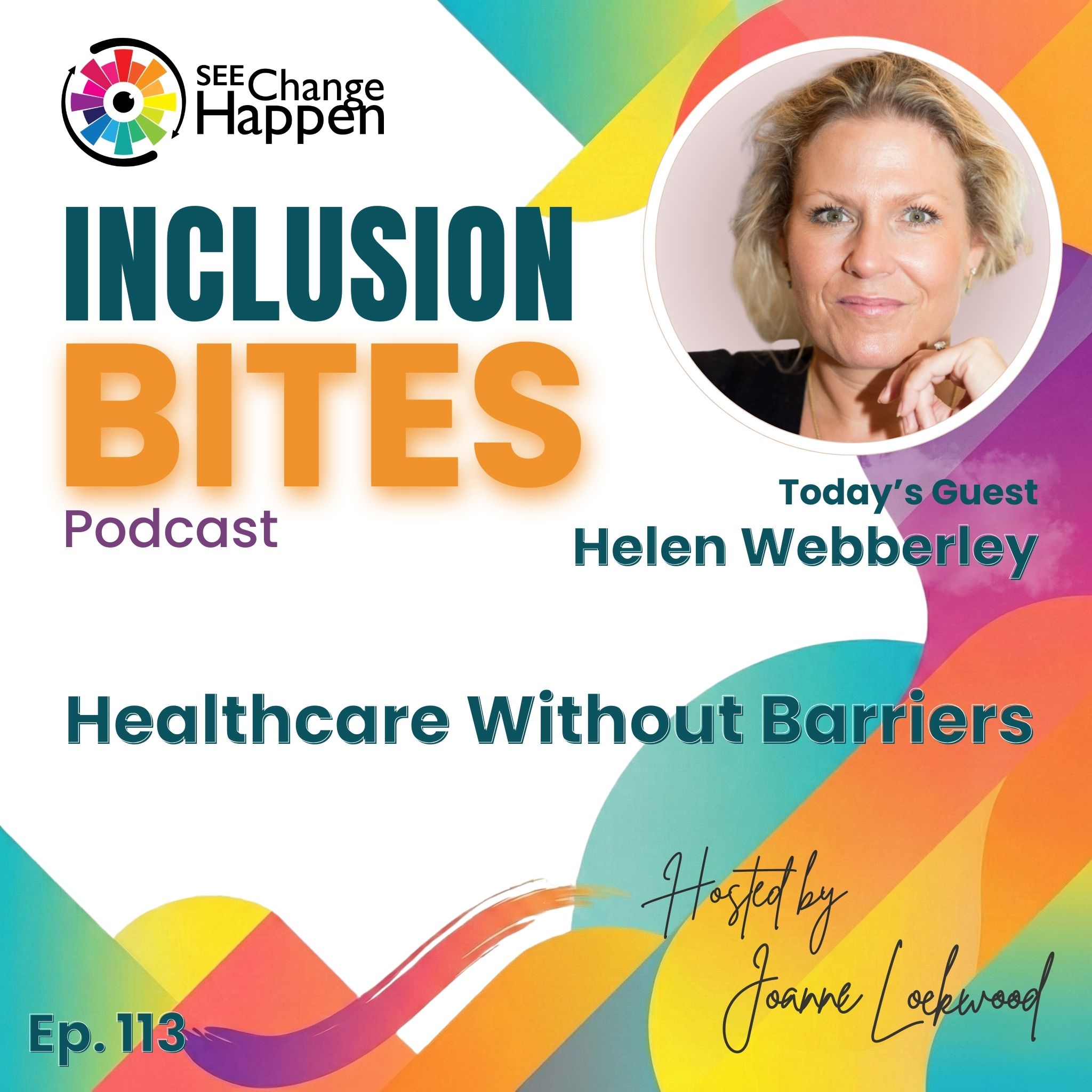
Dr Helen Webberley illuminates the plight of accessing barrier-free healthcare for transgender individuals, underscoring the imperative for informed, inclusive support and the eradication of systemic biases.
In this episode of Inclusion Bites, Joanne Lockwood speaks with Dr Helen Webberley about workplace culture systems.
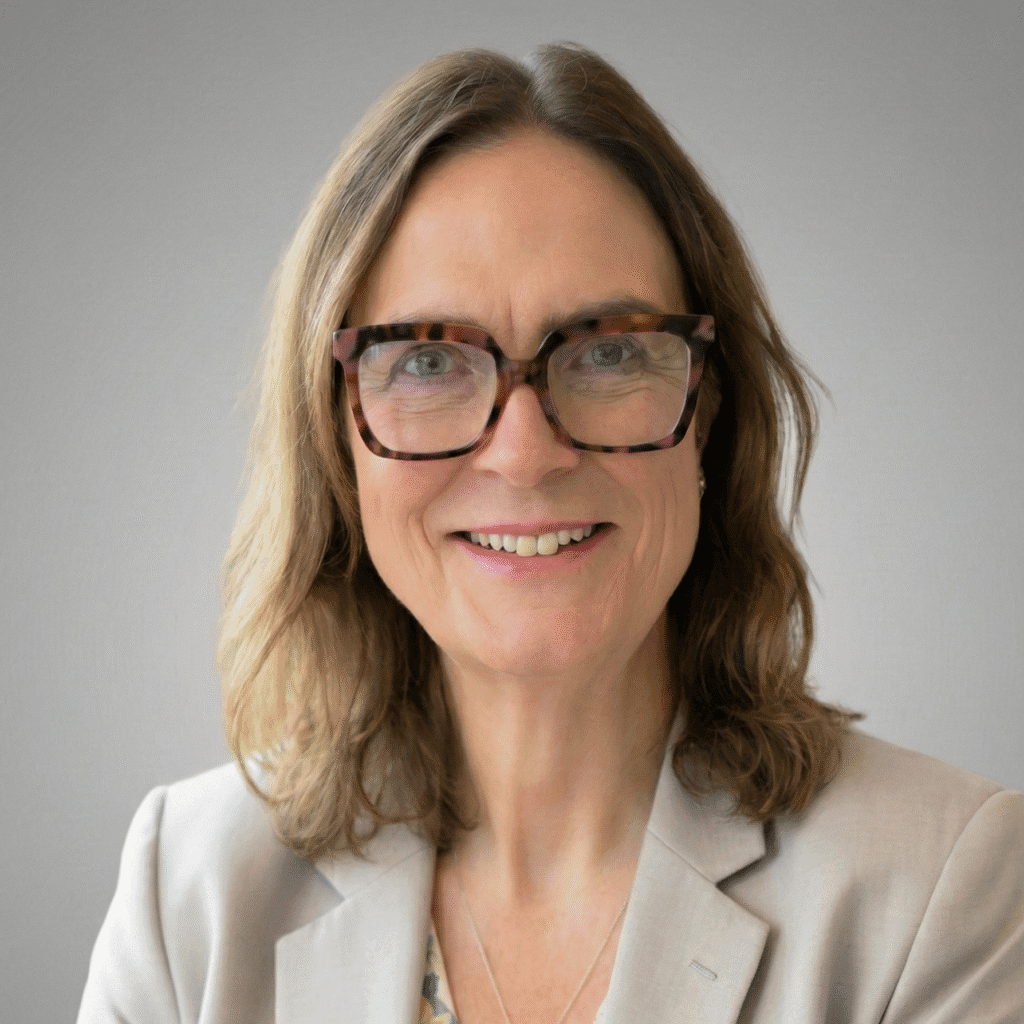
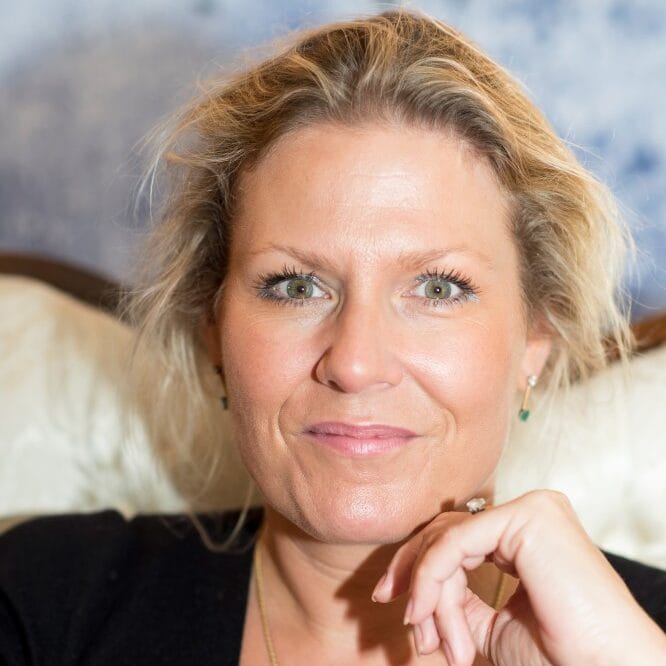
Welcome to Inclusion Bites, yoursanctuary for bold conversations that spark change. I'mJoanne Lockwood, your guide on this journey of exploration intothe heart of inclusion, belonging, and societaltransformation. Ever wondered what it truly takes to create aworld where everyone not only belongs but thrives?You're not alone. Join me as we uncover theunseen, challenge the status quo, and sharestories that resonate deep within. Ready to divein. Whether you're sipping your morning coffee or windingdown after a long day, let's connect, reflect,and inspire action together. Don't forget,you can be part of the conversation too. Reach out tojo.Lockwood@seechangehappen.co.ukto share your insights or to join me on the show.So adjust your earbuds and settle in. It's time toignite the spark of inclusion with Inclusion Bites.And today is episode 113 withthe title, Healthcare without Barriers. AndI have the absolute honor and privilege to welcome Doctor HelenWebberley. Helen is the founder ofGenderGP, an online health andwell-being clinic which proudly serves transgenderpeople of all ages across the world.When I asked Helen to describe her superpower, she said it isher ability to drive change, challengethe status quo, and amplify the voices ofthose who often face discrimination within the healthcare system whilst also demonstratingresilience. Hello, Helen. Welcome to the show.
Dr Helen Webberleyguest
Hi, Jo. Thanks so much for having me. It's an absolute pleasure to be here.Thank you. I feel very honored. I I used your
Joanne Lockwoodhost
services through GenderGP back in 2016, and I'vefollowed your trials and tribulations over the last couple of years,which no doubt you will expand on. But yeah. But it's, it's a real honorto have you here, and thank you for sharing your time and giving usyour voice. So, Helen, health care without barriers. Tell usmore. Yeah. That's, well, it's kind of
Dr Helen Webberleyguest
like as we say that, it's it should be everybody's privilege. It should beeveryone's daily bread and butter, you know, health care withoutbarriers, that's what we all need. And, you know, everywhere in the news you readabout health, you need health positivity, health promotion. It's all aboutbeing healthy, being fit, being healthy, being happy, being well.But then actually when some people want to be fit and healthy and happy andwell, it doesn't always go to plan. And that's as Ias a in my career as a doctor, I've seen it severaltimes within several community groups but none sobig as the trans and non binary. From here on I will simply just saytrans but for the trans, non binary, gender diverse, gender incongruentpeople, I spotted back in 2015 Safety thingswere not good and that there were boundaries and there were barriers andthere was gatekeeping. And even worse, there was bias and prejudiceand harm from within my own profession. AndI was just shocked. And it's interesting you say that you you used my serviceback in 2016. I can't believe it's beensuch a long time since this all started. It sometimes feels likeyesterday. And then at other times, it feels like a whole lifetime.Sometimes good, sometimes bad, which you kind of allude alluded toin your trials and tribulations. And we've still got a long way to goto cut down and break down those barriers andmake healthcare inclusive to all minority groups.And while I have the privilege to be a doctor, tohave medical training, to have the experience of the trans community,and while I've still got kind of life and blood in my veins, Ireally, really hope to make a really big difference, totrans health care. And I guess, like I say, we've still gotquite a long way to go. Yeah. You talked about
Joanne Lockwoodhost
bias and prejudice, and and I guess also there's andI speak from my own experience see. There's my own internalizationof those biases, prejudices, and the and the and the narratives you hearin the media and online and other places. And I know thatI in my early stages of exploring myidentity, I didn't know where to turn. And, youknow, it's we talk about 2015, 2016. It's quite a whileago, and the world has moved a long way in transawareness, and I certainly see a difference. So backthen, I I went to see my GP, and he had really noidea. There was no there was no knowledge at GP level, and we I thinkwe still find that postcode lottery around primary caresupport, where to go, differences of ofof service or of of delivery. How I Iappreciate you're not necessarily speaking for the NHS at all see,but where what can the NHS learn about supportingtrans non binary people more effective? Well, it's interesting you talk about the internalisation
Dr Helen Webberleyguest
and I I think what people don't realise is, Wellbeing healthcare professionals and thepublic who who can speak so foully sometimes, what they don'trealize is that people who are about to pick up the phoneor go online to make an appointment to see their GP, to takethat brave step to say, okay, you may not knowthis, but I am actually transgender, and I would like todo X Y Z, and I would like you to help me with that.That is a huge step. The people that I've spoken to, thatdoesn't that doesn't come quickly or easily. Itmay be a spur of the moment second when you're like, I'm gonna do thisright now. I'm gonna do it. I'm gonna be brave enough. And that that instantgives you the bravery to do it. But it's been planning and plotting for along time. And I've heard people tell me that they pick the phone up and
Dr Helen Webberleyguest
to put the phone down, they pick the phone up, they get through and it'slike, how can I help? And it's like, okay, can I have my fluvaccine? You know, it's such a brave thing to do. And thenwhen you do it, there's the the canceled appointments, see okay, I can't do this.I'm gonna cancel and then I'm gonna rebook and then I'm gonna cancel. It's sucha journey to make that, to make that first appointment. That's what I've heard.And then when you get to that employment appointment, oh my goodness, are youbrave enough to say the words or do bottle and just say you've got abad ear or your knees hurting again? You know, butjust such a journey. And it's so important that thatfirst that the the look on that doctor's facewhen you say the words for the first time, their response, thatlook that, are they hiding it? Are they are theyvisibly shocked? Are they petrified? Are they are theydisgusted? And these are all experiences and emotions that I'veheard, you know, reflected back to me from people who've who've been throughthis. And then that internalized,as you say, feeling or shame or emotion that goes back into you as aresponse to your experience with that doctor doesuntold harm. Can you imagine going to the doctor? No problem atall. I'm trans and I've just decided in my life that now is the righttime to take those steps and do something about it. And I'm going to phoneup and I'm going to make an appointment and I know I'm going to goin and I'm going to have the best experience. And the doctor's going to sayto me, oh, that's great. I'm so glad you're, you were brave enough to tellme that. Thank you so much for sharing it with me. Right. Let's get onthis journey together. How should we do this? What should we do? What are the
Dr Helen Webberleyguest
first steps? How can I help? It would be such a different experience.And I have heard that never, maybe, never,which is really, really, really sad. And you talk about the postcode lottery,Jo, and that's just not fair. That's just not fair.You should feel, you should be confident that you're going to get the same experiencewherever you go, whichever doctor that you see, whichever nurse, whicheverhospital, whichever clinic, whichever outpatient department, whichever GP surgery,whichever flu vaccination clinic. But weagain know that that's not, that doesn't happen. And even worse than that, we talkonline and look in the community and speak at forums and you're like,oh I wonder what my GP is going to be like and you look itup and you're like, oh jo. Have you seen what they're saying about that surgery?Oh, my God. But that's where I'm registered. What am I going to do?So it's just it's just a travesty. And if ever we talk about noninclusion or barriers orinadequate health care, I mean, that that's just epitomizes itreally. It I'm just I'm smiling and grinning as you're talking there because
Joanne Lockwoodhost
I'm probably the first person you're gonna meet that had an extremely positiveinteraction with my GP on first contact. And I I tellI briefly tell you the story. It it was I was going through some realmental health crisis. So I so I come out publicly, Facebookand all those sort of things, and then I was going through this real crash.And my wife at the time said, right, I'm gonna book an appointment to goand see your your GP. He'll sort you out. I think she expectedthe GP to sort of to give you some tablets, fix me, and tell meI was being silly and getting on with life. But instead, I he he said,what's the matter? And I said, I just went it came out my mouth.I I'm trans. I don't wanna transition sort of thing. It came out my mouth.And immediately, he he he he focused onme. He can metaphorically, he he cleared his diary.So this 10 minute appointment, I was in there for an hour and a halfto 2 hours. He just cleared it. He just carried on. There was no therewas it see. He referred me to the GIC. He askedme a couple of questions around, if I had a magicmachine that could change your gender immediately, would you want it to beone way or reversible? And I said, give see themachine. I'll smash it to pieces with a hammer. I never wanna go back throughit. So, like, so I think at that point there, he really engaged, talked aboutmy mental health, and he even gave me his NHS personal emailaddress. So he said, if any if you wanna talk to me,email me. You don't need to go through the system. You just email me anytimeif you have any issues about this. And so he's been amazing. Hehe signed the share care agreement straight away. We got that sorted.So it it can happen. But as you as you say, mostof the apprehension is that well, I think there's this belief withinthe the trans community that medical professionalsInclusion and the realization that medical professionals are just human.They focus on their specialism. Anything out out of their blinkers,they just don't know. And I think trans people are kind of on thatperiphery of understanding still. Yeah. But that's,
Dr Helen Webberleyguest
but that shouldn't be allowed. And, you know, I'm I'm I'm you can't see me,but I'm clapping and applauding and patting your GP on the back here because thatis exactly what we need. But the next step that we needis for your GP not to have to refer you to the GIC.So the next step we need is for doctors to be able to empowerthemselves to learn about trans healthcare. Now whenI first join, started doing this, I was like, oh my goodness. Doyou know what people are asking me to do? They're asking me to switch theirhormones. So this person who's got an estrogen profileis asking me to switch off their estrogen and give them testosterone.And that testosterone is going to make their voice deep. It's going tomake their their skeleton, their muscles bigger. It's going to develop facialhair, make their head hair probably thin, if that's what's intheir genes. It's going to reduce their lifespan because men have a shorterlifespan than women. This is all the things that were going through my head. Andthen I looked at the other way around, and I was like, okay. This personis asking me to switch off their natural testosterone and givethem estrogen instead. And that's gonna make their bodies develop ina way that, you know, an ovarian puberty would happen. Itjust felt so unnatural to me as alearning doctor. But then but then I had the fortune of the peep theperson opposite me saying, yes. Exactly. That is exactly what I want. Iwant that. Please, as quickly as possible, can I have it now? Can can youdo it? Can you do it? And the problem that we have at the momentis, well now I don't know how to do it and I'll refer you tothis open hole. What I and I can't guarantee your experience when youget there and I don't know how long it will be to get there. Butit's just that fear of doing something apparently so unnatural. And so
Dr Helen Webberleyguest
when I was wondering about how unnatural it is in my in myyouth, if you like, I looked at the kind of the chemical composition ofthe hormones. And there's just, if you can picture those kind of hexagons andlines that make up chemical compounds, it was just like 1 or 2bars difference. And then I looked to, like, cholesterol and they're like, these are these3 the estrogen, the the testosterone, cholesterol, all the same kind ofcompound. You've just taken a little arm off or added a little hexagon on.And I'm like, this is they're actually so similar. And the hormonesare just natural. They're just natural things that our body needs. And does itreally matter which one you have? We know it's really important to have1 and to make sure you've got enough hormones, we know that really clearly. Andmake sure that you don't get them too early, and make sure you don't getthem too late. We know all of that about hormones. But it doesn't actually matterwhich one you have as long as you have it. And if you've got someonesaying, well, do you know what? I don't want the testosterone Joanne. I want theestrogen hormone. That's gonna suit me much better. Why are we not listeningto these people and saying, yeah. No problem. Andthen, you know, again Belonging about I'm talking to your GP if he's listeninghere. It's okay. So how do you do that then? How do weswitch off someone's natural hormones? And I'mlike, well, we do it. We do that. We do that in in kids who'vegot precocious puberty is when they start puberty too early,like age 5 or 6. And that's just way too early to startpuberty. Their their ovary or testicle woke up way too early, andwe just stop it. We give them this medicine, and there is a naturalhormone that stops it. And we do it with people with prostate cancer, forexample. We give them that medicine because we know that prostate cancer feedsoff hormones, off testosterone usually. And we'd and, we don't want it to.So we switch off the testosterone. So I'm like, so it's really easy toswitch off someone's hormones because we and we're already doing it ingeneral practice. And then how do you replace someone's hormones? AndAnd I was like, we do that already too. We we manipulate hormones withoral contraception, we give hormones for menopause,whether that's estrogen or testosterone. You know, when someone's notmaking enough of their own. Some people are born when their ovaries or theirtesticles don't work properly and they don't produce enough hormones, so we givethem the the hormone by medicine. When you put 2 and2 together, we already switch off people's hormonesin general practice very easily, every day.And we already replace those hormones with the hormonethat they need, the body needs, every day, all day every day. It's all breadand butter. But then if you're Joanne, it's not quite thesame. We don't do that because we don't know how to do it, and we'rescared of it, and it feels too new, and we must refer you.But what we've got to do is move towards a place where we're notscared to do it, and we already know how to do it, we already knowhow to do it. The other question actually which is, well how much do yougive? How much hormone do you give? And it's like, well see know, we knowwhat the right level is. We do a blood test and we know, forexample, that someone with ovaries, we kinda wanna see the the estrogenbetween 308100. So that's what we wanna see in a trans woman or atransfeminine person as well. So we know all these things and that but yetGPs kind of have this feeling that they don't know how to do it, whenactually it's the simplest thing in the world, and we're already doing it everyday. So it's actually just down to the bravery. It'sshould I do it? Am I allowed to do it? Whatmight happen to me or the person that I'm helping, my patient,if I do do it? And those are the those are the the politicalSafety regulatory bits that that we need to to definitely sortout, and that's the problem. And the other problem at the moment is thatGPs are not being supported to make these decisions. And if they ask the question,am I allowed? But not really saying you are.There's nothing out there saying you help, you do, you help your patient,make sure you do the best by them. And, you know, the Royal College of
Dr Helen Webberleyguest
General Practitioners fairly recently have kind of said, we supportdoctors well, they haven't they haven't said that in these words, but this is theinterpretation. We support doctors who don't feel able to do this.We recommend that doctors refer to gender specialist gender identityclinics. We don't think that our GPs should be askedto provide this specialist care. And if you think aboutspecialist care, when you you mentioned a little a minute or 2ago Jo, that back in there's been a big rise in awarenessof trans people. Kind of you know 2015, Safety, we had acelebrity or 2 that came out as trans and there was this big awareness risingof awareness the people that have had to be hidden for so longsuddenly became visible and as as the braver ones became visiblefirst, the shyer ones became visible after them. And so we'vehad a big rise and so what that means is that it's this is nota small specialist subject And and theNHS have kind of cutoffs. You know, if if there's a condition that has lessthan 500 cases a year, then that's considered to be highlyspecialised, and that should only be dealt with in super specialistclinics because you can't have just one doctor in the whole of that areathat knows how to do it. You so you you put those those very rareconditions in super specialized clinics where there's lots ofsupport. But but we have way more than 500 cases a year,way, way more. And so we we can't we have to move away from thatsuper specialized model, and that means we have to bring it backinto primary care, which is GP surgeries, and secondary care, which isyour local hospital. But at the moment, doctors are kind of scared to doit. They don't know if they're allowed to do it. They don't know what willhappen to them if they do do it. And they feel that they don'thave the skills and knowledge. And if you but if you look at the theduties of a doctor, which is the which is good medical practice,which is the kind of the medical law if you like, The firstrule is make your patient your first concern, andthe second rule is make sure your skills and knowledge are up todate. And so those doctors out there that say, I don't know how to dothis, and I accept that I don't know how to do this, and I'm notgoing to increase my skills or knowledge in this areaacting against the duties of a doctor. And I sometimesfeel we all need to get our flag out and walk march up and downthe street and go in front of the the doors that arecurrently closed. And behind those doors, we're having verynegative Joanne negative conversations, and we needto knock on the door and say, actually, your duty as adoctor is to increase your skills and knowledge in this area of healthcare and make your patient your first concern, even if they'retrans. Is some of the fear based on, well, fear of
Joanne Lockwoodhost
litigation, fear of see transitioning, fear of beingcaught up in front of the GMC for getting it wrong? Isit a genuine lack of lack of awareness? Is itbias? You know? Trans people have gone from being a bit weirdto being a threat somehow in the the last 5 or 6 years. We'vewe've turned the tables. Now now we're taking over the world. We're now political football.Whereas before, we were kinda like this, this this dirty littlesecret that used to somehow leak onto the front page of the tabloids everyso often, and that was it. Now everyone everyone's worried aboutus. We don't know our own mind. We we're I Idon't know. I I I'm I'm really confused as to what the root of itis. Is it just bias and fear? Fear of being holdup themselves and prescribing off license or whatever thephrase physiology is there. These these medicines and hormonesaren't designed for people like see. Therefore, it's risky to withoutthe trials. Is that is that the situation?
Dr Helen Webberleyguest
Wellbeing very interesting, isn't it? So thelitigation, litigation really means that see, a trans person'sgoing to come to you, as a doctor in 10 years time andsay, you gave me hormones, and youmade my breasts grow or my voice drop,or my, you know, my beard grow, and I nowregret it, And it's your fault. You actednegligently, and therefore I'm going to sue you. So that'sthat's litigation. And unfortunately, of course, the medialike to show those stories. And but what we do know is, ifwe talk about regret rates, with every single medicalintervention, there is a regret rate. And when when youlook at the regret rate for transitioning, the regret rate istiny. Now I'm we may talk about why peoplemight regret it in later on in the show if we have time, but butlet's just accept for now that we know that the regret rate fortransitioning is minuscule. Compared with, forexample, knee surgery or breast augmentation or some plasticsurgeries, hip surgery, a penectomy, all lotsand lots of things that we do, people people regret. And thoseregret rates are much higher but they're they're not, they haven't got that kind ofemotion attached to them and doctors doctors still do them. Sothat's litigation. We're, you know, people are scared ofbeing sued in the future in case somebody regrets it. but, but actually what youneed to do is just make sure that that person, at the time that they'remaking that decision with you, are giving informed consent. And thatmeans, do they know, they're saying to you, please Joanne you switch my hormones? Andthey're saying, I know what this means. I know what this will do to me.I'm fully aware of the pros and cons. I know what this canand can't achieve. I know that this is what I want to do. And Ireally, really believe that at this time, and I've been thinking about itfor a long time, this is the right thing to do. Andso the doctor's job is to say, okay, well, you know, these are the prosand cons, these are the risks and benefits, what do you reckon? Are you sureyou're aware? Absolutely, I'm aware. Fine. And you can't,that's never going to be medical negligence. That is not medicalnegligence. That is not that that might be someone may Change their mind down theroad and we know that's very rare. But it's not medical negligence, it wasa good informed consent process. So we don'tso in many ways, if people are if doctors are worried about that, I don'tthink we should. Make sure that your consent processes are good and we'refine kind of thing. The GMC, the GMC guidance.So GMC are the regulator of doctors and the guidance has changed a lot overmy time. I watched it change as I was going through my own process withthe GMC. And the GMC actually have become much moretrans aware recently and they're quite positive.They're saying you must help your patient and you you mustn't just say no. Youmust if you're gonna say no, you have to have a really good reason forsaying no. And, you know, they they do see, if you don't know what you're
Dr Helen Webberleyguest
doing, then then talk to a gender specialist, which is a bit tricky because they'renot enough around. And actually, if if the gender specialists who areworking in the NHS at the moment spend all day on the phone to theGPs to give them reassurance, then the waiting list Wellbeing evenlonger. So that's a bit of a that's a bit of a problem. But Idon't think there will be a doctor in the land who who's trying to thinkabout helping their trans patient who won't have heard of my case. And, you know,that's why it was so important that I won that case. And I hope thatthe lasting message is that doctor went through a lot, butthe final message is, it was absolutely fine. She she shemanaged to prove to the tribunal that those 3 young patients that werequite stark examples, if you like, it was it was right andit was fine for her to treat them the way that she did. And Ihope that that gives other doctors out there confidence. But we could do with theGMC giving a bit more confidence. And actually maybe even saying, you know, ifyou if you deny care, what are going to be what are the consequences goingto be? It's all right, it's all very well for you saying, well, if Igive care, will I be will I be, you know, hold up infront of the GMC, let's say. But what if I deny care, will I see,will will I have action taken against see? You know, am I fit topractice as a doctor if I can't help this transgender patient in front ofme? And And that's what we need to switch that narrative to. You may youmentioned the off label. We use off label drugs all the timein medicine every day. And, you know, we, we explainto people that sometimes the drug that we're recommending for that conditionis, hasn't got a license. And there's loads of reasons why it might not havea license. It's just that some people use that as an excuse. Oh my goodness.
Dr Helen Webberleyguest
But it's like, okay, if you're gonna use that as an excuse, you have touse that as an excuse for all of the things that we prescribe offlabel medication to. You can't just say I'm not gonna give it for trans people,but I am gonna give it for arthritis or for cancer or fordiabetes, etcetera. You you know what I mean? Andjo therefore, what is it? Is it the fear? The fear of not knowing. Ifyou don't know, if you're not educated, if you don't if you haven't had theeducation and knowledge, it makes you scared, for sure. And there isn'tenough education and knowledge. If you have a look at medical school curricula,postgraduate training, undergraduate training, later in lifegraduate training, where do you go and learn how to be a transgender doctor? Therejust aren't any places, there's no education. Andeven the very small amount of education that we have, weused to have the GIRES, module with the e-learningmodule with the RCGP, and they took it down because it was perhaps too affirmativeand replaced it with a basic one which says see people aretransgender and you must use the right pronouns and see if you can get thename right. And I'm like, come on. We we need the training that says howdo I turn off the hormones and how do I switch the hormones and whathormones should I give and what's the safest way of doing it and how oftenshould I do a blood test. That's the knowledge and education that we needout there and that see haven't got, unfortunately.And then there's bias. You know? And what what what happensto those doctors who actively won't help? So notthe ones that are just, oh my goodness. I don't know and I'm not evengoing to work bother finding out how to do it. I'm just going to referyou. What about the ones that say, well I don't believe in this, I'm notgoing to refer you. Go away. Don't be such a silly girl. Don't go awaysuch a silly boy. Look what you're doing to your wife. Look what you're doingto your family. How can you possibly think like this? Everyone's gonna laugh atyou. And this is what people have experienced in the GP surgery. Godis against you. Now that's just not right. You're just not allowed to do thatas a doctor. And it's about time that the doctors who are behaving in thatway faced the difficulties that the doctors whowant to help are a bit scared of, if you know what I mean. It's
Joanne Lockwoodhost
a generational thing. Does it tend to be more establishedsenior GP, or is it across the board? Is itI I mean, am I well, being age biased here?
Dr Helen Webberleyguest
I don't know actually. I mean, it'd be interesting survey to do, wouldn't it, oftrans people. How old was your doctor? What have you? I mean, we know thatthe younger generations are much more fluid in and much moreunderstanding. But then also, we know that that there are someyoung people out there who can be very, very bitter and twisted andSafety. And, you know, our younger generations areunfortunately experiencing some difficulties in their in parenting and what haveyou, and can be very vicious and, and, and antagonistic. Soit's tricky, isn't it? Is it an age thing? I don't know. You getit's interesting. If you listen to people talk about their grandmother, for example, you know,when I told my grandma I was Joanne, and you listen to the differentexperiences, some have a great experience, you know, oh my goodnessthat's so amazing, well done topic kind of thing. And then some are justawful. And so I guess, it's across all age groups,the, the bias and the prejudice. But the simpleanswer is it's not allowed and it shouldn't be allowed,but it is still being allowed. And that's the problem. It's
Joanne Lockwoodhost
funny you say that about age. And I I met some Chelsea Pensioners ina jazz bar in Chelsea, a pizza express in Chelsea, thethe pheasantry, I think it's called. And I had a great evening with these ChelseaPensioners. They were just chatting away. I thought they'd be biased and prejudiced, butMhmm. I suddenly realized that they've had so many lived experiencesaround the world and lived a full life. And while Ithought I was gonna struggle, I had I had I was celebrated and,other story, my my my wife's father, my father-in-law. Hetells a story about a member of the family you shouldn't speak of. Theywere cross dressing or trans or something like this, a darkpart of the family. So this is not a modern phenomenon. This is this issomething that's been going on since the beginning of time. Trans peoplearen't new. It's just again, we've moved from this fromfrom being hidden to being aware, and I think that is that scaringpeople, isn't it? We're disrupting society. Yeah. You
Dr Helen Webberleyguest
yeah. You talked about that a little a couple of times, you know, that fear.And, you know, back in the back in the day, see were Joanne peoplejust sexual perverts or were trans people those kind of people that werejust in that house down the street that nobody ever saw and it was fullof amazement and wonderment and what have you? Or are trans peoplein some in some ways dangerous to people in bathroomsor in hospital wards or or inon school trips in in the wrong dormitory kind of thing. You know, there's thisfear of of the unknown. And it's no different from peoplewho used to be scared of colored people, you know, were they going to bedangerous in some way? Or people who gay people, you know,were they were they going to just attack you and have sex with you kindof thing, you know. So that that kind of fear and awareness and andknowledge and education and and actually bringing voices tolife, which is what you're doing through your podcast, is how we educate.So as well as the kind of the medical knowledge that we need to hurryup and get out there, which is some of the work that GenderGP is doing,It's also about hearing those voices. And you, you mentioned voices atthe beginning and, you know, the trans voices are being hushed and they'renot loud enough. And if they do speak loudly, they get attackedwith the nastiest, most vicious comments that peopleare allowed to to do and evento in court some people, you know, this debate about Joanne,trans whatever Joanne inclusion or trans awarenessor being Joanne. You know, the debate about whether it's a it's a realthing or whether you're putting it on or what have you. With the debate abouthow we're allowed to to treat trans people online or in the streetand and the the the kind of the debate about the things we're allowed tosay about or to trans people Wellbeing allowed. And it'sbeing allowed in courts, it's being allowed in in tribunals, it's being allowed inworkplaces, in schools, the debate, I mean. And by allowing thedebate, we're allowing that uncertainty, that fear, that bias, thatdiscrimination, that prejudice. If we say right, actually,on 14th March 2024,that debate is no longer allowed. Trans people exist,trans people are a portion of our society and actually they're just asboring or as or exciting or as ordinary oras unordinary as you or I are. Nothing to see here.Right. Equality and Diversity respectand embrace Diversity, equality for all, no more debating.The only debating we will now do is how bestcan society hurry up and be inclusive totrans people everywhere. And that's the debate that we should be allowed to behaving. Instead of and it it just drives me mad. I can't evenread it in the newspapers. You know, the politiciansare allowing debate in their own commons orwhatever it is. I don't know. I just I just, you know, that that andthat is why we're facing this uphill struggle at the moment. That's because thepeople in power are still allowed to debate, and they're evenallowed to say it publicly. I can't believe it. Well, they're getting a microphone shoved
Joanne Lockwoodhost
in their face and ask the question, can a woman have a penis?that's what's happening. And they're they're running scared because that'sthat's a that's a no win answer, whatever you say. You're gonna getberated if you agree, berated if you don't agree. Or if youpause for 3 seconds, why do you have to pause for 3 seconds tothink about your answer? So people are being bullied into aresponse. But the answer is so clearly yes. There is an
Dr Helen Webberleyguest
answer to that, and the answer is yes. And that's we've already establishedthis in the Equality Act and, you know, there are theprotected characteristics and gender reassignment is aprotected characteristic. So we've done all that. Can a woman havea penis? Yes. Can a man have a vagina? Yes. Canyou possibly be not a man or a woman? Yes. Whatgenitals would a man or someone who is not a man or a woman haveeither? Then we've done it. We've discussed it. It's there. Andthat's what the the politicians should be saying right at the beginning. Right.Actually, let's just have some ground rules here. You know?Some people that you might may think of as a man may have a vagina,and some people who who may think of as a woman may have a penis.Like, let's just get that out of the way. And now we need to startmaking some rules and some societies and poll political policiesthat makes all of these people included. I know many women and I know
Joanne Lockwoodhost
many men. I've never actually really got into the depths of do they havea penis or do they have a vagina. It's not something that really enters mymind at that point when I'm having a conversation with them. But for some people,it becomes, like, I happen to transfix on these body parts.Yeah. And and it's it's it's, yeah, it it's becoming kind of,that seems to be the big issue. You know, do you have a penis ornot? Is that part of the problem where, 20,30, 40, 50 years ago with all the gatekeeping, if you were atrans woman, you were expected to behave in a certain way. You know, we sawthe the film the BBC One documentary. Was it Judith or
Joanne Lockwoodhost
Julie Grant or something, whoever it was, the, the transwoman in the in the seventies who was on telly? They they filmedher going to the gender specialist, and she had to perform andbe taken seriously. And I've even heard some a a doctor evensay, well, I I'm I'm attracted to you, therefore, you pass. You must be awoman. That kind of thing in order but now now trans women canhave beards. They can have hair chest hair. They can they can have croppedhair, they can they can they they break the boundaries of the of thesocial construct of gender. Is that what's is that what's causing this confusionwhere trans people aren't behaving like women, they aren't behaving like men,they're they're they're blurring everything. It's really confusing. I mean, I
Dr Helen Webberleyguest
think, Jo, what we what we need to move to the next see, isn't it?And then just like you don't say, look at that blackman walking down the road. We would not be allowed allowed to say that. Whatyou say is, look at that man walking down the road. And if, you know,and we've all been there where, you know, you you you're recounting astory that someone you met in town and you say they're black and someone willchallenge you and say, why did you say they're black? Is it was it isit relevant that they're black? And it's like, well, no, that was just kind of,you you you know, we've all been there. We need to lose that. There's aman on the street I met today, end of. And I think if we losethat trans woman trans man bit, there are you a woman or a man ordoesn't matter? Do you know what I mean? But I think by holding on tothat, sometimes that label, sometimes we we I thinkwe're we're still continuing that divide.Now I know that there are some trans people who are very very proud ofthat trans identity and they want to be that, in the same way that someblack people are very proud of their heritage and they want to keep that. Andthis is not about stripping that away, but this is about not making ita part of every single label. You are allowed to be a woman, evenif you have a penis, even if you underwent some kind of gender reassignment, whatwhatever. Whether that was just a name change ora person, you know, the way I way I want to talk to you ora medical change or surgical change, it doesn't matter. But some kind of genderreassignment. So let people let people choose whether they keep theirtrans label or not. And but fromsociety's point of view, stop Wellbeing people. I have a problem with peoplebeing labels homosexual and bisexual andheterosexual as well. Just leave this leave it out. It doesn't matter. They're justpeople who like having sex because that's a good thing to do if you wantto, You know? Yeah. And, I mean, there was there was a stage
Joanne Lockwoodhost
in my life in the last 5 or 6 years where that label wasimportant to me. But I I don't get up in the morning and go, yay.I'm a woman. Yay. I'm a woman. I I get up and I I Imake breakfast. I fill my car with petrol. I I do somework. But my my my sense of identity of who I amdoesn't fit into my brain at all. I just am these days, andI think I always said the ultimate aim of my gender transition was for lifeto be ordinary and boring again. Yeah. And that that was the outcome. It wasn'ta continual forever party and celebration of anything. It wasjust I just am. I've got a I've got a wardrobe full of clothes.I've got a couple of shoes, and I've got a coat. And I I getI look at the weather and go, I'm gonna wear this today. And that's whoI am. And it's I think so, certainly, I agree with you about tryingto drop that primary identity Mhmm. Oftrans or nonbinary or being black or beingwhite. If it means something to you, brilliant, celebrate it. Butit doesn't have to. And that's, I think, probably the
Dr Helen Webberleyguest
definition of true inclusivity, when it doesn'tmatter what you are or what who you are, you're just a personin Safety, see as everybody else. And that's trueinclusion, I think. Yeah. It's your contribution and your your
Joanne Lockwoodhost
value your personal values and the impact you have on others that's moreimportant than the packaging, for want of a better way of describingit. So you mentioned earlier about we've beenprescribing hormones and and tweaking this and tweaking that for along time. And let me just touch on, if you don't mind, the menopause.You know, my my wife is is is, you know, latefifties. She's, like many women in her late fifties,is is on this cusp of menopause, perimenopause, trying to figure out what's goingon. And her GP, and she's had a number of them recently, arereally struggling with hormones and and the balance and engaging withher. So even from her perspective, there's alack of understanding around estrogen,testosterone. I've had more blood tests before my hormone profile thanshe's ever had. They won't give her one. They just said, there's no point ingiving you a blood test. So they've got no idea whether she's between 300 and800 or whatever it may be. So does does that reinforce the factthere's a lack of understanding about sex based hormones, if Iwould have a better way of describing it? Definitely. Definitely. And, you know,
Dr Helen Webberleyguest
I can't remember when it was, what year it was. I'm rubbish with years, butthere was, you know, they did a big study on hormone replacement therapy and theystopped the study early because they thought there was a harm and that HRThormone replacement therapy would cause cardiovascular disease, heart disease,strokes, etcetera. And it caused a major panic. And I think it I think itwas the one of the worst things that's happened to women and men actually.Well, estrogen people and testosterone people over the yearsbecause, it's it's really put a damper on on the thethe importance of hormones. And in the olden days, we're only supposed to live tillabout 60. You know, we were done. Do you know what I mean? And but
Dr Helen Webberleyguest
these days, we live till a 100. And and the hormones are really important.They're really important for your mental well-being and yourcognitive function, which is, you know, your your ability to thinkand and work work stuff out if you like. And they're really important foryour bones, bone strength. We know that, for example,people with ovaries who've been through the menopause and no longerhave their estrogen, we know by the time they're about 70, if they fallover, they break their hip. Or if they fall over, they they get a fracturein their wrist because their bones have gone thin. And when, you know, if yousometimes if you think about that little old lady in the street who's humped over,that's because she's got her bones have gone thin in her spine and andthey've crumped over. We know how important hormones are, and yetwe're so bad at doing it. And it's just like, come along now. Let's stopbeing bad at it. Go and read the books. There's plenty of information out there.We don't need Davina McCall to go and to be the one that educates us.That's kinda we need to do this medically and understand that sex hormonesare really, really important for very many reasons.And let's let's start making people's lives better by giving them hormoneswith informed consent. These are the risks. These are the benefits. This this iswhat will happen if you do take extra hormones. This is what will happen ifyou don't take extra hormones. What would you like to do? And we have togive that in a balanced way, not listening to the media, not listening to thethe negative medical press. We have to do a proper evaluationand help people, but we're not doing it well at all. Do you feel
Joanne Lockwoodhost
willing and able to comment on the NHSEngland guidelines that came out yesterday? It was very timely. It came outyesterday around, puberty blockers,the cash report, the closing of Tavistock,gender identity services, and what's gonna happen now toyouth services around gender. Do you have a perspective on any ofthat? Well, I mean, people will
Dr Helen Webberleyguest
die as a result of this. The NHS,Wellbeing people who have signed thatthose recommendations will be responsible forchild deaths in the United Kingdom. That is forsure. Absolutely see, Which ishorrific to think. And what I am amazed at, andagain it comes down to people with prejudice Wellbeing having holdingpositions in high places and having power, to toto enforce and to make policy.But we've done this. Right? We have something called theWorld Professional Association of Transgender Health. We have the EuropeanProfessional Association of Transgender Health, and we have one in the US, seeAustralia. Like, look, we have lots of PATHS, Professional Association ofTransgender Health. Now they are panels of absoluteexperts. They are medically qualified,psychologically qualified, and they're lay people. There's a there's bigpanels. And what the panels have done over the years is analyze all the research,research, all the evidence, the small trials, the big trials,the they've looked at clinics who've been providing this carefor many years, and they pull everything together and they makeguidelines, international accepted clinicalguidelines on how to treat adults and how to treat youngpeople, and they publish them. And the most recent one that the WPATHpublished was back in 2000 I thought it was last year, wasn't it?And it's very clear. Puberty blockers save lives.Puberty blockers given at an given at the righttime will prevent life changing, lifealtering effects on the body, which reducestigmatization and bullying and harassment and prejudice and bias, all those things that we'vetalked about. They save lives in from suicide, mental, poormental health, etcetera. And they give trans young peoplethe opportunity to live their life in the gender that theytruly are. Now I just absolutelycannot understand why people in the NHS who are makingthese new policies for the care of UK trans peopleare not reading it. I've never seen it once referred to in the CASreport or what have you. Or in NHS England's, you know, they say, oh, wefollow the WPATH guidelines. And I'm like, well, you clearly you don't because you're justnow saying that that these young people shouldn't see have this care.And this care has been probably been more evaluated than any othercare I know because of its highly political and contentiousprofile. You know, certainly when other treatments that I've seegiven to patients definitely haven't undergone this scrutiny. But this treatment
Dr Helen Webberleyguest
has been undergone so much scrutiny and they've all come together and theEndocrine Society and said, absolutely. Puberty blockers andhormones should be given to transgender youth at the time that is rightfor them, which is when they're ready for them, not when we're ready for them,when they are ready for them. And so if you have a trans young personwho is ready for them at the start of puberty and they can give informedconsent, they should absolutely have them. And if you've got atrans young person who's ready to undergo puberty thatmatches their gender identity, and they can they have the capacity to giveinformed consent, or they have a parent who's able to give informedconsent for them, they should absolutely be able to have the hormones thatgive them the puberty that matches their gender identity. Andthe rest of the world is listening to WPATH, and the UnitedKingdom is saying that we don't have enough evidence. I don't really knowwhat they're reading that the rest of the world is not read. The trouble isIt's really just wanna say one more thing. Sorry. And the trouble is that theUK have been on a pedestal for so long that other countries are followingus. And so Sweden, Finland, and Denmark, they're like, oh my goodness. If the UnitedKingdom is stopping it, we must stop it too. And then we use that asa backlog. Oh, goodness. Well, if Denmark is stopping it, we were right to stopit. And I'm like, no. They just followed us. So it's I'm I'mappalled at the people who've made those decisions. And as Isaid, and I'm gonna say it again very loudly, deaths will occuras a direct result of the people who have signed those papers. Yeah. I was
Joanne Lockwoodhost
gonna ask you that because I've when I checked through the, the reports anddocuments yesterday, I did notice that the countries you mentioned were backingoff. So what you're saying is almost like its this chicken and egg. You know?Are they backing off? Or we've been talking about backing off. And they also meantthat w path are almost backtracking on their guidance as well, which I guessbecause we're calling into question, everyone's having a conversation now.But one thing I did note significant in the Inclusion the documentswas they they didn't base any of the evidence on lived experience. Theycompletely ignored people with lived experience. It's all about clinicalevidence, and we all know that there's not enough clinical trialsthat are qualitative and quantitative enoughbecause the the the sample size is is too small oftenbecause people don't wanna put themselves forward or don't wanna help themselves, whatever. So it'sreally hard to to judge the the truth. And that'swhat that's what I I my my outcome of reading what I read yesterday wasyou were trying to hit a deadline of the middle of March for when thethe current services close on 31st March and the new services open on the 1stApril. You wanna make sure they've got the guidance you want them to have, notthe guidance they're following at the moment in in almost like that. They were tryingto engineer the outcome to support the well, engineer thereport to support the outcome they wanted. Yeah. I mean, you say
Dr Helen Webberleyguest
and then WPATH when, when the the NHS England publishedtheir their interim recommendations, WPATH andEPATH put out a statement, a very a joint statement, andbasically said that they find the NHS interim recommendationsharmful, harmful, dangerous. Those are bigwords, you know, for another kind of body toto criticize the NHS and say that the work you're doing, the thing you're aboutto publish is harmful and dangerous. I mean, that's, that's, those are prettybig words. And you talk about the fact that there's not enough research, there's plentyof research. It's just that people don't wanna read it. You know, they don't wannalisten to it. And they say, oh, the sample size is small. see we makemedical decisions on smaller sample sizes than that all thetime. And also there are plenty of big studies, plenty bigenough studies. What they're saying is that we don't have enough studieswhere you've got a 100 people young people who say they are trans. Yousplit them into 2 groups. You give one of them puberty blockers and one ofthem one you don't give puberty blockers and you see what happens.And you've got to make it blind so that you don't know what happen. Butof course you do know what happens because it's quite obvious because puberty goes carrieson. Jo. Of course you can't do that. You can't, of course you can't dothat kind of study because it's just not ethical. So we'll never have thatkind of study but we do have plenty of evidence to show thatpuberty blockers and gender affirming hormones improve physicalhealth, emotional health, psychological health, and social health. Wehave plenty of evidence. It's just that the people don't who are makingdecisions, they don't wanna read it. But how's the world gonna change? It it seems
Joanne Lockwoodhost
to me that we're we're getting further and further down this thisrabbit hole of of of political andpeople making decisions, people with gender critical views making decisions,rewriting the rules. Are we are we are we gonna see stuckin this this place for for generations? I mean, is there a way out ofthis? But it's those people that we've
Dr Helen Webberleyguest
got to make sure that the people in high places are inclusiveand that they understand the equality act and that they understand aboutgender identity and gender reassignment, and they understand that thedebate is not allowed anymore. And those people in high places, those are theones that we've really, really, really got to make sure that you're not gonna beallowed to be in that high place making those decisions if you're nottotally and utterly gender aware. The,the, you know, it's really it's just so important to eradicate those peoplein those positions, and not allow them to to have that platform.And the people that are fueling that in the, inthe media and and, you know, the well known celebrities, I'mdefinitely not gonna name them because it just gives them a bigger platform. They shouldn't,you know, we need to start saying that you will be in trouble if youstart saying stuff like that. We don't accept that in our society.And play in the, you know, in the medic in the within the NHS, withinthe, the Royal Colleges, within the Diversity,and within the politics, we need to make sure that thosepeople are not allowed to have a voice. And if they are in anyway non Inclusion, and if they are any way prejudiced or biased or discriminatory,then they need to then they need to be penalized for it. But while they'rethere with power, we we stop we we face a big struggle. And the otherthing I feel terribly strongly about is that they their voices areso loud and their voices see amplified and actually some of themare very nasty because because only people whoallow that prejudice and biases, and discrimination to topersist in their lives, they are by virtue got Safetystreak in them. And so they have nasty loud voices, which theyuse. Whereas people who are more equal and diverse andinclusive and better better people in society, we'remore we don't like to shout quite so loudly. And if we getshouted at, we go into a little shell sometimes and don't allow our voicesto be to be so loud. That's not helpful. We need weand if our voices are small, we need to get together and shouttogether to make sure that our voice is allowed. And the otherthing that happen, as you well know, you know, we talked about it earlier, theperson who has to hide in their house because they're Joanne, the people arehaving to hide away again because if they come out, they might get stones thrownat them, and therefore they hide away again. And we've got to justsee, come on. Come out. Come stand next to see. And if they throwstones at us, we will divert you divert them and we will pushthem away together because I am a trans ally and I will help you. Sowe need trans allies. We need trans people to be given their voices backagain, and we need that to be louder than those,those people who have the heart the position at the moment. Andalso, do you know what, Jo? If there are deaths and if thereare suicides and if there is harm that comes to these peoplebecause of policies that people have signed and put their nameto, then they need to be held to account for those deaths. Yeah. I concur.
Joanne Lockwoodhost
You you mentioned one of your superpowersis demonstrating resilience. But its not easy standingup and having an opinion. Even as a a ciswoman yourself, you must get a lot ofabuse, a lot of threats thrown at you.How do you how do you cleanse yourself in self care?
Dr Helen Webberleyguest
Mhmm. I do have very broad shoulders. And and when Iknow something is right, I will stand up forever until otherpeople will listen with me to to believe that it's right. AndI totally believe that this is right. I don't have a single shadowof a doubt that transgender identities existand that we should include transgender identities amongst all ofour other gender identities And that people who aretransgender should have the same rights to health and wellnessand the most amazing life as anybody else does. Andsometimes people want to access medical and surgicalcare in order to help them to live their best life. I haveno doubt at all that all of those things are right, andtherefore I will keep shouting. And sometimes people do hurt me andsometimes, you know, sticks and stones may break my bones. Sometimes, you know, people have
Dr Helen Webberleyguest
threatened me, but but I believe so strongly in in what I feel isright. And I do feel that I have the privilege to have an educationand a, an eloquent voice. I cancounter almost any argument that someone puts to me against what I've justsaid because I've learned so much about it. And I want to be able touse that, to use that experience, intelligence, eloquence, tohelp a community that might stutter and stumble when they're askedsomething so awkward. So it's really important for me to do that.And I do have, I do have a very strong resilience, you know, wheremany people would chuck their phone or laptop orteddies out of the cot and go, I can't do this anymore. II will take a deep breath and go, I can do this because it's reallyimportant. There are a lot of people that I can personallyhelp and not just by making health care accessible, which I'vedone to thousands of people, but also by being a voice, being bybeing ally an ally, and by sharing the experiences and knowledge that Ihave. see it off of Twitter. That's brilliant. Well, there yougo. Helen, that's been an
Joanne Lockwoodhost
amazing conversation. I mean, thank you frommy own personal story, but, also, thank you for sharingyour your thoughts, your resilience, and youryour your perspectives. And we need to hear more thoughts,perspectives from people who are. Have the resilience to stand up and becounted. Because as you say, there's a hugebow wave of of negativity who which is well funded,very vocal, has Inclusion that we hear those all thetime. But we know we know we know that those aren't the majority voices.They're just amplified disproportionately, and that there is a lotof love and lots of poor hell. And, if any trans people listen to this,you have to believe that as well. But the world is not terrible. Feelslike it sometimes, but, Joanne trans people get on with their livesand have a fantastic experience. It doesn't have to be that. So, Helen,how can people get hold of you if this is they wanna support you? Obviously,the people who wanna troll you know where you are already, but people wanna supportyou. I I am on social media if people want to,
Dr Helen Webberleyguest
reach out to me on Twitter or or LinkedIn. I'm, you know, doctorHelen Webberly, and I'm always listen, always there to listen to friendlypeople who who want to share experiences or who want to,ask questions. I'm not there for any negative people. Andif you wanna if you wanna say anything negative to me about about transpeople, believe me, I will not respond. But if youwant to to learn, to join, to become an ally, to understandhelp others understand if you want to understand yourself, reachout. And I think I want to be part of that human waveof people that have an most enormous voice thatgets because I want to see this in my lifetime. I'm 54 now. I've got,you know, think I'm I'm past the fifties. So let's, we've got we've got todo this in my lifetime. So come on, let's get our voices together, and startwaving those flags and making a and telling those people in power thatwe are right. Well, I'm 60 next year, and I want to see this in
Joanne Lockwoodhost
my lifetime. So I I'm with you on that. Andlet's anybody who is wants to have their voice amplified,get in contact. That's fantastic. Helen, thank you somuch. Thank you very much, Jo. Thanks for inviting me.
Joanne Lockwoodhost
As we bring this conversation to a close, I want toexpress my deepest gratitude to you, our listener, forlending your ear and heart to the cause of inclusion.Today's discussion struck a chord. Consider subscribing toInclusion Bites and become part of our ever growingcommunity, driving real change. Share this journey withfriends, family, and colleagues. Let's amplify the voicesthat matter. Got thoughts, stories, or avision to share? I'm all ears. Reach out to jo.Lockwood@seechangehappen.co.ukand let's make your voice heard. Until next time. Thisis Joanne Lockwood signing off for the promise to returnwith more enriching narratives that challenge, inspire,and unite us all. Here's to fostering a more inclusive world,one episode at a time. Catch you on the next bite.
Breaking Down Healthcare BarriersThe Role of Hormones in Well-beingAdvocating for Trans Rights in the Face of Adversity
Joanne Lockwood is joined by Dr Helen Webberley, founder of GenderGP, to examine why healthcare can still feel out of reach for transgender, non-binary, and gender-diverse people.
They discuss the barriers that show up at the first point of contact in primary care: fear of being judged, inconsistent GP knowledge, cancelled appointments, and the “postcode lottery” of support. Helen argues that much of what is treated as “specialist” work is already familiar clinical practice—managing and monitoring hormones, prescribing off-label when appropriate, and using informed consent—yet trans patients are too often routed into long waits and gatekeeping.
The conversation also tackles the role of regulation and public debate in shaping clinician confidence, including concerns about litigation, GMC scrutiny, and the impact of politicised narratives on day-to-day care. Joanne shares a contrasting experience of receiving highly supportive GP care, highlighting what good looks like and how it could become the norm.
Finally, they reflect on NHS England guidance for trans youth and the importance of evidence-based, humane policy, calling for stronger allyship and louder, collective advocacy to reduce harm and create healthcare without barriers.
“You know, it's such a brave thing to do. And then when you do it, there's the the canceled appointments, see okay, I can't do this. I'm gonna cancel and then I'm gonna rebook and then I'm gonna cancel. It's such a journey to make that, to make that first appointment.”
“We support doctors who don't feel able to do this. We recommend that doctors refer to gender specialist gender identity clinics. We don't think that our GPs should be asked to provide this specialist care.”
“If you have a look at medical school curricula, postgraduate training, undergraduate training, later in life graduate training, where do you go and learn how to be a transgender doctor? There just aren't any places, there's no education.”
“You know, there's this fear of of the unknown. And it's no different from people who used to be scared of colored people, you know, were they going to be dangerous in some way?”
“And if they do speak loudly, they get attacked with the nastiest, most vicious comments that people are allowed to to do and even to in court some people, you know, this debate about Joanne, trans whatever Joanne inclusion or trans awareness or being Joanne.”
“I mean, I think, Jo, what we what we need to move to the next see, isn't it? And then just like you don't say, look at that black man walking down the road. We would not be allowed allowed to say that. What you say is, look at that man walking down the road. And if, you know, and we've all been there where, you know, you you you're recounting a story that someone you met in town and you say they're black and someone will challenge you and say, why did you say they're black? Is it was it is it relevant that they're black? And it's like, well, no, that was just kind of, you you you know, we've all been there. We need to lose that. There's a man on the street I met today, end of. And I think if we lose that trans woman trans man bit, there are you a woman or a man or doesn't matter? Do you know what I mean? But I think by holding on to that, sometimes that label, sometimes we we I think we're we're still continuing that divide. Now I know that there are some trans people who are very very proud of that trans identity and they want to be that, in the same way that some black people are very proud of their heritage and they want to keep that.”
“Puberty blockers and hormones should be given to transgender youth at the time that is right for them, which is when they're ready for them, not when we're ready for them, when they are ready for them.”
“But it's those people that we've got to make sure that the people in high places are inclusive and that they understand the equality act and that they understand about gender identity and gender reassignment, and they understand that the debate is not allowed anymore.”
“Whereas people who are more equal and diverse and inclusive and better people in society, we're more we don't like to shout quite so loudly. And if we get shouted at, we go into a little shell sometimes and don't allow our voices to be to be so loud.”
The current challenges and emotional distress faced by transgender individuals when accessing healthcare services.
Biases and prejudices that create barriers within the healthcare system, affecting the quality of patient support and care.
The "postcode lottery" in healthcare experiences due to inconsistent knowledge support within the NHS.
The importance of understanding sex-based hormones and their role in mental well-being, cognitive function, and bone strength.
The crucial impact of WPATH guidelines for transgender youth and how they differ from NHS England's recommendations.
The influence of gender-critical views on policy-making and the need for inclusivity and understanding of gender identity.
How individuals and listeners can support and contribute to the movement advocating for transgender rights and well-being.
One thing to remember
The episode provides an in-depth look at the critical need for inclusive healthcare for transgender, non-binary, and gender-diverse individuals. It underscores the necessity of equitable access to gender-affirming treatments, the importance of informed consent, and the role of medical professionals in enhancing their understanding and support for trans health care. Both the need to challenge systemic biases and the power of resilience and advocacy in the face of adversity are highlighted.
Questions this episode helps answer
How have the challenges faced by transgender, non-binary, and gender diverse individuals exacerbated barriers to accessing inclusive healthcare?
In what ways do biases and prejudices within the healthcare system particularly affect the emotional well-being of individuals seeking support?
As mentioned in your discussion, the NHS seems to operate a postcode lottery regarding healthcare experiences. Can you elaborate on the inequalities present and possible solutions to this inconsistency?
Dr. Webberley, could you discuss the critical role hormones play in mental well-being, cognitive function, and bone strength, and the implications of the current NHS approach to hormone treatment?
What are the main criticisms of NHS England guidelines regarding transgender healthcare, and what are the potential consequences for the transgender community?
During the podcast, there was a discussion about countries backing off from certain treatments and the potential bias in reports. What do you believe needs to change in how healthcare services approach gender identity treatment to ensure that lived experiences are adequately considered?
Explore topics
Ideas from this episode
Breaking Down Healthcare Barriers
We embarked on a critical conversation regarding the healthcare challenges faced by transgender, non-binary, and gender diverse individuals. It was an eye-opener to the biases, prejudices, and barriers they encounter, and how these issues surge beyond healthcare, affecting their emotional well-being and dignity.
The Role of Hormones in Well-being
A profound segment of our dialogue was dedicated to the significance of hormones in influencing mental health, cognitive functions, and physical well-being. We dissected the existing approach to hormone treatment and questioned the adequacy of current healthcare guidelines.
Advocating for Trans Rights in the Face of Adversity
We concluded our time discussing the resilience and advocacy required to push forward the rights of transgender individuals. It was heartening yet disquieting to hear about the threats and abuse faced by those championing these rights, highlighting the toughness needed to keep striving for positive change.
Learn
Frequently asked questions
What are the main barriers that transgender, non-binary, and gender diverse individuals face in accessing healthcare?
The episode discusses the biases, prejudices, and barriers within the healthcare system that limit access. There is also mention of the emotional toll these challenges take on individuals as they seek support.
Why is there a 'postcode lottery' in healthcare experiences for trans and non-binary individuals within the NHS?
The hosts discuss the inconsistencies in healthcare provision, tied to geographical location and the disparities in knowledge and support among NHS providers, leading to unequal healthcare experiences depending on where individuals live.
How do sex-based hormones and blood tests affect the healthcare of transgender individuals?
Joanne highlights the significant impact of sex-based hormones on mental well-being, cognitive function, and bone strength, criticizing the current healthcare system for not providing comprehensive understanding or care in this domain.
Are NHS England guidelines for transgender youth in line with international standards?
Dr. Webberley points out that NHS England guidelines fall short when compared to the WPATH standards and expresses grave concerns that these guidelines are negatively impacting lives and could lead to dire outcomes for transgender youth.
How has the approach to treatment for transgender individuals been criticized internationally?
Criticism has been aimed at the caution or withdrawal from certain medical treatments for transgender individuals, as seen in certain countries and institutions. Important lived experiences and evidence are often dismissed or undervalued in policy and guideline documents.
What can be done to support individuals and advocates like Dr. Helen Webberley in their fight for transgender healthcare rights?
Listeners are encouraged to engage positively on social media, learn more about the issues faced by transgender individuals, and add their voices to advocate for progressive changes in healthcare policies and practices.
Share this episode
Heard something worth passing on? Send this conversation to someone who needs to hear it.