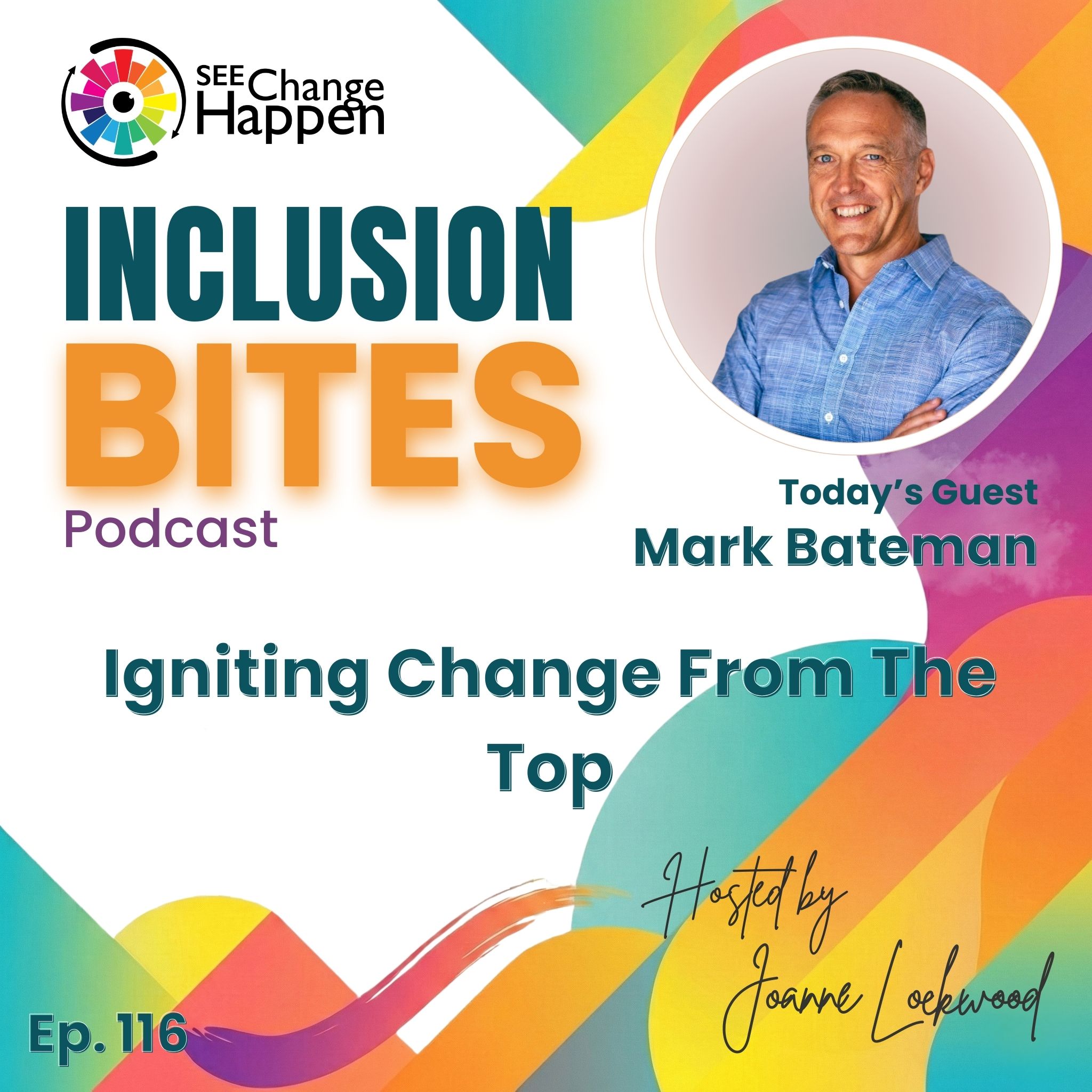
Mark Bateman ignites a call to action for leadership's top tier to champion diversity with purpose-driven mentorship, setting the stage for an inclusive corporate future.
In this episode of Inclusion Bites, Joanne Lockwood speaks with Mark Bateman about inclusive leadership management.
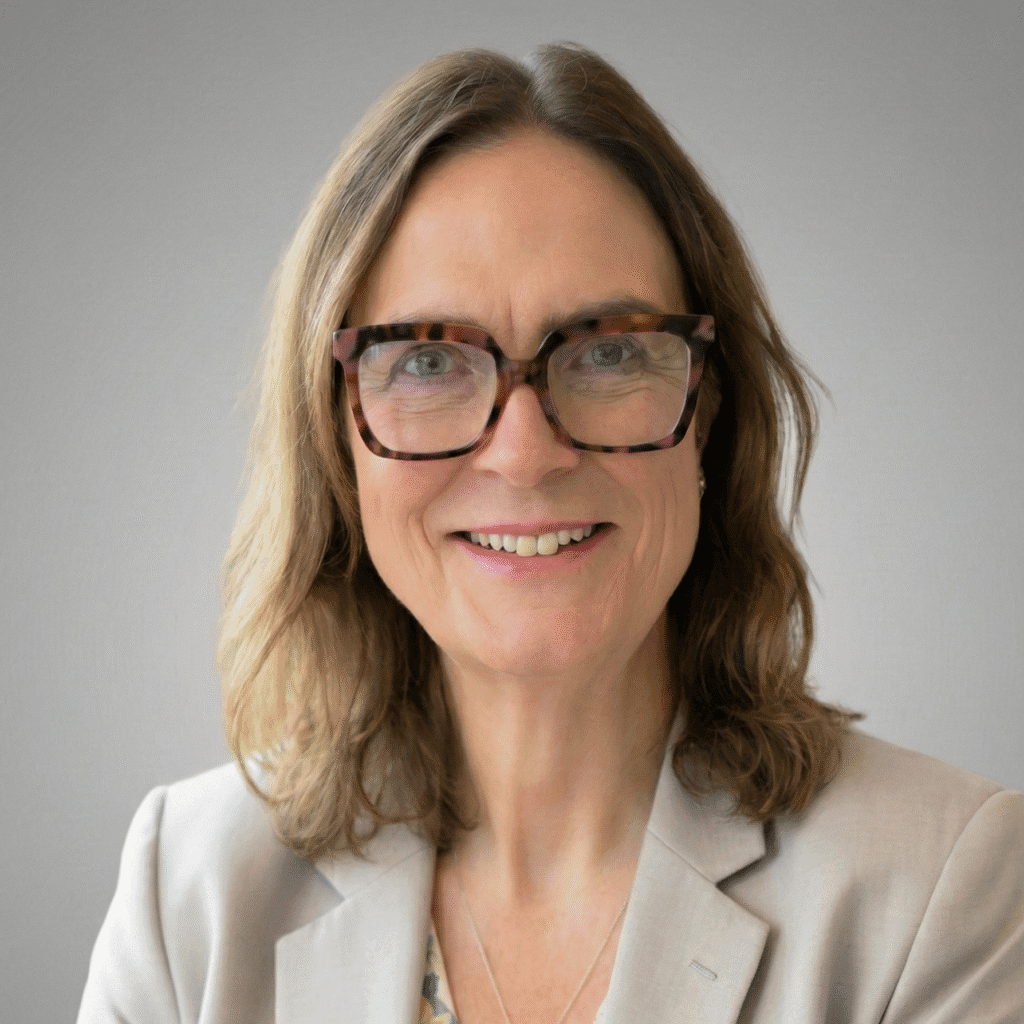
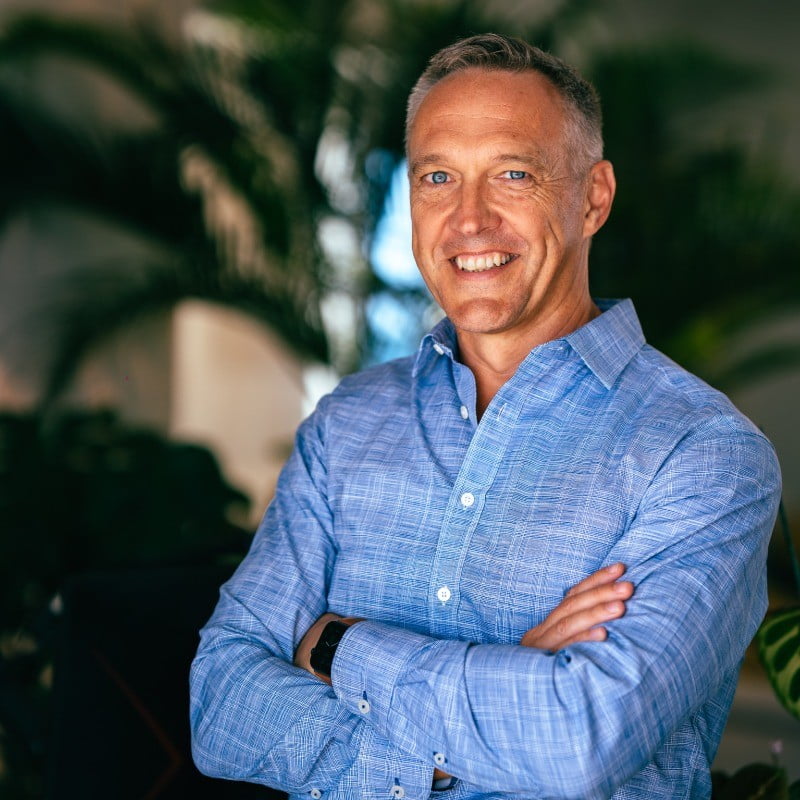
Welcome to Inclusion Bites, yoursanctuary for bold conversations that spark change. I'mJoanne Lockwood, your guide on this journey of exploration intothe heart of inclusion, belonging, and societaltransformation. Ever wondered what it truly takes to create aworld where everyone not only belongs butthrives? You're not alone. Join me as weuncover the unseen, challenge the status quo,and share stories that resonate deep within.Ready to dive in. Whether you're sipping your morning coffeeor winding down after a long day, let's connect, reflect,and inspire action together. Don't forget,you can be part of the conversation too. Reach out tojo.Lockwood@seechangehappen.co.ukto share your insights or to join me on the show.So adjust your earbuds and settle in. It's time toignite the spark of inclusion with Inclusion Bites.And today is episode 116 with thetitle, igniting change from the top. AndI have the absolute honor and privilege to welcome Mark Bateman.Mark is the CEO of Wequill and author ofDisruptive Leadership. When I asked Mark to describe hissuperpower, he said, he is incredibly insightful whencoaching others and able to build trust very quicklyand get to the root of the challenge, alsoincredibly quickly. Hello, Mark. Welcome to Jo. Yeah.
Mark Batemanguest
Pleasure. Brilliant. I hear you're in Malta. That's a lovely part of the
Joanne Lockwoodhost
world. Yes. I recommend it, especially if anybody's currently
Mark Batemanguest
under gray skies. Looking out the window here in,
Joanne Lockwoodhost
sunny UK, not wind and rain and floods everywhere. Sooh, yeah. Envious. Envious. So, Mark,igniting change for the top, tell me about that.
Mark Batemanguest
Jo I I I think I generally believe that leaders playwell, self evidenced really, but leaders play an incredibly important role innot only our society, but our lives. And whether we are a leader or wefollow leaders, Leaders are those that influenceoutcomes in some way. And it tends to be leaders that are top oforganizations. And therefore, really what theleader or leadership team says, this is the direction we're going in, andthis is how we all want to behave together. This is the culture you wantto build. That tends to be what we tend to follow. Sovery much changes both at the top, but also led from the top. Are
Joanne Lockwoodhost
people born leaders? Well well, that's the age old question,
Mark Batemanguest
isn't it? You know, I did a master's in leadership coaching, andit it was one of the really key questions that we looked at.I think that some have a personality type or traits that aremaybe more suited, shall I say, to leadership. Butothers find themselves in leadership positions that never in a 1000000 yearsdreamt that they would be influencing others. So maybe there's anaspect of both nature and nurture, but actually manybecome leaders because they believe something powerful enough that they wantto drive change in some way, and they find themselves as a de facto leaderand then learn the skills of leadership in the process. Yes. And you say that,
Joanne Lockwoodhost
become a de facto leader. A lot of people kind of end up, as yousay, in leadership through progression, throughopportunity. It's not always a tactical orstrategic move. It's sometimes top top of the pile stuff. Youknow? You you're last one standing sometimes. For sure. Yeah. You you have
Mark Batemanguest
a you have a you see the world in a certain way or you havea certain ability or capability or a frustration or ananger or an excitement, and you take the lead. Literally, you influence.So you desire to drive that change. And whether you've got a capital l ora lowercase l, it doesn't really doesn't really matter. And it's not just in organizationseither. Right? It's any aspect of community, society, in the family.You can be the oldest. You can be the youngest. It doesn't it doesn't actuallymake any difference whatsoever. You could be a leader in one sphere and not aleader in another. So it's not like you are the leader and or you'renot. It's very context driven as well. Yeah. I can relate to that. Sometimes I
Joanne Lockwoodhost
wanna take my hat off and, sit at the back,and sometimes I wanna march at the front and, andinspire. You know, I I can it's a bit like playing somepub games like pool or dart. Sometimes I wanna win, and sometimes I'm justthere for a laugh and and not I don't need to win. And No. Samewith leadership. I don't need to feel that I'm drivingeverything. It's nice to have a back seat and the shoulders drive. Surely
Mark Batemanguest
as well that that's an aspect of good quality leadership is knowing when to leadand when to step back. It's kind of an aspect of of self awareness, really.
Joanne Lockwoodhost
Yeah. That's a really good point. Yeah. So how how do how dohow do organizations identify potential leaders?What sort of skills are they really looking for? Oh, great question.
Mark Batemanguest
So there's a for me, there's almost this discussion around what makes a manager andwhat makes a leader. Right. And is there a difference between the 2? So youstart off in your career. At what point do you become a manager? Is itcapital M or a lowercase M or at what point do you become a leader?So my my personal working definition is that a managermanages what is, and a leader takes us to what is to be. Right? Soso a leader tends to be more future orientated, whereas a manageris managing the current resources in order to achieve an objective that's already beenset. The lead is very much about the future. I think you can be aleader from so we're really coming back to your first question. I think almost thatyou cannot not even so much that you're born with it, but almost a sensethat you you your family can tell straight away. You're not happy. You wanna changethe world in some way. Right? And it Joanne be for a whole host ofdifferent reasons versus, as you said earlier, you know, it's thrust upon you. Youjust happen to be in, depending on your perspective, the right place or the wrongplace at the right or the wrong time. And suddenly, here you are. You've gotresponsibilities to drive some kind of outcome. You know? If youfind yourself in a crisis situation, you're the only person who can findthe solution. You find yourself in a leadership role whether you want it or not.So what makes a leader inside an organization, I think,is is those that are able tosee something about the future that ultimately aligns where the organization's wantingto go and then can affect change, can influence others to to achieve thatin some way. So you can be a leader withouthaving the title, for sure. Yeah. I'm I'm I'm sure you would you'll agree
Joanne Lockwoodhost
with this, but we all are leaders of self, aren't we, in some of somearea? We're not. Then who's leading us? Yeah. Yeah. Yeah. Lowercase lor we we just follow us all the time. But Exactly. Yep. Yeah.
Mark Batemanguest
Yeah. So if we look at, I suppose, the evolution
Joanne Lockwoodhost
of leadership, going back about a couple of 100 years,you know, it's we've gone from that sort of armyhierarchy The hero. Command and control Yes. Type leader. Yeah.To what the contemporary leadership model is is more soft skills,more empathy, more compassion, more humanity. Yeah. And influence. II appreciate we've got different styles of leadership, top down, bottom up,transformational, all those kind of different definitions. So you particularlywork, from my understanding, around empoweringfemale entrepreneurs, female business people, people in organizationsaround gender equity. So how do youthink if we look at the yin and the yang of femininity and masculinity,how do you think female leaders bring a different dynamic toorganizations? For sure. So to set a bit more context, so as the
Mark Batemanguest
CEO WeQual, we work with the world's largest companies to drive genderequality. And to date, we work for about 350 globalcompanies. We work at that sort of board c suite minus 1, minus2 type level. We just launched a program right now for for mid managers.And what's fascinating so I've personally coached in the last 4 years,maybe about 300 women at that c suite minus 1 in these bigglobal corporates. And what I've been surprised bywhat I've been extremely humbled, I have to say for starters, and that I foundmyself in a position where I'm meeting these incredible leaders whoare genuinely driving positive change within theircompanies and yet are also having to overcome the fact that they're in theminority as as a woman. Andwhat's fascinating to see is the the journey they've had to taketo gain success within these typically male dominated environments.And as a man, and for those of us who arelistening as men, we don't always realizewhat what we do or how we behave or how we act and theimpact that can have on others. Others. The whole definitionof a successful leader or even a successful manager or asuccessful business leader or a successful entrepreneur or a successfulfounder, anybody, success defines success typically is through thathistorical lens, where if we go back 200 years, there'sstill some of those very strong masculine perceived traitsas to what defines success. And you can see that evenin funding conversations. When you look at, you know, for every dollar I come withthe exact stats, and I write about this in my book. Something like for everydollar that's invested in the US, a man might get 38¢ back. Forevery dollar invested in women, it's 70 something cents back.Right? So it's more than double the return. And yet women get much less than5% of all of all funding. And the similar forfor, as they call it, in in in America, you know, men of color orwomen of color, so non white, non Caucasian men, ismuch less than 1%. So there is a perception of whatsuccess looks like, and it looks like a Sam Bankman Fried, for example. Right?The founder and c CEO of FTX. It's a Mark Zuckerberg. It's an ElonMusk. It's a it's there's a very specific type thatwe perceive to be associated with success, and that's beendriven through history. And that's wherethe challenge lies because, actually, there's a better return if weincrease the diversity pool of those that are willingto invest in. And that works at every level through an organization from the veryentry level right to the very, very top. Do you think there are agenda
Joanne Lockwoodhost
divides in terms of, I don't know,aspiration for leadership. Are men more willing to be go gettersat an earlier age? I look I look for example. So surely even
Mark Batemanguest
the term a go getter. Right? Where does that term even come from?Right? I mean, I'm very driven. The women that we work with are verydriven, but the women that we work with that are very driven have had tolearn how to show up differently because if they appearto behave like a Joanne, where it's okay to be a go getter, to beambitious, to be driven, for a man, that's okay. But for awoman, there are all sorts of labels that they then receive. Andso they've had to learn how to navigatethe entry level 3 mid management levels. Once they get to the executivelevel, depending on the culture of the company, that that that point, maybenobody sees them as a woman anymore. They're now just expects to operate as anexecutive. But all the skills they've had to learn as they've risen throughthose different grades, Like, you know, what to do whenthey're the only woman in a room, what to do when a man shuts themdown, takes their ideas, the the the the, you know, the subject of mansplaining.They're being told they're they're being too bitchy, tooambitious, that they're not resilient enough, that they're too emotional. Whateverit happens to be, that women are judged. Anybody,interesting is that I understand the question, a gogetter. Right? For me, what's really interesting is if youget any, any minority in a room, but I'm gonna focus on women becausethat's the focus that we quote, they're be they're what they talkabout and how they behave is very, very different to the moment when aman walks into a room. The moment and, you know, it's probably maybe commonsense. Maybe it's not. Maybe we've never thought about it. But the moment a man
Mark Batemanguest
walks into the room, the behavior changes, the conversation changes. Why isthat? What would it look like if it didn't? Why doesthe conversation have to change? Just the men's behavior and language change where you couldargue maybe it does. Right? So I was watching something from the 19 sixtieswhere I think it was in Australia and a woman went into the pub andsaid, oh, women allowed to go into the pub now. And these men were, that'snot right, is it? Oh, sorry. That was a northern accent, not an Australian accent.But right. Well, that's not right, is it? Because now we can't swear or nowwe so maybe men's behavior does change when a woman is in the room. Butfrom a position of leadership or from a perspective of leadership, whatdefines successful leadership? And there is all this research coming out now thatshows that actually women tend to be better leaders than men for a number ofdifferent reasons. One, because they've had to learn to bemore resilient because the the journey, the path to the top is far harderfor women than it is for a Joanne. True for any underrepresented minority.Secondly, they have high emotion intelligence as a generalization.So they're better with people. They're more empathetic. They take lessrisky decisions for the company. So there were all these incrediblestrengths that come with being a woman that are more Joanne thatfeminine trait aspect thatmost men, and I don't mean this in any critical way, but because of history,we perceive it still as a weakness. She's too emotional.Hang on. Wait a minute. Why am I she being emotional? And actually more importantly,why is that a bad thing? Is it actually a bad thing? And I'm notsaying all women are emotional. I'm not saying that. Right? But we know if youlook at hormone cycles between men and women, we're pretty much steady. Right? Our testosteronereduces slightly over time. For a woman, just look at their hormone cycle in 1month. Poof. Right? So but is there a strengththat a woman brings by being more emotional that mendon't recognize that actually we feel almostdefensive about I mean, to shut down in some way because we're so logical andrational and whatever happens to be. So there's a really interesting debate, Ithink, to be had around this definition of successful leadershipwhen we talk about male traits and female. I've spent a good proportion of my
Joanne Lockwoodhost
life in male company and and more latterly in morefemale company. I I I've I've certainly seen a marked difference instyles, as you as you mentioned, conversations. I alsobelieve that men change their their conversation. Men change the way theybehave when a woman walks in the room, so it's not just that way around.
Mark Batemanguest
Yeah. Men will suddenly become more polite or more
Joanne Lockwoodhost
charming. Right. Maybe the the feudalisticcompetitive alpha type traits tend to minimize a bitbecause they're now into impress the woman mode as well. So I see there'ssome kind of different traits come out. And so Ithink playing on that, there's a there's a there's a necessity for a really greatbalance of both the masculine and the feminine. Becauseif if half the workforce, notionally, is gender mixed,then having men inleadership positions isn't necessarily going to build trustand empowerment for women at lower levels. Having women in inor only women in the leadership will make men feel there'sno aspirational yeah. So it's like this balance, isn't it? A 100%.
Mark Batemanguest
And you're gonna have a perspective on this that I couldn't possiblybegin to Joanne. Right? Because of the journey that you've been through.But we see this time and time again is is that difference. And, you know,I've heard so many women even talk to me where they've been invited into, forexample, a board meeting or an executive committee meeting, and they're the onlywoman. Right? They walk into that room and how they experience it. And thenwhen they speak up, what they experience, and the room goes quiet, theyfeel deeply uncomfortable, and they stop talking. This happened only with 1 onelady, and and she left the meeting. And after she said to the whoever was
Mark Batemanguest
running them in the chair or the CEO, you know, what happened? So, well, weinvited you, but we didn't expect you to speak. It's like, oh my god. Like,it it you know, this is happening day in, day out, day in, day out.So how is that impacting the business? And as you say, you know, thesecompanies that still there are still a number of executive committees within not onlyUK FTSE companies, but globally. Right? So many global, especiallycompanies that are all men. And they actually that there may be and Idare use the word token. There's a token woman on there, and they'll be thecompany secretary. Right? Well, they'll sometimes they're they're invited as the guestchair, whatever that means. Right? Because now they have a woman in the room. Shedoesn't say anything. And by the way, can you make the coffees, please? Like, it'slike, you know, all those all those kind of,Jo what I mean, I a stat that I I often rollout is globally globally, this is. In fact, if I wasto say to you, listen, Jo, there's a 95% chance of rain when you're aboutto go out to the shop. Right? Before you walk out your front door,you would dress up for rain. Right? Lockwood be fully expecting it to rain. Well,95% of all CEOs globally are men. 95%,which is practically like saying, it's all CEOs are men. And I'm super
Mark Batemanguest
conscious here. I'm running a business on gender equality. I do have a business partner,Katie Litchfield, who founded the company. So there's a whole story there, butthat's not lost on me. You know? So how do wewhat would the world look like even if we doubled the numberof CEOs that are women? But we got up to 15%or 20% or even 30%. What what would that actually do? Howwould that impact the culture inside those organizations? We knowfrom the research, and I've seen this on your website as well. So I knowyou've spoken to this many times, but, you know, companies that havegreater equality. Right? And we're talking about gender here, but we know itapplies much broader than that. Improve revenues ascompared to the competition that don't. Improve revenues, profitability, employeeengagement, customer service. They make less riskydecisions, and they invest more in research and development. And on top ofthat, those companies also gain more of a focus on ESG and CSR, I. E.They become better for the environment. They be get become better for communities.They're better governed in in terms of making sure there's no fraud. They're not gonnadrain the pension pots and corporate social responsibilities. The way I seeit is increase equality is better for business. It's better forpeople, and it's better for planet. Boy, do we need that right now?So what would it look like if we had anything approaching50% on the top leadership teams across the world? What whatwould that look like? What would lee how would we change the definition of leadershipat that point? The the challenge sometimes is that
Joanne Lockwoodhost
we we want women to aspire to leadership positions. We want women totake on these roles. We want to create this equity. And I I can feela huge desire in in the world to do that. But whenwomen get there, it's not ascomfortable. You know? The the the money is still controlled by by men, oftenthe investment or whatever it is, people being judged harshly. We've seen a lot ofwomen arrive in the boardroom, and withina short period of time, they feel very uncomfortable. You know, there's there's concrete cliffor this cliff that, you know, you get there. You suddenly you'reyou're being judged more harshly than your male counterparts. For sure. And also
Mark Batemanguest
research shows that it's called the leap pad effect where they have to takemore more almost lateral moves. They have to take moremore roles. So by the time they do gain that promotion, they're actually morequalified than the men. They have more experience than the men,but also they're often given an opportunity for a role that aman wouldn't wanna take. Right? So let's say it's a really a really riskyturnaround situation. Right? Hey. We've got this great opportunity for you. We want you togo and run, Chad. Right? And we want you to do this turnaround where wewant you to sell alcohol to all the village elder, but I'm kinda playing alittle bit. But you get the idea. Right? It's almost like the the poison chaliceis impossible. And not only is the pressure higher on a woman,but actually often and it's called the glass ceiling for a reason. Often, they're alsogiven roles that men touch with a bargepole because men tend to have morechoice than women. And I'm not against men. I'm speaking as a man. Right?We need men. But what does it look like? How do we better supportwomen to get those top positions for all the reasons that you've just outlined?
Joanne Lockwoodhost
Yeah. I mean, we look at politicians around the world, Jacinda Ardern,Thatcher, Truss, Theresa May, andother strong female leaders around the world. The way we talk about themand describe them is from very I'm going tosay misogynistic, and I don't mean that in a in a sort of horrible word,but just that kind of male perspective, how we're judging on beauty, ondress, and clothes, even other women Yeah. Judge judge them harshly about how theylook as well. And Yes. Men men could look like BorisJohnson. And I'm not saying a word. Yep. And andpeople think he's it looks a bit slobbish. Yep. Butit doesn't matter if if a woman looked It's true. Slobbish. Yep. Shewould not succeed at all. A woman has to look, and this is this iswhat's wrong about the whole thing. A woman has to look the part as wellas as well as be the part. And it's how it's how each of us
Mark Batemanguest
without even realizing are embodying that perspective,that value set that is that is informedand kinda programmed by the society that we're brought up in.Right? And for many of us, it is unconscious. For some of us, it mightbe conscious. For some of us, we're aware. We're trying to change it, but wedon't realize when we fall into that trap. Gosh. It's so easy. And women willtalk about this as well. You know, we we work in a lot of organizationswhere they recognize that culture is kind of againstthat it could just be against speaking up full stop. Right? And so therefore, it'seven harder for a woman to speak up. And so then it can create competitionbetween women who are already in the minority inside an organization. In one sense,that suits the powers that be because the powers that be may be moremale. Right? So how do you create this sense of allyship? How do you createthis sense of of underrepresented minorities in this instance? Womensupporting each other, championing each other, advocating for each other, having each other'sbacks because it's so much harder for anybody who's in theminority. But minorities tend to judge each other harshly as well, don't they? I mean
Joanne Lockwoodhost
But Yeah. Because of the way that it's been set up. Right? It's it's
Mark Batemanguest
unfair. And so it's it's it's areally, you know, that's that's difficult to change, butsurely, it starts with awareness that it's happening. Because unless we're aware it'shappening, and even those with a capital l or a lowercase l asleaders or managers having responsibility for others. Hang on asecond. Is this happening? How am I contributing to this? Is itgetting us the kind of results that we want? Could we improve the results thatwe want by shifting how we perceive this issue, by creating a morelevel playing field? What does that actually even mean? Is there competition betweenminorities because of how the game has been set up? Or howcan we change the rules to that game? Like, these are not easy questions.Right? Well, they're certainly not easy to answer, but inclusiveleadership, he wants to maximize the potential of all peopleeverywhere. Absolutely, there should be an edge. My my belief is that
Joanne Lockwoodhost
we're we're trying to tackle the problem too late. And what doI mean by that? By the time people get into intobusiness, into into organizations in their twenties, whatever it maybe, they've already been set expectations by societythroughout their formative years as a young as a young person to theirteens, into their twenties. So we're we're socializing people,young girls, to be young girls and young men to be youngmen without the equity at that level. And I always believe thatwe actually need parenting classes onhow to instill empowerment into their younggirls in the same way we talk about parents teaching their childrenabout misogyny, around sexual misconduct, etcetera,etcetera, educating the boys younger. But by the time you'vebeen socialized, you have so much limiting beliefs, so much impostor syndrome,so much sense of being behind the curve by the timeyou even get out of school into university into business. That Ithink we've done a lot of the, yeah, the theexpectation setting, and then you have to exceedthat program. You have to break out of that socialization, and that I think that'spart of the challenge we gotta face. It is. And every every culture
Mark Batemanguest
has it. Right? Every country, every region,even even smaller localities have this verystrong sense of within that culture, what is acceptable, whatis not, how somebody should behave, how somebody shouldn't, how they should speak,how they should dress, not just on gender lines. Right? It can even be oncast. It can be on how much money you have, which school you go to,your accent, how you it's just a whole multiplicity of things.So, you know, we're talking about broader societal change. And as you was as youwere speaking, it reminded me of some of the hot water that Disney's got into.Right? As they've started to try and, in one sense,redress this old historic pattern of what is a man andthe hero, and what is a woman is the feminine, and that that, you know,the woman needs to be rescued. And and so as they've sought to change theirprogramming and now you will see it. Right? You will seeblack women as the as the role, as the hero,as the as the one you wanna follow in cartoons or in films. Andthere's been incredible pushback, and Disney's gone through some reallychallenging moments as a result of it. Because they're try they've kind of dependingon your perspective rightly or wrongly. Right? But as a as as an executiveteam, they've decided, right, we're going in this direction. We want a more equitable world.We want to role model the underrepresented. And then thestatus quo, and this is the subject to my book, you know, disruptedleadership is about challenging the status quo, not just about challenging, but changingright to disrupt means you literally change the status quo. You change whatis into something else. And so that's something that Disney's tried todo, but it created all out war for them. Yeah.
Joanne Lockwoodhost
I mean, we look back to the, what, the 1930, 19forties, and Snow White, Sleeping Beauty, thosekind of really strong, of the time, male and femalestereotypes. The dwarves, hi ho hi ho off to work andSnow White stayed at home, cooked, cleaned, sang, and skipped for the, the animals inthe forest and things. So that was kind of the thing. And, oh, at theapple falls asleep, needs man to rescue and save and kiss, makeup, off his back, ride off sunset Disney ending. And Ithink it was was it Frozen was the first, Disney feature filmwhere there was a strong female lead that wasn't supported by amale character. Right. And it was a basic, a matriarchalYes. Female led film. And that was the that was their turning point, I believe.
Mark Batemanguest
Yeah. I remember my daughter singing those songs time and time again. Yeah.
Joanne Lockwoodhost
You'd be right. Those that that sets the tone for society. Those whatyou're growing up with, what you're seeing, the advertising, the pink and the blues.
Mark Batemanguest
It it really does. But I but actually and I it's something thatI'm still, in one sense, working through because do I actually believe wewill get to a situation where we have 50% CEOs being menand 50% of CEOs being women? Right? Cause that's ultimately where the power lies. Right?The CEO, the COO, chief operating officer, and the chief finance officer. But95% of CEOs are men. So what would it look like ifwe increase that percentage? But, again, Ithink we have to be really careful with this because there is the masculine andthere is the feminine, and there are traits that are more commonly associated with themasculine. And there are traits that are more commonly associated with the feminine. It's notthat a man can't have feminine traits, and it's not a woman can't have masculinetraits. Right? That's we're all this very incredibly complex mixof different aspects to us based on nature and nurture.
Mark Batemanguest
Right? But what but I'm really intrigued and andI'm and every time I see a very seniorfemale leader working, and I'm sometimes have the joyof almost being a in a room, but not act you know, being in thebackIt it takes my breath away. I'm like, wow. Like,what? How did you do that? Like, I couldn't do it like that. I'd befar more direct. I'd be far more like calling the shots. Here's what I want.And they and and there's a there's a I know it's innate, actually, butthere is a a deep skill that's been learned either as a result of beingthe feminine and also the result of being the minority, the one that has theless power. They've had to learn how toif I say play the game, there is an aspect to that because we're allplaying this game. Right? That they've had to learn how to influence, how todrive results without going through the front door that a man might do. Right?A woman might come through the kitchen window or through the back door. A mangoes through the front door in the main because that's the expectation. So whatthe bit I'm trying to raise here is what does successful feminine leadership look like?And, you know, a number of a number of b corps in the world andb corps being those organizations that ultimately wanna do good for the world, not notquite not for profit. And that's all third sector, if you like. Hugely successfulcompanies. Role models. A lot of them are run bywomen. Wow. Gosh. And yet let's not let'snot think that women don't lead successful businesses. You know, in mybook, I interview Heather Sikorsky, she was at ABB. She's now at Schneider Electric.She's she stood up a bit. She started a business within ABB that wasgenerating $2,000,000,000 in revenue. You know, she went and and automatedthe largest chemical plant in Saudi Arabia where women aren't allowed to manageanything. Like and and if you may ask, she's the kindest,most feminine type of woman you might find, and yet she is able to driveextraordinary results. But if you met her, you'd never know.You'd never know. So there's something I think really remarkableand wonderful and and something I would love to see more of is isgenuine feminine leaders, but they're still driving incredible results.I say still. Why am I saying still? They are.Right? They are. They're outperforming their male their malecounterparts. Is it, I I guess what you're saying there is
Joanne Lockwoodhost
you you use the tools you have in your toolbox. A manmight use deep voice, power, masculinetraits. Someone might use, say, nurturing, compassion,empathy, some of the soft skills in in more abundance.So you're you're influencing your sphere of influence, your creation powers.
Mark Batemanguest
Sorry. Even if you say it like that, though, I think, again, we could wecan and I'm and I'm I'm questioning myself as I'm having thisconversation with you. Right? Compassion. What would you say? Compassion, empathy.I can't remember the other one. What the other word was you Jo. It's true.
Joanne Lockwoodhost
I didn't know it's true. It's a bad train. Yeah. So I think when we
Mark Batemanguest
use that, if we have a scale of 1 to a100, right,where a man is we're saying a man is at 0 and a woman's ata 100. Right? And then we see all the negative aspects of compassionand nurture and forgive me. I forgot the the third word again. Right. But we,but actually it's not like that. Right. If you look at the, the, the, thedata from, you know, psychometric traits, etcetera, personality traits, awoman might be 52% and a man might be 48%. Right? We're nottalking not to a 100, but when we say, well, she's a very compassionate leader.I think it's verybut they do it with compassion. It do you understand what I'msaying? The the the differentiation Completely. Yeah. And it's about I
Joanne Lockwoodhost
said, but it's around using where you score higheras your toolbox. I'm not saying and I'm I'm not for one been suggesting herethat it's an absolute, you know, a 100% versus 0%.But you attend you know, we look at this profiling and other personality profilingtypes. We people have a stronger in red, green, oryellow, or or blue, and we we tend to know what people are gonna bestronger at. You know, the I'm not gonna go into nursing because I don't havethat level of compassion. Mhmm. But I would more like to go into I coulddo coaching and mentoring mode because I I do have enough empathy to do that.But I'm not one who wants to be yeah. I don't I don't wanna getinto the nursing side where you need more compassion. I'm not heavy onthat. So I think, yeah, it's it's it's it's it's looking at the skills youhave and valuing them differently. And I think as you point as you called itout just now actually, we're we're associating thesewords with femininity, these words with masculinity as almost apositive trait and a negative trait. Everybody has a blend of those.Is it is it because men have been socialized in such a way to minimizethose traits that they're not expected to be compassionate or nurturing?They're kind of Oh, I've got I I think that so depends
Mark Batemanguest
on the macro and the micro. And what I mean by that is, you know,if your father is somebody who is very hard and harsh, forexample, and you're the son, it might be that then youalso become harder and harsher because that's the example that's been set to youas to what a man is. Whereas if you've been brought up in an environmentwhere your father is actually very gentle and soft, but can fight.Right? So it's not that he's gentle and soft. It's it'sthat he he has developed that aspect of his personalitysuch that he is gentle and soft, but you would want him in your cornerif there's a fight because he's gonna knock the living daylights out of somebody. Right?So I think it very much depends on on your upbringing. Itdepends on the local culture that you're in. By local culture, I mean, the schoolyou go to, the neighborhood that you're in, you know, what the gangs are doing.
Mark Batemanguest
Like, it just depends so much, but I butwhen we're talking about mature leadership, right,so we're not talking about 5 year old or 15 year old or 25 yearold. We're talking about if you're getting into your forties, fifties, andsixties, You know, I I generally believe thatas leaders and, again, leaders are those who have an influence over others to achievean outcome. Right? This is a very broad definition. I think itbecomes incumbent upon us. And this is again, where I talk toin my book about what does great leadership look likeand, and, and great leadership is where we are willing to askourselves the difficult questions where we're open to feedback,critical cutting negative feedback, andand we take it because we recognize it's gonna help us become betterleaders. We're constantly wanting to grow and developand challenge ourselves because we're about a purpose bigger than ourselves that we want tobring other people along with us on the journey. AndI think then we start to mature as leaders. And as we start to matureas leaders, we start to see the the the importanceof a diverse team that bring you know, anddiverse in all of its different facets because we recognize that's what weneed to succeed. And so how do I, as a leader, bring a diverse team
Mark Batemanguest
together? Am I hiring people that are in my own image that sound like me,talk like me, that I believe are my definition of success. Am I willing tochallenge that? Am I willing to give opportunities and take risks? Becauseit's outside of my own comfort zone, because I haven't seen it before. Am Iwilling to go and get mentoring or get a coach or get someone who's gonnachallenge my mindset, my my my beliefs,my my thoughts, my attitudes. Where they're saying, wait a minute, Mark. Why did youhire that? As an example, and I'm I have to very carefully I don't nameany names. I was speaking to a CEO. I say of a FTSE company. Right?UK listed company. How much can I say? So he had an all maleexecutive committee, and I know that wasn't his intention. Andhe generally wanted to have women on his executivecommittee, but they're all men. Now the FTSE,there's there's a report that just came out, I think, last month.The number of all male executive committees now within FTSE companies isactually quite small, but they're still there. This companyis one of those, so nobody can guess who it is. And I said tohim, well, hang on. Why? Wait. That's that's not good enough.Like, you're saying that you want women on your executive committee, but youdon't have women on your executive. And he said, well, Mark, Itried With respect, you haven't because youhaven't. Right? And it's incumbent upon leadersto drive Joanne. And he'd had aone of the power roles come and said, oh, we had women on the shortlist, but they went the Joanne outvoted and then and then he said,Joanne had to take our investors into consideration. Oh, that's a verytelling statement. Right? So the outgoingCXO, whoever the c suite role member was, was liked byinvestors. He was white. You know? He was Oxbridge educated,comes from a certain background, speaks in a certain way. So let's callhim Michael. Right? So Michael, this was theoutgoing CX. I, and okay, now we're going to, we needa new CXO. Okay. Let's find another Michael. That'salways the easiest way because we have in our mind, and it's it's ahuman condition. Right? And that doesn't in one sense, there's no implied criticismother than if you're a great leader, you're a matureleader. You understand the absoluterequisite need to challenge yourself and your thinking aroundthe diversity that you need and your leadership team to drive the results?This is the whole separate aspect in terms of competitive sustainability overthe long term and how you outperform your competitors over the long term. I cantalk about that in a second if that's helpful. But just as an example, right,he had an idea in his mind, not only of what he needed, but alsowhat the external world needed, the investors needed. And it was somebody that'slooked like and sounded like a Michael. Right? Okay.
Joanne Lockwoodhost
It's like the old adage. You know, you don't get fired for buying IBM. Youknow? You don't get fired for hiring a man. It's kind of the Yeah.If you hire a woman, then in in it's there's animplicit perception there of you're hiring becauseshe's a woman. You're hiring for 2nd best. You're taking a risk.You're putting a limb out there rather than having someconfident hire, is it? Well, it and you are all of those things. Right?
Mark Batemanguest
Because the moment you break away from the way things have been done previously, youare taking a risk. You are. Hello? On you.
Mark Batemanguest
It's on you. You're fine with that. Hello? What do you think comes with thisrole as a leader of this organization? Did you wanna repeat the hit the thethe patterns of the past and become like a Kodak or or aNokia even though this anyway or, like, whoever big or block like, thesebig organizations that just got into level 1 thinking, tickbox exercise. We know what success looks like. Let's just keep rollingthat particular wheel. And before you realize it, you're you'reyou're in a burning house and it's and it's it's all gone.Right? You as a leader, it is incumbent upon you to ask the reallychallenging questions, which is an aspect of diversity. So Icould Jo I come on to the That's it. Yeah. So I was gonna ask
Joanne Lockwoodhost
you a question about is the recruitment process set upcorrectly? I'm I'm a big fan of anonymized hiring, workbased samples Yeah. Jumping the CV Yeah. Getting that to yourfinal 5 for that actually knowing who they are until until you startgetting into the final 5 and meeting them. Mhmm. That would that would have learneda lot more broader a broader demographic to come through, in myopinion. Yeah. I mean, I I remember I was speaking with, again, one
Mark Batemanguest
of the women. She was the CEO of a of a company. Andshe's going, Mark, I'm not sure that we we've gotta be careful. We don't dopositive. Gosh. She had a really interesting Positive discrimination. You wanna
Joanne Lockwoodhost
take positive action? So, yeah. So she had a really interesting ethical dilemma
Mark Batemanguest
inside her business, but we started talking aboutpositive discrimination. And she said, actually, Mark, we need positive discrimination.And here's why. Because when you have a minority, they're in a minority for areason. How are you gonna bring the balancein unless you positively discriminate the other way?And, gosh, I can hear the screams now. Right? Oh my god. Can't dothat. What what do you mean you can't do that? Like, ifyou have, let's talk in maybe more masculinelanguage. You have a football team and you have a team of 11strikers. Right? And you got we just want the bestplayers, and that's why we have 11 strikers on the team. We can scorelots of goals, but we always lose every game because we've got no goalkeepers, defenders,or midfielders. Okay? Well, then you need to positively discriminate, don'tyou? You need to go out and hire a goalkeeper. He may not be ableto shoot a goal, but you need a goalkeeper who can defend a goal.That's positive discrimination, surely. No. It's not. It'swisdom. It's how to build a diverse team. It's not positive
Joanne Lockwoodhost
discrimination. It's you know, which is unlawful in many territories. It's positive action.So it's using different techniques. It's about the attraction phase, thethe the recruitment marketing, the employer branding, all these kind of things Yep. Encourage,favor of the the demographic you're looking to attract. I think thatyeah. In in terms of the marketing, I think if you anonymize, you can
Mark Batemanguest
True. You can get people in for their process. But insurance is a challenge. Now
Joanne Lockwoodhost
if you're looking for Yep. If you're looking for a FTSE 500CFO, the majority of FTSE 500 CFOs areprobably men. They are. So if you're looking for a CFO for with thatcredentials, your your talent pool is likely to be highly biasedtowards men with attractive But that may be true, but this is really interesting. And
Mark Batemanguest
this is actually why our business partner Katie set up WeQual to start with. Soshe used to work at the Financial Times, and she set up the Feet forums.And these were executive level events, primarily for UK listed companies.And every time she ran an event, there always meant turning up. So onceshe left the Feet, she had a black book of CEOs and chairs, and shesaid to them, hey. Listen. Where are the women? And they asked, okay. If you
Mark Batemanguest
can find them, we'll hire them. Jo okay. Now at the same time, the UKgovernment had just done the report, right? That Hamtai Alexander report, which was thatthere were 5,000 women reporting into executives,executive committee roles within just the Foot CLA. And just therecent study that came out a month ago is over 5,000. So over5,000 women, 5,000women reporting into direct reports to members of the executive committee.It's not that they're not there. They're there, which is why we run the equalawards because we identify these women that are ready for the step up to thec suite. And it we're approaching 40% now of those women that have been actuallypromoted. They're there. But there is still this bias. There isstill this perspective perception, call itwhat you will, that we have to overcome, which is why we need sorry? We
Joanne Lockwoodhost
want the person who's in in that ex ex Jo role, not the onereporting to the ex co. We're not we're not looking to step down when we'relooking to to that is that is that part of the challenge? We're not lookingfor potential talent. We're looking for demonstrable talent.
Mark Batemanguest
We no. But the challenge the the challenge is, though, if you've got a aCFO and a FTSE 100 company, for example, they may wanna go toFTSE 20 company. Right? Because you don't wanna go and do the same jobyou've just done ever. Right? Because that's just boring. So youalways wanna stretch role. So promotion is always a stretch.So alright. Maybe if you're, you know, the world's largestcompany, you don't want a first time CFO. Okay. I Ican understand that. But if they've been the CFO of a region, that's maybe doing10,000,000,000 in whatever currency, and they're a woman,but you pick somebody who's not got that experience because they're aman, that's clearly not in the best interest of yourbusiness. And there are plenty of women in those kind of roles. Jo,
Joanne Lockwoodhost
I mean, when when I talk about it seems like allyship and privilege andthose those kind of things, it's about the people who hold the power, who holdthe privilege. It's their responsibility to open the door.So women can knock, but the door has to open, and the personbehind the door is generally a Joanne, has to open that door. Yes.Yeah. That that's the challenge. Jo how do how dowe mentor and coach men to be morewelcoming? You know, like you talked about the in this person who couldn't makethe decision to hire a CXO who was female. How do we educatethose men to make those other decisions, not in a brave way, but ina kind of matter of fact way? Well, I I think there's 2 aspects to
Mark Batemanguest
it. 1, dare I say, and I I don't mean to minimize this, but education.Right? Because I don't think I still think today, most are not awareof the the better improved KPIs you're gonnagain by having a more diverse team. Right. And that starts withgender. So the more diverse your team, the more likely you are to outperform yourcompetitors. Is it going to cause you a problem? Of course it is. Because you'regoing to have diverse perspectives in the room. It might take you that little bit
Mark Batemanguest
longer to get to a decision because you're gonna have diverse perspectives. But whenyou do reach that decision, it's gonna be more thought through. It's gonna actually bebetter for your business. Right? So the first part is the educational piece.The second part, and certainly, you know, a number of the large corporates are doingthis now primarily because they have to release pay gap data. They've got targets intheir own reports in terms of where they wanna be by gender representation throughout theorganization, but also at the top, is the importance of sponsorship,mentorship. Now, you know, again, as a as a business, we have something called WeCall Executives where we bring together women from all these different globalcompanies through an a number of monthly development sessions.And there's a number of themes that we talk to time and time and timeagain about how a woman can take that step up to the executive committee.And there are absolutely some things that women Joanne, and I would argueshould be doing to help them take that next step up. Right? Be verydeliberate. Be very intentional. Don't be afraid of coming across as ambitious. Be reallyclear about what the role that you want. Have the conversation with your line manager.Be clear about where your gaps are. Tackle where the gaps are,get a board role externally because that's gonna give you experience that you can bringback into your own business. Except there's a number of different things, butsponsorship is, as you say, so important. And,yes, a woman's sponsor is great. There's very few of those.So find male sponsors, men on the boardor on the executive committee. These are obviously in large companies. If you're in asmaller company, who's at your top team that you can reachout to and say, hey. Listen. I I either wanna be where you are,or I want this role that's way more senior than I am now. Ilove what you're doing, but I need support. And I'm I'm just wondering, would yoube willing to be my mentor? Or actually, sorry, in this instance,my sponsor. Because a sponsor will advocate for the person when they're notin the room. Right? They will identify development opportunitiesand open the door for you to take them and invite you to people andbring you into a room in a way you could never do yourself. That isthe power of sponsorship. And so a lot of these big organizations do havemore formal sponsorship programs now for that very reason.But the world is a big place, and that doesn't cover everybody. So
Joanne Lockwoodhost
No. So how how do you work with,aspiring women to because someof it's mindset and some of it's opportunity. So how how do you coachand nurture women to have belief and accelerate their owncareers? But, I mean, there's always 2 parts to it. Right? It's the system and
Mark Batemanguest
there's you. Right? And you talked earlier on about, okay, but we can bethe leader of our own lives. And now it probably come also coming down tomore to my personal philosophy as well. Right? Which is life is really, reallyshort. How you're gonna make sure that you drive the impact or haveleave the legacy that you want to leave? Well, first of all, you probably needto have an idea of what legacy you want. And not everybody knows the answerto that question. It depends how old we are. It depends what stage of ourcareer. It depends how much personal development we've done. It depends what traumas we've beenthrough. All sorts of all sorts of things. Right? Different life crisis moments, etcetera.But I genuinely believe that beingclear about I mean, you talked about superpowers before, for example.So being really clear about what your superpowers are, why doyou have those superpowers? And in order to achievewhat and where do your superpowers become your kryptonite?What is it you want to do? It's about 70% of the womenthat, that we meet, that I meet, I'll say to them, well, what's your nextstep? Don't know. I feel like I got hit by accident. Ifeel like I already overperforming. There may be an aspect of imposter syndrome.Again, it's not that men don't have it, but when women seem to have itmore primarily because of the game they've had to play to get to where they'vegot to. Right? They're all men. They're in the minority. They've been judged more critically,more harshly. They have to pretend to be something. They're really not. They have tobe more masculine in their behaviors than they may want. So they don't feel thatthey're being their authentic selves, etcetera. Okay. Butif you could, what would you do if you had a magic piece of paperand a magic pen and whatever you write down on this magic piece of paper,this magic pen is possible. Turn down the inner critic. What would youwrite? What's your dream? And for all of us, Igenuinely believe it's about impact in some way. We wanna make a difference,likely a positive difference, and it may be in our immediate circle of our family.It may be a slightly wider circle of our extended family or our community orwithin an organization or for a particularly social demographicgroup or whatever it happens to be. Right? We wanna make a difference. Writeit down. Write the difference down that you wannamake. Be really clear about it. Is it gonna take you time? If you've neverthought about it, for sure. If you thought about it, it probably still gonna takeyour time. And it's a constant distillation process, and you constantly revisitas you gain life experience. Right? But write itdown. Where is it? I what what why do I believe I'm on this
Mark Batemanguest
planet ultimately in the years that I have, whichgoes like that so quick. All right. So once I startgetting an idea, then I ask myself a very simple question. Am I on thatpath? Is that the direction I'm heading? And if I'mworking inside a company and I realize I wanna save the world, but I'm I'msucking oil out the ground, and it's it doesn't it doesn't vibe with my values,well, then leave and go find an organization that does.Right? So find a context, an environment, an organizationthat supports you in your purpose. And that's ultimately where weget engagement inside organizations is if we can map personal purposewith organizational purpose. You're gonna get more engaged employees than that. Okay.And now what what's the journey? What's the step? What's the next step?Where's the gap? How are you gonna achieve more ofwhy you're on this planet? Because it's so short your timehere. It's not worth following somebody else, trying to impresssomebody else, trying to seek validation from others, trying togain a sense of status or ego from others.Right? It is about taking responsibility for our lives, which is where that l,that leadership, you said it right to the outset. We we lead our own lives.What that means, we take responsibility for our own lives regardless of the cardsthat have been dealt. That's difficult. That's challenging. There'salso, I think, a freedom and a power that comes with that. It's it's a
Joanne Lockwoodhost
game at play here where in orderto succeed at these higher levels, you have to comcommit yourself, your soul, your whole beingto achieving these goals. You know, you often hear this. You've gotta showcommitment to become partner. You know, you gotta be doing this. You gotta be networking.You gotta be out. You gotta be dining. You gotta be socializing. Gottaplay golf. Yeah. Does that And I see that dies unfairly I guess.Right? I I no. I think it it depends on who you are and why
Mark Batemanguest
you're doing it. Because it because I've coached, for example, many bankers, investmentbankers here, you know, are making a killing financially, but they feelthat they've entirely lost their soul because they're doing it purely for the pursuepursuing pursuant pursuing of money.Joannemore money than it could ever dreamt of. But now they wanna do something that'sto them more purposeful, but they feel locked inside that environment.So I'm going, well, listen, life's really short, Steve,right? Steve life's really short. And, and, and if you're feelinglike this, it's going to be harming you. Right? It's harming you spiritually. It's harmingyou emotionally. It's harming you physically. It's be harming your relationships becauseultimately you're giving of your energy and time towards something that you no longer believein. Get really clear about what you do believe in and then make the difficultchoices. Leave the comfort zone because life's for living. And that's trueon on on any level. Right? Some people go out and dine and work allthe house because they absolutely love it. Like, Elon Musk loves what he does eventhough it it it also has a lot of cost to it.
Mark Batemanguest
Right? And I I don't mean to set him up as an example, but,you know, he don't compare ourselves with an Elon Musk because that's justnot fair on anybody. In our own lives, why are we doing what we'redoing? And are we truly being true to our own sense of purpose?And the moment we take responsibility for our own lives, that's actually when we startbecoming disruptive because we're willing to challenge the status quo. We're willing tocause conflict. We're willing to fall out with people. We're willing to make difficult decisions.We're willing to do things that other people think is a bad ideabecause we know that's the difference that we want to make. It stepsout of safety. It steps outside of comfort. That's wheredisruption takes place. And so when where the whole subject of today's talkwas change from the top. Right? As leaders of an organizationas well, how are you ensuring that that you as a leaderare being purposeful, that your organization is being purposeful,that it's doing good, not just in terms of yes, shareholder return oror profitability, but actually it's good for people and it's good planet. That'sreally difficult. It requires great leadership. It requires you asking yourself thereally difficult questions, really being self aware aboutwhy you're doing what you're doing, how you're engaging other people, have you builta diversity, all all of this. I mean, if we and this is not
Joanne Lockwoodhost
criticism. It's more of a, observation. The businessis geared up around patriarchal expectations. It is ait's a it's a man's world, you know, created by men largely. Uh-huh.And there's many women I speak to, many women who Ihear stories from, have come to the realization they can't have it all.They can't grow a family, nurture a family,not just their maybe their offspring, but also their parents, their siblings, and,still that family environment Mhmm. And commit bothfeet all in, Texas Texas holding them style all in Mhmm.On a career that men can in the same way. Sowomen come to realize that they can't have it all, and itand you can't compete by not being all in in a in a male onlyenvironment. True. And and I again, for me,
Mark Batemanguest
the really important question is to get really clear about what your purpose I mean,I you know, I've coached women who who and and and this is not setan expectation of this is how women should be. Not at all. These are sorare at some true. You know, a a top VP will give birth, andthen 2 months later, be on a plane from America to Japan to run ameeting and then get back for their older daughter's play at school at 4 o'clockon a like, that's just, it's actually listening to almostinsane. Right? These are very rare people.Don't try and be like them instead, be really clear aboutyourself. What's important to you. And that might be important to
Mark Batemanguest
you and you may have a clear purpose and then you'll make it happen. Right.But don't do something just because society expectsyou to, or because there's a pressure to be, take responsibility foryour own life. Be really clear about the purpose and the impact that you wantto have. And if that as a woman or as a dad ora mom or whoever is to ensure that your family has a really secure basethat you're there for them, commit to that withpride. And there'll be a period when your children grow up that maybe you haveto figure out what you're gonna do next. Okay? Well, then go through that process.But be really clear, you know, own own what you're doing. Takeresponsibility for it. Declare us to your own purpose. Jo we'd we'd call
Joanne Lockwoodhost
this episode ignite the change from the top. So we seemaybe you you give an example of b corps. We see examples ofof great female CXOs and CEOsand chairs, setting the culture from the topwhere you don't have to sacrifice your lifefor for the organization. And I'm a great believer thatif if in order to remove the stigma andthe the challenge of of of succeeding, you have toenable men to benefitfrom that as well because flexible working For sure.Succeeding without sacrifice becomes the normthen that men could aspire to, then women won't be seen assecond best because they're they're not fully committed, notboth feet in, if you like. Yep. So how do how do we get thatculture into organizations where those male attributes we talkedabout, you know, go getting, that that we wanna minimize that. And you say, somewomen want it all. They they want they're prepared to jet off to Japan, comeback, look after their kids. But how can I how can I have both ofthose? How can I how can I do both? I just don't wanna compromise. Ithink it's, honestly, it's every single one of us has to figure that
Mark Batemanguest
out. And I I know that's might sound a bit lame, but it's true. Right?We we have to take responsibility for our lives. We have one life.And my my core challenge in that is what is it you will really, truly,honestly want? And then be open about it. Be honest about it. Talk withyour partner about it. You know, many of these women that make it to stopis their husbands or their partners, and most of them are married. It's their partnersactually that then take make decisions to leave their work tosupport their wife or their partner because the wife or their partner now has thethe bigger, more paying, more lucrative career. So it'sunique to every situation. For sure it is.Yeah. There's the I mean, the for example, one of our one of our clientsis Sanofi, and they they give equal maternity cover to men and towomen. And as you were just talking, then it took me back. So I've gota 31 and a 28 year old, 2 daughters. And I rememberwhen my youngest, my oldest daughter was first born, and I think Itook 2 weeks off, which was the maximum I could take off at the time.
Mark Batemanguest
And, you know, as a dad, that was a wrench then to go back towork for sure. Because I I wanted to support my wifebecause she was a new mom and she was breastfeeding with all of the joysand tribulations that comes with that, and also my mymy daughter. Right? And then my second daughter was born. SoI think that's a broader societal challenge as well. But how arewe gonna get changed? We're gonna get changed byindividuals who decide that there's a change that they want to see, andthat drives them. And as a result of that, drive inthem, they take a leadership role, capital l or little l, inmaking that Joanne. And it has always been thus, and itwill always be thus. It's down to us. Mark, thank
Joanne Lockwoodhost
you. Brilliant conversation. How could people get hold of you to find out more?
Mark Batemanguest
Thank you. So I'm on LinkedIn. Definitely follow me on LinkedIn, and you'llsee both what I'm doing personally, both in terms of the book, but also seea weak wall. As a company, if you're a if you're a big company, youwanna better support your women, do look us up. Weakwall.com,wequal.com. We have programs forboth executive level women and mid managers. We also run quarterlythink tanks, which are open events. So for example, never mind.We run quarterly think tanks. So depending when this podcast comes out, have a lookat our website. You can register for those events. You can find my personalwebsite atmarkdashbateman.com. Andif you're interested in my book, my book is called disruptive leadershipusing fire to drive purposeful change. Fireis always disruptive for good or for bad. And so I talkabout how you can ignite purposefulchange by starting a fire, growing a fire, protecting your fire whilstensuring you don't burn out. So if you're interested in that, have a look onAmazon, Barnes and Noble, available in all those locations.
Joanne Lockwoodhost
Fantastic. Thank you. As we bring thisconversation to a close, I want to express my deepestgratitude to you, our listener, for lending yourear and heart to the cause of inclusion.Today's discussion struck a chord. Consider subscribing toInclusion Bites and become part of our ever growingcommunity, driving real change. Share this journey withfriends, family, and colleagues. Let's amplify the voicesthat matter. Got thoughts, stories, or avision to share? I'm all ears. Reach out to Jodotco.uk, and let's make your voice heard.Until next time. This is Joanne Lockwood signing offfor the promise to return with more enriching narratives thatchallenge, inspire, and unite us all. Here'sto fostering a more inclusive world one episode at a time.Catch you on the next bite.
Championing Gender Equality in LeadershipThe Subtlety of Bias in RecruitmentUnlocking Leadership's Human Dimension
Joanne Lockwood is joined by Mark Bateman, CEO of WeQual and author of Disruptive Leadership, to explore how meaningful workplace change is led from the top. They discuss what leadership looks like in practice, how leaders shape culture, and why inclusive leadership requires deliberate decisions about who gets opportunities and who is heard.
The conversation focuses on gender equality in male-dominated environments, drawing on Mark’s experience coaching senior women in global organisations. Together they examine the double standards women face as they progress, including being shut down in meetings, judged more harshly, and pressured to adapt their style to fit existing expectations. They also discuss how confidence, imposter feelings, and the ability to be authentic at work can be affected by these dynamics.
Mark and Joanne dig into the organisational mechanics that sustain inequality, including biased definitions of “what success looks like,” investor expectations, and recruitment practices. They explore practical interventions such as sponsorship (advocacy when someone is not in the room), mentorship, clearer promotion pathways, and approaches like anonymised hiring to reduce bias.
They close by widening the lens to purpose and sustainability: aligning personal purpose with organisational purpose, building diverse teams for better decision-making, and creating cultures where success does not require personal sacrifice. The episode ends as a call for leaders and individuals alike to take responsibility for the change they want to see.
“what to do when they're the only woman in a room, what to do when a man shuts them down, takes their ideas, the the the the, you know, the subject of mansplaining.”
“Because of the way that it's been set up. Right? It's it's unfair. And so it's it's it's a really, you know, that's that's difficult to change, but surely, it starts with awareness that it's happening.”
“And every every culture has it. Right? Every country, every region, even even smaller localities have this very strong sense of within that culture, what is acceptable, what is not, how somebody should behave, how somebody shouldn't, how they should speak, how they should dress, not just on gender lines.”
“Do I actually believe we will get to a situation where we have 50% CEOs being men and 50% of CEOs being women? Right? Cause that's ultimately where the power lies.”
“I think it becomes incumbent upon us. And this is again, where I talk to in my book about what does great leadership look like and, and, and great leadership is where we are willing to ask ourselves the difficult questions where we're open to feedback, critical cutting negative feedback, and and we take it because we recognize it's gonna help us become better leaders.”
“It might take you that little bit longer to get to a decision because you're gonna have diverse perspectives. But when you do reach that decision, it's gonna be more thought through. It's gonna actually be better for your business.”
The strategic role of educating male leaders on the advantages of diverse teams and the necessity of mentorship for advancing women in the workplace.
The mutual responsibilities of women in defining their career aspirations and men in becoming sponsors for female advancement.
Personal development as a cornerstone for aligning one’s career with individual superpowers and a greater life purpose.
The required dedication and sacrifices for ascending to senior roles and the potential conflicts with personal life.
Rethinking traditional career paths by challenging norms and making purposeful, sometimes difficult, career decisions.
The critical balance between professional ambitions and the pressure of societal expectations on work and family life.
Dismantling the biases that pervade recruitment processes with ethical considerations and creating a culture that truly supports work-life integration.
One thing to remember
Creating an inclusive and diverse workplace requires active participation and leadership from the top. For genuine change to occur, it's essential for leaders to understand the value of a diverse team and to provide sponsorship and mentorship opportunities, particularly for women and other underrepresented groups. Success at higher levels often necessitates serious commitment and possibly sacrifices, but the pursuit of a fulfilling and purposeful career that aligns with one's values can lead to more sustainable outcomes.
Questions this episode helps answer
How do you we begin to educate men on the benefits of supporting and fostering a diverse team?
Can you discuss some examples of productive sponsorship and mentorship initiatives that have been successful in advancing women's careers?
What are some actionable steps that women can take to be more deliberate and intentional in their career progression?
In what ways can individuals align their personal development with their overarching career goals and purpose?
How can leaders at the top of organizations commit to promoting a culture that supports work-life balance for all employees?
Could you elaborate on the challenges women face in senior positions due to societal pressures and patriarchal expectations, and how can organisations address these challenges?
Explore topics
Ideas from this episode
Championing Gender Equality in Leadership
Delving into the heart of leadership disparity, our dialogue unearthed the soaring imperative for gender equality at the highest echelons of corporate power. We traversed through the stark reality of female underrepresentation in boardrooms and the consequential stunting of organisational growth and innovation.
The Subtlety of Bias in Recruitment
We ventured through the thorny brambles of implicit bias infecting recruitment – an insidious force, often unseen yet impactful. This conversation illuminated the ethical tussles organisations face, navigating the tenuous line between positive discrimination and merit-based hiring.
Unlocking Leadership's Human Dimension
Our rich tapestry of discourse wove into the vital need for nurturing the soft skills, empathy, and compassion within the armature of modern leadership. We assessed the shift from traditional command and control dynamics to a more inclusive and collaborative approach, reflecting society's evolving expectations.
Learn
Frequently asked questions
What is the focus of the 'Igniting Change From the Top' episode?
The episode centers on the pivotal role leaders play in fostering a diverse and inclusive workplace. It discusses strategies like education for men on the benefits of diverse teams, sponsorship for women, and alignment of personal goals with career objectives.
Why is it important to educate men about diversity in the team?
Mark Bateman emphasizes that educating men on the advantages of having a diverse team can lead to better team performance, enhanced creativity, and higher profitability, and can also break down biases and preconceived gender roles within the workplace.
How can women in the workplace advance their careers intentionally?
Women can advance their careers by actively seeking male sponsors who can support and advocate for them, being clear about their career aspirations, and taking concrete steps to achieve their goals.
What does Mark Bateman mean by identifying one's superpowers?
He refers to the process of recognizing and harnessing your unique skills and strengths – your "superpowers" – to excel in your career and align your work with your personal purpose and aspirations.
How does the podcast address the work-life balance challenge?
Joanne and Mark discuss the importance of establishing a supportive culture within organizations that allows both men and women to succeed professionally without having to sacrifice their personal or family commitments.
What book does Mark Bateman promote during the podcast?
Mark Bateman promotes his book "Disruptive Leadership: Using Fire to Drive Purposeful Change," discussing how leaders can effect significant change by aligning their teams with shared purpose and values.
Share this episode
Heard something worth passing on? Send this conversation to someone who needs to hear it.