Oscar Hoyle explores the synergy of creating inclusive spaces for GEN-Z LGBTQIA+ individuals, emphasising respect, belonging, and the shared journey across generational divides.
In this episode of Inclusion Bites, Joanne Lockwood speaks with Oscar Hoyle about workplace culture systems.
“The reality is that these identities have always been here.”
Explore
Navigate this episode
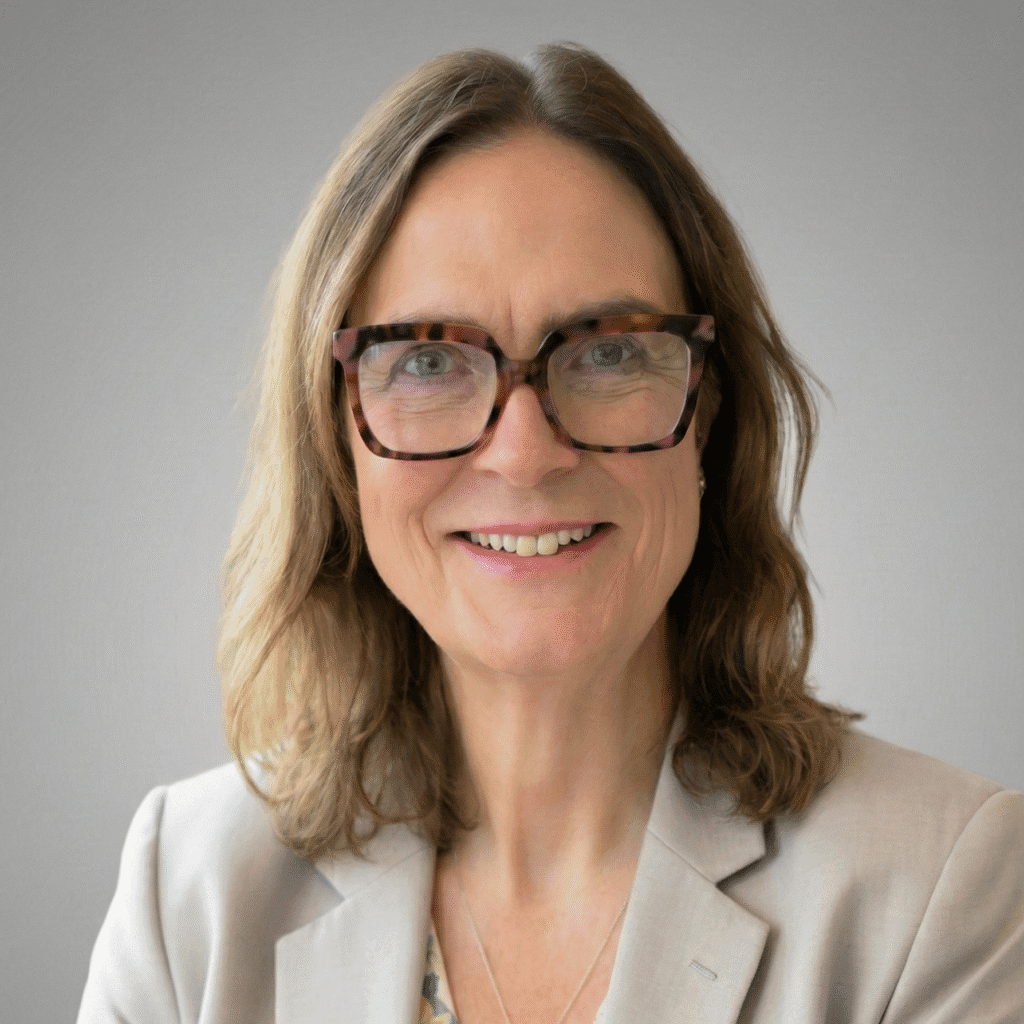
Joanne Lockwoodhost
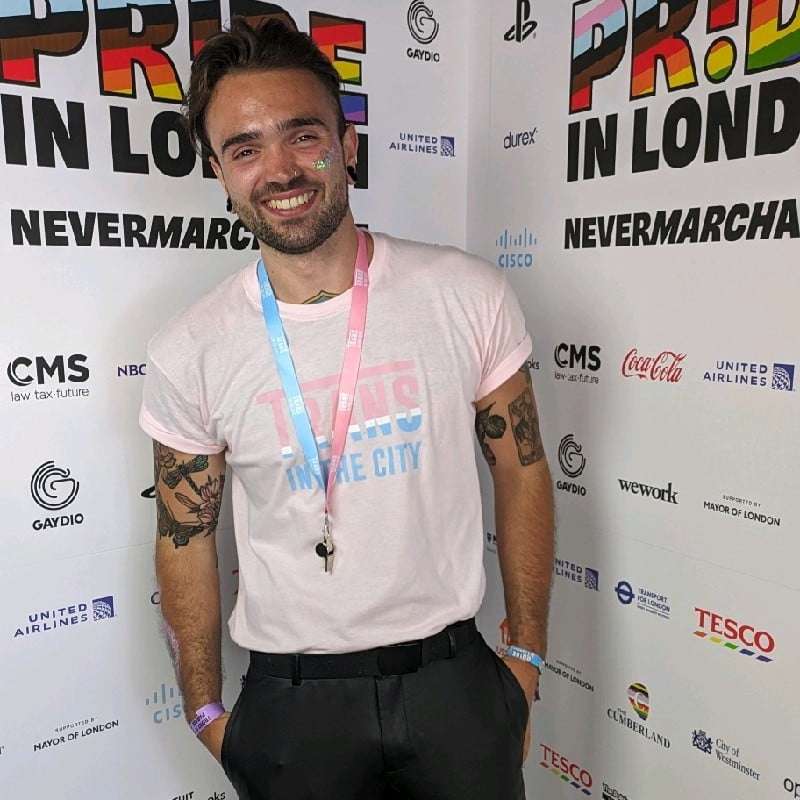
Welcome to Inclusion Bites, yoursanctuary for bold conversations that spark change. I'mJoanne Lockwood, your guide on this journey of exploration into theheart of inclusion, belonging, and societaltransformation. Ever wondered what it truly takes to create aworld where everyone not only belongs butthrives? You're not alone. Join me as weuncover the unseen, challenge the status quo,and share stories that resonate deep within.Ready to dive in. Whether you're sipping your morning coffeeor winding down after a long day, let's connect, reflect,and inspire action together. Don't forget,you can be part of the conversation too. Reach out tojo.Lockwood@seechangehappen.co.ukto share your insights or to join me on the show.So just your earbuds and settle in. It's time toignite the spark of inclusion with Inclusion Bites.And today is episode 118with the title thriving through adversity. And Ihave the absolute honor and privilege to welcome Oscar Hoyle.Oscar is the CEO at BlossomLGBT CIC. They oversee 4 projects,a workplace mentoring scheme for young adults trying to get into work,an arts and heritage scheme to help young people feel engagedwithin their community, and a social and well-being cafetakeover, and also a business consultancyscheme. When I asked Oscar to describe their superpower and inspiration, theysaid that this is the amazing queer young adults that theysee achieving absolutely amazing things
Joanne Lockwoodhost
in an incredibly scary and hostile environment.Hello, Oscar. welcome to the show. Thank you.
Oscar Hoyleguest
It's a pleasure to to be here today and to say hello to you.
Joanne Lockwoodhost
Absolutely. Absolutely fantastic. We bumped into it probablywithin feet of each other many times, but probably never actually had a conversation before.So this is quite exciting. It is. And I think that's a reflection of
Oscar Hoyleguest
the the small, weird, little world we have within the sort ofLGBT and specifically trans inclusion space. Right?
Joanne Lockwoodhost
It it it yeah. It is. Yeah. Even though I often joke to people thatthere is no trans directory where we all know eachother, we we all kind of we're one step removed. We all knowof each other through people, if not directly. Yeah. Yeah. It's like
Oscar Hoyleguest
a weird little family where everybody's an aunt that's once removed or
Joanne Lockwoodhost
Yes. It's a crazy haunted property.
Oscar Hoyleguest
Yeah. Me too. Don't worry. But, Oscar,
Joanne Lockwoodhost
thriving through adversity is a pretty tough and hostile environment, as yousaid. Tell me more. Yeah. So when
Oscar Hoyleguest
when I was kind of considering how what we could talk about, I thought itwas so important that something that I'm really passionateabout and that actually almost all of my career now centers around isthe experiences of, you know, GEN-Z who areLGBTQIA+. And and with aquarter of LGBTQIA+ GEN-Z is going back in thecloset when they enter work. It became very apparentwhen I started my career at Blossom that there's an issue herethat people don't just hide who they are for no reason.Right? And when we talk about adversity atthe moment, I see that in so many different directions for young adults at thestart of their career. You know, you have a really hostilesocial and political climate for early stagecareer young adults. Yeah. Not only do you have thefacts that the press is pretty hostile towards young peoplegenerally, you know, the narrative GEN-Z don't wanna work. GEN-Z are lazy.GEN-Z quit keep quitting jobs, and we can't work out why.Then when you add on that the the same hostile attitudestowards their identities as LGBTQIA+people, often intersectional people who maybeexperience disability or a person of color. These alladd up to make a really, really difficult hostile environmentfor the young adults before they even get into the workplace.And then we see young adults get into the workplace. And,actually, there's a really clear generational divide here wherewhere businesses and people who are working within an organisationare aren't necessarily gelling with the younger generation. Andwe've seen this for a long time. We spoke with millennials. But actually, whatwe see through a piece of Ipsos research is that actually,gen z are considered to have or be the furthest removedfrom what we would consider traditional values within a society.So knowing that there's such a gap, there's a realdifficulty integrating this generation into the workforce.And, of course, you know, there are there's so many different experiences. I can'tspeak for everyone. But these two things I see as massivefactors, yet throughout all of that,I see a generation of LGBTQA pluspeople who are, in often cases, absolutelysmashing it when they have the tools to thrive.And big part of my work is giving them those tools. Youknow, I see young adults start their sort ofjourney with us. They're not in work. They're not in education.They feel incredibly shut out to actuallyseeing them go, hang on. Like, Oscar, thiswhole entry level work has been fantastic. But now how can I be amanager? And, you know, how can I set up my own organisation? I'mseeing a generation that's really hungry for success.And it's so interesting that despite being in such ahostile environment, despite not knowing any different to a hostileenvironment for a lot of them, they stillare absolutely, genuinely doing everything theycan to succeed. There's a wow. A huge amount. But I'm
Joanne Lockwoodhost
picking up on that is, you know, it's it's just that it's that massive disconnectbetween young people, the GEN-Z's, and,as you say, the the incumbent workforce. So millennials,boomers, Gen X's like myself. And you saidthere's there's a there's a lack of relatability. And, yeah, II'm a I'm a I'm a I'm a gen xer, so my my kids areare millennials. But I I I am aware of,you know, sort of the GEN-Z sort of, cohort comingthrough. And and it's it's tough being a young adult because I never I didn'thave to grow up with a spotlight on me interms of social media, in terms of it being expectedto perform, to be popular in a way. And, youknow, I think there's a huge amount now whereyoung people have something that I never had. I I could go home at night,shut the front door, and I was pretty much safe Mhmm.Until the next day when I may get yeah. I have to face the worldagain. But young people today, they go at home, and they'reeven more unsafe than they are maybe in the in the real world because theygot all of this social media pressure. Oh, I mean, a
Oscar Hoyleguest
100%. You know, something that I rarely say, because every timeI do, I get scouring looks from people, is that I am the1st year of GEN-Z, which, really doesupset a lot of people, surprisingly. Andbeing in such, you know, a chief executiveof an organisation that's turning over roughly, you know, halfa1000000 is a lot of responsibility for someone my age already.And then I I have a tendency to want to use social media because mygeneration has always used social media. Yet,I have a real difficult bad time balancing the two. Andthat's somebody who I believe as a person that's doing relatively wellin in my career. I still sometimes put things up and Ithink, maybe I shouldn't have said that, oror finish a really stressful day at work and start doomscrolling through know, anti trans rhetoric on TikTok andthink maybe that wasn't the best thing for my well-beingtoday, but it's inescapable. And, you know, andI think, like you like you said, with this generationaldivide is that progress has beenso quick. If you look at where we were, where sort of theoldest generation that's currently in work started work versuswhere GEN-Z's are in terms of technology, in terms ofculture, in terms of politics. The the landscapeis vastly different. There are, of course, lotsof similarities, but we we'reseeing a generation that's, you know, always had tech, that'salways had access to the computers, that's always had access to a phone,and that expects everything to be quite instant and quitequick to the point where I employ people who arelike, what do you mean you're gonna email me? The idea ofan email is just completely redundant now, which is even a shockfor me. So I think there's a massive gapbetween sort of one end of the workforce and the other end of theworkforce that I'm not sure that we're doing in afantastic job at bridging, or at least that's what thepeople I work with are telling me. Yeah. I I spoke to intergenerational
Joanne Lockwoodhost
consultant experts in the past, and one of the things they've highlighted to meis is is the it's incumbent on the older generationto reach down. We shouldn't be expecting the younger generationto reach up to us. So, you know, I I have to put the thework in to to understand the younger generation, not expect theyounger generation to to meet me where I am. I think a lot of peopleforget that because what we see a lot of the stuff in the in thein the press, in the media, the toxic doomscrolling we do on Twitter and otherplaces, is that it's it's the older generationbasically telling the younger generation they don't know what they're doing. They're they're too immature.How how can they possibly know what's going on? And Iwhether it's around gender identity, neurodivergency,whatever it may be, there's this there's this belief thatyoung people are notnot mature enough to know who they are.
Oscar Hoyleguest
Yeah. And and I think I I know where a lot ofconsultants come with that narrative that we need to makesure that we connect. You know, the older generation are reachingdown. But I think I approach almost all of mywork slightly differently where I feel that, actually,it's it's a mutual collaboration. We're nottrying to create workforces where peopleare, you know, dictating how things are done anymore. That's that's that's changed a lotin the last sort of few years. And I think this this sort ofculture of collaboration has to extend beyondgetting work done and actually has to come into buildingteams and culture within an organisation. And I think, actually,whilst there's always gonna have to be an element of reaching down to bring peopleup, you know, when we talk about things like mentoring,sponsoring young adults, then, yeah, absolutely, that's reaching down. But I
Oscar Hoyleguest
also think that, young adults have theirpart to play in developing a workplace as welland something that I think we need to move past sometimeswith sort of DNI consultancyis this idea that it's them and us when actually it shouldbe more about collaborating to create, you know, reallyhealthy, and sort of community esquespaces, which I think speaks a lot to what GEN-Z are lookingfor. You know, we did a piece of research. We foundthat, I I believe this was Ipsos again, found that onaverage, a GEN-Zer will leave their job within 12 months if they don't fitin with, like, the the ethics and culture of the workforce.When we spoke to the GEN-Z audience that we work with, it was evenshorter. It was 6 months when they're LGBTQIA+ andGEN-Z, which shows that theyyounger people are quite quick to move out of a space.And it's actually worrying when you think that, you know,roughly 1 in 4 GEN-Z is our LGBTQIA+. That's a quarter of theworkforce every 6 months when you look at GEN-Z. And I thinkthat we all have a part to play in developing a culturethat we wanna work within a business. You say yeah. I
Joanne Lockwoodhost
I grew up in a generation where my parentseffectively had a job for life. They were they didn't they didn'tmove around much. They didn't travel much. They kind of lived and workeda bus ride away or a walk away, yeah, in a dockyard, in the government,in the council, in a in a big traditional company. And they they kindof stayed there for life. I got I was probably the one of thefirst generation where you probably expect 4 or 5 years and then move on 4or 5 years, and it was frowned upon if you move too quickly. And I'veseen recent stats from The REC, The RecruitmentEmployement Confederation, where they talk around tenure movingdown to 2a half, 3 years. So what we're saying here is isGEN-Z's are looking for, well, potentially 6 to 12 months worthof tenure. What what could organisations do toto try and get, I suppose, 18 to 24 months?Because presumably, they're moving on because they they want something more. What what is themore they want? Yeah. So Deloitte did a piece of
Oscar Hoyleguest
research, and they classified gen z as anactivist generation with regards tothe way that they act both in their workforce and as a society. And Ithink you only have to look at TikTok to to see that's reallytrue. Everyone has this issue, the social issue they careabout whether or not they're working in the same directions. Youknow, actually, you still have a social issue and and it being not avery progressive one. But GEN-Z as a wholecare a lot about their personal morals and ethics,and I think that creating a workforce wherethe the culture aligns with that moral and ethicsis really important. But I also think that gettingD&I right, so diversity and inclusion, as much as we mightthink, it's just often processes. Actually,GEN-Z is the most racially diverse, ethnically diversegeneration on record as well. So I think to
Oscar Hoyleguest
to really attract and retain GEN-Z, we're talking aboutdeveloping cultures here which go beyond getting work doneand really starting to bring the belonging part ofwhat has been D&I, ED&I,EDB&I. Actually, this the belonging part isbecoming increasingly important in a workplace because they want tofeel part of something bigger and something that alignswith who they are and their values and morals. And I think that thatreally helps to retain people. You know, I see withinmy work only a small team, a team of8. And when we did our lastcultural survey where everyone anonymously feeds back on theworking conditions in the organisation, All of mystaff rated the fact that they loved work 10 starsout of 10 stars. We worked really hard, but it's theopportunity. It's the fact that we're working in a direction that alignswith their personal ethics and morals, which I think makes such a difference. And
Joanne Lockwoodhost
that's the fundamentals, isn't it? You you you need to be able to bewell, the old adage of bringing yourself to work, psychological safety. It'sabout being celebrated with who you are, and the belongingnessresonates in the mission of the organisation as well. So you're not you're not havingto compromise your own personal values, and that's yeah.
Oscar Hoyleguest
Absolutely. But I think also to touch on what you said around, you know, yourparents' generation having a job for life. If you think about it,gen z are the 1st generation but are really going into theworkforce, maybe millennials actually. And you're saying to them, you're gonna work yourentire life, and you're probably never gonna own a house. You're probably not gonna retire,and you're probably not gonna have that much money to live comfortably. You're probably gonnaearn about £30,000, which will about cover the council tax bill if youlive in parts of the southeast of England. You know, I thinkbecause of that, because there isn't the prospect ofalmost using work to catapult your social and personallife, there's more of a need to integrate the 2now. Do I mean, my my perception, I could be completely wrong, is
Joanne Lockwoodhost
that gen z are are multipleincome generators. You know, they have their own they monetizegaming, monetize personal brand. They they havecottage industries. They're on Etsy. They're producing stuff. They'reso their, yeah, their their day job is just part oftheir portfolio of of income generation opportunities, isn't it?
Oscar Hoyleguest
Massively. Really. So many of the young adults that I workwith, you know, one of them at the moment has been working reallyhard to get into the law industry. He's also a dogwalker in the evenings, he's also sellinglittle pendants that they make on Etsy, and I I think that's really common. Iremember when I was starting out, you know, over the last sort ofI've been doing this job now for coming up 5 years, but prior to that,we'd always have a day job and a gay job, which should be, you know,daytime corporate jobs, selling bathrooms for the most part, andthen in the evenings was paid as a a youth workerfor LGBTQIA+ young people. And I think,yeah, the idea of just doing one thing at a time is is gone aswell because it's it's not it's not affordable to dothat, really. No. I'm well, as a Gen X, I
Joanne Lockwoodhost
value my portfolio business, if you like. II feel much more empowered now than I ever did in mytraditional, old fashioned one job mentality. Mhmm.I love the ability to pick something up, do something with it, pick something elseup, and have 10 different things on the go all the time. And it's,it's immensely empowering putting your eggs in multiplebaskets rather than just having, this one income stream. Jowe we look at what's going on, you know, socially, politically, if youlike. We I turned on gender identity, and I mentioned it briefly aboutneurodiversity. There is a we're scaringadults, aren't we, with these things? Adults get really scared that there'sthis explosion. How can we help adults to understand it? Or sorry. Olderadults, not young you know, not young people, young adults. How do we how dowe help older people get used to the idea that this is the reality ofthe world? Yeah. Well, I almost see this
Oscar Hoyleguest
this anti woke narrative as almost beingthe the culture that a fear of not understanding has created. I mean,even to the point that actually the the meaning of woke is to besocially engaged and aware of others, it's actually not bad thing,but, like, even that shows a fundamental misunderstanding of what it actuallymeans to be woke. I think the reality is is that theseidentities have always been here. You know, we can trace beingtrans back to the origins of humanity. We can we cansee, you know, trans goddesses and godswithin Mesopotamia, within ancient Egypt, withinRome. But for some reason,often, I think that that hasn't been on on the frontfoot. You know? Whether that's because of Section 28, whether that's because ofcriminalization, cultural norms, that it'sjust that whilst these identities have always existed, they've always beenconsidered on the fringe. I think that whereit's coming more into the forefront is because peoplehave more of an opportunity to explore, to bethemselves. We see such higher numbers of GEN-Zidentifying within sort of different marginalizingcategories. Whether that's the right term to use, I'm still not a 100%confident. And I think to bring people along on thejourney, it's it's about creating empathy and compassion forthese people. I I think that's the main thing that we're oftenmissing in all of these conversations is that when Ithink when you know somebody who is trans or when you know somebody who'sneurodiverse, you often have alittle bit more compassion to what it means to be that. Whetheror not you understand it doesn't necessarily matter. But the factthat you know, you know, Oscar, the nonbinary, is actuallya lovely person as as long as you feed them and and don't give themwater after midnight or whatever it is. Is actually a lovely person.All of a sudden, this this horrifyingnarrative that is, you know, trans people are harming children starts tofade into the background because you know somebody who istrans, who is a nice person, who actually means theworld to a lot of people. That sounds like I was reallysort of blowing smoke there. That's not it's just an example. No. I didn't haveto use myself or my own name. But I think that ishow we can really help to change the tide is to, youknow, educate, but also to build empathy and compassion. No. I I don't
Joanne Lockwoodhost
think you're blowing smoke there. I think what what you're doing is you're trying todo what we all need to do is humanize the conversations Mhmm.By bringing a real name, a real person, a real lived experience into thisconversation. But saying, like, you know, you can't just create this dehumanisation,this this this this myths and tropes that keep getting rolledout as as this nebulous group of activists. You know, if you lookat they're all we're always described as trans activists.If you look at the pictures that are shown, it's always people with banners,placards with flags around them, not people sitting around a desk tryingto have sensible conversations, and it's it's framing doctorsand professors looking all smart over here, andactivists being angry and shouting and being disruptive, andanarchic over here. And I it's it's playing into that. Thevoices of sanity is the establishment. It'syoung people being young people being radical. Yeah.
Oscar Hoyleguest
And, you know, I I have to say, I do have a little bit ofa soft spot for direct action. But I thinkI honestly feel as if, you know, why is it thatpoliticians, regardless of party, themedia choose to pick on transpeople, on people with disabilities, on migrants.And it's because we're small. We're a smalldemographic of people, so there is much less of us to goaround, which means it's much harder to build empathy and compassioninto the conversations, and it's very much easier toprofile a whole community. You know, when you make up less than 1% ofthe population, it's not that likely that alot of people will know a transperson. And I think that's where the media,as much as right now, it can be, say, hostile againstus, can also be one of our best tools in building thatempathy and compassion and, you you know, especially things doesn'tnecessarily have to be television, but I feelTikTok, Dylan Mulvaney has a hugefollowing. Regardless of what you think about what they thecontent they put out, what they put into this world,they are a role model. And they're a role model of atrans person and a a very early stage trans experiencethat actually people are witnessing for the first time, andthat in itself is building compassion and empathy. So,yeah, whilst we were sort of talking at the start aroundhow media is quite harmful for forGEN-Z, it's also a fantastic opportunity for them aswell. Yeah. And as soon as Dylan popped up
Joanne Lockwoodhost
on whatever platform it was advertising swimwear orwhatever, beer and all these other things, It's the thehate machine kicks in, and it's that's the reality of ofputting a head above the parapet as a queer person these days. When
Oscar Hoyleguest
Dylan wore the I don't know if it's Nike or Nike. So excuseme if I say it wrong. But when Dylan wore the Nike leggings and itupset, you know, Twitter, go woke, go broke was thenarrative that popped up. Nike actually saw a spike in profitsand ended that quarter higher thanwas expected on the stock market. So it'sa really weird the loudest voice doesn't actuallymeet the everyday lived experiences.
Joanne Lockwoodhost
Yeah. The loudest voice tends to occupy the the wavelength. It doesn't that'sthat's the challenge where if you're a centrist, you'reyou're you're on the fence, you're not really sure, you often onlyhear the loudest voice, and that controls the narrative. And that's the danger that theminority view is actually becoming the loudest viewand, and shout yeah. Shouting downand accusing young people of not knowing their own minds. And,I challenge anybody who's in their twenties, thirties, forties,fifties, sixties to think back to when they were a young person andthink about how they knew their own mind really. And theymade some silly mistakes. They made some fantastic mistakes, but it was their mistakesto make. Absolutely. And I think when we look
Oscar Hoyleguest
at young adults, we often when we do try tosay you don't know what you're doing, like, you're, you know, you're too young,all we're really doing is making them wait to experimentbecause they're still gonna do it. They're gonna do it eitherwhen they can legally or in a dangerous way.You know, I think what we see so often in our services isthings like young adults self medicating because they can't get whatthey need for the NHS or aspects like that. Andand, obviously, that's a massive safeguarding concern in itselfand one that you know, what do you do when a system is failing ayoung person? All you could do from, from our work perspectiveis re refer back into that same system. You know, it's it's abroken system, which actually I think the cast review for all itsflaws really highlighted really well. But Ifeel as though when we say you don't know your own experience,you're gonna you know, maybe you're not Joanne. Maybe you'll detransition.Well, I actually, you know, from from the peep very, veryfew, but few people that I know that have detransitioned,they actually say that if they didn't transition in the first place, then they wouldnever be the person that they are now and and that they needed to dothat to actually learn what was right forthem. And I think we we often jump to theextreme negatives with with this sort of thing. And,actually, it's really important that we're careful to acknowledge that young peopledo know themselves. They know what they need. And if westop the process of exploration in whatever way thatlooks, we only damage them. Yeah. I think
Joanne Lockwoodhost
everybody has the right or should have the rightneeds to have the right to step out of thethe framework of social constructs Joanne just step back andgo, who am I without anybody imposing any rules?And being trans, being non binary, being neurodiverse,neurodivergent in some way is a bit the ability to step back andgo, I want to have control and agency over my life. I want to havecontrol about who I am, how I perceived, and things that matter to me. AndI think too often in older generations, we've gotten this conveyor belt oflife and not had the opportunity to press stop. Go hang on aminute, I'm going in the wrong direction. So rather ratherI'm not saying I would change my life, but I I got to theage of 48, I think it was before I was able to push the stopbutton and pause, get off and go, right. Okay. Where am I heading? Who amI heading there with? Do I wanna go there? Do I wanna go with thesepeople? Or do I have who who am I? And I'm not saying Iwould have made different decisions 50 years ago, but if I had theopportunity to to map out my life and know things were I was havingcareer counseling, having destination by lifecounseling. Where do I wanna be? Yeah. Do I wanna be an electronicsengineer? No. I didn't wanna be electronics engineer. I ended up doing that.And I think having the ability to step step offthrough and as you say, the cash report got a lot of things right. Itgot a I I always think I think some of the analysis was right. Theconclusions were misguided or the yeah. The recommendations.So, yeah, I I think the the conclusions the the sorry. The theprocess of recognizing that young people need better support.Families around them need better support. We need better evidence not tostop people transitioning or exploring their identity, butto enable them to do it in a in a safer, moresecure as you not going off on finding their ownown advice on the Internet or drugs or or medication, but doing it withinthe bounds of a controlled environment. And that's not to slow them down. That's notto stop them. It's to enable them to do it safely with their families andsociety. And that's what Cass said right.But the wrong bit was effectively pun trying to put the brakes on everything.And then the demonizing language that came out of it as well. Yeah. And
Oscar Hoyleguest
and I think what we need to be really aware of is that byputting the brakes onto this and to make sure that this podcast remainsworky, is that if we put the brakes on in a young person'sdevelopment, whether we don't let them transition or however thatlooks, What we're actually doing is impacting on theirability to perform when they get into a workplace. Youknow, how on earth can you do a good jobwhen you you you finally have the opportunity to get intowork, but you also have the opportunity to finally transition afterwaiting 10, 20 years. You know?Let's be real. Waiting lists probably mean that if we tookthe option away from children, that a lot of youngpeople aren't going to even be seen by a GIC until that gender identityclinic until they're 25. So what we're actually doinghere is hindering the careers of youngLGBTQIA+ people, And I think this issomething that we really need to be conscious of in workplaces and really beaware of is I I feel thatthrough making sure that workplaces are prepared to handle this, if if that doeshappen, they're going to see a lot more loyaltywithin their workplace and a lot more sort of support. And I think,generally, if young people do have to wait that long, thenmaking sure that they've got the right support in a workplace, it it itbrings us back to this culture of belonging conversation, which is, youknow, we we have to make sure that we're ready tosupport them when the politic political andmedia aspects are impacting on their childhood sosoon? I think there was a a total jobs report. I think it was 22,
Joanne Lockwoodhost
1920 sorry, 2022. And one of the things that came out of that wasthat 40% of LGBTQIA+, probablymainly the TQ+ element, are concernedabout working in an environment where there are hostile viewsabout them. And so we talk about belonging. Belonging,you're going in there expecting to be respected, to have peoples whohave your back, who who you can trust. But if you'reconstantly looking over your shoulder, believing that there are people around youwho effectively wanna see you eradicated as a human beingor people like you, that's really damaging. So workplaceculture has to create a safe space where people can bethemselves. And that if people do holdcritical views that are abhorrent and not part of polite society,then there has to be really good policies and protection for these people. And, youknow, we've seen the 4 starter employment tribunalwhere they effectively green lighted misgenderingand and and stating truth and doing air quotes at thispoint. Air quotes. Or we we or as we mightsay, perspectives or opinions rather thantruth. And if you know you're working with people like that, you'renot gonna feel great coming to work every day, are you? No. Absolutely
Oscar Hoyleguest
not. And I think a conversation that I have with a lot of myclients is where is the line. And it's something that I don't feelas if I can personally tell a workplace where their where their workplaceline is. But when I look at my interpretation ofthe Equality Act, which is assured by Equality ActLawyers, is that holding aprotected belief or protected characteristic doesn'tallow you to discriminate against another protected characteristicor a protected belief just because you hold it. Soas an example, we know that if somebody wasrunning a a person of faith was running a bakery,they they couldn't refuse to service anLGBT couple just because they're LGBT. And Ithink this is what we need to be really mindful of when we're creating theseworkplace cultures, where we are creating policies and processes. Those peopleare a 100% entitled to a belief. There's a real difference between holdinga belief and actively discriminating against anindividual. And I think this is what workplaces really need to be aware of andhow they need to draw the line is you can create, you know, you cancreate both. Whether or not that creates anenvironment that I would want to work in, absolutely not. Personally, on apersonal level, I wouldn't wanna be involved in that. And you can see why alot of GEN-Zs will leave a workplace when they see that. But aworkplace can very carefullycurate a space that is very psychologically safe for trans and nonbinary people without actually harming anybody. Andit's a lot of work. If you'll get policies right, you haveto create culture and and make sure thatpeople are there to each other. But I I almost feelas if by the time a workplace has got to the pointwhere colleagues are hostile towards each other, that thebelonging element and the cultural element of ofthis piece has already been missed. The boat has sort of sailed, and,actually, it's more so about reining that back innow, creating a space where we respect eachother as people who have a job to do, who work together.I'm just starting from that fundamental level of mutualrespect that we need to pose to everybody is,I think, the most important part to get right, but often the fundamentalthat I think has been completely missed by the time we see thingslike agenda critical staff network being set up in the civilservice as an example. And that's directly
Joanne Lockwoodhost
hostile. It's not passive. I mean, it's it's you know, youtalk about protected beliefs. You think about people's differentreligions and different faiths or lack of,and you think there are there are a number of different principles in most ofthe major religions around deities, gods, symbols,icons, all these various things. And they tend to coexist.People aren't trying to convert people to different religions within the workplacethat that different faith groups are happily coexist Mhmm.Under one umbrella. And even people who who don't hold a a religious beliefare able to coexist with people who hold those beliefs. The difference, I think,when we talk about people who are in the queer community,gay, bi, lesbian, orpeople who are trans, is that's around a person's, like, personal experience,lived experience. And it's someone weaponizingtheir belief to deny someone's right to exist as a humanbeing. I'm not I'm not attacking yourgod as such. I'm attacking they're attacking me as anindividual and saying I'm wrong to exist. And that I'm abhorrent.I I don't meet society's norms. Therefore, I shouldn't be allowed toexist. That's the challenge. It's the weaponization of thatbelief that the workplace is gonna be gotta be really mindful about.
Oscar Hoyleguest
Absolutely. And and I think this is where we come back to workplaces havinga line, which is, you know, where can somebody hold a belief,and where can somebody express and and directlydiscriminate because of that belief. You know? Actually, I Iused it as an example a minute ago, probably maybe not the bestone. But when we look at having a gender critical staff networkwithin the civil service, again, very differentbetween a group of people that have a shared belief meetingto share that belief versus advocating for the reversalof rights or workplaceaccess to systems and processes. They're very differentthings, and I don't know how that one operates, so I couldn't speak on that.But I think this is where I'm coming from is that, yes. I mean, II I wouldn't personally want to be in that sort of space, but Ican see how you it can be done ina way that doesn't necessarily harm everybody.But it's so difficult when you have 2 groups where one juststraight up doesn't believe that one has a right to exist.That's very, very difficult. And, I'm I'mplaying the the, the politically neutral tight rope here.So you can put it out. No. I that's and I I we're
Joanne Lockwoodhost
not we're not trying to get into mudslinging here at all. No. That's not whatwe're trying to do. We're just trying to raise awareness. And because, you know, youtalk about the the civil service network, and wealso see that mapped out in society with some high profile charitiesor organisations who are now charities alsobeing their sole purpose is to oppose the existence oftrans people. Absolutely. It's a weaponization again. It's not a passive thing.This is a weaponization of eradication. Yeah. And
Oscar Hoyleguest
but I I I almost feel like all of that being said, a lot ofwhat my work involves and a lot of what I dois actually about empowering people to thrive despite you know, tobring it back to the theme of this podcast is throughthrough Blossom LGBT, at least, we wevery rarely directly pick upor respond to, you know, anti LGBTQIA+content, behavior, press briefings, whatever it mightbe because we're far more preoccupiedin celebrating what we can do. Because I always think thatwhat what better way to kind ofremove the hatred, the negativity, thehostile opinions and voices that just, youknow, celebrating what we can do andsaying, yeah. Okay. You stay in your corner. You youhave your opinions complete you, whatever whatever you wanna do. Butwe're out here going to spread love. We're going to spread positivity.We're going to uplift each other. And we're gonna thrive together.And I think that's what I really want to make sure that Ichannel my energy into is upliftingpositivity and boosting each other. And I think, you know, for a longtime within my work, I I was I did theopposite. I felt like I had to directly combat transphobia and Ithink a lot of people do. But actually, I've kind of got to thepoint now where I'm thinking, what's the point? People can have an opinion. Fine.But I'm gonna make sure that they can have their opinion. But trans and nonbinary young adults can still thrive despite their opinion.And it's a journey that I'm on that I definitely don't have an answer howI'm gonna do that a 100%, but I think we're making really nice sortof waves in that space. Yeah. I think I think that's so right.
Joanne Lockwoodhost
It's, there's a line in ananimated film called total Hotel Transylvania3. I don't know if you've ever seen it, but there's a line at the
Oscar Hoyleguest
end. First one. Yeah. Well, there's a line at the end of this one where
Joanne Lockwoodhost
someone's one of the characters says, "you've gotta be greater than the haters". Yeah. AndI always hold that to heart that, you know, when there's hate around you, whenthere's people who are against you, around you, it's about being able to lift yourhead up high, smile, and be able to move on. But thattakes a huge amount of resilience and personal strength tobetter plinker that out and block it out and rise above the hate. AndI can imagine a lot of the people you're helping here, becausethey've grown up with social media. They've grown up this online content. They've grownup reacting to comments on social media. It's hardto to deescalate them, isn't it? Oh, absolutely.
Oscar Hoyleguest
It really is. But I think that's why when you said aboutthe 4 projects that we have at Blossom, you know, we have the workplacementoring and all the employability stuff nicely over here, and then we have thearts and heritage, and we have a social cast. Actually,those free projects won't work without theother because what we see and what we're doingis focused on building those peer topeer support networks Jo that when things do get difficult,actually, you have a group of people around youthat are here to listen, that, you know, you have a supportedsupport network and trusted people who you can say,oh, I had it really tough today, you know, for whatever might have happened,happened. And you have a group of people that say, okay.Fine. That's really tough, and I'm really sorry. Let's talk about it. Let's geta coffee, and then let'sdo something together that actually gets us out of thatmindset. And I think that that's wherewhy we're trying so hard to make sure that I suppose that the word isis our workplace support is holistic. It's that it's not justmentoring to get someone into a workplace. It's building resilient supportnetworks. It's building, you know, confidence in your ability to beoutspoken through art workshops. Sits, buildingyour connection to the community so that you can see that whilst things aren't greatat the moment, this isn't the first time that the LGBTQIA+ community hasbeen under attack. And I think all of these together buildsa strong person or a stronger person that can also besensitive, that can also display weakness, that can also ask for help,but can find ways to cope with howdifficult things are. And I think that's what GEN-Zreally need is that interpersonal connection thatsocial media isn't offering that we're trying so hard tobuild through this work. I suppose the arts and the work you do there must
Joanne Lockwoodhost
be really important because we we we're often bombarded with cisheternormativevisions of art, of media, whatever it maybe. And I I remember a few years ago, I was when I was Iwas a trustee of Sparkle, the National Transgender Agency for a while upin Manchester. And one of the one of the Sparkle weekends, what we did waswe, we got some queer art experts,and and we did gallery tours reimaginingarts through a queer lens or a queer eye. Andit was really, really insightful for me to hear things being reimaginedthrough a queer lens, not the narrative you we see.And, yeah, we we we know we we see thethe straight view of the world all the time, the the thecis view of the world all the time. But so the work you do withthe art, is that is that encouraging people so you encourage people to express theirtheir identity, their queerness, their neurodiversity, whatever it may be, throughart? Yeah. It's a really nice
Oscar Hoyleguest
combination where, you know, myself, andShivani Dave, who's my project manager there, and spent a lot of time in theBishopsgate Institute looking through their archives to, you know, lookat pieces of our heritage that are so importantto us, and we bring some of thatknowledge to it so that we have sort of a more holistic kind of aa more wider understanding of the culture and the context that we were in atthe time. But we also look at howcriminalization, negative social attitudes have played amassive part in hindering what could be reallyimportant queer pieces. So you look at The Importance of Being Earnestby Oscar Wilde. The whole play isa massive sort of play onon bisexuality or or potentially having awife to cover up homosexuality. And he talksabout having I can't remember the names, but, you know,being 1 person in the city and 1 person in the country, andand I I used the made up word to describe that. Andthis is all kind of the sort of thing that we're exploring with our youngadults in one sense. But then we're also exploringthings like how art and protest have gone hand to handand how we've often used our, you know, all the way back to the furwell, before, but an example is the first pride flag was acollage of fabrics and encouraging themto explore, you know, what what does your protest look like? What's your protestare as well? So it's it's a nice combination of kindof, you know, querying existing artthat should have been queer to begin with, but also recreating new art in away that expresses needs and experiences.
Joanne Lockwoodhost
The graffiti is is a classic example of street artthat, expresses passionand, if you like, activism of pushing back, fighting back against theestablishment. And, there's some beautiful street art aroundthe east end of London, Brick Lane, all those sort of places. And even aroundWalkaloony, in most places in London and other cities, you seesome great examples of of it's noteven so graffiti can be angry. This is art. This is thisis not angry. This is just expression. And I think it's absolutely fantasticthat local councils are almost encouraging thestreet art to develop in a controlled way, obviously, because you want it everywhere,but, yeah, in a way where people can appreciate and see andhear people and what they're trying to express to the world.
Oscar Hoyleguest
Absolutely. And I I think art has always been such anintegral way of our storytelling as as asociety and and as a community. I think thatyou look at any sort of era inhuman existence, art has existed in someform, and it's often been a way for people to express theirexperiences, emotions, or feelings. And I think thatactually, art plays such a a huge partin our ability to kind ofemotionally regulate, to communicate, collaborate, thatwe really need to make sure that we do place a focus on it. Andwhilst it might not feel like I'm directly talking work here, it's afantastic coping skill. Yeah. And I'm also drawn to the fact you you you
Joanne Lockwoodhost
have this, cafe takeover. And I think, again, that that safespace, the ability to be able to drop in somewhere. Mhmm. And know this ismy space. It's it's for me. You know, we talk about belonging.And whenever I talk about belonging, I always I also go back to thethe seventies or eighties sitcoms, a brand called Cheers. I don't know if you everever seen it or heard it, but it's it's a it's a bar where everyoneknows your name. I think it's set in Canada, and there's some very famous people,Ted Dancers and Kirsty Alley, were in the early days. And it that'sall my was my idea of belonging in that bar, that cafe,that place. You know when you walk to a cafe and sit in a chairdrinking your coffee with your friends, you know that's your place. Youreally know it. But you go to another cafe and you know, hang on aminute, this isn't my it doesn't it's not my I can't I don't feel relaxedhere. So being a drop in somewhere is really important, isn'tit? Absolutely. I mean, I have people when
Oscar Hoyleguest
we set the cuff takeover up, we thought that people would maybe, like, pop infor a quick cover and then leave. So not been the case. Peoplearrive before we actually open the door. AndI feel like some nights, I have to shove them out the door at theend of it because the space is so important to them. And I've had peopleturn up who actually, the space is the onlytime of the week where they're their authentic self. They they turnup wearing sort of one clothes. They disappear into the bathroom,come out a completely different person. I think,
Oscar Hoyleguest
actually, just providing that spaceis almost I don't wanna say the most important thing that we do, butto the people that use that space, it probably is.And I think I have a constant battle because what I'mdoing as somebody who's leading a nonprofit is needingto justify something that is completely unmeasurableto a funder to create something that's measurable. You know, we've tried alldifferent interrogations of this space. We've said it's a awell-being space where we'll work work on people's well-being. And they're like, okay. Whatwell-being activities are you doing every week? And, you know, how is yogahelping this person? And it just completely destroyed thespace. And we oftenmiss these spaces. You know, we're seeing LGBTvenues closed down across the country. So I think we're kind oflike the opposite of that. We're we're a space that's only growing, thatis is still struggling to find its way to carryon. And that's one of my, Isuppose, biggest issues right now as the CEO, funnily enough, isthat we have a our mentoring scheme is runningso well, so smoothly. It has a really clear purpose. Our arts and heritage arethe same. Just providing a spaceis the most important thing to a lot of these people, but it's thehardest thing to do as a nonprofit, which I findfascinating and frustrating at the sametime. Yeah. I mean, I I cast my mind back
Joanne Lockwoodhost
probably 10 years in a bit where I wasjust trying to explore who I was. And those spaces are incrediblyimportant, especially in the early days where you're you're that confident. You'reworried about being discriminated against. You have developed your new robust and resilient. If youlike, you're still nervous and about stick and feeling stigmatized.So having a having a queer baror a a a district, you know, of Kemptown in Brighton, or you gotSoHo areas in in London as it was. But I used to go to the,it was the Triangle in, in Bournemouth where the Flirt Cafeis. It's it's the kind of LGBT triangle right in the middle of Bournemouth. SoI used to go to the Flirt Flat Cafe quite a lot. And I rememberevery time I walked in there, it was like just the cloudslifted just walking in. I've had a sense of relax, and it wasn't overtlyqueer. It was just well known for being a really open and inclusivespace. Mhmm. And you see the same way you yeah. The flag outside thebuilding or sticker on the window. You you know, if I walk in here,I am gonna be accepted. There'll be people in there. If somethinghappens, they've got my back. The the the owner, the barstaff will keep an eye on me and make sure I'm okay. So youhave that feeling that when you walk in there, as if you're going into justthe average coster or the average Starbucks, you you youyou're pretty sure you're gonna be okay, but you just don't know if anyone's gonnalook out for you. It's like kicks off. And that's the difference, isn't it?
Oscar Hoyleguest
Oh, absolutely. And and it's the little things like the microaggressions justnot being present. You know, like, to use your examplegoing into Costa, I don't think a a barista has ever used theythen pronouns to describe me, not that I would necessarily expect them to justby looking at me in that fleeting moment. You know, I'm very lucky to havethe privilege of of being, you know, a sidemale at birth and and still passing that way, Although I would prefernot to. That's that's a whole other whole other topic for a whole otherpodcast. But, you know, it's thatlittle thing that in our space, you ask for a coffee,and they're gonna say, sure. Absolutely. Oh, look. You've got a pronoun
Oscar Hoyleguest
sticker on, so I'm gonna use those pronouns. Jo, you know, I'm not gonna tellyou, oh, yeah. The ladies are just behind that door or, youknow, or just little things like checking in to see, oh, you're still usingthat name because I know that you've changed your name a few times in thelast few sessions. So what should we do? And I think what we've done inthis space is created that mutual sense of respectwhere the people that are coming to the group know howimportant the group is to them Jo they make sure thatthey treat everybody else in that way too. And I thinkthat is often mirrored in a lot of LGBT spaces.The difference for us is that we've made sure from day 1, the space isreally intersectional. So, you know, we have a zero toleranceapproach to racism. All of our staff undergo race equity training.We make sure that the venue is a 100% accessible, and thathas made a massive difference to that sort of sense of belonging in thesespaces too. And we can flip that straight into the workplace as
Joanne Lockwoodhost
well. It's the same Absolutely. Isn't it? In the workplace. Yeah. Absolutely. You
Oscar Hoyleguest
know, I I I I feel like we often act as if this workworkplaces are a microcosm where everything has to be very different in aworkplace. Everything has to be formal and process driven, and and to an extent,absolutely. But, actually, what people need in a workplace, theyalso need a home. They also need in their social life. They also need intheir professional life. I think that, you know, this sense of belonging,this sense of equity where they receive what they need,all is reflected across every aspectof life. And I just think that perhaps for too long, we've seenworkplaces being a place where you come, you sit in front of a desk, youdo your job 9 to 5, nothing else. And if itthat's that's the difference now is that people are waking up to the factthat they need to expect in a workplace the same things that they would expectin a personal life. Excellent. Oscar, this has been an amazing conversation.
Joanne Lockwoodhost
We've been yacking on for an hour now and and a bit bit beforehand.How do people get hold of you? This this has been this has been brilliant.How how could people get hold of you, and what could they do to helpyou? Yeah. So, our website is blossomedotlgbt,
Oscar Hoyleguest
and I think that there's 2 elements to it. Right?If people wanna really support us, it's about actually buyingthings from us. So Blossom LGBT is a nonprofit. It's a legallyregistered nonprofit, but we're a social enterprise. And what we do iswe take the words, the opinions, the voices of theLGBTQIA+ gen zeds that we work with, and wetranslate that into guidance for businesses. We in turn sellconsultancy and upskilling schemes ranging fromtraining, cons bespoke consultancy, project fulfillment,and a 100% of the funds that we get from that go back into fundingour work with, with the young adults. So from abusiness perspective, you know, that's a really important way tosupport us. But from a more personal perspective,supporting our mission can be as little as sharing what we do. Itcan be joining our campaign. Our new campaign launching very soonis called Blossom in the Workplace, where we're encouraging people to sortof share their stories, their tips, their advice for GEN-Z isjoining in, and that would be amazing. Andalso just reach out. Say hello. You know, we never know where conversations can takeus. I I'm not one of those people that say thinks to myself, you know,if you're not gonna give me £500 to book a training session, I don't wantanything to do with you. I wanna talk to people. I wanna learn andtalk to others, whether you could join our mentoring scheme as amentor. There's so many opportunities to get involved. So I just reach out,blossoms.lgbt. We're on pretty much every socialmedia except Twitter because we left that, or directly contact me onLinkedIn. It's Oscar Hoyle on LinkedIn. Fabulous. I'll put all of those details
Joanne Lockwoodhost
in the show notes, and, I'm really passionateabout what you do because it's so valuable. I know that young people are currentlytaking the brunt of a lot of this this societalpressure at the moment, let's say, around gender identity or do youneurodivergence, whatever it may be. There's a lot of misunderstanding,myths, and lack of support and lack of resources,and they're feeling under under pressure. And I the work you're doing is extremelyimportant to, to give them the resilience and the hope and theopportunity to succeed for who they are. So it's a lot.
Oscar Hoyleguest
Absolutely. And thank you, Jo. You know, just sharing your platform withme is amazing, And but also the voices that you amplifyacross your work is just so important. So thank you.
Joanne Lockwoodhost
Thank you. As we bring this conversation to a close,I want to express my deepest gratitude to you, our listener,for lending your ear and heart to the cause ofinclusion. Today's discussion struck a chord.Consider subscribing to Inclusion Bites and become partof our ever growing community, driving real change.Share this journey with friends, family, and colleagues. Let's amplifythe voices that matter. Got thoughts,stories, or a vision to share? I'm all ears.Reach out to jo.lockwood@seechangehappen.co.uk.
Joanne Lockwoodhost
And let's make your voice heard. Until next time. Thisis Joanne Lockwood signing off for the promise to returnwith more enriching narratives that challenge, inspire,and unite us all. Here's to fostering a more inclusive worldone episode at a time. Catch you on the next bite.
Creating Inclusive Spaces for BelongingThe Generational Divide in Workplace DynamicsChallenging Normativity in Artistic Expression
Joanne Lockwood is joined by Oscar Hoyle, CEO of Blossom LGBT, to explore what it takes for Gen Z LGBTQIA+ people to thrive in a social and workplace climate that can feel hostile. They discuss why many young people hide their identity at work, and how intergenerational gaps in technology, values and expectations can make belonging harder to achieve.
The conversation focuses on what creates an inclusive workplace in practice: everyday respect (pronouns and names), psychologically safe cultures, and policies that draw a clear line between holding beliefs and discriminatory behaviour. Oscar shares how Blossom LGBT supports young adults through mentoring, arts and heritage programmes, and community spaces that build peer support and resilience.
They also reflect on the role of media and "anti-woke" narratives, the pressures of social media, and the importance of providing safe, accessible, intersectional spaces that enable authenticity. The episode closes with a call to support Blossom LGBT’s work and to help build workplaces where people can belong and do their best work.
“And being in such, you know, a chief executive of an organisation that's turning over roughly, you know, half a1000000 is a lot of responsibility for someone my age already. And then I I have a tendency to want to use social media because my generation has always used social media. Yet, I have a real difficult bad time balancing the two.”
“We found that, I believe this was Ipsos again, found that on average, a GEN-Zer will leave their job within 12 months if they don't fit in with, like, the ethics and culture of the workforce.”
“Actually, this the belonging part is becoming increasingly important in a workplace because they want to feel part of something bigger and something that aligns with who they are and their values and morals.”
“You know, when you make up less than 1% of the population, it's not that likely that a lot of people will know a trans person. And I think that's where the media, as much as right now, it can be, say, hostile against us, can also be one of our best tools in building that empathy and compassion.”
“You know, I think what we see so often in our services is things like young adults self medicating because they can't get what they need for the NHS or aspects like that.”
“What we're actually doing is impacting on their ability to perform when they get into a workplace. You know, how on earth can you do a good job when you you you finally have the opportunity to get into work, but you also have the opportunity to finally transition after waiting 10, 20 years.”
“Absolutely. And and I think this is where we come back to workplaces having a line, which is, you know, where can somebody hold a belief, and where can somebody express and and directly discriminate because of that belief.”
“It's building resilient support networks. It's building, you know, confidence in your ability to be outspoken through art workshops. Sits, building your connection to the community so that you can see that whilst things aren't great at the moment, this isn't the first time that the LGBTQIA+ community has been under attack.”
“But we also look at how criminalization, negative social attitudes have played a massive part in hindering what could be really important queer pieces.”
The impactful role of seemingly minor acts of respect, like correct pronoun use and name changes, in nurturing an inclusive atmosphere.
Strategies for transforming workplaces into communities that go beyond formalities, aiming to provide a genuine sense of home and comfort.
The commendable efforts of non-profit social enterprises in supporting LGBTQIA+ youth through consultancy and skill-building programs, and how we can support these initiatives.
Techniques for bridging the generational gap in the workplace, fostering mutual understanding and collaboration among diverse age groups.
The evolution of workplace cultures that meet the values and expectations of GEN-Z, who tend to seek shorter tenures and alignment with their ethical standards.
The significance of diverse expressions through art, such as street art, and their contributions to societal narratives and individual emotional well-being.
Thoughts on the misinterpretation of being "woke," and the importance of challenging societal constructs to respect and empower individuals' identities.
One thing to remember
Creating inclusive spaces is vital for the well-being and success of LGBTQIA+ GEN-Z individuals. It's about respecting their unique identities and fostering a work environment where they can thrive amid adversities. Organisations must understand their role in bridging generational gaps, ensuring cultural competency, and keeping up with the evolving expectations around tenure and values alignment.
Questions this episode helps answer
How do small gestures, like using correct pronouns, contribute to creating a more inclusive atmosphere in the workplace?
What practical strategies can organisations implement to bridge the gap between the older generation and Gen Z in the workplace, regarding technology, culture, and politics?
How can older generations in the workforce reach out to understand and engage with Gen Z's different perspectives and experiences?
How does Blossom LGBT's approach towards supporting LGBTQIA+ Gen Z individuals through consultancy and upskilling schemes address the unique challenges this group faces?
In what ways can workplaces evolve to cater to the values and moral expectations of Gen Z, especially considering their inclination towards shorter tenure and the integration of work with personal values?
How can art and media challenge cisheteronormative views and contribute to wider social acceptance and understanding of diverse identities?
Explore topics
Ideas from this episode
Creating Inclusive Spaces for Belonging
In our hearty chat, we touched upon the sheer importance of crafting inclusive spaces that resonate as bastions of belonging and respect. These are the environments where individuals irrespective of their backgrounds can truly thrive.
The Generational Divide in Workplace Dynamics
Next, we navigated the intriguing dynamics between the newest entrants in the workforce and their more seasoned counterparts. The generational chasm, spanning technology, culture, and politics, poses a unique blend of challenges and opportunities.
Challenging Normativity in Artistic Expression
Our conversation culminated in the influential realm of art and its pivotal role in advocacy and authentic self-expression. Oscar eloquently shed light on the intersection of queer art and heritage, exploring the profound impact of historical criminalisation and societal attitudes on creative outpourings.
Learn
Frequently asked questions
What is the Inclusion Bites Podcast about?
Inclusion Bites is a podcast hosted by Joanne Lockwood that features in-depth conversations on creating inclusive cultures and fostering a sense of belonging. It amplifies transformative stories, challenges, and successes by engaging remarkable changemakers.
What topics are covered in the episode "Thriving Through Adversity"?
This episode features a rich discussion with Oscar Hoyle on the importance of creating inclusive spaces, bridging generational gaps in the workforce, the special challenges faced by LGBTQIA+ Generation Z, and the role of art in activism and storytelling.
Who is Oscar Hoyle?
Oscar Hoyle is the CEO of Blossom LGBT CIC, a non-profit social enterprise dedicated to supporting LGBTQIA+ young adults, through consultancy and upskilling schemes. He's a passionate advocate for creating inclusive environments, particularly for GEN-Z.
Why is it vital to respect small gestures like using correct pronouns?
Oscar Hoyle highlights that such gestures are crucial for creating an inclusive atmosphere where individuals feel respected and valued. It's a simple yet effective way to demonstrate support and foster a sense of belonging.
How can I support the mission of Blossom LGBT?
Listeners can support Blossom LGBT's mission by sharing their work, joining their campaigns, or reaching out to offer support. Every bit of help goes a long way in sustaining their efforts to create inclusive spaces.
What issues do young LGBTQIA+ individuals face in the workplace?
They often confront a landscape of hostility due to societal pressures, a lack of understanding around gender identity and neurodivergence, and long waiting lists for gender identity clinics, all of which can affect their mental wellbeing and career progression.
Share this episode
Heard something worth passing on? Send this conversation to someone who needs to hear it.