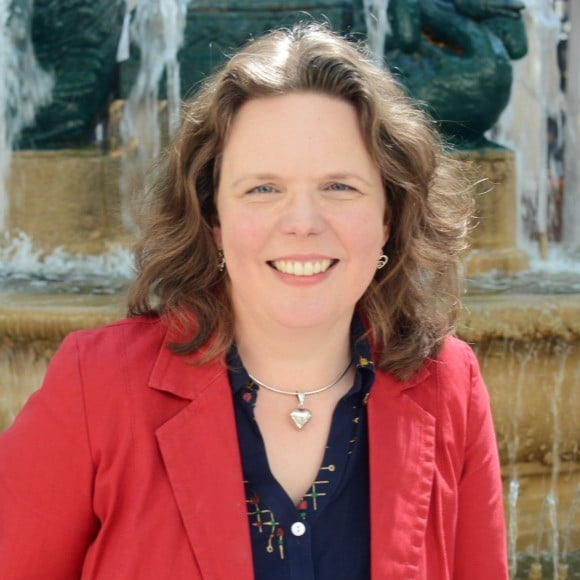
Heather McLellan explores the crucial fusion of personal well-being and business resilience, sharing pearls of wisdom on preparing for health adversities with impactful foresight.
In this episode of Inclusion Bites, Joanne Lockwood speaks with Heather McLellan about mental health wellbeing trauma.
Welcome to Inclusion Bites, yoursanctuary for bold conversations that spark change. I'mJoanne Lockwood, your guide on this journey of exploration intothe heart of inclusion, belonging, and societaltransformation. Ever wondered what it truly takes to create aworld where everyone not only belongs but thrives?You're not alone. Join me as we uncover theunseen, challenge the status quo, and sharestories that resonate deep within. Ready to divein. Whether you're sipping your morning coffee or windingdown after a long day, let's connect, reflect,and inspire action together. Don't forget,you can be part of the conversation too. Reach out tojo.Lockwood@seechangehappen.co.ukto share your insights or to join me on the show.So adjust your earbuds and settle in. It's time toignite the spark of inclusion with Inclusion Bites.And today is episode 120 with thetitle valuing your health inbusiness. And I have the absolute honor and privilege to welcomeHeather McLennan. And when I asked Heather to describe her superbshe said that she has now experienced challenges ofwork and health from both sides of the fence, both asa professional and also her own personalexperiences. Hello, Heather. Welcome to the show. Hello,
Heather McLellanguest
Joanne. Thank you so much for having me. It's very exciting to be here withyou today. Brilliant. Well, we we met a few months ago at
Joanne Lockwoodhost
a networking speaking event, and, yeah, we got chatting. So, yeah,I've been looking forward to this since we met. So valuing your healthybusiness, and as you say, in your superpower, you've experienced,
Joanne Lockwoodhost
should we say, poor health or or health that's impacted youin your own life, but also you you advise small business ownersand help them recognize how important their health is in their business. So tell usa bit more. Yeah. So it's probably best to to take you back to
Heather McLellanguest
the beginning of my career. So I'm a health care professionalby training, and I worked from very early stagesin what's known to many people as occupational health. Soworking for large organizations initially at the beginning of mycareer as part of an occupational health team supportingemployees who were injured and supporting their managers to helpsupport them to return to or remain in work. And something wecall vocational rehabilitation is the fancy terminology, butreally enabling people to stay in work. Because mostpeople do want to work, and it's come it'sactually very good for us, which I'm sure we'll get into. So I've been doingthat for almost 30 years. But 5 years ago, I alsohave my own experience of of ill health and some interestingdiagnosis. And I've had to really putall my professional knowledge into play for myself and reach out to manyof my colleagues to help me and support me in the same process ofof remaining in work. And I was running a small business at the time, soit was especially interesting. Yeah. I mean, I've
Joanne Lockwoodhost
I've worked for myself. I've been a solopreneur for, like,1998 is when I first went out into the proper wide world, but Iwas freelancing probably 3 or 4 years before that. So Ihaven't had a full time paid job Mhmm. For an employersince 1994. I think that's that'sthat's 30 years, isn't it? 30 years. Wow. Yep. Blimey.No wonder I'm, well, I'm not turning great, but no wonder no wonderI'm stressy sometimes. Yeah. So I was always conscious very,very hyper aware that if I wasn't working, I wasn't earning.Yes. And I'm I'm not one of these people that stands up there and says,I've never had a day off sick in my life. I I valuethe time when I can't work and I need to take some time off. I'mnot stoic and say, I'm gonna soldier through this for the sake of it. Butit is a worry, isn't it? Not having that safety net. Yeah. So I thinkwhat's really interesting for us as small business owners is that there's several
Heather McLellanguest
layers to that. In that, if you're not able to work for aperiod of time, if you are the main person whodelivers your business services, if you really are a solopreneur, you are notgenerating an income. You are not keeping your your funnelfull of potential new leads, then that's going topotentially reduce your personal income if you don't have the right reserves inplace. And then, of course, if anyone listening to this hashad any significant period of time off, we're talking maybe anything longer than 3 or4 weeks. Very quickly, that can have a very negative impact on yourself confidence, your esteem. And, actually, you can go into abit of a downward spiral, which in itself becomes harder andharder to pull yourself out of and and believe you can get back to whereyou were before. So the there's a financial cost, butthere's also a heavy personal cost if things don't go well. Yeah. I
Joanne Lockwoodhost
I've had a I suppose over the last 10 orso years, I've had couple of things that have gone wrong. SoI've had I had a strangulated hernia in my belly button, which went abit which I had to have emergency surgery on, and that took about 6 weeksto recover. Yep. I had double pneumonia 1 Christmas, and that took about6 to 8 weeks to fully get back on back on track again.And and recently, I've had hair transplants and those in in their own right totake some doubt. And I've had my gallbladder removed. And Yep. Those sort ofthings. When you've had that kind of surgery that takesanesthetic, those kind of invasive procedures, they are6 feet recovery, aren't they? And it's, Yeah. So it's really interesting when you kinda
Heather McLellanguest
look at the the big picture and, you know, some statistics and stuff out therethat actually most periods of absence. And and, obviously, a lot of the statistics arebased on people who are employed. So there is there is a difference, I believe,which you we'll come back to, I'm sure. In that the average kind oftime off sick is less than 4 weeks. But if you are havingsurgery, you're right. You know, it's normally gonna be 6 weeks or more. And thatcan be a really interesting time because you know that you need to take thetime to recover to ensure you get the best recovery and the best resultfrom what you've had done. And depending on what's going on, depends on how manyother appointments you've got to attend, what rehabilitation you might need. And it'sit's it is all consuming, and that's important to say that if we're offsick for a period of time, actually, that'sabout our full time job becomes us looking after ourselves and our recovery.That should be our main focus. But that's quite hard if you're also running abusiness at the same time and trying to keep the wheels turning on that aswell as family life potentially in the mix. You know? There's a lot there's alot going on. Yeah. One thing I noticed,
Joanne Lockwoodhost
and this is my anecdote on this, is that when I was in themidst of the the procedure, the the leadup, the, oh oh my word. I'm feeling poorly.I'm feeling really rough. I need to get this sorted. In that in that sortof traumatic element of that those instance,I found that I was completely focused on what was goingon with me, not with other things. And it wasone of the ways I sort of said to people that, I knew I wasgetting better because I was getting bored. Yes. And it wasalmost like before when I was in this trauma zone, I wasn't gettingbored. My brain was saying fixed self, and it justwasn't capable. You know? I wanted to sleep. I wanted to relax. I couldn't doanything, couldn't focus, couldn't concentrate, couldn't even watch telly. And then all of asudden, ah, I'm bored. I wanna watch telly. I wanna do stuff when I getup. Isn't it interesting? Told me when I was ready. Yeah. That's right. And I
Heather McLellanguest
think that's very true. You know, we we have that inherent wisdom that we knowthat we need rest. We know that we need recovery. And now itis all consuming, and we can't really process and deal with other things, which alsomakes us, you know, potentially quite difficult to live with in these phases.Yeah. It's and I think that's the challenge for small business owners is thatif you can feel the pull of your client customer base, anyfinancial concerns, but you know that you need to spend timeon yourself, you find yourself conflicted in that
Heather McLellanguest
period. And it becomes more and more difficult to do a good Jo, and atthe same time, you're not looking after yourself adequately either. And ifanything, I'll say the big difference between working with people who are employedversus self employed is that self employed people will probably hang onand keep working too long, and then try and get back to work toosoon, and not allow themselves sufficient recovery orsufficient time to make a graduatedreturn. We tend to think we wanna jump in. So as soon as you havethat feeling of onboard, you'd wanna jump in completely and utterly back intowork rather than giving yourself a a niceplanned fate, what we call phased return to work. It's
Joanne Lockwoodhost
well, I mean, we're talking here about, I mean, I the examples I use werephysical. We've also got to consider other dimension as well, thethe the mental health needs and other things that canalso disrupt us and our well-being. Yeah. And those are often unseen, aren'tthey? They are. And I think it is really important to think about,
Heather McLellanguest
yeah, physical health and mental health. Huge crossover.You know, hopefully, gone are the days where we think these things are separate. Theyare definitely not. 1 impacts the other significantly.But also the unseen and often unacknowledgedthings like adverse life events. So if you had asignificant life events, that makes it much harder to copewith day to day living. And then if you also have amental and or physical health condition on top of that, again, it's even harder. Sothose are the things that we hear about all the time that are considered trauma.They they are normal life, bereavements,marriages, moving house, births, all those things that are part ofnormal human living. But they are events thatcan impact our capacity to cope and even more so if our capacityis already limited by other factors in our health. So what can we do
Joanne Lockwoodhost
to plan for this? I mean, obviously, some things youcan plan for because you know they're gonna happen or because you're you're they're eitherelective or they're Yeah. You've been waiting for 8 months on the on thewaiting list to get something done about it. Yeah. But many many times we don'thave the luxury of of knowing what's what's around the corner. And thatthat is one of the stresses as a small business owner myself, solopreneur,that there's always in the back of your mind, what if I can't? Yeah.Yeah. What if I can't pay my rent, my mortgage, whatever it is, or beput food on the table because I can't earn. Yeah. That so
Heather McLellanguest
that's one of the things that I've really been pulling together over the last fewyears from my, say, pulling together professional experience and personalexperience. Because now you can't plan, particularly. You can't predict. Youknow, you may have some risk factors that mean you're more at risk of certainillnesses or injuries than somebody else, in terms of, youknow, genetic factors and predisposing factors. And also whatwe've just saying about adverse events in life or ahuge volume of extreme life events happeningdoes make you a little more susceptible to things happening,but you can't plan for it. And, of course, what could happen couldbe vastly different. You could have a broken ankle, which has avery clear treatment plan, surgical plan, andrecovery time frame, or you could have something much morenuanced, maybe a mental health condition or a neurological condition,which is gonna be much harder to manage and predict and and need atotally different approach. But what I actually help smallbusiness owners do is is try and create an overarching planaround, this kind of three parts. So it keeping a business andlife flowing. So looking at your financial position ingeneral, your legal position in general, setting that up as bestyou can for life's eventualities. And then alsoconsidering so if you became ill or injured, how would youhandle that? How would you handle it in your business, and how would you handleit in your personal life? And, of course, the outcome is different for everybody.But then you've created your own I hada conversation with somebody the other week. And we all like, you're basically creating yourown insurance plan. It's insurance, but not as you know it. It's not the typethat you get off the shelf. That might be part, you know, financial shelf. Thatmight be part of your plan to have some financialsecurity, to have some legal security, but actually to have an overarchingplan that says, right, if something happens, this is thebroad brush of how I'm gonna handle it. Atleast Joanne give you some reassurance and can give yourfamily or colleagues reassurance that there is a plan ifthings go wrong. Yeah. That that's that's the challenge, isn't it? It it
Joanne Lockwoodhost
it's the risk management, isn't it? Risk management, I don't know what you're saying. Management.
Heather McLellanguest
Yeah. And there's always vulnerabilities. And I say this, you know, when I speak infront of small business owners that if you are a solopreneur,there's obvious vulnerabilities. You can't account for every possibility, and andyou can't actually necessarily pull somebody else into your business if you getill. But planning for those vulnerabilities and saying, well, Ican't actually do anything about that. I can't do anything about it right now. Mightbe something you plan to implement in the future. Or it might be,well, I have to accept that if I can't work, there'll be no income cominginto the business. There'll be no income coming into my home. Therefore,I need to have these sorts of reserves. Right? My plan is I need tosort out some reserves. Same with things like health insurance orcash plans for health cover and things like that. He's been looking at that andgoing well. Okay. What have I got? What what would Ineed? What would my priority be now? And and think about it. I mean, I'm
Joanne Lockwoodhost
a solopreneur, and I I've also been the principal and ownerof of a small business. So Mhmm. You have 20 people,million, 2,000,000 turnover, clients,cash flow, VAT returns, all of the stuff you end up doing as a smallbusiness. Yes. So it's not just my inability toto function or be be present, but it's also what I haveto do. So authorize the payroll. May oftenprinciples are involved in sales or in production orsome element of the business that is dependent on them, and it's not justtheir livelihood they're worried about. It's also the livelihood of the people who workin the business as well. Yes. Yes. That's right. And I think one of the
Heather McLellanguest
things that we also talk about is looking at the operations of the businessin terms of, actually, I think and this is quite common, isn't it? Smallbusiness owners. Even as a business grows, there's maybe certain tasks that we hang onto that still only are done by the business owner or theprincipal, as you call them. And that is one of thevulnerabilities because it just carries on like that because it's been like thatfrom the beginning. So I think it's important to have some intentional plansaround creating, you know, what would be called from a business point touse some kind of contingency plans ensuring and this is one of the mostcommon examples that I use is, can anyone else access the bill the bankaccounts? The business bank accounts? So that if you were incapacitated in away that meant you couldn't run the payroll, you couldn't pay the associates that youhave, you couldn't pay suppliers, that somebody else could do thatfor a period of time. And even if it was restricted, it could be done.And I think that's about finding this thethe stage, isn't it, as a small business owner at which you can start delegatingeven if it's outsourcing some of those things. Mhmm. Or if you've gottrusted members of the family that you would appoint to do those things if youwere incapacitated. It's it's taking the opportunity to think aboutthat when things are goodrather than waiting until it's all gone belly up and other people are left worryingabout it when you're in the hospital. Not probably not caring at thatpoint. No. Because there are many situations where
Joanne Lockwoodhost
you have no forward notice Exactly.Joanne accident or a veryrapidly developing health care Yes. Development.During COVID, we saw people go from relatively healthyto ventilators in a few days. And it. Yeah. Yeah. Well, actually, one of
Heather McLellanguest
the reasons that I've created these services is that I was running a nationalrehabilitation company at the at the time I was diagnosed, whichwas in 2019. And I was diagnosed as having had a rare type ofstroke swiftly followed by being told I'd got a rare type of bloodcancer. And I was kind of using all myprofessional knowledge to try and manage my own hours andtasks, and and we have done some preparatory delegationwork because the business was growing. So I was looking to startto enable some of my team to take on more duties simply becausethe business was growing and it made sense. But it didn't have itall in place. And it was actually in COVIDin 2020 that we'd been going through an audit processfor making sure that we were putting all our governance structures inplace. And that it started before COVID. It ended uptaking longer than it should have done because of COVID. And one of the peoplein that said, so, Heather, have you got a written business contingencyplan? I'm like, no. I'm living it. I am just I'm living it.You know, here I am. I've had some serious diagnoses which haveled to all sorts of challenges. Andthen we've gone into a global pandemic. And at the time, we providedrehabilitation to people in their homes. People who've been seriously injured withmultiple multiple injuries from car accidents and workplace accidents andthings like that. Suddenly, of course, we weren't supposed to go into anyone's homes.So I'm like, no. Of course. No. Well, I wasn't a big enough business tohave thought about having a contingency plan because you're so busy building the business andtrying to keep it running and just trying to keep up with yourself that weoften haven't thought about these things. And the the saving grace really was thatwe had started doing a little bit from a business growth point ofview. And I was able to delegatethings over, but I was alsoable to delegate. I was still conscious. I was able to communicate. I wasable to do those things. So, yeah, it's very interesting.
Joanne Lockwoodhost
Yeah. I I've my wife now works with me in the business,Marie. Mhmm. And very early on when I setup a limited company and with the accountant, they suggested thatI mean, there's there's there's 2 sides. 1 is 1 is their sort of businessprotection suggestion was that they make her a share I make her a shareholder andan authorized at the bank and, you know, could speak on behalf of the business.So that that was before she joined the business. And then,obviously, now she's within the business. She has access to all the all the businessside. Yep. And it it's it's it is reassuring to knowthat you haven't got to do everything in I'm not saying Mariecould just deal with everything immediately, but at least shecan speak to the accountant. She can speak to the bank. She can have theseconversations with us before. There's no power of attorney in place atthe moment. You know, we keep talking about setting a power of attorney. Yeah. Butbeing able to have that contingency I remember when I think it was my gallbladder.I was I was working on my own at that point, but I had aVA. Yeah. I was able to messenger on WhatsApp and just said,look. Going to hospital, having an operation, need to clearmy diary for at least the next week, and then I'll I'll we canchat once I've come out of surgery and things are happening. So Mhmm. It wasjust it's it's the now and next, isn't it? You gotta try and thinkabout. Yeah. And I think it's very interesting as well when you've got a couple
Heather McLellanguest
who are working together in a business. In in some ways, it's good because it'seasier if you like to to have somebody else as a shareholder andor give them permissions, you know, with the bank and things like that.And I, especially, because if one of you is taken ill, the otherone's also dealing with your family life and your home life, not just thebusiness. Jo, actually, if you've thought about it and you've discussed it andyou've got something written down that if if this happens, x shouldhappen. If this happens, y needs to happen. That means thatperson could go and get that document or from the computer or having Jo,okay. I know we spoke about this. We've got a plan. But the other side
Heather McLellanguest
of it is that you're also still quite vulnerable because it's stillcontained with within a household. How about you just mentioned aboutpower of attorneys? I do need to I'm not a financial adviser. I'm not alegal adviser. But having gone through all this process that I've learned quite a lotabout some of these things and that you can have a personalpower of attorney for your health and for your finances, but you can also haveone for your business. Because that, again, is important becausethat accounts for if you were taken ill to the point where you weren't ableto communicate. Jo you were unconscious for a period, and that gives somebodyelse the ability to deal with your work, your business.Because the other interesting thing I discovered was that unlessyou have made alternative arrangements, if you actually died,your business would pass to your next of kin automatically,not to a business partner if you had one who wasn't a next of kin.And now that might be okay if your next of kin is the person who'sin the business with you, but if they're not, that might be the last thingthey want, is to suddenly find themselves responsible for your businessand dealing with its affairs as well as having lost you.So there's there are many things that are worth havingconversations with the right financial people and the rightlegal people to set things up in the way you would want themto be processed in the event that you were incapacitatedmentally and cognitively and where you actually died. That reminds me
Joanne Lockwoodhost
of a story of a long standing friend ofmine. His wife sadly passed away from cancer 10, 11 yearsago, and they hadn'teven even there's plenty of time to prepare, it wasn't a anovernight thing. It was a couple of years ofof going through treatment. They still didn'tidentify the fact that who was going to inherit hiswife's shares. And Yes. Those shares in the business passedto their children, not to him. They thought because sheheld them independently in her name. Her children inherited them, nothim. So suddenly, he's got 2 children owninga considerable chunk of of a multi multi millionpound business with other shareholders thatsuddenly had new significant shareholdersin the business who had no experience in that business or no willing to bepart of it. So he he had to get his business to buy themout, They should have So there is also a thing called,
Heather McLellanguest
shareholder insurance, which means you can insure the businessso that in the event that that happens, the business kind of the other shareholderscan afford to buy out the people who've inherited.Mhmm. Because that's ultimately probably what you want and probably what they want.But if nobody has discussed the value of it or how that processhappens beforehand. Again, it's just an extra complication that somebody who'salready bereaved and traumatized is having to to deal with.
Joanne Lockwoodhost
Yeah. And and it's all these things are, withhindsight, obvious. But in in thisemotional turmoil where people, theytend to avoid conversations that are painful or awkward orI don't wanna talk about death or really interesting because, you know, much of
Heather McLellanguest
this is things that I've learned through through my process in hindsight.I'm fortunate enough to be here to be able to do that.And some of these things Jo, we'll get on in a moment. You know, someof the medical aspects of it and returning to work and all that sort ofthing is that's my bread and butter and and helping people actually do the thingsthey need to do again. But you discover all this along the way.And that the conversations I've had with people over the last 12 months or soas I've been developing this, a lot of people, I don't really want to thinkabout it. And there is a little bit of a mentality, well, it's not gonnahappen to me. A lot of us think it's not gonna happen to us. Butjust to share some interesting numbers. Sothe UK workforce, over 36% of the workforceat the moment have a long term condition that at some point in theirlife will affect their ability to work. So that's the third ofeverybody of working age that you meet. We now know theincidence of things like cancer is rising, has been rising for a long time.It's now 1 in 2 people will get cancer at some point in their lives.So we have to acknowledge now. We have to get our heads out of thesand and say, this is likely to happen to you or a lovedone or somebody in your business if you have another business partner.Something is likely to happen. And rather than ignoringit, we start thinking about it and talking about it when we are calmand not in that phase of of trauma and stress.It's gonna be a lot easier to make some sensible plans as best you can.We can't plan for everything as we've said now than waituntil the worst happens because it does feel like adisaster when it happens. You know, whatever happens, it will feel likea disaster. However big or smaller is, the initialstages of what happens are really difficult to dealwith. Jo, yeah, I do want to encourage people tonot sweep this under the carpet. Do have these conversations, youknow, about what would you do or how would it be handled if thishappened. You know, I said most people actuallytake off maybe 2 or 3 weeks for something, and then they're back at work,and it's no big deal. But if it's something bigger and more
Heather McLellanguest
significant, it can be life changing in so many ways. And it hasI've always talked about it to my previous businesses that we meant we've dealt withpeople who had had serious injuries. It was life changing forthem, and it was life changing for the people around them,their colleagues, but their families big time. And you might find I was talkingwith one of my some of my clients yesterday aboutif the person that's been injured, but then theirpartner has to give up work to look after them or has to take even3 months off work to help look after them. Theimpact on the whole family and the dynamics, I had actually this remindedme a client a few years ago whose husband, she was ended up in ITU,an intensive care unit for well, I think it was several weeks.But in the 1st week, they didn't know how long she was going to bein intensive care. So he took time off because they had 4 children.But then his employers at the end of the 1st week were saying, well, howlong is it going to be? And he said, I have no idea. My wife'sin intensive care. She's on a ventilator. I don't know how long she's going tobe there. The next thing is he's made redundantor he's, you know, told that he can't have endless leave, and he loses hisjob. So not only have you now got somebody seriously ill with noknown time frame for when they're going to be recovering, let alonereturning to work. She was actually self employed. She was part of a family business,but her husband had then lost a secure Jo,which kept the family functioning financially. And itJoanne unravel very quickly, and it has this massive ripple effect. I don't wantto frighten people, but we do need to think about these things as best wecan and plan if we can. Yeah. I mean, the experience Maria and I
Joanne Lockwoodhost
had in this was, we all 4 of ourparents at the time were going through theirown health journey. So we became, you know, part ofSandwich Generation Yeah. Caring for elderly parents.So we it wasn't us that was affected, but our parents, whichand it there was at one point in time, each parent was in thesame hospital in different wards on different floorswith different conditions to deal with. And so wewere obviously having to sort out theirtheir affairs and their challenges, pick them up, drive themin, you know, do all the various stuff as as as,supportive children would do. And then regretfullyand unfortunately, Marie's mom passed away, so we had to deal with all of thethe the the out come of of that with her Marie'sdad, with the funeral arrangements and the that. And mymom had to cope with my dad going into a care home. So wehad all of these kind of different different situations with each of ourrespective parents Yes. All at roughly the same time. And it took our eyeoff the ball for probably 3 to 6 months insome way Yes. Dealing with these kind of things. So even though thatwasn't a health issue for ourselves, it was acare dependency issue for parents. And and that that couldyeah. As you get older, that's more likely to happen as well, isn't it? Yeah.
Heather McLellanguest
That has really come through actually in the last few months when I've been talkingabout these services that people are saying, well, yes, we are you know, we'reprimarily saying, let's look after yourself as a business owner. But, of course,the reality is if you're in that sandwich generation, especiallywith children and parents or, you know, siblings, thenit could actually be somebody else's situation that means you need to stepback from your work. Because at the end of the day, you know, our familiestake priority over our work. You should you know, hopefully, they should and theycan. And if if we've made these sorts of plans for ourselves, we can usethe same kind of plan to step back and take time out whenwe need to put our families first as well. And, Jo, yes,although these things are talking about if you orif you were injured or ill, the reality is that a lot of thethings that you can apply would you'd be able to apply in that scenario aswell. Yeah. Again, I said this earlier about mentioned the word
Joanne Lockwoodhost
hindsight. And Mhmm. You just a lot of these things come out ofnowhere. And what you're saying here is it's about as abusiness owner, you're looking at all of the things you worry about in business.That's that continuity is often forgotten about. Youthink about disaster recovery, we'll get our IT system protection, we'll have our backups done,we'll have our have a UPS sort of if the power goes down, we'll haveif if things go wrong, we'll go to a Jo working space and set upoffice there. I know. Got all those. What if I go what if I gowrong? What if I go wrong? I put that into my plan, had I? No.
Heather McLellanguest
Exactly. And that's one of the things that I talk about is that, actually, youare your biggest liability. We protect our businesses externally. I'vebeen on the phone to my insurers about some stuff today, checking some things. Youknow, you've got insurance in place. You've got those plans. You've got those backups.But what about the backup for you if you go down? And that'sthat's you just talking about from a business point of view. Well, what do wedo if our business leader goes down? But if you are the leader andyou're the one going down, you're not gonna be worried. Well, you might be worryingabout your business at the same time, but you're gonna have more important things todeal with too. You can't be the one managing the disaster in the business becauseyou're the one who's dropped out of the business. Sothe first part of what we look at is trying to keep your business flowingand your home life flowing. And then we look at, well, how do you actuallydeal with the period where you need to take time off sick? And one ofthe things I talk about is slowing down or stopping. If youhave some advanced warning, I. E. You think you're becoming
Heather McLellanguest
unwell or you get a diagnosis, but it's not taken youout completely from work, you have some time. You might still not knowwhat time frame, but you have the opportunity to look at your work and go,well, how can I modify this? Reduce my hours, change my task,delegate. How can I reduce the workload on myself so that I canincrease the time on my care for myself during this period?That would be ideal if we had some some kind of advanced warning.And, actually, that's kind of what happened to me because I started feeling unwell overa period of time. It wasn't a particularly dramaticstop. I became more and more unwell and struggling more and moreover a period of time and eventually took some time out. Probablylong later than I should have done because I was trying to run abusiness. But there is the other scenario where you will get stoppedby something you have absolutely no warning. Could be an accident. Itcould be a sudden illness. And that means that youare, you know, a unidentified date you are out of actionfrom. And then you have to wait for treatment. You have to waitfor conclusions. You have to wait on all sorts of other people, which we're notused to doing as small business owners either. We used to being in controlto tell you what's gonna happen. So at that moment, you might have noidea whether you're gonna need 3 weeks off or6 weeks off or 6 months. Yeah. And what state you'll be when you come
Joanne Lockwoodhost
back because the world would have changed a lot in 6 months. The businesslandscape, will you have a business to come back to? Will you have a houseto come back to? There's a whole load of things in there that that alsois gonna impede your ability to recover because of thestresses and and the decisions you'll be making. You'll be rushing yourselfback. Yeah. Whether you're not a full fitness, making making poor judgmentdecisions maybe, or making short term decisions rather thanlong term decisions. Yeah. And also, I mean, depending on what's happened to you,
Heather McLellanguest
you know, there's a lot of questioning of your own identity and who youare. And that happened to me. So we we met through the professionalspeaking association. And one of the reasons that I joined that is because aftermy illness, I was capable of speaking. Mystroke that I had didn't affect me physicallyin that way, but I really lost my confidence.Completely lost my confidence because I didn't know who I wasfor a while. I didn't know if I was going to be capable of thethings I used to do. I didn't know how the future was going tolook. And I used to do a lot of speaking at conferences topromote the business. And I was speaking about supportingpeople's rehabilitation and getting them back to work. AndI remember one of my team at the time saying to me, so, Heather, areyou ready to kinda get out there and speak at conferences again? It must havebeen about 2022because in person conferences were starting up again a littlebit. And I think that I did my first online conference,and then the the the face to face ones were coming up.And I was just like, I can't do it. I can't do it because Ican't stand on the stage and talk about return to work when Idon't know whether I'm doing a very good job of it on myself. Andit's totally changed my perception of my identity.That's been a part of the recovery, which, you know, is meandersand all over the place because that's quite a lot ofsoul searching and things that you do. And you also, if you've had something likethis where you literally it makes you take stock of your life, it is theproverbial wake up call. You do also have to go through that processof going, well, what do I want to do with the rest of my life?Am I doing the right kind of work? Do I want to be in thisbusiness? Do I want to be doing this? Or do actually I need and wantto be doing something else? So it can open up a massiveother Joanne of worms. So you
Joanne Lockwoodhost
talk about putting risk management in place. Let'scall it risk management. That's that's that's what we talk about here, either throughinsurance, through duplication, throughreplication, through planning, through passwords in a safe somewhere.
Heather McLellanguest
Yes. How do you help people when they are
Joanne Lockwoodhost
trying to return back Yeah. After a period of extendedabsence or disruption? How do you work with them in those ways?
Heather McLellanguest
Yeah. So you're actually that, you know, that's the kind of the bit that Ilove because I think all the things you've just talked about are about goodbusiness management. And maybe it's a case of seeingthose as risk management for you as well as the business rather than just seeingit as the business. But actually, when you've been and had a period oftime off sick, because the focus has to come back onto you awayfrom the business. Hopefully, we've done all the right risk management for that, and it'staking care of itself. And if it's not taking care of itself,you've done everything you Joanne. And you know you did everything you Joanne, and itis what it is. And you'll have to sort that out later. But it has
Heather McLellanguest
to then toke turn to you and the focus on you and the timeand the care that you need for recovery. And, ofcourse, that then brings in practical matters like attendingappointments. So it takes Joanne order amountof time to attend appointments at hospitals unless you live next door.Parking, parking charges, queues, waitingtimes, then you start waiting for a point with the, you know, consultants usuallyrunning behind. Then if you're lucky, you might have several appointments in the samehospital in the same week with different departments who then don't speak to oneanother. So the focus has to be your initialcare, your treatment, and your recovery. Then that has tobe about, as you said, actually said before it,you that point where you start realizing you've got some capacityI'm I'm starting to feel better. What shouldI be doing more of initially? And they're usually moreself care things. So the the nice tabs that fell offwhen you had to do the really serious, maybe treatment andrehabilitation. So it's simple things that we all hear about and we all talkabout, but they become even more important. Good sleep,rest, nutrition. You know, good nutrition is the buildingblocks of physical repair in the body. Goodsleep and rest can be so beneficial for mental health.Exercise for both mental and physical health. These thingsare the building blocks that we oftencan neglect. We think we'll getaround to that next week, next month. But part of that recovery
Heather McLellanguest
period needs to be about putting those things back in first,then bringing in or maybe I'll think about doing a little bit ofwork. And the key to the return to work, there'sa couple of things that happen and they're both to do with a 100%. There's2 groups of people and you probably don't know which one you'd be in untilit happened to you. Although I think we have a tendency as self employedto be one way or the other of it. So quite a lot of peoplethink you've got to be a 100% better before you go backto work. And that might be considered a cultural normwithin an organization if it's not being well communicated thatthere's a supportive process for returning to work. The problem with thatis it can lead to you taking too long off work. As we alsoknow, the longer people are out of work and off work, the harder it isfor them to return because of the spiral in mental and physical health.So waiting until you feel a 100% ready and like you didbefore you were ill it's not really practical or realistic.And it may you may never feel quite the same as you didbefore. But then there's the other side of the coin where peoplego, well, I need to be back at work. And theygo from 0 to to a 100 overnight fromdoing absolutely nothing saying, well, I've got to go back to work. I'm going backon Monday, and I'm working a full week, and I'm gonna expect I can doeverything. And that's usually too much. And then what happens is you end up ina boom and bust cycle. If you do too much, you get disappointed inyourself. You feel that you let down your colleagues. Everyoneelse also gets confused because then you have to go off sick again. When youenter into this very difficult Jo yoing period.So both of those actually can be avoided by having whatwe call a graded and phased return. So this is literally taking theapproach that say you did want to return over a period of 4weeks. I'm gonna break this down very, very simply, butit doesn't illustrate it. But and you normally work 40 hours aweek. It may be that in the 1st week, you plan to do10 hours a week. And you plan to do it from home. And youplan to do it 2 days a week for 5 days.Or you might say, well, I know I'm gonna need a rest by Wednesday. Soyou might say I'm going to do 2 and a half hours, Monday,Tuesday, take Wednesday off, and then I'll do 2 and a halfhours, Thursday, Friday. Then if that week goes well,the following week, you might say, well, I'm gonna do 15 or 20 hours.You can see where I'm heading with this. Then 3rd week, you build it upto 30 or so. And then the final towards the end of the 4thweek, you're building up to your full hours. And you can also do that withthe actual duties. So if you have some duties which areeasier, either cognitively or physically, depending on the situation,you bring in the things that are easiest first to testyourself, give yourself a chance, give yourself a little bit of an ease in,and then you bring in those other duties as you go.And if it's been a physical thing, so my my background is as a physiotherapistand very much what we would be doing is building somebody's strength. So sayyou need to be able to lift things that weigh 25kilos. In week 1, we'd be doing 5 kilos.In week 2, we'd be doing 10 to 15 kilos, and we'd literally be buildingup. And we talk about work tolerance and work conditioning.So you're using that period of rec you're still in recovery. You mightstill be managing pain, anxiety, and symptoms. You're learningto manage those. You're learning to manage the fluctuationsin those and the ups and the downs, but you're also bringingback in the additional work elements and givingyourself the best chance of success. Because ultimately, what we want isa sis a return to work that's sustainable forthe long term for you and for your business and for the people aroundyou. And And, again, if we just bring into the this because a lot of
Joanne Lockwoodhost
a lot of the references you're giving there, in my mind, jump intophysical type challenges. When we're talking about things likestress, poor mental health, bereavement, allthose kind of things there. Yeah. Often, the thecause that got us there is gonna it hasn't gone away.And we put ourselves back in the danger zone straight away. So that's why it'sreally, really important to, look at what was causing
Heather McLellanguest
It is. And that's really interesting, isn't it? Because if if the cause of themental health were contributing factors, because again, there's lots and lots offactors in these things. If the contributing factors were, say say, familybereavement, then you can't change it. Itwasn't directly related to your work, but it is gonna affect yourability to work. Of course, it is. You're human. And therefore,some compassion for yourself about how much you can copewith, what situations you can deal with. You know, maybethat you don't don't answer the phone to start with. You know, somebody else
Heather McLellanguest
does that or you do just things by email if you're finding it difficult tohold a conversation without becoming upset, for example. However,of course, if it's actually work that is one of the stress factors,then, of course, that does bring into question the whole picture of, well, how dowe look at that going forward? And that is particularlyinteresting because if you run your own businessand your source of your stress is primarily your work andyour business, then there obviously needs to be somenaval gazing and reflection about why is that andwhat can be done about that. And looking atthe business as a whole and saying, well, why is this the case and howcould that be better handled going forward? Is it that you need helpdelegating, bringing in a VA, bringing in anassociate? Or in some cases, is it thatit's actually got bigger than you really want tobe handling? And, actually, that was my eventual decision. I had a teamof associates, and I sound a bitaccident prone here. But in 2023, I broke my ankle. I ended up in thehospital with pins and plates and stuff while still running saidbusiness. And I'd been sort of looking at the future of thebusiness. I'd had a I've got a 2 year plan put together. And at that
Heather McLellanguest
point, I just thought, you know what? I'm really finding it very hard to keepa handle on what everybody else is doing and keepmyself well. And my my other conditions arelong term and lifelong, so that I need to have a lifelong management strategy.So I actually decided that having a big team wasnot something that I wanted anymore for my future health andwell-being associated with my work. So Ichose to exit that business and go back to basically being a bitof a solopreneur, which brings its other challenges, but actually alsomeans I can prioritize my needs, my day today needs, and fit my work around that and viceversa rather than also having to contend with the extendedimpact of of a big team. So there arelots of things to think about, but it's still actually the the idea of havinga graded return still applies and lookingat tasks and activities that might cause additionalstress. So actually, I have an interesting conversation I had with somebody lastyear with someone who was a call handler foremergencies, Not call handler. Sorry. But had to listen to the callsfor emergency services. Andthey've returned to work supported by the workplace, returned towork part time, but with what we would class as a restrictionof not listening to those calls because thosecalls were too emotionally difficult for that personfollowing their particular situation. So that's oneof the things that you would look at. We do what we call a jobdemands analysis, which can be physically a physical andcognitive in terms of do I have to be able to walk or climb stairsor drive a car? But also do I have to concentrate forlong periods, handle difficult situations, deal withtraumatic situations. And that would come into the equationthere. Well, I can do this bit. I can manage that. Icould write a report about x, but please don't make me go and dealwith that difficult stressful situation over there. And it might be what we call atemporary restriction, just something you don't do initially,but you then might build back up to it. Or for some people, it mightbe a permanent permanent change. Mhmm. Yeah. It
Joanne Lockwoodhost
I'm just thinking about Denise, but it's on my own relatable experience.So, yeah, it it is. Because after you've had a significant changein your life through illness, through health, whatever it is, you dochange your outlook as well, don't you? So it may be just aevery framing of of expectations and What
Heather McLellanguest
you expect of yourself back. What others think of you, what others expectyou're capable of is really big. Yeah. You mentioned your own anxiety
Joanne Lockwoodhost
about going back onto stage Joanne so your own capability maynever return. Jo you've got to think about if that's the fundamentalunderpinning of your business. Yes. Do you have to doa rethink? And that yes. It it's this could be acomplete, yeah, life changing. Yes. It can
Heather McLellanguest
be very, very pivotable. Pivotal. What's that? Yes. Pivotal.It can totally sweep the carpet out the rug out from under you, and youhave to start again, which, again, you know, Imean, fascinating because I'm very much a believer in that our skills, our knowledge,our life experience is what we pull together. That's what I've been doing nowto create something new. But there's lossin there, letting go of an old self. And sometimes it's also aboutremoving yourself from a situation where, you know, if you wereleading a particular style of business with a particular team of people,and you have fundamentally changed your approach to your life.But other people expect you to be the same leader, the same person, with thesame approach that you were before, and you're just not. There's no longer amatch between you and your business, and something has to change in orderto be well for the longer term. And, also, I suppose if you're the
Joanne Lockwoodhost
kind of leader that lives on adrenaline and stress and 24by 7, working all hours and propping it up and pluggingholes Yep. And then suddenly you're not, that's potentiallyI mean, potentially, many business leaders are 3 people in termsof headcount, aren't they? So if you're if you're trying to reduce all ofthat impact, you're you're losing 2 people's input tothe business in terms of it. You're you're seeing nowadays, plusworrying about it all night. Suddenly, you you say, I can't take thisstress anymore. I'm and you've got hang on. Who's gonna if not me, then who?And it Yeah. Because you can't you know, somebody else is not gonna step in
Heather McLellanguest
and do what you did because they don't own the business. No.
Heather McLellanguest
But also the loss of identity there as well is that if if the ifpeople manage without you, what is your role? They don't needyou anymore. They replace you into some other means. Sothen you think, well, what what am what am I even here for? You know?So it can bring on quite a significant kind of existentialcrisis. And, actually, it was just one of the one of the questions I askpeople to consider is who or whatdrives you in your business? Because hopefully,it's you in your driving seat. You controlling how much you work, whenyou work, how you work because of what you love. And you probably went intobusiness because you love what you do. But if it's got to apoint where actually and it could be other people, but it mightbe things like fear and anxiety.Is it actually fear of failing? Is it fear ofnot making enough money to to pay the rest of the team?Is it somebody else's expectations about what this business should looklike and be like that keeps somebody working too hardtoo long, pushing themselves day after day, weekafter week thinking, we'll get there eventually. In 3 months, I'll be able torest. In 6 months, I'll be able to rest. And I think if somebody'son a treadmill like that where they're not enjoying it, wherethere's fear and anxiety underlying their behavior,then that's a suggestion that there needs to be something looked at inthe dynamics of the in the interplay between the business. And I'm talking more andmore now actually when I talk to people about as a relationship. Your relationshipbetween you, your health, and your business. Because if it's your business,ultimately, you want it to be working for you as well as for everybodyelse. So, yeah, I think it's really interesting. I had an
Joanne Lockwoodhost
epiphany probably 24,20, 28 months ago, so two and a half years ago. Mhmm.Where I don't know. I don't know what it was. I just I sort ofwoke up and thought, hang on a minute. I'm 60 in a couple of years'time. And I thought, hang on a minute. If I ifI just thought about it, I've and I sort of said to myself, I've got15 years of what I would call goodhealth left. 75. You have? Yep. It was a goodage to say, I can do things till 75. And then I realized, youknow, looking at my parents, looking at people around me, there's definitely a shelfat that at 75. There's a shelf every year when you get older, But there'sa significant shelf in the in the seventies. And I thought, well, if I canif I wanna get to 75 and be able to do roughly what I donow in some shape or form, professional speaker, stand onstage, consult, whatever I do. I thought,I'm gonna have to change something because I can't wait till I'm 72 to makea change. Yes. My epiphany was I actually need to invest morein me, in my health, my wellness, myfitness, my diet Yes. Then I I'min marketing. I was spending more on marketing than I was on me Mhmm. Inmy business. So that was kind of the epiphany. So I gave updrinking for for that and other reasons. Yeah. I startedbeing more mindful about what I consume in terms of food,to try to bring my weight down. And I alsojoined a gym, personal trainer. So I started investingtime in me because I'm actually the most important part of my business, and Iwasn't investing in me at all. Absolutely. You are your greatest, most
Heather McLellanguest
valuable asset. Yeah. But also your greatest risk if you'renot looking after that asset. And I
Joanne Lockwoodhost
I had some health scares last August where I thought it waspotentially a heart attack or something heart related. AndI was fortunate enough that it wasn't, but I had ECGs.I had the full blood test. I had the full chest Xrays. I've had ultrasounds. I waited for anMRI at the moment to to check something out. So Ikind of came out of that feeling tick of, you know, all the major allthe major things. There's no there's no shadows on the on my lungs. There's noheart. My ECGs are fine. I still got a niggly problemwhich which won't go away. But, yeah, it's it's now now I knowit's not critical. Well, I think it's critical. But, yeah,it was a bit of a wake up call because Yeah. It is and alsothe the randomness of the surgical appointments. You know,I've I've just left that letter this morning. Jo my my my MRI is in20 weeks time. It's like Mhmm. I've been I've been in agony on and offsince last August, you know. And this is yet another almost 6 monthsbefore I even have a chance for a diagnosis, let alone a dream. And it's
Heather McLellanguest
it's really interesting. I think, you know, small business owners, we're very used to beingin control and and making decisions and getting on with things. And the the healthcare world is sadly not like that. You know, the resources just aren't there andthings Joanne be very, very, very slow. The more that you'reable to manage yourself and keep yourself well, and if youdo have the ability to have things like private health care, then you can speedup some of those things. But, yeah, it's it's,brings to sharp focus as well the thetension between enjoying what you have right now, living the lifethat you have now, getting making time for the people that youlove, the things that you love as well as work, because you probably lovethat too. And it's part of what you do it because you it'syour passion, because you don't know what's around the corner.And you don't know what's gonna change, and you hope to make it to, youknow, 75 or what have you. But, actually, there's no
Heather McLellanguest
point in getting to 75 if you've you're exhausted andyou're unwell and you've not enjoyed yourself and hoping that on the other side ofyour 75th birthday, you're really going to start livingbecause we never know. We never know. And so I think there'sthere's a balance there between, you know, enjoyinglife, getting quality of lifenow within our working, you know, butI don't really like the word balance because I don't think there's ever a apoint of balance. I think it's a negotiation. It's the dynamicthing of of managing your health and your worktogether. But it shouldn't be a battle. It shouldn't be a battle between yourhealth and your work. It should be some harmony,flowing together, ebbs and flows of both and having enjoymentthat's not work and enjoying your work. And then, you know, we canwe could go on, but we're We could. Yeah. I would say one
Joanne Lockwoodhost
of the the eventually empowering things as a small businessowner is you you you you don't have to work if youdon't want to. But and I also balance that by saying the other side ofthat is you have to work when you don't want to as well. Yeah. It'syou take the advantages of of having your flexibility, freedom to be Joanneyour life, to say yes to things you wanna say yes to, say no tothings you don't wanna say you don't wanna do. But alsothere's on the flip side, there's the situations that you end up having to dothat you don't want to because you have to. And Jo I think you haveto enjoy the freedom when you have it and recognize that the you're chained aswell. Yeah. There's sometimes when you won't have that freedom, and then you'll have their
Heather McLellanguest
way of trade off. And I think if anything, you know, can comeout of this conversation for people listening is take a thing.Look at, you know, why are you in business? Is it working for you andyour needs? Jo my one of my kind of daily mantras my for myself nowis create work that works for me. Works for me on everylevel. Works for my health. Works for my, you know, stability.Works for my family situation. Works that it's working justas hard for me as I am for it and and my clientsand being intentional about that. And I think it's quite easy, isn't it? Again, whenyou're certainly in the early days, you're pushing, pushing, pushing, trying to build up abusiness. Then it kinda gets its own momentum, finds its ownidentity, and it can run away with you. And it's at that point going,well, hang on. Why are we here? Why are we doing what we're doing?And is it really fulfilling the needs that I hoped it would when I setout on this journey? That's a great place to leave the conversation. Thank you. That
Joanne Lockwoodhost
is a good summary. So, Heather, that's been amazing. It's beenreally, really insightful. And, yeah, I can relate tomuch of it. And, you know, I have a story for virtually everything you weresaying there. So, yeah, very powerful. So how can people get hold of you?
Heather McLellanguest
So, the best, way to get hold of me is track me down on LinkedIn,which are my profile at Heather McClellan. And then, I have awebsite, which is hkm22.com.Hkm22 consulting. And, Yeah. I'm gonnarun a variety of different services depending on what stage along thisjourney people might be might be at. And then I can be seen at variousspeaking events, online and in person,depending where people are. Thank you so much. As
Joanne Lockwoodhost
we bring this conversation to a close, I want to expressmy deepest gratitude to you, our listener, forlending your ear and heart to the cause of inclusion.Today's discussion struck a chord. Consider subscribing toInclusion Bites and become part of our ever growingcommunity, driving real change. Share this journey withfriends, family, and colleagues. Let's amplify the voicesthat matter. Got thoughts, stories, or avision to share? I'm all ears. Reach out to jo.lockwood@seechangehappen.co.uk.And let's make your voice heard. Until next time. Thisis Joanne Lockwood signing off for the promise to returnwith more enriching narratives that challenge, inspire,and unite us all. Here's to fostering a more inclusive worldone episode at a time. Catch you on the next bite.
Delegating and Contingency Planning for Health ChallengesPersonal Health and Its Influence on Work LifeReturning to Work After Health Setbacks
Heather McLellan joins Joanne Lockwood to explore what happens when health and business collide, and why many entrepreneurs overlook planning for the one risk that can stop everything: their own capacity to work.
Drawing on Heather’s background in occupational health and her personal experience of a rare stroke and a blood cancer diagnosis, they discuss the practical and emotional realities of being unable to work. The conversation covers financial vulnerability for solopreneurs, the confidence hit that can follow extended absence, and why self-employed people often return too fast and push too hard.
They move into prevention and preparedness: delegating key tasks, ensuring others can access business-critical systems, considering legal and financial safeguards such as power of attorney, and having contingency plans that extend beyond IT disaster recovery. Joanne also shares how caring responsibilities for parents can create major business disruption even when the business owner isn’t the one who is ill.
Finally, Heather outlines how a graded, phased return to work can reduce boom-and-bust cycles and support long-term sustainability, alongside foundational self-care practices like sleep, nutrition, and exercise. The episode leaves listeners with a clear message: valuing health is both a wellbeing priority and a business strategy.
“if you're not able to work for a period of time, if you are the main person who delivers your business services, if you really are a solopreneur, you are not generating an income. You are not keeping your your funnel full of potential new leads, then that's going to potentially reduce your personal income if you don't have the right reserves in place.”
“You can't plan, particularly. You can't predict. You may have some risk factors that mean you're more at risk of certain illnesses or injuries than somebody else, but you can't plan for it.”
“Because that, again, is important because that accounts for if you were taken ill to the point where you weren't able to communicate. Jo you were unconscious for a period, and that gives somebody else the ability to deal with your work, your business.”
“if it's actually work that is one of the stress factors, then, of course, that does bring into question the whole picture of, well, how do we look at that going forward?”
“I'm really finding it very hard to keep a handle on what everybody else is doing and keep myself well. And my other conditions are long term and lifelong, so that I need to have a lifelong management strategy.”
“But also the loss of identity there as well is that if if the if people manage without you, what is your role? They don't need you anymore. They replace you into some other means. So then you think, well, what what am what am I even here for?”
“The more that you're able to manage yourself and keep yourself well, and if you do have the ability to have things like private health care, then you can speed up some of those things. But, yeah, it's it's, brings to sharp focus as well the the tension between enjoying what you have right now, living the life that you have now, getting making time for the people that you love, the things that you love as well as work, because you probably love that too. And it's part of what you do it because you it's your passion, because you don't know what's around the corner.”
The significance of incorporating personal health planning into overall business contingency strategies.
Understanding the criticality of shareholder insurance and power of attorney in maintaining business continuity.
Techniques for managing the intricacies of personal and business-related stress.
The importance of creating adaptive work environments to support recovery from mental and physical health challenges.
Strategies for a graded and phased return to work post-illness.
The necessity of recalibrating work commitments to align with evolving personal health conditions.
Approaches to crafting a work-life that caters to individual well-being as much as business success.
One thing to remember
Prioritising health and implementing practical business continuity plans are essential for sustaining both personal well-being and business operations. Entrepreneurs and small business owners must recognise the importance of pre-emptively discussing and preparing for health-related contingencies, balancing work demands with self-care, and ensuring business sustainability through strategic planning.
Questions this episode helps answer
Heather, could you share how your personal health challenges have influenced your approach to business contingency planning?
In what ways can business owners proactively prepare for unexpected health crises to ensure the continuity of their operations?
How did you, Heather, and you, Joanne, navigate the vulnerability that comes with couples working together in business in the face of a health scare?
Can you both elaborate on the importance of having difficult conversations about powers of attorney for health and business, and what that looks like in practice?
Heather, what led you to emphasise the need for a phased return to work, and could you detail what an effective return-to-work plan might entail?
Joanne, reflecting on the story about your friend whose business ownership was affected by a health crisis in the family, what advice would you give to business owners about shareholder insurance and succession planning?
Explore topics
Ideas from this episode
Delegating and Contingency Planning for Health Challenges
In a deeply personal and enlightening discussion, Heather McLellan shared the importance of planning ahead for unexpected health emergencies in business. She emphasised how her own brush with a serious health condition served as a wake-up call to the paramountcy of preparedness.
Personal Health and Its Influence on Work Life
Our exchange further delved into the interwoven threads of personal health and work life. Heather's narrative of a client's family struggling to navigate the stormy seas of serious illness was a poignant reminder of the widespread implications of health issues on both personal and professional realms.
Returning to Work After Health Setbacks
The conversation with Heather offered valuable insights into the practicalities of reintegrating into professional life after health setbacks. The discussion of a phased return to work was particularly enlightening, illuminating the need to be mindful of the precarious balance between health recovery and work demands.
Learn
Frequently asked questions
FAQ: Valuing Your Health in Business – Understanding the Balance
Why is having a business contingency plan important?
A business contingency plan is crucial because it prepares you for unexpected health situations that could impact your ability to work and run your business. It ensures that operations can continue, finances are managed, and your business remains resilient in your absence.
What personal experience does Heather McLellan bring to this discussion?
Heather McLellan shares her personal experience of being diagnosed with a rare type of stroke and blood cancer. Her story underlines the significance of being prepared and having contingency plans in place for such unforeseen health issues that may affect business operations.
What measures has Joanne Lockwood taken in her own business in light of potential health issues?
Joanne Lockwood has made her wife a shareholder and authorised her at the bank. They have also discussed the need for a power of attorney – legal arrangements ensuring decision-making capabilities when a person is no longer able to make decisions on their own due to ill health.
How do Heather McLellan's professional insights translate to her personal health challenges?
With 30 years of experience in occupational health, Heather has supported employees to remain in work after injury. When facing her own health challenges, she applied this professional knowledge to support both herself and her small business.
What is the impact of not factoring personal health into business continuity planning?
Failing to consider personal health and care dependencies in business continuity planning can lead to complicated, stressful situations during difficult times, affecting not just the business owner but the entire family and business operations.
What is the advised approach to returning to work after an illness, according to Heather McLellan?
Heather suggests a graded and phased return to work over a 4-week period. This approach eases one back into their work responsibilities, incrementally increasing hours and duties to avoid the boom and bust cycle often associated with returning too quickly.
What sort of financial implications should business owners consider in case they can't work due to poor health?
Business owners should think about how they will manage financially if they're unable to work. Heather stresses the importance of planning ahead, which includes the possibility of shareholder insurance and ensuring that there's a financial cushion to manage during times of health-related absences.
How did Joanne Lockwood's personal health scare highlight the importance of self-care?
Joanne shared her frustration with navigating the healthcare system during her health scare, emphasizing that it was a wake-up call to the necessity of investing in personal well-being and enjoying life outside of work.
Why is it important for small business owners to plan for their own long-term health conditions?
Considering that 36% of the UK workforce has a long-term condition that could impact work, it's crucial for small business owners to acknowledge the likelihood of serious health issues. Preparing in advance allows individuals and businesses to manage these scenarios better, minimizing disruption and stress.
Can listeners connect with Heather McLellan for more insights?
Yes, listeners are encouraged to reach out to Heather McLellan via her LinkedIn and on her website at hkm22.com for more information and insights into occupational health and strategizing for health contingencies in business.
For more information about discussions like these, visit the Inclusion Bites podcast at Inclusion Bites Listen, and don't forget to subscribe to engage further in creating an inclusive society.
Share this episode
Heard something worth passing on? Send this conversation to someone who needs to hear it.