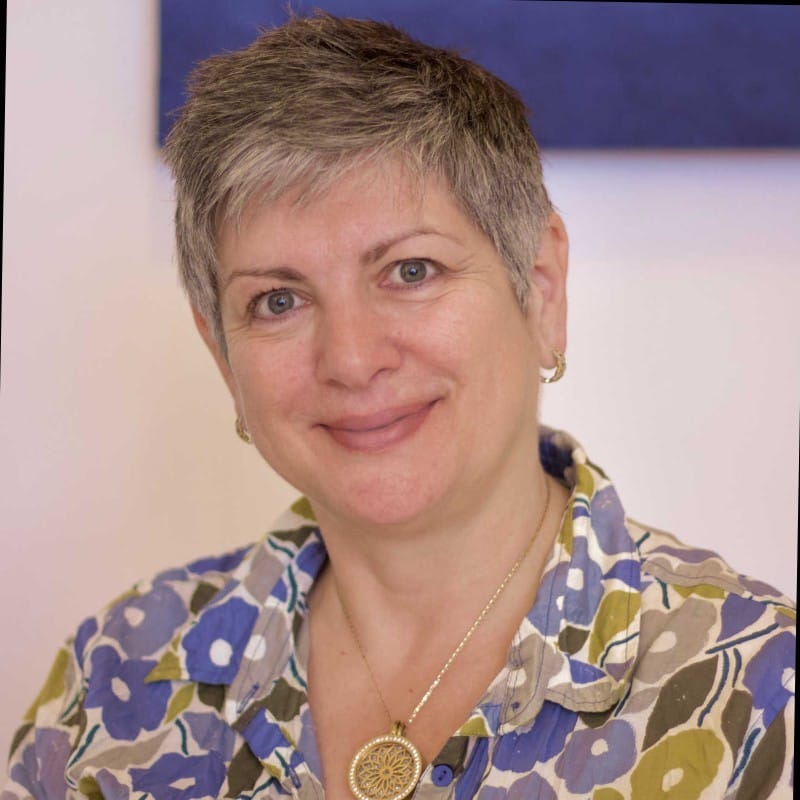
Maria Arpa explores the delicate transition from conflict to compassion, highlighting the balance of ethics, logic, and emotion in communication, the transformative power of empathy, and the profound impact of humanising dialogues.
In this episode of Inclusion Bites, Joanne Lockwood speaks with Maria Arpa MBE about workplace culture systems.
“The simple kind of guideline for this is connection before correction.”
Explore
Navigate this episode
Joanne Lockwoodhost
Welcome to Inclusion Bites, yoursanctuary for bold conversations that spark change. I'mJoanne Lockwood, your guide on this journey of exploration intothe heart of inclusion, belonging, and societaltransformation. Ever wondered what it truly takes to createa world where everyone not only belongs but thrives,you're not alone. Join me as we uncover theunseen, challenge the status quo, and sharestories that resonate deep within. Ready to divein. Whether you're sipping your morning coffee or winding downafter a long day, let's connect, reflect, andinspire action together. Don't forget, youcan be part of the conversation too. Reach out tojo.lochwood@seechangehappen.co.ukto share your insights or to join me on the show.So just your earbuds and settle in. It's time toignite the spark of inclusion with Inclusion Bites.And today is episode 133 withthe title, from conflict to compassion.And I have the absolute honor and privilege to welcome MariaArba. Maria is a workplace culture innovatorand conflict resolution expert. When I asked Maria to describeher superpower, she said that is she is able to help peoplefind healing for themselves even when peoplebelieve they have tried everything. Hello, Maria.Welcome to the show. Hi, Jo. It's great to be back
Maria Arpa MBEguest
here. Back here again. Yeah. Yeah. We had
Joanne Lockwoodhost
a challenge last time. We we had a fantastic conversation for anhour, 2 takes, and neither recorded properly.
Joanne Lockwoodhost
And I was absolutely devastated because it was, as I remember remarkingat the end of it, one of the best podcast recordings I've I've ever made,and I was really looking forward to listening to it back. And Ididn't have it. Scream for yourback. Yes. Well, that's a challenge, isn't it? Can we I mean,
Maria Arpa MBEguest
is it that we're meant destined to have another conversation to goeven deeper? You know? I I think I think most definitely because,
Joanne Lockwoodhost
the the conversation last time was so fascinating. I wanted to have another conversation withyou. So it's I think it was a bit like a karma kicking in saying,well, you 2 are destined to have another conversation. So this is it. This isit. And this I'm I'm sure we'll have more conversations after thisas well. Yeah. It's a joy to be invited. Thank you.And thank you for coming back. So, Maria, forconflict to compassion, tell me more about the work you do.
Maria Arpa MBEguest
Thank you. Yes. So I work wherever peoplegather, and so in workplaces isa particular interest of mine,and places of community and familyand, you know, all sorts of places where people gather, thereare going to be tensions anddisagreements and inabilityto trust things that pop up thatwere not expected, you know, expected and unexpecteddisagreements. And what I'velearned is that we can treatthose conflicts and those disagreementsand those tensions actually is an amazing resourcefor us to find a way to becomeauthentic, to navigate into our common humanity,and to be our most creative. Whereasmost of what we've been taught is that the minute tensionsarise and the minute we disagree, we're frightenedof the pain so we can become either conflictavoidant or use a sledgehammer to crack anut and and divideand separate and then go into kind oflegal processes or, you know, processes thatare destined maybe to get some kindof a re result, butdefinitely not healing and compassion and care for ourhumanity. A bit of retribution, bit of payback, bit of
Joanne Lockwoodhost
you've you've offended me or you've cast dispersions onmy credibility, and I want to make you pay for that. Is is that kindahow people escalate? Yeah. It's and sometimes it's
Maria Arpa MBEguest
as aggressive as that, but, you know, settling scoresand holding people accountable in ways thatare very painful. And sometimes it's fear becausesometimes I I feel that, actually, if I don'tdefend myself, nobody's going to. So you don't wanna be seen as a
Joanne Lockwoodhost
walkover or pushover. You wanna stand your ground because in thepast, you haven't this time, you want to make a you want to make abig deal of it. Sometimes it's really important for
Maria Arpa MBEguest
us to make a stand and to hold boundaries. And, you know, afterall, change generally comeswhen there has been some kind of escalation. You know? It's veryrare in places where there are powerimbalances for someone to say, oh, misterperson with the power, could you just change this? And the person came, yeah.Sure. Of course. But that that becomes problematic, I guess,
Joanne Lockwoodhost
if you're you become very entrenched in that that that viewpoint or thatbelief. The 2 2 parties or multiple parties can allbe entrenched with their own view. How do werelease our prisoners of belief, if you like, and and get around the table? Becausethat's the hard thing is is, letting go of that Imust win at all at all costs orcompromises. Compromise means I lose.
Maria Arpa MBEguest
Yeah. So so for me, it's aboutgoing in and remembering that we are going tojust about how much we love each other, how much we cooperate,how much we share the same ideals or the same purposeor the same mission. There are going to be times when we don'tagree or when I want change ahead of you.And the the the important thing to rememberis as soon as a conflict or attentionor disagreement has arisen, change hasalready taken place. Something has alreadychanged. What we need to do is find our mostcompassionate selves to figure out how we're going to talkabout it. All we're doing is growing into it. Yeah.
Joanne Lockwoodhost
It's, I mean, I I I've I've been indisputes with people, family, friends,work colleagues, whatever it may be. And I I sometimes find it really difficultto to deescalate because because I it's not that I want towin. I just don't want to be I just don'twanna lose. I think the difference between wanting to win and not wanting to lose,and you're hoping the other person if the other person cancan try and meet you on that journey where they they don't wanna lose, butthey don't want to win, It's trying to find that middle ground whereyou can both say how you feel without feeling likeyou're you're you're sorry because you're not actually sorry. You're just trying toresolve the conflict. So I think there we have to start
Maria Arpa MBEguest
thinking about what do I mean by resolve.So is the resolve having a third partywho, you know, like a judge or an adjudicator comein and decide on an outcome for usthat we both obediently uphold.And and, you know, that is that is generally the way things aredone in our mainstream society. You know, we go to a court ora tribunal or or there's some senior manageror somebody that sort of says, well, you know, no. This is how it'sgoing to be. But I believe that as humans, wecan actually do better. And so, you know, I've spent the last 30years proving that that when welet go of the need to win, when we letgo of, you know, believing that some kindof result will resolve the conflict,then we can actually start to see that we're allhuman. Sure. We may have differences about the
Maria Arpa MBEguest
way we want to go about things, butyou have needs and I have needs. And andthe the simple, you know, the simple kind ofguideline for this is connection beforecorrection. So what I want us to do andthat's why, you know, there are people like me exist. You know, people that canmediate and people that can, take that impartialview is is let's let's meet inour humanity first. Let's be human. Let'sremember that you need to sleep and I need tosleep, and you need to eat and I need to eat, and you need togo to the bathroom and I need to go to the bathroom, and youneed to breathe and I need to breathe, and you want respect and I wantrespect. So let's build those layers up firstso we can see each other as human. Andthen we can begin ratherthan rather than seeing youas an attacker or a predator oror somebody I have to defend against, Isee us as humans that just don't know in thismoment. And there's a real beauty in going,wow. We see this so differently. Idon't know what to do next. Let's just sit in thatstew for a minute together. Yeah. Recognizing there is no one
Joanne Lockwoodhost
answer. There's no final solution. There's no definitiveoutcome. It's around about finding, yousay, the humanity in each other rather than the stereotype or dehumanizingname calling. Attack the situation, not the person sort of thing. It'sit's trying to understand about the issues we're trying to discuss andresolve. Because I found that sometimes when these in these situations, you youtry and gather your own army, don't you? You want people to agree with youand sort of like, I'm right, aren't I? I'm right. This this personthis person's against me. Ifare you against me or you're are you for me? Where do you sit? Areyou in or out? And that's what we end up doing. I guess that's whywe're being out to mediation or adjudication is we we want someone else to agreewith us who has the final the final solution for the final thefinal say in all that. Yeah. Well, that's what's interesting. Because thejudge says so. Yes. What's interesting about these pros
Maria Arpa MBEguest
adversarial processes where someone elseis going to decide the outcome is now it's even worsebecause now I'm competing with you to get the personon my side. I'm I'm going to tell thebest version of my story.And and now shall I slip into making you soundreally bad? So so that will divide useven more because then at the end when the judgesays this is what's going to happen, and welook at some of the perhapssuboptimal truths that were told acrossthat across that meeting,the the hope for reconcilingso we can get an answer to the problem, butdid we heal? Did we reconcile?Did were we able to go, okay. You know?That's where we are, and how do we feel about it? So whenwe mediate so the distinction for me is a mediatoror a facilitator is not there to make anydecisions. What I do is createthe conditions in which a group ofpeople, 2 people or a group of people can sitdown and start to talk about something through dialogue,not debate. And what's the difference between dialogue and debate then? What's the what's
Joanne Lockwoodhost
that nuance? So yeah. So this is really important. It's very
Maria Arpa MBEguest
much at the core of my work. What I recognizedis that in our mainstream society, themodel of conversation that we've mostly beenexposed to is debate. And the debate is wherethe idea is for one argument to prevail over allothers. And we see this in academia, inthe legal profession, in our government, in the military,you know, and in script writing, inin the films that we watch, you know, the goody and the baddy andsomeone prevails over over everyone else. And so this is whatwe've been exposed to without having it explained to us.Now if I'm in the science laboratory and I want toprove a point, well, happy days. But ifI use that model when human emotionsare at stake, when how we see each other as people isat stake, then you can I don't have to spellout where this leads in our world, in our society?So I started to realize that there'sanother way of conducting conversations, which is dialogue.And dialogue is where we accept that weall hold a piece of the answer. So there isn'tanything to win. There's something to build on.And then we can all participate asequals in the conversationwhere we're we're focusing onwhat's the best we can manage, not what'sthe best argument. Yeah. I see I see what you're
Joanne Lockwoodhost
saying there, and I think what what I've realizedas well, a bit like you about the debate and the dialogue side, is thatmuch of our conversation is around trying to sell our perspective onsomething. Even if it's a case of what it's niceweather outside. I'm trying to tell you what I believe the weather is. You caneither go, oh, it's lovely to stay or you go, it's it's warmer than lastweek, and we can end up with this debate about, yeah, who'swho's more who's more right about the weather from their perspective. And that's that'swhat we fall into is perspectives and beliefs, notobjectivity. We could become very subjective through our own lived experience, things likethat. And so we're always gonna cloud for judgment. I think what you were sayingthere about this trying to yeah. You'revery polite in not calling it a lie, just a astory you tell yourself and trying to sell to other people.Because we can also, if we're not careful, we rewrite ourown version of the truth in our head. We reinforce our our ourbias, our confirmation bias, whatever you wanna call it. And then that thatstory becomes the story in our head because it's become sowell practiced. And we now get invested in thisversion of a story that isn't actually the true story. Andthat's another part of this challenge, isn't it? Trying to get back, peel those layersoff. And there's no it gets to a point where there's no point intrying to debate the original conflict becauseeveryone's moved so far forward with their beliefs becoming entrenched.It's about trying to find what do we wanna do next.
Maria Arpa MBEguest
So I liked, you know, the the example yougave about the weather, which seems really innocuous. But aa really good way of how I would look at that is, you know, youtell me the weather's a certain way and that, and I say,well, no. It isn't. It for me, what's reallyimportant is to allow you to fully have yourexperience of the weather. It might not be myexperience of it even if we're standing on the samepaving slab in the same street at the same moment. HowI experience the world is a resultof everything that ever happened to me frombirth and maybe, you know, maybe even actuallyintergenerational stuff that's come down the line. But howI experience the world in any given moment is aresult of everything that I've ever experienced, and we could bestanding you know, it's like when parents say, oh, I treat both my children thesame way. It's actually impossible. It's impossible. Justbecause you gave them the same amount of pocket money or whatever, that'snot treating them the same. How a child experiencestheir upbringing is unique to them because they'vealso got all the other people that came in their lives and gave themmessages. So for me, it's like how wonderfulor or how terrible that you're experiencing the worldin this way. I'm experiencing it differently.Wouldn't it be fun for us to examine the gap? Yeah. I'm standing on
Joanne Lockwoodhost
this paving slab with an umbrella, welly boots, a big thick coatfor the hood. Yeah. And you're standing there in a in a pair of shorts,a T shirt, and and sandals, and it's pouring down with rain. Ourexperience of that weather is completely different and our perspective is completelydifferent. Yeah. So So we could find the shared truth.
Maria Arpa MBEguest
We could find a so for me, everything is about you can't have theconversation till you've got a shared truth. And the shared truthis always observational and factual. It isnot evaluated. So the shared truthis rain is falling and wind is blowing. Sowe could agree that. Now from there, how are youexperiencing that, and how am I experiencing that?That's the richness of life. Otherwise, we're gonna becomeStepford wives. Yes. So so we want to have the discussion, as
Joanne Lockwoodhost
you say, about how I'm experiencing the weather today.And I can say, understand, oh, wow. I see how you're experiencing that.It's interesting. I don't experience it that way because of this.
Maria Arpa MBEguest
Yes. Yes. Exactly. So It's moving from moving
Joanne Lockwoodhost
moving the discussion from what towhy or how I'm experiencing it or why Iexperience it or why I believe something than just what I believein. And and the interesting thing is this this
Maria Arpa MBEguest
for me, you know, I come from a really rough upbringing. Right?I had you know, it was a it was suffice to say it was arough upbringing. And so I'm not sort of, you know, your armchairliberal kind of, you know, make everythingfluffy and nice. The point is, for me,is you are on this planet and I am on thisplanet, and I haven't yet found a way to defygravity and cut you off gravity and send you away.So whether I like it or not, we share the space.So I wanna make that joyful. Why would I wanna make thathateful? Because when I make it hateful, I'mpoisoning myself. So even in my worstkind of most selfish moment, I find it'sbetter to wanna share the space ina generous way. Yeah. Does that of ethos.
Joanne Lockwoodhost
Yeah. It's I'd like to believe that I can coexist
Maria Arpa MBEguest
Yes. That's true. Planet with people who have
Joanne Lockwoodhost
opposing views, distasteful views.The more distasteful, the more opposing the other. The harder that statement is is tosort of reconcile. But I think the problem that comesdown to sometimes is when people want to convert youor or weaponize that belief. I'm I I can stand on thesame page as I have with you, and you believe it's sunny and I believeit's raining, and we can just laugh about that. But as soon as you're tryingto push your belief onto me, then it becomes problematicif I'm not buying it. If I don't if I don't buy into that thatreason, then that's a lot of where the woke politicsare coming out these days where you have these 2 2 opposing viewsthat are seemingly unreconcilable where people want to winand, and weaponize and changeopinions or gather their armies. Yes.
Maria Arpa MBEguest
So for me, the the way thatI measure you know, I heard you say, you know, someopinions that are really distasteful, for example.So you can have any opinion you want. WhatI'm looking out for is what isthe actual or potential for injury,loss, or harm if you act on that. Andthat's for me, that's the measurement. That's the conversation.So you have an opinion, and I don't like youropinion or your opinion hurts my feelings.That's work for me to do. I mean, I can spend
Maria Arpa MBEguest
my whole life having my feelings hurt. IfI perceive, though, that you're about to take an actionor do something that creates injury, loss, or harm,then, of course, the next thing is we have to decide, is that injury,loss, or harm real or perceived? If it's perceived,then we can get into a dialogue and we can do some riskmanaging. And, you know, some risk managing is to shut the door insomeone's face or run away. Sonobody needs to put up with stuff that they don't wanna put up with.In workplaces, of course, you know, that's a whole another part of theconversation because we have to look at power imbalances.But but if there's going to be injury, loss, or harm,then you should expect me to want toask you about your intentions, to ask youabout the impact you're about to have,and whether you want to proceed with that. And if if after thatdiscussion you still want to proceed, then you're going to have to expect someopposition. Does that make sense? But it's not coming out of hatingyou. No. I mean, we're we're I'm just thinking
Joanne Lockwoodhost
about the date. You know, it's it's just we're recording this mid October 2024,and it's just past the anniversary of the,October 1984 Brighton bombing, the attempt totake Margaret Thatcher's and the conservative party's lives.And, I think we're we're both aware of AnthonyBerry's daughter, Jo Berry. Yeah. And she'sadvocating reconciliation, and I've I've heard her speak several times.And she talks about this creating a adestination planning or destination vision of where you want thisto end and focusing on that shared or acquiescearound the shared goal of we want our children to live in peace.We want a society where I can walk down the street. I want this. Iwant that. I want that. And we can all agree with those highlevel destinations. And it's moving towardsthat and and letting go of the theunsolvable history, if you like. History has happened. It's done it.We can be sorry or not, but we can't take it back.And that that's what we wanna sometimes do. That's where the retribution comes in. Iwant payback for that thing which stops us finding the dreamor the vision, the future. So, yeah, so I don't want
Maria Arpa MBEguest
payback. I want a genuineexpression of regret and remorse andeducation for the person who who did theinjury, loss, or harm, and I want them fromtheir heart out of the quality of connectionthat we form to offer something up. Making somebodydo something doesn't mean we change their attitude.
Joanne Lockwoodhost
No. No. It it's framing it in a way. I mean,I I was listening to this some of the news the other day aboutthat time back in 1984, and the people involved,they have regret about maybe the loss of life, butthey don't regret what was going on at that time. You know, they were theywere in a a war for one of the better way of describingit. And they they were part of that conflict andconflict happens and things, people die. So they don't regretbeing there. They just regret maybe some of the outcomes of it. And it's it'sit's trying to work out what I want someone to be sorryfor. Again, humanizing the process again.The loss of life, you know, as you say, injury loss or harm. The theharm was the injury was getting the empathy to acknowledgewhat that injury loss or harm is, and then we can moveforward. But I don't have to understand your motivation for that, but Iunderstand that you have some remorse or empathy for how I feel aboutthat. Yes. And the question is, given
Maria Arpa MBEguest
what you've heard, you know, and I bring people together to have thesevery tough conversations. You know? I have brought peopleinto prison to come face to face with peoplethat may have directly or indirectly been impacted.And after that understandinghas has taken place, the question is, if we were hereagain today, would you do the same thing, or what would you dodifferently? That's a real indicator of the journey.
Joanne Lockwoodhost
Yeah. That that's, rehabilitation. That's self awareness,isn't it? That's EQ, most intelligence. That's that's appreciatingthe context of of what happened, isn't it? Yes.
Maria Arpa MBEguest
Yes. So and we can apply this, as I said, we can apply this toworkplaces and anywhere that people gatherbecause you you cannot put a group of people togetherand expect that it's all going to be harmony. And in fact,actually, as I as I you know, to sort of go back to thebeginning, for me, the diversityof opinion, the the different lived experiences,the way I see the world, and the way you see the worldis what makes this life worth living.Imagine living in a world where everybody thought the same asyou. It I mean, it would be it would be totally useless.
Joanne Lockwoodhost
We'd all be wearing the same clothes, eating the same food, going onholidays to the same place. We're very busy and crowded.Yeah. So so, so for me, what makes life worth
Maria Arpa MBEguest
living is being among people. Yeah. That richness,
Joanne Lockwoodhost
that fabric, the the the growth that occurs through meeting different perspectives,different opinions. But as you say,dialogue, debate is gonna occur where we have those differentviewpoints. And when they're healthy, we grow. Whenit's not healthy is when we kinda get locked intowanting to win. Yeah. So it only becomes
Maria Arpa MBEguest
unhealthy when we see the world from an adversarialperspective that that you're either with me or against me.And then and then we have a further problem because you see,if I see the world from an adversarial perspective, if I onlysee sides, thennow I need to know what kind of competition are we in.Are we competing to be the best we canbe, or are we competing in awinner takes all competition, or are wecompeting in fight to the death? And you can see gladiators at
Joanne Lockwoodhost
the, the cinema especially. Yeah. I see that a lot in lots of, you
Maria Arpa MBEguest
know, the the sorts of disputes that I mediate. You'vegot one person who's actually they they act as if theirlife depends on. You know, they'll fight to the death,and and you'll have another side that just literally just wantssome resolution. Yeah. I would see the film gladiators yesterday, the first
Joanne Lockwoodhost
one, the Russell Crowe. And that that is verymuch win at all costs, isn't it? You know, you your life depends on it,and either you die or they die. And it's hard tofind the compromise in that situation. And if you go into yourproblem or conversation with that, I have to win at all costs, thenyou're never gonna compromise, and you probably aren't even gonna listen to theother person. Yes. And and as I said, if you if you
Maria Arpa MBEguest
don't want to find that generous self to be able to dothat, just think about how much you're poisoning your ownlife. You're just going to be in 1 life is just gonna be oneconstant battle. I mean, I have met people whoactually can't define themselves unless theyhave an adversary, And they they sort one thingout, and then they create another adversary in their life.
Joanne Lockwoodhost
I can I can see lots of examples of that in, in politicians inour public life and things? They're career careeradversaries, aren't they? Or people who are in the legalprofession spend their whole life advocating for for apolarized argument and trying to win on behalf of their client.
Maria Arpa MBEguest
I mean, that's a whole another topic because I would love to lookat, you know, when people choose that that's thepath they want their life to go down, you know, whatwhat is it they're working out?
Joanne Lockwoodhost
So I I I read a a book or actually listened to it. I don'tread many books. I listened to them by Rooker Bregman, and, his hissecond book is called Humankind. And it's really interesting to tohear his analysis around, you know, the fact that our human speciesis largely generous and kind. Andwe're one of the reasons that the Homo sapienseffectively wiped out the Neanderthals is we were more community focused.So we have strength in numbers with them. The pandasals were more intelligent, bigger,stronger, faster, but more individualistic. So we as asociety thrive in a collaborativespace. We're not alone, are we? We're definitely not. I
Maria Arpa MBEguest
mean, look. If you really believe thatpeople are a pain in the butt and you don't like being around them, then,you know, go and live on your own in the cave and find out howyou can survive without some form of connection andcollaboration and participation,you will shrivel. Yeah. We
Joanne Lockwoodhost
saw Tom Hanks do that in castaway, and we've recently seen, Philip Scofield, Ithink, doing his own mini castaway. I think Tom Hanks took toit better than Philip Scofield from what I understand. But, Tom
Maria Arpa MBEguest
Hanks ended up having an argument with the ball, didn't he? Yeah.
Joanne Lockwoodhost
Wilson. Yeah. Yeah. Trying to to communicate with
Maria Arpa MBEguest
Wilson. I think Phillips Goeffort is having an having an argument with
Joanne Lockwoodhost
his camera.
Maria Arpa MBEguest
And that there's there's something about that for me. There's somethingabout being around peopleand feeling the tensions that arise. Ifyou're frightened of that or you've been trainedto treat that as dangerous and unsafe,that's what causes all the problems. Yeah.
Joanne Lockwoodhost
Anxiety about engaging, as you say, the power of privilegedynamic kicks in. Yeah. If you're feeling subordinateor subservient to somebody, it's hard for you to push backwithout feeling bullied or yeah. You're you're you're worried about theconsequences as well of of speaking up. Yeah. We talk about psychological safety.Part of that is, will I be thought less of? Will I bedismissed for what I'm saying? And so that's why we could become investedin a in an outcome because we we hold on to these prisonersreally tightly because we we have to win because we have to win.The the alternative is in our heads. We die. We're
Maria Arpa MBEguest
in our own hands. Yeah. Yeah. And and so forme, you know, like, if we come on now to the idea of power imbalances,you know, there are there have been great power imbalances. There are powerimbalances in workplaces. But think about it. Who can tell thetruth in a workplace? It's perspectives. Yeah.
Joanne Lockwoodhost
It's it's so many things. Few workplaces where people can actually
Maria Arpa MBEguest
really tell the truth and trust that that won't come back tohaunt them in some way. Yeah. Because a lot of this
Joanne Lockwoodhost
stuff is incremental, isn't it? It's it's layered. It's not just oneconversation. It's a pattern of conversations. It's a history of relationships.It's that one remark there that gets amplified by anotherremark, becomes a pattern. So we talk about the me too movement,sexism in the workplace. It's an escalation of inappropriatenessrather than just a one off instant in many cases. Yeah.
Maria Arpa MBEguest
Well, the other thing that I, you know, I really believecreates a lot of problems is people form clubs.And and once you start forming clubs based onbeliefs and that you're, you know, you're forming a club andyou're building your membership based on an ideologyor a belief, and you're not open to theidea that there are other ideologies and beliefs and wecan still love each other, still coexist,still, you know, do things together, still cooperate ashumans, then you have a problem becausefirstly, there's the otherizing. But then withthese clubs, you get an inner sanctum.And first of all, there's the purpose of the club,then the somehow the inner sanctumbecome as important as the mission, andthen there's a point where the inner sanctumand protection of the inner sanctum becomes more important than themission. And that's where you see the real corruption. Yeah. People
Joanne Lockwoodhost
become really invested in that belief because it's acareer, it's a it's a status, it's a it's a and I don't wantto specifically single out religion as such because there are lots of other beliefs outthere that that have the same sort of impact, but you become invested in themomentum of this belief. And then you're back
Maria Arpa MBEguest
in an adversarial world because you only you onlylive while you have the bigger membership than the other people oryou've got the bigger weapon or the more money or the more tools.And so, actually, what you're doing is you're actuallyunderlying while you may have the bigger army,you're actually growing the fear. You're not Yeah. I'veyou're not on a path to healing. I often think about this like the medieval
Joanne Lockwoodhost
castle where you shore yourself up, youyou barricade, you pull the drawbridge up, and you're on the ramparts with yourboiling oil and your rocks. You're chucking at the people down belowwho want their rights. They wanna be heard and they're peasants with their swordsand things. And all you're doing is you're pouring boiling oil on them. And it'sreally hard to just lower that drawbridge, isn't it? Because you're so invested in yoursanctimony of the castle or your sanctimony ofattack and being marginalized that you can never actuallysit down and and, again, the destination planning, the thinking about the vision,the future, because your vision is so tightly bound inyour belief system. Yes. And there's a fear of having
Maria Arpa MBEguest
that disturbed or disrupted. And, of course, ifwe think that we can live on this planet from birth todeath and never encounter disruption,well, it's not in reality. And and if there isn't gonnabe you know, there's enough kind of you know, mother nature gives us enoughpowerful messages and disrupts us enough to say, youknow, don't take me for granted here. You know, you have to honorthe resources I give you. You, you know, you have to livein a in a in a decent way with what's beenprovided. So if we start fighting amongstourselves in that way, it's distractive and not creative.And that's really my message is there are far betterways to use our sufferingand our pain to develop something that is healingand something that is creative and something that takes us to a betterplace. It's not just the
Joanne Lockwoodhost
so these political tribes or that develop that that are investedin it. There's also in many cases, you think about themedia or the observer or the reporter or whatever youwant to describe the person observing these two tribes with their differentviews. If there's money to be made in clicks, inadvertising, in promotion of one view versus another view and itbecomes sort of self filling there. They're almost fueling the arguments ofdivision, making people become more polarized because they're they'reactively collecting people and pushing them to the side to say,you have to decide whether you're for or against. And if you're for, you're onthis side of you, against you're on that side. And we have a whole politicalmedia base that is pushing people to these edges andnot to the center to have the conversations. That's what that I mean, you know,
Maria Arpa MBEguest
if I if I got really political about it, of course, it'sin a lot of people's interest to keep everyone fighting eachother because if if if we stopfighting each other and we actually look at each other eye toeye, we would look at the mainstream worldthat that we're invested in, and we'd seethat there is this superficiallayer of governance andrules and all the rest of it that we're all supposed to live upto, and we all pretend we're living to that. But, ofcourse, we can see, you know, in the recent years, wecan see that actually it's a it's a very thin veneer thatdoesn't exist. There are all sorts ofcorruption and, you know, terrible things that havehappened that that we're starting tosee are more normal than we realized.
Joanne Lockwoodhost
Again, I go back to I mentioned earlier in this humankind book. Hetalks about the this reality TV myth.The, you know, we we've got big brother. We've got I'm a Celebrity Get MeOut of Here. Whatever whatever your chosen reality TVhabit is, inherently, if we put people in a room,they're gonna start getting on with each other. But what we have to do isthen we have to create a a love triangle, deploypeople of food, create a competition, give someonea fake hierarchy, put them in charge, have to defend thatposition, give them the blame when things go wrong. We have to create thatsocial tension to to then stir up people into a waythat makes reality TV interesting. Otherwise people would just sit around therehaving a cup of coffee and having a chat. Soit's they're creating the debate, not thedialogue. And they're forcing the debate to occur, the polarization tooccur. And that's what I think the media do. Thegovernment have invested interest in the massesfighting amongst themselves or worrying about, youknow, keeping I I need my money. I need to be paid. I need aroof over my head. Because if I suddenly had all that sorted,there'd be no way of controlling me because I'm I'm independent.Absolutely. You know, one of the things that I do
Maria Arpa MBEguest
when I work with people is I show them thatmost people in our mainstream societyhave more power than we recognize. Weallow others to tell us that we arepowerless, and we allowothers to create stories of victimhood inour position in the world that disempowerus, and there are very good reasons for holding people in thatplace. Yeah. I've always thought the the world
Joanne Lockwoodhost
is run by the 2 poll 2 polls. 1 beingthe government, and then the other poll being, say, religionfor sake of argument or some sort of faith and belief thatsits in parallel. So you you need this to surviveeconomically, but you also need spiritual or or faith based. If you lookat, you know, if you look at tribes and people around the world, you havethe the the chief and the witch doctor, the chief and the medicine person orwhatever it was. And again, you're creating that power baseto to control people and to keep the incumbentin privilege if you want. Yes. Absolutely.
Maria Arpa MBEguest
To make sure that the people that hold the power retain thepower. And, you know, obviously,it's been shown and it and it can happen where people whohave least amount of power decide to fight back and getchange, and and I'm all for that whenit's justified. But there are other things thatwe need to do internally to find our ownempowerment to be able to look beyond, you know,what you were talking about with the media and and thisaddiction to watching otherpeople in adversarial positions,watching the love triangle, watching the gossip,watching one person triumph over another in the subdiffuse. And that and it's there's a sort of it it doessomething to the nervous system, and it creates anaddiction. And so one of the things that I find isthat by the time people come and see me,often, the way they speak, becausetheir nervous system is so stressed, they speakreally quickly. And one of the first things we do is justbreathe. Just breathe to try and get offthe addiction to chaos andstress. I found that when
Joanne Lockwoodhost
I'm dealing with or talking to people who have something tosay, you've almost gotta let people have their say and then let them havetheir say again, and then let them have their say again. And then and thenwhat eventually, you say you can calm people down. Theyfeel they've been listened to. They've been heard. And now you can shift itfrom emotion to more logical thinking or to morestructured objective thinking, but you have to let the emotion out sometimes. Youhave to meet people at that place. Otherwise, you you end up ifyou don't let it out, you never let it out, and it it will alwaysbe there. So I always call that an emptying out.
Maria Arpa MBEguest
An emptying may take more than one sessionbecause a person who hasn't been heard or has has noevidence that they've been heard for most of their lifewill need some time to empty out. And then whenonly when the person's emptied out can we startto connect as humans, start to buildthat connection and safety,and and then we can start to talk about what could be different.So I have a I have a key principle thata person needs to empty out and they need to trust that they've beenheard, and we need to demonstrate to them that they have beenheard, and then they need to receiveempathy. Like, empathy is really important.And only when a person has received empathy, and empathy isnot sitting in the other person's shoes. Empathy is saying,you come in all shades of dark and light.You have you have a light part of you. You have ashadow, and however you come today inthis moment is absolutely fine. We haveenough love for it. And only at that point have I foundthen that can a a person or a group of peoplego, I actually matter.Oh, you know, now let's think what it could be what could bedifferent. Yeah. That's when I when I work with
Joanne Lockwoodhost
companies around having challenging conversations and resolvingsomething, You really gotta be creating the right space for theseconversations. And sometimes it's better todefer and say, actually, we get together to call itquality time, private space, both be in the rightframe of mind. We both go there with resolution in mind, notjust a vent. Because sometimes we shoot from the hip, don't we? We we reactto that moment. The we're triggered. Wethe the vagus nerve kicks in. Our adrenaline flows. We can put it inour stomach, whatever it may be. So we've we've we've got uscome together at a place where we're both ready as well. Yes.
Maria Arpa MBEguest
Absolutely. Then and then when we've reached that pointof connection and empathy and we've and we'veshown each other that there is enough love, no matter how bad it is, there'senough love in this moment for both of us, for everyone.Then we can start to you know, you said logical or rational.So what I do is I like to divide divide itup into 2 things. The first is what are the practicalissues here? You know, is there a systemic problemthat needs to be addressed addressed? You know, do we keep doing things ina way that brings us back here, in which case there's a systemchange? Maybe the framework that we built is nolonger fit for purpose. You know, there's the mechanics, thebusiness, the technical part of whatever it is,and then there's how we feel about it.And we must attend to both. Yeah. You're right.
Joanne Lockwoodhost
We we've gotta satisfy both. AndI often talk about the, was it the 3 pillars of ancientGreece of Aristotle? Was it egos, logos, and pathos?You have to you have to sort of satisfy all of those, the ethicalcompliance element, the logical outcome, as well as thehuman factor, the pathos. And we've got to recognize that all of those things needto be in place for us to come together as one. Because if we'retoo heavily people focused, the other person may be compliance or logicalfocused. So we've gotta recognize that we gotta meet people where they are and those3 pillars. Yes. And so often stopping
Maria Arpa MBEguest
in those conversations and saying, okay. Soright now, where where are you now? You know? From fromwhere we were 10 minutes ago, has something shifted? What isso we take it out of the head, and I get very into anembodied what is going on through the body. What is your bodytelling you? So what what I mean, I'm I'm I'm a relatively good,
Joanne Lockwoodhost
excuse me, a relatively good theorist on this. Ifind it harder to put it into practice myself becauseit's easier to be a tennis coach than a tennis player because we can allsit in a football stadium and be a better football manager than we are actually.We've all got better ways of doing things. How do you findputting into practice what you coach? Because I find itreally difficult sometimes to separate that that side of it. I know what I shouldbe doing, but I never quite manage it. So for me, it's a
Maria Arpa MBEguest
practice, and it's been a a practice for the last 30 years, I wouldsay, perhaps even longer. And for the 1st 10 years of it, youknow, couldn't manage any of it. But I'dsay my insights have come thick andfast in the last 10 years and in the last5 years, really taking thetime to reflect, really always going beyondmy current thinking. So, you know, one a a really good example of that isonce upon a time, if somebody presented me with somethingthat I couldn't understand, I might justwrite it off. You know, if somebody went into the spiritualrealm and I wasn't there, I would just write it off.You know? She this person's, you know, away with the angelsor whatever. What I've learned to do nowis to understand that maybe I haven't reached their point ofevolution. Maybe I'm so farbehind that it's not tangible for me and I reach it becauseso many times I got there later on. And that'sa really wonderful thing to be. This is where I am today.This is what I understand today, and I love for me, Ilove sharing this. You know? That's my whole raisond'etre, you know, is I like to share what I've learnedand put it out there and see if it's useful to anyone. I mean, youknow, the first time I went into a prison, I hadsome ideas around gangs and conflict and violenceand, you know, I just someone said, oh, you know, you should bring this intoa prison, and I sat with 12 people who had, youknow, like, very, very long sentences. And and, youknow, what I said is, look, these are some things that I've learned and triedout in the community over the last few years. I've come here to askyou, is it any good? Not I've come here to teach you something.
Joanne Lockwoodhost
I was enlightened, if you want, for for of a better word, by a personwho did a lot of work with the rough sleepingcommunity. So I I I would say I'mstill relatively ignorant around rough sleeping. It's not my field ofexpertise. There's some things I picked up and it's a change ofnuance between homeless and rough sleeping. These people arenot homeless, they have a home. This is not the home that I wouldidentify with. It's not the home the government identify with, it's not thehome that society represents. Some people choose thatway of life. And when we have former former home secretariesthinking the solution to rough sleeping is destroy thetents, that's almost like carpet bombing Dresden by sayingif we carpet bomb we'll destroy the morale. Taking someone's tentaway isn't going to stop them living that life. There'sno rehabilitation, there's no encouragement there, it's just destructionand creating conflict. So it's around trying to meet them where theyare. My understanding people who love sleep have complexneeds, the same as all of us, but food,water, security, safety are the are the basic needs we allhave. How can we help these people to achievebasic human standards without using ourprivilege to look down and say, well, they must wanna live in a house ormaybe they don't. I, yeah, I can tell you a
Maria Arpa MBEguest
very nice story about that, about some work I did in, in New Yorka long time ago. And it was someone it was,the organization I was working with provided shelterfor people who rough who were rough sleepers.And they managed to find somewhere to live, amore permanent place to live for this particular person. And then3 months later or 6 months later, he hewas he came by and and someone said, you know, how are you gettingon? And and he said, oh, terrible. Terrible.So what what's happened? We've you know, you've got a home and you're off thestreet. And he said, every day, Iworry about losing this key because I've never had owned akey before. I mean, you didn't know that you couldget another one cut and all the rest of it, but, you know, that's allabout perceptions, isn't it? Yeah. I mean, I've heard similar stories
Joanne Lockwoodhost
that suddenly they've they've lost their community. They've lost their connection. They'velost the people they hang out with, their their their supportnetwork because they're now living in a premier inn somewhere in temporaryaccommodation. And everybody they care and love for is isnot with them. And suddenly so you take them out of the heart of thepeople that supported them and put them in this sterile environmentthat's it's alien, has a key. What do they do with it? And and there
Maria Arpa MBEguest
was something when I heard you talk because that's not a subject I knowmuch about, you know, and this using this term rough sleeping ratherthan homelessness just really landed well forme. It named something for me. And you're reallytouching on how language controls.Our use of language controls whatwe see, how we see it, how we understand something,and why that is so important because the way we uselanguage in the debate model is very violent. Yeah. Because
Joanne Lockwoodhost
we're we it's adversarial. It's designed to hurt, isn't it? It's designed toto win. It's designed to promote conflict or asituation where you keep drilling into it and drilling intoit, not reconciliation language. Yes.
Maria Arpa MBEguest
Absolutely. And and labeling people ina way. You know? I mean, I think that there's a lot to answer forin language of the verb to be. I think the verb tobe creates many, many problemswhen we say, you know, you are angry, youare narcissistic, when wewe describe an entire person's life by onelabel. You are a murderer. Well, that'sreally interesting because, generally, the act ofmurdering someone may take a few minutes, and we maybe defining an entire person's existenceby an act that took a couple of minutes. I'm notsaying that that excuses it. I'm not saying that we don'thave conversations about injury, loss, and harm andand, you know, compensation and what we're gonna do to putthings right. But it's really interesting. I think theverb to be causes many problems in theway that we use it. Yeah. As you're talking now, just reflecting on that
Joanne Lockwoodhost
again, listening to the language, I am amurderer. Actually, I was a murdererwhen it happened. Yeah. But I'm not actually murderingsomeone the second. So I am a person who took
Maria Arpa MBEguest
someone's life. Yeah. So to say I am
Joanne Lockwoodhost
is a very transient moment in time thatcan change and evolve. And if you're not careful, you get stuck in the Iam where actually that's who I was,who who I were. That's bad English in it. Who who wasI? So, yeah, it's it's recognizing the whole of somebody,not just your perception or stereotype, isn't it? And even with
Maria Arpa MBEguest
diagnosis, you know, I am autistic.I'm a person with autism. We have tostart with I'm a person because one of the otherthings that's happening in our society iscategorizing people and, youknow, making people less than bytitles and labels rather than you're ahuman, I'm a human. You know, there is a really good book called TheMyth of Mental Illness by Thomas Szaszczakbecause the idea of mental illness onlyexists because a few people decided that people who act in acertain way have got mental health problems. You know, it's abig concept, but we need it's you know, this use of language isreally important. Maybe there's supposed tobe a variety of people acting in different ways andwith things that maybe I can't understand.So and maybe maybe it's all okay.And then we can just look at injury loss and harm.
Joanne Lockwoodhost
Yeah. I'm with you on that. I mean, I often think about theterm neurodiverse or neurotypical. Mhmm. Ithink in our evolution as a species,did someone actually say to us that we had to sit down and read abook or write something or develop a report orsort something or have conversations or paint?We've we've kind of created this social constructs of how we're supposed tobehave. Whereas our human evolution, we had differentpeople who were good at different things. Dyslexia.Can't read a book. Can't read words. What in my human evolutionof 3,300,000 years ago was writing andreading ever on the evolutionary times go? It's something that has occurredprobably in the last 100 years, a 150 years since peopleexpected to read and write. Going back previous to a 150years, many people who lived in poverty would neverever been allowed or chosen to read or write.Girls, certainly not. So, yeah, it's just suddenly society is nowsaying, well, this is what a typical human should be. Oh, yes.Let evolution catch up. So I see I
Maria Arpa MBEguest
see this, shift and I've seen it. And for having done a lotof work on housing estates, council estates,and and looking over the years, what I seeis there are 2 sort of tracks that arecreating aiming to create the model citizen.And the first one is antisocial behaviour. So we havethis track of antisocial behaviour. I went into a school and therewas a sign in the dining room that saidpushing in the queue is antisocial behaviorto 14 year olds. You know? Okay. Let's not go. That's a wholeanother workshop. But, okay, so so antisocialbehaviour, if you go to a public meetingand you start yelling because you can't get hurt, youit's antisocial behaviour. The other one is mentalhealth issues. So as soon as if you go to a meetingand you start yelling, somebody somewhere is going,so this person's got mental health issues. And sothe the the the box is gettingnarrower and narrower of what makes you normal. Yeah.And this is really of normality shrinking, isn't it? Yeah. Yes.The normality. What's normal is shrinking.
Joanne Lockwoodhost
Yeah. Yeah. And we're all normal. Because I thinkyeah. We we we just ask, as you say, go away from that I am,and and it's it's it's almost like this collection or hierarchyof adjectives to describe yourself. And before youknow it, being human is so far down the pile.It's you've been lost in tall, fat, thin, skinny,autistic, disabled, trans, non binary, whatever youwanna put in there. African, British.So you're questioning these adjectives, and human should be atthe top, shouldn't it? And and people have been persuaded
Maria Arpa MBEguest
to queue up and get their label. Yeah. That's that's what'sworrying is where where, you know,the the the statutory agencies of societyare persuading people that it's a really good thing toget a label because then you can get somerights. And then and and not seeingthat the long term damage of that when we just needto start as human and we need to a bettersharing of resources. Is that linked to
Joanne Lockwoodhost
impostor syndrome or being valid? You know, so if I don't have adiagnosis or a bit of paper to say who Iam, who am I? We need thatto to well, maybe we need that to join ourcollective support group in order to be part of thisbelief system and and and social construct. I need to bevalid enough. Otherwise, I try and knock on the door and go, Well,you're just self diagnosing there. We're not sure about you until you got a bitof paper to say you're you're you're good enough for us. It becomes this, again,hierarchy of good enough, doesn't it? Well and also it means
Maria Arpa MBEguest
that we're rationing healing. Yeah.Healing is rationed, and it's only given out to those who canprove that they need it. Yeah. Yeah. I was seeing a a
Joanne Lockwoodhost
lot of short shortage in diagnosis for people with neurodiversity,ADHD, autism. People need the validation,though. They need to have the bit of paper. They need to be able togo to their employer, go to their their family and friends and say, look. It'sofficial. I'm officially diagnosed. And I I can Ican I can relate to it? And people doing that, and I'm okay because that's
Maria Arpa MBEguest
just political savvy. It's just the way you need to navigatethe system. I'm I'm saying though that theleaders that are that arepushing this agenda need to look at the long termdamage that will come back on them too.
Joanne Lockwoodhost
Mhmm. Because people could become so transfixed on thisidentity and this tribal,if you like, support through that identity thatit becomes very difficult to sort of to engage without bringing that part ofyour lived experience into the conversation or the debate or thediscussion. So yeah. Yeah. What what a mess wecreated, social consciousness. Isn't it? Isn't it? I mean, and
Maria Arpa MBEguest
and the the the truth of it is, you know, the more I meditate,the more I reflect, the more I, you know, go back over the wayI've led my life and the things that I wanna change and the healingprocesses. Life is actually incredibly simple.Life is really, really simple, but for somereason, we seem to have made a complete and uttermess of complication that'sthat's you know? And this is my work. My work is the alleviation ofunnecessary human suffering. You know, somesome human suffering is going to happen. No one promised birth todeath was gonna be a fun ride, But there'sa whole heap of unnecessary human suffering thatwe just keep repeating. And on that, don't worry. Yeah.
Joanne Lockwoodhost
That's brilliant. That's fantastic. So this is the end of ourconversation. It's been fascinating again. Howcan people get hold of you if they want to find out more? Oh, yeah.
Maria Arpa MBEguest
I love you know, I'm always open. I love hearing from people, and I liketo converse and talk about, you know, whatever workplacesand and communities, and basicallyjust Google my name. I happen to have an unusual name, MariaArpa, A-R-P-A. And if you just Google myname, I come up. And whichever website youfind, you know, you'll find your way to me. I, you know, I do answermy own emails. So I'd love to hear from anyone thatwas moved, inspired, or or aggravatedby this conversation. I would too. I'd love to love to get some reactions.
Joanne Lockwoodhost
Yeah. Fascinating. So I noticed on the on the show notes, you've gotcenterforpeacefulsolutions.org. Is your website.So search for Maria Arpa. Yeah. That's
Maria Arpa MBEguest
for peace. Anyway, just Google my name. I come up.And that's just been wonderful, Jo. I mean, really, we wentthere. It's been really fantastic. Thank youso much. Alright. The thing that jumps out at me, if if obviously, if you're
Joanne Lockwoodhost
still listening, the thing that jumps out at me from the 3 recordings we've tried,this is the final one, is each time we've talked about Tom Hanks andWilson. We've managed to get that into all three recordingsorganically without it being forced, which is which is fascinating. So there's obviouslysomething going on there about living on a desert island Yes. With a football.
Maria Arpa MBEguest
Fantastic. Maria, thank you. Thank you.
Joanne Lockwoodhost
As we bring this conversation to a close, I want toexpress my deepest gratitude to you, our listener, forlending your ear and heart to the cause ofinclusion. Today's discussion struck a chord.Consider subscribing to Inclusion Bites and become partof our ever growing community, driving real change.Share this journey with friends, family, and colleagues. Let's amplifythe voices that matter. Got thoughts,stories, or a vision to share? I'm all ears.Reach out to jo.lockwood@seechangehappen.co.uk,and let's make your voice heard. Until next time. This
Joanne Lockwoodhost
is Joanne Lockwood signing off for the promise to returnwith more enriching narratives that challenge, inspire,and unite us all. Here's to fostering a more inclusive world,one episode at a time. Catch you on the next bite.
The Balance of Aristotle's Three PillarsFrom Intellectual Discussions to Embodied ExperiencesLanguage, Labels, and Identity
Joanne Lockwood is joined by workplace culture innovator and conflict resolution expert Maria Arpa for a wide-ranging conversation about how conflict can become a route to compassion rather than retribution. Maria challenges adversarial approaches that focus on “winning” and argues for connection before correction, creating the conditions for people to be heard, receive empathy, and rebuild trust.
Together they explore the difference between debate and dialogue, and why many workplace processes escalate division by rewarding competing stories rather than shared understanding. Maria describes how mediation and facilitated dialogue can help people find a shared, factual truth, make space for emotion, and then address both the practical mechanics of a situation and how it has impacted people.
The discussion also touches on how power imbalances, psychological safety, and language shape what people feel able to say at work and in society. Joanne and Maria reflect on the impact of labels, the narrowing definition of “normal,” and why human connection and community are essential for healing and lasting change.
“And what I've learned is that we can treat those conflicts and those disagreements and those tensions actually is an amazing resource for us to find a way to become authentic, to navigate into our common humanity, and to be our most creative.”
“What's interesting about these pros adversarial processes where someone else is going to decide the outcome is now it's even worse because now I'm competing with you to get the person on my side.”
“How I experience the world is a result of everything that ever happened to me from birth and maybe, you know, maybe even actually intergenerational stuff that's come down the line.”
“Once you start forming clubs based on beliefs and that you're, you know, you're forming a club and you're building your membership based on an ideology or a belief, and you're not open to the idea that there are other ideologies and beliefs and we can still love each other, still coexist, still, you know, do things together, still cooperate as humans, then you have a problem because firstly, there's the otherizing.”
“But there are other things that we need to do internally to find our own empowerment to be able to look beyond, you know, what you were talking about with the media and and this addiction to watching other people in adversarial positions, watching the love triangle, watching the gossip, watching one person triumph over another in the sub diffuse.”
“Only when the person's emptied out can we start to connect as humans, start to build that connection and safety, and and then we can start to talk about what could be different.”
“We have to start with I'm a person because one of the other things that's happening in our society is categorizing people and, you know, making people less than by titles and labels rather than you're a human, I'm a human.”
The importance of balancing Aristotle's three pillars: ethics (ethos), logic (logos), and emotion (pathos) in communication and decision-making.
How moving conversations from intellectual debates to embodied experiences helps create deeper understanding and compassion.
Tackling the challenge of implementing theoretical knowledge in practical situations and recognising the gap between advising and acting.
Understanding the nuanced difference between homelessness and rough sleeping, and the importance of careful terminology.
Addressing power imbalances in conflict situations and the role of mediators in fostering human connections and empathetic solutions.
The fluidity of identity and how labels can both shape and limit personal growth, promoting the necessity of recognising shared humanity.
Using dialogue over debate to encourage collective problem-solving and moving beyond adversarial stances to find mutual understanding.
One thing to remember
The most important takeaway from the episode "From Conflict to Compassion" is the transformative power of dialogue over debate. Joanne Lockwood and Maria Arpa highlight the necessity of shifting our communication from adversarial to empathetic, advocating for the balance of ethics, logic, and emotion. They stress that real progress comes from recognising shared truths, identifying and addressing power imbalances, and moving from intellectual understanding to embodied empathy.
Questions this episode helps answer
How can Aristotle's three pillars—ethics (ethos), logic (logos), and emotion (pathos)—be effectively balanced in workplace communication to foster inclusion and mutual understanding?
Maria Arpa talks about the importance of moving conversations from intellectual to embodied experiences. How do you interpret this shift, and how could it change the dynamics of conflict resolution in your personal or professional life?
Joanne Lockwood mentions the difficulty of putting theoretical knowledge into practice. Can you share an experience where you found it challenging to implement an inclusive practice?
The episode stresses the importance of language in shaping perceptions, particularly the distinction between "rough sleeping" and "homelessness." How can altering our everyday language contribute to more empathetic and inclusive societal attitudes?
Maria Arpa criticises the adversarial nature of debate and the harm of labels. Reflect on a time when language was used detrimentally in a conflict you witnessed or were part of. How was it resolved, and what could have been done better?
How does the fluidity of identity, as discussed in this episode, influence your view of personal and professional relationships?
Explore topics
Ideas from this episode
The Balance of Aristotle's Three Pillars
Our stimulating conversation began with the fascinating notion of balancing Aristotle's three pillars in our daily interactions. Joanne and Maria delved into how ethics (ethos), logic (logos), and emotion (pathos) must harmonise for effective communication and decision-making.
From Intellectual Discussions to Embodied Experiences
Shifting gears, Maria Arpa emphasised the significance of transitioning our discussions from mere intellectual exchanges to more embodied experiences. She highlighted the power of paying attention to physical and emotional signals, fostering a holistic understanding of complex issues.
Language, Labels, and Identity
The profound impact of language and labels on our perceptions and identities. Joanne and Maria discussed how terminologies, such as "rough sleeping" versus "homelessness," not only reflect but also shape societal attitudes.
Learn
Frequently asked questions
What are Aristotle's three pillars discussed in the podcast?
Joanne Lockwood talks about the importance of balancing Aristotle's three pillars in communication and decision-making. These pillars are:
Ethics (Ethos): How a speaker's character influences their credibility.
Logic (Logos): The use of reasoning and evidence to support arguments.
Emotion (Pathos): Appealing to an audience's feelings to persuade them.
What does Maria Arpa mean by 'embodied understanding'?
Maria Arpa emphasises moving conversations from the intellectual realm to embodied experiences. This involves paying attention to physical and emotional signals, making interactions more genuine and empathetic.
How does the podcast differentiate between rough sleeping and homelessness?
Joanne Lockwood shares insights from her work with rough sleepers, pointing out the nuanced differences between rough sleeping and homelessness. Rough sleeping specifically refers to living on the streets, while homelessness can include those in temporary shelters or unstable living conditions. Simplistic solutions often fail to address these complexities.
Why is language important in shaping perceptions according to Maria Arpa and Joanne Lockwood?
Both speakers stress the need for careful terminology in conversations. For example, using "rough sleeping" instead of "homelessness" can more accurately capture the specific experiences of individuals, thus shaping a more accurate and compassionate perception.
What critique does Maria Arpa offer about traditional approaches to conflict?
Maria Arpa criticises traditional conflict resolution methods that focus on avoidance or legalistic measures, noting that these often lack healing or compassion. She argues for seeing conflicts as opportunities for authenticity, humanity, and creativity.
How do adversarial systems like courts exacerbate conflict according to Maria Arpa?
Maria Arpa explains that adversarial systems can worsen divisions as parties aim to win support for their narratives, leading to potentially exaggerated or untruthful portrayals. Mediation, in contrast, aims to foster dialogue and mutual understanding, not victory.
Share this episode
Heard something worth passing on? Send this conversation to someone who needs to hear it.