Alex Williams unravels the profound journey of resilience, mental health advocacy, and the transformative power of hope, authenticity, and personal responsibility in overcoming life's profound challenges and societal pressures.
In this episode of Inclusion Bites, Joanne Lockwood speaks with Alex Williams about mental health wellbeing trauma.
Welcome to Inclusion Bites, yoursanctuary for bold conversations that spark change. I'mJoanne Lockwood, your guide on this journey of exploration intothe heart of inclusion, belonging, and societaltransformation. Ever wondered what it truly takes to createa world where everyone not only belongs but thrives,you're not alone. Join me as we uncover theunseen, challenge the status quo, and sharestories that resonate deep within. Ready to divein? Whether you're sipping your morning coffee or windingdown after a long day, let's connect, reflect,and inspire action together. Don't forget,you can be part of the conversation too. Reach out tojo.lockwood@seachangehappen.co.ukto share your insights or to join me on the show.So adjust your earbuds and settle in. It's time toignite the spark of inclusion with Inclusion Bites.Today is episode 140 with thetitle, getting back up. And I have theabsolute honor and privilege to welcome Alex Williams.Alex is a passionate speaker and mental health practitioner,and is dedicated to helping people rise after life'stoughest knocks. When asked Alex to describe hissuperpower, he says it is creating empoweringenvironments that inspire, transform withself discovery and resilience. Hello, Alex.Welcome to the show. Thanks for having me on today. My pleasure.I can't remember if we've ever actually met in person, but we've certainly seen eachother online a lot through the Professional Speaking Association and othermutual friends. Yeah. I I think last time I saw you was at breakfast at
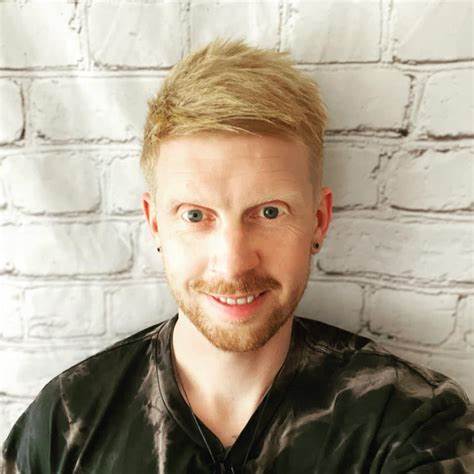
Alex Williamsguest
the last not last PSA conference the year before.But I did my usual thing where I feel awkward, and then I say helloand then disappears, hide in the background. Yeah. Well, we've met then.
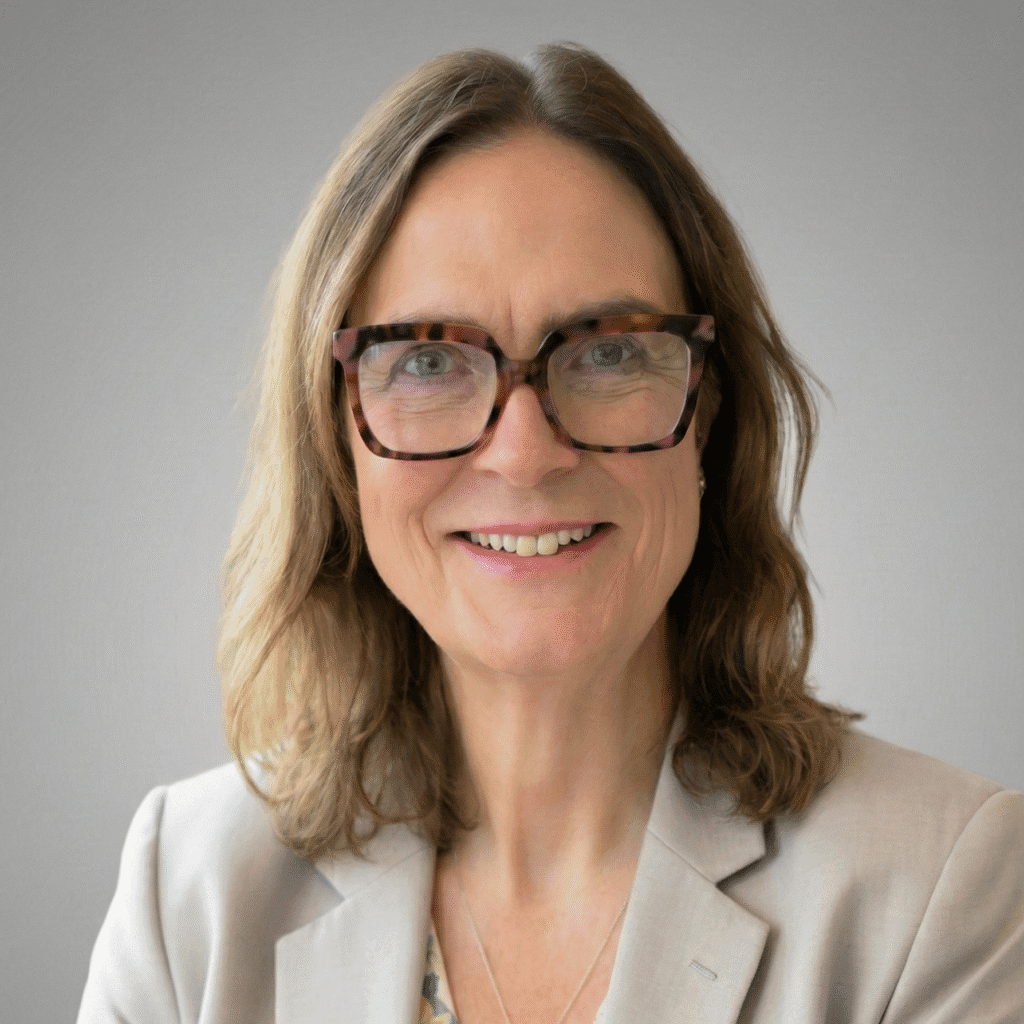
Joanne Lockwoodhost
Yeah. Yes. That's it. Well, I've been really keen to to find out more aboutyour story because I as I say, I do follow you on LinkedIn and seesome of the post you're doing. Yeah. So, Alex, getting back up, wheredid that come from? Well, I've been working in the mental health space
Alex Williamsguest
for 20 years now. And along with my ownpersonal story, kind of found thatpeople don't really knowthe key ingredients to recovering from the setbacks that knock us down in
Alex Williamsguest
life. Now, obviously, trying to explain what I do as ajob day to day, you tell anyone what mental health practitioners do. It's kinda hard,but, essentially, it came to that thing of, well, really, I'm helping people to recoverfrom those setbacks they face. But it really became a massive passion of mineto really kind kind of get to those core ingredients so I can so whenI'm working with people, rather than saying, oh, you should try this modality, you shouldtry this thing, or try that, Kinda really focus on the the basicsso we can get a real solid foundation so people can then have something towork from, and then they can kind of navigate to a apath that's right for them to help them work towards and achieve whatever theywant to in life. When you use the phrase mental health, it it conjures
Joanne Lockwoodhost
up stigma or failure or allthese words of negativity. But we all have mentalhealth. It just has different attributesdepending on it's and it's not linear either, is it? No. No. It's I
Alex Williamsguest
mean, it's it's on a spectrum, really. It's, you know, there's a we all havemental health, and although there's some maybe issues thatpresent come with referring to everything under the mental health oremotional health umbrella, it's important that we realize that we're all susceptibleto struggling at times. I don't really like the term mental health,I'm gonna be honest, because I think that makes people think in isolation thatit's just something wrong with their brains, for example, when actuallywe're all one be being, aren't we? We we have physicalour physical body, our emotions, our mind. It's all connected. So I kindof I use the word mental health because that's what everyone knows, butI think I try encourage people to think as a as a whole, you know,and with with the communities around us in fact because that's essentiallyprobably the biggest impact on our mental health usually.
Joanne Lockwoodhost
Yeah. I I went through this with my, mother-in-law a couple of yearsago. She's passed away since, but she was in hospital.And the hospital seemed so focused on her physical health,but she was struggling with her mental health, around earlyonset dementia, around anxiety, around just beinguncomfortable in in the environment. They they weren't treatingher holistically. So medical professions are sobusy trying to put a sticky plaster on something and not actually get intopeople's heads. Are they? Yeah. Yeah. You're a 100% right. It's
Alex Williamsguest
it's I think when we look at the system and how it works, I mean,it is still you know, NHS in this country, for example, it wasdesigned to treat acute problems, not really complexchronic issues such as the one you described. And so, therefore,if it's not their problems, like, oh, it must be someone else's problem asopposed to actually, like, maybe we should all communicate and recognize that, actually,yes, what you just described is gonna make you struggle mentally and emotionally,you know, and, yeah, you know, that's gonna be impacting you and that in turn,it's gonna impact your physical health or vice versa.So it's a big issue I encounter because I often banging my head against brickwalls. I'm saying, oh, we need to why don't we communicate and tackle thistogether? Or, actually, we also need to you know, if someone's comes to me andthey've got no mood, but they've got chronic pain, for example, then it's like, whyaren't why aren't we addressing that chronic pain as opposed to just thinking it's allin their head, which is often what people will often come to be saying they'vebeen told. So it's a frustration of mine, I mean. When we live in a
Joanne Lockwoodhost
well, the modern world is 24 by 7.We're connected. We're addicted to our phones. We're feeding ourselves withsocial media. News is is polarizing uswith negative stories and causing us to react tostuff and get emotionally engaged in things that we you know,20, 30 years ago, we would have been almost blissfully unaware of because theemotional engagement wasn't there. It's no wonder we're we're beingpulled from emotion to emotion to to different thingsbecause there's so much going on in the world now, isn't it? Yeah. Lots of,
Alex Williamsguest
it's when I'm often talking about with the clients I work with. It's likehow I don't think we realize as a society ishow we're so busy because we're plugged into all these things withall these stresses coming at us, stresses like you've already said that we wouldn't havebeen aware of. I mean, I wasn't aware of when I was a kid, like,what people the other city away from me or town weredoing or the other village were doing, let alone what people are doing around theworld and what was going on. Of course, you watch the news and see what'sgoing on, but now we've got so many things going on, so many somany bad things that we see that can upset us, but also so many peopleto compare ourselves to that kind of it can make us it'sso easy to become susceptible to struggling with our emotions mentally becausewe're looking at everyone thinking, why why aren't I achievingthat? Or that's awful. I can't believe that's happening. When reality is we don't reallyhave any impact over that stuff. We only have impact over ourselves and what wechoose to do to that to day to day. But it can be easy toforget that when everything's going on around us, and that's all we're watching. Yeah. I
Joanne Lockwoodhost
mean, I I've I've done some TV interviews and things in the past,and one of the one of the key anchor questions is, how are you feeling?How does that make you feel? How how are you on that? You you winan Olympic medal. The first thing to do is stick a mic in your faceis, how do you feel about that? So we're we're thriving onsomeone else's energy and feelings, aren't we? We're trying to build thisempathy. Yeah. And, of course, we're absorbing that. And if Idon't feel great, this person's gonna make me feel worse.
Alex Williamsguest
Yeah. Yeah. And I you know, it's a problem becauseof, like, I think when you're when you're looking at some when you'relooking at people who have success, for example, for example, it can often make uslook at our lives, can't it, if you're not in a good spot. And, youknow, comparison is not the worst thing in the world. Like, it's good to haverole models and ask yourselves, how can I be like or achieve thatperson, be achieved what that person's achieved, that sort of stuff? But if we're notin a good spot, and many people aren't, most people I would sayhave terrible relationships with themselves even though on the surface on social media, they actlike everything's, you know, got everything together. But when we're doing that, it can oftenjust make ourselves feel worse. You know? Seeing people achieve success all thetime, whatever that looks whatever that is can just make us feel awful andespecially if we're in a bad spot. But also, I thinkon the flip side, I would say that even though it's good to be vulnerableand share our worst experiences,Sometimes we can also get attached to that andalmost feel like we, you know, we watch content that kindof reaffirms what we're experiencing, but equally,that validation can keep us stuck as well. So it's kind of Ifind with that stuff, it's kind of like, we need a happy medium, really. Weneed to, yes, look at people who are gonna push us out of our comfortzone even though I hate to say an access such a cliche term, but I'mgonna say it anyway. But we also want people to make us realize that actuallywhere we are, we're not alone. We're not isolated in that. We'renot this isn't where we're gonna be. This is where it's okay to feel howwe do, but so but we don't wanna stay there. So it's kind of like,how do we find that happy medium? I'm still I'm still struggling withthat one myself just to be real. It's like, who do I follow that makesyou feel like I'm pushing myself a little bit, but also not too farwhere I'm like, oh god. This is just I can't take this. That's where the
Joanne Lockwoodhost
word authenticity comes in. It's you want you want toassociate yourself with people who are real and succeeding,not faking it, their success, or faking their mentalhealth, or faking their what they're achieving. Because I'm going through a a weight lossjourney at the moment, and I'm a member of some of these, Facebook supportgroups. And clearly, some people are making stuffup. Some people are trolling people or throwing comments inthere. And you get people if yourself go, I'm a failure. I can't do whateveryone else is doing. I I need to quit. I need to get I feellike a cream cake because I I'm just feeling so depressed myself becauseeverybody else in the world is better than me. So you gotta try and createthe supportive environment with authentic people who create realisticachievables, not this magical I can do it,you can do it stuff that people pump out all the time. It's a problem
Alex Williamsguest
though what you've you said there because I think society,you know, when it comes to selling and the, say, the well-beingmental health, emotional health space Nowadays,because of social media, you know, the people are trying to sell you this ideaof healing recovery and stuff, and I've touchedon this before, but no one wants likes uncertaintyreally. We like a little bit, but we don't like uncertainty. So when we're buyinga product, we don't want to be told this might work.We want to be told this will work. This is definitely goingto heal my trauma. And I think that's what encourages,especially in that space or, you know, and in this thespace I work in is people to go on and book on on t onsocial media and say, I can heal this. I can hear that because they knowthat will get people to buy the stuff even if it doesn't work. But itit's not authentic. Like you said, it's like it's it's it's that illusion.You're you're you're just kidding people. And when when you talk aboutthat journey then, then people want to be seen to be successful. They want tobe seen to be smashing their goals, because tonot do that makes them feel like the person the the person who's not alreadynot good enough, that just reinforms that. But, actually, I think what you've touched uponthere and that authenticity is actually and it's something I always try to do witheveryone is I try and make them realize that there's most people are bullshitting youin society. Everyone's struggling to an extent. Yes. There's periods where you have good
Alex Williamsguest
moments. There's periods with bad people, but no one's doing as well as they aremaking out their doing. I don't believe it anyway. I don't believe any influence insocial media or anyone out is doing as well as they're doing. So it's reallyimportant when I'm when you're viewing that to go actually, is this real oris this just a glimpse of what they're showing or actually what they're trying tomake me believe? I mean, of course, I'm sure there are people out there whoare really successful and doing amazing things, but in your example, it's like important. Ijust find, like, taking with a pinch of salt, don't compare yourself to thatperson who's supposedly getting top marks andsmashing their weight loss journey. Just take it back and go focus on whatyou're doing. And, yeah, just again, take it just with a pinch of salt whatyou're seeing out there. It's, but it's much easier than said than donebecause we live in a world where we're we're meant to be showing our successes,aren't we? You know, no matter how much people are vulnerable, howvulnerable are we prepared to be in reality. Let's say, lookin business in the business gurus, how honest are they when they havea bad period? They're probably sharing you, like, a a struggle withtheir mental health, but are they showing you that actually, god, I've lost a loadof money this month for all that sort of stuff. Are people really that vulnerable?I don't know. Probably not. It's like LinkedIn experts and people who tell
Joanne Lockwoodhost
you talk about marketing and business development and growth. Yeah. They've only got a1,000 followers. You think, really? How long have you been at this?But, yeah, I always think it's it's a bit like theNational Lottery. Do I seriously believe I'm gonna win a157,000,000 on the EuroMillions on Friday? No.But what I'm doing by buying a ticket is I'm buyinghope. Yes. I'm not buying reality. I'm buying adream. I'm buying hope. A lot of these people who are selling you stuff areselling dreams and selling hope. And every so often, you'llget the winners of with a massive check. They're on telly, and they're there'schampagne flowing. And you go, oh, that's what I'm dreaming of. That's myhope. But I don't seriously believe I'll ever win the lottery oranything more than 3 quid or whatever you win on a regular basis. IfI don't buy a ticket, I hope I haven't got hope. I neverwin. So you have to be you have to be in it to have hope.I think what people get buy into is is the thought of hope,and that's why we gotta we gotta respect people. Because if we dashtheir hope, we're inauthentic. What we do is we end updestroying a belief and that that hope they had and that thattheir trust will be will be harder to give next time. Yeah. Yeah.
Alex Williamsguest
And hope's so important. I think it's it's probably yougot I mean, the people who struggle the most with the clientsI struggle with are kind of and they're usually because of what they've experienced growingup. They've lost that kind of all sense of hope. Almost their identity is almostwrapped around this idea that they will never be able to achieve orbe anything meaningful, you know, so theyliterally all hope's gone. That's not necessarily their fault. It istheir responsibility to challenge, with the support ofpeople around them, but, yeah, hope is so important. And I like the
Alex Williamsguest
idea with the lottery because that kind of made me feel like, well, yes,none not many of us are gonna win the lottery, but maybe it's not aboutthe destination of winning the lottery, it's about if I keep buying aticket, which could be representation of the things I do every day to look aftermyself, even though I might win not win the lottery, I'mlikely to feel better. Maybe the maybe the lottery is a good so if Ikept buying tickets and kept losing, I think, well, I've just wasted all this money,but you know what I mean? I'm kind of getting that, like, you you haveto keep buying a ticket to be in it. So that's that hope of maybegetting there. And then and actually maybe the idea isactually, eventually, you get to buy so many tickets. You go, actually, I don't needto win the lottery. I'm actually okay, which is usually what happens, isn't it, withthe lottery? So Yeah. But the lottery is
Joanne Lockwoodhost
very good. Yeah. Getting in your head because every month or so, you'll win atenner. And then maybe you'll win 50 quid. So thatthat tops your hope up. You got a lot of I've won something, like theendorphins. I feel good about myself. Yeah. We let's go let's go buy a takeawaywith the tenner we just won. So it says some micro validations,those micro rewards Yeah. Keep you in the game.I think I think what you're trying to tell me is your mental health needsthose validations Yeah. Yeah. Yeah. That are achievableand frequent enough that you maintain thehope. Exactly. And I think this is the problem. I always say
Alex Williamsguest
to people that our emotions tend to followour actions. So everyone says, I will I will do this when I feelbetter or do that when I feel better. And but I always kindof describe it like if you can imagine an airplane in the sky. Never seenan airplane in the sky, it's that big cloud that comes behind it. Nowthe airplane is like your actions, you doing the things, but youremotions are following behind, And I always say that, you know, ifyou keep doing the right things, if you do the rightactions over time, eventually, you will start tofeel better. Now people don't like to hear that because it's hardbecause we you know, as much as I'm not gonna I don't want peopleto mistake me saying, like, oh, exercise in sleep, spendingtime with good people, doing things you enjoy is the answer tohealing your trauma. But by doing that, you will create a
Alex Williamsguest
state a kind of a the foundations beneath youthat enable you to then process some of that trauma and deal with it ina best way. It's kinda like the foundations, like the reco it's it's likea safety blanket. You know, when you it was or one of those crash matsor something you see that start stomp and land. When life inevitably smacks youin the face and knocks you over, which it will do, doing those right thingkind of protects you a bit more from hitting rock bottom.So but, you know, it's but we have to do those things to to getto that point first. It's not like, oh, I'm gonna make a magic wand andyou're just gonna feel better. It's like, no. It's what you repeatedly do everyday or a frequency that works for you that generallyhas far has a big say in how you're gonna feel and how how youfeel about yourself moving forward. And that's the hardest bit because whenyou've really been through when you've really been through a hard time and you've hadpeople tell you you're worthless, you've earned that you'reno good, and you've been in environments that have made you feel small and losethat connection with yourself, then it can be really hard to feel like you havethat power to do that sort of stuff. I mean, we whether you
Joanne Lockwoodhost
subscribe to Maslow's hierarchy of needs or not, but we we there are a lotof people who are if you're if you're worried about where your next meal's comingfrom, you're worried about what's on a roof over your head, you're worried about theshort term stuff, whether you've got enough money to put in the meeting tonight,you haven't got time to think about relationships andgood times and relaxing and going for a walk and chilling in thesun. You're so focused on now.
Alex Williamsguest
Yeah. It's like it's like we we're all designed to cope with somuch stress. And when we're and, you know, whenwe've exposed to too much stress over a period of time, that's when mental, emotionalhealth challenges come in. Now one thing I don't think we acknowledge as asociety is much is is like what you said, like the Maslow's hierarchy of needs.Like, we say to, you know, people for instance, pet regardsparenting. Right? We know that what's really good for parenting is peoplebeing present and meeting the needs of their children in that moment as best theycan. You know? But if you're a parentwho, yeah, is struggling to pay your bills, is is yourinsecure, accommodation, so, you know,you you it could be up you could be up for eviction for whatever reason.Maybe you've experienced some trauma, abuse, you're in a dysfunctional family, maybethere's an addiction in there. That's a whole lot of stress that is affecting yourability to be present. So literally,if they didn't have those things or you had a less of those things, you'dhave more time and energy and focus, more capacity to work on, youknow, yourself. But we don't really talk about that enough. I think we there's somuch emphasis, and I'm a big believer in personal responsibility. But howmuch effort and energy do you have to focus on these things youneed to change when you've got so many things out of yourcontrol or that feel out of your control that are affecting your ability to bepresent in that moment? It's it's, you know, it's real merely, I wouldsay most mental, emotional health problems are social problemsin the sense that, like, if our needs are being metphysically and emotionally, then it makes it really hard to work on thosethings we need to work on. Yeah. We know the physical exercise. We also know
Joanne Lockwoodhost
that human love, human relationshipsalso in there. And I've I've realized that some of it'saround touch. So I know that if I hugsomebody or I hold someone's hand, I feel them. Ican feel this mutual energy transfer Yeah. Is more than 1 plus1. It's it's 1 plus 1 equals 5. It's it's it's suddenly you feel thisemotional lift just by having that human contact. And thepower of that energy transfer is completely underrated.And that's why I think when you're lonely or alone or retractinginto yourself, you you miss that human connection. Well,
Alex Williamsguest
I yeah. I mean, I would say everyone I work with, but also from myown experience, I think, whether it's the touchor just that kind of validation, acknowledgement that you existas you are as a person, regardless of who you're tryingto be to fit in, I think when we don't have that, that's kindof that's what makes us struggle. If we don't feel like we can be ourselvesand express how we really feel and do the things we want to in life,and if we have to feel like we could constantly at the high parts andwear masks in a sense of showing up in different ways to appease everyoneelse, eventually, you will get to a point where we're like, what the hell isgoing on here? Like, I'm so miserable. I'm struggling. I'm anxious. You know?That's what ends up happening to us. And I think it all comes backto that, yeah, that environment, that connection, that thattouch, let's just say, whether it's physical or emotional, where we have people aroundus who just go, I see you, who you are, and I love youfor who you are. I may not love some of the things you do, butI'm gonna accept that and, you know, I'm gonna I just want you to beyou, and I think it's so important. And I know that for me, not necessarilywhat I the the significant individual traumatic events they weren't theyweren't the big things, even though they're the Hollywood things when it comes to tellingmy story, it was actually that lack of peep the main people in my lifesaying, what do you need, Alex? I'm here for you. I love youfor who you are. That's what caused most of my struggle as I grew up.
Joanne Lockwoodhost
And now you mentioned do do you wanna dive into a bit of yourown history and mental health journey? Yeah. Oh, yeah. Sure. I mean, how much
Alex Williamsguest
start. Yeah. I mean, okay. Let's start from the beginning. I wasborn into a normal well, what I would consider my mum and dadwere married, dad was a lawyer, solicitor, doing really well work inLondon, my mum was a general nurse, but my first realmemory was them breaking up. My dad had an affair,My mom rightly was like, nah. I'm out. This this goes. So theyseparate us around 3 or 4. Nowmy mom would thenunderstand me so, which often happens with anyone who's had their hearts broken in sucha way kind of I got the impression that she just kind of lost alot of confidence, self worth, self esteem, and ended up essentially with someone whowas abusive. She ended up getting married to this person.My I used to basically live with my mom, see my dad every 2 weeks.But during the time living with my mom, I can remember him beating up hisstepchildren, kind of making threats to harm me. Mymom would say, like, no. I don't want you touching my kids, and she kindof had a handle on that, but he never did touch us. But there wasthat constant fear, you know, I was constant when I was there. I'd be terrified.Go to my dad's every other weekend and at the best time, he would spoilme, you know, take me for pizzas, buy me toys, all that sort of stuff.So I was, like, idolizing my dad. Life at home wasterrible with my mom, and that was kind of my lifethen. I mean, we did kind of escape my abusive stepdad fora while and we stayed with my grandparents briefly, But
Alex Williamsguest
he's the store cousin. I think he kinda push pressured my mom and probably saidall the things that most people do when they want someone back, that they're changedand all that. But anyway, we went back. I was around 8years at the time, and one nightin sleeping in my sister's room because I was terrified to sleep in my ownroom, this policeman burst into my room. It'sabout 3 in the morning, and I was like, what the hell is going onhere? Took got me out, got us out of a room, took medownstairs, put me on those big, you know, the meat wagons, the big vans yousee on a Saturday night in town and drove me to the local police station.I was with my sister. I was with my step siblings at the time.Didn't know what's going on. I just thought, police, they putbad people in prison. Maybe I've done something naughty.Now I was a little shit, my little kid, like, I thinkgiven in hindsight reflecting on what was happening in myhome life at the time, it kinda makes sense. But, yeah, theysat me down with my sister at the time, and thepoliceman said, sorry, but your mum isdead. And in the room next to me, it transpired that my stepdadhad killed my mum. Now that's the the big thebig event that happened. It was awful. Obviously,like, straight away, I was, like, distressed. It wasall over the place as you expect an 8 year old boy to be, andI can remember immediately well, not in hindsight, I can remember kind of thinking I'ma damaged. I'm damaged. What I'm gonna hope to achieve? But that wasn't really wherethe big damage came from because it was then when I went my dad thentook on responsibility, and what happened over thethose years, how I was treated in response to that even though I thinkhe did his best to an extent, his idea of lovewas let's just provide money. You know, it's like kind ofmaterial stuff. Big house that grew up in this massive estate,like, had a football pitch in the garden, vineyard suits, and outsiders, it'slike, oh, god. You've got everything you need. God. Yeah. Okay. Your mom's dead, butblah blah blah. But the story I was constantly fedduring that time, regardless of what everyone was seeing, was like, you just need toget over your mom, you know. You know, you'd be grateful for what you dohave. I remember being told like, oh, most dads would put their children in anorphanage. So over those next few years, Ikind of started to continue to see myself as the problem. I believethat how I felt, my needs, they weren't important, and I changed who Iwas to keep my dad happy, keep other people happy. And I kind of soI never really knew who I was. And that kind of just continued throughout life.I went through high school. I didn't know whatI wanna do subject wise. I kinda was always picking what otherpeople wanted. I got out of 6th form,took some dead end jobs, but I did go to train to become a mentalhealth nurse. Nothing inspirational about this, by theway. They paid me to do it, and I had nothing else to lose. Butit turned out to be one of the greatest things I ever did because itgot me hit, and I loved it. But while thatwas all going on, I kind of I still I just had thisfeeling that I just wasn't good enough. I still had to keep everyone else aroundme happy. And every time I failed at that, instead of thinking maybe I wasin the wrong environment or with the wrong people, I continued to think I wasthe problem and I lowered my expectations and what I could possibly achieve orwould hope to get from life. So kind of my mentality around them was like,if I just hold this steady job, get a roof over my head, and justfind a partner who would, like, put up with me, then I would have finallymade it. I'll be something. And life kind of continued onthat trajectory for a while, but it wasn'ttill I was about 34. So I think I've been qualified 10years at this point in the mental health game. I've kinda II felt like I was nearly there. I I owned a house. I wasengaged. I was like, yeah. You know, I'm finally getting out. I'mfinally becoming something that's important. But thenthe relationship ended, the mortgage went, and I was kindof faced. I just was in this situation. It was like, well, I'velost my mom. I've got dad too. I have to be a certain way toget his approval. I haven't got a relationship. I haven't got a house. I'min my mid thirties. I feel like I just can't be bothered todo this anymore. That was when I was, like, making plans toend my own life. Now at the time, I remember in a way, itwas like it made me realize that atthe point, I was like, I've never really looked at my own stuff. I couldspend so much of my life going through, I'm not as bad as the peopleI'm working with in the mental health space. You know, I'm seeing people with
Alex Williamsguest
you know, I don't really like believe like diagnosing peopleand which would people have got schizophrenia, for example, bipolar, you know,personality disorders, people who were literally, they're so unwell because of what they've beenthrough or what the symptoms they're experiencing. I was like, I'm not likeyou, so I must be okay. But I realizedthat kind of constant telling myself I must be okaywhen really deep down I'm not, kind of just all just spilled all overthe place when I lost everything that I thought I could possibly be.But it was, well, if it to be honest, if it wasn'tfor my dog and feeling the need and the worry to bethere for him, I think I wouldn't be here today. Literally, I was like, who'sgonna look after him if I'm not here? He was probably the only thing thatkept me going. But it was around that time I read Victor Frankl'sman search a meaning book purely because I was in thisat in in the work I was doing. I was looking at it, and Ithought, oh, this looks like an interesting story. And it was hisstory that kind of made me and there was this line that everything canhappen to you. Everything can be taken from you, sorry,except your ability to choose how you respond, your ability to chooseyour own way. And as Iread those words, it was like, bloody hell, youknow, all my life, I've given up my power to choose.Even though I have in a way been choosing, I've been just been choosing whatother people expect of me or other choosing things that other people wantto meet. I've never really chosen what I want. And then it was like, oh,what would my life like if I actually decided to choose whatI would do was doing. Now it doesn't mean I completely erase everything that I'veever been through, but it was like, well, I've always had this burning desire,like, what if we spoke about mental health in in a way of, like,talking about the things that knock us down, you know, that thatthat we struggle with, like failure, heartbreak, loneliness, stress,and spoke gave people the skills to manage them so they recoverfrom these setbacks. How would that impact people's mental health?And I thought it'd have a massive impact. So it just start me on thetrajectory of talking about that sort of stuff. Now I never, I just
Alex Williamsguest
wanna point out, you know, I just mentioned my story. I never had any attentionto talk about what I've been through, but people said to me in the PSA,which we were we're both part of, it was like, what's your story, Alex? AndI was like, well, I went through this, this, this, and that. And they werelike, you should talk about that. And why I probablyneeded that because it made me actually again focus on look at that stuff andunpick it, and it really helped me recover.But, you know, it kind of led me to this point here where I amnow where I'm still doing the work with people and teachers, talking about failure,heartbreak, loneliness, and just sitting with people in all their discomfort and justvalidating their experiences and helping them build their relationship themselves, takingresponsibility, be really patient on the journey. But also talkingabout my own story kind of I think it was good because it made mestop being the person who was held the answers to everyone else'sproblems and made me realize that, actually, I'm just like all of you.Yes. We work different stories, but I'm just like you because I can also seeit from their perspective. And it's really added another foundation to the work Ido because even though I don't define myself as avictim, because I know I have been victimized.And actually being open about that and how that's impacted me has really helped memove forward and move the work I do in create meant thework I do made it much, much more powerful for those I work with. I'm
Joanne Lockwoodhost
a bit stunned to silence because I I I had neverheard your story before. So when you drop that bombshell aboutyour mum was killed by your by your stepdad, that came as acomplete surprise to me. So anyone who's listening, heard that for the first time inthe way you did. So, yeah, it's extremelytraumatic to listen to, and I can I I can'timagine? All all I could do is is is guess that,at that time of your life, your whole world became disorientated. It'slike being being in a three-dimensional gimbal where you justyou got no up, no down, no left, no right, no stability, gotno hook to hold on to at that point, have you? The person that wasalways there for you, your mom, the person whether you loved or hated orwhat you're going through, there was always that stability in your life tosuddenly find that you had lack of stability. Your homeenvironment had now crumbled. Your your father was aparty dad looking after you and taking giving you givingyou McDonald's and taking you on on fast adrenaline rides and and being a beinga party dad. So you lost that structure in your life
Joanne Lockwoodhost
all of a sudden, didn't you? Yeah. And I think it's
Alex Williamsguest
at the time, I think we don't, you know, what we go through whenwhen in those first probably 6, 7, 8, 9 years,we're all all of life, but especially those first those early years, you know,We're not able, young people, to recognize ourbrains just aren't evolved to recognize that, oh, that awful thing that happenedis just an awful thing that happened that I've now got to navigate. It's usuallywe believe it. It's because of us or that, therefore, there's someproblem with us because these things happen. And, obviously,it was a complete shock. I have to admit that partly the time was like,god, you know, I get to live with my dad now. And like Isaid, the part of your dad, I love the way you explain it because I'venever heard it said like that. But, like, it made me say, oh, is thisgonna be exciting? Even though I was devastated, it's like, what's this gonna be like?But, yeah, I'm I'm the thing was it's just my world crumbled. I was like,my mom isn't there, that stability. All the things I probably took for granted becauseyou don't appreciate them when you're that age d. You don't appreciate that you yourmom's always there. She puts dinner on the table. She cleans your clothes. She tidiesyour room. She picks you up from school. You just take that for granted. Youjust want the the high adrenaline sort of stuff, butlosing that was massive. But, again, it was justlike, I know no one who has lost their mom insuch circumstances. Def and I've my immediate thing was there must be somethingwrong with me now. What can I possibly hope toachieve having lost a mum? I amyou know, what was on the TV at the time? And then Biker Grove orsomething like that. Grange chill and, like, look at those kids, you know, who've beenfor it and figured, that's me now. I'm destined tobe nothing. It was like all it was alwayslike what I obviously, most of my ambition, hopes, dreams,aspirations are gone because I merely thought I was there's something wrongwith me now, And I that's why I'm so keen with the workI do. It's like when things go wrong, separating who theyare from the actual problem. You know, the problem's the problem, you're not the problem,even though, yes, okay, we may do things that contribute to our problems. It's reallyimportant you separate who you are as a person from what you're experiencing. Because assoon as you make about what you're experiencing about you, thenit's like it's almost like not game over, but it's like that's gonnathat's gonna hit you hit you harder than you canever imagine. You know, you're giving yourself a hard time for having a hardtime, which doesn't help anyone. It's like you're just having a hard time, but assoon as you make it about you, it's like, oh my god. I'm the problemhere. And that's exactly what happened to me. But I wasn't aware of it atthe time because I paid. But in hindsight, that was the kindof messaging I was kind of telling myself, and because I was also beingtold in that recovery process that I just need to get on with it, thatI need to be grateful, it was almost like, well, what I feel and whatI'm experiencing, all that pain is just it's not important then. Again,I'm the problem here. How am I feeling to the problem? I need to shutthem down and hide and be who these people around me need me to beto keep me happy. But, yeah, losing my mum, it was I mean, I'm notsaying my mum would have then become the best mum ever. Who knows? I sometimesremind myself of that, but she was a good person. And I think losing herjust it just destroyed me. But I never really got to explore it until
Joanne Lockwoodhost
Mommy's mom. Yeah. Mommy's mom is she doesn'thave to be the best person in the world. She just has to be yourmom. It's not there's no rules. There's no right way of being mom, is there?And I as you're talking, I'm thinking about my mymother-in-law. She passed away 2 2 years ago.And Marie, my wife, often says the thing she misses mostis not being able to just phone her up and tell her what she's doing.Just that this is what happened today type of stuff. Andit's that chitchat and the the factyou'll never have that conversation is the the challenge.
Alex Williamsguest
Yeah. And I I feel it more now probably than I everdid because having now I've got a 10 month old daughter, I can nevergo, would you like to go spend time with your, you know,would you like to speak to your your and that really that cuts me, youknow. It's because she will never be she wasn't there for the birth.She wasn't there for so many things and also not have because I don'thave anything to do with my dad now. It's incredibly even though I'm in agood spot and I've kind of come to terms that it's stillgod, you know, you've got no one. Not no one, but likethe people 2 people who are supposed to be there.It just yeah. It's hard. It's hard because I would nothing
Alex Williamsguest
nothing more, and this is probably the problem with Hollywood films andgrowing up and watching those lovely Christmas times where you see everyone gettogether and have a best time. It kind of when that stuff comes, it'salways a memory of what I don't have and what my daughter won'tnecessarily have. But equally that acts as a motivator tomake sure, you know, the love I give for the people who are still inmy life and important to me, make sure I never take that for granted. Like,you know, I literally I I would do anything to make sure my daughternever feels what I felt, Hopefully, she willhave experience of rejection. Don't get me wrong, but like not from no inthose means, you know, like hopefully, you know, I can't control everything. Icould get hit by a bus tomorrow, but it really that could be essentially becomesmy purpose really, you know. It's like, this is my purpose. Like, how can Ibe the best dad for my daughter? That's it. Now ifyou ask me, like, every decision I make now is around that because of whatI went through. Yeah. And I yeah. My daughter's
Joanne Lockwoodhost
in in her thirties now, and I have a completely differentrelationship with her than when she was young. Andit's it's a very good adult relationship, and it'sjust known we're there. Someone to have a chat withand run things by. She's dinged to her car the other week and said, shouldI tell the police? Shouldn't I tell the police? It's kind of like a soundingboard. I go, well, I can't I haven't got the right answer for you, butif you tell the police, no one will ever come knocking on your door sayingyou didn't. Well, how comeyou're looking for us? Just knowing you got someone there, she knows that she's gotme there, and and my wife's is here, andNo matter what happens, there's there's people in herlife that she knows ultimately have always got her back. And mymum's the same. I know my mum no matter how much, and not thatI rely on her at all, but I want her to be proud of mestill. I'm 60 years old nearly, and I still want my mum to be proudof me. So it's it's important, isn't it, to have someone that you asyour barometer in life maybe. And I love the way you said that,
Alex Williamsguest
like, just to be there because I think that's what we want, isn't it? Like,I think we all want someone in our lives who can just be therefor us when we're struggling, when we're happy, like, when we celebrateour achievements or maybe just to redirect us if we're goingoff the path a little bit. And in a way, that's probably my job. Like,I I as I said to you, I most people Isee have come from families and the level ofdysfunction that I kind of described and touched upon in my own experience.And they often say to me, I've got no one I can talk to aboutthis, but having someone like you where I can just offload all this and you'regonna go hear that shit and not tell me I just need to get overit. And you help make sense in the turn where I can actually help themmake sense of it and help them look after themselves is so so important. Andthat's what I wanna be for my daughter, you know. You know, and and thatfits so, like, literally, it's weird because this year havinga daughter, and I'm not saying that everyone should go and have kids because there'slots of people who shouldn't have kids as my job often tells me.But, like, I realized from a a basic and emotionalneeds standpoint that fulfills so many of my needs. You know, the,you know, the the I get the the community, the connection, theattention, the it gives me purpose. It gives me a sense of achievement, youknow. You've like, it's crazy how, like, get up and I'm the one whogets someone that will go in the morning. And, like, when I go into theroom and get her up and she just she always smiles. I mean, she's atthat age where she is, and I'm sure when she's a teenager, it's gonna bethe opposite. She'll get out of my room, dad. But, you know, she's like smiling,you know, that's like, oh my god. I'm just achieved something amazing. You know? Andit's just that little thing, and I and I think it's a society, becausewe've moved towards this kind of very hyper individualisticapproach where we're almost told we don't need anyone else. How often do you seethat message? You don't need anyone else. You don't need anyone's approval. And I guess,to an extent, some of that messaging is true, but we do need people. Weneed community. We need thriving community. Community is probably the most importantthing. Like, I could tell you now those who do best in life are thosewho have supportive environments around them, and we don't reallysay that, do we? We've, like, famous people who've overcome stuff. We always hearabout the their mindset. You're like, no. Yes. That's important,but it's like who was around you to help you instill that mindset? Thosemoments where you were like, excuse my name, fuck this. I can't do thisanymore. Who was there who said come on, you can still do it? And wedon't talk about that. And that's kind of what I see my role is like,because I always again, coming back to this mental, emotional health stuffand getting back up, it's like, we all no one none wenever get as well as we as quickly as we like.So it's important you have people around you to give you that nudge in theright direction, support you, to keep you going, because it is likewhat I'm doing is, like, kind of describing, like, the waves here with my handnow. Yeah. It's like, that's the journey. Essentially. Don'texpect to, like, come see me and then tomorrow you'll feel better. It's like youI know there's a dip coming, but I'm here to support you through that dipto keep you so you can carry on moving forward. And I think that'show I see my role in my door. That's how I see my role withall the people I work with and generally anyone who needs my support.So yeah. Yeah. I mean, we know that
Joanne Lockwoodhost
behind every high achiever, successful person, weknow Paralympians, we know Olympians, medalists betweenus. And every single one of those always credit their team,the support of their family, people in their life. And even if, you know, evenif you don't have a a relationshipwith people, you know, maybe you're rich and you pay people to look after you,You don't do things alone. We all we all do the the 10%of our life that we're good at, but we rely on the other 90% beingsupported by people, and no matter how much we think we're capableof everything. I don't service my car. I don't Idon't clean my floors. I have a cleaner. I'm not good at that.But these people are in my life to support me, so I don'tfeel alone. I have to do everything. I think when you you're talking hereabout where mental health suffers is when you become trulyalone or lonely, you've got nobody to offloadany of your tasks or relationships or supportto. And even people who are who are rough sleeping,they have a community within their rough sleeping.Whether it's the when they get food, the big issue is sailing, ortheir their complex under the bridge, they've got a communitythere. And they're not homeless. Theirhome is is there. They have a home. It's just that theirhome isn't traditional. And so they but they have people around them that got theirback as well. Yeah. And I I I have to admit, I mean, community is
Alex Williamsguest
massive, and I I can't. What often happens and it happened to me is thatbecause of our experiences, we often believe that we have to do it alone.I you know, sometimes that can trick us to thinking people can't betrusted. People are gonna leave us. No matter hownice they are now, they're probably gonna run away. Like, losingmy mom suddenly and having my dad, like, he was I he was very conditionalon how I had to be around him to get his love. That everything thathappened up until that, and even now I would say, I meant, like, I havethis kind of I'm hugely independent. I don't like lettingpeople in close. And, actually, when you mentioned about touch, yes, I like a littlebit of touch. But my daughter is fine. I'm coloring it, but, actually, sometimes itkinda pushes me away because I'm like, my body iskind of like, this feels weird. What these people actually want to cut cuddle meor be close to me. So I have to be really mindful of that becauseI know that community helps me, but equally, there's this part of me that alwayswants to just do all your own acts. Just go on your own, mate. You
Alex Williamsguest
better. No one's gonna let you down and upset you. And I think I seewhen you talk about homeless people or anyone struggling, usually becausethey've been pushed away by so many people, if theystruggle to reach out or their theirthreshold for pulling away from people is so low because theyanticipate rejection that they kind of almost reject themselves. Butsaying, actually, if I don't if I stop seeing you and stop engaging in thissupport, I know that eventually you won't you I you won't reject me. Sobut we often don't see that. And I know that's what I've often do withmyself now and then, but I have to be really mindful of that now,that when I'm maybe going forward to dosomething or pushing myself to do something that actually I could do in my life,I'm like, that little voice says, oh, do you really need to do that? Ormaybe you shouldn't, or I can even create a story in my mind that willsay, oh, well, actually, that person who's saying that you can do that is actuallybullshitting you. Right? I can easily create stories, but I think it'slike I have to be reading my well, you know what? Even if they arebullshitting me or even if that person does reject me,I can handle it, and I still got good people in my life. And that'sone thing that I'm really working on right now, and it's actually helping, actually havingthat achieved. It's not easy, though. You kind of have to really deal delve intoit, but, yeah, it's some something that often goes the wrongway when we've been pushed away by others. We kind of become over reliant onourselves, which isn't healthy either. Yeah. Protection is we're putting our shields up, aren't
Joanne Lockwoodhost
we? We're sort of defending ourselves against future hurt. If I don't let youin, I won't lose anything when you walk away. I'm I'm I cantrust myself but nobody else. Well, we're wired we're wired for 2 things
Alex Williamsguest
essentially, protection and connection. And we get our protection fromour connections, but if our connections don't like us for who weare, then we change to seek the protection from thoseconnections, which makes us lose touch of ourselves. Andthen we reject ourselves and then we end up in the wrong relationships with peopleand settle for toxic people on good in our lives. And,but then that just makes us miserable. And then we just think, should I goon my own? When actually, we just need to trust ourselves,deal with the discomfort of that, which can be really hard, and find the rightpeople. Again, that's why community is so important. It's there is a community out therefor everyone, I believe. It's just finding that right community andhaving the courage to go out there and do it. But much easier said thandone, like everything I tend to say. Yeah. Also
Joanne Lockwoodhost
ensuring that the community that you join is apositive outcome. Because if not careful, because we're damagedin our own self, we look for people who are also damaged, which can endup being self destructive as well if we're not careful. That's a really good point
Alex Williamsguest
you raised there. Because, yes, you can. It's like wethis is a question I've been asking a few people recently. It's like, you know,is the community that you feel validated and part of right nowkeep actually helping you to grow or is it just keeping you stuck where youare? Because and I think we probably find that on social medianow. Like, you know, we know we talked about this early, love me, like, aboutoutrage and how I think outrage supports substitutionfor personal growth, but because it makes us feel powerful, it makes us feel likewe're actually doing anything. And, of course, we need outreach. Right? We need it. Weneed to stand up and go, that's not acceptable. We need to change that. Butmost people just say that's not acceptable, but not actually changing anything.And I think, you know, sometimes the groups we find ourselves in just end upkeeping ourselves stuck, but that's a problem with probably thewell-being space and social media I find is that a lot of content isjust like, this is a trauma symptom or this this is this is a signyou have this, this, or that. And all the content is just the same andit just kinda validates, oh, yeah. This is why I'm struggling. But no one's like,this is what you can do to overcome that struggle. And I think that's probablywhat's lacking. But that's that's difficult becauseif we can have people make us feel safe where we are, we'll stay wherewe are. That's what humans like. We don't like to pushourselves if we can avoid it. And, you know, the social media you're talking about
Joanne Lockwoodhost
there, it's wants us to be angry. Yeah. That's something. It's almostlike creating that anger or conflict emotion in us. Yeah. And wethrive off that. People feed off that pain, don't they? They suck thepain out of you. And people wanna know that you're in more pain thanthey are, and it becomes that self fulfilling. That's someYeah. We become used to pain and being angry with stuff. It's learned
Alex Williamsguest
helplessness, isn't it really? And that that's the thing we kinda get stuck wherewe're like, I feel I already feel like I can't do anything with my lifeand, well, this person also doesn't feel like they could do anything in life. Solet's just hang out and talk about how we can't do anything with our life.You know? It's, it's Blame somebody else. It's not me. It's everybody
Joanne Lockwoodhost
else. Yes. Yes. Yes. And even though it properly is other people,
Alex Williamsguest
like most of the time, you're still responsible for dealing with the mess that's leftwith if in your life. And that's why I think people oftengets missed because I think I talk a lot about personal responsibility, butI think the message in around personal responsibility is a bit too much with people.You know, we tell people you're responsible for your life and I think you youtell us something that, you know, you know, it's just overwhelming, isn't it? It's likemassive. I'm responsible for life because it's not true. You need people around you, butI try and make it well. Okay. What are you what can you take responsibilityfor now, and what can you do to help gain a bit more control ofyour life? And that's where it comes to little daily things. Like you say, itmight be focusing on sleep, going for walks, hanging out withgood people, maybe, handing the notes in for ajob and applying for another job, you know, taking the course, applying for that course,or could just be jumping in the shower or deciding to eat something healthyfor breakfast, you know. It's little things like that really we're responsible for and thenshowing up consistently every moment with that approachreally. We're scared to change, aren't we? I I think the thing that holds us
Joanne Lockwoodhost
back normally is is the fear of difference or the fear of something new. Andwe envisage this big cliff edge, but often it's just a little step, isn't it?We're not we're not diving off anywhere. We're just incremental changes.
Alex Williamsguest
Yeah. The mind is funny. Like, as I say, it likes comfort. It likes tokeep us in where we are, and we can all of us,right now, whoever's listening to you, you're telling yourself the story you're telling yourself aboutyour life is the one that makes you feel most comfortable about where you are,usually. Unless someone's thrown a grenade under it and made you go, oh, actually, Ineed to do something about it. It's like health scare or relationship breakup or somethinglike that. So, yeah, we are scared of change. And I was gonnasay something important around that, but I completely forgot, but that's okay.
Joanne Lockwoodhost
I don't know. I hear what you're saying there. It's it's when we're when we'rein these relationships or this momentum or social pressure tocarry on doing what we're doing, even though we have got agency, we have gotchoice, we don't exercise it because staying in ourlane, in our zone, is is easier than the unknownoutside. And it's only when someone takes away our agency or choicein such an extent where we have to change thatsuddenly we realize and we look back at where we were, wethink, wow, how can I ever survive in that environment? What was Ithinking? Because once you put the blinkers off, you become very sentientand aware of it, don't you? Yeah. Well, it's I think I can't remember who
Alex Williamsguest
said it. It was like, until the fear of staying the same becomesgreater than the fear of change, we won't change. And that's it. It's almost likeour life has to we have to get so uncomfortable to make changesthat we until we do, we probably won't. And I know that's whathappened with me when I was when I was experiencing suicidal ideation. I wanted toend my life. I was like, my life got so uncomfortable, and I needed thatmessaging from Victor Frankl to make me realize, god,Alex, You actually need to go there and explore this stuff. You need to look
Alex Williamsguest
at what's happened to you rather than just acting like you're fine. You needto actually look at this stuff. And I think as humans, we havea tendency with our minds to think the work think things are gonna be alot worse than they actually are whilst also underestimating our ability tohandle it. You know? So, like, when we actually go and do thething that we're putting off doing because we're scared of, it doesn'tusually ends up being not as bad as before, and we usually end up beingfine. But, you know, that state of anxiety thatthose those feelings we get when we're thinking about making changes, and they they're veryreal and very valid. And if you've been rejected most of your life, then, ofcourse, it's awful. And And as and as well as that, it's if you feellike you don't have the agency because of you don't have that control in yourlife because of what you've experienced, you got that makes it really hard. Butwhen people have the right people around them to nudge them in the rightdirection and the individual themselves has the courage. Okay. I'm gonna givetake that step knowing that if it goes tits up, I can come back andspeak to you, Alex, or someone like that. Then when you can have that aroundyou, then you tend to eventually create a better life. Now it takes longer thanwe always anticipate. I always see people, and they're always thepeople I'm a bit worried about like you and I, maybe I'm the wrong personfor this person. They're not really getting where I think they should be right now.But, eventually, when they keep doing the right things, they get there. Okay. You knowwhat, Alex? You were so right. I just showed I just, you know, doing thesethings that you've said and was whilst aligning with what I want in life hasreally helped me to get to this place I need to get to. But youhave to be you have to, like, have that courage and just kind of takea chance in yourself and just go for it. Don't do anything too risky, like,sometimes you hear people say, well, just sack off your job. You know, go startyour own business. I'm like, no one who's ever telling youthat's what they did actually did that. They probably had a partner behind themwho had some money in savings. They probably had some savings. They probably got supportof family, whatever. No one or very few people actually did that. Take a littlepinch of salt. You have to make sure you've got your needs met becauseif you you'll burn out before you get anywhere, if you take too much ofa leap and you haven't got your needs met. But ifyou've got some stability, probably not justenough, probably not as much as you like, then, yes, take some chances to gofor it. So and, usually, that's the ability to justbe having one. Yeah. We've gone pretty
Joanne Lockwoodhost
deep. We're gonna have some people listening to this show who are maybeexperiencing some of the traumas or mental healthneeds that you've mentioned. Have you got sort of 2 or 3 top tips thatpeople who are listening right now could grab hold ofand do? Okay. So the first I always say this, like,
Alex Williamsguest
the relationship you have yourself is the foundations forany recovery. Now you can't justflip your relationship with yourself overnight. You're not gonna look yourself in the mirror everyday, say nice things to yourself like some people say, and you're gonna feel betterabout yourself. But one thing you can start doing is and I've touchedupon this earlier. Instead of see the problem making yourself the problemwhen things are going wrong, view the problem you're experiencing as the problem.So if you're struggling with a relationship, rather than thinking that who you are isproblematic, say, well, issues these are the issues I'm having my relationship.Rather than if you're struggling with your mental health, maybe you got depression, anxiety, orwhatever, rather than thinking I'm the problem here, think, oh, I'mexperiencing depression. I'm experiencing anxiety. It may separate who you are fromwhat's experiencing what you're experiencing. Another one is justtake personal responsibility for what you can. Get some help,reach out to the right people, find a community for you, and justtake it day by day. I know it sounds really basic, but I honestlythink habit trackers are one of the best things for people's mental health.Like, setting a goal every night before you go to bed is something you're gonnado for yourself the next day. Do it andtick it off. Doesn't sound like a lot, but when you keep doing that overa period of time, you start building your self esteem and showing yourself that actuallyyou look after yourself. And another one is just be patient.Like, as I said already, like, no one gets aswell as quickly as they like. This is why we're all suckers forthat person who comes on social media and says, I can heal your trauma likethis if you do this. And you're like, oh, yes. I've been struggling. I've beenin therapy for a year or so, and this doesn't work for me. And I'mlike, I'm gonna do this. Only to find that that probably doesn't work. But instead
Alex Williamsguest
of realizing the thing you're trying wasn't ever gonna work, you, again, beatyourself up. But if you can, like, be patient and just do the right things,and, yes, recognize it could be ups and downs, that willhelp you along the way. But it's it's ajourney. Like, let's just say, like, it's just be the most important thing is justbe gentle with yourself. Again, the most important bit of adviceis you're not the problem, the problem's the problem. If you can startremembering that, even if, yes, you're doing a million and one things that are contributingto the problem, at least by viewing your life like that, you'll be able tolearn, grow, and recover from those setbacks and use those setbacks to hopefully,eventually, create better circumstances for you moving forward. Be
Joanne Lockwoodhost
gentle with yourself, and you are not the problem. The problem is theproblem. I think that's a great place to leave it. Alex, how can peopleget a hold of you? As I said, we've went deep we've gone pretty deephere. And if people wanna get a hold of you to talk about this, find
Joanne Lockwoodhost
out more about you, how do they get a hold of you? Yeah. You can
Alex Williamsguest
find me on LinkedIn, Instagram, and TikTok. I'm mostlyactive on LinkedIn, to be honest, purely because having a little kid, I haven't gottime I haven't had time to make videos, so my content on the otherplatforms hasn't been good, but it's, the Alex J Williamsis my handle on all those platforms. But you can also drop me an emailat alex@alexjwilliams.co.uk if you wanna have achat. I'm always open to having discussions with people. I don'thave anything to sell. I'm just here to help people. Yeah. If anyone wantsto reach out, just give give me a shout. Alex,thank you. You're welcome.
Joanne Lockwoodhost
As we bring this conversation to a close, I want toexpress my deepest gratitude to you, our listener, forlending your ear and heart to the cause of inclusion.Today's discussion strike a chord. Consider subscribing toInclusion Bites and become part of our ever growingcommunity, driving real change. Share this journey withfriends, family, and colleagues. Let's amplify the voicesthat matter. Got thoughts, stories, or avision to share? I'm all ears. Reach out to jo.lockwood@seechangehappen.co.uk,and let's make your voice heard. Until next time. This
Joanne Lockwoodhost
is Joanne Lockwood signing off with a promise to returnwith more enriching narratives that challenge, inspire,and unite us all. Here's to fostering a more inclusive world,one episode at a time. Catch you on the next bite.
Resilience Through AdversityThe Impact of Social Media on Well-beingHope as a Cornerstone of Recovery
Joanne Lockwood speaks with mental health practitioner Alex Williams about what it really takes to recover after life’s setbacks, and why “getting back up” is less about quick fixes and more about foundations.
Alex shares his own story of profound childhood trauma and the long tail it had on his self-worth, relationships and sense of agency. Despite building a career in mental health, he describes reaching a breaking point in adulthood, including suicidal ideation, and how re-framing his ability to choose his response became a turning point.
Together they explore how modern life and social media can amplify comparison, shame and unrealistic expectations, and why authenticity matters when seeking support. They emphasise the role of community, human connection and realistic, repeatable actions—small daily commitments that rebuild trust in yourself over time.
The episode closes with practical guidance: separate yourself from the problem you’re experiencing, take responsibility for what you can control, seek supportive people and environments, and be patient with the non-linear nature of recovery.
“Most people I would say have terrible relationships with themselves even though on the surface on social media, they act like everything's, you know, got everything together.”
“I don't believe any influence in social media or anyone out is doing as well as they're doing. So it's really important when I'm when you're viewing that to go actually, is this real or is this just a glimpse of what they're showing or actually what they're trying to make me believe?”
“If we don't feel like we can be ourselves and express how we really feel and do the things we want to in life, and if we have to feel like we could constantly at the high parts and wear masks in a sense of showing up in different ways to appease everyone else, eventually, you will get to a point where we're like, what the hell is going on here?”
“But it was, well, if it to be honest, if it wasn't for my dog and feeling the need and the worry to be there for him, I think I wouldn't be here today.”
“Talking about my own story kind of I think it was good because it made me stop being the person who was held the answers to everyone else's problems and made me realise that, actually, I'm just like all of you.”
“I think we all want someone in our lives who can just be there for us when we're struggling, when we're happy, like, when we celebrate our achievements or maybe just to redirect us if we're going off the path a little bit.”
“I have to be really mindful of that now, that when I'm maybe going forward to do something or pushing myself to do something that actually I could do in my life, I'm like, that little voice says, oh, do you really need to do that?... But I think it's like... even if that person does reject me, I can handle it, and I still got good people in my life.”
Understanding the detrimental impact of comparing oneself to others, especially during vulnerable times.
The importance of authenticity in our interactions, both online and offline, to foster genuine support and connection.
Critiquing the modern wellness industry and recognising the illusions often presented on social platforms.
The significance of hope as a motivating force, even when it feels difficult to sustain.
Embracing small, manageable risks as essential steps toward personal growth and change.
Strategies for building a healthy relationship with oneself and fostering self-esteem through consistent self-care.
The necessity of community support and the role it plays in overcoming past trauma and achieving mental well-being.
One thing to remember
In this episode of "Inclusion Bites" titled "Getting Back Up," Alex Williams shares his harrowing childhood and tumultuous journey through loss, fear, and eventually, self-discovery. His story underscores the importance of resilience, highlighting how one's past does not define their future. Through honesty, community support, and small, manageable steps, individuals can regain control of their paths and cultivate hope, even in the face of adversity.
Questions this episode helps answer
How did Alex Williams' turbulent childhood, marked by parental separation and his mother's tragic death, shape his perceptions of family stability and support?
Alex discussed the pitfalls of comparing oneself to others on social media. How do these comparisons affect mental health, and what strategies can individuals employ to manage this effectively?
The episode touched on the "Market of Hope and Illusion" within the wellness industry. What are the potential dangers of these marketed dreams, and how can one discern genuine support from misleading promises?
Both Alex and Joanne highlighted the importance of authenticity on social media. In what ways can individuals maintain authenticity while navigating online spaces that often glorify success and omit struggles?
How does Alex's experience as a mental health nurse inform his perspective on resilience and recovery?
Joanne and Alex discuss the necessity of significant discomfort as a catalyst for change. Can you share an example from your life or someone you know where significant discomfort led to positive change?
Explore topics
Ideas from this episode
Resilience Through Adversity
Our conversation took a poignant turn as Alex Williams opened up about his harrowing childhood experiences and the profound impact they had on his sense of self-worth and identity. His journey from living in fear to surviving unimaginable loss has shaped his current advocacy for mental health resilience.
The Impact of Social Media on Well-being
Our dialogue took an insightful turn as we scrutinized the intricate relationship between social media portrayals, authenticity, and mental well-being. Alex candidly criticised the wellness industry's tendency to sell certainty and recovery, often creating misleading narratives about healing.
Hope as a Cornerstone of Recovery
In a profound exploration of hope, Alex underscored its critical role in overcoming mental health challenges, particularly for those who have experienced significant adversity. He drew parallels between hope and buying a lottery ticket – both providing a semblance of future possibility.
Learn
Frequently asked questions
What are the main themes discussed in the "Getting Back Up" episode of The Inclusion Bites Podcast?
In this episode, Alex Williams and host Joanne Lockwood explore themes such as resilience, the role of hope, the dangers of unhealthy comparisons, and the necessity of authenticity, especially on social media. They also discuss the impact of past traumas, the importance of creating supportive communities, and the pitfalls of the wellness industry.
How did Alex Williams' childhood experiences shape his career and life perspective?
Alex Williams grew up in a turbulent home environment, which included his parents' separation and living with an abusive stepfather. After his mother was tragically killed by his stepfather, he faced emotional neglect from his father. These experiences profoundly impacted his sense of identity and path in life, leading him to internalise problems and choose a career for financial stability. However, his role as a mental health nurse ultimately became rewarding and fulfilling.
Why does Alex Williams emphasise the importance of authenticity on social media?
Both Alex and Joanne Lockwood stress the significance of being authentic on social media to combat the pressure to appear successful. Dishonest representations can be damaging, as they create unrealistic standards and perpetuate feelings of inadequacy among viewers. Authenticity fosters genuine connections and can be empowering for both the poster and their audience.
What is the "Market of Hope and Illusion" as discussed in the episode?
Alex critiques the wellness industry for selling false promises of certainty and recovery, often driven by social media. This "Market of Hope and Illusion" builds on people's dislike for uncertainty and can create misleading narratives of healing and success. Joanne likens buying into these marketed dreams to purchasing a lottery ticket, symbolising the purchase of hope rather than reality.
What role does hope play according to Alex Williams and Joanne Lockwood?
Both speakers emphasise that hope is a fundamental motivator, particularly for those struggling with difficult past experiences. Maintaining hope, while ensuring it is realistic, is crucial for personal growth and resilience. They also discuss the balance between fostering hope and not being misleading about its attainability.
How does comparing oneself to others impact mental well-being?
Alex highlights the dangers of comparison, particularly when one is not in a good mental place. Comparisons can be detrimental if not managed properly, leading to feelings of inadequacy and low self-worth. On the other hand, role models are essential for inspiration, provided that comparisons remain healthy and constructive.
Share this episode
Heard something worth passing on? Send this conversation to someone who needs to hear it.