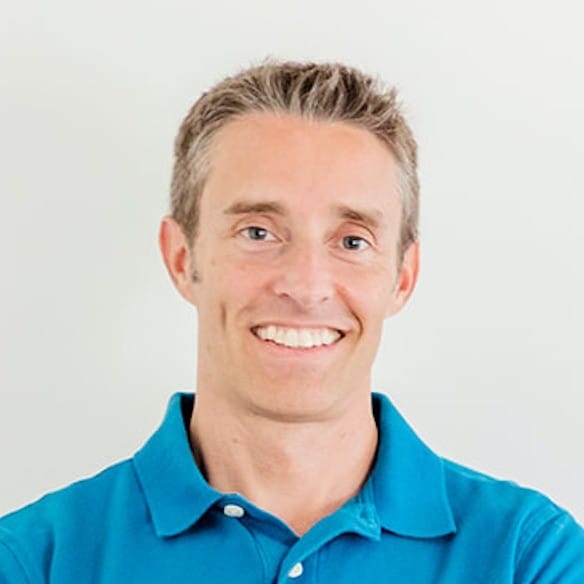
Christian Elliott unravels the complexities of holistic health, challenging the conventional medical model and championing transformative, toxin-free living for true wellness and longevity.
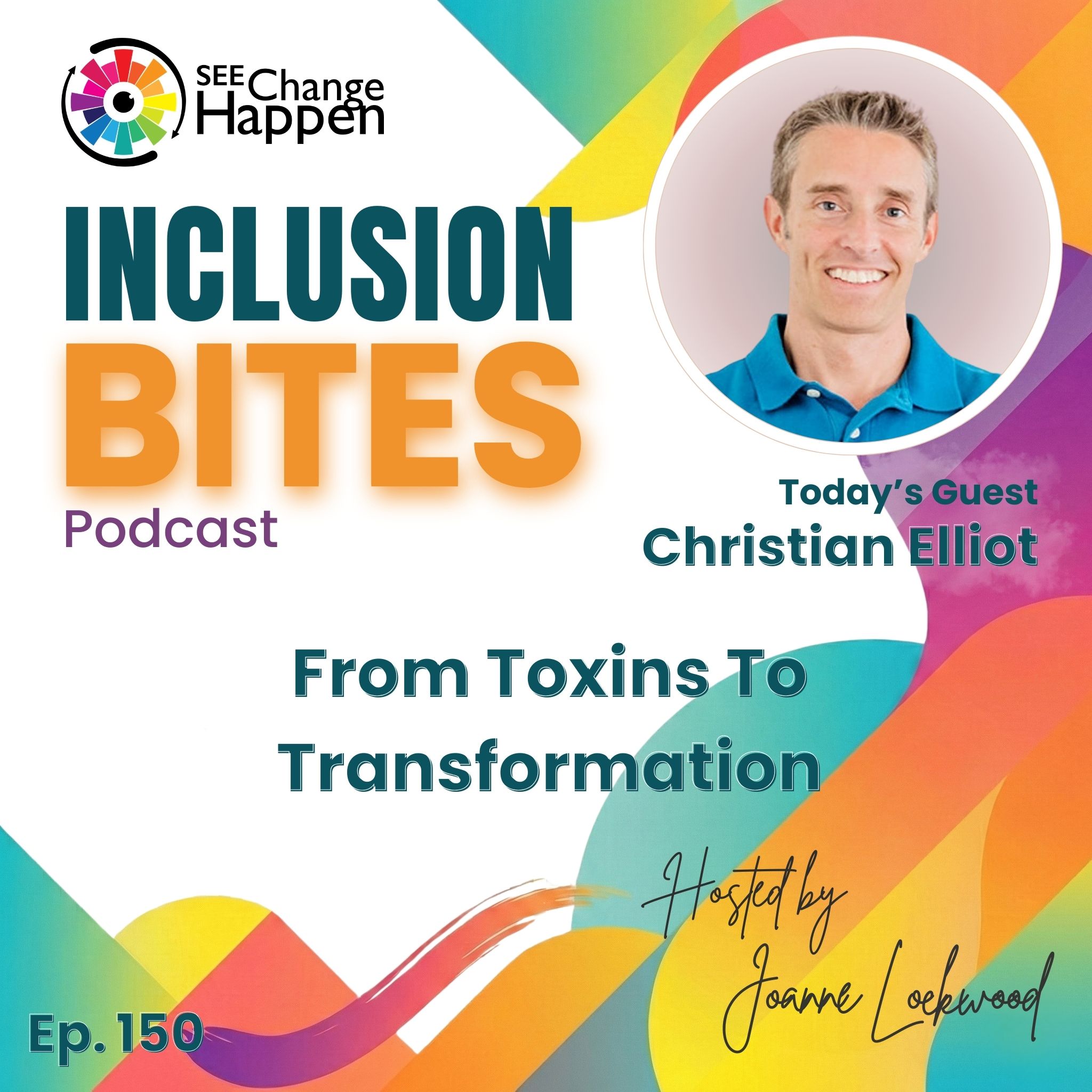
In this episode of Inclusion Bites, Joanne Lockwood speaks with Christian Elliot about mental health wellbeing trauma.
Welcometo Inclusion Bites, your sanctuary for boldconversations that spark change. I'm Joanne Lockwood, your guide onthis journey of exploration into the heart of inclusion,belonging and societal transformation. Everwondered what it truly takes to create a world where everyone notonly belongs but thrives? You're not alone.Join me as we uncover the unseen, challengethe status quo and share stories that resonatedeep within. Ready to dive in? Whether you'resipping your morning coffee or winding down after a long day, let'sconnect, reflect and inspire actiontogether. Don't forget, you can be part of the conversationtoo. Reach out tojo.lockwood@seechangehappen.co.ukto share your insights or to join me on the show.So adjust your earbuds and settle in. It's time toignite the spark of inclusion with inclusion bites.Itit.
Joanne Lockwoodhost
And today is episode 150with the title From Toxins to Transformation.And I have the absolute honour and privilege to welcome ChristianElliot. Christian is a certified personal trainer,nutritionist, life coach and founder ofHealing United, who are dedicated to empowering people toreclaim their health through personalised holisticdetox programmes. When I asked Christian to describe his superpower,he said it is simplifying complex health conceptsinto actionable, transformative solutions.Hello, Christian. Welcome to the show. Well, hello to you and thank
Christian Elliotguest
you for having me. My pleasure. Am I right thinking
Joanne Lockwoodhost
you're based in Florida? That is correct, yes. I live in the
Christian Elliotguest
Sunshine State and love it here. Wow. You've got the
Joanne Lockwoodhost
weather, we've got the rain, we've got the cold, so, yeah, quiteenvious. Yeah. This time of year a lot of people are. Yes.I remember holidaying there with my family back in the early2000s. Yeah, we had a great time. Did the Orlando experience. I did a bitof work out there in the Miami area back in the 90s.So, yeah, I've been to Florida, but it's been a long while. 20 odd yearssince I've been there. No, it's a great place and fewer of us are deficient
Christian Elliotguest
in vitamin D here. And there's some upside to that. We have some of thenicest beaches in the world. Yeah, the Keys and. Yeah,
Joanne Lockwoodhost
it's. And you got. Was it crocodiles or alligators? We get
Christian Elliotguest
alligators. We don't get crocodiles, thankfully. Yeah. I mean, I
Joanne Lockwoodhost
remember going to Gator World and seeing the. Yeah, I suppose that's a clue.Gator World. Yeah. Yeah. They're less
Christian Elliotguest
intrusive or threatening than maybe the stereotype, but theyare Here. Yeah. I remember driving around the suburbs
Joanne Lockwoodhost
and there was signs saying, beware of the crocodiles because they'reobviously the streams on the side of the road. And things like, you think, oh,wow. Don'T go wandering off into
Christian Elliotguest
natural water elements without your eyes wideopen. Yeah, yeah. We did one of those skimmers, the boats with a big
Joanne Lockwoodhost
fan on the back. We skimmer, boat, water and airboat. That's it. Yeah. And thatwas quite good fun. Yeah. So question your passion forholistic health. Reading the show notes, it's clear you know what inspired you to breakaway the more conventional healthcare andcreative, personalised approach to true wellness, if you like. Yeah, I
Christian Elliotguest
guess as much because conventional was just failing me. I've been to half adozen different doctors trying to get well and nothing worked.And I found a chiropractor, wasn't even looking for one,just happened to be my wife's bridesmaid, went for carpal tunnelsyndrome and I was like, well, she, my shoulder condition, that one,that was one of the main drivers of trying to heal.I'm like, the shoulder's closer to the spine than the wrist. That's about the extentof what I knew about chiropractic. So I thought, well, shoot, then maybe theycan help me. So I went there and he blew my mind. He turned myparadigm of health upside down. He taught me about whatI've come to call the food industrial complex or the medical industrial complex,this big high level system thathas really profit ahead of people and that is reallyinterested in the medical world and treating symptoms rather than getting toroot causes. And so I had to get outside that to find howto heal. And sure enough, I healed well and in some ways have thehealth that a lot of people envy today because I just became a very concentratedstudent for about two years trying to understand what I thought, like why in theworld is my healing journey not the normal way we do things? And so Ihad to peel the layers of that onion to find out why. Isn'tthis how we approach sickness? And there's just some, youknow, there's business and ugly realities behind why that the systems are the waythey are. And so I became a kid in a candy store trying to figureout what other things like this do I not know about? How many other profoundways to heal are there that are either just poopooed or suppressed or I'm just ignorant of. And so Ibecame a student of what we call the alternative world. I think that'salso a label that conventional loves to give us. But anything that's outside oftreat symptoms or cut, burn, poison is really,there's so many ways to help the body heal. And what I found isthere's merit to a lot of it and it can heal in profound waysthat medications and surgeries and radiation does not. And onceI studied that at breadth and I couldn't go back,I couldn't pretend I didn't see what I saw. And so we ended up withbrick and mortar locations. For nine years. We aggregated a whole bunch of different wellnessdisciplines, alternative modalities in one place. And I just, I got towatch how a holistic healing approach could reallytransform someone's health in short order or inwith an appropriate degree of patience and discipline in dramatic fashionto where they're literally a transformed person. And that justbecame I want to do what I can to leave a mark on this worldthat says there's a better model for healthcare. I want to flip the current oneon its head and say let's map out a better way. We don't have tofight the system as much as just show a better model. And so that's reallybeen my work the last 20 years is as doing my part todemonstrate that. And because I've seen so many things, I can oftensimplify and spare people a lot of wrong turns or helpthem see through marketing gimmicks and shiny objects and options thatare really just majoring in minors and aren't getting to the heart of the problem.
Joanne Lockwoodhost
Is it fair to say that most of us are kind of killing ourselveswith what we're eating, what we're consuming, our body mass, of ourlack of exercise, our health, our food choices. This is contributing factor to many ofthe problems we experience in society today, isn't it? It is and it's. Some
Christian Elliotguest
of it is self inflicted and a lot of it is not. It's
Christian Elliotguest
externally imposed. And one of the most eye opening experiences Ihad in my journey 2006 I read a book called the Hundred YearLie. So he's retracing from 1906 to 2000.So he starts with the Pure Food and Drug act, which basically birthed the FDAand this idea that we would have pure foods and pure drugs. And the sloganbetter living through chemistry kind of came into vogue as we were going to usechemistry and reductionist thinking and a pill for every ill tosolve all of our problems. And chemistry would make everything better. And what we alsobirthed was chemicals for warfare. And we, we switched after WorldWar II to chemicals for warfare, for our food system, went to war against microbesand bugs and any sort of thing that was inconvenientin a healthy food system. We went to war against those socalled inconveniences and in so doing we, we created inthe last, you know, he traces in the book Over 80,000 synthetic chemicals, basicallynew to nature, molecules that our bodies were never designedto work with. They're, they are just corrosive or theyinteract in synergistic ways that we can't account for. And whenyou realise that happened with medicine and it's this mindset that we're going totreat sickness with whatever symptom you have, there's a pill for that,rather than saying where did the symptom come from? We're just in. The reallymonopolistic healthcare system was built on that foundation ofstandardisation and symptom management. You know, it soundsmaybe somewhat cynical to say, but kind of the model or the motto ofconventional healthcare is a patient that's cured as a customer lost. Andso it's meant to keep them on a treadmill ofservices, if you will, of really. It's funny to think about it, but the wordpharmaceutical actually comes from the word pharmakia, whichmeans witchcraft or sorcery. It's this idea of like usingpotions to tinker with our biology ratherthan saying it's if we're using a chemical solution to treat a chemical problem,which doesn't really make much sense, we can't biochemical whack a mole ourway out of being poisoned. And if you'll look at the US assome of the worst health statistics in the world, we are free fallingin our health here and such to the point that, you know, in1930s about seven and a half percent of the population had a chronic healthcondition. Today, six out of ten people have at leastone. So from seven and a half percent to 60% in a matterof decades, one of the major things we have to swallow isthat we are poisoning ourselves, to your point, with our foods and with our medicinesand with the stuff in the air and the jet fuel exhaust that coversthe earth and the smog in our cities and the fluoride in our water andon and on and when. If we can't get our head around the source ofthis problem and we're going to play symptom whack a mole, if we can't thinkoutside the periodic table in order to better our health, then weare going to stay stuck in this loop and we do have to get outof it. And that's really what I've been, I'm somewhat of a locust eating prophetin the wilderness trying to talk about thatproblem really since I started, since I became aware of it.And so here we are full circle to 20 years later,19 years since I read that book. And now it's notso taboo to talk about fluoride and vaccines and, and chemicaltoxins in our food and plastics and heavy metals in such in a way thatit used to be. And now we can have much more honest conversations about wherethis is going. And the beautiful, you know the title you came up with here,the beautiful simplicity is it doesn't have to be complicated to get well, we haveto get the toxins out. Then we have to nourish the body. So we purifyit and nourish it and it can be that simple. When you break it down.
Joanne Lockwoodhost
There are obviously times where I use the word conventional.I mean other by using that word we're making it sound like that's the bestone. Conventional, right, yeah. We've got to challenge the biases. Youknow, you've talked about alternative, we've got conventional. Even the language of thatimplies that one is better than the other, if you like. Correct? Yes. Sometimes justthe conventional pharma medicines, drugs, vaccineshave, have a place they work for a lot of peopleand there's times where they don't work. And we can clearly see examples wherepeople have almost exhausted every conventional routeand then the alternative medicine, alternative treatments,very remarkable of a way of stepping in at that point. They do well.
Christian Elliotguest
And I'll even back it up one frame just to where you started with the,the, what we have in Western societies in particular the USis we have linguistic handcuffs. We, the so called conventionalmodel has claimed for itself the exclusive rights to usewords like cure, treat, prevent, mitigate or ameliorate andeverything so called alternative is not allowed to use those terms. So I literallycannot say to you that water prevents dehydration or could cure dehydrationbecause I'm now making a drug claim about a natural product and that's a no,no. And so the language police and thelinguistic handcuffs that the so called alternative world is in is that was alsochosen. They chose to claim we are conventional, we have science, be careful.Anything else? If you don't, if you don't follow what we do, you're, we areoff the reservation and this is dangerous. And that was intentionalto seep into the culture, the mindset that taking ownership for yourhealth, we're exploring things outside of literally cut, burn, poison. Itsounds barbaric to say, but that is the model of healthcare that is called conventional.Poison your body into submission. If it's not working, cut parts out. And if yougot something significant, we can radiate you, we can burn you and burnthat part of your body in order to help it heal. And the basic logicof that doesn't handle a stress test very well. So why is thatconventional? And when you can recognise that, oh, that'sthe model, and you rewind the history of it to figure out how it wasset up and who set it up and why, and how they wove intolegislating themselves into the title of conventional andcorralling the medical community into this licensure standard ofcare and who was on the in club and who's out. That systemwas set up to control things. So us in the alternative world, we have tofigure out how to say, well, this helps the body heal and it doesn't cure,treat or prevent anything, but it can help empower different systems of your body tofunction more optimally. And in truth, that's actually what we're doing. We're not treatingor curing or preventing anything. Guess what does that the body does that. The bodyis what heals itself, the intervention doesn't. And so thenit becomes, to your point, what things, what interventions, what modalities?What things can I swallow assist the body infunctioning more optimally? And you can also ask the question, whatkeeps the body from optimally functioning? What keeps the body from being ableto heal? Why do we have these kind ofsituations in the first place? Because they're typically a product of very prosperoussocieties where we don't have to connect withthe land anymore, we don't know where our food comes from and we're detached fromintuition, then we've outsourced our health to people who have thetitle expert. And as if because we don'thave education in pharmacology, therefore we are notqualified to manage our own health. And so there'sthis pedestal we put doctors on, as ifthey have the answer. And in any discipline, doesn't matter where conventional oralternative, they have a sliver of what health really is in theirspecialty. I've come to call specialists partialists now, because I think it's moreaccurate to what they know, the tiny part of the problem. And when you canbreak that spell and think holistically, gosh, it's so much easierto find your path to healing. There's a learning curve to it, butsure enough, it works. And that's really the work I've been about for a longtime now as. A patient myself, put myself in the patient shoes. I expect
Joanne Lockwoodhost
the medical professionals, pharmaceuticalproducers, chemists, whoever they are, to have give me certainty. Iwant to know that I can be cured. That's what I want, don't I? Yeah.
Joanne Lockwoodhost
And that's what I'm looking for. I'm looking for the holy ground. I want immortality,I want invincibility. I want to know if it hurts, you can stop it. IfI'm. If I've got a tumour, if I've got this, I've got that going on.I want to know that what you're going to do for me is reassure methat I will get better if I can. And I think whatyou're saying is the healthcare industry have the monopoly on the phraseologyto give me that assurance. And there's. We've got risk management right here, wegot who wants to be risk, who wants to take the risk of you notgetting better? Am I insured? Am I covered? Are you going to sue me?There's all these kind of things going on, isn't there? Yeah, the whole model is
Christian Elliotguest
fear based, once you think about it. You don't know enough. So you have totrust us. There are invisible things that might infect youand you need to be worried about that. And if you don't do thequote unquote conventional thing now, you're even at more risk. Andwhat lacks in this entire conversation is informed consent. They don'ttell you the risks of their treatments. When was the last time somebody laid outfor you, so here are the side effects of this medication, here are theprocesses that your body runs that it will interrupt. Here's where it's going to throwa monkey wrench in, like for statins, as an easy example, the monkey wrench ofthis HMG CoA reductase inhibitor. Which means basically that's afancy way of saying there's a particular enzyme that this interrupts when yourbody's synthesising cholesterol. And as a sideeffect of that, your body also can't synthesise CoQ10 anymore. So that can lead toheart failure and several different diseases of the heart.Nevermind. We're trying to prevent heart disease with thismedication, but we're actually creating a different kind of problem that can leadto heart disease and a weakened immune system and gingivitis. And other things.And so what doctor ever lays that out for you when you go to getsomething to lower your cholesterol? Or how about the question whyis the body making so much cholesterol in the first place? Because it needs itas a raw material to rebuild a healthy cell. So now I'm shootingthe messenger and I'm telling the body to stop doing this because there's someartificial test that says your cholesterol needs to be in this particular rangeor you're at risk of clogged arteries and you're going to keel over at anysecond. We're back to fear now. And absenceof informed consent is an oversimplified narrative that doesn't respectthe biological processes our body has to run in order to buildand sustain health. And because they have the abilityto quote unquote, prevent that. Nevermind. It's kind of the oppositethat the. Another easy example is the proton pump inhibitors for acidreflux. They turn off your body's stomach acid. Well think about thatfor a second. What do you need stomach acid for? To digest your food. Nowhow do you break down your food without acid? How do you get rock mineralsout of your food without acid? You don't. And so if you don't get itout of there, where does your body have to find it? In your bones.One of the side effects of proton pump inhibitors is hipfractures. Why is it a hip? Because it's the most load bearing jointof your body. It's the one that your body put. Your body pulls minerals fromit and eventually that bone cracks because it was deficient inminerals because it couldn't get it out of your food. But the systemdoesn't tell you that when it is just promoting this oneidea. And it's on us to realise what
Christian Elliotguest
how the system functions and and find the people who canteach us what our options are in a way that lays it outwhere you go, okay, I now I feel informed. Andwhat to your point? I want to know that I'm going to be cured. Iwant to know that you can make the pain go away. I want to knowyou can cut the tumour out. Well yes, with the right painkiller youcan flip a switch that tells your body, stop communicating that message to me.Make it go away so I can't feel it. It doesn't mean you did anythingto get at the source of it. And now you've interrupted another physiologicalprocess and shifted your body into figuring out some other way to communicate withyou. That there's still a problem here. That's called side effects. And then theyjust give you a medication for the side effect and another medication for the sideeffect. And, Well, I had one client on 13 medications. I guarantee you there's nodoctor who has any clue what 13 medications are doing synergistically in onebody. They don't know and they can't tell you because now it's.It's. You're in the polypharmaceutical diagnosis. There's no studyanywhere of more than two drugs in one body at the same time.None. Because it's too complex to study the side effects of that. There's some thatyou can tell these two drugs don't interact well together. And so there's some oneto one, but three or more clueless. This guy's on 13and that's. That's just a shame that his doctors never gave him theinformed consent to see where this goes. If we give you another one and anotherone and another one and another one, that's where people end up. And withoutthat information, how are you supposed to make an educateddecision? You're not. You're supposed to blindly trust. Yeah. And you've raised an
Joanne Lockwoodhost
interesting question that's going through my head right now, is it's easy to get ontothese medications, these drugs. It's not so easy to come off of them. So listento your sweet there. I take omeprazole, which is a proton pump inhibitor.Quite strong acid reflex, which is causing me esophagealspasms and things. Oh, wow. I'm on statins, which apparently are good for myheart, but also I know. This by the way. Yeah. To avoidalso chronic ckd, chronic kidney disease. I'm alsoon. Where else am I on? I'm on two sorts of blood pressuremedication. They operate differently. One is called Ramipuram. The other one called.Is some really long way beginning with Alma. I can't pronounce one of themis good enough. And at what point can I go back to my gp, mydoctor and say, hang on a minute, I've been on these now for years andyears and years. Do I still need to stay on them? And the basic responseis, well, if they're working, they're working. Just keep doing them. AndI want to know, can I get off this? Do I have to take allthese medications? I have to declare these on my healthinsurance and I have to declare them on my travel insurance. And they're loadingme because I'm on this medication. Do I still have potentialCKD kidneys of these? I don't think I do, but I'm on this stuff nowforever. So yeah, it's really interesting that we get on them. How do we getoff them? Yeah, that's. But that model isn't even interested in asking
Christian Elliotguest
that question. Doctors aren't trained in deprescribing, they'rejust trained in prescribing. And oh, that's add another one. Oh, that. The side effectsof that are not so great. Let's try a different version of the same toxin.And if I was in your shoes, what I would do is just go backand say, what would it take for me to wean off of this? Or, orhere's the fun experiment. Can you tell me why I have, let's say acid
Christian Elliotguest
reflux or high cholesterol in the first place? Ask that question and what you're goingto find, you probably get one of five answers. It's genetics, it's stress, it's ageing,it's I don't know. Or it's all in your head. You're probably just making upand you should probably talk to somebody because you're. You need to see a shrink.Now. That's the, the breadth of the best answers95+% of medical doctors are going to give you because that'show they're trained to think. And they're, they're wooed and groomed in thisidea that they are the authority and there is no higher, betteroption. And they use the term idiopathic, which hasfunny root. Idiot. They have this idea that we don't knowwhat the cause of this situation is. That's what the definition of idiopathic is.Unknown origin. So you have a disease of unknown origin, which is to me isa cop out. It's the lazy answer to why did thisstart in the first place? And if we're notentertaining that question, what are we doing? How are we helping someoneget well? We're not. We're assuming that it's because a medical doctor often will tellyou it's incurable. And what they're really saying isI don't know how it could be curable. That doesn't mean it isn't.I have so many disease conditions I've helped people reverse. Not becauseI was treating or prescribing anything. I was just teaching them how to live ahealthy lifestyle. And sure enough, the body figured it out. I just helped remove theburden and empower better function. And in many ways that's whathealthcare should be, but it's not how the system thinks.You're just a chemistry equation or a lab test, not a holistic personwith a lot of moving parts in your life and identifiablesources of problem. You're just 10 minutes of halflistening in a pill. Come back and see me in six months or 12 monthsand we'll do another test. Well, that, that's a test is what was happening inthat moment. What about the rest of my life? What about, what about doctor, what'sgoing on inside my cells or inside my interstitial fluid? There'sno test for that. There's no test for what's going on in your head. There'sa questionnaire, a symptom, like amorphous, like you kind of have some ofthese. So let's just throw some darts in the dark and use this medication foryour head. There's no lab test for that. How do you even know what you'redealing with? And I can tell you if you start asking those questions, the doctorswon't appreciate it or some of you'll find the rare unicorn who's like humbled.And I had one client on proton pump inhibitors and I laid out forher the nutrients, Rob, the side effects and the eventual hip fracturethat she was looking at. She went back to her doctor with that evidence andshowed it to him and he said, you know what, you're right, we're going tohave to get you off of this. But it took the patientpointing that out to the medical professional and kind ofcornering them in the end state of where that goes beforethe doctor was in that case humble enough to say, yeah, there's, we haveto maybe get at the root of this. And this as a long term solutionis going to lead to other problems. Where was that informed consent at thebeginning of prescribing that? There wasn't any. So
Joanne Lockwoodhost
anyway, one of the BP meds I'm on actually has aproven side effect of causing chronic kidney disease orearly stage. It has an effect on the kidneys, so you can't overtake. I think
Joanne Lockwoodhost
it's Ramipril is the one I'm on, whatever that generic name is. So I knowthat I'm on. I'm taking the statins because the Ramipril haseffectively impacted my kidneys. I've got to be careful. That and I, I've lost alot of weight recently. I've lost over six to in the last couple of years.Stopped drinking a couple of years ago. So I'm actually wanting to Get apathway off of some of this stuff. Hopefully my, my blood pressure will normalise nowI'm living more health, less, Less body mass. There'sno alcohol, so I'm hoping that I can wean myself off. But how do Iwean myself off a BP meds without going cold turkey and saying, becausethese all have a half life, don't they? It's not like you stop taking themand then tomorrow you, you have to wait essentially weeks for them to come outof your system to get the true zero effect of them. Andit's. Yeah, it's. Yeah, do I have a. Do I have astroke while I'm, While I'm playing with it? You know, who knows? Yeah, there's.
Christian Elliotguest
Some medications are easier to discontinue than others. The hardest ones typicallyare the psych medications. They can mess with, especially the longer you've been onthem. So if you can appreciate what's happening in your physiology isif you're accelerating, suppressing or replacing a normalbodily function, right, you essentially, you're overriding how your bodywould respond to a particular situation that it's in. That's the hubris ofmedicine that says your body's not smart enough to fight this battle. We're going tointervene and tell it what to do. That's essentially what themedications you're talking about do. And so if you havefor months or years been manipulating or tinkering with your physiologyin a particular way and the body can't respond, the parts that are suppressed atrophy,they can't. They're. They're not as in shape as they could have been.And rebooting those systems, strengthening them again, letting them know it'syour, it's now your job to manage this. There's a window of time where theyget to re. Basically get back in shape and retake that responsibilityand own it and manage it for you. And so like Isaid, and I, I would, if I'm in your shoes, I'm looking fora doctor who specialises in deprescribing and understand some ofthe hiccups you might experience as you come off of those thingsand, and then you. For. For yourself and just brace for impact, like buckle yourchin strap and recognise that some of the work you'll doto get off these. There's going to be, as you shift your physiology, maybe someinterruptions that are a little unpleasant as you, your body cleanses these things. To yourpoint, as the half life of these medications, as they come out, it's funny tosay that, but they're toxins, they need to be purged. And thatfinding its way to the exit can be a little uncomfortable. And to recognisethat it doesn't necessarily mean you're off course if you're having a cleansingresponse or your body's readjusting to, like, think of people who come off of hardnarcotics, cocaine, heroin, alcoholics. There's. There's a window of this is justreally uncomfortable. And I'm doing this so that my physiology canreset and be in charge of its own processes again. So that's what I'dlook for in a situation like yours. And as you arehealing, you can appreciate that health is theside effect of a healthy lifestyle. Weight loss is the side effect of a healthylifestyle. Better sleep, better mood, better energy, those are all the sideeffects. It's the compound effect of the right habits, carefullychosen and often that's. You can accelerate that with a goodcleanse and you can accelerate that with nourishment of food and water and hopeand. And movement and so on. And your body retakesthe ground that it has lost because you're working with the first principles ofhealth again, not working with a suppression of how your body'sresponding to something and trying to communicate. This doesn't feel good. I need some helphere. And it's. It really, in some ways, it untethers you to theexpert spell. It untethers you to the mindset that I need tooutsource my health to someone and you take ownership of it again. Andto me, that's the only path to healing that I know of. There's been some
Joanne Lockwoodhost
quite well vocalised horror stories about people who've beenpersuaded to come off cancer treatments for alternative or
Joanne Lockwoodhost
holistic medicine, not engaging inchemotherapy, radiography, whatever it may be, some of the strong cancerdrugs to use alternative options. Andthese people have died. These people have not succeeded with thesealternative solutions. I'm not saying they would have done if they stayed on the otherones. But the families believe they were then given the wrong choice, the wrongoption. And there's always this anti. See, this is whatcrazy alternatives are saying we need to go back to the science. Sohow can we reassure people? Because there are no FDAtrials on a lot of this holistic and alternative medicines. Or arethere? Well, there's a. There's many facets to answering
Christian Elliotguest
that and I guess I'll start with the first one that I think might belead to the other ones. And that's the idea that we're back to where wesaid earlier. Fear is part of how we are trained to like. If you,if you can get someone an anxious moment, they are malleable and they arelikely to do whatever you tell them with authority and confidence is theanswer. So some of what we can appreciate aboutthe pooh poohing of anything outside of so called conventionalis that that's done with intent and it's even sometimes, I hate to say it,done with malice. It is done to make sure that we tell thestories the way we want them told to continue to keep the profits andkeep people thinking a particular way. And so what they don't tell you is allthe stories of people that got killed by the chemo or that didn't get anybetter, that didn't have any quality of life and that went. They don't. In thedrug commercials that we get to play here. There's only two countries left in theworld where drug advertising is legal, the United States and New Zealand. And the drugads that we see on our tv, they never show somebody throwing up at thetoilet. They never show somebody without their hair and going through all the sideeffects of the treatments. They show people living on permanent vacation and living theirbest life and this just beautiful picture. They don't, there's noinformed consent. They just use these beautiful images and they just listen. You might havenausea, constipation, cramping, insomnia, vomiting, diarrhoea, four hour erections,blindness. And you know, that happens, just no big deal.But. And so that's one. It's truly uninformed consent, but it's asystem interested in its own interest. You could, there's a great documentary calledPink Ribbons. You could cheque out that documentary just about the cancer industry inparticular. The COVID is a giant stack of 100 billswrapped in pink ribbons. So appreciate that there's a model that'sprotecting its own interests when it comes to what stories theywill tell you. And they're going to do their darndest to find the one outlierstory of the person who tried the alternative route and it didn't work out.And they're not going to tell you the stories of all the people who didgo the alternative route and it worked out great for them. And they got toskip the hair loss and they got to skip the puking and they got toskip all of the chemical, which is what chemo means. They got to skip thechemical therapy and go take ownership of their health and approachit holistically. The Alternative world is not guiltless inthis. They're going to also the outlier stories of thefastest, most rapid transformations and jaw dropping picturesare. That's what anybody's going to use in marketing. We're not going to tell youthat for most people it's going to take a while. It's going to take somepatience and endurance. Nobody wants to hear that. But once we cancalibrate to what does healing look like.Okay, it's. It's. I can't win the argument that I canpoison my way back to health. So that means whatthings can I do that build health? Then here's another there's nosilver bullet when it comes to healing. There's no silver bullet when it comes totreatment either. But when it comes to healing, yourhealth is not about one thing. All I needed to do was sleep and Igot my health back. All I needed to do was drink this particular water. All
Christian Elliotguest
I needed to do was eat this one vitamin. It's not that it's many things.It's hydration and nutrition. It's mind and emotions. It is exercise andmovement. It's sleep and rest and play and meaningful connection with other people.Restorative disciplines that boost the body's ability to heal. And it'smanaging stress. That's how healing happens. And you can'tget that in a brown bottle with a white lid. It's not how health works.We'd love it if it would be that way, but it just isn't. But we'vebeen hoodwinked into thinking that it is. And healing requiresownership, whereas treatment just requires passivity and rulefollowing and pill swallowing. And as long as you're willing to be a compliant rulefollower, they're happy to treat you indefinitely the rest of your life and not andnot tell you the stories of where that goes and why it doesn't workout. And they'll just highlight anything to scare you back into their model.That's the system we live in. And there are so many. That's theworld I've swam in for the last 20 years is all the different ways thebody can heal and the dramatic stories of reversing almost any health conditionyou can think of because the body is the healer, notthe intervention. Once that clicks and you're willing toexplore what would it take to. To heal. How doI evaluate the merits of medicine, what we callconventional, on its own terms and thencompare it honestly to other options and you just kind of. Which suffering do youwant to choose? Discipline or Toxicity likeyou're going to have either one can be hard, but what kind of life doyou want to sign up for? Becomes part of the conversation, hopefully. Am I right
Joanne Lockwoodhost
saying that chemotherapy is a chemical weapon? Is it mustard gas or something?It's some sort of chemical weapon that's used in a controlled
Joanne Lockwoodhost
way, as you say, to kill cells in your body. It's. It's a. Yeah.
Christian Elliotguest
Chemotherapy means chemistry, chemical. And essentially what chemotherapyis, is it's chemical therapy and it's a poison that. Theidea is we're going to target this as best we can and poison the cancercells, poison the part of the body that we don't want to be growing andknow it's going to do some collateral damage and poison other cells. That's why youhave all these gross side effects, because everything's poisoned. But the hope is that wepoison enough of the bad cells that the body can then get back in frontof it and kind of reassert itself and maintain health. Andthat's. I mean, they can do surgical. Like you can getaround the perimeter and inject particular parts and try to targetit right at a tumour. But here's the problem. You punctureinto the body, into the tumour. What happens when you pull the needle out?There's a vacuum and you just pulled. What if cells are already metastasizing?You've just littered them into the rest of the interstitial fluid, circulatory system and lymphaticsystem. And now you've spread that, hoping that you're. You'rejust playing the odds that you can kill more than you harm andhope it works, that's chemotherapy. It's chemicaltherapy. And if you want other options, if you want to place your bets onthe body healing, then it just requires. If there's a learning curve and there's.There's experimenting, there's no one thing that works for everyone, but thereare things that work really well and, and it's findinghow you use them in your situation. And that isjust. It's not a conversation medicine is interested in having. I'm. I happily stand toeto toe with any doctor and reason with them, but they often don't like whatI have to say because I'm. In some ways, it's questioning their entire professionand the methodology behind it. And I will tell you, there are some greatdoctors out there who really do embrace this and they know where theirprofession is kind of weaponized against the populace or where their limitations are,and they use their licence to help people heal. There are great doctors out there,but I'd say they're more the exception than the rule. Andif we're going to heal, we just. We want to think about thepuzzle differently and come from a. What we call a healing paradigm whichplaces primacy on the body's ability to heal rather than on the intervention to doall the work. You're saying just now about the US and New Zealand are the
Joanne Lockwoodhost
only two countries in the world that allow advertising pharmaceuticals on mainstreamtelevision, et cetera, is the American healthcare model and the wayit's structured, unique in the world. Because, you know, some thingsyou're saying around the pharmaceutical industry don't resonate necessarily with meas a Brit in the uk, because our model is nhs. It's allinstitutionalised in that way. No one can sell me drugs directly. I don'tfeel under pressure to consume medication. And Ibelieve, although I could be wrong, that our doctors are not soldto in the same way at a GP level, maybe at a nationallevel, but they're not targeted at a local level to buy favourite drugs. Imean, is that a Netflix documentary about oxytocin? Was itthe painkiller? And the whole model aroundtargets and selling and. And people were being persuaded to
Joanne Lockwoodhost
consume more of this, killing them? Yeah,I don't see that model here. Is that a difference between the pressure you'refeeling in America, in the us versus maybe aEuropean model? Yeah, I think that to me, it's the same
Christian Elliotguest
system manifesting itself in two different ways. So, one, you havea centralised conventional versus atheoretical idea that we can navigate conventionalourselves. And so, yes, there are key differences, but at theend of the day, it's still allopathic medicine that your health system isbuilt on. Same thing in Canada. They have a. Allopathy haswon the day and claims the title conventional. And so now it's juststandardised that these are the things that we do and any doctor thatwanders outside the protection of so called standard of care canlose their licence. They're. They're not following what the system is setup to do. Then you've more or less created the system where what getspaid for is conventional, so we have more options topivot and try unconventional things. But youdon't have to sit through the barrage of all the advertising andattempting to woo us into a particular modelof healthcare. We just have the largest advertisers on allmainstream media, 50 to 70% of their advertisingrevenue, more in an election year comes frompharmaceutical Companies so they get to dictate content, they get to dictate culture.And that is, is part of what we swim in here. But in the UKand Canada, you guys have, you've just already, you've skipped ahead of us and you'vejust made that model standard for everyoneand now you just pay for it with your tax dollars. You now pay forpeople to tell you this is the only way. And so there's, there'supside and downside to, to both where you theoretically all theservices you get are covered. Yet that's like us subsidising thecrappiest food that you could possibly eat is one of the things we dohere. And we've made garbage food like productssubsidised so heavily that they're the least expensive for the consumer. Well, thatwas, that was a plan. And so now we're eating the worst food andpaying for it with our tax dollars. You're getting the worst health care in someways and paying for it with your tax dollars. And it's okay, it's free, butyou already paid for it. And it's the only option typically that you're going tobe presented is this one model. And so in some ways it may be harderto break out of that. Our insurance world here is set up to coverpretty much everything medical, allopathic,and rarely covers all the alternative stuff. And thatmy wife and I, my family and most of the people that I'm friends withare in our alternative circles. We're just used to paying out of pocket for anyhealthcare we actually need. But here's the fun part. We hardly ever have to goto the doctor. We. My, my health insurance is my food. Myhealth insurance are my habits. My health insurance is what I know about health. I,my, my kids have, have neverbeen to the doctor. Maybe the last 10 years, other, no longer than thatwith unless there's some sort of emergency that needs stitches or whatever,we don't. We have no use for that system. So our taxdollars don't have to go to that, which is the beauty of it. I'm notpaying for a system I don't use. Andin your world you do, whether you use it or not. But you're still inthe. Here's all the medications they're going to give you. Did they tell you aboutchiropractic and acupuncture and 40 other holistic disciplines I couldmention? No, probably not. And it's a shame that that's how thesystem's set up to work. It's just keep people in this cycle, on this treadmillof regular visits, regular tests, regular medications andwe'll see you in six months and we'll do another test and tell you whichmedication to take. Is that healthcare? Yeah, yeah, yeah. I think the other, the other
Joanne Lockwoodhost
challenge, maybe in the uk, just giving a perspective that's coming into my head isthat I go and see my GP andit's covered, it's free, don't pay extra for that. I need to go to hospital,it's covered, it's free, whatever it may be. Don't just pay extra for that. If
Joanne Lockwoodhost
I go homoeopathic alternative, that's on the clock,isn't it? I'm paying. Suddenly I've got to fork out for something that I consideris free. Yeah. Even going to ahomoeopathic outlet for medicine and pill and vitaminsor whatever I'm going to buy, I have to pay for that with my prescriptions,I get a fixed price, I've got a prepayment card, all my prescriptions are covered.If I've got certain health conditions or certain age, they're all free. Sosuddenly I've got to, I've got to start paying for something that I consider tobe a free right in my society. That is the barrier as well, isn't it?
Christian Elliotguest
It is. Well, let me give you another historical window into what you're talking about.So there was a, an era in the late 1800s, first half of the20th century, so early 1900s in this countrywhere we had a very, very robustset of what you could loosely call mutual aid societies, where it's largelyimmigrant focused, so people with a particular plight shared values, they'd come to thiscountry and they, they needed a safety net, they needed some sort of placeto land and build a life. And so naturally, in this freemarket, they set up mutual aid societies, which some of them grew, there were thousandsof them, some of them grew to hundreds of thousands of members. And you wouldpay a day's wage to get a year's worth of benefits and that would coverlife insurance, that would cover doctors, that would cover gymnasiums, they built roads, theybuilt schools, all sorts of perks of just being part of this society.And what that did, because there were thousands of them and because people weren't dependenton the dole, they didn't rely on the government largess to meet theirneed, they were a threat to monopolists. And so whatmonopolists did was basically legislate and infiltrate thoseand force them out of Existence and make, and startmaking the government cover things just like what you're talking about.So that why would I, I, I continue to paythis membership to this mutual aid society when the government's already covering that forme? I don't. I can to your point, I can go see mydoctor or I can pay out of pocket for homoeopath. Well why would I paymoney when I have a doctor? Now that was intentional. And that system is setup to, to keep you thinking the same way or feeling the same wayor feeling they'll hit in your wallet so that you don't explorehealth and they can keep you on that very profitable treadmillindefinitely so that there's, there's a, there's a concertedeffort, whichever model you're talking about to make sure things are centralised and thatyou follow and know one way. Yeah,
Joanne Lockwoodhost
I'm just thinking if I, if I was diagnosed tomorrow with something,something serious, something significant, something life challenging,I would be under a, an enormous emotional familypressure to follow the conventional. Yeah, you would. Most likelyI would feel obliged mentally in my own head to go conventionalbecause at what point do I want to convent put my chips on the table
Joanne Lockwoodhost
and go all in on something that is alternative?When everything, everything is telling me conventionalis the way it is. Only when conventionalgets exhausted it no longer delivers anything. I'dfeel comfortable going alternative but I wouldn't go alternative to start with becausethe bias in my head says I'd be crazy. Because everything I've been told. Howdo I break out of that? Well, you recognise that you're in a trance for
Christian Elliotguest
one and that simplicity, that one is treatmentand override the body's abilities and nudge it to work particular ways which alwayshave side effects. That's statins, proton pump inhibitors like we talked about.Chemotherapy is no different. Look at the go. Just look up the stats ofthe success rate like 2% maybe that you get benefitcompared to not doing anything. They're not going to tell you that when you golook at it. So some of it is this due diligence and research on yourown part to get confidence and fortitude the backbone to tryanother way and pick your battles. You don't have to tell everyone that you're tryingother things. And even if you stick with so called conventional,why does that preclude you from trying other things to boost your body's abilityto heal too? Like it's not one or the other. It could be both. Ifyou are committed to or just scared intoConventional. But there are so many ways toheal. And when you get the advice of one model, guess what they're going totell you is the option. When you go to an orthopaedic, what are they probablygoing to prescribe surgery. When you go to an oncologist, what are they going totell you? Oncology methods. You're not going to hear the other things outside theirpurview or their financial interests. So someof it is the way you, you could entertain the idea is you're going tohave to become more educated and confident in what you know or what you'velearned so that you can see your options with more informed consent andmore breadth. And you probably don't win the argument that water is irrelevant to yourhealth and that better food will be better for you and that exercise is goingto help and that you don't need to sleep. And you're the only person onthe world who can't benefit from stress management. Like all of those things willhelp you. And done well, they can help youdramatically. And so yes, it's an anxietyinducing moment to hear that you may have some condition, but the medical world can,to give them some credit, can do well. Is trauma and emergency care. Fantastic atthat. If I'm, if I get hit by a bus or turn my acl, pleasetake me to a medical doctor. But if I have a chronic condition andnow I'm really suspect of whatever they're going to tell me, their testing can besometimes insightful. Like we can see this thing on a scan. Never mind.Maybe we traumatised your body with contrast dye or pressure orradiation in order to find that. So we put an extra burden on you inorder to identify it. But the testing can reveal some things. But whatoften goes with testing is anxiousness, fear. And this is the onlyway. This is the approved treatment. So because you have X now, Yrather than because you have this, here's a wholesmorgasbord of options. And here's what it takes to rebuild a healthy lifestyle. That's, that'sjust not in their financial interest or education to do that. Yeah, as you, as
Joanne Lockwoodhost
you said now I just think about, you know, when you say investigations for chronicis, it's quite traumatic, quite stressful. You know, I've climbed into an MRImachine many times and CT scanners and X rays and things.All those are pretty traumatic experiences. Yeah.Emotionally, like in a metal tube for an hour. Yeah. Did they do
Christian Elliotguest
a contrast dye for you? Did you ever have that? I had a Contrast. I've
Joanne Lockwoodhost
had a swallower, barium, a bariumbearing swallow. Yeah. With a marshmallow. And they chew it and they. Yeah,
Christian Elliotguest
okay, great. Stage way on that. Yeah. Yeah. Gadolinium is the contrast dye and that'sa heavy metal that's toxic. And barium is radioactive material.That's how it glows because it's easier to see that on their scan. Didthey tell you that this is a toxic metal or that barium is radioactive?
Joanne Lockwoodhost
I knew that. I didn't ask because I knew. Yeah. That's how the X rayworks. It measures radiation. Yeah. So I got to put radiation in me to get
Christian Elliotguest
healthier. I got to swallow a toxic heavy metal in orderto boost my health and find out how to heal. Maybe in the mri, they
Joanne Lockwoodhost
ejected, I guess, another indicator into my. And you could feel it in the. In.In your groin if it feels like you're wetting yourself. Yeah. So all of that.Yeah, had all that. That's just. That's the system. And when you choose
Christian Elliotguest
to engage in the system, you can. You can't be angry that you get whatthe system will offer you. That's all they're gonna offer. And if there isa different path you could go, then it's kind of. It's. I hate to sayit's on you to find it. It's because they're not going to. Oh, like here.Like, here's all the side effects and this is why it might not be goodfor you. And here's some other ways you can heal, and that's. You goto a chiropractor and ask them to promote that. They're not going to do it.Go to a medical doctor and ask them to promote. Chiropractor. They're probably not goingto do that either, but both can be there. There's some merit somewhere inthere, and it's on you to find it and to recognise the risksand the downstream effects of some of the things they're telling you todo. Once you see that, you can't unsee it.And then it's. Then it's personal responsibility and choice and so onand so forth that gets in the mix of how you choose your healing path.Yeah. I know enough people who have
Joanne Lockwoodhost
used complementary alternative medicine, however you want to describe it. Mymum, for example, she was developing arthritis in her fingers andother joints and she became a pescatarian. So she fit to be abandoned? Well,she abandoned band of meat, red meat, white meat, whatever.And she eats a lot of fish, oily fish. And I'mnot saying she hasn't gone in, hasn't reversed the effects of the,the arthropod she had, but she's certainly now able to live more comfortably.And I, and my mum also, we only drink
Joanne Lockwoodhost
decaf coffee now because I realised what caffeine was doing to me. I'veabandoned alcohol and I'm, I think I mentioned to an agreement, I'm onweight loss medication which may not be complementary alternative, butI was six of a stone overweight. I need to get this off and thenI can start looking at my health in the future. Because a lot of things,I think what's going on in my body at nearly 60 years old isas a result of being significantly overweight for most of my life and havinga toxic relationship with alcohol. So taking some of that out of my body.Yeah, and some of the, some of the slimming products is basicallysludge. Low fat food is basically sludge, isn't it? Well, yeah,
Christian Elliotguest
they have to chemical sludge. You take out fat and you have to satiate thebody with something else. And so they just put in fillers and starches
Christian Elliotguest
and things to try to replicate the enjoyment we get out offat. I would tell you confidently, fat is not your enemy. If you're getting goodfat, if you're getting vegetable oils or seed oils, transfats, that's rotting you from the inside, but goodcoconut oil, olive oil, animal fats, butter, cheese, those aregreat fats. And I would, I wouldalso argue good fats from red meat and healthy, you know,pasture raised chickens and so on is also great. But yeah, nutrition's a whole. Anotherlong conversation perhaps, but that is, yeah, youcan, the more you clean up and reduce things like you talked about, youtake away some of the crummy foods, you take away the alcohol, you take away,you get rid of some of the toxins that are just mucking up yourinsides. Of course your body's gonna feel better, of course you're gonna lose weight becauseyou're, you're getting at the source of the problem. And toxins are stored infat cells. So if you're overweight, guess what, you have a toxicity problem. And that'show you, you get rid of the toxins. Sure enough, you lose weight. It's weirdbecause your body, you can reduce your calories really low, but if you're still toxic,the body can't let them out because it can't get them to the exit.So reducing your calories, you wanna make. Sure the calories you are Consuming are good
Joanne Lockwoodhost
calories. Correct, Nutritious calories. Yeah. You're not infected with
Christian Elliotguest
parasites that are eating all your food. For you, that's another conversation. So there's, thereare things that prevent good habits from bearing the fruit. They can. Thenonce you get your head around the basics, it's so much easier to heal. Everything
Joanne Lockwoodhost
you said, I'm buying into it. I completely. Yeah. I'm not saying I need topersuade you, but I've already worked out in my own head thatshe say chronic conditions, doctorscan't fix chronic conditions. They basically say, well, you're going to have to live withit, you're going to have to sort of deal with it. You know, there's nopill, there's no medicine, it just is. Yeah, yeah. You say, if I'min A and E, bad trauma, I've got something really seriously broken, it'slife threatening. Yeah, you're right. They fix it chronic. A scratch of their heads, they'reprodding and they say, try this, try that, see what happens. But how, how dowe take everything you're saying andrebrand alternative or complementary in themainstream and push against the tide of thepharma industry, the medical model, all the things you've been talking about,how do we create that change in people's minds? I don't know a better way
Christian Elliotguest
than education. And it occurred to me many years agothat fighting the systems, probably it's like punching the wind. I get me mad atit or I can just go to work and try to build a better model.And so that's really what I've been about. And the way that we chokeout this, let's just say destructive way of approaching health is just notspend our money on it and not spend our time on it. We feed itby going to it. Well, what if we stop? Like if everyone stoppedusing your public health system, the doctors will go out ofbusiness, there's nobody to treat and so I don't think we're going to get theretomorrow. But as more of us just say, I opt out, I'm not going toparticipate in this system, it loses its life force. So Ithink we just demonstrate a better model by saying, I'm going to take ownership ofmy health, I can't make sense of poison my way back to health.So let me just level up my food, my habits and myinputs and sure enough, that's where health isfound. And it's very attractive because it's life giving and it feels good and it's,you get Back in control of your own mood and your own energy and yourtemperature and all the other things that have been taken from you by continuing toparticipate in that system. So the short answers are educate yourselfand opt out. You can't necessarily in your system opt out of paying thetaxes that for a system you're no longer going to use. But whatyou can do is just, oh, well, that's the system I'm in. Almost like awrite off, like, well, at least I don't have to engage it. And we didthat with public school system. Like I just can't envision sending my kid toinstitutionalised education that doesn't meet the needs of mykids. It's. They're, they're individuals, not lemmings and they have themost robust social life of any kids I know. And they're the most well adjustedkids I know because, oh well, we pay taxes to that keepsthat system going. But that doesn't mean I have to participate. So same thingwith healthcare. Educate yourself and opt out. That's really how you do it. It's
Joanne Lockwoodhost
been an absolutely fascinating conversation for the last hour and a bit before thegreenery and I'd love to catch up with you and talk about the
Joanne Lockwoodhost
dietary side as well as well as the pharmaceutical side at some point in thefuture. So how can people get a hold of you? I'm sure people are reallykeen to read more about your work and your programmes and things. Well,
Christian Elliotguest
thank you so much for the kind words and I'd be honoured. So the coupleof easiest places to get a hold of me. So I do have a blogand a podcast called Deconstructing Conventional. So I've givenmy best pearls and I continue to learn and I'll continue to pump out shows.But if you want to go deeper into nutrition and so many other topics, Ihave podcast episodes on many of these things and some fascinating interviews as well.It's called Deconstructing Conventional because it started with the idea of like, can we deconstructhow we came to call this model of healthcare conventional? So episode twojust lays out some of the history of that. So you can cheque out theshow on pretty much anywhere you find podcasts Deconstructing conventional. And I alsohave the collaboration I'm a part of right now is called Healing United,which is myself and other doctors and coaches who really look at healthholistically. We're building the model to replace. We're the rebel Renaissance, if you will, toreplace that just by saying you guys get to pick. We think this works better.And so our main focus is on two things. It's purifying the body and nourishingit. It's on taking out the toxic load and nourishing the body back to health.So you can find out more about that in our detox programmes at healingunited today. Instead of.com we picked dottoday. Just we want a sense of urgency. Let's. Let's get on with it already.There's a better way to do this. So healingunited today, you can request aconsultation or you can just enjoy some of our free content and find the podcastthere as well. Awesome. I'll put all of those details in the show notes below.
Joanne Lockwoodhost
So, yeah, it's pass that. So Christian, thankyou. Thank you. It's been great being here. Aswe bring this conversation to a close, I want to express mydeepest gratitude to you, our listener, for lending yourear and heart to the cause of inclusion.Today's discussion struck a chord. Consider subscribing toInclusion Bites and become part of our ever growing, growingcommunity driving real change. Share this journey withfriends, family and colleagues. Let's amplify the voices thatmatter. Got thoughts, stories or a vision toshare? I'm all ears. Reach out tojo.lockwood@seechangehappen.co.ukand let's make your voice heard. Until next time, thisis Joanne Lockwood signing off with a promise to return turn withmore enriching narratives that challenge, inspire andunite us all. Here's to fostering a more inclusive world oneepisode at a time. Catch you on the next bite.
Holistic Health and Its ChallengesThe Impact of Toxins on HealthChallenges and Solutions in Chronic Health Management
Joanne Lockwood speaks with Christian Elliot, a certified personal trainer, nutritionist, life coach, and founder of Healing United, about holistic approaches to health and the idea of moving “from toxins to transformation.”
They explore why many people feel stuck in cycles of symptom management, discussing chronic conditions, medication dependence, and the practical and emotional challenges of coming off long-term prescriptions. The conversation also examines how language, incentives, and industry structures shape trust in “conventional” versus “alternative” approaches.
Across the episode, Joanne and Christian encourage listeners to take a more active role in understanding treatments, ask better questions about consent and risk, and consider lifestyle foundations such as nutrition, hydration, and sustainable habits as part of a broader, holistic path to wellbeing.
“This big high level system that has really profit ahead of people and that is really interested in the medical world and treating symptoms rather than getting to root causes.”
“The so called conventional model has claimed for itself the exclusive rights to use words like cure, treat, prevent, mitigate or ameliorate and everything so called alternative is not allowed to use those terms.”
“Poison your body into submission. If it's not working, cut parts out. And if you got something significant, we can radiate you, we can burn you and burn that part of your body in order to help it heal. And the basic logic of that doesn't handle a stress test very well.”
“Fear is part of how we are trained to like. If you, if you can get someone an anxious moment, they are malleable and they are likely to do whatever you tell them with authority and confidence is the answer.”
“We just have the largest advertisers on all mainstream media, 50 to 70% of their advertising revenue, more in an election year comes from pharmaceutical Companies so they get to dictate content, they get to dictate culture.”
“And what that did, because there were thousands of them and because people weren't dependent on the dole, they didn't rely on the government largess to meet their need, they were a threat to monopolists.”
The challenges and limitations of conventional healthcare systems and the importance of informed consent.
The role of toxins in modern health issues and how detoxification can aid in recovery.
The distinction between treating symptoms with pharmaceuticals and addressing root causes through holistic methods.
Practical steps for weaning off long-term medications and finding doctors who specialise in deprescribing.
How lifestyle changes, such as diet and exercise, contribute to significant health improvements.
The psychological and societal barriers to embracing alternative medicine and ways to overcome them.
Strategies for integrating holistic practices into daily life to support comprehensive and sustained health improvements.
One thing to remember
The discussion with Christian Elliott centres on the profound challenges and limitations of conventional healthcare systems, juxtaposing them with the benefits of personalised, holistic approaches to health and wellbeing. Christian argues that many chronic health issues cannot be adequately addressed by standard medical practices, which often focus on symptom management rather than root cause solutions. His advocacy for holistic health emphasises the importance of detoxification, nutrition, and lifestyle changes as pivotal for achieving and maintaining good health.
Questions this episode helps answer
What motivated Christian Elliott to move away from conventional healthcare practices and pursue a more holistic approach to health and wellness?
How does Christian Elliott describe the failings of the conventional healthcare system, and what does he mean by the "food industrial complex" and the "medical industrial complex"?
Discuss the concept of "informed consent" as described by Christian. Why does he believe that patients are not provided with full information about the risks of conventional treatments?
Christian discusses how conventional medicine has monopolised terms like "cure" and "prevent." How does this language control affect public perception of alternative therapies?
What arguments does Christian Elliott make for patients taking ownership of their health?
The episode mentions the success rates of various conventional treatments like chemotherapy. What concerns does Christian raise about these treatments and their reported effectiveness?
Explore topics
Ideas from this episode
Holistic Health and Its Challenges
My conversation with Christian Elliott, a certified personal trainer and nutritionist, delved into the nuanced world of holistic health. Christian's perspective on breaking away from conventional healthcare opened my eyes to many underlying issues present in our current systems.
The Impact of Toxins on Health
We ventured deeper into the topic of toxins, exploring how they infiltrate our lives and the profound impact they have on our overall well-being.
Challenges and Solutions in Chronic Health Management
Christian's insights into managing chronic health conditions provided a refreshing perspective on health autonomy and self-education.
Learn
Frequently asked questions
What is the main focus of this episode of the Inclusion Bites Podcast?
This episode, titled "From Toxins to Transformation," with guest Christian Elliott delves into holistic health. Christian discusses his journey from dealing with conventional healthcare to adopting and advocating for personalised, holistic detox programmes through his organisation, Healing United.
Who is Christian Elliott and what are his credentials?
Christian Elliott is a certified personal trainer, nutritionist, life coach, and founder of Healing United. His work focuses on empowering people to reclaim their health through personalised, holistic detox programmes.
What inspired Christian Elliott to move away from conventional healthcare?
Christian was motivated to explore alternative health avenues because conventional medicine failed him. He experienced poor results from multiple doctors and eventually found success with a chiropractor. This success led him to question and investigate the conventional healthcare system and explore holistic approaches.
What does Christian Elliott identify as his superpower?
Christian describes his superpower as simplifying complex health concepts into actionable, transformative solutions.
What are the key issues Christian identifies with the conventional healthcare system?
Christian criticises the conventional healthcare system for prioritising profit over health, focusing on symptom management rather than root causes, and for creating a monopoly on terms like "cure," "treatment," and "prevention". He argues that this system is built on treating symptoms rather than understanding and addressing the root causes of health issues.
How does Christian Elliott define "alternative" health methods, and how do they differ from "conventional" methods?
Christian argues that anything outside the realms of symptom management (cutting, burning, poisoning) falls into the so-called "alternative" category. He advocates for methods that focus on detoxifying and nourishing the body, enabling it to heal itself rather than relying on external pharmaceutical interventions.
Share this episode
Heard something worth passing on? Send this conversation to someone who needs to hear it.