Dr. Liz Wilson unpacks the behavioural science underpinning workplace equity, exploring how systems, culture, and inclusion needs converge to create environments where everyone can thrive, challenge, and reshape the status quo.
In this episode of Inclusion Bites, Joanne Lockwood speaks with Dr Liz Wilson about workplace culture systems.
Welcome to Inclusion Bites, your sanctuaryfor bold conversations that spark change. I'm Joanne Lockwood,your guide on this journey of exploration into the heart of inclusion,belonging, and societal transformation. Everwondered what it truly takes to create a world where everyone notonly belongs but thrives? You're notalone. Join me as we uncover the unseen,challenge the status quo, and share stories that resonatedeep within. Ready to dive in? Whether you'resipping your morning coffee or winding down after a long day, let'sconnect, reflect, and inspire actiontogether. Don't forget, you can be part of the conversationtoo. Reach out tojo.lockwood@seachangehappen.co.uk toshare your insights or to join me on the show.So adjust your earbuds and settle in. It's time toignite the spark of inclusion with Inclusion Bites.And today is episode 159 with the title,the science of let's start that again. And todayis episode 159 with the title, the science of workplaceequity. And I feel absolute honor and privilege to welcome
Joanne Lockwoodhost
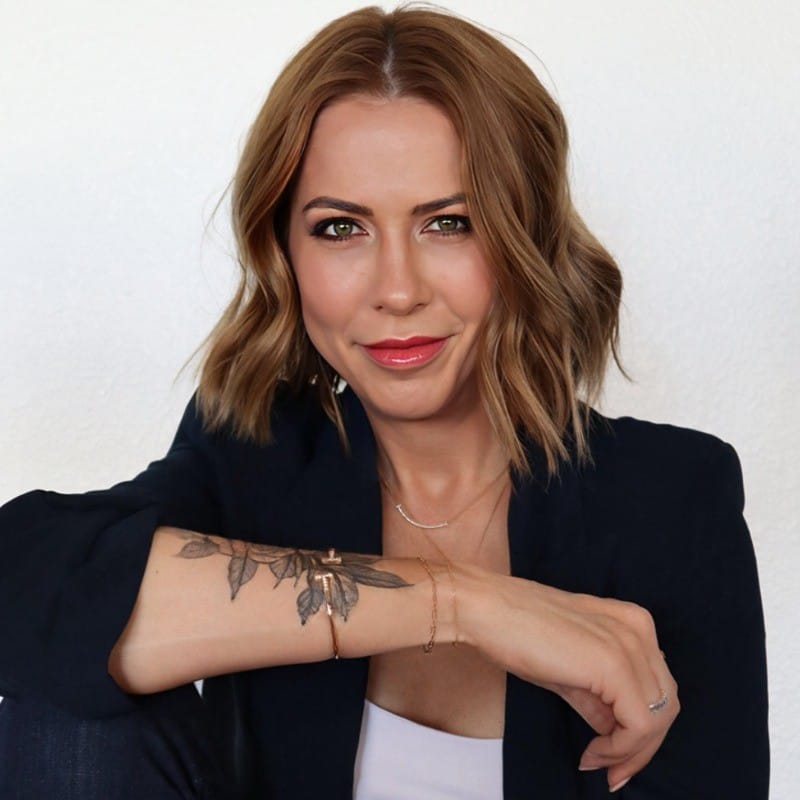
doctor Liz Wilson. Liz is a behavioral scientistand strategic inclusion expert dedicated to transforming workplaces,data, and research driven frameworks and organizationalchange. And when I asked Liz to describe her superpower, shesaid that it is turning personal adversity into aglobal mission for workplace equity and inclusion. Hello, Liz.Welcome to the show. Hi, Joanne. I think that sounds my superpower makes
Dr Liz Wilsonguest
me sound like I'm some kind of wild idealistthinking one person can change the world, but I guess you gotta startsomewhere. Well, I'm a great believer that as much as I want to
Joanne Lockwoodhost
change the world, I know all I know is I can change me. I thinkchanging me, showing up the best person I can be is my mission andhopefully between us, we can influence by another person. And that's what we werethat's what we're trying to do with, isn't it? Yeah. And I've been well, before
Dr Liz Wilsonguest
I even moved into working in inclusion, one of the things when I was focusedon culture change was my career for twenty years before inclusionwas I would say to people, you carry your organizational culture with you. So thinkof it, but sort of like your four square meters around you. That'syour organizational culture and you have the influence over those four squaremeters. And so I think that's the same thing here that we can talk about.We take that culture with us, then those that step into that space, wecan influence them to be our organizational culture.
Joanne Lockwoodhost
Oh, I love that. I love that. Because I remember when we're coming outof COVID, you know, all those years ago, it's like seems like alifetime ago, COVID. Oh, yes. I remember organizations, when they'retrying to cram people back into the office, they're trying to crowbar them and this,this, wow. You know, the culture of the organization is this. We need you backin the office. We can give you our culture, and we can buy you in.My my debate was I want my culture like my pension. Ican take it with me from place to place to place. I don't need youto give me my culture. And so I want you to absorbor recognize my own culture and allow me to develop mymy personal culture at home, my friends, my family, my community, and notexpect me to drive two hours each way, just to have a bitof your call. And if you're, and I'm looking up, cause I'm
Dr Liz Wilsonguest
like drawing from like all of the experiences oforganizations. Cause I've been a freelance consultant since I was 26. So I'venot been an employee, a technical employee, but it means I've seen and beenin a lot of different organizations. And for the most part,I could only name two or three of the dozens of organizationsthat would have cultural values that align with mine. Sothis values alignment thing, we could go deep into valuesalignment or not. But in terms of, we know how toxic somecultures can be and those cultures aren't necessarily organizations like you're saying aboutcoming to the office and we can give you our culture. Organizationsare nice in theory or conceptually is having a whole culture,but we all know it comes down to the manager that we're working with.Right? So T it starts at the team culture level level, and thatcan be created remotely. Anyway, there we go. Duane, I didn'twanna hijack. We can No. No. No. That's good. I I think
Joanne Lockwoodhost
let's let's go down there. I mean, you're so you're so right. It it doesit does completely come down to the your point of contact here, yoursupervisor, your manager, the team you're in. BecauseI I'm I'm a great fan of a an author called Rutga Bregman if you'veever come across him. He's, two books. One is,Eutopia for Realists, and the other one is Humankind. And I subscribe tohis his belief system, and I think he's a he really sings to me. Andwhat it it says is inherently people are good. We don't wake up to bebad people. So I I also believe that organizations believethey're good. And as we both know, perspective is everything. You know? Just justbecause I believe I'm good doesn't mean so that you believe I'm good. So Ithink organizations do start off believing they're good as somehow thatmessage gets diluted or gets lost through people. Becausepeople, you can't predict them, can you? They're just they're just people. When
Dr Liz Wilsonguest
we look, I'm a, I'm a cultural transformation expert. Right?Like it's what I do for a living. So it's almost sounds like I'm talkingcontradictory to what I do and help organizations do, but hear me out on thetheory on this one, because this is how it works in practice. So let's sayyou have organization a and organization a is currentlyculturally this. Now, if you're listening and not watching, I'm doing like theinverted commas funny you use in the air because reallyculture is made up of behaviors and actions. Okay. Soyou can say your behaviors are X, Y, and Zed, but it's, what'sdemonstrated. What do we behaviorally do and what are the actions anddecisions that we make? So we can, it's more about how do wechange behaviors and actions? Cause you know what, if we're going to try to movean organization or that organization from a to b, the pointis you actually can't change people's beliefs or values. And in fact,you shouldn't be trying to, that is in completecontrast to the desire to create diversity inan organization that enhances its ability to be creative and innovative andhigh performing. All you're trying to do is ensure there's an alignment ofbehaviors and actions to what are those principlesor values. Is that true conceptual? I I don't know if I'm No. No.
Joanne Lockwoodhost
I I buy into that completely. I think I think you're right. And, I simplifythat down to there's a difference between fitting in andbeing embraced for who you are. Fitting in is is changing you forthe organization. So what you're talking about there is you're embracing my culture andvalues, and hopefully they align, or we can find some alignment between this,but you're not forcing me into yours. Now I'm going to bounce off what you've
Dr Liz Wilsonguest
said. The yes, and on forcing. Where, you know, the title Ithink he gave us today was the science of workplace equity. Sohere's a bit of the behavioral science bit behind it. Okay. So thedoctor in me, so is the PhD in behavioral science and inorganizational culture. That's literally what my PhD was. Sowhat hurts my feelings as a behavioral science personis that, you know, you can't actually start with developing people'sbehaviors. I know, hang with mehere. We actually have to create systemsand architectures, which is the behavioral economics of things. We haveto put systems and processes in place that forceloosely. I don't mean with a stick, but justrequire. So I'll soften that word, a certain actionto be demonstrated to go past go. I always, in my mind, I'mvisualizing a monopoly board. If you want to succeed in this organization and get pastgo and continue around the board, you have to complete this step.And so that step, whatever that is, if you were trying to create more inclusiveorganization, for instance, since we're on an inclusion bites podcast,we put an inclusive step in that is required to continue on thatpathway, whether that's in a process in a talent acquisition cycle, or ifit's in the business case and project cycle, whatever it is,that is the system. And then that means we don't have to changeanyone's beliefs. It's just, if you want to succeed in this organization, you need todo this action. And then the more times you do that action,it turns into a behavior. And the the great stuff for me isas a cultural transformation person is the more things the actions turns intobehaviors, the accumulation of those behaviors thenbecome your culture. And that's the science of workplaceequity by putting that button on the keyboard that requires you to goenter for inclusion. So you're rewarding. So below training a
Joanne Lockwoodhost
puppy, you're, you're rewarded behavior. And that behavior isalignment with your corporate values. Is that what you're saying? Yeah. So
Dr Liz Wilsonguest
if inclusion is part of your own principles of your organization,there's pillars of success for your organization, you weave it into yourways of working across the organization. Like I said, whether it's and it'snot just talent acquisition. I want to be really clear on for people iswhen we're transforming organizations to be inclusive. I dotalent acquisition last. Right. This is, and that mighthurt some people's feelings because that's where people tend to start because itmakes sense. Right. We need to get more diverse people in the organization.But I wholeheartedly believe that if all you do is focus on getting morediverse people into the room, you're just giving them anotherexperience to have another, another opportunity to have a shit experience.We have to get our ducks on a row first and then create an inclusiveenvironment systems, processes, architectures, so that whenwe do then get to talent acquisition and they come in, then they can bloodystay and thrive. Joanne. Oh, I don't know
Joanne Lockwoodhost
if you're reading my mind or you've or I'm reading yours or whateverhappened. But whenever I talk about, building equity and inclusion bikerides, I always talk about starting with retention in mind. We gotwhat we gotta do is sort as you say, sort out our culture, clean thetank, making sure that, the organization is fitfor purpose because that otherwise, you just you bring people in. They go, oh, it'ssmelly in here, and you walk out the back door. On all your investment inin the term acquisition, the training, the onboarding, just go straight out the windowbecause you And that's been the problem with if you think about the
Dr Liz Wilsonguest
immediate in this point in time pushback politicallyand socially on, and I'm going to use the acronym because that's whatpeople are using the DEI. So that's become woke was thebad word. Now we've got woke and DEI, which has become its ownword. The people that are anti DEIthink that it's just affirmative action and the recruitmentprocess, right? That's in their mind. They're pushing back on that.When in fact, if we're creating inclusive organizations across the wholeorganization system, everyone's benefiting. And we can talk about the science bit thatI've developed to help people understand that a bit more. And that'spart of the problem. If we create an environment that everyone can thrive, thatthe barriers are removed for everyone, that everyone can fulfill their potential. We wouldn'tbe having this problem where people think it's about someone else and not me,because in fact, we all have inclusion needs. I'll keep going, keep
Joanne Lockwoodhost
going. I love it. Yeah. Keep going. Yeah. I'm on a soapbox. If I go
Dr Liz Wilsonguest
back to don't tell my professor, it was about a yearprior to graduating my PhD. And I was, if anyone else listening has donea PhD, you get to a point I did a part time. So it wasan eight year vlog and that that's me not swearing, but it's like,you're stabbing yourself in the eye. You want to give up. It's a horrendous journey.And if yours wasn't horrendous, then I'm jealous. So basically I went down arabbit hole of researching about inclusion because what had happened is I'd heard thatstatistic at the world economic forum released, twozero eight years to gender pay equity. Now I wasn't. Yeah. Allright. So this is a while. I don't know. Maybe it was eight, ten yearsago. I don't know. It hasn't got any better. It hasn't got, if you've read
Joanne Lockwoodhost
the latest one, it's still no better. Great. Anyway, so let's, let's call it ten
Dr Liz Wilsonguest
years ago to be safe because COVID stole us our years and I don't know,everything's blown now, but I heard the number and I'm like,so I work in organizational change and I get hired by organizations to takethem from here to here, whatever that here to here is. And invariablydependent on that gap between current and future state, we're lookingat eighteen months, three to five years, right? So they're the three timeaverage timeframes. And I'm like, but pay equity, likefrom a change point of view, this is, this is me naively not knowing anythingabout DEI. Right. Well, you know, I could do the data analysiswithin forty eight hours and then, you know, within a week, I could prettymuch make sure all of the pays are rectified and thengive me a, I don't know, a few months to change processes and proceduresthat whole system to ensure it doesn't flex back. I don't know. Then we'vegot to work on behaviors to make sure people actually put into place. So maybeeighteen months, because I'll tell you, no organization is going to pay me fortwo zero eight years to fix pay equity. Figured if Iknew how I could do that, like I knew it was just made. I just,I know exactly in my head, how I would do that. I need to lookinto how the world's doing diversity equity and inclusion.And literally that is what sparked my researchinto going into why aren't we getting the change wewant? Why is it what's being done isn't working. That was mynaive mind going into it. And that's how I started my research ininclusion. So breaks it down. Why isn't it working? Yeah. That's what I wanna
Joanne Lockwoodhost
know. That isn't that the fundamental challenge with the anti woke DEIpushback? Because it it hasn't seen that the rewards, it was promisingbecause people aren't tackling it the right way. So what's what's the headlines?Why isn't it working? It's multi layered.
Dr Liz Wilsonguest
Which one will I start with? Let's go with justpurely because you were saying this immediate pushback at the moment. Frombehavioral science point of view, when we do change, whateverthat change is in an organization. If I came into the organizationand said, you know, Joanne, everything you've been doing up untiltoday was wrong. I'll try to do that in a differenttime. When everything you've been done, you should feel bloodyguilty for it because it's shit. You've been doing it wrong your wholelife. So from today onwards, you're going to do it myway. And do you know what that person orgroup of people or organizational teams would do for those notwatching? They stick their fingers up at you. Right? It is like the behavioralscience of it is no, I'm gonna push back thatwill not affect change. So that could be anything from your,the software you've been using to inclusive ways ofthinking and working. Right. So we can't come back at you with an activistapproach. Number one. So the change management approach hasn't beencorrect. Now, what I will say and acknowledge for thosethat are working in the space particularly is that I understandto look at me. I walk into a room with a visualprivilege of presenting as white in The United States. Solet's park that. But the thing is we need to be able to seeourselves in the inclusion solution. Sowhen someone comes into the room, my contemporary, my peer, that's also workingon inclusive change and they've lived their life without thesame privilege that I have as I walk into a room. There'sfrustration, the barriers they're fought, likeinvariably, I understand whythey are coming at it with an activist approach. So please don'tfeel like I'm dismissing your emotion and lived experience,but unfortunately we have to park aside our emotionand approach it with a more understanding the science behind theneuroscience as to how it can affect the change. Does that make any sense, Joanne?I hope I'm explaining it okay. It does. I've got my own metaphor, which I'll
Joanne Lockwoodhost
have you share in a minute. You carry on, you carry on going. That's number
Dr Liz Wilsonguest
one. Now in terms of seeing ourselves with any change, again,taking inclusion out of the conversation, there has to be a WIFM. And ifanyone hasn't heard of that term before, it's an acronym for what's in it forme. Now, when we talk about the women'sprogram, let's just use that. Right. Cause that was kind of the first movement,right? Like women vote, would think suffragettes.So if we take the women's program,Firstly, if we're giving women more opportunity to learnhow to lead within an environment that isn't inclusive, you're actuallynot changing a system. You're just teaching them how to navigate a shitsystem. What we need to do is actually change the system
Dr Liz Wilsonguest
now to change the system in that if we use a very binary,just to make it an easy explanation on a binary scale of gender,or for men that need to change, not the women, but thescience will say, as soon as you say women, do you know who doesn't listen?Because their brain is programmed. We've all only got a small amountof program, like processing space or RAM in our brains. So we're notgoing to listen because it's not relevant. There's the other problem.Then if we take that layer, that label approach, right? So youlook at a change across an organization, and if you're doing a program on women,which is very common, LGBTQI plus,disability, race or ethnicity, religion, veteran,neurodiversity, right? There's only somuch airspace. You end up overwhelming people with thecommunications and ultimately you're trying to achieve the same thing.You're all trying to create inclusion. So then thenext layer Joanne, and I feel like you're nodding because in inside we're doingthis confirmation bias of what you already know, butit's also, then we are all more of a one label. So if you'redoing a women's program. Sure. And I'll just use myself as an example, because that'sthe safest place to be. I know myself better than anyone. If you do awomen's program. Great. But what about my neurodiversity, myADHD, like how's that fitting into things? And then my chronic pain, whichreally presents itself as a disability, like how's that layering into the women'sprogram? And then what about as a parent? And then when I lost my sonand the grief of that, like, how does that fit into that women's program?Doesn't, it's not approaching people from a whole personperspective, the intersectionality of humans.And so that's where, once I identified all those things, all those barriers,I then developed the eight inclusion needs of all people. And that's basedon research and practice. It works globallyacross social, legal, cultural norms. Even acrossAsia, I tested it in countries where it's illegal even to begay. So there you go. There's my biglecture. I hope I haven't watched. I'm I'm just nodding in
Joanne Lockwoodhost
agreement. You're singing the same tune, the same hymn seat. So, yeah,it's, let me show you what my metaphor, and it it doesn't work in TheUS. Unfortunately, it's more of a it's more of an English Britishthing because the way I look at it is, I treat the people of privilegeas a as a as a as a stereotype, as a group, as people intheir castle. So we talk about the the knights of the round table, the peoplein their castle. In in ancient England, they they were living in theircastle. Outside the castle, you had the peasantsthat for various different backgrounds, and the peasants were revolting because peasants arealways revolting. They're not happy with things. They want something different. But the people inthe castle are going, it's fine in here. We've got enough fire, pigs, and sheep.We're gonna keep on living here. We don't need those pests. If the peasants startgetting a bit bit feisty, they just start shooting them or doing what they're gonnado. They don't need the peasants. They're they're firing their castle. Then one day, thepeasants had enough. So they all storm the castle. They've got their ladders. They've gottheir their pitchforks. They come out the castle, People in the castle justpull the drawbridge up, stand on the ramparts, shoot arrows, and pour boiling water andoil over. And the peasants just end up running away feeling disillusioned.Still hate the privilege, but they're still they're running away. The trouble with this thingis this is what we're doing today. You as an activist, you end up runningup to the castle, banging your fist on the wall. We came black and blue,and all privilege is doing it, pulling the drawbridge up. So that what we're gonnado in the the first thing you're saying is, how do we lower that drawbridge?How do we get conversation? How do we have the centrist conversations wherewhat's in it for me? We disarm. People approach the open mind wherethey say, actually, if I involve the peasants in my conversations, I'm gonnaget better food. I'm gonna get better service. Yeah. Yeah. Allthe things I've, I don't have enough resource for. I've got more people to helpme though. And, I love the knowledge.
Dr Liz Wilsonguest
I have, I'm very visual. So I was, I had the whole visuals goingwith the bows and arrows with fire on the end of it. Like, I mean,I had the whole story going inside my hand then. But that's what's happening in
Joanne Lockwoodhost
the world, isn't it? The privileged shore themselves up in their castle, and they're scaredto let people in because they're worried about what's gonna happen to them. They think,well, hang on a minute. If I let you have some of what I've got,I won't have any left. You know, the zero sum game that we keep talkingabout. So if that brings true things to mind for
Dr Liz Wilsonguest
me, where you were talking about that castle analogy, I'm sureI don't know. I'm filtering in my mind. I'm like, no, just sayit as you see it Liz. So I was in the shower the other day,and I know that might sound like too much information, but I don't know aboutanyone else. My brain, I think has a way of you plant aseed and then for a week or two, it does some kindof processing when I, I don't know when it's doing it. And then I'll bein the shower in the morning and boom, I'll have an answer or a solutionto something. But this was me one morning of thepast two weeks since the change in administration in The United States.And it's been really rough for lots of reasons,but I was in the shower imagining if I was beinginterviewed by Fox news. Right. So I'm not,I have really thin. Yes. I have really thin skin. Right. I'm not good withconflict. Like, so, you know, it, it is one of my weaknesses.So I was imagining what would happen if I was interviewed? Like, how would Iapproach it knowing it would be coming at me with a conflict like conflictapproach. Anyway, I won't take you down the dialogue that I hadin my head. However, what did come to mind is thatreally what I'm able to leverage is I look likethem. That this analogy where we're talkingabout castles, I imagine myself, like I'm a sheep inWolf's clothing instead of a Wolf in chief's chief's clothing.Right. And then me giggling to myself in the shower. Well, I'm asheep in Fox clothing. But I think that is a privilege that I bring intoa room that I'm quite disarming for those that perhapsdon't believe in inclusion or the DEI acronym. So thatin itself is something that I'm able to leverage. And then once that'sdisarmed, I create safety around, well, they look at me and thinkI'm one of them. And then when I start to disclose myidentities, they're like, so inclusion and diversity isabout more than race or a color of a skin.Okay. So now we're just lowering that and they say, oh, I've got chronic paintoo. Or like I had a learning difficulty at school and,you know, so it was, you know, you start to get to that point andthen I go, right, let's look at these eight inclusion needs of all people. Andwhen I take them through them, anyone can Google them. And,I don't want to have do a big lecture on it, because I could talkabout it underwater for eight hours, but these eight inclusionis everyone can see themselves in them. And when they realize they needevery single one of them for them to have them,then everyone else can have them too. Pretty simple, really.
Joanne Lockwoodhost
You think so? You think so? But that's that's the problem with with we're nottranslating the mission into language that peopleunderstand. And I think you talked about the activist model and I talked about thethe peasants revolting against the castle. We need a different strategy, and Iit frustrates me sometimes because I I've realizedover the last ten years, I suppose, you can't changepeople with ingrained views and opinions that aren't willing to be open minded. Sothe only place you can engage is slightly left or right ofcenter. You can make maybe influence people who are just just off kilter.And then once you've got them, you can then use that as a foothold toinfluence the next group, and then the next group, then the next group. You can'tgo straight into the the far right or the far left or whatever whatever analogyyou wanna use. So we gotta try and work in the center, but I Ioften get accused of selling out because the centerground can't make change, and it's it's it's too liberal. We should be standing upagainst fascist standing up against Marxists standing. I think my, hang on a minute. Wecould, that sounds like pitchforks and burning bushes and things.
Dr Liz Wilsonguest
Kind of have to find that influence. Isn't it? I say you can'tput me at 50 years old into a room for one hourand train my beliefs out of me. It's never going to happen. Soif we think a training course is going to change someone's beliefs,and in fact, you shouldn't be trying to change people's beliefs. You just shouldn't. Right.So, but if we lay over some education and understanding, find the what's in itfor me for inclusion, if they want it for themselves, they're going to give it,will they by default have to give it to others, under this framework, we putsystems and architectures in place and I'm just, it comes to mind, which might beworth sharing in case anyone hasn't heard of the behavioraleconomics study. That was basically about buffets,you know, the all you can eat style. And it was a controlled study ofa conference group over two days. And on the first daythey put all the unhealthy food first and then all of the salads and healthystuff second. And people filled their plates with all the unhealthy stuff first. Andwhen they got to the end, a little bit of green stuff on the side.Then the next day they flipped the order of the food and they forgot thehealthy stuff first. And then the unhealthy stuff. I'm not goodat remembering exact statistics. One of my other weaknesses,but the calorie consumption change just from thateconomics or that systems and architectures change wasastronomical. Okay. You can Google it, go find the paperit's then that's what we're talking about here. We need to put systems inplace that create inclusive action. Even if you don't realize you're doingit, you just do it because that's part of the process. We've gotto make it the easiest option, not the add on or afterthought.So that's what I do with my clients. So globally, I've been doing this nowfor ten years, I think, where we apply the inclusionneeds across the whole organizational system.And what I admitted to say before Joanne, I wanted to make it really clearwhen I mentioned the space, space, the inclusion needs of allpeople framework, I've made that complete open access.So that wouldn't be inclusive otherwise. You can Google it,find the actual papers or Google it. And you'll find some explainer videos thatI've got there. You can take that framework and use it and apply it inyour work and creating inclusion at a team level, at asystems level for customers. I mean, it works acrossgovernment decision making in the, in law and in education. Like it'scompletely applicable across everything.
Joanne Lockwoodhost
I'll put the links in the show notes. So thank you. Yeah. Well, I'll havea dive into that later myself. So there you go. I don't know. I was,
Dr Liz Wilsonguest
I, did I go up on a tangent? I kinda remember now. Yeah.
Joanne Lockwoodhost
I've I've I've followed you and I'm I can't remember what the start line was.So Liz, you've, your accent, we were chatting the agreement before we wentlive. You're in The States. Is it Denver, Colorado right now? Yeah.
Dr Liz Wilsonguest
Correct. Yes. So, yeah, Canyon sort of, so
Dr Liz Wilsonguest
Rocky Mountains. So you hear of Dale and Breckenridgeand Aspen, they kind of like an hour or two hours away. I'm pointingwith my arm because that walks me out my window in that direction.And so, yeah, we moved here three years ago and really it was for mywork and the purpose, you know, when we started off by saying the beginning,you know, through adversity, which we haven't really tapped into just yet,but through adversity, on a mission to create a world where everyone canthrive. And my original research andpractice was based on Kimberle Crenshaw's research on intersectionality.I felt from little old Australia while I was working rightacross the Asia Pacific region. A lot of the timesI was working with organizations that had headquartered organizations in TheUnited States. And I figured if I'm gonna make a bigger impact, I've gotta movehere. And so that's why I'm here. Yeah. It's anew change. Because
Joanne Lockwoodhost
Australia, Australia, New Zealand has its own challenge with theindigenous Aboriginal first first nation people and also PacificIslanders. So it's a it's a it's a challenging space as well. In fact, it'smore intersectionally diverse from a racial perspective than anywhere else in the world, Iguess, as well, isn't it? Look, New Zealand, if we were to use case
Dr Liz Wilsonguest
studies on inclusion for indigenous populations, New Zealand have nailed thatone. They're doing a great job, ofincluding and respecting their indigenous population.You know, Australia is on its path. My bestfriend is Aboriginal and she's a CEO of an indigenous organization.And, of forty years, don't tell anyone that we've been friends for forty years.It really adds years to our lifetime. Doesn't it? So she it's, I mean,this is going down a rabbit hole, but she came and visitedme the last year or maybe the year before Australia had a vote on areferendum since, you're coming from a Commonwealth country as well. You know what areferendum is, but it's just, it's not, you're not voting for a politician for thosethat are listening outside of Commonwealth country, you're voting for a decision. So you're justbasically walking into a booth and voting yes or no on something. And thiswas for something. I think they, the nickname for, and I washere while it was happening. So I'm not really up on the whole socialdiscussion around it, but it was in principle for theindigenous population to have a voice when the government was makingdecisions that impact the indigenous population. And so itwent to the popular vote for a yes and no.And my best friend was here when, the announcement wasmade that Australia voted no.That no. Our indigenous population should not have avoice when decisions are being made that impact them. And I'mparaphrasing here. Right. But that's really disappointingin 2020. Well, that was 2023, I think.Right. But far out, there's still so far to goand look, intersectionality, the indigenous population in Australiahave that laid experience of being both the indigenouspopulation where genocide occurred. So So if we compare them to UnitedStates, that would be similar to the indigenous populations here.However, they're also laid with the black identityof which, the, black or African Americansexperience here too. So that they have an extra layer. Joanne, you know, that Icould talk about all of them to stop forever, but acrosswhat I found most interesting though, And I will say when Iwas developing the eight inclusion needs, working,presenting it into the indigenous population, into Aboriginal Australians,I was super nervous. I was like, I need, if this doesn't workwith them, this isn't going to work globally. And so I, youknow, went with trepidation. Absolutely. When youstart delivering the inclusion needs, there's a bit of resistance. You cansee it physically. And there are other questions until you get to the end, theyrealize that they are more than just indigenous.
Dr Liz Wilsonguest
And once, once they realize there's more to that, they go, yes,we can use this to shape policy. Youknow, so then when you start then working your way upthrough Asia and other countries where reallywe're talking about it's illegal to be people.Like you can't even legally be yourself and itbecomes, you can't actually talk about creating an inclusiveenvironment by using the words. So you can't say, yay,or let's just use that to see, I could use LGBTQI plus or any ofthose terms or queer. You can't use those terms because it's illegal to bethat. So when we're able then to use the inclusion needs, weare talking about whole people and that whole inclusion needs ratherthan diving into one specific, specific label aswell. So, yeah, it's an interestingspace and where we then flick back to The United States.I've worked with global organizations, veryfamous ones, and I have worked with them to create theirfive year inclusion strategy, spend several days with them. LikeI did a lot of homework and data analysis and stuff, and then do somein person stuff. Then I go lock myself in a room and do analysis andthen come back and we do some more co creation work. And Ihave got to the end of multi days working withchief diversity officers, their strategy teams, their C suite.We've developed it. They've been part of it. And I literally walkedout of the room on this particular client and a very senior person in thatroom said, so it can't just be about race. Fivedays of working with them in person. And I'd been doing work with them fora long time. And that's the barrier that I'm facing here inThe United States is that in a lot of people's minds, inclusion isonly about the color of your skin. So very interesting. All
Joanne Lockwoodhost
your fairness, if you look at what's going on at the moment is calorie, skinand queerness. It seems to be the, the big pushback at the moment ispeople aren't focusing yet on neurodiversity ordisability. That's that's kind of the acceptable side ofinclusion, isn't it? It's the racial and sociality.
Dr Liz Wilsonguest
Yeah. The politicization of it where we've got, becausein my experience in Australia, actually in the rest ofthe world, human rights, isn't politicized.He, that was actually one of the biggest culture shocks for me, really a bigjarring how human rights is politicized. And, there isthis, I would say they've taken raceand trans. So not even LGBTQI plusright? Like the politicization of it is the far righttaking, one identity out of that community andblack. And then, I don't know, the black fear isabout fighting the inequity of affirmative action,which obviously impacts women as well. And then the trans bit is obviouslyattacking people's healthcare needs. Like it's just, andthen fear mongering. Oh, I'm justanyway, I'm sorry, Joanne. Now, now I start to get my ADHD brain startsto go off in all tangents and getting all emotional about howhorrid the last couple of weeks have been for my friendswho are trans.I'm sorry. I'll lose my track. Yeah. No. No. You're you're not the first guest
Joanne Lockwoodhost
I've had on the show. Some just before I I was I had I waswith a an American lady on the day of the election, and by theshe was running a training course. And by the end of the day, she washead hand head of her hands, and she was gonna have the worst day ofmy life sort of thing. And it was, and I've interviewed other people since. Andit it's it's one of these. We had a similar we had areferendum. I don't know if you've heard of this, about Brexitleaving the European Union back in, I think, 2016 or whatever it was. Itjust highlights the idea of group think and affinity and those sort of things, youknow, because if you're on one side of the fence, you've actually got no ideahow people on the other side of the fence can even believe what they're hearing.I mean, probably the same as your, story about the the indigenousvote in in Australia. How can anybody notthink this is a good idea? And then the vote goes against you. You think,well, clearly, the majority of the population do think it's a bad idea.So why did I how did I miss that? That's that's part of the problemI've had is Yes. Whatever happens in TheUS, I have to look at myself and say, well,73 or million people voted for thatperson and they got more votes. Sowho who's wrong? Is it me? Should I questionmyself? So it's been as of
Dr Liz Wilsonguest
recording today, so clearly we'll go livewith this at a different time, but it's been two weeks and one daysince the new administration came in. So let's just put this in a time context.In week one, immediately following I had three federalcontracts cancel their work with me. Obviously I won't namethem, but one of them in particular, when they,they scheduled the call. I just saw the zoom meetings going, right. They had mycalendar. And I saw the zoom meetings go in and I knew what they weregoing to be. Why else are they special meetings that week? And itwas the Friday and I get on the call with them and there's two ofthem. And they're not diversity equity or inclusion practitioners. Theyare people that lead businessesor government departments. The one of themwas actually hearing, as she was telling me thatwe have to stop the work. We have to cancel it. And I foundmyself consoling them. But to the pointI was only due to deliver the work two weeks later. Right. So it wouldhave been this next week or this week that I would have been delivering thework. And they said, we don't even know how we're going to be able topay you for the work that you've done so far, because we don't know ifwe'll be able to get that invoice paid. Right. So that was crushing around meon that Friday. That following weekend was myson's anniversary of his death, two weeks, two years after hisdeath. So I have that compounding as well. Right. So your resilience islowered already. I've got all of that. Then last
Dr Liz Wilsonguest
week, two of my smaller organizations, butstill in, in The US small organizations have thousands of employeeshave postponed their inclusion work just because they justwant to need to find their feet and where they sit with everything.And I'm like, this ripple effect, isn't just, youknow, the stopping in federal departments, small businesses. So in myexample, might not get paid for work that they've they've done.And this is just on the GI stuff, right?These two weeks I've had such a significant flight response.And I really do mean that, you know, there's this fight or flight. No, Ireally, I was Googling because we have a dog.And my husband's English, just to listen as how do I movemy dog to The UK with us? We've decided we will get on theQueen Mary because he can come with us on the Queen Mary and we canship everything else. Right. So I already know how we'll do it. Butthen on self reflection, I havehad a bit of pity party for myself. Not because it's badfor me. I mean, it's because of my mission for global change.Right. And then I realized I have this privilege of not havingan employer. I don't have a brand I had to tow the party line for.So I have decided to make a little bit more controversial noise.I mean, I already told you that I have a thin skin, so I haven'tgone really bold, but I have been a little more honest about some of theissues that we're facing. So anyway, I'm sharing those on myLinkedIn. And if anyone wants to go see those feel free to, but,Joanna, I want to share one observation about the far right.And, when I started the blog, thetrolls, they came out from everywhere. Right. And the trolls willeither go publicly or in your comments or in straight into your message box.Now I figure if you're brave enough to put yourcomments publicly on my post, then we should have a publicconversation about it. So I went to the trouble of lookingup who their employer was on their profile. And then I went to see iftheir organization had the values of inclusion and had it plastered on theirwebsite. So then I would come back to the message that they'd left and go.So I just, I'm curious really just out of curiosity, I can see yourorganization says this about diversity inclusion on their web.How does it work for you working in an organization when your values don't alignwith your organization? And of course I tagged their organization as well.No trolls have commented on a single post since.So maybe I've achieved something. They're still dropping into my inboxthough, unfortunately. I've said that once and someone was trying
Joanne Lockwoodhost
to troll me about something and, I got a warning from LinkedIn becausethey'd accused me of bullying them by exposing their views to theiremployer. So they, tend not to take that approach anymore because, as I say, I'vebeen reported to sabotage. Well, you could argue it and I cannot not
Dr Liz Wilsonguest
you. They could argue it. And I would say, no, I haven't take Ihaven't screenshotted people's private messages in LinkedIn. Youhad a public conversation with me. I'm having a public one back with you.Like, oh, yeah. Okay. So they don't like being called out is
Joanne Lockwoodhost
is is what you're saying. People people wanna hide with anonymity or believe theconversation they're having. They've blinkered. They don't they don'tsee what they're doing. And I I see that a lot. And as a transgenderwoman, I get a lot of, hate mail, hate commentsby by YouTube as a of a badge of honor sometimes. What peoplecomment on? Joanne, the YouTube thing, because I've been putting
Dr Liz Wilsonguest
these same vlogs on YouTube. So my podcast the last two years has beenon YouTube. And I wanna come back to that for a second where you're sayingthere. And people are much braver on YouTube because it's way more anonymouson their, on their hatred comments. You can't, you don't really know who they are.But out of my, all my seasons, all the episodesacross my seasons, I think there's like 50 or so episodes. And all I dois interview people that are different to me so I can learn how to bettermeet their inclusion needs. Now, one of my friends here in The UnitedStates, her daughter is trans. And so we had twoepisodes, one with Olivia, the mother, talking about herexperience as a parent of, a trans teen whois transitioning. And then the second interview was with theirchild. And so those episodes have alot of hits and, it's really interesting. There's a lot of hateon it, but I had to on the teens episode, so I feel it's okay.I think I'll leave it because Olivia, the parent is a grownup. And so whatever commentary is made there, we can dealwith, but I had to delete and block comments onthe Trans Teens episode because the comments were horrid.So I'm sorry, Joanne, for the population that are assholes atanything that they write or more content. I think we
Joanne Lockwoodhost
said earlier, either on air or or before that,all engagement is boost boosts engagement. It's a so I Ithink I do a lot of these Fox News type interviews, but they're on achannel in The UK called GB News. And one of their shortsof me went, as far as I'm concerned, viral by my standards, at1,600,000 views and 50,000 comments and reactions and loadsof shares. So I just thought, well, I I I looked at themaths and thought, hang hang on a minute. It's 1,500,000 views or 1,600,000views. It's got something like, I don't know, four or 5,000comments, and all the comments are toxic. But it's got something like 40 or50,000 likes. So I'm assuming that most people who like it Yes.Were in favor and the people who commented, the ratio of likes tocomment was actually the other way around. I I very rarely delete comments. Ileave them I leave them for for educational purposes. I agree. Because
Dr Liz Wilsonguest
as soon as people say, oh, no. There's no real problem. It means they actuallydon't have the choice. And that's a good point. But what I was gonna sayis one of the giggles I have to myself, it's just an internal giggle thatwe'll share outside with everybody else right now, is that theseanti trans people, the more they comment on transcontent, the algorithm provides them with more transcontent. So I'm like, I giggled because I'm like, you're doing it toyourself. You're you're being anti trans, but you're getting more trans contentbecause you're commenting on trans content. I think it's brilliant.If I mean, algorithms have a lot of things wrong with them, but that oneon social media, I think, is fabulous. Yeah.
Joanne Lockwoodhost
And, yeah, we just need to educate people. Just jog on by, scroll on. Youknow, you don't need to stop and get angry for Yeah. Well, that's what whatyou wanna do. Right. I mean, a lot of them are bots and and trollsand things like this that are are not real people or they're they're just automation.So, yeah, it's hard to tell what the, because it the same comments areechoed again and again and again. And it's either they're so ingrained in theirideology and thinking that they've got this playbook that that's how theywanna comment or or they are, as I say, bots or trolls thatthat will automate, say, I don't. If people are LinkedIn
Dr Liz Wilsonguest
users and they do, you can follow a bit of a trail that when yousee someone post a hate comment, and you go ontotheir profile and you see their most recent activity, you just see a wholeconsistency of hate. So that's all they do. They just go on thereand post the, rhetoric that, you know,it's hurtful and not helpful. Yeah. I, I dunno if, I dunno if I should
Joanne Lockwoodhost
be puzzled or whatever it is. I I don't get much hate onLinkedIn. I don't know what it is. Right. I suppose I I approach
Joanne Lockwoodhost
LinkedIn with a very inclusion, balanced sort ofperspective. I don't I don't go for the activist stance. I go for the, Ispeak from the eye. As you said earlier, you know, if I speak from myfrom my message, I can always speak my own truth. So I Idon't tend to post things that are kind of worthy offee or if they are, people don't wanna be called out on itbecause, you know, I've got, what, 27 and a half thousand followers isenough to most of the people these people you're talking about have got five,six hundred or less than a thousand followers. Their amplificationis, is, yeah, they'll be exposed a lot wider. They're no longer speakingin the dark, if you like. And so it's, it's interesting how you say, I
Dr Liz Wilsonguest
also held myself to a standard whereI didn't want to step into any controversy. I wanted to make sure thatas a professional leading a very different way of thinkingaround inclusion and transformation in organizations, I just wanted to protectthat to prevent any reason that an organization wouldn'thire me. And it really has only been over these last two weeks where Iwent, yeah, I think you need to make a bit more noise because there aresome people that can't. So there you go. I've I've said
Joanne Lockwoodhost
this a number of times on other interviews on various various times that I gofor the, the Marmite approach. If you've not heard of Marmite, then Australia'sVegemite or whatever. It's kind of Marmite's better than Vegemite. I will, I will
Dr Liz Wilsonguest
admit it. Yeah. So it it's you gotta
Joanne Lockwoodhost
polarize your audience. You know, if you gotta you gotta mean something and say something.So I'm a great believer in that. You know, if I polarize the audience, atleast people who love me will come and talk to me. People who don't wannadeal with me, they, they keep away, which is brilliant. So I didn't have tothrow in my followers down. As any Vegemite or Marmite,
Dr Liz Wilsonguest
consumer will agree. It's about the quantity of Marmitebalanced with the amount of melted butter on the piece of toast. Right.It's to be very clear. So if it's about therecipe and how we present it, maybe that's part of theanother analogy for you as with your castle analogy.
Joanne Lockwoodhost
Yeah. So, yeah. So you're, I'm delivering Marmite, the acceptabletaste of Marmite is what you're saying, rather than just being the raw.
Dr Liz Wilsonguest
Let's go, oh, I've tried veggie. I took a spoonful of it. I went, ohmy God, that's disgusting. You don't eat it like peanut butter.Right. It's a scraping over copious amountsof melted butter on a hot toast. If we deliver inclusion likethat, then everyone will eat it. Yeah. And
Joanne Lockwoodhost
I'm not a big Marmite fan. I do eat something called twiglets. I don't knowif you have twiglets, but they're they're basically little Christmas snacksthat are coated in Marmite. So twiglets, I can I can just keep eating these?It's just saying it's how it's delivered. It's delivered in a package that isthin and tangy, not capturing your entire mouth. Yeah. So I can Ican do it? You're in the face. So there we go. We've just
Dr Liz Wilsonguest
come up with a new analogy on how we deliver culture changeon inclusion. So you have to bread it thinly enough
Joanne Lockwoodhost
so people still get the taste of the butter and the bread without overpowering themwith the the full veggie bite mom might experience, isn't it what we're saying? Yeah.
Dr Liz Wilsonguest
That's gross on a teaspoon. Yeah. Force feed it like, like
Joanne Lockwoodhost
some sort of chartered medicine that we get used to with our parents.Absolutely. So this year, you were saying earlier that, you've had a fewtraumas in your life and something you put the show notes was, hey, you gotexpelled in your eight. It's great. Do you wanna Yeah,sure. Expand on when you were a bad girl? No,
Dr Liz Wilsonguest
very strange. So I went to a little, little tiny Catholic primaryschool, K to six. I didn't realize it, but I wasa smart kid. I didn't know that. And, I did some examsand got into a, what we call selective schools, here inAustralia. And, there's three of them in Sydney. They're girls schools. They're public schoolsthough, as in Australian, you call public schools a different thing over in the,in The UK. But anyway, they're the ones that don't cost any money to goto. Okay. So, date school, a date school. There we go.So, right. So it's just all girls selective. So everyone was,had, had to pass exams to get in. And turns out I didn't feelvery smart at all there. The culture wasn't great for me at all.And as soon as teachers were telling me I was bad at things, I believedthem. So I'm very heavily influenced by my external environment. Tell me I'mshit at something. I'll believe you. I'm not one of those I'll prove you wrong.Wish I was. And so the, layer over that in the1980s, girls didn't have ADHD.There was no such thing. Only boys did because it was presented in a certainway, you know, swinging on chairs and throwing shit in classrooms.That wasn't me. Like I was, I wanted people to like me. So Iwanted, so I didn't present the way someone with ADD orADHD would have. I got diagnosed in my forties. Itmakes a whole heap of sense why I rebelled in the classroom. Okay. I wasdisruptive, chatty. And then I just,the way they taught was auditory and I'm not, I'm not an auditorylearner. Like there's a whole heap of compounding effects. What I got expelled for,should we tell people, Joanne? Oh, just between you and me, forget to say I
Joanne Lockwoodhost
want to listen, just go for it. No, I actually literally got expelled for something
Dr Liz Wilsonguest
I didn't do. And people go, oh yeah, sure. I think no, no, no. Truestory. 03:12 train. Right. Every afternoon, the bellwould go at three. If you ran really quickly to the station, you could geton the 03:12 train. Me and five of my friendsbolted to the station to get the 03:12 train. We're on Platform2. So now seems like it's late. You hear theannouncement over the overhead speaker, you know, really unclearly, butthe three twelve has been canceled. The three eighteen will be coming in onPlatform 4 next. Four of my friends decided to jumpdown Mission Impossible style, run across the tracks up ontoPlatform 4. And I'm like, excuse mylanguage, fuck that. So I've walked around because I'mnot, none of a death wish. So I walk around.These girls were getting in trouble from our school captain and their names are gettingtaken down. And I'm like, well, for the first time ever, this it's not megetting in trouble. So I'm safe here. Two days later, I get called intothe principal's office. Now, when you're naughty as I was,I was regularly in the vice principal's office because he's the person that doesthe discipline. Going to the principal's office was net. You
Dr Liz Wilsonguest
knew it was next level. And when I went into that room, my mum wasin there and now I'm like, here, this is really bad. And I'm like, Ididn't even know what I've done at this point. It turns out that those girlscompletely colluded, threw me under the bus all the time,you know, that analogy and said, I told them to doit, tell them to do it. Why would I tell people to do something Iwouldn't do myself, but because of who I had been and thebehaviors that I demonstrated prior, I had been put ina box and they didn't believe me. And soI was expelled. So that's the expulsionstory. But if we translate that across to sure, how doessomeone that got expelled in when they're 13 years old, who wasfailing everything? Cause I'd given up once I was behind on stuff, I just went,I'm not, I'm not going to bother. Then my mumfound a new school for me to go to. And I swear to you,Joanne, it was on the first day. You're still nervous. You're in front of, thisis a big school. So each grade had about 200 kids in it.So at the beginning of grade nine, standing there at the front of thewhole view and, I had the coordinator orwhomever it was said, okay, we have a new student joining usthis year. Elizabeth. She comes from thisschool. So we expect great things from her becauseeveryone knows it's a selective school. And I swear to you, I'm looking I'm lookingover my shoulder. Is there another Elizabeth? Because no one expectsgreat things from me. Well, at least they haven't for the last two years.And literally my life changed within weeks. I had teachers givingme great feedback and telling me I was doing a great job. And then youknow what happened? Just, I got better and better and better and betteruntil I was a great student. I covertly might've beena little bit rebellious, but nothing too bad after that.
Joanne Lockwoodhost
Your imposter syndrome is reinforced by,by people telling you you're, you're not good. So you don't, you don't,as you say, you don't fight back. You just go, oh no, I can't I'mrubbish. I'm rubbish. It was just like a death spiral from. And I've
Dr Liz Wilsonguest
learned of, of over the last ten years through thisADHD diagnosis is that's part of that when you getcriticism that you're hypersensitive to it. So you just don'thave the, the normal resilience that someone else would have to criticism.Makes a whole percent. I mean, or anyway, like, ah, there's just so much stuffthat when you, like, it might seem like nothing. I'm still the sameperson with ADHD, but once you get, and I, people call it, I don'tlike to call it a label, but once you get to understanding something more aboutyourself, you go, that is why I don't feel so bad about myself nowbecause I know what is happening. And in fact, it makes it easier.Say for instance, my husband who is, on autismspectrum and has OCD and a whole bunch of other things. We talk about what,what else is wrong with us in this, in this house? But, because we'reso different, but he understands why this ishappening for me now. It makes it so much easier because he used to thinkI would do things out of spite. Like I'll give you a really goodexample. Let's say he emptied all the little small bins in therooms on bin day, rubbish collection day. And then hewould leave the empty one, this in my office at thedoor for me to put back it back in under my desk.And then I'd be back at my computer working and the binwould still be at the door. He goes, he thought I was doing it tospy him. I went, no, I didn't see it. He goes, you had to stepover it. I go, didn't see it. My task was toget to my computer and work. And now he knows it's not me going,you didn't put my bin under my desk. It was me just, I just didn'tsee it. So anyway, there's a bit about that. I part of my identity,which is also a superpower because I can sit at my desk for eighthours straight and forget to eat and go to the toilet.So there is some great benefits to it as well. I love that. I love
Joanne Lockwoodhost
that. I suspect that I have some tendencies and I've neverbothered exploring it. Because by the time I'd realized it, I wasinvested in my transgender identity. I didn't need another diagnosis for anything else.So I I just mixed the whole thing up, and I find I kind ofunderstand myself now that, not the examples you give, Ialso would resonate with and, hyperfocus,get stuck into things. And also I'm a person I'm either a% in or a % out. If I'm not interested, ifI get behind, I can't be, but I've done it. I've read it. I'm out.How can I play? I used to play darts and pool. Andonce I myself just feel as if I wasn't in the mood, I just wasn'tinterested in playing, you know, I, I didn't, I didn't care about winning. I didn'tcare about losing. I just want, well, do not play anymore. Whereas anotherday. I'm out. I get bored. So,
Dr Liz Wilsonguest
yes, I hear you. And in fact, one of the things, so two things cometo mind when you share that with me is that, you know,when you will go somewhere new and they'll go, what's your name? And some,some, some, what's your hobby. And my whole life, I didn't havesomething to share as a hobby. So I didn't have one. Right.Like I do things, but it's because I like todo all different things because they get bored with one thing. And I only realizedthat that's why I never had a hobby of late was because I just liketo do new things all the time. So that's the getting boredor, you know, to always doing something new. But when we're looking at, whenwe talk about diagnoses of something, that's, it's not something that you've onlyjust got. And people keep saying in the news or in the mediaor social media is that all these women in their forties are suddenly coming outand saying they've got ADHD. It's like this wave of like popularity.No, no. It's just because all the research was based on boysand diagnosis was focused on a certain set of behaviors. And then only of latehas that research changed to include another gender. So that's wherewe're, that's why that's happening. But why it became so valuable to meis in my thesis, my anxiety had got out of control. So toa point that it wasn't just manifesting in its panic attacks, it actuallywas affecting me physically, physiologically. I was losingmy hair. I had heart palpitations and it affectedmy cycles. I was seeing so many different specialists and doctorsuntil someone, a GP, a general practitioner for those listening toprimary care doctor for those in The US translating said to me, I think maybewe should try some antidepressants. I was just pressed. He goes,I think let's just, let's just see, trust me.And I just went on over and he gave me what I've researched now isthe lightest dose of sertraline on the planet. Andafter two weeks of taking it, my brain. So forgetabout all the other stuff that was wrong with me physically.My brain, I went, is this what normal people feel like?Like I just went, it just took these layers off the top of my brain.And now in my forties, I've done the research. Sertraline is atreatment for people with ADHD. It's one of the options. And sosuddenly we weren't just treating all of those other things and it wasn't depression oranxiety. That was a symptom of my ADHD had taken over control ofmy life. So that's why diagnosis just helped alot. Yeah, I get it. I, I found that what cured my
Joanne Lockwoodhost
head of spinning around out of control was was estrogen.Once I started functioning on estrogen, were my or were my brainconfusions sort of settled down? And, I still have some of the other issues, butit's all manageable. But, yeah, estrogen was the, the cure for me.
Dr Liz Wilsonguest
Hormones are so important. And particularly if we soapbox fora little bit, X generation women entering into their perimenopause,later perimenopause years now and menopause, we wereraised when the research was out there that says HRT orhormone replacement therapy was bad because it caused all thesecancers. Well, in fact, that was a paper that got publishedthat wasn't accurate. So putting it off is not theright thing to do. We need HRT, and that'snot necessarily, it could be just hormones on estrogen andor progesterone, but we shouldn't avoid testosterone either. We need to makesure covering, we have to have a trace of that as well. Yeah, for sure.Anyway, well, that's not possible. We could, we could start this podcast again and,
Joanne Lockwoodhost
and, and do our whole thing on ADHD and, and, and hormones and things. So,yeah, we've both got, probably a a lift lived experiencePhD in those. Liz, it's been absolutely fascinating. We've beenyacking on now for over an hour, and it's been fascinating to get to knowyou and hear your story. And I love your energy. And and aswe predicted, we've got so many things that we resonate with and so many,shared thoughts. So it's been it's been fascinating for me, and I hope for listening,it's been fascinating for you as well. So just a quick rundown. How we gethold of you? Well, we've talked about LinkedIn a lot. LinkedIn
Dr Liz Wilsonguest
is I have often said when I've been in workshops or keynotes, if yousend me an email, you're fighting with a lot of emails, but if you messageme on LinkedIn, I come from the Blackberry era.So if there's a red dot on my messages on LinkedIn, I go and findthem and I answer. So if you wanna find me on LinkedIn, Doctor. Liz Wilson,I'm there. Let's have a chat. I'm always open to having the conversation.
Joanne Lockwoodhost
And I'll put stuff in the show notes around your strategicinclusion practitioner and your strategic inclusion playbook programs.
Dr Liz Wilsonguest
Yeah, absolutely. I only just launched the strategic inclusion practitionerprogram last week, just so that everybody across the world who's working ininclusion has access to what I do. So it's just notme doing it. I wanna just give everybody the capability to dostrategic inclusion transformations. So you wanna put, Pennsylvania
Joanne Lockwoodhost
Avenue, bloke in charge, and chuck it in the firstyear? And do say, I I would be a good
Dr Liz Wilsonguest
running ticket in The US. I'm just not a citizen. Yeah. That's
Joanne Lockwoodhost
true. And we know how the we know how the the current incumbentgets really upset if anyone's not a citizen. Correct. Well, you know,
Dr Liz Wilsonguest
we we could be on the line here too. We're in limbo right now withour visa. So we may be coming to The UK to a venue near yousoon. Wow. You know, there's a a lot of great places. Yeah. There's Cotswolds
Joanne Lockwoodhost
and other places around that beautiful. Scotland's nice. I've already
Dr Liz Wilsonguest
voted for Paul. Sorry. Paul. South coast. I'm not far from there. So
Joanne Lockwoodhost
in Portsmouth, so about hour and a half from Paul on the South Coast. Yeah.It's a good place to live. Dorset's good. Jurassic coast. Lots ofdinosaur bones. It was an absolute joy to have a
Dr Liz Wilsonguest
conversation with you today. I and I actually hope that we can keep in contact.I, I think we could talk underwater for three days straight.
Joanne Lockwoodhost
Yeah. And well, you said you got podcasts. Let's get me back on and Ican talk about, some of my lived experience and, see if we can gettrolled for a laugh. Yeah. I think we could make it our goal. Thanks so
Dr Liz Wilsonguest
much for your time today. Liz, thank you.
Joanne Lockwoodhost
As we bring this conversation to a close, I want toexpress my deepest gratitude to you, our listener, forlending your ear and heart to the cause of inclusion.If today's discussion struck a chord, Consider subscribing toInclusion Bites and become part of our ever growingcommunity, driving real change. Share this journey withfriends, family, and colleagues. Let's amplify the voicesthat matter. Got thoughts, stories, or a visionto share? I'm all ears. Reach outtojo.Lockwood@seechangehappen.co.uk,and let's make your voice heard. Until next time, this isJoanne Lockwood signing off with a promise to return withmore enriching narratives that challenge, inspire,and unite us all. Here's to fostering a more inclusive worldone episode at a time. Catch you on the next bite.
The Science of Workplace Equity: Behaviour, Culture, and SystemsIntersectionality and the Framework of Inclusion NeedsNavigating Pushback and the Politicisation of Inclusion
Joanne Lockwood is joined by behavioural scientist and strategic inclusion expert Dr Liz Wilson to explore what actually makes workplace equity stick. Rather than treating inclusion as something achieved by changing minds through training alone, they focus on the behavioural science of systems, processes, and organisational “architecture” that makes inclusive action the default.
Liz explains why many DEI efforts struggle when they’re delivered as fragmented, label-by-label programmes, and shares her “eight inclusion needs of all people” framework as a universal, intersectional alternative. Together, they discuss why recruitment should come after building the conditions for retention and thriving, and how small design choices in workflows can shape behaviour at scale.
The conversation also touches on the psychology of resistance and backlash, the role of values alignment and team-level culture, and how lived experience can shape both insight and resilience. Liz shares parts of her personal story, including her late ADHD diagnosis and chronic pain, and they reflect on how people can be brought into change through language and approaches that reduce defensiveness and widen engagement.
“If you want to succeed in this organization and get past go and continue around the board, you have to complete this step. And so that step, whatever that is, if you were trying to create more inclusive organization, for instance, since we're on an inclusion bites podcast, we put an inclusive step in that is required to continue on that pathway, whether that's in a process in a talent acquisition cycle, or if it's in the business case and project cycle, whatever it is, that is the system.”
“Well, you know, I could do the data analysis within forty eight hours and then, you know, within a week, I could pretty much make sure all of the pays are rectified and then give me a, I don't know, a few months to change processes and procedures that whole system to ensure it doesn't flex back.”
“There's only so much airspace. You end up overwhelming people with the communications and ultimately you're trying to achieve the same thing. You're all trying to create inclusion.”
“Inclusion and diversity is about more than race or a colour of a skin. Okay. So now we're just lowering that and they say, oh, I've got chronic pain too. Or like I had a learning difficulty at school and, you know, so it was, you know, you start to get to that point and then I go, right, let's look at these eight inclusion needs of all people.”
“Then last week, two of my smaller organizations, but still in, in The US small organizations have thousands of employees have postponed their inclusion work just because they just want to need to find their feet and where they sit with everything.”
“but once you get to understanding something more about yourself, you go, that is why I don't feel so bad about myself now because I know what is happening. And in fact, it makes it easier.”
The pivotal role of systems and organisational architecture in creating and sustaining inclusive behaviours.
Why culture is determined by local teams and managers, not simply by organisational statements or office presence.
The dangers of focusing only on recruitment without first ensuring retention and psychological safety for all.
How intersectionality and the “eight inclusion needs” framework reveal universal requirements for genuine belonging.
The need for centrist, pragmatic approaches to influence and drive inclusion, rather than polarising activism.
How to counteract pushback and politicisation of DEI by showing “what’s in it for me” and fostering shared understanding.
Practical ways to weave inclusion into every process, developing behavioural norms that shape culture organisation-wide.
One thing to remember
The central insight from “The Science of Workplace Equity” is that meaningful and sustainable workplace inclusion and equity are not achieved by simply “changing people’s minds” or focusing narrowly on diversity recruitment. Instead, genuine transformation is driven by embedding inclusion into systemic processes, organisational architectures, and everyday behaviours—shaping culture through intentional design, not accidental happenstance. Dr.
Explore topics
Ideas from this episode
The Science of Workplace Equity: Behaviour, Culture, and Systems
We began our exchange by unpacking what it really means to transform workplace culture, distinguishing between surface-level interventions and those rooted in scientific frameworks. Dr.
Intersectionality and the Framework of Inclusion Needs
The complexity of diversity—how “label-based” programmes often overlook the real lived experiences of people who embody multiple identities. Dr.
Navigating Pushback and the Politicisation of Inclusion
A recurring thread was the growing societal and political backlash against diversity, equity, and inclusion—particularly around “woke” narratives and DEI initiatives. We tackled, head-on, why some efforts stumble: change management approaches often miss the mark by framing inclusion as something imposed upon people, rather than involving them in the solution and addressing the “what’s in it for me?” dimension.
Learn
Frequently asked questions
What is meant by ‘workplace equity’ and how does it differ from diversity and inclusion?
Workplace equity refers to creating systems and structures that ensure fair treatment, access, opportunities, and advancement for all. Unlike diversity, which addresses representation, and inclusion, which tackles belonging, equity is about removing barriers and restructuring environments so everyone can thrive. Dr. Liz Wilson emphasises that workplace equity is not about forcing everyone to adopt the same beliefs, but about shaping behaviours and actions through systemic change.
Why does Dr. Liz Wilson argue that changing beliefs isn’t the starting point for equity and inclusion?
Dr. Wilson explains that you cannot and should not attempt to change people's core beliefs or values as part of inclusion work. Instead, cultural transformation starts by creating systems, processes, and architectures that embed inclusive behaviours into everyday actions. Over time, these actions become habits and contribute to the development of an inclusive organisational culture.
What role does organisational culture play in workplace inclusion, according to the discussion?
Both speakers highlight that culture is shaped by daily actions and is most tangibly experienced at the team level, frequently influenced by individual managers. Effective workplace inclusion is about enabling each person to bring their ‘four square metres’—their individual culture and values—with them, rather than forcing employees to fully assimilate to a prescribed organisational norm.
Why is it problematic to focus purely on recruitment or ‘diverse hiring’ as a DEI strategy?
Dr. Wilson stresses that organisations must establish inclusive environments before expanding diverse hiring. Simply recruiting more diverse employees without first fixing culture and systems results in new starters experiencing the same barriers as their predecessors—leading to dissatisfaction and high turnover. She insists on the principle of ‘start with retention in mind’ and only move to recruitment once the environment is ready to support everyone.
What are the ‘eight inclusion needs of all people’ mentioned in the episode?
Dr. Wilson has developed a globally researched framework—'the eight inclusion needs of all people'—which provides a universal, intersectional approach to inclusion. These needs apply regardless of cultural, legal, or social context. While the specifics of the eight needs are not detailed in the transcript, they are designed to ensure that everyone can see themselves in the inclusion conversation, moving beyond single-identity or ‘labelled’ approaches. The framework is openly available online for leaders and practitioners.
How should organisations use systems and structures to promote inclusion?
Drawing on behavioural economics, Dr. Wilson recommends restructuring processes so inclusive actions are the default—just as changing the order of food at a buffet influences healthy eating. By mandating inclusive steps in decision-making, talent processes, and day-to-day business, organisations can reliably shift behaviours in an inclusive direction without relying on individual goodwill.
Share this episode
Heard something worth passing on? Send this conversation to someone who needs to hear it.