Alex Bellitter explores the dynamic landscape of neurodivergence, revealing how tailored, neuro-inclusive coaching empowers individuals with ADHD to harness their unique strengths and thrive within a world shaped by neurotypical expectations.
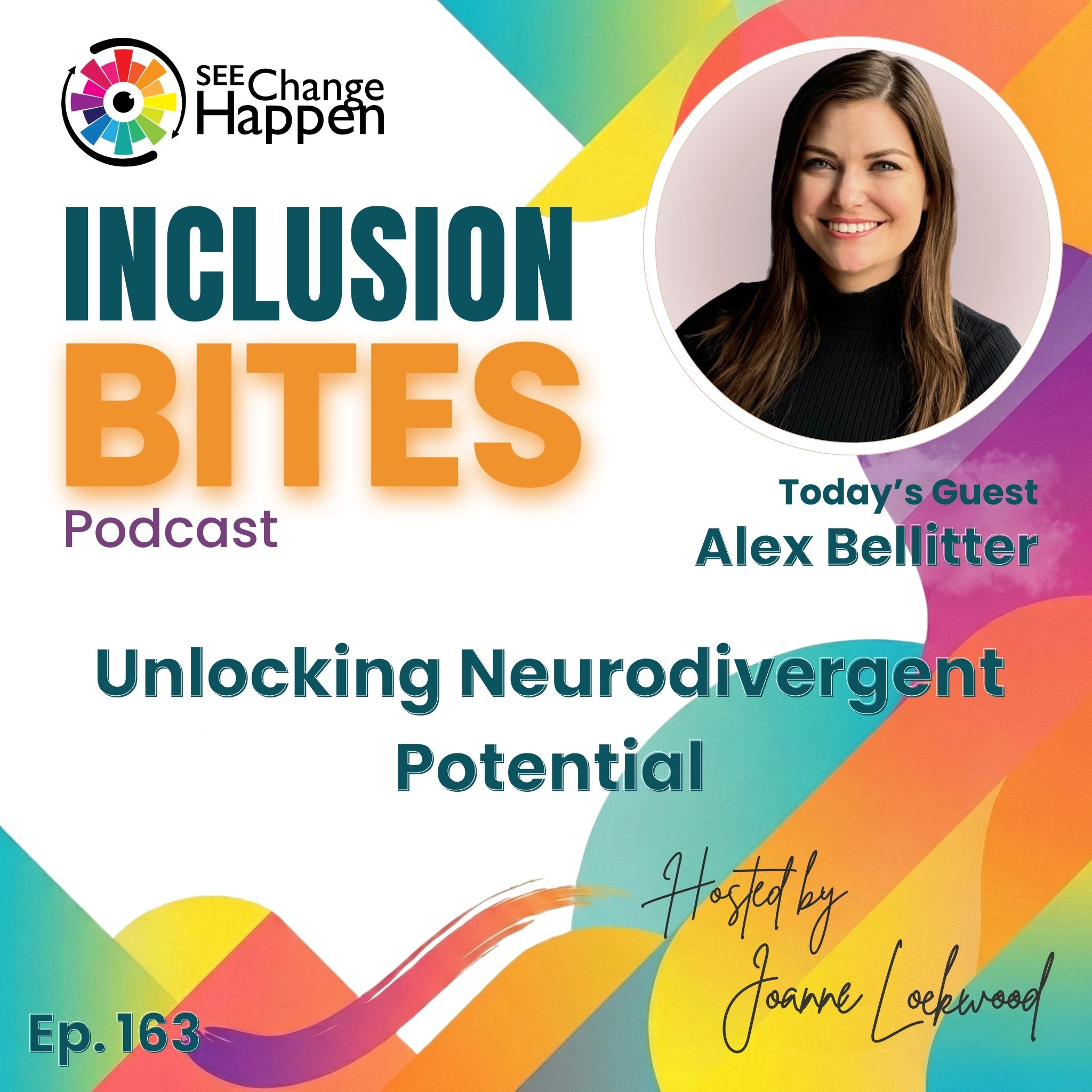
In this episode of Inclusion Bites, Joanne Lockwood speaks with Alexandra Bellitter about careers growth confidence.
“It is not something to be fixed, healed, treated.”
Explore
Navigate this episode
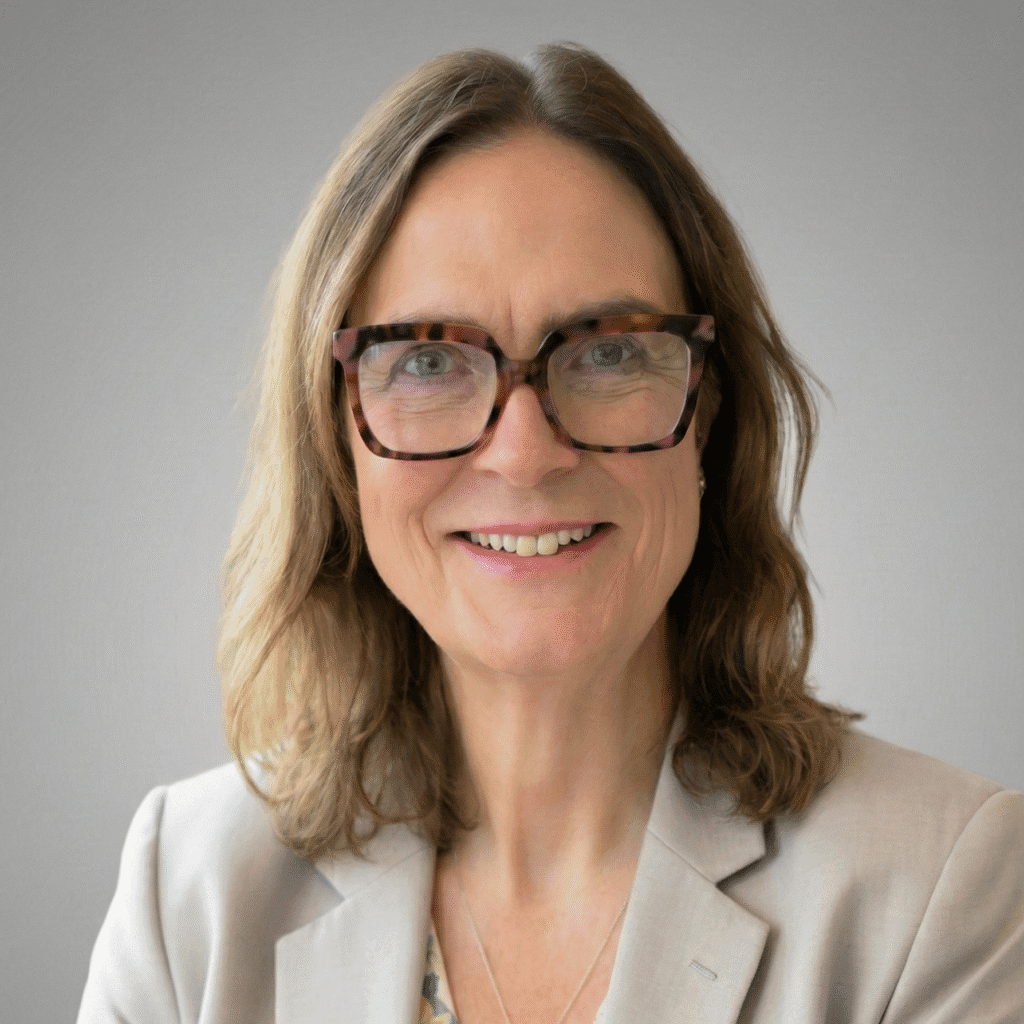
Alexandra Bellitterguest
Foreign.
Joanne Lockwoodhost
Welcome to Inclusion Bites, your sanctuaryfor bold conversations that spark change. I'm Joanne Lockwood,your guide on this journey of exploration into the heart ofinclusion, belonging and societal transformation.Ever wondered what it truly takes to create a world? Remember, everyonenot only belongs, but thrives. You're not alone.Join me as we uncover the unseen, challengethe status quo and share stories that resonatedeep within. Ready to dive in? Whether you'resipping your morning coffee or winding down after a long day, let'sconnect, reflect and inspire action together.Don't forget, you can be part of the conversation too. Reach outto jo.lockwood@seechangehappen.co.ukto share your insights or to join me on the show.So adjust your earbuds and settle in. It's time toignite the spark of inclusion with Inclusion BitesBillard. And Today is episode163 with the title Unlocking NeurodivergentPotential. And I have the absolute honour and privilege to welcomeAlex Bellitter. Alex is the operations manager andlead at Shimmer ADHD Coaching, pioneering
Joanne Lockwoodhost
neuro inclusive coaching approaches to support the ADHD community inachieving their goals. And when I asked Alex to describe hersuperpower, she said it is a lifelong love of learningand a commitment to advancing neuro inclusive coaching. Hello,Alex, welcome to the show. Thank you so much for having me.
Alexandra Bellitterguest
Very excited to be here. Yeah, pleasure. We were chatting away just now
Joanne Lockwoodhost
and you're joined with you at your end in Texas somewhere bya couple of dogs. Is that right? You've got your dogs with you? Yes, I
Alexandra Bellitterguest
do. I got Freddie and Bella right with me. They're ready to chime in atany moment. Yeah. So. Well, we're looking forward to. If they want to join in,
Joanne Lockwoodhost
if they. If they got something to add on the topic of Neuro inclusive coaching,we can involve them. So. Yeah, absolutely. So, Texas. Whereabouts inTexas? I am located in Dallas. It is Dallas.
Alexandra Bellitterguest
I always feel bad during the winter, saying I'm complaining about the cold when I'mvery much in warm weather. But it's still pretty chilly here.
Joanne Lockwoodhost
So what's chilly for Dallas, is it. Where are we?32 Fahrenheit, 0 Centigrade, UK. So where are we inthe 60s or 70s? It does get down into the.
Alexandra Bellitterguest
Usually there's a week where it does snow, which I think is the. You'reallowed to say it's cold at that point. If it's snowing outside, it's usually foronly a few days out of the year. So right now it's in the the40s phase, which quite frankly I have a hard time translating intoCelsius. Yeah, that's probably low 10,
Joanne Lockwoodhost
10ish degrees Celsius, something like that. Was it 00:32? So it's got tobe 10, 10 or 15, something like that. So nippy, but not freezing.
Alexandra Bellitterguest
I'll trust you on that. Yeah, well, I had a
Joanne Lockwoodhost
lady on the other day from Atlanta in Georgia and she was saying thathad snow forecast there, which is kind of unheard of. So the weather in theStates at the moment is all over the place. Very much
Alexandra Bellitterguest
so. This February has had really large swings to very,very hot weather, like 15 degrees over the average to very, very lowweather. So it's been a bit unpredictable. Wow. So
Joanne Lockwoodhost
your superpower and what you do is all around neuro inclusive,coaching around adhd. So how isn'ttraditional coaching neuro inclusive? So there's a lot of different
Alexandra Bellitterguest
elements to that, but I think you can kind of summarise it with whetheror not it is in the forefront of what you're thinking about when you're workingwith your members of how am I expecting this member topresent? Am I expecting them to adopt my style? Am Ireally meeting them where they are at? So a couple exampleswill be just first, starting the coaching session as it's verycommon to do very wide questions of how have things beensince I've last seen you? All of a sudden there's a lot of different factorsto be thinking about when you can narrow down the scope, make it a littleeasier for the person to focus on what's most meaningful forthem. So asking about the topic from the last time we spoke, asking about aparticular goal that you had set, those are a way that you can already startthe energy in the conversation without widening it so farthat the person really has to think about all the different variables. And we knowthat from divergent thinking that can be very common. So even just from theinitial start of the session, that's one way you can make it more neuroinclusive. But there's several points actually the entiresession that you can be adopting your own practise to make itmost impactful for your member. So, yeah, I'm aware that if
Joanne Lockwoodhost
you ask an open question such as how are you? Or tell me about yourself,that could be too broad, you might need more narrowingthat down to what do you actually want to do? Tell me about yourself. Well,I'm 5 foot 10 inches tall,160 odd pounds, whatever. Yeah. So we end up going down theWrong route. So I guess what you're trying to do here is be open butexplicit in the response you're looking for. Yeah,
Alexandra Bellitterguest
exactly. So a modification. How are you today? That's avery particular thing to be answering. What am I feeling right now? Whatencouraged you to sign up for coaching? Tell me about the moment that you hitbook a consultation call or the moment that you hit sign up.That's incredibly useful information of we're probably going to startwith what you want coaching about or how you're feeling about yourself right now. Usuallywhen someone signs up for coaching, it is a very raw and vulnerable momentof I'm going to choose to have someone in my life to partner with, toreach my goals. I feel like I really need someone by my side, Ineed someone to collaborate with. They've put a lot of trust in youby hitting that, that first button and it's an incredible moment to talk about,of how did you decide I was the right coach for you? Or how didyou decide ADHD coaching was the right one for you?It's a much more meaningful start to the engagement. So what you're doing a lot
Joanne Lockwoodhost
of then is helping people who aren't neurotypical,who have ADHD, navigate, if you like, theneurotypical world. Is that base some of the coaching there? Yeah,
Alexandra Bellitterguest
absolutely. So it's not just, how do I fit intoa neurotypical world? That might be something that we discuss, what systems andstructures help them be most successful? Unfortunately, a lot ofworkplaces in particular have a neurotypical approachto how they do things and neurodiversity is sort of aside conversation. Neurodivergence in itself might not be addressed inthe workplace. And of course, we're not just talking about the workplace, but we mightbe talking within families. As a parent in higher education, while you're incollege, people aren't necessarily talking about the tools and structuresand concepts that are gonna help you thrive. It's sort of one of thosethings that you have to go find for yourself, which can be really disheartening ofno one's prioritising what I need in this. I have to go on this journeyby myself, so. So what we do is introduce you to different concepts that canhelp you thrive and it feels more naturally leaning into yourstrengths. Most of the people I've talked to on this podcast have
Joanne Lockwoodhost
been coming from the angle of educating employers,organisations on neuro inclusivity. Whatwe're doing here and talking about today really is how we helpan individual Self advocate and navigate the world themselves.Not coming from a how could my organisation help them, buthow can they help themselves? That's a really interesting angle. I've never discussed thisbefore. I suppose no two people are the same, are they? Wecan't create a stereotype of a neurodiverse person. Is thisor has that? Not everybody has the samehyper focus or the same attention deficit as another person.So I guess you have to first mission is, I guess, discoveringhow that person sees the world. So while there, there may be
Alexandra Bellitterguest
common traits of, you know, impulsivity or distractibility, whatwe're looking at is more of a spiky wheel. When we're thinking about neurodivergence,a lot of people view a linear line of moreneurotypical, more neurodivergent. That's not really what we're looking at.We're looking at a spiky wheel where there's different facets of a person. So howthey engage socially, their learning styles, how theylike to. I guess that's the same thing I was gonna say how they liketo communicate, but how they organise their thoughts,those are all different ways that someone may be more or less social.And that's one particular area. So rather than it being categorical, it'svery dynamic in how we view a person. So what are the typical challenges that
Joanne Lockwoodhost
a neurodivergent person may face in their workplace?What sort of things holding them back? Normally, yeah. So sometimes
Alexandra Bellitterguest
it's whether or not they get to utilise their strengths. A lot of timesneurodivergent people are incredibly creative. They do well withcollaboration and brainstorming. If they're in a role where it mightbe more isolated, might be more independent work, they might notice thatit's hard to get the energy and motivation to complete their tasks becauseit's not as engaging. When something's not engaging can be muchharder to start on a project. And when that's happening, you might seethat deadlines so sort of rule the work is as a deadline approach, youstart kicking it into gear because it's due. So you might feelparticularly stressed on how you're accomplishing tasks. It can feel prettyoverwhelming towards that end. Perhaps you're missing the deadline because you underor overestimated how much work was going to be included. We knowover and underestimation is a big part of creatingrealistic goals, is what seems realistic. Once you start breaking itdown, getting granular with time estimation, you might have been a little bit offthe mark and now your boss is asking where a project is. It's not agreat feeling. That's something that we commonly see getting to work ontime. So again being able to get out the door, get to ameeting on time, joining a meeting late if you're virtual.That's something that we commonly seeorganisational systems. So being able to track and manage projects acrosstime, those little details can often get missed ormemory. Memory is a big part of it as well. Of do Iremember what was assigned to me in a meeting? Do I remember what the agendawas? What did I have a, when I had a conversation with Joe, what didI say during that? Those are all components. Of course the list can go on,but I think that's probably a good beginning conversation of what we're talkingabout. I'm smiling because it sounds like you're talking to
Joanne Lockwoodhost
me here. A lot of people have that reaction of
Alexandra Bellitterguest
wait a second, there's something that can be done about this. Hmm.
Joanne Lockwoodhost
So I've learned that I'm terrible at taking notes and if I do take notesI never go and read them again. If I don't remember it, I don't oftenrefer back. And I've found that using AI note takers now in videocalls helps me get a list of actions that come out of it. I can,I. And because they're bite size I can, I can work on that. It's justthe whole enormity of hours conversation I think what did Iagree with, what did I quote? Yeah. Andthe deadline thing resonates with me as well. You know I, I'm a five minute
Joanne Lockwoodhost
to midnight person. You know, I've had six months to do something and then fiveminutes before the deadline I try and pal it all in and then go hmm,I've over committed here or under resourced and it becomes anightmare. And I think the other problem I have is that I can often findmyself wanting to over deliver inthat five minutes as well. I have this big expectation in my headthat I've mapped it all out and I just want to go over have itall. It's, it's trying to optimise down what you've got time for, what you're goingto deliver and it doesn't have to be perfect. I think I just want toperfect everything that could be in my downfall as well. Everything you're saying, itresonates with me completely. Yeah. And the, the over promising,
Alexandra Bellitterguest
I just want to comment on that real quick is if you know you're goingto be late On a project sometimes we try to mitigate thata little bit. So I'll hear members say, well it's going to be aday late but I'm going to add in this. And now they've added more totheir plate to make up for the fact it's going to be late, adding morepressure, which makes sense of okay, how do I balance out thismaybe bad news or inconvenient news with something good and thenI've added more to my plate which maybe wasn't realistic. It makes a lot ofsense but. It also the mountain
Joanne Lockwoodhost
gets higher at that point, doesn't it? Not only have you not done the firstthing, you haven't done the second thing and the third thing you've over promised. Soyeah, it's a real challenge. Yeah, yeah. It becomes a cycle. And
Alexandra Bellitterguest
I want to be clear that if you work really well with thatlate pressure and you deliver on time, that's not a wrong way to go aboutit. That's perfectly acceptable system of I know Ican get it done in this time and it's good quality and it's working forme. We're talking about when it's not working for you ofmy boss is a little upset or the client I'm working with is a littleupset about the deadlines. I don't feel good after doing 48 hoursof all nighters to get this process project in. That's when we're talking about likewhat systems need to change. But if your system's working that's, that's fine,you don't have to do it like everyone else. That's the great thing about ourwork is as long as it's working, fantastic. But sometimes it's not.
Joanne Lockwoodhost
So mine comes from learned behaviour. I've been in the workplace for bestpart of 40 years now and I've learned that so often thegoalposts change, the deadlines change or the whole project gets cancelled orsomething radical happens to the projects. I think there's no point investing in it tooearly because it's bound to change nearer the dates. I wait until I think, wellit's going to be locked in by now so I can actually hit something. SoI think some of it is just recognising that the world's going to change beforeI get there and my brain just apologises tomyself saying well we'll do it the last minute by that stage.And also I think if you overthink something when the deadlinesqueezes down you, you don't get the opportunity to do all the overthinking. You haveto kind of optimise what you can do in that five minutes. I've got toget it out now. Okay, what can I do out of all the 50 thingsI was going to do? And you just make optimise it down. So I thinkthat helps my brain as well, knowing that I can only achieve so much atthe time and I can praise it down quickly.
Alexandra Bellitterguest
Yeah, that definitely really emphasisesquick decision making is there's no time for ambiguity or just beingdecisive. Sometimes it can be very hard to be decisive and the reasonfor that is there's a little bit of decision fatigue when you're looking at largeprojects. You know, keeping our focus in the workplaces there can be so manydecisions that it becomes overwhelming to pick any.So when the time crunch comes in, I just have to execute. And it's notabout weighing the pros and cons anymore, it's just about what's going to get thejob done. When you're working with neurodivergent clients or neurodivergentcolleagues, they're going to be considering a lot of differentdecisions that neurotypicals might not see. They might not see all the options.They might be pretty narrow in scope. But that's the great thing about your neurovirgin colleague is they can see the big picture pretty clearly. They see the opportunities,the greater possibilities, thinking. But it can also put them in a bind ofhow do I proceed in the best way. So I think about in a
Joanne Lockwoodhost
workplace I. I've got a manager whoself identifies as neurotypical. I'll take their word for it if that's who they saythey are. And I walk in there as a person who isunsure of their typicality and maybe has some traits or sohow do I navigate that interface? Because do Ideclare my neurodivergence, do I talk about my attributes, how Ibehave in certain situations? So I do also like a little checksheet of who am I and how do I respond best and then negotiate thatat the beginning. I mean, is that a good technique or. So it largely depends
Alexandra Bellitterguest
on the workplace because just as much as it is about, Iwant to advocate for myself. We know that not all workplaces may bereceptive. We don't know what the psychological safety of that workplace is.So I would hesitate to give any recommendation of you need to do it thisway. You do not disclose it's largely dependent on thesupport system that you have at work, what your relationship with hr, what yourrelationship with your manager or the members of your team. But thereis a way to navigate and ask for what you needwithout having to disclose if that's something that you're not sure of.Rather than sharing a specific diagnosis, you can talk aboutthe different components within it. So for time management, Inoticed that I really struggle to get this type of projectin on time. I'm hoping to discover different accountability systems ordifferent collaboration systems that can help me move forward. Youcan also talk about. Instead of time management, you can talk about.Everything is blanking right now, but like note taking. So coming out of meetings,there's really great information that's coming. At our meetings, wedo hour and a half meetings. That's a lot for me to take away. Inotice that when I'm writing notes, I'm not engaged in the conversation. What arethe options for me to get the agenda before or after? Can someone emailme a copy of the notes? That way we're talking about engagement.What is the workplace going to see as a benefit to you getting this newresource for this new accommodate? You don't actually have to name ADHD or memoryissues. You can say the workplace is going to benefit. And this. I mean
Joanne Lockwoodhost
now we're. We're normalising conversations about menopause in the work workplace.People of a certain women of a certain age or a certain stage of theirlife have memory issues, brain fog as well. So it's not. It's.Many people have a neurodifference, if you like, at different stages of their life. And is there still astigma? Is that still a problem? Is there stigma out there? I think
Alexandra Bellitterguest
it shows up in different ways. Some workplaces it's going to be muchmore stigmatised of. This is how we do things and we expect you toconform. It can be really jarring to try to disclose ina workplace like that. There might be some workplaces where there's veryobvious signals that it's meant to be psychologically safe. The.The CEO is talking about their neurodivergence. Your boss is talking about it.They have a group for neurodivergent colleagues to come together and work onproject. I think there is a lot more to gowith this conversation while it's becoming more visible and more publicand that's incredible. I would say the general public'sunderstanding of what narrow divergence is is still in the beginning stages. While we're startingto move away from the stigma of that word, the behavioursand traits and what this looks like in day to day isn't fully understood quiteyet. We've already established that two neurodivergent people
Joanne Lockwoodhost
are having unique experience of the world.In the same way that if I was trying to interface with a neurotypical person,if I was to interface into a neurodivergent person, we still have toestablish the protocols and the ground rules, won't we, about how we communicate, becausewe may have a difference of view, or we may actuallyrely on the other person to help us out in certain instances, and the otherperson's going to go, well, I don't do that either. That becomes anotherchallenge to deal with, I guess. Yeah, it takes,
Alexandra Bellitterguest
I would say, radical communication of your needs. And I think that's something thatacross the board, we could all do better at. Not just neurodivergent people,but also neurotypical people of. Rather than expecting people to communicate in the sameway as you. Making those declarations of, this is when I feelheard. This is how I like to collaborate. How do you like to have theseconversations? Rather than making assumptions, we can really come together,you know, workplaces, families, friendships. When we arevery transparent about our needs because the other person is. Iknow it's cliche, but we are not mind readers. We all perceive things to bea little bit different. While I may really enjoy eye contact in aconversation and I know you're listening to me, for someone else, eye contactmay be very uncomfortable. And being expected to hold eye contactmeans that they don't want to engage with you. It can actually harm a relationship.So little things like that. What I might read as you beingdismissive because you're not making eye contact with me, you might be fully engaged inthe conversation. We don't know unless we. We talk about how we engage socially.
Joanne Lockwoodhost
Yeah, I find this sometimes when I'm on video calls, I'll be looking at thisscreen or that screen or this screen up there, and I'm gatheringinformation and without doing it. Now, as we're doing this podcast, I've got somenotes on different screens so I can listen and look on a differentscreen at the same time. But I suppose when you're in a video scenario, youdon't always know, do you? And people may treat that as being inattentive, notfocusing. Exactly. They may think that you're not engaged, and
Alexandra Bellitterguest
that's not the case. When I'm coaching with members, I have several members that chooseto close their eyes while we're talking, and it helps them think better. They tuneinto our conversation more. They might feel Less distracted by their environment.That's a. Okay. I never stop to say, can you please open your eyes?I know they're engaging. They're responding to my questions and that's great. Weall are being engaged in a different way. Are we
Joanne Lockwoodhost
kind of hung up on these social etiquette, this social constructof social etiquette, if you like, where we kind of expect people tobehave as we were brought up or how we were told to behave.And when people transgress or digress from that middleline, we feel kind of insulted or threatened by it. Same
Alexandra Bellitterguest
thing with not just the. Maybe the more facial cues we were talkingabout, but the use of a fidget, for example. A lot of timespeople associate it with like hyperactive little kids, but that's not thecase. It can be helpful for your colleague that's at their desk to have afidget in a meeting to use a fidget. That doesn't mean they're distracted by it.It might actually be helping them engage. Exactly.
Joanne Lockwoodhost
Yep. Got fidget toys with me. Got my little shark here, whichI need to sort of play with that. So I've got fidget toys all aroundme at the moment. So that might not be common in a lot of workplaces.
Alexandra Bellitterguest
So it's even things like that of what do we expect from the bodyto be doing? Rather than just like, how do I show engagement of nodding myhead and making eye contact. It's also, is it okay thatthey're spinning in their chair? Of course, there may be times and places where somebehaviours are more adaptive than others. Of this helps everyoneconcentrate more. That might be a bit of a balance on how we make sureeveryone gets to be comfortable in that conversation or be engaged.But it's something that is better notassumed automatically of just making sure everyone's on the same page forwhat's going to be most conducive to this meeting. Why do you think there are
Joanne Lockwoodhost
more people? I'm going to use the phrase coming outas neurodivergent ADHD neurodifferences. What'schanged over the last five, 10 years? We hear people blaming vaccines, we hear peopleblaming this and blaming that, but the reality is, obviouslyneurodivergent people have been around as long as humans have. Sowhy are people starting to be more aware of neurodivergence now thanever before? Yeah, so I do want to be very clear that
Alexandra Bellitterguest
when I'm talking about neurodivergence, we're talking about a naturalvariation in how people present it isnot something to be fixed, healed, treated. This is something thatwe're working with, this is something that we can be managed when there's difficulties. Butthere's also plenty of benefits with having a neurodivergent brain and Iwould say it's largely contributed to visibility of20 years ago. The conversations looked very different, the stigma looked verydifferent and a lot of people avoided a label for their child.So I hear plenty of times of, you know, I noticed my kidwhen he was 5 or 6 or my daughter in high school, I had somequestions but I didn't know what a label would do, I didn't know how itwould impact her self esteem or I didn't know what that would mean for theircareer. So they elected to not move forward with it. They didn't necessarilyhave those conversations with their kids or in theopposite. The child gets a diagnosis, you know, in high schooland the parent starts thinking, well, that reminded me,like, reminds me of when I was in high school and I don't think thatI'm neurodivergent and they go seek a conversation with a medicalprovider and they get a diagnosis. So it works both ways ofjust having more exposure, I think, as more medical providersget accustomed to being able to identify neurodivergence, as schools getmore curious about what's going on with the child, rather than describing it asa behavioural problem of, you know, they're just naughtyof, wow, they have a lot of energy, they seem to be really absorbed inthis type of task. As we get more curious across the board of what's goingon with each person, we're starting to notice that more. People are neurodivergent
Joanne Lockwoodhost
and it differs by gender as well, doesn't it? So boyswould exhibit symptoms in a different way to younggirls, for example, which is why it's been misdiagnosed in women fordecades. Yeah, so it can present differently. Of course,
Alexandra Bellitterguest
it's not a straight line of exactly how it presents for each gender,but it can look very different. And we know that misdiagnosisis very common. A lot of women are misdiagnosed as bipolar orborderline, rather than autistic or adhd.So there's also misdiagnosis that is latercorrectly identified or what they feel like is now is betterdiagnosis to reflect their experience.It's different for women, like you said earlier, when it comes to menopause,the hormonal changes, we noticed that even just with their cycleseach month, that neurodivergence can look different because of the hormonefluctuations. It's definitely a different story for how to navigate it as awoman. What's a first sign if you like, you
Joanne Lockwoodhost
know, I'm just speaking to the person who's listening to this podcast right now thinking,could that be me? Or I'm not sure. How could people. And I appreciate there'snot one test or one way of googling this and say, oh look, that's me.But what sort of things that people should look out for? Just, just illustratively,what can people look out for? So looking out for is an interesting way
Alexandra Bellitterguest
to think about it because my, my first thought when you had startedthat question is having that conversation with your medical professional provider, atherapist. It does need to be someone that is very familiarwith neurodivergence. Not everyone is. A lot of medical doctorsmay be somewhat aware, but others are going to really have an area ofexpertise. I would, I would seek out a conversation with someone that is veryexperienced with ADHD or autism assessments.And it doesn't necessarily have to be a formal assessment, but just being able tohave those conversations of I'm noticing these things about myself.I would. The diagnostic material can behelpful. However, it doesn't show what it looks like in day to day life. Thereare many conversations I have with my clients where we're talking about financesand their budgeting goals and investment goals. Andas we're talking about something, I may say, may I share an observation abouthow ADHD may be playing a role. And all of a sudden there's this lightbulb moment of that's how ADHD looks. When I'm doingmy finances. The diagnostic material doesn't show that. It doesn't show what it lookslike in the workplace. And when you're doing finances or when you're parenting, thatcontext is really essential. That's what we're looking at iswhat's going on in this actual life area. So it canactually be helpful to talk to your loved ones or workplace colleagues, see whatthey're noticing. I would say that can be the most helpful, issometimes when we only have our own experience, we might not notice what other peopleare observing. And to start having those conversations of,you know, this, this sounded like me. I'm, I'm wondering if you've noticed thator how do you feel in our conversations or what have you noticed about myprojects? That can be very helpful information and also something thatyour providers or trusted therapists might want to know as well. Yeah,
Joanne Lockwoodhost
I suppose because I'm self employed, I've worked for myselffor decades. I don'tneed to necessarily explain to somebody else about me.If I'm dealing with a client, I'm dealing on very short projects or shortinteractions and as long as I deliver what they're after and perform,then I don't think my thinking style comes into it really.It's just, am I the best person for the job? Can I do it? SoI don't feel any need to explore that and I'm sure there are many peoplelistening to this who are kind of comfortable in their own skin. They don't needa label or an identity to put this around. But they're obviouslyrealising that, thinking, well, yeah, I do think a bit like that. I do thinka bit like that. Yeah, that happens to be as well. And we shouldn't,I think, I think the danger is if you're not careful, we feel that we'reinadequate because we're not doing things the way other peopledo. We're allowed to be different, aren't we? Absolutely. And
Alexandra Bellitterguest
there's a lot of things that attribute to that. It'sa pretty common statistic that goes around that aneurodivergent child is going to hear 20,000 more negative comments than their peersby the age of 12. How are teachers expecting you to behave in school?Same thing for high school. If you go into higher education of,well, I expect students to be doing this, you'll hear ruleexpectations and workplace expectations and it canfeel like there's not a lot of wiggle room in that of what accommodations arethere or how accessible is this workplace? And so becausethe automatic default, which no one explained that there were alternatives to,you're doing it differently of I'm not meeting the mark.It's because there's not that larger conversation of there is wiggle room or it can'tbe done in a different way. And we know a lot of neurodivergent individuals dogo on to be entrepreneurs and set their own workplace standards becausethe traditional way wasn't working for them. So I'm going to do it my way.I'm going to do it in a way that I thrive and it works reallywell for them. So I. I've always considered myself
Joanne Lockwoodhost
uncoachable. In fact, my family always say I, I would never doas I'm told, I would never follow someone else's rules. Howwould you work with me then toso I've already said I. I'm. I'm terrible with deadlines.I'll procrastinate for weeks until the last minutes. What sortof techniques can I. Can I learn that I might actuallyadopt? That's the hard thing. I mean, you can tell me and come up witha great idea. I won't do that. I'll never changeeither. Do I have to find acceptance or other techniques that I can start toadopt to help me with that? It might be a bit of both. I wouldn't
Alexandra Bellitterguest
say it's going to be one way or the other, but the first thing Iwould say that as a coach, I'm not here to tell you what to do.We know that nobody likes to be told what todo, especially if it's things that you've already tried. The biggestpart of coaching is the collaboration piece of exploring toview things in a way you haven't viewed before, to challenge you on thoughts, tosee how much they're serving you. So I might introduce new conceptsthat you haven't heard of. Would you be curious to hear about this or thisis a technique that I've seen work for other people. Would you like to explorehow it could work for you? But I will never assign aspecific framework or a specific techniqueof this is what you're going to do for a week and tell me howit goes. It's not very empowering. I think the biggest thing, what we're trying todo in any neurodiversity coaching is empowerment ofyou still know your life better than I. I may have more frameworks touse, more models to pull on, more techniques for exposure, butultimately, you know it's gonna work best for your life and you know what youlike. No one wants to do something that they don't like to do. It's notgoing to be a successful system. So that's really what the partnershipis about, is we leave every session with something that you'reexcited to try, or even if you're not super excited about it, you'rewilling to try. You want to explore why it's not working for you. And togetherwe'll take that next step in the next session of how do we keep movingforward? But demand avoidance is absolutely a thing. And going totry to avoid triggering that. Yeah. I would say from
Joanne Lockwoodhost
my perspective, if the first question was tome, does it cause you a problem? I go, no, it doesn't.It's just, I know that's the way my brain works. I know that's what Ido. So I have my own coping mechanisms and I make sure thatI've got that Five minutes to midnight space that I know I can justland a plane when I have to. And so I guess you have to havefaith sometimes in your own ability to deliver what you need to do when youneed to do it or, or have good mitigation strategies when youreally miss it. Understand the risk. I guess it's risk management,isn't it? It's kind of part of it. If I know I can talk myselfout of it, no one's gonna, no one's gonna die. You know, the world willkeep turning then it's not a problem. Is sounds like you have systems
Alexandra Bellitterguest
that are working for you. Of I know exactly what to expect. I'm getting itdone in time and my clients don't mind.
Joanne Lockwoodhost
Yeah. And I as I say I'm privileged that I don't havea, an employer who is minute by minute demanding on me. I cancreate my own deadlines. And I also appreciate when I'm working with clients I makesure I factor in expectations at the beginning. So yeah. So you know what you'regoing to do. And I also, the other thing I do is I book afollow up meeting several days before so it's due or if we're going todo a webinar or something with someone. I said let's have a briefing call acouple days before just to check in on what we're going to be talking abouton the Thursday. Because very often I turn up to that goingwho are you? What we're going to talk about. I've forgotten all about this. Wouldn'twe agree. And I just have a way of phrasing it. So let's just recapwhat's your expectation of what we're going to be doing on Thursday? And they tellme I go that's exactly what I was hoping for. Thank you.Yeah. If we were actually doing coaching because I know a few
Alexandra Bellitterguest
questions back you said how would you work with me? My first question would beabout your goals. If you like your current system, you don't necessarily want to changeit. What would you like from coaching? What would you want to be different? Andas we go into that visioning of what you would like your life to looklike, well, we'll talk about partnering together to make that happen. Butif you don't want change, that's okay too. Of I, I like where I'm at.This is working and perhaps not. It's not something you want coaching on.
Joanne Lockwoodhost
No, no. We've picked an example here that actually I'm verycomfortable with. Like Many humans I'm inherently lazy.I look for the simplest and easiest path path to successand to change what inherently works for me.I've just turned 60. I'm probably getting a bit oldto want to start new habits. Yeah I guess I'mfunctioning as an adult finally.
Alexandra Bellitterguest
Never want to tell someone how to feel about themselves. But I think lazy isone of those terms that a lot of neurodivergent individuals subscribe subscribe toof I'm just lazy. And that's generally not the case. We knowhumans are inherently goal oriented beings of we're usually inthe pursuit of something. There's always a value that we're going after.To an extent it just sounds like resourcefulness. From a coach of I cansee the clearest path. I'm going to do that. We know the brain loves todefault to easy but it's not necessarilyalways lazy. It's just being able to see like this is what's going to requirethe least amount of resources from me. I can execute it. Well there'sjust a level of intelligence in that rather than laziness of II can see the path from A to B and I did it. Optimising the
Joanne Lockwoodhost
route I think is what you're saying there. Yeah, I've optimised what works forme. Yeah, I agree. It's, it's not lazy. It's justI'm good at optimising and spending the minimum amount ofbrain power or physical contribution to a task if I don't need to do it.So yeah, I, I'm not, I'm not somebody who goes out for a run forthe sake of going for a run. Because where am I going? I'm going backto where I started. So why do I want to run? The great question
Alexandra Bellitterguest
is what is important about running? And if it ends up being well, I justwant to feel good in my body and I want an abundance of energy. Well,maybe we don't need to run. Let's talk about other pathways that still get youto that ultimate goal. We can get distracted by overly concretegoals. Sometimes of it has to be done this way. Well what are wereally exactly? What are we really working towards? And there's going to be differentpathways and sometimes we get just very locked in and that's the helpful thingabout a coach is being able to zoom out again of like okay, we're gettingreally fixated on this one particular thing. How much is that serving us and whereelse can we go? And maybe that is the thing and maybe we need towork harder on that. When I say work harder, it's not about discipline or energy.It's about the experimentation of. We need to dive in deeper of different ways wecan do it. Not just buckling down and giving double the energy because weknow most people when they're. They're searching goals, they're.Or pursuing goals rather they are likespending an incredible amount of energy to do it. So it's notjust trying harder but doing it in different ways.
Joanne Lockwoodhost
Hmm. So what, what areas dopeople I'm going to stereotype here, I'm not going to do that. I'm going tostep out of that question. Stereotypes of people with ADHDreally hyper focused. They could be extremely efficient and we talk abouthere about efficiency and not being lazy optimising tasks. They canand I say they. I'm going to put a we into that because Ithink I can we enough so I could feel part of this. By shuttingoff the world and really focusing on one task, I can get a lot done.I think the trouble is that people are aroundme, don't recognise that I need to switch offall my senses and that could cause frustration around. Am I notlistening? I'm not paying attention. Or didn't you hear me shouting outor, or I just want to interrupt you and ask you a question.Ask me a question. It would take me three hours to get back mybrain back to where it was. It's like closing all the tabs on your browserone by one. You got to try and open them all again. Yeah, there's just
Alexandra Bellitterguest
a, a misunderstanding because again, from social norms of,well, I can hear you when you're yelling at me. I have the expectation thatyou're going to behave the exact same way I do in this situation and that'snot the case. I actually have this conversationprobably with all of my clients, whether it's a, a boss saying, why weren'tyou responding to my slack messages? I've been pinging you. But they're really focused onbuilding portfolio or their spouse has been yelling at them thatdinner's done for the past 20 minutes and they finally come upstairs andthey're livid. It's an expectation that hasn'tnecessarily been communicated and we haven't founda way that works for both of us yet. It's just the expectation that youmust be like me and respond in the same way. I've noticed we talked about
Joanne Lockwoodhost
fidget toys earlier. I've noticed when I'm in situations withfidget toys, I'm far less likely to pick my phone up and play withit. I noticed I was at a conference one day and they had fidgetspins on the table and I thought brilliant. How new inclusive is that? Justputting out, you know, little toys and things people can play with. And I startedplaying with one on my, on my hand. I think a ball or something likeI'm holding now. And I realised at the end of the day I hadn't onepicked my. Pick my phone up and doom scrolled or yeah.Had to make sure that every single red dot on my icons was gone.I couldn't handle. I can't handle a red dot on my icons. I have toclear all my notifications every time I see them. So are weusing our phone sometimes as our. As our fidget spinner?Is it fueling our hunger or is it the other way around? Are ourphones creating the hunger? Which way is it? That's a really
Alexandra Bellitterguest
hard question to answer. I would say many times. Ithink because the phone is meant to be ahuge dopamine sink. I'm going to call it a sink because we're getting reallyshort bursts. That's the new. Just tap that. That's the newway of getting content is usually pretty short 30 secondvideos, it's meant to be infinite. Square scroll across the board. I think
Alexandra Bellitterguest
as humans we're just really, really engaged with our phone becauseit's intended to be social media sites fromwebsites are intended to grab our attention and we have a bit of an attentioneconomy of how can we hold your attention for a longtime because that's profitable. So I would sayyes, the phone can be one of those sources of how do I entertainmyself, how do I get stuck stimulation, whether or notit works as a fidget, potentially because you areusing your. Your hands to scroll. That could be the case. I think there's probablya bunch of different factors that go into why we might be reaching for ourphone. But in the case where you just notice you needstimulation, the phone can be one of the quickest ways to get it andbuild that habit of well, I'm just not motivated yet so I'm going togo on my phone to. To get that stimulation to get entertainment.It's a huge time thing. So it is about finding alternative ways thatcan help boost your brain to get you to a point where you're motivated todo a task. That absolutely is something I work with with many of my members.But it's hard because phone is so accessible. So there'susually Creating friction with the phone. So it's not the mostappealing choice, it's not the easiest reach andincreasing the likelihood that you'll go for something else. So there's a lot of sciencearound habit building that, that we go through with me and my members. I knowthat's a bit of a roundabout answer, but I think there's a lot thatcomes with talking about technology. So that's, that's probably the routeI would go. So you don't think it's not the phone's causing the
Joanne Lockwoodhost
neurodivergent tendencies? It's kind of. You have the neurodivergent tendenciesanyway, and the phone is just a potential outlet in the sameway other fidgets and spinners and something to lock your brainonto rather than stim or fidget with something else.
Alexandra Bellitterguest
Yeah, and I think there's a larger conversation happening right now abouttechnology and the demands. We're in a very unique place in timewhere we are constantly being bombarded with notifications,whether that's our email, our text, our slack or teams, our phonealarms going off, our kitchen alarms going off, our calendar beeping thatwe have to be somewhere. Ten minutes, reminder that we have to be somewhere.There are a lot of demands and alerts that are pulling our attention at differentdirections. So I think just asthe human species, we're dealing with a lot of demands in a way that wehaven't before. But it is entirely different for neurodivergentindividuals. Their sensitivity to those alerts is different than for aneurotypical. So while all of us may be dealing with more demand andthings pulling us away from our tasks, it is experienced very differently betweenneurotypicals and neurodivergent. It's funny, as you're talking there, my
Joanne Lockwoodhost
brain has just gone off into a different direction. I'mnow just showing how crazy my brain is sometimes. I'mnow wondering why we call them phones. I know whythey used to be called phones, but now I hardly everphone on my phone. 90% of mybattery is on social media, browsing,chatgpt, texting people, whatsapping, whatever it may be.It's no longer really a phone, is it? We should be calling personal communication devices.Sorry, this is what I was thinking about when you kept talking about phones. It'slike I was off on one. But yeah, you're right. We've got all these differentsort of sources of stimulation and you say the notifications, thebombardment, we're data driven, we're.We're stimulus driven. In everything we do. And most of the social mediahas emotions attached to them as well, don't they? Likes hate, smiley faceemojis. We're all feeding off this kind of social etiquette,trying to keep in contact with people and be stimulating each other. And nowonder that we as a society today are becoming kind oflocked into these habits because we can't put the world downanymore. Yeah, and I love what you said about social etiquette
Alexandra Bellitterguest
there of just like we were speaking about. What does someone expect in aconversation with us? It is different when we're talking about virtualcommunication of how quickly do they expect a response from us? Howinconvenient is it for me to try to respond to text quickly when I'm tryingto focus on a portfolio and test switching can be more difficult.Those are all additional layers that we're having to explore of now that I amso accessible. What do boundaries look like? What systems work wellfor me? What do I need to communicate? So everyone has a good expectation ofhow I I'll get back to them or how I'll update them.It's a lot more consideration that has to go into eachconversation. And unfortunately it feels like the burden falls on theneurodivergent person because more often than not and Ialso don't want to do a sweeping statement to say this is how neurotypicals are.But a lot of neurotypical people are not thinking about how the world might beexperiencing, experienced, or how this notification may impact a neurodivergent colleague orfriend. So unfortunately there's a lot of advocacy to say,hey, this is how this impacts me or hey, I will get back tothis on Fridays. I check my text on Fridays or at the end of theday, how you create a routine looks a little different. Yeah, I've had to go
Joanne Lockwoodhost
through my my phone or we call it personal communication device nowand turned off notifications on any appthat I really didn't care about because I found myself going into these regularly justclearing the little red dots. So I thought, hang on a minute. If I just.All I did is clearing it. Let's just turn. I don't need it. And Ialso leave my phone these days on DND most of the day and if Imiss calls, I miss calls. So what, you'll email me,you'll text me or if you phone me twice, it'll break through the dnd. So
Joanne Lockwoodhost
I tend to go, my phone's on silent mode formost things and maybe five o' clock in the evening I'll sit and go, oh,blimey, that's been a busy day. And then respond to things and I'll sit thereall evening responding to emails in the evening instead. But yeah, it's. I think youhave to start to learn to manage these interruptions. In the old days when youhad a phone on your desk, I remember doing a time management course and Iwas always. These time management courses always said to you, just because thephone rings, it doesn't mean it's more important than what you're alreadydoing. But we have this betrained phone ring,pick it up, answer it, deal with it. It's interrupt driven. If you can breakthat interrupt cycle where whatever, whatever's interrupting you must be moreimportant saying no. So I've kind of learnedthat approach in my life that I know what I'm doing is important.Something else is unlikely to be more important at this moment.So that's the technique I use, is justtry and stay focused and prioritise on what I'm doing.
Alexandra Bellitterguest
Yeah. It can be challenging for some people to identify what is thepriority. That might be a skill that they're still working on developing italso, like that works really well for you and for someone that's listening, that mightfeel like, I don't know who's on the other side of that call. How doI know if it's more important? That's something that, as a coach, we can worktogether to make sure you feel confident that you're always focusing on the most importantthing. Yeah. I think the modern community, I mean, certainly my iPhone
Joanne Lockwoodhost
has a way of setting up different focus statuses. And I can put certainpeople in those focus groups and say, okay, if they phone, it is important. Ifit's an unknown number, it's like to be a spam or a junk call.And if it isn't, they'll leave me a message. I'll get it. And now myphone transcribes it. I've even got to listen to it. I just read out whatit says. It's even better. I hate listening to voicemails. I want themtranscribed and it's brilliant. And if someone leaves me a voice note. Oh, what didyou leave me a voice note for? You left me a voice note on atext communication device. Doesn't work. If you want totext me, text me. Don't talk to me. If I wanted to talk to youor speak to you. What makes you think they're choosing to use audio?Well, because they can't bother to Type whatever. I don't know. They're busy doing somethingelse and they just decide to talk to me. So I always reply by textand they go, what are you texting me back for? Can't you just leave? Idon't. I'm old school. I'm a texter, not a. Not a voice message. Yeah.
Alexandra Bellitterguest
It's interesting because some of my members will actually elect to startusing voice notes because they notice it's very hard for them to type out whatthey're thinking. So they won't respond to text for tape. And then they feelguilty that they haven't responded for days. So they want to send a really nicemessage and they have to figure out what the nice message is. And their shortcuthas been, I'll send an audio and I'll just tell them what I'm thinking rightnow so I can communicate and they know they're important. So it's interesting how,again, that's just. How do we communicate in the way that's best for us?
Joanne Lockwoodhost
Yeah, I. Our son is. I think he was diagnosedas being dyslexic in some parametersafter he left school. We know that if we text him on WhatsApp,he won't read it. And often what we'll do is you'll see the notification, readthe first line, and then ignore it. It doesn't, you know, he's.He's. As far as he's concerned, he's read it but not acknowledged it, and wefind that frustrating. And Nikki's saying, don't text me because I won't reply. We go,okay, I remember, but I'm a texter, so it's really hard. So I bet ifI left him a voice note or if you start leaving us voice notes, it'dbe much easier. But yeah, we've taken that to phoning him once a week. It'seasier. We know he's gonna pick up the phone if we phoned him and talkto him or video call. So, yeah, it's. It's an interesting way thatwe got to. Even amongst people who are typical or not typical, wegotta establish our communication parameters, haven't we? Absolutely.
Alexandra Bellitterguest
And it sounds like you found yours with the phone call of. Let's justonce a week, cut it down. This makes sense. Yeah. And it
Joanne Lockwoodhost
is. It's. It's finding all these scenarios that don't workand finding a middle ground that does work. That's what we're talking about here. AndI guess that's what you're doing with your Coaching is helping peoplehit the things that bother them and find solutions tomake them less bothersome, I guess. Yeah, absolutely. It's about the fact
Alexandra Bellitterguest
that neurodivergence, in many ways, there mightbe struggles associated with it, but it doesn't mean that you have tostruggle. It's just about finding what works really well for your brain,what works for your lifestyle and being able to capitalise on what'sworking well. It's all about seeing systems that work rather thantrying to fix what's broken. It's moving towardsfeeling good. So we're coming towards the end
Joanne Lockwoodhost
of our hour together. How would youengage with somebody who's listening to this? Who a is? Maybe. Maybe acouple of scenarios. One is that they're. Theirneurodiversity bothers them and they need to sort of get themselves into a position wherethey can start to tackle some of the things that really bother them. Or peopleare just more curious aboutthe way their brain works and how they can probably explore anduncover and dive deeper into that to discover where are they with theirbrain. So there's two scenarios. The answer to
Alexandra Bellitterguest
both of those is the same. Of course, I'm biassed because I'm an ADHD coach,but with ADHD coaching there are three different elements. Sothat first is the traditional life coaching, where we're talking aboutthe visions, the goals, the experiments each week and using your strengths.The second piece is going to be psychoeducation. So if you're curious abouthow does the ADHD brain work? How is ADHD showing up? For me,those are absolutely conversations that we can have. It's all about becoming moreinformed and empowered with this information. How do I want to proceed? What does thismean for me? Why do I want to know about that? It's all questions thatwe can go through together. And then the third piece being executive function coachingor skill building, if there's something where you're noticing, hey, you know, I'm reallystruggling with time management or decision making.Those are things we can talk about. Different frameworks, different tools that you can useand you can pick and choose what you'd like to work on. But we canintroduce you to different concepts and see how you feel about it. So in anyscenario, coach will be able to meet where you're at. It's not meant to saycoaching has to look one way. It doesn't. It can be very explorative. Itcan be more implementation. A qualified andan experienced coach will be able to meet you where you're. At and how can
Joanne Lockwoodhost
someone in the workplace say they're a manager or teamlead as someone they suspect isneurodivergent in some way? What techniquescan they use to try and engage with somebody who's neurodivergent? So
Alexandra Bellitterguest
if that person has not disclosed, I would betalking more about the behaviours that you're seeing of. I notice withprojects XYZ is happening. What we would likeis ABC to be happening. Are you open toexploring different ways that we could do that or could you tell me more aboutyour experience with this project? It's important that people don't feel othered of.I feel like my boss is talking to me in a way where I'm notpart of the team or it is about keeping theconversation open. So just focusing on behaviours, the workplaceexpectations and working together to meet those or see whataccommodations can be made. We understand that workplaces generally may have aparticular set of expectations for a job to be executed.So just having a very transparent conversation with theemployee in a way that you're employing radical candourof. There's. There's care within that conversation. It's notthreatening, it's not meant to be. A huge criticism must be done with curiosityand empathy. People aren't broken, they don't need fixing. They just
Joanne Lockwoodhost
need to havedifferent ways of working and to achieve the same goal and objective or adjusting theobjective so that everyone can win and succeed. Because often the.Not every, not every goal or objective is hard and fast. It's just custom andpractise. So you can sometimes change the pathway to achieve the samegoal, can't you? Yeah, absolutely. It's meant to be flexible. Life is
Alexandra Bellitterguest
meant to be flexible. It's more fun that way, isn't it? Just figuring out
Joanne Lockwoodhost
as you go if it's too mapped out, too planned. It feels a bit rigid.And humans, we like that, thatvoyage of discovery. Sometimes I know not everybody. Some people want certainty, somepeople want rule sets. Other people are quite happy with chaos, aren't they?
Alexandra Bellitterguest
Everyone's a little bit different. Um, but that's the great thing is you canadapt a life that meets what you find exciting, meets what youfind safe. Alex, it's been absolutely fascinating talking to you. I've really enjoyed it. I
Joanne Lockwoodhost
always sometimes think conflicts when I have like this helps me self diagnosemyself. So I always find it useful. How do people get ahold of you?
Alexandra Bellitterguest
So couple ways. You can always just shoot me an email atalexhimmer Care. I'm the lead coach atshimmeradhd coaching, so you can always access me through the website or on myLinkedIn. Alexandra Belletier Fantastic. Fantastic and
Joanne Lockwoodhost
well, thank you so much for your time, for sharing yourexpertise and I've got something out of this today and I'vereally enjoyed it. Thank you so much. Thank you for having me. This was a
Alexandra Bellitterguest
great conversation. As we bring this conversation
Joanne Lockwoodhost
to a close, I want to express my deepest gratitude toyou, our listener, for lending your ear and heartto the cause of inclusion. Inclusion. Today's discussion struck achord. Consider subscribing to Inclusion Bitesand become part of our ever growing community driving realchange. Share this journey with friends, family and colleagues. Let'samplify the voices that matter. Got thoughts,stories or a vision to share? I'm all ears.Reach out tojo.lockwood@seechangehappen.co.ukand let's make your voice heard. Until next time, this isJoanne Lockwood signing off with a promise to return withmore enriching narratives that challenge, inspire andunite us all. Here's to fostering a more inclusive world oneepisode at a time. Catch you on the next bite.
The Limits of Traditional Coaching: Centring Neuro-InclusivityEmpowering Neurodivergent People: Self-Advocacy and Thriving at WorkCommunication, Social Norms, and Navigating the “Spiky Wheel” of Difference
Joanne Lockwood is joined by Alexandra Bellitter from Shimmer ADHD Coaching to explore what neuro-inclusive coaching looks like in practice, and why traditional coaching approaches can miss the mark for ADHD and other neurodivergent clients.
Together they unpack how small shifts in structure and communication can reduce overwhelm and make support feel genuinely person-centred. Alexandra shares examples such as narrowing overly broad questions, agreeing expectations up front, and designing accountability and note-taking approaches that work with how someone’s brain processes information.
The conversation also moves into the workplace: what challenges can show up around deadlines, memory, time estimation, prioritisation and interruptions, and how managers can address performance needs without “othering” someone or forcing disclosure. They discuss psychological safety, stigma, and practical ways to request adjustments by describing needs and outcomes rather than diagnoses.
Closing out, Alexandra outlines the elements of ADHD coaching—goal-focused coaching, psychoeducation, and executive function skill building—centred on collaboration, experimentation, and empowerment rather than “fixing” people. The key message is that thriving often comes from finding systems that fit, not forcing conformity.
“Usually when someone signs up for coaching, it is a very raw and vulnerable moment of I'm going to choose to have someone in my life to partner with, to reach my goals.”
“It's sort of one of those things that you have to go find for yourself, which can be really disheartening of no one's prioritising what I need in this. I have to go on this journey by myself, so.”
“when I'm talking about neurodivergence, we're talking about a natural variation in how people present it is not something to be fixed, healed, treated. This is something that we're working with, this is something that we can be managed when there's difficulties. But there's also plenty of benefits with having a neurodivergent brain and I would say it's largely contributed to visibility of 20 years ago. The conversations looked very different, the stigma looked very different and a lot of people avoided a label for their child.”
“It's a pretty common statistic that goes around that a neurodivergent child is going to hear 20,000 more negative comments than their peers by the age of 12.”
“Their sensitivity to those alerts is different than for a neurotypical. So while all of us may be dealing with more demand and things pulling us away from our tasks, it is experienced very differently between neurotypicals and neurodivergent.”
“It is different when we're talking about virtual communication of how quickly do they expect a response from us? How inconvenient is it for me to try to respond to text quickly when I'm trying to focus on a portfolio and test switching can be more difficult.”
“Of course, I'm biassed because I'm an ADHD coach, but with ADHD coaching there are three different elements. So that first is the traditional life coaching, where we're talking about the visions, the goals, the experiments each week and using your strengths. The second piece is going to be psychoeducation. So if you're curious about how does the ADHD brain work? How is ADHD showing up? For me, those are absolutely conversations that we can have. It's all about becoming more informed and empowered with this information. How do I want to proceed? What does this mean for me? Why do I want to know about that? It's all questions that we can go through together. And then the third piece being executive function coaching or skill building, if there's something where you're noticing, hey, you know, I'm really struggling with time management or decision making.”
The limitations of traditional coaching models and how neuro-inclusive coaching tailors approaches to individual needs.
Practical adjustments to communication—such as reframing open-ended questions—to support focus and engagement.
The significance of understanding individual "spiky profiles" rather than relying on stereotypes in neurodiversity.
Common workplace challenges for neurodivergent people, including time management, project estimation, and navigating deadlines.
Techniques for self-advocacy at work, whether disclosing neurodivergence or requesting practical accommodations.
The value of radically transparent communication styles to bridge neurodivergent and neurotypical working relationships.
How habits, technologies, and routines can be optimised to play to neurodivergent strengths, creating sustainable systems for thriving.
One thing to remember
The central message of this episode, "Unlocking Neurodivergent Potential," is that true neuro-inclusivity is not about asking neurodivergent individuals simply to fit within neurotypical systems. Instead, it is about enabling people to self-advocate, build on their strengths, and develop bespoke strategies for thriving—whether in the workplace or everyday life. Neurodivergence is a natural human variation; supporting it requires radical communication, tailored coaching, and dismantling the one-size-fits-all approach.
Questions this episode helps answer
How does the concept of neuro-inclusive coaching differ from more traditional coaching approaches, particularly in its initial interactions and objectives?
In what ways can managers or colleagues adapt their communication styles to better support neurodivergent individuals in the workplace without making assumptions about their needs or abilities?
The podcast highlights the importance of self-advocacy for neurodivergent individuals. What are some practical steps employees can take to articulate their preferred ways of working or communicating, especially in environments that may not be overtly inclusive?
How does the “spiky wheel” model of neurodiversity challenge the common linear understanding of neurotypical versus neurodivergent experiences?
Given the example of overstimulation from notifications and digital devices, how might workplaces better structure routines or expectations to address modern attention demands—particularly for neurodivergent staff?
What are some ways organisations can strike a balance between respecting neurodivergent differences and maintaining team cohesion and productivity?
Explore topics
Ideas from this episode
The Limits of Traditional Coaching: Centring Neuro-Inclusivity
Our discussion began by setting a foundation: why is traditional coaching often not fit for purpose when it comes to neurodivergent people, especially those with ADHD? Alex illuminated how many mainstream approaches presume clients can adopt the coach’s style, use broad ranging questions, and process information in prescribed ways.
Empowering Neurodivergent People: Self-Advocacy and Thriving at Work
The lived realities of neurodivergent individuals within the workplace and beyond. Instead of solely focusing on what organisations can do for their team members, we asked: how can neurodivergent people advocate for their needs and craft systems that work for them in a society—and especially a work culture—designed for neurotypicality?
Communication, Social Norms, and Navigating the “Spiky Wheel” of Difference
Both its challenges and opportunities. We unpacked the social constructs of etiquette, eye contact, fidgeting, and response times, asking who defines engagement and how we might reimagine collaborative ground rules.
Learn
Frequently asked questions
What does “neurodivergent” mean in the context of this episode?
Neurodivergent refers to individuals whose brains function differently from what is typically considered ‘neurotypical.’ In this context, it primarily encompasses people with conditions such as ADHD and autism. The episode highlights that neurodivergence is a natural variation in human cognition, not something that necessarily requires fixing, but rather understanding and support.
---
How is neuro-inclusive coaching different from traditional coaching?
Neuro-inclusive coaching intentionally incorporates the unique cognitive styles and challenges of neurodivergent individuals. Rather than expecting clients to adapt to the coach’s preferred style, coaches adapt their approach—using more specific, focused questions, offering clear frameworks, and collaborating on methods that resonate with each person’s strengths and lived experience.
---
What practical adjustments can make coaching sessions more neuro-inclusive?
Instead of broad or open-ended questions like “How have things been since our last session?”, a neuro-inclusive approach favours specific, targeted queries such as, “What progress have you made on the goal we discussed last time?” This narrows the cognitive load and helps the client focus, enabling more meaningful and effective engagement from the outset.
---
Which workplace challenges do neurodivergent people commonly face?
Common difficulties include:
Managing deadlines, particularly when tasks lack intrinsic engagement.
Organising and tracking complex projects over time.
Handling time management, punctuality, and meeting expectations.
Retaining information from lengthy discussions or meetings.
Overcommitting in an attempt to “compensate” for delays or perceived inadequacies.
---
How can self-advocacy look for a neurodivergent employee?
Self-advocacy does not always require disclosing a diagnosis. Individuals can describe the specific support or adjustments they need (e.g., receiving agendas in advance, using AI note-takers, breaking large tasks into manageable steps) as part of normal workflow discussions. This focuses the conversation on practical outcomes rather than labels.
---
Is there still a stigma around neurodivergence in the workplace?
While awareness is improving, stigma persists, particularly in workplaces lacking visible leadership openness or established employee resource groups. Culture plays a significant role; psychological safety, openness, and normalisation of different working styles all help reduce stigma.
---
Share this episode
Heard something worth passing on? Send this conversation to someone who needs to hear it.