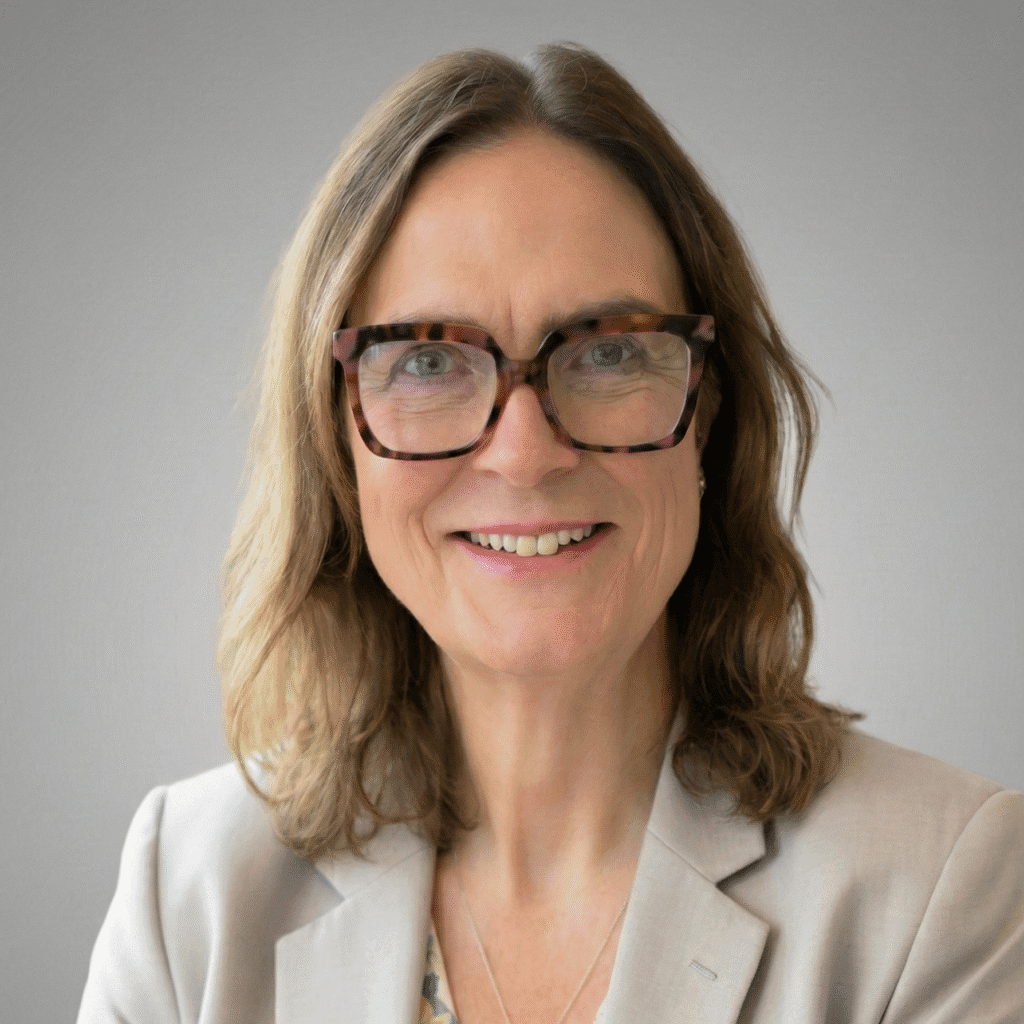
Rebecca Engle shares her journey as an autistic educator, illuminating the challenges and triumphs of neurodivergent students while advocating for authentic inclusion, self-acceptance, and the value of celebrating differences within education.
In this episode of Inclusion Bites, Joanne Lockwood speaks with Rebecca Engle about lived experience identity.
Welcome to Inclusion Bites, your sanctuaryfor bold conversations that spark change. I'm Joanne Lockwood,your guide on this journey of exploration into the heart ofinclusion, belonging and societal transformation.Ever wondered what it truly takes to create a world? Remember, everyonenot only belongs, but thrives. You're not alone.Join me as we uncover the unseen, challengethe status quo and share stories that resonatedeep within. Ready to dive in? Whether you'resipping your morning coffee or winding down after a long day, let'sconnect, reflect and inspire action together.Don't forget, you can be part of the conversation too. Reach outto jo.lockwood@seechangehappen.co.ukto share your insights or to join me on the show.So adjust your earbuds and settle in. It's time toignite the spark of inclusion with Inclusion Bites.
Rebecca Engleguest
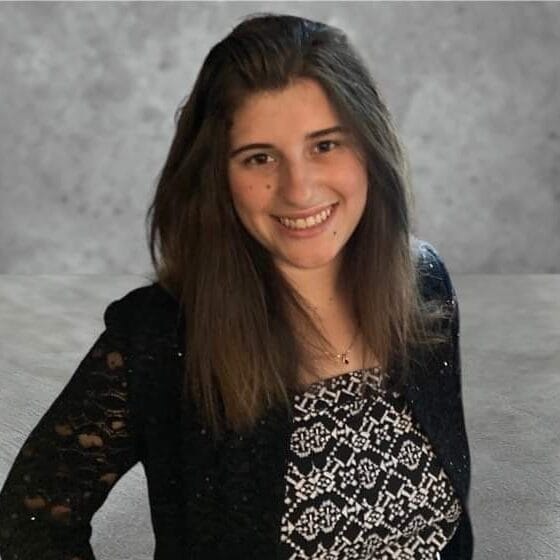
And today is episode 167 with thetitle Step Into My Shoes. And I have the absolutehonour and privilege to welcome Rebecca Engle. Rebeccais a passionate special education teacher, an author,an advocate for neurodivergent students who is dedicated to creating
Rebecca Engleguest
inclusive learning environments and improving support systemsfor autistic learners. When I asked Rebecca todescribe her super power, she said that it is her ability totransform her own personal experiences into actionableadvocacy for inclusive education and studentempowerment. Hello, Rebecca. Welcome to the show.Hello. Thank you for having me. Good to have you. I think we tried tosort this out before Christmas, but for one thing or another, we had to postponeit until now. So yeah, it's great to have you on. Yes. You mentioned justnow that you're based in Texas, is that right? Yes,in the U.S. so what's the weather like at the moment? It is like 50degrees outside, but going up. Okay. Sothat's chilly but not cold. Yes. Yeah, yeah,yeah. So, Rebecca, you have your journey, you've been on as an autisticeducator. It's quite inspiring reading through the notes. So can youtell me a bit about your personal journey? What got you into doing what you'redoing? Yeah, sure. As a little girl,my mom realised there was something different about me. But I had two older brothers,so doctors were kind of like, don't compare her toyour brother, your sons, like, you know, she's fine, she'll be fine.And my mom went for my brother's 5 year old checkup with meand I was newly 3.The my brother's doctor said something's wrong with herand my mom was like, finally someone said something.And my brother's doctor was my doctor's. Well, my doctor was my brother'sdoctor's boss, so you can imagine that argument that happenedthere. And so when all of this started going on, I waslater diagnosed with pervasive elemental disorder, sensory processing disorder,auditory processing disorder, speech apraxia, you can name it.Multiple diagnoses. Now in modern daydsm, all of those fall on the autism spectrum at the age of threebecause of these diagnoses. I started in the early trial Childhood educationprogramme which is for children that have disability, specifically toattend pre K in the us and so I attended an earlychildhood facility and learned how tofunction in school settings. I was in a setting like that for threeyears in a self contained classroom with other autisticdisabled students and then went into the general educationsetting where I was, which is the setting without, with children without severedisabilities and was manipulated, mistreated by teachers,bullied, led to terrible things all the way until I gotto the end of college really. Andbecause of that mistreatment I faced as a student with a disability,I had a heart to make sure that that didn't happento kids like me that are children today. It's quite a harrowingstory that you had to go through that as a younger person. Tell me whenyou were aware that you were different or were you justyou? I think I became aware that I was different around
Rebecca Engleguest
fourth, fifth grade. That's finally when my mom brought up my IEPand things and was like, yeah, that's why you leave the classroom for testing andthat's why you're in speech. And I knew that I was in speech therapyand I knew that I had delays but I didn't really think anything of themor that they weren't things that every other childcould have had meaning, like large masses of the population. SoI kind of just was just being me. And thenonce fifth grade hit, there was where they started talkingabout, you know, how the transition to middle school would happen and whichis, you know, 11, 12 years old. And they started pointing thingsout to me about my differences and I was kind of like, that's whenI realised I was very different. And then as I went on through life,I still had those sensory bothersomes and things like that, youknow, like I can't wear certain sweaters, certain clothes get to me.And when I would talk to friends about that and tell them how Ireacted, they would kind of laugh and be like, oh, you feel that way withthis? Like I would have no clue what that meant. And so as I kindof started having those discussions, those. That's when I realised I was differentthan my peers. And then when I got to college,most definitely, there was a lot of conversations that I was like, well, this ishappening because I'm different. You know, And I would get comments oncommunication styles and things like that. And I was always verydirect. I still am. And sometimes neurotypical people needthings sugarcoated, and I'm very bad at that. That's fine.So you kind of. Cause I always think, you know, when we're in ourown head, we just see the world as we've always seen it. We. Unless someonetells us we're different or we could become aware of it,we're just us. And so it was around that sort of age, around11 or 12, that you realised that you were. I was gonna say struggling. Idon't. I don't think struggling is the right word, but just had a different wayof approaching things than other people. And. Butobviously your parents were bothered by it, but were you ever bothered byit? Yeah, occasionally, I think Iwasn't bothered by myself. I was bothered by other people'sinterpretation of me. Okay, so it's what people were, how people were treating you,describing you, talk about you, but you were happy in yourself.It was just other people that were their interaction with you.Mm. You were aware that you were different because of them? Yes.And is that. Is that your experience where you now work with autisticyoung children and people, how do they have avery similar sense of self where they. Not broken. They're just different.I think it depends on the kid. I have a lot of kids who dojust live their life and they're different. You know, a lot of my au. Kiddos,autistic kiddos, they're just kind of like, yeah, I'm different, whatever. Andthey. They move along. I think a lot of my students with dyslexia,dysgraphia, things like that, they always tell me, I wish it was thateasy. I wish this was easy. I'm dumb, you know, so I feel like theyhave a negativeimage of themselves. But there's a really good book that I alwayshave them listen to when they call themselves dumb. And I think I'm tryingto shape that image in them that, you know, it's the other people andnot themselves. But I think it really depends on the kid. Yeah. Because
Rebecca Engleguest
I've always believed, if you like, that as ahuman species, we kind of evolved fifty hundred thousandyears ago and we didn't have to read or Write. Back then we justdid stuff. But I think this whole challenge with beingdyslexic, dyspraxic is a modern thingbecause it never held people back 2, 300 years ago.Many of the population couldn't read or write 200 yearsago unless you had wealth or affluence. Most peoplenever learned to read or write. They had no books, they had no need towrite. They were just living their life, getting on with earninga living, feeding themselves, keeping safe, wasn't it? So I often think thatwe're judging people against the humanevolution that we weren't designed for necessarily. It's just something that wepicked up. Yeah, that's a good point.So, yeah, I think it needs all types of peoplein society to make society fantastic. I thinknot being able to read and write or having a struggle with dyslexia, dyspraxiadoesn't necessarily make you, doesn't makeyou wrong. I just think it means you've got other attributes that are fantastic.So what was the biggest challenge for youto overcome and learn? Because obviously you became awarethat you had developmental differences to other people.What was the toughest thing that you found yourself to getto get over? I think as a young child, it was my developmental delays. ButI think communication is what encompasses all of it. You know,when I was 4, I was non verbal, didn't talk at all. At 5, Ionly said 22 words in the English language. And then I slowlydeveloped that vocabulary and then I picked it up quick. But even to thisday, communication is probably my biggest flaw. Andsome people are like, there's nothing wrong with how you communicate. And then other peoplehate my form of communication. So I think it, I thinkcommunication is something. I still don't know what I'm doing incorrectly,but I'm a terrible communicator. I've been told multiple times that I'm tooaggressive, I'm too direct. That's the Becca way of saying it.Um, my. I mean, I've literally hopped on a call with friends andsaid, yeah, I said this. And one of my friends is like, that's so Beccaof you. And I'm like, still trying to figure out to this day what thatmeans. And it's not just one person. So I think communicationis probably my biggest barrier. Is there a difference betweencomprehension and communicating outbackwards? So even when you were struggling and nonverbal, could you understand, you just weren't able to speak back?Or was it a case of you didn't understand or weren't ableto speak. I think both. Honestly, I feel likeeven now, I still struggle with comprehension. You know, one of the things I stressas a teacher is the sticky note strategy, because after about four or five words,I don't understand anything I'm reading unless I write something down. So.And it's the same with interpreting communication from other people,right? Like, when people are like this, this, this, this, this, this, this. I'm like,okay, start at square two. Like, I got square one started. Square two.So I think it. I think it goes both ways. You don't seem to strugglewith me right at the moment. I don't have any problem.So Becca. Becca's style coming into it yet is that. Is thatit's a fairly straightforward conversation at the moment, or is it you'rein your comfort zone at the moment? I feel like I've gotten used to goingon podcasts, and I've kind of gotten used on how to respond, and I feellike when I'm talking about my autism, the people who arewatching are probably those who either want to educate themselves onautism or already have experience. SoI kind of just don't feel a need to mask anything.Yeah, that's. That's a good point. Yeah, that's very good point. So what wouldyou. What would you say is the most misunderstood thing, if you wantto call it a thing about being an autistic person or even
Rebecca Engleguest
just yourself? Yeah, think. I think trying to figure out theneurotypical mind and ways I feel like Ias a neurodivergent individual, you know, I've even my boyfriend'sneurotypical, and I'll text him and I'll be like, hey, what does this mean? Andwhy would a neurotypical say that? Or, wait, that's somethingneurodivergent people do and not neurotypical people. And, like, he's literallyhad to explain to me, like, that that thing is not normal. That thing isnormal. Or so I think just like, figuring outthe mind of people who aren't neurodivergent is something thatI struggle with. I don't know. I don't know how to put that. But, like,I've literally, like, seen a TikTok or an Instagram reel or something, andit's like, as a neurodivergent, doing this, and I'll, like, send it to him, andI'll be like, wait, not everyone does that. You know, like. AndI'm still figuring things out at 22. That's. That doesn'tsound Too dissimilar to maybe someone who's. Who's speaksGerman language from Germany, that they have a very direct, veryintolerance of lots too many words. You know, they want to be really direct atyou. Whereas Japanese people want to use lots of words and lots ofdescriptions. So as a native English speaker, Iguess I come across people with different first languages. The way theycommunicate with me is different than a native English person. So what you'resaying there is you're effectively translating between one set of languagerules and another set of language rules, where you don't always have all of theguides to do that. Yep, yep, yeah.So the students you work with at the moment, so you work with them forwhat age? From year 5 or 5thgrade all the way up. Or is it mainly older children? So I work withthird, fourth and fifth grade, which is ages8, 9, 10, 11 and 12, depending.And I suppose by that age they've been diagnosed,they've got support available to them, which is why they're coming to youin some cases. No. Sometimes I feel like by third gradethey're figuring it out that eight, nine years old, a lot of them, some havealready been diagnosed, 10 and 11. It depends onhow consistent their education has been.I work in a area with a high poverty rateand so sometimes in a high refugee rateas well. So a lot of the time we get kids fromother countries who have lived here since third grade. Soobviously in a third world country, they didn't have accessto those resources, so they got diagnosed much later. So I think it just depends.You mentioned just now that neurodivergent people, people with autism,have maybe sometimes trouble deciphering aneurotypical conversation. Do you find the same whenyou're talking to other autistic young people, autistic people, whereyou start to translate what they're saying because theirneurodiversity is different to yours or the way they communicate slightly different, or doyou find it much easier to relate to people, autistic people? I findit much easier to relate to people on the spectrum. I feel like when I'mrelating to people with autism, I feel like I get them.There have definitely been communication barriers with other neurodivergentfolks where I'm like, hold on, explain that again. But I feel like I don'tfeel any need to mask around people who are also neurodivergent, so. AndI feel like they feel the same way. So it's kind of more open andI feel like I comprehend them Better. Okay, so you're, you're bothaware of your communication style, bothacceptance of other communication styles and as you say,it's a safer space. You haven't got a mask or cover. You can justbe yourself and they'll be themselves and you can just sort of laugh about itand go, what do you mean by that? What do you mean? You haven't gotto pretend that you do understand and go, didn't get that.Yeah, yeah. So what, whattechniques did you find to help you overcomeyour developmental differences? So was it one toone coaching? Is it reading exercises? Is ita different way of learning to read phonetics or learningwords? How did you approachdeveloping those new skills? Yeah, my mother
Rebecca Engleguest
put like papers all around the house that had everything labelledwith the word. So there was that. She was very, very supportive and readme all the time. So there's that too. And then I feellike as I got older, just like facing therealities of being different helped too. And likeasking my neurotypical friends how to respond or how to do things inthese situations was something that I picked up on. And sometimesjust being called out like that's not how you engage with that thisway or you know that this is how you have to respond in this instancein a positive way helped. But I think,I think a lot of it was just a lot of one on one withmy mom. My mom journaled literally every movement I made with my body at onepoint. Like if I did this with my finger, like moved itupward, she would write it down, like literally everything I did with my body. Andthen she would find a way to respond to it, including my stimming. And Ithink that that helped as well. How did your stimming manifest?Is it literally just rocking or finger movements orwas it having comfort toys? So as a kid it wasflapping. I flapped like a bird. So I would literally start like waving myarms. I did a lot of back and forward rocking,a lot of circles. I think as a, in the texturalstims were nail biting, biting my fingers, biting, bitingthings. And then now I do a lot of finger movements.I still sadly bite my nails, but a lot less frequently. But my typicalstim for those watching via video, I kind of like tap my fingerslike I'm playing an instrument. I don't know how to describe it or I rub
Rebecca Engleguest
my hands together to create like a friction sense.But it's funny because I'll have alone time in my classroom where I'm on aconference period or on lunch or whatever and I finally get to like destress. And I'll stim and then a student will walk inand I'll be like, oh. And I'll like mask my whole body and go straightinto like a real weird pause. So it's definitelymy hand flapping and things definitely still come out. It's just when no oneelse is around. So how would you describestimming manifests itself? Is it times when you're stressed? Is it times when you'relonely? Is it times when. I don't know, is there aparticular trigger for stimming or is it just all of a suddenit comes back. I stim more when I'm lonelyand then lonely and stressed really adds to it. Butultimately it's stress and anxiety that cause it.So something sort of stimulating your brain and it's a way of releasing thatsort of kind of tension as a. Yep. So I.I pick my nails a lot these days. It really winds my wife up becauseshe says, stop playing with me now. Stop playing with her. And I just findmyself flicking my fingernails and playing with them and doing this withthem all the time. And it winds her up completely. And I just get.I can't stop it. It just does it, you know, keep shouting at me, reallylike. But I'm going to keep doing it because it. When I'mdriving, sometimes I'm doing. I'm driving on one. One hand is kind of.Yeah. Playing with the nails. But yeah, it's. I can kind of relateto what you're saying. And yeah, having, having a. Having a toy or somethingin my hands or something like that just distracts me from playing with it. Ican just squeeze this instead. So, yeah, I can relate to it. Iwouldn't say I would. It's more fidgety, I suppose. Stimming. Yeah. Isthere something that my brain needs to do as well? Isaid when I was school I used to doodle a lot. You know, just write,draw lots of circles and little things and lots of straight lines used to crosseach other. My drawing stim is flowers. I draw a bunch offlowers or circles. I tended to draw H'sthe line across it and then I'd make the one part the H, another Hand then another H and I ended up with a whole page full of joinedtogether Hs. Okay, let'sjust do that all the time. Let's still do that now. If I'm just sortof. If I'm in a meeting, I'm bored. I'll just sort of. That's. That's mydoodle is H's. Interconnected H's. Yeah. Andso did you find that stimming even now?Do you get embarrassed by it or you just kind of go, whateverit is? I definitely get embarrassed by it. There wasa thing on Instagram and it was like, it literally asked, like,ask your neurotypical boyfriend or girlfriend ifthey've ever seen you stim. And I sent it to himand I sent it to my boyfriend and I was like, hey, have you everseen me stim? And he was like, all the time. And I was like, like,I didn't even realise I did it in front of him until he pointed itout and I was like, like, oops. And sojust. It's funny, like, I feel like I. I feel like I'm now more selfconscious about it and he doesn't care. Clearly he didn't point it out until.And that was two and a half years into our relationship. ButI do definitely get embarrassed by it, especially when someone walks in onme and like, deep moment of stem. Even when I was. I had roommates incollege and stuff. Yeah, I suppose the flapping one is quite,quite visual, isn't it? It's. Yeah. Hard to sort of. If people don't know thatabout you, it must be a bit of a shock. The first time they, theysee you doing it, you go, what are you doing? Yes, it's okay. It's aBecca thing. It's a Becca thing.Yeah. I suppose that must help. If you've got friends around you, boyfriend and othergood friends who know you, as you say, you can be yourself aroundthem and they can let you know what you're doing. Just for the simple.Oh, that's a Becca thing. That's a Becca does that. Yeah,that's what I do. Whatever. Yep.Going back to your teaching role is without putting an age onyou. You probably went through this a fair while ago. You said youwere in your 20s. I think you said,how has the education system. How has the world moved on andbecome more supportive in the last 15, 20 years? It must be completelydifferent. There's more awareness of neurodiversity,autism or the asd, autistic spectrum disorder thanthere ever was now. Is it better now than it was?
Rebecca Engleguest
Honestly, I think that's a hard question to answer. I feel like, yes, like, ifI wanted to say it in broad, but I don't think it's good enough. Ithink that we are in the middle of a Time as a society. AndI don't know if this is global, but definitely in the US wherewe are figuring out how to motivateautistic students, how to motivate students in general, how tocommunicate with those students, how to make them a part oftheir general Ed peers. However, I don't think inclusion is where itneeds to be in the US per se.We always say every kid is a gen Ed kid first. And it drives mecrazy because it almost is sayingthis kid is neurodivergent when we allowthem to be. What they meanby it in reality is that we're going to put them in a gen Edsetting first because their disability isn't all of who they are.But internally, to me, as a disabled individual, I kind of take it aslike we're ignoring their disability and throwing them into a setting that'soverstimulating and overwhelming in order for them to have friends who are normal.And that's how I interpret it. You know, the generaled setting is overstimulating. It's overwhelming. You have 30 otherkids around you. It's crazy. Andyou know, we are trying to revise education across the states.You know, in the US education is really determined by the50 states states rather than the federal government. And so you get kids
Rebecca Engleguest
who move across each state who are now trying to address two completelydifferent roles. I know for me, right in Oklahoma, myeducational experience, which is the state above Texas, was completelydifferent than in Texas because I moved here right in the middle of it all.And I feel like that's still the case. You know, I've had kids come tome with an IEP from out of state and I read it and I'm like,well, we don't even have that type of setting or this doesn't even exist inTexas or. Well, we have a lot more than they had in this state. Youknow, and so it's like you kind of have to revise their whole educationsetting and then they're actually taking on more changes than their gen Edpeers, whatever. Because gen Ed education is almost exactly thesame across all 50 states, except for what you're being taughtat a certain age. And sofor example, the system that we have toreward autistic kids for managing behaviour iswhat we call positive behavioural intervention supports. And thatsystem is pretty much do this. It's very aba. If you're familiar withABA therapy. No. Okay, well, ABA therapy isa system of. Here's a cookie. You did what I asked you to. Here's acookie. You did what I asked you to. Here's a cookie. You did what Iasked you to. But a lot of the time it's teachingto mask emotional regulation techniques.So like, oh, you didn't stim because you, when you stim, you accidentallyslap a kid, right? Like, oh, you're hand flapping and your hand waves off.Right? Here's a cookie. Cause you didn't stim. Here's a cookie because you didn't stim.So it's almost like we're animal training kids with disabilities rather than.So just rewarding for good behaviour and taking the reward awayfor bad behaviour to make people conform.Learning how to mask to get reward. Yes,but also these behaviours aren't bad behaviours, they're emotional regulationbehaviours. You know what I'm saying? Like bad behaviours are me going up tomy teacher and slapping her across the face when I know how totalk, you know. But when we have a kid who's neurodivergent,is that child slapping them across the face as a way of communication becausethey can't talk. You know, it's basically rewarding neurotypical behaviourand trying to prevent people being neurodiverse. Because neurodiverseis bad. It's broken. It's not. Right? Correct.Right. Rather than recognising neurodiversity as valid, authenticand okay, just, just neurodivergent,neurotypical people just need to learn how to get along. Andbecause you must find neurotypical people frustrating as well. They must.Yeah. No one ever says they're, they're bad. You don't understand. It's funny because I'ma special education teacher right now, which means I teach kids with disabilitiesand everyone always asks me, would you ever teach your Gen Ed class as longas it had disabled kids in it, which is a class with inclusion. Right. AndI was like, no, because I would favour all of the kids withdisabilities and then all the other kids would get pushed to the side. But yeah,that's what I would call equity. It's givingthe kids who need the help the help. That's what you're set up for, isn'tit? So you use the term iep. What does IEP stand for?Individualised Education Plan. So it's the UnitedStates legal document for a child with disabilities toget individualised supports, one on one supports from a one on onestaff member. So I would imagine that notevery child exits education ortheir main education withqualifications able to function oris still Held back by their autism, their neurodiversity.What support is there? Is there other collegeswhere they can get support there as well or is it onlyreally in the primary education? So in the USA we have what we call the
Rebecca Engleguest
iep, which is this classifies a student as a special educationstudent. And so this student is getting modifiedwork maybe that the whole entire assignment's getting modified and thenit may even be grades below. Right. So we may be modifying aseventh grade assignment to second grade level. Meaning likethis kid's 14 year old assignment is modified for a seven year olddevelopmentally and then thatincludes like speech therapy, dyslexia, dysgraphia, things that really affect them inan educational setting. Once you graduate from that, if you ever do, somepeople will never. You typically go on a 504plan, which is a section 504, which 19 states are actually tryingto get rid of right now. If you want to look into that, it's fun.But the Section504 system is pretty much just aprotection accommodations letter almost. And it's like we can accommodateyou in this way for you to attend to the genera ed populationthat could be you take tests in a smaller room. We're going to give you50 questions instead of 150 on this test.We will make it so you have five extra minutes to walk to classif you have something wrong with your mobility. Right. Like it's thosetiny things and that's called a 504 plan. And that's what would go to collegeif the child attended wanted to attend college, that adocumentation would go into with them with college and IEP would not got.Yeah. Understand. Is there aperceived reduction in the support? You know, the lastmonth or so there's been a pullback on DEI initiatives. Do theseinitiatives still carry on? Are these seen as DEI initiatives or arethese seen as iep, which is different? Theyare different. There are. BecauseDEI started in the United States way later than an IEP process did.The IEP process is interesting in that it's been aroundreally since we did the idea laws,which were done in like the 1990s, 1980sand then DEI was more recent in the 2000s.So no one's necessarily trying to get rid of IEPs. There are 19states currently in a lawsuit with my city state to get rid of section504. I don't, I haven't done enough research to determine if it's to replace itwith something else or just hurt those with disabilities.From what I understand though, it's just to get rid of it completely. And sothat that's on an attack with the DEI changes.But I feel like DEI in the wayI've experienced it in the us and it shouldn't be this way, but ithas been this way is more so centred towards raceand ethnicity in the United, rather than the inclusionpractises of disabilities. It's in the name that it should be. But I'll tellyou that my school that had DEI classes,my university, I took a DEI classand the same professors told me that I needed to learn how to mask myautism. Like the professor teaching the DEI class told me that I needed to hidemy identity. So I feel like everywhere that I'veexperienced the DEI movement has been very focusedon race. So I think until we. And again, we need those things, weneed to move away from, you know, racism and all ofthat. I 100% agree, but I also think if we're going to have dei, weneed to make sure that it's working for all of the people whoare segregated equally. It's gotta befully inclusive for all people. Disability isa major part of that. Yeah, I get it. Yeah, yeah.So what do you think's gonna change? How would you evolve the system?I think you've already touched on the fact that making sure that neurodivergentpeople aren't disadvantaged in a neurotypical world by trying toconvert neurodivergent people to be neurotypical. How elsecan organisations support. Yeah,autistic people? Well, first it starts with insurance orinsurance companies accepting Cognitive Behavioural therapy ratherthan ABA therapy. That's number one. There arepractises out there already lying that their therapygiven is ABA therapy, when it's actually CBT just to be covered byinsurance companies to support families that have kids with autism.But many of our insurance companies in the US are still onlypaying for systems that feed into that ABAPBIS award system. And then I think there just needsto be more education from an early age, like due to otherlaws. Right. I can't tell anyone that this kid in my class hasa disability which is 100% valid. But even if that kidstart saying, you know, I have dyslexia and this is what this means, alot of the time the teacher will say, stop. You're not allowed to talk about
Rebecca Engleguest
that, even though it's them talking about themselves and my classroom,you know, I've always been very open about, you know,everyone in here has something unique and they can open up about it or choosenot to. But I have neurodiversity symbols all over my room. So I think justnormalising it, it's not going away, it's not harming children bybeing aware of those things. You know, I had a situationa few weeks ago. One of my kidd with autism got water thrown at himand he was freaking out and it wasn't on purpose, but simulationof the water, you know, the water being thrown at him though wasn't on purpose.Like the person didn't spill it on him intentionally and butanother girl like came up to his face and screamed, it's just water, get overyourself. And this kid has communication deficiency so hecouldn't say, you know, it bothered me because it's this and this. And one ofmy kiddos came up to this girl and explained his autism andwas like, this is overstimulating him and was able to talk about it. And these
Rebecca Engleguest
were nine year olds. Like these kids have the ability to do that.You just have to let them. And I feel like we kind of, we, welack that in the United States, right? We tell these kids, well, you havesupport, you don't need to talk about it, you can keep it a secret. Andthat's just is even when as a co teacher, as a special edteacher, I'm not allowed to walk in the class and be like, I'm here tosupport the kids with disabilities, I'm not even allowed to say that I haveto pretend that I'm there to support all 25 kids. That sounds crazy.I get the fact, as you said, you don't want to out somebodyor separate somebody as being different, discriminateagainst somebody, treat them less fairly. But the whole point of equityis to give people the tools they need. And not talking about someone's autismor neurodiversity means that you're not able to give them the support they need oreven normalise conversations and have a conversation around. Actuallyour friend here, this is who she is, this is how sheresponds best. If you can't talk about that, then how can you bring that personinto this conversation? It sounds absolutely ludicrous. And I mean, I would getit, like if the kid doesn't want to bring it up, that's fine. But Ifeel like even having people like myself go to schools and be like,hey, just so you know, you could run into these types of people in yourclassrooms on, you know, first day of school, let's have anauditorium discussion about what type of kids you could run into. Kids in Wheelchairs,kids in this. And just having that discussion each year could open somuch. But we're, we're so like, don't talk about it. It's hidden. It's asecret. Yeah. I mean, when you get to the wider world, into the workplace,if you have that same sort of attitude, then no one's ever going to giveyou the support you need. You're used to, just as you, she pointed out earlier,just masking and covering and hiding your identity and what.All the things that you need for people to help and recognise you with, withyou hide them. And it's like. Yeah, it's ludicrous. Yeah. Wow.Is that, Is that all over the states or is it, Is it just a,A tech. It's not just a Texas thing then? No, it's not just aTexas thing. It's all the states, wasn't it? Yeah,for sure. Yeah. Don't out somebody. And I'm. I mean, okay, I'm,I'm the wrong, I'm the wrong side of 20. So I don't understand what, how,what young people are doing these days, but I can't imagine the UK where we'reavoiding talking about it. I think we're more likely to haveopen discussions about neurodiversity because it affects so manypeople these days. It's on the news all the time and people are talking aboutit and lots of autistic advocates out there talking about this all thetime in workplaces. So I can't imagine we wouldcover it up or hide it. So you mentionedthat CBT is an improvement by a long shot.What's the key elements of CBT then? That people. So just foranyone's listening, cbt, cognitive behaviour therapy. What's the difference between thatand how you educate people through that than ABAthem? Yeah. Cognitive Behavioural therapyteaches what behaviours are genuinely wrongful, Right. Likeslapping someone or harming someone. And it removes that PBISsystem of. Here's a cookie, Here's a cookie, Here's a cookie. Every time they dosomething and it's actually done by actual therapists.So aba, in order to be properly becomean ABA therapist, you do not need any form of therapy degree,you do not need any form of college education.You can be a high school graduate with a GED and become an ABAtherapist. Like you can leave the 12th grade when you're 18 and becomean ABA therapist and make $30 an hour, which is like high here. Right.Like that's better. That's almost as much as I Make with. As a teacher witha degree. And all you have to do is watch a few videos and taketest. And you're an ABA therapist, Cognitive Behavioural Therapy.Actual trained therapists who have completed multiple years of college, whohave a master's degree and a doctoral degree and havegenuinely studied the brain.And so you're getting a whole entire othereducational level. But not only that,your child's learning how to embrace these things, these thingsrather than hide them. And they're,they're. I mean, they're taking the behaviour cognitively.They're not just correcting, correcting, correcting and teaching tomask. They're. They're, you know, they're not training you like an animal,they're. They're working through it with you.What can we do instead of slapping someone when we need this? Let's talkabout it. Rather than, oh, you didn't slap someone. Here's a cookie. Oh, youdidn't do this. Let's. Here's a cookie. So it's giving peoplestrategies. So you're rewardingthrough correcting, integration rather than rewarding, as yousay, a cookie. It's actually learning that, well done, you did great there.So you're being honest with that person and giving them that positivereinforcement rather than. Was it adopamine rush in their head with a cookie or whatever it is? Yes. So I.Looking through the show notes and, you know, you put that.You've written a book and. Yeah. What's the bookabout? Yeah, I am the author of Step Into My Shoes.It's a children's book about kids with disabilities and it's aboutkind of how I navigated my elementary school, myprimary school years, so those younger years as a studentwith a disability. And is it aimed at other students or is itaimed at parents as well? It's aimed, it's aimed at students. I mean, parents canread it with their kid, but it's definitely a children's book. So is the characteryou in it, is it a young girl in there. Or is it a.Yeah, the character's name is Rocky. My legal name is Rebecca. SoI was like trying to think of something with an R andwent with Rocky. And Rocky is based off of me anda few other AU kiddos I got to teach throughout my years as astudent teacher. So what's Rocky's kind of superpower, then?What makes her special? Is she an AU kid? But what does. Isshe dyslexic, dyspraxic? Does she stim?
Rebecca Engleguest
So she does stim she does have visual supports. There'sparts of the story that stress her out. She loves libraryand loves books. She likes quiet, she doesn't like loud environments. Ispecifically avoided naming what disabilities Rocky has becauseI wanted my first book to include all people who feel different.So I don't include if she has dyslexia or she has dysgraphia orautism or any of that. I specifically called herneurodivergent and I did that with a reason. Because in Americayou can qualify for an individualised education plan, which is thatIEP document simply if they determine that you have aeducational learning disability, which is not a medical diagnosis. It'sa school psychologist diagnosis, which is not medical. Soeven school educational diagnoses are different thanmedical diagnosis. So I can be diagnosed with autismeducationally, but not medically. It's two different things. One is,okay, medically, autism encompassesa lot more than how you talk and your behaviour.Educationally, an autism diagnosis is communication and behaviour.That's it. That's all they look at. So I specifically avoided specifying becauseI wanted kids with just a learning disability of reading comprehension to beable relate to people. When you're working with your students,appreciate that they're probably a little bit young, but how do you helppeople through that transition into the workplace? Is it just workingwith them to become functional in a neurotypical world or are there specific traitsand specific lessons you help them with in order to integrate with a widersociety? I kind of do it all. I mean, I help withthe academic aspects. I help them integrate into society. All my kidsknow that I'm autistic and adhd. I mean, they're well awareI've brought up my IEP as a little girl. I've shown them it.I did a video for my school district which encompassed me talkingabout my autism. So I've done. I've done it all. I've taught themhow to advocate for themselves when people aregoing against them and all of it. Wow. Yeah,sounds good. I think there's a lot more awareness now than therehas been. And we mentioned earlier that it's a different world. When you were growingup at that age, there's still a longway to go, isn't there? Businesses, society stillnot ready. People will still look at you funny. They won'timmediately look to help you. They'll judge youpoorly rather than welcome you. They'll see you astoo different to cope with. Yes.Yeah. How do we move society on then? Because that's. That's really the aimis to allow AU people to function insociety as themselves without having to mask or cover,then convert them into being socially acceptable for neurotypical people.That's got to be the objective, isn't it? Education and Thai, Iwould say, are the two things that will take. Ithink it won't happen overnight. It will take years and years. And I mean, nowwe're just getting to a point where we're actually diagnosing everyone with autism that hasautism rather than just saying, well, you know,it's not the most severe situation. They're not autistic. Is it a
Rebecca Engleguest
diagnosis important for people?I know many, I've got many friends who have been late, later lifediagnosed as ADHD or on theasd, on the spectrum somewhere to them it means something. It matters thatthey finally got a label that they can go, look, I'm not,not. I'm not crazy. I've got something.But does it really help? Did it help you? Apart fromgetting access to education and other services, does it help many peoplebeing diagnosed? Yeah, I think so. And when I was.
Rebecca Engleguest
So I went through school and I was diagnosed with all of that, and Iwent through my bachelor's degree diagnosed with all of that. I got rediagnosedthis past October with autism specifically. So they made all ofthat mushroom of diagnoses autism. AndI'll tell you that immediately. I now qualified for workaccommodations. I qualified for all these things that I had neverqualified for before in my undergrad university. They told me I wastoo autistic to teach. They told me that my communication skills were bad andall these things. While I was seeking my bachelor's degree and because I onlyhad like pervasive developmental disorder, like all these developmentaldiagnoses, but not the word autism attached to it, even thoughthe DSM had been updated to include those as autism. I couldn'tsue or protect myself. So it is important to have.Yeah, I mean, in the same way that if someone has cancer,they want to know they've got cancer. If you, if you're autistic or have adhd,you want to know, at least you can advocate or people can advocate for youto make change to create space for you. Yeah, no, I get that. I getthat. So what plans have you got for your next book?Yeah, I want to do well, My next book that's comingout is an adult book and it's through our lens, which is Perspectiveson Disability, that will come out in October, and it's12 other authors contributing Their story on theirdisability or their family's disability or their kid and just talkingabout it. Wow, that sounds great. Yes. Another onein your mind for past that. You got a third book coming out,Planning. Yeah, I want to do Step IntoMy Basket Basket and that book will beabout grocery shopping as a autistic adultor child. Is that Rocky Grows Up? Is it, is that the, the idea?Yeah, pretty much. But thinking. I'm thinking about doing a middle schoolbook too. So I'm like, we'll see. But Step Into MyBasket is the idea for that grocery storebecause that's. Part of your, your side hustle, isn't it?Yes. Yeah. You, you make stuff, don'tyou? Yes, I knit. I knit beanies,scarves, blankets, ear warmers, headbands,stuffed animals, all of it. And then I also, I alsowrite. So I've been in nine other books on top of the one I'vereleased and seven of those were poetry related. So when you're, whenyou're knitting and crocheting, does that help your stimming or is that, isthat kind of another a way of releasing it or do you, do you stimwhile you're knitting as well? It depends. When I'mknitting it does kind of mask my stimand then finally I kind of release it andI'll take a break and I'll like stim full on. But it does help mecalm down. Do you feel the need to sort of wear headphonesor have background music on or noise cancelling earbuds or anything like that?Or listen to music? Does that help? Music helps mesometimes. I definitely need music when I'm driving and then.Or someone talking constantly andthen. I've never needed noise cancellers except for whentesting, testing. It helps shut off from the world if you'regetting overstimulated. You walk into a noisy room or something like that, it's.You can get overload. Can you? Yeah. Yep. Too far.One of the things I've realised over the last couple of yearsis there's more availability of quiet rooms andchill out spaces where people can go and be quiet, be noise freefor a while. Is that a good way that companies can providesort of support for people who areautistic? Yeah. And I know in the US some stores arestarting to do a sensory friendly time. So from like 8am to10am they're open where it's just silent. Like it's only like the lights aredim and the. You can grocery shop without as much noise.So THEY TURN OFF THE BACKGROUND MUSIC CLANKING AND CLUTTERINGyeah. Yes. Justrelax. That sounds good. Becca,it's been absolutely fascinating. I'm chatting to you and listening to your experiencesof your growing up. Up and how you've,dare I say, found a way of navigating the neurotypical worldwhile still proud to be you as well. Which is. Which is the important thing,isn't it? Not being assimilated like theBorg into the neurotypical world.Yeah. How could people get a hold of you? What's the best way for peoplewant to get in touch? You can contact me on Instagram@stitchostanzas or Facebook @becca Engel or Facebook@rebycraft. I'll put those in the show notes as well. Well, yes,Becca, it's brilliant. And it's a book on Amazon. Is it? Can we get abit on. There it is. Okay, I'll put. I'll, I'll, I'll, I'llfind that and I'll put a link in the. In the show notes as well.So awesome. Thank you so much. Absolutely fascinating. Thank you. Yeah,thank you. Bye. As we bring this
Joanne Lockwoodhost
conversation to a close, I want to express my deepestgratitude to you, our listener, for lending your earand heart to the cause of inclusion.Today's discussion struck a chord. Consider subscribing toInclusion Bites and become part of our ever growing communitydriving real change. Share this journey with friends, family andcolleagues. Let's amplify the voices that matter.
Rebecca Engleguest
Got thoughts, stories or a vision to share? I'm all
Joanne Lockwoodhost
ears. Reach out tojo.lockwood@seechangehappen.co.ukand let's make your voice heard. Until next time, this isJoanne Lockwood signing off with a promise to return withmore enriching narratives that challenge, inspire andunite us all. Here's to fostering a more inclusive world, oneepisode at a time. Catch you on the next bite.
Personal Journeys: Navigating School and Identity as an Autistic IndividualThe State of Inclusive Education SystemsNormalising Neurodiversity and Adjustments in Society
Joanne Lockwood is joined by Rebecca Engle, an autistic special education teacher, author, and advocate, for a candid conversation about what it has meant to grow up, study, and work while navigating autism. Rebecca reflects on early diagnosis, time spent in specialist provision, and later experiences of bullying and mistreatment—alongside the moment she began to understand her “difference” was often defined by other people’s reactions rather than her own sense of self.
They explore day-to-day realities including stimming, sensory overwhelm, communication differences, and the pressures of masking—at school, in relationships, and at work. Rebecca shares practical coping strategies and what has helped her build confidence and self-advocacy, including the role of supportive relationships and being open with her students about neurodiversity.
The discussion also widens to systems: how inclusion operates in US schools through IEPs and 504 plans, where it falls short, and why some behaviour-based approaches can push neurodivergent children towards compliance rather than genuine emotional regulation and autonomy. Rebecca makes the case for identity-affirming support, open dialogue, and environments that adapt—so neurodivergent people can thrive without having to hide who they are.
“And my brother's doctor said something's wrong with her and my mom was like, finally someone said something. And my brother's doctor was my doctor's. Well, my doctor was my brother's doctor's boss, so you can imagine that argument that happened there.”
“And because of that mistreatment I faced as a student with a disability, I had a heart to make sure that that didn't happen to kids like me that are children today.”
“That's finally when my mom brought up my IEP and things and was like, yeah, that's why you leave the classroom for testing and that's why you're in speech.”
“We always say every kid is a gen Ed kid first. And it drives me crazy because it almost is saying this kid is neurodivergent when we allow them to be. What they mean by it in reality is that we're going to put them in a gen Ed setting first because their disability isn't all of who they are.”
“I've had kids come to me with an IEP from out of state and I read it and I'm like, well, we don't even have that type of setting or this doesn't even exist in Texas or. Well, we have a lot more than they had in this state.”
“I took a DEI class and the same professors told me that I needed to learn how to mask my autism. Like the professor teaching the DEI class told me that I needed to hide my identity.”
“There are practises out there already lying that their therapy given is ABA therapy, when it's actually CBT just to be covered by insurance companies to support families that have kids with autism.”
“But I have neurodiversity symbols all over my room. So I think just normalising it, it's not going away, it's not harming children by being aware of those things.”
The impact of early diagnosis and intervention on educational outcomes for neurodivergent children.
How communication differences, rather than deficits, inform autistic experiences and interactions.
Practical methods for supporting sensory regulation, including stimming, in classroom and everyday life.
The complexities and ethical dilemmas surrounding behavioural therapies in education, particularly ABA versus CBT approaches.
The importance of moving from masking and conformity towards genuine self-advocacy and authenticity for neurodivergent individuals.
The barriers to open discussion about disability in schools and the consequences of a “don’t talk about it” culture.
Coming to terms with late diagnosis, and why appropriate labelling and tailored support mechanisms matter for lifelong wellbeing and access.
One thing to remember
True inclusion for neurodivergent individuals, especially autistic learners, is not about compelling conformity with neurotypical norms—it's about accepting, understanding, and supporting different ways of being, communicating, and learning. As Rebecca Engle brilliantly outlines, both in her own story and through her work as an educator, progress in inclusive education and society as a whole requires moving beyond mere awareness to genuine empowerment, equipping everyone to thrive without hiding or masking their identity.
Explore topics
Ideas from this episode
Personal Journeys: Navigating School and Identity as an Autistic Individual
In a recent conversation, I was truly moved by Rebecca Engle’s candid sharing of her lifelong journey through education as an autistic person. Her story began with an early diagnosis and entry into special education programmes, followed by the challenging transition into mainstream classrooms.
The State of Inclusive Education Systems
Especially in the US, where Rebecca now teaches. The conversation revealed a tension between increased awareness of neurodiversity and the persistence of outdated practices in schools.
Normalising Neurodiversity and Adjustments in Society
Our dialogue took an expansive turn as we considered how neurodiversity is perceived beyond school—into workplaces and wider society. Rebecca offered insightful commentary on the ongoing journey to destigmatise differences, both in everyday interactions and in formal systems of support.
Learn
Frequently asked questions
Who is Rebecca Engle and what is her background?
Rebecca Engle is a passionate special education teacher, author, and advocate for neurodivergent students. Diagnosed as a young child with several developmental differences now recognised as part of the autism spectrum, Rebecca channels her lived experience into actionable advocacy for inclusive education and student empowerment.
What does “neurodivergent” mean, and how does it differ from “neurotypical”?
Neurodivergent describes individuals whose neurological development differs from what is typically expected—examples include autism, ADHD, dyslexia, and dyspraxia. Neurotypical refers to people whose neural processing aligns with societal norms. Understanding the differences in cognition, communication, and sensory experience is crucial for fostering inclusive environments.
At what age did Rebecca Engle realise she was different, and what was her experience as a student?
Rebecca became aware of her differences around the age of 11 or 12, mainly through educational and social cues pointing out her developmental delays and unique communication style. She experienced misunderstanding, manipulation, and bullying but found personal strength and acceptance of her neurodiversity.
How do neurodivergent children generally perceive themselves in comparison to their peers?
Rebecca’s experience, both personal and professional, suggests that this perception varies. While some autistic children embrace their differences and are unbothered, others with conditions such as dyslexia or dysgraphia may internalise negative self-images, seeing themselves as “dumb” or deficient. Rebecca works to reshape these perceptions by instilling self-acceptance and addressing societal attitudes.
What are some common misconceptions about autistic people?
A key misconception is that autistic individuals are ‘broken’ and must be taught to behave ‘normally’. In reality, neurodiversity is a valid, authentic way of being, and challenges often arise from societal misunderstanding and lack of accommodation rather than inherent deficit.
What is “stimming” and how does it manifest?
Stimming refers to self-stimulatory behaviours that provide comfort or sensory regulation, such as hand-flapping, rocking, nail-biting, or repetitive movements. For Rebecca, stimming is both a response to stress or overstimulation and a natural means of self-expression, though she sometimes feels self-conscious about it.
Share this episode
Heard something worth passing on? Send this conversation to someone who needs to hear it.