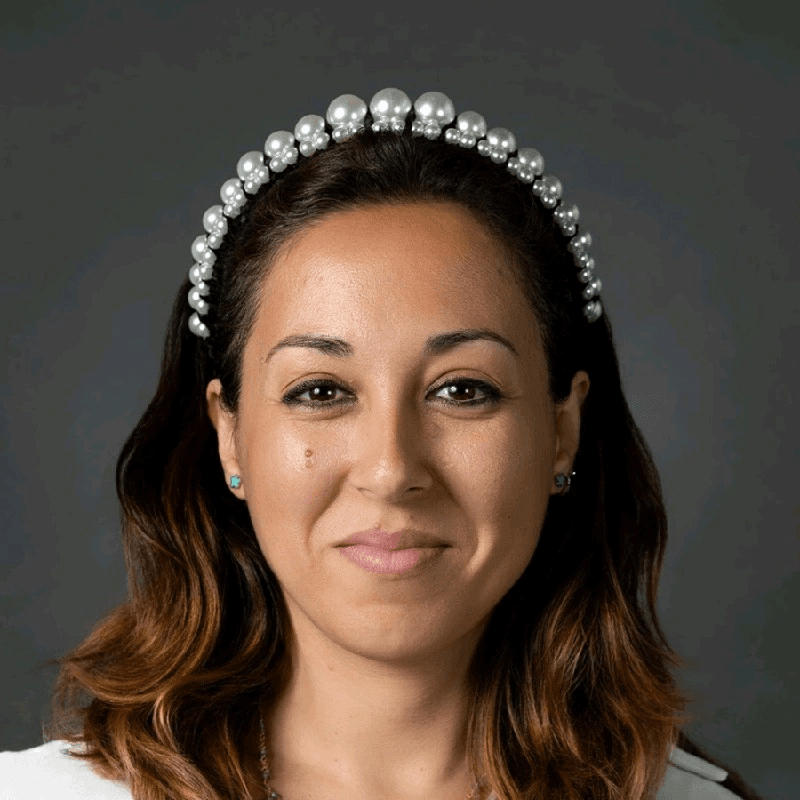
Sonia Prérez explores the realities of navigating intersectionality, neurodiversity, and authentic leadership, revealing how building supportive networks fosters inclusion, resilience, and genuine psychological safety within a biased world.
In this episode of Inclusion Bites, Joanne Lockwood speaks with Sonia Pérez about lived experience identity.
Welcome to Inclusion Bites, your sanctuaryfor bold conversations that spark change. I'm Joanne Lockwood,your guide on this journey of exploration into the heart ofinclusion, belonging and societal transformation.Ever wondered what it truly takes to create a world? Remember, everyonenot only belongs, but thrives. You're not alone.Join me as we uncover the unseen, challengethe status quo and share stories that resonatedeep within. Ready to dive in? Whether you'resipping your morning coffee or winding down after a long day, let'sconnect, reflect and inspire action together.Don't forget, you can be part of the conversation too. Reach outto jo.lockwood@seechangehappen.co.ukto share your insights or to join me on the show.So adjust your earbuds and settle in. It's time toignite the spark of inclusion with Inclusion Bites.And today is episode 169with the title Building Bridges in A Biassed World.And I have the absolute honour and privilege to welcome Sonia Perez.Sonia is an engineer and leader in the energy industry
Joanne Lockwoodhost
who has become a passionate DEI champion, advocating forinclusion, neurodiversity and psychological safety in the workplace.When I asked Sonia to describe her superpower, she said that it is toturning lived experiences into inclusive leadership andmost importantly, action. Hello, Sonia, welcome to the show.
Sonia Pérezguest
Hi, Joanne, thanks for having me. Absolutely brilliant. So you're
Joanne Lockwoodhost
the opposite end of the UK to me. So I'm in Portsmouth and you're upin Aberdeen, is that right? So is it. I know us Brits, we like totalk about the weather. So what's the weather like up there at the moment? Isit. So we're in, what, middle of March?
Sonia Pérezguest
Yeah, well, it's freezing cold. It's kind of snow. Have you had some
Joanne Lockwoodhost
snow recently? No, but the forecast says maybe. Again,
Sonia Pérezguest
we seemed like we were getting into spring and then it just wentwrong again. Yeah, it's down to the zeros here. So,
Joanne Lockwoodhost
yeah, I think it's an icy blast over the whole country. So, yeah, iswhat it is.So you've. You're an engineer by profession andobviously a leader as well. We talked about that. So how have you kind oflent into the DEI journey or the EDI journey,and what impact has your own lived experience and background?You know, we talked in the green rooms live about intersectionality or thedepth of our personalities and our lived experience. How's thatimpacted you at work and in your life? Well, I guess
Sonia Pérezguest
I came into DEI incidentally. It wasn't reallythought of or on purpose, but. But it was more my Liftjourneys. I became a momsix years ago and well, I guess my experience as an engineerand as a leader before was different to after. Suddenly youhave to, well, I guess balance yourwork life with your family and your personal life. Well,there isn't much of personal life, to be honest, if you have to compensatework with children. And at that point we startedsuspecting that my daughter neurodivergent and. And thenI hear, well, this is genetic. It's like, oh, okay, well, I wonder if it's
Sonia Pérezguest
me too. So we start investigating. It's like, well, yeah, that's definitely meas well. And how. I guess I was going through a really difficult time aswell personally. And how that kind ofneurodiversity, my new ish identity as a mother,as a single mother actually, and, and the mental health andso on. Well, it basically just took me into a really steeplearning curve about dei, but one that I actuallyam really proud of. Wow. So you're.
Joanne Lockwoodhost
What's been the biggest challenge you faced, you know, as a, as a,a woman. Can I use the phrase a woman of colour? Becauseyou're, you're not white British, are you? By, by, by,by background, has that impacted your experience in theworkplace as well? I wouldn't say so.
Sonia Pérezguest
I think even though my skin may be a little bit darker than the British.Well, not every British obviously, but justI would say it's still white in that, in thatpart. So I don't think I've had, if anything, people likethe colour of my skin. Tanned, I suppose is.
Joanne Lockwoodhost
Yeah. What's your original background? Is it Portuguese? Spanish? That sort ofgeneral area? Spanish, yeah, I guess that's general area. The one
Sonia Pérezguest
thing that I find about my nationality is the jokes about, youknow, how we are lazy and how we sleep siestasall the time and people who know me for a very long time willconfuse my name by someone else's who's Spanish or.Yeah, like we're interchangeable.
Joanne Lockwoodhost
I suppose there is. If you've got a US background, you're more likely to beHispanic, Mexican, I guess, as opposed to European Spanish.But like the Brits, the Spanish also hadan empire and conquered half the world and exported our culture andlanguage and religion to other parts. And thePortuguese did it as well, and the Dutch. We're all guilty ofspreading our culture to other parts. Unwanted often. No,
Sonia Pérezguest
but I haven't really faced the big, I guess,challenges due to my national. I think I'm okay. I'm animmigrant and you know, you will Always find people who would ask you to goback home. But frankly, it's not really been an experiencethat's shaped my life. It's maybe happened once or twice, but I know other peopleget it a lot worse. So you've been in
Joanne Lockwoodhost
engineering, STEM sector, for most of your career. It hasa reputation for being very maledominated, for want of a better expression. How have you found that challenge tonavigate as a, as a, as a, as a young woman to start with andthen developing your career and becoming more experienced?
Sonia Pérezguest
Well, frankly, I. Yes. So I've always been, well,either the only woman in the room or one of the very few back fromuniversity. I think at the time I really wasn't awareof any difference in treatment. But when I look back now I,I see it, I see it now. I think, well, I felt like Icouldn't really be myself, how to fit in with all the other men. I hadto behave like them. And that didn't really. It felt awkward because
Sonia Pérezguest
it's like you're acting. There's always this kind of, well, sexistjokes and you kind of have to laugh with them and it's not really funny,but I don't know, sometimes you can become an object. I think as I'velike once finished university and I started work,I find everyone quite supportive of me. I've been offshorein platforms, I've beenas well in the oil and gas industry, but in onshore surveys,I think I kind of fall into this.I know I'm not the only one who does it because I've seen other colleaguesdo the same. I play dumb and that works quite well because I think peopleexpect me to be dumb. So rather than thearrogance, like if you are very like assertive or you, you're sureof yourself, you're confident, then they think you are beingarrogant. And if you make a mistake, then, well,that's kind of, it kind of explodes in your face.So playing dumb kind of works for, for alot of people. So what you're effectively saying is
Joanne Lockwoodhost
you're, you're appeasing people toensure that you are successful by not creating waves. And youknow that if you, as you say, become assertive, becomemore dominant, then you won't be accepted as much, so you have tohide who you are really. Just an intelligent, capableengineer has to kind of limit their own potential bydumbing it down. Is that, is that, is that what you're saying you've learned todo? Yeah, I suppose. Like when
Sonia Pérezguest
maybe I'm asking a question I mean, I know the answer to it, but, youknow, you don't. I think people feel a bit. A bit more like,defensive when a woman challenges them. So you don't reallychallenge them straight on. You ask questions and you kind ofplay dumb. Like, you know, is it really. I mean, I'mnot too sure about this. You know, it's not like you just goand tell them. And I know there's a big difference between the wayI did it as a leader and how other colleaguewho are men dealt with it. But then they didn't have thepushback that I did. Right. So
Joanne Lockwoodhost
how do you, how do you succeed yourself in aworld where you have to kind of minimise like that? How do youtake advantage of opportunities where people maybe see you as notconfident because that's the way you're portraying yourself? I don't have an answer to that.
Sonia Pérezguest
I would love to know the answer. Um, I think,well, and throughout my life, I would say I've achieved quite a lot.How did I do it? Well, I think, well, looking back,it's more about the people who, you know, is the networking. It's.There is people with whom you can be yourself and they will respect youand they value you for who you are because they can see everything aboutyou. And then there is the other people who, well,feel a bit more threatened by me or other people or other womenshowing who they really are. I would sayI had a lot of support, but, you know, my network, myvillage, let's say. So it's always about doing the right thing, beingkind to other people, being respectful, always trying to learndifferent perspectives. Because in that way people start kind ofwanting to work with you. They start like learning from you. They see the valuein you. I think that's what got me whereI was. But I don't know how it continues from there because itreally depends on who you're working with. Yeah, Obviously
Joanne Lockwoodhost
your daughter is going to be entering the workplace at somepoint soon, or maybe not soon, butin years to come. What advice would you give herentering the workplace and building her career,knowing what you know about how you've had to integrate into theworkplace? It's quite deep. Thought
Sonia Pérezguest
I would. The first thing would be to build her village. That's going tobe really key because there's always going to be people who will wantto see her fail. And probably it's not going to be personal, butit's more going to be like, like a more systematicbelief. So. But there will be people who want herto succeed. So it's about finding that village,that network that is going to support her, that's goingto give her that kind of perspective that you maylose when people, when you don't feel like youcan be yourself or you start like, what other people think or say start rubbingon you, like, I'm not good enough. There's always this villagewho will tell you, even in the times where you don't believe in yourself,that you are really good just the way you are. So I would say that'sthe most important thing. And I thinktake space, take your space. I mean, it's the.The more you talk about things, the more open you are,the more you demand, you know, to be just like everyoneelse and having the same opportunities, the morelikely is that you will get them. I think, youknow, if. If people just remain quiet and accept thestate of school, it's never going to change. And that's, you know, what the previousgenerations to us did. We're not starting from scratch, you and I,and, you know, our children won't start from scratch because we arefighting that battle as well. Yeah, I mean, we mentioned psychological safety
Joanne Lockwoodhost
in the opening.It's not right that you have to kind of hide part of you. If youthink about some of the four tenets of psychological safety, one is inclusionsafety. Being yourself, isn't it? And having to cover yourself means thatyou're fitting into other people's expectations, which is a hugemental cognitive load to have to think about that all the time, isn't it?
Sonia Pérezguest
It is, yeah. I think, to behonest, I didn't realise I was doing it until very recently.Just when I. I mean, neurodiver divergence, what is that? I mean,back when I was younger, it was only boys that wereneurodivergent and just, you know, the ones that showedneurodivergence in a. In a very stereotypical way. Soa lot there is a lost, lost generations of,well, people who didn't get diagnosed at time. At the time. Soat the moment, I mean, I got diagnosed,what was it, like a year ago. So I'm still learning whoI am. And I remember when I gotthe diagnosis and I called my mom to tell her andI wasn't sad, I wasn't angry, I was okay. But Iburst into tears and I was trying to explain my mom, I'm okay. I'm actuallyokay. I don't know what I'm crying. It's just like this overwhelm of suddenlyjust looking Back and seeing, you know, allof this happened because of this kind of how my brainworks and how I was trying to fit in with everyone else.So it was quite an overwhelming feeling realisingthat I've been masking my whole life without even knowing.And now I, I'm not so good at maskinganymore. I don't know why. But now that I know that, you know, this iswho I am, it's a lot harder for me to try to pretend to besomeone that I'm not. As far as age, experience. And,
Joanne Lockwoodhost
you know, you get to that point, as you say, you, you know, it's notyou. You know, you just, it just. This is who you are and you're nothaving to sort of COVID up things that you,you previously would have done because you thought you were failing. But actually it's justpart of your identity. And yeah, I think theolder you get though, the less, the less tolerant you are of,of. Of people's perceptions of you. And you're more like to be yourself, I think,become more confident in your ability. And the thing is, I do
Sonia Pérezguest
have a lot of people. Well, my family is. Well, we're really close,even in the distance, but they are very supportive and they'vebeen learning as well. Now, like the. Well, my stepdad started studyingpsychology just to understand, you know, my daughter and me, like, how near thevirgins and my mom's read all the books in the world. Now it's a shamebecause, you know, they didn't know before and neither did I.And now is kind of trying to catch up with all of this. Myfriends are very supportive and there is a lot of people at work thatare very supportive of me as well. And so this is really nice to seethat, you know, it's okay for me to be who I am.
Joanne Lockwoodhost
You said in your notes you submitted for the show thatyour, if you like, awareness of your own neurodiversity stemmed from yourdaughter's neurodiversity and the diagnosis of her. And you saw traits in herthat you'd recognise in yourself. So what were the key things maybe in yourdaughter that you spotted that resonated with you? It wasn't
Sonia Pérezguest
obvious to start with. She was three years old when this startedand it was behavioural. And me, I've always been a really calmchild. I never had like any issues. But she.A few years down the line, we figured out it was sensory processing. Shehad a big issue with that, especially like clothesand stuff. I've never experienced that. But she Started.
Sonia Pérezguest
Well, when we start looking at that behaviour as avery young child, it sometimes leads into neurodivergence andhow children understand the world and how they're processing information.So I wondered if, like, is it adhd? Is itautism? And then apparently something came up that I had never heard about,which was giftedness. And I thoughtgiftedness, okay, well, the kind of conversations that my daughterwas having with me when she was three years old werenot what you would expect from a child is like, that's the conversation I wouldexpect to have with an adult talking about, like, well, reallyphilosophical matters like, you know, death and pregnancy,miscarriages. I had just had one. And relationship breakdowns andI, it just caught me completely off guard. Andso giftedness, ADHD and autismhave very similar traits, actually. And Ididn't, I knew nothing about that. So it's not recognised inthe UK yet, but it's in, in the US and in Spain and maybe inother countries as well. So I personally didn't thinkshe got that from me. And it's this thing about ADHD and beinga woman as well that you, you always think that you'renot smart enough. For example, I was in,in class and I was always a really good student andI had really good grades, but I just couldn't pay attentionwhen the teacher was kind of giving the lecture. And Ithought that's because I'm not, you know, smart enough.And so, yeah, I. She's not diagnosed yet because she's very young. But Igot my diagnosis and I was really surprised to see that not only Ihad adhd, but I was gifted. And, well, I always thoughtI wasn't that smart. So what, you know, you talked about
Joanne Lockwoodhost
gifted and how has that manifested itself in your career?There aren't many women still in STEM subjects andI've always associated, rightly or wrongly, withneurodivergence. Being engineer y, technicaltype people, they communicate better with things than they dowith people often. Do you think that has had an impact on you being ableto focus on engineering topics? I don't know. I mean, for
Sonia Pérezguest
it's. It's a bit difficult knowing where, you know, the, the autism,ADHD and giftedness kind of ends to startwhere the other one begins. For the giftedness has been more about feelingeasily bored. I mean, I need a challenge and my motivationcycles kind of peak when I, I getsomething new, something challenging, something I'm learning from, but kindof dissipates quite quickly and easily.I say, like, the other thing was authority. If someonedoesn't justify something, well, reasonably well to me, thenI, I find it difficult to, to, to follow it.I think from, from the ADHD point of view, Iam not very good with details and you would know that. Youparticularly because I turned up to this meeting a month agoon the 14th, on the 14th of March, because Iscanned through like, you know, readingand I seen the 14 and yeah, this is not the first time ithappened. So I knew it was probably my fault that no one turned up tothe call rather than someone else's. So, you know, thenumbers aren't the best for me, the details, butI'm really good with abstract thinking. I'm really good withempathy, for example, like talking to people, understandingwhat's important to each person andbuilding that trust. From the engineering point of view, what I was really keenon is understanding why things happen, how things work. It's likethat kind of puzzle. I've never been diagnosed. I'm not sure whether
Joanne Lockwoodhost
I was ticking off boxes, but I share a lot ofyour kind of thinking there. You know, every time I find somethingnew, I want to rip it apart, put it back together, rip it apart, putit back together. And then once I've done that a few times I go, yeah,bored with that now. What's next? Oh, another shiny thing, Another. So I've got awhole, whole catalogue of things I've had a good go at and I've becomea very quick expert on and then push it to one sidebecause my background's in it and I found thatextremely challenging for most of my life and really got involved with it and allof a sudden in my 40s, I got bored with it. I just thought, Ican't do. I've had enough of this, it's not exciting me anymore.I want to find a new shiny object. I share a lot of that withyou. It's important to keep stimulating the brainand I'm either, I'm either a hundred percent in or I'm a hundred percent out.I don't, I don't do it in the middle. Oh yeah, yeah.
Sonia Pérezguest
Middle grounds don't really exist in my head. No. Yeah. If
Joanne Lockwoodhost
I'm not interested, if I'm. If I'm not into it, I'm not into it. That'sit. I'm not, you're not going to persuade me. But to me that, that's, that'squite powerful because I can become very obsessive and veryhyper focused on something and achieve a lot and I'llI'll focus on it for weeks. 24 by 7 I'll be thinking about it, I'llbe lying in bed, I'll be waking up with it. I want to put itinto action and say something else will occur. And I focuson that. And it's like. So yeah, it's interesting that it's agreat attribute to have if you want to get stuff done. As long as you'vegot someone behind you picking up what you've left and saying, right, okay,that's ready to go. You take it on from here, isn't it? So my
Sonia Pérezguest
mentor, a very wise person, once told me like, you don't have to know everything,you just have to surround yourself with people who can fill in your gaps. AndI thought that was really helpful and useful. I mean this is. A lotof people just tend to just take everything in and theydon't know how to, I guess, share that work and delegate. But forme that comes naturally. I think not everyone sees itas a strength. The thing is, I think you know, as an individual you'rebound to have gaps. No one can know everything, no one can begood at everything. But if you know what you're really good at, thenyou can focus on that and there'll be other people who are really good atthe things that you're not so good at. So yeah, I think that works really
Sonia Pérezguest
well. Yeah, there's another quote. I can't remember if this is accurate or not, but
Joanne Lockwoodhost
I think it's something like. Something like if you're the smartest person in the room,you're in the wrong room because you want to be able to growand learn and so find a different room to help yougrow and learn. So I think, yeah, it's important that you don't have to bean expert at everything and you don't need to be the authority on everything. Andit's important that you have your own learning zone. How's your daughterfinding that sort of the way her brain works? Is it avery similar way to yours in terms of being very hyperfocused and picking things up and then moving on quickly?
Sonia Pérezguest
It's hard to say at this stage. I thinkI can already see what she's really good at. I think she's really good withnumbers at the moment. Her logicthinking is, well, outstanding. But then she struggles with other thingslike sitting down and actually get. I mean if you don't sitdown and force yourself a little bit, you never get into hyper focus. And Ithink she struggles with the Kind of sitting down, I think, like. Yeah, no,I think, like, she's really smart and she just fitsin wherever she goes. I think she's the queenof masking, though. Butshe's. Yeah, she's. She's really outstanding. Fabulous, fabulous.
Joanne Lockwoodhost
So in the notes, it says here you've chaired numerousvillages, if you want to use your word, women's support groups,neurodiversity network groups, internal employee resourcegroups. And presumably you've also been involved with, what,industry body groups as well, to promote womenor neurodivergent women across the STEM sector.
Sonia Pérezguest
Well, it's something that I'm trying to do just now with the imicci. So I'ma member of the imicci. Yeah. Yeah. It's just a really, Iguess, obvious next step at work. I do theWomen and Women plus group,which is basically for any underrepresented gender. We'vegot two others. We've got the LGBTQ and thenwe've got neurodivergent group. I'm a member of thatone too. But, yeah, I'mkeen to do as much as possible so that,you know, I can make a difference, a positive difference. Are we. That's
Joanne Lockwoodhost
the question I often tell myself with and other people with, we'rebetter than we were. But are we really making progress?
Sonia Pérezguest
I would say yes, definitely, because I can see, like, thedifference between when I was growing up to now. I mean, peopleare talking about everything now. We're talking about neurodivergence.We didn't do that before. We're talking about, well, genderand gender identity, we're talking about sexuality. We'retalking about so many different things that we didn't do before.I can see. I mean, all these things take time.I don't think we will see the end of it in this generation,but I can certainly see a huge difference. And the fact thatthere are so many people talking about it, people are nowrising up and talking about these things. That's really important.Not everyone felt safe to do it before,and there was a lot of things that we didn't know about.
Joanne Lockwoodhost
You mentioned the notes that you've had some challenges in your lifearound your own mental health, going through an eatingdisorder phase of your life. Do you think that's all linked to some of yourneurodiversity, or do you think that they're separate threads?
Sonia Pérezguest
I'm glad you're asking that question. I did investigate this. I didsome research, because I wondered, and there is a very clear link with myNeurodivergence and my gender. So the eating disorders specifically,um, I've not been diagnosed with this, but I know that I've alwayshad a bit of an unhealthy relationship with food and myweight. And, you know, it can either be through,you know, just eating compulsively orbeing really fixated on my weight. So it can go bothdirections. I know, like, when I was growing up, when I was a teenager, youknow, like, you want to fit in. And I think I didn't know back then,but obviously I sensed that, you know, maybe struggled a little bit moreto fit in with the. With the rest of the people. And, you know, bodyimage is really important whether you fit in or not. Especially, like, asa woman or as a girl. Now you are expectedto look in a specific way. And this is almost like you.Yeah. To please men and. Well, yeah, soa lot of it, like, I think, you know, back then, I wouldn't sayI had anorexia, I wouldn't say I had bulimia, but I would say thatI was really obsessed with my weight, and I was probably at my lowest weight.And then the thing that happens to me is eventually a snap out of it.When you were talking about before, like, you get really obsessed with something for awhile, and then you lose interest. So that happens to me aswell with this kind of things. So. So I lost interest. And then I think,you know, the emotional eating came, like, you know, as you grow up andyou start getting more responsibilities, you. You again, youfeel like you don't fit in. In a lot of instances, it'salmost like you're. You're on your own fighting with the whole world, you know,and. And you just feel like kind of sense ofisolation, of lack of, sense of belonging. That kind ofneed for a deep connection isn't really met. Even though, you know, you mayhave friends and a partner and family, you know, you're reallyclose to all of them. But I. I found, like, that kind of senseof belonging wasn'tnever there, like, 100%. And I started, like,compulsively eating. I mean, I have a sweet tooth. That doesn't help, to be honest.Yeah, I mean, as you grow older, that becomes more difficult because youhave even more responsibilities, you know, at work. If you. If you kindof went up in your career, you know, you progressed, if you havemarried children, and, you know, relationships are difficult as well. All thekind of responsibilities in the household and. And then youeat, you eat and you eat like, all the Kind of stuff that you shouldn'tbe eating. So, yes, I noticed. Well,in my research I saw that. Can't remember thefigures exactly, is in the LinkedIn videos. But basically,neurodivergent women are a lotmore likely to get an eating disorderthan any other. Well, any other person.
Joanne Lockwoodhost
Explained to me that I personally have what I would call an addictivetendency, so I tend to binge on stuff. SoI had a poor relationship with alcohol most of my life. I would never describemyself as an alcoholic, but I used to consumeexcess amounts regularly, often inbinge format. You know, two or three days I would be drinking very, veryheavily and then a habit during the week. And myweight has also tended upwards most of my life andon occasions I've done something about it and I've lost 10 stone, giveor take, and I've put it back on over the course of another three orfour years. So I've got this look at my weight chart. It looks like anM. So I go up and then down, then back up again and then backdown again. So I'm currently on my downward cycle. I've lost aboutseven and a half stone in the last year and a bit. So, yeah,I get what you're saying. That becomes,if I see a buffet, I don't have a stop button. It's kind of, oh,I want a bit of that, I want a bit of that, I want abit of that. Suddenly your plate is like a volcano eruptingall over the place. But it's so difficult to take one of something.So I know that about me now. And that's why I oftenask other people to pick me a plate. Can you fill my plate up forme? They go, why? I say you'll fill it up reasonably, I'lloverindulge. So, yeah, that's the secret I've learnedis get somewhere else to fill your plate and then don't go back forseconds, just stop at that point. So,
Sonia Pérezguest
so what I, what I read was that ADHD is.People with ADHD are more likely to experiencebinge eating disorder because that kind of impulsivity.Well, we are more likely to get into addictions for me,with chocolate, maybe bread as well. And people withanorexia, autism. Well, in particularwomen are more likely to, to experience anorexia andbulimia because of that kind of,well, rigidity, being rigid with their habits.
Joanne Lockwoodhost
Yeah, I think you're right. You become veryfocused on other things and eating is just either something you're fixatedon or you're not bothered by it. And I go through phases where if I'min hyper focus mode, I could spend all day and think Isuddenly feel hungry at the end of the day thinking, oh, I haven't eaten today,have I? And you just forget all about it, don't you? So that's actually something
Sonia Pérezguest
that happened to me quite a lot and probably a lot of people with ADHDis that. And I went to a nutritionist who'sworked with people with ADHD before and she was saying that youneed an alarm because you can't go like, if you go into hyper focusmode then you're going to forget, you're going to ignore your hunger cues andthen you're going to be like so hungry that you know, you want to dowith like healthy food, you'll just want the unhealthy stuff andyou'll binge eat and then you know, everything is just going to go mad, likeyour sugar levels and so yeah, an alarm and just beingconscious. But yeah, when you get. Sometimes I find that like, you know,this kind of hyper focus happens when in the leastconvenient time and then it's like you just can't get up. I mean, I justneed to continue. It's like this, this is like thiskind of supernatural force keeping you from,you know, eating, drinking, going to the toilet. Yeah. Now
Joanne Lockwoodhost
I get that it's hard sometimes when you, youhave this intersectional makeup not to focus on sortof parts of your identity because if you're not careful, you getlabelled as being one thing or another thing. But reallythat's not what excites you, that's not who you are. And do you find thatif you're not careful talking about neurodiversity or some of your mental health challenges orsomething that's gone in your past suddenly creates this, thislabel about you that you don't really want to own.
Sonia Pérezguest
Yes. And that's why I thought for, for a while, whether I wantedto, to discuss this or not, because what I've learned isthat neurodiversity presents very differently to different people.And I mean usually it's not even one, you experience more thanone. At the same time, mental health, culture, gender, there'sso many different things. This, I mean the way Iand other friends that, or colleagues that I know are new to the virgin. Imean we are so different. Even me, my daughter, we are so different. I'd have
Joanne Lockwoodhost
to ask you about what you do, you know, day to day. Cause I noticedthe notes you Work onshore and onshore and offshore.Offshore. Sounds to me like the rigs. Is that. Is that the rigs you're workingon or is that offshore somewhere else?
Sonia Pérezguest
No, that was in the rigs, but that was. That was many ages agobefore I became a mum. So I did some. Yeah, so I went to somerigs in the North Tea. So what sort of engineering were you doing there? Is
Joanne Lockwoodhost
it. Was it the drilling part? The. What's your specialism? Ifyou like. Well, mechanical. That's what I did. Mechanical. So designingmotors or cutting or. Or structural.
Sonia Pérezguest
I don't design anymore, unfortunately. It's more like checkingthat someone else's design or,you know. Yes, we are checking in the energy industrythat things are safe. You know,imagine like if something went wrong offshore. Well, I mean, it'shappened before, so we don't have to imagine it. And that's what we are tryingto stop. So you're in sort of QA and risk and quality assurance,
Joanne Lockwoodhost
sort of, sort of side. Ah, okay. So obviously becoming amum changed a lot of your careeraspirations and availability to get in stuff.So what's your new passion? Is it about being more in a leadership role or.
Sonia Pérezguest
I would say, yeah, leadership was probably one of my. One of the thingsI was really interested in. I'm not in a leadership position now, butI was for six years and I found that,well, I got into it by accident, let's say. You know, we were talking abouthow when you've done this for a while, you just lose thatmotivation. You want something else. And the one thing that came up was a leadershipposition. And I got it. And I would say I quitelike working with people. I like helping people.I like making a difference to people's lives. Because, you know,work is not just about work. It doesn't end there. You know, it kindof follows the person, whatever the goal. So that was something I was quitepassionate about. I'm not sure what I'm passionate about now. I like my hobby,say I have one, because I don't have time for more. But writing is somethingI really enjoy. And do I see for the notes, you've got two
Joanne Lockwoodhost
master's degrees, one's one's in engineering and one's in creative writing. So you've.You've thrown yourself into the writing as quite a big hobby.
Sonia Pérezguest
It's quite big. And it's like, well, maybe, I don't know, who knows, maybe oneday I'll. I'll be a published writer. Who knows? So
Joanne Lockwoodhost
you've written Lots of novels. But you've never published them, is it, is that, isthat where you are with it? Well, I wouldn't say I've written lots. I've
Sonia Pérezguest
written two and a half. Written two and a half
Joanne Lockwoodhost
and then. Suddenly there is not many. There's not a lot of time. It's like,
Sonia Pérezguest
you know, like with writing or when as an engineer I work in frontof a computer all day. So my hobbyis not one that actually encouraged me, encourages me tosocialise and go outside. Which makes it really hard for me just toswitch from one side from, from, you know, one job in front of thecomputer to the next one in front of the computer on my own. I thinkI, you know, I struggle a little bit to, to find the time. Yeah, I
Joanne Lockwoodhost
can, I can imagine. Yeah. In today's modern life there's always something to do, isn'tthere? As I say, being a full time mum is a full time job andwe shouldn't, yeah, shouldn't make excuses forthat. I think it's a necessary part of, of development because I look back atmy childhood and my, my mum was a stay at home mom. She didn't, sheeffectively stopped work but she got married at the age of 23,24 and she had three children. I was the firstand she didn't go back to work or start working again untilher very late forties when we were all, I think myyoungest brother was probably 12, 13 at the time, goingto school and she became a teacher. So she got into teaching and intothe junior and primary school. But she was a verygreat mother and I value my upbringing of having a full time mum.I can't imagine what it'd be like to be alatchkey kid these days where you don't have a full time parent around. So it'sa real challenge though trying to divide up your desire tobe a great parent versus your need to earn a living.It's a challenge we have, isn't it? Well, I would say apart
Sonia Pérezguest
from the need of earning a living which, you know, most of ushave, it's also, you know, thatsense of achievement. I mean being a parent is not something I wouldchange for anything in the world. I love it. But there is more to methan that and I think there is more to a lot of us than beinga parent. There is a lot of, you know, dimensions to, to whowe are and I think, you know, whether it's my job or,you know, my hobbies or, you know, something else, I find it importantto Find that time to, to actually grow, to, tolearn well, just to get that sense of achievement fromlife. I've heard it said several times that, you know, as a woman,
Joanne Lockwoodhost
you, you, you have to choose. You know, there is a choice to bemade between a career and motherhood orparenthood that often men don't have to have tohave that dilemma. And I don't want to stereotype anybody here,but have you found that challenge yourself where there's a conflictbetween having a career and being a greatmum or being the mum you want to be as being inconflict? I would say so, yes. But I would argue that men are
Sonia Pérezguest
in the same position. While women often choose family,men are forced to choose work. So I mean, we are all sacrificingsomething. Men are sacrificing time with their families, while womenmay be sacrificing time, well, their careers.I, I just recently heard something from in the Women pluserg as support group at work and it was really,it was quite profound. It's like you can have everything, just not everything atthe same time. And I was good because I thought, like, I didn't feel likeI could have the career that I want plus, you know, be,be a mother and be with my, my child. But that is just now,isn't it? Life is long. Hopefully life is longand things will change. Yeah. It's interesting as you say, that
Joanne Lockwoodhost
my mum, that I'm a super fan of my mumin 86, something like that. 86 this yearand my father passed away a couple of months ago. I haven't been in anursing home for a couple of years and she'snow establishing her single life, if you like. You know, she's nowrediscovering that havingno responsibility for another person, not being codependent on anybody,being able to make her own decisions on things that she probably couldn't have donefor most of her married life. And she's now finding thisfreedom. But it's taken her a while to become comfortablewith not having to ask or not have to think about something, just beingultimately selfish, doing what she wants to do. And you say thatyou can't have every, you can't have everything, just not all at once. So Ithink she's now having the life that she did. She had togive up or park in her early days to now experience inher late 80s. And she's going, she's going for it big time. She's. I wantto keep going till I'm 100 at least. And yeah, if you use itor lose it, as she keeps saying. So you've got to keep active, you've gotto keep out there, get doing stuff. She goes to yoga, she goes toPalati's classes in the local town hall. She meets with her friends for coffeeand yeah, she does loads of stuff now she's busy as I am. It'sincredible. Yeah. Really, really, really powerful woman and I love it abit. That is quite inspirational. Yeah. I think probably
Sonia Pérezguest
in the past, both women and men and, well,anyone. I don't think anyone had the choice todo whatever they wanted to. It was more like what theywere expected to do, the role they were supposed to take in society. But itis now. You asked me before, do you think it's changed? Well, the fact thatyour mom is able to now have a different, very different life, Iguess, is a proof of that. Yeah, it's.
Joanne Lockwoodhost
But she lived a very traditional married life. Shegot married in 1963, so she was born in the30s. My father was born six years older than her. Andthey were kind of a product of their upbringing where man goes towork, woman stays at home sort of thing. And that was kindof predestined from the indoctrination their parents hadgiven them and the village they were beingsupported by. My father was in the navy, so it was a very much.The navy was men and the naval wives were women at home orliving in naval quarters. And I came along and my mum became amum and I guess that was. She didn't know any different.And even when I got married in the late 80s,that was still the model. Women were kind of still really expectedto stop being a worker and become a mother and a stayat home parent. And it was. I think we didn't seeany evolution of that. Maybe it was the Spice Girls and Girl Power that camealong in the 90s that started waking people up to the idea, you canhave choice here. Yes. And I think perhaps
Sonia Pérezguest
nowadays we see more women going towork and men staying at home withtheir children. I mean, there is sometraditional still kept there because.I don't know. But my experience and the experience of many other peopleI think as well is that, yes, we can go and work if wechoose to. We still have to deal with most of the stuff at home aswell. So it becomes like. Yeah, itbecomes like a lot. A lot. Yeah,
Joanne Lockwoodhost
we still have gendered roles, don't we? And someonesaid to me, you know, it's all very well being having a stay at homedad and a go to work mum. But there's that point when your child fallsover and bangs their head or bangs their knee, who do they scream?Do they scream for dad or do they scream for Mum? Often they scream forMum. So whatever happens, mum still becomes theprimary responsibility for keeping the childalive. As fathers often,even though they're committed, they don't havethe same relationship with their child, I don't think. And that's not a fault, it'sjust a biological thing. I think I am seeing this
Sonia Pérezguest
changing quite a lot. I mean, not with everyone in everyhousehold. There's still a lot of traditionality in.But I can see that being a lot more involved.Probably 50, 50, sometimes even more. But yeah, I guessyou still see a lot of the more traditional kind of thinkingin life still. Yeah. When our children were young, I
Joanne Lockwoodhost
was working all over the world. I worked for. Worked up in Scotland for ayear as well, near Glasgow.And I missed out on a huge amount of our child's development at that time.And we have. We had the luxury of. My wife was ableto stay at home a lot this time, so. Cause I was working and Ilook back on it not with regret, but with acertain sadness that I wasn't there for a lot of their lives. And they talkabout this, that and the other. I see photographs and they go, where was I?And I work out and go, oh yeah, I was probably in Scotland. Oh yeah,I was probably in America or in Europe somewhere. Andso, yeah, we all trade something, don't we?
Sonia Pérezguest
Exactly, yeah. And I, I don't think there is stilllike a huge choice. I mean, when you look at the parental leave,I mean, moms get a lot more than that andit just kind of falls into the same stereotypes. I personallythink if I have to make a choice,I'm going to choose my family. Because I know thatin, well, five, 10, 20 years time,I'm not going to regret, you know, the, the meeting I didn't turn up to,the job that I didn't get or, you know, there's things like that. There's alwaysgoing to be more of those. But family, there's only one. But I don't thinkeveryone has that choice. As I say, like when, when we kind of expectdads to go back to work so soon. I mean, some of them mightwant to. I don't think everyone wants to. And that's the thing, thechoice in the, in still many countries, UK being one of themis poor. Yeah, it is. We are at the End of the day,
Joanne Lockwoodhost
maybe not. We're money driven, but we're money dependent, aren't we?We have to pay the rent, put food on the table and if we can't,our lives become, become sad. So money doesn't buy you happiness, but no,money buys you sadness. And it's, it's trying tofind that middle ground between balancing your family and I,I think I, I found myself making those choices tokeep the family alive. And then you just become, itbecomes what you do and then it's only when you, you know, I got intomy 50s, I look back and thought I want a different second halfof my life. I want, I want to do things differently and I, I wantto see my daughter or son and I want to be part of it. I,my wife and I, we're kind of soul mates now. We spend all of ourtime together and we become very co dependent on each other more than a mileapart without pining. Myattitude to home life and family has changed completely duringmy 50s. So yeah, I think we have to wakeup one day and go, what's really important to me? What do I really want?And almost jettison all that BS of socialexpectations. So that's the awakening that I had recently as
Sonia Pérezguest
well. I think. You know, you're toldthat, you know, to find happiness you must, you know, studyhard so you can get a good job and then you get your good joband then you're supposed to marry and you're supposed to have childrenand you should, you know, go up in your careerand at the end, I mean, it doesn't always bring you happiness.Happiness is so much more than that. You know, it's the little moments aswell. And you find yourself like running someone else'sface. I mean, some of the things may be things that you like, but youknow, it's not essentials for happiness. And so yeah, that was, that was myawakening recently. Yeah, I'm privileged. I work for
Joanne Lockwoodhost
myself and I have worked for myself since the late 90s. So I've, I've got,even though I've had companies where I was responsible for people, still have,I still, I was still top of my food chain so I could makemy own decisions about why I did when I did it. I was answerable tothe bank balance, but not answerable to people other than customers and clients.Yeah, it's immense about freedom that I've experienced in my life and I thinknow being able to have exercise that freedom, I often callit a life, work balance rather than A work life balance because it's I liveand I use work to keep me living if you like,rather than living to work. And I think maybe that comeswith age, maybe it just comes with maturity or justhaving an epiphany and waking up one day and going, why am. I doing this
Sonia Pérezguest
exactly? Because, well, if you go through all the things that you've doneyour whole life, this is what you've learned that was the right thing to do.Because without that, you know, you're never going to find happiness.But you know, one day you just learn better because you've gone through theexperiences. Yeah. People often say
Joanne Lockwoodhost
to me, you know, what advice would you give your 10 year old self? AndI always say, well, I wouldn't give my 10 year old self any advice becauseI've turned out okay, I'm cool. But you know, the key advicewould be don't start smoking and watch what you drinkand just don't sweat the small stuff.But you look back on it, what advice would I give? And I think definitelywould be give more credence to family and less about work.And then and try and think of a life work balance. Earlier in my life,maybe that would probably be the only thing I would change is to enjoy myfamily more because as you said, you can'tget that back. Once they've grown, you can't get that back. Sonia, it's been absolutelyfascinating talking to you. I've really enjoyed our conversation. If peopleare listening to this, if you're listening to this right now, how can people geta hold of you if they want to have a chat? Well, I'm in LinkedIn
Sonia Pérezguest
so I'll be more than happy to speak to anyone who wants to get intouch. And your LinkedIn profile is Sonia
Joanne Lockwoodhost
Perez, is that right? If you search for you on there, yes. AndPerez is P E R E Z. Yeah. And Sonia. S O N IA. I'll put, I'll put the details in the show notes.Thank you. It's fascinating conversation. Really enjoyed it. Thank you.
Sonia Pérezguest
Yeah, me too, actually. Yeah. Thank you. As we
Joanne Lockwoodhost
bring this conversation to a close, I want to express mydeepest gratitude to you, our listeners, for lending yourear and heart to the cause of inclusion.Today's discussion struck a chord. Consider subscribing toInclusion bites and become part of our ever growing communitydriving real change. Share this journey with friends, family andcolleagues. Let's amplify the voices that matter.Got thoughts, stories or a vision to share? I'm allin. Is reach out tojo.lockwood@seechangehappen.co.ukand let's make your voice heard. Until next time, thisis Joanne Lockwood signing off with a promise to return withmore enriching narratives that challenge, inspire andunite us all. Here's to fostering a more inclusive world oneepisode at a time. Catch you on the next bite.
Navigating Neurodiversity and Psychological Safety in the WorkplaceThe Reality of Gender Bias, Intersectionality, and Building Support NetworksMental Health, Eating Disorders, and Work-Life Balance for Neurodivergent Women
Joanne Lockwood speaks with engineer and energy-industry leader Sonia Pérez about what it means to navigate a biased world while holding multiple, sometimes competing identities. Sonia reflects on her experience as a woman in a male-dominated sector, including the everyday pressure to “fit in,” the impact of sexist jokes and expectations, and the coping strategies she developed—such as downplaying her capability—to avoid pushback.
A key thread is Sonia’s journey into understanding neurodiversity. Prompted by her daughter’s traits and early assessments, Sonia sought her own answers and was diagnosed with ADHD and giftedness. She describes the emotional impact of recognising a lifetime of masking, how neurodivergence can shape focus, motivation, and authority sensitivity, and why psychological safety matters when people are expected to constantly adapt.
The conversation also covers wellbeing and mental health, including Sonia’s reflections on eating and binge patterns, links she has researched between neurodivergence and eating disorders, and the role of belonging and isolation. Throughout, both Joanne and Sonia underline the importance of “finding your village”—supportive networks and communities at work and beyond—and the need for continued culture change so people can take up space, be themselves, and thrive.
“There's always this kind of, well, sexist jokes and you kind of have to laugh with them and it's not really funny, but I don't know, sometimes you can become an object.”
“The first thing would be to build her village. That's going to be really key because there's always going to be people who will want to see her fail.”
“I'm really good with abstract thinking. I'm really good with empathy, for example, like talking to people, understanding what's important to each person and building that trust.”
“there is a very clear link with my Neurodivergence and my gender. So the eating disorders specifically, um, I've not been diagnosed with this, but I know that I've always had a bit of an unhealthy relationship with food and my weight. And, you know, it can either be through, you know, just eating compulsively or being really fixated on my weight. So it can go both directions.”
“Sometimes I find that like, you know, this kind of hyper focus happens when in the least convenient time and then it's like you just can't get up. I mean, I just need to continue. It's like this, this is like this kind of supernatural force keeping you from, you know, eating, drinking, going to the toilet.”
The personal impact of neurodivergence and how self-discovery can drive inclusive action in the workplace.
Navigating stereotypes, masking behaviours, and the ramifications of “playing dumb” to fit into dominant cultures.
The critical role of building supportive networks (“villages”) and leveraging mentorship for career progression and wellbeing.
Advice for future generations on claiming space and demanding inclusion without sacrificing authenticity and mental health.
The links between neurodiversity, gender, and mental health, particularly around eating disorders and addictive tendencies.
Strategies for balancing career ambitions with the realities and privileges of parenthood, challenging traditional gender roles.
The ongoing evolution of diversity, equity and inclusion conversations, with an emphasis on visible progress, intersectionality, and collective action.
One thing to remember
Building inclusion and belonging in a biased world requires recognising and valuing diverse lived experiences, fostering psychologically safe spaces, and cultivating empowering networks that enable all individuals—especially those from underrepresented groups—to thrive without masking or diminishing their authentic selves.
Explore topics
Ideas from this episode
Navigating Neurodiversity and Psychological Safety in the Workplace
In my recent conversation with Sonia Perez, a passionate DEI champion and engineer, we delved deep into the lived experience of neurodiversity and its intersection with workplace psychological safety. Sonia candidly recounted her journey of late discovery—first through her daughter’s suspected neurodivergence and then through her own diagnosis—that transformed her view on inclusive leadership.
The Reality of Gender Bias, Intersectionality, and Building Support Networks
Our discussion moved naturally to the persistent gender bias and the necessity of strong support networks for underrepresented groups in STEM fields. Sonia’s story described a career spent in rooms dominated by men, confronting biases not only against women but also against immigrants and those assumed to be “different”.
Mental Health, Eating Disorders, and Work-Life Balance for Neurodivergent Women
Perhaps most poignantly, we discussed Sonia’s candid reflections on mental health, particularly the heightened risk of eating disorders among neurodivergent women. She described her own challenges with compulsive eating, unhealthy relationships with food, and the psychological toll of trying to “fit in” for decades.
Learn
Frequently asked questions
Who are the speakers in this episode, and what are their backgrounds?
The episode features Sonia Perez, an engineer and leader in the energy industry, who is also a passionate advocate for diversity, equity, and inclusion (DEI), focusing on neurodiversity and psychological safety in the workplace. Joanne Lockwood, Founder of SEE Change Happen, is the host, driving conversations on inclusive cultures and belonging.
How did Sonia Perez become involved in DEI advocacy?
Sonia’s journey into DEI was not planned. Her interest was sparked by personal experience—becoming a mother, navigating the balance between work and family life, and realising both she and her daughter are neurodivergent. These lived experiences prompted a deep, personal engagement with inclusion, neurodiversity, and mental health in the workplace.
Has Sonia experienced challenges related to her ethnic background in the UK workplace?
Sonia identifies as Spanish, and while she notes her skin is somewhat darker than the ‘average Brit’, she hasn’t experienced significant obstacles due to her ethnicity. She acknowledges some cultural stereotyping, such as jokes about siestas and Spanish laziness, but these have not fundamentally shaped her workplace journey.
What are Sonia’s experiences as a woman in STEM and engineering?
Sonia has often been the only woman in the room, both at university and professionally. She observes that, in male-dominated environments, she has felt compelled to “play dumb” to be accepted—prefacing expertise with questions rather than assertive statements, in order to avoid being labelled as arrogant or overconfident. This masking took a psychological toll.
How does masking impact those who are neurodivergent or part of minority groups?
Masking—adapting behaviour, tone, or even personality to fit in—can create significant cognitive and emotional strain, particularly for neurodivergent individuals and those from underrepresented groups. Sonia spoke about only recently realising the extent to which she masked her authentic self at work, which she now finds more difficult after understanding her neurodivergence.
What advice does Sonia give younger generations, especially her daughter, about entering the workplace?
Sonia emphasises the importance of building a supportive network, or ‘village’, to counteract systemic barriers and negative voices. She encourages new entrants to “take your space,” speak openly about important issues, and not to acquiesce to the status quo, noting progress comes from challenging and changing existing norms.
Share this episode
Heard something worth passing on? Send this conversation to someone who needs to hear it.