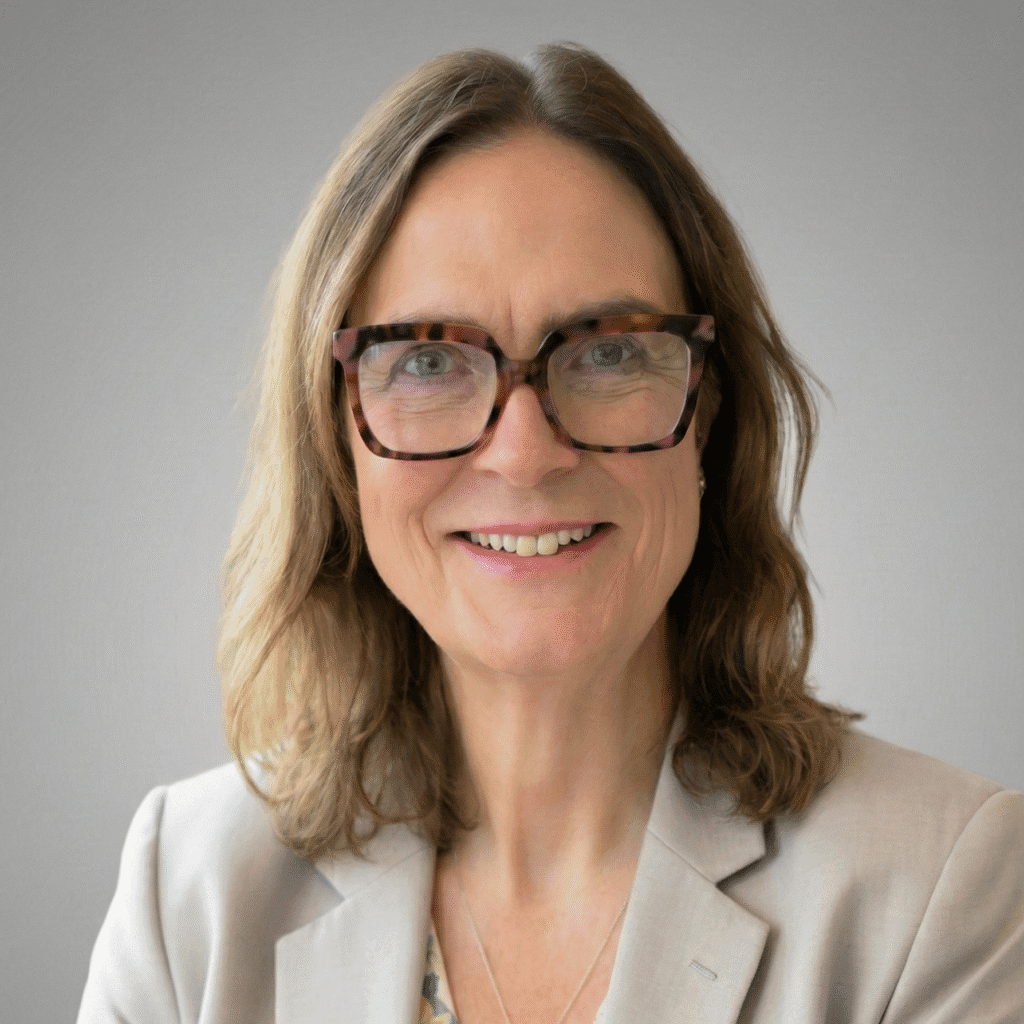
Ed Johnson explores the empowering role of routine, candidly unpacking the interplay between structure, personal accountability, and inclusive design to help individuals and organisations thrive in a rapidly evolving workplace landscape.
In this episode of Inclusion Bites, Joanne Lockwood speaks with Ed Johnson about workplace culture systems.
“I know that you won't work in this company forever.”
Explore
Navigate this episode
Joanne Lockwoodhost
Foreign.Welcome to Inclusion Bites, your sanctuaryfor bold conversations that spark change. I'm Joanne Lockwood,your guide on this journey of exploration into the heart ofinclusion, belonging and societal transformation.Ever wondered what it truly takes to create a world? Remember, everyonenot only belongs, but thrives. You're not alone.Join me as we uncover the unseen, challengethe status quo and share stories that resonatedeep within. Ready to dive in? Whether you'resipping your morning coffee or winding down after a long day, let'sconnect, reflect and inspire action together.Don't forget, you can be part of the conversation too. Reach outto jo.lockwood@seechangehappen.co.ukto share your insights or to join me on the show.So adjust your earbuds and settle in. It's time toignite the spark of inclusion with Inclusion Bites.And this is episode 177 with thetitle Empowering Through Routine. And I havethe absolute honour and privilege to welcome Ed Johnson. Ed is atech entrepreneur and the CEO and co founder of URoutine,driven by a passion for empowering people through structure, goals andinclusive design. When I asked Ed to describe his superpower,he said it is being fueled by purpose. He buildssystems that help people thrive to self motivation andmeaningful accountability. Hello, Ed, welcome to the show.
Ed Johnsonguest
Thank you very much. Wonderful to be here. Excited about our conversation?
Joanne Lockwoodhost
Yeah. And we were just chatting away in the green room before we pushed therecord button. We first met, we reckon about 2018sometime IBM South bank and it was an EDI DEIrecruiter type conference, if I remember rightly. And you were one of thekeynote speakers on that day? I was. And I
Ed Johnsonguest
have to say I felt at that time I was very early on in myprevious company and founding my previous company. I felt at the time like I hadno idea what I was talking about and I was trying toperfect the elevator pitch and some days it was really eloquent andsounded professional and other days I'd hear myself sayingit back and think even I don't know what I'm trying to do.
Joanne Lockwoodhost
Or sometimes it sounds so crass, doesn't it? Sometimes you lift back and go, oh,that's a bit cringy. And oh, did I really say that? Exactly,
Ed Johnsonguest
yeah. And I think that IBM day was probably one of thosedays where I was one of the keynote speakers and didn't reallyknow what I was talking about. I sort of mumbled and rumbled through it.But I met some wonderful people, you included, so that wasa great point. I will say you winged it well and you did create a
Joanne Lockwoodhost
lasting impression on me and your belief because the product you were involved withwas Pushfile, which is a mentoring platform. And I'm a great believerin the people space around the power of mentoring, formally orinformally. And Pushfire Platform was about trying to formalise,creating accountability within mentoring, wasn't it? Absolutely.
Ed Johnsonguest
The main objective was for us to help people to find and formmentoring relationships that worked and give that a bit ofstructure, give people the ability to track their progress with theirmentor or mentee. Yeah, we seemed to have managed toachieve that when we went on that journey and started engaging withlots of people who were interested in mentoring, which was great to see. It
Joanne Lockwoodhost
became quite a big hit in corporates. I sawsome of your client lists and it really did get traction and still is, Iguess. Absolutely. It's continuing to grow. It's really
Ed Johnsonguest
a wonderful thing to see it continuing to thrive andincredibly proud that my co founder and I built this, you know. Yeah.Organisations really were engaging with and continue to engage with the powerof mentoring. I think it's such an important part of one'sprofessional development, access to a mentor, but alsothe opportunity to be a mentor. I think that's very empowering forindividuals as well. So who was your mentor? Did you have many?
Ed Johnsonguest
I have had a number of mentors through the years. The one that Ialways cite is our chairman at the time, MartinSherwood, and he was a wonderful mentor. Mentor to me. He wouldadvise me on the things to do, but often things not todo in running startups. He's been involved in and on theboard of a number of startups and he's fantastic at what he does, gives mereally good advice and is also honest. I think that's really importanttoo. So I can ask questions and he'll give mea really honest answer. I've seen and had interaction with somementors who will just tell you what they think you want tohear and actually that doesn't really serve as very valuable. I'drather hear the truth, even if it's, that was terrible orthat was awful. I'd rather hear that than someone say, yeah, that was great, whenit really wasn't. So, yeah, he was a very good, very goodmentor to me. Yeah, I agree. I've
Joanne Lockwoodhost
mentored a few people and I'm sometimes thinking, sitting there when I'm talkingto them and saying, I'm in danger of being very brutal here, andthat's what you're there for, is to really hold the mirror upand say, look at yourself. You're saying this. Do you really believe that? Or you'rejust going through the motions and you need people to really cut through thatBS that you're hiding behindand face up to those realities. But, yeah, as someone who'smentored others, I have found it quite personally challenged tobalance that own objectivity with personalopinion. That's a real challenge as a mentor, isn't it? Completely. And I
Ed Johnsonguest
think the best way to overcome that fear is to be reallytransparent and honest with one another. When you're having the initialconversation about, will you be my mentor or mentee? But also thenreminding one another at the start of every mentoring conversation and saying, look, I'll becompletely honest with you. I'll tell you what I. What I think. And I'm doingthat because I want to be helpful. And if at any point you'd rather Ididn't, please just say can change. Change the conversation. But actually, if you'resetting that as an expectation at the beginning, you'll find that 99% ofthe time, the individual being mentored will say, yes, I do want that. Iwant you to be honest with me. If I was looking simply fora bit of an ego boost or a pat on the back, I could goto my friends for that. And actually, a mentor is there when they're slightlyremoved, and they can give you that honest response.
Joanne Lockwoodhost
So, first of all, you mentioned you founded it with a co founder. So thereyou are, two people developing on this thing. You've got maybe a.Maybe a shadow board or an informal board to start with, or some business coaches,but you grew to a sizable employee base.I'm guessing 20s, 30s, 50s, over the course ofmonths, maybe years. How did you find thatchallenge of growing from 2 to 4 to8 to 16 to 32. You know, that exponential growth that you did. How didyou find that challenge of growing? Actually, you
Ed Johnsonguest
say that we grew the team. Actually, the team stayed fairly small. Whatgrew was the client base. And because it was software, it'sscalable. And that had its own challenges where you have to become a bit moreprofessional, not in the way that you do necessarily when you have employees, but.But you do it to a lesser or greater extent within the client base that'sgrowing as well. I think the big challenges werethings like process for us. And, okay, we were used to havingconversations with maybe 10 clients, and we could talk to them all andinvite them to lots of things and really understand theirown unique position and situation and therefore adapt the technologyand the software to those 10 clients. When you have 50 clients,
Ed Johnsonguest
that becomes more of a challenge. When you have 150, that becomes areal challenge. Because what we found was, whilst there were some corecomponents to our software that everyone wanted, every organisationis unique. Every organisation has different mentoring programmes that have differentrequirements, and building software that can becustomised to all of them becomes quitetricky and quite a challenge. And it's setting the expectations that thisis out of the box software. There are loads of customizationsand features within it that you can change, but there are always going to besome limitations. And those early on,clients who were used to saying to us, can your software do X, Y andZ? We would go back and say, not at the moment, but give us acouple of weeks and we'll develop that. It got to a point where we simplycouldn't say that and we had to actively change those goalposts and say,well, look, we're with software as a service andwe'll try and factor that into development. We have anotherclient who is asking us for a feature that is completelyopposite to what you've just asked us for. So that presented some interestingchallenges along the way. So being able to say no, being able
Joanne Lockwoodhost
to manage expectations, otherwise you say yes to everybodyand it becomes too stressful, I guess,completely. And I always wanted to say yes to everybody. I want to
Ed Johnsonguest
help people to get the best from their mentoringprogrammes and see those thriving. And it was ashift that we had to make in how wepositioned ourselves. But we got to a point where we were good at doingthat, but it took us the best part of two years probably, to make thatshift and transition, but we were able to. You are a completely
Joanne Lockwoodhost
virtual business. So you didn't have big offices and people wereworking all over the world. Correct. We were totally virtual. We
Ed Johnsonguest
were virtual before COVID in fact. So my co founder is achap called Gabriel, he is based in Romania. So we weredefinitely virtual and we wereworking remotely together. And then whenthe pandemic hit and lockdowns were enforced,it was then a case of doing whatwe'd always been doing. There was not really any change for us. Theonly change was that actually organisations were suddenly saying, okay, we needour employees to still be learning, let's give them virtual mentoring.So actually we saw an uptick in demand as the pandemic struckand I think that remote working that we'd always been doing putus in a really good position and also enabled us to be a globalbusiness very quickly as well. So we had clients all over the world andmentoring. It doesn't really change from one country. To another when we think
Joanne Lockwoodhost
about the culture of an organisation. Some of these, when we lookat big corporate, global companies, they're so massive, it's reallyhard to create a culture that seeps into everycorner. But you were able to grow a culturefrom day zero. How conscious were you ofthe fact that you were effectively driving the culture based onyour personality and your style? Did you ever consciously think about the culture of yourorganisation and what its internal values were? I
Ed Johnsonguest
absolutely did. The reason, one of the reasons why I did, aside from it beingincredibly important and something that I think is so powerful and really doesshape a business, is I remember one of my first jobs wherethe CEO of the company said, I know that you won't work in thiscompany forever. He said this to everybody. He wasn't singling me out. He said toeverybody, I know that you won't work in this company, company forever, or you're veryunlikely to, but wherever you go in your career,the one objective I would have is for you to always look back on yourtime at that company, at our company, he said, andknow that you enjoyed your time there and feel likeit was the best company you'd ever worked for. And I always thought, whata cool thing to say and aspire to, youknow, it's not about revenue, it's not about growth, it's about theone place where you really enjoyed working. And so I alwayswanted to build businesses where people felt like that whenthey were working with me and for the companies that I was co founding.And so that was very much in the forefront of my mind. And then youstart to look at, well, how does one achieve that? And you think, well, whatwould I like from an employer? What would I liketo know that I can talk to them about or that I can get fromthe company and that they will give back to me? And it really starts withhonesty and trust. I think that has to be implicit from dayone. And so I would always talk to new hires. There weren't a lot. Wewere a small team, which makes things obviously easier when it comes to culture. Butit was that total honesty, total transparency, and it was saying,if you ever have any issues or challenges or you ever just want to talkabout anything, please don't hesitate to do so. Andalso then instilling that flexibility early on. So if it wasa sunny day and I knew that people were in London orin the UK and the weather was Great. I'd say, look, it's a Friday afternoon,if you finish your work, just log off. And it wasn't that we had aformal policy of a four day working week. It was actually, Iunderstand what's going on and I remember a colleague who wasreally into football. I have to confess, I'm not, I'm not ahuge football follower and fan. But England had got into the, this isgoing to show how little I understand football. They got into the quarter or semifinals of a big tournament, I can't remember which one. And I said,I said to this colleague, look, whatever the outcome, I know you're goingout with friends tonight, don't worry about logging on tomorrow. Because I knewchances are I'd probably be having a few drinks and probably wouldn't feel very freshin the morning whether England won or lost. So I said, look, just have theday off. And I think, you know, little things like that whereactually as long as it doesn't affect work and doesn'taffect the, you know, the experience that clients have or anything else and then you'vegot to obviously make those judgments, then actually you should be doing that. Andhe said that that really resonated with him and was something that he will alwaysremember. So it's that building that sort of. Culture based on
Joanne Lockwoodhost
trust, does that scale easy for startup, easy for small team, but can ITscale to 50,000 employees globally? I think it can if
Ed Johnsonguest
you have the right managers of teams and that they have it instilled inthem early on. I've always questioned whether it can scale but in questioning it Ialways come back to if you have the right team leaders who are aware ofthe team, who are aware of the challenges and the tasks and what's goingon for the team, then I think it can scale. I think obviouslyyou have to be mindful of if you've got a big project with a bigdeadline, then you can't say to people, well, you can take Fridayafternoon off or I know that that's going on for you, but I thinkactually if those things happen then then whenyou've set the right culture in the first place, then actuallythe individuals who are in the team, the employees will think, well,I know I was given last Friday off or I, I, you know, was giventime off and we've now got a deadline, I've got to work towards it andI'm, you know, more willing to work forlonger hours on a Friday afternoon to hit a deadline. And I think whenyou've got that Mutual respect and mutual understanding from the employer to the employee andvice versa, then it can scale. The mantra I would probably use is the
Joanne Lockwoodhost
Ying as an entrepreneur is you work when you want, butthe yang is you have to work when you don't want.So both are true. You can take the swings, you can take the roundabouts, butyou have to balance it out. There are times where you're. I think actually I'mnot feeling it today, or today's not going to be a good day. It's sunny,I need to clear my head, I need to get some creative thinking going andI just need to switch off and do something else. Other days you go, asyou say, there's that deadline, the buck stopping with me. I've got no choice. Ithas to happen. No matter how sunny it is, no matter how rough I feel,it's got to happen today. So if you have that personal accountability and personalresponsibility, then that can work, can't it? And I thinkwhat we don't always breed are artisan employees or artisancolleagues who have that creativity and that self management,if you like, self leadership, completely,definitely. And I think a good manager or a good leader will
Ed Johnsonguest
understand how everybody, how everybody intheir team functions. They'll have that emotional intelligence tounderstand their team and how they, how they workand how they work best. And you know, I think I'd ratherif someone wasn't producing very good work because they wereexhausted or they just weren't feeling it that day, I'd be more inclined to sayto them, look, take the afternoon off. You're not, you're not doing verygood work because you're exhausted or because you're just not feeling it. And that's absolutelyfine. We're all human. And hopefully in giving them the afternoonoff or giving them an hour or two's additional lunch break, that they'llthen come back feeling more motivated and therefore be far moreproductive. I think where some organisations get it wrongis they align productivity to thenumber of hours worked and they think the more hours you work, the moreproductive you are. And I just had never bought into that. I'd rather someone wasreally productive in three days. Yeah, we know the stories
Joanne Lockwoodhost
in the city where people would put the jacket on the back of their chair.So where's Frank? Oh, his jacket's here. He must be around somewhere.And they get lost in the system and really they're outside having a cigarette orgone to the pub or at Balls brothers having some champagne for the afternoon orsomething like that. And they sneak back in at half six in the evening wheneveryone has to gone home, pick their jacket up and go home. But that waskind of rife in the city. Maybe, maybe not recently, butmaybe in the 90s and the noughties when I was up there. Butyeah, we have to breedcultures where people are self accountable and trust isthere. But we still find that many managers and leaders have been broughtup the old way with lack of trust where they're micromanaged, they have tohave to sit at their desk and that can't be the blocker that we're notreally nurturing a new generation of leaders. We're just more ofthe same. Totally. And I think one of the other
Ed Johnsonguest
really interesting things is that there are some individualsnot who like micromanagement per se, but whoactually appreciate a bit of clarity around whataccountability looks like. And I think there's a danger thatorganisations can go the opposite way and they can say, well this is the bigpicture, this is where we need to be in 12 months time, make sure ithappens. And for some employees who've maybe just come out of collegeor university or school thinking, okay, what do you want me to do today? Idon't, I don't have any clarity around what's going on. I'm notsaying I want to be micromanaged but I would like a bit of structure andI'm working from home so I know I've got a call at 9am butwell, I can roll out of bed at 5 to 9 and then I'll beon that call from 9 till 9:30 and then what? I'll check my emailsand actually they probably wantto be a bit more productive. They want to have that clarity but don't reallyknow what they're doing or will think, okay, I've got fivethings to do, I don't really know how I'm going to do them. They haven'tgot the discipline at any age but may beparticularly prevalent in people who've been used to the education systemand the structure of a timetable and you know, bedtimes andthat routine to go from that to then a 9 to 5 job where youkind of log on in the morning, you go right, I've got these tasks, howam I going to do them? You know what, what am I doing reallyis, is the opposite, which can bea danger as well. So I think there's that, it's really important that there's thatself accountability but it's also important that an organisationpresents Their employees, their team, withclarity around what accountability actually looks like. There's a. There's a book, I don't know
Joanne Lockwoodhost
if you've ever read it, it's called Nine Lies About Work by Marcus Buckingham andAshley Goodall. And they have this list of eightinsightful questions to ask, how to measure belonging.And one of them, I can't remember if it's two or three, is at work.I know what's expected of me and what you just said there is I needto know how I win, how I lose and how I pleaseyou. If I don't understand that and you say, I can't work in avacuum. I need parameters, I need goalposts, I need edgesto my world to know where my interfaces are. So by having thatexpectation about when I'm doing great and when I'm not doing great,I can then manage within those frameworks and depending on the person,we can either shrink that down to a cage or we can create a safaripark and people can wander more freely within their safaripark because they know what the parameters are. So about trying to find the rightsize of guides, if you like, when you go bowling with the kids, you putthe guides up there and stop the bowling ball go down the galley. It's justputting those little nudge points in there to say, right, okay, we're still trying tohit the first pin, get back in there completely. And
Ed Johnsonguest
there will be some people in an organisation and in their job who knowalready exactly what's expected of them and they know how to do it and when.And then there will be other people who will need a bit more.It's going to be very rarely going to be a one size fits all aswell. So it's giving people the tools and the resources to be able tohave that structure and support should they want or need it. And then therewill be inevitably some individuals who say, do you know what? I'm good, I've alreadygot this covered. I know exactly what I need to work with. You said earlier
Joanne Lockwoodhost
that one of the signs of a great organisation isthat you will always think it is the best place you've ever worked. There's thattear in your eye and you reluctantly have to move on to developyour career and find something else. You've done that recentlywith pushfar. You had an exit plan, VC investors,or however you sort it out. Was it the best place you've ever worked?
Ed Johnsonguest
I think that's a really hard thing to say about a company that you arethe founder of. I Suppose it definitely was in that it was sevenyears of my life and previously I'd only been at jobs for a year ortwo at a time before moving on. So it was probably the best and theworst, if that makes sense. And as an entrepreneur, I'm sure you all know this.You know, you have days where you think, oh, my gosh, this is really hard,I don't know what I'm doing, or it's all going wrong. Andthen you have days where you're on top of the world because you've just wona brand new contract with a multinational company and you suddenly think,wow, my software is going to be rolled out to tens of thousands of people.How cool is that? We're working with some incredible brands.The cherry on the cake is it's not just software, but it's software thatmakes a difference to people. And that's a really cool thing. I wouldsay it was the best and the worst place that I've ever workedas a founder. And, yeah, I'm incredibly proud of whatwe've done and it was wonderful and I hope I can dothat all over again. The day
Joanne Lockwoodhost
after they changed your password, took your email address off the system, took yoursecurity badge back, did you wake up the next morning going,I miss it? I woke up the next morning and set up
Ed Johnsonguest
a new email account for the, for the new business. So I sort ofthought straight out of one and into another. But obviously when you set up anew business, you don't have many emails coming through.I'm still in the habit of checking my inbox every five minutes and going,oh, no new mail, there's nothing. Andthen I sort of think, that's because no one's heard of you. And that isa sort of, you know, cold shock to the system.You know, the cold reality and the cold light of day, it's a bit ofa shock to the system where you think, right, I've actually got to build thisbrand now. I've got to get people to hear about it. Soit wasn't, it wasn't that I missed it because I, I'm, I,I was ready, I think, to move on, but it was very much a caseof ready to move on, but aware that I'm not very good at sitting around,doing not a lot and relaxing. So I was ready for the newchallenge and the new chapter. And it was quite literally the next day that Istarted doing that with my, with my same co founder, Gabriel. We both exitedat the same time and have gone on To a new adventure.
Joanne Lockwoodhost
I remember when I sold my IT company back in 2017.I woke up the next day and I felt a little bit lost for awhile. Even though I was embarking on a new journey,a lot of who I was or am was tied up in anidentity of technical director of IT company,business partners, staff, customers. I knew who I was. Andas you were saying, the phone stopped ringing. People weren't talking to me, they weretalking to the business. And I happened to be the business. Suddenly the world goesvery, very quiet and you talk about this new employee. Ifthere's too much vacuum of. Of what to do now, you sitthere going, well, nothing's happening. What do I do? Do you gone from a positionwhere you're. You're looking at a bank account going up and up and up andup and stuff happening. Bat bills, corporation tax, all the things youhave to worry about as a business owner and suddenly you're sat there watching yourbank account go down and there's no revenue coming in. In fact, it's worse thanthat because you're spending money on stuff completely. It's one of those things
Ed Johnsonguest
where I think the only solution for me has been tocreate a list of all the things that I know I need to do nowfor the new venture, for the new business, and not distractmyself because I don't think it's necessarily that I needdistraction because it felt like the right time to leave pushfar. Butit's more a case of needing to stay busy because I'm not very goodat not doing much. I get immense satisfaction at the end of theday when I reflect on the day from knowing I've done good workor created something or worked hard on something, even if it hasn't gone right, I'llthink, well, at least I've spent 8 hours doing something as opposed to 8 hoursreading a book and staring out of the window. So for me, it was acase of keeping busy. And it's something I really enjoy, I think, as anentrepreneur, creating new ventures, creating a new brand.That's the most exciting part. That was certainly the most exciting and in equalmeasure terrifying part of Push for. And I'm certainlyfinding that again with URoutine. So weshall see what happens. But I'm really enjoying it at the moment. I have two
Joanne Lockwoodhost
children and I remember when we had our second child thinking,we've done this before, we kind of know the game. And you bring the secondchild home and you think, blimey, that was three years ago. I forgot Blimey. Theymake a noise, you've got to feed them, they're suddenly dependent on you. And allthis stuff that you think, I could have forgotten all about that. Has thathappened again? So, you know, you've given birth to a new organisation.
Ed Johnsonguest
Absolutely. Is it. Did you have sort of Groundhog Day or was it a case
Joanne Lockwoodhost
of, oh, my God, I've forgotten all about this stuff? A bit of both, I
Ed Johnsonguest
think. There are certainly quite a lot of things that I've forgotten from the seven.You know, that seven years have passed since we started Pushbar.So there are definitely some things I've forgotten. And there are also quite a lotof things that have changed in the tech landscape. You know, AI wasn'treally something that anyone knew about or knew much about sevenyears ago. And now we've got AI tools and software at, you know,the push of a button that are very easily accessible. Sothere are certainly things I've forgotten. There are certainly things that I remembered whichis good. I've remembered some of them and been able to do them andadapt and adopt them quickly. And there are some thingsthat have changed since last time. So it's a combination of the three, I wouldsay. But interestingly, the ones that I've forgottenare probably not, unsurprisingly, the moremundane tasks. The things like, oh,remind me of, about articles of association and companymemorandum, or I was dealing with HMRC when we weregetting our first investment round in what on earth was I supposedto send them? And kind of reminding yourself of the more mundane things that,that are, you know, important and take quite a lot of time.Yeah, those are the things that I forgot quite quickly.
Joanne Lockwoodhost
And yeah, you, whilst you can duplicate theprocesses, you know, copy and paste what you had before, you don't necessarily have thepeople around you either the process, you know, you say, I've got an idea, fireoff an email and someone makes that idea happen. Or you got, you know, suddenlyyou go, but everything stops with me if I don't. You know, if not me,then hope there's nobody else completely. The perfect example.
Ed Johnsonguest
Yeah, definitely. I mean, the perfect example I would give of that is social media.Jesse, who is our content marketing manager and did an amazingjob at Push Far and continues to do an amazing job at Push Far,was in charge of everything social. So all of our socialmedia content on Pushfar and there was a lot of it. There were a numberof channels, we had a number of our clients following us andnow I'm going, okay, we've got Social channels that URoutinebecause we need to get the brand out there. What are we going to poston there? Okay, we need to create some articles and when I say we,it is just me. So I'm stumbling around on Canva going, is thishow you create a social post? Or we should probablybe on TikTok or what do we need to post on there? And what arethe ad formats? And so, yeah, it's all thethings that I now need to know how to do that. When I was atPushfar, pick up the phone to Jessie and she would do an incredible jobof just. Learning again, I find some of
Joanne Lockwoodhost
that really fun because it allows you to slice your day upinto different bits. And I can have a social day or I can have anewsletter day, I can have a content creation day and I can have a businessday. Quotes and conversations and networking and itmakes every day different, doesn't it? I think as an entrepreneur, as a singlesolopreneur myself, I can pick and choose what I want to do, butI come back to that. I work what I want and I also work whatI don't want. The times I actually think, okay, I can't do the fun stufftoday. I've got to put down Canva for five minutes and actually crack on anddeliver a bit of work completely. Yeah,
Ed Johnsonguest
it's great that you've got so much variety at the start of a ventureor as an entrepreneur. But then as you say,a, there are going to be times when you don't feel like you have toor like you want to, but you do have to. But B,there are always going to be tasks on that list of things that you knowyou need to do which are less exciting. So social media postsand creating things on Canva is probably quite an excitingthing. Cash flow, forecasting, VAT returns, allof those things, not so exciting. I'm sure some people find them exciting.Not for me though. And so you've always got todo those things. So it gives you variety, but you thenyou always have to do things you don't necessarily want to. I've
Joanne Lockwoodhost
noticed that the posts, I've seen your new posts on LinkedIn and Ican't say I've looked on other platforms, but I certainly on LinkedIn you have adifferent Persona than I've seen you before. You're more human,you're more relaxed, you're more fun, outwardly funand there's a lot more depth to you and personality atthese, which maybe when you have big customers, bigcorporates you have to kind of tone downwho you are and become socially acceptable to everybody and that you're beingjudged in different ways. But at the moment you've got the luxury of just beingyou and having a bit of fun doing this. It's really interesting you say
Ed Johnsonguest
that because it's not something I've consciously thought too much about. ButI'm sure you're right that subconsciously when I was at Pushvar,particularly in the latter three, four years, I wasvery aware that we had clients of all shapes and sizes. Weworked with public sector organisations, we worked with police forcesand NHS trusts through to then huge globalbrands like Sony and Samsung. And there are certain things thatI wouldn't necessarily have felt comfortable posting and alsoI think you have less time when you've got all those clients.So actually I'm now really enjoying having that timeback again, feeling able to be myself again, where I'mcreating something new and fresh andI suppose I am being more human about it but not thinkingtoo much about it, which is probably why it's coming across as more human. Andthat shift is something I'm really enjoying. I'm really enjoyingconnecting with people again and in a way that I just didn't have either thetime to or didn't feel able to in the latter years as a business goesfrom being a startup to a scale up and having more clients. You
Joanne Lockwoodhost
mentioned one of the things, significant things that's changed in the last seven yearsis AI and its impact across the board. You know, We've justseen AI OpenAI ChatGPT launch, image generation.They came for the coders, they came for the copywriters, nowthey're coming for the graphic designers. And we can see the trajectory where AI inits various forms is becoming part of our everyday lives in thesame way the Internet became part of our everyday lives in the noughties and theiPhone put it in our pockets, everything else. Howhard is it for you to keep human? Because it's veryeasy to let AI take over your business and do everything with AI.But you've got a human platform, how can you stay human? Really interesting
Ed Johnsonguest
question. I'm not sure I necessarily know the answerin a very eloquent way, but I will try and answer it. I think themost important thing for me to do is to bepresent in my business. And the example I'll give is I learnedso much at pushva by being thecustomer support representative at pushva for the first three, fouryears a because we couldn't afford to hire anybody else. But B,because actually, more importantly in this case, back to being human and beingpresent rather than letting AI take over. You learn so much from thoseconversations that you have. You learn so much from picking upthe phone to a client or a client picking up the phone to you andsaying this part of the website isn't easy touse. Or I was doing this and I thought this was how you interactedwith this software. And actually all those things
Ed Johnsonguest
that if AI was talking to the customer, they wouldn't feed that back in aneffective way, or you'd miss that and. Oryou'd hear something in a conversation where you think it's really interesting that you've justdescribed our platform as this, or maybe all of themarkets would describe our product or our software as this and maybewe can then use that in marketing. So I think being human is reallyimportant and I think the way you do that is bytalking to people. I know it sounds obvious, but not letting AItake over those conversations. And then there aresmaller things that shouldn't make a difference, but I thinkand probably don't make a difference to anyone else. But I try not touse AI on any of my social posts. It's reallyeasy to think I'm going to ask ChatGPT to create a social post,that it's engaging and talks about X, Y and Z. But on a personallevel, I take more pride when I get a like or it'sreshared if I think I've written that and no one necessarilyknows other than me, but I feel better about myselfas a result of that. And so I think that's important to continue todo. I completely agree and I have a blended approach.
Joanne Lockwoodhost
I write a good chunk of what I do, but I also use AI toaugment that or take what I have written and spice itup a little bit. Sometimes I always put me in IT first. It does help.I wouldn't consider myself a competent programmer, but I'm acompetent systems analyst and I can pseudo code. I can specstuff out of what I want. ChatGPT has helped me writestuff that I would never have embarked on. Some of thisstuff I'm looking at going, wow, that's brilliant. I can do this.It's helped me create WordPress plugins andmodules and stuff. I could have probably downloaded it cheaper, I could haveprobably paid someone 30 pound a year for it. But I've got immense satisfaction bybeing able to build my own tools if you like.And I guess when you're looking at your platform, which is SaaS platform, it's gotcode in it, lots of HTML5 and JavaScript and other things are probably inthe back end. It allows you to maybe prototype thingsquicker and then put the human design on top ofthat. Definitely. And I think the AI, definitely.
Ed Johnsonguest
And I think the power of AI is that you can generate things quicklyand the things that don't matter as much whether they'rehuman or AI generated, such asbasic code, as long as it's obviously secure and everything else and you've done acode review on it, those sorts of things, AI is really powerful and really goodat doing. I think wherethings were obviously human before, it's important that theycontinue to be, Such as social poststhat you're putting out there, not necessarily the business. If you wanted to sort ofspeed up your social media content and using AI to generate those sorts ofthings I think is fine, But I think when it's your own brand and yourown personal articles or content, thenyes, absolutely, using AI to help speed up that processis really valuable, but making sure that it's gotyour touch on it is, I would say, still really, really important.
Joanne Lockwoodhost
So we touched earlier about the fact that when we're lookingto create a team, that everyone has to understand what's expected. Yournew venture, URoutine is about creatingpersonal expectations, personal accountability, isn't it? And across variousaspects of your business, do you want to just talk a bit more aboutthe idea, the goal? Yes, certainly. So
Ed Johnsonguest
URoutine is a social network that really isaimed at helping give people a bit more structure and a bit more accountabilityto their life. And it's about those things that we allwant to be achieving, but either don't get round to or don't do as muchas we want to, Whether those are personal or professional goals. So a professionalgoal could be, I'd love to get down to a zero inbox at the endof each day. And people talk about doing that, but either never do ordo it once a month. They feel great about it and then they let itslip. And a personal goal could be,I'd love to eat more healthily, I'd love to eat five portions of fruit andvegetables a day, whatever it is. And when we tell ourselves that we'regoing to do something, there's a chance we will. But the psychology of accountability is
Ed Johnsonguest
when we start telling other people what we want to achieve, There's a lot moreof a chance that we will. It's the same psychology behind why people will havea personal trainer 99% of the time. It's not to show them how to usethe gym equipment, but it's to get them to the gym in the first place.And so URoutine really is about digitising habits andgoals and a routine and because it's a social network,it is by its very nature social. So your friends, family andor the wider world subject to your privacy settings, can then see what you saidyou want to be achieving. They can comment on it, they can like it, theycan also copy it. So they can say that's a really good idea, I'm goingto add that into my own routine or even that whole routine with all thosegoals and objectives looks great, I'm going to copy that whole routine. So it becomesa bit like a playlist for routines and goals. And the idea really isto just help people to achieve more of the things that they want to beachieving. And I relate. I mean I have
Joanne Lockwoodhost
disparate apps that create my routine. I've got my Apple watchand I'm looking at my rings. I think attend to the hour if mywrist vibrates and it's all if to stand up. So go and stand up andhave a cup of coffee and I look into the day. I'm thinking it's toldme if I, if I do another five minutes worth of work, I'm going toclose my red ring. Right, okay, let's get, let's go run up and down thestairs a couple of times. So there are, there are nagging typeaccountability apps I'm using already. I'm, I've lost 8 stone in weight over
Joanne Lockwoodhost
the last 18 months using a food diary whichI account for everything I eat and I've got a digitalscale that bluetooth to my phone and logs my weightwhenever I stand on it and my blood pressure monitor does the same. It logsit straight to my app. So I can now build up a metrics of mylife, of my intake, my blood pressure, my weight.And I've got these graphs now and so that gives me a target, something toaim for rather than before maybe I was drifting goingabout this, about that. I know exactly that I'm 96.4kilogrammes this morning and I know that that's the lightest I've beenever since I've started using app which is at least eight years and they think,wow, I've now got telemetry, I can map my life and Isay my goal weight is 80 kilos and I can tell you that onthe 10th of October, if I keep doing what I do, that's where I hitmy goal weight. So I've now got. I know what's expected of me, go backto that belongingness. I know what's expected of me. I've got accountability. Mywife, I and our daughter, we all share the same calorie appso we can see what we're all eating and say, oh, I saw you hadthat last night and you had that last night and we're trying to get mymum on it as well. So we're already doing what you're suggesting herein this other app, but you're doing is you've got to bringall of this together outside of just maybe a single, a singlefunction here and give me that telemetry on my, on my life.
Ed Johnsonguest
And congratulations, by the way. I mean, you're, you know, you're doing fantastically well.You're looking very well as well. So, yeah, it's obviously working andyeah, think. I think that's absolutely. What we're trying to do is trying to givepeople that support and that structure across health, fitness, wellbeing, financial goals. You can kind of use it for anything and that's what's reallywonderful. I've spoken to so many different people who've thought about how they might useit in different ways in the last two or three weeks alone. I was talkingto someone who said, oh, this really great for working parents for the schoolholidays to give their children a bit of routine or give themselves routine so theycan manage that, manage their children. This would be great for studentsfor study, study leave and routines around studytime and study revision. This would be great for people who'verecently retired, who have a load of hobbies and interests, but don't really have thediscipline to kind of get on with them. So there's so many differentareas where I'm hopeful that this is going to really havea positive impact. And as you're talking now, I'm thinking, this is where AI
Joanne Lockwoodhost
can augment this for you because suddenly AI can helpyou ideate on ideas for kids in school holiday orhelp supplement your thoughts and go, I don't know what I'm doing next week. It's10th of August, what can I get my kids to do next week? Poof. Here's10 ideas and you go, ah, great. Can you map out number one for me?
Ed Johnsonguest
Poof. And you've got a routine. And I think you're ideally placed now to be
Joanne Lockwoodhost
able to augment human and automationto help people Ideate, I think that's time is right, Ithink for that. Fingers crossed. Yeah,
Ed Johnsonguest
I think so. But I mean at that point where you never really know untilyou launch it and then there'll be lots of iterations, I'm sure along the way,but it's certainly an exciting point in time where I think it's the righttime. What do you do when you're not ideating and building companies?
Joanne Lockwoodhost
What's your downtime? What sport do you enjoy or hobby?
Ed Johnsonguest
I go running a lot. I love running. I also love the fact that runninggives me time as well, whilst I'm running to think about thingsand to recalibrate my life and work out what mygoals are and what I would like to be achieving the next day or thenext week. Try and go running. Most days I spendquite a lot of time reading, but not reading professional workbooks.So I've been invited to a number of entrepreneurs eventsto speak on them. And the question I always get asked is what books wouldyou recommend? And I sit there and think, I have so many books that Irecommend, but none of them are professional, none of them are related to entrepreneurship.They're my downtime where I throw myself into afictitious world with these amazing characters. And so Ilove reading, I love fiction and then yeah,yeah, walking, running, socialising, seeing friendsor travel quite a bit. I love the south of France.I've got a real passion for the art and the historyand the culture in that part of the world andthen really the rest of the time is just thinking about and building a business.I suppose it comes back to that time and time again. It can be tough
Joanne Lockwoodhost
to find a life work balance and not a work life balance.Do you battling with that yourself or do you think you've got it nailed?
Ed Johnsonguest
I used to battle with it at Push Far. Looking back,I like to think I've got it nailed. But maybe I'm only saying thatbecause we're at the early stage of the business and it's very easy to feellike you've got a work life balance when things aren't busy, you know, ask meagain in a couple of years time when hopefully we've got lots ofclients and we're busy. And Ithink there are certainly things that I'll have learned from Push Far that I will,that will help me in my work life balance. We'll probably hire a fewmore people at an earlier stage, but it's easy to say that now and thenwhen you look at cash flow forecasting and you Think, well, we didn't hire anadditional person and instead I did that job as well. Thenwe'd have X amount more in the bank. So that's easy to say, butto actually do it, we'll see. Well, we're almost midway through
Joanne Lockwoodhost
2025. I remember five years ago we were saying,trying to project 2030 by looking back onthe previous decade. We saidearlier, Facebook became very ubiquitous. IPhone, we've nowgot AI coming out the mid decade. Where do you think the world's going tobe in 2030? What big changes are we going to see in terms of theworld of work and society? That's a question. Sorryto chuck that on you out of the blue. No, no, no, it's
Ed Johnsonguest
a really good question and it's probably quite good that it's out of the blue.I think there'll be a lot more autonomy in technology,so there'll be a lot more. The obvious things like driverless cars willbe the norm, or certainly more of the norm than they are.I think everyone will have more of a structure witha routine or new routine. But of course, I would say that I think thatflexible working will continue and organisations I wouldhope will be better at dealing with that andacross the board, better at dealing with that. There are some organisations that are alreadybrilliant at it, but I think other organisations are still struggling to work outwhat their position is, let alone how they then adopt that. And I think thattechnologies will help them to do that and help them to go along withthat movement. I think the content creation side of things andcontent creators economy, the gig economy there will continue togrow. I think we'll see a lot moreentrepreneurs, solopreneurs, freelancers thanwe are even now. And we're seeing more and more people go into that lineof work, but I think that will continue to grow as well. And thenmore globally recognisable brandsthat have a very small workforce.So at the moment, generally speaking,the larger organisations that larger in terms of brandhave a larger workforce. So the big companies that we all know abouthave a huge workforce. I think what we will see in2030 is there'll be huge companies in terms of brand,but they'll have maybe five or 10 employees. And this isn'tnecessarily new, but I think it will become more acute.So one example is, you know, Instagram, when it sold to Facebook for I thinkit was $20 billion, they only had 20 employees. Andactually arguably they could have continued to grow with maybe 30 or 40 or 50employees, but not Hundreds of thousands or tens of thousands. So Ithink AI will make that more possibleto a lesser or greater extent. What about you,what do you think? Yeah, I think it's very interesting. I think I agree with
Joanne Lockwoodhost
you and I think I've seen those stats. I was at a LinkedInconference last week, week before, and one of the keynote speakers there wastalking about the evolving age dynamics of the world and the factthat we're. In order to sustain population growth, women need to givebirth, something like the rate of 2.2 children perwoman in order for the population globally to grow. And we're currentlyreproducing at 1.2. So the populations globallyare shrinking. Every country, every country is globally shrinking inpopulation. What we're seeing is Gen Zs Gen Alphasbeing the smaller demographic than millennials and GenXers and boomers. Millennials turn 50
Joanne Lockwoodhost
in 2031, 2032 or something, and the over 50swill suddenly become the biggest demographic in the workplace. And I found this reallyinsightful that most people will not be able to retireuntil they're 80 odd because just by the way, theeconomy's work, we don't have the money, we don't have the resources. My parents areprobably the last generation that will leave a legacy to their children because we're goingto be spending it on nursing and ageing, healthcare and whatever it maybe. So I've got to prepare for a world where I'm working till I'm atleast 75, 80, to be able to afford to carry on living in theway I want to live. So we've got to think about how we're adjusting ouroutlook towards a more 50dominated employee base, customer base,lifestyle base. And whilst we've spent a lot of time looking at GenZs, Gen Alphas and what the emerging technology needs to beforgetting about, there's a huge great legacy of olderpeople. Having listened to that, I thought, wow, you're rightand I'm 60. So I thought, hang on a minute, I'm right in thesweet spot. I'm starting to look more into this ageing populationand I think we've got to adapt to a world where we will have peoplein the workplace into their 70s and 80s and that'sthe reality. And we've got to look at these transferable skills, retraining,career pivots, whatever phrase you want to use to allow peopleto continue to be productive and not beaged out of organisations. So I think that would be my hope.We start to really see the Growth of the vintage workeror the classic worker, whichever. I like that vintage
Ed Johnsonguest
worker, absolutely. But I think with that, lots of excitingopportunities as well. Yeah, I'm. I'm looking forward to. Yeah, I'm still living my best
Joanne Lockwoodhost
life. You know, I've had multiple parts of my life and done differentthings and pivoted and wiggled and waned between them. AndI think wanting to be useful and productive andcreative is important to me. Other people want different things, obviously,but yeah, I. AIs given me another lease of life tobe able to ideate differently and to explore stuff. And I go with you onthis content creation gig economy around content creator, multipledifferent income streams. I think that's really powerfulwhen you are a free spirit, a solopreneur, and you can startslicing yourself up into different areas which either overlap or they canbe completely different. I've just got myself a drone, so I'm going to start doinga bit of drone photography and go out there. And it's of course betweena hobby and a business. I want to do more content creationwhere I talk to the camera while I'm out for a walk and I canhave the drone follow me and spin around and take some different shots andI can try and create more humanity around some of my speaking and someof the videos I create. So again, it's an opportunity to dosomething different. Fantastic.Ed. We've been. We started yakking about an hour and a half ago inthe green room and I can't wait when we get a chance to have acoffee sometime in London and have some more time to catch up.How can people get hold of you? Just give us a. Give us a bitmore of your URoutine pitch if you like, andhow to sign up or how to, how to stay interested. The best way
Ed Johnsonguest
at the moment is LinkedIn, so connecting with me on LinkedIn. I'm certainly posting regularupdates about URoutine. We do also have a URoutine company page on LinkedInthat you can follow as well as the other social channels that we're on. SoInstagram and TikTok, and then URoutine.comwill be where you can sign up and at the moment you can, you canregister your interest and then we'll hopefully be launching the first version.Yeah. Later this year. Wow. Later this year. Fingers crossed.
Joanne Lockwoodhost
High expectations. Well, I'm going to go and put myself on that list. As wesaid at the beginning, we've known each other seven or eight years now and I'vealways enjoyed following you, having conversations with you and I'm really excited to see wherethis goes for you and the world. And the world.Ed, thank you. Aswe bring this conversation to a close, I want to express mydeepest gratitude to you, our listener, for lending yourear and heart to the cause of inclusion.Today's discussion struck a chord. Consider subscribing toInclusion Bites and become part of our ever growing communitydriving real change. Share this journey with friends, family andcolleagues. Let's amplify the voices that matter.Got thoughts, stories or a vision to share? I'm allears. Reach out to
Joanne Lockwoodhost
jo.lockwood@seechangehappen.co.ukand let's make your voice heard. Until next time, thisis Joanne Lockwood signing off with a promise to return withmore information. Enriching narratives that challenge, inspireand unite us all. Here's to fostering a more inclusive worldone episode at a time. Catch you on the next bite.
Mentoring, Accountability, and Inclusive LeadershipThe Power and Practice of RoutineThe Human Touch in the Age of AI
Joanne Lockwood is joined by tech entrepreneur Ed Johnson to explore how routine and structure can empower people at work and beyond. Drawing on his experience building a mentoring platform and launching a new social network focused on habits and goals, Ed unpacks why clear expectations and practical accountability help individuals and teams thrive.
They discuss what it takes to scale a software business without losing the human touch, including setting boundaries, managing client expectations, and building remote-first ways of working rooted in trust, honesty, and flexibility. The conversation also looks at mentoring relationships, the value of candid feedback, and how managers can balance autonomy with the clarity some people need to do their best work.
Joanne and Ed consider how AI is reshaping work and content creation, and where it can support productivity without replacing human connection. They close by reflecting on shifting demographics, the growth of solopreneurship, and why building sustainable routines matters as work and careers continue to evolve.
“but wherever you go in your career, the one objective I would have is for you to always look back on your time at that company, at our company, he said, and know that you enjoyed your time there and feel like it was the best company you'd ever worked for.”
“I think where some organisations get it wrong is they align productivity to the number of hours worked and they think the more hours you work, the more productive you are.”
“I'm not saying I want to be micromanaged but I would like a bit of structure and I'm working from home so I know I've got a call at 9am but well, I can roll out of bed at 5 to 9 and then I'll be on that call from 9 till 9:30 and then what? I'll check my emails and actually they probably want to be a bit more productive. They want to have that clarity but don't really know what they're doing or will think, okay, I've got five things to do, I don't really know how I'm going to do them.”
“I get immense satisfaction at the end of the day when I reflect on the day from knowing I've done good work or created something or worked hard on something, even if it hasn't gone right, I'll think, well, at least I've spent 8 hours doing something as opposed to 8 hours reading a book and staring out of the window.”
“So actually I'm now really enjoying having that time back again, feeling able to be myself again, where I'm creating something new and fresh and I suppose I am being more human about it but not thinking too much about it, which is probably why it's coming across as more human.”
“So I think being human is really important and I think the way you do that is by talking to people. I know it sounds obvious, but not letting AI take over those conversations.”
“I think that flexible working will continue and organisations I would hope will be better at dealing with that and across the board, better at dealing with that.”
The pivotal role that authentic, constructive mentorship plays in personal and professional development.
How clarity of expectations and transparent accountability are fundamental for building trust and belonging in teams.
Strategies for maintaining an inclusive, purpose-driven culture when scaling a business or adapting to remote, virtual work environments.
The importance of designing processes that empower self-leadership while recognising individuals’ varying needs for structure and autonomy.
Approaches to blending technology and humanity, especially the merits and limitations of AI in creating personal connection and organisational alignment.
The psychological benefits and practical outcomes of publicly sharing goals to foster accountability, whether for wellbeing, learning, or workplace success.
Insights into preparing for a future where ageing demographics, flexible work, and digital innovation will reshape both career trajectories and inclusive practice.
One thing to remember
The core learning from this episode of the Inclusion Bites Podcast—“Empowering Through Routine”—is the transformative power of structure, accountability, and honesty in fostering inclusion and personal growth within both individuals and organisations. Routine is not merely about productivity; when approached with empathy, flexibility, and mutual respect, it becomes a lever for empowerment, belonging, and scalable cultural change. By blending transparency, autonomy, and proactive support, leaders can build environments where everyone understands expectations, is trusted to manage their own contribution, and is encouraged to thrive—whatever their personal or professional context.
Explore topics
Ideas from this episode
Mentoring, Accountability, and Inclusive Leadership
Reflecting on my conversation with Ed Johnson, the value of mentoring in the workplace emerged as an undeniable force for both personal and organisational growth. Ed shared candid insights about the evolution of his previous company, PushFar, a mentoring platform aiming to formalise accountability in professional relationships.
The Power and Practice of Routine
The often-overlooked power of routine in enabling individuals to thrive, both personally and professionally. With Ed now launching his latest venture, URoutine, we explored how digital tools can provide meaningful structure and increase inclusive participation by meeting people wherever they are in their journey.
The Human Touch in the Age of AI
As we considered the changing landscape of work, technology, and society, a major theme was the delicate interplay between automation and humanity. With the rise of AI, especially in the past few years, the question lingers: How can we hold onto our human essence in business, content, and connection, whilst embracing the efficiencies and possibilities tech affords?
Learn
Frequently asked questions
What is the main theme of this episode?
The episode centres on the power of routine, structure, and accountability—both personal and professional—as tools for empowerment, inclusion, and cultural transformation within organisations. Guest Ed Johnson discusses his journey as a tech entrepreneur, the foundation and scaling of mentoring technology, and the launch of his new venture, URoutine.
---
Who is Ed Johnson and what are his key achievements?
Ed Johnson is a tech entrepreneur and CEO/co-founder of URoutine. He previously co-founded PushFar, a widely adopted corporate mentoring platform. His focus is on building systems that help individuals thrive through purpose-driven structure, inclusive design, and meaningful accountability.
---
How do routine and structure relate to inclusion?
Routine and structure provide clarity, reduce ambiguity, and foster environments where individuals understand what is expected of them—key factors for building psychological safety and a sense of belonging. The episode highlights that when employees have clear routines and accountability mechanisms, they are empowered to perform, innovate, and feel included.
---
Why is accountability important in professional development?
Accountability turns intention into action. As discussed, having someone to answer to—be it a mentor, peer, or digital platform—increases the likelihood of achieving personal and professional goals. Accountability also nurtures self-motivation, helps overcome inertia, and refines focus.
---
What makes an effective mentor-mentee relationship?
According to Ed Johnson, honesty, trust, and the willingness to give and receive candid feedback are vital. A mentor should hold up a mirror, balance objectivity with support, and help their mentee face realities, not simply offer reassurance or ego-boosts.
---
How can small teams create and maintain a strong organisational culture?
Culture in small teams is often defined by the founders’ values and leadership style. Ed Johnson emphasises the deliberate creation of honesty, flexibility, and mutual respect as foundational elements. These practices set the tone for scalable, positive workplaces where people look back with pride on their tenure.
---
Share this episode
Heard something worth passing on? Send this conversation to someone who needs to hear it.