Creating a level playing field in attitude and action
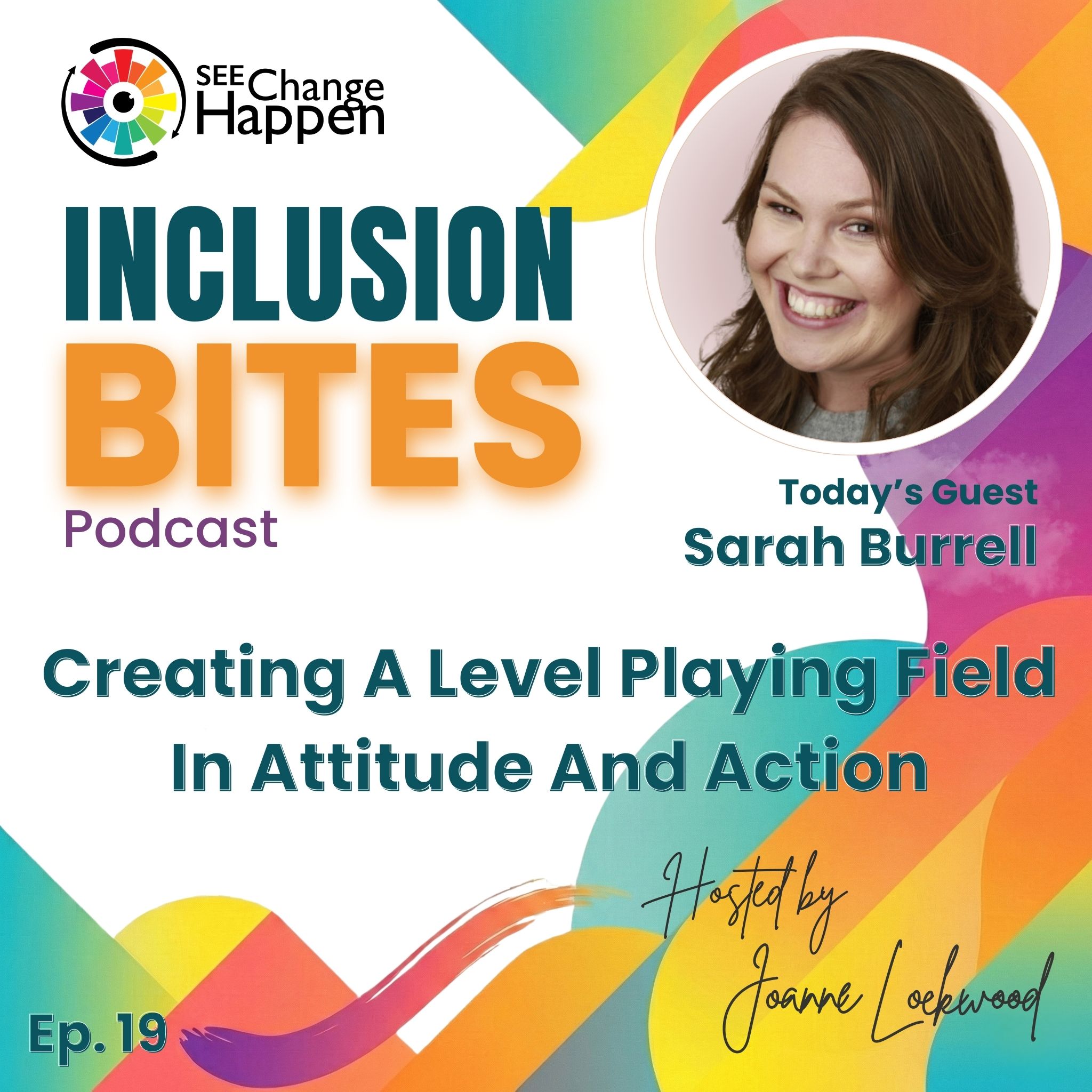
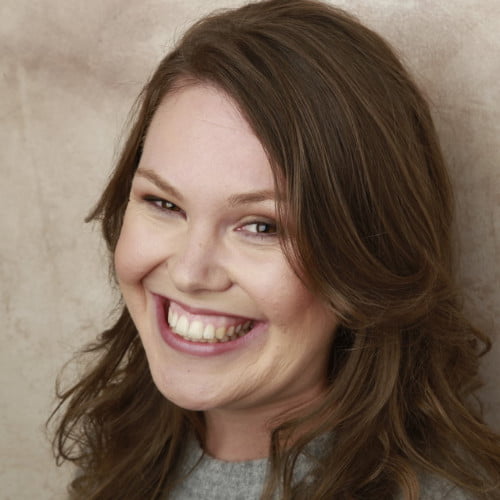
Sarah is a trainer, consultant, and public speaker. She joins us to talk about the role we can all play in creating a level playing field in attitude and action.
In this episode of Inclusion Bites, Joanne Lockwood speaks with Sarah Burrell about workplace culture systems.
“I use my voice, my platform, to empower other people to raise their voice as well and let them be heard.”
Explore
Navigate this episode
Joanne Lockwoodhost
Hello, everyone. My name is Joanne Lockwood and I'm your host for theInclusion Bites podcast. In this series, I will be interviewing a number ofamazing people and simply having a conversation around the subject ofinclusion, belonging and generally making the world a better place foreveryone to thrive. If you'd like to join me in the future, then please dodrop me a line tojo.lockwood@seechangehappen.co.uk.That's S-E-E Change Happen dot Co dot Uk. You'll beto get top of all of the previous shows on iTunes, Spotify.And the usual places. So plug in your headphones, graba decaf and let's get going. Today isepisode 19 with the title creating a level of playingfield in attitude and action. I have theabsolute honour and privilege to be joined by Sarah Burrell. Imet Sarah a few years back at a diversity and inclusion event in Londonand we've been friends ever since. Sarah describes herselfas a trainer, consultant, event organiser and publicspeaker. I asked Sarah to describe hersuperpower and she said, active listening.Hello, Sarah. Welcome to the show. Hi,
Sarah Burrellguest
Jo to be here. Thank you for having me,Dave. No, it's absolute pleasure. I mean, we've been friends for a long
Joanne Lockwoodhost
time. So tell me, whyis it so important that we need to create this level playing field,both attitude and action? I
Sarah Burrellguest
think that this ties in nicely tothe recent issuethat's been raised by Black Lives Matter, isthat actually we have a systemic issuethat is historic and we need torecognise where we stand within thatand actually what we can do to empowerothers as well as ourselves.
Joanne Lockwoodhost
And I think that people don't realise.
Sarah Burrellguest
Without questioning themselves where theystand on. What context
Joanne Lockwoodhost
they can assist withthis movement. Let's
Sarah Burrellguest
say. I think that the conceptto get grounded in isprivilege, how we can use it,because we talk about privilegeday in, day out, and we don't really talk about howwe can utilise it. And actually,part of thereason why we need an equal level isbecause we're not equal yet, we're not on that painfield. And so when weuse our privilege in the way that we can,we learn to invest inpotential instead ofmeritocracy. Actually, meritocracyonly works when we start.
Joanne Lockwoodhost
At the same point. But
Sarah Burrellguest
unfortunately, differencesin life, insupport, in disability,in indifference, does not allowthat equalness to pay out. We livein an unequalworld and we need to championand support and. Courage and
Joanne Lockwoodhost
invest in potential,as opposed. To always thinking
Sarah Burrellguest
about where we are actuallyat. That makes sense. It
Joanne Lockwoodhost
does. And you're definitely pushing some of myfavourite buttons here and things I talk about. And let's goback. You mentioned about privilege. What doesprivilege mean to you as a white girl or a white woman? What does thatmean to you? I think that myown privilege is. That,
Sarah Burrellguest
yes, I'm white, and yes,I have an education and Iactually have a voice. And although my voice isn't.I got a speech impairment. Obviously, I meant toprefer. Meant to say that beforehand, butactually I have a speech impairment,which does. Bring up.My ways in which I am notequal. But let's go back to privilege a minute. So myprivilege is that I havea monumental,monumental part of privilege is knowing whereto invest inpotential in the world. And I feel thatmy privilege.I discuss and talk about andpush for change aroundthings that are unequal. And I push
Joanne Lockwoodhost
for systemic changebecause. There'S
Sarah Burrellguest
too much of a difference toeven think aboutbeing an equal pain to ityet. And so I use myvoice, my platform, toempower other people to raisetheir voice as well and let them be heard.And I speak onbehalf of those who do not feelconfident enough to speak. And I speak forthose who do not feel like they can.And I represent speechimpairment.
Joanne Lockwoodhost
I am.
Sarah Burrellguest
Terrified of speakingin recorded sessionslike this one, actually. But I feel thatmy passion overridesmy fear. And an
Joanne Lockwoodhost
investment, if you like, is.
Sarah Burrellguest
More than my ownnegativity. It's much more. So this is muchmore important than thinking about myown speech and how I'm coming across, becausethe message is so important. So that's howI navigate my privilege in a bit.But there's still a lot more to go in myown head. But I do think if wecan groundsome of the elements of privilege. That
Joanne Lockwoodhost
we hold and put those into.
Sarah Burrellguest
Action to try and make a culturewhich does raise up others to anequal, we can start there.
Joanne Lockwoodhost
Yeah, I understand completely. WhatI found sometimes is that when you challenge somebodyand say they're privileged, or you say, have you checked your privilege? Ordo you understand your privilege? People get very defensive, don't they, when theyask to think about the privilege they have, almost saying thatthey don't feel they have a privilege. So would you say to them.
Sarah Burrellguest
I'm careful to avoid the directquestion, because you're right, that can cause aconflict. And actually, that conflict goeslike that. Uncomfort
Joanne Lockwoodhost
in the conversation can puta pause on rapport. And
Sarah Burrellguest
so through buildingrapport and trustin proactive engagement,builds that level oftrust to enable us to havethat conversation. And I think that it's importantto point out it's like bias, isn'tit? Unconscious biasis not a negative thing, necessarily,and privilege is not a negative. Thing,
Joanne Lockwoodhost
but people are.
Sarah Burrellguest
People associate theword bias or the. Word
Joanne Lockwoodhost
privilege with negativity, whenactually. It'S
Sarah Burrellguest
the opposite. And we can utilise
Joanne Lockwoodhost
our privilege in. A positive
Sarah Burrellguest
way toshift culture forward. And soI avoid directquestions because. Of
Joanne Lockwoodhost
the want to build.
Sarah Burrellguest
A relationship before goingdeeper, because I think that's very importantfor people to have that level of trustand level of understanding before going into.Going into too much about that.I think it is a triggering thing with people init, especially surroundingthe Black lives Matter movement. It's becometoo right. Black Lives Matterhas finally becomeglobalthing. And finally,this tragedy aftertragedy we see in the worldwas blind eye to it. It was a blindeye. There was a bystander effect there. Andnow it's not so much. Nowthere's an anti racism movement ratherthan ignorance, rather than turning away,but learning how to implementday to day strategies thatenable and empower systemicchange. And don't just paylip service to that. Yeah,
Joanne Lockwoodhost
for sure. I think you're right. It is about
Joanne Lockwoodhost
recognising. It's a systemic culturalchange that needs to occur, not just in the individual who have someonewho's privileged. Because I think most of the pushback you often get is,well, I'm not racist, but as you said,it's about being antiracist. It's about being proactive inyour passion and your advocacy and stepping up andstepping forward, or leaning in, as the Zanegoes, to give support to people, not justwhen we talk about racism, when we talk about attitudes towards disabilityor whatever that may be. Yeah. And I think
Sarah Burrellguest
that that's no more clearthan talking about inequalityin a general sense, because actually,when we look at disability,obviously I have a disability.
Joanne Lockwoodhost
But I foughtto go to a. Mainstream school,
Sarah Burrellguest
and so because I knewthat. I wanted
Joanne Lockwoodhost
an education, because Iknew of negativity andthe fightthat. You have from the start,
Sarah Burrellguest
when you start at a differentstarting bites aren't the same.Having that knowledge, having that experience,does. Give huge.The gift of empathy. You get empathy from that andyou learn to empathise with difference, you learn toempathise with people who experiencemaybe different challenges.
Joanne Lockwoodhost
But a challenge, and less.
Sarah Burrellguest
And. Encouraging
Joanne Lockwoodhost
people tobe that fantastic. Person
Sarah Burrellguest
they can be in all part of it,to learn this, to learn howyou learn best, how we cansupport you best, how you communicate in yourway best. These are all things that welearn through a dialogue, a rapport,not through lipservice, not through talking about it andactually having that open conversation with. Someone
Joanne Lockwoodhost
about how they would liketo. Be known as who they
Sarah Burrellguest
want to be called. These are all questions that we can.
Joanne Lockwoodhost
Ask people to learn aboutthem as. Individuals and create their
Sarah Burrellguest
individual story for that. And so that'show we can support people,by learning about them and learning. About what works for
Joanne Lockwoodhost
them and tailoringto that. And then that
Sarah Burrellguest
enables them, that puts them ona pedestal, not pedestal,that. Gives them that boost because
Joanne Lockwoodhost
they're learning how they learn.
Sarah Burrellguest
They're finding ways they needsupport. If you encourage that opendialogue, that open conversation and hasyou listening to, that's abrilliant way of not onlybuilding a person's confidence,but learning about. Yourself and learning about
Joanne Lockwoodhost
what differences you. Can do in your life.
Sarah Burrellguest
I'm talking about, it's aboutempowerment and change, isn't it? Oh, for sure.
Joanne Lockwoodhost
Yeah, it is. And being personally accountablefor change, isn't it? Rather than saying it's somebody else's problem, I couldbe the one as well. And we can see that in other aspects of ourlife. And we talk about sustainability, we talk aboutenvironmental, we talk about other things that we can take personalresponsibility for in terms of our own footprint. Andwe have to do the same in terms of our impact on others as well,don't we? Of course. And I think
Sarah Burrellguest
that's part of the ownership withinthe personal development part of it.It's owning what you can do for people, owning what you cando for yourself.
Joanne Lockwoodhost
When we are put at a level.
Sarah Burrellguest
Of discomfort, when we push throughthat discomfortand learn lessons about ourselves,we. Learn more about others by doing that,
Joanne Lockwoodhost
for sure. Let me ask you a couple of, couple of questions. I was
Joanne Lockwoodhost
talking to somebody yesterday. I was talking to somebody yesterday and we were talkingabout positive action andtokenism in hiring. And they sent mea question which was, there's two candidates. Oneis an able bodied white manand the other person is a person with a disability.And they both have equal skills to prayer. Soin terms of positive action, why should they pick thedisabled person, the person with a disability?Their argument was that the person without a disabilitywould be easier to hire. But we want to challenge that, don't we? When we'relooking at this. I don't
Sarah Burrellguest
think it's about easy to hire. I think it's aboutnot wanting to change the status quo.
Joanne Lockwoodhost
And that's what challengebrings you. You have to changethe mould and. That'S what
Sarah Burrellguest
people are starting tosee. We all have
Joanne Lockwoodhost
something to bring to a roleand positiveaction is a.
Sarah Burrellguest
Good thing ifit's. If it is,if it's fully understood.Because some peoplesee personal action as anunfair thingora shift in inequality. But actuallythe rubbishmen are here. I'm going to stop for 1 minutewhile the rubbish. Don't
Joanne Lockwoodhost
worry, we've had people's mums on the conversation in the past, so it'sokay.At least it's not the Amazon manor the Amazon person.
Sarah Burrellguest
This timing is perfect. Isn't it ridiculous? Yeah.
Joanne Lockwoodhost
This is an inclusive podcast. We're open to all contributions frommore people. So don't worry about the rubbish man.
Sarah Burrellguest
Hoping they'll go away quickly.
Joanne Lockwoodhost
Yeah, it's okay, you're clear now. Go for it. Okay.
Sarah Burrellguest
Might come back for more. Hang on. You got a lot of
Joanne Lockwoodhost
rubbish. Right now. I can seethem. Yeah. So this just to prove to everybody thatthis podcast is live and raw. We don't mess around with lots ofedits and cuts. This is kind of as it happens, we roll as we roll,don't we? Yeah, apparently, yeah. Cool.
Sarah Burrellguest
I think they're migrating away, I thinkhopefully. I think that's an important part,
Joanne Lockwoodhost
lesson we've learned in this lockdown, that we have to bring our whole self towork and what that means, our whole home environment, andto sort of start judging people on their background, onZoom calls, their children, their pets or other things going on in thebackground. I think we've got to learn to get over that now because thisis the reality, isn't it? I mean, part of that which
Sarah Burrellguest
affects me, my. Ihost apeer to peer support group.I've been doing it for ever sinceCOVID took hold.A weekly support group. And we have tonavigate slow Internet. We have togather people walking aroundwith important things to say. And actually we just haveto fight reallythe interference andlisten to what everyone has to say despitetheir circumstance. Andthat is challenging because some people are walking around, you getkind of interruptions from left, right and centre and it'sreally challenging. But they also have really importantthings to say and you just have totry really hard to hear them. And
Joanne Lockwoodhost
that is how ending.You hear a lot of people saying that it's mucheasier for people who are disabled or with a disability, whichever phraseyou like to use, whichever terminology. Now we're inlockdown, you're working in your home environment, therefore your environmentis geared around your accessibility needs. Is thattrue or are we just generalising that it's going to be better for people withdisabilities to work from home. I think.
Sarah Burrellguest
This is a complicated question, Dave, actuallyaccess and inclusionover different things. And
Joanne Lockwoodhost
although, yes.
Sarah Burrellguest
It can be moreaccessible to work from home forthe. Single people, people with abilities, but.
Sarah Burrellguest
The isolation factor,theother things surrounding inclusion, theculture, the understanding andthe trust,doing what we said before, asking no question, makingsure support is thereand making sure we have all weneed, to have all the equipment we needto pursue in a comfortableway. I think that that's where wesee positiveshift with this, with COVIDand I recently wrote an article about this.It was called silver linings ofa pandemic, highlightingthe almost inadvertentinclusive nature of workforces that has had to comeabout because people have children, people havepeople to take care of, people havedifferent and requireflexible working patterns.Surrounding Covid, there's been somany conversationssurrounding empathy, being empatheticto our workforce because ofthis change, and I think that's a very positivething. We have tograsp it, take hold and enhanceit as we move forwardnow we're becoming a little bit moreconnected again. We had to make sure
Joanne Lockwoodhost
that. Those
Sarah Burrellguest
proactive engagement with people, the proactive,empathetic method we've had totake over the past four months to enable people towork from home, to enable people to work around their children, toenable things to continue. There hasto have been that empowerment, trust,engagement to respond to the crisis,and that can create a more cohesive, more collaborativeapproach to navigating the thispandemic. We need to take thingsfrom our lessons that arelearned in the culturalshift we've had to go alongand ensure we don't forget them movingforward in practise and how wecan continue to support people, how we cancontinue to ask, engage in theright way, enable people to do their best job andreach potential. Yeah,
Joanne Lockwoodhost
I hear everything you're saying there, and I think there's a dangerthat, say, employers as agrouping could often look at a disabled person or person withdisability and assume theirdisability is the defining factor. So by saying,our great member of staff here is working from home, they're okay now,but what we're actually not doing is looking at that person ina person centric, holistic way. So we're actually this person, what's their familysituation going out? Maybeit was their lifeline, they're living in isolation now, they're not having social contact.Maybe they love that extrovert, bubbly personality andthey're really struggling for being isolated at home. So by justcategorising someone as a person with a disability, disabled person, they must be betteroff now they're at home because it's more accessible, as you say. It's forgettingthat inclusion element about understanding them as a human being, isn't it?
Sarah Burrellguest
And as you said, that's so crucial.The proactive things I've been talking aboutare all ways torespond actively tosomeone's needs in order to support themfrom home or in the workplace. And I thinkthat going back topositive action and why we requiresomeone who has equal footqualifications and equal. Experience,
Joanne Lockwoodhost
let's not forget that there's actually.
Sarah Burrellguest
A very unequal part of that,the part we do not see, because actuallydisabled people with disabilities,disabled people. For.Example, I go through a hugenavigation of problem solving beforeI even leave the house. And
Joanne Lockwoodhost
going through that all day,every. Day in our head, this problem solving,
Sarah Burrellguest
problem solvingmechanism that is completely unseen,that makes us actually probably betterfor a job, actually, we have the abilityto problem solve in recordtimes. We do it all the time. Andthat's the part that is not seen, that isincredibly well hidden within a lot of people who aregoing through either cognitiveor social disability or physical disability.
Joanne Lockwoodhost
So much not seen that weinadvertently. Put in on a
Sarah Burrellguest
level playing field with someone who's equally qualifiedand equally experienced. But actually,I would argue that that's actually probably not true.For what you see on STV and what someone thoughtsaboutand how actually got there, they're a very differentstory. That'swhat I would encourage people to thinkmore about internaliseand think a lot about. Because actually personal developmentand neurotocracy.
Joanne Lockwoodhost
Do. Not go hand in hand if
Sarah Burrellguest
anyway, actually they do. Aperson's ability starts at a much differentpoint and have to elevate themselvesin order to be that equal. Inenvy, you always have to do. More,
Joanne Lockwoodhost
you always have to set yourself. At a
Sarah Burrellguest
higher standard andknow that going in. I know whenever Iinterviewed, before I started my own business andbefore I went into life for myself, Iknew every interview I had to be that.
Joanne Lockwoodhost
Much more qualified, thatmuch more valued, that muchmore experience, becauseunfortunately so. Many interviewers and
Sarah Burrellguest
recruiters do not see your background,do not see your challenging.
Joanne Lockwoodhost
Fight to get toequal pain fieldchallenge for people. I think that's very common. I mean,
Joanne Lockwoodhost
we don't always see the lived experience of a parentand the valuable skills that being a parent, having a child,nurturing and developing a child. The educational aspectthat maternal instincts that kick inwhen you have children, that should be seen as a life skill as well, becauseit breeds emotional intelligence, it breeds a different way of treatingpeople and understanding people. And you get involved with far more than someone whoisn't a parent. And often age brings experience. Okay,age can bring stick in the mud as well, but age does bring experience. Andwe all too often write people off in their early 50swhen they've still got 20 good years of valuableskills and lift experience to bring to the office, haven't they?
Sarah Burrellguest
Yeah. I mean, thinking about that, what you did up,the differences,every element of. Diversity
Joanne Lockwoodhost
brings something new, bringssomething that. Hasn'T been brought up before, bring something
Sarah Burrellguest
that is of value. But it only
Joanne Lockwoodhost
comes into effect when weutilise strategic,inclusive processes.
Sarah Burrellguest
If we can be as diversitya workforce as you can getwithout inclusion, we will not see thevalue of that. That's theimportance, what I recognise anyway. The importance
Joanne Lockwoodhost
of inclusionand diversity. They have to go hand in hand in
Sarah Burrellguest
order to get the most valueout of that diversity. And
Joanne Lockwoodhost
that's where a real crux of.
Sarah Burrellguest
The conversation happened, because actually you can.
Joanne Lockwoodhost
Hire the person with disability,but that's wherethe challenge starts, because you have tothen operateinclusive leadership.
Sarah Burrellguest
And that's the point where you'llput the test, becauseonly hiring someone differentis positive anddiverse. But utilisingthat positivity and diversityall comes with this understandingthat difference bringsinnovation, difference can bringworth. We have to understand howwe can support this person,how they best communicate their ideas,how they best learn, what. Time of day
Joanne Lockwoodhost
are they better working. In,
Sarah Burrellguest
what structure works for them,what hours they are not able tofunction in, or wherever it might be.
Joanne Lockwoodhost
There's a level ofproactive engagement that needs to start right therewhen you hire someone from that point.Not six months online, notat the. Next review, not at a
Sarah Burrellguest
KTI performance review,not then, no. It starts at recruitment.It starts when you hire someone. And this iswhat a lot of peoplefear most. This is what people
Joanne Lockwoodhost
hide behind a questionnairewith. And what I've been
Sarah Burrellguest
developing over the last few months isactually aholistic approach questionnairethat starts at induction, that. Starts
Joanne Lockwoodhost
at that point, to learn,to. Build rapport, to learn how
Sarah Burrellguest
this person. Can bring value
Joanne Lockwoodhost
without the fear, without. The dread, without the
Sarah Burrellguest
end. It's a two way conversation that doesn'tend at the end of that meeting. It continues.We develop this, we develop our rapport,develop our conversation. Andthat questionnaire that you co create.
Joanne Lockwoodhost
With this person will end up beingtheir passport, theirmethod to get their. Best value out
Sarah Burrellguest
of themselves, reach a potential in thefull knowledge of the. Person who
Joanne Lockwoodhost
manages them or the person who works with them.Works with them both. That's when you get equal partnership.
Sarah Burrellguest
That's when you get an equal pain field. That's when you getthat support needed toequalise and transformthe workplace and the culture. That's where that comes
Joanne Lockwoodhost
in. Yeah.
Joanne Lockwoodhost
Excellent points. Excellent points. As I'm listening to that, while I'm hearingand thinking about. We're going back to the original questions about creating this level playingfield in action actions, and I think you probablyagree with me, or I hope you do, that. One of the things that isimportant is visible peoplevisibility and role models. I know we don't like the word brave, we don't likethe word role models often, but we do need people in the publiceye who have representation of me, ifyou like. I was looking at LinkedIn the other day and there's thisarticle about the BBC and how they areproactive in their amplification and visibility ofpeople with disability. Theysuffered a lot in the last 1020 yearsof being seen as a very monoculture, very white,middle upper class organisation, and they've putsome real proactive measures in place now. And I would say thatfrom my own perspective, the BBC are quite a good benchmark and litmus test forwhat a good company looks like in terms of their attitude and culture. Do youhave a view on that? Wow.
Sarah Burrellguest
Okay. So I actuallydisagree with that,not wholeheartedly.I actually think Channel fourpresent a much better workingmodel of inclusion. AndBBCmay have improved over the years. Yes.But thereis, as with so many.
Joanne Lockwoodhost
Big organisations, thereis the.
Sarah Burrellguest
Tiers of hiring and at whatlevel and the proportionalityof the proportionalityof management comparedto entry levelrecruitment or compared tothe space for goingup in this organisation.
Joanne Lockwoodhost
Has yet developworking, I believe, working strategiesthat effectively improvethe span. Of
Sarah Burrellguest
diversity throughout the hierarchy.Where Channel four come in,they've had a diversity board for years.
Joanne Lockwoodhost
They've hired diverse.
Sarah Burrellguest
They've hired diversediversity people at all levelsof management, of seniority in theboard across.And their approach,channel for approach, and theirfive year plan looks muchmore inclusive, I would argue,than BBC's.I had a meeting with BBC a couple of yearsago and I gotsenior executives in the room and I wastalking about unconscious bias andthey were all very positive in the roomabout what I could do to them,how I could help support theirchanges and implement change. But atthe very end, I got. Passed on
Joanne Lockwoodhost
to disabilitydepartment, if you like, and withtheir.
Sarah Burrellguest
I would argue, thetarget, kind of targetedhiring strategy of thesame people, which I, at. That time,
Joanne Lockwoodhost
disagree with, because itwas. Very much a divisive
Sarah Burrellguest
programme, I felt. And these.Although they were offered a contract fora year to learn, there wasnofurther window for experiencebeyond that. And that demonstrateswhat we've been saying aboutthe danger of actionwithout a thought out plan.Going back to speech impairment, there areso fewpeople, role models out there atmanagement. Senior managementdirector. Director levels.
Joanne Lockwoodhost
Is not seen often.
Sarah Burrellguest
And this is where I see my privilege coming out.Although I hate the way I talk.
Joanne Lockwoodhost
I hate that that's a difference for me. And
Sarah Burrellguest
it's still something I'm working on.That's still something I'm working on.
Joanne Lockwoodhost
To. Feel comfortable in the way that I talk.
Sarah Burrellguest
But if I wasn'tthere here, doing what I'm doing as partof my business andmy moral bites,to be that role model for someone that was outwith a feature impairment, who doesn't. Feel confident
Joanne Lockwoodhost
to be in a place of work.
Sarah Burrellguest
And that is not surprising, because, actually, somany workplaces do not know what. To
Joanne Lockwoodhost
do with prepayment. And when peopledon't know what to do, they avoid it.
Sarah Burrellguest
They avoid it, and they'll come up with fiveexcuses for not hiring someonelegit, perhaps. But their real reason,
Joanne Lockwoodhost
perhaps, is their. Fear
Sarah Burrellguest
of the unknown and not havingthe resources, the questions, the right toolsto enable that person to feelcomfortable, do their job well. And that'swhere the barrier comes down. Andwe have to continue, as you. Said,
Joanne Lockwoodhost
being that role model forpeople who are not confident,are not.
Sarah Burrellguest
Able. To do that themselves.
Joanne Lockwoodhost
You were talking about speech impairment and how it's a significant barrier bothto you and to people with speech impediments in the workplace.What's your thoughts about the. Why? Is it because people haven't got thepatience to listen to you actively? Or is it becausepeople assume because you have a speech impairment,that you're less intelligent? Or is it a bit of both or bit of everything?
Sarah Burrellguest
It depends, QG, onwho you're talking to, but I think, yes, it's acombination,because there are so fewon this, there's so fewpeople saying, right, this is what todo here. That's why there's thatfear, and there's that barrierin understanding whether it's something. To
Joanne Lockwoodhost
do with if.
Sarah Burrellguest
A person.I want to talk about preference nowadays, preferencein a communication method is something I probablypassionate about. And actually,we talk about preferenceand empowerment when it comes togender and being, wanting to bereferred to asthe gender you identify as.
Joanne Lockwoodhost
And so that question is outthere. That question about, hey, what do
Sarah Burrellguest
you prefer to be referred toas once that's known, brilliant.But that's an unknown entity thatyou prefer that you would like to be.
Joanne Lockwoodhost
Referred to as a woman, let's say.
Sarah Burrellguest
And when we ask the question, okay.
Joanne Lockwoodhost
So what is your preferredmethod of. Communication
Sarah Burrellguest
that opens up so many doors that actuallya person can then say, oh, well, I might not be confident inspeaking, but I have great ideas that I want tocommunicate via email, or I havebrilliant ideas, but I'm uncomfortable speakingin front of a whole room of people. Canwe chat in a small group?These are things that can encourage people. To
Joanne Lockwoodhost
think about how best they do. Things
Sarah Burrellguest
and how confident they canbe. In getting a job done when they. Givein that option. And I think that's ahuge question that isn't asked enough.I believe that if that question were. Asked
Joanne Lockwoodhost
by employers, it would get much. More
Sarah Burrellguest
out of people.
Joanne Lockwoodhost
And that's not just people's speech repellents, that's anybody. It's about beingperson centric, isn't it? Yes. We're being inclusive. We asksomebody, what can we do to help you? What can we do tomake you succeed or help you succeed? The
Sarah Burrellguest
point that this brings up is that actually thatconversation doesn't stopthere. If someone says no,
Joanne Lockwoodhost
or, oh, I. Don'T know yet, or whatever.That's part of personal development.
Sarah Burrellguest
And actually knowing that stuffcan come. About through
Joanne Lockwoodhost
learning about themselves. Don't expect an art to right
Sarah Burrellguest
away. You might not get one, you might. Get
Joanne Lockwoodhost
passively thought out one. Butwhat you want to do is open updialogue, enable that individualto. Feel uncomfortable and work it
Sarah Burrellguest
out. Work out how they work best.Work out whether a festivalschedule works for them, work out what time ofday they invest. Right. We were saying before.
Joanne Lockwoodhost
We both write. Better in the
Sarah Burrellguest
afternoon, and so why pushourselves to sit in front of acomputer staring at a bankscreen for hours? And actually, if we workbetter and more productively in aconcentrated birth in the afternoon, wemight get much more done and feel less frustratedand feel. Much more
Joanne Lockwoodhost
content with ourselves and a. Much higher
Sarah Burrellguest
level of well being. If we work thatout and we. Follow that
Joanne Lockwoodhost
in the way we work. And that's all about making
Sarah Burrellguest
workplaces work waters workplaces a much moreagile environment. Environmentflexible, working out. You can faith towork out and it will change over time. Haveyou open and continue and leave. Open
Joanne Lockwoodhost
that dialogue. For
Joanne Lockwoodhost
sure. It's making methink about, are we actually getting anywhere? We'vegot all these positive action campaigns, we've got all this awareness, we've got morehashtags than we can count now. We've got movements, we've got passionatepeople, we've got visibility, but are we reallymaking a lot of difference? Are we getting anywhere, do you think?
Sarah Burrellguest
I think it's taking time, but actually.
Joanne Lockwoodhost
This is the realsilver lining ofthis combination ofchallenges that we have. Been working through
Sarah Burrellguest
since COVID came into alive. Andactuallythe importance.
Joanne Lockwoodhost
Of inclusivepractise. And the
Sarah Burrellguest
urgency of inclusive practise.
Joanne Lockwoodhost
When webegan lockdown,companies, organ businesses.
Sarah Burrellguest
Around the world had to changeways. Of doing things, and that
Joanne Lockwoodhost
happened very fast becausethey had to. And theurgency of all thatdrove. This monumental change,
Sarah Burrellguest
a shift in all. Practises,
Joanne Lockwoodhost
almost remarkably fast,because the importance. Of
Sarah Burrellguest
change and the urgency ofchange. For the first time, I believe,
Joanne Lockwoodhost
became equal. And so the
Sarah Burrellguest
change that was urgently. Needed
Joanne Lockwoodhost
came to fruition. And to me,
Sarah Burrellguest
that just demonstrated thatworkforce can areable to change, but theurgency of it all to happen.
Joanne Lockwoodhost
Before COVID before pandemic, wasn'turgent enough. And so what I'm trying to
Sarah Burrellguest
say. Here is that I think more
Joanne Lockwoodhost
change. Has happened over the past
Sarah Burrellguest
four months. Than
Joanne Lockwoodhost
decades because they'vehad to do. It in order to continue business.
Sarah Burrellguest
And that means changing up your communication,changing up your flexibility, changing upyour working from home,changing up your interest in well being,because people working from. Home were
Joanne Lockwoodhost
immediately kind ofbeing thought of. Oh, okay. Is that person
Sarah Burrellguest
right there? Have they got what I need?Let's have a conversation. Andinadvertently createdflexibility, trust, empowerment,autonomy. Carefully choreographed.
Joanne Lockwoodhost
But they had to, to accommodatethe. Change climate and the work life
Sarah Burrellguest
balance has had to change and itbecome paramount in our inclusioninitiatives have inadvertently. Become paramount in everyday
Joanne Lockwoodhost
working, which is awesome. And I think that that's a
Sarah Burrellguest
really cool, collaborative,cohesive effect of navigatingthis. Pandemic,
Joanne Lockwoodhost
utilising and generatingtechnical, creating a. Technical
Sarah Burrellguest
transformation, really, about how we work.Brilliant. Amazing. That's what we'vebeen trying to do for years. And finally it'scoming out of the woodwork. Proactive engagement is happening,entities happening. All these things we'vebeen fighting for, for years and years are actuallystarting to show their worth.And I think it's important to remember. I'll be going backdown to sort of circle most.
Joanne Lockwoodhost
Here. It is possible,yes, some jobs are. Not possible
Sarah Burrellguest
to do biking home and.
Joanne Lockwoodhost
People have been reallytalents there and. We recognise
Sarah Burrellguest
privilege for that like never before.I just think it's really important to. Remember
Joanne Lockwoodhost
what went on and what's going. On here
Sarah Burrellguest
in the workforce, change in. The workplace change,
Joanne Lockwoodhost
a dynamic change that. Has to continue
Sarah Burrellguest
and I do think that is able to continue.We need to rip, hold tightly of.
Joanne Lockwoodhost
What we've learned here. We can't let it gobecause like. The Olympics, when the Olympics came to. London,Joe, for our threemonth period, we thoughtaccess in London, brilliant. Oh,
Sarah Burrellguest
that's an accessible station. Excellent.
Joanne Lockwoodhost
That means that people can navigate aroundLondon easier. But
Sarah Burrellguest
when the mentality dropped, when themorale of empowering picks dropped inLondon, attitudes dropped aswell. People forgot theempowerment and forgot theawesome people who were inparentheses in London, wewouldn't ever do.Maintaining that attitude of apositive. Is. Crucialto maintaining changes that arehappening and to ensure they're happening in the right way.And it all comes back to engagement, proactiveengagement. Yeah, definitely. And I've
Joanne Lockwoodhost
heard that said before about London, how it hadall this potential and then it hasn't carried the momentum on andausterity and other things kicked in. But there's no excuses.We started making great progress. I think you're right about thechange within Covid, is that we've gone froma country full of organisations, maybe in the worldwhere we started from a can't, we can't do that, we can'tdo this. All these reasons about security, abouttoo hard to manage or we can't trust you. We've gone from that reallyattitude overnight to we have to and we are.And I really hope that we don't end up slidingback into the old ways when people go back and get complacent againand go, oh good, we got our office back, we're going to carry on. ButI'd like to think personally that people powerwill now kick in and we'll say, we know what it's like now, we knowthat we can do this, let's carry on. I think we're already seeing the shiftin some major organisations communicating. They're going tocontinue their continuous work from home policy foreverand make flexible work in the norm andI think that's best to be applauded. So tell me you've gotlots of things coming up. You were telling me earlier that you've got lots ofthings you're doing, you're working on. So what are you up to?
Sarah Burrellguest
Can I just say one more thing and before I forget it? Yeah, go for
Joanne Lockwoodhost
it. But this is it on this
Sarah Burrellguest
originally the strategic change that happenedin the. First two months, two weeks,
Joanne Lockwoodhost
first month. Of COVID was putting out fires, right?
Sarah Burrellguest
It was putting out fires and testing. The waters
Joanne Lockwoodhost
and beginning to embed. But nowreaction has stopped and response.
Sarah Burrellguest
Has kicked in and embeddingthese innovative. Solutions that affect
Joanne Lockwoodhost
change. So it's all about whenwe were. Putting out fires and testing the
Sarah Burrellguest
waters. It was a temporarything, right? But it's been going on for solong now. Actually, what you can write, it'sstarting. To embed, it's starting to become
Joanne Lockwoodhost
less. Reactive, more responsive
Sarah Burrellguest
and therefore more inclusion. So, toanswer your other question, what's going on right now?I'm developingguidelines to supportinclusion online events andmeetings to makeguidance book. Really guidance on how
Joanne Lockwoodhost
to make.
Sarah Burrellguest
Online. Meetings inclusive
Joanne Lockwoodhost
through a physical sense, butalso through what we can do around.
Sarah Burrellguest
Communication in that angle. And so
Joanne Lockwoodhost
I'm developing these guidelinesand I'm hosting anevent. The date is to
Sarah Burrellguest
be confirmed yet? As yet, but.
Joanne Lockwoodhost
It'S a communication eventfocused onengagement. And I'm very excited to
Sarah Burrellguest
have from across the board,different, hugely different challengesand what people bringtonight and how we can get around theissues that. We face
Joanne Lockwoodhost
through engagement. Challenges we face
Sarah Burrellguest
in engagement and communication. To
Joanne Lockwoodhost
overcome those challenges throughdeveloping systems. That work for
Sarah Burrellguest
people and not having. To
Joanne Lockwoodhost
change themselves, but have thetechnology. Adapt to what they
Sarah Burrellguest
need in a wayof making inclusive practisesmental health well being. A surroundingcommunication like anxiety, anxiety is amassive thing that is not associated much with.
Joanne Lockwoodhost
Communication, but anxietyis a. Huge thing that isn't
Sarah Burrellguest
talked about enough surrounding engagement.In the guidelines, I provide concrete examples,tangible, actionable examples of how we can. Do that
Joanne Lockwoodhost
better and how we can. Better support others in
Sarah Burrellguest
this online work. Cultural
Joanne Lockwoodhost
phase we're trying to shift. That's
Sarah Burrellguest
really exciting.
Joanne Lockwoodhost
I'm really looking forward, really looking forward to finding out more about that as itevolves. You've shared someamazing thoughts today and some real depth of understanding andinsight into how organisations can engagebetter with people, isn't it? And just trying to level this playing field, as youtalked about. So how do people get in touch with you if they want tofind out more about what you're doing or just look at the work you've beendoing? Great. So I have a
Sarah Burrellguest
website,sarahburrell.co.uk, and that has information onwhat I offer. So, strategicinclusion consultancy. Ioffer in all areas of strategy, relief,recruitment, personal development,engagement, communication,strategic change. I offermultiple training courses on unconscious bias,disability. I cover in depthand able to create bespoke training coursesfor tailored to yourorganisational needs. I cover mental health quitein depth. I
Joanne Lockwoodhost
I. Obviously
Sarah Burrellguest
my events are publicised there.I have a twitter handle atinclusion underscore SB andmy email Sarah Burrell. Sarah
Joanne Lockwoodhost
change on.Inclusion at sarahburrell.co.uk, thankyou.Burrell is B-U-R-R-E-L-Lsarahburrell.co.uk brilliant. All those detailswill be in the show notes so people who want to look you up canget hold of those from the show notes and well, thank you.It's been an inspiration. It's so much we packed in there. I can'tbelieve we've been talking for over an hour.So huge thanks to the listeners. I'msure you'll agree there's plenty to ponder there. So if you'relistening, please do subscribe to keep updated on future episodesof the Inclusion Bites podcast. That's B-I-T-E-S. Please tell yourfriends, tell your colleagues, I assume you have some, and get. Them to subscribe aswell. Please do share this on social media platforms. I've got
Joanne Lockwoodhost
a number of exciting guests lined up that I'm sure you'll be inspired by overthe next few weeks and months, and if you'd like to be a guest, letme know. If you'd like to be sitting in the hot seat and having aconversation with me, then. Brilliant. Get in touch. I also welcomeany feedback and suggestions you might have for future sews and how we can improve.To jo.lockwood@seechangehappen.co.ukso my name is Joanne Lockwood and it's beenan absolute pleasure to host this podcast for you today. Catch you nexttime. Bye.
Work From Home and AccessibilityEmpathy and Proactive EngagementDiversity and Inclusion Strategies
Joanne Lockwood is joined by trainer and inclusion consultant Sarah Burrell to explore what it really takes to create a level playing field in both attitude and action. They discuss why inequality is systemic and historical, and how the language and practice of privilege can be used constructively to empower others and move beyond “lip service” toward measurable change.
Sarah shares reflections from her own lived experience, including navigating a speech impairment, and how that shapes her approach to advocacy, empathy, and creating environments where people can contribute in the ways that work best for them. The conversation looks at disability and work, inclusive communication, and the value of proactively asking about support needs and preferred communication methods.
They also examine hiring and progression: the difference between tokenistic gestures and positive action, the limitations of meritocracy when people start from different points, and the responsibility leaders and organisations have to build inclusion into recruitment, induction, and day-to-day management. Finally, they reflect on how the pandemic accelerated flexible and inclusive ways of working, and what it will take to sustain that progress rather than slipping back to old habits.
“I think that the concept to get grounded in is privilege, how we can use it, because we talk about privilege day in, day out, and we don't really talk about how we can utilise it.”
“Surrounding Covid, there's been so many conversations surrounding empathy, being empathetic to our workforce because of this change, and I think that's a very positive thing.”
“There has to have been that empowerment, trust, engagement to respond to the crisis, and that can create a more cohesive, more collaborative approach to navigating the this pandemic.”
“That’s the part that is not seen, that is incredibly well hidden within a lot of people who are going through either cognitive or social disability or physical disability.”
The challenges and benefits of remote work for people with disabilities, and the importance of empathy and proactive engagement.
The risks of reducing employees to their disabilities and the need for holistic, personalised support.
The unseen resilience and problem-solving skills of people with disabilities and their suitability for various roles.
Strategies for embedding changes in workplace culture to prevent regression to pre-pandemic norms.
Practical guidelines for inclusion in online events and meetings, emphasising user-centred adaptations.
The impact of anxiety on workplace communication and the importance of addressing it for a truly inclusive environment.
Insights on personal development and continuous dialogue to enhance diverse and inclusive recruitment and engagement practices.
One thing to remember
The most significant takeaway from this episode is the emphasis on creating a genuinely inclusive and accessible work environment by maintaining the momentum of flexible and inclusive practices introduced during the COVID-19 pandemic. This includes recognising and utilising the unique strengths and resilience of people with disabilities, proactive engagement, and fostering a culture of empathy to ensure holistic support for all employees.
Questions this episode helps answer
Sarah Burrell discusses the benefits and challenges of working from home for people with disabilities. What specific challenges might individuals face, and how can employers mitigate these issues to create a more inclusive remote working environment?
Why is empathy crucial in supporting remote work, especially for employees with disabilities, and what practical steps can organisations take to cultivate a more empathetic culture?
The episode distinguishes between the accessibility afforded by home environments during lockdown and the broader issue of inclusion. What are the key differences, and how can businesses ensure they address both?
How has the COVID-19 pandemic challenged traditional workplace norms, and what long-term changes should be maintained to support inclusivity and flexibility?
Joanne Lockwood emphasises the importance of engaging new hires from the beginning. What strategies can be employed to ensure new diverse hires feel welcomed and supported from the outset?
Sarah Burrell mentions the unique value each aspect of diversity brings. How can organisations strategically harness these unique values to benefit their workforce?
Explore topics
Ideas from this episode
Work From Home and Accessibility
Sarah Burrell unfolded the profound implications of working from home, especially for people with disabilities. The dialogue opened up critical insights into how accessibility and the home environment during lockdown altered the inclusivity landscape.
Empathy and Proactive Engagement
Empathy and proactive engagement emerged as crucial themes, steering our conversation toward the tangible steps necessary to maintain inclusive work environments beyond the pandemic.
Diversity and Inclusion Strategies
Our discussion ventured into broader diversity and inclusion strategies, exploring how diverse hires can be supported from recruitment to realising their full potential within an organisation.
Learn
Frequently asked questions
What is the primary focus of this episode?
The episode titled "Creating a Level Playing Field in Attitude and Action" centres on addressing workplace inclusivity and equality, particularly for individuals with disabilities, and the broader impact of proactive engagement and flexible work environments necessitated by the COVID-19 pandemic.
Who is the guest on this episode?
The guest is Sarah Burrell, a professional specialised in diversity and inclusion. She is a trainer, consultant, event organiser, and public speaker with a focus on active listening as her identified "superpower".
How has COVID-19 impacted workplace inclusivity?
COVID-19 has accelerated the adoption of flexible and remote working arrangements, often transforming previously rigid workplace policies into more inclusive and adaptable environments. This shift prompted organisations to transition from a "can't do" to a "must do" mentality regarding inclusivity.
What historical reference is used to illustrate the need to maintain progress in accessibility?
Sarah Burrell refers to the 2012 London Olympics, where significant accessibility improvements were made but later saw a decline. This serves to illustrate the importance of consistently upholding progressive changes in accessibility and inclusivity.
Why is empathy and proactive engagement crucial in remote work?
Empathy and proactive engagement are essential in supporting remote work to ensure all employees feel included and understood. This approach helps address potential isolation and anxiety, particularly for individuals with disabilities, fostering a more equitable work environment.
What did Sarah Burrell’s article "Silver Linings of a Pandemic" highlight?
The article highlights the inadvertent inclusivity stemming from flexible working conditions during the COVID-19 pandemic, which offered new accessibility opportunities for people with disabilities.
Share this episode
Heard something worth passing on? Send this conversation to someone who needs to hear it.