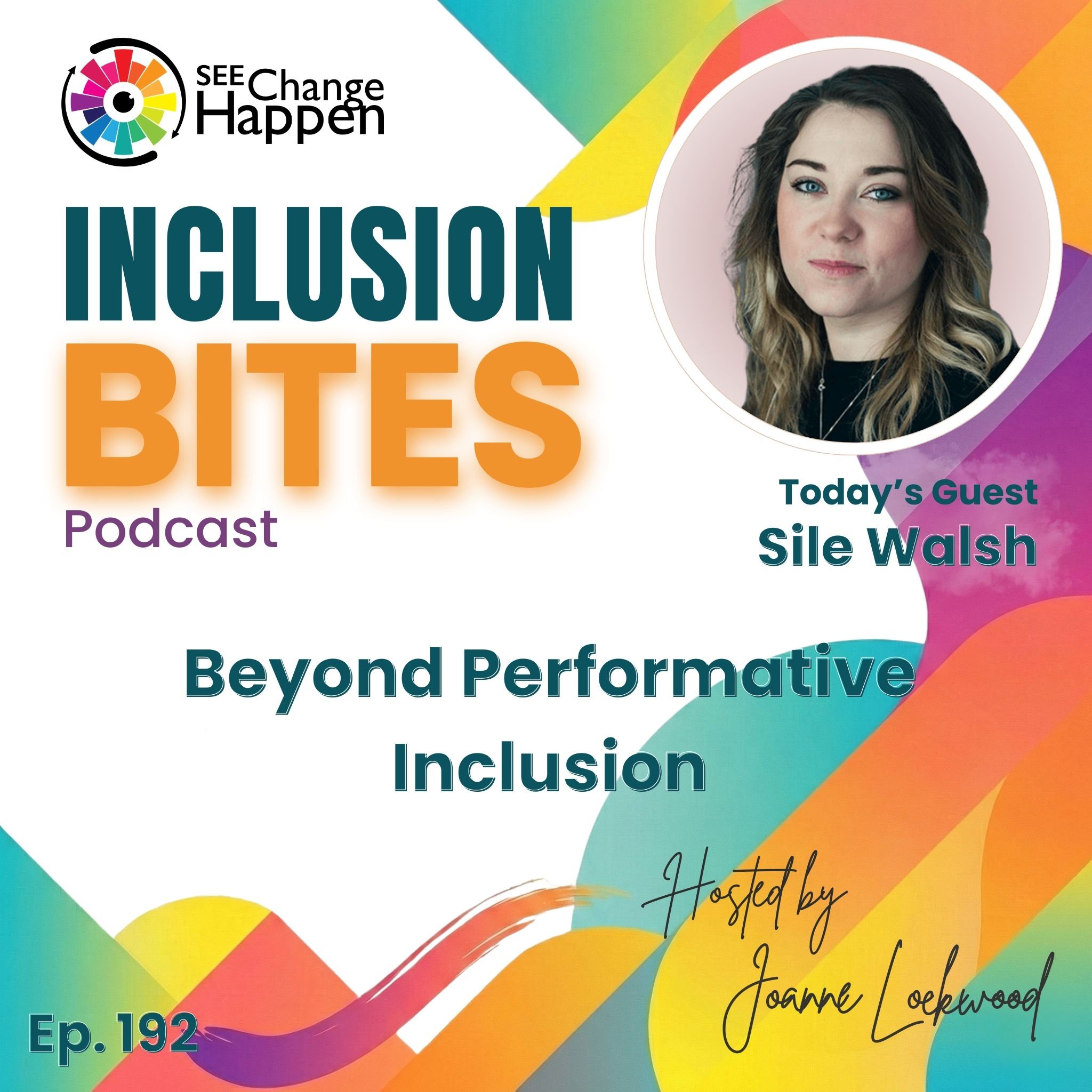
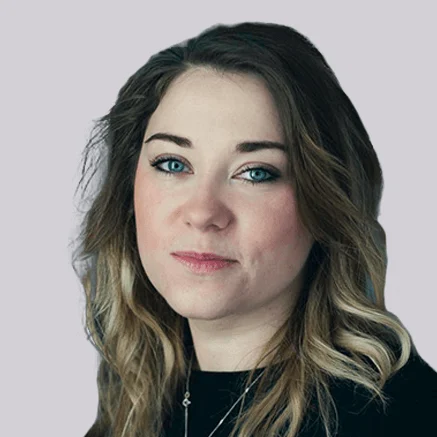
Sile Walsh explores the complexities of authentic inclusion, the interplay between lived experience and organisational culture, and how compassionate leadership can bridge divides without sacrificing psychological safety or succumbing to performative
In this episode of Inclusion Bites, Joanne Lockwood speaks with Sile Walsh about inclusive leadership management.
“My identity is about my relationship with myself first and foremost.”
Explore
Navigate this episode
Joanne Lockwoodhost
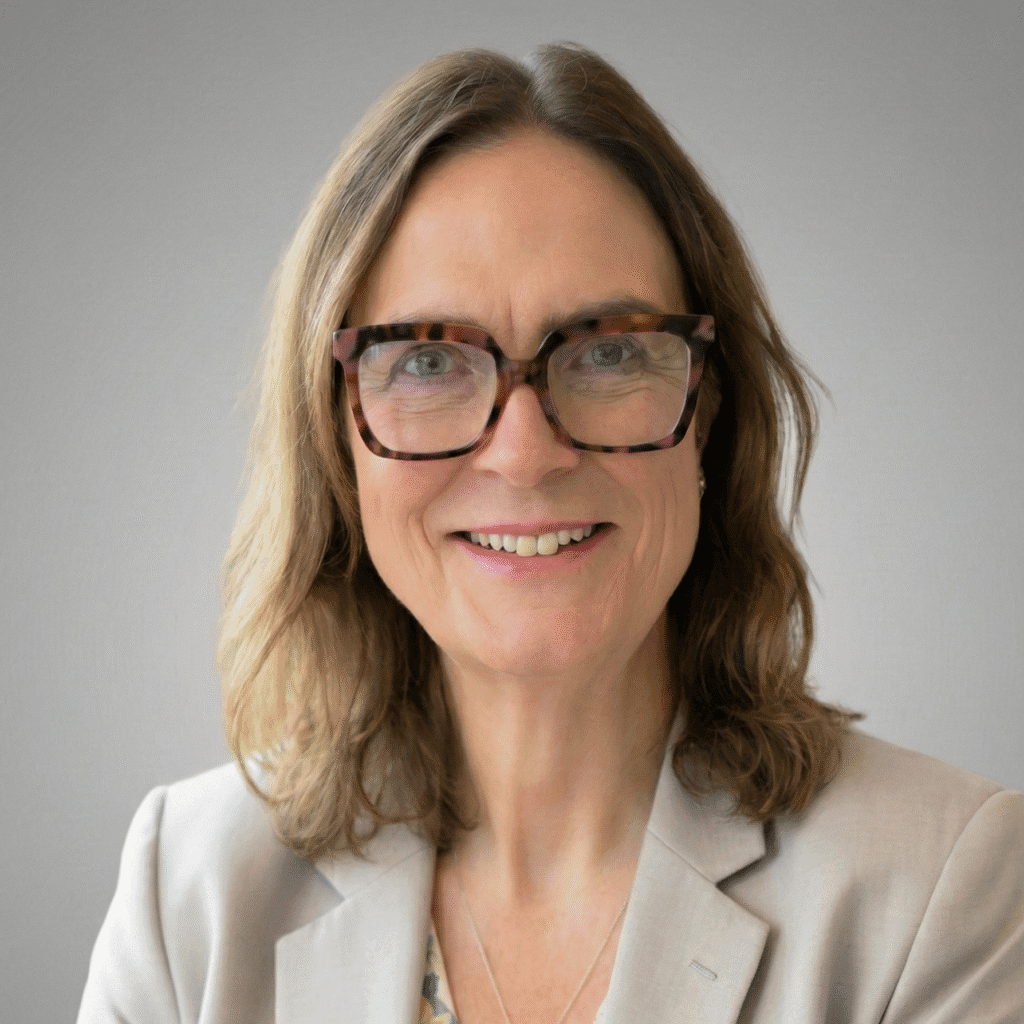
Foreign.Welcome to Inclusion Bites, your sanctuaryfor bold conversations that spark change. I'm Joanne Lockwood,your guide on this journey of exploration into the heart ofinclusion, belonging and societal transformation.Ever wondered what it truly takes to create a world? Remember, everyonenot only belongs, but thrives. You're not alone.Join me as we uncover the unseen, challengethe status quo and share storeys that resonatedeep within. Ready to dive in. Whether you'resipping your morning coffee or winding down after a long day, let'sconnect, reflect and inspire action together.Don't forget, you can be part of the conversation too. Reach outto jo.lockwood@seechangehappen.co.ukto share your insights or to join me on the show.So adjust your earbuds and settle in. It's time toignite the spark of inclusion with Inclusion Bites.And today is episode 192 with thetitle Beyond Performative Inclusion. And Ihave the absolute honour and privilege to welcome Sile Walsh.Sile is an award winning coach, author andleadership specialist dedicated to embedding equity andpsychological safety into leadership and organisational cultureworldwide. When I asked Sile to describe their superpower, they saidit is bridging lived experience with leadershipinsight to drive systemic inclusion. Hello, Sile.
Sile Walshguest
Welcome to the show, Joanne. Thank you for having me.
Joanne Lockwoodhost
Absolute pleasures. And when I was justlogging on this morning to set this episode up, I was looking at your name,thinking, I wonder how I pronounce that? And I had to nip ontoLinkedIn. So whilst you're speaking English, you're not fromEngland, you're from Ireland. Yeah? Yes, yes. And my
Sile Walshguest
name is spelled, it's actually, I've butchered it a little bit. It's actuallywith a father, so S I fader L E. But a lot of people callme Sile, which I am fine with. But when I used to live in England,actually, and I'd be called like in the hospital or something, they used to comeout and say, silly, do we have sill?Because they didn't want to say silly and that's what they thought my name was.But yes. So I'm based in Ireland, in Dublin. I have lived and worked inthe UK and I still do go back and forth for work, but myname, and actually my name here is Walsh, but my Irish name is SileBranock, but it's, it's a mouthful to spell for people, so SileWalsh is much quicker and it's. It's kind of a shame really that you have
Joanne Lockwoodhost
to adapt who you are to make it easier for other People, as you say.Yeah, your. Your authentic surname is hard for peopleto spell or hard for people to. To read and pronounce, I guess,and find ourselves having to fit into other people's cultures, don'twe? Yeah, it's an interesting one because in Ireland, being
Sile Walshguest
Irish is very like. Is very important and I know every country has it, butbecause of our history with the uk, it is very important. And having an Irishname for lots of people is more than their name, it's about their. Theirhistory and. And what side of the history that they. Theyare Irish from, let's say. I actually don'tmind because for me, who I amand my identity is about my relationship with myselffirst and foremost. And then my. For me in theworld, my job is to find the places where Ican meet other people and they can meet me. And sometimes I have to adjust,sometimes they have to adjust. It doesn't. Even though it's my name, it doesn't feellike an adjustment of who I am. It feels like a translation,which is different to this idea of fitting. I'm just translating it tosomething that's understandable. But, yeah, it's a bit like when I deal with my nephewwho's now 11 and I adore, or my niece, who's 17. I adjust myconversations to meet them in a way that we can meet each other.So I don't. I don't feel that same pressure. Whereas there's other people who dovery strongly feel that it's important that you knowtheir authentic name and can pronounce it in their language.I know most people don't speak Irish and so saying my Irish name,they butcher it anyway, you know what I mean? Even with the best attempt, ifyou don't speak a tongue. Like, I'm not great at Irish myself, but I knowenough to be able to pronounce the word. So it's an. It's an interesting one.You know, how we're seen in the world and how we interact based on ournames. I think, yeah, that's important.
Joanne Lockwoodhost
You know this. What you do is psychological safety,organisational culture. Sometimes what we find when we talk aboutinclusion is demands of people to meet us where we are,rather than trying to find that middle ground and meeting each other somewhere in themiddle there to help each other come abarrier or a conflict or a challenge. What you're doinghere is you're putting yourself into the middle rather than expecting everyone to come toyou. But the reason that I do that is
Sile Walshguest
because I'm not letting myself behind when I do that. So there'll beparts of my identity that I might feel if I don't bring with me verystrongly I've left something important behind. And I'm sure for people, weall have different versions of what part that would be. But my name,like my name, for me, I'm named after my grandmother. I'm the eldestof that. That line. I was the first grandchild, but I'm also the firstfemale. The name means so much more than what anyone would everconceive anyway. And so I bring it with me where I am, asopposed to needing other people to see it the way I see it.Yeah. So it's interesting. But for other people, it has very different meanings and weights,but I do. It depends whether we have to, when we meet someone, whereverwe meet them, whether leaving it behind is protective in some way and wedon't really have the choice. Whereas for me, it's inme, so it doesn't matter if other people understand it. I can hold it formyself and it doesn't have a negative impact on me,you know, Whereas maybe if people presume I'm English,that has a different impact. So I don't just leave that in the background.So there's these kind of subtle things that I guess we all havethat have more and less need for external witnessing.And just my name isn't. Because it comes from. Well, it's Irish, so it hasa deep heritage meaning. It's my grandmother's name. It's an honour to be named aftersomeone who raised my aunts and uncles with such courage andvelocity and, you know, so. So to me, I don't need somebody to know allthat for me to. To be comfortable with it. But there would be other things,as I'm sure we all have, that it would. Like when people assumeI'm English abroad, that's quite frustrating as an Irish person. Right. So. Andsometimes even in Ireland, because I grew up in, in the uk, I spent acouple of years in uk and in the uk I was Irish because that washow we understood ourselves growing up in London. Come back to Ireland and I assumeI'm Irish, but I'm actually English to the Irish kids. Right. Soin both places, I was never quite enough, I guess, or, or.Or didn't belong enough. And so when someone mistakes my heritage,that hurts, but not when they mistake my. My name or, you know, I holdthat differently. Although I'm getting better now when they mistake where I'm from, I'm Thinking,yeah, well, it's your best guess. It's not bad guess.
Joanne Lockwoodhost
I've chatted to other people in the past who have mixed heritage andthis lady I spoke to always said that she's too white to be blackand too black to be white. So you're, you're too English to beIrish and too Irish to be English, and it's obviously. But you're not, you don'twant to be English, but you, your native, ifyou like, you've inherited a worldly Persona.
Sile Walshguest
And it's an interesting one because I spoke to a psychologist at a conference acouple of years ago. She's a child psychologist and she talked about people frommixed cultural backgrounds. Now, both my parents are Irish, but living in a country thatisn't of your culture for formative yearschanges your cultural identity. And she talks abouthow those of us who are, who are, have had culturalexperiences during development years having mixed culture, even if ourparents aren't from a mixed culture, because we've grown up in differentcultures and how this sense of home is so, sodifferent. And I really resonate with that because I have brothers whohave. So also my accent, it might not be obvious to you, Joanne, but myaccent in Ireland is considered English and in England my accent is consider consideredIrish, but my brothers have Irish accents. My dad and my momgenerally have Irish accents. And so it's also very unusualin my family because I remember talking to, I don't know, when I was outdating, whatever, talking to some guy at the bar and he was saying, he wastalking about my dad and my brothers because my dad trained him at one pointand he said, no, no, there's no girl there, there's only two lads. I waslike, no, no, they, you've just. They're my brothers and my dad and he's like,no, no, no, they, no, they were never in England. So he was cracking myaccent and couldn't place me with my family because of it.And so, so it's interesting these kind of how that kind of culturalmixed background, even though technically both my parents are Irish and myheritage is Irish, still comes into effect because of my livedexperiences and being cultured in different, different norms. And like a very subtleone, this one used to come up a lot, was when I started going toschool in Ireland, I used to bring pate on toast, which is very. Butit's because when our neighbour used to give us pate on toast constantly and itwas the only thing I would eat at. And so at home, Everyone thought Iwas absolutely insane because first of all it's smelly. And second of all, nobody wasgetting pate on toast in East Cork, small country school andSheila's like rocking up with her, her burnt toast in her pate. So there wasall these like subtle things, you know. Or we grew up with a Thai personnext to us cooking gorgeous Thai food and there was no spicesin Ireland when I was growing up, you know what I mean? So we comeback with spicy food and they're like, you know. But for us, for me, Ijust thought everyone grew up with different foods. But that wasn't the case in thecountryside in Ireland. Potato. Potato, wasn't it? It was, yeah,like it was potato, it was white sandwiches. There was other things,but nothing like what I had exposure from coming from London. And soeven that was this kind of cultural odd. Like your 8 year old eats pateon toast, your, you know, they like curries. Like these were very strangethings at that time. Now they're not, thankfully, but they were then. We were then
Joanne Lockwoodhost
into that because I mentioned in the green room. In the 90s Iworked for a bank and travelled extensively over the world forthat bank. And also I was a member of a club and the clubused to have meets in different countries,different traditional. You stayed in people's houses. So you go toFinland, stay for a week in a Finnish family with theirchildren and you'd sit in the hot tub outside, they'd putlogs in the burner and they'd heat the hot tub and vodka. AndEstonia running around in naked and jumping into plunge pools at three inthe morning, having a lot of work done. But you're living within the culture andyou really get to understand them. I suppose thatwas part of my formative years in my mid to late 20s to mymid to late 30s. That was part of myadult formulation, if you like. And I got a greater appreciationof the world and culture andways of people interacting with each other, which I'd never had had.I just stayed as a UK focusedperson going on holiday once a year. I see myself as moremulticultural, which I guess is why theUK's decision to leave the EU did so much at the time. Becausethat's futures being global, not notlocal. And I see what you're saying there, it's ofculture and the value add that people bring through their history.It was once nothing you said in the green one, because I was just checkinghow you're identifying your gender so I could make sure I use the Right, pronouns.In the introduction you said agnostic, you know, of thegender. It's not that you're non binary or not female, you're just not botheredby it. So, yeah.
Sile Walshguest
It'S taken me a while to move through it becausefrom a human rights perspective, I wouldn't want to undermine anyoneelse else's relationship with their own gender. And I say that becauseoften at the moment, within the kind of LGBTQ pluspopulation, there's all sorts of breaks and arguments and this idea that ifyou have that identity, it challenges mine and, you know,lots of prob, to me, lots of problematic, oppressive practisesoccurring when. When. So one of the things with kindof coming from a background and not being Irish enough and then not being Englishenough and all of these things and then going on to be, you know, tofind out I was dyslexic and not really quite being smart onpaper, but being quite smart verbally and cognitively, butjust not being able to capture on paper and then kind of moving through thequeer community. And that's how I identify it more because it's just quicker for meto say I'm queer and not being lesbian enough, gayenough, not being feminine in one way, but thennot being this assumption that I'm a certaingender, a certain kind of identity. I started to realise that the only time mygender is relevant is when other people are assessing how theywant to interact with me. So the pronouns is a respectful way to do it.That's like a question of how do I respect you in this conversation. That's great.But often when somebody's trying to put me into any identity group, whetherit's through my sexuality or through gender, they're kind of trying topick a box to put me in to decide how Ishould be interacted with. And when someone says to me, you knowabout my gender, like, the only times I know about my gender is basedon how other people interact with me. I don't wake up and feel likea strong woman, let's say, unless in that moment somethingconnected to my womanhood is relevant. And if I'm really honest, the only time thatanything is connected to something like that, it's more connected tobeing assigned female at birth, which is mostly around healthcare.That's the most time that anything is relevant to me about thesethings. And I understand that they're relevant to other people for other reasons, butI just. And I understand, I even understand why, likecritical gender feminists hold their position. I understand why protrans and non binary People hold their position. I just don't care what youthink I am. It doesn't give me anything.The only thing I have an issue with is if you decide I'm somethingand then you decide how I should be because of it. But my real issueis that your decision about how I should be is my. It's my problem.And if I'm honest, I think it came from first the sexuality stuff,which is, you know, my wife looks they soft, butch,I guess, typically. And people assume I'm femme. But, like, when we have todeal with situations, I deal with the things that are traditionally considered butch. I grewup in the country, you know, I can do that stuff. She doesn't, let'ssay. And so when people are putting us in these boxes, I find it reallyinteresting because they're just deciding, first of all that we'refemale, and then they're deciding what type of female, and then they'redeciding what kind of, like, lesbian, you know, and then they go on and onand none of that fits. I'm like, you know, the only time you need toworry about my gender is when it's relevant to you. And that's veryrare. And the only time you need to worry about my sexuality is if I'minterested in you. Because you being interested in me doesn't change my sexuality. So theonly time you need to cheque what my sexuality is is if I'm pursuing you.And that's important to you in some way to know a lot of the time.And I just listened to a beautiful piece about one of the activistsin the States about who. Who was activating for transpeople's rights. And she identified as a. Sorry, he identified as a lesbian and thenwent on and identified as a trans man, but continued to identify as alesbian. And one of the quotes that I thought was really powerful was thelabels are only meant to be used to help us understand each other, notto stereotype us and put another box. And Isuppose that's why I kind of don't interact very actively aroundgender, because I don't mind interacting about other people's gender if it's important tothem. But my gender to me is onlygoing to be used to make decisions about me that I'd rather you just ask,you know, like, if you want to treat me a certain way, maybe just treatme like a decent human being and don't assume things based on my gender. Andif you do assume things, I can say yes or no to them, butit just doesn't it just doesn't make sense to me to tell peoplewhat my gender is when it. It's not relevant tothem usually. And if I'm. As long as I'm not offended and I'm not offendedby any pronoun use. If I was offended, that might be different. But I'm nothurt or offended or I give no weight to the pronouns that are used aboutme because that's not my experience of me. That's just how someone's makingsense of me. That's fine for me. It's much more important that I know me.
Joanne Lockwoodhost
Yeah, people can make sense of me. I. I like that as a kind of.A kind of meeting people where they are. You're recognisingthat the society needs to have some sort of hand or tohook you on. It's. It's you. You're having to usethis terminology, these words, these pronouns for other people's reference,not for your own. It relates to that Ilooking the green rice. I just thought about this which I was going to raise,which I'll do now. Is my marooned on a desert islandself reflection. So if I'm washed up on a desert island, I'm theonly human being on that island. Am I asexuality? Do I have a gender identity or am I just a survivor?I don't think on my own I'm a survivor. I'm beefhuman being because that's relative to other creatures on that island that I may betrying to eat. So I guess I'm a human if I'm on my own.Gender's relative. Sexuality is relative to who I'm around.And when someone comes to rescue me, someone elsegets stranded with me that I become relative to them. Am I morefeminine or more masculine than the person I'm with? That it hasa relativity. But other than that I'm just, I'm justeven have a name maybe. Maybe my deep thoughts. I may talk to myselfmaybe. But my name's not important, my gender's not important, my sexuality is notimportant. Just whether I can eat, drink and sleep and survive.I often wonder whether we all concept of gender sexuality.I think as you said it's only relevant if I fancy you then decide ifyou fancy me then. So yeah, yeah. Isn't that awonderful place to be where actually matter until I'm interested?
Sile Walshguest
Well, I think there's. There's kind of. Because I get caught on this quite alot because I think that that speaks to our relationship with ourselveswhich is kind of. I think One point, and then there'show we're responded to in society is based on how society perceives us,not actually based on how we are, and so oftennot based on how we are, but actually how they perceive us or how thegroup. Because I kind of come from a group dynamics perspective. And at that pointthen we do need to have some sense ofclarity, not necessarily about an individual's identity, but aboutcollective protections. You know, so legislation, code of conductwith each other. And I think that sometimes inmy. For me, what I've realised is if I have something unprocessedindividually, I bring it into the collective and look forapproval. But if, and this is just for me, if I havesomething that I have a good relationship with within myself, I don't need thecollective approval, but I do need to make sure that the collective doesn'tharm me because of it, which is a different thing to approval. But a lotof the stuff that I would have wanted kind of some kind ofexternal approval on is usually the stuff I haven'tgot where I need to get to in myself, where I'm comfortable with me.But the part that we do need to work on collectively is the protections. AndI think that's. Sometimes those two things get collapsed. Nobody canprotect me from somebody not understanding me. Andthat's appropriate because I don't understand everyone, but I shouldn't.
Sile Walshguest
And you know, and it's my belief from a human rights perspective, my identityshouldn't mean I am more exposed to, like, whether, you know, whetherit's because I'm a trans person, whether it's because I'm a woman,whether it's because I'm a man, whether it's because I'm black,whether it's because. And for anyone watching the video, I'm a white person, I'm not,but I'm just giving an example. Regardless of the part of the identity that ispresented from a human rights perspective, I don't believe that shouldequate to further harm or more harm or higher risk. Andthat's maybe where I think we sometimes collapse two separate things, which ismy relationship with myself, the desire for us to have external approval,which I get, and then the harm part. And I do think we should beresolving the harm part, but I do find that sometimes wego other places with it, which can be unhelpful long term. You
Joanne Lockwoodhost
work with organisations, the leadership space,a bit of psychology. It's inclusiveculture, if you like, what got you into what you were doing,if you did all your Life or is it something you bumped into?
Sile Walshguest
Yeah, so I haven't, I've been doing it for about 14 years I guess isthe starting point. But before I was working in this field I leftschool at 15 because I was, I am, I was highly dyslexic. Iam very dyslexic and school was just torture. And I went on and did anapprenticeship to be a chef and I was an awful manager. And Idon't say that lightly. I roared and shouted, I demeaned people I didn't know anybetter. I was 15, 16, running my first team. Everyone's older than me, youknow, but I, I kind of startedto. And I grew up during that whole time volunteering. I've been volunteering since Iwas very young and being involved in community groups and inequitywas always visible to me because of the communities that I was working withand I came from, even where I worked was a really well off place withlots of well off people. But I was also working with peoplefrom, you know, underprivileged areas or I myself comefrom like a working class background. So I was constantly seeing that the samething didn't result in the same outcome for everyone. And I was always quitefascinated. Went back and forth to India for a few years, kind ofexploring spirituality and kind of got into psychology and started doing some courses,side courses to learn about myself. And as I was doing that, Iwas still in my volunteering work and I was saying, you know, I'm working withleaders who are, who have lots of power andprivilege. And then I turn around and I go into a community room wherepeople have very little access to what they need.And it just felt really contradictory, constantly this tension betweenthis room we could nearly do anything we wanted and this room we've tobeg for resourcing or something or just understanding orapproval. And so I was kind of always had this tension and I grew upin a home where they wouldn't use this language. But youweren't just obligated to yourself, you're obligated to your collective in someway. So we would have always supported others. Our family would have had people stay,you know, we would have invited people to Christmas dinner. We would have been involvedin charity work. Not like sit all singing, all dancing, just it was likea normal part of my family experience that you take care of those near youwho need it and they will do the same for you and did do thesame for us. And so it was always kind of there and Then I wasworking with leaders. And before I ever called it inclusive leadership, I come from a
Sile Walshguest
relational and collective leadership perspective because of my background, community work,you know, and I was always using inclusion without thatword, because I was helping people understand that theenvironment you put people in has as much impact on their performanceas their capability, and that if that environment is set up correctly. And Iknew this because I'd been going to school and suffering and failing, but also Iwas working part time and thriving and I was running a team at 16in a really important pastry kitchen in Ireland and I wasn't ableto like, barely get through a test. So I knew that the environment matteredand so that was always in my work. And then about five years ago, Imade a few calls and I said, if I was going to do a PhDon something and I have access to leaders because that's who I work with,what would I do? And one person said, look into what inclusive leadership could bepractically in real organisations. And the other person said, pleasedon't effing look at D. And I generally look at somethingspecific so that I can tell leaders, this is how you engage withit. So they were very clear that whatever I did had to bepractical for leaders to connect with. And so I kind ofstarted to sow in my previous experience and the knowledge I had fromall the different small courses I had done and my coaching training. And I startedto realise that if I was to understand inclusion scientifically,I could help leaders more effectively. Because leaders often think to beinclusive they have to know everything about everyone. And what I figured out was youdon't need to know everything about everyone, you need to know how to work witheveryone. That's a different, different beast altogether. And so it kind ofevolved in that way. But one thing I will tell you is the minute Iuse the term inclusive leadership, the people who sought me outchanged. And that was interesting because I've always been working with inclusive leadership. Aslong as I've been doing coaching with leaders, it's been an inclusive model. But Ididn't use the language. And so all types of leaders came to me. Now there'sa different set of people who look for me. Recommendations canstill be varied, they're very different set. And that's quite interesting. I thinkthat that word inclusion meant that the people who thought I could help themchanged and yet I was doing the same work I just used just was moreclear on the label. So people don't contact you as much then.So what I will say is that the majority of people who contactme contact me because of the word inclusion in the leadership. Inclusiveleadership. Previously they contacted me because of leadership. Now anyone whopreviously worked with me refers people and that's still of the same genre. Allidentities. A lot of men, a lot of white people, because that'swho's in senior leadership in Ireland and the UK and Europe, predominantly numberswise. But the minute I put the word inclusive leadership, I hadmore employee resource groups call me, more HR people to do diversitywork. It became really clear that inclusive leadership was seenas something for the marginalised to do and notwhat it actually is, which is for leaders to do. And it was. It wasjust really, really interesting. So my referrals still. Still look the same,but if somebody comes and looks for me online, it's. It's a different demographic.It's HR people instead of the CEOs, which is usually who I'd get the direct.The directors on the board or the CEOs. Now HR contact me more.People from employee resource groups contact me more. And we'll say people with DNIroles contact me more. Previously it was. It was senior leaderscontact me directly. Yeah.
Joanne Lockwoodhost
On the world right now. This is middle of 2025 and first ofJuly. Well, how did that happen? Kind of got a badname or it broke a brokenreputation. I suppose finding that inclusion ismisunderstood yourself. Because what you're talking about there isthe environment. And that's what inclusively trying to do, create a betterenvironment, which is Hertzberg's two factor theory, really, isn't it?And time is the detractor, not the motivator. Andwhat leaders often have to focus on is they spendso much time trying to make people feel wonderful, theyforget about the basics, logical safety. And I noticed you had thatas part of your bio as well, those important elements sothat people feel safe and feel secure and feel valued.
Sile Walshguest
That's all. Inclusive leadership, is it? Creating environments where people feel safe and
Joanne Lockwoodhost
valued and could succeed. Yeah. So I have to
Sile Walshguest
say this, and it doesn't go down well, but there's a good reason. DI hasgot bad reputation and some of those reasons are being leveragedby bad actors. But some of those reasons are reasonable.Sometimes people with lived experiences willcome on and speak as experts without any additional work on that area and onlyshare from their point of view. We wouldn't let that happen in any otherarea. So it's problematic that. That's that before you gethired for a job. Like, I'm nearly asked what my Sexuality, identity.
Sile Walshguest
They nearly say, like, what kind of oppression have you had before? They hire mesometimes and I'm like, whoa, whoa, whoa. Your question should be, am I qualified andcapable of speaking about this topic in a nuanced and complex way? Becauseit is complex, but. So there's been a lot of people with livedexperiences using that without furtheringtheir understanding of the topic, which means leads to really bad advice,you know, sometimes illegally non compliant, you know, but it also leadsto social activism coming into the workplace, but notnecessarily understanding organisational change and the psychology oforganisations and how they function as systems. So one ofthe reasons for the bad reputation is DEI has been done really badly by somegroups and some people because there's lots of money in it. And if people areasking your identity before understanding your ability to create animpact and whether it's compliant and appropriate, you know, thenthat's problematic. The other reason that there's been an issue is a lot of peoplehave brought in their political views. I have political views, butwhen I step into an organisation, my duty is to what's been agreed with theorganisation. But what often happens in DI work is that a lot of us areactivists outside of it and we bring it into the corporate settingwithout appreciating the potential harm that might happen in that room when wedo that. So I think there's that. The other thing is people thinkinclusion is for the other. So when you speak to someone this weekend that saysthere's an over focus on the minority, and I wassaying, actually, if you are dealing with an effective inclusivepractitioner, they're not focused on the minority, they're focused on whatis required for the whole group, which includes the minority.But I used to push back on this and say, no, no, it's because theminority are being ignored. That's not always the case. Sometimes theminority's actually got the loudest voice in the room now and they might only berepresenting a small proportion of what's needed. And it's not that it shouldn't berepresented, but it's that for people who have no clue about what's goingon because they're not relevant in this area, they're so confused,not harmful, not against it, just lost in the conversation.So to me, I think people think and people think I will take a veryparticular position because of my work, my research, my identity.But the reality is, for me, inclusion should.Inclusive leadership should help you lead effectively in your organisationand inclusion should be appropriate for the setting. And I use the exampleall the time of I can't go to the Law Society in the UK andsay, I want to be president because I'm not a lawyer. I don't have aright to access that space and then become a lawyer. But I could say they'reexcluding me, because they are, but they're excluding me with apurpose to the purpose of the organisation. And I think that a lot ofinclusion work has forgotten or doesn'tovertly explain that inclusion in organisations has to serve theorganisation's purpose and serving it is making sure that all people,including marginalised people, are able to come to work and thrivewithout having to do additional masking or hiding ordealing with jabs or fear during the day. And when we don't have todeal with those, you get equal or better performance. That's the purpose ofinclusion in workplaces, in my mind. And inclusiveleadership is getting kind of lumped into being nice. Andinclusion isn't always nice. Sometimes you have to make really hard decisions. But I dothink that there's not just a misconception in mainstream. I think that in my opinion,there's a misconception in those of us who are activists in society andimpacted by the topic, this kind of idea thatour desire is the only desire. But I've yet to get a group of peoplein a room, even from marginalised communities, who all agree on the same outcome. Andso that makes workplaces a complex reality to kind of
Sile Walshguest
navigate. And so I do think there's confusion, but I don't think it's from theside we usually blame. I think it's actually maybe aweaponizing of the work or a misunderstanding or like I describedearlier, a lack of process in one's own stuff. Youknow, like I say, I work with a lot of people who are homophobic, anda lot of people in my kind of sphere would say, how can you dothat? And I would say, because, first of all, if I don't work with them,who will? And second of all, just because they havebelief that I am less human doesn't make me less human. And when I'm workingwith them, if I make them less human in my interaction,I'm just replicating the very thing I don't want to occur. And so to me,I'm not doing because I'm a good person, I'm doing it because if I'm notcapable of working with people who are homophobic, I shouldn't be doing thiswork in organisations because I'm not able to process my stuff init. And so I think we collapsing that.
Joanne Lockwoodhost
Label, moving someone as homophobic, transphobic orracist or whatever, those are very inflammatory type words.What we're doing is we're basically sort of either shutting down a conversation ordehumanising another view. I'm not saying that havinggay actives is right, fair or otherwise.Saying is that person has a perspective based on a lived experience and they havea why, they believe that. Yes. Trying to uncover the why.Why do you think that? Do I actually matter? Does it matter toyou who I am, what my sexuality is? And as you said earlier, unless Ifancy you, it really doesn't make any difference to you, does it? Unless you fancyme and you're confused by me. We get so. I thinkpicking up another thing actually said was get so hung up on this outcomefinality, this having to be right, that we forget abouthow we think something in the first place. And that's part of that humanizationof the conversation, isn't it? Yeah, and I talk about that in my
Sile Walshguest
book specifically because I'm. What frustrated me was thisidea that to be inclusive we must all agree, but that isanti diversity. Like, like. And this is a bit of a controversialview. I believe people have the right to believe homophobic,racist, you know, sexist, transphobic things. Idon't believe they have the right to discriminate. And legally they don't. Right.And we know that it's not easy to prove these things anyway. Butbecause I believe in human rights, I believe people have the right to believe things.And that means that they have the right to believe things I highly disagree with.Just like I have the right to believe something they highly disagree with. What wedon't have a right to do, in my opinion, is to harm each other. AndI'm not talking about. A lot of people say that. I find that harmful becauseI disagree with you or I feel offended. I'm talking about. Harm is not dislikingwhat people say. You know, harm is actually that it's somethingnegative happens to a person, you know, usuallyexternally. But I also think that one of the issues we have around thisidea of inclusion right now is that we. What we really mean isI want to include the people I like and agree with. Because when I say.When people say bring your authentic self to work, I say, first of all, legallythat's problematic. People can win cases against anything if you say that. Butsecondly, we're not generally in the inclusion space, meaning thehomophobic, racist, sexist transphobes. We don't want them to bring theirwhole authentic self to work. Right. So we want to deplatform them.Yeah, yeah, yeah. And I do believe, and it's a bit of a kindof spiritual belief, but I really do believe that if anyone holds hatetowards someone else about a part of their identity, it'sbecause they couldn't possibly process that about themselves. So theyhold hate within themselves, for themselves. I don't need to get into that with thembecause I don't hold that hate. So like, I don't want to get into it,but I do think that we get caught up in trying to control whatpeople think. And that I have a problem with because that's from a human rightsperspective, that's not okay. But we do in theworkplace have discrimination legislation and treating people less favourablybased on one of the protected characteristics is discrimination.Thinking something differently isn't, unfortunately, and potentially saying somethingdifferently isn't. It's a grey area depending on what they say and how they sayit and the general consensus on it. But we do have a bit ofthis righteous moral ground stuff that I. That isa form of oppressive power that I have an issue with personally using. I'mlike being right and being better than is just a way of oppressing anddehumanising another person. And I don't think that's very inclusive.
Joanne Lockwoodhost
Because being right is a perspective, it's not an absolute. Andwe all have. We all believe we're right and we all believe we have theoutcome. It's a human bias. Ego isextreme and that's how we believe. And which is why affinitygroups are powerful because we believe people who look like us and feel like us,think like us, are more right than people who don't. And yeah,our war start and yeah, I'd say that you got no idea what's going onin the Middle East. I know that people are dying, children are dying. I knowthat people are starving. I know that there's poverty and famine and things going onand people are being bombed at their homes. I don't know who's rightat this point. I don't really care who's right. I just want people to stopdying and people to find a way through it. So yeah, peopleare so invested in their own truth. I'll put that down. I mean,we see the example of the England, Irelandconflicts in the past never solved theproblems of what was going on between England and Ireland, of the United Kingdom andIreland by continuing to fight and blow each other up, we can only Solve itby saying I'm. That we want to be here now
Joanne Lockwoodhost
how can we get to here? I findin my own personal relationships. What about being sorry?Because you can be sorry once, but ask me to keep being sorrybecause I'm sorry makes you feelbetter for me to keep apologising, it doesn't help, it just makes you feel.Yeah, it becomes an uncompromising situation. So I think what we need to try anddo is where do we want to be tomorrow? That's where we want to go.Acknowledge the past is it. Holdprisoners of that? And how do we find the way forward? And I think inclusionspace is very similar. We end up excludingrather than leaving people behind through the fear of getting itwrong, through the fear of language, through policing them.Creating buzzwords or buzz phrases orscenarios that go against social constructs that we're all kind of familiar with.Evolution's good forcing people say at thebeginning about pronouns, forcing people to take their pronounsevery time they interact with each other. Not societal's way ofcommunicating. And the thing is, it is
Sile Walshguest
oppressive to do that. So I'm always thinking about how the poweris being used. And so if, like your example is sorry,if I require someone to be sorry forever, I'm requiring to havepower over them forever. Right. Which is just like adeflection of the power. It's a reversal. If I'm telling people what theycan and can't say, I'm just trying to dominate them with myrighteousness. And to me, it's really important that we know what we'redoing with power in these kind of conversations because that changes thelandscape of what we're doing. Discussing for me, I think, and it's very hard todo because sometimes I hear someone say something and I think, you're some idiot. Right?And then I've got to catch myself and I've got to say, their worldview broughtthem there. Your worldview brought you here. Why is it easier for you to thinkthey're in Egypt than it is to actually be curious about it? And thenI have to walk myself into it and be like, where is that coming from?Tell me more about that. And a lot of people would say you're just givingpeople space to air their frustrations. And I'm saying, no, I'm trying to understandwhy someone can have such a different worldview to me. And I think it goeson to the same situation in Gaza. I donot. And maybe this is from being an Irish person and understanding the complexities ofthe North I do not understand the complexitiesof that situation in the way that peopleliving it do. I couldn't. Couldn't even potentially. But what I dounderstand is that one group is resourced with morepower than another group, that I have an issue withthe history. I don't know enough. But what I do know is that when onegroup has power over another group through resourcingor whatever they have, that's problematic. And then when thatresults in life being ended, killing.I don't care who's right or wrong. You can argue about right and wrong, butwhat our role as human beings, in my opinion, is to stop harmas soon as we are aware of it. And unfortunately,I don't think we're doing that in that situation. And there is an imbalance inpower and resourcing and that. That will be a problem for me, whether I'm ina boardroom and there's an imbalance of power and resourcing or we're talking about aglobal stage. Because it's in those moments where, you know,that human rights perspective kick in. But it's also in those moments wherewe say, actually, you know, the end justifies themeans. No, no, it doesn't. In my opinion, it doesn't. You know, the loss oflife, of any life for any reasonshould be a problem, in my opinion. And so I think, like, that,you know, at the hands of other human beings at least, should be a problem.So I think we get so caught up in a political stance that we actuallyforget the humans and maybe thinking about what stance is requiredfor human harm to be reduced or to be intervenedwith or to be stopped. And then there's lots of. Lots of media beingreleased. Like, if you see the difference in what's being released on the UK mediaand the Irish media, we'll say around Gaza. It's really interesting thatwe're so close and so far the media's wildly different thatwe're seeing. We're so close and so far it's. Also very
Joanne Lockwoodhost
vastly different. If you're over the Atlantic and in the US looking at the mediaas well. Yeah, And I was in the US for a month. It was really
Sile Walshguest
strange because in Ireland there's a big pro Palestinian position.Just naturally, we've been protesting before it became media news. Like,we've been having weekly protest years. Like, it's not a new thing here. And there'sthis kind of sentiment. When I went there, it was clearly Israeli and I waslike, oh, that's a really big culture. Shock. I've walked from one room where there'sa clear position in one direction into another roomwhere. Where what's appropriate to openly talk about is an Israeli view,whereas in Ireland, generally speaking, the Palestinian view is what's beenappropriate to talk about. And I was like, all I've done is be in adifferent country and the rules are wildly different about what's acceptable, but sois the information that they're getting. That was what I was really shocked by thedifference in the information. It's really difficult to try and work out what the
Joanne Lockwoodhost
truth is or these perspectives are, and trying to marry them upother than the dying and that's gotta stop. That'skind of the fundamental what we're trying to get to as well. Yeah, and I
Sile Walshguest
think that's the. And maybe it's, you know, somebody reported recently thatthe peace process, the peace process inNorthern Ireland is one of the most successful in the world today. And like, we'reholding it tightly. It's really important. It continues for lots of reasons, but wealso know that there's still activity. We still have young people being groomed on bothsides. And like, we know that there's still. There's stilla ready to go if we don't hold it tightly and carry. Yeah, it'sfragile, but it's still. It's still quite powerful. And I suppose when you see aprocess like that and you realise the safety that it offers the humanbeings on both sides, you know that actually continuingto fight is not the solution. It doesn't stop. The only two ways itstops is one obliterates the other andthat's terrible for everybody. We should all be worried about any group of people beingkilled simply because of where they live. Or the other option is they agree peacein some kind of process. They're usually the only two outcomes thatkind of occur in either some kind of agreement or we keep going tilleveryone's killed. And like the. Everyone killed is never a good outcome, in my opinion.No matter what side of the fence you're on, on anything. Everyone killed is.It's, you know, families losing loved ones is not a good outcome foranyone, you know. Yeah, we've gone into the worldplitted.
Joanne Lockwoodhost
Bringing us back to the boardroom. We get our leaders.I mean, the conversation we've just had here, it'sdifficult to have in a workplace because, you know, we're taught don't talk aboutpolitics, don't talk about religion, don't talk about money. Yet we want people tobring Their whole self to work. How can we have culturesand environments where people can eat withinboundaries, yet not feel that? You know, as I think you said right at thebeginning, I can put bit of me into the middle here. And that's the bitof me that I'm happy to share, happy to talk about. How can we getpeople to bring that part of themselves into the middle and be able to haveconversations and explore? I don't know. I don't know. Becausepeople want to be right, don't they?They want to have this authoritarian view of the world. Yeah. It's
Sile Walshguest
interesting because what I'm finding is leaders are less inclined to be rightnow and more scared of being wrong, which is a slightly different motivation.The first thing I want to say is I don't believe we should bring ourwhole selves to work. The reason that that's become normedis because people who are marginalised were hiding parts of themselvesand we wanted them not to worry about that, that they could bring that partof themselves to work. And I think that's appropriate. But when we say bring yourwhole self to work, we're giving mixed messages because again, we're not talking about theracist homophobe. We don't want them to bring that to work. Actually keep that athome for your bodies. That's not the space we want at work. And legally, it'snot a clever thing to bring into work. But what we do want is thatpeople don't have to hide who they are. I think that's, you know, and theoriginal reason for this was because people were having to pretend they were something theyweren't, to be safe at work. But that's not everyone, not every part,not everyone needs to bring their whole selves to work. We need to bring ourappropriate self to work. So the parts of my identity that are important to me,that's what I bring to work. And I do my job and I use thatmyself as an instrument of my role. And I do my best to thrive at
Sile Walshguest
work, but I don't bring my whole self. I don't karaoke sing at work becausepeople would leave, there'd be complaints to hr. You know, I don't wear my fluffypyjamas to a keynote because it's not agreed as appropriate. Youknow, so there's a piece around that. But what I would say about leadersis what I tend to do with clients is when I work with aleadership team who are going through something around this area, I ask to meet themindividually. That's the first thing I do and I say in this meeting, you cansay anything and ask anything and it will not be recorded ornoted as long as you're bringing good intent,like you're not doing it as a bad actor. You're coming in, you're saying, Idon't know why we use this word. You know, is it okay to say this?I'm so confused about that. You know, you know, do I have to change mybeliefs in order to lead here? And I don't believe people should have to changetheir beliefs. It's interesting because we think leaders should believe what's rightto lead. Well actually leaders jobs in workplaces is toequip you with the ability to do your job well and bring you in adirection that's their, their role. And so I often say if we can get leadersinto private one on ones and let them bring up their fears andconcerns, I get through way more. I do say to HR, teamsdon't do it in a group because you have policies, procedures and codes of conduct.And the minute you do it in a group, I have to enact them. You'veto enact them. If I do it in a confidential coaching setting, nothinggets enacted. They are absolutely protected in this conversation. Then
Sile Walshguest
I will help them before we go into a group setting with find theboundaries of the difference between what they need to say to helpothers do well at work. Which is the point of anything a leadersays should be about helping their teams right their, their organisationmove forward. It's not about their political beliefs. So it shouldn't matter what they believeas long as they are equipping their people with theknowledge, information and support required to do their jobs.And then I also think we need to be careful aboutcancel culture because I talk to a lot of leaders who aren't actually committed tobeing right. They're actually more fearful of being wrong, which is a different motivation. They'reafraid of saying the wrong thing and being cancelled. So now they're not saying anythingor they're saying Pittsburgh again, isn't it? The environment is down. Yeah,yeah. So I talk to leaders about whatever you say in theworkplace should be focused on helping people do their task and feelingsafe to do their task. If everything you say connects to those twothings, your personal beliefs are not that important.And if somebody says to you that's racist, that's homophobic, that's somethingyou don't say. No, it's not. You say how so let themexplain it to you. And you say Let me reflect on that and come backto you. I need some time to process it, because you're a human being whoneeds to make sense of things. And not everything that is labelled as homophobicor racist or transphobic is those things. It's justsomebody's understanding of what you've said. So I had someone tell me thatI didn't, because I don't start any talk with my identity because it'snot relevant, right? And then it does become relevant throughout the talk, and that's fine.But I said something about the fact thatsome people in the LGBTQ community hate the word queer, and other people,like, you know, feel the word queer is very important. That's all I said. AndI had someone say, excuse me, that's highly offensive. You shouldn't be using that language,blah, blah. I said, well, I am queer, and I have no issuenot using that language for someone else, but I am queer.I don't see the world in a heteronormative way. I don't engage with it ina linear way or a kind of binary way. And so that they'relike, oh, okay, you're allowed to say it. I was like, no, you wereasserting a decision because you made a judgement of me as a straightwhite woman without taking into account myidentity, because I didn't lead with it. You made judgments about me and thendecided that my position must be wrong. But theminute I explained that my position is based on my identity, that was right. Andthat's an example of where we kind of make assumptions. Originally, they weresuggesting I was being homophobic by saying that. And then when I explained that's howI identify. I wasn't homophobic anyway anymore. But the truth was, it was neverhomophobic in the first place. I was simply stating a fact. Some peoplein that population like that word for lots of reasons, and some peopledon't. That is fact. That's not political position Ihold, it's fact. You ask some people, they say, I like it. Other people saythey don't like it. But that person decided to turn that factualstatement into a meaning about me. That wasn'taccurate. But that happens all the time, because we get stuck in our ownworldview. And when we listen to people speak, we don't always listen to them.We listen to them mostly through our idea of what's right and wrong and thenproject it onto them. And so leaders do need the chance to process thingsbecause they will find out that sometimes what they've said is homophobic, transphobicracist, sexist. And sometimes they'll find that the personmisunderstood what they actually said, not what they meant, what they actuallysaid. They're two different things. Because sometimes people say, that's not what I meant. I'mlike, there's a difference between what you meant, what you actually said. Sometimes what youactually said is misunderstood. That's different. Like my factualexample to you meant something else, but you said something. Andthat's a sign that you've been brought up in a society that hashomophobia, transphobia, racism weaved into it. Andso we're all going to hold parts of that and we will make mistakes.
Joanne Lockwoodhost
Back to my desert island thing, where who am I on a desert island withnobody else there? And within my affinity group, within my echo chamber,I homophobic within that group. And that the group might. It might bethis Tanner conversation people are having, the banter, the conversations, thedisagreement they have. It's a relativecontextual position. You introduce somebody intothat group that is not part of the. In group, they. They have a differentperspective. Therefore, relatively speaking, you are homophobic compared with this person.Your views aren't homophobic by general societal standards.But within your echo chamber there continues quite normal, rationalconversations of disagreement or contention. Again, we've got to tryand recognise within our leaders and context as well, callingsomebody love or honey or duck or somethingor mate is relative because in Yorkshire or some partsof the uk, some people call everybody have a love mate.But it's. It's not meant to be offensive, it's not meant to be this. It'sjust a perspective. And I think what we're talking about here, with inclusive leadership,trying to get leaders to have their view, but recognise theirview is not the only view. And they're not. They don't have a right tobe absolute and right about it. So they can. They can have these views whichare maybe not in line with mine. I canhave a conversation, say I have a different view, you have a different view. Canwe still talk about it without getting upset, without defensive, andwe both leave sharing a bit of each other's perspectiveswithout necessarily having to change our view to still be. I thinkthat's the challenge, is to be able to, as I say, hold multiple perspectives andparadoxes in your head at the same time,be able to rationalise those out and come up with a context you'rehappy to exist within. That sounded quite complicated. You know what I mean by that?
Sile Walshguest
Yeah. No, I think that's again, the power piece. Right. IfI'm sharing my views and they have to bebetter than yours. That's oppressive. Right now, there's nothing wrong with me holdingmy views and you holding yours. But if I'm unsettled by the fact you arenot moved by mine and wildly agreeing, then we're in a power struggle.We're not actually in an inclusive. And your point about the in groupand the out group is most important. The most exclusion, and I say thiswholeheartedly, that I've ever experienced, is within theLGBTQ population.That is the place that I have felt the most excluded.Never lesbian enough. Never. I'm not a lesbian. Never this enough, neverthat enough. You know, who CIS presentingto be, you know, non bi. Like just everything is never enough. Andthe minute I hear that, I know we're in an oppressive binary or set ofrules. I am not interested in that. I'm interested inwhoever you are and I am being valid in that moment.We don't have to agree or understand each other. But I don't treat you asless than simply because I don't understand and you don't get to treat me asless than. And I think in the workplace there are some conversations we shouldn'thave. You know, I don't think I should go to work and process all myfeelings about something. I go to my therapist, I go to community groups,I do my thing. I think at work the conversations should always beconnected to what helps this environment be co createdas a space that I can feel safe in so I can do my jobwell. And everything we talk about should be connected to those two things.Otherwise we stray into like mission creep and thatbecome. That's where I think we have, like, the UK has a lot of issuesbecause of mission creep right now in workplaces and I work in workplace in theuk. We're not finding that same mission creep in other countriesbecause we're not finding that same tension in other countries,especially around gender right now as we are in the uk. The UKis holding attention around that. That is not being held quite thesame way unless you go to very specific views in the us. The restof the world is holding a little bit in different ways, different nuances aboutit. But the uk, because of mission creep in workplaces, that's my belief.It has got into some really unhelpful tensions,in my opinion, that is causing like, locks in this work.
Joanne Lockwoodhost
There's a very polarised and absolutist on both sidesand there'swork to be done to try and bring people around the table, and that's thechallenge at the moment, is to release these prisons of beliefs and lookto try and create workplaces where people can thrive. And that's all people,not just people that you like. And that's the hard thing.
Sile Walshguest
If it was just people that we like, we don't need inclusion because they'll gointo our in group. Inclusion is about engaging with the out group, and that's reallychallenging. If it's just people you like, that's not inclusion. Work your grand belt away,you're fine. Inclusion work involves the out group. I would frame that is without
Joanne Lockwoodhost
using tolerance, because tolerance is not actuallyso tolerance is the, the worst case. It's putting up withpeople. So we're trying to find that way of accepting and embracing. Skippingover tolerance. Yeah. And I think we might have to
Sile Walshguest
start with tolerance sometimes because how stuck we are with our own beliefs. Like,I know I have to tolerate others when I hold something very strongly, but thenif I can tolerate them, I use this thing called compassionate accountability.So I think accountability to myself is really important with some compassion, butI think the same for others. If I am able to, in the workplace,hold accountability as something that we offer each other because we're obligated to,but with compassion, then I can say you got toyour beliefs the same way I got to mine, even if they're oppositional. Now, whatdo we need to do to share space in a way thatis not just not harmful, that's the starting point, but actually might beenhancing. And I, I, I've seen it, so I know it's possible.But when we have big, strong political polarizations, I thinkit's in people's interest not to find shared spaces,because then they don't write.
Joanne Lockwoodhost
There'S profit in that. There's massive profit.Oh, and face saving and status and becomeinvested in it. And there's a momentum bias. You know, people are, iswhat we're doing. And I'm not going to listen because I'm invested in this futureand I'm invested in being right.That's going on on both sides and all sides. There's more than two sides.
Sile Walshguest
Yeah, no, there's. Yeah, yeah. AndI think it's an interesting one when we look at the LGBTQ kindof population, because in a funny way, they've moved fromone set of rights to arguing for another set of rights.But what's really fascinating to me, that other set of rights was alwaysin the picture. We just didn't fight for them. So there's been this really interestingthing where even within the LGBTQ population, there's been ahierarchy of whose rights are important. And if we look at thehistory of it, we can see that everybody who's in that community, in that populationgroup that we've lumped together, have always been in that population and have alwaysbeen active. And we can see it historically, but we pretended it was one thingand another thing, and we decided what was prioritised thatshows the oppression within our own population. And now it's like,oh, now, now, these other things. These other things were alwaysthere. We just didn't prioritise them because we, again,used a hierarchy set of decisions about what was priorityand in a. Lot assumed this word community. That's why Ireject the word community. Yeah. Because it. Communities. We have
Joanne Lockwoodhost
communities within communities within communities. The intersectional approach, becausewe have in common is largely, we're not straight orwe're not cisgender. Isn't a binding conceptby being not something. Because we're so queer, we're so different,so intersectional in our backgrounds, our thinking, our gender, whatever itmay be, that we're not coming together with a commoncausal mission. We're. We're trying to bunch people together who have differentmotivations and. Yeah, and that's why I use the word population, because
Sile Walshguest
we do fall under a population, which is that the normin at least Western community? And I have to say this because we talk aboutit like it's global. It's Western. It's not global. India justconfirmed that trans women are women legally under their definition. We're talking aboutWestern cultures here. Western cultures have normeda particular view of validity. Theworking male and female married children, usually,you know, a house and a dot. Like, there's a norm way. And so whenI say population, all of the. Those letters represent parts ofgeneral society that be neglected by that norm. And so, for me, itjust makes sense to say population, because we're talking about the oppression that has occurredto that population by just not being seen as norm.
Joanne Lockwoodhost
People, population, or communities with an IES on the Internet. I like that idea. Yeah.
Sile Walshguest
Yeah. I might. I might look into that a bit more. It's a good one,Joanne. I. I didn't invent it. Someone else told me that, and I thought, right,
Joanne Lockwoodhost
because we're not a homogenous group where people who are queer whohappen to press in a similar way. That's all it is. Well, by
Sile Walshguest
the same set of rules, of normative. Like, it's the oppression, we Share as opposedto the desired outcome. And which makes it really problematicother. Protected characteristics are also oppressed by societal norms. And actually
Joanne Lockwoodhost
that's where we come together as minorities or voiceless or whatevermarginalised people is because we share a common oppression by the majoritynorm. With Mfine, we're being divided and conquered bycompeting with ourselves for wanting to escape ouroppression in the way we want to escape it. And then we find thesebeliefs and our entities conflict with each other,not in the majority. Still. Yeah, yeah, it's,
Sile Walshguest
it's. It's from a sociological point of view, it's fascinating. Froma lived experience, it's a frustrating. That's the best way.
Joanne Lockwoodhost
Completely. Yeah, yeah. I mean, cometo Ireland and. And a day with you and drink lots of coffee or something.We could talk all day. We could talk all day. And we have been talkingfor. Best part of. For an hour and a half plus. Yeah, wonderful. How couldpeople get hold of you? So my silewalsh.com
Sile Walshguest
or my company is LS Advantage, so there's a website for that andmy book, Inclusive Leadership Navigating Organisational Complexity. I'm onInstagram and LinkedIn. LinkedIn is more like professional thought andInstagram is more in between frustrations and random ideas. Put
Joanne Lockwoodhost
links to all of that in the show notes. So presumably people reachout to you, drop you a message and say, hi. That would be brilliant. Andthey can find out about you. So. And also give me their point of view.
Sile Walshguest
Like, it would be lovely to hear from people that are going, sheila, I don'tthink that's great because of X, Y and Z, because then it helps me expandmy understanding and so I welcome different perspectives fromwhat I've said as well, because I love that kind of emergentlearning that we do together. I wholeheartedly agree.
Joanne Lockwoodhost
If you're listening to this right now and you don't agree, tell us, tell me,tell Sheila. If you do agree, share it with someone whowon't agree and then let them tell you their opinion or our opinion. Butwe grow by listening and communicating and understanding andlots of why questions. And it sounds like we bothshare the same thing, that we want to understand why someone thinks something,have conversations. We could be friends,even if we have different perspectives. Yeah, Yeah, I think that's lovely,
Sile Walshguest
Joanne. Thank you.
Joanne Lockwoodhost
As we bring this conversation to a close, I want to expressmy deepest gratitude to you, our listener, for lendingyour ear and heart to the cause of inclusion.Today's discussion struck a chord. Consider subscribing toInclusion Bites and become part of our ever growing community,driving real change. Share this journey with friends, family andcolleagues. Let's amplify the voices that matter.Got thoughts, storeys or a vision to share? I'm allears. Reach out tojo.lockwood@seechangehappen.co.ukand let's make your voice heard. Until next time, thisis Joanne Lockwood signing off with a promise to return withmore enriching narratives that challenge, inspire andunite us all. Here's to fostering a more inclusive world oneepisode at a time. Catch you on the next bite.
Identity, Belonging, and Psychological SafetyThe Evolution and Misconceptions of Inclusive LeadershipContested Spaces: Disagreement, Diversity of Thought & The Role of Power
Joanne Lockwood is joined by coach and leadership specialist Sile Walsh to unpack what it means to go beyond performative inclusion in organisations. They explore how inclusion shows up in everyday leadership practice, and why psychological safety and a well-designed environment often matter more than surface-level gestures.
Sile shares how identity, culture and lived experience shape how we are perceived and how we belong, reflecting on growing up between Ireland and the UK and the ways people adapt—or translate—themselves to be understood. The conversation also examines gender and labels, highlighting the tension between how individuals relate to identity and how workplaces and societies categorise people.
Together, they challenge common workplace mantras such as “bring your whole self to work,” discuss the risks of moral certainty and polarisation, and consider how leaders can create boundaries for dialogue without shutting it down. They emphasise curiosity, compassionate accountability, and practical leadership behaviours that reduce harm and support performance, rather than inclusion that is framed as simply “being nice.”
“this sense of home is so, so different. And I really resonate with that because I have brothers who have. So also my accent, it might not be obvious to you, Joanne, but my accent in Ireland is considered English and in England my accent is consider considered Irish, but my brothers have Irish accents.”
“It's interesting these kind of how that kind of cultural mixed background, even though technically both my parents are Irish and my heritage is Irish, still comes into effect because of my lived experiences and being cultured in different, different norms.”
“I started to realise that the only time my gender is relevant is when other people are assessing how they want to interact with me. So the pronouns is a respectful way to do it. That's like a question of how do I respect you in this conversation.”
“I was always using inclusion without that word, because I was helping people understand that the environment you put people in has as much impact on their performance as their capability, and that if that environment is set up correctly.”
“if you are dealing with an effective inclusive practitioner, they're not focused on the minority, they're focused on what is required for the whole group, which includes the minority.”
“inclusion in organisations has to serve the organisation's purpose and serving it is making sure that all people, including marginalised people, are able to come to work and thrive without having to do additional masking or hiding or dealing with jabs or fear during the day.”
“just because they have belief that I am less human doesn't make me less human. And when I'm working with them, if I make them less human in my interaction, I'm just replicating the very thing I don't want to occur.”
The distinction between translation of identity and the expectation of assimilation in multicultural and organisational contexts.
Navigating challenges of authentic self-expression, including gender, names, and cultural identity, within diverse environments.
Why psychological safety and equity are foundational to sustainable inclusion and effective leadership.
Practical reasons for the backlash against DEI initiatives and how to address both external criticism and internal mission drift.
The crucial role of compassionate accountability in reconciling divergent worldviews while maintaining dignity and respect in the workplace.
Strategies to encourage open, honest conversations that enable learning while setting boundaries for appropriate workplace behaviour.
The importance of collective, rather than individual, protections and how organisations can move from tolerance to true acceptance.
One thing to remember
This episode underscores that true inclusion goes far beyond tick-box diversity exercises or performative gestures. Genuine inclusion demands that individuals and organisations cultivate environments where all people—not only those deemed ‘acceptable’—can interact safely, contribute authentically, and thrive without fear of harm or erasure. Importantly, the discussion reframes inclusion not as a demand for universal agreement or likability, but as a commitment to compassionate accountability, tolerance, and the co-existence of multiple perspectives, especially amidst discomfort or difference.
Questions this episode helps answer
How does the distinction between translating one’s identity for understanding and “fitting in” manifest in diverse workplaces, and what implications does this have for psychological safety?
In what ways can leaders balance their personal beliefs with their organisational obligation to create environments where all staff can thrive, regardless of background or identity?
The episode discusses the pitfalls of “bringing your whole self to work.” Where should boundaries be drawn, and how can organisations navigate what is “appropriate” at work?
What are the risks of using lived experience as the sole qualification for DE&I expertise in organisations, as described in the episode?
How do power dynamics within both majority and minority communities influence who feels “included” and who is marginalised further?
Joanne Lockwood and their guest unpacked the difference between seeking approval from the collective and seeking protection from harm. How does this distinction guide effective inclusion strategies?
Explore topics
Ideas from this episode
Identity, Belonging, and Psychological Safety
Reflecting on my conversation with Sile Walsh, I was struck by how our sense of identity shapes our experiences of belonging and psychological safety. We explored what it means to navigate environments—sometimes adapting, sometimes holding firm to who we are—amidst differing cultural expectations.
The Evolution and Misconceptions of Inclusive Leadership
Our exchange ventured deep into the realities—and realities misunderstood—of inclusive leadership. Sile shared the journey from pain points in traditional management to a focus on relational, inclusive leadership.
Contested Spaces: Disagreement, Diversity of Thought & The Role of Power
A theme that resonated throughout our conversation was the uncomfortable, yet essential, place of disagreement and diversity of thought in the inclusion space. We unravelled the tension between holding strong personal beliefs and accepting others’ divergent perspectives, especially in contexts where homophobia, transphobia, or racism are present.
Learn
Frequently asked questions
What is the core message of “Beyond Performative Inclusion”?
This episode centres on the distinction between performative gestures around inclusion and the genuine, deep transformations needed within organisational culture. The conversation critiques surface-level diversity initiatives and instead advocates for authentic psychological safety and equity, where all individuals can truly thrive without masking or hiding parts of themselves.
How does the guest describe the experience of adapting personal identity within different cultures?
The guest, Sile Walsh, discusses the intricacies of navigating multiple cultural identities, particularly when personal names or backgrounds don’t fit the prevailing societal norms. The expectation to modify or “translate” one’s identity for others is described less as “fitting in” and more as facilitating mutual understanding, whilst emphasising the importance of self-acceptance irrespective of external recognition.
What does psychological safety mean in the context of inclusion?
Psychological safety refers to a work environment where individuals feel safe to express themselves without fear of negative consequences. Authentic inclusion is more than being “nice”—it involves allowing space for diverse identities and perspectives, as well as acknowledging the external harms people may face within organisational systems.
Why can “bring your whole self to work” be problematic?
Both Joanne Lockwood and the guest highlight that this phrase can be misleading. While the intention was to reduce the pressure for marginalised people to hide who they are, “bring your whole self” is not always practical or legally advisable. Instead, people should be supported to bring the parts of their identity that matter while remaining appropriate for the workspace.
What is the difference between tolerance, acceptance, and true inclusion?
The conversation distinguishes tolerance (simply “putting up with” difference) from acceptance (welcoming diversity), and further from genuine inclusion, where environments are actively co-created for all to thrive. True inclusion demands accountability and compassionate engagement that goes beyond mere surface-level agreements.
How can leaders foster genuine inclusion rather than performative efforts?
Leaders should prioritise creating environments where safety and equity are present, focusing less on ticking diversity boxes and more on structural and relational change. It’s important for leaders to understand that inclusion should serve the organisation and all its people, not simply respond to the loudest or most politically engaged voices.
Share this episode
Heard something worth passing on? Send this conversation to someone who needs to hear it.