Amanda Van Der Heiden explores the dynamics of organising chaos by translating complexity into people-centred momentum, sharing profound insights on cultivating belonging, navigating change, and empowering diverse teams through authentic leadership.
In this episode of Inclusion Bites, Joanne Lockwood speaks with Amanda Van Der Heiden about workplace culture systems.
“I consider myself kind of the glue that brings everybody together.”
Explore
Navigate this episode
Joanne Lockwoodhost
Foreign.Welcome to Inclusion Bites, your sanctuaryfor bold conversations that spark change. I'm Joanne Lockwood,your guide on this journey of exploration into the heart ofinclusion, belonging and societal transformation.Ever wondered what it truly takes to create a world? Remember, everyonenot only belongs, but thrives. You're not alone.Join me as we uncover the unseen, challengethe status quo and share storeys that resonatedeep within. Ready to dive in. Whether you'resipping your morning coffee or winding down after a long day, let'sconnect, reflect and inspire action together.Don't forget, you can be part of the conversation too. Reach outto joe.lockwoodeechangehappen.co.ukto share your insights or to join me on the show.So adjust your earbuds and settle in. It's time toignite the spark of inclusion with Inclusion Bites.And today is episode 195with the title Organising Chaos, Sparking Belonging.And I have the absolute honour and privilege to welcome AmandaVan der Heyden. Amanda is a Chaos coordinatorand a relationship builder with over 20 years experiencein L and D, leading global rollouts for
Joanne Lockwoodhost
over 40 companies across 15 countries, spreadover 12 different industries, and ofcourse, empowering teams through People first solutions.And when I asked Amanda to describe her superpower, she said that it istranslating complexity into people centredmomentum. That all sounds fascinating. I say hello, Amanda, welcome tothe show. Thank you for having me. So your name,it says to me Dutch. So you have some Dutch heritage inyou? Yep, my dad is from the Netherlands. His whole family is still there.
Amanda Van Der Heidenguest
He's the only one in the States. Wow. So you're. You're now in the States
Joanne Lockwoodhost
yourself? Yeah, Yep. Did you say NewYork or thereabouts. So in real life, I'm a New Yorker currently living
Amanda Van Der Heidenguest
in Rhode Island. Very random. So it's been fun journey. So for
Joanne Lockwoodhost
someone who doesn't know the geography of the States too well, I mean, that's me.So Rhode island is on the east coast. Still isn't is so
Amanda Van Der Heidenguest
with COVID and all the moving and fun stuff that happened, I used to beabout an hour from Manhattan and then I moved down to Kentucky, whichis like the Middle west, very drastically different world.And then all the way up to the tippy top point on the east sideof little tiny Rhode island, so. So above you
Joanne Lockwoodhost
is Canada, is that? Yes, basically. Basically not too far away. If
Amanda Van Der Heidenguest
you had asked a couple years ago, Rhode Island, I'd say, what's in Rhode Island?But just one of those things. Life takes you to newplaces and the People are really nice here, so I love it. But I definitelyam missing the food from New York, that is for sure.
Joanne Lockwoodhost
Yeah, I was, I've been in New York probably three or four times. I, Iworked over there and had a bit of a holiday there once. And you're right,there's. On every street corner there's, there's something else. Yeah, you've got theleft Liftly, you got all those sort of places, you've got all the differentzones and things. Whatever you want. And it's a bitlike London I guess. You can. Whenever you want, whatever time of the day youwant, whatever time of year you want, you can find whatever you like.
Amanda Van Der Heidenguest
Yeah. If you can't, they'll deliver it somewhere. Yeah, yeah, it'sgreat melting pot. So the climate must be a
Joanne Lockwoodhost
bit cooler up in Rhode island. Does it? Yeah, it's off the water, so
Amanda Van Der Heidenguest
it's, you know, northeast definitely right now it's really pretty. This is the righttime of year. But it has both extremes, the heat in August andthe freezing cold in the winter. So we definitely get theseasons here. What's the nickname of the state then? What's it,
Joanne Lockwoodhost
what is it? It's not Sunshine State. What is it? Quiz me. That's
Amanda Van Der Heidenguest
California. Rhode island is the Ocean State because it's basically a tinylittle island in the, in the. So it's completely an island. So you
Joanne Lockwoodhost
have a bridge over the top, do you? There's bridges everywhere,
Amanda Van Der Heidenguest
there's. And the funny thing I've learned, so I've only been here about a yearand a half and the fun part is, is that locals like local Rhode islandpeople will be like, wow, you cross two bridges to be here. And I'm like,the bridges are like every five, 10 minutes. But apparently when youhave a smaller island like this, it's like a big deal. When you crosstwo bridges to get somewhere, I'm like, it's only a 30 minute drive, it's nota big deal. But to them they measure things and how many bridges youcross to get, to get places. So that's pretty fun. So I guess if you,
Joanne Lockwoodhost
if you brought up there all your life, your whole life is centred aroundbeing an Islander, I guess. Is it? Yeah, yeah, I guess so. I'm still learning.You're not going to stir crazy then as a, as a, as a New York,you're not going. It's not like, ah, I need, I need more, I need, obviouslyyou need more food, but can you, can you cope with the, the pace oflife? Yeah, it, you know, I keep myself busy. I find
Amanda Van Der Heidenguest
ways, I find ways. But no, the people are really, really great. So it's beena fun. It's been a fun adventure. See,
Joanne Lockwoodhost
when we were chatting in the green room and looking at some of the notesyou put together, you kind of grown up between two worldsand not quite fitted in anywhere. So how did that come about?Is this your Dutch ancestry or is this something else in there aswell? Yeah, my dad's from a different country, but when I talk about that, I'm
Amanda Van Der Heidenguest
really talking about Kentucky and New York. So anyone in the States knows those arebasically polar opposite places. Especially in the world today.The US is very polarised. Even back then, we'retalking multiple decades ago. Kentucky is very rural,horses and different way of life. I explained to people who've neverbeen, it's like going back like 50 years and people's rights and way of livingand thought processes. And then in New York, you know, you're always pushing theboundaries and they want to be on the cutting edge and, you know, it's very,very, very drastically different world. And my parents divorced when I was very
Amanda Van Der Heidenguest
young and so I really was raised between twocompletely polar opposite environments. And it gave such aunique perspective because I'm. I always joke that, like, Idon't fit anywhere, but I can fit in anywhere. It's one of those thingswhere I'm not a perfect fit, but I can work with, meetwith, socialise with any type of person because of it. And the nice part aboutgrowing up in kind of two extreme environments and is that you.It's not about the right way or the wrong way. It's about this is waythis group does it. This is the way that group does it. This is the
Amanda Van Der Heidenguest
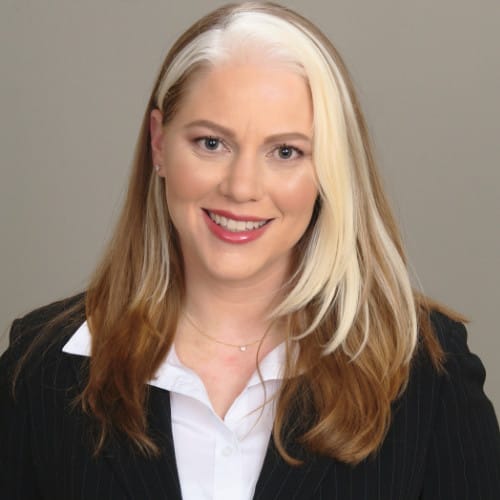
way people over here live. This is the way people over there live. And soyou get this perspective of, you know, you don't have to take on theidentity of, you know, your bubble. So often day people are in kind of likean echo chamber or they're, you know, their own little bubble. Andeven back in the day, especially before, like Internet and social media and all thatfun stuff, like people just were a product of wherethey were born and raised and they hadn't been to other places beforeand been exposed to new things. Whereas for me, such a young age growingup in those extremes, I also learned that there's no capital Ttruth like there are. People believe strongly this is the way, but it'susually because they haven't been exposed to other ideas or other places. Or othergroups before. Whereas, because from a very young age I was constantlybeing witness to and involved withso many different types of groups. It was not. It was refreshing and kind ofliberating in the sense that you could truly figure out, oh, Ilike this, I don't like that. Leave this, take that, you know, take on alittle bit of. And come to, you know, especially with parents divorcing very young,it wasn't like this was his storey, this was her storey. So the truth isprobably somewhere over here, right. And so it's learning how to disseminate betweenthose things. I also, I don't know if this is a viewing one, butmy hair is my birthmark. I was born with it. And sowhen I was born in Kentucky and when I moved to New York, I movedin second grade. When all the other kids had been together for a few years,I moved with two colour hair, two coloured skin and a southern accent.They basically thought I was an alien from another planet. So. Which I basicallywas. And so being able to be so different, where you don't have thechoice to fit in, you, you really just always stand out.It kind of, it's hard at first, but eventually you learn to justembrace who you truly are and own that and be okay withwho that is and, and be happy with who that is and realise youdon't have to take other people's perspectives or other people's opinions. You cantruly do what makes sense to you. And that's kind of how I've livedthrough it. Well, you'll hear for those who are listening to this, not, not able
Joanne Lockwoodhost
to see the video, it is quite striking. It's. I guess it's like analbino. Yeah, that's exactly. It's funny you say this. So
Amanda Van Der Heidenguest
it's called piebalism. So I'm partially albino, which is a medicalimpossibility, but here I am. It's very, very, very rare. Some peoplesometimes see my skin and think vitiligo, which is a degenerative disease. That's not whatI have. It runs in my dad's side of the family. And it's just special.Like this is how I was born, this is how I'll die. Whereas vitiligo ismore of like it, you get more over time and all that.So it's very, very rare. And so, so it's, it's a,it's definitely a differentiator. And I always joke it's a conversationstarter. Cause I get it attracts all the people,crazies and the like. And so, you know, it's. It's interestingbeing so different. You learn a lot of interesting things with how peopleapproach you and kind of the situations I've been in. But, yeah, I get.The two things I get the most often are I get Rogue from X Men.So for those listening, Rogue from X Men. And then I also now get PrincessAnna from Frozen, so I have rogue red hair and then I have a whitestreak in the front. And now people. I say, oh, gee, how much peoplewould die for that? Like, they. How much people pay to dye their hair likethat? So now I'm in vogue, I'm in style. But, you know, when you're akid and you're different, you know, it's hard to be different. But I thinkit teaches some really valuable lessons on empathyand inclusion and all of it, you know, Really?
Joanne Lockwoodhost
I love that. Yeah. I mean, my first reaction when I saw your hair, andI saw you when you came onto the show as well, loving your hair,it's imagined it was a style choice. And as you say, people paygood money to have that done. And you've had your roots done recently, sort ofthing. So. Yeah. But no, it's. Own it. You never thought to dye it outor. I tried when I was little. Little, I tried because kids
Amanda Van Der Heidenguest
can be really cruel and there's no pigment, so it doesn't holdcolour. So I went to, like, a professional salon and they couldn't dyeit. And then the second. Second question that people always get is, well, why don'tyou make your red as. As, like all white? And I'm like, you can't. SoI've only seen one person my whole life get her hair as white as mine,who wasn't naturally. She was naturally a blonde to begin with and she had,like, dyed her hair, like, blue or something, and she stripped it. And so itwas like, dead and brittle and, like, gross because she had, you know, takenall the pigment out of her hair, whereas mine's natural. And that's the other thingI get a lot. People are always shocked by this, but I have so manystoreys. I could tell. But people will come up to me all the time, strangers,and pet me or try to take a picture withme. And you think it's like, you know, a lot of people dye their hairnow. You think it wouldn't be so novel. But people still, like, constantly are comingup to me and trying to, like, pet me or talk about myhair. And it's really funny because the thing that you learn, actually,
Amanda Van Der Heidenguest
is that people, people are people.And literally there's about five things that people typically say. Andthe fun part, and I've kind of relearned this a few times throughout my life,but people really fit into one of five categories, usuallythe way they think. And so I hear the same things over and overagain. And you search, and when they say it, they're saying it for the firsttime, so they think they're being creative and inventive and, oh, I'm gonna say thisunique thing that nobody's heard of before, right? And it's, it's really funnybecause it's, it's very rare for someone to say something truly uniqueand different. And when they do, I'm like, ooh, your brain works different. You'reinteresting because usually it's like one of five things that people say. Haveyou seen a ghost? I've been in near death experience, Rogue or ana. Howdo you know how much people pay for that? You know, like, all those arethe typical ones I get over and over again, but every once in a whileI'll hear like something far out and I'm like, wow, your brain isvery different. So. And I could do that with authority because I talk to alot of people from around the world. So. Oh, my first reaction was, wow, I
Joanne Lockwoodhost
love it. And just it's, as you say, it's a conversation starter. It's brilliant.We called this title of this show, this episode, Organising Chaos,Sparking Belonging. That chaos you've lived in being a bitdifferent. This dual culture, the Kentucky culture,the Dutch historic culture, the New York culture, now the Rhode islandculture, that sort of. You've been in a constant stateof flux most of your life and not sure what's up or what's down. Asyou say, you're not enough of this to be that and you're not enough ofthat to be this. The others living in the middle somewhere.
Amanda Van Der Heidenguest
Yeah. And it's funny because so what it really isis when I talk about organising the chaos. So my parents met because ofhorses. I'm alive because of horses. And so, you know,even from a very young age, when you're on a farm, you work for thosewho know. They know. And so I was doing. I was runninghorse programmes. I was running horseshoes when I was like 10 years old. Even my
Amanda Van Der Heidenguest
mom recently was like, how do you do what you do? And I was like,well, it's easy. Like, you rate. Like, I was running horse shows when I wasa child, basically. And that's where kind of organising the chaos comes in whenyou have a large event or a lot of different types of people or alot of different types of roles and variety and diversity and, you know,all this fun stuff is how do you bring them all together? And that's reallya lot of what I do. And it's called a lot of different things ina lot of different places. But I consider myself kind of the glue that bringseverybody together and like, okay, how are we going to work together? We maycome from different perspectives, we may come from different backgrounds, different languages, differentcultures, but how do we. How can we come together to geta shared result and get the best result possible? SoI've been doing this a very long time and it was way beforemy corporate life, like even in my teenage years, you know, being able to bringpeople together to get a better result together, that's kind of what I do atthe heart of what I do, like, if I oversimplify. But of course, thecomplexity that we talk about comes in when you have all these different types ofpeople from different backgrounds having different views of what'll be the mostsuccessful. And how do you get them to agree and align and moveforward in the right direction together? Well, that's the universal question,
Joanne Lockwoodhost
doesn't it? How do we get people to often talk about herdingcats and pigeons? People very rarely go where you want them to go.And I guess the chaos ensues because we're all different, aren't we?
Amanda Van Der Heidenguest
Yeah, definitely. So you're an L and D
Joanne Lockwoodhost
specialist, you work across the world. And I think we were talking earlier, you saidthat you're often. I asked which time zone you're in. Say, well, I'm in thetime zone of the moment, whoever you're speaking to.
Amanda Van Der Heidenguest
Yeah, yeah, yeah. And for those listening, L and D. So I'm a big believerin, like, spelling things out because L and D can mean a lot of differentthings. So I'm in learning development, so. But L and D can also be labourand delivery and a few other lnds come to mind. But so for me, it'slearning development. So it's funny because growing up, I thought I'd be a teacher. Mymom was a teacher. And like I said earlier, I coached horseback riding and Itaught and I love working with kids. And so I actually went to universityto be a teacher. And I'm an overachiever, so I was actuallyworking in the school system while I was in college tobecome a teacher. And I realised that as much as I Love working withkids. I wanted to do more and Iwanted to, you know, be able to continue to learn andimprove and grow. And so I kind of fell into psychology and businessbecause I've always loved psychology and how what makes people motivated and whatmakes people tick and interacting with all these different types of people from all theworld. And so I fell into corporate America right out of undergrad,and then through a series of events a couple of yearslater, I came full circle back into adult learningand development. And so that's where I am. So I like to just joke, butit's true. I'm certified to train birth through death. And soit's a fun full circle of how do you. Continuousimprovement and continuous learning. But so really having that fulljourney of learning and development from all stages of life. Yeah, I agree with you.
Joanne Lockwoodhost
I talk a lot about belonging and I think one of the key thingsto get the best out of people is they have to feel welcomedand they have to feel the paces for them, don't they? And it's veryhard to describe what belonging means, but you know whenyou do. When you have it. Yeah. You know it when you
Amanda Van Der Heidenguest
feel it. Yeah. And I always describe belonging or
Joanne Lockwoodhost
inclusion as a feeling. It's. I feel belonging, Ifeel included. I also say thatyou can, in the same way you can bewith a whole lot of people and still be alone, lonely.Alone and lonely are different. I can be lonely in a room full of peopleand I can also. I can be includedbut not feel belonging. Absolutely. Yeah. Andit's, it's, it's, I think a lot of the time, businessesspend a lot of time talking about diversity, equity,inclusion, but they miss, they miss the magic, which is the belongingside. Because I'm not going to hang around for long ifI, if I just, if it doesn't rub with me, it doesn't resonate if Ifeel awkward. And that's where the magic happens for me. And so, you know, callingthis sparking belonging really, really resonates. Yeah, absolutely.
Amanda Van Der Heidenguest
It's so often that people are especially likeyou talked about big businesses, right? They. They talk the talk, butit does, it doesn't. It either feels shallow or doesn't feel authenticor it feels like it's just checking a box. And so totruly have belonging where your employees or your contractors,consultants, feel belonging, they have to really understand your why ofwhat you're doing. And really, they want to be seen. That's really all people wantis to be heard and seen. And if they feel that then they are goingto feel that sense of belonging and that they're cared for and if they don't,you know, people are good at sensing when something doesn't quite add up.
Joanne Lockwoodhost
Yeah. I mean in a modern world where we're whereconsuming huge amounts of video and online informationand TikTok, you've certainly got, I think you've got about three seconds to getsomeone's attention and they'll just swipe it on to the next one. And that's abit like belonging I guess as well where you instantly, no, not interested, thatnot interested, that not interested. And we're going to try and get people's, grab people'sattention. And I do it again when I watch Netflix and trying tofind a new box set. You start it off within five minutes. You thinkthis is, this isn't going to work for me, move on. Andit is. And that's how we can find our employees. Ourcustomers feel they're walking in and just going, no,it's not working. And that's a really hard thing to nail down.Do you remember the sitcom Cheers?
Amanda Van Der Heidenguest
Yep. In the 70s or 80s, whatever it was, or 90s.
Joanne Lockwoodhost
And I always thought that bar, that's, that's how Idescribe belonging. It's a, it's a place where everyone knows your name. You've gotyour, your, your mug behind the counter, you've got your chair, you've got all yourfriends around you. Every time you walk in there, it's just so comfortablethat you, you desire you.And if they refurb that bar or change it or you'll swap your chair out,you're gonna go, it's not working for me anymore. So it's, it's reallysweet spot we gotta try and find for people. And I guess when you're,you know, you talk about learning and development, when we gotta really tailorwhat we do and how we develop things so that people doresonate with that, the content or the topic or eventhe vibe and what you're trying to provide. Sowhat techniques do you find most insightful? I guess when you're tryingto find that sweet spot. So a lot of it is, you know, you
Amanda Van Der Heidenguest
start this in school and people dictate what your curriculum is,they dictate what you need to do. Maybe they talk about the why,maybe they don't. But I find especially with adult learning and even earlier,I think we should, the school should incorporate this too. But especially withcompanies, a lot of times they have, they have their mandates, they have tothere's certain compliance trainings that have to happen, right, for. To make sure you're onthe up and up. For the most part. What you want to do isspark that curiosity and make sure people understand what, what's in itfor them. They need to be driving it, they need to be involvedin it, not it happening to them, but really them wanting to
Amanda Van Der Heidenguest
involve. And in the world we're living in, it's not an option anymore.I'm a lifelong learner. Some of the, the,the greats really are because they want to continue to improve themselves and that'swonderful. The world we're living in now, there's no choice. You have tocontinue to learn and adapt because of the pace of everything moving. We talked alittle bit about technology before we signed in and, you know, it's, it'scritical now more than ever, but it's people understandingwhat's in it for them and also having autonomy in what theyget to do and how they get to do it. So it's, it's them beingable to say, hey, you know, I'd rather have a conversation with a personand that's how I'm going to learn the best, or I'm going to get themost out of it. Where someone else might want to read the entire manual firstand then take a test, right? So there's so many different types of learning stylesand individual things. So I think with organisations, the best you cando is really get that what's in it for them, so they really understand whatthey're gaining from it, but then give them some autonomy of how they'reconsuming it, how they're leveraging it? And the challenge and the funpart becomes how do you create something that'sindividual enough that it's really going to resonate with the person,but standard enough that you have an organisation ofpeople understanding and the same words mean the samethings and how to do processes in a certain way.So it's that, it's that fine line you have to walk between giving them theirindividuality and authenticity and, you know, theirautonomy, but also weaving through the culture andthe collective. How do we move together? You
Joanne Lockwoodhost
mentioned the what's in it for me, the wifm, I call it the, you know,it's your product developers, designers, you'realways focusing on trying to be person centric, so you're developing forsomebody. And whenever I develop solutions, I'm always thinking, thinkingin the audience, what's in it for me? Why should I carry on? Why shouldI invest my time in you. And then that's,I guess, part of the mechanism to resonate with what's going on.But you also mentioned that we're living in this world now wherepeople are polarised. There's a lot of politicaldiscourse going on, there's war zones around theworld. It feels a very unstable world todaythan it did five years ago. There's a lot more negativediscourse and real challenging conversations going on amongstpeople who are completely polarisingaround beliefs. That's a really difficult thingto try and bring into the workplace or even into society.How do we create room for those conversations, allowfree speech, but also create boundaries.
Amanda Van Der Heidenguest
I get this question a lot in a different kind of context of like,how can people be authentic? And it's a verysimilar thing is, you know, I talk about being who you are,truly. However, you also have to realise you'rewith people, you're with people, other groups of people and working with differenttypes of people who may have varying beliefs. And so a lot of people say,well, I'm just being authentic, I'm just being real, I'm just being me. And that'sfine. But what you need to be able to do, and you knowwhat more advanced people can do, is instead of just beingthe, this is, this is the raw me and this is how I'm going tobe all the time. You have to realise that how you show up in theworld is going to impact other people and influence other people. Andso what I try to be is I always try to be authentically myself. ObviouslyI am who I am. However, there's a way that I can be true tomyself but also be respectful of somebody else. So for example, I amabsolutely an extrovert. You can probably tell for any of those watching, I'm moving aroundin my chair, I'm talking with my hands. It's also a New York thing. However,I know that when I'm in front of a bunch of technical people, engineers andagainst the stereotype, but it's tends to be a little bit true. You know, theywant much more. They don't want the information as bigand as colourful, they want the data, they want the facts. And soit's knowing your audience, it's knowing who you're speaking to. And when I sayaudience, I don't necessarily mean like a true audience. All it might be, but it'smore of like if you're in a meeting with 10 people or if you're havinga one on one conversation with a person, right, Understanding theirpreference their communication styles because I know that's going to get the most.I am who I am. However, I know that I can beoverwhelming to some people in my true state, or quote unquotetrue state. And so I know how to truly be me, but also adapt togive them the space of what they need to be successful too. Andthat's really, that's really where you want to be. Is that beingtrue to who you are and showing up, but ensuring that you'realso being the best you can be for others around you. Because again,that's how you come together, that's how you bring people together. Instead of thisdivisive this way or that way, it's, this is how I am.I am an extrovert. I do talk of my hands, but I realised that, thatand especially when people say, well, I don't want to change who I am, youknow, just because I'm around certain people or whatever the case may be. But thetruth is, is what all people want, including yourself, is to be heard andunderstood. So if your goal, your real goal isto communicate effectively so you're conveying your message to somebodyelse, then you do want to take note of this. Because if you're wavingyour hands and talking really loud and fast, they're not going to receive themessage you're trying to deliver. So if you still be you andstill give the message, but do it in a way where they can actually hearyou and actually understand what you're trying to gain, then you start to havecommon ground and understanding. So you're truly being yourself, butyou're doing it in a way that the other person can receive the information andthat's, it's a hard line to walk. But that's what I try to explain topeople is that that's, you know, people think, well, I'm just going to be meand if people don't like it, they can just shove off. Right? Butyou're missing out because you're not making the connection. You're notable to put people first and understand,okay, well how can we come together and have a thoughtful, respectfulconversation or whatever the case may be? Yeah, the best conversations are
Joanne Lockwoodhost
where both parties put the effort into communicate and be able to listen andspeak in a way that the other party is going to understand.And it always reminds me, I don't dunno how old you are, butI remember dial up Internet, you know, the AOL, the CompuServe daysof the 90s and your modem used to Make a screeching noise and itall this kind of really buzzing noise and then the other one would kick inand he'd screech back and then this modem would screech and the other modem wouldscreech. Eventually you'd go, eh, ee, oh ee, aw. And then it would connect.And that bit there when they're making that eeyore noise is where the,that's where they're communicating, how fast they can speak, what the error correctionis, all those other things. So those two modems had to negotiate theprotocol that they could speak in and then they could, once they negotiated the protocolthey could then speak. So I always think that as humans we need to thate awe eat or eat or bit at the beginning so we understand what ourstyles are. And you know, you're waving your hands around a bit toomuch, it's freaking me out. I'll move my hands down. Ialso have to recognise that you are going to move your hands and you communicatebetter that way. And I have to sort of adapt my style as well. Andthen at the end of that, hopefully we can then communicate without swiping off andgoing, oh no, I can't handle this anymore. Yeah, move on to the next TikTok.That's the emotional intelligence in this, isn't it? We're trying to reallyput ourselves in a place where we communicate effectively.
Amanda Van Der Heidenguest
Absolutely. And one of the things I always like to remind people of is, youknow, especially from psychology, it's people judge other peoplebased off of their actions, but they judge themselves based off their intentions.So for example, if I'm late to something, right, I'm like, oh, you know, oh,I had a crazy day and I'm not usually late. I don't see myself asa late person, but I was, there was traffic and I was rushing around. Butwhen you're the person, when someone else walks in the room late, you're like, oh,they don't. They disrespect me my time. They're not showing up,they're not. And so it's, it's an important reminder that chequeyour perspective because a lot of times you're judging other people basedoff of what you're physically seeing, like a one instance thing. And youjudge yourself based off of your own intentions. And so if we caneven take a step forward, forward to kind of bridge thegap, if you are, we're going to do better with our communicationsand our connections. Yeah, that was. Reminds me of HR
Joanne Lockwoodhost
people. They're quick to judge, you know, when someone'slate in, or we put you on a warning, you know, we've made a noteof that. What we should be doing is checking in with people.So working out where they're at, what's going on in your life. Notdo you know you're late. It's like, how are you doing today? Is everything okay?You know, you've had, is your home life okay? What's going on? You go, Imissed the bus and I, I, I had to drop my child off at thecare and they weren't there for me. The person cancelled on me andit started raining. I didn't have an umbrella and it's like, oh, I've just gotin. Oh, God, I'm soaking wet. You go,I get it. It's one of those things. It's not a deliberate act. You weren'tbeing lazy, you weren't being careless. So we need to bequicker to ask people where they're at, what's going on, what's going on in theirlife. Show an interest in somebody and not just judge them. And Ithink that's really, really important. As I say, a lot of companies, a lot ofHR people straight to disciplinary, rather than meeting people where they're.
Amanda Van Der Heidenguest
At, seek to understand first, for sure. And also a lotof times I'm reminding senior leaders, like, why are we doing this? Why dothey have to be in at 8am, right? Or why do they have to bein XYZ? Like, what is this accomplishing? And what we found is that, youknow, we're working off of outdated models here and we sawthis when, you know, when Covid hit and with hybrid work, we saw all ofthis where people didn't have a choice, they had to kind of show up withwhere they're at. But, you know, so many organisations and the best organisationstook note of that and said, well, I can have someone sit in a deskfor eight hours or I can figure out what's going to set them up forsuccess. Because ultimately, if your people are set up for success, not only are yougoing to get better output, but you're also going to have a company that'sthriving because the people are thriving. And I remind people all the time, there's nosuch thing as an organisation, it's a collection of people. So if you, if youwant your organisation to do well, you want your people to do well. If yourpeople are doing well, your organisation will do well. It's, it's math,it's, it's been shown Study, study, study after study isshown that the more people set up for. Are set for success,the more better the profit margins. The like, everythingfalls into place. When you really, truly put people first,you see unbelievable results. And I think people lose sight of that.And that's the most. That's one of the biggest things I'm constantly reminding people,because a lot of times I'm brought into organisation during a time of change, whetherit's like a system implementation, we're rolling out AI, orwe're doing a culture transformation or we're doing some big initiative.Right. So that's usually when people bring me in to help bring everyone together andget the results that they're looking to get. And so I have to remind peoplethat it's a lot when people go through change, when human beings go throughchange, there is a process that needs to be followed and you might notthink, oh, I don't want people to get emotional about this. It's just, we're, we'rejust changing this one thing. Sure. But people might not see it thatway. Right. So some people are going to be your early adapters and jump righton the change wagon. Right. But some are going to be a little bit slower.And again, it's that if you can set your people up for success,your business will see the results of that 1000% of the timeit's come. It's bringing that awareness and understandinginto. And that's kind of a piece of the. Organising the chaos too, is likeunderstanding what people need to be successful, setting them up for success and supportingthem throughout. I'm pleased you mentioned the chaos of COVID and how
Joanne Lockwoodhost
we had to adapt really, really quickly and, you know, thefocusing on people, wellbeing, all these strategies.But what seems to have happened in the last 18 months is weseem to have got amnesia. All the things we learned aboutvaluing our people, looking after our people, motivating our people,caring deeply and then they believed us with authenticity.We flushed that down the toilet. We see all these organisations rolling it all backnow, back to work policies, commuting,environmental hits, whatever it may be. What's going on?
Amanda Van Der Heidenguest
The pendulum swings. So in education and politics, they always say thatyou go one extreme and then you flip back to the other extreme. Instead oflearning from both sides and coming to a better middle.It's, it's, it's a. It's typical. When you look through historylike it. Constantly streams,
Joanne Lockwoodhost
is it politically motivated or power motivated? Do you think that?
Amanda Van Der Heidenguest
So one of the first things that came aboutwith the COVID night with COVID and people having to work fromhome and all this stuff is all of a sudden they're like, oh, there's communicationissues, there's leadership issues. I was like, that's always been there. The difference isthe best leaders, the best communicators,pre Covid knew they have to do it.There's an effort that goes into it, there's strategy that goes into making surepeople are heard and you're setting things up and there's success in that. Right?But the people who are the water cooler managers, where they see you in thehallway or they look over your shoulder or the micromanagers and theyreally had a extra hard time when people weren't physically there andthey couldn't rely on those like we'll say lazy tactics butthose in the moment tactics. Now I'm a people person. I miss people.Like I love. I was eight years working from home pre Covid so Iwas doing a lot of workshops at that time to set people up for successof how do you work from home successfully and how do you leadpeople when they're working from home and all these things. And you have to. Thename of the game is intention intentional. And so a lot of times companies willsay, well we want the culture and we want to bring people back into theoffice. And I get it, I missed people too when we were in our littlebubble. But again, you have a, a hugebackground of people, a very diverse, varied group.How do you set them up for success? So somebody who reallyenjoys their time in the office, you know, that's great. There's otherpeople who are going to do so much better work not in the office. Andso the best organisations are figuring out a way to adapt to maketheir people as successful as they can be. And so, you know, some ofthem, I know like I've heard from other organisations that are doing it, some ofmy clients are doing mandatory return to the office and you know,they have an idea of they want everyone together and the answeris, you know, if that's, if that's the priority,well then people are going to either self select out of that becauseof the world that they know or you know, or you're not going to getyour the most and the best out of, out of all of your population.And that's the answer on question. And that's the reality, isn't it?
Joanne Lockwoodhost
It's often dictated by the style or thinking of theleaders, senior leaders or middle management. Andthe group think Kicks in, said, oh no, we can never succeed unless people have,as you say, have those watercooler conversations. And I usedto say back in, you know, back in post Covid days, it waswhat we need to do is we need to find a way of engaging withpeople on a person centric way. So you said you're an extrovert, you thrive aroundpeople. And we tend to find a lot of our leaders tend tobe, well, extrovert, passing. Whether they are truly extrovert,we don't know. But there's this belief you have to be loud and shouty andomnipresent to be successful. And we need tocelebrate the passive, the introvert, the people who just want toquietly get on. I'm a high functioning introvert, I don't mind beingextrovert when I need to be. I love working from home, I love sitting inmy office here, I love chatting to people online. I don't need to thrive, Idevelop my own culture in my own home. I don't need your culture in theoffice. That's what we've been losing now.
Amanda Van Der Heidenguest
Yeah, and you need all types. And so a lot of times one of themodels I work with is disc but there's all these different personality type modelsand really at the end of the day what it is is all types. Peoplesay, well, which is the best type? There is no best type. Everyone adds valueand that's the whole point and that's the leader's job really is to be howcan I make all these people successful? How can I get the best work outof all of them? And that is to set them up where they feel thebest, they do the best work. And again, there's not one style that'sbetter. Don't believe the hype. If someone says there's a better type, there's not becausewe all have different strengths and, and so why don't we leverage our strengthsinstead of trying to focus on, you know, this weakness or thatweakness or what, you know, people are quick to go into likeimprovement, like fix this, do that, fix that. But if wecan leverage people's strengths and really let themtruly be in their strength, you're gonna see the bestresults because it's complimentary. You need all, all the differenttypes and roles in order for it to succeed. Because again, study afterstudy has shown and the results are proof. In the pudding, right, is that theorganisations that have more diverse thinking. You talked about groupthink earlier, but if youhave more diverse, if you are, you need to be at least as diverse asyour client base from an organisation perspective. So the more diversethoughts and viewpoints and backgrounds and training thatyou have, the better the end product or end resultis going to be. And the companies that do that, that incorporatethat have seen time and time again that improve theirprofit margins, improve their sales because you have moredifferent ideas saying like hey this might work for this type of person but it'snot going to work for that. So how do we make sure to think throughthat and think of different perspectives? Yeah, no, I'm with you on that. And
Joanne Lockwoodhost
I just wish other people would hear that. And that's the frustration.
Amanda Van Der Heidenguest
Yeah, well they're hearing it now from us and I'm constantly talking to leaders aboutit. So it's a daily conversation. I remember pre Covid
Joanne Lockwoodhost
that's going back a bit these days. Pre Covid it boiled down to trust.If I can't see you, I can't trust you. It's thepolicing, people wanting a policy. It's. I remember being people beingsaid that they hadn't earned enough good boy or goodgirl credits in order to work from home yet they needed to be a moresenior in their role or they must have worked at least six months before theywere allowed to work from home. Because I need to make sure that I cantrust you to do that. And I think over Covid it must have, it musthave really. People must have really struggled with that twitchy that Iabout being seen and I think people just jumped in that bandwagon.I also wonder if some of it is political that whathappens many city, downtownenvironments, cafes, transport links, allthese sort of value add services that support businesses.We're going out of business again, bust employment issues. It's almost likewe need to get people in the office because we've got people to service andsupport them in the office. And certainly in London,the metro, the underground in London was running at ahuge loss because people just weren't in London anymore. Ido wonder if some of it was politically motivated and to.To get the money back into those capitals. Otherwise they've just becomewastelands. Yeah. In New York City they talked about real estate, like why
Amanda Van Der Heidenguest
are we paying for all this real estate? But that's backwards thinking. So if you.So when, when companies, when leaders would tell me this, well, I really want peopleback in the office. Is that okay, great, make them want to be back inthe office. What are you going to do for them for them to want tobe back and have that engagement or for the, you know,Manhattan real estate people, they were saying like, well, okay,but there's other ways that you could save money if you give up your leaseor sell your building or whatever. So there's always a way, but at the endof it, it's remembering why are we doing this and how are we setting peopleup for success? Because that's really what the critical thing is. And so whenyou hear that noise and it's just like an individual person, right, we have allthese things competing for our attention and our time and our energy. And so if
Amanda Van Der Heidenguest
you really get clear on your why, on your priorities,then it's like, okay, that's a symptom of, that's not the root, that'snot the real reason, right? So a lot of times people operate on like surfacethings when really if you just dig a little bit deeper, you realise that there's,it's actually a different thing than you think it is. I like to do thewhy exercise. So if you, if you ask a question to yourself, to a leaderand you say, okay, here's, here's what we're going to do, we're going to dothis initiative, okay, why? What do you hope to gain from it? You know, evengoal setting, right? So a lot of people like to set goals. I love it.But why are you setting the goal, right? And so if you ask five whys,so if you say, okay, well, why this goal or why this initiative? What doyou hope to gain from this? And they answer it and then you ask itagain and again and again, you'd be shocked at the real reason youget to, or the deeper level meaning. And so a lotof times people are solving for things, they're solving for the wrong problem. And soI always like to take like a step back and say, okay, but let's actuallyanalyse this why this initiative, why this goal? And then, andthen you can reverse engineer what the real problem is so you can doa proper solve for it instead of a knee jerk reaction. And the interesting thing
Joanne Lockwoodhost
is when you ask that why question maybe oneor two levels down, the person says, Idon't know, right? I really don't know whyactually, because we've always done it that way or becausethat's the way I believe we should be acting, but I don't know why weshould be doing that. And you see it in politics all the time. You think,well, why are we doing that? And you think you're just doing it becauseit's politics. There's not Actually a logic to it. You're just trying towin or something, or trying to achieve something. Yeah. It's important to understand
Amanda Van Der Heidenguest
the real reason. And when you do, when you have those thoughtfulconversations or exercises, you realise, oh, wow,there is definitely a better way to solve for this. So it's interesting. People liketo jump into fixing or solving, but if you justask a few extra questions and you get to a deeper circle, backto deeper understanding and really, truly understanding what aperson or a group or whatever is saying, an organisation is saying,then it becomes so much more clear on what needs to be to actually happenand what's actually going to move you forward and make you better. One of the
Joanne Lockwoodhost
frustrating things I found when I used to work for peoplewas the leader would always keep back piecesof the jigsaw. So you never saw the full picture and almostsaid the leader had the power or the control to say,actually, I'm the only one who knows the whole storey. I want you to keepworking on this. There was a number of occasions where if onlythat little bit of extra information had been shared, I'd be. And I had thewhole picture, I would have able to be under. Better understanding what the endgoal was, rather than getting towards the end goal and said, no, no,that's not what we're after. What are you after? Well, we needed to have fivewheels, not four wheels. Why do you want that? Well, that's part of the designcriteria. You didn't tell me that. Oh, I know. It doesn't matter. You'vegot. We want you to do that. So I think, again, leadership comes down totrust and listening and sharing and being open and that's where weoften make our mistakes. Yeah. And you would have been more motivated, probably.
Amanda Van Der Heidenguest
And so that's why the best leaders do communicate that they do have thattransparency, because they know that if you're understanding the reasonbehind something, you're going to be more on board with it.You're going to be more likely to actually contribute successfully. Yeah, no, I
Joanne Lockwoodhost
agree. I mean, we just need to fix the world, don't we? We need to.We need to take, take this and get every leader to think about it. ButI've talked to many leaders on this podcast and everyone I talkto, maybe it's just I'm. I'm lucky. But everyone has this kind of same,same mantras. Yeah. Everyone gets it.Are we the only unique people? But surely everyone believes that theyget it. Why aren't we doing something with it? Is it justculture? I think People don't realise how much influence they actually do have
Amanda Van Der Heidenguest
and so they feel like, oh, this is overwhelming. And especially like the types oforganisations I work with, you're talking thousands and thousands and thousands ofpeople from different countries. And it does. When you look at it, it looks likea Herculean task, like how. How am I going to change culturein an entire organisation of 10,000 people by. With oneperson? The answer is you don't, but youdo. But once you start, you create momentum, you create theconversation, you create that open mindset and thenyou start to gain momentum and that's how you. That's how all change happens.Actually, I have a favourite book that I love, like the Power Of Habit byCharles Duhig. Definitely cheque it out if you don't know it. But it's such afun book because it talks about how does an individual change, how does anorganisation change and how does society change? And it's so. But simple isnot easy and that's what people mix up sometimes. It's. It's noteasy, but it is simple. It's getting to the root,understanding, figuring out the pattern and finding a solvefor it. And so it seems overly simplistic, but again,simple is not easy. It's. It. But it's, you know,it's about having those conversations and keeping it going. Would you mind me go back
Joanne Lockwoodhost
to a bit of your own. You said earlieron, when we were chatting around this, you brought up in these two different locationsto polar opposite. You're kind of lost in the middle there somewhere.And now you're working in a global organisation, across time zones, across countries,across sectors and industry. So you're constantly in this stateof flux and having to mould and adapt todifferent situations. That itself must bequite stressful. How do you cope with that? Actually, I love it. It's
Amanda Van Der Heidenguest
so interesting. What I love about what I do is I get to work withall different types of people from all different backgrounds, from all different perspectives. And that'sthe fun. I don't have two days that are the same ever, ever.And so that is what keeps me going because it's so fascinating andinteresting and you learn, just naturally learn so much because you haveto. And you have to kind of have that mindset to go with it,you know, to really, like, embrace it and figure out where thisis coming from and seek to understand, like we talked about. Andso it's not stressful for me. It's,it's, it's. It's more like Some people say stress, some people sayadrenaline. Like, you get adrenaline from that. And it's all. It's all about mindset andperspective, right? So you can be in a situation, be like, oh, I'm on deadline,I'm really stressed out right now. Or you'd be like, ooh, I have a deadlineand this is gonna fuel me, you know, and so people don't realise how muchcontrol they have over their life. And really, it starts. And I talk a lotabout this is mindset and perspective. So you can take any
Amanda Van Der Heidenguest
situation and flip it in the sense of understanding. Ifyou're feeling really negative about something, if you're feeling really challenged by something oroverwhelmed by something, flip it and just say,okay, well, what if this is, you know, teaching mesomething? What if this is opening up my eyes to something? What if. And whenyou take that, you take back control. So even when you're. We talked about earlier,in an uncontrollable environment or an environment that's out ofyour own control, it's cliche, but it's cliche for a reason.You can control yourself in the way that you look at the situation.And that's really the difference between the people who are successful and the people whojust sit down and give up. Is there a default
Joanne Lockwoodhost
Amanda under all of those hats? Is there a person that.When you're not being driven to achieve or you're not being on thereceiving end of a demand, what is Amanda's naturalstate? Where are you in there? So it's.
Amanda Van Der Heidenguest
Well, always. So I love continuous improvement. I really do. But I wouldsay that the. The deep hack for the people listening is youhave to know yourself and you have to be conscious and aware of yourthought processes. And that's really the biggest hack of all. Because if youcan be conscious to it, a lot of people, you know, we think. And that's.Again, I talked about the power of habit. But when you. A lot of peoplethink that they're making choices every day, but they're not. If you look at people'spatterns, it's. It's pattern. If you look at what people do every day, they thinkthey're making a choice, but they're not actually making a choice. And so the firststep is like realising what it is that you're doing.And then the second thing is really to take action on it anddo something about it, right? So if you're sick of this or you're sick ofthat or you want to change something, you know, people have a lot of ideas,but they don't do the follow through. So for me it's like the awareness piece.Then it's the, the next step is, okay, well what am I going to doabout it? And you need both. You can't just. A lot of people areunaware so it is very important for them to become conscious of it. But oncethey're aware, a lot of people say, well, that's just who I am, that's justwhat I do. But it's that, okay, what are you going to do about it?Like, you can make it better. And again, it starts withmindset. And you know, people talk about like,
Amanda Van Der Heidenguest
oh, I'm just going to wish to win the lottery. And it's like, okay, wellthat's not actually accomplishing anything. Right? And back to our earlier point, why do youwant to win the lottery? Do you actually need to win the lottery to fulfilwhat you're trying to fulfil? And so that's the two part breakdown of likeoverall across people, across all the things I'veworked on. It's if you're aware of what you're doing, if you're at youractions and your mindset and then you can take it and putaction behind it, like intention, you'regolden. You'll be able to do whatever you set your mind to because of that.And that's what I would recommend to everybody, is to just to notice, to beaware of how you're framing a situation. You know, peoplelike. Even a slight shift in wording can significantly impactyour behaviour. If you start recognising it, you can breakany pattern or you can build any amazing pattern. So I always think
Joanne Lockwoodhost
about the lottery. I don't buy lottery tickets to winthe lottery per se. I buy a lottery ticket orhope for dreams because if I never buy alottery ticket, how can I ever say if I won the lottery I wouldor I'd love to buy that when I win the lottery, if I neverenter, I lose all those aspirations, all those dreams or that hope orthe conversations you have with your partner. Oh, wouldn't it be wonderful if we coulddo this? We can dream about that. The lottery is more about hopethan it ever is around winning. And I think that's the powerof those sort of things. Okay, we've got to be careful it doesn't become dangerous.And the gambling and you know, it becomes a, you become driven by that hopeand aspiration. But yeah, it's about hope, it's about dreams, I think.Yeah, it's all about that. I think that comes down to what we talked aboutearlier. The belongingness, the need to, needto feel part of connection, our safe zone,whatever it may be, whether it's our shut the front door and have a quietweekend and know what it's going to be. But yeah,when we think about our leaders, our managers, our teams, what can they,what can they do? Because you talked about that effectively, I would talk about froman eq, an emotional intelligence point of view is the first is self awareness,self management, recognising other people's communication style and then beable to, then be able to negotiate and build stronger relationships. Sohow can people who are listening to this now take some action from this?
Amanda Van Der Heidenguest
Yeah, so I love it. And some of the best leadership courses we've designedover the years is first understand yourself. You need to be able to lead yourself,understand yourself, know yourself, lead yourself. Then you can understand,know others, lead others. And then you can.It goes individual, then it goes person and then it goesteams and organisations. Right. And so what I would saytoday, this is an action for you today ispay conscious attention about the wording you're using,the way you're approaching things. Do you, do you have,how are you showing up? Record it. So a lot ofcompanies will say my people need time management. It's not normally a time management issue.It's usually a communication issue, a leadership issue or a vision issue.And so if you track this for a few days, you'll start tosee certain trends. And then if you take the action ofsaying this is what I'm going to focus on, you'regoing to see improvement. But I'm a big believer in tracking everything becausewhat gets, what gets measured gets managed. Right. So
Amanda Van Der Heidenguest
again, it's consciously today, think about how you'rereacting to people, think about the thoughts in your head, think about the actions youdo, the choices you're making and you would be shocked once you, onceyou put a couple of days into this, you'll start to see certain trends andsay, okay, what do I want to do with it? What do I want tofocus on? And then actually put action in it. Soreverse engineer figure out, okay, this is what I'm going to do differently. Sofor example, I, I have two children.My, one of, my daughter, my oldest. I never said the word no to, they'relike, you don't say no to your 2 year old. Is it no? I don'tsay the word no. I tell her what to do, what not to do. IfI told her what not to do. That's the first thing she would do andit would become a big fight. So when she was two years old, I wouldliterally focus on what's the inverse saying,don't do that. Instead of saying, don't do that, I'm saying, here's where youshould focus. Right. And just that small tweak, it's, it's,it seems simple. Again, bull's not easy. So you focus on it and yourealise you get so, so much better just by being aware of the wording you'reusing, the way your thoughts are processing certain things. When youreframe it and you start to in some muscle, like anything else, you have topractise, practise, practise. But yeah, so that's a specific example that I do. Iconstantly try to flip my language so that it's a positive instead of a negativebecause it yields better results. And so it seems simple, but youdon't realise how much, so much you're saying phrases in a negative insteadof a positive. And so that's what I would challenge everyone to do isbe aware, take action. So deflect and distract.
Joanne Lockwoodhost
Not know. For 2 year olds, yes. And sometimes for 42 year olds too.
Amanda Van Der Heidenguest
But it's, yeah, be aware,action behind. It and personal accountability. You have the
Joanne Lockwoodhost
power in you, you have to want to. Yeah,
Amanda Van Der Heidenguest
absolutely. And ask yourself why a lot and then ask it
Joanne Lockwoodhost
again and keep going until you actually figure out what it is. And if youdon't know why, then stop and replan.Imagine. Just be fascinating and chat to you. We could, we could carry on. We'vebeen naturally away before we went online. How could people get a hold of you?
Amanda Van Der Heidenguest
So I have a giveaway for everyone. I love organising the cast and I've spentthe last two decades helping thousands of people from all over the world and Iwanted to give you actionable templates that you can use today.So go towww.gtdscorp.comgiveaway and you get a free giveaway. My gift to you. And I'm excited tohear how you leverage them to organise your chaos.
Joanne Lockwoodhost
I'll make sure I put that in the show notes so you can search thatdown. And of course you're on LinkedIn as well, is that right? Yes, of course.
Amanda Van Der Heidenguest
Always happy to connect with everyone and hear their questions or thoughts. That's
Joanne Lockwoodhost
Amanda Van Der Heiden. H E I D E N.Very Dutch sounding name from a person who was raised in Kentucky, lived in NewYork and now is in Rhode Island. So, yeah, and there's chaos inthere somewhere, obviously. Always. So,Amanda, thank you so much. It's been a pleasure and good luck with trying tosolve that chaos. Thank you so much. Have a great day, everyone.Bye. As we bring this conversation to aclose, I want to express my deepest joy, gratitude to you,our listener, for lending your ear and heartto the cause of inclusion. Today's discussion struck achord. Consider subscribing to Inclusion Bitesand become part of our ever growing community driving realchange. Share this journey with friends, family and colleagues. Let'samplify the voices that matter. Got thoughts,storeys or a vision to share? I'm all ears.Reach out tojo.lockwood@seechangehappen.co.ukand let's make your voice heard. Until next time, thisis Joanne Lockwood signing off with a promise to return withmore enriching narratives that challenge, inspire andunite us all. Here's to fostering a more inclusive world, oneepisode at a time. Catch you on the next bite.
Organising Chaos: Navigating Complex Identities and Creating MomentumSparking Belonging: The Emotional Intelligence of InclusionThe Shifting Landscape of Work: Change, Trust, and Autonomy Post-Covid
Joanne Lockwood is joined by learning and development leader Amanda Van Der Heiden to unpack what it really means to “organise chaos” and spark belonging at work. They explore why belonging is more than a DEI policy line—it’s a felt experience of being seen, heard, and valued—and how that feeling can be created (or undermined) through everyday communication, leadership habits, and organisational choices.
Amanda shares how growing up between Kentucky and New York shaped her ability to navigate different worlds, connect across perspectives, and translate complexity into people-centred momentum. She also reflects on being visibly different due to piebaldism and what that taught her about empathy, assumptions, and inclusion.
Together, they discuss practical approaches for bridging divides in polarised times: balancing authenticity with respect, adapting communication styles to different audiences, asking “why” to get to root causes, and supporting people through change. The conversation also touches on post-COVID shifts such as return-to-office expectations, the importance of trust, and how leaders can set people up for success by focusing on autonomy, intent, transparency, and strengths.
“it's very rare for someone to say something truly unique and different. And when they do, I'm like, ooh, your brain works different. You're interesting because usually it's like one of five things that people say.”
“I consider myself kind of the glue that brings everybody together and like, okay, how are we going to work together? We may come from different perspectives, we may come from different backgrounds, different languages, different cultures, but how do we. How can we come together to get a shared result and get the best result possible?”
“So if you still be you and still give the message, but do it in a way where they can actually hear you and actually understand what you're trying to gain, then you start to have common ground and understanding. So you're truly being yourself, but you're doing it in a way that the other person can receive the information and that's, it's a hard line to walk.”
“There's no such thing as an organisation, it's a collection of people. So if you, if you want your organisation to do well, you want your people to do well. If your people are doing well, your organisation will do well.”
“The difference is the best leaders, the best communicators, pre Covid knew they have to do it. There's an effort that goes into it, there's strategy that goes into making sure people are heard and you're setting things up and there's success in that.”
“You need all, all the different types and roles in order for it to succeed. Because again, study after study has shown and the results are proof. In the pudding, right, is that the organisations that have more diverse thinking. You talked about groupthink earlier, but if you have more diverse, if you are, you need to be at least as diverse as your client base from an organisation perspective. So the more diverse thoughts and viewpoints and backgrounds and training that you have, the better the end product or end result is going to be. And the companies that do that, that incorporate that have seen time and time again that improve their profit margins, improve their sales because you have more different ideas saying like hey this might work for this type of person but it's not going to work for that. So how do we make sure to think through that and think of different perspectives?”
“Is that okay, great, make them want to be back in the office. What are you going to do for them for them to want to be back and have that engagement or for the, you know, Manhattan real estate people, they were saying like, well, okay, but there's other ways that you could save money if you give up your lease or sell your building or whatever. So there's always a way, but at the end of it, it's remembering why are we doing this and how are we setting people up for success? Because that's really what the critical thing is.”
“If you ask five whys, so if you say, okay, well, why this goal or why this initiative? What do you hope to gain from this? And they answer it and then you ask it again and again and again, you'd be shocked at the real reason you get to, or the deeper level meaning.”
The relationship between personal identity, cultural flux, and developing empathy for difference.
Strategies for navigating polarised environments without sacrificing authenticity or respect.
Key techniques for creating spaces of psychological safety and real belonging in teams and workplaces.
The impact of intentional, people-first leadership—focusing on adapting style and communication for organisational success.
Practical methods for addressing change resistance and supporting individuals through times of uncertainty.
Why transparent communication and involving people in the “why” behind initiatives drives stronger engagement and outcomes.
Actionable advice for self-awareness, reframing challenges, and fostering ongoing personal and professional growth.
One thing to remember
The central lesson from this episode is that true inclusion and belonging in organisations arises not from tick-box diversity or rigid processes, but from cultivating environments where people are understood, valued, and empowered to thrive as their authentic selves. Successful leaders and teams organise the inherent chaos of human dynamics by focusing on shared purpose, transparent communication, and deep self-awareness—embracing difference as the key ingredient to meaningful collaboration, innovation, and enduring cultural change.
Questions this episode helps answer
How did Amanda Van Der Heiden's experience of growing up between Kentucky and New York, as well as her Dutch heritage, influence her approach to inclusion and belonging?
In what ways can organisations leverage the diversity of their teams to “organise chaos” and create a culture where everyone feels they belong?
Why do you think belonging is often overlooked in favour of diversity and inclusion measures within corporate environments, and what are the consequences of this oversight?
Joanne Lockwood discussed feeling lonely even in a room full of people. How can leaders ensure that inclusion efforts genuinely lead to a sense of belonging for all, not just surface-level participation?
What role does psychological self-awareness play in adapting to constant flux and change, as described by Amanda Van Der Heiden in her global work?
How can managers balance encouraging authentic self-expression with the need for respectful and effective communication between people with vastly different backgrounds and beliefs?
Explore topics
Ideas from this episode
Organising Chaos: Navigating Complex Identities and Creating Momentum
In a recent conversation, I had the privilege of exploring the idea of "organising chaos" with a remarkable individual whose life story traverses cultures, states, and a continual sense of not quite fitting the mould. We reflected on how growing up between two polar opposite worlds—rural Kentucky and bustling New York—imbued a unique perspective on belonging, adaptability, and forging connections across difference.
Sparking Belonging: The Emotional Intelligence of Inclusion
Our discussion naturally progressed towards that elusive sense of "belonging"—the beating heart of both thriving workplaces and social settings. I shared my conviction that belonging is ultimately a feeling, not a metric: distinctive from mere inclusion, it’s about being welcomed and having a space where one resonates and feels at home.
The Shifting Landscape of Work: Change, Trust, and Autonomy Post-Covid
Our journey together couldn’t avoid the seismic changes wrought by the Covid-19 pandemic and its aftermath. We remarked on how quickly organisations pivoted towards wellbeing, autonomy, and flexible working—only to see a pendulum swing back towards office-centric policies and command-and-control mindsets.
Learn
Frequently asked questions
What does “organising chaos” mean in the context of inclusion and belonging?
Organising chaos refers to the ability to unite diverse groups of people, perspectives, and backgrounds and guide them towards a shared purpose or outcome. As discussed by Amanda Van Der Heiden, it involves translating complex and varied scenarios into coherent, people-centred action that drives positive cultural and organisational change.
---
Why is the sense of belonging so important in organisations?
Belonging is fundamental because, as Joanne Lockwood points out, people are unlikely to thrive or remain in environments where they do not feel included and welcomed. It is described as a feeling, not simply a policy or checklist, and is what truly makes inclusion meaningful—without belonging, attempts at diversity and inclusion remain superficial.
---
How did Amanda’s background influence her view on inclusion?
Amanda Van Der Heiden grew up between two contrasting environments—Kentucky and New York—exposing her to polarised cultures and ways of thinking. This “in-between” upbringing taught her to adapt, empathise, and appreciate different perspectives, reinforcing the idea that there is no single truth, but rather multiple experiences and viewpoints.
---
How can organisations balance standardisation with individuality in learning and development?
To achieve both consistency and personal engagement, Amanda Van Der Heiden recommends organisations clarify the ‘what’s in it for me’ for learners while providing autonomy in how learning is accessed and experienced. This allows for a tailored approach that respects diverse learning styles without losing organisational coherence.
---
What are practical steps leaders can take to create belonging?
Leaders should focus on transparency, communication, and adaptability:
Know your why: Regularly question the intent behind initiatives (using the “five whys” technique), to ensure authenticity.
Meet people where they are: Allow flexibility (e.g., in work location or style), recognising that people excel under different conditions.
Be transparent: Share the full picture, not just selected parts of a vision or project, to foster trust and motivate teams.
Lead by example: Model self-awareness, show genuine care, and encourage open, two-way communication.
---
How do you foster respectful, authentic communication in diverse teams?
Both Amanda Van Der Heiden and Joanne Lockwood emphasise adapting communication to the audience. Authenticity matters, but so does empathy—understand your own style, but also adjust it so your message can be best received by others. This is compared to “negotiating the protocol,” like old dial-up modems aligning speeds before connecting.
---
Share this episode
Heard something worth passing on? Send this conversation to someone who needs to hear it.