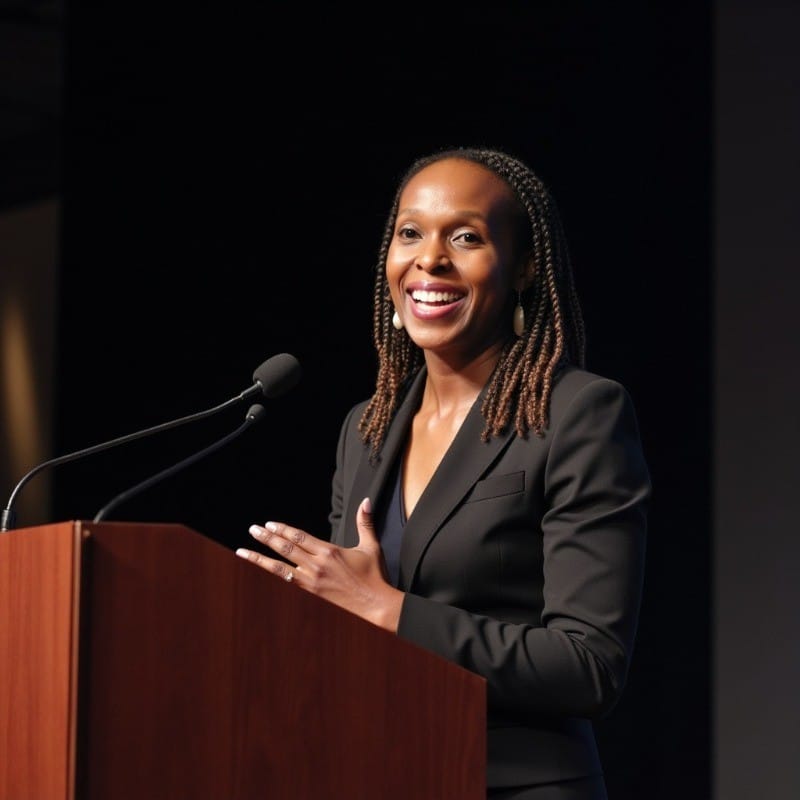
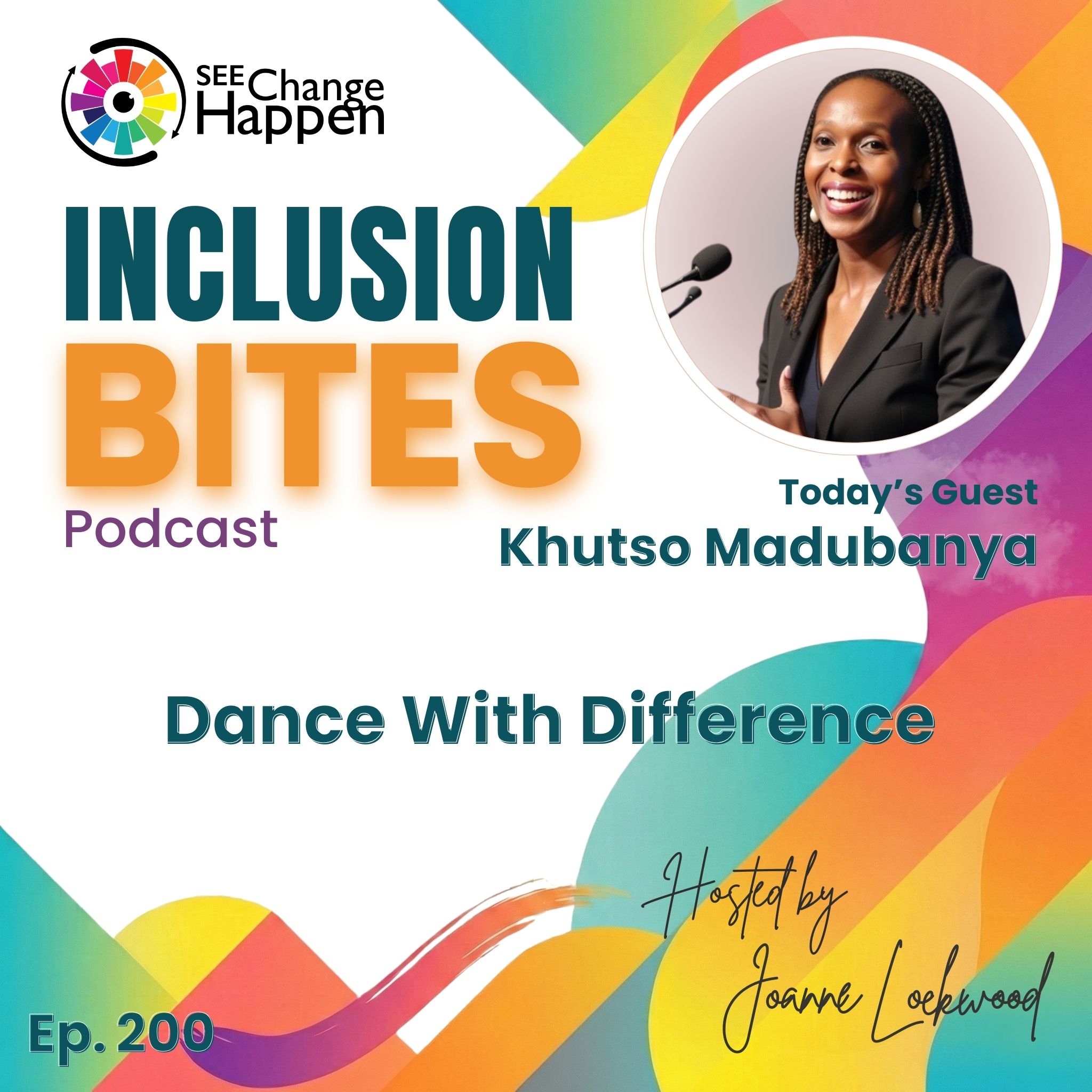
Dr Khutso Madubanya explores the challenges of identity, self-worth, and hyper-independence, unveiling her PIVOT framework for navigating change with authenticity, resilience, and the courage to embrace difference on one's own terms.
In this episode of Inclusion Bites, Joanne Lockwood speaks with Dr Khutso Madubanya about lived experience identity.
“Your worth is not in question, you're born with it.”
Explore
Navigate this episode
Dr Khutso Madubanyaguest
Foreign.
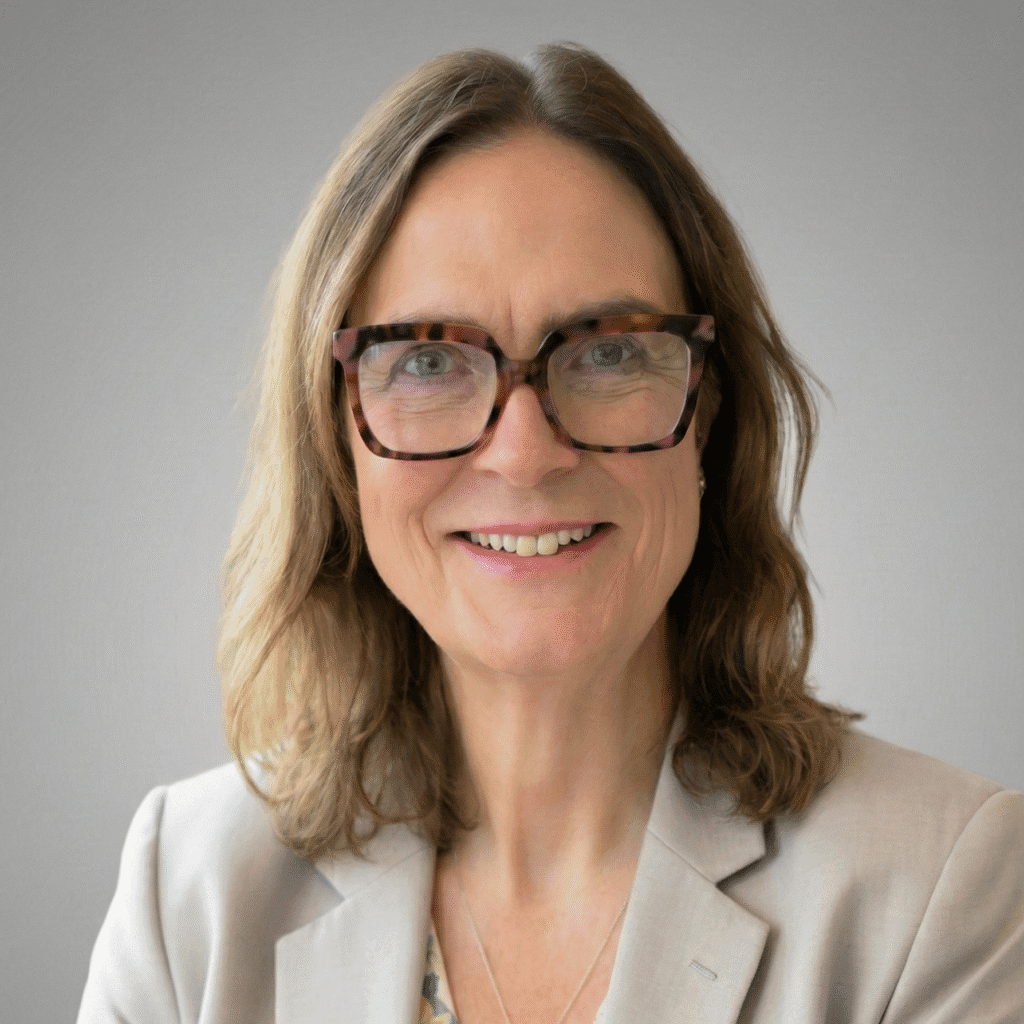
Joanne Lockwoodhost
Welcome to Inclusion Bites, your sanctuaryfor bold conversations that spark change. I'm Joanne Lockwood,your guide on this journey of exploration into the heart ofinclusion, belonging and societal transformation.Ever wondered what it truly takes to create a world? Remember, everyonenot only belongs, but thrives. You're not alone.Join me as we uncover the unseen, challengethe status quo and share storeys that resonatedeep within. Ready to dive in? Whether you'resipping your morning coffee or winding down after a long day, let'sconnect, reflect and inspire action together.Don't forget, you can be part of the conversation too. Reach outto jo.lockwood@seechangehappen.co.ukto share your insights or to join me on the show.So adjust your earbuds and settle in. It's time toignite the spark of inclusion with Inclusion Bites.And today is episode 200 with thetitle what's With Difference? And I have the absolute honourand privilege to welcome Dr. Khutso Madubanya.Khutso is a South African born change catalyst and inspirationalspeaker who helps people and organisations embracedifference and transformation with courage and authenticity.When I asked Khutso to describe her superpower, she said that it is helping and
Joanne Lockwoodhost
empowering people through change and cultural understanding.Hello, Khutso. Welcome to the show. Thanks so much for having
Dr Khutso Madubanyaguest
me, Jo. I'm so honoured to be Guest number 200.
Joanne Lockwoodhost
Number 200. I know, I can't believe it. Yeah, talk about
Dr Khutso Madubanyaguest
synchronicity. I feel honoured, truly honoured.
Joanne Lockwoodhost
Who'd have thought when I started this five and a half years ago that I'dstill be going today and maybe in another five and a half to and ahalf years I might be up to episode 250 or even 500. So, yeah, it'sa real honour, real honour. Thank you. It's a real going.
Dr Khutso Madubanyaguest
I'm really grateful that you're doing this. I've said to you a minute ago.
Joanne Lockwoodhost
So I said in the intro that you're South African born. You dropped me ahint earlier that you said good morning and I'm in the afternoon so I cantell the time difference that you're not in South Africa. So whereabouts in the worldare you right now? Oh, I live in Michigan in the United
Dr Khutso Madubanyaguest
States, Michelle. Oh, wow. Yeah.South African. Anywhere near the lake? Is it near the lake or. Oh,yes. Oh yeah, we've got. We've got quite a few lakes here, I think. 10,000lakes. We called. We do have 10,000 lakes.
Joanne Lockwoodhost
So lake Michigan is the big one, isn't it? Yes. Lake Michigan is the
Dr Khutso Madubanyaguest
Big one. Beautiful. Beautiful part of world.Absolutely. Also very, very cold. Very cold,
Joanne Lockwoodhost
very deep. Yes. We have the lake effect,
Dr Khutso Madubanyaguest
which means, you know, snow dumps on us ever so oftenin unprecedented ways that people who don't livearound water don't get to experience so much. So this is ourfourth year here, my kids and I. In fact, we just had our4th year anniversary last week. We arrived here on the 6thof November, 2021.Synchronicity. Synchronicity.
Joanne Lockwoodhost
We were chatting away in the green room just before we went live here, andwe're talking about your name, Khutso Madubanya. And you were saying,well, call me Khutso because that's your name.Whereas the other part of your name, the Madubanya, is yourfamily name. And you almost saidyou'd be offended if people called you anything else than Khutso . Do you wantto explain a bit about your family heritage and whatyour name means to you? Yeah, absolutely. You know, we
Dr Khutso Madubanyaguest
all have a. Well, in most cultures, you know, I've lived in eight countries. Iknow that not all cultures go by first and last name the way wedo, but in South Africa we do have first and last name.Madubanya is my family name. Really, really proud ofmy lineage. And Khutso is my first name, obviously.And Khutso means peace. And all my lifeI have felt that I was the peace bearer, forbetter or worse. I've always been that personality that everybodycongregates around to help them understand differences,because I've always had this, like, objective way of looking at things andjust being able to bring people together. So,yeah, my first name means a lot to me. So that's myfamily name. But if anyone call me anything other thanKutso, I'd be really offended becauseactually in my native language it's notquite pronounced Khutso, pronounced Ku Jo.But then that has all sorts of implications in terms ofspelling. So I've decided Khutsois who I want the world to call me. And that's exactly howI'd like to be. A name is really important. And
Joanne Lockwoodhost
it is, yeah, I'm obviously proud of my name. I like my name, I chosemy own name. But yeah, it is really important because it's part of your identity,isn't it? And certainly if it's got a meaning behind that name.
Dr Khutso Madubanyaguest
Yes, yes. And I've always thought it sointeresting. You know, I deliberately, of course, have my own name, but Ideliberately called my children specifically names and Inotice their personalities just kind of morph around thosenames, you know, what you call yourself every day,I think does something to your psyche in terms of the choices you do,the choices you make. I'd argue it's veryinteresting. Very, very interesting and important. So you've lived
Joanne Lockwoodhost
in eight countries, you're a woman of Africandescent, you're a single mother.What does that also mean to you about your identity, who you are, what's yourplace in the world? You know, Jo name. When I was a little girl
Dr Khutso Madubanyaguest
growing up during apartheid in South Africa, I grewup in the 80s in South Africa. Well, I was born in the 70s, butI grew up in the 80s during apartheid in South Africa.Women, and still today, women.The fact that women get to take a man's last namereally bothered me. From the time I was a little girl,I was the only daughter. I'd have two brothers.I just always felt like my place in the familywas threatened by the fact that I was a girl. I am agirl. The fact that, you know, growing up, you areconscientious from a very young age, that one day you are going toleave your family and go join somebody else's through marriage.We have. The dowry system called lobola has,I'm sure, traditionally had its significance, and I'm sure it does some wondersin some circles. But as a young girl, I truly justinterpreted that as I'm gonna get sold off one day and I'm gonna stopbeing myself. I'm gonna lose, you know,I'm no longer gonna be a Madhubanya. And I'm the only one that's disposable aroundhere. I really grew up feeling disposablebecause, you know, when little boys play, you play too. Butyou're also reminded you also need to remember, you need to learn how to. Howto cook. You need to remember, you need to learn how to clean the housebecause you're going to get married off someday to somebodyelse's family, and you're going to change your entire identity,everybody, everything that you are, your sense ofbelonging in the world. That pushedme to become extremely, One, rebellious andtwo, independent. I became fiercelyindependent. So by the, you know, aroundthe age of 17, I left South Africa. Hence, I've lived in eight countries.I left South Africa, luckily, armed with a scholarship, I was raised bya really strong woman who made sure, you know, I did.She did prepare me to be somebody's wife one day. But she also made sure,as you did, you know,in that era, you don't want your child to depend on A manfor the rest of their lives. And so through herguidance and all excelled academically, gotmyself a scholarship. 17, 18. I left the countrybecause I rebelled against that whole culture of,you know, essentially disrespecting women. Women are just there toserve. Girl. If you're a girl child, yes, youcan get all this education, you can do whatever, you can be amazing, but atthe end of the day, you're disposable. You need to earn your
Dr Khutso Madubanyaguest
keep, essentially.So I left the country and I justnever quite went back until when I started having kids 20years later. I had a difficult time, you know, I had a reallydifficult relationship and I needed to go back to,to, to reconnect with family and get some support thereand lived there for about 10 years and then decided to come back.I mean, yeah, that's a long and short.I've been driven to rebel againstthe notion that women have toearn their worth in society.And I've seen how that's in me translatedinto this, what is called now I knowhyper independence. You make choices from the place of fear.You make choices from the place of needing to prove yourworth. And now I realise it's not just me because I was raisedin black South Africa and all of that. It's a common trait around theworld. I just released my first book, Normal Free Passes thatunpacks this whole storey. It's a part memoir, partmanifesto. I've had quite a few people come back tome already and say, oh my gosh, this is not just a South African thing,it's not just a you thing, and it's not even just a woman thing.There are so many people out there, especially so called highachievers, right, Overachievers. We are strong, we can do itall. We don't need anybody, we don't ask for help.And we think all of that is a strength. But it's a traumaresponse, It's a real trauma response. At somepoint I learned the hard waythat actually all of this, not only is it not sustainable,but there's nothing virtuous about justleads to burnout. And none of us need that in thisday. Okay, now I went off a tangent. I don't know. Ianswered your question. It started with the name no.
Joanne Lockwoodhost
I'm very moved actually by your words. I've never had heardsomebody say what you've just said. With so muchlived experience, so much conviction, so much passion in a waythat's really rattled my cage, if youlike. I've never really Thought aboutyour storey. The way you've told it, you know, being raised as a young girlwith the expectation of being chattel and sold like cattlewith a. With a dowry and less valuableas a. As a. As a wife. Your. A baby giver.You're there to serve a husband, a man.I'd never. I'd never. Whilst I was aware,I'd never really thought about it in the way you've just described it. And that.That's. That's so powerful. It's quite moving. Thank you, Joanne. You
Dr Khutso Madubanyaguest
just reminded me of something else I omitted to share. Speaking ofidentity and names, remember we started with CuzzoMarbana. Now,rebelling against exactly what you just summed up.The fear that one day I was gonna get kicked out of my home.And the fact that you know, every time you leave the house and you're inpublic circles, you get branded. When you fillout forms, you have to pick. You're a Ms. M I s s. You'rea Mrs. You're married or you're not married. As if.Sorry, you can tell I'm still very mad. As if your maritalstatus matters. Do men have to do that? And herewe're just talking strictly binary. Heterosexual. I know there's a whole spectrum, butI'm just talking the two extremes here, because that's the world I grew up in.Do men ever. Did men. Do men ever have to declaretheir marital status on a form? No.And you know what? Why? I excelled academically and truly. You don't wantto know how many degrees I have. It's embarrassing how many degrees I have.I decided I'm gonna become Dr.Marutanya. I'm gonna be that. I'm gonna get my doctorate, evenif it kills me, because I refuse to haveto declare to the world every single time I fill out a formwhether I'm married or not. What has love Got to do with it?Does it. That's a good song. That's what it is. That's right.As a Tina Tanner.Got to do. Got to do with it. Yeah, I know, but what. Whydoes it matter? Why does it matter, really, ifmen can get away with it, why can't women? Yeah. You've also, by
Joanne Lockwoodhost
using doctor, you're not only not declaring you're married or notmarried, you're also declaring anonymity in terms of your gender orwho you are. Really judge me on what I produce.Yeah. Yes, that's also very true. And I felt it especially
Dr Khutso Madubanyaguest
more recently, you know, with my last relocation.I said we moved to Michigan about four years ago. Now there's a wholestorey around that I had just brokenup from the love of my life. It was quite unexpected.That was my children's stepfather. Andso they, you know, as I was workingthrough the heartbreak and in my very staunchly, extremelyfiercely independent way, you know, I can do it all. I'm gonna pick up mychildren and go live exactly where I want to live. Found myself atthat point. I didn't have my doctorate yet. Found myself thinking,you know what? I would feel a lot more preparedor a lot moreprotected if I had my doctorate, because whereverI go. I moved to Michigan, I didn't know anybody here. It just looked pretty.I mean, I Googled it and I wanted nice places to live and I thought,it sounds like a nice place to raise my kids. And so I knew Iwould not have a support structure here. And I knew. I thought the
Dr Khutso Madubanyaguest
one weapon I wish I had four years ago was my doctorate,because I would get there. The minute you get there, you fill out forms.No one's going to have to, you know, have to think, oh, it's a woman,she's not married, she has kids, she's a single mom, she's black, she'sthis, she's that. You're a doctor, period. And that aloneopens a whole lot of, you know,opportunities, conversations that you otherwise won't have.When people are preoccupying themselves with boxing you intoanything other than your innate worth that you're born with,which is what my book is about. We're all just born with innate worth. Youknow, this whole notion that you need to get a doctorate before somebody respects you,it's ridiculous, really. And I know a whole chunk of it is inmy mind, you know, not everybody feels that way,but it really troubled me that. Andstill does, well, maybe to a less extent with the. With thetitles these days, because there is an Ms. And, you know, depending on where youlive, you can be a lot more accommodating and less accommodating ofpeople's marital status, sexual orientation, whatnot.But it still really bothers me that things of thatnature matter in society. Yeah,
Joanne Lockwoodhost
I mean, I use Ms.Because I am married to my wife. She's been married for best part of38 years. It didn't make sense to me to be Mrs. Also,my surname, my family name is not the family name I was born with, soI changed it at the same time I changed my first name for various reasons.So there is. There is no Mr. Lockwood or evenanother Mrs. Lockwood. And sometimes I get, I get post or emailsaddressed to Mr. And Mrs. Lockwood or that, or sometimes I'll be called Mr.Lockwood because of my voice and things like that. So, yeah, it is interesting theassumptions people make based on that title that Ms.That Mr. The Ms.
Dr Khutso Madubanyaguest
No, it's crazy. It really is. It really bothered. It bothered mefrom the time I was very, very young. I said sothen after I got to Michigan, you know, I had started thisdoctorate a long time ago. I told you I even lived in Nottingham. That wasone of the times I attempted to do a doctorate. This doctoratehad been in the works by the time I finished it two years ago. Ithad been in the works for over 25 years with like stopsand goes and marriages and breakups and children and,and all of that. Truly at that, you know, whenI got here and I realised I wish as a single momI had that extra layer of, you know, what I feltwould be protection to not. Amongother things, I just said, this is it, all right, I'm doing this, I'mfinishing it. So it was a really tumultuous time,but I finished it. So who benefits most
Joanne Lockwoodhost
from the doctor title? Is it youand your imposter syndrome? Does it give you more confidence? Does it give youa boost? Does it enhance your own sense of self worth? Or does it actuallychange the perception that other people have of you as well? Or is it acombination of those things? The truth is probably a combination of
Dr Khutso Madubanyaguest
both. But it means a lot to me for myself,you know, dealing with that imposter Joe. And I'm going to tellyou the largest storey of what happened in the last four years. But people arevery surprised when I tell them because they look at me and they're like, well,you're such a, you know, you're such an overachiever. You've got all these degrees, you'vehad all these fabulous careers, you've lived around the world, you, you name it.But that whole feeling worth, like yousaid, imposter syndrome is something I work on everyday. I have posters around, actually, you can seethem. But I have little post it notes all over my house.I am enough. I am worthy.I have them in the car, I have them in the bathroom, Ihave them in the kitchen because I need toremind myself and my children every daythat you don't need to earn your worth. You are bornworthy. And yes, I think there's this title doctor.It helps. If nothing else, it's what do they call it? Bucket listitem checked off, right? Yeah. But yeah,I feel that it psychologically alsohelps me to be more bold. And I should give you permission to speak, does
Joanne Lockwoodhost
it? Permission to speak, Permission to be heard.
Dr Khutso Madubanyaguest
Yes. And I shouldn't have to do that. That's what I realised through myjourney, writing my first book that I just released. Normalfree passes. You don't need to go through all this troubleto feel some, some. You don't need permission. You do not needpermission to be, to exist. You're not disposable.
Dr Khutso Madubanyaguest
Your worth is not in question, you're born with it.Just because you exist, you're a worthwhile human being. LikeI said, it's something I work on every day. And I,as I was journeying through the book writing process,I reflected back on a whole bunch of things,including why I came to feel that way, which I already sharedwith you. And also their realisation that this is prettyuniversal just happening to me. I've had so many people, as I said, reallyresonate with this as an issue because you end up with traits likeyou don't ask for help, you, nothing, Joe petrifiesme more than asking for help. I know itsounds silly, right? But for some of us, ifyou all your life have thought that, you know, asking for helpmakes you look weak, it means you don't have ittogether since you are superwoman or super person or whatever,man, it's petrifying. So I've beenworking a lot on building, remindingmyself, because it's not as though we don't know these things. Justreminding myselfof my worth, innate worth, as I said, through thoselittle signs I have around my house, but also articulatinghow it is that I am helping myselfand others make that connection between their well being,their innate worth and the choices they make. And always stems
Joanne Lockwoodhost
back to your childhood where you wererebelling against being property, being soldsomething only a person only existed for the benefit of a man.That's where your lifelonginsecurity, for want of a better way of saying it, is developed. Andthe imposter syndrome and your lack of self worth.And you've had to reclaim that. It's taken you most of your life to reclaimthat. Right? Right. Which I did,
Dr Khutso Madubanyaguest
as I said, outwardly, through degrees, through careers, through that, through that.But at the end of the day, I'm going to share a storey with youthat now tells you how I started torealise that this is an internal machine. It's an internalissue. Not Something word is not something you earnoutwardly. It's something that, you know, you. You reallyhave need in you. All right, so, Becca, four years ago,I already mentioned, we moved here. The catalyst was a bigbreakup, right from the love of my life with my children'sstepfather. And we moved to Michiganand a whole series of things happened. Within a couple of weeks ofarriving here, I lost my job. Dun, dun,dun. And now I'm in Michigan. It'sNovember, snowing, it's cold. We're inour excitedly unfurnishedpardon me. And I know nobody. Asif that were not enough fast forward weget through those difficult months. You know, I went in theus, I think they have this in the UK as well. You know, it's calledunemployment. You get benefits from retirement.
Joanne Lockwoodhost
Yes. You get on the dough if you like. Never been on the dough in
Dr Khutso Madubanyaguest
my life. It was a humbling experience. When youapply, you know, people, that's. Again, are you a miss ormisses You're a single mom, you're a statistic, you know, especially you're ablack single mom. You live in the hood. It's like, do you know?You know. But anyway, went through that humbling experience ofgetting the help I needed from the government. And as part of that,I ended up opening a whole can of worms thatI didn't see coming. There was a whole legal case thatarose from that, which lasted a whole two years.So now I'm unemployed. There's this legal case hovering overme. I'm trying to adjust to living in a new country. I'mhelping three children. Did I say two out of the three are twins?And at the time there were 12 and seven in a foreign countryon my own, all those factors together, andthen luckily I get another job. Right now we're overthe hump with the unemployment, but because Iwas so desperate at the time, I took the job. The first job thatlooked like would pay the bills. And I didn't think about or I didn't evenrealise it was a career pivot. Ididn't realise I knew nothing about it. I thought I knew, but I didn't. Iwas just in such desperation at the time. I need a job. I need ajob in a foreign country. It's freezing. We need food, the children, youknow, we just got here and I know nobody. I accept this joband this job turned out to be a nightmare for a little bit. It wasa nightmare. I mean, I knew absolutely nothing about this.This is now beginning of 2022 legal casesfull Steam ahead. I just started this new careerpath that I knew nothing about. I mean, I found myselfreporting to supervisors that are young enough tobe my children, among other things.I'm learning everything. Entry level, you know, moving from having run my
Dr Khutso Madubanyaguest
own agency and I was a senior economist in SouthAfrica, I was running multilateral discussionson behalf of my country. Now I'm coming back to report to some25 year old who's teaching me how to fill out an invoice.But I need the job because they'll pay me well for it and they'll letme work at home because I have no help, I have no support.Now back up. I'm going through this new jobthat's really testing me in really difficult ways.I'm helping the children acclimatise to a new country, there's newschools, everything is different for them. Same for me. There'sthis legal case that just came up.Amidst all of that I decided, shoot, it's time to finish thatPhD. That was the push I needed. But in all of this. So nowI'm doing all of that on top with a PhD and I'mjuggling like crazy between the legal case. Every paycheck is now going to paythe attorney, blah, blah, blah, blah, blah. I'mjuggling everything fast and curious. And Iremember it was exactly 3amsometime it was, I think it was spring or summer,2022. In the middle of the night, I look at the clock,3am and my mind just won't stop racing. You know
Dr Khutso Madubanyaguest
when you're going through hormonal changes, something happens at 3am you wake upand you can go back to sleep, among other things. Now I'm awake because I'malso stressed. There's the court case, there's this, there's that you're worriedabout, you know, is this child making good friends? Are the new friendsnice to them? You know, what activities can I put the kids in? All ofthat, all of that. And so my brain is racing like crazy at that timeand I thought to myself, Kurzel, there'sabsolutely no glory whatsoeverin doing it all. Whatever gaveme the impression that it was evenanything desirable to want todo it all, do it all alonethis whole fast. You know, it really hitme like a tonne of bricks. And then I started to question myselfbecause I was realising, oh, I'm burnt out, I'm really burnt out and I havenobody burned out and have nobody otherthan my kids. But then my kids are looking up to me for strength theydon't even know that, you know, I'm having difficulties with work and they know alittle bit about the legal case, but they don't really understand what's going on andall of that. And I started, that's when I startedto dig deep inside for two things. One,needed to, I, I started questioningwhy I ever thought that doing it allwas a good aspiration. And then second, I needed seriouscoping mechanism. I was going through the, the megastore,right? So I needed to find a way toget through the storm. And I realised with no support structure, theonly support I had, the only weapon I hadwas my mind. And that's how I ended up inadvertentlycreating a framework that I now teach. Icall it pivot. It's an acronym P I V O T.It's a mindset tool that helps peoplenavigate change with less fear and more agility.And I've, and I now looking back, realise I've used thisframework myself all my life, but especially in the lastfour years and even helping me makethat paradigm switch in my head fromneeding to prove to realising innateself worth. So has that made you have
Joanne Lockwoodhost
fixed yourself? You don't, you're no longer chasing morevalidation or you still, you're still on that conveyor belt? Of course I'm
Dr Khutso Madubanyaguest
still on the conveyor belt. I'll always be on the conveyor belt. Youknow, this tool that I say I've developed, Pivot,I apply it for myself every day as I do the posts,the post it notes I have around my house. It's a work in progressand I like to share it because I realise so many peoplefind it helpful while they're going through transitions. And also thiswhole self worth thing, the deep worth issomething that I found has been helpful topeople. It helps some people and doesn't help others. But I'm verytransparent about the fact that I'm a work in progressand I like to share my journey, hoping that I'm one step aheadof somebody, only one step and they can learn from the one stepahead that I am from them. Along with learning from otherpeople, of course. So what is the kind of root
Joanne Lockwoodhost
cause of a lack of self worth? Is it, is it a childhood trauma orchildhood socialisation or is it, does it manifest itself indifferent ways or in different people? Couldn't tell you universally. You know, if we're talking
Dr Khutso Madubanyaguest
self, you know, I can tell you about this trait called hyperindependence where people become extremely self reliant for them.That is, that's One I've researched quite deeply. The root cause forthat usually is a combination. It can bechildhood rejection. And I do have, Ido remember the day I decided I was never going to ask for help again.I remember it distinctly. And it can also just be historical.For some people, it's just being transmuted generation aftergeneration. Nobody even questions it anymore. It's just the way you dothings. But it's usually based around some kind of hurt.It's not something that is a value. It's a virtue, as I liketo say. So you mentioned the fear of
Joanne Lockwoodhost
change. How do you encourage or how do you help people through that,overcoming that fear? Because often it's the, this belief that the stepyou're about to take is off of a cliff edge, but in reality isoften only an inch, a centimetre, whatever it is. So your fear of thatunknown is built into hugemagnitudes in your head. But reality is, it's not. Absolutely.
Dr Khutso Madubanyaguest
You're right, Jo. And it's in the, it's in the mind. Right?Hands. My framework, pivot is a, it's a,it's, it's a mindset tool. So let me unpack it foryou. So when you're faced with change, the way I like to,to share it with my audiences through keynotes andtalks and workshops, when you're faced with change, theonly weapon really you have readily, that's not external to you is your mind.And you can tell yourself empowering messagesor you can tell yourself messages that are going to amplify thefear and make you feel weak. So through myexperience, I've learned five mindconversations. That's what I call mindset tools that temperthe fear. So the first one ispause. P stands for pause. Remember, pivot is anacronym. When faced with change, you're thrown with somethingunexpected. Most of us, ourreaction is to want to fight back,right? We want to react, we want to lash out. But Ihave learned there is a lot of value in exactly doingthe opposite. Do nothing. And I don't mean do, think about it. Imean do nothing. That circuitry. Don't think,don't do anything, do nothing. Quite literally. The purpose here isto feel. Because as a hyper independentperson, we don't feel. We act. We're actors, youknow, we avoid feeling. But feeling. When you giveyourself that break, you give your, your mind theopportunity to rest and start to think clearly.Because blood rushes to your extremitiesin times of shock, right? It doesn't go to your brain.So by pausing, intentionally pausing, doing nothing,you allow yourself to reset. Then the secondpart, the second trick. If I just jump in on the
Joanne Lockwoodhost
pause, you're saying, doing nothing. As you were speaking, I was thinking, actually,you're not actually doing nothing. Because if youpause, the world still carries on moving. So what you're doingis you may be doing nothing. But the world, thescenario, the thing you're pausing from,still plays. If you take your foot off, if you accelerator in a car,the car still does something, it still moves forward. So bypausing, what can happen? As you're talking, I'mthinking the world itself can bring clarity becauseyou open the next page or the next chapter unfurls,or more frames in the video come by, I now have more information.Had I not waited, I would not have had that new information.And so, sorry, I was just thinking, when you said that pausingis actually not doing nothing, it's not a neutral act, it's a positive actto allow other things to occur, isn't it? Yes. You put
Dr Khutso Madubanyaguest
it so well, Joe. In fact, I had not ever thought about that way. Thefact that the world moves and then you're able to catch the new wisdom thatreveals itself. I've always thought about it from the perspectiveof immediately detaching from the trigger.
Joanne Lockwoodhost
Yeah, Stopping your chimp brain, youramygdala, that crazy bit, bring it back into the prefrontal cortex, slowyour thinking down. But also that pause allows you toobserve, to listen. Yes. Yes, you're so right. Both things
Dr Khutso Madubanyaguest
happen, actually. Thank you. I'm going to use it in my next workshop. Go for
Joanne Lockwoodhost
it. Go for it. Because both things actually occur, right? Not
Dr Khutso Madubanyaguest
only do you allow your mind to calm, but theworld does reveal your solution. And you're able to see it a lotbetter that way. Yeah. Thank you. Have you ever heard of a
Joanne Lockwoodhost
technique called rubber ducking? No, I'm not.
Joanne Lockwoodhost
Well, apparently it's quite big in tech circles, so people are doingcoding and programming. I can't remember who invented it, but if you Google it orit's on Wikipedia, you can cheque it out what it is.The act of speaking out loud actuallysometimes helps you to process things. So if you try and think ofit in your head, it stays manifested inside. But once you speak something outloud, it allows you to verbalise. And then a different part of yourbrain hears yourself back and then you're structuring it. Sorubber ducking is you take yourself a rubber duck. So in this case, I've gota little squidgy shark and you put it on the shelf and you talkto the shark, talk to the rubber duck and you tell it, tell it theproblem. It doesn't answer back. So it's a bit like mentoring and coaching.You don't actually need the person you're telling to answer back. You just need someoneto listen and hear you. The rubber ducking is this technique where you put therubber duck on the shelf and you go and talk to it. And this companyhad this rule that you weren't allowed to ask for help until you'd spoken tothe duck first. Because nine times out of 10, you solve your own problemby verbalising it. Sorry, I was just picking up on again, the pause.It's that reflect, it's that verbalization to somehowlift yourself into a different mind place byverbalising it. Sorry, I interrupted your pivot there.
Dr Khutso Madubanyaguest
No, no, no, this is fantastic because each of the acronyms isfull. It's a full discussion. We can obviously do a whole podcaston pausing alone. And I'm so loving how I'm learning justas much from you as I'm sharing my storeys.I be sure to share that technique. But you know, another thing Iemphasise with pausing, as I already alluded to, to it,is the feeling. Man, you have no idea howmuch I have hated feeling all my life. Ialways, I've always said, well, I'm cerebral, you know, I'mintellectual. These feeling things. No, no, ButI've learned the value of feeling thefeelings, sitting with the feeling. Are you angry? Are youdisappointed? Where does it hurt?Allow yourself to feel it. And in allowing yourself to do that, Ifind it actually goes away if you sit with it long enough.It works itself through your system. So, yes, that's another thing aboutpausing. Right, yeah. Well, they say time's a great healer, isn't it?
Joanne Lockwoodhost
You know, you're having big arguments in your family, big arguments with somebodyelse, big disagreements. Sometimes just letit, let it settle. Pause, as you say, pause.Time moves, situations change, new information comes to light.You calm down, they calm down. Suddenly you can have a conversation that youcouldn't have had at the time. Exactly, exactly,
Dr Khutso Madubanyaguest
exactly. All because you know what Iadvocate is at all cost, tryto avoid reacting that knee jerk reaction,you know, reacting as a major response to shock, power,change. Right, yeah, I agree. Yeah,
Joanne Lockwoodhost
I completely agree. It's the wrong part of your brain gets engaged. It's thebit at the back, the amygdala kicks in and then you've got no control overyour adrenaline and your vagus nerve kicks in and your fight flightfreeze mechanism kicks in and suddenly everything gets tense.
Dr Khutso Madubanyaguest
Right, right, right. Okay. And thencan I move on to I? Yes. I don't know how we're doing ontime. Keep going. I don't know how we're doing on time.
Joanne Lockwoodhost
Let's go for the I. Where's the I? What's the I now? I
Dr Khutso Madubanyaguest
is for introspect. Now, what are weintrospecting here? Identity. Your identity inrelation to the new team. Now, this is where the whole doctorate thing camealong. Joe, can you see me? My computer? Yeah, I can see it. Yeah,
Joanne Lockwoodhost
you're loud and clear. Okay, keep going. Yeah, all good. Okay.
Dr Khutso Madubanyaguest
So now this is where that whole discussion around thedoctorate, how I needed that as a shield,comes into play all these years, because Irealised that. Let me give you an example. Withthis new job where I said, you know, it wasa really humbling experience, Irealised that the more I held on tomy old identity as the CEO of my own company,the senior economist for the South African government, the college professorI was, the harder it made itto embrace the job and justflow with it and be teachable in the job. Ineeded the job. I couldn't quit, Jo. It wasn't a choice I had.But was I going to give myself a heart attack? No. I decided that's whatI. I call dancing with change. Oftentimeswe find ourselves in circumstances we can't control.Are we going to push back? Or can we find a way to flowwith whatever is thrown at us? So throughpivot, actually, all the acronyms I found by implementing all five,I'm still going to unpack the risk. It just eased myresistance to change. So going back toI and the identity behind introspecting, Ifound that by telling myself, as I was going throughevery morning when I logged into work, I tell myself things like,you know what? It's okay. Nobody knows me here. I don't getpaid to be brilliant here. I get paid to learn how to do invoices.
Dr Khutso Madubanyaguest
And it's great that nobody knows me then. I don't have my, you know,I don't have to worry about what people are thinking about me. It doesn't matter.Did that whole identity of myself as the CEO, as the collegeprofessor, as the economist, as this and that, did that serve me inthis new role? No, it did not. So the sooner I let it go,the quicker I release the resistance, my resistancetowards this new job. So when I give my talks,what I do suggest around I. No matter whatthe new team, no matter the transitionperspective, think about how your new identityrelates to the new position and way, whether yourold identity still serves you. Because you'll be sosurprised at how freeing it is to letgo of that identity that nolonger serves you. Just let it go. So what that you were a collegeprofessor? So what that you know your boss? You could have taught your boss. Doesn'tmatter. You are here now. Is this the only job you'reever going to get? No. Is this who you are? Does it define whoyou are? No, it does not define who I am. Does itdefine what I'm capable of? It does not definewhat I'm capable of. Let it go. It's just a job.It really doesn't matter. So that's whatintrospect is about. Love it. Love it. Go on, then. I can't wait for the
Joanne Lockwoodhost
V. Go for it, then. V. V
Dr Khutso Madubanyaguest
stands for vector. And by vector, I meanrest. Remember, these are all mindset tools. These are conversations you're having withyourself. Tell yourself, this is a newchange. I'm thrilled. This new circumstance, I may notknow how to handle it, how I'm going to geton the other side of it. Got my history. I've gotskills that I already know that can helpme learn whatever it is that I need to learn to get through this.So, in short, I always say, use the old to learn the new.And this may sound really silly, but it's very powerful. I have found,going back to the example with my job, all right,never fill down and, you know, never learned thatinvoicing system that you. That I do at work. Right.I was feeling like an idiot the whole time. It's like, oh, gosh,
Dr Khutso Madubanyaguest
what am I going to do here? There's so much about this job I didn'tknow. And then I. And I needed to keep the job. I did not wantto be kicked out. I did not want to lose the job becauseof me not performing. So I decided, allright, what can I do and do well here that will make meindispensable, that will make me fireproof, if you like,that will still make me useful in this position.So I thought, oh, I know how to organise. Is this thecore chunk of the work? No, but this place needs systems. I'm amom. I can organise in my head and I know math.I can add. So I may not understand how this wholesystem works, but I can make sure that the numbers areadding up correctly. And it's through these small little Things that Istarted to gain my own confidence to say, look, I have done.I can do this. And of course, I becameindispensable because everybody knew, you know, everybody wants to know that the mathis right. Everybody needs to be organised. But one other powerful thing Idid through this journey, every single night, I'd sit backand think, kutzo, what did you do todaythat you couldn't do yesterday? And Icelebrated my wins. I just patted myself on the shoulder. Look good.So you figured it out because you alreadyhad the basics. You had. Hey, if you can add, youalready have basics. If you can speak, you already have basics. Startfrom wherever you are. Just know. Find peacein knowing. I got this because I already have alaunching pad. I already have a foundation that makeschange a lot less scary. Are you ready for the next one or did youwant to talk some more about. Yep. No, let's. No, let's get to the end.
Joanne Lockwoodhost
I'm dying to hear what O and T are. So let's do the O. And
Dr Khutso Madubanyaguest
then O stands for overcoming the fear of makingmistakes. When I give my talks, I always say, overcoming thesuck. You're gonna suck. Excuse my French joke. Don't know if you allowlanguage like that here, but just understandthat you're gonna make mistakes. And it's okay. Because one thing I alsorealised as I was learning this job, that I spent fartoo much energy beating myself up overmistakes, over making a fool of myself. And Ifound that by just not taking it so seriously.Understand that, sure, I made mistakes. And so what ifeverybody's laughing at me? And most importantly, I think everybody'slaughing at me. They're probably not. People are too busy. People are too busy withtheir lives. So what if I was humiliated today? So what if I madea fool of myself? I mean, it really. Life is notso serious at the end of the day. You know, just laugh,have some humour about your mistakes and not be soafraid to make mistakes to begin with.That I also found very freeing as I was going throughmy transitions and being afraid of being judged,because that's a big thing with fear and change. You canbe petrified by just the fear of being judged because youthink people are going to think of less than you.Release that and then T. Tis the power. 1. Just travel forward.T stands for travel forward anddon't look back. The second part isextremely important. Commit to.This is the life I have. Now. I am stuck in this job thatI hate. I cannot keep wishing I was still the economistOr I was still the CEO of my own company. Thatonly creates friction in my head. It onlysplits my energy. If I took all my energiesand focused on just being here,travelling forward instead of looking back the wholetime and beating myself up for having made thechoices that landed me here. Or wishing I was stillmarried to the love of my life or wishing I was still living inThailand because Michigan is so cold. Looking back doesnot serve you. Sometimes when you're going throughchange, it only makes it a lot morecumbersome than just letting it go. You just. Okay,I'm here now. There's a lot less resistance to itnow. That was pivot five. These are the mindset text.
Joanne Lockwoodhost
Love it. So we have pause Introspectvector. Overcome your fear and T. Travel.
Dr Khutso Madubanyaguest
Travel forward and don't look back. Love it. I love it. Because
Joanne Lockwoodhost
as you're talking I was thinking about, you mentioned about makingmistakes. Talk about learning, growing and moving on. Andone of the four tenets of psychological safety is the ability to learn and makemistakes and be supported in that environment. So if you're constantlyworried about messing up, making it and fearful of that, you'renever going to be able to sort of find your, your higher plane, ifyou like of existence because you're always stuck into that layer of,of worrying about messing up and sometimes you've got to overcome that. Andas you say, travel, just move forward. You're going to makemistakes, you're going to get it wrong. If you, if you get stuck in themoment, you'll always be that same person. To grow,you've got to keep going forward. And I also like the way you talk aboutintrospect. I always think about that as one of the tenets ofemotional intelligence is that self awareness, that introspectiveness betterchallenge who you are because until you understand who you are, howcan you understand other people? How can you understand where you're going? And I thinkthere's a really, really valuable. Simple. Five little words. Simplebut very effective. Yeah, I resonate with those completely. Thank
Dr Khutso Madubanyaguest
you. No, they've definitely helped me. Now go. Speaking of introspectagain and that identity thing, I reallynoticed you know, your identity because introspect, you can introspect ona whole host of different things. But I advocate you focus on identitybecause who you see yourself as defines how you see the world. Thatwas the. And how do you want to be seen as well, you know, you
Joanne Lockwoodhost
have to cheque the alignment between who you are, how you wantto be and how people Actually perceived you, the Johari window, almost. You have tosort of work out where you fit into that, into that sort of model, really.
Dr Khutso Madubanyaguest
Yes, absolutely, absolutely. But that identity, what's ina name, among other things. Right. That's where we started. We've come fullcircle on that topic. Yeah. I mean,
Joanne Lockwoodhost
for many, many years I didn't know what my name was because I waschanging it. I was trying to find my new identity. And you'd besurprised how often your name is the first thing you have to. You have toput on the form, it's put on your cv. First thing people ask you is,what's your name? If you're not sure about that identity, that name, howyou see yourself, it's really hard to move past that. Soyou've got to be really clear on who you are, haven't you? Yes,
Dr Khutso Madubanyaguest
yes. And really have it align withyour truth, internal truth, whatever that truth is.That alignment is also so important. Yes.You have a really interesting storey, Jo. Never thought about that.
Joanne Lockwoodhost
Yeah. But I think, for sure, I think it's worth investingtime in yourself to be really sure of your strong foundation of whoyou are, what your values are, what's important to you.We talked about letting go of stuff, stuff that doesn't serve you. You know, wetalked about that and we're not careful. What we do is we hang on toall these beliefs, all these things that we believe aretrue, but really they're just as transient. We can let go of them, we canmove forward. Because when you talk about travelling, you can't carry all thatbaggage on every journey, can you? You've travelled, you've moved eight times, eight different countries.You've not got all the baggage you had as a, as a five year oldgirl in South Africa, have you? Right, right, right, right.
Dr Khutso Madubanyaguest
Yeah. No, we can carry so much even subconsciously that we don't realise.I know you just talked about baggage, the physical, bad analogy. Butit's amazing how much more psychological damagebaggage, rather we carry through life. Well, the things that say,
Joanne Lockwoodhost
you can't do this, you can't do that little nag on your shoulder, theJiminy Cricket characters telling you all the time, your conscience, theconversations you have with yourself in your head, they can't do beating yourself up whenit. You think, actually, was that good enough? Right.Was it? Perfection is the enemy of the good or whatever. Mindfulness. Yes,
Dr Khutso Madubanyaguest
yes, yes. Now, going back to those high achievers, you know, weare renowned for maladies like thatperfectionist syndrome and, and all of that.It's, it's quite crazy, Quite crazy how much wepunish ourselves looking for that validation.Come on, Abbott. It took me a while to realise
Joanne Lockwoodhost
I thought I was a perfectionist. I thought I had to have thingsperfect because I think that came from my father. The way he taught me, broughtme up and insisted I had that mindset. When Irealised I didn't actually, I wasn't capable ofperfection myself. I didn't, I found it too restrictive.I wasn't trying to strive for perfection. What I actually like isperfection in others. I seek betterment in others andI often find I can be quite critical where people aren't living up tomy expectations. But I realised that I wasn't actually very goodat my own perfection. So I've tried to matchmy outward desire for perfectionversus my internal ability to live it myself. So I,I, I no longer chase it. In the same way, I often say that goodenough is good enough. Does it do, will it work? Yeah. Does it, Isit, is it going to get the train out of the station? Yes. Well, let's,let's just get the train out the station and as you said, work outthe vector, Work out your, your, your travel, your timeand your speed and then just keep tweaking it as you go. You know, ifyou need to turn the wheel, go off in the other direction, do it. But,yeah, get moving. Momentum is better than stationary.
Dr Khutso Madubanyaguest
Absolutely, absolutely. I mean, we could talkabout just perfectionism. It's a whole other. Yeah,no worms. Yeah. But obviously you're
Joanne Lockwoodhost
striving for your doctorate and you're producing your thesis and everything like that.That must be a whole bundle of perfectionism you're putting into that. Oh,
Dr Khutso Madubanyaguest
I did. I mean, I finished my doctorate two years ago. Yes, it didtake quite a bit of rigour, even beyond my own standards.When you're in a doctoral programme, and that was my fifth doctoralprogramme, really, you find other ultra perfectionists who arethe gatekeepers My kids and I used to laugh at. I hadthis professor who was one of the gatekeepers, youknow, rewrite this and you didn't cite enough and blah, blah, blah, blah, blah. Oh,man, that's another whole humbling experience. Ithink about it, and in light of this newfoundtruth of mine around self worth and chasingcredential, when my kids ask me, mom, do you think I should get a doctorate?I think, gosh, now that's just, that's a difficult way toprove or to, you know, I don't know, maybe people haveother reasons to do It. But when I look back atthose perfectionists who expected thatcrazy level of rigour only so that they can now say,now you've joined the league of us, we, we cannow call you doctor. It just sounds so silly. It seems sosuperfluous. At some point that seemed like the big.I mean, yes, I needed to get that, you know, andone could also argue that because of course now I have the doctorate and nowmaybe I'm looking at the next mile post, who knows? I don't mean to discouragepeople who. Are passionate about it, but you need a professorship. You need
Joanne Lockwoodhost
to get yourself onto some faculty where youcan now teach other doctors. Yeah. And then be that
Dr Khutso Madubanyaguest
horrible gatekeeper teacher, chastise them into the academy,pull their. Thoughts apart and tell them they're not. They have to rethink it.
Joanne Lockwoodhost
And they really. Yeah, it's only90,000 words. You should have written 95,000 words. It's like, oh, my
Dr Khutso Madubanyaguest
goodness. Oh my goodness. No, that was crazy.That was absolutely crazy. I guesswe all have our own relationship to the goals that weset. I can tell you I'm certainly not the person I was when Istarted this doctor 25 years ago. Definitely not.And that's why I stopped. And you know, I had so many stops and goalsbecause there were so many times in my life where I actually questionedwhether this was worthwhile. But again,my drive truly ended up beingthat whole self worth thing. I did not. I mean, I just,I wanted to stop having been having to be labelled everywhere Iwent. You're married, you're not married, you have kids. But you know, thiswhole thing of parenting alone, that's another whole thing that I discussin my book, no More Free Passes. There's a wholechapter that I talk about single motherhood,specifically, not single parenting, but single motherhood.You know, South Africa, black South African society can be really rough.Really, really, really hard. Even today towards mothers,especially young mothers, there's this double standard where mothers,single mothers especially, are somewhat frowned down upon.You're just like, what happened to you? You are less than becauseyou're raising these kids on your own. And does anyone say thesame about the dad, wherever they are?Or do they even say the same about single dad? You know,single dads are the superheroes and they are ever soattractive and sexy. Right? But single moms, they just,oh, oh, God, poor woman, what happened to her?Doesn't matter. If you have seven doctorates and you're doing all these wonderful things, youstill just.
Joanne Lockwoodhost
You'Re just a Single mother. You're just a single without. We need toerase that and we need to celebrate all of the singlemothers, all of the, all of the women that have escaped theirprogramming from being property of a man andsaying no, no more. And do you know how,
Dr Khutso Madubanyaguest
you know, a good. In the United states, a good25% of households are single momonly. There is no. The other partner,the father. I'm talking strictly heterosexual here. Thefather figure is not there. Nobody is saying anythingabout that. I mean, and then South Africa, the statistics are evenhigher. It's staggering, absolutely staggering.
Dr Khutso Madubanyaguest
Yet the double standard there, it's very, it's very painful. Itreally is another reason why I wrote normal three passes.And there's a reason why I entitled my book Normal Free Passes. Itwas my, what shall I call it, call outto myself, to society tosay there's so much that we are just, you know, that we're justoverlooking. We're giving so many free passesto seek to, to people and situations that we shouldn't.I for one will tell you I'm a people pleaser. Iwill take on other people's responsibilities because I'd rather do iton my own. And I think, or I used to think it was virtuous.And you have a society that backs that up. You're asuperwoman. This is wonderful. You're a go getter. Sonormal free pass is from two levels. The individual level, whichis especially those of us who,you know, have thought erroneously because nowa lot of us are burned out. We just burned out, right? We just don'twant to do it anymore. But some people won't say it yet, but we justburnt out. It's too much. But we found ourselves doingit all, quite literally, however, whatever journeytook us there, but we are doing it all right. And then fromthe criticising or, or, or challenge in societyto say, if we have, you know, this situation and we'reglorifying, we're glorifying overwork.We're glorifying, we're equating performance withvirtue. You know, if you don't perform, then you'renot worthwhile. Your worth is your, is your performance. So Ichallenge both levels and I say no more free passes. I even have amanifesto in there. It's a movement, I call it no moreFree Passes manifesto, where Ibail out what we shall no longer acceptand what we shall now seek out. One is help.We want and demand support so wedon't have to carry it all. And we certainly donot glorify overwork and self sacrificeanymore. We don't need to proveanyone's worth. I didn't mention the subtitle ofmy book is. Actually the main title is Normal Free Passes. Thesubtitle is For Strong Women who noLonger Want to Prove Themselves. And I made it women because I tell everythingfrom a woman's perspective. But I've had many readers who have said to me,this applies to everybody. A lot of strange, strongpersonalities have the same traumas and havethe same issues. So it's really for strong peoplewho refuse to provethemselves anymore. Nobody has to prove themselvesanymore. So that. That's my. That's my passion at the moment,growing building that movement, the Normal Free Passesmovement, as part of the Dancing With Change movement,which is the large umbrella. So I'm also working onmy next book, Dancing With Change, whichI expect will be available in the spring.But Normal Free Passes is currently available. I hearsome really funny noises. Can you hear that?
Joanne Lockwoodhost
That was my puppy shaking itself. Oh, okay. Okay, okay.
Dr Khutso Madubanyaguest
Yeah, Now I was just sharing. No More Free Passes is out.People are interested. It's available. They can go to my website,dancewithchange.com it's available through Bookstore Buyalready. And it will be availableglobally in about four weeks in bookstores around the world.
Joanne Lockwoodhost
Fabulous. And people can get hold of you on LinkedIn as KhutsoMadubanya. Madubanya. Sorry, I used to pronounce your nameMadubanya. Madurba. Yeah,
Dr Khutso Madubanyaguest
yeah, yeah. On LinkedIn and dance with all those.
Joanne Lockwoodhost
Details in the show notes. We're the tags on the episode.So, Dr. Khutso, it's been an absolute pleasure talking toyou about your Pivot Mantra method. Really interesting.Really interesting. And I'll look up your dancing dance withchange.com website and your book Free Passesand read more about you. So it's been fascinating to get to know you. AndI wish you every success and overcome. And toquote another song, if you've still not found what you're looking for Is thatthat you too? Is that still not haven't found what I'm looking for One dayyou do find what you're looking for and I. Still haven't found
Dr Khutso Madubanyaguest
what I'm looking for. Is that the one? Yeah, that's the one. Yeah. You andI listen to the same music. We do. We had Tina Turner earlier.
Joanne Lockwoodhost
Yeah. We're not too different in age, so. Yeah, it's probably. Probably about that.
Dr Khutso Madubanyaguest
Yeah. Yeah. Well, Jo, thank you so much for having me and forindulging me. You can tell I'm very passionate about these topics.
Joanne Lockwoodhost
You are. And you were exactly the outlet I needed.
Dr Khutso Madubanyaguest
And I so applaud you for what you do. Truly, fromthe bottom of my heart, I'm very excited to learn youexist and that you offer this. You're invited.
Joanne Lockwoodhost
Good. So thank you so much. Thank you. We'll stay in touch.
Joanne Lockwoodhost
As we bring this conversation to a close. I want to expressmy deepest gratitude to you, our listener, for lendingyour ear and heart to the cause of inclusion.If today's discussion struck a chord, consider subscribing toInclusion Bites and become part of our ever growing community,driving real challenges change. Share this journey with friends, family andcolleagues. Let's amplify the voices that matter.Got thoughts, storeys or a vision to share? I'm allears. Reach out tojo.lockwood@seechangehappen.co.ukand let's make your voice heard. Until next time, thisis Joanne Lockwood signing off with a promise to return withmore enriching narratives that challenge, inspire andunite us all. Here's to fostering a more inclusive world oneepisode at a time. Catch you on the next bite.
The Power of Identity and the Meaning of NamesChallenging Gender Norms and Redefining WorthPIVOT: Navigating Change with Agility and Self-Compassion
Joanne Lockwood is joined by Dr Khutso Madubanya for a wide-ranging conversation about difference, identity, and what it takes to reclaim self-worth when the world keeps trying to define you.
Khutso reflects on growing up in apartheid-era South Africa, the power and meaning of her name, and how patriarchal expectations around women, marriage, and motherhood shaped a fierce drive for independence. She shares how labels like marital status and assumptions about single mothers can become a constant form of social boxing-in, and how credentials and titles can feel like a shield even when they don’t address the deeper question of innate worth.
The discussion moves into the personal cost of hyper-independence, including fear of asking for help, perfectionism, and the burnout that can follow from proving yourself through performance. Khutso explains how a period of upheaval—relocation, job loss, legal stress, single parenting, and career change—pushed her to build a practical mindset framework she now teaches: PIVOT (Pause, Introspect, Vector, Overcome fear of mistakes, Travel forward). Together, they explore how letting go of identities that no longer serve you can create freedom, resilience, and momentum through change.
“That pushed me to become extremely, One, rebellious and two, independent. I became fiercely independent. So by the, you know, around the age of 17, I left South Africa. Hence, I've lived in eight countries. I left South Africa, luckily, armed with a scholarship, I was raised by a really strong woman who made sure, you know, I did.”
“nothing, Joe petrifies me more than asking for help. I know it sounds silly, right? But for some of us, if you all your life have thought that, you know, asking for help makes you look weak, it means you don't have it together since you are superwoman or super person or whatever, man, it's petrifying.”
“Kurzel, there's absolutely no glory whatsoever in doing it all. Whatever gave me the impression that it was even anything desirable to want to do it all, do it all alone this whole fast.”
“But I'm very transparent about the fact that I'm a work in progress and I like to share my journey, hoping that I'm one step ahead of somebody, only one step and they can learn from the one step ahead that I am from them.”
“Did that whole identity of myself as the CEO, as the college professor, as the economist, as this and that, did that serve me in this new role? No, it did not. So the sooner I let it go, the quicker I release the resistance, my resistance towards this new job.”
“But when I look back at those perfectionists who expected that crazy level of rigour only so that they can now say, now you've joined the league of us, we, we can now call you doctor.”
Why names, heritage, and the power of self-definition are integral to authentic belonging, particularly for women and those navigating multiple cultures.
How early socialisation and cultural norms around gender, marriage, and “worth” can shape— and mis-shape— lifelong attitudes toward independence, achievement, and self-acceptance.
The myth of hyper-independence as a virtue, and how unaddressed trauma responses can lead to burnout rather than true strength.
The pivotal role of self-worth and the distinction between external validation (titles, achievements) and intrinsic value.
A detailed introduction to the PIVOT mindset framework—Pause, Introspect, Vector, Overcome, Travel Forward—for moving through change with less fear and greater agility.
The dangers of perfectionism and people-pleasing, and how to let go of identities, beliefs, and social scripts that no longer serve you.
Why reframing mistakes and celebrating small wins are essential to psychological safety, resilience, and sustainable personal growth.
One thing to remember
The principal takeaway from this episode of Inclusion Bites is the power of embracing difference and transformation through the development of self-worth—recognising that worth is innate, not contingent upon titles, achievements, or societal validation. Kutsu Madibanya highlights the importance of challenging ingrained expectations (such as gender roles and cultural norms) and reframing change not as something to fear, but as an opportunity for growth and authenticity. The PIVOT mindset framework stands as a practical guide for personal and collective transformation, championing pause, introspection, resilience, the normalisation of learning from mistakes, and the courage to move forward.
Questions this episode helps answer
Kutsu Madibanya discusses the significance of her name and its cultural meaning. How do names and their stories impact identity and how we present ourselves in multicultural contexts?
Both Kutsu Madibanya and Joanne Lockwood reflect on periods of profound change and transformation. What role does resilience play in navigating transitions, particularly when dealing with cultural displacement or reinvention?
The concept of “innate self-worth” arises frequently, particularly in relation to the pursuit of credentials and external validation. Do you think society places too much emphasis on achievements over inherent worth?
Kutsu Madibanya introduces her PIVOT framework for managing change. Which part of the framework (Pause, Introspect, Vector, Overcome, Travel Forward) resonates with you most and why?
The episode touches upon the gendered expectations placed on women, especially in the context of marriage, names, and the dowry system. How do traditional cultural practices influence gender equality in modern society?
There is a frank discussion about hyper-independence and its roots in trauma. In what ways can hyper-independence be both an asset and a liability in personal and professional life?
Explore topics
Ideas from this episode
The Power of Identity and the Meaning of Names
Reflecting on my conversation with Dr Kutsu Madibanya, we began by unpacking the profound role identity plays in shaping our experience of inclusion and belonging. Kutsu shared how her name, a bearer of her family’s heritage and her own sense of self, grounds her amidst the tides of change.
Challenging Gender Norms and Redefining Worth
A key strand in our discussion was the intersection of gender, culture, and societal expectations. Kutsu’s lived experience growing up under apartheid in South Africa served as a visceral example of how girls are often socialised to accept disposability and secondary status.
PIVOT: Navigating Change with Agility and Self-Compassion
As our conversation deepened, Kutsu introduced her transformative PIVOT mindset framework—a set of tools born from adversity, aimed at helping individuals embrace rather than fear change. Drawing from her own journey through personal upheaval, single motherhood, and career reinvention, she illustrated how pausing, introspection, leveraging one's vector (strengths), overcoming the fear of failure, and travelling forward can help anyone dance harmoniously with difference.
Learn
Frequently asked questions
Who is Dr Kutsu Madibanya and why was she featured on this episode?
Dr Kutsu Madibanya is a South African-born change catalyst and inspirational speaker. She specialises in helping people and organisations embrace difference, transformation, and cultural understanding with courage and authenticity. Her lived experiences—as a woman of African descent, a single mother, and someone who has lived in eight countries—inform her work and storytelling on embracing change and inclusion.
---
What does the episode title “Dance with Difference” refer to?
“Dance with Difference” alludes to the approach of accepting, adapting to, and flowing with change rather than resisting it. Kutsu Madibanya uses the metaphor of dance to illustrate how one can learn to pivot and navigate differences in life, work, and identity, particularly in contexts that can feel challenging or exclusionary.
---
Why is the meaning of names and identity discussed so prominently?
Both Kutsu Madibanya and Joanne Lockwood explore how names shape and reflect our sense of self. Kutsu Madibanya explains the significance of her name, meaning “peace," and discusses the tension around changing one’s family name due to marriage or societal expectations, relating it to broader issues of identity, belonging, and agency—especially for women. The act of choosing one’s name is positioned as reclaiming identity and asserting self-worth.
---
What are the key components of the PIVOT framework mentioned by Dr Kutsu Madibanya?
The PIVOT framework is a mindset and resilience tool for navigating change. The acronym stands for:
Pause: Take a deliberate moment to stop, allowing emotions to settle and space for reflection.
Introspect: Reflect on identity in relation to the new change and consider what aspects of your old identity serve you.
Vector: Remember and use your strengths and past experiences to build confidence in facing new situations.
Overcome: Embrace the inevitability of making mistakes and allow yourself permission to fail and learn.
Travel forwards: Move forward without over-focusing on the past, letting go of what no longer serves you.
---
What triggers or contributes to feelings of low self-worth or hyper-independence, especially in women?
Kutsu Madibanya attributes much of her own experience with low self-worth and hyper-independence to childhood and cultural socialisation—specifically, growing up during apartheid, the dowry system, and being reminded of women’s “disposability” in traditional societies. The need to “prove” oneself through achievements and not rely on help is often a trauma response, perpetuated by societal norms, and not just personal shortcomings.
---
How does the podcast address gendered double standards and societal expectations?
The episode highlights the ongoing double standards faced by women, such as society’s judgement of single mothers compared to single fathers, and the default expectation for women to declare their marital status. Kutsu Madibanya challenges these biases and advocates for dismantling the notion that anyone should have to prove their worth through marital status, motherhood, or overachievement.
---
Share this episode
Heard something worth passing on? Send this conversation to someone who needs to hear it.