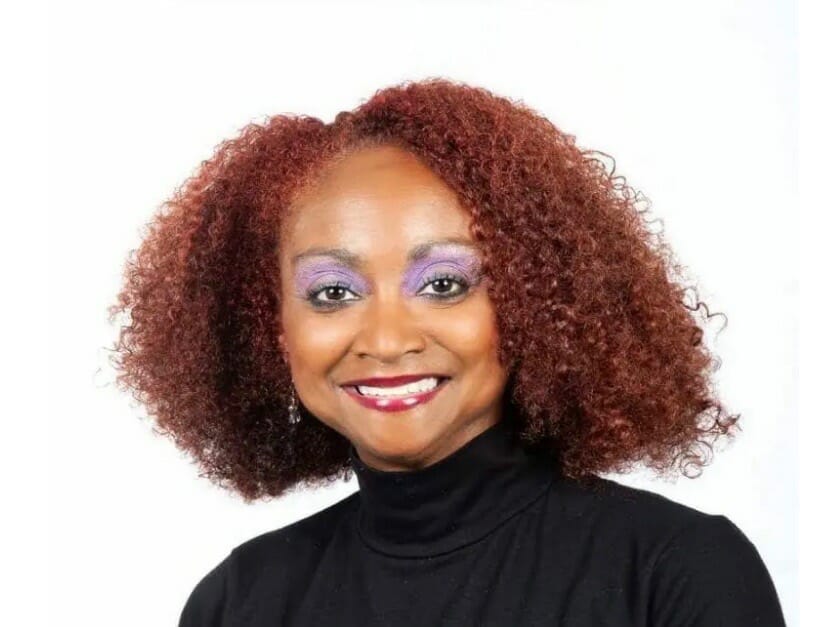
Nena Gilreath explores the revolutionary fusion of ballet and African dance, highlighting the creation of Ballethnic as a bold celebration of black excellence, diverse bodies, authentic belonging, and community-centred artistic expression.
In this episode of Inclusion Bites, Joanne Lockwood speaks with Nena Gilreath about workplace culture systems.
“You don't want something that's built with elitism, not affordable.”
Explore
Navigate this episode
Joanne Lockwoodhost
Welcome to Inclusion Bites, your sanctuaryfor bold conversations that spark change. I'm Joanne Lockwood,your guide on this journey of exploration into the heart ofinclusion, belonging and societal transformation.Ever wondered what it truly takes to create a world? Remember, everyonenot only belongs, but thrives. You're not alone.Join me as we uncover the unseen, challengethe status quo and share storeys that resonatedeep within. Ready to dive in? Whether you'resipping your morning coffee or winding down after a long day, let'sconnect, reflect and inspire action together.Don't forget, you can be part of the conversation too. Reach outto jo.lockwood@seechangehappen.co.ukto share your insights or to join me on the show.So adjust your earbuds and settle in. It's time toignite the spark of inclusion with Inclusion Bites.And today is episode 204 with thetitle Centering the Margins. And I have theabsolute honour and privilege to welcome Nena Gilreath.Nina is one of the co founders of the Bath EthnicBallethnik. That's easy for me to save my teeth in this companywho have spent over three decades reshaping ballet tocentre black excellence, belonging and cultural truth.When asked Nina to describe her superpower, she says that it is holdingthe line for black dancers creating space,legacy and possibility where none was offeredbefore. Hello, Nina. Welcome to the show. Hey, Jo,
Nena Gilreathguest
how are you today? Absolutely fantastic. We're
Joanne Lockwoodhost
not far from Christmas. It's cold and wet here, butwhere are you in the world? Okay, today I'm in Athens,
Nena Gilreathguest
Georgia. I am in a place that I love,a community called Athens. But I'm at the HerdPark. Why can I get my things right? Today I'm at HeardRecreation. Today I'm working here because there's a renovation onthe building where I usually work. So what's the weather like? You know, us Brits,
Joanne Lockwoodhost
we like to talk about weather. Is it. Is it hot and sticky? I mean,last time I was In Atlanta or 25 years ago, it was a really hotand sticky place. Is it. Is it still hot and sticky this time of year?
Nena Gilreathguest
Today is not hot. Atl today I have ascarf on my neck. It's cold. And for people in the south, it'svery cold. We're in the east and typically in the winter.Yeah, typically we're in the 30s or so. It's cold.
Joanne Lockwoodhost
Has ice on the car. That's really cold. 30s? Yeah.For those who are like me, I work in centigrade, so. But30s is water. Freezes at 32. So yeah, that's cold.Yeah, that's cold. Yeah. Yeah, we have to wear a jacket
Nena Gilreathguest
and real socks and real shoes and most of the time wedon't. It's not like the summer where you're wearing sandals and T
Joanne Lockwoodhost
shirts and things. Yes, shorts, shorts,
Nena Gilreathguest
shorts. Yeah, well, yeah, you can just about get away with it here in the
Joanne Lockwoodhost
summer, but yeah, most of the year it's not quite short, whether in the UKwhere we are. But yeah, it sounds lovely. And you're not far fromAtlanta then. So that. So Atlanta is the capital of Georgia. Yes. Andso you're, you're not far from there, what is it, about an hour and abit away. Yeah. Like I always say, for me, I drive
Nena Gilreathguest
there several times a week because I work in Athens during the week andon the weekends I go home to Atlanta. So 90 minutesdoor to door if there's no crazy traffic. So do you have those big freeways
Joanne Lockwoodhost
with sort of 20 lanes that all kind of snarl up and things likethat, do you? There's so much traffic here, especially after the Olympics,
Nena Gilreathguest
so we do have a lot of lanes. I usually take a little sidestreet so that I can listen to podcasts like we're doing today,and then I end up getting on the expressway. So I love. It's a timefor me to reflect, but also to listen and meet new greatpeople. Like meeting you today. Yeah, I remember my times
Joanne Lockwoodhost
in the States when I was driving and in. Either in LA or actuallyin Georgia or South Carolina, that sort of area.You join the freeway or the expressway and you stay in the same lane andbefore you know it, you've managed to move your lane to move all the wayover, and then you end up getting filtered off in another lane by doingnothing other than drive forward. Is 6, 7, 8, 10 lane motorwayssight to behold, really nothing really to have anything that big in the uk,but they're phenomenal. It takes getting used to. And I'm
Nena Gilreathguest
from a small town in North Carolina, so when I moved to Atlantait did get. It took some time for me to get accustomed tomerging onto the highway and driving faster thanI'd ever driven before. And by. By UK standards, the. You don't
Joanne Lockwoodhost
drive that quickly, do you? So you're driving 55 to 70 miles an hour inthe UK quite regularly. People are 80, 90, 100 miles an hour, which is kindof even more scary, I guess. Yeah, that's. A hundred is too
Nena Gilreathguest
fast. It's usually between 65 and 75 is what islegally Permitted. Yeah. We're not. We're not supposed to drive faster
Joanne Lockwoodhost
than 70, but, you know, our motorways, people do push it upquite often. Someone will come flying past you at 90 plus. So. Yeah.
Nena Gilreathguest
And then your car kind of goes, whoo. Shakes. Yeah, it does. Yeah, it does.
Joanne Lockwoodhost
But I've got a big German car, so my car's designed to go that fastas well. But I never go much faster than 75. 80. I'llget ticket otherwise. Good for you. Keep your money in your
Nena Gilreathguest
pocket. In my pocket, yeah. That's for sure. Yeah, that's where it needs to
Joanne Lockwoodhost
stay. We were chatting just before wewent live and we talked about, well,the pronunciation, alethnic. Andthat's a merger of two words, isn't it? Ballet and ethnicity. Or ethnic.So where did this. Well, what startedthis Inspiration? You know, it's about trying to give not just avoice, but an outlet for peoplewho don't fit the typical Swan Lake view of ballet, I guess,is it? I know. And you kind of hit right on it. Were you in
Nena Gilreathguest
my brain? Yeah. So part of how we hit on itis dancing the classics. So in the late 80s,my husband and I were dancing at the Atlanta Ballet andwe were performing the classics. Swan Lake was one ofthem, Giselle was the other. So with dancingthe classics, once you're a classical ballet dancer and you get a certainlevel of proficiency, and if you're not the lead character, then there'sa lot of standing and posing. So we were just standing on the sidegoing, what's next? So we started to do the classical posesand then we started to add some, like, movements, isolating ourbodies and our shoulders and our hips and adding that.And both me and my husband, because eventually we did get married, after he followedme to Atlanta, we both are social dancers, loveto dance to R and B music. So we just thought about what?About a world where we take all this classicism, blendit up, mix it up and come up with a new formulation.So we also were at the Atlanta Ballet, and we'rein a city where. It was a city. The majority of the people were peopleof colour. But people of colour were not coming to theballet. It was not very integrated. Some ofthe wealthier black children could get their dance educationfrom the ballet. So I would always say, where are the black people? The blackchildren? Surely there are people like me that would want to be doingthis thing. People like my husband, who was an athlete.So once we decided to leave the ballet, we decided to startour own company. But we were trying to atfirst get the choreographer, Louis Johnson, whochoreographed the Wiz. We tried to talk him into coming toAtlanta and starting a ballet. And he said, I'm too old. A youngperson needs to do it. And we said, we don't know anything about starting acompany. He said, you know the best part, the dance part.So that's how we set out on this mission. Had noclue where it was going to go. So my husband, I'm a big scepticand at that time we were dating, so everything he said, I questioned.So he said, I think I have a name for this thing. I was like,yes, sure, what's it going to be? And I had my head all tilted andI had a little frown on my face. And he said, my two favourite formsof dance are ballet and ethnic. Put it together,ballethnik. And immediately I was like, ooh, he hasstumbled on to something that I think we can really make great.So that's where we started. Yeah, because traditional ballet is very
Joanne Lockwoodhost
white, very kind of colonial, kind of oldschool European, isn't it? It's not. I mean,forgive me if anyone listening to this is really into their traditional ballet, but itdoesn't really excite me. Yeah, it's. It's very prim andproper, designed for certain body types and certainfitness levels and certain people Personas andwhat I'm imagining listening and talking to you, and also the visualidentity that I see in front of me. This really fun, smilingblack woman with massive hair. You don't fit thetraditional ballet model, do you? From old. If you, like,
Nena Gilreathguest
never tried to. Well, I guess there was a time that all of us hadto try to assimilate, to even prove that we couldbe in the field. So, you know, with anything, after you tryto fit a mould and you don't fit, you just might as well blow itout. So we decided to just blow the mould out. I love thestructure of ballet and what it affords. I love theabsolute. I'm a systems kind of person, so I like thingsthat you can replicate and build upon. But again, onceyou get to that level of knowledge and proficiency, what'snext? So I found that I had become bored with theregular steps and I wanted to do more. And both of us really
Nena Gilreathguest
loved African dance and the drums from Africa.That's where it all began. So we both studied Africandance and so we were like, what if we put a little mix and alittle blend along with that? Soul music and R and Band Give something that will bring in other people.Just like you said, that we're not interested in the staunchstandstill elitism of what people think ofas ballet. So as we started to build our company, a lot of people werelike, I hate ballet. So it became this problem that we'llsolve. You hate ballet? Okay, we're going to show you adifferent kind of ballet. So we started creatingprogrammes that were more accessible and so people could seethemselves on stage. And so that was what we set out to doand it really became something very effective andvery much exciting. And the other part is that we had toexplore where there were all kinds of body types,not just one mould of body types. So we had peopleall sizes. We had very small, petite people, we had medium sized people,and we had some large, shapely women, and we put them allon stage. We took a lot of heat from that because people were like, thoseare not ballet bodies. So we were like, what defines a ballet body?We define it as a body that knows how to do ballet, but knows howto move effectively in space and creates excitement.Who cares if you have a stick thin body that's notexciting to watch, where you had these curvier bodies of allsizes? And it wasn't just black girls. We had girls that wereKorean. They were from all parts of the world. Oneof our really beautiful dancers, she was tie, but she had acurvy body and she had hips and boobs, so she was alwaysoverlooked. But then when she came and started doing ourwork, people were like, I like the way that looks. Peoplesaw themselves on the stage and then people would come toour shows and go, I like this kind of ballet. I like thisballet. So I'm a complete ballet
Joanne Lockwoodhost
novice. I know nothing about ballet other than getting guessing luckyabout Swan Lake. And I've seen famous ballet peoplelike Wayne Sleep in the uk, but I know nothing really,apart from the Russian, the Baltoy Ballet Company. So that's aboutmy limit to ballet knowledge. So what makes balletballet, you know, traditional? Is it around thespecial shoes? Is it around the. Where you have to stand on yourtoes and point your. Yeah, that's what balletis, is it? It's many things. It's a system
Nena Gilreathguest
that evolved from the Royal Courts, allegedly. Butwe also know that there was some travelling through Africa withballet, so it's a formal process. And because where itevolved from, the costuming was very rigid and strict and,you know, the corseted bodices, so it was all aboutthe port de bras and bringing people into the royalcourts so that you could see the whole traditionand the formality of movement. But then it emerged beyondthe courts, and people really started to extend and lifttheir legs higher, which meant that the costuming had to be lighter andchange. So it's a formulative set of stepsthat are rotated outwards, built and steeped inculture. But now people are taking that culture andmoving it to a different era where there are higherlegs, more movement. They're blending it with otherculture, blending it with other dance forms, so that it ismore exciting. And I think we, as ballethnic, we
Nena Gilreathguest
had a lot to do with informing that evolution,because, again, you don't want something that'sbuilt with elitism, not affordable. And asyou stated, ballet takes a lot of years of training toget at the top level, a lot of sacrifice, because for me,we're always in tight clothing, tight costumes to show andto reflect the body. So that means you're not going to beeating like a bunch of big fattening things if you're going tobe on stage. And also, just like swimming and other sports, you can'teat a bunch and then use your body physically, it does notwork. You will cramp up. So there's all those things that go with it.The highest form of ballet, you start with ballet or technique, softshoes, and then build up to standing sur la pointe or on thetips of your toes. And that takes a lot of training and alignmentso that you build the proper structure and muscles so that youcan be strong enough to stand on your toes and be partnered by others onyour toes. So really, it takes a good 10 yearsto really be proficient and competent in ballet. Andthen, you know, as soon as you really get there, then your body starts toage and you've got all this knowledge and confidence. But then, you know,just like a great athlete athlete, the wear and tear on your body canbe detrimental. I feel like I'm pretty lucky because I started dancelater. So I had a whole normal life before I starteddancing at 13. And therefore, I was able to dancea lot longer than some of my counterparts, people that startedwhen they were three and five. I didn't even danceuntil I was about hitting puberty. And that's another thing. When your body hitspuberty and it changes. So there's so many things with beingrevealed through dance where your body is your tool, and asyou grow up and your mind and your body expands, you have to,like, really grow into your new body. For people who start ata young age, so they start out with this young body. You go through puberty,your body changes. Then you have to learn how to move in an extraordinaryway with your new teen and young adult body.So there's so many layers and evolutions of being like aprofessional, professional, proficient dancer.
Joanne Lockwoodhost
So to me, correct me if I'm wrong, traditionalballet is all about elongating limbs verypointy as much in the expression, in the hands and thefeet. But the body is pretty rigid in the middle, isn't it? Itmay be a bend over, but it doesn't really do. It's jerky, sort ofmechanical type movements. Whereas when I think about ethnic, danc,tribal dancing, this is boobs and booty.This is a full body experience. Less about thehands, more about. More about the trunk, more about the trunk movement andthe visual. So how do you blend the two? Is this still the traditionalstanding on your toes and the elongating with a bit oftrunk movement as well? Are you getting me so excited, Jo? That's
Nena Gilreathguest
part of what we started to do when we were talking about that swan leg.So we would be standing with our torsos more taut andrigid, and then we would add the undulation of the hipsand the ribs moving forward, moving in ripples. Inripples, like the waves of water. So that's whatwas exciting for us because, as you said, ethnic dances, Africandances, many of the other dances, the torsois empowered and it moves to the music and the structure of themusic. So you have this polyrhythmicjuxtaposition with the legs and the body while still holdingbalance. So that has been really the crux of our work,is taking this body that's trained in ballet andlearning how to move it against both sides.So it's exciting. One of our most famous balletsis called the Leopard Tail, and it's a storey about aleopard that invades a village and he invades an Africanvillage. So part of the work in Part 2, or Act 2, is that thevillage women show their bodies undulating on top of theirpointe shoes and the men using their torsos. So it's likea freedom of movement, a freedom of expression.We are no longer restricted to just this straight up body,but that your body can move like a wave from the top of yourhead all the way down to the soles of your feet. But the feetcan still point, but they can also flex. So there's so muchmore freedom and expression as a regular person.So I feel like that ballet helped us to incorporateso many other people, especially people that just love todance. I'm just, I'm going to have to try and find your website after this
Joanne Lockwoodhost
recording and just, and just see some video on this because it soundsabsolutely fascinating. It's. In some respects it soundsharder to master because you've got, you've got all the concentration on tryingto perform the traditional ballet type stances.Yet as you say, get undulating, get your, yourbody, your booty, your boobies, everything going in different directions andget the expression. Because ballet is often expressionist as well. It's very, very,very straight faced. But I'm guessing you're going to be really livingthat in your facial expressions as well. I love that you're touching on
Nena Gilreathguest
all the things because joy has to be expressed.So when we started teaching the ballet with all these other mediums,the eyes became more involved, the smile, the neck andthe head. Because in ballet typically we don't get to move our heads likefrom side to side or isolations of the head and the neck. So itbrings on this whole joyous expression. But some of the people who weremore balletically trained, it was scary for them at first. Theycouldn't let go of their bodies. And again, I'm going to refer back to theleopard tail because as we know with animals, animals are notafraid to turn around backwards, stick their bootiesup, especially cats. So the leopard is acat. And part of the dance in a leopard tail, the leopardmeets the leopardess and they mate. So part of theattraction is moving your body, arching your body up like a cat.So when we first did that, people were gasping, literallyin certain markets and audiences, people were clutching theirpearls. They were like, you guys turned your butt to the audience and you archedyour back. I was the first leopardess and I had to deal with theharsh criticism of the people who were like veryuncomfortable with their bodies. And then thecelebration of people who understood the importance ofthat freedom that we were bringing to the stage. And, and it was a verycomplex time for me because we were a young companyand we were trying to build audiences. We didn't want to alienate people.We wanted to be authentic and true. And with this balletwe were able to bring in all kinds of body types and we were wearinglike catsuits or unitards is what we called. So they were slickthings that were tight to your body. And again, as I said earlier,there are people with really small bodies and people with largebodies. But we said, what better way to celebratepeople than to use a ballet about animals, because theanimal kingdom, in fact, really, a lot of times if you're abigger animal, you might survive the jungle better. So there wereso many lessons to tell through this storey, the leopard tale, because we hadthe cats, we had the wild dogs, we had hyenas, we hadsnakes. So we could do the metaphor of how snakes come in and they cantake you out. You don't even know they're there. And all of thesebodies got to move very stealthily,using all the isolations of the head, the neck, the body,the torso. So it was kind of freedom that we developed. Andthe freedom was metaphoric in that it was not just freedom of thebody from the ballet, but freedom of your spirit toexpress who you are and to become your authentic self.
Joanne Lockwoodhost
I couldn't resist nipping onto your website as you were talking there, because Ineeded to translate the picture you'regiving me and I needed to see that and I needed toget a reference point, just to help me revisualize, make sure I was on theright track. And if you're listening to this now, let me just,whilst you're listening, nip onto this website as well. But bellehnic.org b al l e t h n I c.orgpop on there now. And there's a video sort of showing on thehomepage, isn't there? And it's. It reminds me ofthe Lion King stage show where you havethe characters and I presume they're the leopards on theshow here. And it's beautiful movement, beautifulexpression. It reminded me so much of the Lion King stage show, the waythe human animal characters were interactingwith each other and sort of looking animal likein their movement as well. I could see the leopard in them as they're moving,but still, as you say, with that. That traditional balletfeel in a way as well. And you name like the
Nena Gilreathguest
elongation and the lengthening, lengthening of the body. It stillexists, but there's also the groundedness. So we have hadguest dancers come from other companies or trainings. Andwhat was difficult for them is to crouch really low, how animals getreally low, and to use your arms, like pawsor legs. So it's hard on the hamstrings and it takes alot of conditioning to achieve that. And for the dancers, whatwas fun for me, there's an arts and crafts part because we have ourpointe shoes and we got to decorate, like the leopardess shoes,to put the spots on it, and the gold rosettes the way theleopards or cheetahs have in the wild. And then the bodysuitshave the spots as well. And then back when we dothe really big stage shows for a long run, we would spread spray our hairgold, and then you would make your full. Learn how to do your fullcat face. If you were a cat. If you were a snake, we learned howto do glitter scales. So imagine this ballethas given so much to us because it has so many layers ofintricacies that people were interested. And even with theparents who were crafty and got away from it,they would help with the costumes and with the shoes. And itwas just a really. If we go back to that centering, centeringcommunity through dance, that we all work togetherto achieve something great and to celebrate everytype of body in our community. And not to sayyou're not good enough because you don't weigh 99pounds, everybody mattered. As long as you can move and that you'recommitted to the movement and committed to the celebration ofthe full community. I don't think I've ever weighed
Joanne Lockwoodhost
99 pounds. Maybe.Maybe the first six months of my life, but, yeah, I don't think. I don'tthink I've ever built to be that. That skinny. No. How many dance troupesare there performing this style? It presumably is beyondjust. Just your local one that you. You have a network across the States.
Nena Gilreathguest
See, I don't know how many are performing this style. There are a lotof companies blending, but I really believe we're one ofthe first and ones that continues to mix theballet with the African dance, especially West Africandance concepts, the ballet ethnic. We also have had thechance to travel to Tanzaniafor a couple of years to study East African dance, which gave usa whole different kind of sensibility of African dance.So we're hugely inspired by theAfrican dance culture and the groundedness of it andwhat the simplicity of it is. So I think that's addeda lot to how we view dance and community.Whereas, like, training with ballet is veryspecific, and to get to that level, Iunderstand from doing it at a high level, it does requirea certain sacrifice. But where we are, we feel like in orderfor ballet and this mixture to survive,you have to get other people involved and included andrepresented, or it's not going to last. There are too many things peoplecan do. Like, people can just sit on their couch and experience thewhole world. So you have to have something that people feelan affinity for or attached to to get them out oftheir house and in our case in Atlanta, to travel throughtraffic, to pay money, to sit still in a darkspace, to be taken to another place. So ithas to be something of great interest. It has to be beyondjust the surface level of dance. So
Joanne Lockwoodhost
I can see how the style is includingpeople who felt they would not be represented in a moretraditional ballet environment. What about the audience?Are you. Are you tapping into an audience whostarted with maybe a ballet, a traditional ballet type audience,maybe that old school type? Are the audience coming with youas well? Are you broadening the appeal, not just from aperformance point of view? Yes, I think we. I believe we are. In
Nena Gilreathguest
our 35 years, we started out, it was like two.Two dancers, a credit card, a mission and a dream. Andnow we have full audiences. In fact, we're gonna be performing thisupcoming weekend with our ver. The Nutcracker, UrbanNutcracker, Balletnik's Urban Nutcracker. And the same with thatballet. We changed the setting to somewhere far away inRussia, to Atlanta's Sweet Auburn Avenuein the East. So we always try to do things that havecultural relevance so that we can celebratemany types of people and community. And this coming weekend,the theatre's a 500 seater. We have fourshows. We added another show. They're all soldout with the exception of a few seats. Sowe've really worked to be inclusive and to invitepeople to enjoy what we do. And there's been generationsof people that come to that holiday tradition, likefamilies that are, like, for 30 years, they've come fromthe time that I was the brown sugar. So instead of being the SugarPlum Fairy, we changed our character to the brownsugar, which is the sweetest sugar of it all. And we have achocolatier instead of a cavalier, we have a bigmama that narrates the storey. Because when we first startedour Nutcracker, Urban Nutcracker, there were many in our community,they never been to a ballet, never thought about a ballet, not trying to goto a ballet. They said, I don't go to ballet because I don't understand whatthey're doing. So we added a big mama, which is yourgrandma, like, character, to tell the storey with hergrandbaby before it starts. And now people feellike they have ownership of this ballet and generationscome after generations. So it's a very big tradition,but we're also gaining new audiences as well. Wow.
Joanne Lockwoodhost
It's. It sounds like a different paradigm, a different sort ofgenre completely, which obviously it is. It'sballistic. Which is different. So we talked about right at the beginning about tryingto create an inclusive art form to appealto a broader cross section of society, broader demographic.Has it had an impact in allowing people with physicaldisabilities, with maybe learningdisabilities, such as down syndrome, other people able to takepart in their own way? We are doing that. That's so
Nena Gilreathguest
interesting. We've had several of our younger students that arereally family members or family related that have come through in ouracademy that have, you know, things that wouldprevent them to dance in some spaces, butthey've been welcomed and it helps us to grow asinstructors. Like, how do we grow to serve a populationthat wants to have artistic expression? And wecontinually do that because there are many people that areneurodiversion and you think about mostcreative people are. So for us, it's like another,like solving a problem that people could perceive as aproblem to include people in. And again, as we talk aboutbuilding audiences, we want everybody to be ableto enjoy the art form. And the way that people enjoyit is if they've had their own opportunity topartake, it makes people understand it better. When you'vebeen on the other side and you go, oh, it's not that easy. And maybeI don't want to go all the way to the stage to do it, butI appreciate it and I certainly want to see my friends do it. Yeah.
Joanne Lockwoodhost
I'm curious. I'm not a dancer by any means, but I do liketo feel a beat, to feel the. The vibration inmy body and allow that to express. Even asan older person. I'm not as agile as I was in my teens and30s, but even still today, I like to just feel that beat, feel thatrhythm. And what you're saying here is this allows you to express yourselfin that way where there's still rules, there's stilla structure to the dance, but people can participateaccording to their own ability or their own skill set or their own.It's all about feeling the rhythm, really, isn't it resonating with that beat?
Nena Gilreathguest
Yeah, yeah. And you said that. So what I love about, again, ourcommunity, our ballets mostly the large productions, start atage 5. The oldest person typically is goingto be 80, 81, because we createspace for everybody. With the Urban Nutcracker, one of the leadcharacters, Professor Isaac, myhusband Waverly, he created a space whereProfessor Isaac, he could have an entourage. Andthe entourage, they are older adults that like to dance in thecommunity. And they have a special part where they come in, in onesection and they do a dance with Professor Isaac and theyexit. And that's been a tradition for all of our largeballets, including jazzy Sleeping Beauty. He createda part for them as the global dignitarians that come in,and they do a court dance. So, you know,once you got to stay moving, that's your circulation,that's your good health. So if you've been a mover and you're younger,you think about when people get older and they don't have the balance or themobility, they fall, and that's your downward spiral. So wehave a community of older dancers. They're in a lot of ourproductions. When we do outside community performances,we invite them. And they're also great advocates and greatrepresentatives of what dancing your whole life means.My mentor, Moselle Spriggs, is going to be100 January 1st, and she taught danceand swam most of her life. And when we started Val
Nena Gilreathguest
Ethnic, she was one of the people that taught us how to put togethera board of directors. So even just last week,I was on an interview with her, and she's outlived,like, a couple of her doctors. So it just shows you staymoving. It's good for you. It keeps your blood pressure down,it keeps your circulatory system, your respiratorysystem intact. So however you can move. And no,we don't expect to move the way we move when we were 20,but there's something to say about somebody who's 60,70, 80, 90, trying to move to keep your posturein alignment so you're not humping over. And when youcome together with your community to move, it is reallyinspiring. And then you'll keep doing it because you have somewhereto go. And then that really evades, like, the socialisolation in which a lot of elders getdepressed because they have something to look forward to. I'm going togo and I'm going to dance with my friends. I may be a little bitsore and have to get some salve or something to put on my knees andmy hips, but I will have moved. And when you movescientifically, you know, you feel better.
Joanne Lockwoodhost
You do? Yeah. We've. We've just got ourselves a new puppy, so alittle, little cavapoo. So I. I'm now doingtwo to three miles walking a day, morning and evening.Yeah, just that extra bit of movement. You feel good. It's incrediblefor just clears your head. It gets you. Feels you got invigorated, something tolook forward to, to cause you to turn your PC off at the end ofthe day and actually gonna do something different for a change. Yeah. Not rather thanjust drift on. You threw the word swim inthere somewhere. Does this cross into synchronisedswimming? Cause that's a very traditional kind ofpointy toe, kicky leg sort of thing. I'm just thinking, could wehave synchronised bath ethnic in the pool as well?
Nena Gilreathguest
I think you could, because you could take that rhythm and use allof that dexterity and all that movement, all that rhythmin the pool. I think we could come up with something new and fascinating.Because you think about it, the linearness that you spoke of earlier,it's all, like, in synergy.
Joanne Lockwoodhost
Yeah. I think there's a. There's a hugeopportunity here. I'm speaking as a white person here who's beenbrought up in a wild world where the norm is this andlisten to you speak, thinking, actually, this sounds more fun. This sounds moreexciting. And maybe we do need to sort of put morerhythm into things. And synchronised swimming is definitelyneeding. And maybe even some of the Olympic sports. We talk about theAtlanta Olympics earlier, but we talk about some of the movementson the floor with the ribbons. And the more rhythm with that, more
Nena Gilreathguest
rhythms. More rhythms than just waving a ribbon around. You could turn that into
Joanne Lockwoodhost
a more expression and add your body to it. I
Nena Gilreathguest
love that. You know, what I didn't tell you is in 1996,Ballethnic was the only dance company that receivedan original commission to perform in the Cultural Olympiad.So we were able to perform during that Olympics. And we receiveda review from the New York Times. And then my husband, Waverly, he hadchoreographed a ballet that compares ninjas toballet dancers in terms of, like, relating thestealthiness, the sleekness, the agilityof a ninja to a ballet dancer, to thisrhythmic music by Kataro. So that was ableto be shown at the Cultural Olympiad. And then we worked witha choreographer from Burkina Faso, West Africa.She choreographed a ballet on Ballethnic. And shehad never worked with pointe dancers because she had donemostly traditional West African and moderndance. So that was a whole exploration in whichwe worked about a year to pull together thatsynergy. And that allowed us for the first time to travelto Africa to train with IreneTassambedo. And then she came to the States and worked with us a couple oftimes. And then we premiered her ballet, which was called Trouble,and then Waverly's ballet, Alonso, which was aboutthe ninjas during the Cultural Olympiad. So thatwas, like, really amazing. And we met so many fascinatingPeople. During that time, we met the president of Claremont Collegeand he later on invited us to California to performour signature style. So it gave us a lot of opportunity totravel nationally and internationally from thisOlympic, global connection. It's fascinating. The more I'm finding out,
Joanne Lockwoodhost
more we're talking, I'm thinking this is. This is amazing. Why,I suppose I must have seen dance moves in asimilar style to what we're talking about here. But I guess I'd never come acrossthis term and phraseology about bad and ethnic.And that, as you said, is kind of more downto your brand of that. Yes. Thereare other people performing their own variations,blending dance styles with traditional African ethnicdancing. So, yeah, I guess I see it all the time inother areas, but never defined in the way you've defined it withthis core ballet blended with ethnicity. And I think that'sa really great way. Intentional. It's been an intentional effort.
Nena Gilreathguest
A lot of people blend ballet with modern or contemporary,but our brand is definitely the exploration intoAfrican dance concepts. And it's toughbecause it does have the opposites, because ballet is verylifted. The African dance can be very grounded.So for people to want to explore that, it really takes a lotof, like, put your ego to the side. You may lookcrazy because you're used to looking proficient and graceful,but now you're not going to look like that because you're dealing ina mode that you're not accustomed to. And you know, withanything, once you know how to do something well, it does not feel goodto not do it well. It does not feel good
Nena Gilreathguest
to falter and to fumble. But you think about in lifesometimes, when we go through our greatest trials, tribulations, and we'refaltering, fumbling, when you come out of it, you reallysee that you've grown a lot. And so that's whathappens. Like I always tell people, if you know and study with us, withthis form, it's going to make your ballet better because it's going to have moreair. Because a lot of times people that do strict ballet, they don'treally breathe. But when you do African dance, when you performAfrican dance, if you don't breathe, you will be passed out on the ground,period. Because it requires a lot of stamina and a lot of high levelenergy and movement to the rhythm, to the beat. So if you don't learnhow to breathe, exhale, show your joy, you are not goingto make it. You're pumping some big muscles, aren't you?
Joanne Lockwoodhost
Your thighs and Your back muscles are probably playing more than you would intraditional ballet. And your arms, your arms, you can develop
Nena Gilreathguest
just beautiful arms from the arm movement because you're using yourtriceps and your biceps and you're using your neck.Isolations. Again, these are things that in our traditional balletwe don't. We're not allowed that liberty, that freedom ofmovement. And for me, it's like a really joyous place. It'slike if you've ever been to a church, where they really do highpraise and celebration is getting to thateuphoric kind of feeling. And that's what. Back to the ballet.The leopard tail at the end, the finale is like about8 to 10 minutes of just euphoric movement in acircle. The whole village dancing, from the very youngest childto the very oldest person, celebrating thejoy of the village, meeting, like, its goals. Again,
Joanne Lockwoodhost
I'm visualising this and imagine myself in the audience watching one ofthese shows and I'm trying to contrast it with how Iwould feel watching traditional ballet. I think traditional ballet, I wouldprobably be sat in my chair, very upright, very stern faced,nodding gently and sort of. This is very interesting.And I can imagine seeing your show and I'd be beating with therhythm myself. I'd be in the chair, I'd be moving, maybe evensinging along to some of the songs or whatever, and feeling that experiencewith the people around me, feeling part of the performance,not just an observer. So it's almost like a fullaudience experience here as well as a performance. You're almostleading the entertainment, but the audience becomes part ofthat, that whole movement as well. Yes, it is
Nena Gilreathguest
immersive. And at the end of the ballet, what's so funnyis people don't want it to stop. And we have done like severalencores because again, in the leopardtail, act two is livedrumming. So the drummers are drumming, everybody's upbeat, theaudience has jumped up. Everybody's, like, moving. It's like aspiritual experience. It's immersive. Then the drums, the lastbeat stops. Boom. And you can just hear everybody just roar.And then the drummer started again. Everybody's back into it.Finally, like, as one of the directors, I'm like, no more, nomore. We've got to get some water because we're exhausted. I rememberwhen I was younger dancing the leopard tail. People wouldlose, like up to seven pounds in a week because it's veryaerobic activity. So we would say it'salmost like being a marathon runner. You better eat your carbs before theperformance week, because you are going to slim down, you are goingto lose weight because you sweat with the lights on stage andjust the activity of it. But it is really by farone of the most exciting things that we have created. And wecreate it because the community needed it. We wereworking with my mentor, Mrs. Briggs, that I told you at SpelmanCollege. And we wanted to create a balletthat did have the African drumming, the African dance, and thatit could include every part of the community, not just balletdancers. We wanted to be able to include the modern dancers, the Africandancers, and we all wanted to come together to do something. So we startedout with just a rough sketch and then eventually Waverlywent away to do some Nutcrackers in Detroit. And when he came back, he said,I have a storey. And like, both of us are veryfascinated by cats and their agility, becauseif you can make your body look like a cat, that is a real feat.So he made the ballet in Act 1 happenin the leopard's domain and then Act 2 comes to thevillage. So there were so many things that we could do, like really coolcostumes that have a ballet aesthetic, butalso that has the colour and the fabric from Africa.So that was a way that we could come together. So many, manycultures, blending our African, respectingour African tradition and that ancestry, butalso our African American tradition andculture and then anybody in between, becauseall people have usually a culture ora way that they do things. So different people that camein, we would celebrate, like their parts of their culture. Ourfirst, very first leopard was a Filipino guyand they talked about like their, their culture in thePhilippines and how they did things as a community. So not only was itan opportunity to put together together something really amazing on stage, butto really work together off stage to create moreunderstanding of how we do things. So as you've been through this
Joanne Lockwoodhost
journey for the last 30 odd years, developing this,what barriers have you found that you've had to come upagainst that you had to overcome? Whether it is societalprejudices, the arts prejudice. Sowhat are the big challenges you face and how did you navigate around them?
Nena Gilreathguest
Yeah, a lot of prejudices. One of the first that weexperienced it was the prejudice of beingyouthful and trying to do something impactfuland getting people to validate that. Because when wewere started the company, we were in our 20s and everybody justdoubted that we would stay the course. People go, oh, yeah, that's, yeah, butyou're young, you want stay here, you won't keep doing it. And then35 years later, we're still doing it. So we had that barrierand people to say, oh, but you don't know anything about business.You know, how can we give our money? But once we kind of broke throughand people saw that we were in it for the long haul, we started tobreak through those barriers. And then also coming from theAtlanta Ballet, we had people that said, we don't needa black professional ballet company. Why can't you peoplejust be satisfied and stay where you are and berepresentative there? We don't need you. So we're like,I think we do. And why can't there be room for more than one?And then the female barrier. When we would go andwork and do jobs and get paid, peoplewould always give my. He was my boyfriendfirst Waverly. They would give him the cheque. But I'm the one who took careof the money. So I'm like, wrong. Thank you.I am the money person. I add the finances.So so many different things. And then the body stereotypes thatwe talked about, the colour stereotypes, you know,it was always like, we were always trying to prove that wedeserved to get the money, to keep themoney, and that why did we have to work harder toget the money? So a lot of times in Atlanta, even though it was knownas a black city, larger businesseswould call us when they wanted something for diversity only.So it's like, why can't you just call us? Because we do good work.We want to be included in all the conversations, notjust the diversity conversations. Of course. We know
Nena Gilreathguest
who we are and what we do, but we believe we do good workall the time. So you had that to deal with, and then you,of course, had the size and all of that as well. Andthen building or the desire to build an institution, tobreak through the systems and say that we deserve great spaces,a good building, funding, going todifferent meetings to talk about funding and about thelevel of funding that we desire. We don't want just a littlepenny when it's the black dollar. We want tobe a part of the whole economic system because we pay ourtaxes like everybody else. So many, many, manybarriers. And most cities, they only want one balletcompany, one symphony and one orchestra, and that's what'sfunded. And because we just really were dogged at staying at it,we've been able to break through, but not to the extent that we have thefunding that we really need to thrive at thelevel that we need to have the staffing. So it's been a Lot ofpersonal sacrifice to the fact thatwe call ourselves personally, we'rephilanthropists because we give of our time, our money,our energy. And then also we get allthe people around us in our families to contribute and to supportin all the ways. So it's really. We've made a lot ofbreakthroughs. And if it wasn't really like, divinelyordained, we would not exist. And if we weren't stubborn andpersistent to persevere through, like, reallyhard times, like, sometimes we've not had health insurancebecause we couldn't afford it. Sometimes we've had so little moneythat we've worked, like, several other jobs to give back toour nonprofit organisation because we just believe thatthe arts is a way to empower and tobuild transferable skills that people can useeverywhere and still support the arts. I hear what you're saying. Definitely
Joanne Lockwoodhost
around the Black History Month. We need black representation. Wewant you become socially acceptable in the whitearena when we're looking after you because we want to promoteethnicity this week or this month. Yes. Buttrying to unpack that so that you become the norm, notthe. Yes, the celebrity act. You'rejust. You're every day as you are in your own community. You want to beeveryday in all communities. You said it so well.
Nena Gilreathguest
You said it so well because it did used to be like, February is theshortest month in the year and people would want us to work every single day,do 10 jobs. And in fact, we started saying in February,we're very selective and we only get the highest. Weonly get the highest dollars in February. And I would even say topeople, we will still be black in March. Can we extendthe month? It's a bit like uber surge pricing, isn't it?
Joanne Lockwoodhost
You're going to be 10 times more expensive in February because that's when white peoplewant you. Yes, thank you. Yeah. But actuallywant you all year at Christmas and in the summer.
Nena Gilreathguest
Thank you. But I can imagine. And I don't know,
Joanne Lockwoodhost
Valet. I'm not trying to pretend I do. And I'm probably playing to the stereotypehere. Whereas when you said that, the town said, there'sonly room for one ballet company here. If I'm thinking traditionalballet, there's a very small repertoire ofballet performances. Song. We talked about SwanLake or whatever it may be. But what you're introducingis a complete break of the mould. You're not getting another Swan Lake, you're gettinga Swan Lake reinterpreted. Or as you say, the Leopard Dance are getting other thingsI guess you can also be more contemporary with more modern music and morediversity of music and screenplay. Or the stage play canbe broadened beyond those. Oh, this is what ballet issupposed to be like. We have to conform, we have to have these certain moves.Our ballet artists trained for generations in order to be thischaracter. Whereas you can say, we don't need any of that. We canbe ourselves and create on the fly and evolve.So there's room for you everywhere. I feel like you know us
Nena Gilreathguest
because really, you're hitting on so many points. The storytellingfor us is about telling our uniquestoreys and being inspired by all kinds of storeys in thecommunity. So it's not just the regular balletcanon that people would expect to hear and to see.We're always looking of new. Looking about new ways totell things, to celebrate things. We worked with a playwright,Pearl Clade, and she has a ballet calledFlying west, and it was the most produced ballet inthe 90s, early 90s, and it was about migration from thesouth to the west. So people didn'tknow a lot about that. Waverly saw the playone time and he was like, if ever I get a chance, I want toturn that play into a ballet. So eventually we had a friend, Dr. Young,
Nena Gilreathguest
that knew Pearl and her husband, and he told her and shegave us the rights to change that, that playinto a ballet. And we travelled to the setting, which is inNicodemus, Kansas, travelled there, we rodehorses with some of the original buffalosoldiers so that we could see how it felt to ridea horse and to really figure out how it is to movein the West. We created originalscore and we used black classicalcomposers for the music. And evenPearl Clegg, the playwright, she came in and didthis amazing voiceover for us and she has a very distinctvoice. And we were able to educate aboutblacks migrating to the West. So it's a different way toeducate our community on that particular partin history. And the show, where we fit in the historyand the ballet was amazing. We were able to do the ballet all
Nena Gilreathguest
over the south and take really small portions of itto tell that storey to talk about racism,colorism, the plight against women in the west,and then what it took at that time to survive in theharsh elements of the west, that it took everybody, the NativeAmericans, everybody to work together to survive. So itwas a really amazing venture. The end of the ballet,and it's a very interesting storey. We used technomusic and we got an original band to come in and playtechno. So we were doing ballet with techno andpsychedelic lighting to show that one of the charactersin the ballet that was trying to take the land away from this family,we had to get rid of him in a very differenttype of way by feeding him a special pie that hada little bit of lacing of something in it, because he couldn'tbe taken out in the traditional way with a gun, because that wasmessy. So there was like the. The storey isamazing. So that was an opportunity to tellnot only a part of history, but to tell astorey where we could include all components of thecommunity, from very young to very old. We had childrento be. To signify the wind. Sothey came through and we had these costumes on it and they were like thewind. And then we had children that acted liketumbleweed so that we could really get all the elementsof the West. So it was like such anextraordinary, fun ballet, something we were soproud about. But again, the storytelling can goanywhere because there are so many storeys to tell. So
Joanne Lockwoodhost
you've done 30, 35 years. Hopefully you'll carry on for another atleast 20 while you're still physically able, maybe even 30.So what's next? How do you bring this tomore people? How do you get more people involved? Is that the mission, to expand?
Nena Gilreathguest
That is a mission. Yeah. Yeah. Thank you for beingso perceptive. We are located near theairport in East Point, and most recently, our citycouncil and mayor changed the name of ourstreet, our portion of the street, to Ballethnic Way. Andbecause we're very close to the airport, we want tomake our place more of a destination.So before Waverly and Isucceed to something else, we have some of our youngerstudents that came up through the academy. They are runningportions of the business now. So we're working to raise moneyso that they can not only they don't have to just survive, butthey can thrive. We want it to be an easier journey for them.When we hand over the baton tag, you'reit. So we're slowly working out our succession plan,wanting to renovate our building so that it's a more aestheticallypleasing campus. We own our building and it sitson a little piece of land and we own one whole side of thestreet, which is on Ballethnic Way. So we want that campusto be enhanced and for it to continue to be asafe haven and just a cool place for the communityat large to come to celebrate one another. We're alsoworking with an archivist to really focus on our archives,so people can pull up some of the things. A portion of our archives arelocated at Emory University. So we're trying to digitisea lot of those ballets, from old VHS tapes todigitization, so people can pull things up.So really the next level is just making it greater,making people more aware of what we do. Andthen for us, we want to continue to travel. We've had the opportunity totravel to Tanzania, but also to teach atthe Dutch National Academy of Dance inAmsterdam. We've worked in Canada andtaught and worked with Canada's National Ballet School. Soto be able to continue to share what wedo with the ballethnic style. Our great friendMavis Staines, who retired from Canada's NationalBallet School as a director after 30 plus years, I consistentlytalk with her about, like, vision for the future. So I'm hopingwe'll be able to go back there and setanother piece on that school. We were able to travelto Amsterdam, to Den Hague for the Holland BalletFestival two years ago because Maviswas thinking it was a great thing to do when she was retiring. So wework with our company members and some of Canada's NationalBallet School, their graduates to.They were able to partake in Waverly's unique style, which was challengingfor them because they were really serious ballet dancers. But they learnedsome of the African dance moves in one of the ballets called WaltzTango, which is a waltz, a tango and a gallop. Andwe took those live drums to Holland. So I'm hoping wecan continue to do this global work. It's so muchhappening. I feel like we're on the precipice of a lot of greatness. We justneed more funding so that we can continue toenhance our staff and give them the tools and support.That was a long answer. Right. As I'm thinking, sitting there thinking about
Joanne Lockwoodhost
the global aspect of this, bringing inAustralia or Maori culture and ethnicity intothis or Pacific island styles of dances. So notonly an African aspect, but also Aborigine.
Nena Gilreathguest
Yes. The aboriginal First Nation from down there, from
Joanne Lockwoodhost
that Pacific island, all of that part of the world.They're, they're. Yes. And dance and music as well.That sounds to me that's a real way of expanding globally toget even more appeal. And I love it because, you know,
Nena Gilreathguest
it kind of tunes in with being a lifelong learner. So Ithink a lot of times when adults get bored or feel isolatedor lonely, it's because they lack things thatstimulate. I mean, look at, look at you with this podcast. Youhave this thing that stimulates your curiosity. And when youhave things that excite you, stimulates your curiosity,it puts a certain energy in your body. And I think it just reallyextends our life and definitely our vitality. Right.So the more we can learn and the more we can be with otherpeople to motivate us, it makes it even more likesome days I feel just as excited as when Iwas like, 8, 10 years old. It's overwhelmingto me. Some days I wear myself out like a little kid and then I'mstill fighting to stay awake because I want to doso much more in the world. I feel so lucky thatthis art form inspires me so much. I love teachingkids how to find themselves through dancebecause it gives you your posture, your confidence, yourvoice. So that's exciting to me. And I feel like if wecan make the world better by using those aspects ofourselves, what a gift that keeps gifting. Nina, we've
Joanne Lockwoodhost
been chatting away for well over an hour in the green room and online here.It's been absolutely fascinating. You said just now thatI was able to bring out some questions. I had some insighthere, but, I mean, before we met, I knew nothing about ballet. I knewnothing really about dance. I knew nothing about you. Soit's been your power, your energy that's brought this tolife visually in my mind and given me theinspiration to sort of dive in and find out more. So, yeah, all credit toyourself about how you've. You managed to paint these pictures in my head. NowI've got all these explosions going off and I'm. I'm going to cheque your websiteout. I'm going to see if I can find some more examples on it. Ifyou've got a YouTube channel and other places just. Just to find out more. Andit's been absolutely fascinating. And if I lived anywherenear or close to Georgia, I would be buying tickets to your nextperformance and sitting there in the audience excited toget my rhythm going and being part of that. That celebration.So it's been absolutely awesome. Thank you so much. How can people findmore about you, more about the ballethnicdance style? The easiest way is just to go@,
Nena Gilreathguest
well, ballethnic.org that's our website, so that's theeasiest way if you want to see me. I don't post a wholebunch, but Nina, and it's Nina N E N. Aleopardess, so the female version of the leopard. I was thefirst leopardess, so. And you know, I have that littlesnap, crackle and pop. And I can hiss if you get on my nerves.So at Nina Leopardis on Instagram, you canfind me there. And those are the two best ways. And then onYouTube, it's @valethnic. So any of those. Yeah,we're always happy to entertain new audiencesand to find new family members to joinus. And again, we're near the airport, so if you're ever in town.I see, you know, you talked about Columbia, South Carolina. So if you're evercoming this way, again, we're near the airport. And then in themeantime, you can do a little bit of Port de Brasil and a little bitballet on your own. I'm just. When you just,you can add some ballet arms. I can, I could do all this. Oh,you got the hands. That was nice. I love it. That's a bit
Joanne Lockwoodhost
more Indian style, isn't it? So, like more Bollywood, isn't it?
Nena Gilreathguest
Yeah, yeah, it is. Yeah. I love it though.
Joanne Lockwoodhost
Well, I've just found you on Instagram. I found you on Instagram. I justfollowed you on there. Yeah, I found you at ninolephatist andthere's a video on there. I'm gonna, I'm gonna, I'm gonna be sit there, I'mgonna be doom scrolling your Instagram, your video feeds. And
Nena Gilreathguest
there's so much more. You have inspired me today. Like, Ilove that you made me think about things in a new way.And your perception about things that I, that we do,that I don't necessarily think about, but you pull that out. So I've gotmy journal over here. So when we get off here, I'm goingto write down the things that I'm grateful for from thispodcast. I have a lot of gratitude because when youthink you can do, but if you don't thinkabout it, you're not necessarily going to do it and be intentional. So you'veput some new inspiration in my brain. So my hairis going to like fluff up even a little bit more. Bigger hair. Yes.
Joanne Lockwoodhost
What we need, we need bigger hair. That's what we need. It's superb hair. Anyonewho's listened to this, not seeing the video, then you need to cheque out Ninaand find her. She's got the most enormous big hair. It'sfabulous. It's absolutely fabulous. Love it. And you know what's funny about the big
Nena Gilreathguest
hair? As a ballet dancer, all the years, like inmy earlier days, I had slick hair. We hadto have slick, laid down hair. And I alwaysstraightened out the natural curl because that's what was expected.When we talked about in the beginning, the assimilation, we had to havestraight hair. So one of the things when we did that ballet flyin west and we studied about moving from the southto the west, I decided to liberate myself andI cut off my straight hair and just let my curls pop out.And it's funny, it was freeing to me because I felt like I was nolonger bound by that restriction.And so, I mean, there are times that I do straighten my hair, but it'ssuch an effort that I just. I let it go. And I. I think aboutthe hair is like, sometimes it really showcases what's goingon inside my body. My energy is like, popping for sure.
Joanne Lockwoodhost
I can imagine it would take a whole day in the salon just to tameit. It's taming. Yes. It's free.Like the leopard. Like the leopard. S. It's. It's out there on the plains ofAfrica. Yes. I love it. The Serengeti.Serengeti, exactly. Yeah, exactly. Nina, it's beenabsolutely fascinating. Thank you so much. Thank you so much. I look forward
Nena Gilreathguest
to connecting again. I can't wait to see the episode and to enjoysome of your other 204 episodes.
Joanne Lockwoodhost
Thank you. Have a great day. Thank you.As we bring this conversation to a close, I want to expressmy deepest gratitude to you, our listener, for lendingyour ear and heart to the cause of inclusion.Today's discussion struck a chord. Consider subscribing toInclusion Bites and become part of our ever growing community,driving real challenges change. Share this journey with friends, family andcolleagues. Let's amplify the voices that matter.Got thoughts, storeys or a vision to share? I'm allears. Reach out tojo.lockwood@seechangehappen.co.ukand let's make your voice heard. Until next time, thisis Joanne Lockwood signing off with a promise to return withmore enriching narratives that challenge, inspire andunite us all. Here's to fostering a more inclusive world, oneepisode at a time. Catch you on the next bite.
Redefining Ballet: Cultural Truth, Belonging, and Black ExcellenceCommunity, Intergenerational Participation, and Wellbeing Through DanceInnovation, Storytelling, and Dismantling Barriers in the Performing Arts
In this episode of The Inclusion Bites Podcast, Joanne Lockwood speaks with Nena Gilreath, co-founder of Ballethnic, about redefining ballet through African dance concepts, cultural truth, and community inclusion. The conversation explores how the company emerged from a desire to move beyond the traditional ballet mould and create a form that feels more expressive, accessible, and representative of a wider range of bodies and backgrounds.
Nena shares the history of Ballethnic, including its roots in Atlanta, its creation of works such as The Leopard Tail and Urban Nutcracker, and its commitment to centring Black excellence and cultural relevance. She discusses the company’s approach to storytelling, choreography, costume, and live drumming, as well as the way these elements invite audiences and performers to participate more fully in the experience.
The episode also covers the barriers Ballethnic has faced, from funding inequities and prejudice to being treated as a diversity-only option rather than a valued artistic institution. Nena reflects on resilience, succession, community-building, and the importance of creating space for older adults, younger dancers, and people whose bodies or abilities are often excluded from traditional ballet. The result is a conversation about art, identity, and the power of reimagining tradition so more people can see themselves reflected on stage.
“You join the freeway or the expressway and you stay in the same lane and before you know it, you've managed to move your lane to move all the way over, and then you end up getting filtered off in another lane by doing nothing other than drive forward.”
“Whereas when I think about ethnic, danc, tribal dancing, this is boobs and booty. This is a full body experience. Less about the hands, more about. More about the trunk, more about the trunk movement and the visual.”
“It's. In some respects it sounds harder to master because you've got, you've got all the concentration on trying to perform the traditional ballet type stances. Yet as you say, get undulating, get your, your body, your booty, your boobies, everything going in different directions and get the expression.”
“It reminded me so much of the Lion King stage show, the way the human animal characters were interacting with each other and sort of looking animal like in their movement as well. I could see the leopard in them as they're moving, but still, as you say, with that.”
“I can imagine seeing your show and I'd be beating with the rhythm myself. I'd be in the chair, I'd be moving, maybe even singing along to some of the songs or whatever, and feeling that experience with the people around me, feeling part of the performance, not just an observer.”
“So it's been your power, your energy that's brought this to life visually in my mind and given me the inspiration to sort of dive in and find out more.”
The transformation of classical ballet by integrating African dance styles, challenging elitist traditions and broadening cultural relevance.
The necessity of representation, inclusive of all body types and backgrounds, to shift who gets space and visibility in traditionally exclusive art forms.
The ten-year path to proficiency in ballet and the significance of physical evolution, resilience, and adaptability in dance.
The choreography of immersive experiences that draw audiences into the rhythm and expression, breaking the barrier between performers and spectators.
Creating community through dance—encouraging participation from ages five to eighty and fostering well-being and social connection across generations.
Persistent challenges faced in dismantling systemic biases based on race, gender, and body image, and practical strategies to overcome them.
Succession planning, global expansion, and the preservation of creative legacy through intentional archiving and intergenerational leadership.
One thing to remember
At the heart of this episode is the imperative to "centre the margins": to not only create space for those historically excluded from ballet, but to fundamentally redefine the art form by integrating diverse bodies, cultures and stories. True inclusion means moving beyond tokenistic representation—embracing difference as a source of power, joy, and communal belonging. As demonstrated through Ballethnic, transformation in the arts emerges when tradition is questioned, new narratives are authored, and all are empowered to participate, express, and thrive.
Questions this episode helps answer
How did Nina Gilreith describe the origins of the term "ballethnik," and what does this blend reveal about the intentional disruption of traditional ballet spaces?
In what ways does the ballethnic style challenge established stereotypes around race, body type, and participation within the ballet community?
How does the fusion of ballet and African dance expand expressions of joy and embodiment on stage, as recounted by Nina Gilreith?
What barriers and prejudices did Nina Gilreith encounter while founding and growing her company, and how were these challenges navigated over time?
How has the inclusion of diverse audiences and performers—across age, body, and ability—reshaped both the creative process and audience experience for ballethnic performances?
Why is it important, as discussed in the episode, for arts organisations to move beyond being engaged only for diversity-themed occasions such as Black History Month?
Explore topics
Ideas from this episode
Redefining Ballet: Cultural Truth, Belonging, and Black Excellence
In my recent conversation with a remarkable changemaker, we explored what it means to truly centre the margins within the world of dance. The traditional notion of ballet—the Eurocentric, rigid, and often exclusionary art form—was unpacked, reimagined and transformed.
Community, Intergenerational Participation, and Wellbeing Through Dance
What struck me profoundly was the intergenerational aspect of this pioneering dance company. The stage here is not reserved for a select few; it serves as a genuine community space where five-year-olds perform alongside octogenarians.
Innovation, Storytelling, and Dismantling Barriers in the Performing Arts
Our dialogue journeyed through the innovation that arises when underrepresented voices lead, not just participate. We examined the creation of ballets rooted in Black, African, and cross-cultural narratives, celebrating those identities unapologetically and refusing to be relegated to ‘diversity slots’ or tokens for funding cycles.
Learn
Frequently asked questions
FAQ: Centering the Margins — Ballet, Inclusion, and Cultural Expression
---
What is Ballethnic and how did it originate?
Ballethnic is a pioneering dance company founded to blend classical ballet with African and other ethnic dance forms, creating space for Black excellence, authentic cultural narrative, and broader representation within the art. The concept emerged from Nina Gilreith and her husband’s personal experiences in the late 1980s with Atlanta Ballet, where they observed the absence of People of Colour within both the company and its audiences. Inspired to challenge norms and innovate, they developed the "Ballethnic" fusion—"ballet" and "ethnic"—with a commitment to legacy, space creation, and possibility-building 00:06:28.
---
How does Ballethnic differ from traditional ballet companies?
Ballethnic deliberately breaks the mould of conventional ballet, which has been shaped by Eurocentric standards, elitism, and exclusive ideals regarding body type and movement. Instead, Ballethnic is rooted in cultural authenticity, featuring diverse body shapes, ethnic backgrounds, and dance vocabularies. Their choreography integrates African drumming, R&B, and expressive torso and facial movements typically absent in mainstream ballet 00:11:15 00:18:06. The focus is on joy, community, and genuine representation rather than rigid aesthetic standards.
---
What does Ballethnic's approach to dance mean for body image and inclusion?
Ballethnic celebrates body diversity, placing dancers of varying shapes, sizes, and backgrounds on stage. The ethos challenges stereotypical notions of the 'ballet body', championing the principle that any body capable of learning ballet can belong and contribute meaningfully. This shift enables increased participation and visibility for those previously excluded or overlooked within traditional structures 00:11:23 00:12:23.
---
How is the audience experience different with Ballethnic performances?
Audience engagement at Ballethnic productions is immersive and participatory. Shows like ‘Leopard Tale’ incorporate live drumming, vibrant expression, and movement that often energise audiences into physical response—clapping, moving, and sometimes even joining encores. This approach fosters a communal, joyful spirit, contrasting with the often passive observation characteristic of traditional ballet events 00:43:20.
---
Does Ballethnic encourage participation from people with disabilities or older adults?
Yes. Ballethnic has actively welcomed dancers with physical or learning disabilities, as well as older adults, ensuring programming is flexible to individual needs and ability levels. Their large productions feature performers from ages 5 to over 80, highlighting community, movement as well-being, and lifelong engagement with dance 00:33:22 00:35:00.
---
What challenges has Ballethnic faced when centring the margins?
Ballethnic has encountered barriers such as scepticism regarding their longevity, presumed irrelevance, gender bias, and persistent underfunding relative to more established, Eurocentric ballet companies. They are frequently approached primarily for diversity initiatives, confronting the challenge of being seen as an 'everyday' part of the arts landscape rather than solely as specialists for Black History Month or targeted inclusion projects 00:47:05 00:49:32 00:51:09.
---
Has Ballethnic’s model influenced other dance companies?
While many companies blend genres, Ballethnic is among the first and most consistent in integrating authentic ballet with West African dance and broader ethnic concepts. They have extended their reach through workshops, performances, and collaborative projects internationally, including the US, Europe, and Africa, helping shift perceptions of ballet and performance art 00:58:03 01:00:32.
---
Where can I find more information or see Ballethnic performances?
For more information, videos, and engagement opportunities, visit ballethnic.org. Social channels include Instagram (@ninaleopardess and @ballethnic) and YouTube (@ballethnic). For further resources on inclusion, explore Inclusion Bites Podcast at seechangehappen.co.uk/inclusion-bites-listen or contact Joanne Lockwood at jo.lockwood@seechangehappen.co.uk 01:04:23.
---
Share this episode
Heard something worth passing on? Send this conversation to someone who needs to hear it.