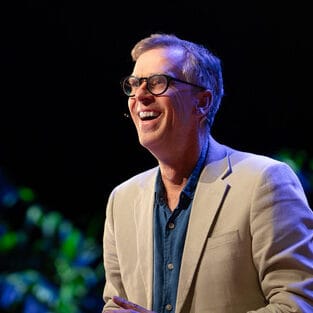
Fredrik Haren explores the liberating interplay between curiosity and creativity, uncovering how genuine diversity of perspective empowers us to challenge cultural norms, redefine personal rules, and unlock untapped human potential.
In this episode of Inclusion Bites, Joanne Lockwood speaks with Fredrik Haren about workplace culture systems.
“The person who always stays at home becomes stupid.”
Explore
Navigate this episode
Joanne Lockwoodhost
Welcome to Inclusion Bites, your sanctuaryfor bold conversations that spark change. I'm Joanne Lockwood,your guide on this journey of exploration into the heart ofinclusion, belonging and societal transformation.Ever wondered what it truly takes to create a world? Remember, everyonenot only belongs, but thrives. You're not alone.Join me as we uncover the unseen, challengethe status quo and share storeys that resonatedeep within. Ready to dive in. Whether you'resipping your morning coffee or winding down after a long day, let'sconnect, reflect and inspire action together.Don't forget, you can be part of the conversation too. Reach outto jo.lockwood@seechangehappen.co.ukto share your insights or to join me on the show.So adjust your earbuds and settle in. It's time toignite the spark of inclusion with Inclusion Bites.And today is episode 206 with the titleCreativity Loves Difference. And I have the absolute honour andprivilege to welcome Fredrick Harron. Fredrick is a globalcreativity explorer and author who has spent two decades
Joanne Lockwoodhost
uncovering how diverse cultures unlock human potential andfuel innovation. When I asked Frederick to describe his superpower, hesaid that it is seeing creativity as a global language thatthrives, where every perspective is genuinelyincluded. Hello, Frederic. Welcome to the show. Well,
Fredrik Härénguest
hello. I'm super excited for this conversation. Yes,
Joanne Lockwoodhost
we met six, seven years ago at a Professional Speaking association conferencein the uk in Coventry or somewhere. Somewhere obscure like that?
Fredrik Härénguest
No, in Nottingham Forest. Nottingham. Nottingham Forest, that was it,
Joanne Lockwoodhost
yes. I remember your keynote. It was absolutely inspiring. And you did adeconstruction of a keynote you'd given toa, I think a 2,000 seater audience. It was a awe inspiring. No, no,
Fredrik Härénguest
no, it was 400,000 people watching because itwas cast, video cast around the world for 400,000 people. It was10,000 people in the audience, but it was 400,000 people watching.
Joanne Lockwoodhost
Wow, that's almost like broadcast TV, isn't it? That'smore than most news channels get. That's incredible. So when we first met, youwere based out in the Far east, in Singapore, and yourepatriated back to your home country of Sweden, is that right? Yeah, I spent.
Fredrik Härénguest
I moved to Asia in 2005 and I moved backduring the pandemic. So I had about 20 years in Asia andnow we're based in the archipelago of Sweden.
Joanne Lockwoodhost
Beautiful. It's beautiful. I mean, the skies, the sun, the atmosphere.It's a better experience, isn't it? It's a special. Archipelagos
Fredrik Härénguest
are not that common in the world, actually. So yes, it's a very special place.I love it. Yeah. And you actually own an island and that
Joanne Lockwoodhost
must be even more special. I actually own two islands to be business.Two islands, okay. Yes. I used to own three islands, but now I only own
Fredrik Härénguest
two. But it sounds very excessive for anyone except if you live in Sweden.It's a fun fact. Sweden has 25% of all the islands in the world.We have 265,000 islands in Sweden. So if you ever dreamof owning an island, it's actually quite easy to get. While in Sweden it's noteasy to get the ones I have because it's extremely close to this capital.It's actually part of the capital. If you dream of an island, you buy onein a far in lake somewhere in Sweden. Only 8% of theislands in Sweden are inhibited. So 92% have no one living on them.So please come and, you know, join me as an island owner.
Joanne Lockwoodhost
So I'm guessing that creates its own problem around utilities, waste, water,electric, Internet, those kind of things. We are off grid. I've been off grid
Fredrik Härénguest
since 1999. All our panels. I have my ownfully, how do you say, confined.I like. Basically I turn my waste into compost. I make my ownwater. It's. It's super cool. Wow. So
Joanne Lockwoodhost
you are planning for a future, a dystopian future where you needto cut yourself off. I am very. If.
Fredrik Härénguest
If the shit hits the fan. We are more prepared than most. Definitely.Unfortunately, island is very small, so we can't grow all our food.Otherwise we're quite self resilient. Water and energyself producing. That makes you very likeindependent. I like to compare it to.
Joanne Lockwoodhost
What. Do you call that? Organic, like organic milk. To make your own
Fredrik Härénguest
energy and make your own water, it's like drinking organic milk. It's like,it's organic energy. It's very fulfilling to make your ownwater and energy. It just makes me feel good and happy.
Joanne Lockwoodhost
Yeah, I mean, I would imagine. And this is just me thinking off the topof my head here in this dystopian future where being off grid and being inisland living is important,food is probably the easiest thing to come by. Whereas power, water,lighting, safety is probably the hardest thing toguarantee. And you're on an island, you could defend it.
Fredrik Härénguest
Definitely. We actually moved back during the pandemic. Soif you live on an island, per definition you're in quarantine from the rest ofthe world. So Frederic, as you said, you're a
Joanne Lockwoodhost
worked across. I don't know, you Said this bit says in the notes you workedacross 75 countries. I know you are a global professional speaker and you've worked inthe HR space for most of your career. Sowhen did you put that two and two together where you realised thatdiversity is important, creativity, in fact, it's theessential building block of it. Yeah, I was reflecting about that a bit when I
Fredrik Härénguest
know he's going to have this. I haven't really thought so much about the connectionwith diversity and creativity before. So I hope this will be a good conversation.Like you're going to get me to think out loud about things I normally haven'treflected on. So I kind of like that. Imean, from a broad philosophical point of view, creativity initself is diversity. Right. If you think about it,because it's about doing things differently and differently in the meaning. Differently,meaning better. Right. There is this saying, when all think alike, no onethinks very much. Which I had as a quote in my first book and Ijust love that quote. It was one of my favourite quotes. So this idea thatthere are many, many different ways of doing things is. And then that is.And that is an advantage is to me what diversity is all about.That there's different ways of doing things. But youasked me what was the point? I have this one moment. Maybe one of themost decisive moments in my Life is In 2005,I left Sweden. I have a very successful career in Sweden. I wasspeaker of the Year in Sweden. Everything was going fine, but I guess it wasa midlife crisis. I said, you know, there must be more to worldto life than this. So I dropped everything I had in Sweden and I movedto China without knowing Chinese, without knowing the Chinese culture. And I became a speaker
Fredrik Härénguest
in China. But the moment happened a couple of weeks in becauseI didn't know a single person in Beijing. I was totally aloneand I would go to. And I couldn't speak the language. I would go intoa restaurant and I would order food and because I couldn't read the menu, Iwould just point at three things, hoping knowing that one of them I couldn'teat, but the other two I could eat and then I'll eat that. But whenthey served me the food they gave me because also they couldn't talk to me.They served me. They served the food and gave me a fork, a knife, aspoon, chopsticks and a Chinese spoon. And they gave me all of thatbecause they didn't know how I wanted to eat it. And because I didn't knowthe dishes, I didn't know how to eat it. So for the first time inmy life, I had no culture around metelling me how I was supposed to do something. So Idecided how I wanted to eat this dish, no one else.And it's hard to describe. It was such a liberatingfeeling to not have this. This is how you do it,thing around it. And I felt so pure. I felt somyself. And I said, okay, so, Frederik, how do you think you want to eatthis dish? And that's when I felt, I'm gonna be me.And I felt, if ever I hope everyone could have amoment like that and say, I just want to be me, and then you cango back into the culture again with that feeling. I had a very similar
Joanne Lockwoodhost
experience. I worked in Zurich for a while, and myGerman is minimalistic. And like you, I was eating out. Okay. I was with agroup of friends. I wasn't on my own. And we were probably quite luckythat in Switzerland, most people speak a bit of English anyway.But I was ordering off the menu and I had this,you know, you could think about pork, chicken, beef, you know,the main food animals, if you like. I remember ordering porkand what I thought was pork, and in came this pigtrotter, complete with the trotter and the wholebottom of the leg. I looked at it and thought, yeah, it's pork pick,not as we know it. So I know exactly what I mean. You're ordering stuffby what you think and guessing and pointing and think, now what do I dowith this? So I learned pretty quickly that chicken was probably safest.Or veal. Yeah, yeah. I ate a lot of vealand Zurich. But, yeah, no, that's fascinating. It's almost like wehear this Storey about, how do you explain something to a Martian who has noconcept of anything to do with the Earth? How do youexplain something to somebody? And that must be a real novelty, not havingany connection to what you're ordering or what you're doing. Yeah. But the other part
Fredrik Härénguest
is also that the fact that maybe the way you think things should be doneis wrong. So the other aspect of this was because I married aFilipina, so I'm from Sweden and she's from the Philippines, and we lived inSingapore and then we had kids. And then the question became,so how are we going to raise the kids? Because if I married a Swedishperson and lived in Sweden, we would raise them Swedish. I mean, no discussion.But now we had to talk about it. Are we doing Swedish way or Filipinoway? Because they are very different ways of raising children. Forexample, in Sweden, we do not hit our kids. I was never hit, not onceby my parents. And we were the first country in the world to make itillegal to hit children. And in the Philippines it's technically illegal to hitkids, but almost everyone does it and my wife was beaten as a kid.So now we have children. Are we going to hit them or are we notgoing to hit them? Right. And now we have. We can't just say, let's dolike we normally do. We have to argue for our point of view and wehave to decide one of them. And in this case, we decided not to hitthem. She was the first person in her family ever to not hit her children.On the other hand, in the Philippines they have respect for old people. In Sweden,we don't really have that. We've lost that. So we took the best from thePhilippines. Now, the. The point here is that every little aspect ofparenting, we had to question it and say, is this really the best way todo it or is there, apparently there's another way of doing it, or there's athird way of doing it, which is a Singaporean way. And when you start tothink like that, you realise, wait a minute, there are hundreds and hundreds of differentways to raise a child and I should take the best of them. So it'sanother way of getting you to realise that what you think is the way todo it is not the one. It's such a liberating feeling when you getrid of that weight on your shoulder, saying, this is how things are supposed tobe. Yeah, you see it in our modern connected
Joanne Lockwoodhost
Facebook, social media world. Everyone has an opinion. So it'svery easy to crowdsource different views, isn't it? It's trying tomake sense of some of those views and alsobeing open to listening to those perspectives is the hard bit. Because weall want to be right. We all want to have our own opinions, don't we?
Fredrik Härénguest
Yeah, exactly. No, it's very hard. To be able to change youropinion, I think is a sign of intelligence, actually. Or not
Joanne Lockwoodhost
be wedded to it in the first place is the hard thing, isn't it? It'sbeing able to change it must mean you're open to it not being right inthe first place. But we get invested in being right a lot of the time.
Fredrik Härénguest
Yes. And that is, to me, that's curiosity.To be curious about other people, other waysthere might be a curiosity is the one thing that gives you theopen mindedness and then open mindedness give you the ability to change. So the keyis actually curiosity. Yeah. We got a new
Joanne Lockwoodhost
dog, a puppy, about three, four months ago. And it's taught me awhole new perspective on parenting, leadership,everything. Because you have to start with a rule. The puppy doesn't know any different.The puppy is just a puppy. Yeah. So if it's doing something you don't wantit to do, it's because you haven't set the environment toprevent the puppy doing something you didn't want it to do. It's anexcellent lesson in personal accountability and patienceand understanding that you go, yep, my fault.Yep, my fault. You bit me. That was my fault.And the puppy is never vindictive. So it's reallytaught me a new dynamic on humans and how we interact with each other.That, okay, I've now got to take personal accountability. What could I do differentlyto influence this in a different way? Yeah. And I love that because
Fredrik Härénguest
you're not blaming the dog for biting. I mean, you're not blaming, butit's not. Blaming is not the right word. But you're taking accountability for.Yeah, what did I do? Because so that the dog bit me. Ithink that's a, a lot of times people should, should use thatapproach when they get annoyed at stuff. Yeah. And I, I can, I
Joanne Lockwoodhost
know now that our puppy will become very wired, that you can tell theirbrain is in that sort of reactive hyper mode. So Iknow at that point there, she's going to bite, going to be jumpy, she's goingto be all over the place. So how do I de escalate her? And again,it's about moving from the prefrontal cortex back here to the logical thinking.So you calm her down. Don't try and interact with emotion until she's in theright place. And it's typical human lessons. We talk about all thetime about our brains and how we have to connect with people.She is definitely teaching me in a different plane. And I recommend anybody who'slistened to get a puppy if you want to understand human interactionsbetter. And also because they do not speak and we also have a
Fredrik Härénguest
dog. The whole idea of being able to read is a body language.It's all, it all. It's so much body language and energy.You have to learn how to sense energy. Yeah. And just be
Joanne Lockwoodhost
aware. Please don't talk about, talk about my puppy for thewhole episode. But when she needs to do things, she wantsfeeding, she wants water, she wants to go outside. She has away now of just sitting there looking at you and you go, and you've gotto pick up on that body language because if you wait for it to say,tap you on the shoulder and say, oh, yeah, I need to go outside. She'snever, it's never going to happen. But she will, she now, she's now learned. Soit's, it's a fascinating lesson in justconnecting with a culture that you've got no common language on.
Fredrik Härénguest
Yeah, exactly. Which is the same kind of way when you travel to a countrywhere you don't speak the language. You do the same thing, you need to observethe cues. But yeah, as I said earlier, the struggle here
Joanne Lockwoodhost
is trying to get people to be open to thatopportunity to learn more and not want to bring their.We see this, tourists go to a country and want to eat their local foodwherever they travel and it's. They're not willing to explore something, oh, I couldn't eatoctopus or I couldn't eat this or I couldn't eat that. Oh, and peopleget really fixated on. They want to, they actually just want to, they want tobe somewhere else but with a micro part of home with them, don't they?
Fredrik Härénguest
Yeah, I mean, yeah, there are a lot of Chinese restaurants right next to theEiffel Tower. Yes, yeah, yeah. And
Joanne Lockwoodhost
I remember travelling with my parents in law and they're very much a traditionalEnglish roast beef, Yorkshire pudding type familyand that's what they were looking for. So you miss out on all the cultureand the diverse foods and the opportunity to explore things. Yeah,
Fredrik Härénguest
some people are just like that. I have a friend who has a friend who,he hasn't tried any new food since he was 15. He said, When I was15 I knew what food I liked and what I didn't like. And since thenthat's. He only eats the food that he had tried and liked before at theage of 15. So there you go missing out.
Joanne Lockwoodhost
How does this really intersect then with the. We think about problem solving,creativity. Where is this the foundation of those.
Fredrik Härénguest
That's why, I mean the curiosity is the antidote to, tothis. Because then that's what you will say, oh, I wonder what this is. Iwonder what it tastes like. Right. So if I. In Icelandic theword for curious is for witten, for means before.Witten means knowledge. So basically what they're saying is that the wordcurious means that which comes before knowledge. Right.So you need to be curious. If you want to expand your knowledge about theworld, you first need to be curious. I think it's a very beautiful way oflooking at curiosity. Yeah. But also they have. In Iceland, they
Fredrik Härénguest
have this beautiful word which I love. It's called heimskir. Andheimskjr literally means moron or stupid person.And it's an old, old Viking word from like a thousandyears ago. And if you were a Viking, you're supposed to sail south and stealas much as you could, you know, gold and silver andwhatever. But more importantly, you're supposed to steal ideas. Andyou see, how do they farm in Denmark, how do they make weapons inTurkey and so on. And you take those ide and you bring it back toIceland to your own farm. If you didn't do that,you were a heimscher. You were a moron. You're a stupid person. So thisidea of leaving your home, and haim means home, it's the word for home.So basically the word etymology of the word is thatthe person who always stays at home becomes stupid. You need to leave. Ithink it's beautiful. I think it's great. I visited Iceland for
Joanne Lockwoodhost
about a week back in the 90s, and I don't know if you'veobviously been there. We had this delicacy, this putrefied shark.
Fredrik Härénguest
Yes, I have that too. Isn't that the one that's ranked one of the mostdisgusting foods in the world? It is, yeah. You have to drink. You have to
Joanne Lockwoodhost
drink, Brennan. When you're. When you're eating the shark, obviously the antidote, it's Brennovan. ButI remember them telling the storey. Cause we were. We were there with some. Look,with some friends and they were telling the storey about this shark. Apparentlythey catch these sharks by mistake, I thought. Oh, yeah, right. Yeah.And then you have to. You strip the fat off and you bury the sharkfor like six months or something. And then you hang it up for six monthsbefore it's. Before it's edible. If you. If you don't bury it and you don'thang it up, it's poisonous. There's too much urea or something in the fat.I thought, how do you discover that? How do you know that six months isthe right amount of time to hang it and to bury it without killing you?
Fredrik Härénguest
Yeah. So you talk about the curiosity from an Icelandic point of view. And they
Joanne Lockwoodhost
must. They must have done a lot of curious foresight thinking.
Fredrik Härénguest
Yeah. Or. Or just a chance someone, you know, someone buried it because.And then suddenly forgot about it. Say, hey, wait, we found this and you hadnothing else to eat. And Then you had to eat that and you didn't. Thereis a. There's a beautiful. Because a lot of. I've also tried it. It's disgusting,I think. But there is a museum inMalm in the south of Sweden. It's called the Museum ofDisgusting Foods, something like that. And you go in thereand they have an exhibition of disgusting foods from all around the world. InSweden, we have a fermented herring, which actually tastes even worsethan the Iceland one. But I went thereand the funny thing with this museum is they showed you can actually taste it.
Fredrik Härénguest
So they have a tasting menu so you can taste disgusting foods from around theworld. Like tiny bits of it. You have like20 different things. You get to try just a tiny bit of each.But when before, and I tried all of it before you starttasting, they tell you that we have chosen food thatin some in the culture it comes from, it is considered a delicacy.They haven't chosen food that someone has created just to bedisgusting. Somewhere in the world someone finds this yummy.And it was such a big change for me to try it because whenI tried all of this different things, suddenly I couldenjoy it because I said someone finds thisyummy. So let's assume it is. And then it became much easierto eat versus, oh, you have to try this disgusting thing from the Philippines.No, it's not. It's. This is a delicacy in the Philippines. But we find itweird. I once saw a map of eating horse and inwhich countries eating horse is a delicacy, in which countries eating horseis considered, you know, weird. And it's just. It'sjust some humans have decided it's delicacy. Some people have decided it'sweird. It's. It's strange how we decide these things. I guess it depends on how
Joanne Lockwoodhost
hungry you are and how you feel natural. If someone says
Fredrik Härénguest
horse is a delicacy and you grow up with that, you're going to think it'sa delicacy. Yeah, I've seen that. I've seen a chart where you
Joanne Lockwoodhost
have all these animals in a row. And where do you draw the line?Where what is food? What is. Peter? Yeah. Differentcultures will draw that line in different places. You know, a rabbit. Yeah. Amouse, A rat. A horse, a cow.So what's the difference between a horse and a cow? They're both largeanimals and they're both edible. We decided the horse isn't. Cow is.
Fredrik Härénguest
But then you have all the other. You have vegetarian, pescatarian and all these otherversions also within the country of or you have religious reasons for why you can'teat something or not eat something. And it's all good. Like I have, I have.My version of this is there's only two people in the world who do. Whois what I am. I'm an eatarian onlyme and my daughter. So what does an eatarian mean? It means Ionly eat meat. I eat meat, but I only eat meatfrom animals who kill. I don't eat vegetarian,non violent animals. So, for example, I can eat the lion becausethe lion eats the zebra, but I cannot eat the zebra because the zebra doesn'tkill anyone, it just eats grass. So why.The moral logic here is why should I kill something that doesn'tkill anything? But if something kills, I can also kill it. SoI can eat most fishes and most seafood and I canbasically cannot eat horse, cow, lamb, goat,a few of those. So dog, cat, absolutely fine.
Joanne Lockwoodhost
Because they kill and eat. I can eat dog and cat. I don't. I tried
Fredrik Härénguest
dog once in North Korea, but I don't eat cat. I mean, it means Ican't. I could eat someone. Some people usually say, oh, so you can eat human?I say I could eat human. I don't want. For other reasons. I don't eathumans, but I can't technically eat a vegetarian orvegan. Yeah, that's right. So I've got to become vegetarian. So
Joanne Lockwoodhost
I'm safe in Frederick's company. It's not about I have to eat animals who kill.
Fredrik Härénguest
I'm saying I'm not going to eat animals who doesn't kill. That's the rule. Yeah,
Joanne Lockwoodhost
yeah, I've had, I've had crocodile in. I think it's in Australia. I had crocodileover there. Yeah, I've, I've had that too. It's. And the
Fredrik Härénguest
crocodile definitely kills. Yeah, that's. That's
Joanne Lockwoodhost
really interesting. Yeah, I suppose I like the fact. That I'm the only one, but
Fredrik Härénguest
then my daughter copied me, so now we're two. I like because it means Imade up the rule for what I can and cannot eat. No, I didn't followa book or a scripture or, or a cultural rule or something.I made up my very, very own. So most of the time you're,
Joanne Lockwoodhost
you would call yourself vegetarian. That, that has meat from aethically sourced source in your book. Sorry, sorry, I
Fredrik Härénguest
didn't hear you. Generally, you're generally a vegetarian, but you also
Joanne Lockwoodhost
eat fish? No, I eat chicken and I eat pork and I eat
Fredrik Härénguest
fish and I, I Meet most animals, actually. I mean, the whole idea is thatmost animals kill. If you look at nature. Chickens are
Joanne Lockwoodhost
carnivorous, Are they? Or they. They kill other things, don't they? They eat worms.Okay, all right, so worm. Okay, that's good point. Yeah. Okay. Yeah,yeah. Okay. Pickling worms. Yeah. Any kind of as. As long as
Fredrik Härénguest
the animal eats another animal, it kills. And if that animal killsit should be fine with me killing it. That's the logic. Okay, yeah.
Joanne Lockwoodhost
Pigs will eat anything as well, won't they? They'll. They will. They will. They will.
Fredrik Härénguest
Yeah. They will definitely kill to eat, but they often. They also eat.They eat all kind. They basically eat everything. Yeah, yeah,
Joanne Lockwoodhost
yeah. Interesting. Yeah, yeah. There's a logic. Whereas a horse and a cow.Horse and a cow are generally only killed by mistake. Eating a worm while they'reeating the grass. Yeah. I can also eat. I could eat a non. I can
Fredrik Härénguest
eat a vegetarian animal by mistake, which happens sometimes. Someone gives me asoup and I say, is this. This cow or pork? And they say, it's pork.And then later I find out it's beef. I don't feel bad about it. Iate it by mistake. I can eat anything by mistake. Anyone can eat something bymistake. That's the difference. But to properly say I'm going to kill to eat you,that's a very different mentality. And I like to have thepeaceful mentality of not eating those peaceful animals.It gives me a lot of karma. Yeah. I think it's a great.
Joanne Lockwoodhost
It's a great rule set. I think it's brilliant. But I like it mostly
Fredrik Härénguest
because it's a rule set I made up. No one told me that this ishow you're supposed to eat. I made up my rules and then I follow that.
Joanne Lockwoodhost
Yeah. You see, my natural thinking would be that vegetarian side of animals,the meat is healthier. But that'smy belief. I have no fact to prove that, right or wrong. But I guesswith so much factory farming these days, what is. What is a health. What isa healthy animal these days? It's so many chemicals. Yeah. But I
Joanne Lockwoodhost
come back to this topic here. How do we persuade people, though, toopen their minds up? Because, you know, we've had this conversation, this has been somefascinating sort of insights as to thinking differently andcoming in their own rule sets. How do we get people to step backout of their beliefs into this world where they can start to becreative or in the Icelandic way, thinking about things inadvance? Because we think about cultural intelligence. One of the firststeps of cultural Intelligence is having the drive to want to find out more. Ifyou don't care, you don't want to find out more, then you're never going tostep forward and move into that learning space. I think it's a good
Fredrik Härénguest
question, but I think the answer is to better understand yourself. Becausethe more you understand yourself, the more you then make up your ownways of looking at the world. And if you do that, per definition, you willbe different. Right? You will be unique and you will do things your own way.I once, I was in Bhutan recently and I interviewed aguy in Bhutan, actually a former Minister of tourism,and he has. Because I wanted to understand how does. Let me move back becausethe sun is coming out. So half of my face is in. The sun isbetter, right? Yeah. So I was interviewing this minister of tourism in Bhutan because he'sBuddhist. I wanted to understand how does he look at creativity. Andhe said, you people in the west, you think creativity is about expressingyourself. Like you want to understand, how can I express myself? That's the. How doyou get people to express who they really are? And he said, it's the wrong.I mean, there's nothing wrong with that, but creativity is not about that. Creativityis primarily about understandingwho you are. And I think this is really.
Joanne Lockwoodhost
A. Very profound way of looking at creativity. Because if
Fredrik Härénguest
creativity is, I want to understand who I really am, andif people really did that and went deeper to understand who they really areat the core, then what they do express, what they do create,will be uniquely them. Right? And Iactually help people find what I call their inner theme. I've helped over400 people do this. Like the inner theme is likeyour core message that is in, within you.And I like to explain to people that an inner theme is auniversal message that everyone needs to hear. So everyone in the worldneeds to hear this message, but only you can deliver it, whichmeans it's a unique message only you can deliver.And if everyone found their inner theme, the message thatonly they can deliver, but it's important that everyone needs to hear,then, then that's what we should aim for. That's true of a lot
Joanne Lockwoodhost
of things where it starts with yourself. You can't truly understand others until youtruly understand who you are, what your own person, what your values are, whatmatters to you. And that allows us to step out ofjudgement sometimes. Because if I understand who I am, I'd be less willing to judgeyou for who you are, because I want people to respect me forwho I am. We Too often don't actually analyse what ourcore values are, do we? Most people have no clue who they really are.
Fredrik Härénguest
Most people have not done the work. That's my experience. And the funnything is, even speakers and authors who do this for aliving, most of them don't really fully understand who they are. And I think alot of this is actually because we never been taught. Like when we arechildren and we are going to learn, that's when we aredeveloping our sense of who we really are. At that age we are put intoschool and everyone is more or less being taught the same thing. So webecome more similar and we become less ourselves.I love to tell the storey of my mother because my mother used to bea normal regular teacher for, I don't know, 20 years, but thenshe reschooled herself and became a Montessori teacher and ittotally changed the way she teaches. And I lovea Montessori as a concept because it getspeople, the children, to develop who they really are. Sodo you know how Montessori works? No, I've not heard that before. No, it's likethis. Like a normal teacher says, today I want the children to learn toread. So now we're going to read. So it says to the class, okay, children,we are now going to read. And then everyone reads, right? Regardless ifyou want to read or not. That's fun. Today we are going to readMontessori teacher is like this, goes up to the child in the morning and says,what would you like to learn today and what would you like to do today?And the child says, I want to learn about dinosaur. I want to learn about
Fredrik Härénguest
dinosaurs. The teacher says, great, here's a book about dinosaurs. Sonow the kid is still learning to read, but now doing that from his internaldrive. I want to learn about dinosaurs. If theteacher wants to learn, teach drawing, ask the kid, what do you want to dotoday? The teacher says, kid says, I want to learn about dinosaurs. Theteacher says, well, here's a piece of paper, why don't you draw a dinosaur? Soyou're still teaching what you want to teach, but now you're doing it from thedriver and then you go to the next and you do that with every childin the class. And one child is drawing dinosaur, one child is reading a bookabout dinosaurs. One person is making a, you know, origami version ofa dinosaur. All are reading about dinosaurs, but they're doing it from their perspective ofwhat they want to learn at the moment. And you see, you do that fornine years for the child. And out comes a thinking person whohas learned a lot of things and more importantly, has learned a driveabout who they really are and what they want to do. And now. So theclass is full of people doing different things. That's diversity. If you ever, youknow, that's the real meaning of diversity. But all learning about
Joanne Lockwoodhost
dinosaurs? Well, no. All.
Fredrik Härénguest
If the teachers, let's say, want to have an art class, theneveryone will be drawing, maybe, but they will be drawing whatever they're interested in ifthat's what the teacher wants to do. But many times they will have one persondrawing, one person reading. They will do different things in class. And the teacherjust goes, now the children are super happy. You don't need to force them toread a book. They wanted to read a book. So the teacher is much lessrelaxed and doesn't have to focus on making sure everyone reads. Everyone is doingexactly what they want, but the teacher is just making sure that whatever they wantis also aligned with what they need to learn. That also plays into the
Joanne Lockwoodhost
old adage that you haven't gottime to do things. You always find time to do things you want to door a priority in your life. Yes. If you're. If you're trying to eat thatfrog, you're trying to do things you don't want to do, you've got to reframeit and do it in a way that you. You enjoy doing it. So ifyou don't want to clean the toilet, put some music on and dance while you'recleaning the toilet. That will make it. Yeah, if you want to dance, you cando that same time. So. Yeah, I get that completely. That's. Yeah, thatfeeds into that. Yeah, I have a version of that. I hate to do invoicing.
Fredrik Härénguest
That's the one thing that I really hate. And nothing can make me make invoicingfun. Not even music or something. So the only thing I hate more than thatis laundry. So I would go into the laundry, laundry room, and I sit inthe laundry room and do laundry. Because now my body says, it could be worse.You could be doing laundry. But now you're just doing invoicing. So it's all abouttricking your mind. I have a different way of looking at invoicing. I don't call
Joanne Lockwoodhost
it invoicing. I call it printing money. That's a great approach for you. It wouldn't
Fredrik Härénguest
work for me because I don't care about money. Money doesn't drive me. Okay.Not that I don't need it. I mean, I like to make money, but it'snot the driver for me. So I could postpone it forever, butI can see how that definitely is a better way of calling it than callingit invoicing. I don't think it was admin for me. It's
Joanne Lockwoodhost
what's the objective. What you're trying to achieve with it is trying to. I like
Fredrik Härénguest
it. Paying for my shopping
Joanne Lockwoodhost
or buying clothes. I have to do invoicing. It's a necessaryfrustration. But you're right, I'm not a big invoicer either. That kindof admin is tiresome. All kind of admin is tiresome. There should be as
Fredrik Härénguest
little admin as possible in the world. If you ask me what kills creativity most,I say administration. All kind of admin rules that killscreativity more than anything else because the creative soul doesn't like to doadmin. But that's why I love AI, because I could be creative. And
Joanne Lockwoodhost
the AI does a lot of the admin. It's wonderful.
Fredrik Härénguest
That's what we should use AI to. Not to make music and paintings. No,
Joanne Lockwoodhost
I've started. In fact, what I do as a result of this podcast isI feed the transcript into AI and get it to write a songlyrics from the, from the, from the podcast. And then I take thesong lyrics and I put them into a platform called SUNO and I generate, Igenerate a song from the podcast, which I've now got. I've started building upa library now of podcast songs generated for the lyrics. And someof them I listened to and they go, that's really good. And the lyrics arereally powerful. Yeah. And it was my father, father in law's funerallast week and I, I took his eulogy, whichI wrote. Well, I say I wrote ChatGPT and I co created theeulogy and I fed that into AI and said, like, write me a song.And it wrote a song and I put that into SUNO and generated a legacysort of piece from the eulogy which I sharedwith the family. And everyone's, oh, that's beautiful. And it's kind of another way oftaking one thing and using yourcreativity or my ideation and a tool to generate somethingelse. But it's, it was my, I owned the thought process, thecreativity to do that, but not the admin of actually doing the work.
Fredrik Härénguest
Exactly. I. That's it. But that's. You could call it different from the admin. Ithink this is. A lot of people say, why no. Oh, it's so sad whenPeople are not writing their own speeches at funerals, orwhy didn't you write your own song? But I am with you because thealternative would have been maybe a less powerful, strongor speech, or a much more stress writing the speech. At thattime. No one says, no one says, when you take a camera, oh, all youdid. People say, all you did was enter a prompt. No one says, all youdid was press a button. When you took a picture on a photograph, that's allyou do. Like, before a camera, you had to paint that picture by hand ifyou wanted to keep the memory. Now you just press a button. But that doesn'tmean photography is not a creative art form. Of course it is.And you give a camera to a professional photographer, it gets a much morebeautiful photo than if you give it to an amateur. But more importantly, bothof us are not taking much more pictures, which is great. So, yeah,use AI for AI is an amazing creativity tool.If used right, it will kill your creativity. If used wrong.
Joanne Lockwoodhost
Oh, yeah. A professional photographer will be looking at light. They'll bestudying the landscape, thinking, where do I stand? Where's the lightfalling? What time of day do I need to take this? How do I cropthat? How do I frame it? What action, what expression do I want? When.So you're thinking about the entire shot and then, as you say, click. And thenAI in the camera these days is doing a lot of the work for youto tidy it up. But, yeah, I mean, photography more than anything
Fredrik Härénguest
is observing. Right. It's observing the world and seeing the picture that needsto be taken. Yeah. Like the infamous
Joanne Lockwoodhost
Tiananmen Square picture from all those times ago for the tanks. It wasjust that one person captured the entire mood of thatevent with that one picture. Just become iconic. Yeah, yeah.
Fredrik Härénguest
I like to tell the storey I was interviewed, and he's not a photographer, he'san illustrator. But he says, I don't see myself as a painter, I seemyself as an observer. I observe the world and then Ipaint what I see. The key here is observer. This key is not painting. Thekey is observing. And he asked me, he said, frederick, do you ever walk inthe forest? I said, yes, of course I do. And then he said, okay. Howoften do you turn around? Do you walk in the forest? In nature?
Joanne Lockwoodhost
Yeah. I take my dog, we walk through. It's not going to a forest, it'sa wood, a thick wood. How often do you turn around? Often, because mypuppy is sometimes behind me. But not generally. No. Yeah,
Fredrik Härénguest
good. So he's. I Said, what do you mean, how often do you turn around?And I said, I think I turn around if I hear a sound or something,like there's a reason. I said, how often do you turn around? He said, every50 metres. Because when you walk through a forest or a woodand you turn around every 50 metres, you will see twice as much forest becauseevery tree, every stone will look. You will see it from both sides, so you'llsee twice as much. But more importantly, the animals can sense youway before you can sense them. Like a deer will sense youwhen you're like, I don't know, a bear can sense you two kilometres away. Right.But so they will hide when before you come, but after you pass, theyknow you have now passed, so they will come out. So you'll see much moreanimals if you turn around, which I think is a beautiful observation. So, but that,that is the work of an observer, that's you than a person who hasmade it a mission to observe the world.And after him, after he taught me that I'm trying to be a better observer.
Joanne Lockwoodhost
I like that. I see far more of nature with a dog becausethe dog flushes a lot of the wildlife out. You see moresquirrels and more things leaping around and darting for cover and thedog reacts in advance. Okay, what's up there? What can you smell? What can yousee? Yeah, yeah, yeah, yeah, I agree with you. I mean, walk in the
Fredrik Härénguest
forest without a dog and you see zero squirrels. Walk in a dog with a.Walk in the forest with a dog and you see 50 squirrels. Yeah,
Joanne Lockwoodhost
exactly. And the dog wants all of them. Yeah. It's interesting. I mean, ourpuppy's only six months old and it remembers on our walkexactly where the squirrels are like to appear. It's almost like with excitement going, right,there's a squirrel going to be anywhere right now. Yeah. The next bit, not interested.But this one little stretch, it knows exactly that squirrels are going to be there.
Fredrik Härénguest
We can learn from the animals to observe. Observe. Because the whole funnything also when you observe, the ego goes away. Yeah.
Joanne Lockwoodhost
So our world we live in today is, I believe it'sbecoming a bit more divided. You know, we're fracture,fracturing on and polarising on issues and we'rein a world where you have to be right, so you have to be wrong,you have to be left, you have to be right, you have to be this,you have to be that. It's. We're getting more and more polarised, rather more educatedabout the, this diversity of thought. What's Been going wrong. I don't
Fredrik Härénguest
necessarily think that is wrong, actually. Ithink if. Yes, if you get polarised, it's wrong.But to have a diverse. Have a diverse.Have more diverse opinions being heard is not necessarilya bad thing. The problem is that people are. It's probably. It's not that peoplehave different opinions or that more opinions are being heard or even that theopinions being heard are more extreme. The problem is that people areso stuck on not changing them that they are diggingtrenches and say, I don't want to hear what you're saying. I have made upmy mind already. That's a bigger problem. Are we only hearing
Joanne Lockwoodhost
from the loudest voices or the voices with money? Isthat also what's going on? That's a different problem. That is definitely
Fredrik Härénguest
a problem. I think that's a bigger problem that we. Then that's not gettingenough attention. Definitely. That is a big. That is a big, big problem. AndI don't know how that's going to be solved. And it's polarising us
Joanne Lockwoodhost
into tribes, I think as well. Also, selling clicks, advertising revenue,selling pain is easier to sell thanhappiness, isn't it? Yeah. But I also think we are like.
Fredrik Härénguest
I was recently in Mongolia. Not recently. That was right beforethe pandemic. I was in Mongolia and I went and lived with thenomadic tribes of. Very exotic. But on the way back,I went to a tech startup and I met with like someweb designers in Mongolia, I swear to God. And I also did that in Bhutanout of coincidence. And both in Bhutan and inMongolia, I went in, you know, it's very exotic. And I open the door, Igo inside and boom, I'm. I'm not in Bhutan anymore. I'm not in Mongolia.I'm in a web design bureau. And they look. They look just like they doin Stockholm or Berlin or New San Francisco.There's a little Star wars figure on top of the computer. It's a pooltable, there's a Nike cap turned upside down. They're wearing. All wearingblack. It's just the same. And then I go out and boom,I'm in Shangri La again. And I realised thatThese guys are 100% Bhutanese, but they're also 100%web designers. And they are surf. They are. When they havesome free time, they join a Facebook group, which is webdesign. Facebook group. And now they sit and they talk with web designers, which makesthem more similar to their profession than they are to their nation.Right. So. And I love that. I don't think this is a problem. I think
Fredrik Härénguest
it's amazing that we, as a humanity, I, likeyou and I, we are connecting because we are both doing similar things. We'retrainers or coaches or speakers. So I have a lot ofmy speaker friends, I have hundreds of speaker friends all over the world. MyFacebook feed, I think I have like 15, 20 different languages in my Facebookfeed. Thank God they introduced translation. Yes.Now I'm. So I have a level of identity that is on a globallevel and I follow, like, if there's. Now there's fighting in Bangladesh and I seeall my Bangladesh friends posting what's happening in Bangladesh from aBangladeshi perspective. I love that. Does that make mea little bit less Swedish? Yes, it does, but it also makes me a littlebit more human. Yeah, you're right. We're becoming
Joanne Lockwoodhost
almost like special interest communities, so it doesn't matter physicallywhere you are. We talk about affinity bias, affinitygroups. It's connecting people around the world who have a similar interest in a game,in a technique, in a profession. Yeah. And I like, if you
Fredrik Härénguest
want to be really philosophical, this is very bigthought. But you think about this because people say tribes, right? Oh, we need.It's a tribal community. You can't have a global mindset because the Tribe isjust 150 people strong, or whatever they're saying. And we're now seeing theantidote, like the world is closing up, becoming more local, less global. Andpeople think this is where we're going to end up. Think so.Because what defines our worldview? This is going to be a littlebit of a philosophical outlying here, but I think this is interesting.
Fredrik Härénguest
What defines our world? Like, if you're living in a tribe in Amazonas, one ofthose hidden tribes that never met anyone from outside their wholeworldview is five kilometres outside of that village. That's allthey know. They don't know about the Internet, they don't know about the moon landing,they don't know anything of that. Their whole worldview is five kilometres around thevillage. And because they don't have technology, then we invented technology.Like we tamed the horse and suddenly we could go 50 kilometres. And then webuilt the train and the telegraph and our technology made it possible for usto have a wider understanding of the world. And this technology that we'reusing now makes it possible for you and I to talk anywhere in the worldand we can read newspapers and we can communicate and say, so now ourcommunity, for the first time in human history, it's possible to have atechnology that connects Anyone, anywhere. Of coursethat is going to change how we look at ourselves. So fromvillage, from tribe to village to city, to kingdomto nation to post. Nations would belike United States or the eu. And the next step is the humanmindset. Of course that's going to take maybe 50 years or 100 years,and right now we're a bit confused. But in a hundred years from. Most peopleare going to have. Their main identity is going to be human, notnation or religion. And when that happens, that's. That's going tochange so many things. Yeah. As you're talking, I was thinking that if I
Joanne Lockwoodhost
think about the community, the people I engage with, most of them are notlocalised and I don't. I don't feel that I need to have a local communitybecause I've got a community of people around, as you say, around the world, differentfirst languages, different cultures, and I feel asconnected with them now as I would if they lived next door. I probably seethem more often. Yeah, I interact them on LinkedIn, on Facebook and other platforms.
Fredrik Härénguest
Yeah, exactly. But it doesn't mean you don't have to have a local community.I'm sure you have neighbours and stuff. Like, the village didn'tdisappear because we invented thekingdom and the kingdom or the nation, we just added a layer.I'm still Frederick, I still have my family, I still have my neighbours, I stilllive in Liding it, which I'm still part of Stockholm, I'm also Swede, I'm partof the eu. And then now add one layer on top of that, which isI'm also a human being and I communicate with friends all over the world.So all the other layers are still there, we just layer. Butwhile the person in Amazonas only has 12 layers, which is familyor me, family and tribe. And that's it. It stops there.
Joanne Lockwoodhost
I've met people in real life, irl, as we. As we like to say thesedays, irl. And the first part of the conversation iswe try and work out if we've ever met in person before. And we go,I don't know. But we seem to know so much about each other, we knoweverything. I know we both follow each other on Facebook, so we knowa lot about each other's lives and what we've been up to the last coupleof years, and we probably haven't met in person for at least two or three,maybe even four years, but it doesn't matter becausewe're building that human connection across the world. As you say, thisdisparate connected technology. Yeah. Which I think is beautiful.Yeah, it is, it is. I agree with the premise of. I thinkwhen we started this is those perspectives from different cultures.Because, yes, we are globally connected, we stillare heavily influenced by our own local cultures. Yes. When we bringthat together, we bring different perspectives, don't we? But I think it's a bug
Fredrik Härénguest
in the human DNA that we are not better at pickingup good ideas from other people. Somewhere,someone in the world has invented a better way of doing what you're doing.And. And why are we not better at picking that up? Itblows my mind that we are not better. I mean, we have Internet for 25years, so it's not that we don't have the technology anymore. We have the technologyto look what other people are doing and sometimes we evensee, oh, my God, look, they're doing it better than us. And thenwe're still not doing it. My favourite pet peeve example right now, because Imoved back to Sweden, in Singapore, they havethese automatic passport reading machines at the airport, so when you arrive,you just put your passport in. Actually, in Singapore they have face recognition now, soyou don't even have to do that, you just walk straight through. But in, theyhave all these machines, you just put your passport in, Boom, down through, no queuesat all. You have it in the UK too, Right. But wedon't have it in Sweden. Like, how can you be in charge of passport controlin Sweden when Singapore's had that for 15 years? UK has it for 10 yearsor something, I don't know. And Sweden doesn't still have a single airportwith a single even test machine. And I go andthink, it's working. It's everywhere, it's working. It's not like a dangerous newtechnique. It's working everywhere. And once I, when I fly, I go, I like toask the Swedish passport control people who are still sitting there manually looking at passports,and I say to them, you know, they have automated this in Singapore, right? Whydon't we have that in Sweden? And their reply is, oh, that's cute. And thenI went home and I googled it. I said, what kind of countries have automateautomated patch machine reading machines? Is it just like Singapore?Highly developed countries? No. Mongolia.Mongolia has it. How can Mongolia have a, a technologythat we still haven't implemented, even as a trial in Sweden? It blowsmy mind. Is it down to the fact that when
Joanne Lockwoodhost
technology emerges, it's easy to adopt itin a, in a culture that doesn't have a Legacy of that. Of that thing.Mobile phone. Mobile phone growth grew more quicklyin countries that didn't have a decent phone network. I remember going toHungary and some. Of the eastern countries leapfrogging, and it's definitely a thing, but
Fredrik Härénguest
that doesn't mean, I mean, uk, you had. Every country has had manualban, more passport controls. Every country has that. So in this case it's not thereason. The reason is that Sweden is, I don't know, so sure that whatwe're doing is the right way. We are not even curious to look what othersare doing. I can list thing after thing after thing that someoneis somewhere, usually China, but somewhere or Singapore, somewherea country is doing something better than you are. Why don't we have also your.I mean, it's also true for your industry. Someone somewhere is doing something way moreeffectively than what you are doing. Why are you looking at. And just copy it,steal it. Does Sweden have a huge
Joanne Lockwoodhost
influx of people away? I mean, is it just down to the fact thatHeathrow, Gatwick, for example, have tens and tensof thousands of people arriving at each hour And Singapore may be the same. Yeah,
Fredrik Härénguest
but now you're doing the very human thing of trying to find a reason forwhy Sweden shouldn't have these. I'm curious. No, no, no. Do you think Sweden hasless people arriving than Mongolia? I don't know. I don't know.
Joanne Lockwoodhost
Sweden probably doesn't not compare with Bulgaria. That's one logical reason for why we
Fredrik Härénguest
haven't done it. Except this ideathat, no, we know how to do things and we are not curious enough tolook at. They are aware that this technology is out there, butthey have said, nah, it's not for us. But is it a
Joanne Lockwoodhost
pain curiosity ratio? There's not enough painto spark a need. No, no, no, there is pain. Don't get. No, here is
Fredrik Härénguest
pain. There is pain because when you arrive in Sweden, especially if It's a nonEU country aeroplane, there is 40 minutes or20 minutes, 30 minutes, 40 minutes queue, because they only have four people sitting thereand there's like 400 people landing. And if you're not from Sweden,you have to wait for like. There's a lot. Actually, there's a lot of complainingin that queue because people are annoyed that they have to wait for so long.And of course, the Swedish passport police could do much more meaningful workthan manually looking at. Manually taking a passport and then puttingthat they're still putting into the machine. They're just manually doing what themachine does actually not even what the machine does. They're doing what people are doing.In England, they're doing the job of putting it into machine because you're looking. In
Joanne Lockwoodhost
the camera anyway. They're doing like this. Yes, it's the same thing. They're not doing
Fredrik Härénguest
any meaningful work. There is no reason for why it is likethis, except in people's inabilities to change. That'sall it is. But imagine if they did. I'm a big fan of the author
Joanne Lockwoodhost
Rutger Bregman and he would term that as a bullshit job. It's a job thathas no value. Yeah, exactly. And it's also. Yeah, exactly. But it's also
Fredrik Härénguest
a bullshit service, as in that job is actually. It's notonly a bullshit job, the job itself is slowing people down. Thatdoesn't need to be slowed down. In Singapore you wait for two minutes. In Swedenyou wait for 30 or four minutes. So it's less than a bullshit job.It is meaningless and it ruins other people's lives. Probably.
Joanne Lockwoodhost
The automation is probably less prone to error. You're going to be able tospot patterns easier. You're going to. And also you can then resourcethe problem solving to lesstrained or different trained people. So you'd have an IT person or amachine support person rather than a border guard. So it's a different skill set aswell, isn't it? Exactly. Or you can still have those four people, but now they
Fredrik Härénguest
can look at. At people arriving and look for suspicious people, which they can't donow because they're looking down on passports. And in Sweden it's even more annoying becausethey have four people working checking airport, but then they have three people managingthe queue. So you're paying the salary of seven people. These three seven peoplemanaging the queue are only here because you're so inefficient. You could saveseven jobs, not four jobs. People who could do other things. I
Joanne Lockwoodhost
would have thought the EU would have insisted that these machines are coming in, aren'tthey? As is that not the case? I don't think EU is known for speed.No, no, it's not. But you'd like to think with all these new border restrictionsand this, these new processes coming in. But you'd like tothink that. But the lesson is not passport machines in Sweden, the lesson is
Fredrik Härénguest
what thing are you doing that you shouldn't be doing? Because someone else somewherehas invented a better way of doing it and all you have to do isgo and look for it. And you would save time, energy, money, whatever you wouldsave. It's really interesting. What you're talking about here is in the
Joanne Lockwoodhost
UK we often cite Scandinavian countries ashaving your shit together because you do things much better than we domuch this. And we should be taking more examples from Sweden. And now you're sayingactually Swedish systems are stuck in thedark ages. They're not moving forward. And we're seeing those ideals. Some things we do
Fredrik Härénguest
is great and some things that the UK does is great. Something Mongoliadoes and great. Something that Singapore has done is great. So the whole idea, that'sthe Heimsker again. The idea of going out and looking what other people are doingand feeling that is a very, very, very valuable thing. And if you don'tdo that, you're stupid to say it properly.
Joanne Lockwoodhost
That's a great way to end the, the conversation. If you, if you're not outthere expanding your mindset using the Icelandic definition, you're stupid. You're.You're not taking advantage of, you're living in your, your one degree of separation.You're not, you're not moving out. Or if you want to be nicer, a nice
Fredrik Härénguest
way of saying it is you're not as smart as you could be.
Joanne Lockwoodhost
Yeah, yeah. You're not, you're not crowdsourcing opportunities and ideasand then bringing them back and going. This could work for us as well. Yeah,I agree completely. Frederick. It's been fascinating. How can people gethold of you? I usually say just Google the Creativity Explorer.
Fredrik Härénguest
Hopefully I come up or my name. That's the bestway.
Joanne Lockwoodhost
LinkedIn is a good place. Sorry? LinkedIn is a very good place.
Fredrik Härénguest
I'm quite active on LinkedIn. So just Google my name there. And then I shareinsights around the world about what I've learned about creativity which if it'sokay, I'll also share that I just. Because we've been talking a lot about beingopen minded to new ideas. Right. So the book that just cameout is called the World of Creativity. The subtitle is a journey across37 countries to discover the secrets of creative minds. And thewhole idea of this book is to show how people around the worldapproach creativity differently. So it's the same thing. Now imagine if youwere open minded and curious about how other people approach creativityand now you have more tools to approach your own creativity.So that's the main lesson of that book. Excellent. So
Joanne Lockwoodhost
Frederic is F R E D R I K andHaren H A R E N. So if people are googling you looking that upand it's the World of creativity with Frederick Haron. They can findyou on Facebook as well. Fantastic. Frederick, it's beenamazing. Thank you so much. Hey, wonderful. Thank you.
Joanne Lockwoodhost
As we bring this conversation to a close, I want to expressmy deepest gratitude to you, our listener, for lendingyour ear and heart to the cause of inclusion.Today's discussion struck a chord. Consider subscribing toInclusion Bites and become part of our ever growingcommunity driving real change. Share this journey with friends,family and colleagues. Let's amplify the voices that matter.Got thoughts, storeys or a vision to share? I'm allears. Reach out tojoe.lockwood@cchangehappen.co.ukand let's make your voice heard. Until next time, thisis Joanne Lockwood signing off with a promise to return withmore enriching narratives that challenge, inspire andunite us all. Here's to fostering a more inclusive world oneepisode at a time. Catch you on the next bite.
The Relationship Between Creativity and DiversityCuriosity as the Engine of Knowledge and InclusionGlobal Connectedness, Identity, and the Future of Inclusion
In this episode of The Inclusion Bites Podcast, Joanne Lockwood speaks with Fredrik Härén about how difference fuels creativity, innovation and better problem-solving. The conversation ranges from cross-cultural travel and multicultural parenting to the value of questioning inherited assumptions and making up your own rules.
Fredrik shares stories from living across Asia, returning to Sweden, and noticing how being outside his own cultural defaults helped him see more possibilities. He argues that curiosity comes before knowledge, that openness to other ways of doing things expands thinking, and that creativity is often less about self-expression in the abstract and more about understanding who you are at a deeper level.
The discussion also explores how communities of interest connect people across borders, why administrative systems can stifle creativity, and how technology and AI can remove low-value work. The episode closes with a call to look beyond local habits, learn from other cultures and remain open to better ideas wherever they come from.
“Because if I married a Swedish person and lived in Sweden, we would raise them Swedish. I mean, no discussion. But now we had to talk about it. Are we doing Swedish way or Filipino way? Because they are very different ways of raising children. For example, in Sweden, we do not hit our kids.”
“Somewhere in the world someone finds this yummy. And it was such a big change for me to try it because when I tried all of this different things, suddenly I could enjoy it because I said someone finds this yummy.”
“If everyone found their inner theme, the message that only they can deliver, but it's important that everyone needs to hear, then, then that's what we should aim for.”
“Because when you walk through a forest or a wood and you turn around every 50 metres, you will see twice as much forest because every tree, every stone will look. You will see it from both sides, so you'll see twice as much.”
“The village didn't disappear because we invented the kingdom and the kingdom or the nation, we just added a layer. I'm still Frederick, I still have my family, I still have my neighbours, I still live in Liding it, which I'm still part of Stockholm, I'm also Swede, I'm part of the eu. And then now add one layer on top of that, which is I'm also a human being and I communicate with friends all over the world. So all the other layers are still there, we just layer.”
“It blows my mind that we are not better. I mean, we have Internet for 25 years, so it's not that we don't have the technology anymore. We have the technology to look what other people are doing and sometimes we even see, oh, my God, look, they're doing it better than us. And then we're still not doing it.”
The vital link between diversity of thought and creativity as a driver for problem solving and innovation.
How curiosity acts as the prelude to knowledge and a catalyst for expanding one’s creative boundaries.
The importance of questioning assumptions and making deliberate choices outside cultural norms to foster genuine self-understanding.
Parenting and leadership lessons drawn from cross-cultural families and unexpected life encounters, reframing the value of perspective.
The role of global connectivity in building professional affinity communities and evolving human identity beyond national or tribal boundaries.
Actionable examples of learning from other cultures and industries, highlighting why proactive idea adoption is key to growth and relevance.
How the reluctance to change and entrenched administration stifles creativity—and practical ways to sidestep these barriers for greater inclusion.
One thing to remember
The episode "Creativity Loves Difference" underscores that creativity thrives on diversity—whether in culture, perspective, or lived experience. The essential insight explored by Fredrik Haren and Joanne Lockwood is that true innovation and personal growth arise when individuals break from cultural and habitual norms, embrace curiosity, and seek understanding not only of others but, crucially, of themselves. The willingness to question one’s own assumptions and integrate perspectives from different cultures, professions, and backgrounds is the foundational driver of both creativity and inclusive thinking.
Questions this episode helps answer
How does Fredrik Haren’s experience living in multiple countries shape his perspective on creativity and diversity?
In what ways can curiosity be considered the "antidote" to closed-mindedness, as discussed by Fredrik Haren?
Reflecting on the Icelandic terms for curiosity and "heimskir", what can Western societies learn about the importance of seeking ideas beyond one’s home?
How did Fredrik Haren’s cross-cultural parenting challenges illustrate the complexity and value of combining diverse cultural approaches?
Why might it be liberating, as Fredrik Haren describes, to operate outside cultural norms and expectations?
How do technology and global connectivity reshape our sense of identity and the communities with which we engage, according to Fredrik Haren and Joanne Lockwood?
Explore topics
Ideas from this episode
The Relationship Between Creativity and Diversity
One of the most resonant themes in my conversation centred on the powerful link between creativity and diversity. Speaking with Fredrik Haren, I was struck by his assertion that creativity is inherently diverse—it thrives on difference and flourishes when a multitude of perspectives converge.
Curiosity as the Engine of Knowledge and Inclusion
Our dialogue naturally evolved to examine the role of curiosity both as a prerequisite for learning and as the foundation for inclusive cultures. We marvelled at the Icelandic definition of curiosity—"that which comes before knowledge"—and pondered how curiosity inspires us to look beyond our own borders, whether literal or metaphorical, to question, experiment, and learn.
Global Connectedness, Identity, and the Future of Inclusion
How technological advances now allow us to form communities that transcend geographical boundaries and national identities. Fredrik Haren shared examples from Mongolia and Bhutan, describing web designers whose identities are as much shaped by their vocation as by their location.
Learn
Frequently asked questions
What is the main theme of this episode?
The central topic explored is the relationship between creativity and diversity. Fredrik Haren and Joanne Lockwood discuss how creativity thrives in environments where difference is welcomed and how diverse perspectives are essential for innovation.
---
Why is diversity considered fundamental to creativity?
According to Fredrik Haren, creativity inherently means doing things differently and better. When everyone thinks alike, creativity stagnates; diversity introduces multiple ways of solving problems, thus enriching creative outcomes.
---
How did Fredrik Haren come to appreciate the link between creativity and diversity?
During his move to China, Fredrik Haren experienced a moment of liberation—ordering food without cultural cues—which made him realise the value of approaching life free from prescribed methods. This catalysed his appreciation for diverse perspectives as a driver of creativity.
---
Can cultural differences shape personal beliefs and practices?
Absolutely. The episode highlights how parenting approaches differ greatly between cultures—such as attitudes towards discipline and respect for elders—and how questioning these norms can lead to better outcomes. The key, as Fredrik Haren notes, is embracing curiosity and being open to new methods from different cultures.
---
What is curiosity’s role in creative problem-solving?
Curiosity is described as the precursor to knowledge and innovation. Both speakers agree that being curious opens minds to learning from others, shifting from entrenched thinking to a more flexible, creative mindset.
---
How can people overcome the reluctance to explore differences?
The solution lies in self-understanding. When individuals deeply understand their own values and motivations, they become more open to innovation and less defensive of pre-existing beliefs, as discussed by Fredrik Haren.
---
Share this episode
Heard something worth passing on? Send this conversation to someone who needs to hear it.