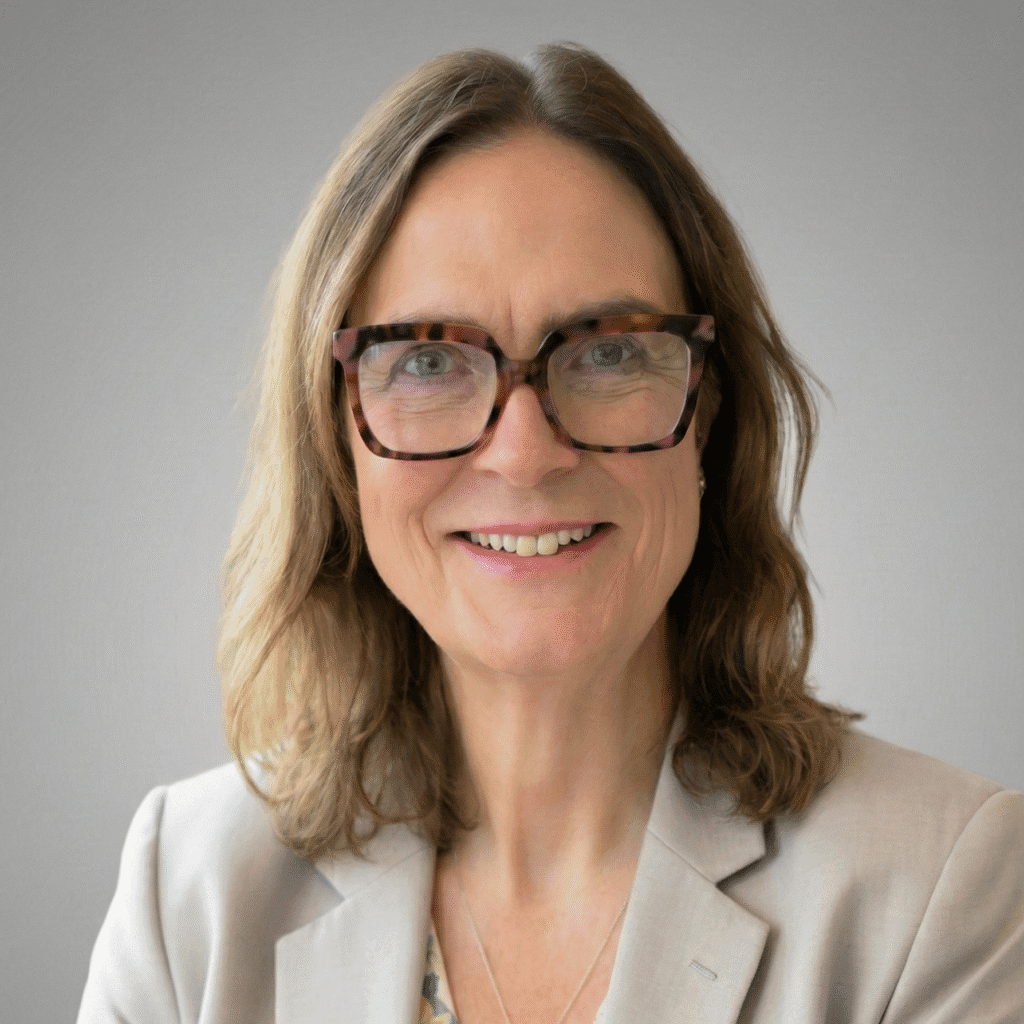
Mark is a former accountant who now combines his passion for magic into his consultancy work to try and help everyone find the magic in their own career, life and find their loves/passion.
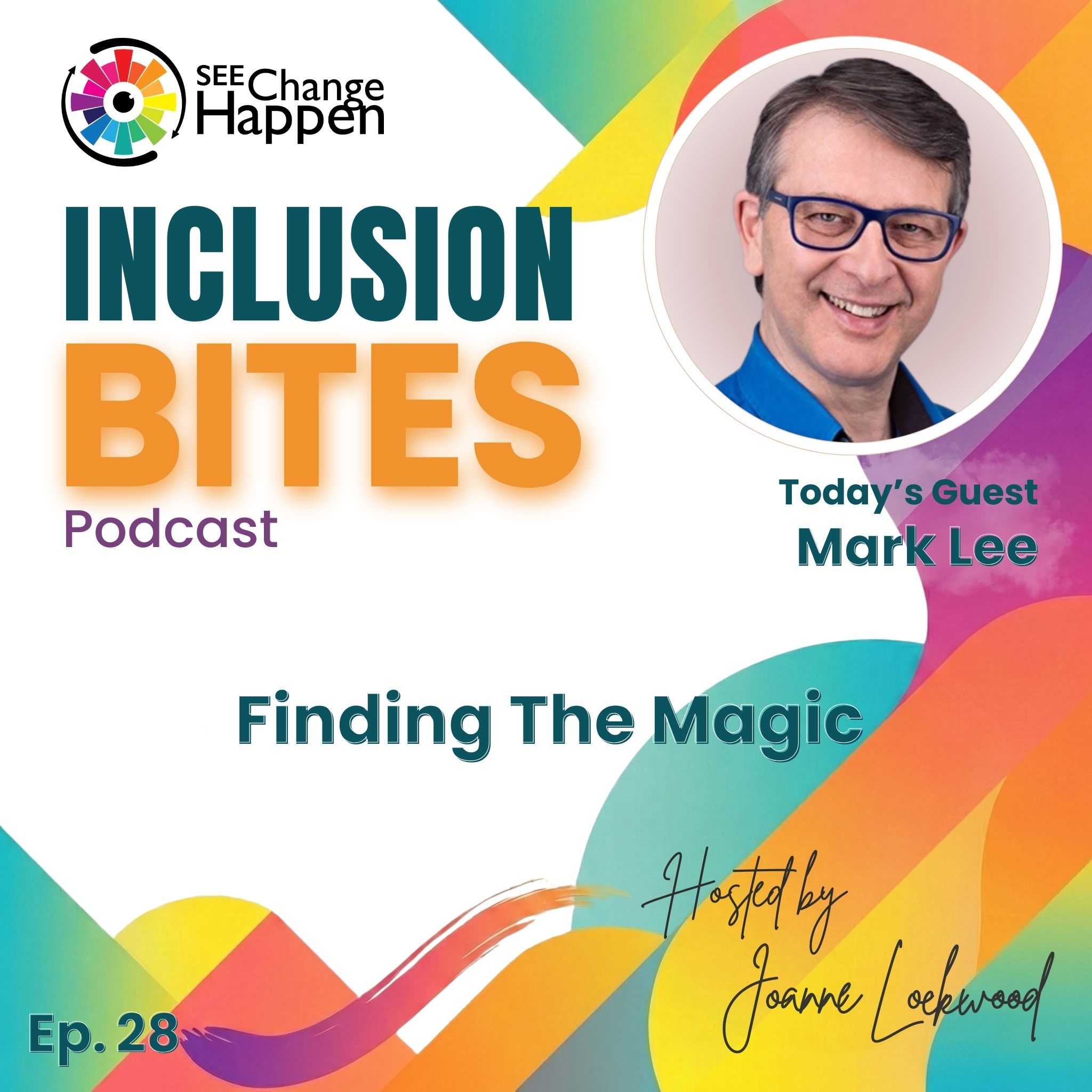
In this episode of Inclusion Bites, Joanne Lockwood speaks with Mark Lee about lived experience identity.
“Most people love magic. Most people like the entertainment side of it.”
Explore
Navigate this episode
Joanne Lockwoodhost
Hello, everyone. My name is Joanne Lockwood, and I'm your host for the InclusionBites podcast. In this series, I will be interviewing a number of amazingpeople. And simply having a conversation about the subject of inclusion,belonging, and generally making the world a better place for everyone to thrive.If you'd like to join me in the future, then please do drop me aline to jo.lockwood@seechangehappen.co.uk.That's S-E-E Change Happen dot codot uk. You'll be able to catch up with all of the previous shows onItunes, Spotify and the usual places. So plugin your headphones, grab a decaf and let's get going.Today is episode 28 with the titleFinding the Magic and I have the absolute honor andprivilege to be joined by Mark Lee. Mark described himselfas a reformed accountant and magician. When I askedMark to describe his superpower, he said that it ishis ability to create acronyms on the fly.Or is that TCAOTF, I wonder?Hello, Mark. Hi. Jo. Hi, Jo, thanks for having
Mark Leeguest
me. Absolute pleasure. Jo, Mark, tell me,
Joanne Lockwoodhost
finding the magic, what does that mean to you? It
Mark Leeguest
it probably relates back to, as a teenager,my first foray into business was as a children's party entertainer.And I then continued as a as a magician at parties andfunctions, And it's always been my hobby, if you like.Other other teenagers, 20 somethings were going to football or rugbyor sports events, and I was going to kids' parties andentertaining them using magic. And, it's always been a partof my life. I've been a member of the Magic Circle forover 20 years, and I'm now treasurer of the MagicCircle. So I get to combine my my professionalexperience as a chartered accountant with beinga passionate magician as well. AndI I look back and I realized that I hid mypassion in magic from my clients over the years, although mycolleagues knew about it. And I was always doing tricks in the pub or inthe office, in between client work, obviously.But I kept it secret from clients because I was always concerned it might adverselyimpact my professional credibility. And since Ileft practice, after I qualified as chartered accountant, I was a tax adviserfor many years. And then about 15 yearsago, I decided, having been made redundant for the secondtime, I'd focused instead the rest of my career on doing thosethings. I really enjoyed speaking, writing, and mentoring.And I learned that one of the keythings you need to do as an independent person, and indeed it's probablytrue for all of us, is to share a bit about yourself. Peopledon't just buy you because of your technical experience. AndI'm much less shy about revealing my interest in magicnow. Indeed, there's invariably a trick or 2 in in my talks while I'm onstage even though my audiences are accountants. And Ifrequently point out that if they want to be better remembered, referred, and recommended,they need to reveal something of themselves. That doesn't mean they have tobecome magicians, though, but everybody should find the magic,in their own career, background, experience, passions,life, loves, family, or whatever.
Joanne Lockwoodhost
Yep. Brilliant. I mean, we talk, you know, in D&I circlesabout bringing your whole self to work. So you you are actively hidingan element of who you are or were, forfear of embarrassment, shame or stigma or something that you felt it would damageyour professional credibility. That's really kind of interesting, andit's magic. Yeah.
Mark Leeguest
I think I had it's also a function of a couple of bad experiencesthat I had. One was I turned up at an turned up at aninterview in the days before the Internet. So there was no profile of meonline. There was no photo of me on the CV, and I satdown, in front of the senior partner of a large firm of accountants, andhe did that thing he'd been trained to do to try and put thecandidate there is. So he scanned down the CV, and helooked at the interests bit. And now under interests, I putmagic, member of the magic circle. And I to thisday, I remember him looking up and looking at megoing, I see you're a magician. I think that says a lotabout you. I don't recall where theconversation went from that, but I do know I didn't get the job. And Ialways wondered if that was because he perceived that maybe I was good at deceivingpeople and that maybe that was why he shouldn't recruit me.And I think that may have had an impact as tome, keeping it, hidden for awhile. And then the other experience that many, manyyears later, I've been headhunted, it was before I washeadhunted, by BDO, Large for accountants.I worked at another sizable firm. Andbecause I shared the magic with colleagues and friends and with journalists and I wasmaking a bit of a name for myself in in the accounting world as acommentator. And in those days, there was a a publication,which is now only available online, accountancy age, which we usedto joke was a bit like the sum of the accountancy world. Nooffense to the serious publication that it is thesedays. But the back cover always had a ataking stock page, which is a bit like sort of accountancyrate version of private eye, poking fun at,you know, stuffy old accountants. But they always had a feature onaccountants who were a little bit unusual, who had an interestinghobbies. And I had featured on the back cover 2 or3 times. And I remember one occasion,I walked into my largest client's office, the financedirector, with a couple of, colleagues. And as I walkedin, I could see that on the notice board behind himwas pinned the latest back cover from accountancyage with a picture of me doing a magic trick circledin big red ink and an arrow pointing atit going, should we take tax advice from this guy?I went, oh my god. And I they theyknew me well enough. It was a wind up. Butfor that split second, I had thought that Idamaged not only my credibility, but risked the client,to the firm. And I think that also mademe a little reluctant to share the magic toomuch with, with clients for for far too longlooking back. Because the other thing I've learned as I've got older andwiser is most people love magic. Most peoplelike the entertainment side of it. It's always about being entertaining. It's never aboutbeing clever or I can do stuff you can't do. It's about entertaining withmagic. And most people like it, love it, and it might well have helpedcement more client relationships than I would have lost. So I I think it'sa huge mistake when I look back. Yeah.
Joanne Lockwoodhost
I'm I'm almost sat here speechless listening to that story becausefor it to carry that kind of stigma, but then I think the word theway you described it was magic could beyour practice of being deceitful, misleading people. SoI suppose it is a bit of this paradox between a trustedaccountant and a magician. I mean obviously we often want our taxadvisers to magic our tax away, but we want to do itin plain view. So had this one before today.
Mark Leeguest
No? No. No. No. Sorry. Tongue very firmly in cheek. Ah,
Joanne Lockwoodhost
okay. Let's magic away my tags.I see you have your wand. I mean for those this is a podcast butMark has actually sat there with a bookshelf behind him and on the bookshelf isa magic wand sort of strategic who plays just ready tomagic people's accounts. Well well, I I I haven't been in practice for many,
Mark Leeguest
many years, but there isoften a a magic wand behind me just because it it prompts conversation.And, also, for those people who like to study bookshelves, almostall of the books on on the shelf are business related,lead generation, marketing, the sort of things that I talk tofirms of accountants about from a strategic perspective or coaching andmentoring, which I do with individual accountants,particularly those running around practices. But if you look carefully, you willalso see the Paul Daniels adult magic book. And,also, I've I can't remember why I put it there, but I've got the, I'msorry I haven't a clue, anthology there as well,just to show that I'm not all about the serious and the heavyweight.
Joanne Lockwoodhost
It's it's really interesting. This has sparked a memory that I've forgotten all about.I did my first magicgig when I was about 8 or 9 years old.And my parents were very keen at the time for me not to be paidbecause they didn't want to make me a professional magician at ages of 8or 9. Oh my goodness. It was my it was my I think it was
Joanne Lockwoodhost
8 or 9, maybe 10. I was very young. I remember it was ournext door neighbor. They had younger children andthey they knew that I was I did some magic tricks. Jo I had my,was it hanky panky magic? Box?I forgot all about it until he mentioned I forgot all about it Jo thatthey knew I did sort of this magic, I used to get magic, these magicboxes, it was a hanky panky magic accessory, I used to have a blue oneand a green one, there's a like a bigger one you Joanne get, all thelittle things, Jo I was quite into at the time. And they asked meif I'd be a magician at their their children's party next door, there'sabout 8 or 10 kids, I remember doing it practicing all these little tricks andyeah obviously fluff them up a little bit but yeah I my audience wereprobably 5 or 6 so it was probably easy audience. And,yeah Jo I did my my first magic gig probably the age of 8 or9. Well, Jo idea why I didn't pursue it it just itwas one of those things I did and it dropped away, went up maybe inmy teenage years. Well, I I did my first gig for my
Mark Leeguest
sister when I was about 13, and thenI got a booking for a cousin's daughter, when she was gonnabe 6. And the cousin asked how much I wanted to charge,and I I absolutely no idea. And so Isaid, remember, this was a long time ago. Isaid, how does 25 p an hoursound? Which I can see the smile on yourface. It might not sound like much, but it's 25 p more than I'm beingpaid today.And then I realized, hang on. The children's party is only 2 or 3 hours.And we we agreed to round it up to a pound. So mymy first professional fee was 1 pound. Still rememberit. And I still have that pound here to do no. I don't.
Joanne Lockwoodhost
But I but, well, not to show your age. Back in those days, it wasa paper pound, wasn't it? Yeah. Yeah. It probably was. It was one of thesebig, big paper pounds. Yeah. Yeah. No. It was the 5 it was 5 or
Mark Leeguest
something that big, and I don't remember those. Yeah. I'm only a few years old,aren't you? But you know,
Joanne Lockwoodhost
I used to work with somebody well, I worked for Coots Bankback in the mid to late 90s and I used to work witha fellow there who was, he was in a magic circle, a magician,and he would always do magicrandomly as during the day. I was in ITor in computing so there's a lot of time sitting around watching stuff load oror maybe installing things Jo there's always a lot of time to kill. And Imet one weekend we're doing this major upgrade and he taught me how tojuggle 3, 3 balls.I I can't do probably more than 6 or 7 cycles of 3balls, but he taught me to juggle in the in the luncheon so I knowI know the theory now I've just got to practice it to make it work.But yeah. It's like all these things isn't it? Practice practice makes
Mark Leeguest
I was gonna say practice makes perfect. Practice makes permanent. If you don'tget good training or good teaching, good encouragement,then you practicing stuff just makes yourhabits permanent. Doesn't necessarily make make you a goodperformer of any kind. Yeah. I've
Joanne Lockwoodhost
always been a little bit envious of people who who can juggle because it's sucha great little party trick. You can just sort of go oh, there's a fruitbowl there they're just a couple of apples, couple of oranges and before you knowthey've got 5 or 6 things going or anything. That's quite good. I mean thatand playing the saxophone Joanne my 2 want to be able to do skills. I
Mark Leeguest
Joanne can understand that? I I always feel a little bit alienated when people starttalking about juggling as a link directly from magic because they're 2 verydifferent skills, and I can't I can't juggle.Can't juggle. I mean play the saxophone. I mean, yeah. I mean,
Joanne Lockwoodhost
this this person was a magician, a member of magic circle, and he taught meto juggle Jo there are different things, you're right. I think it should be somecoin tricks and sort of how to roll the coin on the back of yourknuckles and stuff, which isn't really magic. It's just Good manipulation. Joannepractice. And dexterity. Manipulation. I I I look back and realize
Mark Leeguest
that I pretty much stoppeddoing as much magic when Ileft practice and went out by myself.Again, yeah, when I initially started going to businessnetworking events, again, I was cons I didn't wanna distractpeople talking about the magic side of my activitiesas distinct from my business activities. And,and as the years passed and I stopped going to generic businessnetworking events and focused only on events with accountants,it was prop it became less important to to be doingless important to me to be doing magic, to be remembered.So the these days, it figures in my talks,often as examples of how to be better remembered, referred, and recommended, howto stand out from the crowd, from your competitors, and from thepack. And I will then often, produce a pack ofcards and use use that as an analogy,for how we remember what stands out.So a different colored back card to all the others, for example.And then I will always it's a bit of a cheat.This was in the days when we could do live events. I justwouldn't I remember those days. It would it wouldn't work on,on a Zoom or online, I I don't think. I I wouldalways say, look. It's a rule of the magics. You've heard as part of theintroduction, I'm treasurer of the magic circle. And it's a rule of the magiccircle, that if you're on stage, you have to perform a magic trick. Would itbe okay for me to perform a trick for you? I always ask theaudience's permission, and they will say yes.And that's why there will always be, you know, 1 or2 tricks during the during the talk, not so that they will rememberme as a magician, but hopefully, they remember well,they do remember it was entertaining and the the magic, they enjoyed.It it often includes aa trick at the end where I use a deck of cardsto summarize many of the key points I've made.And that's also makes it a useful reminder at theend of a talk.
Joanne Lockwoodhost
Because, Matthew, it's all about the setup, isn't it? You you dosomething very early on. Well, I would say it's all about I would say it's
Mark Leeguest
all about. But no. And then and then but I know. Right. But at the
Joanne Lockwoodhost
end, you then bring this thing that you've already introduced right at the beginning. Soyou misdirect people by the beginning and then and then produce it the end. Oh,that's that's how I Yeah. It's it's like a good good a well structured
Mark Leeguest
talk, a well structured routine, well structured talk with a lot ofsimilarities. And a lot of the skills I bringto speaking on stage, or even on camerahave evolved from the fact that I was speaking that most difficult ofaudiences, from a very early relatively early age as ateenager. And, you know, if you can stand up and entertain andtalk to 20, 30, 40, 50 kids or 100 on couple ofoccasions, then standing in front of a group of accountantsis really not a challenge. Particularly, I found as, like, aolder and more confident inmyself as a person.
Joanne Lockwoodhost
In my in my in my naivety, I I would say thestereotype magician tends to be a whiteman. You know, we look at Daniels, we lookat some of the big superstars, they tend to be men, andthe women, dare I say, wear accessories. Oh, history.
Mark Leeguest
Historically. They were looking good, yeah, catching a bullet in their mouth, having the knife
Joanne Lockwoodhost
thrown at their head. I mean, that's that's beyond magicians, but it's all kind ofthat entertainment thing. Thank thank goodness chain things
Mark Leeguest
changed enormously. I think it's 2020, 25 years ago,the Magic Circle allowed women to join in their own right.And we have the Young Magicians Club as well.And, some wonderful femalemembers of both the Young Magicians Club and the Magic Circle. Indeed,one of the graduates from the Young Magicians Club into the Magic Circlebecame our 1st female secretary of Magic Circle in her midtwenties, and she's now the first female vice president of theMagic Circle. And she's a wonderful I'm gonna say younglady. She's a, you know, a wonderful lady, wonderful performer,great person, and a great role modelfor other women who aspire to be inmagic. And Britain's Got Talent's also been very good at it. We've had a huge
Mark Leeguest
number of women take part, on Britain's Got Talent.And also just in terms of diversity, just thisyear, one of the finalists, was a guy called Richard Essien. He'sa member of the Magic Circle, also knownas Magical Bones. And he told a fabulousstory about how he'd been inspired by the first black magician,to, to to come across, I think, from America to theUK. And seeingseeing a great magician who also happens to be aperson of color was a is a great thrill.Yeah. I'm I as you said before, I recognize that Icould be seen as just another old white bloke. For forsome years, not just in the the magiccircle, but I'm I'm on the members of commercial board of the InstituteChartered Accountants, England and Wales, you know, me throughmy involvement at the Professional Speaking Association.For some years, I've recognized the importance ofdiversity and inclusion and have helpedorganizers, of eventsrecognize that the default choice of an old white bloke is notis not is not necessarily the right route to go. Andwe before we started recording, we were talking about unconscious bias.And one of the reasons why that happens in my experienceis because most old white blokes who are organizing things onlyknow old white blokes and spreading theirspreading their wings. So I'm delighted to have introduced women, people ofcolor to be speakers. It means I don't get as many gigs as I mighthave done. But, frankly, I might just as well be losingthem to a more diverse range ofspeakers or presenters as to youngerwhite people. Yeah. Yeah. The thing is tomake everybody more aware of the breadth of experience andability out there, and that doesn't mean limitingourselves to the historic approach that has always been adopted in thepast. And, also, sometimes it's nice to
Joanne Lockwoodhost
have someone else entertain you and enlighten you for a change and not always bethe one that's doing the performing. It's nice sometimes take a backseat and,see younger people come through. Absolutely. I, I, I can't
Mark Leeguest
abide any unfairness or abuse of power.And I I know that Iso I sense that I feel more strongly about thatthan many other people of my generation, in termsof rec racisms, sexism, diversity generally.And I think that is a function of something that I very rarely talkabout, which is the fact that I'm white on the outside,but I'm still potentially subject to racism because I'm Jewish.And it I don't wear it on my sleeve. I don't,it rarely comes up in conversation.And I'm fortunate. I've suffered very littleovert racism racism,but I still think it makes me aware ofthe tendency towards it and how awful it is when ithappens. I sadly, I know plenty of people who have suffered directdirectly, and and I'm aware that I'm fortunateto I I believe the expression expression I only heard in recentyears, passing white. Yeah.Jo I I people don't assume that I would be a subject ofracism unless they know my, myreligion, which is an accident of birth. Birth parents ofcommunity that I might feel a part of didn't changewho I am, didn't change what I do. Andthe the level of my involvement,commitment, and practice, which has changed enormously bothup and down over the years, has no bearing on who I am,what I do, or how anybody engages with me.And and I don't see whysomebody's color, race, gender, or whateverelse should impact, the way that people engage with themin in the same way. It's very true.
Joanne Lockwoodhost
And I meet a lot of people whohave a, call it a minority characteristic orsomething about them that is not typical or the majority in theworld. And they are always more sensitive and more awareof the impact, as you say, of racism, sexism and the need to be inclusive.It's often the case where people have never had that experience.They don't see the need to be to be thoughtful of it. Absolutely. They're notaware. Yeah. It's their just they just are. It's not their fault.It's just they've never never had to think wake up and think about it. And
Mark Leeguest
I'm sure that's absolutely right. I I love the statistic that,on average, the average the averagehuman has less than 2 eyes.
Joanne Lockwoodhost
Yes. And that's because nobody's got more than 2, but there are some people with
Mark Leeguest
only 1 or or a blind and have have none.And I'm not sure why I thought that wasrelevant. But I think also the other
Joanne Lockwoodhost
statistic is that, on average humanshave less than one testicle. Yes.Which I also thought was quite an which I also thought was quite an interesting
Mark Leeguest
concept. Lots of people relevant, yes. And people look
Joanne Lockwoodhost
at you and go and then they work it out and think oh yeah Iget it now, yes it's kind of because everybat has 2 and half the population don't have any. So, yeah, it's,ding. Your dinner's ready. I have no idea
Mark Leeguest
what or where that was. I think it was a l I think it wasa l e x a, but I'm not gonna say the name. With a bit
Joanne Lockwoodhost
of a ping. Yeah. We could talk to alexa later. Yeah. Let's try
Mark Leeguest
not to.
Joanne Lockwoodhost
So yeah you're not practicing accountants anymore but you obviously throughyour tax advice network you're working with, Ipresume, practicing tax advisers and accountants.Do you see that industry changing? Because when I first came acrossthe accountancy practice, which was probably in the mid early to mid90s where my my best friend, who ended up being my business partnerand my accountant, always positioned himself asJoanne accountant with attitude, an accountant who's different, wanted to bustthis myth of this stale old accountant that he wanted to come and shake itall up and and give a bit of real passion and personality into theinto the into the impression. So do you see that's kind of evolving or doyou still think there's a lot of I think there's there's a lot to be
Mark Leeguest
done, but it it has evolved enormously. When Iwhen I first qualified, the the the small firm accountants Iworked with, I think the women almostexclusively were secretaries or receptionists.Then, certainly, there would have been a tiny minority of,of women trainees. I've just remembered there therewas at least one, because we've justtime with time of recording, we just passed the anniversary, 40th anniversary oflosing John Lennon. And I remember Roger Scott, theCapitol Radio DJ, and we must have had this playing in the background. We weredoing the audit of a a British Legion club, andI was there as a manager with a a a youngerlady who was a trainee. I remember Roger Scott saying and, of course, wealways we always remember where we were when we heard the sad news of JohnLennon's death just like we did justlike we did whensorry. I have no idea where the thing is coming from. I'd stop it ifI could. That works. Yeah. Just like we did whenwe heard that, Elvis had died or JFK. I don't think I wouldhave remembered if if Roger Scott hadn't hadn't announced that. But therewas a young lady with me, so we must have had trainees there. And Iwas I then worked at a a very large firm accountants, then calledTouche Ross. It's now Deloitte. And I remember the first femalepartner there was pregnant, andI believe she was out of the office at the time of thebirth for less than a month in terms of both beforeand after. Possibly because at that time, shewas concerned about the impact on her career if she tookwhat we now recognize to be quite reasonable maternity leave.
Mark Leeguest
And a huge change my son works for KPMG,and not only did they give maternity leave, they give paternity leavethere, amazingly generous, things that just wouldn't have happened 30,40 years ago. And I look at the people I'mconnected with on LinkedIn, you know, the 211, 12000connections I have there, many of them are infact, the majority of them are probably accountants. There's a huge numberof women and many who who are accountants orbookkeepers or tax advisers. Many of them making a point,not only of the fact that obviously they are a woman, but alsothat they've got attitude and well, clearly, they aredifferent to the the stereotype. The the sadthing is that stereotype,goes back as far not just of the Monty Pythonclassic sketch about the accountant who wanted to be a lion tamerbut wasn't allowed to be because he was too boring. There was also a classic2 Ronnies sketch, with mister Simpkins fromaccounts whose kids were known as Simpkins and Simpkins, andthat also really took the mick out of accountants.But even back in those days, that stereotype,which has persisted in many people's minds, it's not necessarilyabout the accountants all being boring. It's the fact that a lot ofpeople consider the accounting and bookkeeping work to beboring. Therefore, if somebody likes or chooses to do thatwork, by definition, they must be boring. I don't buy that. Idon't accept that, and I encourage accountants to stand out from the crowdand show that that they're not boring either. Becausepeople, you know, people want their accounts and books and and tax workdone, But, generally, they want it done bysomebody they can relate to and who relates to them and will help them, supportthem, encourage them, and advise them beyond just doing thecompliance paperwork. And too many people Yeah. I completely
Joanne Lockwoodhost
agree. I mean, my As a small business person myself, I'verun small businesses for 25, 30 odd years. Soan accountant to me is more than just that compliance asset, yeah it's justthe bookkeeping, the fact terms, company formations, statutory accounts, all that kind of stuff,it's just a minority. It's the it's that watching eye, that consultancyelement that accountancy bring and how theyunderstand your business or have an appreciation of other businesses and then canuse that expertise to come to yours and advise you andsignpost you or mentor you. And I think that's the power, certainly from asmall business perspective. Of course, it should be. But many small businesses don't
Mark Leeguest
appreciate they can get all that from an accountant. If they've had a bad accountantin the past, they may move to another accountant who operatesin much the same way, but it's cheaper. Joanne that they don't know what morethey could be getting. So going back to the thetitle you chose for this podcast, I'd encourage listeners to lookat finding the magic in their accountants, and gettingmore from their accountants. But you you have to pay for that. You don't ifyou pay monk what is it? You pay peanuts, you get monkeys.
Joanne Lockwoodhost
I mean, we're we're professional speakers. We're professional trainers and podcasters andand, advisers ourselves, so we appreciate our own brand valueon what we do. So of course we we we yeah, we're theconverted so we understand about value and what it canoffer. As you're talking now, I listened aboutis there still a perception amongst clients that a man is a betteraccountant, maybe not, maybe women are becoming moresuccessful, they're holding high up more senior positions in accountancy,but is there still this incumbent malecrust, if you like, in the clients that where that women are taking thisseriously? Have you still got to try and break through that? I've I've no idea,
Mark Leeguest
but I I would say, a, my accountant is is awoman. And theI think these days, people recognizethey need to choose somebody to whom they can relate. AndI've I've often suggested to some of thefemale accountants and bookkeepers I know because you andI recognize the benefits of having a niche or clarity offocus as regards to target audience. And, yeah, itdoesn't make any difference to an accountant what, you know, what gender their theirclient is. Butmany female entrepreneurs, business owners mayrelate better to a female accountant than theywill to a male accountant. And thank goodness there's a greaterthere's greater choice for them now than there was before.And it it shouldn't you know, the gender shouldn'tgender of the accountant obviously shouldn't matter. It's irrelevant. But, frankly, in
Mark Leeguest
the same way, you you mentioned my tax advice network,which is an online website, lead generation website for accountantsand and tax advisers. And I always pointout to the members who join, put a photo upthere because you and I, speaking to the taxadvisers, you and I know it shouldn't matter what you look like.The quality of your advice is what what matters. But I've I'vehad this this network online for 13 years, and there is nodoubt that the advisers in the network whoput up a decent profile photo of themselves with a nice welcomingsmile get more business than those who put no photo upor just put a logo there or a very poorlythought thought through profile photo. And, of course, exactly the same istrue on LinkedIn and and social media as well andon personal websites. And and, infact, given the the nature of this this podcast,I'm reminded also of a conversation I've had when I've beenmentoring accountants. I had a a blackguy, accountant who,let's say, his his name was wasSteve. And because he it was his firstname was Joanne English name. His surname was a a very Africanname. And when I first met him, he didn't have his photo on hiswebsite. And I said, why is that?And he said, because I don't want to put people offbecause he was conscious of the prospect of racism. So he didn't have hissurname on his website. He didn't have a photo on his website.I said, did you ever get racists, you know, coming into youroffice? He said, yeah. I do. I said,well, gotta say, Steve,why don't you put your full name and your photoon your website so that you don't have to waste your time withany racists? Because you're not youknow, sadly, they're not gonna change their mind just because they've met you.If they're a racist, they're racist until they get to know better.But you're wasting your time with racists by letting them come and see you andthen be find excuses not to engage with you. Andeven if they do engage with you, if they are if they're still an ifunderlying that, they're still a racist, do you really want them as clients?And he took my advice on that and on many other things. He's not lookedback. He's gone on to win awards for his accountancy firm. Hecredits me with all manner of things, most ofwhich are entirely down to him rather than me, but I gave him the confidenceto reveal who he really was rather than to hide it.
Joanne Lockwoodhost
Yeah. I I'm with you on that. I I I'm I'mtrans, transgender. I made a decision very early on tobe professionally trans rather than hide it, rather than rather say I'mnot, I'm and then be found out,outed, confuse people at a later date. Ieven put it on my CV when I apply for roles.So I don't want you to I don't want you to interview me and thengo oh actually we're not sure. I'd rather you just walked on byand put my CV in the in the waste pile. You don't waste my time,I never get to meet you, I just get rejected like everybody else Jo Idon't I don't need to care about yourdiscrimination, prejudices, whatever. So I end up working with peoplewho want to work with me and people seek me out to engage with mebecause they like what I do, because of who I am. So it's that bringingyour whole self to work, isn't it? Because of my lived experience, because of whoI am, the insight that I bring, you're saying about your Jewishnessor the insight that people may not know, your magic, your diversity ofthought that you have around your lived experience, you're bringing all of that expertiseinto the room not just this tiny little piece, you're able toshare much more and that makes you more relatableand and people would actually know you if they can trust youbecause you are open about who you are. I'd like to think so. I remember
Mark Leeguest
that that conversation with the the friend I'm calling Steve,was helped by I was running a a roundtable group of,self practitioner accountants, and there was an orthodox Jewish guy therewho wore a skullcap. And Ihadn't been thinking of him when I said what I said, but he chipped inafterwards and said, that is why there is a video of me wearing myskullcap front and center of my website. Becauseif somebody is anti Semitic, I don't want them anywhere nearmy office. You know, there's no point meme hiding it, and then they come in and I've gotta deal with that. That'snot gonna make my day.
Joanne Lockwoodhost
Yeah. As we're talking about being Jewish, II was fortunate enough to be invited to aconference to speak, in Tel Aviv last summer.And I I was entertained there was nofee apart from my expenses and the promise and the promise of a goodholiday while I was there. And so I actuallyhad a 5 day stay in Tel Aviv. Oneday at that one day was conference and they I was I was royallyentertained, taken to the Dead Sea, I swam or floated the DeadSea, I went to is it there's a forton top of the hill, is it Mashata, Marsada,that's it, which is actually below sea level, isn't it still, even on top of
Mark Leeguest
a mountain? My knowledge of such things is not not what one might expect.
Joanne Lockwoodhost
And over I think I overlooked the Dead Sea or overlooked Jordan you cansee Jordan from the top and it was a Roman fort or something that wasbarricaded many many centuries ago Jo we had afantastic time and it really surprised me aboutthe culture there to learn about the real people's lives because we were spending timewith real people not just in a touristy way but in a kind of abusiness y sense and also people going out in the evenings withfamilies and some of the culture Jo it's really interesting to get to know peopleand just to know their culture as people because often wesee all the media bias, we hear all this stuff that goes on, which youdon't get to know the real people. Andto listen to the stories about how they were living in fear, how theywe went around Jerusalem and I was in Jerusalemprobably 20 or 30 years ago, but this time I went back theborders have moved, there was areas Jerusalem couldn't go anymore and if you go tothe Wailing Wall you go to the under to the the tunnels under under thecastle in Jerusalem. There were when you come out the other side, you endup actually in in the Palestinian part, Jerusalem now,whereas before you came out into the into the into the Jewish side. So thingshave really changed there. Where am I going with this? So yes,Jo the Wailing Wall when I went there the first time I went to theleft hand side of the Wailing Wall and it was really interesting thistime to go back to the right hand side and wearinga shawl and covering myself up and seeinga different perspective on religion and how the womenwere versus how you're looking at looking over the wall tosee the see the the bar mitzvahs or the other things going on or thethe other celebrations going on around thethe male Orthodox Jews with their hats and their ringlets and everything else and theircoats so it's really really interesting to understand the culture as awoman and how that works in Jewish society, how there's a lotof exclusion of women from a lot of the religious ceremonies, there are a lotof very men only temples and stuff or where peoplepray. So yes it's very interesting to get perspective on onthat culture between 2 genders. Well and and it it it
Mark Leeguest
even goes beyond that because, youknow, some of them them and and I think this is the true across,I'm gonna say, many religions. It's certainly true acrossboth, Islam and and Judaismthat the more observant religiousfanatical one is about one's religion, themore exclusion there is and the more focus there ison the male role as as opposed to the the femalerole. And the more and this is the and thelimited diversity, there is. Thebut even within a religion, and we we seethis with, the Shiites and Sunni Muslims. We seethis across the different levelsof religious observance within the Jewish community, bothin Israel and around the world,that, effectively, there's discrimination against thosewho don't do everything. Yeah. II went to a a Jewish secondary school,because my parents had limited ability to teach me verymuch about the religion. And Iremember I came away feeling I'd been discriminated against because we didn'tbelong to an orthodox synagogue grouping. Now bear inmind, in the UK, there are sort of 4different levels of belonging to a Jewish, to ato a synagogue group, or or you might not belong to 1at all. But even those who bill actually,there's possibly more than 4 or 5 of won't bother boring you withthem. But even those that belong to a ostensibly orthodoxgroup may not be practicing in an orthodoxway following all the laws. It's just what they've done traditionally.But because I didn't belong to that group, I hadreligious studies teachers who and I still remember, wholooked down on me because my family had chosen a different levelof of practice and observance. And I think that thatturned me off the whole thing for for quite a while. SoAnd and I I've equally heard that, thatthere well, if I know, there are plenty of black Jewsaround the world, not just in not just in Israel, but in theUK and, and America and elsewherewho suffer discrimination not you know, they theysuffer discrimination, a, because they're blackracists, also because they're white, anti semites. But, sadly,they also suffer racism amongst theJewish community whowho arefor the same racist reasons that you can bethat apply in any any community. Andlike all these things, invariably, it comes down to a lack of education,lack of understanding, lack of knowledge.
Joanne Lockwoodhost
Joanne this is where this word we were talkingabout before went live. Intersectionality plays into where someone issuffering discrimination, a) because they're black, b) because they'reJewish, and c) because they're a different ethnicity ofJewishness. And I was I became hyper aware of thiswhen I was when I was in Israel about how the FilipinoJewish people within Israel tend to be the lower paid,domestic role type people and there was a differentway of talking about the Russian Jews who were thereand also the people who were born in Israel who had takenpart in national service versus people who had emigratedthere and didn't do national services. There's a whole hierarchy of Jewishnesswithin their society and bias and discrimination that went on. And I rememberhaving this fantastic conversation with a rabbi, hehad his skullcap on, he had what I would describe as typically a rabbilook about him, that my bias sort of this is what I think arabbi should look like type prejudice or perception. And we'rehaving this fantastic chat he said 'yeah I know people think because I'm a rabbiI want to be really serious and I've got to you know you've got totalk to me like I'm some sort of, saint but no I'll I'll havea I'll have a beer with you and have a drink with you and we'llhave a good chat. And it was a really really good I think we'veprobably spoke for an hour, hour and a half just just having a real chatabout life, the universe and everything that you do andcompletely dismissed any perception I might have abouta person of his position within the faith and it wasjust a very relatable fun human being.I think I've enriched myself quite a lot around the world, meet different peopleand that's the way we change perceptions. Absolutely. Meet different people.
Mark Leeguest
Yeah. Very, very much so. And, yeah, I Ilook back. Yeah. The the first trans person I met wasat the Magic Circle, many years ago.And they're they're a few years older than me. They were quiteangry at the way they'd been mistreated and discriminated againstover their their life, and I had tremendous sympathyfor them. And it was some years later before I metother trans people either in the magic world or in the speaking world.And I realized thatnot everybody is angry or not everybody I'msorry. Not everybody is visibly,overtly, consistently angry.And but equally,yeah, so I'd and and the one of the the therelate related to that is within the PSA, ProfessionalSpeaking Association. And I mentionedto my my wife that I, I did know more transpeople than her. She's she's she's met trans people through, herwork in over the years. But, youknow, could that be because they are attracted to speaking and theyare speaking about their experiences and lessons that could be learned or whatever?I said, that is one of the reasons. However,2 members of the PSA became members ofthe PSA long and and and are notJoanne, but have children who are transitioning orwho have transitioned. And both had joinedthe PSA long before their childrenexpressed a desire to transition. And what that tellsme is it is far more common thanwe might have been led to believe.And that that was even more eye opening, Ithink, than than the number of trans people that I've actually met.
Joanne Lockwoodhost
I think I know I think I know the 2 ladies you're talking about whohave trans children. I've had a conversation with both of them.And often when I'm doing a gig some of the gigs Ido are around trans awareness, soit's kind of obvious you're going to get people in the audience who've come deliberatelybecause they want to be educated or they have a trans interest. But oftenI do other gigs and it's surprising, you know, I went to Toastmasters for severalyears, I met people who had a trans relative or a trans story, I've hadfriends in my old life who've got a suddenly when I became open aboutmyself suddenly people say what my neighbor, my friend, my this so I findthat there's you I think we're only 1 or 2degrees or one degree away from someone who knows someone who's trans in their familyor in their life So it is more common, the people who have belief andit's not just around the trans people, it's around the people who know that transperson Yeah. Around people who support them or their work colleagues, whatever.
Mark Leeguest
I have a friend friend of a, friend of a friend,who was an identical twin,and his his identical twin sadly passed at inhis, I think, mid fifties,but had I had identified as trans and wasplanning to transition before he suffered a brain braintumor. And for athis was long long before I knew the friend of a friend, butapparently for some time, the perception amongst thefamily was the brain tumor must have been affectinghim, and that's what caused it. It was a bigconcern. The the friend of the friendwho's the surviving twin couldn'tgrasp and understand this because they were identical twins. How could theyhave different feelings? There's such different feelings in thisregard when apparently and everything else, their feelings were so similar.It's fascinating, but it's it's very close. Yeah.
Joanne Lockwoodhost
But if you look at a lot of the language, a lot of the waypeople see the world, you know, if you're not disabled,if you're straight, you're not gay, if you're not trans, ifyou're all these things, what you're nottends to be wrong, bad, evil, needs to be fixed.So non trans people want to fix trans people Jo weneed to put methods in place so that trans people don't be trans. Well whydon't we make it so that trans people can be trans? There's no big deal.Then in this time when we talk about the social model of disability, I alsotalk about the social model of discrimination that is decided that puts the barriersin place based on this normality that we've propagated,the social cross section of normality.You know, you see people doing DNA or sequencing or research and say, well, wefound what causes Down syndrome, we can stop ever having Down syndromechildren in the future. Whilst I accept from my normalbrain kind of perspective is that I can see the advantage of not having Downsyndrome people, not putting people through that, but that means denying thatchild the opportunity to life, denying that child the opportunity to have great parents,parents look after them. And why do we see Down syndrome as beingwrong? Bad, evil needs fixing. Someone who'sdeaf, do we need to fix someone who's deaf or do we need to makesure they can celebrate their life in the way they want to leave it? SoI'm very very wary sometimes that we end up framing it Joanyone who's not typical needs to be fixed or needs tobe helped or there's some benevolence out that we need to stop ever happening again.I think we went through these conversations when people weregay, people who were black, people with disability, people with deaf, we haveand we're having the same conversation about people who are trans saying we need tofix people so they don't become trans rather than saying let's embrace people.
Mark Leeguest
-Absolutely. -Make it a choice Jo you
Joanne Lockwoodhost
could live your life if that's who you are, go and live your life andthere's no barriers. Is it was it another
Mark Leeguest
speaker who we we both know gave a talk acouple of years ago at, PSA annual conventionand talked about was it Indian culture that has
Joanne Lockwoodhost
England, Spain, etcetera etcetera, exported Catholicism,Protestant faith, religion, Christianityaround the world and with that came prejudice, bigotryand the white way with a w the white way of doingthings, our social construct, our hierarchy,our government, which I'm not saying some of that didn't benefit the cultures, butit also left a legacy of racial racism,sexism and straighthomophobia and transphobia Jo still a lot of the Commonwealthstill have anti LGBT laws which we exported to them. Which is
Mark Leeguest
very sad. You mentioned India, the Hijra
Joanne Lockwoodhost
in India were kind of revered sort of thirdgender that were celebrated and now they're kind of marginalized,they live in their own little corralled houses, bought outto initiate ceremonies, it almost like packs back off, sothey're still stigmatized, that they're not mainstream, they're still they're still kind ofseen as outsiders. Whereas several 100 years agobefore we before the British arrived, they were kind of part of societyin the same way that other trans or third gender or ordual gender or fluid people in other in othercivilizations are still celebrated. If you look at the Aboriginals and youlook at the Maoris, you look at some, some of the,North American native, First Nation people in NorthAmerica, they have this sort of concept of multiple genders, there's nofixed binary, how they talk about gender is is notin this binary malefemale sense, there's probably 5 or 6 different waysof expressing yourself and none of those are male or female. Soyeah we, we have this invention that we created.
Mark Leeguest
And it's always helpful being reminded ofthat because I think we have a tendencyto assume that what we know isright. As you said before, anybody who's different is iswrong. And I'm more as I said before, I'm more aware ofthat because there's an element of me that is is different.And it's very frustrating when you hearnonsense being spoken by those in power who don'tunderstand these things and have never experienced,any form of bias or discriminationand perpetuate the idea that weshould all be the same and we should all do things the way it's alwaysbeen done. I'm fascinated to have my mind beingopened to a broader awarenessof diversity within the world in all ways,shapes, and forms and to reducingthe discrimination. Bottom line is we'restill gonna choose to spend time with people we can relate to. Youknow, I don't spend much time with people who are into football or cricket orrugby, and that make marks me out asbeing that that marks me out as being more different to mostblokes than anything else about me.But, equally, it means I relate better to those other blokes andwomen and whoand, people of no preferred gender.There we are. I'll try I'll try and get the terminology right, but I don'talways succeed, but at least I've tried. But it but ityeah. I'm I'm more likely to find something in commonwith people who are not heavily sports orientated.That doesn't make me wrong. Yeah. II I I wanted to talk. I was not into sports.
Joanne Lockwoodhost
Yeah. But that's one thing that makes it a professional speaking association, for as anexample, or Toastmasters or other interest clubs, ifyou like, organizations because you do cut through a whole cross sectionof society, you could be a football supporter and a cricket supporter or a rugbyfan, but our common interest is speaking, educating,training, standing up in front of people, using our voiceand brain to earn a living, not our hands or things, that's kind of whatbinds us together. Yeah. We're quite a diverse bunch. We wewe have people from lots of different sectors, a fair genderbalance, maybe we're still a little bit too white, we need towork on our ethnicity balance, and make sure that weare being open to that and also maybe looking at youngergeneration about how people are earning money through YouTube and online but yeah2020 has given us an example now of how we can earnmoney online, there's maybe professional speakers we're seeing the stage speaking, wasn't it? Butnow we I think we're more open to the concept that speaking isa is an activity can happen online or face to face. Somaybe we'll open up to to more more than modern YouTubers and theonline marketers. So It's true. It's also true for local business
Mark Leeguest
networking events as well. It's all it's all too easy toyeah. I I like to be a welcoming person whenever I'm at an event whereI'm whether I'm a host or not, I go and talk to people I don'tknow, people who are there for the first time. There'sa temptation to go up to people who you feel you're gonna get onwith, and relate to and have something in common with.And to step out your comfort zone sometimes and go and talk to somebodyless likely. And I'm I'm thrilled at some of therelationships that I've developed over the years because I've stepped out ofwhat historically might have been my comfort zone. I encourage others to dothe same. That reminds me of I was speaking at a
Joanne Lockwoodhost
conference in London last year, and the organizers have puton some graffiti artists making a graffiti wallwith big you know the big spray paints and spray can and they're inviting thedelegates to go and spray and fill it in different bits thensign the name of the bit they filled in. And I saw these these 2guys looking like typical you know your your prejudiced sort ofstereotype graffiti artists with with beanie hats and andsort of boots and shaggy trousers and and all this kind of sort ofas you'd imagine sort of like your graffiti artist stereotype to be. And I sortof started having a chat with him it turns out that one had run£1,000,000,000 businesses and he got tired of it and decided to get out of itand he started finding he found street art and he saidthey've decided to legitimate to legitimise what they're doing because they found it a bittricky. They kept every near misses of getting arrested for doing it onpublic wall. So now they set up this this business to corporates where they theyturn up graffiti walls and and create an event graffitiand invite delegates and so they were proper business people and I know I've probablyspent about an hour and a half talking to them and I was I chattedsome people at the end of the conference because I was talking about diversity andinclusion and I just happened to say, has anybody else in the room had achat with a graffiti artist yet? And there was no hands on them, I saidwell you should do, they're fantastic people, why have we chosen to network withourselves and not with them because they're seen as the hired help, they're seen asdifferent whatever. So often by talking topeople that are not the obvious choice in your networkactually could meet some fantastic people. And I've had some really reallyenlightening conversation with people that I I've just got up and saidhello to. No. I me me the same, and I
Mark Leeguest
encourage everybody to do it. Overcome yourpersonal prejudices and and bias, and it's like anything.Jo before practice makes permanent, practicecan certainly make an improvement and, change things for the for thebetter if you if you give it a go.
Joanne Lockwoodhost
For sure. I've got to ask you. You you've got a anickname of bookmarkly. Do you wanna do you wanna tell me what was that
Mark Leeguest
Yeah. When when I thank you for asking. When I first,went freelance, and I was thinking about what domain name tochoose. My my name, Mark Lee, isamazingly common. There was anactor, Motley, who appeared in the film Gallipoli with Mel Gibson. He'snow an actor director. There arevarious American sports stars. There's a Philippine,Philippine comedian, a Chinese rapartist, just to name a few. The firstastronaut to go into space with his wife, whatever thatmeans, was also Mark Lee.So I wasn't gonna get a domain name for my formyself. The first idea was to go with ask Mark Leedot co dot uk. And then a friend rememberedthat some years previously, I'd been thinking of creating a flyerpromotional flyer for entertaining at, gigs forfor for grown ups in the days when I did that sort of thing. Andthat he'd include the designer had included a tear offmagic wand that could also be used as a bookmark.And that idea evolved to become well, how about bookmarkly?Because that's what I wanted people to do. So I took the book name Itook the website bookmarkly.co.uk. For thebenefit of those listening in color, I'm holding up a coloredbookmark, which, is my business card in the days when we used to giveout business cards in the shape of a bookmark,and that's been through various evolutions over the years. Andmy name on LinkedIn onin terms of my, my mypersonalized URL on LinkedIn is Bookmarkly. Facebookbusiness page is bookmarkly. Twitter handle, bookmarkly.So it hasn't happened recently, but every now and again, I used to get emailsaddressed, dear book. Dear book. And thenand then it if there was an assistant, it would come back and apologize 2minutes later Jo go, sorry. It's Mark, isn't it? Which, frankly, Ialways prefer that to when somebody addresses me as Lee by mistake because,again, the name switches backwards and forwards as as well.So that's that's the origin of why some people refer to me as bookmarkedly. Itmakes me more memorable. So I like so I I It does.
Joanne Lockwoodhost
And that's magic, as I say. Absolutely. Find find the magic. Find themagic. I'm gonna use that. I haven't used it before, but I'm going
Mark Leeguest
to. Yeah. Find the magic. Yeah. Well, it's just the point in the in the
Joanne Lockwoodhost
in the episode where nobody say how do people get in contact with you, butI think we've established that BookMarkLee.co.ukis a very good way or search for Bookmark Lee on Google. They'llcome across you. You're the inspiring founderof the Tax Advice Network, author of the The Bachelorof Success. Is that a weekly, mail shop? Weekly mail
Mark Leeguest
shop primarily for accountants, bookkeepers, and tax advisers. The the TaxAdvice Network, about a year agonow, we, I also have the domainfindataxadviser.online becausethat makes it clearer what it actually is. Jo,if you go to find a tax adviser dot online, if you want to find1, then it's a great place to do that. And I'm chairman of thechairman of the network. Fantastic. That's
Joanne Lockwoodhost
absolutely amazing. Well, it's been an inspiration talking to you. We've had a bitof a laugh and a giggle as well, and you're certainly not aboring old accountant as, you're you're farmore fun as a magician. Socialmedia your presence on social media you're quite big onLinkedin at the moment, people can find you there. So there's much to takeinspiration from Jo a huge thank you to the listeners for tuning inand listening always to the end. Please do subscribe tokeep updates on future episodes of the Inclusion Bites podcast, that'sB-I-T-E-S. Tell your friends if you have any tell your colleagues, I'msure they'd love to listen to because I've got a number of exciting guests. Arethey more excited? No, it can't be more exciting but we've got more guests linedup that I'm sure you'll be inspired by over the next few weeks months.And remember also if you'd like to be a guest, if you're if you thinkyou're exciting, think you're inspirational then please do drop me a line and tellme your story. I welcome any feedback and suggestions you may have, how wecan improve the show to jo.lockwood@seechangehappen.co.uk.And finally, my name is Joanne Lockwood, It has been an absolute pleasure tohost this podcast for you today. Catch you next time. Bye.
The Joy and Practice of MagicNetworking and Breaking Comfort ZonesDiversity, Identity, and Authenticity in the Professional Sphere
Mark Lee, a chartered accountant and long-time member of the Magic Circle, reflects on how he spent years hiding his love of magic from clients because he feared it would undermine his professional credibility. Through stories of awkward moments and perceived stigma, he explores how small signals about who we are can shape trust, bias, and whether we feel safe to be fully seen at work.
As Mark moved from accountancy practice into a career focused on speaking, writing, and mentoring, he became more open about his passion and began using magic as a tool to help audiences remember ideas and connect with him as a person. The conversation expands into inclusion more broadly, including gender and representation in magic and accountancy, the impact of stereotypes, and how visibility can filter out prejudice.
Joanne and Mark also discuss identity and discrimination more directly, including Mark’s experience of being Jewish and Joanne’s experience of being transgender. Together they reflect on racism, bias, allyship, and the value of meeting people outside our usual circles to challenge assumptions and create more inclusive environments.
“And I always wondered if that was because he perceived that maybe I was good at deceiving people and that maybe that was why he shouldn't recruit me.”
“As I walked in, I could see that on the notice board behind him was pinned the latest back cover from accountancy age with a picture of me doing a magic trick circled in big red ink and an arrow pointing at it going, should we take tax advice from this guy?”
“These days, it figures in my talks, often as examples of how to be better remembered, referred, and recommended, how to stand out from the crowd, from your competitors, and from the pack.”
“And a huge change my son works for KPMG, and not only did they give maternity leave, they give paternity leave there, amazingly generous, things that just wouldn't have happened 30, 40 years ago.”
“The advisers in the network who put up a decent profile photo of themselves with a nice welcoming smile get more business than those who put no photo up or just put a logo there or a very poorly thought through profile photo.”
“And the more exclusion there is and the more focus there is on the male role as as opposed to the the female role. And the more and this is the and the limited diversity, there is.”
“There are plenty of black Jews around the world, not just in not just in Israel, but in the UK and, and America and elsewhere who suffer discrimination not you know, they they suffer discrimination, a, because they're black racists, also because they're white, anti semites. But, sadly, they also suffer racism amongst the Jewish community who who are for the same racist reasons that you can be that apply in any any community.”
“I'm fascinated to have my mind being opened to a broader awareness of diversity within the world in all ways, shapes, and forms and to reducing the discrimination.”
“Some years previously, I'd been thinking of creating a flyer promotional flyer for entertaining at, gigs for for for grown ups in the days when I did that sort of thing. And that he'd include the designer had included a tear off magic wand that could also be used as a bookmark.”
The significance of stepping out of your comfort zone at networking events to connect with a diverse range of individuals.
Using magic in professional talks to create engaging and memorable presentations.
The historical trends in magic and the importance of increasing diversity within the field.
The challenge of reconciling one's personal interests, like magic, with maintaining professional credibility.
Mark's journey in embracing his whole identity to enrich professional relationships and attract genuine clients.
The evolving inclusivity within the accountancy profession, highlighting the increasing presence of women and diverse personal branding.
The broader implications of embracing personal identity in professional settings to promote trust, relatability, and a diverse professional environment.
One thing to remember
Authenticity as a Professional Asset: The paramount insight from "Finding the Magic" is the importance of embracing and showcasing one's authentic self in professional settings. Both Joanne Lockwood and Mark Lee discuss how sharing personal interests and identities can enhance professional relationships, break stereotypes, and foster deeper connections, ultimately contributing to a more inclusive and relatable work environment.
Questions this episode helps answer
How do Joanne's and Mark's first experiences with performing magic as children influence their perspectives on their current careers?
Joanne and Mark discussed the importance of different skills such as juggling and playing the saxophone. How do such skills contribute to personal and professional growth?
Mark emphasises stepping out of one's comfort zone at networking events. What are some practical tips for engaging with a diverse range of attendees at such gatherings?
How does Mark use magic to enhance his business talks, and what benefits does this bring to his audience engagement?
Why do you think magic has predominantly been a male-dominated field, and how does increasing diversity impact the art form?
Mark has adopted the nickname "Bookmarkly" for professional branding. How important is a unique personal brand in today's business world?
Explore topics
Ideas from this episode
The Joy and Practice of Magic
In our exhilarating chat, Mark and I reminisced over our early ventures into the world of magic—a shared passion that evidently ignited our journeys. Diving into the nostalgia of my first 'hanky panky magic' gig to Mark's initial paid performance for his cousin, we unearthed the joy and meticulous practice that goes hand-in-hand with mastering this art.
Networking and Breaking Comfort Zones
Mark brought compelling insights into the dynamics of networking, urging the importance of stepping out of familiar territories to engage more diversely. His unique integration of magic into networking events to stand out left me both intrigued and inspired.
Diversity, Identity, and Authenticity in the Professional Sphere
Our dialogue ventured deep into identity and representation in professional environments. Mark’s interest in transparency resonated deeply, touching upon the significant benefits and challenges of embracing one's full identity in the workplace.
Learn
Frequently asked questions
What inspired Joanne Lockwood's interest in magic?
Joanne Lockwood's interest in magic began at around age 8 or 9 when she performed magic tricks at a neighbour's children's party using "hanky panky magic" boxes. This event marked her first foray into magic.
How did Mark Lee begin his journey into magic?
Mark Lee started his magic journey at age 13 by performing for his sister and later for his cousin, who paid him 25 pence per hour for a show, eventually rounding it up to a pound.
What role does magic play in Mark Lee's professional life now?
Mark Lee incorporates magic into his professional talks to make them memorable and to illustrate key business concepts, often concluding with a card trick. This approach helps him stand out and be more memorable in his networking and business activities.
What is Joanne Lockwood's perspective on juggling and playing the saxophone?
Joanne Lockwood has expressed envy for juggling skills and a keen interest in playing the saxophone, acknowledging them as impressive talents.
How has Mark Lee's professional focus shifted over the years?
Mark Lee gradually distanced himself from focusing solely on magic, particularly at business networking events with accountants, to concentrate more on his business activities. However, he still uses magic in his talks to enhance his presentations.
What nickname does Mark Lee use for his branding, and why?
Mark Lee uses the nickname "Bookmarkly" due to the commonality of his real name and as part of a memorable marketing initiative involving bookmarks. This nickname is central to his branding on social media and his website.
Share this episode
Heard something worth passing on? Send this conversation to someone who needs to hear it.