Laura read "Women’s Room" when aged 7. Re-reading the story aged 17, she realised her own experiences, especially around inclusion, is what politics is about.
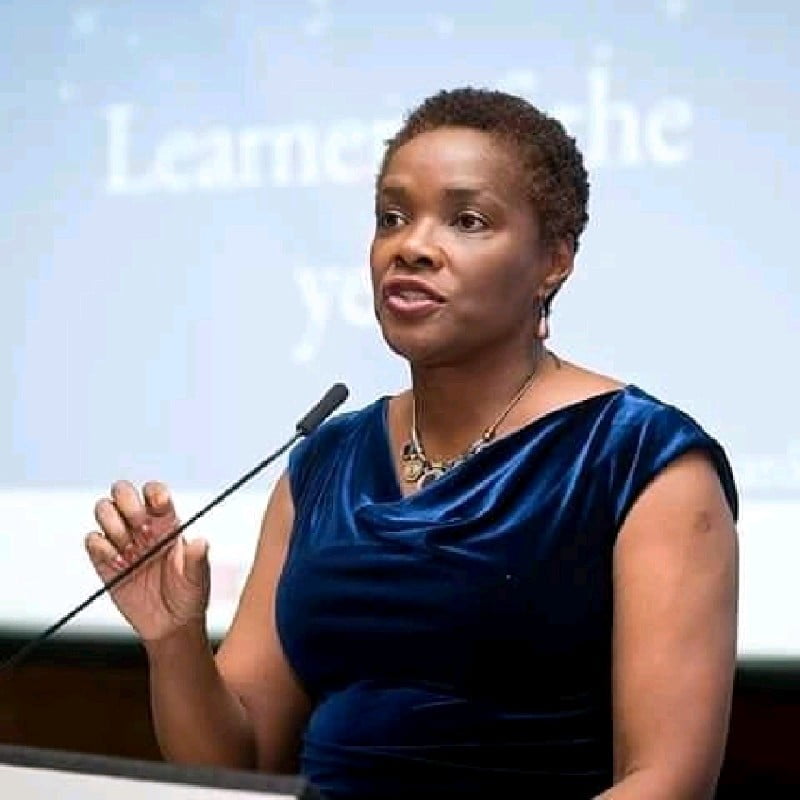
In this episode of Inclusion Bites, Joanne Lockwood speaks with Professor Laura Serrant OBE about lived experience identity.
Hello, everyone. My name is Joanne Lockwood, and I am your host forthe Inclusion Bites podcast. In this series, have beeninterviewing a number of amazing people as simply having aconversation around the subject of inclusion, belonging, I'm generallymaking the world a better place for everyone to thrive. If you'd liketo join me in the future, then please do drop me a line tojoe.lockwood Lockwood c changehappen.co.uk.That's sw changehappen.co.uk.You can catch up with all of the previous shows on iTunes, Spotify,and the usual places. So plug in your headphones,grab a decaf, and let's get going.Today is episode 30 with the title.Personal is political and how silence speaks.I have the absolute honor and privilege to be joined by professor, LauraSo an OBE. Laura describes herself asa black woman, nurse, academic and queen.When I asked Laura to describe her superpower, she said, itis my story of self embracing silences and silosabout inclusion. Hello, Laura. Welcome to theshow. Hello, Gerard. That was a wonderful introduction.
Professor Laura Serrant OBEguest
And, yeah, it's been a while. We've been waiting to speak, so I'm really lookingforward to it. I've got my decaf, so, I'm ready to go.
Joanne Lockwoodhost
Brilliant. Wow. Yes. We have we've planned thismonths ago, didn't we?Tell me about personalist political and how silentspeaks. What does that mean to you? Wellbeing I
Professor Laura Serrant OBEguest
don't know if you've heard the phrase person as political before. It comesfrom, a really well known book, the women's room.Now I read that book when I was 7, believe it or not, for thefirst time, and I kind of remember stopping at that phrase andthinking, what does that mean? And I didn't really understand it.And I reread the book when I was seventeen. So 10 years later,and those words just kind of pow, kind of hit me.And what I realized was that what itreally meant was that the things that happened to me,which up to that point, I just thought, oh, well, that's happened to you, Laurel.That might happen to one you know, but it's just a thing that's happened.I've realized that those experiences, particularlyaround inclusion or around feeling left out oraround not being given an equal chancewere actually what politics was about.And I know people think about politics in terms of, you know, which party doyou vote for, etcetera, etcetera. But for me,politics in a in a kind of social sense isabout distribution of resources, who gets what, whocounts, whose experience is promoted, and whoseexperience is kind of maybe even vilified. So thepolitics of living and the politics Wellbeingwith diff ourselves is really what counts.So the my personal experiences, our personal experiences,are the political point. So the personal ispolitical. That's what counts. So in my experience, yours,and what happens to me is not just me. It is really areflection of our world, I suppose, and and where we live.
Joanne Lockwoodhost
Well, yeah, I just, as you're speaking, I'm just reflecting on this.Storytelling is so powerful, isn't it? They are listening to people'slived experience. It creates that empathy bridge. Itallows us to what's I can never understand what it's like to be you. WhatI can do is take your your story and try and relate it intolanguage that I can understand. Yeah. Absolutely. I mean,
Professor Laura Serrant OBEguest
I I say to me that is my superpower, as youmentioned, at the beginning, and it's all our superpowers, isthat we are the we are 100%the experts on our own life. We don't need to, you know, we don'tneed other people. Other people can comment. They may influence.They may affect. But we are the expert because evenwhen we all experience the same thing, we're all in the samesituation. We all see and feel somethingdifferent. And so that story, mystory, the story within me is not only mysuperpower, but it's knowledge that only I have,and it's really, really important, I think, to hearstories of each other to share stories. It's it's how it's what makes ushuman, isn't it? It's how we learn. It's how we become the peoplewe are through stories. I love
Joanne Lockwoodhost
that. We are our own expert. I love that. It's a great, great, great soundbite. And they're so true because when I some of thetraining I do. I talk about the equation, e plus requals o. So e as an event, something occurs.Yes. The r is our reaction to that event, and thatleads to an outcome. But what we often get is the plus isour perspective, our lived experience,ourselves bringing into our our narrative orour view of that event which -- Yeah. -- so different people see thesame event. These are different reaction and therefore a differentoutcome. And we often forget to understandsomeone's lived experience as to why they think react or perceivedifferently because we're so focused on the outcome, not how we get there.Yes. That's why the stories are so important, isn't it? Absolutely. I mean, we
Professor Laura Serrant OBEguest
see it every day. I mean, when we watch the news, you know, when theyhave eyewitness reports, The eyewitness reports are always slightlydifferent, which kinda makes you think, oh, how can that be? Because ifeverybody saw the same thing at the same time, Howcan the stories be slightly different? But, ofcourse, what just as you've said, what we forget is thatwhat you see depends on who's looking.Where you're standing? And where you're standing relative to that. Well, you have
Joanne Lockwoodhost
stood in the past. Yeah. Your history. Exactly. Your socialization. You'reupbringing. Your what's what makes you happy, what makesyou sad is a is a good influence on on your reaction as well asnot. Yeah. I mean, it's almost you know, the
Professor Laura Serrant OBEguest
the wonder of the mind is is fabulous,and it's almost instantaneous that whatever we, aswe speak, it's filtered, even without us knowing it's filteredthrough our experience. It's filtered through our expectation.And it's filtered through how it feels to be in thatmoment. So it's alreadyour interpretation of events is alreadyimmediately interpreted by ourselves.
Joanne Lockwoodhost
And this is where we phase into unconscious bias itplays into that whole setperspective is also a type of bias, isn't it? Because we it's ourfast brain, we discuss straight into memory, fill ingaps, make assumptions, etcetera,etcetera. And this all comes from our perspective, our lived experience. Isn'tit? It does. It comes from our lived experience, but
Professor Laura Serrant OBEguest
also I think as as we are social beings,our lived experiences also affected by the people around us.And their reaction as well. So almost immediately, we're using ourown experience, but we're we're also checking it outaround. I mean, I don't know if if you've ever been in in asituation where an accident has happened, and I don't mean there's somethingcatastrophic. It can be something even as a small child, it it could besomething that's easier as, you know, something getting knocked over, you know, orbroken. Almost immediately where we've got the shockof looking at it. And then we look at each other. We're looking to seehow other people are reacting. So we we look for thatkind of community of reaction as well, whichwhich is really important. Kind of that group think
Joanne Lockwoodhost
sometimes that if you're not careful, isn't it? Yes. It'sI mean, I I offer the only other thing I I'm very conscious of iswhen we live in our in our tribe, our group, oursocialized circle, our echo chamber. Yes.We have this in intent need to belong to this group. Wewanna feel part of something. And often our viewsare merged into the groups. Yes. So we find it verydifficult to have our own individualistic opinion for fearof shunning or ostracization from the group. You know, I'm Ioften talk about if you're a man in IT supporter and alovable supporter, you have you almost implied that you have to have arivalry And then you can't almost you can't, you know, allow toacknowledge something great about the opposition.Despite the fact that you may want to, but because your group, your tribe,unleashes you back into this conformity box, or you'll bekicked out and and into the world on this. And I think we could bevery careful sometimes that are what we use for safety in our groups andour our our our family units or wherever that may be could oftenreinforce biases or perspectives that maybe we'renot, we're a bit worried about breaking out of.
Professor Laura Serrant OBEguest
Yeah. Because I think part of it is that there's an issue of personalsafety that people feel, and that comes along with feelingaccepted. So I think often when we're in a group situation, and we certainlysee this, don't we work? We see it with with groups of people of alldifferent ages that we we're we're kind of trying tocheck out, am I acceptedimmediately? And if not, what do I need todo? To make myself accepted or whatneeds to happen in order for me to be accepted. And that's part ofthe kind of, I suppose, unconscious way in whichwe we we measure our position within agroup. We we're kind of trying to we're trying to position ourselves. We'retrying to locate ourselves in a particular situation.And that happens, you know, at home as well as at work.We look for clues that that will help us to seewhether we are accepted or will be accepted withinthis group. And that's
Joanne Lockwoodhost
where the belongingness, the inclusion,bringing your whole self to the group, if you like, so that you know whatyou can bring, what you can't bring, what opinions are good opinions, what's outerkilter of the group. Yes. So all that social dynamic occurs, isn't
Professor Laura Serrant OBEguest
Yes. It does. And and, you know, I think that I don't know aboutyou, but certainly in my experience as as a as a black woman sometimes inthose groups is that something may not necessarilystrike me, around race and ethnicity, let's say,particularly about our conversation. But because I'm awareof my position, I do feel a sense of responsibilityto raise that issue. It may not be my issue personally, but Ifeel that if I'm not in the group who if I'm the only one inthe group, who else is going to raise thatthat point or give that different opinion.And I don't know, as I say, sometimes it's quite difficult because people canoften assume that because I raise something, it's my issue personally, andit isn't necessarily my issue personally, but it is anissue that may affect my tribe or my group?
Joanne Lockwoodhost
Oh, I I had this kind of debate yesterday on Facebook as it happened.And I was trying to get across the difference between something thatis offensive and that I wasn'toffended. So I wasn't personally offended, but it wasan offensive remark. Yes. Andit wasn't about me, but it was about the perception of this topic.The other people I know would find that conversation offensive,although I'm hardened to it, and I don't find I'm not offended by myself,but I know it's not a good conversation to have.And Someone's almost calling me, you know,calling me out as a snowflake or a politically correct person than tryingto whatever. And and and telling me I was offended. Isaid, oh, I'm not offended. I'm just pointing out that what you're talking about ispotentially offensive to somebody. And that all I'm asking you to do isconsider who may be listening or watching andthat that's the impression you may give. And it was reallyhard to get across the difference between how I feeland and what is being perceived as.
Professor Laura Serrant OBEguest
Yeah. I I I think that that's something that we that's been around for along time, and it's quite difficult, because Ithink when you occupy awhen you visibly occupy a minority position, okay,so it's not something you can avoid you know, because people will know, you know,even if you say nothing, even if the conversation's not about that, you know, evenif you're in Tesco doing your shopping or whatever, you know, it's, you know,you it's with you all the time. It's not something you canchoose to take off or put back on. When you're in that position,And people there often assume, and I I Iknow I've had this, that people assume that everyconversation that relates to the thing that you are visiblypart of is actually your your battle.So, you know, an experience tells me thatI also filter that. So I filter that as to whether or not to saysomething, and that's where the the the the challenge comesabout being offended by somethingand and knowing something is offensive or hasthe potential to cause offense And it also happens, I think,with, you know, friends and and members of my family who arenot member of the same visible minorities as asmyself, that people have said to them, when they've raisedan issue, say, about race and ethnicity, if they're not, black orminority ethnic themselves, they'll say, well, why do you care? You know, it'salmost like there there is a we we we reach a situation where whohas the right or who the right all theresponsibility to raise an issue has been to be offended. And, actually,that is that's always a really tricky one, isn't it?
Joanne Lockwoodhost
I I mean, it's often said that to be offended as a privilege, mostpeople don't have the privilege Wellbeing offended that they just are, if youlike, or choose whether to be offended or not. And you'reright, so right about just being you sometimes,you feel this obligation to represent and bea role model for whatever your characteristic may be.And that could be quite exhausting. It is. Because you you
Professor Laura Serrant OBEguest
can't youcan't choose not to be. But there's always a sense ofresponsibility as well. And I and I say I do I do it's a it'sa it's a tight rope. That I thinkthat I learned to walk because I, youknow, buy, by a whole range of ofsituations, some due to my own direct efforts, some due to being inthe right place at the right time, some due to circumstance, some dueto to some good allieship by people who did not looklike me. I have I am in a position where I am inspaces where there are not many people like me or with my particularsocial background or experience, etcetera. So there issome responsibility when you're in those spaces tosay the things that have to be said to have those disruptiveconversations and those challenging conversations,but it but it is a responsibility that youcarry and you and learning to live with that is kind ofpart of the personal political balance.
Joanne Lockwoodhost
As you're thinking, thinking that, I'm just thinking, I often say that I I've kindof cheated because I'm professionally transwhatever better way of putting it. Whilst I don't always talkabout that as my primary conversation, it'spart of who I am. It's my It's my Wellbeing to theconversation is my that lived experience. And I can't takeit off. I don't hide it a bit. So I Iown it. But it means that I can, I have a privilege thatbecause I'm professionally my personality, I don't haveto hide any part of me because that's what people are expecting? And I havea lot of empathy for people who area Java programmer, a, as an accountant, whoever,who have the same characteristic as myself, a lot of people, and they justwant to be a great accountant. They don't want to be professionallytrans or black or whatever. They wanna be an accountant.So I feel like I kinda cheat sometimes because I'm allowed to beme because that's what I do. And I don't have I don'thave the same battle as somebody who wants to be the accountant first.But at weekends, I wanna be able to take my professionalhat off and just go back to being the Sainsburyshopper, you know, go back to my day job of being a humanbeing. And that's where I find sometimes my shieldof armor is let down. I want vulnerableI'm now back to the world of of the accountant trying to be an accountant.I'm the Sainsbury shopper trying to be a Sainsbury shopper, and that's where I feel-- Yeah. -- defenseless sometimes because I don't have mymy my my my professional armor around me. Professional
Professor Laura Serrant OBEguest
armor. Yeah. Yeah. But I but I I would actually I mean, I thinkI would I challenge that in a in a waybecause I just think it's a it's a different challenge.It's a different challenge. It's not it's not less what isdifferent. And, you know, very much, youknow, inclusion and diversity is aroundequal, but different. So recognizing the difference, but seniors are just a different way ofbeing. AndI know what you mean. So, for example, when I go to when I goto the shops, whatever, I mean, you know, I tell I'm a black woman doinga shopping, you know, a middle aged black woman doing a shopping, you know, and,I noticed different things. So, for example, when I was a lotyounger, if I was walking down the road and there'd be a groupof young, young working classmen of whatever group, you know, black, white, whatever, they're all crowded onfloor as a young woman walking past you know, they'd have a look at you.They, you know, they probably would they probably wouldn't step out of the way sothat you'd have to work your way through so they can slow your pathand I would walk towards them thinking, oh, what's gonna happennow. Okay? As a fifty seven year old woman walkin the same street, I walk down the road, and they all step off thepavement. Now I don't know. Now I know that's politeness. You know, they but,obviously, they're looking at me and thinking this could be my mother or even possiblymy grandmother. So I'm I'm no longer inthis fear of having to create a reaction. I'm just, you know, oh, you'reright. Oh, and they nod And, you know, even though they might be, you know,being a bit boistery, sure that they tend to walk and let me go past.And if if somebody in their group doesn't move, they'll say, move. Andmove them along. So there's something about we are differentlypresented and challenged, but on the other hand, professionally,as you say, when I turn up and I'm doing a presentation or I'm doinga talk, they know what they're getting. So they're expecting apolitically astute politically aware, blackwoman to talk about inclusion and diversity, and theythey they filter me differently. And I think that's whatit is, but you're you're vulnerable. So my vulnerability, I feel more inthe professional space if people are not expecting me,to look like I am. And that's the thing, isn't it? It'sif the if if if I'm going to a meeting and it's not about inclusionand diversity, it's about something else. People may have spoken to meon the phone. They hear my voice. I'm not necessarily what they're expecting towalk through doing. I've actually had people say, oh, You weren't what we were expecting.I don't know if you've had that, but they let you think, oh, you're actuallysaying that out loud, you know, or do you can you hear yourself?
Joanne Lockwoodhost
Yes. I've had some face similar because because the two sides of the work Ido, some of it is around trans awareness, LGBTQ plus.But a lot of the work I do is around more generic inclusionbelonging. I don't want it. I do focusgroups, interviews, facilitated workshops, those sort of things.And I don't sign post anything about me otherthan Joanne Lockwood, inclusion, plumbing specialists. So II have, I mean, I stood up on stage in front of six hundredpeople, And I know people are gonna go, well,as soon as I start speaking, because my voice -- Yes. -- is not congruentwith my with my visual image. And I know that's part of myreaction power, if you like, to throw that and landat the beginning and own the room and get people to look back and go,oh, that wasn't expected. But I've I've run training sessions,recently for a European network, and they they do evaluationforms at the end. And and I've I've run run this this this event twice.And twice, I've had a common comment on the evaluation form saying, I reallyconfuse why Joanne's voice it doesn't fit withhow she looks, and that people are actually remarked about it. Do youthink there weren't so worried about my content. There were just there were justconfused by my voice. It's like, oh, well. It's the way itis. Yes. Well, exactly. And that and that's the thing. So I think that the
Professor Laura Serrant OBEguest
point you're making about being Chad, I think we're we're differentlychallenged different spaces. I was speaking, I remember,having a conversation with my partner, And, you know, hehe's white, he's English, you know, Yorkshire born and bred, you know, all therest of it. And for him, he henotices, I'm his first black partner.So he he notices now things that I don't notice. Sohe'll go not so much now with years down the line, but he at thebeginning, he would say, well, people are looking at us. I've gone, yeah, they'lllockwood for him, he couldn't understand why they're looking at us? Youknow, it's because he's not had that within his experience.Now he has that. Now he says, I just look at him straight back, but,you know, before he was slightly confused, and it just shows that,sometimes we're with our friends, and our colleagues. And this happens atwork. It happens in different places where, you know, they're sometimesmore likely to hear some of the negative comments than weare because people have some kind. Most people have a filter week saying, well,actually, I'm not going to directly address this with Joanna. I'mnot directly gonna talk about this with Laura because I really like them becauseI'm I might be on steady ground, butthey might speak to our colleagues, our peers, our families, ourpartners, because unless theyout themselves as being related to us or working withus, people don't know. And they're kind of thinking, oftenthinking, At what point do I say I'm offended, or what point do Isay my partner's black, or what point do I say my partner's trans, or whatpoint do I say? You know, you know, my mother ormy father or what? At what point do I do I say? Cause theyhaven't got that obvious if youlike safety that that will allow people to thinktwice before they say things to them, and how do they cope with that? Andthat's often something I get asked. That's really
Joanne Lockwoodhost
interesting because I've got a good friend who shared with me about probablyabout a year ago that people kept coming up to him. And sayingasking questions about me, you know, how should I talk to Joe, this, Joe, that,Joe, and he just just don't wanna say, Why didn't you askJoe? Yes. You don't ask me. I'm not Joe'sagent, you know, kind of a champ and Joe. And, but sometimes, Iguess our friends often get put in theposition where people go to them because they don't people don't wanna maybe offendus or they wanna yeah, they don't wannashow their anxiety to us. So, yeah, it's quite interesting. Well, I was gonna say
Professor Laura Serrant OBEguest
sometimes sometimes people are, with good intentionif it's not within this sphere of experience either directlyor indirectly, they really just don't wanna get it wrong.It's, you know, that's I think that is probably the the major driver. Theydon't know how, you know, how to do it. So theygo to somebody who they assume or they seeseems to do it okay. And so I think that's one of thegood one of the key things I would say around kind of inclusion andbelonging work. Is that is recognizing thatit, you know, it's not about focusing onthe members of the minority group. And fixing them orhelping them. It's not just that. It's also more about thegeneral population. And kind of movingbeyond just telling them the rules and regulations to giving peopleactual ways of living andworking with the with inclusion issues every day.The everyday issues, what do I do? What what words do Iuse? Is it okay for me to just ask you know, how doI actually approach that? And and and as I say, for them,we often don't know what people's per and all lives are like when we're atwork and and we see them for that split second in business or just between9 to 5 Monday to Friday. So, you know, how do wehelp them so that they can be their wholesales? They don't have to hide thefact that their partner, family, sister, brother, best friend,whatever. Belongs to the the very group thatyou are using offensive language about or where they feeluncomfortable. Yeah. I don't know about
Joanne Lockwoodhost
you, but, I mean, I I know when someone is has good intent.They're being curious. They're being respectful. And whilstin the back of my mind, I I'm from the saying, well, here we goagain, another another person asking this question, Ialso want to leave them with a great feeling aboutme, about people of my characteristic.So inevitably, I will always respond in a very positive way.Because I respect someone's honesty and curiosity, and I don'twant to just push them away and get angry with them. Absolutely. And
Professor Laura Serrant OBEguest
I think that is the key thing. It it's it's not whatyou say. It's the way in which you communicate something.Helps people to understand your intent. When I was,training as a nurse, this is, you know, way back in the early1980s. When I was training as a nurse, One of the thingsthat, often struck me was,patients and other, colleagues I worked would ask mequestions that I would think, well, surely everybody knows that. And I realizedthat they didn't know that because they'd never experienced it. They had lived inplaces where they never had a black next door neighbor or knew anybody intheir family where that had happened. So,but what I felt was I was their first experience ofthat, or at least I was made them feel that they could ask thequestion. And I always said to patients, to all the students, asI grew up and started, obviously, supporting students andlearners to say There's no shaming, not knowingthe answer. The only shame is not asking the questionappropriately. You know, so you just ask the question. And ifpeep people are more than happy, I mean, the whole thing about stories where westarted, people love talking about themselves. You know, that's just, you know, they lack toknow that people are interested in them. And so that's why it's theand so the intent of why you're asking about them.And more importantly, waiting andlistening to the answer is really, reallyimportant. Yeah. The active listening, the mirroring, the nodding, the
Joanne Lockwoodhost
repeating the words Yeah. Very important. Yes. I mean, going backto what the, yeah, the phrase you said earlier, the sound bite, we are ourown expert Yes. So you don't need to asksomebody else about me. Ask me. I'm my expert. I don'tknow what makes me happy. I don't know what makes me sad. Iknow what you can do to help me. Yes. I mean, wetalk about this in when we talk about disability, people often say, well,How can we make sure we're accessible for this person? Well, askthem. Ask them. Don't don't guess. Ask them. What do theyneed? And they will they will answer you. Yes.
Professor Laura Serrant OBEguest
Absolutely. And I also think it's it's about using some ofthe tools that we're giving as reference points not as aninstruction manual. So often, you know, we, you know, we allhave, or within businesses, certainly, within learning and andtraining. There may be lists or information given arounddifferent communities, you know, just for knowledge of understanding, certainlyaround erasing religion or or belief systems oror things like that, but they're not they're not ainstruction manual. They're more like a reference menu. So youknow, if you know, for example, oh, I don't know. I know that ingeneral, this community, this is something that may be an issue or this is somethingthat goes with this particular religion, That's the start of a conversation withthe individual person to say, I've heard this. Is that true? Howwhat's your thoughts about that? Because we alllive our identities. We all liveour cultures. We live our positions differently. You know,and that's where we, you know, opening those conversations,recognizing that you're as as you've just said, that we're already talking to theexpert in the room even even our parents don'tknow us as well as we know ourselves. And so, you know, ifyou're gonna ask know, you could ask, you could ask my parents about what happenedwhen I was born because, obviously, my memory of that is not quite as strongas me. But if you wanna know what I think about something, whatland, why what you want I want you to call me, how I'd likeyou to approach me, what I'm happy to be engaged in, then you needto ask me. And take the time to listen to myanswer. Don't pretend to ask me. Don't do a survey and thenhave no no, you know, allowing to see nothing changesbased on my my responses. And that's not thesame as doing what I say. That's actually being evidence in that you're listening.
Joanne Lockwoodhost
That's so true. I mean,it's, yeah, that is so true. I mean, people claim about surveyfatigue. It's not survey fatigue. It's lack of action fatigue. Yeah. Peopleget frustrated by being asked what they think and nothing ever coming of it. That's-- Yeah. -- that's the struggle people have. Absolutely. I mean, we -- I'm just
Professor Laura Serrant OBEguest
gonna sayabsolutely. We're seeing, research, a lot of the research that was donein the kind of sixties seventies around,different community a lot of the anthropological.That's a long word for Wednesday morning. Anthropological,studies. What they actually show is that people get tired. Peep there's there'sa a somewhat much more famous me who said, people gettired of engaging in work, which does themno good.
Joanne Lockwoodhost
Well, they don't understand the outcome. There's no -- They don't see any change, any
Professor Laura Serrant OBEguest
difference. No action. Follows theinquiry. An analogy I often use
Joanne Lockwoodhost
is the difference between blowing into a straw and blowing into aballoon. With a balloon, you blow the balloon. You could see andfeel the balloon expand. You've got a reaction. Yes. With astraw, you're just giving, and there's no feedback. Yes. Itbecomes tiring. It becomes exhausting and frustrating.Whereas the balloon, you've got a reward, haven't you? Yes. That's the
Joanne Lockwoodhost
difference. Yeah. Absolutely. Absolutely. I think that that is that is
Professor Laura Serrant OBEguest
absolutely key to that. You know, you know,I remember from when I was a lot younger, people used to say to me,Laura, what do you think about this? Now you say to them, you know, ifyou if you don't want my truthful opinion, don't ask me.Because I'm not gonna give you the answer you just wanna hear. Andthen also if I've given you my story, giving you myopinion, giving you my thoughts, I've invested in this.So where's the return to of my investment?How is that going to do me good? And I don't mean necessarily financiallyindividually. How am I gonna feel that my contributionmakes a difference? Can you answer why I call theso what question? So you're asking me what I think sowhat difference is that gonna make? Yeah, or
Joanne Lockwoodhost
what's your why? Why does it matter that I have an opinion? What are yougonna do with that? Exactly. Exactly. And that's often the mistakebusinesses make when they're implementing DNI policiesor processes. So what is the why? Why are we doingthis? What difference are we gonna make? What's the outcome? Exactly.
Professor Laura Serrant OBEguest
And what difference does it make here in thisbusiness? Not what difference does it just makes the world? I mean, you know,we're all have the altruistic, you know, we all do our lockwood any changes inthe world. Absolutely. But in in a business sense,why is this important and how is this important and how willI know that this particular businesshas made those efforts How will I know that whatI've contributed within the organization I work inis valued? And I see the only way I know that is byseeing they used to say the Wellbeing the responses.But if everything's just the same, you know, where we wejust this week is you know, 1 year since George Floyd, ifeverything is the same, so what?
Joanne Lockwoodhost
Too often people are focused on these performative actions.This or we could do the right thing. It's the hygiene. It's the compliance.
Professor Laura Serrant OBEguest
Yes. We all know that to make something
Joanne Lockwoodhost
sustainable, it's gotta have a business outcome and andbeyond the, it's the right thing to do.Businesses, our businesses, and we have to respect the fact that they theywant to see an outcome. They want to know why it's going to benefit theircustomers themselves why it's gonna make them more creative. Becausewe see the McKinsey reports. We see the stats. We all know that about diverse,inclusive companies are more this and more that and more the other Yes.Yeah. The facts don't change people, and we're notdoing it because people don't understand the why andthe outcomes that they're gonna get from that return. And they don'tjoin up their processes. They don't have their hiring teamsaligned with the marketing team aligned with the business and theoperations objectives, hire as golf and hire as quick aspossible, whoever's available without thinking about thethe overall goal of the organization from a DNI perspective. Yes. Theproduct designed and always consider all of the people. So, we oftenthink of DNI's people function is isn't more than a peoplefunction. It's a it's a business function. It's not -- It is. It's very much
Professor Laura Serrant OBEguest
a whole system's approach is what they need. Becauseotherwise, people get stuck and also people are let down.And, you know, bad news travels fastest So, youknow, it's not enough just to appoint somebody from Madago'sbackground into a role if the system that you're putting them intohasn't been considered. Because then they just fail, and then that'sanother failure. And then that's also somebody else who whohas invested their time and themselves for you. But also businesswise, it also reflects badly. You know, italways reflects badly.
Joanne Lockwoodhost
The theme we started with the storytelling and youshared a great way of, again, a note on it isask. So I'm really, really curious. You know, I've we wespoke before we went live on the recording aboutsome part of your identity that you're really proud of as part of your backgroundthat's brought you where you are now. But I've before I talk about that, I'mreally fascinated about you're an occasional poet.
Professor Laura Serrant OBEguest
So what kind of poetry are you writing, and what's it about?
Professor Laura Serrant OBEguest
Well, it's interesting. I've been writing poet tree foryears, actually, for for a long time, but not just formyself. Poetry is my way of what I would calldownloading my brain. I've got, you know, I'm one of these people whose brain alwaysseems to be on the go. And and, sometimes I getstuck know, like, you've got to kind of reboot your computer. Some so poetry isthe way in which I download some things that happen, andand it literally has just been the way of doing that. Butthen, in 2018, you'll remember it wasthe 17th 70th anniversary of the NHS. It wasalso the 17th anniversary of the Empire Windrush, landed at TilburyDocks, and I was chairing a conference I was due tochair a conference, for NHS workers around,you know, kind of celebrating the NHS, diversity of the NHS,etcetera. And we were looking for we were allhelping the organization, and we were looking for some poetry to bedone. As in black as an interlude between the formal because it was abit of a celebration as well as kind of like information, give it.And the the group that we're putting together didn't really have funds. They wereit was very charitably done, and they inquired 2professional poets about writing a poem for the event.And the cost was a bit too high. They couldn't really afford it. So II don't know what happened to me. I almost had a rush of blood, tothe head. So I said, well, I can write you something. I don't mind writingsomething for you. So I actually wrote it's the first timeI wrote a poem, specifically on demand rather thanjust doing the downloading. And I wrote a poem,called you called and we came. And it wasactually about the the Empire Windrush coming postwar, to and the the nurses and doctors andthat people who came to help the British empire after thewar to rebuild, and the experiencesof racism and you know, non inclusion andbelonging, as I call it, that occurred after that. And thatwas the first poem. And this poem just went Stella, people have used it overand over again for Black History Month for various things. I've performed it. It'sbecome part of a play. It was a part of a ballet performance.That was done by hitting the northern ballet.And since then, people have asked me about writing poetry, dwrappoems, I've realized I've got lots, hundreds of poems.So I'm now considering because people keep asking meI'm considering whether to, I'mconsidering writing. When I say considering, I started doing it really.A book based around not all my poetry, butthe book is, I think, is going to be entitled storiesfrom my mother's house. And I'm goingto frame it around different parts of the home and the house. It'snot because the poems are about a house, as somebody asked me. It's morethat if we think about the rooms in our house, it's about likethe rooms in yourself, And different rooms have different kind ofspirits, different meanings. You know, the kitchen,for me, as a as a black woman, the kitchen is the heart of thehouse. It's family, it's belonging. It's social. So and it'sabout Wellbeing. You know, the your bedroom is kind of your own sanctum.It's your space. I mean, a reflection. It's your place of peace, of taxation.So I've got different poems about different moods and different experiences, and I'm thinkingof that the chapters of the book will have a intro if you likeabout the rooms in my mother's house, and then thepoetry will follow. So that's what I'm creating at themoment. So poetry is -- I love it. I love it.
Joanne Lockwoodhost
-- is a sense of me. Yeah. It's it is my inner story,
Professor Laura Serrant OBEguest
the poem. I think that's, I think that's really great. I
Joanne Lockwoodhost
mean, my wife dipped a toe into the water ofwriting a book, and shedesigned each of the chapters around a song that meantsomething to her at that particular phase of her life.Hasn't got published yet, but she's still working on it, but it's all she startedwith the songs, which evoked a feelingand put it back in that place of being that age in thatsituation. Yeah. And the song was kind of the trigger point for thatmoment in her life, and I thought that was a really good way of doingthis up, but I love the idea of the each room in the house hasa kind of a meaning and a and sets the scene for the.Yeah. I for me, it's,
Professor Laura Serrant OBEguest
poetry has always been myinner, my my self story, the the things stories I tellmyself if you know what I mean. And I think that forme, there's something about the timing of storiesneeding to be told. So so The silence is it forme. There are there are I have a thing about silences, and this is wherewe get the kind of silence speaks, is that our our experienceis all things we've talked about. The stories itself are oursilent stories. Our experiences are silent.Until we choose to share them. And and we arethe safeguarding of ourselves.And, you know, we are our own main protector. And so wedo feel so we choose which stories to tell. Sobut there are times when when somethinghappens or you witness something or you experiencesomething or your business is going through something where thesilence becomes so pressured to speak that it starts toscream. You know, it reminds me of that painting of thescreen. It's a silent screen.And the power that there is in those untoldstories of ourselves.Is huge. And the and and what what I learned when Iwrote the Winderish poem is thatwhat came out was the untold storiesof making that sacrifice. The untold stories of the generations, we heardwe had the winter candle, and what we heard was the untoldstories of ordinary peoplegiving off their best for a course and the consequencesof when their stories were not heard.And so that's the importance of, like, the importance ofhearing silences, and silence alwaysspeaks. It's never truly silent.But we don't always hear it. Woah. Woah.
Joanne Lockwoodhost
Yeah. Powerful. Very powerful. I I completely relate tothat. Yeah. It's often what is notsaid rather than what is said sometimes, isn't it? Absolutely.
Professor Laura Serrant OBEguest
Space. We're all looking around at each other. When something happens, we go back tothe there's an accident that means that everyone looks. The silence isdeafening. But I also think science
Joanne Lockwoodhost
is powerful to allow science to just beand allowing everybody that time to think to reflect topull their thoughts together because we live in a world where we wanna keepfilling this vacuum of science with noise Absolutely. Toallow people that that introspective time that that thoughtgenerating time rather than just pushing people tohave an opinion now So take your time.Pause. Interesting. Yeah. And I think
Professor Laura Serrant OBEguest
we we sometimes have to give people permission to take timebecause there is we're in this fast world where everything has to be day beforeyesterday. And, you know, we're all we're still, you know, living through COVID, and wewe've all been through as period of time where the world's been a lot moresilent. And, you know, COVID hasn'tcreated the issues that we've seen. But it's alloweda space where we can hear what's already there. And I think that isoften what many businesses are seeing now, certainly around inclusion and diversity.You know, the things that happened over the last year haveactually made a stop and seethe world we're already inhabiting, whether that's the business world, our socialworld, you know, the the world of the TV, what have happened,we we are seeing what already exists or we're hearingthose stories, this is a really, really greattime to listen to the storiesthat are already there in your space?
Joanne Lockwoodhost
I'm also, as you're talking, I'm thinking about the power of looking atphotographs without a noise, without without anysound, just your yourself Wellbeing absorbedusing your sight sense, and beingreally in tune with what the photograph is saying to you. Yes. Becauseoften, we we watch tele and they they put background music or there'ssomeone talking over it, but to truly study their imageand the power and impact that makes about the storyit's telling and might make writing your own story about the image,putting your own spin on what you see. Absolutely. One of
Professor Laura Serrant OBEguest
things that I often ask people when I when I coach them isabout giving them time in the coaching just to be silent.And I asked them the question, what's your silence tellingyou? And that's what we get from pictures too. What's the picnot what is the picture of? But what's thatpicture saying to you? And that's using your innervoice. That's your own story. The speaking toyou, yourself speak.
Joanne Lockwoodhost
Must be really powerful to to have a group of people allnarrating a picture with their own lived experience andperspective and seeing differentemotions coming out of that that same, you know, again, event,reaction outcome. That perspective of what they'reWellbeing. And that tells a lot about their lived experience that their ownstory does not, maybe they're paying. And if and if you -- Maybe they're fabulous.
Professor Laura Serrant OBEguest
Absolutely. And if you go back to historically, that's what we did, didn'twe? We sat down and we we we told stories, youknow, whether we're watching the fire, whether we sat, you know, before the theworld of fast forward and and, you know, online and, youknow, we we satand we told stories. And in thosestories, just like we've bought as we do now, when someonetells you a story of yourself, you actually hear your ownstory, how it relates or not, howit's different to that one, how, you know, something thatyou'd never perhaps considered before, and that comes out oftheir story. And you get much more of that from personal stories than youdo from a manual giving you instructionbecause it doesn't evoke that human emotionalconnection and potential that we have in ourstories. It's always much more interesting to hear astory about what happened than to read about it. Well,
Joanne Lockwoodhost
I'm gonna ask you another story about yourself. So I know you'reimmensely proud to be a professor, to be awarded anOBE, and also appearing on theas the 8th most influential black person on a powerless in 2018.So I know you're missing a part of that. So tellme tell me that story. Well, I can't tell you how I
Professor Laura Serrant OBEguest
ended up on powerless because it was nominated, you know, I was nominated kindof, what's the word anonymously. So I never knew, youknow, you just got this thing. And and the same, I suppose, would there be,I think the pro the professor was different because that the culmination ofyears of work, of research work, of policy work, ofadvocacy work, and development work aroundhealth disparities, particularly. Andthe OBE was a nomination which I got was for servicesto nursing and health policy. I've worked on many healthpolicies both in the UK and, overseas,which all have an element to focus on equalchance, as I called it. The first policy I worked on was,one was published way back in 2001, which was the 1st sexualhealth and HIV strategy. For England.And that was and the reason that these things are proud becausethe the OBE and the policy work has always beenfocused on diversity and inclusion in many senses anddisparities. And I think about the peoplethat I met on that work along the way. And the OB tome is a reflection of them. Who were many, many were, I mean,certainly working in the early and mid eighties around HIV at AIDS,when it was AIDS and it was before HIV. Working with communities whowere verified by nature of their sexuality of just beingthemselves, you know, the the hundreds who died, thepeople who lost their job, the people at the house is firebombed, all thosethings. And and he, you know, here I am, youknow, 20 years plus later,and that OB is reflection of their voices.And, myresponsibility to ensure that their voices andtheir experiences were included in every line of that policythat pushed it where it needed to be pushed. And the professorship comesis if you like the professional bit that comes along with that, the writing,you know, this the book we talked about Wellbeing my first nonfiction book, but II've written textbooks, journals, articles, etcetera,policy documents, all that kind of thing. And for me, this isfor all those people who should have got an OB,who should have been given recognition for the work that they did,private, voluntary, all that, you know, the thewindrush generation, my parents, you know, the ancestors.That's why I'm proud of it. That that it's notonly my efforts. I'm not here. I didn'tarrive here on virtue of my own efforts.But definitely for me, you know, the allies that I had along the way,those people who pushed me when I didn't want pushing who prodded me when Ineeded prodding, but I didn't wanna do it, and who actually just stood me up,brushed me down, and kept me going. And that's why I'm proud of it.
Joanne Lockwoodhost
That's so true. I mean, I hear many people who have been awarded,at OB or similar that they all would tend to say, it'sit's not about me. It's about I was just the, what, thevisible person, this is everybody else. It's theimpact we've all had in change of people's lives. Yes. Ijust happen to be the one that got picked to berecognized for you. And I was a little bit in ears,honest, and think about the impact that people have had on lives. Andthat's what the OB and similar wars are about. It's it's not about youas a person. It's about what you've the impact you've had on others,and the impact on society for in a positive way. So I think I thinka amazing. -- what it's for. Absolutely. What it's for, you know, I
Professor Laura Serrant OBEguest
you know, it was the first person what althoughI didn't know it at the time, first person that I nursed, when Isay nursed to death, I don't mean they're nursed, but, you know, who Iknow. That's always true. I nursed them. The first person that Inursed who, died as a result ofcomplications associated with age was in 1982.And the dignity of that man, andwhat he taught me about the best and the worst ofhumanity will will stick with me. That was 1982.So, you know, when I went to the palace and Igot that award and received it, you know, his was theface that I saw. And, you know, that'swith me, and no one knows name, you know, obviously, butthat's the person I saw.
Joanne Lockwoodhost
That's, again, very powerful, very powerful. Did you get togo to a garden party and, get your No. Well, there is a garden
Professor Laura Serrant OBEguest
lot. You I tell you what you do. You get to go to BuckinghamPalace, and it's really strange because you've only seen it ifyou're being up there by the gates. You walked through the arch, but I've neverseen so much gold in my life. You know, obviously, we talk you know, Ihad to keep reminding myself that this wasn't kind of, you know, Focal. Thiswas the real thing. But the, it was,Prince William who gave the OBE, on theceremony that I was at. And we I rememberwalking through the halls and with a partner much children, you know,because you get you get to bring 4 guests with you. And Iremember walking through the halls with them and thinking,good grief. You know, I was I was born in a, you know, backto back to Octum down terrace in the front room on the setting, you know,in the, you know, in the not the most oblivious parts of ofNottingham. And I'm thinking, how on earth am Iwalking through in Paris here and with with all these people. And II think I was just thinking of the the distance traveled. I mean, both myparents had died a while ago. In fact, today is is my would be mydad's birthday. But, I think aboutthem and the struggles they had and coming to England at the time of, youknow, no no dogs, no black the Irish kind of thing. Andand I'm just thinking, how on earth am I now walkingthrough these hallowed halls? But it was it's a fabulous day, and I met somegreat people, and the people getting the awards were from all walks oflife. People have done really good work for charities and andpeople who'd you know, shown great bravery aroundsupporting somebody else and and so on and so forth. And,And the most surprising thing for me was actually real I didn't realizethat the gers were who were two of who werestill on either side of Petroleum, We're actually like the personal bodyguards.We're all family. I never knew that. Maybe I'm the last person to know that,but I never knew it, but I learned so much, and I remember sitting inthat room thinking, wow.
Joanne Lockwoodhost
Yeah. Good, mate. I've I've been packing a palace once, so Igot invited to a garden part back in 2009,2010, it was the year where the heavens opened andit hailstoned. Oh, wow. We we theBucking Palace Garden party is a is it a huge lawn,and there was probably I know, 2 or 3000 people outthere. Yeah. And the heavens opened and literally everybody rushed into theback of the palace. There's a couple thousand people all huddled drippingwet in their their their hats, their dresses,their shoes, so everyone was soaked to the skin.Literally, it was like an instant heaven's open no escape.And it, yeah, it was probably the worst rainin London in in this in a decade or something. We were out in god.That's right. Oh, Darren, the hats and all the nice dresses. Oh,
Professor Laura Serrant OBEguest
dear. And all the hats were very in, all the shoes were very in. Itwas kind of yeah, the outfit you'd you'd you'd
Joanne Lockwoodhost
you'd planned and and were proud of and there's something that's just thesoggy soggy mess because it's it's the middle ofsuburb. It was a it was a June. I think it was a June day,but it hailstoned, really hailstoned and emptiedIt's incredible. It actually was featured in the in the,London evening standard on the front page. Really? Creamed garden partyreigned off sort of thing. And pictures of us all running in, but itwas yeah. So that was that's myBuckingham Palace experience getting wet.
Professor Laura Serrant OBEguest
For how sandwich is the dog keeping the sandwich? I remember going. Well, you oh,well, that's good. But the key thing is, Jira, a bit Did you use thetoilets? I thought, I've got to use the toilets just to say that I've usedthe toilets of booking advice, which Idid. I did actually. So -- Oh, no. Definitely. If anyoneever goes to book it by make sure you use the toilets, they're fabulous, butat least you can say I feed it there. Yes. We
Joanne Lockwoodhost
we park on the mound because if you get invited to the garden party, youget parking pass so you can park nearby. And, of course, that seems likea good idea until you try and leave. Yes. You can't get out becauseevery, all these hundreds of cars are there, that part of Londonis busy in the evening. And it looks like 2 hours to get outof there and across London, and we thought, you'd be better off getting acab or or walk into the tube station. Well, that's where we got
Professor Laura Serrant OBEguest
a cab, and then we got a cab, because I was we weren'ttoo far away. We were, veneers co court. So wegot a cab from there. So yeah.
Joanne Lockwoodhost
Yeah. Well, I mean, that's amazing. I mean,hearing your story, you know, hearing some of your background and whatmakes you proud, I guess, is really fantastic. I've got one last question. Youdescribe yourself as an a queen, academicand queens, where where does that identity come from?
Professor Laura Serrant OBEguest
Well, an academic is is more about my my inquiringand inquisitive mind, and I am an academic. I'm, someone who wants to ask meif I'm a real professor. Yes. I'm a real professor. Yes. I'm a PhD inall the academic bits of paper that go with that.But I think that's because I seekevidence and it's it's not one kind of evidence. Sometimes the evidence,as I say, is from people's stories or their experience, but I seekevidence to help me make decisions and I try and bring acritical mind and also bealways open to changing my mind based on new evidence on newinformation. That's the academic bit of me. Thequeen is a reflection of my culture, my culturalposition. I have being blessed to reach my 57years so far, lockwood. AndI've reached a point where that is part of my identity.You know, we, you know, as as a black woman, as a queen, as aas a head of a family, and the holderof the culture and the heart of a family and part of thecommunity. And that's how I see myselfand that's how I hold myself, and that's how I present myself. Youknow, young women are young queens and old women arequeens, and we you know, just as men are kingswithin that, but we we have that sense of responsibilityand leadership through our families. And that's that's why I'mWellbeing.
Joanne Lockwoodhost
Thank you so much. Thank you. I'm sure foreveryone is listening, there's so much there toto ponder and take inspiration from How can Ilet's just get in touch with you? Well, people can,
Professor Laura Serrant OBEguest
contact me via my website. It's lauracerrant.com.And also by email, laura@laura.com.So that's easy. I'm also on Twitter. I go in for where is my name,Laura Sarrant. I've Googled it a few times. I'm the only Laura 70for Google, but you'll get it anyway. And I've also got, apodcast, which is called speaking for ourselves, which is really aboutthose untold stories. So there's lots of ways people come, and I'm onLinkedIn, obviously, but everywhere I am, I'm just there as me as myname. So you should find me relatively easily. And S
Joanne Lockwoodhost
E, double r, a n t. Yes.Brilliant. Okay. Well, that's been amazing.So a big thank you for everyone who's listened for tuningin. Please do subscribe, to keep updates on futureepisodes of the Inclusion BiTE podcast. That's b I te s. Teddy Friends, Teddy colleagues. I've got anumber of more, but could they be more excited? Don't think so, but I havea number of exciting guests lined up that I'm sure you'll also be inspired byover the next few weeks months. And, of course, remember if you'd like to bea guest, let me know. I welcome any feedback andsuggestions and on how I can improve the show. So emailme at joe.lockwood@seachangehappen.co.uk.And finally, my name is Joanne Lockwood. It's been an absolutepleasure to host this podcast for you today. Thank you to my guest.Catch you next time. Bye.
Professor Laura Serrant OBE joins Joanne Lockwood to unpack what it means for “the personal to be political”, and why our everyday experiences of inclusion, exclusion, and being given (or denied) equal chances reflect how society distributes value, resources, and voice.
They explore the power of storytelling as a bridge to empathy, how perspective shapes reactions to the same event, and how group dynamics, belonging, and fear of ostracism can silence people or push them into conformity. Laura reflects on the particular responsibility that can fall on those who visibly occupy minority positions, including the ongoing work of naming what is offensive even when it isn’t personally felt as offence.
The conversation also moves into practical inclusion: asking people what they need rather than guessing, listening for intent and impact, and avoiding “survey fatigue” by ensuring feedback leads to visible action. Laura shares how poetry helps her “download” her thoughts and how her Windrush-inspired poem amplified untold stories, before reflecting on her career and honours as a tribute to the communities, colleagues, and ancestors whose voices shaped her work.
“So there's something about we are differently presented and challenged, but on the other hand, professionally, as you say, when I turn up and I'm doing a presentation or I'm doing a talk, they know what they're getting.”
“Most people have a filter week saying, well, actually, I'm not going to directly address this with Joanna. I'm not directly gonna talk about this with Laura because I really like them because I'm I might be on steady ground, but they might speak to our colleagues, our peers, our families, our partners, because unless they out themselves as being related to us or working with us, people don't know.”
“Is recognizing that it, you know, it's not about focusing on the members of the minority group. And fixing them or helping them. It's not just that. It's also more about the general population.”
“And take the time to listen to my answer. Don't pretend to ask me. Don't do a survey and then have no no, you know, allowing to see nothing changes based on my my responses. And that's not the same as doing what I say. That's actually being evidence in that you're listening.”
“Well, it's interesting. I've been writing poet tree for years, actually, for for a long time, but not just for myself. Poetry is my way of what I would call downloading my brain.”
“The silence is it for me. There are times when something happens or you witness something or your business is going through something where the silence becomes so pressured to speak that it starts to scream. You know, it reminds me of that painting of the screen. It's a silent screen. And the power that there is in those untold stories of ourselves. Is huge.”
“The OB to me is a reflection of them. Who were many, many were, I mean, certainly working in the early and mid eighties around HIV at AIDS, when it was AIDS and it was before HIV. Working with communities who were verified by nature of their sexuality of just being themselves, you know, the the hundreds who died, the people who lost their job, the people at the house is firebombed, all those things. And and he, you know, here I am, you know, 20 years plus later, and that OB is reflection of their voices.”
Our personal experiences, particularly around inclusion and not being given an equal chance, are actually what politics is about.
Questions this episode helps answer
How does the concept of "personal is political" relate to the experiences shared by the speaker in this episode?
How does group think influence our perspectives and limit our ability to express diverse opinions?
What are the challenges faced by individuals when deciding whether or not to address potentially offensive comments or disclose personal information?
How does the speaker's visit to Buckingham Palace illustrate their journey and reflection on personal identity?
What does it mean for someone to be professionally transgender, and how does the speaker navigate their identity in their professional and personal life?
How does the speaker challenge the idea that their experiences are "less" than others due to their age, gender, and race?
Explore topics
Ideas from this episode
Lived Experience Identity
Belonging
Authenticity
Allyship
Community & Connection
Psychological Safety
Learn
Frequently asked questions
What does it mean when someone says "personal is political"?
When someone says "personal is political," they are referring to the idea that personal experiences, especially those related to inclusion and social justice, are inherently political. This means that our personal experiences reflect the larger societal structures and dynamics that shape our world.
How does being part of a visible minority impact personal experiences?
Being part of a visible minority means that people often assume every conversation related to that minority is the individual's battle. This can lead to assumptions, stereotypes, and potential offensive remarks. It's important to recognize and respect individual experiences while avoiding generalizations.
What challenges arise in deciding whether or not to address potentially offensive comments?
Determining when and how to address potentially offensive comments can be challenging. The speaker in this episode shares their personal experience of filtering their responses. They consider various factors such as the context, relationship, and impact, as well as their own safety and well-being.
What does it mean to be professionally transgender?
Being professionally transgender means that the speaker identifies as transgender but primarily focuses on their profession in their public persona and conversations. It is about being recognized for their expertise and skills while acknowledging their transgender identity as a part of who they are.
Why is effective communication important in fostering inclusion?
Effective communication plays a crucial role in fostering inclusion. It allows for a better understanding of diverse perspectives and experiences. By actively listening, asking questions, and creating safe spaces for discussion, individuals can learn from each other and bridge gaps in understanding.
How can we create an inclusive workplace environment?
Creating an inclusive workplace environment involves allowing individuals to be their authentic selves without fear or discomfort. It requires providing education and support to help everyone understand and address inclusion challenges. Effective communication, empathy, and embracing diversity are key aspects of fostering inclusivity.
Share this episode
Heard something worth passing on? Send this conversation to someone who needs to hear it.