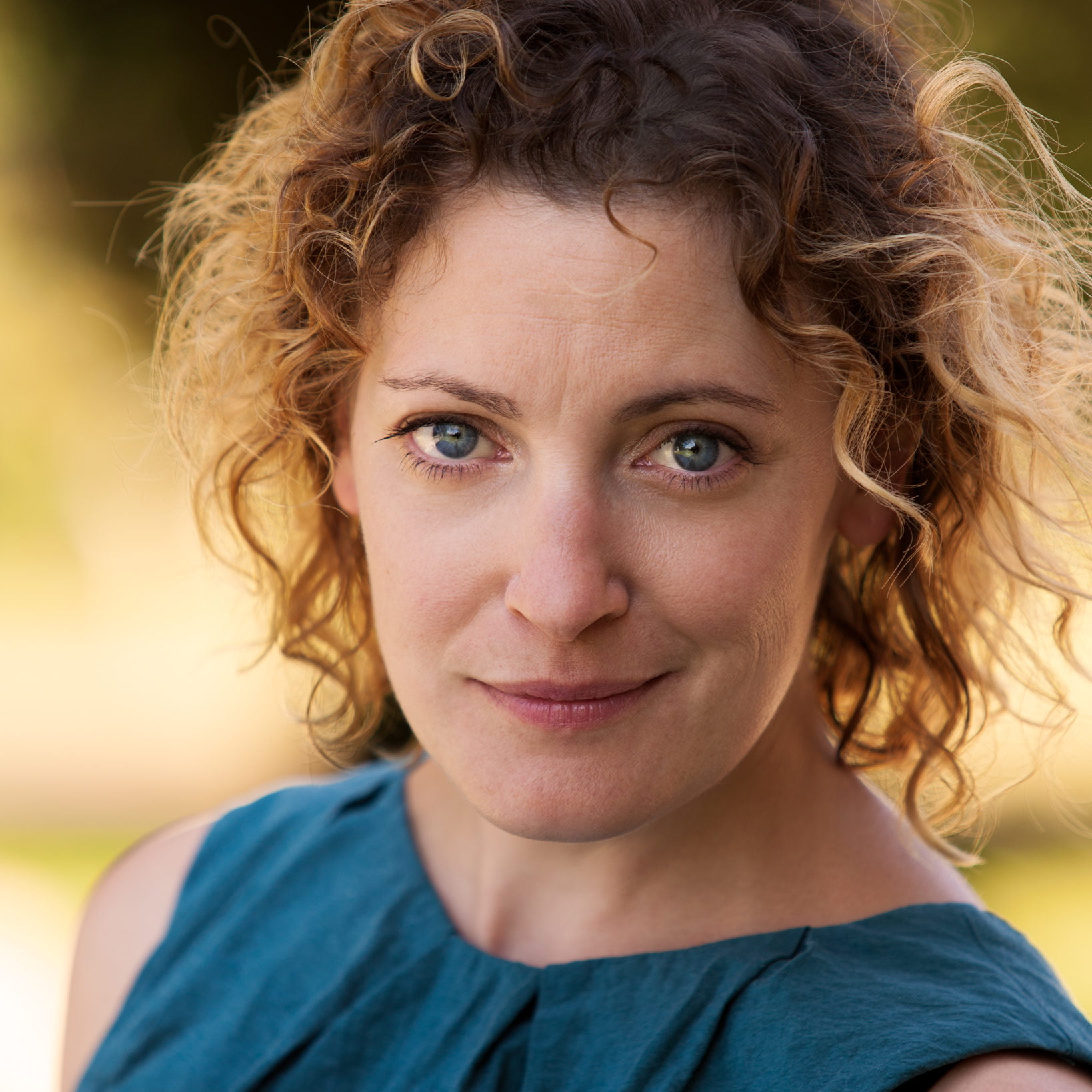
Hello, everyone. My name is Joanne Lockwood, and I'm your host for theInclusion Bites podcast. In this series, I have been interviewing a numberof amazing people who are simply having a conversation around the subject ofinclusion, belonging, and generally making the world a betterplace for everyone to thrive. If you'd like to join me in the future, thenplease do drop me a line to jo.lockwood@seechangehappen.co.uk.That's S-E-E Change Happen dot co dotuk. You better catch up with all of the previous shows on iTunes, Spotifyand the usual places. So plug in the headphones, grab adecaf and let's get going. Today isepisode 33 with the title, none of us haveincluded fully in the world until all of us are.And I have the absolute honor and privilege to be joined by Stacey Hart.Stacey describes herself as someone who is a full time parent, sometimeactor and volunteers for the Women's Equality Party.When I asked Stacey to describe her superpower, she said that she couldtalk to anyone. Hello, Stacey. Welcome to theshow. Hello, Jo. It's really, really good to be here. But
Stacy Hartguest
if you don't mind, I will not be grabbing anything decaftoday. Going for the full strength, are
Joanne Lockwoodhost
you? I will be. Yes.Dark and strong. I know. Sometimes I feel like that, especially after along hard day. Yeah. I'm not satisfied to tell the bag to get
Stacy Hartguest
in for at least half an hour. I'm not really
Joanne Lockwoodhost
a tea drinker. I'm definitely a definitely a bean shaker if youlike. Yeah, I like my beans. Yeah. I've I thinkI I was put off my tea, by mygrandmother. She used it's back in, you know, this is back in the latesixties, early seventies. She used to make tea with looseleaf. And, I would always get to the bottom of the cup andI'd end up with a mouthful of tea leaves because she didn't strain it verywell. So I think that that psychologically damaged me, thetea, and I can't think about tea now without a mouthful of tea leaves andit's it's just been so ingrained in me because it was every Sundaywe went to grandma's house and we had to have to drink this mouthfulof leaves all the time it was like a ritual.So now I'm definitely a bean coffee person and, yeah,and I I think I drink it decaf more than CAF at the momentjust, purely because I think I drink too much of of it and it wasprobably causing me to have palpitations from time to time. Wow.Anyway, if we digress, we digress, we Jo off intobeing in leaf territory here. So tell meStacy. When you said, in in the show notes, you you you you've usedthis phrase, none of us are included fully in the world until all of usare, and I love that. So tell me about that and your view.
Stacy Hartguest
Well, in a lot of the work I do and a lot of thegroups that I'm involved with, we saythis phrase and, you know, people will have heard this. None ofus are free until all of us are free. Andto me, what that means is that, you know, whenpeople who may be part of a groupthat, that that I am not a part of, you know,for example, let's say,black people, you know, I'm a white person. When those people are targeted forviolence on the basis of who they are or discriminated against because of whothey are, that means that the same thing could happen to any one of uson the basis of any of our own characteristics. SoI fight for people that don't necessarily look like me or have thesame background as me because until all of us are free from the kind ofdiscrimination that stems fromnot looking like or being like someone else or coming from thesame place as someone else or living a different lifestyle, itmeans that none of us are really free. None of us are safefrom that kind of discrimination. So I think for me,the same applies to inclusion. If the world thatI'm in doesn't include everyone, doesn't include,you know, people that look like me and don't look like me, people that livelike me and don't live like me, people from all kinds ofof of of backgrounds and walks of life and experiences, then it isn't theworld. It isn't the world. It's it's ahalf a world or a bit of a world. And I don't I don't wantto be a part of a half a world. I want to be a partof a fully rounded world that's representative of everyoneand welcoming to all people because that's a world that's safe andhappy and interesting and fair. Otherwise, it's just a bit crap,really. And that's so I feel like the the the samething applies. Yeah. I completely agree.
Joanne Lockwoodhost
I mean when I got into this DNI space about 3 or 4years ago, I suddenly realized that it wasn't about me. Youknow, I launched into it with the primaryobjective of promoting trans awareness. I realizedthat I was just one person or one characteristic in aworld where there are many people who are marginalized, discriminated against or deniedopportunity for who they are and I realized I didn't want to be soself centered just to talk about myself. And I verysimilar to what you said none of us are included fully in the world tillall of us are, I always say that I want the world to be inclusivefor everyone because I am everyone. I am just a person as well.If everyone wins, I win. I think that's a great mantra andI often talk about this aboutinclusion being holistic. We have to who isn't included,who chooses who's good enough, who's not good enough to be included. I thinkthat's it's very powerful that you say that and I think you're completely rightbecause there's another saying that, you can judge anorganization or society by the way it treats the weakest or theless or the most marginalized people because that sets thetone. And if I let thispropagate, will it be me next kind of approach? And,yeah, that's how genocides have beenformed. You know, some some of the the wars of the world have beenwhere it's incremental and it builds up and then suddenly thethey're coming for everybody and that that's kind of what we wanna stop, isn't it?But, yeah, I I I completely agree and I think that's a that's a reallyreally powerful message you you said there. Yeah. It it is
Stacy Hartguest
that's that's why I don't understand, a lot of the timewhere, because if I do have a flaw, which I do, you know, likeeveryone have many, it's it's intolerance of the intolerant.And I sometimes find that I can't understand that that opposing point of view. AndI think one of the reasons I can't understand it is because quite apart fromthe fact that it's just the right thing to do to include everybody,it's just the right thing to do. Put thataside and look at it from a purely self interest point ofview. I mean, isn't it just more interestingand easier and more successful? Businesses certainly are more successful when they'remore inclusive. You know, isn't isn't theart better and and the the conversations, aren't they betterwhen people don't always look and sound like you? I mean, isn'tit just a bit bloody boring otherwise? Do you know what Imean? And I like you, I kind of came into it,to to my work initially, from a sortof self interest, like to promote the rights of women. You know? II I lead the Basingstoke branch of the Women's Equality Party. I setthat branch up and and, and formed it. And andwe're working now locally doingexactly what it says on the tin, working for for the rights of women. ButI'm also having come into the fight for equality,very much thinking that it's not just about me andit's about equality for everybody. And I'm includedin within the Women's Equality Party. I'm part of theLGBTQI caucus. I am colead of the Race Equality CaucusAllies, which is the group of white people withinthe party who wants to be allies to the Race EqualityCaucus, and and and set ourselves up to,to sort of learn and unpick our own biases andeducate people that want to learn and do anti racist work. So it ittruly is about everyone not just aboutwomen, you know. Interesting. I I'm just picking
Joanne Lockwoodhost
up on, you know, the being intolerant of intolerance, I use thatsaying at all as well and it's, you have to know what youstand for and you have to say what is what is acceptable, what isn't acceptableand then being tolerant of that. But where do you stand on when people talkabout free speech and Jo platforming and turning peopleoff, When is your tolerance or intolerancedifferent to their intolerance? And, you know, we've got a recent incidentwhere, a well known presenter on a morning showon ITV stormed off set, forexpressing his views and some maysay those views are intolerant of a certaingroup, other people applaud those free speech,say what he thinks type view. So where where do you think society should juststand on this because we can't silence people, but we can't alloweverything to to be said, can we? No. We can't
Stacy Hartguest
do either one of those things. And it is yeah. It isvery much an ongoing conversation,isn't it? I think thatthere are in law fairlywell laid out boundaries betweenthe protection of freedom of speech and where that veers intohate speech. Now those laws aren't perfect.You know, misogyny, for example, is not yet classedas a hate crime and, you know, catcalling andbothering women on the streets because of their, you know, because theyare women is is is not yet common. That needs to be, that needs tobe fixed. But we, generally speaking, have afairly kind of well known framework thatsays you can be unkind andnot break the law, but you can't speak tosomeone in a hateful way because of a protected characteristic.And I think that the kindof culture war that is is going on at the momentis it's beingsort of propagated on on a lot of sides and a lot of fronts.But I don't think it's actually as much of aproblem as a lot of the,shall we say, illy interests think it is.I hear a lot about cancel culture, andI don't believe that cancel culturereally exists all that much. The presenter that youmentioned, for example, walked off of his own show.Nobody canceled him. Nobody marched him out of the studio. He wasbeing criticized. He didn't like it. And he marched
Stacy Hartguest
off. And that was his choice. I hearpeople talking about and I'm not gonna name names because I don'tlike giving them, oxygen, frankly, but thereare people that we've all seen out in the media and they're usuallypale male and stale and they're complaining loudly and vociferouslyin broadsheet papers about how they are beingcancelled andnot apparently failing to see the irony that they're being givenhuge platforms all the time to say these things, to talk about how they'rebeing canceled and to talk about how their rights are being trampled on.Meanwhile, you know, the voices that we hear, therepresentation in our politics, the representation inour businesses, you know, the arts that we see onthe television, these things are glacially slowly gettingbetter, but they are overwhelmingly the same voices that we've alwaysheard, the same class of people that we've always,you know, been been ruled by,they are overwhelmingly very, very,very, you know, meet the new boss same as the old boss,if you don't mind me quoting who. And, so I fail tosee, you know, there are instances occasionally where you mightget, I don't know, like a student union forexample saying actually we're going to disinvite you from thisspeaking engagement because you've said something that we're not happy with.Well for starters if we're giving, you know, youngpeople the freedom to speakand to hear who they want to hear from You know,nobody's entitled to a platform for their views. They're allowed to say those things,but they're not entitled to a stage. And are we sayingthat young people don't have the right to say, actually, I don't wanna listen toyou because you were unkind about my friend over there and and the people thatlook like my friend over there. So I think I I think I wanna listento someone else. That that is a right as well. You know, nobodyhas a right to a platform. A right to freedom of speech is not freedomto to be heard. And we're very, very,very overzealously worryingabout, about these things. And Ibelieve, and this is gonna be perhaps a little divisive and that'swhy I'm hedging around it perhaps. I believe that the people that areworrying about it the most are the people who are concerned that theirkind of politics is becomingunattractive to the younger generation. Andthey are realizing that young people are waking up looking around andgoing, you have ruled everything for a long timeand you are really quite unpleasant and you are not inclusive andthis society is not equal. This economy is not working foreverybody, and I don't think we wanna hear from you right now.And the people that are shouting loudest about cancelculture are generally the people who are worried that they are going tobe shut out of the future of politics because of thatawakening and they are almost always also the peoplethat have historically had the biggest platforms and they're worried about losing them.
Joanne Lockwoodhost
So, it's people with privilege what you're talking about. Sowhoever holds the privilege of society arepushing back. They're feeling under threat. They're feeling under attack. Yeah,the woke culture is trying to tear down the patriarchy,tear down colonialism, tear down white supremacy orwhatever it may be and that's making people uncomfortable. Is that is that what youthink? I do believe it is. Yeah. That is what I think. And, I
Stacy Hartguest
mean, much like a lot ofnew movements and new vocabulary,you know, the word woke started out as a positive thing. Itstarted in, you know, the black community as a way of describingpeople who had their eyes open to the world around them and andweren't blinded to their own privilege and if you wereyou know awake and aware of that privilege then you will work andlike many words before it that started out as being a positive descriptor itgot very very quickly co opted by those with privilegeand turned into a sarcastic kind of, youknow, demeaning thing to say about someone who wastrying to be overly groovy about something. And I mean, what what is the oppositeof woke? It is asleep. I don't wanna be asleep to myprivilege. Joanne you call me what you like because of that and give apinch of your A fine way of life. Yeah.I give a I don't give a rat's poop, yeah.
Joanne Lockwoodhost
Yeah. No I agree and Ithink I've probably heard the word woke a few times over the last 3or 4 years and I googled it, I went on Wikipedia and did some researchon the origins of woke and I thought yeah, I want to be woke, Iwant to be awake, I want to check my privilege, I want tounderstand who I am. How can I understand anybody else necessarilywho I am? And I thinkit's good to check your privilege and when someone calls you out for it, thereaction that most people have is oh no not me no I'm I'myeah there's always this defeniveness and or people are worried aboutbeing called out for privilege. And I think sometimes you need to bathe in itand say, yeah, okay, I didn't seethat. Wow, thank you. Yeah.Yeah. Yeah. I get it. Now tell me howthat impacted you or let me let me process that. And I think many ofus when we're challenged on our privilege, even if it's just the fact wespeak English, the fact that we we could afford our weekly shopping billwhatever it may be, we we we say wellbut I've had a tough life as well is that me too or that whataboutism that goes on isn't it? What about tree? And we try and defend ourprivilege by saying, well, I've had to work for a living, I've worked all thesehours. And people often forget that they've hadopportunity from birth. And I describe privilege as somethinga bit like a pension pot. If you're contributing into your pension pot from avery early age, it gets enormous by the time you retire. And for thosewho are born into privilege, that privileged pot startsaccruing within seconds of birth or in fact, it's probably reloaded before you'reborn. Whereas people who acquire education throughout theirlife, they still got that hole in the bottom of their bucket which isdribbling out their personal capital. And they cannever fill up quick enough, whereas other people have got this watertightcontainer of privilege just keeps growing and growing and growing. And I think peopleoften forget that they say they're self made orthey've generated some themselves, but they've generated it on the understanding of thatprivilege. Whereas other people who have not had thatfortune to be born into that world, always starting 10 pacesbehind, they're always playing catch up. And when they'resaying that they've had to make it themselves, that they've had to do overcome allof those barriers as well. And I think we often forget that. Andit's easier to it's easier to turn £1,000,000 into £2,000,000than tell £100 into £200. Yeah. And that's that'sthat's failing to the world, isn't it? It is. Absolutely. And,
Stacy Hartguest
I think it is an awkward thing to realize,particularly when you come to the realization, perhaps a bitlater in life, you know, and that that's fine.It's okay to be at any stageof your kind of personal journey of trying to unpackyour own privilege. In, in the Race Equality Caucus AlliesGroup, the women's equality party, we talk a lot about how,it is uncomfortable, realizing the things that you'vebenefited from over the years. And these aren't things that were handedto you. No one's saying that, you know, you didn't work hardfor them. But it's a bit like being, you know, walking down acorridor where you go through lots of sets ofdouble doors that are auto open ones and theyyou reach it at a stride and and it just sort of opens in frontof you. You know, you're still walking down the corridor. You're still putting the effortin. You know, your legs are still moving. Your muscles are still, you know,working and all that stuff. But if you look behind you,there are, you know, there areblack people and brown people and LGBTQI people and disabledpeople and older people and working class peoplewho who for whom those doors are not opening and they're havingto sort of muscle their way through them. I mean, that's probably,you know, an analogy that I've picked up somewhere in Sudan. I don'tknow. I love it. As you were as you were saying it, I was thinking
Joanne Lockwoodhost
about traffic lights and some days you go for a driveand every traffic light is just green and what you just go home, you thinkwow, that was so easy. But there are other days where every traffic lightis red, you have to change down gear, you have to stop, you're going, oh,here we go again. Yeah. You're pulling away in traffic and you just know you'regonna get caught by the next one, then the next one. Yeah. And just I'msure everyone can relate to the fact that just to just to picture those twojourneys how frustrating the red lights are. Absolutely. And how howfree thinking the green ones are, and that's a great analogy. I love your thedoors just open in front of you that you have to push or stop orunlock. And it is it is awkward when you get to a
Stacy Hartguest
point and you might be in your, you know, you might bea a bright uni student or you might be in your thirties or fortiesor or later in life. And you come to thatrealization and you you look behind you and you see those barriers. Andand it is awkward. We talk about that a lot in the race equality caucus.It is it's painful. You dosometimes the automatic reaction is isof a lot of people when when, you know, they're they're they're askedto unpack their privileges is defensiveness.And you can you can feel awfully bad about that. And what wealways try and underline in the group isthat, provided that onceyou have had this realization and you are aware of this,wherever you are when that comes, provided that you committo continuing that learning and to not ignoring itand to actually working to,unpick those structures that make life so muchharder for other people than it was for you, then,you know, give yourself a little bit of a pass because everyone'sexperience is different and no one isaccusing you of anything unless you are refusing,once you realize you have it, to unpack that privilege and toand to share the wealth a little bit. If you're and a lot of peopledo that too, but, you know, don't get me wrong. There are a lot ofthe powers that be that do that too. And those people we can have ago at. But, you know, for those of us that are genuinely trying, for thosepeople that are willing to do the work, generallyspeaking, no one's accusing you of anything and you just you don't need to bequite so defensive about it.
Joanne Lockwoodhost
But many people who come from minoritybackgrounds or not what you wouldn't consider having agreat deal of privilege don't even know that these roomsor these opportunities or this access exists.This is not that being denied access to an opportunity. Theydon't even know the forum exists in which they can find that opportunitybecause often, I mean, there was a program on Doctor. Mitchell on BBC the othernight about, PPE contracts. I have no judgment aboutwhether it's right or wrong or whether the people who awarded them not were awardedthem, but what it became clear was there's a whole load of people ideallyplaced in their view to be able to supply, but they didn't even know howthey got on the list. Whereas other people who book were on thelist because they knew someone. And that's often the difference when we talk about privilege,we talk about networking,old networks, be a member of a club, you hear about things, there's peopleyou go to school with, you keep in touch with all your life, they're inpositions of power, they hand things out to people they know. Whereas if you comefrom an environment where you don't have that access, you never know about thoseopportunities. You you you've got no clue they even exist, let alone how to askfor them. And that's where that keeps the divide active all thetime, isn't it? It does. And I agree. And I think that that,
Stacy Hartguest
sort of feeds back into what we were saying about that defensiveness.I think a lot of people, if you say, well, that'snice that you've achieved this thing, but, you know, you didn't haveany barriers because of, you know, the fact that you're able-bodiedor the color of your skin or whatever it might be. And you were ableto to achieve that thing through hard work but without the additional barriers of thisother person. That defensiveness is oftenborn of the fact that they have a belief in ameritocracy. And that's that's another side of it. It's not alwayspurely selfishness. It's not always purely, you know, you're trying to take awaythis thing. And I feel I've earned it. It's that reaction I do believe fora lot of people is, is based in the fact that it isreally quite painful tounderstand and appreciate that you don't livein the country, in the world that you thought you did. If you have abelief, in a meritocracy and thensomeone is telling you, look, that really isn'tthe the society that we live in. I'm sorry. That's notonly kind of feels maybe undermining to you and the work that you'vedone, but it's also, like, psychically quite painful,I think, to to feel thatbetrayal by, you know, the country that that you thought you lived in, the worldthat you thought you lived in, the world that the the newspapers always told youthat you lived in. And, you know, those rousingcries of of land and hope and of hope and glory always told you thatyou lived in. And a lot of people, I think, cling to that idea thatthe meritocracy exists and that they were just the ones that did the best init because it's not just about them andtheir work. It's also really painful to understand that you don't live in theplace that you thought you did because that meritocracy just does notexist really. You know, it's who you know a lot of the time. We seeit every day. You know, look at the people thatand I know this isn't about politics but look at thepeople who are making the decisions, the people who are making the laws, the peoplewho are writing the newspaper stories, and tell me that you truly trulybelieve that those people, that the best people in thecountry to do all of those things all of the time,forever and ever our men are all middleaged, wealthy white men.I refuse to believe that that is the case.
Joanne Lockwoodhost
You're shattering everyone's mist now. Yeah. The merit about themeritocracy. I mean, I thought I thought the best person always got thejob. Are are you saying that this is bullshit? Thereis the the baritox is it's just a myth createdby by the privilege Jo say the best person gets a Jo look at wesee in recruitment. We see in opportunities because the best personmust get the job. If we don't believe that, that undermines everything, doesn't it?
Stacy Hartguest
Well, it does. It it undermines the foundations of the of the societythat we thought we lived in. And, I thinkwhat that does is is as it undermines a lot ofpeople's self worth because for a lot of people, their self worthis tied up in a kind of,a nationalism, a feeling that they stand for good Britishvalues in inverted commas whatever that means and and their their theirfeelings of self worth are tied up in that in that sort of you knowslightly jingoist, you know, we're the Brits fairplay kind of thing. So it's undermining.And also it's not very pleasant to realize that actuallyyou can work as hard as you like and it might not mean that youget anywhere. It's that that that's depressing, you know,that does make you feel like collapsing into a ball of ennui with Netflix, doesn'tit? It's it's
Joanne Lockwoodhost
nice. But the reality is, it's not just aboutyour capability. It's your name. If it's atraditionally British Anglo Saxon name, we know that youhave to have more chance of achieving something that anon British name. And we know that your gender, if you'remale, we know you stand more chance of being promoted to senior management,especially if you're a tall man, you stand more chance. And we know all thesebiases exist and they become sort of self fulfilling, don't they? Webelieve tall white men have more authority thanshort black men or whatever it may be. Andeven amongst other women, we find that women don't ratewomen as well as they rate a man in a leadership role.So it's society's conditioning on us all, isn't it? We we can't just blamemen or privileged people for this. It's kind of we've also socializedourselves to believe in some respect. Oh, absolutely. Yeah. And,
Stacy Hartguest
during my kind of, you know, this isgonna sound so awful when you put it like this. During my feministjourney, inverted commas, you know,I've unpacked, but a lot of crapthat I that was socialized into me as a kid, asa young woman. You know, I grew up,you know, my I'm 41 now. I was born in 79. So my kindof my formative years, what I think were my formative years were sort of thebits where you start going out with other people for the first time and you'renot sort of just necessarily being at home. So you're talking, you know, laterschool going into kind of college which Early nineties sort of thing. Yeah.Well, for me, like, 6th form was where that that kind of really happened, whereI started really sort of forming as a person, I suppose. And,and that was like 95 through 97. And so we're talkingLaudette culture and, Spice Girls,
Joanne Lockwoodhost
Girl Pow. Girls and Heat Magazine. It was a very, you know, and I you
Stacy Hartguest
know, definitely wrong. I still get a little bit nostalgic for the Spice Girls andsome of the some of the early work, but, but it's isn't it avery, very narrow view of what girls are and what girlpower is? It's girl power that is distilled very muchthrough a, traditionally,male approved attractive, you know, narrow
Joanne Lockwoodhost
Fit, sporty, attractive, as you say. Yeah. Yeah. And,
Stacy Hartguest
so all of those things. And we we are socialized,you know, so successfully and conditioned so successfully asyoung people by by the media and by the people around us. And, you know,in my forties, I am unpackingthat still. And there are some great, great books.Delusions of Gender by Cordelia Fine is one of the ones that I'm working throughat the moment that talks a lot about, you know, the studies,that are out there that sort of prove that, you know, we aren't born thinkingthat, you know, girls like pink and boys like blue and girlslike, you know, nurses' uniformsand boys wanna be truck drivers, you know, that all of that stuff,even by parents who do believe that they are, parenting equally andin a gender neutral way is, isjust drip fed in there by absolutelyeverything around us. And unpicking it is hard.It is hard. And I find that now as a parent as well withmy 2 boys. Yeah. I often talk about the fact
Joanne Lockwoodhost
that we should have pre parenting classesto just help the future parents thinkabout how we socialize our children and how they can startbringing those thoughts into play before even the child isconceived. So they can start thinking about how they want tobring their young boy, their young girl, whoever they they develop tobe into the world in a very equitable and anopportunistic way rather setting that expectation almost fromthe pink bedroom or the teddy bear they're given. And that's the beginningof it for most people and because there's this feeling society that wehave to treat our little girl in a certain way or a little boy hasto be a bit rough and tough, no matter how woke you areas a parent it's really hard to escape that programming isn't it? It is incredibly
Stacy Hartguest
hard and there was a great story in in the book I wasjust reading where they were talking about, a setof parents that said, you know, we do everything gender neutrally. We buyour little girl. You know, we bought her just as many trucks anddinosaurs as we did dollies, but she just went for the dollies.She picks them up. She puts them to bed. She looks after them. Shechanges their now piece. And but but we've givenher equal toys. So it must be that she justhas a predisposition for putting little dollies to bed as something thatshe is is kind of conditioned, like, brain wired in there. Andthen they asked, well, who puts your little girl to bed? And the mom said,well, I do. And there you have it. Youknow? It's So mommy is the role model. Yeah. Kids learnfar more from what we show them than what we tell them. And Iknow that because everything I tell my boys goes in one ear and out thebloody other. Right? So they learn far, far moreabout about what they, should bedoing and, and should be, howthey should be behaving, by by watching us than theydo do by listening to us. And I think that's whyyou know for the Women's Equality Party we have 7 core objectives and one ofthem is equal parenting and caregiving because it'simportant for fathers to have as much time athome with their kids as is it is for mothers. You know of course speakingin a sort of assuming the relationship is a traditionally,heterosexual sort of nuclear family one, which not all families are and that'sgreat. But, yeah. So it'sreally important for both parents to have as much timewith the kid because that is not only formative for the child but it allows,you know, all the dads that have been denied that bonding over the years.And then that, you know, that goes on to affect the entire family dynamic allthroughout everyone's lives. It goes on to affect, you know, thefact that then that feeds into the pay gap which, you know, equal pay isanother one of our core objectives. It goes on to,mean that as traditionally the higher earner, thethe burden of earning is then on on the dad. And that that can bean incredibly powerful and andand and horrific thing to have to carry. All ofthese things, all of these inequities are tied uptogether like a knotted ball of rubber bands is how I describeit. There's no one issue that doesn't affect another issue. Equal payhas to do with equal parenting, which has to do with equalmedia treatment because when you look at the way that wewe talk about people in our culture when they don't fulfilthe roles that we, you know, the way that we talk about, oh, daddy's babysitting,is he? No. He's looking after his kid, actually. Parenting.Yeah. Parenting is is what it's called. Exactly. All of these things are tiedup together like a big old knotty ball of rubber bands, and that's what it's,you know, kind of our work and and my work on our Basingstoke branchand with our Basingstoke team. I have a great team of people here, that Iwork with, is trying to unpick some of that bit by bit.
Joanne Lockwoodhost
Yeah. I mean, it's it's a fishdoesn't see the water it swims in until it's taken out. And it'sreally difficult for people to see the privilege they breathe and live every dayuntil they lose privilege. And I know people who havehad a life changing injury or or they've got cancer orsome some of these significance happened in life. And that's often enough to nudgethem and jolts them out there off their traditional trajectoryto make them realize what it is to lose that privilege, that able-bodied privilegeor that financial stability. Because it goesfar beyond just the protected characteristics and this the non protected characteristicsare kind of the starting point that there's a whole load of other inequitiesaround your ability to providefor your family or even the language you speak of the default there, all thesethings impact. I think people don't really see that inthemselves. And when people are having conversations around the inequities,around gender, around race or whatever it may be or aboutability or disability then people don't have any referencepoint. They just, as we said earlier, they just they don't
Joanne Lockwoodhost
see that privilege and that's a real it takessomeone to have that life changing moment either with themselves or someone in their familyto really, really understand it. And I think for many men,it can happen when they have a daughter or theytheir wife or partner experiences some sort of, discriminationor violence or whatever it may be, then they becomewoken up to that that scenario. And I think I mean,I've I've where are we? We're we're middle of March andthe tragedy of the death of Sarah Everard in the lastfortnight and the fact it was a police officerhas woken up many women to start telling their stories.And many men are pushing back, well, it's not me. Yeah. The notall men is coming back in the same way we had the,white lives matter, all lives matter to the response to the black lives matter.And but yeah, I mean, we can say it's not all men, but actuallyit is all women, isn't it? And that's part of the problem here that everywoman I know has a story. And I onlytransitioned four and a half years ago. And I've got my storiesaround being female. And I've woken upto a world that I didn't know existed. And yeah,I'm not saying I was a significant problembut I wasn't perfect. I don't think any man is perfect.We all contribute to that social construct of gender.But we don't know be doing it because it just is. And I thinkit's I mean, you you must have heard lots of stories,from or you've probably got your own stories, but you've heard lots of stories aboutthe people about just the everyday reality about being a womanin the world in the UK right now. Yeah. Yeah I
Stacy Hartguest
have. I both hearda million and one of themand of course have my own as well. AndI think I do I do get a little wetalked about intolerance of the intolerant I do get a little bit impatientwith the not all men crowd because it's once again sortof dragging that focus background to themselves.And I have to keep the fact that we have to keep saying no oneis saying it is you is really franklydepressing. The fact that someone is hearingabout a horrendoushorrific tragedy inwhich someone lost their life that didn't and Jo, do you knowwhat, her life was taken. And that's another thing as well. We talka lot about these things in, in avery passive language. And we do that, I
Stacy Hartguest
think because it's easier to tell ablind eye to violence against women and girls whenwe use it, when we use language like that violence against women andgirls, life was lost is very passive framing.It's talks about it like it's a tiger wave or an earthquakesomething that was horrible and tragic but couldn't be helped. Whereas actually we shouldbe talking in terms of maleviolence because, you know, it is overwhelmingly I thinkit's like 97% of livestaken across the world are taken by men. Andand talking about, you know, lives taken rather thanlives lost. And as you heard, I just did it just now.So all of that stuff is there for the unpicking. And it is,it is frustrating when you hear about something,a horrible case like Sarah Everard's and a person'sfirst reaction to beingasked, 'would you please help us so that this doesn'thappen more?' is, well, I don't do it.'Are you saying I do it? That is their firstreaction. AndI will admit I sometimes have trouble keeping mytemper with people like that because again andagain and again, no we're not saying you do it, we aresaying you don't do enough to prevent it because none ofus do. You know, I myself havebeen in positions where I wish I had stood up for otherwomen and yet I as a woman would would have been terrified todo it but that doesn't mean that I couldn't have done more.And I have you know been in positions whereI wish I'd stood up for other people, youknow? Not necessarily women just other peoplein different scenarios and I didn't. But this issuch a big thing and it's such a hugelysplit issue. Like it is predominantlywomen that are being attacked,that are being violated and it is predominantly men thatare doing it and we need all men to makethat not okay. Because it'snot about the high profile cases, it's not just about them, it'sabout a scale of violence that ends withthose cases that we that we're hearing about, but that beginswith catcalling in the streets or a bit of a gropein the bar. Love honker honker, whateverdespicable thing it is that people think that they could do. That they thatthat's allowed. I I've had that honker
Joanne Lockwoodhost
honker Yeah. In a bar. Yeah. Andthe the the person knew I looked to them and they just shook their shouldersand go, woah. Yeah. I go, really? And Really? It's
Stacy Hartguest
part of, you know, the the unpicking that I've had todo in myself is is that now I'm obviouslyat a stage where I would, youknow, I would raise the roof, you know, ifthat were to happen tomorrow. But when it did happen and it has happened inthe past, you know, as I talked a bit about, you know, thesocialization of us as younger people in mygeneration in the nineties when we were out drinking, you know, itwas like, wait, because you had to be one of the lads. Thatwas what you were taught was valuable. That was how you were of value. Ifyou were in on the joke, if you got with the program,if you, you know, kind of went, yeah, come on lads andand and did that because that was how you were liked.That was how you were then 1 Yeah. It's the lads culture. It's
Joanne Lockwoodhost
yeah. It's how to Unpacking that as I say it takes
Stacy Hartguest
it takes a lot a lot of time and it's really reallyimportant. When we were talking, you know, we've obviouslytalked a bit about Sarah Everard and that horrible casebut we were talking a little bit earlier about how otherpeople don't see their, their privilege.And that, you know, the flip side of that isthat they literally don't see things like this whenthey happen to other people. Because when you look at, youknow, it is an appalling tragedy thatSarah Everard's life was taken away from her. Butit is also worth noting that thisparticular case which has, you know, torn the lid off ofthis debate and that has been in every single paperon every single TV channel is the case of ayoung, attractive, blonde, white,professional, middle class woman whoabsolutely did not, you know, deserveto to have her life ripped away from her. But there areall of the time you know in in in the week following her disappearancethere were 6 women and a little girl that lost theirlives and at least 3 of them were women of colour. And youwon't hear their names. You won't hear the same stories.You know, if you think about the story of NicoleSmallman and Biba Henry who were 2Black women that were murderedand their family, you know, is saying that theytheir disappearance wasn't taken seriously. The search wasorganised by their own family. They were actually foundby a member of their own family. And thenhorrendous thing happened. Police officers that wereinvestigating their murder took selfies with their murderedbodies. Yeah. I heard that. Yeah. They sent them to WhatsAppgroups. WhatsApp groups that included members of the public whoweren't also police officers. I mean, like, it would have been okay anyway. Of course,it wasn't. And those police officers are still in posts. That wasa year ago. And we are not hearing thesestories. We're not hearing them in the same way that we will hearabout Sarah Everard or that we heard about that westill hear about poor Madeleine McCann to this day. Thereare very specific stories being told and those with lessprivilege, you will not hear those stories.
Joanne Lockwoodhost
Yeah. As you say, it's if you're blonde, you're white, you're attractive,professional, or have a level ofprivilege, then Yeah. Society sees you as more tragic.Yeah. And that's,until you said until you said that, I I hadn't reallythought about it in those terms and that is really powerful. AndI mean, that that leads me on to talking about, theMeghan Markle interview and and how shehas been the target ofhate, abuse from the media. I mean, let'sleave the family side out of it. Let's not let's not talk about the familysquab or whatever exists within the family but there's clearly mental healthissues going on there and how people are denying thatbecause she's not white, attractive,blonde. She is a woman of color of mixedheritage And the press seem to think it's okayto target her because she is that person.And again, it's this free speech, it's thehow often do we hear that the press aren't racist, yet we can see theevidence of the way they compare how Kate was treated,how first is how Megan was treated and the same story and howit spun differently. And they said, well, that's not racism. It's justwe're selling papers. It's the justification, isn't it? It is.
Stacy Hartguest
And, I mean, they're lying. It is racism. It'sclearly blatantly racism.Let's say that most importantly, first and foremost.It's also the way we treat women in the public eye.I mean, whilst there is clearlya huge racist element to the treatment of Meghan Markle,it is worth noting that, you know, KateMiddleton didn't get an easy ride in the early days before she showed that shewas willing to ignore it, be demure, and they hadthrown everything they could at her and she was still willing to sort of sitdown with her head and and put up with it and then they decided thatthat she was acceptable actually. And look at the way, you know, Diana was treated.That's not to, take away from how blatantit was. And Sarah as well. I mean Yeah. Any any role
Joanne Lockwoodhost
that as you say Yeah. If you put you can poke andprovoke somebody then you keep poking and provoking. Once the personsubmits, they're no longer they're no longer news are they? They're just ordering again?
Stacy Hartguest
Yeah Absolutely. And, that's not, as I say, to take away from the factthat the treatment of Meghan Markle is blatantly and entirely racist aswell. But it's, there'sa word, misogynoir, which describes, thetreatment specifically of black women at the intersection of being a womanand and being black. And that's very much what this is.She's getting it, you know, from all those all those angles.And it's just appalling. I mean, who are we?Who are we that we read this?I don't believe that this is a freedom of speechissue. You know, freedom of speechis not about bullying. It's notabout hounding. It's notabout treatment that is clearly when you compare it side by sideand if you go onto the internet I'm sure you've seen the same things Ihave comparing stories about Kate to stories about Megan. It's notbeing so blatantly biased against people forvery obvious reasons. Andthat is not the kind of thing that it is okay toplatform. That's not the kind of treatment of peoplethat it is okay to hang under the freedom ofpress banner and that's a problem. We have a huge problem in ourmedia with that and we really need to reckon with it. But we need toreckon with it on a personal level as well because if you're picking upHeat Magazine, and for the exposes on thecelebrities, and if you're picking up the tabloid newspapersbecause they've got the headline there of, you know, with Meghan and youif you're rolling in that stufflike like a you know like dogs youknow. Yeah. If you're feeding off it then you're part of the problem. Then youare a huge part of the problem and that'sa difficult thing to hear I think for a lot of people. They'vemanaged to successfully divorce their consumptionfrom the means that is used to get that totheir eyeballs. Mhmm. It's interesting you use the word demure and
Joanne Lockwoodhost
and subservient and and basically giving up. And that's how women areexpected to behave when it comes to violence orrape. Women standing up and say it happened to me. The firstreaction is disbelief or what did you doto incite it? It's always pushed back to the woman. It's never somebodyelse's fault. It's always the woman who is question first. And I wason a debate the other day, talking about people's experiences onsocial media, and I was talking about LinkedIn, and the number of unsolicitedmale interactions I get on LinkedInthat often are, well, they're early stage sexualin nature, you know, Jo how darling I love your eyes, thatwarm up act, you know, the kind of the soft intro was only harmless.
Joanne Lockwoodhost
And one of the other people, the panelists on this was talking abouthow they were shamed for calling it out. Jowhat about this man's family? What about this man's wife? What about this man'schildren? By calling them out and shaming them verbally andpublicly, what about what you're doing to their life? And, well, thereaction was basically, well, why shouldn't we callthis out? Why shouldn't we be vocal? Because unless we do, unlesswe stand up every time and say, this is what's happening to me, this isnot acceptable, I, the person who's the perpetrator,who's creating this problem will never learn. But it hasto become socially unacceptable for women to be treated in thisway because whilst it's hidden, whilst we're socializedto say to us, don't make a fuss, don't call it out.Maybe it's your fault. Maybe your profile picture is too attractive, maybe the clothes you'rewearing in your profile picture are too attractive, maybe it's the fact that you're aprofessional woman, it's your fault for being there. It's often oftenwhat's being said. And men are just being men. We don't mean anything by it.It's just the way men are is a bit of fun. Andthat's the excuse that's often given. And I find that really, really frustrating.Now I sit on this side of the fence, if you like. I'm living ina world where I never knew existed. 5years ago, Jo one ever wrote to me like that, but now they do.And it's not every second, every minute. And I know some women I'vespoken to get it on a daily basis and it becomes escalatingin the intensity of it. And then if you block, delete,report, it just carries on. And it's soit's so tiring. Yeah. And it undermines you. It does.
Stacy Hartguest
It is and it's exhausting and you know you canLockwood can you know sort of digitally stick your fingers in your ears of courseyou can but that takes time to do maybe a few secondsor maybe a little bit longer if you wanna file a report to to Facebookor LinkedIn or whoever. That takes time out of your day and that time addsup. And so the the thetime and physical energy penalty adds up over, youknow, days months years and sucks that out of you.And what it does to you psychicallyadds up. You know, you hear a lot of people going, oh, is wolfwhistling against the law now?' or whatever. And, you know, gettingwolf whistled at once in the street probably, you know, onone occasion isn't going to do that many people that muchharm. But when you're being told essentiallydaily that your value is whether ornot you get attention in the street from random guysthat adds up. That is, youknow, stone gets worn away eventually if you dripwater on it over a long enough period. And that is what thisis. It's that cumulativenature of being told that your placeis to bedemeaned, belittled and judged.And maybe you're one of the luckyones that if you're judged attractively enoughand youget the right kind of attention in inverted comms. And, you know, that isn't,it's not okay. It's not okay. And it, it hashuge income, youknow, issues. It has huge impactson pay throughout your life. It has huge impacts on you know yourworking time and and just your mental and physicalhealth is it's really,really damaging. And that's whyyeah I sort of I'm fighting the fights that we are here in Basingstokeand, and why we have our our wonderful candidate Priya standing for localelections in May. So yeah.
Joanne Lockwoodhost
Brilliant. Well, I can't believe the hour's almost up and we've been
Stacy Hartguest
Bloody hour. We've been we've been chatting away now. Time's
Joanne Lockwoodhost
flown. I mean, I'm sure there are people out there who've who've beenlistening to this who may wanna get in touch with you, find out moreabout the work you're doing. So what's the best way of making contact? Do theywanna find out more or or have a chat with you? Well, the best thing
Stacy Hartguest
to do is to get in touch via if you wanna get in touchabout the women's equality party, you can look at women's equality.org.ukforward slash bazingsstoke. You can get in touch with us onFacebook or Twitter or Instagram. We're at wepbazingsstokeand find out more about what we're doing, not justabout gender inequality, but about racial inequality and representation.We're doing work on the environment. We're doing work on school sports equality. We'redoing work on the economy. All kinds of thingsto to bring everyone to the table. Ialso have, we didn't talk at all about my acting, butI am an actor. And as you know, Jo,
Stacy Hartguest
I co created a theater show called Jug Life,which is all about is based on verbatim monologuesabout people's experience with their own breasts. So we'vetaken interviews from all sorts of peopleand made a really funny and,insightful, I think, and hilarious and heartbreaking showabout, about experiences with tits, basicallyand there's all sorts of stuff in there but what I'm doing at the momentsince we're talking diversity and inclusion. As you know when we firstcreated the show we did so under a little bit of a time pressure becauseit was to be initially a one off thing for a charity.But what what I wanna do now, now we're sort ofhave the time to do so is expand the showand get more monologues, more stories, morediverse and interesting experience in there andmake it more inclusive of basically more people.So if anyone would be interested in being interviewed about theirboobs for whatever reason, It could be,a silly thing, a small thing. It could be a huge thing. It Joanne befunny or sad or yucky. It can be any experience atall. We wanna hear it all. You'll find us atjuglifeshow on, Twitterand Facebook and also, juglifeshow@gmail.com.So get in touch. We wanna hear from you. Yeah.
Joanne Lockwoodhost
I mean, I I told the story about my relationship with my breasts. I knowthis was probably about 3 3 or 4 years ago when we first met. Yeah.And, I remember going to the that event that you did as a resultof it and it was a fantastic evening. It was, very relaxed in the cafein the middle of Basingstoke. It's a very socially fair and you had lotsof different voice actors reading out people's stories. I remembersitting in the audience actually with my wife and a couple of friends hearing mystory read out. I thought, wow, did I really say that? It's kind of really,really powerful hearing your own story read. But to listen to the stories of theother women or the people that had contributed was also phenomenal just tohear the different relationship people havewith breasts, their own breasts. And it's really insightful that we'renot the same, are we? We have we have our own view of our ownbodies and and what things are mean to us. These these floppy bits that hangin front of us. What we do with them and and how we see them,doesn't it? It's a it's a really interesting, yeah, it was a fantastic night. Soif you're if you're taking that project and doing more with it, I think, yeah,get in touch. And it's not it's not just about women. If youhave if you're someone who identifies as male with breasts, if you'vegot a story about your own boobs or your own nipples whatever it may be?
Stacy Hartguest
Absolutely, yeah. Since I, since that first showthat that you saw, Jo, we, in the sort of second round ofinterviews, I have had discussions witha couple of non binary people.I have interviewed a cis man with gynecomastia.I, you know, there's there's all sorts of people that have gotten involved. I've I'vedone a group interview with a group of, old school friends whoare, you know, different now at different stages of their lives and that was really,really good fun. I've spoken to,someone who has like, a monitor,a heart monitor, you know, sort of surgicallyimplanted inside of a breast. And all of thesedifferent things, they're so important to hear. And, you know, whenwe talked earlier about the fact that we are, more likely to hear certainpeople's stories than others, that's something that we really, reallywant to do properly with Jug Life. We really want to hearfrom, people with all walks of life. And there's a lot more informationon the Facebook page. Jo, yeah, do have go and have a lookat @JugLifeShow. I'll make sure all
Joanne Lockwoodhost
of these links are in the show notes so if you want to find outmore you can click on the links or get in contact with you as yousaid via Instagram I'll put those links in there andyeah drop me a private message Jo wow thank you.We could have carried on for another hour or 2 I'm surepeople are still listening got this far that they would alsogot a huge amount out of this. So thank you for getting this far forlistening in tuning in. Please do subscribe to keepupdates on future episodes of the Inclusion Bites podcast, that'sB-I-T-E-S. Tell your friends, tell your colleagues, please doshare. I have a number of other, I was gonna saymore exciting, could they be more exciting than the guests we had today orin previous times? But I've got lots of guests lined up who areequally, if not, passionately exciting as well.So please tune in, please subscribe. If you'd like tobe a guest, I mean, you are potentially an inspiring guestyourself. So if you want to get in touch, please do contact meat jo.lockwood@seechangehappen.co.uk. And if you've got anyfeedback or suggestions on how we can improve future episodes, then please do let meknow. So finally, it's for me to say my name isJoanne Lockwood and it's been an absolute pleasure to host this podcast for you today.Catch you next time. Bye.
Privilege and Opportunity DisparitiesDefensiveness and MeritocracyNormalisation of Inappropriate Behaviours and Societal Conditioning
Joanne Lockwood is joined by Stacey Hart to explore what it really means to say that none of us are included fully in the world until all of us are. Together they unpack how discrimination and exclusion harm everyone, and why a “bit of the world” isn’t enough when we’re trying to build safety, fairness and opportunity.
They discuss privilege and meritocracy, including how systems, networks and social conditioning shape who gets heard, believed and promoted. The conversation also looks at how public debates about free speech and “cancel culture” can obscure responsibility and reinforce unequal power.
As the discussion deepens, they touch on gender inequality and violence against women, the role of media narratives, and how race and racism affect which stories are amplified. They also reference mental health impacts in the public eye and in experiences of harassment. Stacey shares her work with the Women’s Equality Party and her creative project Jug Life, which aims to broaden representation by collecting and sharing more diverse personal stories.
“I think one of the reasons I can't understand it is because quite apart from the fact that it's just the right thing to do to include everybody, it's just the right thing to do. Put that aside and look at it from a purely self interest point of view. I mean, isn't it just more interesting and easier and more successful? Businesses certainly are more successful when they're more inclusive.”
“I hear people talking about and I'm not gonna name names because I don't like giving them, oxygen, frankly, but there are people that we've all seen out in the media and they're usually pale male and stale and they're complaining loudly and vociferously in broadsheet papers about how they are being cancelled and not apparently failing to see the irony that they're being given huge platforms all the time to say these things, to talk about how they're being canceled and to talk about how their rights are being trampled on.”
“Kids learn far more from what we show them than what we tell them. And I know that because everything I tell my boys goes in one ear and out the bloody other.”
“We should be talking in terms of male violence because, you know, it is overwhelmingly I think it's like 97% of lives taken across the world are taken by men.”
“Because it's not about the high profile cases, it's not just about them, it's about a scale of violence that ends with those cases that we're hearing about, but that begins with catcalling in the streets or a bit of a grope in the bar.”
“In the week following her disappearance there were 6 women and a little girl that lost their lives and at least 3 of them were women of colour. And you won't hear their names. You won't hear the same stories.”
“So if anyone would be interested in being interviewed about their boobs for whatever reason, It could be, a silly thing, a small thing. It could be a huge thing. It Joanne be funny or sad or yucky. It can be any experience at all.”
Examining disparities in privilege and opportunities, and their impact on wealth and success.
The challenging but necessary process of recognising one's own privilege and its implications.
The problematic belief in meritocracy and how it can mask underlying systemic biases.
How exclusive networks perpetuate privilege, restricting opportunities for minority groups.
The societal and individual consequences of being demeaned and judged, including effects on income, work, and health.
The critical role of equal parenting and caregiving in addressing the gender pay gap and challenging traditional gender roles.
The importance of acknowledging and addressing male violence and societal conditioning that normalises inappropriate behaviour.
One thing to remember
Recognising and understanding our own privilege is a vital step towards fostering true inclusivity. Challenging the myth of meritocracy, acknowledging systemic barriers, and actively working to dismantle these inequities is essential for creating a world where everyone feels included and valued.
Questions this episode helps answer
Joanne Lockwood discusses the disadvantages faced by individuals without privilege. How do you think societal structures can be reformed to provide equal opportunities for everyone?
Stacey Hart draws an analogy between walking through automatically opening doors and struggling with closed doors. How can this analogy help us better understand the impact of privilege?
In what ways can individuals acknowledge and unpack their own privilege without feeling defensive or guilty?
Joanne and Stacey critique meritocracy and its impact on who gets the opportunity to succeed. How can organisations ensure a more genuinely meritocratic environment?
Both speakers highlight the exclusivity of networking and its influence. What steps can be taken to make networking opportunities more inclusive?
Stacey Hart mentioned her involvement with the Women's Equality Party and local elections. What role do you think political engagement plays in addressing systemic inequalities?
Explore topics
Ideas from this episode
Privilege and Opportunity Disparities
In my recent chat with Stacey Hart, we dived headfirst into the pervasive issue of privilege and its staggering impact on opportunities in life. A topic that is often swept under the rug, we sought to shine a spotlight on the glaring disparities that come hand in hand with accumulated privilege.
Defensiveness and Meritocracy
The thorny topic of meritocracy and the defensiveness it can provoke. The myth of meritocracy—that hard work alone determines success—was rigorously challenged.
Normalisation of Inappropriate Behaviours and Societal Conditioning
A critical reflection on societal norms and the insidious normalisation of inappropriate behaviour. We explored how these cultural narratives are not only perpetuated but also how they shape personal experiences and public interactions.
Learn
Frequently asked questions
What is the main focus of this episode of Inclusion Bites Podcast?
This episode centres on understanding how privilege works, the disparities it creates in opportunities and wealth, and the critical need for recognising and addressing systemic inequalities. Stacey Hart joined Joanne Lockwood to discuss the nuanced dynamics of privilege, meritocracy, and societal biases.
What are some key points discussed about privilege and opportunity disparities?
Joanne Lockwood discusses how privilege accumulates for some individuals, letting them start life with significant advantages in wealth and opportunity. Conversely, those without such privileges face numerous barriers. Stacey Hart emphasises the uncomfortable realisation of one's own privilege and the importance of recognising it to address systemic inequalities.
How do the speakers define and critique meritocracy in this episode?
Stacey Hart criticises the widespread belief in meritocracy, noting that it often brings defensiveness when people realise society doesn’t function as meritocratically as they thought. Joanne Lockwood challenges the notion that current leaders, often wealthy middle-aged white men, are necessarily the most competent, suggesting that this belief is a construct of privilege.
What personal insights do Joanne and Stacey share about their own journeys regarding privilege?
Both Joanne and Stacey discuss their personal journeys in recognising their own privileges and the societal conditioning they've experienced. Stacey reflects on her feminist journey during the "Ladette culture" era and stresses the role of media influences, like the Spice Girls. Joanne shares insights about biases in the workplace related to names, gender, and physical attributes.
How does the episode address the issue of networking and its ties to privilege?
The conversation highlights how networking and established connections, often a result of privilege, influence opportunities and success. Stacey Hart notes that many people from minority backgrounds are unaware of certain opportunities because they are circulated within exclusive networks beyond their reach.
What are some specific societal biases and their impacts discussed in the episode?
Joanne Lockwood and Stacey Hart talk about the advantages related to having a British-sounding name, being male, and the height factor in the workplace. They also discuss the stereotyping and diminished attention women, especially those from minority backgrounds, receive in cases of violence.
Share this episode
Heard something worth passing on? Send this conversation to someone who needs to hear it.