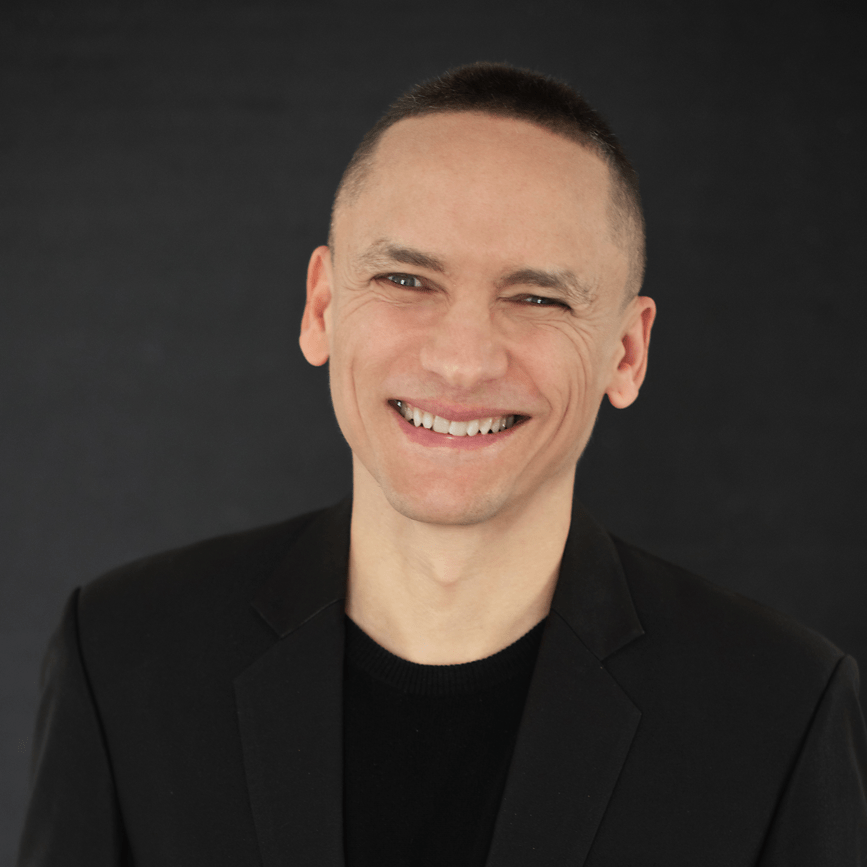
Tony Winyard is mixed race but everyone thinks he is white and it's resulted in situations where he's discovered some people's true thoughts on racism rather than the face they show to the world
In this episode of Inclusion Bites, Joanne Lockwood speaks with Tony Winyard about workplace culture systems.
Hello, everyone. My name is Joanne Lockwood, and I am your host forthe Inclusion Bites podcast. In this series, I have interviewed anumber of amazing people that simply had a conversation about the subjectof inclusion, belonging, and generally making the world a betterplace for everyone to thrive. If If you'd like to join me in the future,then please do drop me a line to jo.lockwood@seechangehappen.co.uk.That's S-E-E Change Happen dot co dot uk.You can catch up with all of the previous shows on Itunes, Spotifyand the usual places. So plug in your headphones,grab a decaf and let's get going.Today is episode 38 with the title,secrets from the habitologist. And I have theabsolute honor and privilege to be joined by Tony Winyard.Tony describes himself as someone who helps people createhabits that become automatic. When I asked Tony to describehis superpower, he said, it is the ability toassimilate pretty quickly to most places that he goes.Hello, Tony. Welcome to the show. Hi, Jo. It's great
Tony Winyardguest
to be here. So thank you for inviting me. No. It's absolute pleasure. I've been
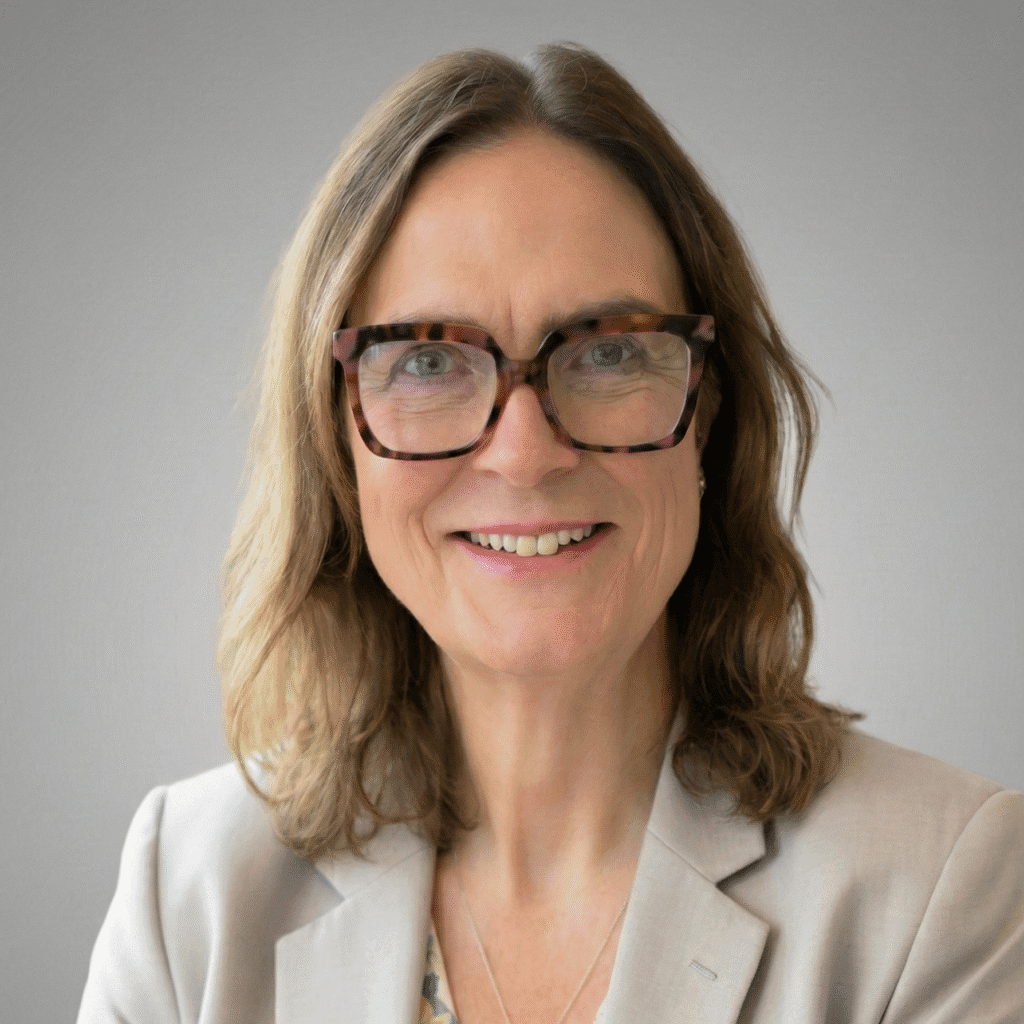
Joanne Lockwoodhost
looking forward to this, for a long time, meeting some of the, the shownotes you've put together beforehand that you've had a pretty interesting life and Ilove it. Can't wait to find out more. Jo, Tony, when wetalked earlier, we talked about, you have a nickname of of the hepatologist.And so what are the secrets of a hepatologist?
Tony Winyardguest
So the reason how that came about was I interviewedsomeone on my podcast, a few months ago, and theyI'm trying to remember what their title was, but their title was somethingologist. Itwas about something that they did, and it's it's it's gone through my mind. Butit stuck me, and I thought that was quite unique. And at the time, Iwas training to become a tiny habits coach.And and I just played around with the habitologists, and I looked around onGoogle and see if many anyone was using it. And it originally, itwas just something for a bit of fun. And a couple of people said theyquite liked it. So I I don't use it often, but I do use itsometimes. That's neat too.
Joanne Lockwoodhost
I mean, when I talk, in the DNI spacearound bringing change, a lot of it is aroundnudges, which I guess are tiny habits, small microchanges around process, around beliefs, aboutframing that can have a huge impact. So is that what youdo in terms of creating these new habits? Yeah.
Tony Winyardguest
Well, yeah, it very much is. And and how itall came about really was I've been for a few years now I've been immersingmyself in studying in various areas of health, sonutrition and sleep and movement and breathingand and so on. And I I found I had a very goodknowledge about all of this. And I was able to give people lots of knowledge,but that wasn't really necessarily helping them implementthe things I was talking about into their everyday of lifeand actually maybe eating better or sleeping better or whatever the casewas. And when I discovered this book, tinyhabits, that was kind of like the missing piece of the puzzle because then Iwas able to help people make it into a habit to sleep better or intoa habit to eat better or whatever the case was.
Joanne Lockwoodhost
We we keep looking for these massive changes in in our lives sometimes, don't we?And it becomes unrealistic, unsustainable, unfulfillable.We wanna lose all this weight. We wanna become fitter. So wealways embark on these big ticket programs, whichdon't hit the mark, do they? So tiny habits, a way of achieving agoal without investing your life into it. It's just incremental.
Tony Winyardguest
Yeah. And it has to start small because if you try to start to ifyou want to run a marathon, you don't start running 20 miles every day becauseit's you're probably gonna fail. But if you start by running just around theblock and then you slowly build up and, you know, and youscale up over time, you're more likely to succeed. And that's thesame for anything, really. We it's if we can start very smalland it could even be just as small as, well, I'm gonna startrunning, but I'm not maybe I'm not really so keen on running. You just putyour shoes out in front of the door. You're you're running shoes infront of the door. And maybe for the 1st couple of days, you don't evenrun, but you just see the shoes there and it puts it in your mind.And then you build up from there. But, yeah, if you start off tiny, you'remore likely to succeed in whatever behavior you're trying toautomate. That's interesting. I I I'm
Joanne Lockwoodhost
most people would probably describe me as unfit, and I I wouldn't disagree with them.I need to do something about my activity, and I we moved our house recentlyinto the countryside, and I decided that my my newhabit was gonna be go for cycle ride. So I bought a bicycle,and it I I had aoverambitious expectation of my own physical ability.I thought, oh, I can jump on a bike. I said, it can't be thatdifficult. I've I've used to ride a bike every day to school and inmy I've been to center parks like you do. And Isuddenly realized that I'm now 56, veryoverweight, and that I'm not as fit as I thought I was. And, myfirst five miles, I think I felt like I neededoxygen when I got home and I did it. I made it. I cracked it.I went to the place and came back again. But I've now I'm gonna readjustmy expectations, and I'm gonna do probably a quarter milefor a week and then then half a mile that I've got. I know wherethe next lamppost is, and I'm just gonna aim by the lamppost or aim bythe trees and then try and build it up. So you're you're quite right.And I think if I keep holding on to this, I must achievethis massive goal. I'd have now I'll never do it, but I think justsomething realistic. 10 minutes is is not a is not a defeatist. It's arealism. And I think you're quite right. Well, and another element
Tony Winyardguest
of what you just said, because by when it sounded from whatyou were saying, when you did that 5 miles, it wasn't fun. And if it'snot fun, you're unlikely to repeat it again. But if you make it very short,you're more likely to enjoy it. And that's a massive part of makingsomething automate, you know, automate. You have to enjoy it.
Joanne Lockwoodhost
Yeah. My goal,and this is my vision, is pick up on a Sunday morning,cycle to the farm shop, pick up some eggs and bacon, cyclehome and cook it. So my test cycle wasto the farm shop and back. But when I got back, I wasin no fit state to cook anything. Jo sothat's the bit I gotta work on. It's better get there and back and enjoyit and be able to talk when I get home and be able to enjoycooking the food when I bought it. So, yeah, I know I can do itnow. I know it's within my reach. I just now need to improve that and,and go off more regular cycles. But, yeah, so it's really interesting about this habitsthing, and I think I've already sussed out. I need to develop the habitMhmm. Of looking out the window and going, now I could do 10 minutes whileI'm thinking. This before, I was thinking, oh, I need to wait. I need tofind an hour or 2 to do this. Mhmm. I don't. I just need tothink, like, I think in 10 minute chunks. I can go down to the endof the road and back again. Yeah. That's still a win, isn't it? Absolutely. Yeah.
Tony Winyardguest
It's a much bigger win. It's yeah. Consistency.
Joanne Lockwoodhost
Yeah. Yeah. I mean, you've had a you've had a pretty fantasticlife where I can read from what you sent me. You've lived in 11countries. Yeah. And you're just radio presenting as well inyour past. That and that sounds really intriguing. Tell me tell me about that.
Tony Winyardguest
Yeah. I I've worked on radio in a few different countries. Andin one of the countries, I was in Indonesia for a few years.And I I was at the time, I was working as aDJ in a nightclub in Indonesia. And the the kindof equivalent of Capitol Radio, I'm from London, so Capitol Radio ismy, you know, how are the landmark I would use. And theequivalent of Capital Radio in Jakarta was a station called Tulijayo, andthey asked me and the the local DJ I workwith to come into their station to interview on their breakfastshow. And I'd already worked on radio in some othercountries previously. And at the end of the interview, I justI made a couple of comments about the station and some improvements Ithought that they might be interested in that would make this showrun smoother and and some other things. I can't even remember what it was Isuggested. But they turned around to me and say, well, why don't you have yourown show? And I was, yeah. Okay. Andand then I so I started doing a weekly show, and they gave mecomplete carte blanche into whatever music I wanted to play because I had apretty good music knowledge Joanne collection. But the more interestingthing happened was I was the only native English speaker on the station.And Jakarta is a city of 8, 9,000,000 people.And it's quite a a lot of major artists performin Jakarta on their Asian leg of their tour, like,major, major artists. And so a lot they were oftengetting interview slots for some of these people. And theystarted to ask me, would I interview the people? Not because I was anything special as an interviewer, but because I spoke English as in my nativelanguage. And so I got to interview Jon Bon Jovi andCindy Crawford and Steven Seagull and you be free. All sorts ofvery famous people. As I said, not because I was anything special, butbecause I was a native English speaker.
Joanne Lockwoodhost
That's fascinating. I mean, that must have been kind ofI guess, from the start, you must have had that that the nerves were sortof, like, shaky Joanne, wobbly voice. Are you inawe? Or did you overcome that pretty quick? Now
Tony Winyardguest
I'm I wasn't. Now I wasn't in awe.I for some reason, I've never had that I don't getthat kind of, starstruck thing. Butwhat I where I did go wrong, and it'sactually it's interesting interesting to something that we were talking about before westarted recording. You you talked about your style that you like to do to showthe kind of conversational style. And at the start ofthese interviews, I was doing a ton of research on everyperson I was interviewing. I had all these all this information about them, thethings they did and when they'd released records and films and whatever itwas. And I was just asked going for a series of questionsin these the first few of the, interviews that I did.And it took me a while to realize that there was no flow. It wasjust a series of questions. And and then I can'tremember who it was. But for one interview, I thought whatI'm been doing hasn't really been working. Maybe Ijust need to have a conversation and be confident enough to nothave any information on the person and just simply to have aconversation and see how that goes. And it went so much better.And I never knew where the episode was going to go, where the conversation wasgoing to go. And the the interviews were a 100, sometimes better. AndI've just always done interviews that way ever since. And that wasin in the mid nineties, something like that.
Joanne Lockwoodhost
I mean, I often sort of beat myself up because I feel like I'm wingingit. But sometimes, winging it is actually more natural, moreauthentic, more interesting when when I don't know where theconversation's going, you don't know the conversation's going, and therefore the listener isfollowing on that. As you say, if I if I was too prescriptive here andI've got your bio out and I ask you all this stuff, it's gonna soundquite, you know, almost like fake or orprepared. Well, I've done I don't know about you. I've been on
Tony Winyardguest
some podcasts where I have just been the the thehost has just had a series of questions. I I remember onewas it was literally just question after question, and there wasn't anyconnection between the questions. And it was so stunted. Therewasn't any flow to it at all. Yeah. I Jo a
Joanne Lockwoodhost
lot of panel shows, for corporate events.So they they want me to present or I often try and encourage them tointerview me live and get the q and a going for the audience.And they always want me to give them a whole load of questions or givethem all the all the things. I said, well, look, can't we just make itobviously Jo? But I suppose that requires a confidencein the host, doesn't it? And I suppose I've gotta be careful here that I'mnot imprinting my confidence into somebody else who may not have it.So, yeah, it it's it's nice to have a few prepared questions, Iguess, but it's nice to go off piece quite quickly. Mhmm. Well and
Tony Winyardguest
and, actually, I I had a couple of comments from some of these,like, mega stars who and they were being interviewed all day long by variousradio stations, TV stations, newspapers, and so on.And a couple of times, these conversations, as I say, just went off on areal tangent. And a couple of times, the start the end of theinterview would say, wow, I really enjoyed that because we covered some ground.I haven't covered in any every other interview has just been question afterquestion, but we discussed some stuff today that I haven't brought up inany of the interviews. And so that reinforced myconfidence to continue doing that.
Joanne Lockwoodhost
Yeah. Brilliant. Is so you worked in 11 countries around the world.You did a lot of DJ ing. You met a lot of celebrities, became akind of like a an A list hangar outer.And what you came back to the UK after that, after a few years to2? Yeah. I'd I mean, it sounds very glamorous. And in some
Tony Winyardguest
ways, it was. I mean, I was yeah. I worked in all those different countries,and I was being usually the I was workingthe best club in each of the cities that I was working in. And sothe club was usually 4, and it was people wanted to knowthe DJ. And I was it was good, and it buteventually, I got tired of it. I got tired of virtually living out ofa suitcase and going to a country where I didn't know anybody. I'dmade lots of good friends. And then there was always a scene at theairport where I've got all these people saying goodbye to me. And I know I'mprobably never going to see most of them again. And then I go to anothercountry and I start this whole thing fresh. And after a while,it was a combination of, I got tired of that after a while, but alsoI'd been away from England for 12 years. I thought, yeah, maybebut the first 10 years, I didn't miss England at all. Whenever anyone said tome, are you gonna go back to London? My reaction was normally, whywould I wanna go back there? But then eventually I started to missthings. And plus at the same time, my mom started tolose her eyesight And I thought, okay, now is a goodtime to go home. So, yeah, after 12 years, I I returned.
Joanne Lockwoodhost
The DJ ing or or something else? Well, and yeah,
Tony Winyardguest
I I also got fed up with club DJ ing, soI didn't want to continue working as a DJ,but I didn't, I wasn't really qualified to do anything else. And I didn't knowwhat I wanted to do. And my best friend who I'd known sincewe're, like, we're the same age and we're we're 14 days apart in ourbirthdays, and we went to the same school and everything, and our parents know eachother. And he's he was working as a financial adviser, and he hadwe had way too many clients. And he said, Artem, why don't you come andwork with me? I can't handle all these clients I've got, and I can wecan get you trained as a financial adviser. And so I did that. I wentforward to train him. And it was such a big mistakebecause I am just not cut out to do something like that.I I had a ball in having aI I made no money at it because I didn't have any belief inwhat I was doing. And, but then what happened, I endedup people were offering me DJ work, but this time as awedding DJ, which is very different to a club DJ. Andso I ended up doing that just to make some money because I wasn't makingany money in in trying to sell financial services. And so I ended up workingas a as a wedding DJ. Wow. That's a
Joanne Lockwoodhost
big difference. So Jo your was it transit van, a load of load ofamps and speakers and lights on on the on the road kicking it foryou? Yeah. And it started off. I because
Tony Winyardguest
I'd been away for so long, I didn't really have areputation. You know? And and as I say, a wedding DJ, the typicalperson, a couple who is gonna book you for a wedding, they would never haveheard of me as a club DJ, especially I'd been away for so long. Somy reputation didn't count for anything as far as weddings were concerned. And so Istarted off almost at the bottom of the rung earning really poormoney and not particularlybeen respected. I mean, it wasn't a greatexperience at the beginning.
Joanne Lockwoodhost
But I found that as a professional speaker. You do your firstyour first gigs now. I always think about when I watch the FreddieMercury film and the history of Queen.Literally all these mega bands, all these world famous rock stars allstarted off lugging their kit in the back of a transit in a in adirty, dingy, smelly pub somewhere and then moving on to the nextvenue the next night. And I think as performers, whether you're acomedian, whether you're a DJ, whether you're a speaker, wherever you are, you've gottabreak that that ground. You've gotta you've gotta kinda do those backstreetvenues. Mhmm. Because it's a good test of your metal as well as it itis your confidence. You're used to the heckling. You're used to the customerservice dealing with situations. I think if you just go straight onto stage and getit big, you don't have that same depth to your personality, do you?
Tony Winyardguest
No. And I and I had done all of that kind ofmobile DJ. And initially, before I became a club DJ, I'd startedoff when I was 15, 16, 17, doing that kind of thing.And my goal then was to be a club DJ, and I was doing everythingI could to get in clubs, which was very different to working in pubs.And and and so I managed to to get into the club scene, whichwas a a story in itself. But then when I found myself back intothat scene, and I'm now it's 20 years later, and I'm a verydifferent person. But it yeah. Itslowly improved. And I I think that the where there was
Tony Winyardguest
one event where I had this kind of epiphany almostwhere I was doing a wedding, and, it was in a venue in Old Streetin Central London. And the venue owner came up to me, and he was thisreally tall guy. And he he sort of looked down at me, said, how muchdo you charge, mate? And I I said, a £150. He said,well, I have DJ's charging double. That will you charge a £150for? And he he said this line that I'll never forget. He said, you're sellinga Ferrari for the price of a 4 Cortina, mate. And he said, you wannaup your prices. And so the next day I was thinking, whyam I charging 150? And I realized I was charging that because that'swhat everyone was charging. And so I didn't really think aboutwhat I should be charging. I just thought, well, that's what I have to chargebecause everyone else is charging. I literally doubled my price.And the next time I went to meet someone about doing their wedding, I thoughtthere's no way they're gonna book me. Yeah. When it when I say 300.And I soon found that everyone was still booking me. It didn't make any differenceto my booking rate. And then everything changed inside myhead because then I realized, oh, I've got control over my prices. Andbefore that, I hadn't given it any thought.
Joanne Lockwoodhost
Yeah. It's I I when you're pricing things,you can either work a lot for a littleor you can work a little for a lot, and it's just changing theratio somewhat, but having that self belief, that value proposition,understanding your worth, and then finding the clients that value yourworth. And she say, you'd rather do5 nights at 1 at at at at at 300 than10 nights at 1:50. It just makes more sense, doesn't it? Mhmm.And often you find that you do the same amount of workbut earn more money for that work or you earnthe same money, but do half the work or quarter of the work. And that'sthe ratio and that that's the confidence as you build your business, isn't it?
Tony Winyardguest
Well and yeah. And once I had that realization that I had alot more control, I went, I mean, itjust a change from 300in and by that was around the early 2000. And by theearly, teens, you know, 2012 or13, I was charging probably about8 times that I was in around £2,000 for a wedding.But then I was offering far more because I'd I'd trained myself in manydifferent areas. I trained myself in to be a master of ceremonies.I'd done a lot of public speaking training. I'd and, and I'd doneother things that had no connection with DJ Joanne like comedy and improvisationand emotional intelligence and all these other areaswhich helped me to reach a different type of client.
Joanne Lockwoodhost
Yeah. The value add. None you weren't just nothingwrong with being just a DJ, but you you were adding more value, whichis what the clients perceived. And as you say, you are finding differentopportunities than you would have before. And I suppose yourreputation traveled further. Once you're in that differentmarket, you don't compete. Yeah. You set you set the standard, don't you,at that point? Yeah. Absolutely. Yeah. And it didn't
Tony Winyardguest
You mentioned emotional intelligence. You mentioned you mentioned
Joanne Lockwoodhost
emotional intelligence, and you said you trained in it. SoI'm a I'm a great believer in when we when I talk about DNI andinclusion around one of the biggestanxieties people have is the fear of getting it wrong. How do I have aconversation with someone who has a disability? How do I have a conversation withblack when I'm white? How do I engage with people who aredifferent to me? And I always come back to this emotional intelligence. It'sabout knowing how to have a conversation with anybody,therefore, everybody is accessible to you. And it's thebasic skills around reading people, the openquestions, being able to pick up on empathy, compassion,we how how people are reacting to you. It's all of that kind of stuffbuilt in, isn't it? So what what where has it takenyou in that in that sort of experience?
Tony Winyardguest
Emotional intelligence made quite a big difference because it helpedme see things in a very different way. It helpedme. It it wasn't actually just in my at the time, I wouldjust dived into studying and reading a loton all sorts of different subjects. And I'm I rememberaround that same period as I was learning more about emotional intelligence andhow to use it and how that would help me with the people that Iwas speaking with and trying to find new clients and whatever the case mightbe. But I also, at the same time, learned notto see myself as a victim. Jo that wasn't so much emotion intelligence. That wassome of the psychology stuff I was working. And that up untilthen, I think I sometimes did see myself as a victim, and itwasn't helping me in any way. So it was a combination of those two thingsreally, really changed my my thinking.And, I think I've enjoyed life a lot more since then.
Joanne Lockwoodhost
Mind me asking, why did you feel a victim?What led you to feel that? Well, I was going through
Tony Winyardguest
a difficult separation with my ex, and Ihad to take her to court a few times to see my daughter because shewasn't letting me see my daughter. And so I was and there were somekind of horrible things that went on, but instead of, yeah, Iwas playing the victim too too much in that whole situation. Andrather than taking responsibility where I I was at fault aswell, there she was definitely at fault for some things, but therewere things where I was down to fault. I I was at fault, and Iwasn't taking responsibility for that.
Joanne Lockwoodhost
Yeah. It I someone taught meor made me aware of the fact that you have to be accountable for yourown actions, your own footprint, your own impact on theworld. And once you can understand who you areand how people perceive you, that self awareness, that makesyou a better person in the world because youhave that self awareness and you'reyou don't want to be a negative impact on on anybody else because ofthat. It's waking up and and appreciating that is areal awakening, I found.I I think also and to touch back on earlier, you know, I mentioned about
Tony Winyardguest
when I was working in all those different countries, something that I learned when Iwas doing that whole kind of, you know, I was in workingaround Europe and the Middle East and the Far East andwhich were all very different environments and very different culturally.And and I learned for start, initially,I had to speak very differently because when I first left London, I hadquite a strong London accent. And I realized that people couldn't understandme. I was talking too fast. I was using slang. And so Itaught myself to speak much slower, to, you know, getrid of the slang. And and then each of thecountries I was in were were I mean, from some countries that are veryrich, like Japan and Switzerland, to some countries that are extremely poor, likeIndonesia and Syria. And so there were some very extremes.And I taught myself to how toI learned quickly how to adapt to very different situations, youknow, and the way that I would the people I was meeting and the waythey were responding to me was very different. So that taught me alot, I think, about emotional intelligence in some ways as well.
Joanne Lockwoodhost
That's interesting you mentioned that. I I I travel quiteextensively in my early thirties. I was to workfor an international private bank, which had offices in manycountries, mainly the higher end of thefood chain, so the more affluent market.And I also also a member of a club which I call mystudent being the national president at one point and that was an international club andI used to go on lots of international trips, staying in people's houses invarious countries Joanne then living with with with theculture. And I I learned,this was probably back in the mid to late nineties I started this,where the level of English spoken by peoplewho lived in other parts of Europe or other parts of the world wasn't asadvanced as it is today. People were learning English, but notfluently. And so I I learned pretty quickly that you had to speak with arhythm, with a certain pace, be very conscious about the wordsthat you would use in your language. And I wouldn't say beingpatronizing, but being very deliberate about what you were trying tosay in a way that was clear and not asyou drift into Yeah. Localisms orslang or rolling your words together. So I got very used totalking in this very understandable way. Andpeople used to say to me, you're so easy to talk to. You're so easyto understand. And I've always held that beliefthat make yourself easy to understand. If you want tobe heard and truly listened to, take responsibility to make sureyou communicate in a way that people do listen to you. And II still hold that dream today and I still find that people give me feedbackand say, I speak in a very clear, very evenlypaced, interesting way, very clear of voice. And Ithink, okay, I don't know where that came from, but obviously, over mylifetime, spending my time in different cultures with differentlanguages, you get used to communicating in a way that isless complex maybe or un withoutunnecessary complexity.
Tony Winyardguest
And I wonder also if you've well, something that I've it'sonly recently that I realized this because I I guess it I just took itfor granted from for many years. In the last yearor last couple of years, there's been a couple of situations where,some people, well, I can just think of one example in particular wherea friend of mine who's doing these online courses, he's creating these courses,which have been sold to people in many different countries. Andhe hasn't really traveled that much. And he was askingme for feedback on some of the copy he was using and some of thethings he was signing in the sales videos. And I said to him,what these are going to to to Canada. You told me that you'vegot clients in Canada and Mexico and some places in South America.And they're not going to understand some of these words you're using.And he hadn't even crossed his mind because they were just words that he usedevery day. But I knew from being in all those different countriesthat there were many words that we use on ajust without even thinking that people in some othercountries, although they've learned English, they just don't understand some of theidioms and phrases that we use. And
Joanne Lockwoodhost
we forget. We pick a lot of our common language up fromtelevision, TV, the metaphor, similes, and you saythe idioms we use tend to be very contextual, whichdon't translate. And Mhmm. We've gotta be really, really careful that we're notmisinterpreted. It's something we we we think we've said isclear. And they and I've had people say to me, what do you mean bythat? I go, oh, you're right. There's no context there, is there?There's no background to that phrase that cameout of a seventies TV program. Jo,yeah, it's been really, reallysanitizing your language to make it understand understandable, butyou're trying to do that on the fly without sounding patronizing,without sounding, like you're treating somebodyas the stupid or an idiot, which can come across if you trytoo hard, but being very natural and flowing and beingvery well paced. And I think speed of talking is very important aswell. Allowing pauses, allowing reflection time,gaps between words. Again, it not just helps people whowhere English is in the first language, but also someone who lip reads,someone who is is looking for that that clue for maybethe hard of hearing, whatever that may be, is allowing time to process aswell as not rather than just rush people into the next point.
Tony Winyardguest
Yeah. And and also, I mean, what you just said there reminded me of astory about the pause is so important in so manydifferent areas of life. I mean, certainly in the situations you were talkingabout, but it also by having that pause andslowing the pace down, it allows people to whose netwho is native language, maybe not English. They've got time to thinkabout what it was you're saying and understand what you're saying. But the storythat it really reminded me of, I was doing I did I dabbled in somestand up comedy a few years ago. And I had this littlesome sketch that I'd written or a series of sketches. And I was tryingmy hand in different comedy clubs and I wasn't trying to be a comedian. Iwas just trying to see if I could, I wantedto make people laugh because of the speaking I was doing, and I wanted tobe able to inject more humor into my speaking. So I thought, well, this isthe true test. If I can make people laugh in a comedy club. Anyway, Ihad all this my my, whole approachwas mostly story led. I didn't really do sortof gags or such. But because I hadn't done this before,I wasn't supremely confident that I was a very goodcomedian. And for the first couple of gigs I did, I justsort of told a story, bang straight into another story straight. And I didn'treally leave any time for people to get some of the storiesthat I was saying. And so I wasn't getting many laughs. At the4th gig, I don't know why, but I felt more confidentfor some reason. It was a maybe it was a nicer atmosphere or something. Therewas more people. And there was one particular story I had, which was areal wordplay. And at the end of thisstory, with the kind of wordplay, I pausedAnd the reaction I got, it was only a slight a small pause. And Iwas about to go on to the next story. And I literally had people standingup and cheering and giving almost, like, a standard narration. Wow, what adifference. Just by pausing for a couple of seconds before moving intothe next story. That that sold me a huge hugeamount. I've done a couple of stand ups. I must say a
Joanne Lockwoodhost
couple. I've done one routine. I did it 4 or5 times, and I learned very quickly youhave to let the audience laugh. You have to create space for the audience tofind something funny. Otherwise, as you say, without thepause, there's no opportunity for someone to for the joke to land,is there? You have to create that space.Obviously, Lockwood kicked in and I haven't furthered the standup, but I'm not sure I enjoyed it. It's abit like we talked at the beginning about these small habits.I volunteered to do it because it was way outside of my comfortzone. It was like this big thing that I was scared of. I thought,well, if I'm scared of it, I've gotta do it. And as a professionalspeaker, I'm used to getting up on stage. So it wasn't it wasn't the fearof the stage. It was just I don't know. It was there was afear there that I wasn't happy with. And I remember the ProfessionalSpeaking Association, and each year at the conference, there's a a 5minute comedy slot where any any member could stand up and and sort ofbook a slot, and you get 5 minutes. So I remember sort of theconvention beforehand saying to the person who's organizing it, I'd like acomedy slot next year. And they said to me, you're in. You're thefirst. Tick. Got it. I thought, oh, it's a yearaway. No problem at all.About 48 hours before the night, I thought I need to do something.I need I need to have a routine. I'm sure other people have rehearsed andpracticed, but that's not my style. I tend to be a kind of a itwhat it comes to my head, it pops into my mouth and it goes out.And I had a whole load of routine. I had I had 4 or 5stories, which were actually life anecdotesthat I knew individually they were funny. I knew individually Iknew them, so I had a routine. I pieced them together ina path and a storyline that worked with a big punch line at theend, you know, the closing punch line, the the big laugh. AndI delivered it to to this this stage, and, I didn'twin the prize that night. I was beaten by a a
Joanne Lockwoodhost
semi pro after dinner speaker who was was doing thisroutine night in, night out, so I didn't feel too bad about it. But Ifelt I held my own against the other competitors. Andthen I was traveling to Australia to speak ata conference over there in Melbourne. And another person, afriend of mine, who was also traveling to the same conference to speakmentioned the fact they were gonna do their stand up routine at a comedyclub in Melbourne, downtown Melbourne one night. I justemailed back and said, any chance, you could give me the details because I II'll book a slot at the comedy either. Sohowever many 1000 miles from home on a Tuesday night and this company club inMelbourne, I stand up and give my routine again. And,yeah, the feedback I got from the the MC Bookerorganizer was I I I raced it. I think my nerves kickedin outside my comfort zone. I probably raced it too much.And also because they give you a finite time, it's gotta be 5 minutes. You'rereally conscious about the clock, and I was trying to squeeze it in, squeeze it,and squeeze it in. I think that was a mistake I made. The next time,what I'll do is I'll I need to pace it and have less contentand make more of it. And I think that's the mistake. It's trying to andI think as a speaker, it's the same. You try and put too much in,then you end up overloading people. So sometimes less is obviously more. And Ithink with comedy, 4 or 5 well honedstories that land are better than 7 or 8 squeezed. Ilearned that. And I I delivered a couple more times since. Once anetworking night, in London and once aat a women's, essential women's day event. Idelivered as well. Yeah. As I say, I'm not sure if I wanna do itagain, but I've done it I've done it a few times. And,certainly, yeah, learned I learned a lot aboutmyself and andyeah. And I can be funny. This is probably the most important thing.Jo, yeah, I'm a great admirer of anyone who's done to their stand up.
Tony Winyardguest
Using humor is Jo it's the best way to connect with people, isn't it? Jothat's why, yeah. It's I I I have enormousadmiration for some of the, you know,comedians on the scene who are constantly every year, they're rewriting their wholeset and they'd go into Edinburgh each year. They deliver they theypractice it all year in the lead up to Edinburgh. They deliver it there, andthen they begin again almost, and they rewrite a whole new set. And then byEdinburgh, the following year, they've got a completely new set. That's just an amazingability to be able to do that. Yeah. I used to go and see
Joanne Lockwoodhost
acts at the, the Guildhall in Portsmouth near where I live. And I've seenJohn Bishop. I've seen,Mumford. Is it Steve Simon Muff Steven Mumford? Jason Mumford? Jason
Tony Winyardguest
Mumford. Jason Mumford. Jason Mumford. Jason Mumford. Yeah. Is it Jason Mumford? Yeah. John Bishop,
Joanne Lockwoodhost
Alan Davis. I saw the would Ilie to you crowd? They did like a little little routine.So I yeah. I've seen I've seen quite a few of Jimmy Carr.And it's they they create that show for the year for that tour, don't they?And they all the gags. One thing I loved about John Bishop was theway he set up a whole load of stories all the way through. And atthe end, he had a slideshow that actually showed thestories and actually as they happened, he had this big check about I think itwas about a llama, and there was him and the llama at the end, andit was kind of the way he Joanne that final close, hesignposted all the way through the just slam dunked at the end. I I wasa great admiration for the the way he he he created thatjourney. And, I I think you can learn a lot from comedians about how thestorytelling, how they craft their their their speeches andtalks and that humor. And, yeah, I'm a I'm agreat analyzer of stagecraft and how people speak.
Tony Winyardguest
Yeah. And I agree completely. There's a lot to be learned fromprofessional actually, not even just professional comedians because when Iwas doing, I did 20 gigs around Londonand a lot of the people that a lot of places Iwas working in, we were comedians who were starting from the very beginning. But Igot to know a lot of these guys. And as I went to all thesedifferent clubs, I got to know some of these comedians on the who would, inthe beginning of the the circuit, as far out for them. AndI still am in touch with some of these guys, and that was about 10years ago. And now some of the misadams do really well.And they're not famous by any means, but they're starting toearn some money from it now. But they're they're
Joanne Lockwoodhost
a asa white English guy, how did people take you?How did people find you? Have you got a different view ofculture, of race, and maybeinclusion or discrimination in somebody who maybe hasn't maybe experienced thatpart of the world.
Tony Winyardguest
Well, yeah. And it's interesting you say as a as a as a white Englishguy, because I'm not actually a white English guy. I don't that's how I look.I'm actually mixed race. My my father is black.My mother is blonde Irish and but shemust have strong genes because I don't have any. Well, I said I don't haveany. Most people who look at mebelieve that I'm just white English because I'm, I've got a very, I've got aslightly olive olive skin, but my facial featuresare very kind of European. But as I said, my my father is thesame shade as, Usain Bolt. You know, he's he's very dark.And so it's been it's interesting for me as as I've grown up and asI've traveled and I've gone to all these different places. AndI know that everyone who looks at me looks at me as awhite English person. But I haven't necessarily grown uplike that because I've grown up. It's sometimes it's been a bit strange when Iwas growing up because I was very aware that I am mixedrace and and who my father is and so on.But I know it was even times when I'd be in asituation where a crowd of guys, maybe some likea football crowd sort of thing. And and there were some quiteracist remarks being made, not to me, just beingmade because they just presumed that I was the same as the rest of them.I was a white English guy. And so in some ways, it's allowed meto see a different side of racism because I seeguys who would never be racist in front of someone who was from anotherrace. But when they were just other white people, they extremelyracist and believe in that I was just the same as them. Andso it's allowed me sometimes to seepeople for who they really are rather than who they pretend tobe when they're in front of someone who is a differentrace, which is in some ways is goodbecause it's allowed me to listen. People I know who whodon't have no idea that I mix race and who I know are actuallyvery racist, inside, but they never show that face whenthey're in front of black or Asian or or whatever it might be.
Joanne Lockwoodhost
Yes. Interesting. I mean, I I I obviouslyI read the show notes that you sent through, so I was aware about yourfather when I asked the question. So I I didn't want to sort of Iwanted you to tell your own story, though. But it is interestingthat you you make assumptions about people around you.This tip of the iceberg, these these stereotypes we create, we look at someone, weform these judgments very quickly. And how often do we get to know thetrue person, who their family is, who their friends are,what interest and what their loves and hates are? AndI I talk about this when I do my LGBTQ plus trainingall the time. We we don't we can't assume someone's sexuality. We can't assume who
Joanne Lockwoodhost
they're someone's married to, but yet we do. We Joanne anassumption that I I know I've got many gay friendsor or it's always presumed that they're married to a woman orif if it becomes if if they say they're married to a manand then they talk about their children. So they get puzzled. How can you havechildren if you're if you're a man married to a man? Again, you have todo all this explaining, and often it's easierjust to pass or cover or blend and not have thoseconversations. Just just be a a passing straight whiteperson if you like without having to explain all these details about yourbook. Many people don't have that luxury if they're not a passingif they're black, they're openly gay and they're happy to beopenly gay, they wear that with pride. AndI can't not be trans. It's kind of obvious to most people.
Joanne Lockwoodhost
I don't I don't make a secret of it, but Ican't pack myself away in a box for someone else's convenience.And the amount of times, you know, like yourself, I've been involved with conversationsprior maybe to my transition that are sexist,that are racist, that were whatever, all the things you described,transphobic. And it was eating me up inside. Itreally was a struggle to hold that in. And, of course, if I'd snappedand said something, people look at me like, what's it toyou? Why does it matter? And it's and then you have to kind ofalmost you just say because it does. It's not enough sometimes. You have toalmost like it matters because, and then you almost feel obligedto sort of tell your story, which you don't really wannabe put in that position.
Tony Winyardguest
Yeah. Yeah. Absolutely. Yeah. Yeah. It's,I I struggled with it as a kid because Ididn't, my mother and my father's divorced or theysplit when I was very young. So I didn't grow up with my father. Igrew up with the person who I call my dad is is a white guy.He's, you know, he's really my stepdad. So I grew up in a very whiteenvironment, but always aware that I wasn'tcompletely white, even though I looked completely white. And the school Iwent to was probably about 50% black. It was a it was quite ablack area of London. But I alwaysI it was it was difficult because I didn't feel I'm Africanblack, so my father is African. Most of my school was West Indian black. Andin the seventies, when I was going to school,it was very cool to be West Indian Black. It was not cool to beAfrican Black. African blacks were really kind of ridicule ridiculedand, you know, a lot of fun made out. And so I would neverlet anyone know that I was actually born in Africa and that my fatherwas African because I knew that I would be in for a whole load of,you know, people making fun of me and so on. And soI it was always andI couldn't just come out and say, oh, I'm my dad's black becauseI didn't look black. And so I kind of felt notuncomfortable. It was just it was. Yeah, it was kind of strange for me goingup. I wasn't I was never sure. I just most people just assumed Iwas white, and I never said anything different to most people.
Joanne Lockwoodhost
I I was born in Singapore back in the mid sixties. My fatherwas a naval art officer. My mom,I suppose a professional mother at the time aswomen were in the sixties. So I was born inSingapore in naval hospital in Singaporeto 2 white middle class Englishheritage people. But when I got to acertain age where I was applying for jobs, CVs, resumes,passports, whatever. There's always a there's always a nationality anda place of birth that came up. Now I always putSingapore, and I always put in brackets afterwards BritishNaval Hospital, close brackets, because I wasreally, I don't know. I was just keen to say Iam English, really. It was almost like I wasYeah. Worried that I would be perceived as someone who wasn'tBritish English by saying I was born in Singapore. And I Ilook back on that now, and I would never explain thatagain. I never put that. I never put that footnote anymore. I justsay Singapore. But there must have been some biasin my own head, some prejudice in my own head about beingperceived as as not completely white.And I still remember that. I I don't I'm not shameful about that feeling,but I'm very conscious that I felt that way. I've challenged myself onit since. Mhmm. Because I was conscious that otherpeople may be biased against me if I put the Singapore down. Soit's very interesting that you you say you kinda pass asa as a white person, but you're still proud of your yourAfrican heritage where you were born.
Tony Winyardguest
Yeah. And what you just said is so true. I spent Jo the certainly, thefirst half of my life or certainly until my twentiesplaying up or really living up to being British and Englishand told very few people where I wasborn or they, you know, they didn't know anything about my father.And I probably really exaggerated my cockney accentto to to fit in and and and so on. And I didn't wantanyone to feel you want to fit in. You want to be like everyone else.And I it's only in the last, I think, 10, 15years I've become much more comfortable with who I actually am and where I'mfrom and my, you know, my family on my father's sideas well. Jo you keep in contact with them? Do you
Joanne Lockwoodhost
see them? I never actually met my father
Tony Winyardguest
until I was in my mid twenties. And then I met here. And at thetime I was, well, I was working in Switzerland and I didn't meethis family because he'd married again to so he's fromSudan. I was born in Sudan, and he married a Sudanese womanand moved to Tottenham in North London. I didn't know that when I was growingup. And it was when I came back to live in England and I methis 4 children, so my half brothers andsisters. And I got quite a close relationship with2 the your 2 oldest girls, but I didn't have such aclose relationship with him. He was very deeply religious, and I'm notreligious at all. And I found it quite difficult to he would try 5 timesa day, and it just wasn't yeah. And and because we hadn't Ihadn't grown up with him. I didn't know anything about him as I was growingup. It was always a difficult relationship, but it was much easier withhis with his children.
Joanne Lockwoodhost
Yeah. Especially, if you haven't had contact with Joanne estrangedfather, it's a really difficult relationship to rebuild, isn't it? Whereasmaybe your siblings is is a far easier, mayberelatable peer to peer type type level as now, I think.I've I mean, I haven't had a great relationship with my family for many years.I'm sorry. Carry on. Well, yeah. And so if right.
Tony Winyardguest
Yeah. There was a slight delay, so I didn't hear you carry on. But, yeah,it was funny in some ways because theywere, both their mother and father were Sudanese. And so theymy my siblings look black, but they were born inLondon, whereas I look white and I was born in Sudan. So it wasit was some strange sort of parallel as well as theopposite, say, in some ways between us. Mhmm.
Joanne Lockwoodhost
I've got some friends who fosteredto white families, which is quite apparently quite common inthe sixties and early part of seventies where blackchildren were taken from their black parents for various reasons, povertyor other reasons, and and they were they were homed or fostered or adopted bywhite families. And that that led them to a huge identity crisis.Black raised by white people, understanding their culture.And I mean, I think all of thepeople I know that have told me this have felt very confused about theiridentity and had a lot of conflict around that racismand find trying to find out who they truly are. It must bereally kind of I don't know. I I I can't even think of howthat makes you feel.
Tony Winyardguest
Well and there's also and I don't know. I mean, obviously, I can't speak forthe situations you're talking about, but I know for myself, growing upin London in in the seventies eighties, it was quiteespecially from the police, it was quite a racistatmosphere. And a lot of my friends were being picked up regularlyby the police on the the SAS laws at the time.And and I was never arrested by the police. And I waswearing the same clothes as these guys, and I was doing the same things andin the same you know, but I was never ever juststopped for for suss, whereas all my friends werealways, always being stopped for suss. And so they became Ialmost, in some ways, kind of felt guilty. I thought, well, I am actuallyhalf black. And if the if these police officers had knownnow, I probably would have been stopped more often, but I was never literallynever stopped. And yet they were all my friends were always being stopped.
Joanne Lockwoodhost
Yeah. That must be really,really kind of I don't know. In one way, you feel lucky,but in another way, you feel disappointed for your friendsbecause you could see that overt racism at play.
Tony Winyardguest
Yeah. There was a feeling of guilt in some sometimes because I wasI realized I was really, really lucky that I was not being subjectedto what my friends were being subjected to. And that wasjust purely by the luck of not having a darkercomplexion. I mean, my my best friend was also mixed race, and he was ahis father was black and his mum was white, but he looked veryblack. You know, his his hair was more sort of Afro and so on,whereas, you know, my hair is not. And and we weresubjected to such different experiences. And yet we werebasically the same in some ways. You know,
Joanne Lockwoodhost
I'm I'm kinda lost for words becausethat situation for me, I've got no reference point of thatthat conflict of identity or that conflict of of history in mylife. So it's hear your story and hear your story of other peopleI've I've spoken to. It yeah. It'sit really takes me into a different position of thinking, you know, about how thatcan happen and how it does uncover racism, uncoversthe social constructs and the thesystemic problems we have in society in some cases with the with the police, withthe stop and search, with discrimination employment,in in benefits, aggravated by things like Grenfell,Windrush, and now, what appears tobe a racial bias to death, to dying as a result ofCOVID often due to how people live,the societies, the communities they grow up with, multiple generationsand families living in the same property. There's a whole lotof sort of structural reasons why black, brown,or non white people are disproportionately affected by COVID, and it's notabout vitamin d and it's not about the color of skin. It's about thesocietal constructs that we've created around those communities.And it's, as a white person,I'm really shielded from that. AndI'm spending a lot of time educating myselfon on making sure I understand what's going on in society. And yeah, itit it is. And, for you to be in that kind of halfwayhouse where you you passas white, but have that black heritage, it's yeah. It must bequite a a conflict. But I'm not saying a bad conflict,but a something that you have to work with in yourlife.
Tony Winyardguest
Yeah. And I. Yeah, it was.I guess it was more I just felt because my friends were.Suffering quite badly and, you know, being beaten up and stuff and sometimes.And so I just I was very aware of how how lucky Iwas. But but but there wasan element of guilt about that.
Joanne Lockwoodhost
I mean, one of the when I when I do my training, I do mytalking. I talk about how a lot of biasescome from media. And I noticed in part of yourbio, you say you don't own a television and you haven't read anewspaper in decades. So alot of the biases that are prevalent in today's society are really fed by themedia. Do you feel shielded from them or do you feel cut off orhow how do you keep in touch with society?
Tony Winyardguest
I don't feel the need to. I feel andI I I have very little stress in my life, and I believe that's oneof the reasons is because I don't feel that I have tokeep in touch with everything that's going on and behave to know what's happened yesterday inWestminster or what the Daily Mail have made up or orwhatever the case may be.I I mean, I I'm I'm very aware of what's going on ifwell, just from being on social media, fromusing things like Facebook and and whatever platforms.If there I see a lot of people talking about a particular story,depending on the context and the sort of things they're saying, then I'mit may lead me to go and discover more about what that story is. SoI may look at certain websites to find out more about that story. Buthalf the time, I can see from the different,comments that are being made by lots of different people that I knowwho are white, black, Asian and whatever. Sometimes I feel, well, actually,I don't want to know anything about that story because it's clearly I can seeit's not actually helping people by the views that they're expressing. SoI'm quite content not knowing anything about that story.
Joanne Lockwoodhost
Do self select and research as as you feel you want toand is necessary at the time? Oh, good. Yeah. I think we are suckedinto this. I need to be fed with informationon our phones, on the news, on our media. We kinda get addicted to it.It must be, I'd say, quite cathartic. And did you say veryrelaxing not to have this this pressureof of media intrusion into your life at the time?
Tony Winyardguest
And and the reason it came about was because when I was livingabroad for a long time and I came back to England for a friend'swedding in 96. So I'd been away about 10years at that point. And I had been reading,I've been getting a weekly paper called the International Express, which waslike a the last 7 days main stories from theDaily Express. And I'd been receiving this for a fewyears, and that was the only touch point I had with Ringlingbecause this was, you know, pre Internet and so on. And Ididn't realize, but I was believing all these sensational stories inyou know, that they have in The Daily Express on a regular basis. And whenI came back to England, I was there's a couple of timesabout I was with different groups of friends, and we will be we will begoing to a different places. And I was saying, oh, we we surely we don'twant to go there. It's really dangerous there. And my friends were sort of lookingat me and what are you talking about? And this happened on a few differentoccasions. And I realized as I was on a plane going back toIndonesia, it occurred to me thatmy whole, thoughts aboutEngland had been completely shaped about how Englandwas by by the Daily Express over the previous few yearsbecause I hadn't actually seen England. I'd only been all I knew aboutEngland now was what I was reading in the Daily Express. And that was whyI was being so fearful about going to places like Ealing and andIslington and other places, which I would never have hadsecond thought about going to when I was growing up. But now I was suddenlyfearful about going to these places because I'd been kind ofconditioned in that way by reading the express every day.And on the on the plane going back, I thought, well, I'm not buying thatpaper anymore. And that slowly turned into I just have neverbought a newspaper since.
Joanne Lockwoodhost
I'm honest. I don't think the only time I've bought a newspaper in the last10 years is when I was in it. Iwanted to check the article I wrote or the story about me. But no.I I don't I don't buy newspapers, but I I do click on links onsocial media, and I probably consume a bit online,BBC news, that kind of stuff. But, yeah, no, I don't think I bought anewspaper or read a newspaper for many,many years either. So but you're so right about howwe form these biases and prejudices and based onsomebody else's commentary. And I've neverbeen to China myself, but I'm hearing all this about theUighur population and the way that the Chinese culture. I've
Joanne Lockwoodhost
never been to some most of Africa and my whole life isview of Africa is clouded by what I see on the television.I've never been to any parts of the Middle East. So how I perceive theMiddle East, the people from that territory and region, again, allclouded by the media. And I'm always very conscious about my biasesabout because we often see lots ofstories where there's a war or conflict or povertyor or something we disagree with going on in that region. That's all weever hear, and we don't really get to to experience thepeople. And I was watching the other day, I can't remember which country itwas, they just had a major earthquake or it's had a major disaster.And they were interviewing these people, but the people theywere interviewing were covered in mud and rubble because they justhad their they'd had their lives blown away by what disaster hadhappened. I thought it's already made themseem more primitive, lesscapable, less intelligent. My biases were building upbig time. I thought, oh, these people have jobs, they havefamilies, they have a bank account, they have money, they drive a car,They they have a position in society that is that delivers aservice to other people. But all we're being shown is thispoor, broken family, notwho they I wanna know who they were all about Jo I could film atrue impression of of of the context. And that'sall all we see. We we only see the disaster view of these people,which dehumanizes in a way and just reduces them to a a hardluck story. Whereas yeah. And there's
Tony Winyardguest
also the agenda that the the channels have. Jo, I mean, I can there'sone particular story I have where, again, while I was inIndonesia, in Jakarta, and there was a riot happening inNorth Jakarta, in in Kota, a place in Chinatown. And I was atthe time living in South Jakarta. And Jakarta is a huge place. It's not asbig as London. It's not far off. And so if you can imagine, if you'rein, say, somewhere like Wandsworth and there's a riothappening in Sauternum, well, you're not affected at all because it's so far away.Well, so we I was share I was at a friend's house at thetime, another English guy. And we happened to have just walkeddown the road to the local pizza place, and we bought a pizza. And we'reback in his house, and we're eating the pizza. And we're watching CNN,who were reporting on this riot in Jakarta.And the reporter said all the expats arebarricaded in their houses because the thing things are so bad. And we've lookedat each other and, well, we've just walked down the road to get a pizza.What are you talking about? The expats are barricaded. But everyone who was outsideof Indonesia and couldn't see what the situation was would obviouslybelieve what this reporter was selling them. And thatagain, that and that wasn't long after that story with the whole newspaperthing as well. And I I just started realizing these newspapers and mediahave they've got this agenda which they want to makepeople believe. And if you're not a there to see that actually that's notthe situation, then you're going to believe that.
Joanne Lockwoodhost
Yeah. I think if you like, from a DNI ofthis podcast, you know, into business, and that's a real perspective. So we wanna maybeleave people with a question what you're being fed bythe media, question their motives, andseek out your own truth. A bit like you're saying, you do you do theselective research, targeted research to get uncover the realstory. I think that's really, really important. And as a as a takeaway,that could be that's the nugget I'd like to leave people with here is aboutunderstanding your biases, understanding what you've been fed, understanding theperspectives you have, and how to challenge those and bereally active about learning about some of about people,about new situations, cultural, emotional intelligence.That's why I always encourage people to do it. Well, Tony, we've been speaking forjust over an hour. I'm sure we could both carry on foranother couple of hours, Esther, and I look forward to meeting out with you inthe real world one day. So thanks, Tony. How doour listeners get in touch with you to to speak about your website, what you'redoing?
Tony Winyardguest
So I I touched upon it. Yeah. I dive with the whole habit thing. Andand as I said, the way that the habits came about is because I've beenimmersing myself in health for quite a few years now.And I help people to improve their sleep, theirnutrition, their breathing, their movement, and their mindset. AndI I call my business habits and health. And so there'sthe ways people can get more information about me. My website istonywinyard.com. Winyard is W-I-N-Y-A-R-D. I'vegot a quiz. You can find out whether you're in control of your habits oryour habits are in control of you. Just switch is tony bueno.com/habits. I've got a free 5 day program, which I kindacoach people through improving their habits and how to create ahabit from whatever behavior it is you want. Maybe it's toto do press ups on a regular basis or to floss your teeth or whateverit might be. I've got this free 5 day program, is just tonywinyard.com/habits. I saw the quiz. I
Tony Winyardguest
I think I get no. The the quiz is habits hyphenhealth dot com. I think I gave the wrong URL before. I forget what itwas I said. But yeah. And I I've got I do I coach people inthis, and I also have some group online programs in this where it'susually 8 to 10 people. And there's a there's that kindof hive mind where by people telling their stories about howthey're having problems maybe with their sleep or or respiratory issues orwhatever the case may be. And when I'm able to help that one person,I'm also helping other people in the room or or the story that one otherperson is telling is talking about is helpful to the other people in theroom as well. And I know I have a podcast which we touchedupon. Yeah. I've got podcast called Habits and Health.
Joanne Lockwoodhost
Fantastic. I'm gonna go check my habits and see see what I've got.And I'm I'm definitely gonna build up my my cycling habit. That's that's one thingI've taken away from talking to that. I need to break into thathabit, make a positive habit out of cycling, not, ignoring the bike.Although I can see the bike every time I look out the kitchen window, it'sstaring at me saying, ride me. Ride me. So I I haven't hidden it. Soit's in my thoughts. So amazing. Thank you for your time. Thank you for yourcontribution. Been really good to chat to you. And a huge thanks,to you, my listener. Thank you for tuning in. Thank you for listening. Thankyou for getting to the end. If you want to hear more, please dosubscribe to keep updates on future episodes of the InclusionBites podcast at B-I-T-E-S. Tell your friends. I'msure you have a few. Tell your colleagues. Probably got some of those as well.I've got a number of other exciting guests lined up that I was sure you'llbe inspired by over the next few weeks months. Soplease, please, please, if you'd like to also, if you'd like to be aguest, get in contact with me. I'd love to have you on the show.And as always, I'd like feedback, suggestions for future shows on how Ican improve to jo.lockwood@seechangehappen.co.uk.And finally, my name is Joanne Lockwood. It's been a pleasure tohost this podcast for you today. Catch you next time.Bye.
Media Consumption and Its Impact on PerceptionMixed-Race Identity and Experience of RacismEffective Communication Across Cultures
Joanne Lockwood talks with Tony Winyard about why lasting change tends to come from starting small. Tony explains how his work in health and his training in the “Tiny Habits” approach helped him move beyond simply sharing information, to supporting people to implement better sleep, nutrition, movement and breathing through micro-changes that become automatic.
They explore what makes habits stick, including enjoyment, consistency, and reducing the pressure of unrealistic goals. Both share personal examples, from building fitness through short, manageable cycling sessions to lessons learned from public speaking and stand-up comedy about pacing, pausing, and making messages land.
The conversation also moves into inclusion and communication: how language, speed, idioms and media narratives shape understanding, bias and belonging. Tony shares lived experience of being mixed race while often being perceived as white, and how that has influenced what he’s witnessed and learned about racism and identity. Joanne reflects on assumptions, the fear of getting things wrong, and the value of emotional intelligence in connecting with people across difference.
“I was working as a DJ in a nightclub in Indonesia. And the the kind of equivalent of Capitol Radio in Jakarta was a station called Tulijayo, and they asked me and the the local DJ I work with to come into their station to interview on their breakfast show.”
“I had to speak very differently because when I first left London, I had quite a strong London accent. And I realized that people couldn't understand me. I was talking too fast. I was using slang. And so I taught myself to speak much slower, to, you know, get rid of the slang.”
“You told me that you've got clients in Canada and Mexico and some places in South America. And they're not going to understand some of these words you're using.”
“But it also by having that pause and slowing the pace down, it allows people to whose net who is native language, maybe not English. They've got time to think about what it was you're saying and understand what you're saying.”
“I know that everyone who looks at me looks at me as a white English person. But I haven't necessarily grown up like that because I've grown up. It's sometimes it's been a bit strange when I was growing up because I was very aware that I am mixed race and and who my father is and so on.”
“Growing up in London in in the seventies eighties, it was quite especially from the police, it was quite a racist atmosphere. And a lot of my friends were being picked up regularly by the police on the the SAS laws at the time.”
“I have very little stress in my life, and I believe that's one of the reasons is because I don't feel that I have to keep in touch with everything that's going on and be have to know what's happened yesterday in Westminster or what the Daily Mail have made up or or whatever the case may be.”
“And on the on the plane going back, I thought, well, I'm not buying that paper anymore. And that slowly turned into I just have never bought a newspaper since.”
The importance of starting small with habit formation, focusing on enjoyment and consistency to make habits stick.
The impact of mixed-race heritage on personal identity and experiences of racism.
How media consumption influences perceptions and biases, and the benefits of reducing mainstream media exposure.
Insights into cultural adaptability and the importance of clear, empathetic communication in diverse settings.
Personal anecdotes illustrating the role of timing and pauses in effective storytelling and stand-up comedy.
Lessons on valuing one's work and adjusting pricing strategies to reflect true worth.
The transition from a transient lifestyle to finding fulfilment through emotional intelligence and self-awareness.
One thing to remember
The pivotal learning from this episode of "Inclusion Bites" with Tony Winyard is the profound impact that personal biases and media influence can have on our perception of reality and identity. Tony's experiences underscore the necessity of questioning media narratives, understanding and embracing personal and cultural identities, and being mindful of communication nuances to foster an inclusive and empathetic world.
Questions this episode helps answer
How can societal perceptions and stereotypes around mixed-race individuals impact their sense of identity and belonging, as seen with Tony Winyard's experiences?
How did Tony Winyard's lighter complexion affect his experiences with racism compared to his darker-skinned peers, and what does this tell us about colourism within societal structures?
What are the potential benefits and drawbacks of living without mainstream media influence, as Tony Winyard does, and how might this affect one's mental health and worldview?
In what ways can individuals critically assess media narratives to understand biases and seek diverse perspectives, as discussed by both Joanne Lockwood and Tony Winyard?
How do structural racism and discrimination manifest in areas such as policing, employment, and benefits, and what can be done to address these systemic issues?
What strategies does Tony Winyard suggest for starting small with health-related habits, and why is it significant to focus on enjoyment and consistency?
Explore topics
Ideas from this episode
Media Consumption and Its Impact on Perception
In my latest conversation with Tony Winyard, we delved into the topic of media consumption and its profound influence on our perceptions. Tony's decision to live without mainstream media for years, opting for selective engagement via social media, sparked a fascinating discussion.
Mixed-Race Identity and Experience of Racism
The complexities of mixed-race identity and the experiences of racism. Tony's unique background—born to a Sudanese father and English mother, and his varied experiences of racism—provided deep insights into this nuanced topic.
Effective Communication Across Cultures
Another compelling part of our discussion revolved around effective communication, especially in diverse cultural contexts. Tony shared his experiences working and living in various countries, and how he adapted his communication style to ensure clarity and understanding.
Learn
Frequently asked questions
Who are the speakers in this episode of The Inclusion Bites Podcast?
The speakers are Joanne Lockwood, the host, and Tony Winyard, the guest. Joanne Lockwood is a prominent advocate for inclusive cultures and Tony Winyard is a habitologist known for his work in helping individuals develop automatic habits.
What is Tony Winyard's background?
Tony Winyard is of mixed-race heritage, with a Sudanese father and an English mother. He looks white, although he was born in Sudan and has siblings who look black. Tony has lived in 11 countries and worked as a DJ, radio presenter, and now runs a business called Habits and Health.
What are the key themes discussed in this podcast episode?
Key themes include identity and racial issues, the psychology and techniques behind habit formation, the influence of media on perception, structural racism, cultural adaptability, and the importance of clear communication.
What experiences did Tony share regarding structural racism and discrimination?
Tony recounted his experiences growing up in London during the 1970s and 80s, where he faced less overt racism due to his lighter skin but witnessed his black peers suffer frequent police harassment. The discussion also covered broader issues of structural racism and discrimination in policing, employment, and societal constructs.
How does Tony Winyard approach media consumption?
Tony avoids mainstream media, choosing not to own a television or read newspapers for decades. He prefers to selectively engage with current events via social media, finding this approach reduces stress and leads to a more balanced viewpoint.
What is the significance of Tony's quiz and free five-day programme?
Tony offers a quiz and a free five-day programme through his business, Habits and Health, aimed at helping people take control of their habits, focusing on positive changes in areas like sleep, nutrition, and mindset.
Share this episode
Heard something worth passing on? Send this conversation to someone who needs to hear it.