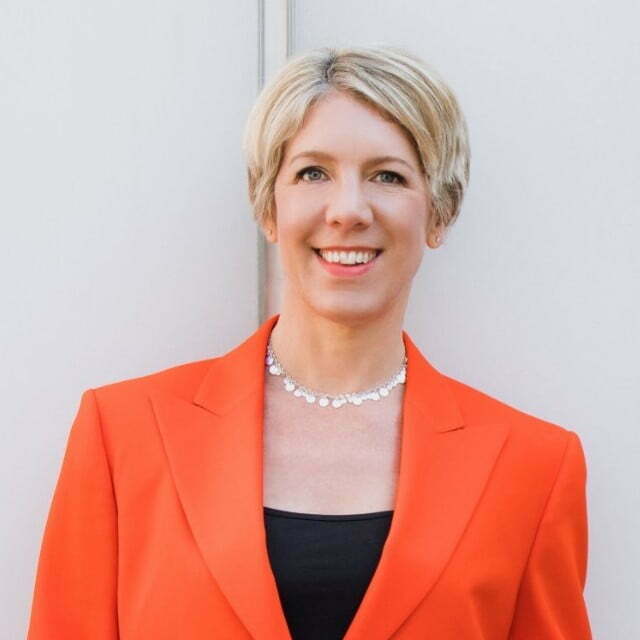
Respect is Antoinette's No.1 value and she has an allergic reaction each time she witnesses someone being disrespected. She believes that everyone deserves to be who they are and everyone deserves to be heard.
In this episode of Inclusion Bites, Joanne Lockwood speaks with Antoinette Dale Henderson about careers growth confidence.
“Why shouldn't everyone be able to access that full range?”
Explore
Navigate this episode
Joanne Lockwoodhost
Hello, everyone. My name is Joanne Lockwood, and I'm your host for theInclusion Bites podcast. In this series, I have interviewed anumber of amazing people, have simply had a conversation about the subjectof inclusion, belonging and generally making the world a betterplace for everyone to thrive. If you'd like to join me in thefuture, then please do drop me a line to jo.lockwood@changehappen.co.uk.That's S-E-E Change Happen dot co dot uk. You cancatch up with all of the previous shows on iTunes, Spotify andthe usual places. So plug in the headphones, graba decaf and let's get going. Todayis episode 39 with the title, ViewingGender Through A Fresh Perspective. And I have theabsolute honor and privilege to be joined by Antoinette Dale Henderson.Antoinette describes herself as a TEDx speaker, a two timeauthor and founder of the Gravitas program. WhenI asked Antoinette to describe her superpower, she said,she always chooses to see the best in people, and her superpoweris enabling others to see that in themselves. Hello, Antoinette.Welcome to the show. Hello, Joanne. It's amazing to be
Antoinette Dale Hendersonguest
here. I've been looking forward to this. We've known each other
Joanne Lockwoodhost
a couple of years and through Lockwood, we've not had the chance to catch up.So this is gonna be really amazing. So thank you for coming on. I'm looking
Antoinette Dale Hendersonguest
forward to it. So I call this episode Viewing Gender Through a Fresh
Joanne Lockwoodhost
Perspective. What does that mean to you? Well, it's
Antoinette Dale Hendersonguest
interesting because I have, over the past3 years or so, found myself working more and morein the space of, helping lead women inleadership really further their careers. And and that reallycame as a result of my work in the corporate world. SoI've worked with men and women, anybody. And,you know, what what I noticed was that it was often women who are comingto me and saying, I'm experiencing confidence issues. I'm inexperiencing, you know, that second pandemic of 21stcentury. I'm experiencing imposter syndrome orI'm really holding myself back and I I need your help. Andso I was inspired, probably about 3 years agoto to start looking at how I could put together someprograms and and really some solutions to help further women inbusiness. And that coincided with the whole me too movement where,women started to call out really inappropriate behavior and andstand up for themselves and and and say enough is enough.And then at the same time, looking at, the gender pay gapthat that was also starting to happen about 2 years ago.And so that inspired me to write my secondbook which is, Power Up, The Smart Women's Guideto Unleashing Their Perspective. And and so that'sgone really, really well. And and the TEDx came out of that bookand, you know, there's been a big focus for me. Now as I say, II work with everyone, particularly in the leadership space, butI did find myself working more and more with women and andreally looking at that theme of genderequality. And my take on onpower is that I think traditionally that there's differentperspectives on what power is. So you you've got the most traditionallymasculine powers. She's very strong and directive andpowerful. And then you've got the more female power which istraditionally more about emotion intelligence and influence. Andyou can even hear through my voice when I describe each of those two endsof the spectrum. You know, that there's a much more of a softnessassociated with the with the perception around, femalepower. And and I'd I'd thought, well, why on earth should it be like that?Why shouldn't everyone be able to access that full range? Whycouldn't why shouldn't everyone learn from everyone else and be able to tap into theirfull ranges of power? And so,yeah, a lot of the perspective was around why should it bepolarizing? Why should it be binary? Why should it be one thing oranother? And so I was already started to look at at at whatgender is and what it means. But still at the same time, you know, Iwas talking about men and women and and looking at it through fresh eyes, thishas been a very, very recent thing for me. Because clearly, I mean, we wemet about 3 years ago, didn't we? And I I saw you speak and youmoved me to tears actually the first time I saw you speak, Joanne.And listening to your perspective and yourstory and the people that you work with and represent and and thewhole perspective around trans and non binary and what that meansalready started to just open up my eyes. And then morerecently, I've got 2 daughters. Right? 14,17. And my youngest, the 14 year old, more recentlyhas started to they both go well,she goes to a girl school. The other one has moved on. She nowgoes to what originally was a boys school and now is mixed because she's doinga doubles. But the point is is that what what she was doingwas, starting to question why is it that teachers shouldrefer to them all as girls And why is it thatthat it should be so simple as the 2 pronouns? Andand how about, you know, opening up people's eyes and the teachers andthethe whoever they are, and however they are. And so that that'sreally the fresh perspective on genderthat that really my eyes are being opened up to now through myown children and through where I think the world is going.
Joanne Lockwoodhost
That's fascinating to hear because we as parents oftenfeel we're the ones to do the educating. But whatwe're learning now is that we are learning so much more from our childrenabout their world and about theirfuture. And we're now more responsive. And I think maybewhen we Jo back to our childhood, we didn't believe as children, we had thatempowerment that we would tend to do as we're told if wedon't speak, if they're not spoken to, it's kind of attitude. But now we're nowempowering our children in different ways to speak up. That's
Antoinette Dale Hendersonguest
right. And, and I think that's a beautiful thing.And and I'm so grateful. I trained to be a coach whenmy youngest was about 2. And I'm so grateful that I didthat because when I did that, I learned to reallylisten and learn to really just have that curiosityaround the fact that everyone is different and everyone deserves the rightto have their own opinions and to be able to express it, which kind ofinspires a lot of what I do in my professional world.And so I learn and I trained to do that.And and I really hope that that kind of finds itsway into the way that I I am a parent and and howI, yeah, how I do empower my young the young peoplearound me. It's it's taken
Joanne Lockwoodhost
several centuries of programming bythe state, by the media, by Hollywoodto just reinforce this gender binary. The thebrave strong man and the soft fragrantwoman, if you like. And that's been reinforced. You look at some ofthe the Disney cartoons of yesteryear, the Snow White, thePrince Charming, the the helpless woman, the savedsaved by the man, slay the dragon stuff. We've reallyhad that programmed into us for for decades decadesdecades. And it's really hard to overcome those stereotypes now, isn'tit? It really is. But I think it it is interesting
Antoinette Dale Hendersonguest
that corporates are waking up to thepotential of not thinking that way. I think it's Pixar. I think they'vegot a new movie that they've come out where they've got a a non binary,person who's being featured and and and then youlook at some of the toy manufacturers and then they're they're less likethat. You know, you you'll have you'll have a mix up. Youmight just have the barbies with, like, the big boobs and the tiny little waistand the kind of pink outfit and all of that, but they are mixing upa lot more now. And so I think that it's it's all accelerating.So I'm I'm fascinated to to be able to kind of project into thefuture to see where we're all going. But I thinkif I if I look back to when I was, a childand going through being being a teenager and stuff like that, I mean, being gaywas illegal. Right? And, you know, and it andhidden away. My my uncle was gay and he died of AIDS.And at that time, my parents could not tell anybody.You know, it was secret. It was taboo and it wasso and and now, you know, that that's at leastin my my view and and the world that I operate in, that that justisn't even a thing anymore. So I think everything is changing.And I think if if we want to really live in this world, we weall need to kinda go into it with an open mind.Yeah. I mean, do you think the part of work is
Joanne Lockwoodhost
is really evolving and changing? I mean, I read Mary Porter'sbook, you know, Work Like a Woman. Yeah. I've got it. Yeah. There seems tobe that perception that in order to succeed as awoman, you have to almost adopt male's traits,the loudness, the confidence. As you said, thefeminine powerhouse for EQ and collaborationdifferences skills. Are we losing that sometimeswhen we're trying to create a violence where women feel they have to succeedas a man with male traits Or are we are we able topush back? I think that has traditionally been the
Antoinette Dale Hendersonguest
case. And and I know that there are people out there who will willtrain women to, speak with a deeper voice orto look at bringing in more sort of masculine clothingand but I actually think that's, I think that I hope that that'sin the past now. And so I think themore enlightened corporates that are much more open mindedwhen it comes to that kind of thing now. You know, I work withwith men and women. And what I will say is that when it comesto gravitas, you know, my definition of that is, you know,commanding, respect, getting taken seriously, standing outfrom the crowd, then you you have to thinkabout your voice and you have to think about the messages that you're communicating.And so and and I look at the difference between how approachabilitycomes across and, you know, how how that comes across to your voice and youcan already hear me as I'm saying it, you know, my voice goes lighter.It might it might go up at the end of the sentence because it's it'sgot that lightness. But if people want to have that credibility and thatgravitas, then it will naturally your voice will naturally godown. And, you know, I I do share that witheverybody in all my classes because it's it it itdoes make an impact. But that's not about becoming moreman. It's it's just about playing withdepth and gravity and seriousness andauthority, and and that does come with with withhaving a more powerful voice. I've heard that before from
Joanne Lockwoodhost
someone. They talked about uptalk, which is where youspeak, you know, higher at the end of the sentence. And that almostimplies a lack of confidence while you're asking a question. Mhmm. Youtend to finish a question with an up. And so having the powerand closure is always down talk, isn't it? You you you landthat Exactly. You to. Exactly. It's interesting. Earlier this
Antoinette Dale Hendersonguest
week, I was I was running a session and I had 3 Aussieson the program. And so I was describingthis. It's like, you know, the uptake. It does sound like every statement becomes aquestion because it it you're you're asking But you might not beasking. And so actually, you know, if you wanna make a point and that actually,you know, you you're describing the Aussie accent here.Whether it's Aussie or whether it's from LA or whether it's any teenager,you know, the uptick is yeah, I mean, you youdon't want people to become inauthentic or sound like robots, but it'sjust knowing if you really wanna land a point. Then if your voice goesdown at the end of the point, then it will land.
Joanne Lockwoodhost
Yes. Completely because it's a full stop, isn't it? It really is aclose. And if you want to get that point, yeah, it's areal divide. I made a conscious decision when Igender transitioned 4, 5 years ago. I toyed withmy voice, the confidence I hadand whether I wanted to change my voice to sound more feminine because it wasvoice coaching. And I decided that it was myvoice, I didn't want to change who I was thatmuch for everybody else, I changed my appearance, myidentity, everything else. But the thought of change in my voice,it would just overburden my thought process. I'd always have to beconscious of it, I was actually thinking about how I was speaking.And I decided that I was gonna keep my voice and in some ways, Iguess it's an advantage because I still have that that deepgravitas about it, but I'm not I don't uptick at the endgenerally unless I'm asking a question. And also,it does create a little bit of shock and awe when I'm onJoanne, and I stand there and hold that pause at the beginningbefore I speak. And I've had a number of people Jo who've literally sat backin their chair, go, wow, where did that voice come from? Wasn'texpecting that to be so it's a great attention grabber. So I'velearned to use it to my advantage and put up with the, I feel like,the misgendering or the confusion it causes negatively, if youlike, because our voice and the way we present is very, verypowerful, isn't it? It is. Yeah.
Antoinette Dale Hendersonguest
And, yeah, it's interesting. I I've I'veI've I've thought about my voice as well. And andand and if you think of gravitas, you know, sometimes people'sperception of gravitas is it's a statesmanlike. It's astatesmanlike quality. That's, you know, how it was originallydefined by back in Roman times. And sothe perception that the traditional could be is that if you'vegot gravitas, then you you are a man and, you know,statesmanlike qualities emerge like fine wine over the years, and you'vegot the silver hair and all of that. Clearly,I'm I'm never gonna be any of those things. You know, as a afairly petite female, blonde female, youknow. So but my take on it is that,yeah, that's great. And so one of the first edition of the book, I choseto put my face on the front to say, anyone can havegravitas. You know, it doesn't matter who you are. You know, youcan find a way of developing it, find your own way of developing it.And I I like that shock and awe. You know, I if you if youdo the same as everybody else and and conform to what people areexpecting, then you're just kinda bland. Youbecome bland and you merge into the background. I
Joanne Lockwoodhost
mean, I've asked you as I've I've had many conversationswith other women, you know, either in the bar after the eventor in coffee breaks, whatever you're taught. I've met many womenwho have a confidence, find they're notbeing heard. And and, of course, mysocialized brain is listening to the way they're talking, thinking why Icould completely understand why you're not getting heard becauseyou don't have any gravitas in yourvoice. You don't have any, your sentences aren'tstructured in a way where I know what you want. They're kindof drifting and I thinkthat is some of the some of the challenge that many women I've I've spokento who have kind of lack of confidence is they don't knowhow to be confident to start with andput themselves in a situation where they speak with authority thatthat maybe the uptick is occurring because of that nervousness or thatthat that anxiousness they feel, that projection or orbeing talked over maybe. Yeah. Yeah. And and I think that
Antoinette Dale Hendersonguest
that can be the case with men and women. And and I Ithink that it it takes practice and it's absolutelylearnable. I I think what people often do is they they feel like oncethey finally got the spotlight, they feel like they they they go overboard. They'retrying to justify. They had all of the information and they just theygo around the houses and and the the nuggets of informationor they they get lost. I think when itcomes to women and and when I wrote the book, Power Up, II I was really clear that I wanted to get tangibleevidence and and real research to back up what I was sayingbecause I, you know, I wanted to make sure that it it theresearch demonstrates this andAnd female conditioning, you know, the way the girls are brought up like you weretalk talking about before, you know, we we do. We get hold to sit
Antoinette Dale Hendersonguest
still, be quiet, not make a fuss, you know, be pretty,you know, go play nicely, and and girls are, you know, girls areencouraged and conditioned in that way. Whereas boys, you know, theygo run outside, play, be loud, get intofisticuffs, and that's almost celebrated as well. And so,you know, those those roles or those expectations get formed really,really early on. So that happens.And then and so, you know, there's that society's conditioning. Andso I I talk about that there's the glass ceilingwhich, you know, their society's perspectives on on to theextent to which women can progress and develop within within organizations andwho is expected to be at the top of those organizations. There'sa glass ceiling, but there's also glass bricks thatwomen almost have in their own head that stop themselves fromputting themselves out there. So that conditioning, things like perfectionism,imposter syndrome, trying too hard, being thegood girl. These are all glass breaks which get in the way. So it's notsurprisingly that when the woman finally gets a chance to speak,it comes out jumbled and there's all of this stuff that gets in the way.But it doesn't mean that it has to be the case. You know, it itis about how do you learn to overcome that? How do you structure your thinking?How did you get clarity in your thinking? And how do you use some ofthose techniques around being heard? Things like pausingto make sure your message lands. I
Joanne Lockwoodhost
completely agree. I I've had so many moreconversations with other women in the last 3 or 4 years than I ever hadin in earlier in my life. And I've met some amazinglystrong powerful women who don't speak loudly. Theydon't speak with any aggression or pushiness.But they're just so thoughtful, so considered, and theyreally are at the top of their game. And they show meevery day that you can succeed by reallybeing authentic and feminine, but know your mind.And I'm not saying don't suffer fools,but be wary of the fact that people are going to maybe lookdown at you or undervalue you, hold your ground, hold that strain andand say, Jo, I am good enough and my opinion is validand as I have lots of conversation with women And I reallysee that and respect that in them. And it's
Antoinette Dale Hendersonguest
Yeah. And and and it's learned though. It's for all of us,it's land. It it comes over time. But I think, you know, that they'remore powerful blockers in the way for women because of what I've just describedthere than there are for men. And and I meet a lot of womenwho say, oh god. I wish I've met you 30 years ago. You know, I'veI've wasted so much time getting in my own way.If only I knew some of these things when I was in my twenties,a lot of meandering, you know, career wiseor or or vocally, you know, wouldn't have happened.
Joanne Lockwoodhost
Is it is it a male trait that men tendto be more competitive ormore, feudalistic towards each other? There's alot more jockeying for hierarchywithin within men that is about winning,conflicting,difficult to say more collaborative, more nurturing, more nurturing, more respectfulof each other Jo we don't tend to get into those conflictconversations with each other. And men have been practicing thiskind of bravado and socialized into that, which iswhy maybe women struggled in those in those environments where they need tohave a conflict or be forthright. Thatis a natural skill they've learned over the years. Yeah. Spot
Antoinette Dale Hendersonguest
on. And so, you know, Ithink it's it's how do you approach conflict or challenging conversations? Do yougo into them knowingly and,choose to put yourself out there or or do you shy away fromthem altogether. So that that there's that. It's the choice. It'show you behave, but it's also what happens afterwards. Because what oftenhappens with women is that we'll hold on to things.We'll we'll replay things that have happened and and we'll,yeah, we'll and whereas men will just kinda let them go. It's like there wasa conflict. There was a there was a disagreement. There was a a bit ofsparring, and then it's just gone. Whereas women would just hold onto that, and it will stop them from it then going into a similar situationafter. Yeah. I I see that from both sides.
Joanne Lockwoodhost
From both sides of my life, I I see the differencein Okay. The way that conversations are closed andresolved. As you say, a couple ofbroken noses and it's sat on the back in a pint and and it'sforgotten. Whereas women, it's a it's a lifelong, lifelong,disagreement and it's really hard to resolve that cold argument, isn't it? The wholeargument resolved quickly. The cold arguments, once they freeze,they kinda set in, and it's really hard to Jo overcome those.
Antoinette Dale Hendersonguest
Yeah. And I think yeah. And and when womendon't do that, that perhaps if they if they are colder orharder or more direct or stronger,then they they'll get labeled in in all different ways. So they're likeeither get labeled a bitch or they'll get labeled a, you know,a tyrant or they'll get labeled a a queen bee.And, and so, you know, a queen bee's, I guess, syndrome is a slightlydifferent thing because, you know, a woman has sort of decided to kind of putherself in that position and and she'll she'll trample over otherpeople to get to that place. So that's a slightly different thing.But you you kinda question what would be differentif it were a man evidencing those kinds of behaviors. And, actually, would thosebehaviors end up getting celebrated and and enable that person tokinda rise up through the ranks, as opposed to being heldback. I don't know. It's, you know, expectations of what we think is the rightway to be and and isn't. And I think, you know, the fresh pair ofeyes thing is thinking, well, why should it be like that? Why should any ofit be like that? Why can't we all celebrate, youknow, all of our differences? You think about emotionalintelligence, I I actually think that that is a superpower that weall need to develop and, progress with.And I remember running a session a few years ago now, but it was foran investment bank, and it was all men, 20 men andme. And it's like, right. Today, we're going toexplore in emotional intelligence. And you could see 20pairs of eyes all rolling. It's like, what is this fluffy stuff I'm gonna talkabout now? What was she gonna be banging on about now? You know, and it'sand and I don't think it has changed. I think it is evolving butstill there's that association that we place onthe more intuitive hours that that they're softer or they'relighter or that they're less valuable. Actually, I think the reverse istrue. I'll just pick up what you're saying
Joanne Lockwoodhost
about when we try to introduce men to the fluffier side ofof EQ. And it reminds me, I was I wason stage in San Francisco and I was on a paneland the topic was effectively gender equality in the workplace,how do we level up? AndI was asked the question and I I as I was asked the question, Iwas thinking, I looked out into the room and there must be600 people, 2 blocks of 300 corridor down themiddle. I just looked around and said, isn't part theproblem that we talk about gender equality and the room is full ofwomen. There are no men in the audience. Where are themen? And okay, there's probably 8 to 10 men in the entire roomor 600. Yeah. On a session about gender equality andgender equality, racial equality, disabilityequality is always occupied by the people with thecharacteristic Yeah. Not by the by the allies and the enablers.Mhmm. And changing thewealth to be more gender equal, to give more equity towomen is actually a male challenge, not afemale challenge. We know what we need, we know what we want.How do we get men to listen? How do we get men in those conversations?And so it's relevant to them. It can't just be when a man has adaughter, he's suddenly become too woke to the idea.That's the excuse. Now I've had a daughter, I now get it. Well,surely should have got it 20 years ago. Why now? Yeah.
Antoinette Dale Hendersonguest
Yes. Yeah. And it I can relate to that sowell. And I remember when I launched the book and that this was back inthe day, we were actually allowed to meet in in physical rooms.
Joanne Lockwoodhost
Long days. I know. Can't wait until we go back to that. Last
Antoinette Dale Hendersonguest
January, I I launched PowerUp.And we had 100 people in the room.Within that 100, we had, Alan Stevens,came, who's who's, who's a speaker and anda coach and a good friend of mine. And he came, and I had thecameraman there. He was there, and my husband was there. Right? 3men and 97 women and includingmy 2 daughters. And, we came to the q and
Antoinette Dale Hendersonguest
a. And and one of the first questions wasso, you know, it's great that we're looking at gender equality, but, you know, itit it's there's there's a lot of pressure on our young men these days. Andif you look at the suicide rate and, you know, they're under a huge amountof pressure to how how do they need to be? What does their role needto be now? And and and I, you know, totally get the question. Totally agreewith the question and answered the question. But beforeI did, I said, isn't it interesting thatwe've got a large majority of women in the audiencehere tonight? And we're talking about a book that is for women.And one of the first questions that guest gets asked is how can we makeit better for our men? And sothat as well, it's like kind of preaching to the convertedthat you were describing, but also we we, as women,we wanna make sure everybody is okay almost to the detriment ofourselves. So back to the question of,how how can we turn that around and and does it always have tobe when a man on the board has had a daughter who's had anexperience who then has a word that he then thinks, oh, yeah. Maybe we shouldlook at that. You know, maybe we should look at our quotas.You know, what what can we do? And what I find when I'mwhen I'm invited to work in organizations, and I don't know whether you get thesame thing, but often I get invited by, you know, wherethe gender equality group or or where, you know, we're running asession for International Women's Day. And so, you know, it'slike there is sort of bolt ongrassroots kind of group of people who want to do something about it.And so they they have, I guess, a minimal share of voice and a andminimal budget to pay for. And I'm like, what if if you do reallywanna do that, then you need to do top down, bottom up, grassroots, butalso from the side as well where you're looking at changing policies. You know, youlook at you need to look at the entire infrastructure of an organization,whichever element of diversity and inclusion we're talking about here.And so, yeah, I I think it does requirepeople to push back and and go to,actually, what are the business benefits of doing this? You know, if you if youlook at a truly diverse, and inclusive workplace, look atthe increased engagement, the increased,retention of staff. You you look at the the results that people are deliveringand and, you know, you look at the staff surveys and look how happy andfulfilled people are. Measure. You know, use thedata to compare. That's how you do it.You can hear me Yeah. I mean fired up about this.
Joanne Lockwoodhost
Greg, picking up on something else you're saying earlier about me too movement and howthat kind of put a fire in your belly as well.And we still are not making tangible progress, aren't we?We thought it was a middle aged old whiteman problem. And now Noel Clarke, theBAFTA award winning Black actor, producer, director,a younger person, a millennial is nowbeing called into question about his own treatment of hisfemale colleagues, people who are subordinate or whatever it may be.So it's not just an old white man problem. Is it what we were talkingabout 2 or 3 years ago. Mhmm.
Antoinette Dale Hendersonguest
Yeah. There there's something going wrong there, isn't there? You know,that you you think about the role models and how they're behaving and andwhat was perhaps perceived as okay before or or actuallywhat's happening that's that's making people think that it's okay to behave likethat. And and and there's beenyeah. That there's there's been some dramas at at my my children'sschool recently, and there've been some, attempted adopted adoptionsas well. And it'sthe way they've coming back and they're kind of reporting on how this has beencovered in their schools and how it's being communicated is like, girls, you know, youneed to watch out for yourselves. You You need to keep yourself safe,and this is happening. And and they'refurious. It's like, why should it be on our shoulders to keepourselves safe? You know, where's the education of theboys around what is the right way to be?And, you know, that that certainly is beyond my expertise. But,yeah, I do think it's quite interesting how,yeah, how how and why this is happening. You think men
Joanne Lockwoodhost
too easily forgive other men's behaviors because maybeinside their own head thinking, yeah, I could've that could've happened to meor I could've overstepped. Do you think that's athing? Maybe. Maybe. You know that that phrase boys will be
Antoinette Dale Hendersonguest
boys. Yeah. It's just such a corrosive thing to say. I don't Idon't know. I think everyone's different And and we have Jo sort of start withthe people that we know and the people around us, the people we love. And,yeah. There are people there are the proportion of men
Joanne Lockwoodhost
who are vocal is a lot less than vocalwomen about that. I'm not saying there aren't men talkingout, but most of the people talking out about NoelClark, talking out about institutional racism,etcetera, etcetera, tend to be black people. Most people talk about sexism,tend to be women. It's not the people who are on theon the side of, I say the side of the problem, the people whohave influence in that space, in that privilege. Thosearen't the people who stand up and say, yes, I could dobetter personally, I know I can do better and I'm gonna do betterfrom now on and I'm gonna call it out as well. So we'renot spreading that that momentum throughmen, through white people, through able-bodied people. Iwas watching a program, on the television last night with Joannefrom Little Mix talking about tokenism asa as a Black person in the in the group and how the Sonymedia executives wouldn't meet and talk about the fact that shedidn't have any black or or non white support within her crewand and just how she'd be felt, how she started to be feeling she's beentokenized as the token black girl for media.And couple that with her gender, with hersex, with the fact she's a girl, a woman, and her color,we're still propagating this, and we could still see that the power isheld by the rich white guy still, and it'spropagating it. Yes. Yeah. And and absolutely. And if
Antoinette Dale Hendersonguest
we're thinking about kinda looking, at the world through a different pair ofeyes, of course, that that demographic that you've just describedthere, they don't see any need to look at the world through a different pairof eyes. And, actually, for them, it's it's threatening to doso because it it it just knocks side where their their whole world view andtheir whole perspective on how things are and how things should be. So do youknow that it's fear based? And so they're gonna hold on tooth and nail towhat they know and what they have. And so Ido think so, with the way culture is evolvingand and how young people most youngpeople are are being educated and are thinking and are influencingone another. I do think that things are going to change and develop.And, yeah. From avalues perspective, I I think that things areare moving on. I think that those kinds of old fashioned behaviors and andperspectives, you know, that eventually before too long, those people are gonnaretire. And and I'd like to think, you know, looking for the futurethat, you know, that will be replaced by a much more openminded way of looking at things. I think you're right. I think
Joanne Lockwoodhost
there's a you say protectionism. I think there's afeeling that peopleare worried that they're gonna lose what they've got, their their cozyworld. They've they fought hard to get where they are. They built upwhatever they built up. Maybe they're concerned that people are gonna comeat them with pitchforks and burn their house as a asa as a racist or a sexist or whatever. And maybe they are there isan element of protectionism. Or maybe there's also an element of ofnaivety or ignorance that they really don't believe the problem isbad. As as people say it is, maybe the II often hear people, well, racism isn't that bad. I I I've got black friendsand they're not like that or I know plenty of women and they're not talkingin this way. And so do some womenalmost give permission to men to say it's not that bad? Are we are weis there no solidarity or when women don't experiencesexual abuse, discrimination, or oppression? Theythey assume that everybody else is like them and that it's okay. They mustbe overreacting. Maybe if they grew up and became moremature, they'd be fine or they dress differently or theybehave differently. Are are otherwomen effectively down talking the poppers of other women?
Antoinette Dale Hendersonguest
I I think that can certainly be the case. Yeah. Andyeah. So so what do you do? Did you try and, like, turn aroundeverybody who who is is in denial or holding back or disagreeing?Did you try and, like, change all of their minds or Jo would you tryand go with the people who are who are alreadyconverted and and supportive of of themessage, what do you do? And and I I actuallythink, do you know what? I think the story the the answer is about tellingstories, Telling actual stories of people's true experiencesand painting pictures of what it actually is like so thatpeople can relate to it and and doing it rather than doing in apreachy way. Because if someone tells you what to think or what todo, you see this in social media all the time, theneveryone is, you know, the other person is just going to dig their heels inand resist. Whereas, if you do it kind of round the back door throughtelling stories and evoking images and, you know,painting pictures, then then people are gonna be much more opento to starting to think about things in a different way.
Joanne Lockwoodhost
I completely agree. I I run quite a few workshopsaround inclusion, belonging, conscious bias. And the most powerfulelement to those is when I have the privilege of hearing thestories of people on the workshop. They're brave.They stand up and say, this has happened to me. I've had people whoare black talking about being stopped and searched, people who are black who've talked aboutbeing followed by supermarkets, other people who are black who talk aboutvarious aspects of being denied access to to services orjust feeling like they're always a threat. I've had young women whoactually aren't that young, they're in their thirties, are being told down tobecause they appear young. They're they're they're shorter. They'resmaller. They've got a a very young looking face or their hairstyle islong, which makes them look like they're in their early twenties. And how they'vebeen passed over, spoken over, assumes they were the juniorwhen rather than being the manager. And just hearing these constant theseexperience stories where the pattern is always the same.It can't be individuals making this up. I thinkwe heard the story when we're talking about Sarah Refford, the hashtag isnot all men, but then that was repeated by the hashtag, yes, but it isall women. Every woman has a story. Every womanis could talk about how they'd be deniedopportunities or or there's been averse sexism. And even women that say,well, I'm okay probably become socialized into believing that whathappened to them was was okay. It's just the way women are. That's whathappens to women. Yeah. Yeah.
Antoinette Dale Hendersonguest
And exactly. And and and I think when youstart to tell those stories, then people they remember. They theythink, actually, no, I do remember that happened to me. And in fact,whether whether we, you know, we representpowerless or we felt squashedor or we felt like we couldn't actually express ourselves and and we we feltbullied in some way. And, you know, when when youtake people to that experience and then they relate to it, if you canthen attach a message around, you know, how can we ensurethat this doesn't happen to other people, that's when you start toinspire change. And and and for me, thethe story that I told at the start of my TEDx, it's sortof an emotional story and I've never told it before and it was, my firstday at primary school. And, so I grew up justspeaking French. And it was my first day at school and itwas in English school. So I I didn't understandanything that anyone was saying, and it was loud and people were runningeverywhere, and I didn't know where to go. And I remember lunchtime,I had this food put in front of me, and I was like, what onearth is this? And I just didn't know what to do with it because itwas so foreign to me. And I I remember spittingout some of the food into a water beaker and the teacher came onshouting at me. What have you done? That's disgusting.All these children looking at me and just feeling completely powerlessto speak or defend or say anything. That feelingand feeling gagged actually, you know, that feeling that you just can'tspeak. And I think that that feelingis the feeling that you get when someoneis imposing their power over you and you're powerless to do somethingabout it, whether you're being attacked or verbally or, you know,overtly or whatever it is, that feeling that you're powerlessis is just such a horrible feeling and we have all hadit. And I think what people some people do is whenthey when they have experienced that, they kinda toughen up and they think,right. My response to that is that I will never let that happen to meagain. So they then become the person who has thepower over others. They exert their force and their power and then itgets perpetuated. And so it's that feeling ofvulnerability, that fear, Ithink, that stops people from, yeah,from from from allowing themselves to be vulnerable. And I think if if you ifyou tap into that, if you meet people at a place like that,then if you do that, you can bring people around.
Joanne Lockwoodhost
Yeah. I think so too. I think sure. Yeah. SoCOVID has been a major,in my opinion. It's really setback gender equality in the workplace and Yeah.In in the home environment. We we talk about the rise of violence againstwomen and girls because of the lockdown, because of those tensionsituations that they may have, refugees that provide supportout to to women who suffered domestic abuse at home.But also from from a work perspective is that it set backcareers because women and I and this let's putit out there. There are many relationships where thereare either same sex couples who are men. There are there are modern familieswhere the man and the woman share responsibility or the man does most of thecare. So I'm not talking about those great relationships. I'm talking about the thetypical majority of the relationships that still exist where thewoman is still the primary educator, the primarycaregiver, the primary home admin person.And the extra burden through lockdown has meant that thesepeople, these women cannot focus on their career.They've maybe lost their position in the queuefor promotion, opportunity, training,development, or they're really just barely treading water in theirrole. How how do you see that the society and thework world of work correcting this because we've got to play catch upnow? I think you're absolutely right. I mean, you know, there's
Antoinette Dale Hendersonguest
there's evidence to show that, the pandemic can have put,gender equality back by a decade for all the reasons that you've justdescribed there where, in extreme cases, women havehad or have felt like they've had to make the decision to step away fromtheir career, still working altogether to take on those care,responsibilities, at home. And and,actually, another stat which is quite interesting in is that, in thein the pandemic, if you look at people,who are in research, the submission of research papersactually increased by men. So more men,submitted clinical papers, you know, research papers,to be published in clinical papers compared to women where the researchpapers decreased. So there's something interesting going onthere with what people were doing with the time that they had when they wereworking from home. But asfar as what can we do about it is concerned, you know, I certainly noticedcoaching, women and just eyeballing them, youknow, through the screen and seeing them in their home environmentjust at their complete wits endwith juggling, homeschooling, andholding down a high powered, highstress Jo. And and with no time left forthemselves at all, no time for anything, really.And so it it's no it's no wonder that, you know, a lot of peoplehave just found it too hard and and stepped away. You know, I I certainly
Antoinette Dale Hendersonguest
remember in the career that I had, I I was in, I worked inPR communications before I set my business up.We got to sort of the age of where women werestarting to have families and taking on career responsibilities. It'slike, where have all the women gone? Because they would just become too hard tohold that down, as challenging jobthat's full of, global travel and reallyreally long hours pitching the business, all of that.Impossible to do that with a young family which is one of the reasons whyI set my business up actually because I just couldn't do all of that andhave a family at the same time. Jo you you kindof increase you you multiply all of that with with thepressures that we've had over this past year, and it's no wonder thatgender equality has been set back. What can we do aboutit? Well, I haveobserved that what a lot of the more enlightenedorganizations are doing is they're really lookingat how can they create, an environment of trust,where people any, you know, people canwork more flexibly. And as long as they're delivering results,you know, it doesn't matter actually how many hours they're doing or howthey're doing or where they're doing. None of it matters as long as they're deliveringresults. So I I think that the more successfulorganizations and the more attractive organizations are people are are gonna be theones which are going to make life easier for peopleas a result of the pandemic because in that sense, we've got the pandemicto thank for that. Hopefully, cultural change within organizations isgonna move in that direction. I hope you're right.
Joanne Lockwoodhost
I'm still seeing so many examples ofworkplace trying to fall back into the traditional back tothe office, and there's still this kind of if I can't see you, Ican't trust you. That command and control, that oldschool way of working where we measure people onpresenteeism, time sat at the desk.We're still not even after even after the pandemic, we're stillstill haven't learned about how they can managepeople asynchronously, set set work, set milestones,set objectives, not being constantly ininteractive meetings. We can message peopleand get responses tomorrow. Set the agenda so that you don'thave to keep track on everybody day by day or minute by minute.But this this is still going on, and I I see so much pressure nowto push people back into the office without considering the anxiety. Imean, we're still even on the news today and last night, we're talking about thisIndian variant variant of the COVID.I would predict we're still not gonna be allowed onpublic transport or in shops without masksfor a while, wherever that while may be. Sopeople's journey to work isn't gonna be as it was. People'sworkplace experience isn't as it was. You know, there's no longer dowe get each other coffee because we have to have our own cup. There'sglass screens around everything, there's we're social distancing our office.So people have got anxiety now about going back into theworkplace. And just by the verynature of how women we are socialized, we have more anxietybecause we're worried about our impact on others, our caringresponsibilities, our elderly parents, our children.We're not self centered. We're not just aman often just thinks about themselves and go, I'll be fine andminimizes the risk. So the difference in approach to return to the officeis completely different from a from a gender perspective, I believe. Andwe've gotta be careful. We don't ignore the anxieties and the feelings ofwomen pushing themselves back into an environment where their mentalhealth, their their well-being is gonna be sufferas a result of this. I think, as you say, somecompanies are looking holistically at people,speaking to people, to individuals, understanding their anxieties, andbuilding a work shape that works for them rather thanbeing a cookie cutter. Everybody's in the office. Everybody does this. AndI think that's gonna define the good companies and the bad companiesis how person centric they are and how they listen andreally communicate with their people about what is the best way of working for everybody.
Antoinette Dale Hendersonguest
Yeah. Yeah. You know, I was speaking to,head of HR earlier this week, and she wassaying it's it's it's really challenging actually for people working inHR at the moment because they've got such a wide spectrum ofpeople who were working for them. So for so peoplefrom one extreme where people are like, I don't see what the problem is. Iwish you all go back to the office now anyway, and it's gonna be fine.And let's let's just crack on and get bit moving again,all the way to the other extreme where people are are stillterrified of even leaving their homes. And so how can yoube inclusive, and cater to that entirespectrum of people? And and they simply don't know the answer to that question.You know? But, ultimately, that there needs to be someform of decision or stake in the ground.But how are they gonna do that? So you might have people who who arehappy in the office. They forget to put a mask on, and then,you know, they meet someone else who who is who isreally out of their comfort zone with that. So and then it'sit's it then becomes the responsibility of the individuals to beassertive enough to say, I need you to put your mask on now, which isa challenge in itself. You know, you you see it on public transport all thetime. So I don't know. It's a unique challenge, isn't it?None of us have ever done anything like this before. So,yeah, it'd be fascinating to see My wife was furloughed in the early stages,
Joanne Lockwoodhost
And then she she was, I sayforced. She was put in a position where she had to return to the officeon her own while other people were fellows. She wasliterally the only person permanent in the office every day apart from engineersvisiting to collect parts for 3 months. And she foundthat very stressful because that was in the middle, probably aboutsummer last year where it was kind of wasn't locked up. It was locked down,but it wasn't enforced at home, I think. So she was feeling veryuncomfortable here about being there anyone in the office. She couldn't fight back. She couldn'tpush back to come and say, well, actually, I don't feel it safe. She could
Joanne Lockwoodhost
have worked from home because lo and behold, when the go stay athome order was given in December, magically she was given alaptop, magically she was given a phone, so she could work from home. So weknow that she could have back then. And of course, now what happened into earlyApril, the government advice kind of changed Joannethen they wanted everyone back in the office, but we know she can work effectivelyfrom home. And so their culture and their organizationis one about pushing people back into the office,knowing full well that they work very adequately,spread desperately from home because they have the cost of theoffice. They've got a traditional kind of management structurewhere they want to see people and count people and check they're there.And they haven't evolved, they're not evolving. And this is okay. There was Isay there was small business, probably 50, 60 people. But given that mostpeople in the UK are employed by small medium businesses,67%, I think it is, that that pervasive culture is gonnabe within our society and people are gonna be pushed back. An organization'sbecause they're paying £3,000 a month for their office, they wanna they wanna getsome value from it. Sure. That's perfectly fine. So is there an
Antoinette Dale Hendersonguest
engineering firm? My wife works for
Joanne Lockwoodhost
a, yeah, it's a installation service companyfor heavy plant. Yeah. Right. So I wonder whether there's gonna be a
Antoinette Dale Hendersonguest
distinction between the the more,mechanical engineering, you know, traditionally,I guess, masculine type organizations comparedto to others. So are you Creative.Yeah. Exactly. Marketing, you know, white colliery
Joanne Lockwoodhost
type stuff. Yeah. Exactly. Are you, do you do you speak of a
Antoinette Dale Hendersonguest
FISTISH? I don't I don't speak of Vistage.
Joanne Lockwoodhost
No. But I know all of them. Okay. So I'd I'd speak for Vistage, and
Antoinette Dale Hendersonguest
and so they're a global organization. And, it's forfor MDs and CEOs from small, tomedium sized businesses predominantly, and differentgroups all around the world. And so what I speak, forVistage. So I'd I, through the pandemic and before that, wasspeaking to different Vistage groups around the UK. Andthrough the pandemic, what I've noticed is is that, you know, for in thoseorganizations where it's more about, you know, sort of be an engineer orfactories or, you know, those kinds of organizationsand, companies, then there's been much more of a pushto go back to the workplace. And and clearly, it wouldbe if you've got factory workers. You know, if you if they're manufacturing product,
Joanne Lockwoodhost
and they need to be in the Yeah. You have to. Right. You have toput something boxes and and check and load and return.
Antoinette Dale Hendersonguest
Yeah. So it's much The area my wife works in is
Joanne Lockwoodhost
the office side. And they have field engineers. Yeah. So theydon't manufacture, they have field engineers, they service. Andthey bring in stock to install. They don't manufacture stock,not in that office. Jo, yeah, it's it's it'sI think it's tradition. It's just the office exists, therefore, we'reusing it. Culture. Yeah. The perspective and the perception.
Antoinette Dale Hendersonguest
Whereas on the other side, you know, I've heard, a numberof the banks. So I think Metro Bank, they've closed down their officein London. You know, everyone is going to be working from home. The office there.
Joanne Lockwoodhost
Yeah. Right. So everyone is gonna be working from from home now. And you think
Antoinette Dale Hendersonguest
about the Googles and the Facebooks and, you know, the large, advertisingfirms and all all of those, a lot of my clients said that they'renot going back to work in the foreseeable. And many ofthem possibly won't. So yeah. But but that's a
Joanne Lockwoodhost
challenge for the government for infrastructure because then what do you dowith all the trains? What do you do with all the underground? What do youdo with the public services and transport in inner cities? What do you dowith all Jo much buzz? The infrastructure's built up around servicing thoseoffice blocks. So it's a real dilemma for government Yeah. And infrastructureto be able to make sure that you're not losing jobs in one hand bycreating flexible jobs on the other. Exactly. Because if the city of Londonempties, just think of the millions or certainly hundreds of thousands ofpeople whose jobs are at risk because there's no one for them to surfaceanymore. That's right. And you also think about the psychological
Antoinette Dale Hendersonguest
impact that it's having on us as humans.You know, I'd I I used to travel around all the time. I'd be, youknow, on the train to London. It's 4 days out of 5,possibly one day out of the weekend. Always always, you know,hauling my bag around and doing my thing, you know, live in person.And now, you know, not even though things have opened up, just the thought ofgoing up to London, it's just like a bit of an effort. Do you know?
Joanne Lockwoodhost
Don't want to. I know. It's gotta be bothered. And so, you
Antoinette Dale Hendersonguest
know, we just need to get out more as well, I think, as human beings.Otherwise, we're gonna forget how to be sociable and then howto to to practice those kind of interpersonal skillsthat we all need to bring richness and life toto ourselves and to the world. But we do need to learn how tobreak through that. Well, I often say that being people keep
Joanne Lockwoodhost
saying we need to socialize at work, abouthow work is this magic thing when we meet partners, we developrelationships, all those things. I said, well, how about we change theparadigm? We actually need to socialize at home and locally.If we have more time in our lives without community, more time in our liveswhere we have the flexibility at home, then maybe we have more time in ourlives to do extracurricular activities, join a club, joinsociety, have a hobby, do outside interest, and we can bringthat socialization into our home environment and not feel that we've missed itfrom our work environment. I mean, we keep trying to retrain ourselves back into theoffice to say, well, that's where we get our socialization only because that'sour mindset. We've we've commuted for 2 hours there, 2 hours back. What time wego home at 8 o'clock in the evening? We're burnt out. Right. We don't wannasocialize at home. And if I if I if Ifinish work at 5:30, I turn my computer off, I stand up, and it'ssunny, I'll sit in the garden Right. Have a cup of coffee, enjoy thesun, or I might go for a walk or go for a cycle or dosomething else. I've definitely got the freedom of choice about what I want to engagein. But I think when we're slave to the rhythm, we're slave to that machineof work, then that's what people are trying to force usback into is is to is to switchback into the old way of thinking. And I think we need to just changewhat I want from life. It's less commuting, lesstime where I have no control over myself and more opportunityto live my life and that work life balance yet still workhard, deliver Yeah. Earn a good livingand be in contact with people. So it's trying to find that balance. It
Antoinette Dale Hendersonguest
is. Yeah. Yeah. What what are your thoughts? So don't end up on
Joanne Lockwoodhost
a plane. You you not fly around the world anymore. Don't wanna do
Antoinette Dale Hendersonguest
that anymore. You know? Jo you wanna see yourself back on a stage in SanFrancisco? I think I would do it
Joanne Lockwoodhost
differently. I think Might say yes to Francisco. I'vegot an opportunity to speak in Newcastle at the end of June.And I've got a bit of anxiety about that becausethe talk I'm giving, I created virtually online. I've never giventhis talk face to face. Jo I've got this stage anxiety about, you know, I'vecurrently got monitors, I've got screens, I've got lights, and I've got all this controlwith a push of a button. And suddenly, I'm now vulnerable on a stageYeah. Trying to engage with real people. Wow. That's I'm not gonna do that.
Antoinette Dale Hendersonguest
You're gonna absolutely love it. I think yeah. Just sort ofquestioning whether how I feel about going back out thereand delivering, you know, whether it's courses or whether it's keynotinglive again. And I never thought I'd say this, butthere's a lot to be said from for just doing it fromyour office. And youcan sparkle. You can engage, and you can getamazing feedback even if you're speaking to, like, a bad lightscreen and staring into your camera, you can still get the vibethat you could still feel when you're connecting, can'tyou? Yeah. I mean, I used to find it really challenging
Joanne Lockwoodhost
to deliver where I couldn't see the audience. So, you know, a traditionalwebinar format where literally you, everyone can see but you can't see anybody.I used to find that really too hard but I saw nobody. But suddenly mybrain just gone, it's okay, I know they're there. Right. It doesn't matter. I knowthey're there. I know they can hear me. And I get a round of applauseat the end, so I'm fine. But what I still struggle with is the prerecord. So I'm talking to the camera. I can'tgo over that, that not live because my brain knowsit's not live. My brain says, oh, I made a mistake. Let's do that again.Oh, I made a mistake. Do that again. Yeah. Yeah. Whereas if I'mdelivering it live, my brain knows there's a one take and it'sfine. But as soon as I know I can edit it, my brain justcrumbles. Yeah. I've gotta I've gotta try and learn how to talk to thatblack mirror Yeah. With nobody on the other side of it and onetake in the same way I would even if I couldn't see the audience. Andthat's that's what I struggle with. I guess it's that perfectionism that we were
Antoinette Dale Hendersonguest
talking about right at the star, isn't it? It just starts rearing its head. It'slike, oh, it could be better. It could be better. You could do it again.Oh, come on. Let's do it again then.
Joanne Lockwoodhost
I'm I'm I'm delivering a a talk to the the FrenchProfessional Speakers Association. I think it's next month. And when I applied,I thought, okay, this sounds good. I knew it was gonna be online and Iget an email saying, oh, we want all the speakers to send aprerecorded video and then be available on the day Yeah. Todo like a live q and a after the event. I thought, you want meto record this? And I had a deadline of I think it was last Fridayor the Friday before. Yeah. And I left it like we do. Youleave it to the last minute and think, well, okay. I've got I've got theopportunity here for 3 takes. I delivered the first one. I was 8 minutes over.I thought, okay. I'm gonna try and chop 8 minutes off of this.Deliver the second one, and I was so worried about going over Yeah.That I kinda lost my train. I found out that and I watched it backand thought. I loved the the energy in the first one, but it was toolong. The energy in the second one, I thought was a bit flat, but itwas just the right length. I thought Yeah. Go ahead. I'm just gonna send youthe one that's the right length. I just gotta send it to you. And I'mbeing overcritical. I I know it was probably my own mindsetthat I was wrestling with. Yeah. Rather than why I delivered. So I sent itoff to them and they said it was great, it's fine, it's on the agenda.
Joanne Lockwoodhost
So And that's the thing, isn't it? Is that is a classic glass brick you
Antoinette Dale Hendersonguest
just described there. It's like, it needs to be perfect, and we're notgonna get there. I remember when I applied for myTEDx. And, again, I kinda left it until the last minute. I got anemail on the day before saying, well, thank you for the written submission, but weneed a video from you. And I open only opened that emailwhen we we were literally driving down to the Kent Coast to gocamping. And I was like, oh, well, normally, if I wasgonna record something like that, I get it all set up, do the lighting,make it all nice, But I was in a fieldwith my phone. So I slept on some lippy, andmy family's like, Antoinette, why are you putting lipstick on now? We're camping. I waslike, I just need to go and do something in the car. Putmyself in the car. And there were people putting tents up all around us,noise of, you know you know, children running around and stuff.And I just recorded this thing and managed to get just aboutenough reception to send it and sent it. And it wasfine. You think why should I put so much pressure on ourselves to makethings perfect? I know. I know. I know. Well, that's
Joanne Lockwoodhost
it. You know? 10 minutes is enough. Yeah. And there's ahuge psychological difference between live and recording yourself.I I I I'm sure you you probably felt the same that that suddenly you'vegot this this perception, but you can watch it back and go, I don't likethat. Yeah. But if you're live, you don't see yourself, do you? No. I neverwatch I never watch the recordings of me back. Idon't wanna do that to myself. Oh, I do. I I watch the recordings
Antoinette Dale Hendersonguest
back, you know, because I I always ask my clients if I canrecord it and, you know, put together show reels and things.And I watch them back and I'm like, oh, I remember that bit when Ifluffed that thing or Dora said that completely wrong or forgot forgot to do. Iremember that that laughing to myself on the inside of myhead and pressing on regardless. And I often saythis to people when I'm coaching them around that, you know, have Joanne They're like,oh god. You know, I'm worried that I wanna forget something and all this.No one knows and no one cares. Even if they donotice, they don't care. So just have a little laughon the inside and keep going. And actually, it made you moreauthentic, wasn't it? Yeah. You're right completely.
Joanne Lockwoodhost
And I've I have listened to some of my stuff back, but I've gone tosubtitle it and things like this. And what I realized is there are so manytimes when I was speaking I don't finish the sentence. I get half it througha sentence and then go off on something else. I think Ididn't base why I just said this didn't make sense. I didn't feel what I
Antoinette Dale Hendersonguest
was gonna say. That's deliberate, though, isn't it, though, Joanne? That's a nested loop rightthere. You open the loop, and then you come back to it later, don't you?
Joanne Lockwoodhost
I think that's oh, yeah. Definitely. Yeah. Yeah. Yeah. Yeah. But it just goes toshow that when we're talking in real life, that we must dothat all the time. Conversation gets interrupted. Sentence getsinterrupted. We wander off. We come back. And but when wejust ourselves back, we we spot this because we knew what we've we're gonnasay. We didn't say it. But
Antoinette Dale Hendersonguest
that's that's what makes a lovely authentic conversational style, Ithink. I mean, we we don't like that sort of back to thestatesman like gravitas. I'm going to deliver a powerfulmessage. You know, it's all scripted in advance. We
Joanne Lockwoodhost
Oh, the Toastmaster style. Oh, yeah. The God. It just doesn't
Antoinette Dale Hendersonguest
work, does it? I remember coaching thisguy, and it was it was a 2 day authentic presentation skills coursein America. And there was a guy, and he came in, and he is likeone of those classic kinda silver haired fox types. And I was like,oh, this is gonna be interesting. And, he said, yeah. I'vetaught myself. I've ironed out every verbal tick.I have no more sos and likes and you knows andthings like that. And it was true. When we when he first did his firstpresentation, it was like, this is like listening to an actualrobot because it was justit was just message, message,message delivered completely dispassionately. And it's like,right. We need to bring back some of youinto the way you talk. By the end of the second day,it was so much more engaging. SoI think, you you know, often people get coached. Do this. Do that.Talk deeper. You know, leave these things out. Say this. Beauthentic. You know, do this gesture, and you you endup ironing out the whole lesson of your life. Like this and a power pose
Joanne Lockwoodhost
and Often we get
Antoinette Dale Hendersonguest
told fake it till you make it. It's like, for goodness sake,that's please don't do that. Now don't try and besomebody else until you finally figured out who you are. Start with whoyou are and build out from there. People will love you
Joanne Lockwoodhost
for it. People will love you for being you. If you love yourself, you're happywith yourself. Be yourself. And that's that's all you could ever ask, isn't it?
Antoinette Dale Hendersonguest
That's what most people. Yeah. That that and andwe all need to come back to that, I think.There's one we do, and then we might change that. We've been rabbiting on as
Joanne Lockwoodhost
we as we have. We're absolutely engaging conversation.And so how tell tell us a bit more about your book. Tell us abit more about how people can get in contact with you. And,yeah, please, yeah, tell us all about that. Okeydokes. Well, there are
Antoinette Dale Hendersonguest
2 books. There is the Leading with Gravitas, and I'veliterally just about to launch the 2nd edition of that onthe 4th June, in 3 weeks time from now.And that is all around what this intangible thing calledgravitas is, how you can create your own version of it ratherthan trying to be like anybody else. There's a whole loadof content in there around remote communication and how you can make the mostof communicating in a virtual environment. There's a brandnew chapter on leading your yourself, your teams, yourorganizations leading through change. So that's the first one.And then the second one is the one that I mentioned launching a yearago, which is Power Up, the smart women's guide tounleashing her potential. And and, really, that's for anyone whowants to accelerate their career, through theirorganization, by starting with who they are. Both of those, youcan get on my website or Amazon or any online bookstore.So those are the books. And then if people are interested in working with me,I run a couple of, open programs. There's a gravitas masterclass a couple of times a year that people can come along to. There's a2 day gravitas for women course. All information on allof that is on my website, antoinettedalehendersondotcom, as well as information on my coaching aswell. Do you need LinkedIn? People can
Joanne Lockwoodhost
track you down there. Yeah. So LinkedIn and Instagram,
Antoinette Dale Hendersonguest
Antoinette Dale Henderson. And, yeah,come and say hi if you got any questions. Let's link in. Let's connect,and, I would love to have a conversation with you. I'll put all
Joanne Lockwoodhost
of those details in the show notes. So if you look below, you can clickon them and and find out. Jo, well, thank you. I've really enjoyedthat. I could have carried on talking for another hour. It's absolutely amazing andfascinating to have a a really deep conversation with you. I really enjoyed it as
Antoinette Dale Hendersonguest
well. Thank you. Yeah. Brilliant. And a huge thank you to
Joanne Lockwoodhost
the listener. Amazing that you stuck with us. Tell us what youthink. If you've got, friends and colleagues, please tell them.I'm sure that you're not alone. So please do tell them about the Inclusion Bitespodcast. That's B-I-T-E-S. Do subscribe to keep updateson future episodes. I've got a number of other exciting guests linedup, and I'm sure you'd be inspired by it over the next few weeks months.And, of course, if you'd like to be a guest, let me know. I'd welcomeany comments, feedback, or suggestions on how we can improve the show. Soemail me, jo.lockwood@seechangehappen.co.uk.So finally, my name is Joanne Lockwood, and this has been an absolute pleasure tohost this podcast for you today. Catch you next time.Bye.
Reimagining Gender and Power DynamicsFlexible Work Environments and Their Societal ImpactOvercoming Gendered Barriers and Empowering Authenticity
Joanne Lockwood is joined by TEDx speaker and author Antoinette Dale Henderson to explore gender through a wider lens, starting with women’s experiences of confidence, imposter feelings, and being heard at work.
They discuss how early social conditioning shapes expectations of “masculine” and “feminine” power, why women can be penalised for being direct, and how skills like gravitas, clarity, and vocal delivery can help people land messages without becoming inauthentic. Joanne also reflects on her own experience of gender transition and voice, and how assumptions about presentation can lead to misgendering.
The conversation broadens into allyship and culture change: why gender equality conversations often lack men, how organisations can use data and infrastructure changes (policy, flexibility, trust) to make progress, and how storytelling can shift minds more effectively than preaching. They also touch on the pandemic’s impact on women’s careers, workload, and wellbeing, and what more inclusive workplaces might look like as work patterns evolve.
Antoinette shares details of her books Leading With Gravitas and Power Up, and where listeners can connect with her.
“I'm experiencing confidence issues. I'm in experiencing, you know, that second pandemic of 21st century. I'm experiencing imposter syndrome or I'm really holding myself back and I I need your help.”
“Why shouldn't everyone be able to access that full range? Why couldn't why shouldn't everyone learn from everyone else and be able to tap into their full ranges of power?”
“There's a glass ceiling, but there's also glass bricks that women almost have in their own head that stop themselves from putting themselves out there.”
“Isn't it interesting that we've got a large majority of women in the audience here tonight? And we're talking about a book that is for women. And one of the first questions that gets asked is how can we make it better for our men?”
“If you do really wanna do that, then you need to do top down, bottom up, grassroots, but also from the side as well where you're looking at changing policies.”
“I think the story the the answer is about telling stories, Telling actual stories of people's true experiences and painting pictures of what it actually is like so that people can relate to it and and doing it rather than doing in a preachy way.”
“The pandemic can have put, gender equality back by a decade for all the reasons that you've just described there where, in extreme cases, women have had or have felt like they've had to make the decision to step away from their career, still working altogether to take on those care, responsibilities, at home.”
“It's like, where have all the women gone? Because they would just become too hard to hold that down, as challenging job that's full of, global travel and really really long hours pitching the business, all of that. Impossible to do that with a young family.”
The evolution of gender perspectives and power dynamics in the workplace.
How societal conditioning affects gender roles from childhood.
Strategies for women to overcome internal barriers like perfectionism and imposter syndrome.
The impact of the pandemic on gender equality and work environments.
The importance of promoting emotional intelligence (EQ) in leadership roles.
Shifting towards a results-based work culture that prioritises flexibility and trust.
Encouraging inclusive conversations and involving men in gender equality initiatives.
One thing to remember
The episode "Viewing gender through a fresh perspective" on the Inclusion Bites Podcast highlights the importance of challenging traditional gender norms and broadening our understanding of power. Through insights from Antoinette Dale Henderson, it advocates for inclusivity in the workplace and recognises the need for systemic and personal changes to achieve true gender equality. It underscores the critical role of emotional intelligence, authenticity, and purposeful communication in leadership.
Questions this episode helps answer
How has the shift to remote working during the pandemic highlighted or altered gender inequalities within various industries?
What are the consequences of maintaining traditional gender power perceptions in modern workplaces, and how can organisations actively work to dismantle these beliefs?
How does societal conditioning from a young age impact the professional and personal development of women and men differently?
In what ways can younger generations influence and challenge traditional gender norms, and how can older generations effectively learn from them?
What are the dangers of tokenism in media and corporate settings, and how can organisations ensure genuine representation and inclusion?
How can individuals develop gravitas and effective communication skills without compromising their authenticity, especially in gendered contexts?
Explore topics
Ideas from this episode
Reimagining Gender and Power Dynamics
During our enlightening conversation, Antoinette Dale Henderson and I delved deep into the reimagining of gender and power dynamics in today’s workplace. We ventured into the realms of traditional gender roles and how they are evolving, with an emphasis on inclusivity and breaking free from stereotypical constraints.
Flexible Work Environments and Their Societal Impact
Antoinette and I also navigated the conversation towards the ever-evolving landscape of flexible work environments, especially in light of the pandemic. We discussed the contrast between industries pushing for a return to physical workplaces and those embracing remote work.
Overcoming Gendered Barriers and Empowering Authenticity
The discussion took a profound turn as we talked about the personal and societal barriers women face in professional settings. Antoinette provided insights from her book "Power Up", focusing on internal and external challenges women encounter and the importance of authenticity.
Learn
Frequently asked questions
What is the main focus of this episode of the Inclusion Bites Podcast?
The episode, titled "Viewing Gender Through a Fresh Perspective," explores traditional gender power perceptions, the evolution of societal attitudes towards gender norms, and the impacts of work environment changes due to the pandemic. The conversation also delves into the importance of authenticity and emotional intelligence in personal and professional development.
Who is the guest featured in this episode and what is her expertise?
The guest is Antoinette Dale Henderson, a TEDx speaker, author, and founder of the Gravitas programme. She specialises in helping women advance in leadership roles by advocating broader perspectives on gender and power.
How has Antoinette's perspective on gender evolved?
Antoinette's views on gender power perceptions have evolved through her interactions with Joanne and her daughters, prompting a reconsideration of traditional gender norms and pronouns.
What societal shifts are discussed in terms of gender and inclusion?
The conversation highlights the increasing acceptance and representation of diverse gender identities and roles in media and corporate sectors, marking a significant shift from past societal norms.
How has the pandemic impacted work environments and gender equality?
The pandemic has caused a significant shift towards remote work in sectors like banking and technology, while traditional industries are pushing for a return to the workplace. This shift has highlighted gender inequalities, with women often bearing a disproportionate share of domestic responsibilities, affecting their careers.
What are the concerns about traditional gender roles in the workplace?
The episode addresses the challenges women face when adopting traditionally male traits to succeed, potentially at the cost of their own unique skills such as emotional intelligence and collaboration.
Share this episode
Heard something worth passing on? Send this conversation to someone who needs to hear it.