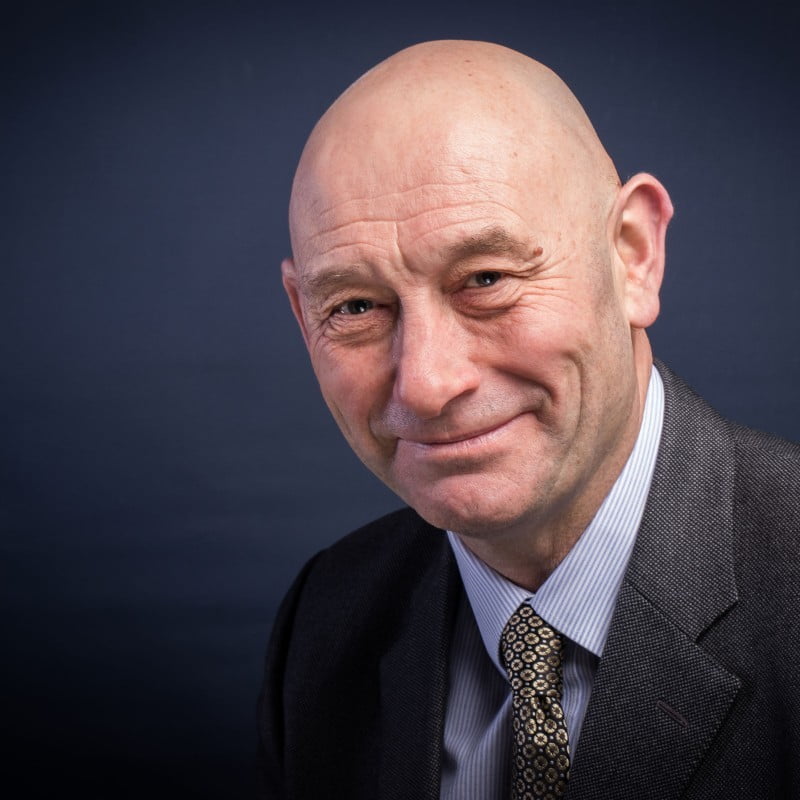
Peter speaks to organisations who let their most valuable resource slip through their fingers, and what they can do about it through knowledge recognition and risk assessment.
In this episode of Inclusion Bites, Joanne Lockwood speaks with Peter Edge about workplace culture systems.
“The downsides of not doing it are catastrophic potentially.”
Explore
Navigate this episode
Joanne Lockwoodhost
Hello, everyone. My name is Joanne Lockwood, and I'm your host for theInclusion Bites podcast. In this series, I have interviewed a number ofamazing people and simply had a conversation about the subject of inclusion,belonging and generally making the world a better place for everyone tothrive. If you'd like to join me in the future, then please do drop mea line to jo.lockwood@seechangehappen.co.uk.That's S-E-E Change Happen dot co dot uk. You'll be ableto catch up with all of the previous shows on iTunes, Spotify, and theusual places. So plug in your headphones, graba decaf, and let's get going. Todayis episode 40 with the title, rediscoveringlost knowledge. And I have the absolute honor and privilege to bejoined by Peter Edge. Peter described himselfwho is someone who is a former senior investigatingofficer for Merseyside Police, a professional speaker with over40 years experience speaking before dinner on the subjectof lost knowledge to customer service and after dinner on thelighter side of policing the inner city. It'd be interesting tofind out what the lighter side is. When I asked Peter to describe hissuit, he said he's walked the Camino to Santiago3 times by 3 different routes. Hello,Peter. Welcome to the show. Hello, Jo. I'm it's
Peter Edgeguest
it's an absolute pleasure to be here, I have to say. I've been lookingforward to it for quite a while. So Yeah.
Joanne Lockwoodhost
We've we've talked about it, and finally, we've got together. Got our diaries lined upin the end, didn't we? Yeah. It's pretty difficult, which which
Peter Edgeguest
you wouldn't believe really, would you, in this current climate? You'd think everyone would haveall the time in the world, but it's so difficult to to to actuallyfind the right time that coincides.Jo You spend a lot of time washing your hair for white hair.Yeah. That doesn't work too well on a podcast, does it really? Just for thebenefit of your listeners. No. There's not that much hair on myhead. There used to be a long time ago, but there's not been that muchthere for about the last 30 years. Oh, sorry. Yeah. So, yeah, washingmy hair and all that all that, that hysteriaabout finally being able to go to the hairdressers that people were experiencingtowards the end of lockdown was unfortunately lost on me.A quick robot with some wet and dry sandpaper, and I'm I'm usually good forthe solution. It is.
Joanne Lockwoodhost
You're probably gonna tell me you won't worry about the nail bars and having yournails done either. What would yeah. Sausage
Peter Edgeguest
rate. Sausage rate. Joking. Yeah. Yeah. I'm afraid,yeah, a a long time ago, I stopped looking in the mirror and thinking, oh,you look good. Nowadays, I just look away. I don't I don'tI don't bother. It doesn't it doesn't appeal toyou. The mirror, make sure that you you can see the breath marks on the
Joanne Lockwoodhost
mirror still. Yeah. Yeah. You look good. I'm still breathing. Yes. Yeah.
Peter Edgeguest
That's that's nice. Thing I check each day. And then as far asI'm concerned, that's a winner. I'm on it for on it for the rest ofthe day then. Yeah. So I can live with that. That'll do.
Joanne Lockwoodhost
Another day done. Brilliant. Yeah. Fantastic. Yeah. Okay. So tellme, we talked about earlier, you talked about this rediscoveringlost knowledge. So talk to me aboutthis lost knowledge you talk about. Well,
Peter Edgeguest
I don't know whether it's Jo much about rediscovering it. It's more aboutcapturing and and retaining lost knowledge. And it'ssomething I I I became interested in some years ago, not least ofwhich because I I I thought to myself, here weall are as as probably the most sophisticated animal on the planet, and we areaccumulating knowledge.Plug a USB stick into your left ear hole and downloadit. And, you know, what happens to it all?And particularly, what happens tospecialist knowledge or, you know, really valuable knowledge that really, really makesa difference? What do we do with it? Andwe don't seem to to to to value it to theextent that we're we're gonna do it do anythingproactive to to to save it or retain it.And and there were 22 little things which really, really gotme going, one of which was a conversation with a really good friend of mine,called Jed, who was a was a teacher. Andhe was he came late to teach him. You know, he didpreviously worked on the production line at Ford's. Andhe he took to teaching like a doctor Walter, and thekids loved him. The parents loved him. Everyone loved him. He wasa great teacher. And just before he retired,couple of years ago now, he went in to see his head teacher, and hishead said, you know what, Jed? If we could bottle what you haveas a teacher, this wouldn't just be a good school.This would be an outstanding school.And then he let him walk away. And Jed leftthat school in possession ofknowledge, wisdom, charisma, xfact, whatever you call it, that had thecapability of taking that school from being goodto outstanding. And he let it walk away.And I thought, like, you know, that's a hell of a waste. Whata waste of knowledge. And then shortly after that, I opened this Jo manytimes one day, and and there was a a headline. This is the thing thatstruck me as a as a police officer of a of a certainvintage. And there was a picture I don't even remember the televisionseries, you know, Life on Mars and then the subsequent one, Ashes to Ashes,which was set in the sort of late seventies, early eighties with all thesearchetypal detectives and, you know, big collars and flares andall that sort of stuff. But it was a picture from that televisionseries, and it was, I think, Keeley Hawes andPhilip Glynnister were 2 of the main characters sat on the bonnet of a,I don't know, Cortina or an Audi or something that'd been using as a policecar. And the headline read, MET Stumped byCase of Disappearing CID. And the
Peter Edgeguest
article was all about how the Metropolitan Police inLondon, you know, the biggest police force in the country, the most powerful policeforce probably in the world with, you know, with a globalreach and with, you know, a national responsibilityfor the investigation of terrorism and various other types of crimes,were losing detectives, thethen assistant commissioner of what had happened was that the the thenassistant commissioner for for crime operations, PatGallant, had written to every detective due toretire in that year and said and imploredthem to stay to stay on and to actas mentors for junior detectives coming through.Now it it appealed to me because I know Pat Gallagher, andshe she wouldn't implore anyone to do anything, really. Soit came as a real surprise that, you know, in inthis very short time window, shehad realized, hang on. We're gonna lose all these people, andwe haven't got the experience and the knowledge coming throughto be replaced. So what are we gonna do? And so, youknow, cobbled with the the story from my other friend, Jed,and this, it it just really got me thinking about, you know, what dobusinesses, what do organizations, what do bodies doto firstly, identify the value ofknowledge in their organizations and then do somethingto, to to capture it or to tosafeguard their organization against its loss.So that prompted me to do a lot of reading around the subject,and that prompted me then to to to come up with a a talk andand some various other things that I've donearound the subject of lost knowledge with an overall frameworkof knowledge management, strategic knowledgemanagement, risk assessments, preparation, all thatsort of stuff. So so that's what I've been talking about recentlyand doing quite a bit of writing about as well. One, becauseit intrigued me, and 2, because I I hate waste. Any sortof waste, I hate. And and the idea that you can wasteknowledge just it's it's sinful to tome. So does that does that put
Joanne Lockwoodhost
that You're so right. Yeah. That's next.Companies lose vast amounts of knowledge andexperience. And when we're looking at, you know,building more inclusive cultures, when we talk about staff retention, when we talkabout the business because actually value thestaff retention in the lost knowledge, the retraining, the onboarding,the empty seat cost and the opportunity lost. Oh, yeah.People move on. And it is a real business expense thatpeople really don't always quantify enough, don't understand that cost is lost knowledge.
Peter Edgeguest
Yeah. Well, one of the things that I did when I was reading around thesubject, I read a report, and I think it wascalled pretty catchy title called The Cost of BrainDrain, which I think was done by Oxford Economics.And I think they surveyedacross something like 5 sectors, so from retail throughto legal. And they estimated, I think, thatthe average cost, average mind,of replacing a memberof staff getting paid £25,000 a year.Salary was between£20,040,000. The lower end for retail,the higher end for for legal. And you think, hangon, 40 has about to replace someone. So that's, you know, all thedifferent costs that you just described there. So, you know, the the recruitment
Peter Edgeguest
costs, the retraining, the onboarding, the dip inproductivity while they bring people up to speed. And therewas quite a debate on on on the Internetconnected to the to the reports, and people said, Jo, that's waytoo much. And then the more and more people came in, particularlypeople from, you know, established HR functions and someof the big hitters, it became quite clear that that,as an estimate, was was pretty conservative.And if you think about it as as anemployer, as as an organization, and I I used this thethe the other day, if that's happening to you timeafter time after time, then youryour organizational performance is is gonna be on this roller coasterof, you know, dips in productivity while you retrain and recruit someone, dipsin productivity while somebody else goes or you hadn't anticipated, andyou get them retrained or you get somebody in or you get a temp.And who really wants to run an organization that's on a rollercoaster of performance? Surely surely, your businesstrajectory should be smoother, slightlyelevated, continuous improvement Jo you can plan, so you knowand can predict where you're heading. But, no,organizations still seem to, not everyone, butstill seem to have this, this this almostblind spot to to to knowledge and itsvalue. And it all boils down to,for me, a reluctance or an inabilityperhaps sometimes to to recognize the value thatindividuals bring to the organization interms of the knowledge that they have. And that comes downto leadership, it comes down to basic things likestaff appraisal type reports, it comes downto performance measurements,you know, the sort of performance measuresthat the businesses use, what do they see as evidence of theirsuccess, and how do they tie that to individual employeesand say, hang on. Hang on. Joe, get in here. Joe, do you
Peter Edgeguest
realize you're brilliant at what you do? Why are you somuch better than Peter? Where's the gap? Where'sthe gap in the knowledge? Where's the gap in in, you know, that xfactor that you have that they don't? Because wewe should. We've got a responsibility to use that. Sowe've not only got a responsibility to tell you that you're great at what youdo, but as as your manager, as your leader,surely I've got a responsibility to find out why you're so good at what youdo so that I can apply that knowledge to other employees in thisorganization for the overall benefit of the organization. Surely, that's whatcontinuous improvement's about. But peopledon't. And, you know, they don't read the clues. And there areso many examples of this not knocking about. You know,I I use an example in in one of the talksof someone who who worked with my wife. Now my wife works for aclinical commissioning group, which is the, you know, the modern dayiteration. It won't be around for much longer, I don't think, but of the primarycare trust, so in the National Health Service. Andshe worked with someone who had worked with thisparticular group since its inception.So this person had seen it move from being aprimary care trust through various,metamorphosis through to the clinical commissioning group. She had allthe corporate memory, She had all the processes, all thepeople. She'd be in the journey all the waythrough. And she became, I suppose, a little bit dissatisfiedor disillusioned or wanted to go somewhere else andstarted looking for a Jo, found a job,went to her bosses, her leaders in in this group and said,listen. I've got a new job. I'm quite happy to work mynotice, whatever it was, a month, 3 months.But you might wanna put someone with me to, you know, to emptyme out, to to to to shadow me in this next howevermany months and try and absorb all that and capture some ofthat accumulate. Yeah. Okay. Thanks very much. And they nevercame back to her. And And she went back and said,remember, I'll I'll be going. It's it's only another it's only another 2 weeksnow, and I'll I'll be out of here. Yeah. Thanks. Thanks for that. Yeah.But they did nothing about it, and she left.And the next thing, immediately after she'd gone, youknow, there's a knock on the door and, hi. Can you just tell me,who who did we go to for the maintenance contract onI don't know. She used to look after that. Oh,right. Somebody else had ring you know, who didthe negotiations for the contract on such and such? Noidea. She had all that. Oh, where dowe get and it it was just one thing after another. And, youknow, you okay. You perhaps don't measure the performance of anorganization like that quite in the same way as you might have an organizationthat's making widgets and grommets. But, you know, theirability to to to perform and seamlesslyand and in an upward trajectory was deeplyaffected just by this one person and this group. This one person was not atthe top of the organization. This one person wasway down in the in the organizational food chain, for one sort of abetter expression, but their knowledge wasabsolutely vital, and nobody had recognizedit despite all the clues, despite this person always coming and,like, sticking a post it note on the face of the boss saying, I'mimportant. No one acknowledged it. No onerecognized it. Nobody took the time or made the effortsto capture the knowledge that she had. Theywalked out the door. And that's a sin. It reallyis. And you can almost understand why
Joanne Lockwoodhost
they walked out the door because they weren't being recognized fortheir their whole part of the bigger process.They weren't badly used. They weren't treated as an important component.
Peter Edgeguest
Yeah. And and that's one of the the the very points I make in inin the talk is that if you dorecognize it really bothers me that thatthere is, there is a a a meaning attributedto that little sort of trite HR expression,reward and recognition. Reward and recognition is is about giving people, youknow, a gold watch or a voucher for OZDA. It's not about saying tothem, Joe, we recognize that, actually,if you didn't do what you do, this business would fall over. You're reallygood at what you do. That's recognition. Andit bothers me that things like staff appraisalprocesses are so one-sided. They're things that we doto people. Whereas, for me, in this context oflost knowledge, it should be the other way around. It should be invitingin the a valuable employee and saying, how comeyou do so well? Tell tell us the organization so that wecan capture it, as I said before, for the benefit of the organization.And actually telling someone that they're a key person,that they are valued, as you say, that might be the difference betweenthem walking out the door and not. That might be the the difference between themsitting there and puffing out with pride in me. Oh, nobody's ever told methat before. I'm actually valued. And that, youknow, it it it breeds loyalty. It breeds selfesteem. It breeds cohesion in a team.Self respect you know, the the benefits of doing it are justimmeasurable, but the downsides of not doing it are catastrophicpotentially. So why aren't people doing it?That's the thing for me. Oh, and as
Joanne Lockwoodhost
as we as we know ourselves, the facts don't change people. We know this stuff.We don't address it, do we? And as you were talking, I was thinking,well, are we still living in a world, this command and controlhierarchical infrastructure where everyone believes it's allprocess driven and everyone's just a part of a cog? Butwhat the way that we're moving in workplace has becomemore complex, we've got more parts, more interactions,not just because of digital, it's because the way we're evolving as a society.And we're all becoming artists and specialists in our craft,and that craft may well be policy processing, it may be adminbut it's still we're putting our own knowledge and skillinto this, not just following a production on a process. Idon't think organizations truly appreciate the artisan inside us,The creation we bring as an individual, they just see us as acog, replaceable cog, and that's exactly what you're pointing out here as well.
Peter Edgeguest
Yeah. Yeah. And and, you know, it dovetails so neatlywith there was a piece I wrote some, like, probably yearsago now on on on LinkedIn called lazy leaders leaders don't listen.And it's all about, if you're in a leadership role,you are obliged to proactively listen withall of your senses to what's going on around you. Because if you don't knowyour stuff, if you don't know what makesthem tick, if you don't know and appreciate thecontribution they make, you know, who oils thewheels, who do I rely on, who do we go to in a crisis, Ifyou don't know those things, how are you ever going to protectthe organization from losing the knowledge that those peoplehold? And so, you know, you youreally do. You you you've got to let let well, get to know all ofyour people or as many as you canat a at a completely different level, you know, a levelthat that allows you to to sort of come into work and and lookat Joe and say, I can tell right now. I knowJoe so well. I can tell right now that something's not right.Joe, come on in. What's not right?Well, it's this. And when, you know, when when you get that sort of level,that sort of interaction, okay, you know, the person even if you work in ahierarchy, the person at the very top of the tree may not know that.But if the person further down who's managing the team or the person who'smanaging the manager of the team knows that, then at least thereis a, you know, that there is a way of using that thatthat knowledge and that familiarity to to to make surethat you don't then lose the knowledge, that it doesn't walkout the door, that, you know, you Joanne you can turn it back onthe organization for the benefit of the organization. That'sthat's that's what I'm getting at, really. But, of course, the one was youtalked about artisan there. It's just it's really, reallyit it it rang home to me because it when I mentioned that I speakabout this to anyone, anyone atall, Everyone's got an example of it. I was out fora walk a couple of weeks ago with a mateof mine and his son-in-law. I don't know his son-in-law particularlywell, but he works in manufacturing, and andthey they make electrical components. And I was talking about this. He says,god, you're so right. You know, we've we've got a fellow works for us.And he's the only person doing this particularjob. Now they these people make specialist electrical components, forexample, for wiring in space. Sothis one guy has been doing the same jobfor 40 years. Now that immediately shouldhave hold the alarm bell.And if he falls over, that partof the business is gone. And it's not just gone fornow. It's gone forever. But it's not even just aboutmaking the components. This guy weaves these these amazingcables, I think by Joanne, but hehe weaves them Jo that they can withstand the temperatures inspace because they get used in space. It really is rocket science.So he weaves these cables, butbecause he understands the process, he isalso the only person that knows how to write the tenderform. So when they're looking to win business, they rely on thesky to write the tender, to understand the market, to putthe business cap. So you take that all all ofthat out of that manufacturing business, and it's ahuge hole. And not only that, butit's, you know, it's a valuable piece of of manufacturing,the the the ability to to to complete as it which of which isgone. 1, you know, one of the guys I goout motorcycling with, he's the same. He's he's a he's an engineer whohas a skill in what they call white meddling,and it's a dying skill. There's not that much call for it, butonce it's gone, it's gone. And, again,the the sort of the the the waste ofthat is is is criminalized.
Joanne Lockwoodhost
Well, I knew a person in mynetwork, this is probably 10, 15 years ago. And he wasnow doing a role completely different. I got to know him one day andI said, so what have you been doing? He said, well, I used to runmy own multimillion pound manufacturing company supplyingthis product into this niche market for years. I was theonly person that made this in the world as a niche product. I said, oh,what happened to that? He said, well, one of the key components of thatproduct became obsolete and nobody in the worldmanufactured an equivalent component. We spent 5 years r andd trying to work around this product, this component, see if we Joannereinvent it. And what we eventually had to do was say, there's only a1,000 of these left in the world, and then we we close our business becausethey couldn't invent a a word about this this one component.And that's exactly if you can do that with a component,we don't see it with a person, don't we? And that's Absolutely.Yeah. There are r and d teams in electronics, and and they're all looking fordifferent ways of Yeah. Working around when that transistor or resistors circuitchip goes out obsolete. We think about that, but we don't think about the peopledoing. No. No. And and, you know,
Peter Edgeguest
well, one of the other examples I I use, which is not in in sucha sophisticated field, if you think back to the RomanEmpire and the construction of the Colosseum,the Colosseum and, I think, is it the Pantheon,are 2 of the last constructions,and they are both still with us today, which useda material called concrete.There was nothing made of concrete from the end of theRoman Empire in about whatever it was, 467 orsomething, AD, I can't remember the date exactly, until about1783, I think it was, when concretewas used to make the Eddystone Lighthouse.So for about, you know, 1200 years,concrete wasn't used. Why? Because someone lost the recipe.Someone in the Roman Empire lost the recipe for concrete.Now you think how many things were built, how manycivilizations were built during that period, that 1200 yearperiod, and think how different a lot of that might have beenif concrete had been available and been used.But it wasn't. And and that's just one example. And and Ibut worldwide, that would have been amazing. You know, you thinkabout the bridges that could have been made, you know, the the thoroughfares, theroads, the sea defenses, whatever. It might it might have changed thewhole shape of the globe as we know. We just don't know.But but all because someone lost that little snippet ofinformation, that little piece of knowledge that said, oh, actually, if youburn lime like this and you mix it with that and then you combine itwith that and put it with this and put so much water and so muchstone, it makes this really dead hardcompound. But, no, gone.It's fascinating. It's absolutely fascinating. Isn't it? We're doing that now, aren't we?
Joanne Lockwoodhost
Even in the modern times, we're we're now devolving certain skillswhere lock tables, slide rules, I mean, just an exampleof that. If you showed a slide rule to a young person, they'dlook at you like you were crazy. You calculateand even a slide rule that does log tables, what would you why would youwant to do with logarithms and it's like, oh, that's because you add instead ofmultiply, it's a lot easier apparently And so we're losing the knowledgeof those things that have been succeeded. Yeah. We're losing the ability towrite. We're losing the ability to have conversations. We lose itbecause we're kind of re evolving ourselves. Yeah. Yeah. We just have maths. We don'tdo mental maths anymore, do we? It's I know. It's got a hair clip. There's
Peter Edgeguest
Jo need. There's there's no need. But but it's not just about it's notjust, you know, what I talk about, it's not just about saving, if you like,excuse me, knowledge in danger of extinction. You know, I useextinction in the same context as I might with with animals. You know, this isn'tsomething that's just dying out. I II think my my my interest in it is is inhow it gets lost from organizations, howit's not used and not maximized for the benefit of organizations,and how organizations and business go through thisthis cycle of losing it, rediscovering it, losingit, rediscovering it, retraining, reemploying, recruitingwhen when they don't really need to do all of that stuff or theycould avoid a huge amount of the percentage of the cost of doing it andthe time of doing it and the impact on their business of doingit by thinking about it beforehand and properly recognizing,properly appreciating what it means, who that knowledge isvested in, and doing something about it at the time.There you go. That's me. I was actually chatting to my daughter last night, and
Joanne Lockwoodhost
she my daughter is the manager of an early years,playgroup for children preschool.And she has a a really high staff turnoverfor various reasons. Some of it is the culture. Someof it is the the fact due to COVID, you could they used to doit on the on the job. You you come and try out for a weekbefore you before you said, yeah, I like the job. So there's understanding whatit's like. It's not it's not just babysitting on steroids. This is likeproper childcare, the pause off schedule, this kind of thing. So
Joanne Lockwoodhost
it's not just babysitting. A lot of people come into this as aprofession, not realizing the true depth of what it means to be anearly years carer educator. And sowhat she's finding is is because she's the the manager of the of the ofthe nursery where she is, most of her a lot of her role istraining and onboarding. So because she's got a high turnoverstaff, she's always onboarding. She's always going through the sameprocess time and time again for people who often stay a week or 2 weeks.And for her, it's obviously distracting her from being abetter manager and leader because she's so busy doing the training, butalso is demoralizing her because she feels so thanklessthat she's not enjoying her role. So the knock on effect of thisretention challenge, the knock on effect of this constant replacement, theknock on effect is you're demoralizing the people that are still there.You're also this is Groundhog Day again and again and again,which erodes the business's ability to move forward. And and that'swhere she's really getting frustrated with her job. And it struck me as you weretalking that that is another side effect of this churn and turnoverthat people don't even always consider. Constant reinvention of the
Peter Edgeguest
wheel, you know, which is swallowing upresources, time. It's swallowing up goodwill andloyalty. It's it's it's swallowing up all the positivityout of people. It's it's a proper mood over, you know, just constantlyredoing the same thing when all it needs, really. Well, not be maybenot all it needs, but but one other thing is someone just to break thatcycle, step outside it, and think, hang on. Weneed to take a different look at this. Why do we keepgoing through this cycle of recruitments and retraining andloss when we should actually be looking at ourpeople and risk assessing the likelihood of themgoing. That's one of the aspects of this. Andpeople say, oh, how'd you do that? You know? Well, askthem for a start. You know? What are your plans for thenext couple of years? Or, you know, you look at someone and and you youcan you can make reasonable comparisons. You know? Well, actually, ifyou're a lazy leader that doesn't listen, you wouldn't know this. But if you've doneyour listening, if you've paid attention, you say, well, I know Joe andher husband have just moved into, 43 Crowley Drive because theywere talking about it at the coffee machine the other day. They've got a whoppingbig mortgage, but they've said that's their forever house, not least ofwhich because they're planning to have kids. They've got a great primary school around thecorner, and they wanna stay there. And it's really handy for for Joe'swork here at our business. Well, you know, there's a load of clues in there,isn't there? But this person is unlikely towant to move on. If, however, you look atPeter and you see that, actually, you look at his HR record and Peter'shad 5 jobs in the last 6 years, Every timehe's he's taken a slight increase in salary andhe's taken a slight increase, he's got he's got a career in mind. This he'sambitious. Well, that might be the point at which youget Peter Joanne you say, Peter, what are your plans? Inoticed this about you, but, you know, we we really value whatyou do here. We don't wanna lose you. Again, go back to thatvaluing and that self esteem and all that sort of stuff. Well, Peter might actuallythen say, well, I'll tell you what. If you don't want me to togo, the reason I'd go is because I, you know, I need tohave an increment or I need to have a bit more responsibility. I need tohave some progression, and this place doesn't offer me a progression.
Peter Edgeguest
Okay. Well, that's when you start looking at your HR policies, yourHR services, and and say, well, maybewe can offer you that progression. What would it take to keep you? Because wedon't wanna lose you. Now I'm not saying you let everyone hold you tohostage hold hold you to ransom, sorry, but but thereare things that you can do if you're looking, if you're listening, if you'reproperly thinking about risk assessments of the people that are gonnago. You know, risk assessments is, you know, risk equals, you know,probability by consequences. You know, so how likely is something gonnahappen? How much damage is it gonna do to you? If you've got20 people all doing the same job, the loss of one of themdoesn't really mean an awful lot. If you've got one person like this guyweaving cables for space, one person doing onejob, he's been doing it for 40 years, his departureis a significantly bigger risk to the organization.It's simple as that nice mere cat on the telly says.
Joanne Lockwoodhost
Yeah. I I mean, we weknow that we should be doing succession planning. We know that we shouldn'tbecause for the individual, yes, they may feel special. They're the only person. They mayfeel that give us an security. There's immense amount of pressure tobe the only one. Yeah. Because, I mean, I I've been an examplein my own career where I was always the one that people asked allthe questions to rather rather than spend time investigating, spendtime using their own brains, theyknew that if they asked me the question, they get an answer and it wouldsave them having to think about it. So the danger of that is you createthis environment where nobody thinks, nobody investigates, nobody does the finding out, theyjust keep going back to the original person, which puts a burden on them asbeing their expert. Also, it means they never learned, theynever developed their career, they never experienced it. And then when you're amanager or you're a delegate, you say, who should I give this task to? Yougo, well, nobody else knows. I might as well give it to the person who'sthe expert. And so we never actually as a leader say, actually, if I can'tgive it to anybody else, that should be a flag. I should be going, well,actually, I need to be able to give it to somebody else Exactly. Because ourrocket scientist here is already working on the next space shuttle. We need to goto Mars, so I need somebody else to come in. And Yeah. That's whatleaders don't always focus on is this succession. Yeah. And the as you say,the lost knowledge, the knowledge that will be lost. Do that. I don't do that
Peter Edgeguest
dynamically. You know, you can do that sort of risk assessment. You know, it doesn'thave to be a big complicated process. But if you ask yourself a number ofquestions, as I said before, you know, is this the only person doing thisjob and they don't have a deputy? Is this person the go toperson in a crisis? Has this person gotall the contacts inside or outside the organization? Then that's gonna beflagging it up to you that you've got a problem,and that person represents a risk, and the loss of theirknowledge represents a risk to the organization to do somethingabout it.
Joanne Lockwoodhost
Yeah. I I I stick about the word prehistoricjust now as you're talking. And I was just, I just thought prehistoric, that'sdinosaurs, that's all this oflike meteors and volcaniceruptions and prehistoric. I never understoodwhat prehistoric meant is pre history,is before history was recorded. So we never had language, wenever had a way of recording it, or there was no humansenabled to pass that knowledge down. So there was nothing existedthat we have any knowledge about other than what we could find out from thepast evidence. And we as humansstarted creating history at the point where we becameor language evolved through cave paintings, throughround the fire storytelling, passing thatknowledge down through generations. But I'm guessing that inthose days, the process that we we worked on wasvery simplistic. It was how to kill the mammoth. It washow to cook or skin it. It was how to build a hut.So the the process driven stuff was was our lives are much simpler,but we haven't evolved the modern equivalent ofthe, the sagas, storytellingin a way that we always effectively pass down? Is it and that's I'dlike to think because a lot of our processes are now so much more complexand I don't have that mentality of of of passingit on so much. Well, again, and this again, this is one of the things
Peter Edgeguest
that really interests me about this. I mean, my sort of I was luckyenough to to be selected for a scholarship to go to university when I wasin the place, and I studied psychology and communication studies. And one of thethings we did in communication studies was aboutstorytelling and cultural transmissionthrough myth and storytelling. And you talk about prehistoric.Jo some of the the most successful cultures andwhen I talk about successful, I mean in being able to managesome of the harshest environments on the planet. So so some ofthe most successful cultures, you know, never haveaccess to an iPad. They they sat around acampfire. And by some means, as you say,
Peter Edgeguest
through fireside chat,myth, whatever, they were able to convey all those messages,hunt the mammoth, how to skin it and make it into a kebab or whateverit might be. But but they did it, and andthey survived today. You know, the the Aboriginals in Australia,some South American native Indians in in the depths of theAmazon. You know, they haven't changed for 1000 and 1000 of years in somerespects, but they have survived this incredibly harshenvironment and learned how to survive in that incredibly harshenvironment purely by cultural transmissionthrough myth and storytelling. An example.I I was on a call the other day, and and and someonesort of made the observation that the the thethe office water cooler is is is prehistoricfireside, and it yeah. It might well be that there's an awful lot of thestuff that I'm talking about that does get passed on at the watercooler, at the coffee machine, in the breakout lounge,whatever it might be. But you've gotta be aware of it. You've gottabe alive to it. You've gotta be receptive to it, and then you've gottado something about capturing it. So there needs to be perhaps somemore formal friendly
Joanne Lockwoodhost
workplace. I'm hearing a lot of that where as we're we're approaching the end ofthis phase of COVID where lockdown's ending and and nowthere's this huge debate around whether we stayremote workers, whether we hybrid, whether we go back to the office.And there's some big keycorporate influencers are saying that one thing that's been lost overCOVID is the the water cooler, that ad hocmentoring, that ad hoc help.And and I and I was sitting there thinking, yeah, okay. I get that. Sowe've we've when we've when we've got trainees, we've got people who arelearning their skills, apprentices. We've got people who have been mentored anddeveloped in the organization. And then maybe they haven't got that at closecontact where that's happening. I was saying, well, it's the onlyanswer to that to go back in the office. So we're saying is the onlyway that paradigm works is by going back to the office. Or canwe say, what we're doing now in this hybrid world,we're missing this element, we haven't got that right. How could we solvethat with the only answer isn't coming back to the office?Yeah. And there are companies out there that have never hadan office. Yeah. They've developed all their products with people around theworld. They have thrived and succeeded.I mean, nobody owns Bitcoin, yet Bitcoin has somehow becomepervasive. There's probably someone listening to this don't tell me actuallyI'm wrong. There is somebody that's doing this and Elon Musk has the power orsomething. But we've we've gotta say to ourselvesis just because that's the only way we could do it before, doesn'tmean to say that's the only way we can do it in the future. SoI think what I'd like to see is is business, workinghabit, working practice evolving to a point where wekeep what we need to occur, but the answer isn'talways by the way we always did it. Yeah. Yeah. How dowe reinvent process? How do we create new spaces?
Peter Edgeguest
Absolutely. And again, it's one of the key points I makein my lost knowledge talk is that one of the biggest casualtiesof COVID has been theabsence of physical contact. And when Italked before about, you know, lazy leaders don't listen, you've got to be receptive tothe clues, all the clues that come withthat sort of three-dimensional contact rather than the two dimensionalZoom type call or Teams type call,all those little nuances of behavior, the body language,the little things you see, the gestures, the bit that you might pick up atthe car park, the you know, Jo suddenlyhaving a bit of a moment at her desk and rushing off to the toiletsfor a week or Simon on sale suddenly fistpumping because he's just, you know, secured. And you you don't see any of thatbecause we live in this sort of sterilized little we've got a 40 minute zoom.It's in 2 dimensions, and that's it. So, yeah, you've gottafind a way of capturing all the other that thirddimension of communication, all those little bits. Butyou're absolutely right, in my humble opinion. It maynot be that, well, actually, we've all got to go back to the office todo that. Maybe there's other ways of doing that.I I don't know what they are, but as you say, there's gonna be businessesand organizations that are doing that. What are they doing?
Joanne Lockwoodhost
I mean, the other argument I've heard is that we need to get to workto socialize, to have human contact. There's astat on how many people's relationship and marriages have beencreated in a work environment. I thought, okay, this is what we're doinghere. We're trying to retrofit observation with reality.And I think, well, if you take the world of work back 50 to100 years, most of the people in work were all men, yes,people still managed to get married. So wemanaged to get married before workplaces were mixed. We managedto evolve, we managed to socialize and contact before women went into theworkplace and when women were exclusively in the workplace when the men were atwar, we still managed to have families and get married as well. So the workplacedoesn't have to be the place where you can or have to meet your partner.
Joanne Lockwoodhost
And when they were saying we have to go back to the office to socialize,I said, no, we don't. What we need to do is we need to havesocialization. So if I'm not spending 3 hours of myday commuting and working late and being in an office, that means I'vegot 3 hours where I can go to the gym, I can hang out locally,I can do enrichment in college, I canmeet other people in my community. So I can socializelocally, not think that the work is my place for socialization.So again, what we're trying to do is is trying to force the oldparadigms back into saying, well, we need it to socialize, we need it for growth,we need it for networking, we need it for human contact. Now how aboutwe don't go to the office and we build that in our community and webuild what we used to have, the campfire, thevillage faith, the church, whatever whatever our our root of communityis, and we reestablished that rather than people sittinglike drones on a train commuting for 4 hours, using this fossilfuel, wasting their time, coming home drained, not having familytime, not talk not not pass on their knowledge to their children because they'reso tired, The children end up learning from somebody else's book and notyour knowledge. That's what I wanna see is the artisantaking empowerment into our own lives and bringinghaving control over our life again, not being a slave to the machine, andthat's that's really why. And I it really frustrates me when peoplesay the only answer is go back to work. No. That's that'san answer, but not the answer. Yeah. Yeah. No. That I
Peter Edgeguest
think you're entirely right. And I'm hopefulhopeful that some of the more forward thinkingorganizations will have picked up on that andwill have alternatives. If they've not designed them yet, they'll bethinking about them and doing some research on them because there will be.I read a book, it was recommended by AllanStevens, actually, by a fellow called Ricardo Semler. I don't know if you have readit. It's called Maverick. And this is a guywho who ran a company called Semco in Brazil, bigmanufacturing company. And basically, he turned the whole sortof organizational management normson their head. You know? Well, how muchholiday do you give your employees? How much do they need?Jo I let them decide. You know, they're grown ups. If they need a dayoff, they can have a day off. Well, what hours are you gonna tell themto work? Well, why would I tell them what hours to work? You know, theyknow what the product is that we wanna do. They know how many we wannaproduce. If they can do it in that time, and, you know,just everything, really, that thatwas, oh, well, how can you do that? Are you We've never done thatbefore. Nobody ever does that. Well, why not? Why not give it a will?And his his company, I don't know what it's doing now because it's quite anold book, but he's now, I think, a lecturer at some, like, Harvardor Yale or some top American businessschool. And his business at the time just went fromstrength to strength to strength to strength, you know, because theyfound different ways of doing things instead of just rootingeverything in the past and chop chop, busy busy work, work, bangbang, we're just gonna do the same as we've always done because, as they say,you do the same as you've always done, you'll get what you've always got.So, yeah, it was a really interesting read. Yeah. And if you get good shareholder
Joanne Lockwoodhost
return, you you've got good good income. Well, why do I need tochange? What we're doing works. But it never evolves. And Ithink I mean, I love that concept where there'splenty of organizations now where you get unlimited holiday, you you you pick your ownholiday, you pick your own hours, and there's still this commandand control traditional way of working with, I can't see you at your desk,this presenteeism mentality, if I can't see you, I can't trust you. If I can'tsee what you're doing, I don't know what you're doing. I've got a I've gota spy for the watch. I've got a police you and make sure that you'reyou're delivering. But but we forget often that I
Joanne Lockwoodhost
think 67% of the UK population adult populationare working for small businesses of that number. A largepercentage of those are solopreneurs, managingand building their own businesses that they've built, and they manage inherentlytheir own time and react to customers. So what we're doing is we're effectivelytelling employees they can't be entrepreneurial orentrepreneurial as is we've got to treat them like children, we can't treat themlike adults. And, okay, there are some people who need structure, they needto have work in that environment. But when we start treating people like children,they start acting like children and they want to be spoon fed, they want tobe told. Whereas you look at all the people maybe that they've beenparents, there's no time scale on being a parent, you just bea parent, so your children don't die, they still survive. Soyou're gonna be really, really careful that we what we Jo, we we put thesebiases on people and these believing that they're gonnaslack or not do their job or their role if we can't see them atall or keep control of them. I'm gonna have faith in people that by treatingthem in that way of allowing to have unlimited, allowingto pay them whatever their hours are and measure them onoutput of real value and delivery and and setclear expectations about what their output is, then theycan match their own. If I if I wanna get up at 3 o'clock inthe morning on a Saturday and go, oh, I haven't done that presentation, let medo it now for Monday morning, and then I can have line on Monday morning,why not? Why can't I work at this house? But the expectation todayis that if I want to wake up on Saturday morning at 3 o'clock anddo that, I still have to be there first thing Monday. There's no pre quote,quote. There's no sliding scale where I Joanne adapt. It's it's what I was saying
Peter Edgeguest
before. It's it's about recognizing where the value sits in theindividual and the way they do their job and their knowledge. You know, your valuein that scenario sits at 3 o'clock in the morning on Saturday, notat 9 o'clock as you Lockwood, ka ching, walk through the door ofof your factory or your office block or your training room or whateverit might be. But, you know, you'll neverestablish that if if you don't trust people. Ifyou don't trust people, then you can never properly see the valueof what they they do because they won't let that out.They they won't give you it. They'll they'll hold it and they'll be that. Thenparticularly around things like knowledge and specialist knowledge, they'll holdthat that in in some sort of veryselfish golem sort of like way. Am I crazy? I'm going tohold my knowledge Joanne no one's gonna share it because that's mypower because no one trusts me. But I've got this. Andas long as I've got this, I'm safe.And, you know, part of this process for the day will be is still what
Joanne Lockwoodhost
happens because Oh, yeah. Of course it is. Of course it is.
Peter Edgeguest
But you've gotta sort of prize that out and say, hang on. We're all inthis together. You're doing a great job. What happens if youfall over? Well, that's not my problem. Well, it's gonnabe my problem, so I wanna equip myself to deal with it. So let's sortof why are we gonna deal with it?
Joanne Lockwoodhost
But that's that's about, again, about how you value people, how you create this cultureof belonging. When people have this psychological safety, they don'tfeel in fear of their job and they don't fearif they share their knowledge, that devalues their contribution. And that's whatwe're gonna try and do is make sure people are valued for thesharing, not the hoarding. And I think the other thingthat's evolving at the moment is this concept of asynchronous communication.In the past, we had to have that interactive chat at the cooler, we hadto have that phone call, Joanne you, you answer it, but we it'sreal time. But now we're moving on to a more asynchronousway where you say to me, I'd like this done at some pointin the next few days to do the task. I then receive that in mytimescale and I reply to you within the timescale required. We don't need to havean interactive conversation. So I'm not interrupting you, you're not interrupting me. I couldpick off my work queue and put it back on the done queue. Ithink we're evolving that with messaging and chat and people Jo, well, we'relosing the human content. Well, fine, let's keep the human content inour social life. We don't have to socialize in work. Aswe're reminding ourselves, there are other opportunities to socialize ifwe're not tied to the desk. Andwe can be very efficient in communicating asynchronously,delivering work queues, delivering output, and give ourselves realtime to enjoy our family, enjoy lifestyle, enjoywell-being, enrich ourselves where work isn't thehub. And, of course, that scares the bejesus out of theboss. Bosses want to own you. They want to know they've got youbecause they're scared that your knowledge, as you say, your knowledge will walk.But have faith in people, they won't walk if you love them and value them.Yeah. That's the that's the that's the ratio we gotta change here, wherepeople feel valued, and they they have the power to lead butnever want to. Yeah. Yeah. I I think that's
Peter Edgeguest
that's one of the the sort of key foundations of thisif you're gonna make it work in an organization. I rememberseeing something that might have been on Facebook or LinkedIn a couple of weeks agonow, and I think it was the boss of Netflix. And he he wasexactly the same. You know, Netflix, Gunnar was absolutely successful theyhave particularly in the last 18 months. I think everybody ifyou were to drain a pint of blood off them, all the red blood cellswould have Netflix
Joanne Lockwoodhost
isn't it? Yeah. Yeah. I think they've done
Peter Edgeguest
really well out of things, but, you know, theirtheir sort of management structure, the way that they theymanage their staff is is very much along the sortof collaborative, participativesort of framework that that you described there. You know, it's very loose, but it'svery sort of appreciative. Yeah. We knowthe contribution you make. Again, no hard and fastrules about things like time off, annual leave, whatever it mightbe. You do the job and you're grown ups.And I think some of the most successful businesses in thein in the world are very much like that.And people need Positively do we do recognize that not
Joanne Lockwoodhost
everybody not everybody wants to work in that way. We have peoplewho are neurodivergent, people who have different ways of thinking,different ways of being valued, we know it doesn't suiteverybody. So we Joanne, yeah, whilst we're doing this workevolution, we have to recognize that some people still need structure,some people still need routine, some people still need to betold. Yeah. And sorted to that. And that's it.Yeah. And and, you know, you and and, you know, in terms of
Peter Edgeguest
the sort of the inclusion bites side of of of your podcast,that that is a realization, I think, that an awful lot of peopleneed to come to that. Actually, there isn't one size fits allfor for employees. You know? And whether that's in in,whether they work in an office, whether whether that's whether they work with computers, whetherthey work with other people, whether they need tocommunicate verbally or whether they can communicateelectronically. All of those different variables that exist in theworkplace will suit somebody, but they won't necessarily allsuit everybody. And and toto try and inflict that. And we should look at the people who are displaced.Yeah. Yeah. We'll look at the people who are being displaced because
Joanne Lockwoodhost
if we're not traveling to the city, we're not working in office buildings, we'renot buying lunch, we don't need security guards, we don't needtransport. We don't need as many buses or trains. Theinfrastructure that we needed in the past where we had 100 of 1000 ofpeople commuting in and out of cities, We don't need that anymore. Thepeople involved in repairs and maintenance, we don't need to dothat.No. No. Because we could just hop off. We got the in the Internet superhighwayas we It was faster.Speed lines. Up in the air, doesn't it? Yeah.
Joanne Lockwoodhost
Doesn't it? Think about who's being displaced. Yeah. Yeah.So it's very important to think about who's being displaced, not look through ourown privileged lens of this is how I think it must be good foreverybody. So it is important to think about the impacton people who are being displaced by this change of working, andwhat can we do for their future of work toreinvent their roles in society or their career paths or their opportunities?And what does that look like in the future rather than just saying, well, wewant a lot of IT whiz kids, or we want a lot of high flyingsolicitors or lawyers who can do things remotely, or AI is gonna replace allthat. So, yeah, I think the future work has to considerall it, yeah, holistic, inclusive, and not just followthe money. It has to be there has to be some social equity in thereas well. Yeah. Absolutely. Absolutely.Wow. We've been talking for nearly an hour. That that'sflown by, and we chat, obviously, for half an hour before we started on theon the recording. So amazing. I've actually loved thisconversation, and and I always enjoy talking to half of them like anything else,
Peter Edgeguest
but I probably haven't got time to. No. We didn't we
Joanne Lockwoodhost
didn't talk about your 40 odd years in the in the, in the motorcycle policeand your your stories from the Yeah. From from that time. To sign.
Peter Edgeguest
And I'm able to do a follow-up. I took yeah. We Jo yeah. We do
Joanne Lockwoodhost
a follow-up. Go on. But tell us how people can get a hold of you.So, I mean, why not? People can get a hold of you. You know, youyou They can they can they can find me on LinkedIn, are you? Yeah. You
Peter Edgeguest
can find me on LinkedIn, where my sortof persona at the moment is certainly all about the lost knowledge speaking.The the after dinner side, find me at the website, which iswww. Dotpeterege.net.You know, all my contact details are on LinkedIn, or you canemail me at PeterEdge@sky.com. If you wannalisten to some of the stories from the Camino, Idid 2 Camino podcasts. Sojust to reiterate that, it's the Camino plugcast.If you search that on Google, it will go straight to one of my 2Caminos that I actually recorded, so either the Camino Portoguesor the Camino Primitivo. So there's plenty there for you to get to get yourteeth into. And we've got lots more to talk abouton another one of these at some stage inthe future, Joe. We have. No. And
Joanne Lockwoodhost
I think you you you wet my whistle with the the wholeaspect of this lost knowledge. And I just thought it was really,really interesting to follow that. So thank you so much, really insightful.Well, a huge thank you to anyone who's listening in and made it to theend, really impressed. Thank you so much. Thank you for tuning in. Thank you forgetting this far. So please do subscribe to keep updates onfuture episodes of the Inclusion Bites podcast, that'sB-I-T-E-S. I'm sure you've got some friends. I'm sure you must have somecolleagues somewhere. So please tell them all about it. Share this with everybody you knowbecause I've got a number of other exciting guests lined up. I'm sureyou'd be inspired by over the next few weeks months. And, of course,maybe you, you're listening. If you'd like to be a guest, then come and letme know because I'd always welcome your suggestions, your feedback, how I canimprove future shows and how we can improve things. So my name is JoanneLockwood, jo. lockwood@seechangehappen.co.uk. It's been anabsolute absolute pleasure to host this podcast for you today. Catch you nexttime.
Peter Edgeguest
Bye.
Knowledge Extinction in OrganisationsManaging High Staff TurnoverAdapting to New Work Models
Peter Edge joins Joanne Lockwood to explore what happens when organisations fail to notice, capture, and transfer the expertise that keeps work moving. Using stories from policing, education, the NHS and specialist manufacturing, Peter illustrates how “lost knowledge” isn’t abstract—it shows up as cost, disrupted performance, demoralised teams, and repeated onboarding that drains leaders’ time.
They discuss why knowledge often walks out of the door unnoticed: leaders who don’t listen, cultures that treat people as replaceable cogs, appraisal and performance systems that miss real contribution, and environments where people hoard expertise because they don’t feel trusted or safe. The conversation connects knowledge retention to staff retention, succession planning, and the practical discipline of identifying single points of failure through simple risk assessment.
The episode also touches on how COVID and remote/hybrid work changed informal learning and “water-cooler” mentoring, and how organisations might rethink communication, trust, and flexibility so that learning and connection aren’t dependent on being in an office. Throughout, the focus remains on building workplace systems that recognise value, support progression, and prevent critical expertise from disappearing.
“Here we all are as probably the most sophisticated animal on the planet, and we are accumulating knowledge. Plug a USB stick into your left ear hole and download it. And, you know, what happens to it all? And particularly, what happens to specialist knowledge or, you know, really valuable knowledge that really, really makes a difference?”
“What do businesses, what do organisations, what do bodies do to firstly, identify the value of knowledge in their organisations and then do something to, to to capture it or to to safeguard their organisation against its loss?”
“And when, you know, when you get that sort of level, that sort of interaction, okay, you know, the person even if you work in a hierarchy, the person at the very top of the tree may not know that. But if the person further down who's managing the team or the person who's managing the manager of the team knows that, then at least there is a, you know, that there is a way of using that that that knowledge and that familiarity to to to make sure that you don't then lose the knowledge, that it doesn't walk out the door, that, you know, you Joanne you can turn it back on the organization for the benefit of the organization.”
“Someone in the Roman Empire lost the recipe for concrete. Now you think how many things were built, how many civilisations were built during that period, that 1200 year period, and think how different a lot of that might have been if concrete had been available and been used.”
“My interest in it is in how it gets lost from organisations, how it's not used and not maximised for the benefit of organisations, and how organisations and business go through this cycle of losing it, rediscovering it, losing it, rediscovering it, retraining, reemploying, recruiting when they don't really need to do all of that stuff or they could avoid a huge amount of the percentage of the cost of doing it and the time of doing it and the impact on their business of doing it by thinking about it beforehand and properly recognising, properly appreciating what it means, who that knowledge is vested in, and doing something about it at the time.”
“If you've got one person like this guy weaving cables for space, one person doing one job, he's been doing it for 40 years, his departure is a significantly bigger risk to the organisation.”
“Someone sort of made the observation that the office water cooler is prehistoric fireside, and it yeah. It might well be that there's an awful lot of the stuff that I'm talking about that does get passed on at the water cooler, at the coffee machine, in the breakout lounge, whatever it might be.”
The concept of knowledge extinction in organisations, akin to the extinction of animals, and the cyclical nature of losing and rediscovering valuable information.
How high staff turnover, exacerbated by cultural issues and the COVID-19 pandemic, can demoralise a team and drain resources through constant onboarding.
The necessity of recognising employee ambitions and offering progression opportunities as a means to retain talent and prevent knowledge drain.
The importance of succession planning and risk assessment in mitigating the impact of losing key staff members who have significant organisational knowledge.
Effective leadership practices that ensure knowledge is distributed within the team to prevent dependence on a single expert and promote overall team growth.
The benefits of dynamic risk management for assessing the risks associated with losing crucial personnel and ensuring organisation-wide continuity.
Strategies for evolving work cultures to trust and empower employees, focusing on outcomes and real value, rather than rigid adherence to schedules.
One thing to remember
The most important takeaway from this episode is the recognition of "knowledge extinction" within organisations and the vital importance of actively capturing, retaining, and rediscovering valuable knowledge to enhance employee retention, minimise resource wastage, and ensure business continuity. Effective leadership, inclusive management practices, and dynamic approaches to risk assessment are crucial in mitigating the impact of losing key personnel and fostering an environment where knowledge is continually shared and appreciated. Blurbs
Questions this episode helps answer
How can organisations effectively combat knowledge extinction, and what parallels can be drawn with the extinction of animal species?
Joanne shared an anecdote about high staff turnover at her daughter’s playgroup. How can organisations address cultural issues to reduce turnover and foster a stable work environment?
Repeated training cycles due to high turnover waste resources and time. How can organisations break this cycle and improve retention rates?
Peter emphasised the importance of recognising employee ambitions. What strategies can organisations implement to offer progression opportunities and retain talented staff?
Why is succession planning crucial for minimising organisational risk, and how can leaders effectively implement it?
Joanne highlighted problems when only one individual is the 'expert'. How can leaders ensure knowledge is distributed across the organisation?
Explore topics
Ideas from this episode
Knowledge Extinction in Organisations
The idea of "knowledge extinction," where organisations cyclically lose and rediscover valuable knowledge. This phenomenon can be compared to the extinction and preservation of animal species.
Managing High Staff Turnover
We also tackled the ongoing challenge of high staff turnover within various sectors. Joanne shared an anecdote about the existing issues in her daughter's playgroup, shedding light on how constant staff changes hinder effective management and leadership.
Adapting to New Work Models
The discussion naturally evolved into a consideration of how evolving work models, particularly post-COVID-19, are impacting knowledge sharing and corporate culture. We explored the pros and cons of remote work, questioning whether physical office spaces are still necessary for effective mentoring and cultural transmission.
Learn
Frequently asked questions
What is the main theme of Episode 40 of The Inclusion Bites Podcast?
The main theme of Episode 40, titled "Rediscovering Lost Knowledge," is the cyclical loss and rediscovery of knowledge within organisations. The episode discusses how organisations can better appreciate, capture, and retain valuable knowledge to prevent time and cost losses and manage business impacts more effectively.
What does Peter Edge mean by "knowledge extinction"?
Peter Edge refers to "knowledge extinction" as the concept that important knowledge within organisations can be lost, much like how species can go extinct. This typically happens due to high staff turnover, lack of proper documentation, or failure to share expertise. Peter highlights the need for organisations to actively work on retaining and spreading knowledge to avoid long-term negative impacts.
How has the COVID-19 pandemic impacted staff turnover, according to Joanne Lockwood?
Joanne Lockwood shares an anecdote about her daughter's experience managing a playgroup with high staff turnover. This turnover has been exacerbated by cultural issues within the organisation and the disruptive impact of the COVID-19 pandemic, making it challenging to onboard new staff and manage effectively.
What strategies does Peter Edge suggest to break the cycle of high staff turnover?
Peter Edge suggests organisations conduct risk assessments and succession planning to understand employees' future plans and identify risk factors related to their potential departure. This proactive approach helps in retaining valuable knowledge and preventing repeated resource expenditure on training new staff.
Why is employee recognition and career progression important for retention?
Recognising employee ambitions and offering progression opportunities are crucial for retention because it prevents talented employees from leaving for better prospects elsewhere. Providing career growth pathways helps in maintaining a motivated and loyal workforce.
What are the consequences of not sharing knowledge effectively within an organisation?
When knowledge is not effectively shared, it leads to over-reliance on single individuals deemed as experts. This hinders others' learning and development, creating a knowledge bottleneck and leaving the organisation vulnerable if the expert leaves.
Share this episode
Heard something worth passing on? Send this conversation to someone who needs to hear it.