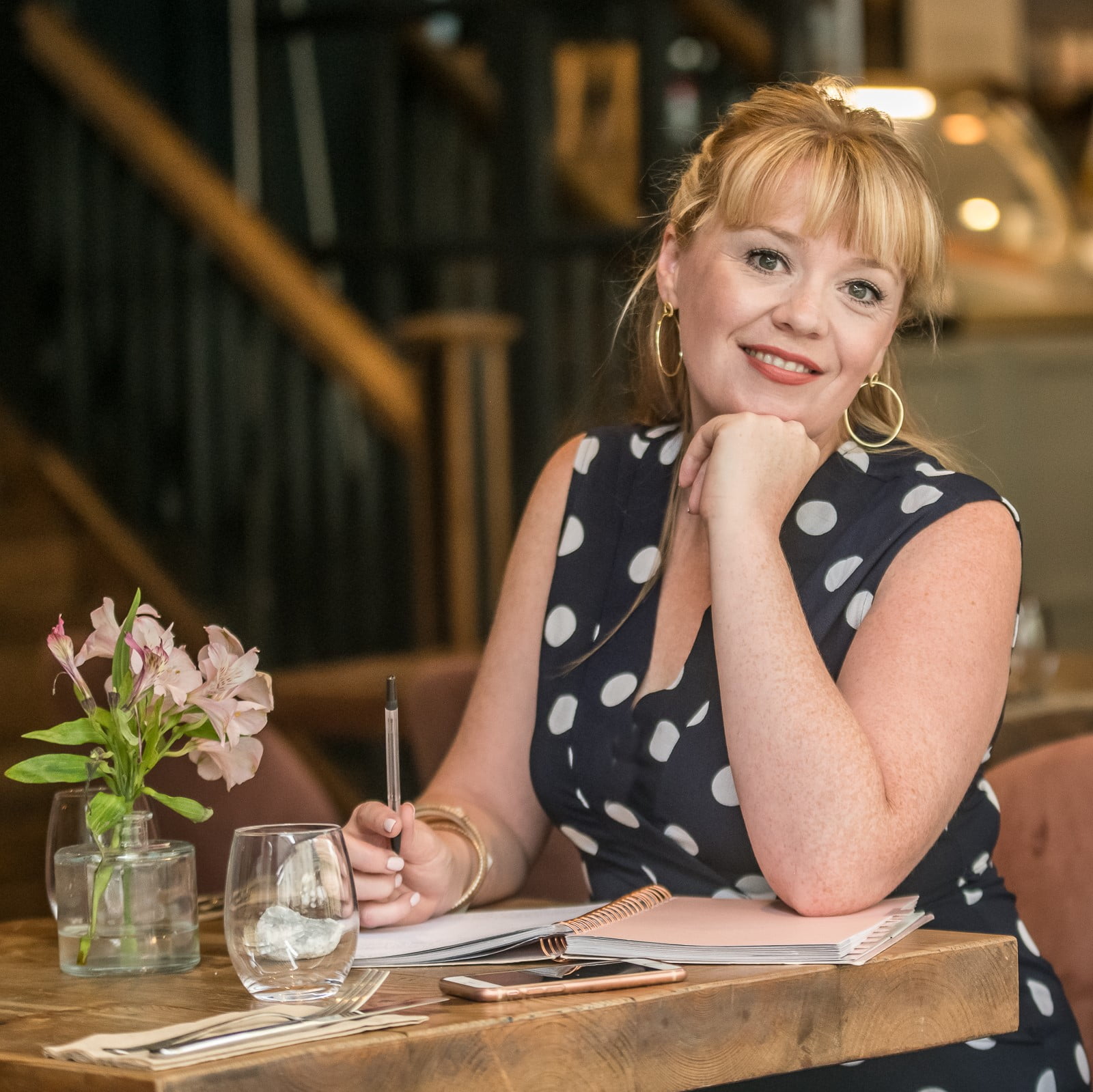
Lulu was a criminal defence lawyer for 11 years prior to coaching and empowering women to come to the forefront in society as an asset and not as a weakness.
In this episode of Inclusion Bites, Joanne Lockwood speaks with Lulu Minns about workplace culture systems.
“I often say all she rebels don't just want freedoms for themselves. They want freedom for everybody else.”
Explore
Navigate this episode
Joanne Lockwoodhost
Hello, everyone. My name is Joanne Lockwood, and I'm your host for theInclusion Bites podcast. In this series, I've interviewed a number ofamazing people and simply had a conversation about the subject ofinclusion, belonging, and generally making the world a betterplace for everyone to thrive. If you'd like to join me in the future,then please do drop me a line tojo.lockwood@seechangehappen.co.uk.That's S-E-E, Change Happen dot co dotuk. You can catch up with all of the previous shows on iTunes, Spotifyand the usual places. So plug in your headphones,grab a decaf and let's get going.Today is episode 43 with a title offreedom for everybody, and I have the absolute honor and privilegeto be joined by Lulu Mintz. Lulu says she isa rebel radio podcaster, an award winning coach,and a retreat specialist. And when I asked Lulu to describeher superpower, she said she is a challenger bynature. Hello, Lulu. Welcome to the show.
Lulu Minnsguest
Hi, Joanne. It's really good to be with you. And it's always interesting for achallenger by nature to be interviewed rather than interviewing.
Joanne Lockwoodhost
Yes. I suppose it is. Yeah. Beyond the other other end of the,of the mic, so to speak. We've been talking about getting you on the showfor a couple of months now, and finally, pleased we've, managed to achieveit on this beautiful sunny day in the middle of June. Fantastic. Yeah.
Lulu Minnsguest
Absolutely. Yeah. It's quite tempting to do it in the garden.
Joanne Lockwoodhost
Yes. I know. It'd be lovely, wouldn'tit? I think I must bring up my studio out there. Mhmm. So tell me,you we we called this episode freedom for everybody. Whatdoes that mean to you? Oh, it's such a good question. It means
Lulu Minnsguest
so much to me, actually, and you probably know as well when you kind ofdo work on yourself, when you run a business as a consultant,etcetera, looking at your values, freedom's always been a really corevalue of mine. Jo much so. You know, I was a criminaldefense lawyer before doing what I do now and, you know, literally fought for people'sfreedom from incarceration, if you like. So when I was reallydoing work on myself, quite a lot of emotion came up for me asto how important freedom is. And I've always used the wordrebel in my branding and, you know, all all rebels, you know, wantfreedom. But I often say all she rebels, don'tjust want freedoms for themselves. They want freedom for everybody else.And I feel like, you know, as a society and in humanity rightnow, we're really on a tipping point of exploring what thatlooks like and, how we can move forward with that andreally looking at how much women have to contribute to the narrative offreedom for everyone. So it really is a call that runs througheverything I do and everything I always have done. But Imentioned that kind of emotional piece. I've always felt as well a certaindegree of rejection for being a rebel, for being a challenger bynature, and always, you know, running running forwardwith with freedom above anything else reallyfor myself and for other people.
Joanne Lockwoodhost
That must have been, I suppose, as a rebel, must have been tricky being adefense story at times because you must have seen someinjustice, and you must be fighting forpeople that maybe were,in the marginalized section of society who didn'thave, if you like, their human rights being protected and thatmust have been quite frustrating for you at times. Yeah, it
Lulu Minnsguest
was. Luckily kind of when I started, I was a bit, you know, green behindthe ears or wet behind the ears or whatever they call it. So, you know,I was kind of still learning the ropes. But certainly, as I became moreconfident and self assured in, you know, you know, beingvocal in court and knowing that I was right about certainthings, I did become increasingly frustrated with what I wasseeing and and more powerful in what I was saying andadvocating for, but also really more frustrated inin seeing the kind of systems it were for for what it was, which wasa big part of me leaving actually because I kind of felt like I haveto become part of this system to to really flourishmore than I had done already and I refused to do that. Jo,yeah, it it was it was tough tough to watch, and I learned alot, but was glad that I left when I did.
Joanne Lockwoodhost
I'm gonna ask you a leading question now. Why was itfrustrating for you? Was it is it that the process itself issteeped in privilege and bias, or isit just that traditional or old school nature ormaybe the it's a man's world still in the in the legal system? Yeah. It
Lulu Minnsguest
was kind of all of it really thrown in, and it it took, you know,departing from it to really start to unpick that. I I didn'teven notice. I was probably naive in some ways, you know, growing up in Brighton,which there's a lot of diversity and inclusion and, you know, my parents are veryunconventional, and I've always kinda gravitated to,maybe groups that are marginalized for whatever reason. And,I was probably naive being a woman in that field. Ithought, you know, growing up, you know, the world's your oyster. You can do whateveryou want. And it was only on leaving reflectionthat I kind of recognized, oh, actually, I was told to tone it down, notbe aggressive, not to be too assertive because itwasn't taken very well, that that was actually because Iwas a woman and I was female in in that role. And that didn'treally occur to me at the time. It massively frustrated me, but I didn'treally almost put the 2 and 2 together that that's why I washaving that experience. And, actually, the more confident I became,the more I was getting that feedback that that actually wasn'tacceptable in my role. And I wasconfused by that because I was a defense lawyer. I'm like, isn't that what I'msupposed to be doing, being a challenger by night shift? Yeah.
Joanne Lockwoodhost
So is that is that the the system, if you like,not valuing strong women. It's they wantwomen to behave in a feminine way, not in a a more masculine way. Isthat was that was that the the challenge? Yeah. Absolutely. And I would
Lulu Minnsguest
even have, you know, men, that I that didn'twork for you know, in my firm, they were not myboss, etcetera, would intervene potentially or orfeel that they had something to say about, say,conversation that me and a prosecutor were having in court. They would just, like, interveneor, you know, treat me like their employee or or you shouldn't say that. Weknow you should back off a bit, etcetera. And, you know, I wouldalways, again, stand stand up for myself within that. But, youknow, again, it became really frustrating, to doany, you know, have having to bring a certain energy to deal with that ona daily basis, was actually quite exhausting.
Joanne Lockwoodhost
A classic mansplaining. Absolutely. Absolutely. And as we
Lulu Minnsguest
know, women in those positions tend to leave before, you know,those promotional I was head of department. I left before partnership, and that is theclassic moment of when women leave. I think often it's looked atof women having children and things like that. There's so it's so much deeper thanthat. I don't have children. That wasn't the reason. Yet, youknow, there's lots of women I know that that leave for all sorts ofreasons that they can't necessarily articulate at that time.
Joanne Lockwoodhost
So you're a rebel at heart. And as you said to youryou came from a rebel family. Your parents are kind of nonconventional. You spent alot of time growing from Brighton, which I think Westfield would would describe asa fairly nonconventional place to live as well.So you you found freedom by by moving as well, didn't you? You relocatedto the west country? Yeah. Yeah. We've always actually, as a family come on
Lulu Minnsguest
holiday down to the west country and St. Ives in particular, you know,for the artist scene. It's always quite a bohemian scene. Thesurrealist artists used to come to Cornwall as well. So,again, I've always felt quite an affinity with the West Country, and we doas a family. So, but that's quite a recent Lockwood, but I previously livedin Manchester, London, and and things like that. But,yeah, I grew up with a lot of, artistic inspirations.Frida Kahlo, Carlo, Lee Miller. I don't know if she's familiar to you as asurrealist photographer, and, a lot ofmusic as well. So I'm super grateful for that. I guess my rebelling against myparents was to get a conventional job, which was interesting.
Joanne Lockwoodhost
So a double rebel. So you're probably against the rebels.
Lulu Minnsguest
Exactly. Yeah. We're well in with my father because he's a musician isto like rubbish music, and that would really upset him, you know, like ordering theBackstreet Boys because they run a music shop. So, you know, ordering something terrible.Again, conventional would be would be a form of rebelling.So, you know, it was a kind of flip on its head for rebellion inthat sense.
Joanne Lockwoodhost
Excellent. So you you say you've, runretreats. Tell tell me a bit more about those retreats and and what goeson. What's the purpose? Yeah. I first when I started coaching,
Lulu Minnsguest
you know, again, it was a real heart based decision. I wanted to run aretreat for the women that I coach in Morocco because, again, Morocco is quiteunconventional. I love it. And, so I hostedmy first retreat in Morocco in 2017, which was amazing.I didn't make it easy for myself, however, you know, because just even, you know,paying the re ads and, you know, it it it's not on on home turf.It's a very different place for for those people that have been to Morocco, althougha beautiful place. And, yeah, I really wanted to create thatthat space for women. You know, again, it it has
Lulu Minnsguest
many women don't have the luxury of time. I was reading an article the otherday and doing a lot of research about this, particularly with coronavirus and thepandemic. You know, again, a lot of childcare, housework, etcetera,has fallen on women within the home having to drop their businesses.And an article saying, you know, that women don't haven't previously had the luxuryto develop their genius, as, say, you know,Carl Jung, Sigmund Freud, etcetera,you know, really, really had this gift of a luxury of time. And I've noticedover the past 5, 6 years working with women, they don't oftenfeel that they deserve time either andretreats really give women that that space and time, you know, over72 hours, 3 days. And I I've noticed over the last5 years hosting retreats that the women I work with really come back to meand go, it was the retreat that changed absolutely everything for me.So this year, I may be crazy, but, you know, being a rebel at heart,we're doing 3 retreats in post pandemic. Fingers crossed wecan do them, but we've had to that we've had to move previously. And, know,we work with such incredible women that are happy to do it wheneverwe'll do it later date. And it hasn't been you know, there's been a lotof admin with it, but it's well worth creating that thatspace for women to work on themselves and their businesses.
Joanne Lockwoodhost
It's a really interesting thought where you saywomen often don't feel they have the time for themselves andor they don't make time because there's always this kind of selfpressure to keep going, to find something else to do,and stopping almost feels like you're letting somebody else down,wherever that may be, your family, your work, or orwhatever that may be, your children, and and stopping and taking time for yourself isreally hard thing to do. And certainly women who are maybeentrepreneurs or in very busy lives and careers, it's really hard tostop, isn't it? Yeah. It is. And I think, you know, as
Lulu Minnsguest
women, we feel super connected, don't we? That it's that it'sthat connection to everything and everyone thatto disconnect and focus, you know, onourselves or on that one thing, whether you've got children or not,can can feel like a much, you know, harder thing to do. And,you know, as you say, it's it's giving yourself permission to actually dothat which is really important and, educating women todo that because, actually, when women burn out, everyoneelse around them is affected because of that massive connection and, youknow, nurture that we have for forothers. Mhmm.
Joanne Lockwoodhost
Because, certainly certainly, if you like, the home admin side of it iseverlasting, isn't it? Where it's there's always something to do, and I thinkwhere we're not careful, we almost feel becausewe're the buck stop for a lot of lot of lot of activities, a lotof tasks. And if if we don't do them, nobody's gonna do them. And ifif we take a time out, they're still there when we get back as well.So we we feel this kind of must do little and often all the time,all the time, all the time. And even taking a break and havinghalf hour in front of the telly just zoning out of reading a book,often you have to make that time that, because it doesn't comenatural. I'm certainly experiencing that myself. Yeah.
Lulu Minnsguest
Definitely. And there's a lot of talk, you know, now, isn't there? It's quite trendyto talk about self care and and, you know, things like that. And it reallyis a personal journey for every everyone and everywoman in particular because there tends to be more of a battle with that.And, you know, it really does self care and takes some doing. We Joannereally focus and think it's about the being, which it is, but it takes somedoing. And I often say to clients, you know, if it's not in your diary,it's not going to happen. So for me, no one messes with myyoga schedule and that goes in my diary first beforeanything and anyone that goes in my diary because then Iknow I can serve everyone and, with what they need at a muchdeeper level when I have filled myself first. And I learnedthat the whole way by being a defense lawyer for 11 years.And, again, I wasn't just with my clients. I wasn't just their lawyer. I waslawyer, secretary, mother, social worker, PA,you know, you name it, whatever they needed, youknow, which is why I was successful when a popular lawyer is choicefor many of my clients who were in and out of the criminal justice system.But there was not a lot left for me by the end ofthat. And it took me some recovery time.
Joanne Lockwoodhost
Jo when you're working with your female solopreneurs,leaders, what are the biggest challenges you find that they're thatthey're trying to tackle in their life? Is it is it just impostersyndrome and limiting beliefs, or is there is there far more than that? Oh, far
Lulu Minnsguest
far more than that. But, you know, in a good way, I you know,some of it is really positive as well. Lack of time is massive.You know? I create really powerful self study courses for women that arereally short and, you know, short and bite sized deliberatelythat you could take 5 minutes today, 10 minutes today, or just do it oncea week and and still make progress. But, again, this lack of time thingis massive. Lack of confidence and lack of permissionto themselves to really actually dothings in the way that they may want to do them and to do thingsdifferently. Again, women can tend to be conditioned to notbreak the rules and to, you know, followthings and do more of what they aresupposed to in inverted commas. And I can't remember. My background's in,criminology as well. So I think it's called double deviance. So if we awoman breaks the rules, it's not only the rule she's broken. It'sthe it's it's the rule of being female and a woman that she's brokenas well. So there's there's a double punishment, if you like, and that's evident inthe criminal justice system and it's also, you know, evident incorporate positions, etcetera, if a woman doesn'tfollow follow the protocol and the processes. Sowomen can spend a lot of time double checking themselves to make surethey've got things right,which is exhausting, ultimately. Imagine all that time and energythat could be spent you know, on on doing other thingsinstead.
Joanne Lockwoodhost
Did you believe that's nature or nurture? Is this how women aresocialized from a young age, to be compliant, tobe rule protectors of rule setters? Yeah.
Lulu Minnsguest
That age old question. I've spent my lifetime studying that nature or nurture question,I think. And and I really do think, you know, I I think it's amixture of both, but I definitely think nurture isreally, really strong. And, you know, but also nature,it's been proven more and more that we carry ancestral trauma fromfrom, you know, our ancestral lineof, you know, previous experiences that that family members and staff havehave had. So I find that fascinating and really, reallyinteresting. And then even when I look at my own upbringing, which I said isvery unconventional, I've got 2 sisters, you know, very,very female dominated family, if you like.Me and my sister were talking about the other day the films that we usedto watch and some of the children's books. We used to read, My Naughty LittleSister, and she's reading it to her daughter at the moment, who's only 5. Andshe said, I'm horrified that the the boy Harry is justbeing a boy, and the girl is being very rude and verynaughty. So she's like, Ayla's loving it, but I'm actually wanting tostop reading it to her. We used to love those books.
Joanne Lockwoodhost
It's interesting how, generations Joanne, and we look back atsome of the stuff that we're now feeding our children in horroraround the stereotyping and how wethat yesteryear almost, isn't it? Yeah. Yeah. It is. And I don't know. Do you
Lulu Minnsguest
remember Barbara the Elephant? Did you ever used to read those books?
Joanne Lockwoodhost
Yes. I remember Barbara Lisman. Yeah. Yeah. But I went to
Lulu Minnsguest
yeah. I went to a talk, an International Women's Day a couple of years agoin Brighton, and there was a chef, and I can't remember her name, but sheopened the cannabis kitchens in Brighton and she she'd come out of bankingand she was saying that, you know, when she entered, you know, the thechef industry, that women were cooks and men were chefs. And I was like, ohmy god. I was sitting there going, I've never thought about that before, but, yeah,maybe that's right. And then I went to my friend's house. We were trainee lawyerstogether. She's got 2 little boys, and I was reading her older little boy whowas 3 at the time, Barbara the elephant. He comes over to me with thisbook, and Barbara the elephant is doing, like, a cookingthing in this book. And at the end of the book, I get to thelast page. I had a fit by it, but the boy elephant barbergot a chef's hand. All the girls got pink bows. And Isaid to her, I was like, Melanie, this book,what on earth and what is this showing the boys? And she said, oh, god.I've never really thought about it. And, you know, that, again, that was a bookfrom our childhood. All the front cover was wrinkled. You know, it was a reallyold book. So, again, we had this kind of conversation ofof of, you know, those subtle, subtle messages which areeverywhere despite parenting that mightbe different. I mean, even classics. Yeah.
Joanne Lockwoodhost
Paddington Bear. All of the main characters inPaddington Bear are men who are going out to work, andthe women are either activists with banners or posters oror at home. It's Mhmm. Those classicstories are bought were written and created at atime where that was the gender norms. And Yeah. We've beenfeeding ourselves this for generations. Yeah. And I think
Lulu Minnsguest
it's Disney Yes. I've looked at some of the Disney cartoons.
Joanne Lockwoodhost
Yeah. Yeah. Yeah. There's not I think Frozen was the first
Lulu Minnsguest
film where a girl was rescued by another girl, I e, hersister. And I think the now there's some there's some there's Brave andMoana isn't there, and there's a good few ones. And my 2, oldernephews were saying to my niece the other day, I think it was at Christmasor whenever it was, of she wanted to watch Brave. And they were like, oh,no. It's rubbish. And I I went they always know I'm always on the rant,about something like that. I was like, there were not films like this for girls.We were young. She's watching it, You know? Blah blahblah. And, yeah. But, you know, it feels it feels good that they're they'requite naive to that. But at the same time, we do kind of educatethem that, you know, women haven't always had this privilegeand and these wrong role models. You know, it's so important that we have thoserole models, isn't it?
Joanne Lockwoodhost
Mhmm. Yeah. I I do get a bit frustrated sometimes with Hollywoodthat the the female led action movies arewomen just trying to be men, trying to live up to male stereotypes.And, this I think Charlie Sewan did a couple ofreally good ones, Atomic, I can't remember the name of the film. I was wondering,Atomic, wasn't it? And, Atomic Blonde. You think, wait. You're actuallywatching it. It's just Atomic Blonde. Yes. It was a feat strongfemale character lead, but she was reallynot behaving as, well, as aas a as a as a woman in that well, just behaving as a man.It was that I the it was it was an action hero as a womanrather than a woman being an action hero. And I think that was that's whatthe difference we gotta change is that we we create newgenres and new new roles forwomen that are women being women, not women acting like men. That's
Lulu Minnsguest
that's part of the problem we're trying to fix. Yeah. I think that's that's, youknow, the real challenge. And, again, I felt in the legalprofession, you know, climbing the banks as it were, and it's no disrespect toany of the women that were kind of ahead of me, but, again, I sawthat. I didn't feel particularly supported by by women in the field, unfortunately.But bar 1, who wasn't at the same firm, but,you know, there there weren't those role models for me. AndI was kind of looking for women, you know, who are partners and things likethat and thinking, oh, are you sure that's a fit for me? So Ireally felt like I didn't really have anywhere to go with it. And I Ihave a course actually. It's it's called the 24 principles to feminine success,and it's something that I've taught for around 5 years. And it was actually reallyhard for me to articulate at the time. I just kind of had a downloadabout it. I was like, oh my god. This is really important. And I Istill teach it now. It runs through g level radio, the podcast, and,you know, it it's really about how we introduce more feminine based principlesinto positions of leadership whilst honoring the masculine ones as well because weall have masculine and feminine energy, but we've been taught thatmore masculine based principles andmore powerful than the than the feminine ones. And I oftensay the suppression of women also has equal to the suppressionof the feminine and feminine based principles which we reallyneed to introduce back in to bring balance and harmony in. And when I startedlooking at those principles, I was like, this is the reason the world's such amess. You know? Climate change, you know, poverty, all ofthis stuff. But at the same time,it's very important to not, you know,really blame the masculine principles as well becausethen we perpetuate more of the same problem.
Joanne Lockwoodhost
I think I was watching on telly last night or the other night aboutthis role of they now have a role on film sets and TV programs calledthe intimacy coach that helps definethe boundaries and barriers between betweenactors on on set and what is they can they theynegotiate, what is appropriate or inappropriate for theirown personal space. And I I waslike amazed that we're we're down to that level of now,having to help women create these boundaries becausethey're often put in uncomfortable situations by maledirectors or male costars or whatever it may be. And,it's really interesting to see that the intimacy coaches, they're an integral partof filmmaking. Oh, wow. That's that's that's
Lulu Minnsguest
incredible. But what does that yeah. That's quite horrifyingwhat that shows in terms of in terms of it's funny.Someone put something on LinkedIn. It was a good couple of years ago now, butI think it might have been around the me too movement of, youknow, business networking when we were allowed to be in the same room,which we haven't been for quite some time, you know, to is itacceptable to give someone a hug and a kiss, you know, and all ofthat. And it's such it's so important we're having those conversations,but then it's kind of I don't know. It's kinda sad at the same timebecause I'm I'm not if there were if there were too many rules putin, you know, that that's just as human beings, we're not that linear.
Lulu Minnsguest
It really is, you know, but but for meOh. Part of that is, you know, I'mvery empathetic Jo I can read a situation like that and and knowwhat's appropriate and what isn't. And I appreciate that a lot of other people don'tand they find that more difficult. And, again, I only leaving the legal professionreally saw that as a massive strength that I have because I watch, you know,other lawyers and people, and I could see a situation that was gonnaescalate over the in the courtroom. You know, by the way, the lawyer wastalking to the client, etcetera, but I was never told at school orwhen you look at skill sets and things of, like, oh, you're massively empathetic.You're really good at tuning in with people, you know, going straight straight in withwhat they need because, again, they're more more feminine based. It's a morefeminine based skill set, you know,traditionally, and it's just not something that'svalued. So why would you why would you be told that?
Joanne Lockwoodhost
Yeah. It's interesting. The hug and the kiss is a greeting, isn't it?That awkward social situation with it. Is it one kiss on the cheek? Isit 2? We'll be going French and doing 3 or that thatthat hug that lasts for half a second too long? And you youJoanne wait feeling kind of like, oh, that was a bit bitunnecessary. Yeah. Yeah. And then creepy feeling you get sometimes.
Lulu Minnsguest
Yeah. We've all been there. A little bit. Yeah. Well, I I had it, youknow, historically with some of my, you know, criminal clients, bless them.You know? And I had a really good relationship with many of my clients becausethey were regulars. You know? But I I remember a few of them inslow motion, you know, getting a a good result in court. And thena client, you know, sometimes they weren't very well washed and, you know,drug addicts and things like that that that wasn't the physical contact. Itwas something I really didn't want or need. But, yeah, it was it wasin slow motion. I remember a few of that. So it's it's difficult, isn't it?But now we've got coronavirus kind of elbowbumps and and things like that. But as humans, it's so important that we doneed physical contact. Maybe not in a business setting,but then in it was some business relate I've had those business relationships with somepeople like that and not others. It's it's all about us learning toread situations and and communicate, really.Communication's key.
Joanne Lockwoodhost
Yeah. I do recognize that subtle physicalcontact is a way of creating a bond, is a way of showing,understanding affection wherever it may be, but some of it isis steeped in patriarchy, isn't it? That thatthat that touch of the elbow, that press in the back in the small ofyour back, you first type type, gesture.Some of those are are very patronizing in away and reinforcing male power, male privilege, and it'squite unless you unless you step back and and seeit and have experience at some at some point and be aware ofit, you just think it's polite societal thing, but it isreinforcing that that power imbalance. Yeah. It really is.
Lulu Minnsguest
And I remember again me always being a challenge when I was only a traineelawyer in London. And one of our trainers, he wasn'ta partner at that point, but with one of the other trainees,tapped her on the head.And I you know, we all used to go to the pub together and thingslike that. And I was like, don't you know, because we were friends as well,and I always had a bit of a big mouth. But I I was like,don't, you know, tap her on the head like she's you know, and I wentoff on one about it because, again, I didn't like what I sawbecause it was kind of, well, you know, you and, you know, it was quitea while ago, I guess, I entered the legal profession. But not that long ago,it there were all sorts of comments of, I washed you down there,all of that kind of stuff, which was so inappropriate, but Ibecame so used to it. And then you build a certain, like,barrier around yourself. You know? If I was probably attimes more serious than I needed to be and because I had toor felt like I had to get control of a situation so Iwouldn't become, as a young female,the butt of all the Jo. I wanted to be takenseriously. So, you know, it's, you have Ifelt like I had to bring a certain amount of energy into a room toensure that happened. And, ultimately,that exhausted me after 11 years. I was, just exhausted of doing it allthe time.
Joanne Lockwoodhost
That's the bringing your whole self to work sort ofmetaphor, isn't it, where you have to put this mask on, you have to wearthis suit of armor, and you can't be the relaxed, realyou because you've got to think about what's going on around you all thetime. Yeah. You have. In the last 2, I wanted to leave for about
Lulu Minnsguest
2 years. I knew I knew I felt there was a whole world ofdifferent things going on out there and the legal system's quite archaic and oldfashioned. And I felt I'd go to my office in the morning and pick upmy files caught and I felt this, oh, here it goes. I could suddenly becomeaware of this kind of energy that I neededto this mask, this armor I needed to put on to deal with theday ahead. And, you know, not forgetting you know, I'mnot just blaming, you know,male lawyers, police officers. You know, it's a very masculine environment. Not to forget,I was dealing with, you know, rapists, murderers, you know, all of that kind ofstuff. So I I had the whole I was going into I went into myfirst prison at the age of 19, very patriarchal institution,you know, the the way they're designed, etcetera. Jo, you know, but itreally did did have an impact. And as I said, I'mnaturally empathetic and verysensitive by nature and all of that. And I'd even forgotten that about myself becauseI'd had to, you know, keep all of that awayfrom me.
Joanne Lockwoodhost
So you you said when we're chatting, earlier on thatyou're a feminist, a rebel feminist, andI'm assuming you're a 4th wave feminist. It's around equality forall, not this is not around a protest. This is aboutcreating equitable spaces so that gender normsare kind of erased, if you like, and and everybodyfor creating a society that's fair and equal for all. Is that is that howyou see it? Yeah, absolutely. It definitely is how
Lulu Minnsguest
I see it and I, you know,we can't solve a problem with the same thinking that created it.So, you know, I'm I'm very and that's why I'm very passionate as well aboutbringing in more feminine based principles in terms of, you know, Isee inclusivity and oneness is a very feminine based principleand and a more masculine principle is division and separation. But thathas its purpose. Right? We need to divide and separate ourself toidentify what thought is ours compared to someone else's, etcetera. Butwhen we live in a world that values that more thanthe inclusivity and the and the oneness, you know, then weget disaster that we we we've kinda been facing forfor a long time. So, you know, that inclusivity does stillinclude men. You know, they still need to be included in the conversation. Andthat's why I always say, you know, every every she rebel, that's my version offeminism, you know, wants freedom not just for herself, but for everybody else.And, you know, it's really important because we're seeing a lot at the moment. We'retalking a lot about diversity, but what I'm really not seeing isinclusivity of diversity of opinion because that is justnot allowed right now. It's you're either Brexit or you're not. You're eitherpro getting the the corona jab or you're not.You know, that's all division and separation. And when we get too much ofthat, you know, we're never gonna solve these problems. We really needto respect and and be inyou know, create safe spaces for conversations wherepeople are entitled to have an opinionand to have a different value system to you. Like, be open to that.It's really important that we can do that.
Joanne Lockwoodhost
How do we get men to step up?When we saw it around, the tragic killingand murder of Sarah Everard and the,the heightened awareness of violence against women and girls, and then thehashtag not all men started. But then,yes, but it is all women. It was kind of the retort.We have I mean, I've been at events which talk aboutpromoting women in leadership, creating gender equality in the workplace. AndI was on a panel in San Francisco looking out into the room in thisthis session around advancing women in organizations.And there was out of 4, 500 people in the room, there were about 8men. So it was women attending theseforums to promote gender equality, notthe men. And, you know, I'm a great believer that you have to involvethe incumbent, the person with privilege or or or hold thekeys if you like in this conversation. So whilst we as womentalk about it, if we're not involving men, we can't make progress.
Lulu Minnsguest
Yeah. Yeah. Yeah. It's so difficult. I think it's,at the same time, exclusion is the key to diversity. That's I can't rememberwho who made that quote as well because people say to me, why do youjust host retreats for women? And and I'm like, because it's a very different conversationthat happens when when women come together and actually, youknow, there there's not been many platforms for women to do that, and,many women can learn very differently in in a different setting. And whatI've noticed is and and we definitely need to include more men in theconversation. And there was a post of mine actually on LinkedInthe other day and there was lots of men commenting and I was talking aboutfeminine principles and it was great to see. I really don't think, you know,more corporate based men would have understood that even 5 yearsago. So there's really an an an opening with that. But I feel likeone thing as well that I would really love to see when men are includedin the conversation because I see this time and time again is isoften you can have that say, you know, there's a room fullof 40 women. And this was an event I was at the Canadianembassy with a coach that I work with, and she was talking about women andour access to capital in business. Around40 women in the room, 2 men. Thevoice of 1 guy was around 25% of thatroom. I couldn't even go and speak to that person when we werenetworking afterwards because I was quite furious because I was like, this isa platform for women to vocalize how they feelabout accessing capital and funding for their business. It's a room for them tovocalize how they don't feel that their voices are heard. It's a room for themto vocalize they've been told to deepen their voice to be taken more seriously. Youknow? And and he did and I I also, again, me being massively empathetic,felt super sorry for him. Power dressing. Yeah. Exactly.Sorry for him that he didn't even realize because he's so used to it. MaryBeard talks about this, you know, of we see authoritative speechas male, that he came in and and he had the right to that room.That's how he felt. Came in in the suit. He had the right to thatroom. He had the right to the opinion. He had a voice thatdeserved to be heard. And, you know, so we we do need toinvite men into the conversation, but we also need to make sure that the women'svoices is are still heard within within those rooms.That's the biggest key.
Joanne Lockwoodhost
I mean, it's it's often, it's likecriticizing the the lion for eating the antelope. It wasn'tactually that man's fault. That was how he wasbred, bought up. That's how he he's had to fight ina man's world to always be told to get your pointacross, be assertive, speak up, express your views,and fight your corner. And men don't thinkin a way where they they they listen first, understand the room,and then talk later. They feel they've got the right to have that opinion, becausethat's how advanced in a male's in a man's world. Yeah. That's their
Lulu Minnsguest
that's their birth fight. So don't criticize the lion.Yeah. Yeah. No, exactly. That's their perception. That's what we've changed, how we nurture
Joanne Lockwoodhost
our young boys. Yeah. Yeah. Yeah. Absolutely.
Lulu Minnsguest
Absolutely. It's, yeah. And, Mary Beard, I don't know if you've readWomen in Power. You know, she talks about odyssey and,you know, coming back from war and, you know, themother comes down and wants to say something, and the little boy sends her away.Go away, mother. This isn't a place for you here. You
Lulu Minnsguest
know, we we've grown up with this, you know, Roman Greek literacyrunning through so many things. And, again, that's another subtle message thatthat has been there for such a long time. You know, and that that'seven a woman in the home, let alone, basically, Joactually on the wall or the war zone and and and all of that kindof stuff. So, you know, and I really do I've got a a self studycourse, which is called the 3 keys to self actualization, which is around selfsecuritized, self authorized, and self express. And I'm yet totake a woman through that process Jo matter where she is on her journey, evenif she really is empowered, that hasn't had major breakthroughsof, you know, the because as women, thatconditioning of security comes outside of you, authority comes outside of you,and it's not really okay to fully express who youare and what it is that you've got to say because there there's thatsubtle message is there somewhere.
Joanne Lockwoodhost
Oh, yeah. I've I've lived a life of of 2perspectives, socialized most ofmy life in my previous perspective for 40,nearly 50 years. And my wifeand I are still trying to rewrite theboundaries or rewrite the rules in our relationship. Anddespite our best intent, we still havekind of gendered or stereotypical roles within within ourhousehold. And if it requiresmuscle or carrying, it tends to be my job. If it involves driving,it tends to be my job. If it if it involvesmore empathy or birthday presents or birthday cards or thingslike that, that tends to be my wife's role or primary role. And we don'thave a problem with it. It's just how we've how we've grown up together. Butwe're trying to rewrite some of the rules so that I don'tfeel excluded from some of her traditional,
Lulu Minnsguest
gendered roles in the home, if you like. And I don't want her to feel
Joanne Lockwoodhost
excluded from getting involved for some of the things I used to do, and it'strying to share that out. But I off alwaysoften find we we often thank each other for doingthings, and it's I think I I don't want to be thanked for taking thebin out. It's my role as well. It's kind of wewe're sharing, and and we're sort of getting used to the idea of it's notyour role. It's not my role. It's just a job that he's doing. And thenwhichever one of us does that, it's not about thanking.It's it's it's acknowledging that that that I just got on and did something thatneeds to be done. And it's a real challenge to to try and rewrite thatgendered rule book Yeah. In a relationship. Yeah. Yeah. No.
Lulu Minnsguest
Definitely. It is. It's yeah. And I think, you know, that's why I dolove as well. You know, I practice lots of yoga and definitely spiritual sidesto me and what I do and what I teach, you know, in terms ofthat, you know, masculine and feminine energy that, youknow, it can change. It can flow. We can flux. You know? We we canit is fluid. Right? It's not it's not it's not astructured system thing that that societyhas tried to condition us, to to believeit is. And, you know, that that can make relationships even morebeautiful in terms of, you know, find finding that what that what thatlooks like for each individual and then each, youknow, relationship, coming together is isreally, really powerful. And, yeah, I have, like, my somefeminine flow days, and then I have my more, like, structured, you know,gotta get shit done kinda day. Sorry. I swore, rebel at heart.And, yeah, you know, and and really tune in with with where I'mat and how I'm feeling. And, you know, I think it's really important that wewe we really start to do that.
Joanne Lockwoodhost
Essentially, you you used, a colorful wordthere. Does society still get shockedby women using expletives and swearing? Is it kinda seen as akind of I don't yeah. I think they do sometimes. It's not. As aman kind of go, yeah. I'd Yeah. Good. That's
Lulu Minnsguest
alright. That's all. Well, and even, you know, my dad being so open minded, hewould say to us and my 2 oldest sisters, Jo it's not very ladylike yet.He swears like a trooper. So, you know, we kinda like we learn it fromyou, dad. So, you know, butyeah. No. I do I do think it's I mean, I swear on my podcast,but it is called She Rebel Radio, so I don't know what your rules are.
Joanne Lockwoodhost
I don't have any rules. This is nota a PG show or anything like that. This is just is isaimed at business, and people say what they wanna say. No. Idon't have any rules. If if you want to say shit, you say shit.I mean, let's avoid some of the the the big the big nasty wordsthat What was your name? Graham Norton. It's okay on here, I think. It's probably
Lulu Minnsguest
the wrong thing. To know. I know. Yeah. And the interesting thing about that word,shit, as well was it's quite a I I, withcoaching, I'm a multiple brain coach as well, which is head, heart, gut. That'squite a guttural word, which is a lot where we we place a lot ofour identity and, all of that kind of stuff just as we were talkingabout that. Oh, you know, this is male or female. Is it acceptablein in certain, you know, groups that, yeah, it's aninteresting point.
Joanne Lockwoodhost
Yeah. I mean, I often use, bullshit,as a as a as a phrase or or termwhen I'm talking about meritocracy, the bullshit of meritocracy,or I'm happy to call out bullshit of something, asas as all these sort of kind of businesssocietal tropes reach out and go, hang on. That's complete BS. You know? It'sit's not we we made those rules. We can change thoserules. Yeah. It's a societal social construct. Yeah. Let's, let's notget hang up on that. Yeah. No. It's not just In fact, I I wassaying I was saying bullshit in my in my own mind this morning. I wasI was reading this article on the BBC website, a newsnews article around how everybody wants toreturn to the office, and that's what everybody wants to do.So then I started unpicking the article, and it was propertymanagers. It was leasing companies. Itwas property it was all property companies who had a vestedinterest in setting this narrative that people want to return to theoffice. People need to go to the office to socialize.Jo. People don't use to go to the office to socialize. They need to comehome earlier in the evenings. They don't need to spend 3 or 4 hours commutingso they have more home time so they can socialize at home. They can socializein community. And we've we've we've decided that thebusiness has evolved based on this paradigm, and this is howwe've done it. Let's let's say, okay. One of the roots of socializationis working together. One of the one of the ways we can learnand nurture and coach each other is to be in the same room. But let'ssay the objective is to learn, nurture, and culture, and create socialization.Well, how could we do that that's not in the same way? We can giveenrichment in different ways. We can create more local community hubs. WeJoanne not spend that 4 or 5 hoursburning fuel, sitting in traffic jams, trudging on the train,destroying our work life balance, eating into our family time, actuallycreate a new paradigm that says, let's not propagate that BSas the only way of achieving those goals. And that's what I wanna seehappen where people don't go, well, we gotta go back. That's that's the only waywe can solve this problem because it's not. No. No. It really isn't. And I
Lulu Minnsguest
think, you know, any article that says everyone wantsx is just again, like, weare a diverse, eclectic mix of people. Like, what worksfor 1 person is not gonna work for somebody else. But, you know, Ilove that people have really had this taste of freedomthat I, you know, myself, opportained when I left the legalprofession coming up 6 years ago, I think, may maybe even be more, maybeeven be 7 at the end of this year that I suddenly got this tasteof freedom that I could go and sit down the beach and, you know, havemy tea in the morning and have time for yoga and walk and,you know, really create space for myself. And during the 1stlockdown, I saw that beach kind of, like, fill up, which I was kinda horrifiedbecause I felt like it was my beach at 9 in the morning that allof a sudden everyone else had access to that. That I think what's not gonnachange is that, you know, people really are seeingthat, actually, freedom is a personalthing, and we really can create more of it if we don'tfollow these really archaic, ridiculous rules, which quitefrankly were created in industrialization as well where we weresitting, you know, in factories churning out lots of things and, you know, theeducation system is very much designed to put us intothe workplace and for us to follow the rules. Andif humanity as a whole is really gonna evolve in the waythat we should, we need to create a lot of more space for creativity.And, you know, as I said, the the hint there is space. We needspace to learn to think differently, tohave different conversations, and nurture a new way ofbeing. And we're not gonna do that by sitting in offices for 10 hours aday and commuting for god knows how long as well.
Joanne Lockwoodhost
I like that. It's I'm a great believer in therise of the artisan, the empowered individual working aspart of a a team whocan create. They have time to think, to create,to fail fast, to exploreopportunities and ideas. Okay, not every job role supportsthat level of thinking, but we've gotta recognize that there are a lot of peopleout there who are creative. We've gotta think about a lot of people who areable to manage their own work schedule, their own work life balance, and we haveto allow those people to do that. And I think when we come from thiscommand to control presenters presenters and mentality,If I can't see you, I can't trust you.We've gotta try and break that and and reeducate our leadersto see people in a different way. I think that has happened over COVID, butI'm still worried that the there are hiddenagendas of people who want to drive going back tothe way things were as quick as they Joanne. Mhmm. Yeah. Absolutely.Financial, obligations. You know? We want we want therail infrastructure. We want the the underground infrastructure. We want the the hotthe the the the planes, all of these public transport systems.They would become superfluous if, if people didn'tstart using them again. All these road expansions we're doing, and people aren't driving asmuch anymore. So there are some investedinterests in getting people to start commuting again. Yeah.
Lulu Minnsguest
There are. And, again, I they they they come from quitepatriarchal masculine roots. And it was once we need those things, becauseone thing we did see really flourish with lockdown, etcetera, isnature, you know, really started to heal herself. We sawpeople really connecting with nature for the first time, you know, in ain a long time. At the same time, when we're having, you know, more naturalwords deleted from dictionaries and replaced with, like, technologicalwords and and things like that. So, you know, and people feeling moremore connected to their home, and their families and and they arequite feminine feminine based principles and, youknow, that that's really important that that starts to come in and we don'tjust go back to the old way of doing things. And if we don't andI'm really passionate about, you know, nature and all of that stuff, it's beena big, big part for me in in moving, you know, forwardand doing things differently. And we really need to start looking afterthat, you know, otherwise, it wouldn't be a very nice place for any of usto live.
Joanne Lockwoodhost
Yeah. I've certainly embraced my femininityin terms that I now see my strength as the people whoare next to me and around me. Whereas before maybe I saw my strengthas people who are beneath me. So so it's a verymuch I prefer that collaborative peer,real deep friends and sharing rather than thathierarchical, I I I need to achieve a status by andthis is how I demonstrate my status with with stuffand big things and expensive things. It's now allabout, now all about a more,I don't know, a more earthly understanding your place inthe world, understanding how you how you could influence through collaboration,through generosity. Yeah. Through that interconnect.Different metaphor that I'm experiencing. Yeah. Through that interconnection
Lulu Minnsguest
that we were talking about. And again, that's why and I think women flourish somuch at our retreats because, a, we're all surrounded by nature. There's that we wehave, you know, we don't have any more than 8 women, so there's that real,like, connected piece where everybody is heard. And, you know,when you compare that to more patriarchal systems and structures withinbusiness, you know, how much do we value when someone's asked to speak atan event? Oh my god. They're the speaker. Like, they're so prestigious,you know, etcetera. And I often say and and this probably might might not godown somewhat that well in some respects of, like, speaking's quite amasculine principle. Listening is a feminine one. And I will repeat, weall have masculine and feminine energy. But, you know, if we valuedlistening as much as we value speaking,again, how would things change? And I think that's starting toshift. You know? I know in coaching profession, we massively value activelistening. And and and sometimes that entails not even fixing aproblem for someone. There's there's a great compassion when you witnesssomeone wherever they they may be at. That's kind of healingand helps people move through it itself. But, you know, we we don'tsay, oh, you know, we don't congratulate someone for listeningvery often.
Joanne Lockwoodhost
That's so true. Yeah, how often do we heara leader say, this is the problem. This is how we think we've justsolved it. What do you think? That's not that setsthe scene for kind of nodding group think it doesn't really setthe scene for, for thinking or challenging. It'swhen people get used to the idea of saying, well, this is the this isthe challenge we're trying to solve. Who's got some great ideas?And then ask people what their ideas are. And then maybe as a leader, don'teven speak. Don't don't give your opinion. It'syou're there to collect that diversity of thought, input,that creativity, and set peopleset people on that on that path to to doing what they do.Otherwise, you might as well just have a a a company full ofautomont automatons or minions just doing your bidding all thetime. Yeah. Yeah. It's really, you know, asking asking those
Lulu Minnsguest
powerful questions and and, you know, allowing people, as you say, has come up thatcreativity. And, you know, as a coach, I I do that frequentlyand, you know, clients that work with me frequently or over aperiod of time find themselves going, oh, can I have your feedback? Because I dogive feedback. I'm I'm not a coach that, you know, doesn't give any kind offeedback and insight because that's, again, part of my power. But, you know, I Iwon't give it until they're ready, and they're they've they've gone through the theprocess that they need to go to by answering their own questionsand, you know, moving moving that that forward because they alwaysknow the answer to the question. I don't. They do.And, you know, so Jo do people on teams and and things like that.If if you give them that space, again, the word spaceis so important because transformation happens in the space in between things. And ifwe fill it all the time with stuff, then, you know,things really can't move forward and move through.
Joanne Lockwoodhost
Yeah. I think you also create an environment where you always feel youhave to ask permission to do something. You always have to ask, am I rightall the time, rather than just trusting your own judgment,trusting your own capability. And I think often wecreate these environments where that's the case, and I've worked in a fight where peopleconstantly come into me saying, is this right? Or how do I find that? Oror can you tell me the answer to this? And I'm thinking, can you notdo what I will do, which is Google that or or think about it for10 minutes? And if you're not careful, you you almost, like,train people not to think for themselves. And there's a I cameacross this technique that is is colloquially known as rubberducking. So instead of you're you're not allowed toask someone for help until you've stood in front ofa rubber duck and talked about the problem to this inanimate object.And then as a result of this talking to the rubber duck, most people cansolve their own problem because they've spoken out loud. They're hearing their own thoughts.They're having to formulate their thinking to thisplastic duck on the shelf. And, it's cutdown in this organization that they're advocating for. It cut down the number ofquestions to to managers or to leaders. Itincreased empowerment, and and it creates a real change of culture wherepeople felt they they could bring their ownideas and and then what they were saying that everyone has their ownrubber duck, they buy their own duck, they put up their own shelf, And oftenat times of the day, you look around this office, and there's all these peoplejust talking ducks around the office, and it's part of their culture.And it it creates that creativity. It allows people to think.And so often, yeah, if if you're stuck and you you don't know where togo, just buy yourself a rubber duck, stick it on the shelf, and talk toit. Yeah. Yeah. No. I think one of my clients was sharing that at one
Lulu Minnsguest
of our retreats actually because everyone was saying that they were gonna get get themselvesa duck. And I I find because a lot of my clients can come fromquite corporate positions that, you know, and they're setting up their own business consultantcoaching, you know, or doing something more creative. And, you know,again, there is a real struggle with making decisions, moving thingsforward, which, you know, as you know, you have to do when you're running yourown business. I feel quite privileged that I've never really struggled with that because beinga court advocate, I was also a police station representative, so I didn't havetime to call someone and say, oh, what should we do about you know?And what what advice should I give this client? I had to do it onmy feet all the time, which is a gift Joanne a curse because sometimes Ican make decisions that are too quick and I haven't really thought it through. Andand and I get frustrated if I haven't made the decision really quickly. I'mlike, oh, no. I can't sit with this. I've gotta, but, you know, it'sdefinitely served me served me really well to have that autonomy,which is probably why the more office environment and things I struggledwhen I couldn't do things my way that I was like, oh, what do youmean we have to, you know, you know, spend hours talking about it? I usedto get really bored, and that's definitely personality type for me. Butit's, yeah, it's really important that that we and we all somany of us, I had a story that I wasn't creative because mymom's an artist, actually. My older sister, you know, used to try and get meto draw things when I was 4 and told me it wasn't very good becauseshe was kind of 12 and very talented. And I hadthis story because I couldn't draw. I wasn't creative, but we're all creative.You know, you're creating this podcast, I create my podcast, I'm, I createcourses, I create retreats, I, you know,create so many things, I love to cook, all of those things.So, you know, really, really finding whateverlights, you know, you up creatively. Anyone who'slistening is is really important to nurture that because creativity creates morecreativity and and more of it. And and that's what we need moreof.
Joanne Lockwoodhost
And that probably comes back to something you said at the beginning aroundcreating space for women to have time for themselves. Becauseunless you have that time for yourself, that ability to to clear yourmind, it's very hard to be creative when you're at the coalfacedigging and digging and digging or cooking and cooking or educating and educating,whatever you may be doing on a daily basis. That's time for you tojust blue sky think to relax, just open up. That'sthe challenge, isn't it? It really is. And I don't know if you know aware
Lulu Minnsguest
of the statistic. It's in the book Invisible Women,which says that 75% of the world's unpaid work is completedby women, which is huge. Again, as a criminal defenselaw. And that was a punishment handed out in court, unpaid work. It's a communitysentence, mostly for men because there tends to be more men in the criminal justicesystem, which is a entire separate conversation. But when I read thatstatistic, you know, the amount of mundane tasks that women are tied upin, which is really preventing them from developing their genius. AndI'm super grateful. You know, I don't have children, etcetera. Butmy mom actually, you know, she would really run my parents' business.She held the purse string. She made a lot of decisions and was a realrole model for me for that. And one of her biggest, you know, amongst manyother things was every working woman deserves a cleaner. She alwayshad a cleaner. She was like, not only do I support another woman's business,because women tend to be cleaners. That's just the statistic.But, b, that really created the space for her. And, again, that's a conversationI have with a lot of clients. Like, you can scrub your toilet, but youcan actually work on your business. Jo what what what which choice is it gonnabe? And I know the pandemic hasn't helped me. I don't have, you know, allowedto have peanuts in the house and whatever. But, you know, it really isimportant for women, you know, wherever they're at, to have that conversationwith themselves and go, actually, what of these which of these mundane tasksneeds to be done by somebody else so I can focus on my genius, myevolution, my genius, what I'm here to do because that really is,you know, why we're here to create change. And you're notgonna do that by being too involved in the mundane.That might be your revolution. If it's just that, please do it. And that's
Joanne Lockwoodhost
why going out for a meal yeah.But that's why going out for a meal could be so special. You don't haveto think about preparing it, shopping for it, buyingit, planning it. You just turn up, eat it andthen say, buy, and you deal with thewashing up. And that's that's why it's such a a greatthing to do is Jo take time out of your life to have a havea meal out because it's that's that's time that you would haveotherwise had to spend doing that yourself. And I thinkthat's that's why I would always say even if it's just fish andchips on the safe front, it's a way of breaking thatcycle of here I go again. Yeah. Yeah. Yeah. As you
Lulu Minnsguest
say, that that important of breaking that cycle ofof the mundane. We have to do, you know, things that we haveto do, but breaking that. And as you say, if it's sit if you're sittingsomewhere beautiful, having fish and chips on the beach, You've saved yourself thetime of thinking about all of that stuff, but you've also, you know, hopefully creatingthat space that we're talking about. You know? I know when I feel stuck, Iget up, I go for a walk, I go to the beach, I practice yoga.That's when my best ideas come. It doesn't come when I sit in front ofmy laptop going, right, Lulu is working.It's when I'm wandering around doing other things.
Joanne Lockwoodhost
Yeah. I completely agree. Oh, I can't believe it. We've been goingfor an hour, just over an hour. Wow. It's been suchan inspirational and enlightening conversation. We I'm sure we could have carried on for anothercouple of hours without without a break. And now I really, infact, I think you you kind of invited me to be on your podcast. I'mlooking forward to maybe having a rematch and, and carrying on theconversation from me from my perspective. That'd be really interesting. But how can how canour listeners get in touch with you? So my
Lulu Minnsguest
website is, LuliMintz.com, so that's,super easy to find. She Rebel Radio, the podcast is onall the usual platforms, Apple, Popin, Spotify.So that's super easy to find. And, loo I tend to beLululemintz on LinkedIn, Instagram, and Facebook. So,yeah, either Lululemintz or She Rebel Radio, pretty easy
Joanne Lockwoodhost
to find. Fantastic. Thank you so much for your timeand your contribution. Absolutely amazing. And also a hugethank you to you, the listener, for tuning in, listening to the end. Thank youso much. And please do subscribe to keep updates onfuture episodes of the Inclusion Bites podcast. That'sB-I-T-E-S. Tell your friends. Tell your colleagues. I'm sure
Joanne Lockwoodhost
they'd love to join in and listen too. Of course, I've got a number ofother exciting guests lined up over the next few weeks months.So please do. If you subscribe, you'll get notified. Ofcourse, if you'd like to be a guest, I'd love to have you on.So please email me to jo.lockwood@seechangehappen.co.uk.And, of course, tell me if you've got any ideas or suggestions on how Ican improve the show. So finally, my name is JoanneLockwood. It's been an absolute pleasure to host this podcast for you today. Catch younext time. Bye.
Networking & Social Norms in the Modern EraEmpathy & Inclusivity: Feminine Principles in LeadershipEmbracing Creativity & Personal Freedom in Modern Workplaces
Joanne Lockwood is joined by coach and retreat specialist Lulu Minns to explore what “freedom for everybody” really means, and why it matters for inclusion.
Lulu reflects on her former career as a criminal defence lawyer and the frustration of working inside systems shaped by privilege, bias, and entrenched gender expectations. Together, they discuss how women are often expected to tone down assertiveness, how everyday sexism shows up through behaviours like mansplaining and unwanted physical cues, and how that cumulative pressure can be exhausting.
The conversation moves into what freedom looks like in practice: creating time and space to think, recover, and create. Lulu shares why retreats can be transformational for women and why confidence, permission, and self-trust are often the real barriers—not capability. They also explore how leadership and workplace norms could shift by valuing listening as much as speaking, making room for diverse opinions, and moving away from rigid “command and control” approaches. The episode closes with reflections on how cultural change—at home, at work, and in society—requires rewriting inherited rules so that more people can thrive.
“I did become increasingly frustrated with what I was seeing and and more powerful in what I was saying and advocating for, but also really more frustrated in in seeing the kind of systems it were for for what it was, which was a big part of me leaving actually because I kind of felt like I have to become part of this system to to really flourish more than I had done already and I refused to do that.”
“Women don't haven't previously had the luxury to develop their genius, as, say, you know, Carl Jung, Sigmund Freud, etcetera, you know, really, really had this gift of a luxury of time.”
“I watch, you know, other lawyers and people, and I could see a situation that was gonna escalate over the in the courtroom. You know, by the way, the lawyer was talking to the client, etcetera, but I was never told at school or when you look at skill sets and things of, like, oh, you're massively empathetic.”
“It's a platform for women to vocalize how they feel about accessing capital and funding for their business. It's a room for them to vocalize how they don't feel that their voices are heard.”
“As women, that conditioning of security comes outside of you, authority comes outside of you, and it's not really okay to fully express who you are and what it is that you've got to say because there there's that subtle message is there somewhere.”
“People really are seeing that, actually, freedom is a personal thing, and we really can create more of it if we don't follow these really archaic, ridiculous rules.”
“I had this story because I couldn't draw. I wasn't creative, but we're all creative. You know, you're creating this podcast, I create my podcast, I'm, I create courses, I create retreats, I, you know, create so many things, I love to cook, all of those things.”
The complexity of business networking, especially post-Me Too, with a focus on social greetings like hugs and kisses.
Why empathy is a crucial, yet often underappreciated, skill in professional settings, particularly in the legal field.
How subtle physical gestures in business can reinforce patriarchal power dynamics and what that means for inclusivity.
The importance of nurturing feminine principles like inclusivity and oneness in traditionally male-dominated professions.
The benefits of understanding and balancing individual energy dynamics to enhance personal and professional relationships.
The ongoing debate and personal experiences surrounding office culture versus the flexibility of remote work.
The necessity for creating spaces that encourage creativity and offer personal freedom, moving away from outdated industrial and educational systems.
One thing to remember
The episode "Freedom for Everybody" on The Inclusion Bites Podcast delves into the multifaceted nature of freedom, particularly in professional settings. Joanne Lockwood and guest Lulu Mintz explore the interplay between networking norms, empathy, patriarchal structures, and the essential balance between masculine and feminine energies. They emphasise the need for inclusivity, re-evaluation of work environments, and the importance of self-care and autonomy.
Questions this episode helps answer
How do you navigate the complexities of social greetings in business settings, such as hugs and kisses, especially in light of movements like #MeToo?
In what ways can empathy be leveraged as a strength in traditionally male-dominated fields, such as law?
How do subtle gestures and physical interactions in professional settings reinforce patriarchal power structures, and what can be done to address this?
What challenges do individuals face when they feel pressured to adopt a certain persona to gain respect in a professional environment, and how can organisations support authenticity?
How can feminine-based principles like inclusivity and oneness be integrated with traditionally masculine values to achieve balanced and effective leadership?
How can women, particularly those in demanding careers, prioritise self-care without feeling guilty or compromised?
Explore topics
Ideas from this episode
Networking & Social Norms in the Modern Era
In our recent conversation, Lulu Mintz and I delved into the intriguing subject of business networking and social norms, discussing the complexities that arise with physical greetings such as hugs and kisses. The appropriateness of these interactions has certainly been called into question, especially during the wake of the Me Too movement.
Empathy & Inclusivity: Feminine Principles in Leadership
Our discussion naturally progressed into the realm of empathy within the legal profession and broader work environments. Lulu Mintz made a compelling case for the value of empathetic leadership, a quality often linked with femininity and traditionally undervalued in patriarchal structures.
Embracing Creativity & Personal Freedom in Modern Workplaces
As we veered into the topic of modern work dynamics, Lulu Mintz provided rich insights on the importance of creative autonomy and personal freedom in today’s work environment. Her perspectives were enlightening, especially around the shift away from stringent traditional work structures.
Learn
Frequently asked questions
What are the key themes discussed in the "Freedom for Everybody" episode of The Inclusion Bites Podcast?
This episode covers a wide range of topics, including the complexities of business networking, the importance of empathy in the legal profession, physical contact and power dynamics in business settings, workplace inclusivity, the influence of patriarchal structures, the balance of masculine and feminine energies, modern work dynamics, and societal expectations around gender and self-care.
How does Lulu Mintz view the role of empathy in her legal career?
Lulu Mintz believes that empathy is a critical, yet often undervalued, skill in the legal profession. She sees herself as particularly adept at anticipating courtroom dynamics due to her empathetic nature, which she points out is traditionally associated with femininity.
What challenges does Lulu Mintz mention about physical contact in the workplace?
Lulu Mintz shares how physical contact in business settings can sometimes be uncomfortable and how subtle gestures can reinforce patriarchal power imbalances. Joanne Lockwood supports this by discussing how such interactions can perpetuate power dynamics unconsciously.
How does the podcast discuss the blend of masculine and feminine energies?
Both speakers, especially Lulu, talk about the fluidity of masculine and feminine energies and societal attempts to impose rigid structures on these dynamics. They note the importance of balancing different energy days and how understanding individual energies can improve relationships and productivity.
What are the speakers' views on the current work environment and remote work?
Joanne Lockwood criticises narratives that push for a universal return to office work, calling for alternative work paradigms that focus on learning, nurturing, and community involvement. Both speakers advocate for flexible work schedules, highlighting the benefits of work-life balance and creativity.
What insights does Lulu Mintz offer on inclusivity and feminism?
Lulu identifies as a "rebel feminist," who champions equality and inclusivity across all genders. She underscores the importance of feminine-based principles like inclusivity and oneness and contends that these should be balanced with traditionally masculine values for societal progress.
Share this episode
Heard something worth passing on? Send this conversation to someone who needs to hear it.