From Holiday Rep to Recruiter Lewis talks about some of the challenges he found coming out as gay in the workplace and how he found his place to thrive.
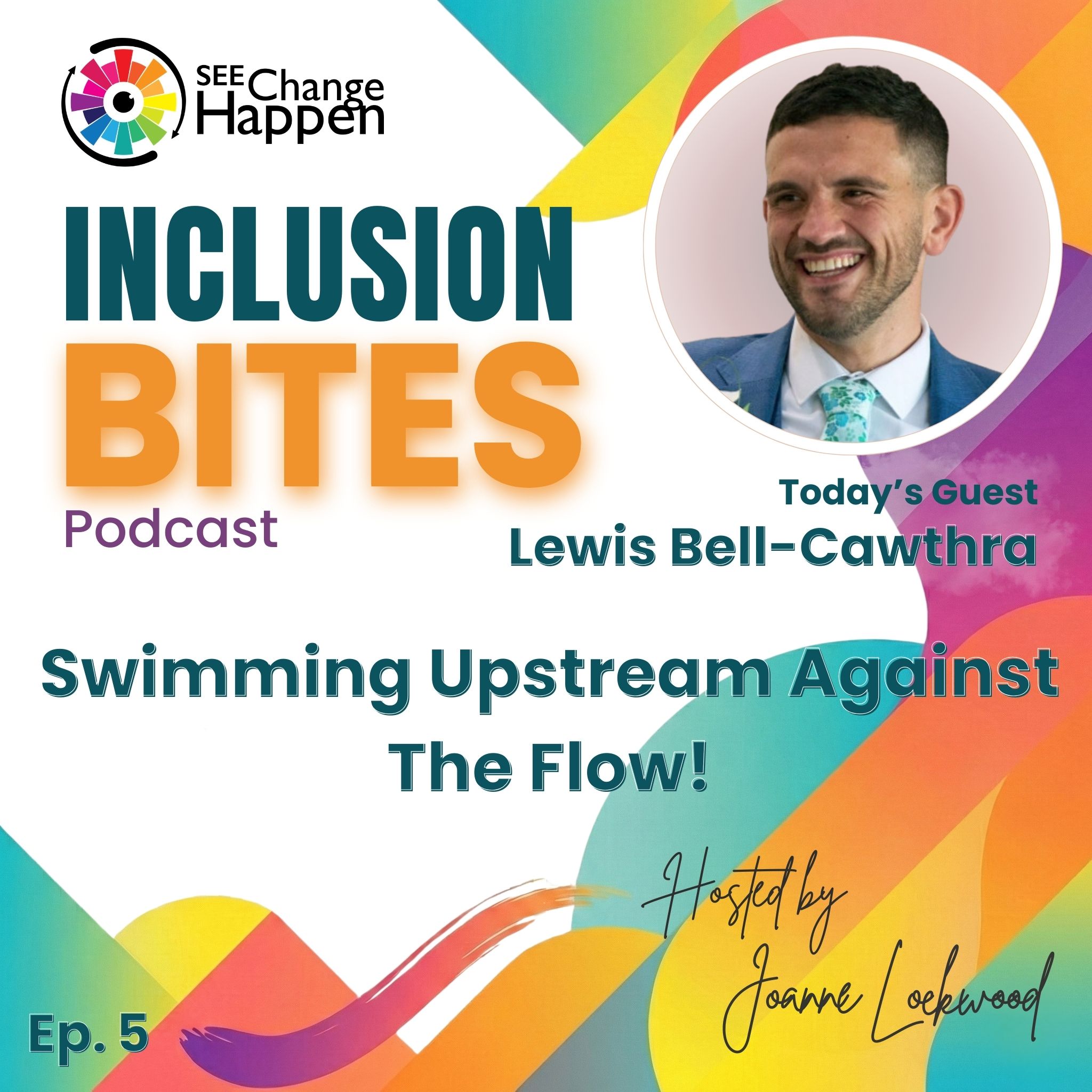
In this episode of Inclusion Bites, Joanne Lockwood speaks with Lewis Bell-Cawthra about lived experience identity.
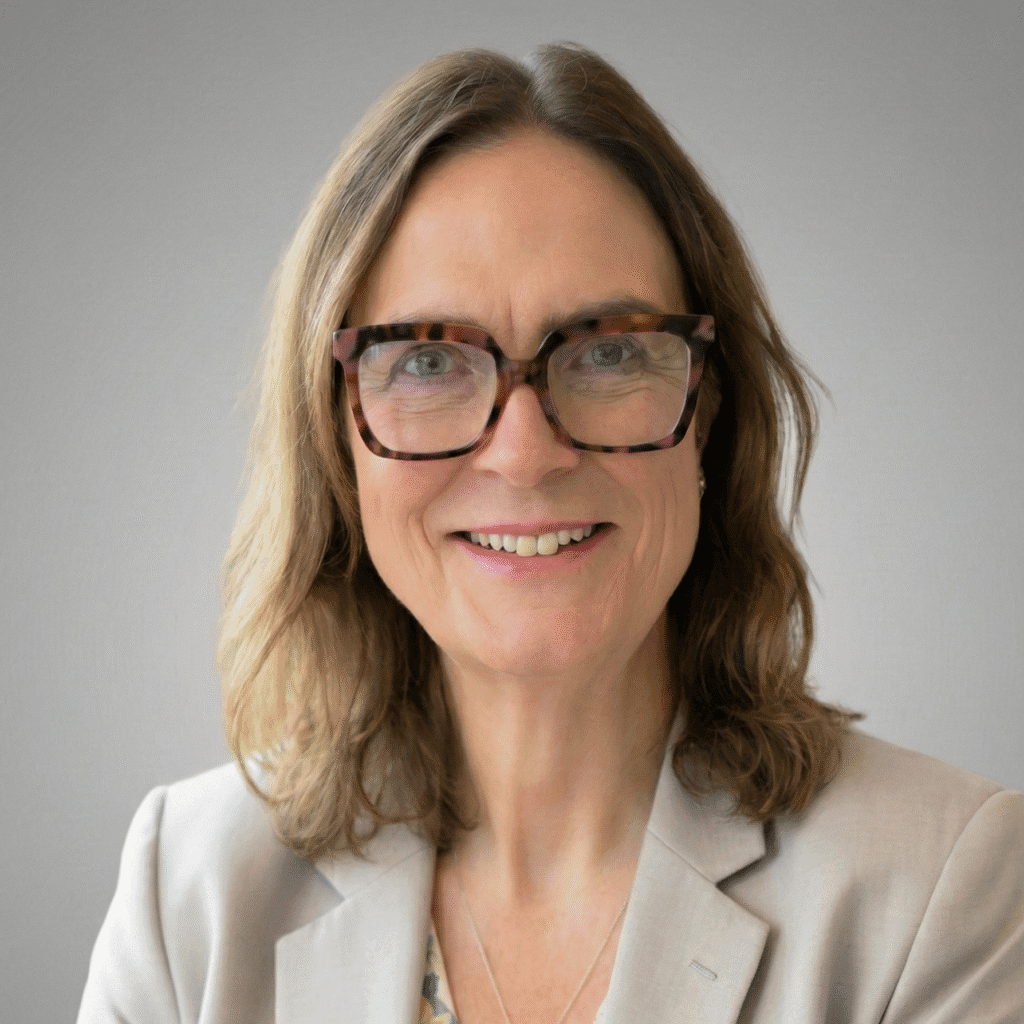
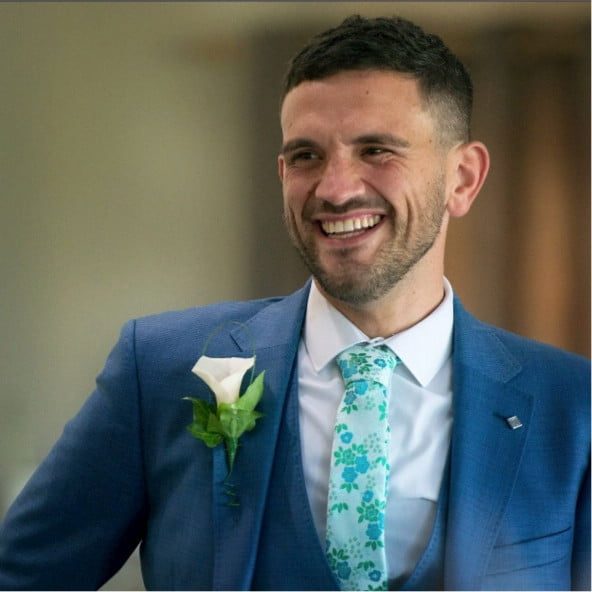
Hello, everyone. My name is Joanne Lockwood and I am your hostfor the Inclusion Bites podcast. In this series, I will beinterviewing a number of amazing people and simply having a conversationaround the subject of inclusion, belonging and generally makingthe world a better place for everyone to thrive in. If you'd like to joinme in the future, then please do drop me a line tojo.Lockwood@seechangehappen.co.uk.You'll be able to catch up with all of the shows on itunes,Spotify and all the usual places. So plug in yourheadphones, grab a decaf and let's get going.Today is episode five with the titleSwimming Upstream Against The Flow, and I havethe absolute honour and privilege to be joined by LewisBell-Cawthra. I recently met Lewis online viaLinkedIn just prior to the lockdown and we seemed to hit it off straightaway. Lewis is a principal consultant and recruitmentmanager who is currently on furlough. He advocates forLGBTQ rights, along with trying to create a more inclusivespace in the tech and recruitment world. So I askedLewis to describe his passion and he said givingpeople a voice. Hello, Lewis,
Lewis Bell-Cawthraguest
welcome to the show. When did you first realise
Joanne Lockwoodhost
you had been swimming upstream against the flow?
Lewis Bell-Cawthraguest
Hi, Jo, thank you so much for having me today.I guess for me, I kind of firstrealised when I first started recruitment, actuallypreviously to that I was working in an industry that was veryinclusive and very accepting. So I was in the travel industryfor about ten years. I kind of went in the travelindustry to escape and get away from everything andI became a holiday rep. And most people do say that if you become aholiday rep, you're going to escape or run away from something. And Iwas kind of going to run away from myself and not wanting to begay and not wanting to be something that wasn't the norm.So even from being a holiday rep, Iknew I wasn't going in the same direction as everybody wanted me to go in,as society would want me to. But I felt that thetravel industry was so accepting and it didn't matter who you were, what youwere and what you believed in, you could just be yourself. It wasn't really untilthen. I came back to the UK and then went into thecorporate world and started working in recruitment and then seea totally different way of being treated because I wasgay. I guess the first sortof small things after a few weeks of being in theoffice and my manager asked me why I never told her I wasgay during my interview process. And that raisedthe lion bells for me straightinto, it doesn't matter if I was gay, I didn't need to go into aninterview and say, hi, I'm Lewis, I'm gay. Like, I wouldn't expect them to sayhi, I'm such and such. I'm straight. It's not something that getsbrought up into conversation. Was this in the Dark Ages?
Joanne Lockwoodhost
I mean, back in the 18 hundreds? No, this is kind of no, this isrecently. When was I I started in
Lewis Bell-Cawthraguest
2015,five years ago.
Joanne Lockwoodhost
So we're not talking about a lifetime ago. This is recent history. Youwere still asked about why you hadn't told.
Lewis Bell-Cawthraguest
So yeah, it was a bit strange. I kind of let it go, thinking,do you know what? Right? I'm new to a business,I don't feel like I should bring this should bring it up as a problem,so I just carried on as normal. I ama massive football fan and I love football,but the office didn't invite me to watch footballmatches because they didn't assume I liked football because I was gay aswell. And that kindof annoyed me more because that was something thatliking football has got nothing to do with being gay or anything anyway. So itwas kind of, I can't enjoy a passion ofmine because I'm gay. And that was when I kind of questionedit and my questions were ignored.
Joanne Lockwoodhost
Okay, so what did they assume you would like doing?Karaoke, bars, naba or something? Was it.
Lewis Bell-Cawthraguest
I didn't really ask. I was just like, okay. And the thing is, I didn'twant to say anything. It was only because I spoke to all my colleague andthey asked me if I was going to the match and I went, oh, Ididn't get like, I'mnot going to say anything. Everybody, all the lads in the office got invited apartfrom me. And then they said something in the office infront of everybody and said, look, why aren't you inviting Lewis? And then someone piledup saying, why would he like football?It was just a bit of was. It an all male environment?No, predominantly, I probablysay it was about 70%male, 30% female. So they didn't invade the women
Joanne Lockwoodhost
to the football either, then? It was kind ofmale guy bro thing. They were the only ones allowed to
Lewis Bell-Cawthraguest
go. So then I was like, you know what,if I left, it'd be like I'm running away from it and nottackling it head on. I need to dosomething about this to try and change the way that peopleare treated, because I'm quite a strong person. If there wassomebody else that probably wasn't as strong as me, they probably would have just walkedaway and thought, you know what, the recruitment industry isn't for me.I'm going to get treated differently because I am gay, solet's find another industry. And I was like, no, I'm going to continuedoing it. Luckily, there was anothergay guy that worked in another office near to me for the same company.So I kind of just reached out to him just to see how he goton with things. He recruited into quite a male dominated
Lewis Bell-Cawthraguest
industry as well, so he kind of had to tackle that.Whereas for me, I recruited into a dominantly femaleindustry. I recruited originally forPas secretaries, office managers,which is obviously totally different to what I do now. SoI use my recruitment platform to try and educate not just myoffice, but to try and actually get people inDevon and CEO to actually start discussingdiversity and inclusion. And it's not just a tick box to have onan application form, and it's not just a quota that they need tofulfil to make themselves feel a bit better,which the impression I was getting from them.So I first thought, you know, what, the biggest platform for methat I could probably get involved with in Exeter, where I caninfluence businesses more, was to become a trustee for ExeterPride. So I signed up for that, becametheir communications manager, hadno idea, if I'm honest, what I was doing, butI kind of enjoyed those challenges more than going into a challenge where I knowexactly what I'm supposed to be doing. I don't feel I learn as much ifI go straight in and do what I'm supposed to do sort ofthing. I joined Extra Pride.I was lucky enough then to be able to go out to businesses andexplain what Extra Pride was and the need for it and theunderstanding of it and how they can get involved and make adifference. This then opened up more avenues for the charities thatwe were working alongside as well. I was able to go outto schools and do story times with them and then givethem an understanding of what Pride was and actually get to ask the kidswhat they thought Pride was about. And that was actually reallygood to understand that and to see what impression they had, to see iftheir parents were actually educating them at home as well. Because Iknow a lot of my friends are teachers and they spend so much time tryingto educate the children in school, it's when they leave schooland go home and then normal society changeseverything they've learned in school and said, no, you're a boy, you mustdo that. Or if you're gay, then you're not goingto be able to go down this avenue for your career and things like that.I spent the first year working with Extra Pride.I got my company that I worked for to sponsor it as well,to try and change the way that they thought aboutit. So is that the same company where you weren't invited to the
Joanne Lockwoodhost
football, so you were starting to bring change already into that environment?
Lewis Bell-Cawthraguest
I wasn't doing it. I don't think you can make change overnight and I don'tthink you need to throw it in somebody's face. I think it just needs tobe gradual. And it was the little things likeI put flags up in the office during sort of PrideMonth and things like that.We would do like a lunch and learn and I would talk more aboutdiversity and inclusion in general, just to give them more of anunderstanding of it. One of the events thatI did with extra pride. We go to UK Pom, which is theUK Pride Organisations Network, and there's an organisationyou're probably aware of called My Umbrella. And they gave us atalk and they gave us lots of documents and flyers and posters that wecould use to put around the office, just to give people more of anunderstanding of the way people identifythe different flags and what they represent. So just putting them up in the Office
Lewis Bell-Cawthraguest
started to make a little bit of akind of I did a lot of work, obviously, as I said, withdiversity at that current company. Iwas really heavily involved with the local PA networkand they were very much trying to push it so I can go out andtalk to big bosses about inclusion, diversity and trying to usetheir platform to extend mine as well. Andthen I was probably with the company for about twoyears, and then we were on a night out andit was probably the first time in about five or sixyears I've ever had homophobicabuse thrown at me. Now,obviously, I know we're using wordsnow to keep in the pastbeen used negatively. Obviously, the word queer,for me, that word has always been a negative because it was what I wasbullied with and that was what I was thrown at. There's wordsthat people don't like that I find more accepting, because that's justhow I perceived it when I was younger. But, yeah, Iwas on a night out and someone I worked with shouted and calledme a dirty queer and went to punch me.And because the leaders watchedit and pulled away and told me to ignoreit, I was like, yeah, this isn't for me.I went to HR and I was kind offorced into not taking my complaint furtherbecause they said it would be too muchinvolvement with the rest of the Office and it would bring upbad memories for everybody as well. It
Joanne Lockwoodhost
put a dark moment on the whole evening for everybody to do it. Yeah,you felt that you had to suppress that and there was nosupport, there was no understanding of what you. Went
Lewis Bell-Cawthraguest
through, there was no support. It was kindof, yes, HR spoke to me and they came to the Office and we hada chat and they would have probably pursued it,but my director, no,let's sort this out outside of disciplinary, let's try and get it, let'sjust get them to apologise to you. I thinkat that time anyway, my mind was probably made up. I wasgoing to leave, so I was like you know what? Which I do regret nowI probably thought I probably should pursue this because it may have made a differenceand made changes in the future soI left and it wasweird. The next sort of interviews that I had, Ipurposely made them aware I was gay. During interview,it kind of changed, which is strange,but it kind of just came into conversation. When they asked me about myinterests and what I did, I thought, well, maybe I need to then,because obviously in my last employer, they felt it was a bit of an issue.I didn't so I brought it up in conversationit was just by chance I just said oh I help out of extra prideI'm getting married to I told him my husband'sname to be in a few months time and they were likeyeah great. And it was fine, absolutely fine and itchanged my whole perception of recruitmentcompanies.
Joanne Lockwoodhost
So by telling people up front did you feel like you had to, you wantedto or you did? It almost like trying toprevent a problem in the future what was the motivation? You felt comfortable doing itor you felt pressured into it?
Lewis Bell-Cawthraguest
Probably I felt I had to do it because I didn't want to.It's weird isn't it? Becausewhatever you identify as. But I do feel like every time I go intoa new environment, I got to come out all over again.You have to. And this may come across the wrong way, butI'm not always the typical as people will say, like,you don't look gay. And I'm like, okay, I'll put a flag on myhead. I love that. Okay sosometimes it is harder because then I've got because they're asking me like questionslike oh have you got a girlfriend? And now I've got a boyfriend or gota husband that's what I'll be like now but I want to prevent that. Idon't want that awkwardness. And then sometimes I can bea bit like I like to play and they're trying to guess if I'm gayor not. And I'm not telling them I'm the same partner justbecause I sometimes find it funny with some of my colleagues when they first start.But when I first went into my newbusiness, I felt I just thought, you know what? Let's just be out and openwith them from day. One, and it won't make a differencebecause it shouldn't do. If it does make a difference, then they're not the rightcompany for me. So, yeah, I just felt like it would beeasier in the long run to prevent any awkward conversations in thefuture. And theywere interested that they asked me more about what DIVIDEX surprise andhow they can get. Involved more we'revery small companies and like twelve of us so they don't have anysort of inclusion officers and things like that within the company. Soit was kind of interesting for them to learn more from me. So if you
Joanne Lockwoodhost
compare the two organisations, then, so the first one, whereyou felt discriminated against, you were bullied, you had anincident compared with the second one. What was thedifference in culture? How did the organisationsdiffer in how that culture evolved? I mean, what can you say?What was it? I think with the new company,
Lewis Bell-Cawthraguest
there was no sort of hierarchy, there was no sort of level ofseniority within the business. It was just very much open door policy andeverybody was everybody. You knew everyone from day one.It just felt a lot more welcoming. The othercompany is very much more corporate, very process driven.It just felt a lot more relaxed. Where I went to now,would you. Say that the first organisation was more institutionalised
Joanne Lockwoodhost
homophobia? It was kind of almost like, it's okay,this is what we do, we're all blokes, we'll have this banter andyou have to just put up with it. Was that kind of the attitude? Yeah.
Lewis Bell-Cawthraguest
And it was, I have banter now in the officeand I can give as good as I get, really with it,I'm not afraid, but it's whenyou don't expect it from day one sort of thing. Andit was just really because they're a very well respected company and itjust threw me. And going into a smaller company, Ialways thought that I've always worked for big companies. I was with Thomas Cookbefore and I was with large corporate companies and I always thought they werethe best ones to go down to get the experience and thetraining, which you do. But joining a smaller company,I feel like now I've got more influence in their culture, Ican impact what their decisions are going to be regarding diversityand inclusion. Our officeis very diverse and it'slovely to work in with a team that is so diverse and sodifferent and we work a lot well together. We areso different, a lot of us, that that works better. I feel like we've gotpeople at one end of the spectrum to the other and we just sort offill up the gaps in the middle and work as a cohesive team.And what was nice with this company while I was withmy previous company, there were so many events that I wanted to go on.Sorry, turn this on silent. Therewere lots of diversity events that I wish I could have gone on, butthey wouldn't allow me to. Being corporatecompanies trying to put claims through for finance takes weeks andweeks. Whereas herethere is a Diversity in tech. Conference in London for twodays. And I was like, you know what? I really want to go becauseI think I come from recruitment for Pas, where it's predominantly female.And if you dare to put a male PA in front of someone,the hiring manager was like, oh, I don't know if I want that.And then going to the other end where it's predominantlymale people working in the environment. But when I got into thedepths of it and started speaking to LGBTleaders within tech companies, they werelike, we struggle really to bring on more peoplethat come from our community because they don't feel that technology isthe right industry for them. They don't havethe people in the public eye that are fighting for those rights in thatindustry. They don't have people they can look up to in the industry, and that'swhere they really struggle. So you mentioned
Joanne Lockwoodhost
about the fact that the previous rolewere mainly PA and stereotypicalgender expectation would be a female person doing that role. And you're in a techworld now, and the assumption would be it's more male bias role.So do you have challenges in trying to changepeople's perceptions about candidates? How do you encouragemore women to apply? How do you encourage more employers to actually hire thewomen that do apply? Yeah, so for
Lewis Bell-Cawthraguest
me, the little things, my LinkedIn profile,I've got my flags on it, I have my pronouns on it, I havethat on my signature as well. And the amount of companies that haveapproached me directly on LinkedIn because I have my flags on myprofile. There aren't that many openly gayrecruiters out there. And the fact that you're so passionate about itand you're so open about it is fantastic. And we want arecruiter that is like that, that will attract more candidatesfrom your own community, so people know. They can trust
Joanne Lockwoodhost
you with their identity, so come to you. Andthey don't have to out themselves, they just be themselves.
Lewis Bell-Cawthraguest
It's weird. I've had HR managers and directorsemail me back saying, what does he and him mean on yoursignature? I'm like you work in HR. I didn't say thatto him. But I'm thinking, really, Ithink as recruiters, we probably got one of the biggest platforms to make changein trying to build more diverse pools of candidates,because internal recruiters, they sometimesdon't have as much time as what we do to spend time with the candidates.So with my job adverts, I will tend to put three or four different jobadverts up for the same job to try and attract different peoplefrom different backgrounds, identities, genders,because you do. You read things differently andyou are attracted to certain words in a job advertand you are attracted to certain benefits that somepeople like the nicer, as they say, like the fluffier benefits,like the working from home and the cycle towork schemes and the childcare vouchers and things like that. Otherpeople don't really know about that. And I thinkthe different adverts also brings in people from different ages as well. Soit helps on that area of diversity to make sure you're not. Is that
Joanne Lockwoodhost
something you've initiated or was that a company thing? Anyway, how did yougo about implementing those? That was me.
Lewis Bell-Cawthraguest
I started to look at job adverts and which ones Iwould apply for and where I would apply to them and then sort ofspoke to my colleagues and said, right, these are the job adverts. Which onewould you sort of apply for and why? And we were all gettingthe same. Yes, predominantly the ladies in the office weregoing for this job advert because of the word in, because of the additionalbenefits. And then I started to look atcandidate CVS and how they sortof differentiate as well and whatI did find as well withthe male female gender CVS, yes, theywere different, but then when I would be speaking to a game now,theirs would be slightly different again. And Iwould ask them because Ifeel that putting the things you're interested not the things you're interestedin, but if you're involved with some groups at the university, if it's an LGBTgroup, a lot of them wouldn't put that on their CV and youwouldn't be able to tell that they were by looking at the CV and knowif they were gay or not. Anyway. But it was only when you called themand spoke to them and I started to ask them more questionsand then you'd be like, okay. Andthey'd be like me, look, I am gay. They'd come out to me over thephone and say, look, the only reason I'm telling you is because I know you'renot going to judge me and I know you're not going to feel it makesa difference. Of course it's not. I'm not going to put on your CV.This is the gay candidate. I stopped putting names onCVS as well with clients that Iknew were gender bias.So I stopped all that and said, right, you know what? You're not going tofind out what their name is. They didn't like it to start with.I said, well, this is how I'm going to work and if you don't wantto work that way, then fine, but this is importantto me and this is what I feel like. You need to make the smallchanges I did and they were happy with that. It was interesting what you
Joanne Lockwoodhost
said when you looked at the CVS. You could tell there was a differentvoice in the CVS you're reading. And I'vesee some studies on this where if you anonymize CVS,people tend to still prefer the male voice in manyroles, even women tend to prefer the maleCV. So it's really hard when we talkabout anonymisation of content and data andCVS because what you end up doing is you endup stripping all your USP away. What makes youyou can no longer sell you you have to sell thissanitised robot whichHR recruitment should be about people. You hiring people,but people brings in bias. As soon as you got biases, weeither like you or we don't like you. So if you're a likeable person, youactually want that positive bias where you're lesstypical, you don't want to suffer the negative bias. We all want to winby having good bias.How do you rationalise that then, when you've got different job specs, which is fantastic,I love people that do that, but how do you try andget CVS through that, obviously in a different tone? Yeah,
Lewis Bell-Cawthraguest
well, my CVS are basic, they're formattedthe same way, so I will get someone's CV and put it in theformat I was taught so they all look the same to start up anyway.I will get them to write a personal sort ofoverview or a covering letter as such, but quite a small one to put attachedto the CV, make the CV look aspossible. But what I tend to do with all my clients anyway,as soon as I send the CV over, I will call up my client andthen speak to them over the phone about the candidate. BecauseI know that I'm better in person or speaking than I amputting stuff to paper that's just me as a person. And Iknow that I can describe a candidate a lot better over the phone and Ican get very passionate about it over the phone. Trying to bring acrosspassion sometimes on a CV is quite difficult,unless obviously when you go into creative market with marketingand developers like front End and UX designers, they can make their CVSlook beautiful and look very attractive. But I thinkBestly with some developers, their CVS can bevery much quite straight to thepoint list of experience that they have got. But I feel like usingmy voice to actually describe those candidates over the phone is alot better than just sending a CV over. So you're
Joanne Lockwoodhost
brokering you're wellbeing, aren't you? You're brokering that person and saying,I've spoken to this person, this person sounds fantastic. So you're literally biggingthem up and creating this persona for them? Yeah,
Lewis Bell-Cawthraguest
and that's the best thing. It's no different to when I used to sellholidays. I couldn't sell a holiday. I could send them an email with some nicephotos on. But me actually speaking to them and saying, look, I've been to thatcountry. It's fantastic. You can do this there, you can do this there. You'llget this when you go to this pub or hotel, whatever.And it's the same when you're trying to sell in person, in theory.And I'll try and do as many interviews we can becauseobviously we recruit globally, so it's quite difficult to meet people in person.So it's all done via zoom and Skype and hangouts and stuff like that.And I will make sure that every candidate that I speak with that we doover zoom to start with, or at least the second call is so I canget more of an understanding of their personality and how they're going tocome across as well on a zoom call.But, yeah, my companies that we're at now,that they've really let me explore diversity more within the techspace. The tech conference I went to about diversity wasphenomenal. What was really notsurprising, but it made a lot of sense, is obviously these newtech companies, likes of Deliverooand Uber Airbnb and things like that, they're nothaving to change their culture because their culture has been set like this from dayone. So they're kind of leading the way and then you'vegot the big banks or some of the big corporate companieswho have been going for many, many years, and those are the ones that arehaving to change their culture totally.It's a whole new fill game for them. So they're reallyinterested in speaking to people like me when I speak to them on the phone.If I'm trying to do new business, I will bring up diversityprobably within the first five minutes of the conversation,just to find out what their views are of it.
Joanne Lockwoodhost
Have you ever walked away? Have you ever said, no, I can't help you?Someone says, I'm looking for a young girl,20s, been to a red brickuniversity. Must be attractive.Do you still get wrecked like that? Yeah,
Lewis Bell-Cawthraguest
especially where I'm from. It's beautiful. Devon islovely, but we are a little bit behindin the time. They don't meanit offensively, they just. Say they just create this picture in their head of their
Joanne Lockwoodhost
ideal candidate.
Lewis Bell-Cawthraguest
But on the flip side now as well, I've had clientssay to me, right, I would like you to get me a lesbian.How am I going to do that then? I can see some
Joanne Lockwoodhost
advantages in that personally, but, yeah, I don't know, I'd ask for it in thatway, so. It'S like, right, okay, I'll see what I
Lewis Bell-Cawthraguest
can do. Okay. But no,before I walk away, I'll try and say, look, I'm not going to do thatfor you. I will get you the right person for it.And I try and make sure thatif I send them four CVS, I'll try and do a 50 50 split.We sort of male to female ratio, but asI said, I try not to put the names on it. Theuniversity side of things, I thinkcompanies, they're moving away from it nowslightly. Yes. A lot of them will ask for redbrick universities and that's going to take a while, I believe, forthem to change the way that they're recruiting.But I think if I walk away, it'd be no different to be walking awayand giving up. And if I can influence a business to changetheir recruitment process, then I will stay and plug away atthem and. Just try and get them to change it. So you would say
Joanne Lockwoodhost
that people are receptive todiversity, to inclusion, to looking at candidates from allbackgrounds? I'm not saying
Lewis Bell-Cawthraguest
all clients are no, without a doubt, I'm not going to agree that not allclients are, but thereare clients that I have said no to and I won't work with them,and mainly because they've got offices in certain countries whereit's illegal to be gay. So I cannot physicallyrecruit for those companies, because if you can't beyourself, then there's no point in doing anything,really. So I don't work with thosecompanies and I've told them that and I've been upfront and bluntwith them and they've we do really appreciatelike most. Companies in that position are almost ashamed if they're
Joanne Lockwoodhost
UK based anyway, aren't they? They almost say, Look, I'm really sorry, but I knowwe've got an office in Saudi or Middle Eastor in Russia, I know we can't recruit openlyLGBT people in those territories. I wish we could, but wecan't. And it's a real moral dilemma where. You it is, yeah.
Lewis Bell-Cawthraguest
And I know that some of the big companies, they're doing stuff abroad to tryand make it more inclusive, to try and tackle it and help it and brilliant,that's fantastic, but they can do that. But for me,I want to recruit into companies where no matterwhere you work in the world or what division you're in,what industry, what sector, it doesn't matterif you're gay, you don't have to walk in and come out. I lovethe internal networks that are being set up. I think that's phenomenal,the LGBT internal networks, plus the allies and things like that.There are companies that are leading the way on that and I think that isfantastic to have. I think having an ally forme would have been fantastic when I was at my previousrecruitment company, because knowing I could go to someone if I didfeel a little bit disrespectedor a bit homophobic, abuse was sent towards me. I had someone I couldgo to. And I think that does help a lot of people comeout. And I'll support the ally scheme as much as I canas well. We're a small company, but all mycolleagues say that they're allies and they willcontinue to support me and back me with what I want todo. We do training now. Well, not at themoment, but every Thursday we do a training morning andit's usually on something tech. I tend notto, because I will do it on diversity and inclusionand I will try and educate them on the updates on that side of itand make it a bit more interactive and then go through any awkward questions thatthey have got that they feel worried about asking,especially when it comes down to gender. I'm still learninga lot of it as well, because it's a learning curve for everybody.I don't think everybody knows the right way to say things or toapproach things at the moment anyway. It's just we're all trying to educate eachother, I think, the likes of people like me andyourself, that will educate people, and I don't getoffended if somebody asks me a question that I know couldoffend somebody. That makes sense. Yeah. I'll quitehappily just probably not the right way of askingit. My boss has said some things in the past thatI know he doesn't mean it, but I'll say, look, this is really how youshould be questioning opening up this conversation. If you're going to say it to anybodyelse, use this word, this tone of voice, thispronoun instead.
Joanne Lockwoodhost
That's a good thing if you're an ally, an advocate, even if you're in theLGBT community yourself, there's still people out there that need to be educated.And I always approach the world with an educational slant, if Ican, first, because I think as soon as you detach, switchoff, argue, get offended, you lose the opportunity to educate.But sometimes it's exhausting. I'm sure you find that it'slike, here we go again. I've got to explain about thisone more time.My other half is a man. And yes, if we want children,we'll have children, and we can do that. It's amazing. It's amazing what we cando. It's called adoption or surrogacy. There's so many options that are open tous just the same astraditional, archetypal, sort of oppositesex couples. They can adopt, they can have test, few babies, they can have surrogacy.So can we all. And so people still look shocked to go, oh, howdoes that work? Hello. And I'm married to a drag queen.
Lewis Bell-Cawthraguest
Wow. Yeah,that's very different.He wasn't doing drag when we first met. It was only justPaul, we're getting married. He said, I really want to do drag. I was like,okay, fine. Do it.
Joanne Lockwoodhost
To be fair, that's an easier conversationin a gay relationship, I guess, than in a hetero relationship, isn'tit? I want to do drag from now on. Is that okay? Iremember my own conversation. I'm notdrag, I trans. But, yeah, it's not an easy conversation to have,but I guess in an open, contemporaryLGBT relationship, it's a more dereg kind ofwhat? Yeah, it took me a while to get used to
Lewis Bell-Cawthraguest
it because I was looking at my husband but not seeing myhusband. Okay. And thenI seen it more as an art rather than him doingdrag. It's a performance. It's a performance. The room I'min now, this is his drag room. Like, there's wigs everywhere and mannequins and stufflike that, but we have to educate people all the time as well,because he thinks that people thinkthat drag is trans. It can be.
Joanne Lockwoodhost
Sometimes it is, sometimes it isn't. They think that he's
Lewis Bell-Cawthraguest
trans. He's a drag queen andhe's there to entertain and to perform and to be anartist. That's what he wants to do with it.
Joanne Lockwoodhost
But people confuse identity and expression.You can be queer and have a different sense of identity.A contemporary version of not being a stereotypical man, not being a stereotypicalwoman. And how you want to express yourself as a performance orhow you are, really is completely taxed. So to someextent, it fits under the gender non conforming box. Ie trans. But, yeah, drag is a performance art. Andpeople do get confused, aren't they? They do, yeah.
Lewis Bell-Cawthraguest
And my bosses and my colleagues,obviously. Devon, again, Isn't said it's quitebehind every other place in the world. And drag inDevon has gone from non existent to there's quite abig scene now. And we've played a part inthat. But I guess one thing I have forgot, actually, I knowwe've run out of time shortly, but what I did doin response to me not being allowed to go to watch a footballmatch about two years ago now, so Istarted an LGBT football team. Okay, fantastic. You
Lewis Bell-Cawthraguest
know what? If I'm not allowed to go and watch or play football with youlot, I'll start my own team up and get people thatare in the same boat as me that don't feel like they can go tostraight team and go and play football. I usedto go and sit in the pub. My husband hates football, so I would goand sit in the pub on my own and watch football. And to be honest,that's why I set up the football team, was the social aspect as well,just having someone I can watch football with.And we've been going now for two years, and we'vegot people identify as everything.So we've got straight people coming along as well. So it is fantasticthat we've created a team now of nearly 30 membersfrom all different backgrounds, all different identities, andwe're all safe on one pitch, which is phenomenal.But that was kind of me sticking my fingers up, really,to my old colleagues saying, you know what? I can't watch footballwith you, but I'll make my own team and watch football with them.Fantastic. And that's kind of how I do a lot ofthings. I find a way to you're prettypositive. You said your passion is
Joanne Lockwoodhost
about having a voice and making the world change,and you seem to do that relentlessly. So how doyou keep this motivation? Like the rest of you,you must have these down days. You're furloughed now peoplecan't go out, okay.Being married, I suppose you're not on the pull anymore, so you don't need togo out and socialise.How do you keep your motivation? How do you stay focused in this tough time,emotionally and physically? Well, with the football team,
Lewis Bell-Cawthraguest
we do a fitness on a Thursday night,so we get one of the cheesy fitnessDVDs and we'll do it online together.Saturday night, we do a virtual pub as well.I love Benedict on the TV programme. I do a Benedictine quiz everyWednesday, so I try and do littlethings that I know are going to make me happy. Andfor me, as cheesy as it sounds, I know thatme putting on these little events is helping people allover. And that's how I motivate myself,really, knowing that I'm helping someone else. Mypartner set up a thing called Drag Diva Lockdown, which is with two of hisfriends, so they're doing drag shows live and getting other drag queens to do it.So I'm getting involved with that as well, to try and help that. Andif we can help just two or three people, thenthat's what motivates me. Awesome. That's fantastic.
Joanne Lockwoodhost
Yeah. This weekend I should be doing London marathon, so
Lewis Bell-Cawthraguest
I'm a little bit gutted because I spent sevenmonths training for it. So I'm doing6.5 miles every day, today, tomorrow, Saturdayand Sunday to make up my 26 miles because I've had a month off training.Now I can't do 26 in one go. All right, so I'm going tostill, that's motivating me as well. And I'm doing themarathon in October instead now. So there are littlethings, yes, I do get down days, butI'll stick on a comedy on TV, go and sit in thegarden and listen to some Spice Girl music or Disneyanthem. There's little things that I just find if I find little things thatI know that make me happy and I'll do 510 minutes of thateach day, then that keeps me going.I'm learning new skills, I'm learning how to build a website and to docoding. I'm doing a British sign language language courseas well, and they're allfree. None of this is costing me any money,so I think there's so much out there that people can find that will helpthem. And, yeah, that's me.
Joanne Lockwoodhost
So this so is it okay to begay now? Is it okay orhas it still got a long way to go? I still think it's got a
Lewis Bell-Cawthraguest
long way to go.This is just me. I want to be able to hold my husband's handin public, but I can't, becauseI know if someone says something, I say something back. I find ithard. Like, yes, I give people a voice, but sometimes my voice cannot always be the best one because I canretaliate and I know I shouldn't. I should just walk away from it.So I think we've got a long way to go. There's always going to bepeople that are going to be prejudiced against us,I think. Is it easier? Itpossibly is easier. Every year it gets
Joanne Lockwoodhost
better. Still a long way to go. Yeah, there is
Lewis Bell-Cawthraguest
a long way to go, but I think it's getting better.Obviously. Being able to get married was huge for me because that was thebiggest thing that I hated about being gaywhen I was younger. Like, when I thought I was gay to start with, Iwas like, I really want to get married and have kids and now wecan. It changed my life totally.Not that I jumped in and got married with the first man I come across.Now I can actually settle down with someone, have a normal life,so to speak. It changedthings. And I think the more things are getting changed,like now we can give blood and things like that. I think everytime something changes for us, it's going to make things a lot easier and betterfor us. I think people will ask me allthe time, why do you need a gay football team?Homophobia in football is ridiculous. All the other ones are all
Joanne Lockwoodhost
straight representation.
Lewis Bell-Cawthraguest
There's no out gay footballer in any professionalfootball league and we have to have gay football teams for thatreason. So when you are growing up, if you don't feel like you can goto your we've had so many parents come to us say, look, can youstart a gay youth football team? Ican't yet. I'm trying to figure out how to run a adultfootball team at the moment. One thing at a time. I've done my levelone coaching, so I can for FA football, so I caneventually help set up, hopefully an LGBT football teamfor the youth. But that years aheadwhen I'm probably a bit older. But,yeah, I think there's a lot that can be done still, andI think it is getting done. I think there's more work to be donewithin our own community because wecan support each other phenomenally, but then wecan be the nastiest of people to each other as well. And thatneeds to change. And the perceptionof what people think people are from a certain identity needs to changebecause it is not true. AndI'll first hold my hands up and know that. I used to think that whenI first came out of being gay, because that's what people told methat the DS and the B's and the G's all were. And I'm like,okay, because I'm new to the industry, I'm newto the community, I'll go with the flow.And then I was like, you know what? I need to get to know thesepeople for myself and understand them more, and which iswhat I've done with all the community.
Joanne Lockwoodhost
You got the ear of some recruiters out there. What advice or whathave you learned as a recruiter that allowsyou to be more inclusive and more passionateabout promoting people of difference, whatever that may be. Sowhat advice would you give to other people based on your experience? I think
Lewis Bell-Cawthraguest
the biggest thing that I learned for myself wasthat you have to be open and honest about it andnot shy away from bringing up a conversation. Yes,they hate talking about it. Clients do not want to talk about it with me,but I'm like, you know what, you're going to have to. Sowe're talking about it now. So not shy away from openingup conversations on that and discussing and offer it asa service, like an additional service. I wouldn't ever charge to talkto somebody about inclusivity and diversity and it's an extra add onthat I will give all my clients say, look, I've looked at your diversityinclusion policy, I've done this, I've done that for you. Let's look at yourquota staff, let's look at where you do need to probably improve on bringing amore diverse team in and how your culture can change.So I think, yeah, the biggest thing that I would say with recruiters is thatuse it as a tool to notgain clients at all, but as a tool to educate.
Lewis Bell-Cawthraguest
We have got a massive platform as recruiters to be able tostart at the ground and educate people from day oneand express how we Ithink the biggest four, I find that Idon't know any other apart from one or maybe two. I don't knowmany out and proud recruiters,which I think that and I know there are so many outthere, and I think by just stickingyour pronouns on, your signature might be a tiny little thingand might not mean a lot, but it means a massive deal to somany people that you understand what it means to havea pronoun. That might not be the norm of what peoplethink. And that's what I get with people that will identify asthat day and then they will approach me because that they've seen my signatureand it says, he, him is and they feel like that, theydon't need to explain it or they don'tneed to spend time having that awkward conversation.So I think use the little things like with the flagand stuff like that. If you do identifywithin our own community, just be proud and out about it and not shyaway. And if you feel like you're in a company thatwon't let you do that, then do what I do and leave and find acompany that will. I often say that if you can't
Joanne Lockwoodhost
make the change, walk away, vote with your fate, find somebody who will. There's plentyof organisations out there that will value you for being youand. I think you still need to try and make the change. I won't walk
Lewis Bell-Cawthraguest
away straight away. Try and make the change if you can,and to see what you can do. And sometimes you're not going to getthe support of the seniors and I think that's in with any industry or anybusiness, you're not always going to get your direct line managersupporting what you want to do, but there'll be other people thatwill. And you canconnect with other people on LinkedIn or with other communities in yourarea that will help you do what you want to do and get the endgoal. I got with Extra Pride totry and give it a platformfor businesses as well as our community, to teach businesses aboutthe LGBT community and the power that we do have and theinfluences that we have. And what we're doingas a community for Exeter is for the whole of the community,not just for the LGBT community. Andthat's really what I feel a lot of people do need tosort of get involved with and just try and find other avenues.
Lewis Bell-Cawthraguest
I'm a suicide first aid for Preventionagainst Suicide because they wanted someonefrom the LGBT community that could be on call if anyoneneeds to speak to somebody that identifies as gay or lesbian ortrans or bi. So I signed up for that as well and Idid that on my own. That's got no impact into my recruitmentjob. But for me,because of my network, I have got I can reach out tocompanies now on behalf of the suicidecompany for support and to train them on suicideprevention in the workplace and stuff like that. So there are lots of otherorganisations outside of your own workplace that you get involved with that youcan then bring into the workplace. That makes sense. Yeah. We could talk all
Joanne Lockwoodhost
day. I'm sureour listeners have got so many more questions. So how can people get hold ofyou if they want to continue the conversation? Presume you're on LinkedIn. How would theyfind you on LinkedIn? LinkedIn. This is one thing
Lewis Bell-Cawthraguest
as well. I will quickly do this with my LinkedIn. Originally, I had flagLewis Bell-Cawthra flag. Don't put your flagat the front of your name because they can't find you. Okay,I didn't know that. So, Lewis l-e-w-i-s-l-b-e-l-l-c-a-w-t-h-r-a,
Joanne Lockwoodhost
isthat right? Yes, that's right. See you on there.And you're open to connections and direct messages, soplease get in contact. Yeah, definitely. Yeah. Whatever you want to talk about, I'm
Lewis Bell-Cawthraguest
always open. Yeah. So, a bit of advice on diversity recruitment
Joanne Lockwoodhost
from LGBT and from a people perspective, Iguess maybe a holiday in the West Countryafterwards. Lovely.
Lewis Bell-Cawthraguest
Not at the moment. No, not at the moment. Well, thank you,
Joanne Lockwoodhost
Lewis. I'm sure everyone will agree there's much to ponder uponthere. And a huge thank you to you for listening in and tuningin. So please do subscribe to keep updated on futureepisodes of the Inclusion Bites podcast. That'sbites. Please tell your friends andcolleagues. I have a number of exciting guests lined up that I'msure you'll be inspired by over the next few weeks and even months. Soremember also, you'd like to be a guest in the future. Please let meknow. I welcome any feedback and suggestions tojo.Lockwood@seechangehappen.co.uk.That's jo.Lockwood@seechangehappen.co.uk.for future shows and how we can improve yourfeedback would be immense and awesome. So my name is JoanneLockwood. It's been an absolute pleasure to host.
Lewis Bell-Cawthra reflects on what it has meant to “swim upstream” as a gay man moving from an accepting environment into a corporate recruitment culture where he experienced exclusion, stereotyping and homophobic abuse. He and Joanne Lockwood explore how everyday assumptions and workplace “banter” can escalate into real harm when leaders and HR minimise incidents rather than address them.
Lewis shares how he responded by choosing visibility and advocacy: becoming a trustee and communications lead for Exeter Pride, speaking with schools and businesses, and encouraging employers to treat inclusion as more than a tick-box exercise. He discusses practical changes he has made as a recruiter to challenge bias in hiring, including tailoring job adverts to attract broader audiences, anonymising details where appropriate, and having direct conversations with clients about diversity early in the relationship.
The conversation also touches on the importance of allyship and internal networks, building safe community spaces (including an LGBTQ+ football team), and sustaining motivation during furlough and lockdown through connection, routines and learning. Throughout, Lewis emphasises openness, persistence and finding or shaping workplaces where people can be themselves without having to repeatedly “come out.”
“I use my recruitment platform to try and educate not just my office, but to try and actually get people in Devon and CEO to actually start discussing diversity and inclusion.”
“I was able to go out to schools and do story times with them and then give them an understanding of what Pride was and actually get to ask the kids what they thought Pride was about.”
“I was on a night out and someone I worked with shouted and called me a dirty queer and went to punch me. And because the leaders watched it and pulled away and told me to ignore it, I was like, yeah, this isn't for me.”
“But what I tend to do with all my clients anyway, as soon as I send the CV over, I will call up my client and then speak to them over the phone about the candidate. Because I know that I'm better in person or speaking than I am putting stuff to paper that's just me as a person.”
“And I will make sure that every candidate that I speak with that we do over zoom to start with, or at least the second call is so I can get more of an understanding of their personality and how they're going to come across as well on a zoom call.”
“But that was kind of me sticking my fingers up, really, to my old colleagues saying, you know what? I can't watch football with you, but I'll make my own team and watch football with them.”
“I think by just sticking your pronouns on, your signature might be a tiny little thing and might not mean a lot, but it means a massive deal to so many people that you understand what it means to have a pronoun.”
The impact of diverse, inclusive teams on workplace culture and productivity.
The benefits of standardising CV formatting and adding covering letters for a holistic view of candidates.
Effective interview techniques, including the advantages of phone discussions and video calls with candidates.
The significance of addressing issues of homophobic abuse and the role of leadership in fostering inclusive environments.
Creative ways to promote diversity and inclusion within different industries, such as marketing and tech.
Utilising recruitment platforms and diverse job adverts to attract a wide range of candidates.
Strategies for integrating discussions on inclusivity and diversity as a non-negotiable part of business services.
One thing to remember
In "Swimming Upstream Against the Flow!" Joanne Lockwood's discussion with Lewis Bell-Cawthra highlights the profound impact of inclusive environments in both corporate and community settings. By promoting diversity and harnessing individual narratives, the conversation underscores the critical role of empathy and active engagement in breaking down barriers, fostering acceptance, and driving meaningful cultural change.
Questions this episode helps answer
How does the speaker's experience in a well-respected company differ from their previous experiences in larger companies like Thomas Cook?
What role does the speaker believe their smaller company has played in allowing them to have more influence on culture and decision-making?
How does the speaker typically format and evaluate CVs during the recruitment process?
What is the significance of the speaker's involvement with Exeter Pride and their role as a trustee and communications manager?
How did the speaker's negative experiences with their previous employer influence their disclosure of their sexual orientation during job interviews?
What are the speaker's views on gendered pronouns in email signatures?
Explore topics
Ideas from this episode
Lived Experience Identity
Belonging
Authenticity
Allyship
Change & Transformation
Resilience
Learn
Frequently asked questions
How can I ensure that my job advert attracts a diverse range of candidates?
To attract diverse candidates, use multiple job adverts tailored to different aspects of the job, such as benefits and working arrangements. This will appeal to people with various backgrounds and needs.
How should I approach CVs from candidates with different backgrounds?
Treat each CV objectively and look for relevant skills and experiences. Be aware that there may be differences in CV styles within the same gender or ethnicity. Ask candidates additional questions during phone calls to learn more about their experiences and involvement in diverse groups.
Should I include information about my involvement with specific groups on my CV?
Including information about your involvement with specific groups, such as an LGBT group, is a personal choice. However, highlighting your experiences and diversity may be beneficial, as it can provide valuable insights into your perspective and background.
Should I use video calls for job interviews?
Video calls like Zoom or Skype can be an effective way to assess a candidate's personality and communication skills, especially for remote positions. It allows you to gauge the candidate's suitability for your team.
How can I promote inclusion and diversity within my tech company?
Establish internal networks for LGBT individuals and allies, and provide support for such initiatives. Encourage an open and inclusive culture where employees can be their authentic selves without fear of discrimination. Consider attending diversity-focused conferences and staying informed about best practices in the industry.
What can I do if I face discrimination or lack of support in the workplace?
Seek support from allies or colleagues who can help address the issue. Connect with others through professional platforms like LinkedIn for guidance and advice. If the situation persists, consider finding a company that values and promotes diversity and inclusion.
Share this episode
Heard something worth passing on? Send this conversation to someone who needs to hear it.