Busting the myths of inter-generational stereotypes
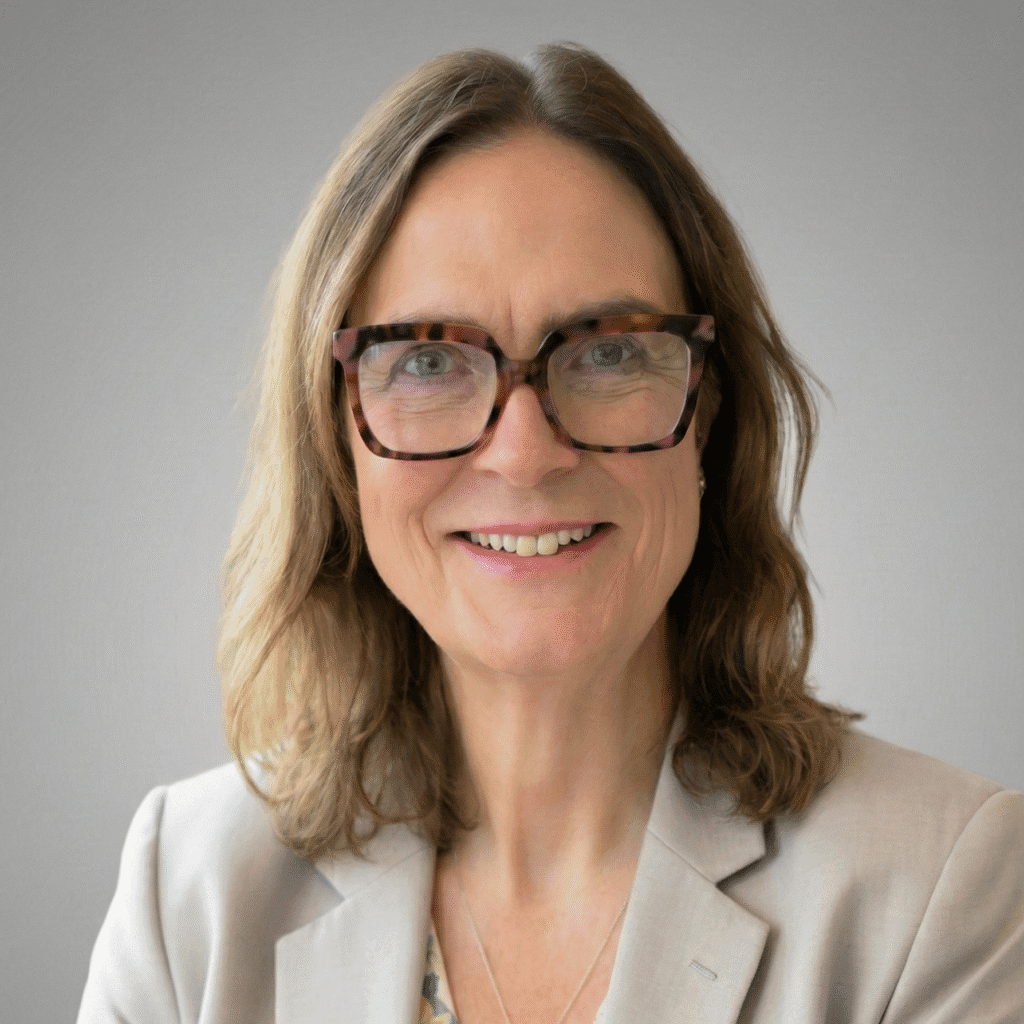
Henry works with generations in the workforce to help them become more productive and effective. She gives us an overview of the generations, busts some myths and provides us with some hacks for getting the best out of every generation in the workforce.
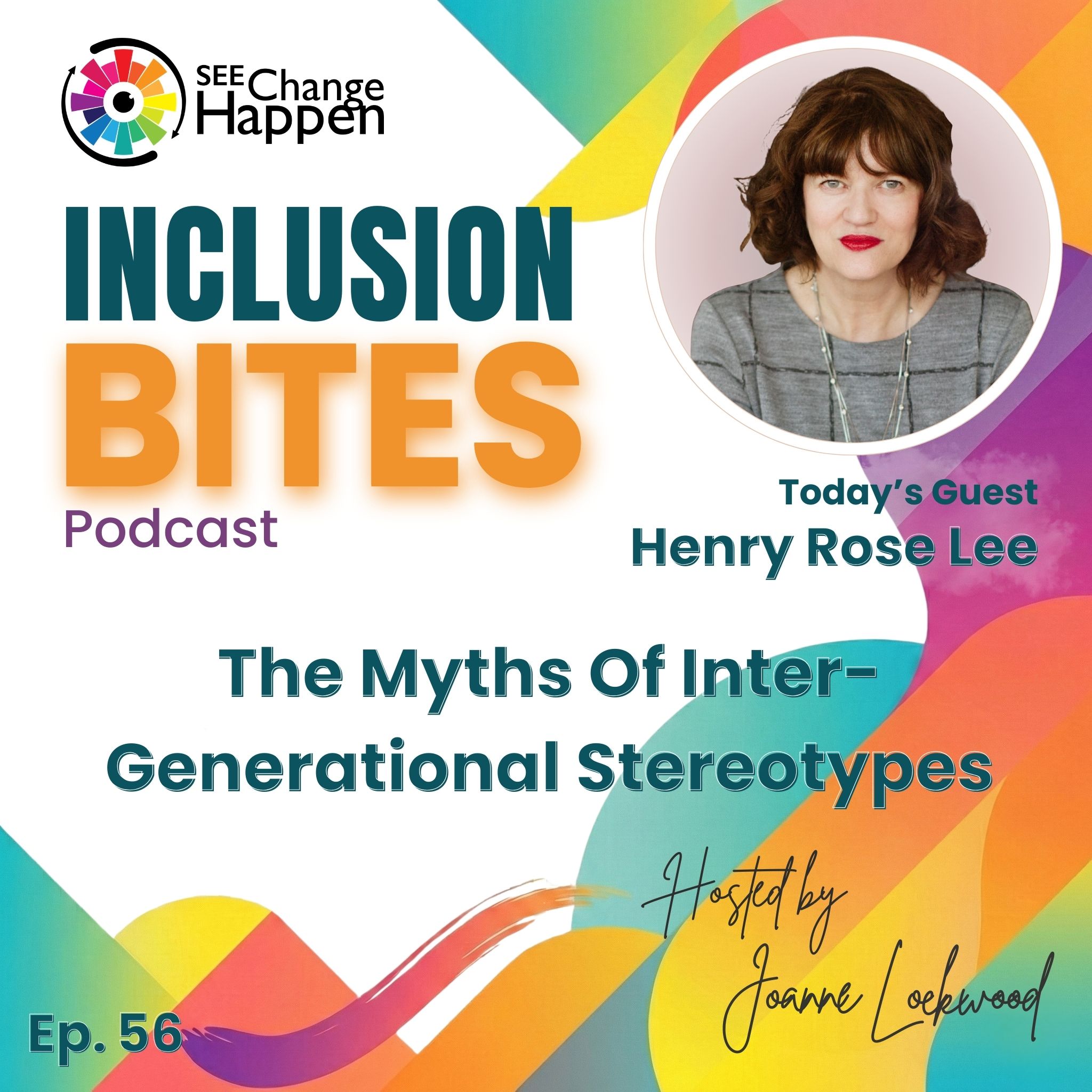
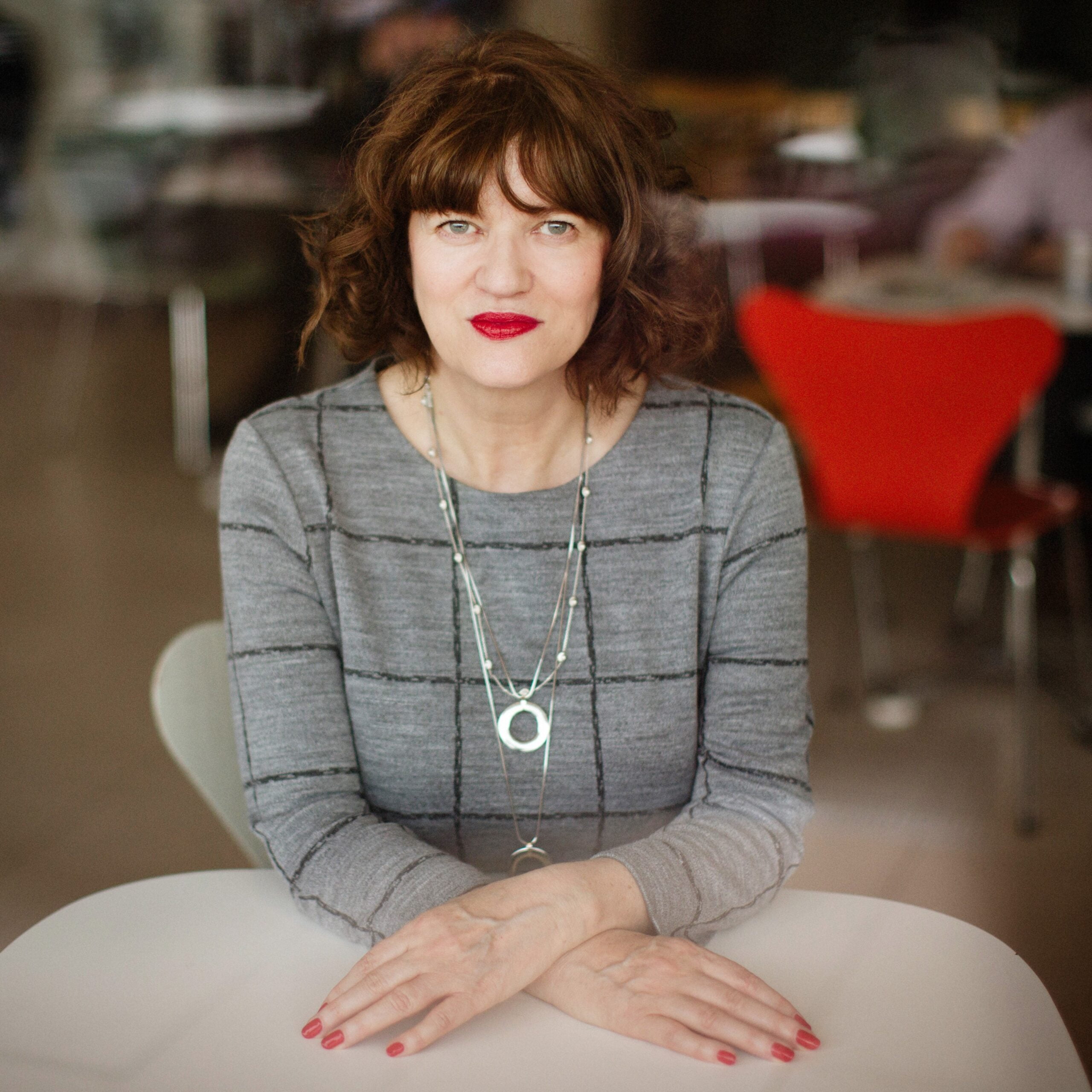
In this episode of Inclusion Bites, Joanne Lockwood speaks with Henry Rose Lee about workplace culture systems.
“The myths and stereotypes are across all generations.”
Explore
Navigate this episode
Joanne Lockwoodhost
Hello everyone my name is Joanne Lockwood and I'm your host for the inclusion bytes podcast in this series I have interviewed a number of amazing people and simply had a conversation about the subject of inclusion belonging and generally making the world a better place for everyone to thrive. If you would like to join me in the future then please do drop me a line to Jo dot Lockwood at SEE Change Happen dot co dot uk is that's S double E Change Happen dot co dot Uk. You can catch up with all of the previous shows on Itunes Spotify and the usual places so plug in your headphones. Grab a decaf and let's get going today. It's episode 56 with the title busting the myths of intergenerational stereotypes and I have the absolute honor and privilege to welcome Henry Rose Lee Henry describes herself as an intergenerational consultant who speaks consults and coaches on how different generations think communicate and work and when I asked Henry to describe her superpower. She said that she is face blind that is she has prosopagnosia. And that makes her awesome during 1 to 1 or group conversations because she can hear more and focus more on how people say something how they breathe what they focus on perhaps far more than a more visual person can well hello Henry welcome to the show
Henry Rose Leeguest
Oh thank you very much for having me I've been wanting to come on this show for some time So I'm really excited to be here and honored to be selected. So thanks for that joke.
Joanne Lockwoodhost
Yes, and it's the first. My first podcast episode of 2022 so you are the first so brilliant. It's it's such an honor that you've had the time to grace me with your presence. So thank you so much. So Henry.I Know that you specialize in intergenerational workplaces. So what are the myths and stereotypes that we all hold around generations.
Henry Rose Leeguest
I think the myths and stereotypes are across all generations so often younger generations think that the older generations um are stereotyping them but actually. Younger generations also stereotype older older generationpe generations also stereotype younger generations. So for me, those myths are across all age groups and they're myths about things like when we're older, we're no good. We're past our cell by date. We can't do innovation. Or myths like when we're very very young. We've got no experience. We don't know how to do things. Um, and really the truth is somewhere in between it is true that as human beings. Whatever age we are. We're going to have a life cycle so we're born we grow. We have some success and experience. We fade we die all humanity is going to do that. Sorry about that. But that's the way it is but therein lies the challenge about myths because it's too easy for older people to have a go at younger people and say that um you know they're not good enough and there's snowflakes and they don't know what the world is like and it wasn't like that in my day. And the reverse of that are the myths that young people can have where you know if you're six years old then somebody who's 20 is really old in your view if you're 20 years old then somebody's 60 you're looking at them and thinking why aren't you dead. You're so old. So the challenge with myths is really around the fact that we all have them. And the best thing for us to do is to do exactly what you're doing Joe which is to look at inclusion and belonging and connection and engagement so that we learn more about each other whether we're older or younger generations and accept and celebrate differences and variances rather than. Being um, somebody who's older who's having a go at younger generations because it wasn't like that in my day or someone who's younger looking at someone older and thinking well you can't possibly do innovation and you don't understand the world of today because neither of those is true. They're both a myth.
Joanne Lockwoodhost
So you you hear these kind of statements that jen dead are digital native how millennials on that cusp of digital if you're gen x then you were born at a point, etc, etc. And that really does sort of kind of put these hard and fast barriers where this there's no absolute there. It's like anything. There's this spectrum and just because I was born in the mid 60 s most people would argue that I'm pretty digital I'm pretty digitally switched on computer background so to set to say. To me that I'm not tech savvy is is is is inaccurate but I'm not a gamer I don't own an Xbox a playstation I don't own a game boy or whatever. The latest technology is so I don't play big gadgets in that way. But I use technology from a business perspective so you could argue that I'm not. I'm not with it when it comes to the modern gaming world. But I am with it as far as technology is concerned so yet these these statements we make about people and we box people off and pigeonhole people. It could be really problematic from ah a hiring and a business point of view. Can't it.
Henry Rose Leeguest
It certainly can and one of the challenges that I face as an intergenerational specialist is that people say to me, you're wrong Henry to work with labels and call people baby boomers or generation x or millennials or generation ed you're wrong to label us. But actually what I do when I work with clients is say I'm just using those labels as parameters for us to talk about how the world has changed in in my lifetime and so I often say to clients listen while we're working together. We're going to label the hell out of things but we're not going to do that outside when we talk to real people. We're just going to do it in a learning facility or when we're discussing ideas. So I'm I'm all too aware that actually when I label things people can look at me and go why is she labeling. We're not all like that. For example, the classic one I get is somebody who says to me. Well if baby boomers are born between 1946 and 1964 and I was born in 1 65 does that make me a generation x or a baby boomer you know because I'm right on the cusp and I always say it makes you whatever you want it to make you you know you don't have to live by that label but I do work with labels because there are some differences and you've actually highlighted one already where you've said that your. Tech savvy you're a digital native yourself, but you don't necessarily get into gaming. You could probably do it really? well. But you don't really want to and that's a generational feature so there are things called periodic factors and cohort factors in generational theory. So periodic factor is. Big world events like technology advances wars famine pestilence covid brexit all of those things those are big world factors and they impact everybody of any age but in a different way. So if your age between say 20 and 70 and you're of working age. Then Brexit in the Uk might have an impact on your work if you're under 20 you may be unaware of it or you may have a vague idea that you can't always get strawberries because the supply chain's got ah a problem but apart from that these periodic factors these world factors impact every generation but the impact is different depending on their age. Because as we age we get more emotional intelligence that is true and proven research-wise we get more emotionally intelligent and we also get more experience or if you like we've had more cock-ups you know the older we get the more we make mistakes the more we learn so those things are true periodic factors. They actually do happen. Ah, cohort factor is if you like gaming so anybody who is probably um, under the age of 25 knows all about fortnight and they're going to play it and they're going to be quite addicted to it and they're going to be aware that it's addictive. Their mates addicted to it. They're going to talk about it. They're going to know those things.Anybody over 25 might say I'm sorry what's fortnight or say I would never touch that so there are things called a cohort factor which impact generations and specifically either a generation between the beginning and start of their birth dates roughly or. That impact only a part of that generation. So I'll give you an example snapchat snapchat for anybody who's over 30 if they haven't got children. They've got no idea what you're talking about. They also don't use it and once they see it. They think it's the most ridiculous thing because it's a little bit like whatsapp that we will know about. Except that the messages appear once they're open and read. They're around for a few seconds and then they disappear forever and for most business people they would think well why the hell would I want it to disappear forever if it wasn't a drug lord you know how does that make sense but snapchat is something that 13 to eighteen year olds at the moment are very interested in. By the time they're about 18 they're no longer interested in it because they too recognize that actually it's just a phase. It's something that they do. They'd quite like to have some videos that they can see again and again not just appear once and be gone and by the way although snapchat doesn't like to admit to this. Actually people start to get on snapchat when they're about eight years old now legally you're only supposed to be allowed on these things but at about the age of 13 same for tiktok same for Whatsapp and so on you know this thing but what often happens is that very young kids are getting involved in it and a mate will get them on and so often it's between 8 and about 15 by the time they're 15 they're too cool and don't want to be into snapchat. That's a cohort factor something that every other generation is either unaware of or totally disinterested in but for a period of time for some people. They are very interested in it and that's what allows me to use those labels when I'm talking to clients. Because if I explain to them in enough detail. What might be a cohort factor for a particular generation between x-years and X years of course it isn't true for everybody but it is true enough across the bell curve so that you can actually use that information in order to have a good discussion about what's my workforce like now. What is going to be taking their focus and attention if they're under the age of 25 do I have to think about how distractable they are because they game or do I have to think about their focus because all of us have problems focusing but the older we get the better we are at forcing ourselves to focus and the better we are at getting into flow because we've learned how to do it. So again, that's another generational discussion I can have so whilst I raise my hands up and say yes to label things is absolutely wrong when I'm working with clients. We use the labels to help us look at specific areas where there may be some challenges within their workforce.
Joanne Lockwoodhost
I yeah I just as you're talking about that as I was thinking about my daughter and she is 30 um in six days time five days time and and she has always been hypocritical of the amount of stuff you know junk or. But we've that we've accumulated in various lofts double garages around the back of the shed that kind of stuff and she's and she's always had this kind of like transient relationship with stuff. You know as you were saying the snapchat read it gone so she's she's never formed a relationship with stuff. But now she's getting into that age when she's in her late 30 s she's now thinking about a family and she she was proud to denounce to me the other day that she put some shelves in her utility Cupboard and I said shelves isn't that for putting stuff on it. Ah, and she's she's proudly got a new wardrobe with more story type of it I said look you're starting to accumulate stuff because you now realize that you need to have something in your life to hang on to you've you've got planning for children. You've got memories memories' but to lose and memories need to be stored somewhere so she's she's now appreciating. And I can see her now going? Oh yeah, okay, the clutter is developing well she's still vehemently opposed to over clutter. So I see that that what you're saying there about snapchat and the disposable transient nature of of stuff. Um. Yeah I I see that echo and I think the other thing you were saying there was around. Um yeah, you learn from cockups and I think that comes with learning to be accountable doesn't it. Yeah I look back at my life and I can put my finger on 3 or 4 events over the last thirty forty years I've gone that was a major learning exercise. And yeah, one of those was in my teens one of those was in my twenty s one of those was in my thirty s and they were all different in their own way because I'd learned and I thought I was invincible again and I had to learn again and realized I was invinible again and learn again and then learn again. So there's different phases of your life and your maturity and the accountability kicks in that. Yes, you? Yeah I'm I'm I'm approaching I I used to say I was in my early 50 s and I thought ah that I sell in my mid 50 s now I have to admit I'm in my late 50 s. So when you double get to the late 50 s you've got a whole load of learning that's occurred doesn't happen. You.
Henry Rose Leeguest
Yeah, absolutely and I think what's interesting about what you've just described is that's what I call a life cycle factor that as we get older. Of course we do change and develop the big difference though in intergenerational work that I do is that we're noticing. That younger people are growing are growing up more slowly so they are um, getting stuff more slowly and there are very clear reasons for that in globally so westernized industrialized societies were really hammered by the last global recession in two thousand and seven eight and really until 20 in real life in real terms salaries kept going down while costs kept going up now in 2020 because of the what some people call great resignation what other people call the great reshuffle with lots of people thinking about do I want this job and is it for me and do I want to change jobs. And 2020 some salaries did go up but actually in real time. The youngest generations today people under the age of 35 are actively actually poorer than ah generation x when they were 35 and certainly than baby boomers when they were 35 it's not that anybody did anything wrong. It's the society ebbs and flows and things change and recessions have an impact and and global impacts change how we earn money and change whether we feel poorer or richer and so what you're describing with your daughter and I think it's absolutely brilliant is perfect is that probably in her youth. Which might not have happened so much in your youth or mine was that she was a queen of experience. She would spend her money on leisure on going out on connecting perhaps on travel maybe clothes but she wouldn't have spent her money on stuff. So she might not have had a house or she might not have had very much in her rented accommodation as we get older though we do settle but we are finding that our youngest generations today are growing up later. They're spending capital money so a car a house that sort of thing much later. And there staying young for longer I read an amazing report in about 2018 from the Bbc and I laughed and now thought my god it's serious and what it said was that the Bbc has now decided that the age of adulthood is 30 and I thought well I wish it had been 30 when I was a kid because I had my first house at twentyth 3 and that seemed quite normal. Most of my friends in good jobs were having houses at around the age of between 23 and about 25 26 now what we're seeing is that people are getting into housing if they're going to find ever find enough money to get a house. They're into their thirty. S.You can see what I mean that this in in intergenerational terms. We can see that some things have changed. So even if we take all the labels away what we can see is that people who are younger today are struggling much more with a number of issues and of course the biggest issue of all is that you and I Joe we didn't grow up with social media. It didn't exist. And so when we came to social media we came to it with more emotional intelligence hopefully with more of those cock-ups. We've learned more things hopefully and what happens is if you're very very young. You haven't got that experience. You haven't got the emotional intelligence. it's very easy to get sucked in and it's very easy to get addicted to social media and the biggest change that I'm seeing in the workforce today is that for older generations. They have 2 key communities. 1 is friends and family and the second key community is their workplace. But for younger generations. Their first community is friends and family. But then their second community is their social media feed which means that they don't build the same connection and community with the workplace that you and I managed to build when we were their age. Because we didn't have the distraction of social media. There wasn't a glass door review. That said What do you think about that company or I don't like the bosses or I'm not paid enough and now what we find is that younger generations in the workplace are more likely to talk to their peer group in their social media feed to ask their advice about applying for a job or asking for a pay rise. Should I stay there or should I go then they would coming to a manager inside an organization and talk to them. That's a big step change so in intergenerational work that I do I often have to point out to older generations that the younger generations simply don't have the connection or even the loyalty. That older generations had when they were their age because of social media because that tribe inside is not in the workforce. It's in the social media feed.
Joanne Lockwoodhost
That exactly a point I was trying to talk to some recruiters about a couple of months ago where they were talking about this business are now trying to create this culture and they're desperate to get people back in the office or or create this cultural stickiness and. Yeah, you know the big buzz in hiring is don't hire for culture fear hire for culture ad so I'm saying hang on a minute you're saying with one breath. Don't hire for culture fear and then you're trying to instill the value of your culture I said I would rather have a culture like a penchant but I can have my own culture and I can take it wherever I go i. My cultures I go to the gym I do my local community stuff I I build my culture where I live and then I come to work for something funny called work I don't need to get my culture from work. So what I think I personally believe is that employers need to recognize that people will bring their own culture. They don't need to. Give them culture whether that's an on boarding pack of some socks a cup and a calendar. Whatever they do these days. They need to find something better about how you treat people how you pay people how you reward people how you make them feel without necessarily giving them this fake culture this rah rah happy clappy stuff. Think that's that's the difference. The younger people have their culture and they want to bring that in and be accept of who they are but they also want to take it with them and I think that stickiness needs to be founded in a different way with the organization or or just respect the fact that people are going to job hop or they go into. I mean well the other I'm sure you know this one of the other characteristics is younger generations have multiple income streams. They've got a Youtube channel they're monetizing stuff my son mines bitcoins in his spare time and he's got an investment portfolio of bitcoins he he owns 2 old bitcoins which he mined when he was at college five ten years ago um much of my daughters ah discussed that he didn't cut her in on the deal. So his city got 100 grands with a bitcoin that you mind at college for nothing something. Um, so the mentality now is you don't a lot of people are looking for different things from work and generally it's called work. And it's called money. It's called reward not gym and pool tables and beanbags.
Henry Rose Leeguest
Yeah I mean I think that work is splintering um and really covid is going to be a line in the sand and for different generations. It really depends on a number of factors so I take into account everything that you said. That that actually for a lot of people work is a multifaceted thing because they they have a side hustle or a slashy They've got a cottage industry. They're doing something online and they've also got a job or they've got a number of part-time jobs that is happening but I think it's even more nuanced and subtle than that and even more cataclysmic. If you think about covid it was the first time that we were all forced to work from home and that's a line in the sand we can't come back from and it's not just younger people. It's people of all ages who suddenly was sitting at home thinking do I even like my job or you know is this all there is do I still want to be married to this person or live with them. You know what what's. But hobbies have I got so there's a whole load of stuff going on and I think what we're going to do is we're going to look back in a few years and think about the fact that in 20202021 we had a big change that was perhaps um due or overdue. That we hadn't had for one hundred one hundred and fifty years and that's the way that we work and I'm with you. But I think it's more splintered and I'll try and explain it quickly. First of all, we got 2 tiers of workers because about 60% of workers globally still have to go into work to do work frontline workers care workers. Logistics Distribution Factory Warehouse bricks and mort to retail you know restaurants hotels they have to go into work to do work. There's none of this hybrid or working from home. They have to go into work that is going to continue to exist and it's still the majority of workers about 60% globally and that is true, globally not just the Uk. Then you've got the workers who are moving towards this hybrid model where it be some at home some which is going to be back in the office and then you've got remote workers. So if you look at technology and media companies. Ah the Ceo of Twitter was Jack Dorsey I think he's just stepped down but he said that everybody could work from home forever. Whereas if you look at financial services. You've got barcleyy's jp Morgan Morgan Stanley cityroup going we got to get people back in otherwise it it. We're going to lose our culture and to your point about culture I think you're absolutely right that our younger generations don't see work in terms of I'm going to join because that's a community and they'll give me my culture. but but I think it's also possible that as they get older as we all age you get that symbolism of stuff you get that symbolism of wanting to settle and you get that need for more parameters and if I was to sum up what I'm talking about now I would say that our world is in confusion.And if you're under the age of 30. It's really confusing because not only have you probably got an online business or your mate has and you're doing something like that and you might be doing ah a side hustle or a slash you something Part-time. You're also looking for a job because you need money and you need it now. So you're going for a job for money. And the chances are that you will tell your boss that you want job Security. You want a career and you want learning and development. But you're also thinking in the back of your head about what if my online business takes off and actually I love doing that. So. There's this confusion that young people are really struggling with and I think organizations have a job to do. To a recognize that struggle and then B look at it in terms of the industry as to whether there is a groundswell like the technology to do remote work in which case I think an awful lot of people are comfortable with that or whether it's some other kind of business where. Ah, traditionally conventionally like financial services. You don't do remote work. They will probably go for a hybrid model. So It's It's too simplistic to say it's going to be the same for everybody. It's going to be a whole load of different things for different industries, different ages and different people. Um, we're all a bit confused because of course you've got older people looking at it going What just happened I've even got clients who are saying to me. Well you know once Covid has died down. We. All think it's just going to be a cold and it goes back into the normal statistics of have you got a flu or have you got a cold everybody will come back into the office and I Say. No, they won't It's it's prospect theory and of course the biggest change of all is the youngest generations who were working face to face or in a place and then were continuing to work if they hadn't lost their job or got furloughed if they were continuing to work from home. Guess what they got a pay rise. They got a pay rise because they didn't have to travel into work if you think about commuting costs and time it's higher for somebody who's younger and lower for somebody who's older. It's just statistically True. So you've got younger people going I don't want to go back into the office but here's the other confusing bit. They do want to go back into the office. So they do and they don't want to go back. They don't want to go back because they had their pay rise and they don't want to spend money on commuting anymore and they're a bit nervous but also they want to go back because they're missing socialization learning a development face-to-face looking over the boss's shoulder or somebody who's a bit older and wiser who might be able to help them trotting down the corridor to have a chat with somebody. Happens stance of just learning something new because you're with other people Creativity Innovation collaboration. There are a whole load of things that take place when we are face-to-face that are much more difficult to happen to occur even naturally or in a forced measure when we're not together and when we're working remotely.So um, yeah, it's it's a difficult one to talk about because there's so much there. But I think watch this space what we're going to see is um, no return to how we were in 2019 things will be different, not quite sure how but I think those those things that I've outland will be a part of it.
Joanne Lockwoodhost
It's seems you what to say on there because I mean my own personal view. My own theory is that often you hear this kind of this this workflow people need to collaborate people only we have watercolor conversations we have mentoring. We have. We have the rah ah of sales calls. We have the listening in to people we have this all this kind of socialization. So the art to those equation is always we need to go back to the office I say I'm not saying that's right or wrong. What I'm saying is that isn't the only answer sometimes you go back to the beginning and say what's the requirement What's the output. What's the need. And then the answer may well be is better in the office but the answer may also be can we put technology into that we we talk about the metaverse we talk about Ai at Vr ah augmented reality all these kind of technologies and there are solutions out there technology solutions where you you can wear headphones and goggles. As ah, maybe ah as a call center or as a sales rep you actually get piped everybody else's conversation in the background. So you still get the buzz and with the right technology you you can tap someone on the shoulder and say can you just have a quickness and on my call can we ever chat about this. So I think as technology increases some of the. We must go back to the office as the only solution phase and when we look at we talk about genzd gen alphas they're emerging into a world where their're schooling they're collegeing their universitying has been online. And they they come out of they've got a degree They've got qualification. Okay, not in the way we did so they're entering the workplace knowing that they can do a lot of the stuff remotely and again if you look at my son. He's a gamer. He spends all of his waking hours when he's not so when he's not cooking eating or doing something else. On gaming and he's got a network of friends all around the all around the globe in different languages different countries so to him his network is global is diverse and hit's anyone so he he doesn't he doesn't need to interact because that's his his is natively online. So I think yes, there's no absolute. But what we I think I believe we seeing a generation now where they're entering the world comfortable without having face to face I'm not saying that I like it I just dislike it. It's just I believe the reality this's gonna be a proportion of people who are quite comfortable. Being a hermit.
Henry Rose Leeguest
Yeah I mean I think you're absolutely right? Um, technology is always the first thing to come. Um I'm desperately trying to remember the name of the person who did a piece of research on in I Khan I remember her first name was heather but that's not going to help but basically. What's what's interesting in in this person's research is that they show ah technology always gets there first then individuals pick up that technology then businesses pick up that technology and then finally government policy goes. Oh god yeah, there's this technology. So that's usually the way that thing that and new things are adopted particularly with technology so you're right technologies already exist where we could do that but we've got some challenges and those challenges are often in um, smes who are smaller and and physically don't have the money or the opportunity to use that technology yet. Until it gets you know, lower in price you get the big boys and girls who absolutely do embrace this technology and I think that's totally an answer for a number of organizations. Plus you have the generational piece where some of the older generations really worry about technology because they're used to face-to-face. They're used to that way of seeing control if you're in the office I can control you I can see what you're doing I'm happy with that. So I think all of these go into the mix and I think the final thing of all is that um pre-covid across a couple of years I did surveys. With young people who are the age between say 16 and 19 who were going on for further education or into an apprenticeship just to ask them about their attitudes and things like that and it'd be great if I could go and do them again. But what I was finding is that face-to-face is still important and. The opposite to that is that they are more hermits because they gain more and they do more asynchronously and they do more online and in their social media feeds and so their communication skills face-to-face their telephone skills their writing skills are underdeveloped if you. Relate those to older people that doesn't mean that's right or wrong or good or bad. We're just noticing the difference but we're hearing from young people at least precovi saying do you know? what? if I had something really important to do I'd want to see my mate face to face and talk to them. So. There is still the need for this and I've got um, an 18 year old sorry 21 year old niece who's in her second year of university in Bristol and she's done 1 year already which was completely remote and I called her yesterday actually and said how you doing and she said I hate it I love the course I love my tutor.I Never see anybody I never talk to anybody and I want to go in and see what other people are doing I Want to ask their advice and when I email them or what's up them. They don't come back quickly and everybody's off with Covid and what she was saying and she's 21 you know she's ah she's very much a generation zed. And she's saying I Really miss that face-to-face connection. It doesn't want a lot and I think what we'll see is that people don't need as much they can do loads of things asynchronously or irl in real life using Ai you know or Vr ah they can use all of those things. But I think we will find that some of the challenges to well-being. Connection to communication and social skills are denigrated people are ah finding that it's harder when they're younger and they haven't had an opportunity to go out and about and see people so again I think it's quite a complex subject and that's exactly what I talk to clients about.
Joanne Lockwoodhost
I see what you're saying there is that as you say that we're losing writing skills, communication skills, telephone skills, etc, etc. Um I mean I've lost the ability to write a lot with a pencil or a pen. In fact, if I have to write something. It's kind of like. Ah I get mistake you know I used to get exams as when you at school writing 13 pages on an englishsay or something so I really detest writing and my writing is now diagonal across a page is now note form. It's now scruffy untidy. Don't worry about spelling mistakes I just write down phonetically what I want to say so I as ah as ah, as ah an early gen xer a late boomer whichever you want to look at me. Um I've already de-evolved my writing skills so I can imagine but does it matter and and I yeah we see the. Pedants on Facebook talking about grammar and it should be a this or that and I think does it matter in the in the scale of the world of of the evolution of english language wherever language it may be does it really matter. Can I be understood. Do people get my meaning. Is it respectful it so does language have to have the same fictual I would say yeah if you look at the younger generations Gen Zed Gen Alpha language is being evolved quicker probably than it has ever been and new words. New phrases. You'd look at what's being added to the Oxford in news dictionary each year some of the words and phrases we're making out words through culture that convey a very a more relevant meaning rather than have used the right pronoun or noun or or or adverb or something in a sentence and where's the comma going to go. Making ourselves understood without those those strict rules which I appreciate can exclude people who are outside of that speak. You know the older generation. The people who are woken with it but ah are are we actually damaging society here or we just. Evolving at a highest rate of knots. A new way of being. But.
Henry Rose Leeguest
Yeah I mean I think the jury may be out on that one but my personal view is that language is organic and it's supposed to change. Otherwise we'd all be speaking latin so if you think about latin back in the day that became volgar and volgar became italian. Now no one stopped them evolving but if I don't know if you've ever did latin I did and it had loads and loads of rules that don't exist anymore. So of course language is supposed to change. It's organic I think the interest for me is not whether we have the right verb or grammar or spelling. It's the ability to express oneself. So that one can get what one wants. So that one can get a message across and I would say that that written language is changing the important thing though is how do people transmit their message when they need to and there are 2 key areas of this. So if you're in um, an organization where what you write is vital so accounting or legal. You're going to have to learn a particular language which is more formal and in english we have to do that for those industries if you're in tech or media. No, the language can be much more relaxed and you don't have to have ah particular grammatical rules to to express yourself. But you do have to express yourself at least. Orally a Ur or or a you have to you have to be able to say what's there for you and I think that's one of the challenges I've noticed that some of the younger people actually find it difficult to express their view which young people do anyway. But often what we used to find that um say. A 7 to 13 year old might struggle a bit with presenting their ideas. What were they thinking about how did they feel about something what was their view and now we're finding that that age group has gone up a bit so it's more like people who are late teenagers who still might be struggling with the words because they just haven't had to do it. Haven't had to rock up and talk to somebody and present something they weren't in the debating society like their uncle or great unclele or aunt might have been when they were at school so it's not that it's wrong or bad. It's that it's different and it's still evolving and what you said about language I think is fascinating because I can remember the first time I heard a millennial so millennials are roughly aged. 26 to 41 today. But first time I I met a millennial who said, um, I've got to do a preso and I was thinking. What's a preso and it was a presentation but what's very interesting is that if you're a younger generation. You probably wouldn't even call it a preso. You'd say I've got a thing and everybody else has to work out what the thing is. So it can be quite confusing and what I'm discovering is that it's a cohort factor that language is changing so much and new words are being developed so quickly that actually someone who's 13 might not speak exactly the same language as someone in the same family who's three years older because the world is moving so fast. They might be looking at a particular.Thing that they're interested in which gives them a whole new language and that's before we take ourselves out of the yeah uk and look at other languages so take France for example, France has 2 languages. It has the spoken language and then it has a business language which is very formal. And that's been there for hundreds of years and and closely guarded and protected that's breaking down now. So the french are looking at it and going what does that mean for our identity if we've got young people going. Well we don't want to do this formal speak anymore. We're going to write in a formal way. We actually want to use our spoken word in business. So it's far more cataclysmic. For the french than it is for us in ah the yeah uk so um, you know where I specialize if you like and 1 of my favorite things is in China millennials are called ah, the people who eat they're old so they're not called millennials it it translates as the people who eat their old because. 1 of the things that ah people worry about in China is that the youngest generations no longer have the trust and respect of their elders because of their social media and because of their interest in online activities even though they may be different from the western world but they are changing. So. Older generations. There are very worried about younger generations lacking this respect which has been around for thousands of years um the confucius way you know being respectful being trusting having a good work ethic believing when somebody is older that they have more value than you do? who's younger. So you know all of these things can be taken in isolation we're just talking to each other to to british people talking to 1 another but think about that being replicated in different cultures different languages. It's ah it's a cover crash out there. There's a lot changing and that's why I find this so interesting. And so I'm so passionate about it because I think that I'm kind of on the crest of some new history and I'm wondering if in the next couple of years. We'll really look at our younger generations and say they were the start of something new and we don't even know exactly what that is yet. It's very exciting.
Joanne Lockwoodhost
That as you're talking that I was thinking about how a lot of our language is based on metaphors or similes that comes out the culture. We kind of grew up with yeah of a certain generation. You can guarantee that someone's going to quote wanty python. Another generation you're going to guarantee someone to relate it back to an episode of friends and etc etc. So we can be whatever we grew up with that becomes the popular culture and a lot of our phraseology metaphors similes are based on what we grew up with and and those things don't always translate between generations or between as you. Foreign cultures are people from different parts of the world because there's no there's no reference and it it always reminds me of there's an episode of star trek the next generation where they met a species who only spoke in metaphors and simile so that their entire phraseology was around referencing a battle. Or an event or something in their culture that reminded them about respect or reminded them about love or something so it's all around these metaphors and these thesesimils and the universal translator on on the enterprise couldn't translate the metaphors because it had no reference to the history of this this culture. Ah so. Often very mindful about the fact that if you're a Tik Tocker you're a snapchatter I grew up with grain chill I didn't grow up with Tracy Beaker but so how people interact with the world really does and and that could be a barrier to communication as well. And yeah. That creates a culture divide or generational divide just but the culture you're talking about. It's like if you meet a person that that doesn't have a television. Um, what can you talk about? It's like it's upheld the television or film or cinema is so interlinked in our conversations a bit like food and the weather if you like.
Henry Rose Leeguest
Yeah, absolutely.
Henry Rose Leeguest
Yeah, and Netflix Amazon prime Brick Box acorn other platforms are available. There are all of those where they're creating new languages but it's always been like that. It's always been like that that every generation for.
Joanne Lockwoodhost
Yeah, yeah, yeah.
Henry Rose Leeguest
Probably tens of thousands of years have had their local cultural references the stories that they handed down the things that they believe that's okay I think that's an important thing but the line in the sand that I mentioned with covid is that this is the first time in a long time when a big change has started to happen. That we're all aware of of course technology has been accelerating the rate of change but covid really forced that over the hill you know it's it's reached the finish line. We're going to have hybrid work. We're going to have more um online activity we're going to have more people working from home. Working from anywhere working asynchronously and I think that that's a good thing but it is a a big change. It's a big step change. It was coming but it's been and expanded and extended and accelerated in the same way forgive me for saying this that Brexit has made some changes or world war 1 or world war two made some changes. Are these factors that come into the world that push things and they're never quite the same again. So I think that's one of the things that we need to be aware of and and of course none of us has got the answer I try and stand on a bit of a box and talk about things in terms of different generations but most of what I can achieve is awareness. And then it's down to each organization to decide what they're going to do with that awareness and some of them say well, it's black and white. We have to do it like this others are saying actually maybe we should see that work is more transactional and that people are going to come and go I've got some clients for example, who are saying. Well we have now worked out from our data that our youngest talent comes in works for us for 3 years and there goes somewhere else so we can do 3 things with them. We can say never darken our door again or we can say we're going to treat you leaving as a sabbatical come back with an x period of time and we'll take you or we can say tell you what golf and do whatever you want. But if you ever want to come back to us that may be possible under a certain number of circumstances and we might use you in a different way. Perhaps as a contractor or a consultant I love that I love that way of being really kind of flexible and saying we could try different things and I think when organizations do that they are going to better manage. This line in the sand that covid is brought I think if they expect things to go back to the way they were pre marchch twenty twenty for the yeah uk and pre twenty twenty for a lot of the world then um, they're missing a trick.
Joanne Lockwoodhost
Yeah that's so true. What talk about levers and the old mentality is you're almost marched out the door. The second you hint that you're looking for another opportunity. It's a bit I always think it's like an angry divorce The first thing they do is they take your car off you and they sort take what your money out of you and they kick you out the door say don't you ever darken these walls again and no one shall from this point forward utter thy name you are deleted and I think that's missing an opportunity here. It's and as you say it's about. Illuminomni. It's about the the the returners it's around the keep in touch stuff. Can we put you on our newsletster can we tell you about the opportunities that are coming up because we'd love you when you worked here. Why wouldn't we love you again in the future when you've got more experience or more diverse things are going on your life and I think. Organizations miss the remarketing opportunity for reacquiring their best talent they weren't able to hang on top at that point in their life for various reasons that doesn't mean to say that they won't come back and I I think that we missed an opportunity there. We invest all this money on new and we know the business. Ah model is.
Henry Rose Leeguest
Um, yeah.
Joanne Lockwoodhost
Far better hanging on to what you've got than it is trying to get new in terms of business or whatever that may be so if you've got a database of ah thousands of people who've left yes, by all means sought them by performance by by productivity by whatever metric you want to do but just keep remarketing those because.
Henry Rose Leeguest
Absolutely.
Joanne Lockwoodhost
That's what you were doing in in the sales and marketing team you read market. So why aren't we doing that intent acquisition as well and it always frustrates me that we don't yeah.
Henry Rose Leeguest
Absolutely I totally agree with you. Yeah, it's crazy and ah some do come back I mean one of the key issues that we're finding now is that the youngest generations make decisions based on money because they are poorer than we were at their age and also they feel poorer. And that's a state of mind. But if you feel poorer. No one can tell you you're not so they really feel that they don't have enough money and they were in the uk and most of Europe it was generations ed um, aged between 16 to 24 who were furloughed the most or or bluntly lost their jobs and so. What that meant was you know they're going after money and I think organizations need to know that they will be very likely to leave their organization if they don't get the right money and by the way because these 16 to 24 year four year olds may not have the emotional intelligence of a 50 year old they may jump for another job with more money. And it's a crappier job but they still go for it thinking about the money and that's an opportunity for the organization to say look if you're not happy in six months come back. Don't be upset by behaviors that are like that because it's not personal and I think many ah older generations look at these activities.
Joanne Lockwoodhost
Yeah, yeah.
Henry Rose Leeguest
Of young people jumping ship or going after money and somehow judging them negatively when actually the circumstances that they're living in what's been happening to them in the past few years is the reason why they're jumping ship. It's the reason why they're going after more money if you understand that and have the door open and keep the conversation going as you've intimated. By being able to reconnect and say can we send you a newsletter you know, do you want to let us know what you're doing. Do you want to come in and do a prezo or a thing you know that would be that would be a lovely way to do it and I do talk to my clients about that a lot.
Joanne Lockwoodhost
I mean let's be realistic when I was in my twenty s and thirty s I wanted more money I was starting a family one of us gave up work to have have the family you got pressures of income you're trying to get a bigger house bigger mortgage. Another car with more seats. All the things you do when you're in your twenty s and thirty s about growth of your family. You need more money and I I remember very clearly being money orientated not the exclusion of opportunity I wanted money and opportunity not just money so I don't think we should blame. Younger people. But also you you mentioned earlier that younger people are more connected. They're more willing to share what's going on in their lives with each other They're also more vulnerable to poaching because they are connected on Linkedin. People are now more accessible. Um. You've got the passive job market. The people who aren't looking who who could be open to an offer recruiters are stalking these people in in the old days. It was just headhunters. They build this map of people in organizations but now talent acquisition specialists and sourcers are building up a picture of your talent your people. And proactively targeting people in organizations as well. So I I think you have to treat people right? treat people fairly and recognize people's worth because if you're not somebody else will and I think that I think that's a good thing that it's been an employer's market for too long and and I have to and I think we've got ah a. Talent has power. we are artisans We are. creative we are we're giving a lot of ourselves. So I think it's great that the the individuals have the power to demand. They're treated fairly. Not just a part of a cog.
Henry Rose Leeguest
Yeah I totally agree with that and I think also that things ebb and flow at the moment. It's now going to be the employee that has a bit more power and also the employee that says look either. We're going to have a transaction in which case I'm going to jump ship for more money or we're going to have a transformation in which case. You are as an employer thinking about how to make my employee experience as positive as possible and I'll have a tendency to stay longer and by the way what I often say to my clients is look. You've done the maths you know that it's going to cost you 5 to 7 times more to get somebody new in. But you also know that jobs are no longer for life. That's that sixty seventy year olds who used to believe in jobs for life will take taking 1 job for 1020 years that's just never going to happen again but supposing you did the maths and thought right? The data is showing us people jump shift after two and a half three years supposing you could get another year or eighteen months out of them. How much money would that save you why don't you think about it in those terms and stop thinking about it in terms of you know, twenty years ago it wasn't like that well that was twenty years ago has there not been enough water under the bridge fros to recognize that things have changed and I think when organizations understand that they can do a different data set. And go oh we can get another year eighteen months at them that's worth money and then there is also that kind of point at which I call a tipping point where if you keep somebody for a little longer. There are more chances that they'll stay for even longer and they'll also tell you why they're unhappy whereas the first time they think about jumping ship. They often don't have. That transformational relationship which is going to glue them in place that stickiness you mentioned they don't have that. So really, it's about organizations being aware of how the world has changed and thinking about what they can do to get involved in it proactively and. Thinking about it in terms of it not being a 20 year career or 10 year career but an extra year eighteen months two years and really seeing it as their responsibility and not just these young people are feckless and snowflakes and don't care about work. That's not true.
Joanne Lockwoodhost
Now I completely support the idea of of the multi-generatal generational workplace because you need people operating at different speeds different ambitions different motivations. You see you've got slow and steady. You've got fast and loose. All these various different personality types reliable salt the earthloders and then you need the the go gettters so you need the different personalities I think and you couldn't narrow that down to a particular generation. You can't say well old people are slowloddy young people are fast and loose. It goes across generations. But I think. I see a lot of companies writing off people once you hit fifty fifty five yet they forget that those people have still got ten good years in them at least ten good years in them. Especially when we talk about hybrid agile remote type workforce. And as you said just now the the likelihood is they're more like to be loyal. They're more likely to think actually if this works for me I don't need to hop I'm looking for something maybe to see me 10 years so rather than taking a punt at someone who you know is going to be two and a half to 3 years as as we know about the the tenure these days. You may look at someone and say actually they're a 5 ive-year investment I can afford to train them I can afford to invest opportunity into them or even give them a a mid-career pivot into into a new into a new opportunity I see the skills I see the value I see their attributes I can see they've got potential I can invest in that knowing you've got 10 years of them. I think to certain extent. Some people do miss the trick there where they're they're writing off people who are older thinking. Well we've only got that they're gonna retire soon. But yeah, but retirement is now fifty sixty five seventy
Henry Rose Leeguest
Yeah, it's it's so another concern I'm particularly passionate about ageism at both ends of the spectrum. So ageism for people who are very young who can't get a job because they need experience but they need experience to get the job and they're the first out in any industrialized. Democratized society. The youngest people are the first ones to lose their job and the ones who have the least money and savings and then at the other end of the spectrum. You've still got this really I think terrible habit of organizations to see people who are getting um on in years and that's anything after 50 as being past their sell-by date and um, we should get rid of them and they often say it's because they will cost us more money which is true. They do cost more money. The chances are they're earning more but also about them having less to offer and I'll give you a couple of examples. Um I've just done a white paper for an organization. That deals with a legacy mainframe and also zero trust network access and they have discovered that around 67% of global data is still in the old fashioned legacy mainframe systems. We guess who put those in baby boomers. Guess who knows about them baby boomers who are aged today between 58 and 76 and they are jumping ship and retiring. Yeah exactly and they're starting to jump ship during covid in the Uk. Um, some ah research has showed that.
Joanne Lockwoodhost
Obel Programmers for Tram programmers. Yeah yeah.
Henry Rose Leeguest
The number of baby boomers leaving the tech industry is now something like 1 in 10 when it used to be 1 in 25 so it's big numbers of Baby Boomers jumping ship because it had enough. They just they could afford to retire and then out goes that experience and this particular white paper I was working on said we we don't. Experience to go. We want it to come back and I was saying well offer them consultancy you know offer them part-time work. Ask them to come in and train younger generations how to understand and work with these legacy systems. So I think there's that as you know one element and the other is about looking at young people and and. Painting them all as being feckless and you know unable to understand things if you get good training you can understand as much as somebody who's 10 years older your only weakness might be around strategic thinking and that often comes with age and emotional intelligence. But you can do everything else. You can be a magnificent operator you can work well in a team. You do all sorts of things. So I think that ageism is there at both ends and I've met clients and you know no names or pack drill. But I have met big clients where they write into people's contract so that it's legal that they have to leave by the age of 60 now I don't know about you but I know a number of people who are sixty who are hale and hearty. They're healthy. They're full of energy. Why should they have to stop work exactly at 60 it doesn't make any sense at all. They should be allowed to continue working. Let they have they have a line in the sand in these organizations. And it's old hat. It's it's old-fashioned and at both ends of the spectrum we need to have a lot more respect for people and look at them as an individual and in fact, my passion would be that in terms of inclusion and diversity. What I'd love is for us to stop seeing gender or age or ethnicity or ability or orientation. But see Joe and Henry and people for who they are and not sort of say you know do you come here often where are you from originally how old are you and then make a value judgment about them which is likely to be negative now I know that that's a big job to do. But that's why I talk about ageism because it really does exist. And part of it is lazy habit it's always existed so people kind of um you know they inherit it as if they should um, have it exist today but it doesn't need to exist today.
Joanne Lockwoodhost
And the other thing I remember I don't try the exact statistic but is but like 80% of the jobs that will exist in 2030 haven't yet been invented or that or that in the last couple of years so and also eight that means that 80% the jobs people we're doing today won't exist. And in 10 years time or 8 years ' time so we are looking at a churn of of need and evolution. So we've got to look for people and I always say we should be hiring for potential looking at learning quotient al qe at adaptability quotient. Ah, tenacity bounce back ability all those kind of things are actually more more relevant in tomorrow's marketplace than what I did yesterday because what you did yesterday is already old so and well that's your initial transactioning processing. So I think organizations now need to look at. Potential in people and train the need when you've got the right raw material.
Henry Rose Leeguest
Yeah, it's more training for skills rather than job roles and I think that's definitely on the cuspper as well and I think one of the challenges is to recognize that organizations again need to look at how they put together those functions and roles.
Joanne Lockwoodhost
3
Henry Rose Leeguest
Because again, it's for about one hundred and fifty years they've been job roles. You do this job and you have this description. Well why those things can change. But again you know that's mindset to make them change. You know at once I think it's going to take a bit of time to do it. But I think it's definitely important to do and just to your point about new jobs that didn't exist. Um, there's ah ah, two jobs that I can think of that didn't exist in 2019 and came into effect by the end of 2021 was a covid compliance officer well that didn't exist before and the other one is an online concierge and let me explain that to you? Um I have 2 stepdaughters. And they run a business which is all about performance. So it's singing dancing acting you know jugglers magicians whatever you want for a cabaret or a show in a hotel or on a cruise ship or that sort of thing. That's the work they do and there's singers and dancers themselves all live that disappeared with covid. And they joined a company while they were trying to pick up the ah rubble of their business in 20 they both joined a company where because they're good looking and well turned out they became online concierges. So if you imagine Zoom or something like that other platforms are available. You might have. 5000 people coming to a virtual conference and my girls will will sit in a space with whatsapp text telephone email chat box and sort out these people put them into rooms answer faqs. Have a chat with them explain what's happening. It's a bit like a help desk but it's online and it's ah, an online cocier and they earn shed loads of money over doing this and that job simply did not exist in 2019 so there you go new jobs are coming.
Joanne Lockwoodhost
And having been part of virtual events that background concierge or the glue is so important because in a physical event you rely on the people that are all just down that corridor or please now lunch is over that you need that? Yep as you say you need that glue you need that multiplatform. However, you want to communicate with me I'll deal with it and take it on and make it happen. Yeah,, that's ah, that's really yeah, yeah, completely. But my my view of the Future. You know, future work for me. It's thinking like the the Uber the deliveroo the that kind of mentality where we we create.
Henry Rose Leeguest
Exactly yeah.
Joanne Lockwoodhost
Platforms that create work cuues. So if you're an uber driver you you open the app up and it says someone wants to be picked up I've got 5 stars, you've got 5 stars I know this person's gonna be good I can do you can trust me I can trust you as going deliver it at the end of it I get paid what we agreed. So if I'm a bookkeeper and I'm an accountant I'm a whatever I do I can pick up an account's reconciliation off of my queue deliver that bit bit of work put it back and say completed I I give the the workhouse given 5 stars. You give me 5 stars for completing it I get paid. Meanwhile I've got more work coming on on more queues. So in this global online connected world. Do I need a full time job or do I need a workqueue that I can pull stuff off when it suits me and okay that opens up a global market competition for different spaces. I appreciate. There's a lot of challenges there to evolve into ah into a fair system. But. I think if we can involve work into queues into picking stuff up again have my own culture at home instead of commuting sort of being part of this work culture I've I've built my community back to communities back to having family time back to volunteering going to my pub. Go into the village fate wherever I do I have my culture I have my work I get paid I get valued by my stars by my appraisals. But then I have my downtime and enough I say well it's my kids parties I want to go and watch my kids play. Whatever I want to do I just put the cue down.
Henry Rose Leeguest
I think you absolutely were like yeah and yeah, it's a fantastic vision and I'm someone who absolutely agrees with that and I would just gently point out that at the moment that's 40% of the global workforce so 60% of the global workforce. Don't have that luxury. They're on a shift or.
Joanne Lockwoodhost
So that's that's that's my vision that transactional nature.
Henry Rose Leeguest
They're on a working pattern and they have to take their breaks when they can they can negotiate to get time off for the kids but it's still pretty unchanged. So that's why I said I ah felt like the world of work is splintering a bit because we've got these 2 communities anyway. Where 60% of people have to go out to work and it's very much like it was one hundred years ago and then we've got these new generations that you and I work in so you and I can talk the same language because we're doing a lot of virtual work. We have queues ah coming up and we're we're embracing that but it's not going to be everybody and it would be lovely to be a fly on the wall wouldn't it in. Ah, few years time say three years time and see how much of that has changed because we're starting to see some things that always traditionally face-to-face as changing. So for example, um I haven't seen a doctor for 2 years but when I did my back in you know I had a bad back? Um I had a video call with a doctor and it was fantastic. You feel. Weird sort of holding up your shirt and letting them look at your back online but hey you know it worked and I think that there will be increasing numbers of industries and technologies and organizations making the move away from the traditional conventional model that's been around for hundreds of years but I think it will still be there for a while and so I think the future of work is still developing if I could sum it up that way. But there's one one thing I would like to say and that is um I get people get cross with me when I say this but I would like to see any kind of work as remaining a family. So if you think about the family that you've got um.
Joanne Lockwoodhost
F.
Henry Rose Leeguest
You've you've got children. You've probably had parents grandparents aunts uncles that sort of thing same with me if we're lucky enough we've been brought up with grandparents parents children aunts uncles whatever I'm always the mad Auntie and I think that we need to see. Work in that way. It should be a family so we're not worried about who's in the family. We're not judging them for their age whether they're younger or older. We're seeing them as being a part of that family now that family may ebb and flow because people join the family and then leave the family but I do like to talk about workers being a family. Otherwise it is totally transactional I will have no loyalty to you I'll go where the buck is and when the buck's not there or I don't like it anymore. It's just going to be another transaction somewhere else and I think work in many ways for many industries can still be a family talk to and Nhs workers. They'll tell you they're in a family. They'll tell you they all work together and it didn't matter what age or shape they were. It was what job could they do? How could they help? How could they get stuck in and and support what was going on. So that's my hope and maybe that's a bit visionary and maybe it's a bit silly but I do believe it.
Joanne Lockwoodhost
Ah I think when you when you talk about your sixty forty s 60% requires your your hands and fingers to be involved in the process. Then I think that's definitely where the family concept comes in. Yeah the culture. So for the 40% where it is very transactional, very remote very I log on on the phone pad I log onto my teams I do my piece of work and I log off at the end of the day. So I think I think most definitely the 60%. You'll talk about the finger fingers in the pie. Work. Yes, it needs to have that interaction that safety that that emotional connection emotional intelligence I completely agree with you and I like that as well because I I find that being a solopreneur working from home a lot that I miss being part of something bigger and. I lack that belonging I've got who do I high fiveve with but it's going well who do I pour my heart how it's going badly and I've had to build my own friends network or professional friends network that would. Quite willing to have me go oh one day or yay another day and they can do it to me as well. So I've thought my own little sub-network but I think we do need that celebration and commiseration interaction with people and I think that's something we we got to re-evolve I think.
Henry Rose Leeguest
Yeah, and I think we will re-evolve I have an optimist optimistic view of humans and human nature and I believe that that people make the difference anyway. And that what's so lovely about the workplace is that maybe it's a different family. Maybe it's not the conventional family that we used to have but it's still a family and it's amazing. How you can connect with somebody and become a friend quite quickly. And they become part of your network or part of your family So That's my hope Really, That's what I'm going to keep banging on about.
Joanne Lockwoodhost
And I think that hope that desire and that prediction is an excellent place to to call it a day to day because I mean we've been chatting for over an hour and I keep talking for another couple of hours I'm sure you could as well. So yes, thank you so much Henry I really appreciate. Your thoughts your insights and it's been a fascinating conversation. So how do people get hold of you. How could people find out more.
Henry Rose Leeguest
Um, they can find out more by ah, googling or other platforms are available. Whatever you do for your search engine if you search for Henry Rose Lee "H E N R Y R O S E L E E" I actually come up first if you search for Henry Lee you get loads of people from China. But Henry roseley I will come up first and I have a website which is I'm just gonna read it because I always forget what it's called. It's a bit like your phone number isn't it um, http://intergenerationalexpert.com so it's intergenerationalexpert dot com if you go there, you'll find everything and you'll find. You can also get on Linkedin with Henry Rose Lee and also Facebook and Twitter but that should be fairly simple but remember the rose bit because if you don't have Henry Rose Lee you'll end up with those of chinese people called Henry.
Joanne Lockwoodhost
They and they're they're very interesting in their own right? but not not the Henry Rose Lee you're looking for so there are other Henry's other Henrys available. So we've got to use the right Henry this time. Yes, brilliant. If you are listening to this podcast right now and you you you Google.
Henry Rose Leeguest
Exactly.
Joanne Lockwoodhost
You look up Henry on on social media. Please do drop Henry line to saying how much you've enjoyed or otherwise, and thank her for her time. So if you really appreciate it or even a review on Apple Podcasts if you could yeah tell us how how you love the show that'd be fantastic. so Henry thank you so much um and huge thank you to you? the listeners for tuning in and getting this far so please do subscribe to keep updated on future episodes of the inclusion bytes podcast that's B I T E S, please tell your friends and colleagues share the love. I've got a number of other exciting guests lined out that im sure you'd be really inspired by over the next few weeks and months and of course maybe you'd like to be a guest yourself or you've got comments or suggestions. So please do email me jo.lockwood@seehangehappen.co.uk I'd love to hear from you I'd love to know you out there and and tuning in. So finally, my name is Joanne Lockwood and it's been an absolute pleasure to host this podcast for you today. Catch you next time. Bye.
Adapting to Rapid Job Market ChangesWorkplace Dynamics and Intergenerational CooperationChallenging Intergenerational Stereotypes
Joanne Lockwood is joined by intergenerational consultant Henry Rose Lee to unpack the myths and stereotypes different age groups hold about one another at work. They discuss how labels like “Baby Boomer”, “Gen X”, “Millennial” and “Gen Z” can be useful as learning tools while also becoming limiting when used to pigeonhole individuals.
The conversation explores what drives perceived generational differences, including major “periodic” events (technology shifts, Brexit, Covid) and “cohort” influences (platforms like Snapchat, gaming culture, social media). They look at how these forces affect communication, attention, learning, and the way people build community and loyalty—especially as social media becomes a key reference group for younger workers.
They also reflect on how Covid accelerated changes in working patterns, including hybrid and remote work, and why organisations may need to rethink culture, retention, and alumni relationships. Along the way, they touch on ageism at both ends of the spectrum, the value of older workers’ experience, and the importance of creating workplaces where people can connect and thrive across generations.
“For older generations, they have two key communities. One is friends and family, and the second key community is their workplace. But for younger generations, their first community is friends and family, but then their second community is their social media feed.”
“And what I was finding is that face to face is still important. And the opposite to that is that they are more hermits because they gain more and they do more asynchronously and they do more online and in their social media feeds. And so their communication skills face to face, their telephone skills, their writing skills are underdeveloped if you relate those to older people.”
“I can remember the first time I heard a millennial, so millennials are roughly aged 26 to 41 today, but first time I I met a millennial who said, I gotta do a preso. And I was thinking what's a preso, and it was a presentation. But what's very interesting is that if you're a younger generation, you probably wouldn't even call it a preso. You'd say I've got a thing, and everybody else has to work out what the thing is.”
“COVID really forced that over the hill. You know, it's it's reached the finish line. We're gonna have hybrid work. We're gonna have more online activity. We're going to have more people working from home, working from anywhere, working asynchronously, And I think that that's a good thing, but it is a a big change.”
“Jobs are no longer for life. That's that's sixty, seventy year old who used to believe in jobs for life will take it take him one job for 10, 20 years. That's just never gonna happen again.”
“During COVID in the UK, some research has showed that the number of baby boomers leaving the tech industry is now something like 1 in 10 when it used to be 1 in 25.”
“I felt like the world of work is splintering a bit because we've got these 2 communities anyway where 60% of people have to go out to work, and it's very much like it was 100 years ago. And then we've got these new generations that you and I work in.”
The prediction that 80% of jobs in 2030 do not currently exist, underscoring the need for adaptability and lifelong learning.
The emergence of new job roles spurred by events like the COVID-19 pandemic, such as online concierges and COVID compliance officers.
The evolution of the workforce into gig economy models, where flexibility and remote work are increasingly common.
The importance of integrating familial dynamics into workplace culture to enhance cooperation and emotional intelligence.
The shift towards training employees for functional skills over specific job roles to better equip them for the future.
The impact of hybrid and remote working environments on job satisfaction, personal interaction, and technology adoption.
The need to celebrate individual value and avoid age-related assumptions, promoting inclusivity across all age groups.
One thing to remember
The rapid evolution of the job market necessitates a shift in how organisations approach skill development and workplace culture. Embracing adaptability, fostering inclusive intergenerational dynamics, and leveraging technology are crucial to navigating future employment landscapes.
Questions this episode helps answer
How do the projections that 80% of jobs for 2030 do not currently exist affect our approach to career planning and adaptability?
What role does adaptability and a learning quotient play in the evolving job market compared to past experiences and specific skill sets?
In what ways can organisations focus on training for functional skills rather than specific job roles to meet future workplace demands?
How have recent events like COVID-19 accelerated the emergence of new job roles, and what examples illustrate this shift?
What benefits can organisations gain by treating the workplace as a familial structure promoting cooperation across generations rather than a transactional relationship?
Discuss the impact of a hybrid working environment on workplace culture and employee interaction. How can organisations balance the need for face-to-face and remote work?
Explore topics
Ideas from this episode
Adapting to Rapid Job Market Changes
An insightful exploration of the fast-evolving job market and the necessity for adaptability. We highlighted the projection that a striking 80% of jobs we’ll see in 2030 are currently nonexistent.
Workplace Dynamics and Intergenerational Cooperation
Our discussion naturally segued into the impact of the multigenerational workforce on workplace culture. We examined the benefits of viewing workplaces as familial structures, promoting intergenerational cooperation rather than transactional relationships, which fosters loyalty and collaboration.
Challenging Intergenerational Stereotypes
We also delved deeply into busting the myths and stereotypes that often surround different generations. It's all too common for older generations to be unfairly labelled as outdated or younger ones as inexperienced.
Learn
Frequently asked questions
What are the projected job market changes for 2030?
Joanne Lockwood highlighted that 80% of the jobs projected for 2030 do not currently exist, which underscores the rapid evolution of the job market. This emphasises the importance of adaptability, learning quotient, and potential over existing skill sets and past experience.
How can organisations prepare for these job market changes?
Organisations should focus on training for skills rather than specific job roles. Henry Rose Lee suggests a shift towards functional skill training, allowing individuals to adapt to new roles as they emerge.
How did the COVID-19 pandemic influence job roles?
The pandemic saw the emergence of new job roles, such as COVID compliance officers and online concierges. Individuals adapted their skill sets to these new roles, demonstrating the need for a flexible and adaptable workforce.
What is the future vision for the workplace?
The workplace is expected to become more flexible and adaptable, supported by technology. Remote and virtual working opportunities are likely to increase, though traditional employment structures will persist for some. Workplace culture should promote cooperation across generations to foster loyalty and collaboration.
Why is emotional intelligence significant in the workplace?
Joanne Lockwood and Henry Rose Lee discuss that 60% of work requires personal interaction and emotional intelligence, with the remaining 40% being more transactional and suited to remote work. Emotional intelligence is crucial for building professional relationships and ensuring effective team dynamics.
How can organisations benefit from maintaining relationships with former employees?
Maintaining communication with former employees can be beneficial, as it allows for the possibility of re-engagement. Organisations should leverage their alumni and returners network, potentially allowing former employees to return under circumstances that suit both parties.
Share this episode
Heard something worth passing on? Send this conversation to someone who needs to hear it.