“You are not the only one and there is nothing to be ashamed of.”
Explore
Navigate this episode
Joanne Lockwoodhost
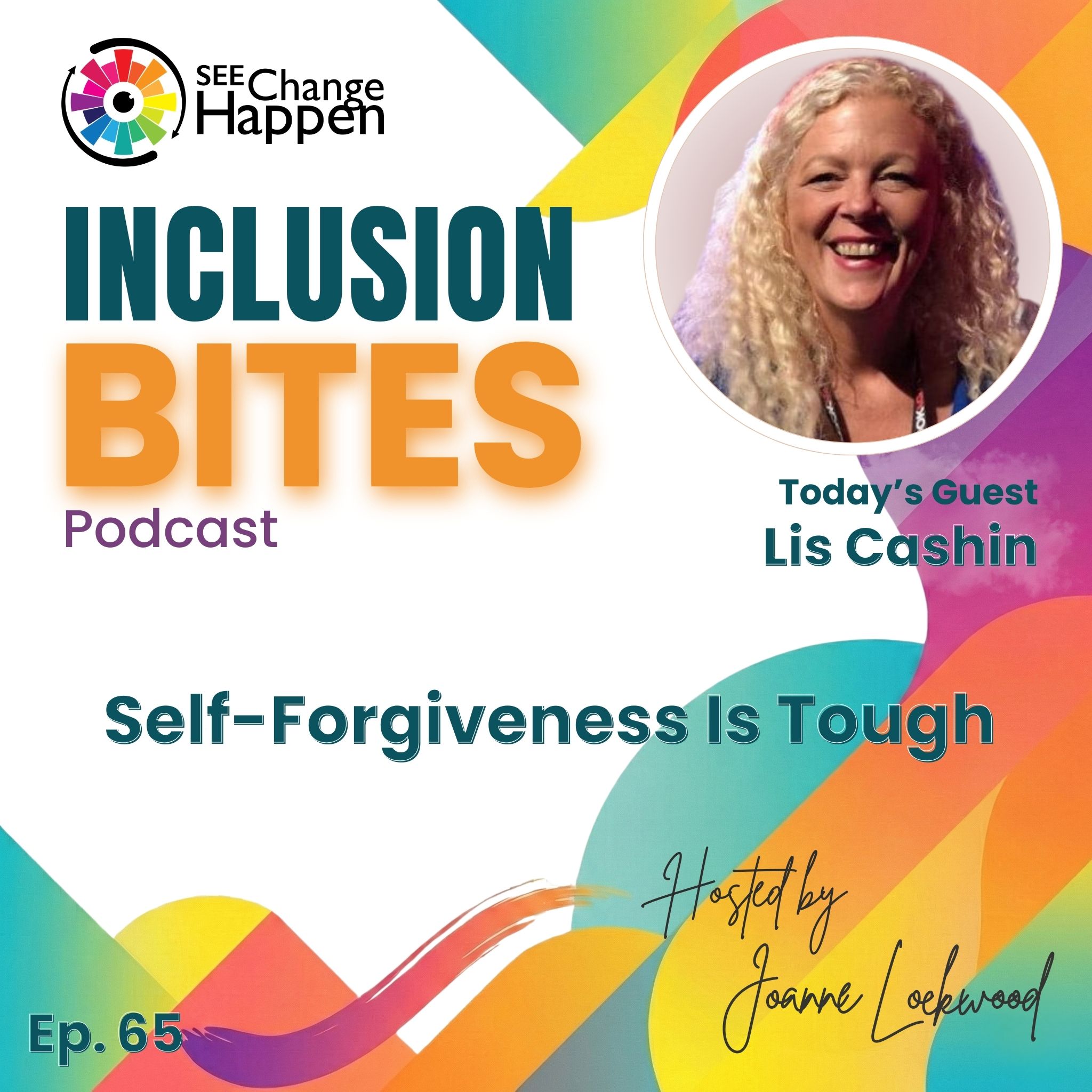
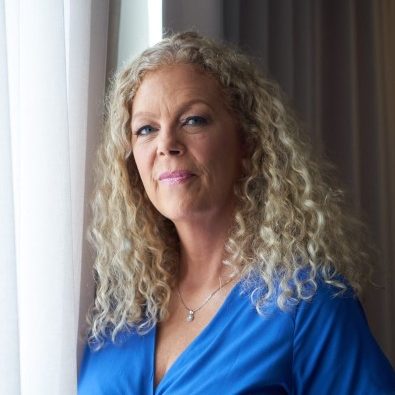
Hello everyone my name is Joanne Lockwood and I'm your host for the inclusion Bites podcast in this series I have interviewed a number of amazing people that simply had the conversation about the subject of inclusion belonging and generally making the world a better place for everyone to thrive. Like to join me in the future then please do drop me a line to Jo Dot Lockwood at http://cchangeeapman.codeat Uk as s wubly changeapp dot code at Uk you can catch up with all of the previousview shows on Itunes Spotify and the usual places so plug any headphones grab a df. And let's get going today is episode 65 with the title self forgiveness is tough and I have the absolute honor and privileges to work on licash in this describes herself a mental wellbeing speaker author trainer and coach. But asked lis to describe her superpowers. She said compassion because she has been through so much herself and is able to have compassion for other people. They're suffering not to judge or blame them for their actions they take but trying to understand them much better. Hello welcome to the show.
Lis Cashinguest
Hi Jo I am absolutely delighted to be here as your guest today I'm really looking forward to our chat.
Joanne Lockwoodhost
And yeah, me too me too. This tell me self forgiveness is tough. Why do you think that.
Lis Cashinguest
Well, where do we start? It's such a. It's such a big conversation and one that really has been a life journey for me and I think self forgiveness is something that so many of us actually. Benefit from but perhaps haven't yet found a way or learned how to forgive ourselves and that potentially is because we're blaming ourselves for things that have happened in our past that may be. Is no blame for and I'm saying that I sort of hesitated because that has been my journey I blamed myself for many many years I felt a lot of shame a lot of guilt following a really horrific accident that. Um I was part of at my school when I was just 13 years of age and I took part in my school sports day as. Most 13 year olds do it's sort of that annual That's that time of the year when you know, ah people some people look forward to it some people dread it but I was actually really looking forward to it because I thought I was going to win a medal and at that point in my life I really craved recognition I was a child who. Had a difficult home background I had a mentally and emotionally emotionally abusive step dad at home and was constantly being put down and so one way that I've really got recognition was through sports and so I was really looking forward to the sports day and. That was so at odds then by the end of the day. Ah my friend was in hospital fighting for a life and I felt completely responsible for the whole thing. Um I thrown the javelin in the javelin event and. School had put my friend out on the field. She was 13 to Mark the throw and when I threw for some reason she was distracted it hit her in the head and four days later she died in hospital for her injuries. It was as horrific as it sounds. It was a very very difficult time in my life and actually shaped and defined my whole life to come I think something you know it was almost like my life before that day and then my life.
Lis Cashinguest
After that day it was so defining and there was no trauma help back then this was the 80 s people didn't even know about trauma I didn't even know about mental health and so unbelievably by today's standards I didn't talk to anybody about what had happened so I was struggling with this major trauma and. Without anyone to process it with I just blamed myself entirely and took all that responsibility as far as I was concerned the javelin left my hand and my friend was now dead I couldn't take in anything else because I'd been there and as a thirteen year old as a child. We tend to blame ourselves for things anyway and what I've learned that is in trauma we tend to blame ourselves whether we're a child or an adult. So and I also had that those seeds of beliefs that had already formed with my stepdad that there was something wrong with me and now I just thought. I was evil and I deserved to be punished. This is what I unconsciously created and then went on to find many different ways to punish and abuse myself over decades to come um, and so really, my journey has been one. To find forgiveness for what happened? Ah, which as I say has been a lifelong journey and it was only five years ago that I was actually diagnosed with post-traumatic stress disorder. So I've been living with that for over 30 years um and it was actually a relief because I'd had such mental turmoil during that time that I'd tried to cover up and hide and felt shame around that I felt like you know it was different to everyone else that I should be able to pull myself together that why did I keep spiraling into this sort of place of despair I couldn't understand it. And then suddenly there was like a valid reason why and actually I was able to get some trauma specific help. Um, so I know that's a sort of a big introduction to what we're talking about today but I just. Really wanted to set that context really about why self forgiveness has been my journey.
Joanne Lockwoodhost
I I've just been sitting here listening to you and ah I don't have a sensible thing to say now about that. It's just almost unfathomable to me listening to that story. And that scenario and that that random event and to be able to come up with anything meaningful to say back and I'm I'm I got some questions though. I mean you say you you blamed yourself you saw yourself as evil and that was a self image. But were there people around you who you perceived were assigning blame We. Do you feel that you were being held responsible in some way and you had to fight that or did you feel that people weren't absolving you enough or what was going on at the time.
Lis Cashinguest
It's it's a really good point and you know my friend's family. My friend who died they never once blamed me never from the get-go just incredible people and I you know i. I'd hate to think actually what would have happened if that had been different so but I couldn't understand why they were so forgiving because I was thinking but it was my fault. You know it didn't matter what anybody said to me I had. Thrown the javelin and my friend was dead and to me it was as cut and dried as that as a thirteen year old I was like but you don't understand but I have to say as well. You know I I took my turn when I was told to I didn't come out of the throwers box. You know I did exactly as I was instructed to do ah. And it's only many many years later the five years ago in my trauma processing that I really grasped that that actually I had done exactly as I was instructed to do I wasn't messing about I wasn't you know I wasn't I wasn't doing anything other than taking part in my school sports day event. And the school had put 2 13 year old girls out on the field to Mark the most potentially dangerous event and there was no. There was no sports teachers there. There was a history teacher and an english teacher overseeing the javelin event. Ah and you know in the inquest. They were asked why that was oh well that's because we did it last year you know there was no. There was no real grasping of the severity of the dangers that could happen and so in the processing five years ago it was a revelation to me I felt quite emotional even thinking about it then because I suddenly had this revelation actually I didn't do anything wrong you know I didn't do anything wrong I was just doing exactly as I was told to do in fact I'd had a right to be safe at school that day as well. Of course as my friend. I had never really put myself in that equation before I'd always thought about my friend and obviously how she'd had a right to be safe I'd never put myself equally in that mix and I think not having had help to process it I was left with all that ah trauma in my system and I was stuck in a thirteen year old's trauma perspective because with ptsd your mind is literally frozen in horror back where in that place so it was almost like I had to un thaw that and really look at it from an adult's perspective and really question the validity of those beliefs that I'd created. Um.So even back at the time when you know people would say but it wasn't your fault it had nowhere to land in me I was like but you I you weren't there. It was my fault. You know she's dead. That's you know it's entirely my fault I couldn't understand I couldn't grasp because I was only None and you know. Trying to make sense of something that like you say has no sense and I was desperately trying to find the why why did this happen. That's all my mind kept going and the only why I could come up with was there must be something wrong with me. It was the only thing I could think that made any sense. Well, it must be me then. If. There's no other reason why you know accidents happen well to a thirteen year old who's just been involved in something so traumatic. It's like it was me I was there. It's happened to me and so therefore it must be me. There must be something wrong with me and. Goodness we know more now I think that you know we're able to give people the right help a lot sooner so that these things really don't take hold in the way that they did for me and really had such a destructive impact on my life. Ah for so long and. You know the shame I'm on a mission really to eradicate shame because when we really understand what people are going through. There is never any shame. You know there's never any shame when you really understand the the full picture and you know shame so guilt is I've done something wrong. And shame is I am wrong my identity I am wrong. That's what shame is and I just felt that I was evil that I was completely wrong as a person and that's very difficult then to to work through um when it's. Your whole identity is that.
Joanne Lockwoodhost
Because both guilt and shame. They're not productive feelings or emotions are they there's no, there's no positivity that can ever come from them. You've got to get to that point where you you realize that you've got to move past those you know in order to.
Lis Cashinguest
Um, now.
Joanne Lockwoodhost
Regardless as a circumstance and you you can't live in that in that time with shame and guilt you have to move forward into what next? How do I How do I resolve that and that that must be tricky because you said um that you kind of got a before instant and after and your life at that moment.
Lis Cashinguest
Um, yeah.
Joanne Lockwoodhost
Change forever. So what? what sort of things happened at that time in terms of your your involvement sport your your your school your friend. What what? what was the key thing you remember about being significantly different they day plus one if you like.
Lis Cashinguest
That everybody was looking at me but nobody was talking to me about it. That's the overriding thing and so it just exacerbated my shame because I thought everybody knows it was in the national press. It was on the news. You know it was on the radio. Everybody knows this thing about me and nobody was talking to me about it I think people were too afraid to talk about it because they didn't know how to handle it? Um, but I was told at school the teachers are keeping an eye on you but nobody was talking to me about it and so. You know my friends didn't know how to talk about it I've had since I've started to speak publicly I've had friends from school reappear and say we're so sorry you know we we had no idea at the time. Ah, you know we're so sorry we couldn't support you better because they were children at the same time none of us really knew. Ah. How to handle what was going on and I think people maybe thought if we just returned to normal normal life and so for everybody else it might have appeared normal. But for me, it was like I felt like a walking zombie I suppose that's the best way. To describe it and so as that's the other thing I never felt like I was really in life after that I felt like I was life was here ah separated from me by like a glass I was in a glass box and life was outside of it. Ah and I would just pretend. To be living but actually inside felt felt anything but you know I felt dead inside I think that's that's what happened it was like part of me died that day and I just tried as best I could to try and pretend I was okay because that's what. Had to do because there was no other option I think there was no other option apart from I do you know I look back and I think how incredibly strong I was you know and part of my sort of journey of recovery has been acknowledging that None ear old part of me and everything that she went through and actually. She did keep going even though it you know with but very destructive consequences for me as a person but she did find a way she was resilient. She found a way to get up every day and keep keep going um and of course my home life was still very difficult. Very challenging. Um. The point where I actually left home when I was None and lived in a council flat while I did my exams and again I think oh you know to find the strength for that when I still was holding all the trauma as well as all the stuff with my stepdad and yet I found the strength to leave that toxic environment and make a stand for myself.
Lis Cashinguest
Um, and yeah, so there's always been this this strength inside and I think you know if it's in me, it's in it's in everyone I think and and we don't know we have it until we have to draw on it. Um, and I think I was just thrust into that position. And and manage to find it but I know it's It's not as easy as that and I know you know sometimes in my life I haven't felt it and you know I haven't wanted to haven't wanted to be alive at some some points in my life because the pain can be so overwhelming and so Consuming. It's very difficult to find any strength in that. But. Even in those moments I Just try to hang on to this two will pass. You know those just a glimmer of Hope. Ah, Unfortunately, that's that has always got me through somehow.
Joanne Lockwoodhost
So in so it took I think you say it took 30 years of living with ptsd to finally explore what had gone on so in that 30 years did you kind of own this label of kind of. Killer or murder or whatever. Whatever strong words you want to do and the shame the guilt you had did you almost like selfid identify as that and then people around you people. Maybe you could try to get close to you. You felt the need to bring it out and put it on the table in front of you and and own that and apologize for it all the time or was it something you kept secret.
Lis Cashinguest
It's a really good question. It was actually a mixture of those things I think sometimes I just didn't want anyone to Know. Um I was terrified that people would find out because yeah I did definitely own that label ah of Murderer. It's hard for me to even you know think about that now but that that definitely was what was happening but sometimes yeah if people would get close to me then I would open up to them but it was yeah I was always terrified then that I'd be rejected ah for it which I never was. But it was that you know that self rejectction that I was holding inside. So I've never let anybody get really close to me. Um I've always sort of um held relationships close but not too close I think.
Joanne Lockwoodhost
He.
Lis Cashinguest
Um, That's the some of that is mixed up with my stepdad as Well. You know there's this trauma major trauma that I went through and also relational trauma and you know that is still a form of trauma and I think so many of us have experienced trauma in many different ways and I'm really glad that that conversation is opening up now about. Actually what is trauma and all the different elements of that. So Um I also have the relational trauma aspect. So I've found it very difficult to let anybody in to get anywhere really close to me.
Joanne Lockwoodhost
And so what was the what was the the epiphany the trigger you went I need I need to deal with this. What got you to that point where you asked for help or yeah that because that that's what we talk about here is in terms of Ptd Mental health.
Lis Cashinguest
Um.
Joanne Lockwoodhost
We want people to come away from this with that None step what? how did you get to that None step.
Lis Cashinguest
I had gone for help over the years but was misdiagnosed with depression and and so that didn't really get to what was really going on for me but I would say if anyone else is going through something similar. Don't give up keep going back. You know, keep going back to to ask for help again. Even if you don't feel like you've made progress so far because I think that's the thing sometimes doctors don't diagnose in the correct way and then we can't get the right treatment. So. Just be aware of that that it took me a few times in order to get the right help. But I think the main thing was when I started to speak about it and I know we've met through the professional speaking association and I really felt like I wanted to share my story because of so many people struggling with their mental health and. You know we need more people to talk about it and to normalize it and destigmatize it and so I felt of calling to do that. But what happened was I entered a speaking competition. Um, thinking it was just 5 minutes to share my story and that was a huge step for me and what I hadn't realized. Anticipated was that I'd win that round of the speaking competition. Um, which was incredible. But then I had to go to the national semi-finals and then the finals and this was a massive thing for me who'd just taken the courage to sort of speak for None nutes and then suddenly it was. You know I was being called to really step up and what because I was sharing my story and I've really and the really sort of pivotal moment of the story again and again and again it was sort of ret triggerggering me retriggering me all the time and so and but around the same time somebody. Said oh have you read the book. Um, the body keeps the score by Bessel Van De Kolk so that's bessel van der kolk the body keeps the score just a seminal book on trauma i. Highly recommend and I read the none chapter about a soldier who had ptsd and. I cried I thought I felt so seen I thought oh my goodness this is me you know this is the way he was talking about. He talked about being in a gas box and the disconnection and the the flashbacks and the nightmares all of this stuff and I was like this is what I've been struggling with and so I went. Back to my Gp which was ah a new gp and asked him could I have an assessment for ptsd and he a beautiful moment for me, but he apologized on behalf of the medical profession and said I'm so sorry nobody has thought thought to send you for this before.
Lis Cashinguest
And actually that meant a lot to me I know he wasn't responsible for the rest of the medical profession. But again it was that compassion really that understanding of oh my goodness you've lived with this for such a long time I'm so sorry, nobody else has spotted it or been able to guide you to the right help. Um. So it was because I felt that constantly traumatization. That's what led me I thought I can't keep sharing my story and feeling this level of pain. That's not that's not why I'm doing it. You know I'm doing it hopefully to give hope to other people not to keep hurting myself and so that's that was really The. The trigger that made the difference.
Joanne Lockwoodhost
They do say in our speaking profession that you speak from the Scar not from the wound isn't it sort of so we have to heal first before we we were able to tell our story in an objective way otherwise but always.
Lis Cashinguest
Um, yeah.
Joanne Lockwoodhost
We living our trauma and that that's sometimes a mistake people make isn't it.
Lis Cashinguest
Yeah, and it ah and I I and I completely agree with that and I think that in that competition I spoke from my wound because I didn't realize the wound was there. So you know I sort of did it unwittingly and it led me to the right help. So for me in a much bigger picture. It. It was really a really good step even though it was very painful in my healing journey. But I Ah, and I Absolutely agree. You know I needed to get that help so that I can now speak and not. So I'm speaking now from the Scar rather than from the wound but initially I didn't even know that that wound was there and what it was um.
Joanne Lockwoodhost
When you said you you saw your your your new Gp and he ah that you said is that he immediately reacted and and and stepped up I've been there. It's so validating to have someone go.
Lis Cashinguest
Hey yeah.Um.
Joanne Lockwoodhost
I hear you let me do something to me work with you. A medical professional going I've got this and I remember with my gp having conversation about something completely different in a similar sort of way and just that validation that take the time this this deal is I'm here for you. What can I do to help let me engageuge services and make sure this works for you. It's so powerful that so that None person takes that time to just be there and help and listen so that must be an incredible feeling.
Lis Cashinguest
It was and I think that's something to share isn't it with people that you know sometimes other people might be struggling in our lives and we think we've got to know all this stuff but actually just to say I'm so sorry you know I've really hear you how difficult it is you know I see you just that let you say isn't.
Joanne Lockwoodhost
Um.
Lis Cashinguest
Incredibly validating? um and can make a huge Difference. You know we don't have to make it right? We don't have to fix it. In fact, we can't We're not medical professionals most of us but we can and this is why I said at the beginning you know about my compassion is my superpower I think because. So quick to judge other people or label them or make assumptions about people and if we can just sort of sit with them be with them and say I see you I'm sorry I'm so sorry that sounds really tough that can be huge for that person and let you say for.
Joanne Lockwoodhost
19
Lis Cashinguest
You and I have had a similar experience and actually at school when I was in my ah upper sixth. What as it was then I was trying to pick year thirteen as it is now and I lived in this council flat and so you know I was having to take care of myself on top of everything else. But I remember this one teacher. Mrs Nicholson and she was my form teacher then and sometimes I would be late for school sometimes I wouldn't turn up to school and she was so she would always have a word of it. How are you? she'd just check in how are you doing and. Don't worry I've marked you into school or you know she was just so kind. She didn't really do anything except show me that kindness and for me in all a sea of sort of craziness at that time and feeling so rejected by so many people to have this one person who was saying i. Um, I'm looking out for you I'm just checking your okay was huge for me at that point as well. So it's those those kind moments throughout our lives I think can make such a difference and we can be that for somebody else.
Joanne Lockwoodhost
Name.Yeah I I find when I I do a lot of ah corporate lunch and learn type talking and part of my my talk is always ah a 20 minute q and a afterwards you know and ask me anything kind of session and very regularly I get asked. Someone's facing bullying discrimination being disrespected. Whatever it may be in workplace or society. What's my bit of advice and I always start off by saying remember there's always someone who will listen. It's really important to realize you're not alone and it may seem the hardest thing in the world to open up.
Lis Cashinguest
This.
Joanne Lockwoodhost
Find somebody whether it's samaritans whether it's your best friend whether it's a colleague whether it's someone in a coffee shop. Whatever it may be a stranger. There is always someone who will listen to you and once you've been listened to you you share that the problem doesn't become so internalized you're you're able to sort of. Maybe. Actually just the act of speaking out loud sometimes allows you to offload that that mental block and I I Always think that's the most powerful thing is just realizing that no matter what happens. There's always someone who will listen. They meant I better fix you as you as you pointed out there. You don't you fixing. Actually I can fix myself if I'm allowed to explore my thoughts out loud and I think you said you were a coach and that's part of the secret coaching isn't it not to fix on's problem but to let help that person unlock and explore themselves. So yeah.
Lis Cashinguest
Yes.It's so true and I think that listening thing is so Key. It's part of what I teach and in the programs is is such a key part that non-judgmental listening and actually our minds Judge. That's what they do, but it's about you know, understanding that parking it and just keep showing up and that's a skill that we can develop. And actually it's hard for for some of us I put myself in this category because we may have tried to talk to our family but the family is so loaded with all of their stuff as Well. So you try and tell your story and then they say well no, it wasn't like that or we'll no you know bla but and try and sort of. Say that your your perspective isn't right? or your story isn't true or when actually everybody's story is right and true for Them. You know the truth is somewhere in the middle of it all of course but to actually hear somebody's truth somebody's perspective and just allow that give that space. Whether you agree with it or not is is something else but to just allow it and to validate that that is that that is true for them then that yeah.
Joanne Lockwoodhost
Yeah, his victims splaining almost what whatever the equivalent is. It's kind of saying it's almost saying this, you're wrong and that's not going to fix anybody.
Lis Cashinguest
Yeah, no, and I've had people say that? Yeah yeah, it is it is and I've had people say that to me in my in my life. You know that isn't what happened that's not true and.
Joanne Lockwoodhost
It's it's about internalized. It's feeling How do you feel? It's not go out with your right or wrong or logic. It's feeling isn't it.
Lis Cashinguest
It is true for me that is exactly what happened that is my experience but we're so quick sometimes to deny other people's experiences this could be in the workplace as well. No, that's not true. Well actually give space but you don't have to agree with it but just give space for other people's opinions.
Joanne Lockwoodhost
So.And.
Lis Cashinguest
And realize it is true for that person rather than saying it's not because then you've got a fight going on if you you know someone says to you. It's your truth and they say it's not. It's not, you're going to want to defend yourself on you but is true. It is true for me. No, it's not it is this and so it's as this losing battle where you can just say.
Joanne Lockwoodhost
Yes.
Lis Cashinguest
I Really hear that that's your perspective I really hear that that's your truth. It's not tell me more about that keep talking. Yeah yes, yeah, curiosity is kit I Love that.
Joanne Lockwoodhost
Yeah, tell me more about that. Tell me why you believe that tell me more about it keep talking. Yeah, that's wow I Never thought that what gave you that perspective or why did you think that all those kind of things isn't it and.
Lis Cashinguest
You know I bring that into my all my trainings be curious rather than judgmental be curious because we don't know we think we know but actually when we think we know we're not listening and then we Miss vital information. Um, so we do.
Joanne Lockwoodhost
Um.We because we want to jump to the fix. Don't we if if you if you tell me your problem I tell you you're wrong and now you're fixed. You see it through my perspective and suddenly your your trauma will go away and that's not the way trauma works is it. It's not linear or logical.
Lis Cashinguest
Um, yeah.No, exactly yeah exactly and I know and it can just take us by surprise as well like you know like I was saying when I started to speak about my story and then suddenly I was in this all this trauma again because I tried to put a lid on it. So tightly I wasn't. Expecting it to erupt like it did because I didn't appreciate how much I was sitting on so it can just take us by by surprise as well. Um, and I'm mindful as well of the original the opening statement about self forgiveness and I was just. Thought I might bring that back in again now we've sort of explored a little bit more because when I had my trauma cognitive behavioral therapy. So that's specifically for ptsd around ah a trauma. Um. Um, we started to unpick all those negative beliefs about being evil and and all of that and I I thought my journey was self-forgiveness I thought that's what I needed to do and then realizing that actually I hadn't done anything wrong. I'd done exactly as I was just following a teacher's instructions I did nothing wrong on that level. It was like and then I realized how much pain and suffering I had created towards myself as a result of believing that I'd done something wrong. That's what really got me ah the pain and suffering that I had caused myself because I had rejected myself for something that I had not done wrong in the none place it was and I think that's really my heart sort of cracked open then to self-compassion. It was more and compassion means to suffer with and I suddenly was like with this thirteen year old like I am so sorry for everything now that I've done to you as a result of believing that there was something wrong with you believing that you were evil you know all of this. Heartbreaking really when I think about it and it's about me, you know when I think about all that abuse I gave myself and punishment. You know I took a lot of drugs in my twenty s as in very destructive relationships I've always used food as a way to beat myself up every time I eat something. There's an internal dialogue. You know. Going on. That's really negative. So all of this I'd done to myself that was the hardest things that I had to face. Um, and so the self- forgiveness was tough that whole journey and actually then realizing it developed into self-compassion when I've really understood.
Lis Cashinguest
I was just a actually innocent None ear old going to school having a right to be safe and doing what she was told to do and without the right help and support as a result of that had created all of this negative narrative and destructive beliefs and abuse and punishment. You know that that is the toughest thing I've had to face.
Joanne Lockwoodhost
As you're talking there. My mind is is tumbling around inside going. You've just switched the entire perspective of the episode title on me I thought you had to forgive yourself for the event and you what you realized was you.
Lis Cashinguest
Um, at all.
Joanne Lockwoodhost
There's nothing to forgive. That's the first thing I just picked up on that what you had to forgive yourself is the shame the guilt or the or the internal trauma the self impposed exile in your life. That's what you had you had to apologize to yourself for.
Lis Cashinguest
Um, yes, yes yeah.
Joanne Lockwoodhost
Believing it was your fault all those kind of emotions going on so self-for forgiveness is tough it. It's actually forgiving yourself for all that internalization. You're not you weren't to blame. There's no guilt. There's no shame you you you were a victim in your own right? as well.
Lis Cashinguest
Um, yeah.
Joanne Lockwoodhost
And you're not victim Only you're not own in that. But victim that you' you'll just apologize yourself for for not seeing clearly earlier and that that's that is Wow Yeah, that is wolf. Yeah yeah, Slam Duk Punnchline right in the middle of the brilliant. Yeah yeah.
Lis Cashinguest
Um, yeah.Yeah, slum don't yeah exactly yeah and um, there's actually a a Bbc ideas short video on self-for forgiveness that I'm in. It's coming out soon. We'll we'll be out when this podcast comes out and. That's exactly what we explore within that actually coming round to realize that it was the things I'd done to myself that have created the the need to forgive myself. Yeah, and that's tough that is tough.
Joanne Lockwoodhost
I But I write thinking that the ptsd will never go Away. It just becomes manageable submerged an echo. It becomes Fainter. It becomes less of a part of your life but something that is still with you for well will be with you for a long time just maybe not consciously all the time.
Lis Cashinguest
Some people completely Recover It's very.. It's so broad. It's like it depends and and I was going to say it depends How long you've had it but I don't think that's even true I Think it's so individual what happens but I was told by. The lady I did the trauma cbt she said I may always have it because I had it for so long and because it happened at such a key time in my brain's development So Thirteen is that really key time when so many things in the brain and she said you know my brain. Will have developed in a different way to other people as a result of holding the trauma and so yeah, it is. It's difficult. But and you know I do have episodes where I so I struggle you know I really?? Um, yeah, where I really struggle still and. I've got so many tools that I use I have awareness So I don't beat myself up if I'm struggling I just bring kindness and compassion to myself and reach out for professional support if I need to talk to people or do I need to take a break. You know all of these things. I Know now to do whereas in the past I would just beat myself up for feeling bad and that would just spiral into you know, something else and make it all a lot worse.
Joanne Lockwoodhost
So five years on approximately since you had this epiphany that nothing was ever your fault and that you are blaming yourself unnecessarily in this ptsd you you work through.
Lis Cashinguest
Um, yes, yes.
Joanne Lockwoodhost
Some as you say some Tbt and some coping mechanisms and some healing mechanisms. How did you get into what you're doing now then had was that just a natural evolution or you it was a conscious decision I'm going to be a I'm going to help other people but it what what was the spark.
Lis Cashinguest
I yeah, it felt like a calling something. You might not understand that. But for me, it just felt like I'd been through so much in this life that and you know as you we talked about in the beginning. It's senseless. What I went through really is senseless but there is some good that can come out of it. This is this was my sort of calling I suppose was you know I don't want anyone else to have to go through what I went through and struggle like I did and and feel that shame in silence because they. Too afraid to speak up for what you know the consequences might be to that so I've really felt like I wanted to share my story more publicly so that other people would hear me and think oh. You know that's me or I've been going through that or I recognize myself there or if it's somebody in the family and and actually hopefully encourage people to get help to get the right help and to get it sooner. Um, and to know there is no shame around that. So I think it was it was that I felt this real. Motivation to write a book about my story so that was part of it and then it was really interesting because I wrote a lot of it and it's called this is me so I wrote a lot of the book. Um, and then it was like ah I couldn't work out how to finish the ending this was about ten years ago I wrote a lot of it. And so then I just left it and then when I got the ptsd diagnosis I thought ah this is why I couldn't finish the book because actually the story. You know this is a key part and so I went back and completed it with the ptsd lens and of course that everything then made a lot more sense. Um, and and I think this is it. You know this. So much work people do around mindset and you know I I teach mental health awareness and first aid for mental health. Ah you know all those trainings I deliver and there's an evolution of that which is about trauma and it's an ever evolving conversation and as it evolves. Professionally I'm also evolving personally so it gives me extra insight. You know trauma is in the body. So. It's great to do and it's fantastic to do all the mental health awareness stuff because it's it's a good stepping stone. We all need to be aware. But I just want to also let people know if you're. Trying to work on your mindset and that isn't working. You're still feeling bad. You may have trauma and trauma is also in the body. It's in our nervous systems and unless we know this and we help ourselves with with that specifically as well. We're all, we're still going to hold it in our body and therefore we're never going to fully feel.
Lis Cashinguest
Right? And if you're anything like me, you'll just use that then as something to beat yourself up about because I kept thinking why am I not feeling better. Why do I keep spiraling because trauma is held in our mind and body. Um, and so we need to understand that more and so that's something now. More passionate again about raising awareness and taking more trainings into the corporate space. So people can become trauma informed in organizations.
Joanne Lockwoodhost
So this occurred None and as you said yourself, there was very little awareness of a broker mental health ah of trauma ptsd these kind of words just weren't the vocabulary in the 80 s were they.
Lis Cashinguest
Um, yeah.Um, and.
Joanne Lockwoodhost
Ah, the world's moved on. You said the world moved on five years ago so where but where we are today where do people go and and I'm I'm I'm sure. But when you're internalizing shame and guilt or all the other things going on your life speaking those words out loud.
Lis Cashinguest
Um, yeah.
Joanne Lockwoodhost
1 of the biggest fears we must have a bit of being further judged or having our shame reinforced how to and be step step over that that step if you like.
Lis Cashinguest
Um, yes, yes. Yeah, and I'd say be gentle with yourself Definitely and as we've talked about you know it has to be a safe Space. You know it because you quite rightly say if you then go and talk to someone who is Judgmental. Who doesn't understand it might be in your family. It might be someone else and then the reaction then is ah is a negative one or pull yourself together or you know very unhelpful things that people say with good intent. Um, it can create more harm so I would say.
Joanne Lockwoodhost
So.
Lis Cashinguest
If in the workplace you have your mental health. First aidrs you know that is a confidential peer support. You could go and have a chat with them if you get on well with your manager for example at work and you think they are kind and compassionate or a colleague I think that kind and compassionate if you know anybody that you feel has those qualities. That is a good place to start to speak if you don't have anyone in your life like that and if you don't I'm really really sorry about that because I think everybody deserves to have people like that in your life. Um, then you know you can go and talk to your gp as I said I've had. Different experiences with Gps so if you don't at none get a kind response maybe talk to a different gp but don't give up. That's the None thing I would say keep going. You know it took take me a few tries over the years and it takes courage kick. As you say it can take real courage to talk about these things we've held so much shame and guilt around for so long but you are worth it. You know there is light at the end of the tunnel if you can take anything from my story. It's don't give up keep going till you get the right help and the right diagnosis and the right treatment but just. Have the courage to to speak up to somebody. You know if you want to message me if you want to chat to me please do that if you want me to be a none step for you. You can also in your local area. There's iap improving access to psychological therapies. Where you can just go without a referral from your gp and talk to somebody there. Um, so there are different ways. There are private therapists that you can pay if you can afford that so mind is ah is a good mind. The mental health charity. So there are mental health charities that also have help lines I would say. Try something and hopefully if it works then you know carry on with that if it doesn't try something else but just keep trying because living with shame living with mental turmoil that is that is the shame. It's like me with the self forgiveness. Real shame around that is that I blamed myself for so long. It's not shame associated with the actual accident itself. So if you are struggling with your mental health get help because the sooner you can get help the better for you. The better for you to realize there is nothing to be ashamed of that. You know there is nothing wrong with you if you're struggling. There is nothing wrong with you. You are a human being. We all have a gamut of emotions we fluctuate with our mental health. Some of us will have mental illness. All our lives some of us will have episodes some of us will have poor mental health sometimes.But we're all like that. We're all human. We've got to really destigmatize this conversation so that it's normal to talk about it if we're struggling because we all struggle sometimes that's the thing I used to think everyone else had it sorted except me and now I realized that's couldn't be further from the truth I think. Most people struggle or are struggling especially through the last few years hasn't escaped many of us I don't think so just know that that you are not alone. You are not the only one and there is nothing to be ashamed of.
Joanne Lockwoodhost
And one of the ah some of the positives out of the Covid Era um has been this awareness of well-being mental health. Um, because but yeah, we're all in the different boat same River sort of thing met. Managers leaders were all in experiencing the same trauma as everybody else in different ways. So for the None time in our society we will be knocked and rocked by a similar traumatic event I Think there's been ah a huge great awareness and I look at some of the companies and some fantastic stuff over the last few years. Ah, wellbeing employee wellbeing mental health first aid sign posting Check-ins. How are you? It's okay, not to be Okay, we're now talking about this in the workplace more than we ever did and I think there's a lot more sign posting employee assistance programs are now not seen as a a shameful kind of. Um I don't need that I don't need help and and was starting to talk about Mouse Suicide which is still the biggest kill of men under the age of 50 I believe or something ah people know it's okay, not to be okay and it's okay to Cry. It's okay to not know and that's the message we want to try and get to cost of people' not.
Lis Cashinguest
Um, yeah, yeah.It it really is and you know that that statistic shocks me every time I hear it even though I say it a lot. You know that suicide is the biggest killer in men under 50 But when I was growing up the culture was big boys don't cry. Ah man up you know, cop your wars you know all of these.
Joanne Lockwoodhost
Please.
Lis Cashinguest
Really derogatory terms and so we sort of trained men not to show their emotions and now we expect them to be emotionally literate as adults. Um, and you know there's ah how much shame that so many men are and it's a weakness perceived you know they've got to overcome all of that. And um I can't even imagine how difficult a hurdle that is as well as well as just you know feeling the mental health issue in itself and so but the more conversations we have and actually I'll just share this. It was quite profound for me I did a mental health awareness training on a building site. And it was men at the end of a day. It was a hot summer's day we were in a porter cabin. They just wanted to go home I thought oh my gosh tough tough crowd. You know I walked in and they said we want to go home and I was like ah okay, 2 of them were on the floor. There wasn't enough chairs you know so I thought okay just keep it upbeat. Ah, you know, get through it and then they can go um some of them english wasn't first language so there was some side chats as I was talking and I just thought oh my gosh you know they just they just hate it. They can't wait to go and then feedback form at the end they all diligently filled them out and then they they left. And they were in better moods thankfully by the time they left and then I started reading these for I actually was very emotional. Um, they'd all given it 10 out of 10 really said how much it was needed how much it had helped them but None of them just said ah trainings like this can help men like me. Not to suffer in silence and I thought it really changed something for me, you know this was a few years ago when I just first started delivering these trainings not to assume or you know they still had to carry on the bravado to each other and oh yeah, yeah, want to go hope but actually they. They soaked it all in they took it all in they really needed. It. They appreciated it and you know that statement I just thought oh my goodness you know of course they need the support and yeah, of course they want it. You know nobody wants to struggle and suffer in silence so that was a real motivating. Driver for me at that point as well and never to make those kind of assumptions. But also how hard it is for men because they felt that they couldn't say that in the group that they had to keep you know the bravado up during the session.
Joanne Lockwoodhost
In the last five years I think I know 2 men who've taken their life. Um, one recently a childhood ah school friend. No one knows why absolutely no 1 knows why at the age of.
Lis Cashinguest
Um.
Joanne Lockwoodhost
58 his wife came home a fan him hung hanged himself in the back garden on the on a pergola in Australia no notes. No nothing happy in love family massive everything going. No note, nothing and ah.
Lis Cashinguest
Um, oh ah.
Joanne Lockwoodhost
Another more distant friend but five years ago was going through trauma in financially in his business. Um, he couldn't pay the wages he had the bank foreclosing on him all this pressure and he just turned up at the office on a Monday morning got in there early. And hang himself in his office and there was and found by his pao office manager and the the sad thing about that that last story is that all of the problems that were going on in that business at the time the financial troubles the people who were rallied around to support his wife.
Lis Cashinguest
Um, ah.
Joanne Lockwoodhost
Fix them all in a few days phone call to the bank phone calls conversation with the staff phone calls suppliers. Everybody was put on hold everybody had a conversation everybody gave time and you think all that but all that friend needs to do was to say help help. The same people who end up helping after they took their life could have helped beforehand and that's that's what shame does isn't it. That's what shame does that fear of being judged that fear of being weak and None thing I've learned over the last five years since I gender transitioned is that weakness is not.
Lis Cashinguest
Um, yeah.Um.
Joanne Lockwoodhost
Is actually a strength being vulnerable is a strength saying I can't or I need help is a strength and I think I'm I I get quite emotional I'm almost quite tearful now talking about this that that's what we need to educate our ah young, yeah adults our children. That we don't need to be Unwavering. We need to be able to bend and flex and and deal with our emotions.
Lis Cashinguest
Um, I hear you I hear you vulnerability is is such a strength and that can change the world actually and I think it's these conversations normalizing The fact that. We all struggle from times I thought you know we we're all Human. We're all human Beings. We all make mistakes Sometimes it's like we're in this perfectionist Society. You know all these images that get photoshopped and we're all going for some perfectionist ideal. That's an illusion Anyway, you know all of this is saying Like. We're not okay as we are We have to be this other thing and I think this is the journey is accepting ourselves exactly as we are whats and all you know we all have everything we're all human beings we mess up sometimes we get it right? sometimes. Let's stop judging ourselves. Let's stop criticizing each other. Let's stop blaming each other. Let's have some understanding some kindness some acceptance and then we've got a real chance of these statistics the dial changing massively because we all realize oh. Actually it's nothing wrong with me I'm human I'm just going through a really difficult patch I need some help let me ask someone for help help is here. You know we can do that we can be that society but we all have to make that personal change and I think that is really. 1 of the beautiful things to come out of my sort of Horrific Journey I think is it's made me a better human being at the end of it because I you know, really don't judge other people I I may get angry sometimes but I think I don't know their story. You know I'm able to drop that. Judgment. Um, and you know we all get triggered. We've got this. We've all got this stuff going on aside we get triggered by each other unless we become aware of that and own it. We're just going to keep projecting our stuff onto other people and blaming them for it. I know this happens a lot in offices particularly in the manager. Ah, Dynamic. You know that can be a lot of those triggers and projections going on. But again, it's just become aware of that have some training get some more awareness and how to have those conversations and how to be a more compassionate leader. Um, all of these things are available to us. So.
Joanne Lockwoodhost
And.
Lis Cashinguest
You can see I'm passionate about it. But I think because otherwise we're just going to keep having Wars internally and externally we're just going to keep perpetuating ah this feeling of not enough this shame the Guilt So many of us are carrying around and. It's totally unnecessary.
Joanne Lockwoodhost
But we we both know that by sitting and having this conversation just saying to people ask for help speak about it. We know that that is a massive barrier. We know that just by saying it isn't going to make someone do it. So what I would always want to encourage people to do.
Lis Cashinguest
Um, no.
Joanne Lockwoodhost
If you are a leader you are a manager you're a friend. Whatever it may be give people the time to be heard to listen to people. They may not. They may not say they're broker. They may not say they've got some issues but that you may be able to detect an element where they they need some help and then just.
Lis Cashinguest
Um.Um, yeah.
Joanne Lockwoodhost
Give them more time and say how are you you? Okay, you really okay know want to get coffee. You want to sit down and talk about it during the I could do to help can I can can I make a proper go away for you can I solve an unsolvable problem and just not trying to fix them but about listening about allowing someone to to unpack it.
Lis Cashinguest
Um, yeah, yeah.Um, yeah.
Joanne Lockwoodhost
And that's what I think leaders need to do in organizations is is make sure you give people time and say how's it going. You're okay, anything want to just share this but being bit but not in a ah, a leader employee sort of way in a kind of ah a.
Lis Cashinguest
Yeah.Go and.
Joanne Lockwoodhost
A friend a Bud a mentoring sort of way and that's the challenge they like because the power dynamic can can stop people opening up as well. Can't it.
Lis Cashinguest
Absolutely and I know sometimes as well. The challenges a manager will say how are you? you know? How are you really? and the person will say no I'm fine even if it's Apparent. They're not so I always encourage managers to say oh that's great, but just know I'm always here. If you do want to chat and never to take it personally because we don't know what's going on for that person. What they've got going on in their lives. How terrified they are about speaking but we might have planted a seed by saying how are you really? they might come back to us. They might go to someone else but just sort of leaving that door open and Also. Think it's so important that we also find a way to give leaders that space so that they can talk about their challenges. Their mental health issues because they're holding so much and then they're you know they're holding the team and having these great check-ins. But if they're really struggling then you know that is going to translate into the team Also so.
Joanne Lockwoodhost
Um.And.
Lis Cashinguest
So important that we find ways to support leaders and managers and give them the space to be able to talk about their challenges too.
Joanne Lockwoodhost
Yeah I think we both probably refer to that as emotional intelligence isn't it. It's about understanding yourself your regulation your compassion your empathy building relationships picking up our body language cues. All those kind of things on that.
Lis Cashinguest
Um, you know.Um, yeah.
Joanne Lockwoodhost
We don't often promote leaders based on those those emotionally intelligent skills and I think that's the next generation leader We. We need to breed and train and create leaders who are are in touch with their feelings in touch with others not just great technicians or. Got a big stick and shout loud. That's not that's not the kind of leader we need now we need nurturers and coaches and mentors in our leaders who can pick up in this body language cues.
Lis Cashinguest
Definitely And of course you know leaders managers are coming from their own backgrounds If We're not taught about this stuff in school. You know it's It's all we're all going to all back to front. But how to create you know, empowering relationships How to really listen? What can we say I mean the specific ways we can. You know you and I know if you ask closed questions you're going to get closed answers and it's going to be very stilt. You know even simple things like that. But how to hold a space and non-judgmental space. What questions can you ask someone? This is often What people don't want to feel like they're being intrusive about someone's mental health. They don't want to say the wrong thing. They don't want to. They don't know what is the right thing to say you know these are all the fears that managers often tell me when I'm delivering the trainings and so it stops them from saying anything because they're so terrified they're going to get it wrong and make make the relationship worse but there's some really simple things that actually you know.
Joanne Lockwoodhost
And.
Lis Cashinguest
Can make it so much better and actually taking the lead of the person who's talking giving them some space to talk all those simple things but can make a profound difference in those relationships so it can be taught. So if you're a manager leader who is struggling just know that.
Joanne Lockwoodhost
Yeah, yeah.
Lis Cashinguest
You know there are ways that you can develop those skills and it it actually won't take too much to do that. It can be learned. Yes, yeah.
Joanne Lockwoodhost
No, it. Not only could be taught it all. It can also be learned and yeah I I started this podcast off as I as I showed you with a blank sheet of paper and I had heard some of your story before we've had conversations in the past but I was immensely conscious of the fact. I didn't want to open a wound push you into place where we with some trauma came out so I was being very active in my listening and my emotional intelligence is trying to judge whether the conversation we're having was was a good conversation going in the right place. What the questions that popping into my head I realized. For my own morbid curiosity that they weren't for your benefit. They were for my benefit I thought hang on it. No I don't need to go there. That's not relevant to your story. It's relevant to my my morbid curiosity here. So I I was consciously thinking about what is a good question of what is a good train of thought what isn't appropriate to go into.
Lis Cashinguest
Are.
Joanne Lockwoodhost
What may open a wound and I think if we all have that when we're having these conversations is is about not being selfish with your curiosity isn't it I don't need to know I want I want to help you exploit what you're thinking. Not why I want to know.
Lis Cashinguest
Um, then.That is so powerful and I think again if we're normalizing that we've all got a morbid curiosity. So don't beat yourself up. You know if you find someone is talking to you and you do you think? oh because you know we watch the news. It's all morbid curiosity isn't it worth telling us all these things of.
Joanne Lockwoodhost
And.
Lis Cashinguest
It's how with everything is sensationalized so much of the time so just notice that if it is happening like you did so so beautifully and then think Okay, what yeah what is going to be the best thing to help this person and so asking the person to what do you need? Um, how do you feel about that.
Joanne Lockwoodhost
And.
Lis Cashinguest
What is a good next step that you can take here. How can I support you here. What do you need from me, you know it's all about the other person and that was so beautifully put by you Joe. It's so is so important but just to know that that is exactly what will happen. We'll want to know like oh tell me more about that because that's. You know that's the way we've been conditioned really? um, but that's okay, you just notice that and then come back to the other person and focus on them and how you can help them.
Joanne Lockwoodhost
And.Fantastic, um, well we're up to the hour I he put Emily spent fifteen twenty minutes in the green room before and I could talk to you all day and I've got lots of morbi curiosity in my head that I need to I need to go box off somewhere. But now it's been absolutely amazing. Weve. Some great takeaways there for for leaders of managing business and if you're listening and you are going through any sort of trauma yourself then it was sending out virtual hugs and and vibes to your way and yeah, there's always someone out there who's listening.
Lis Cashinguest
Um.
Joanne Lockwoodhost
List. Um, how do people get hold of you tell us about your book tell us about your website tell us about your coaching programs.
Lis Cashinguest
Ah I've got an unusual name which goes in my favor. So all of the domains are easy to find me so it's Lis L is slightly unusual li cachin dot com all of the Linkedin Twitter. Instagram. All the usuals is atlas caching so really easy to find me my book is available on Amazon Goodreads. It's called this is me my journey to mental wellbeing and when an award when it first came out and it really outlines my journey right from. Ah, child and how I created those destructive beliefs about myself. How I interpreted the world and made my identity and then how as an adult I have recreated that I've recreated myself like the bionic woman recreated that I mentally recreated my identity. Um, and there's lots of. You know, really good information there that can support you if you are on your journey to mental wellbeing yourself the stuff about trauma in there. There's stuff about mind body and spirit actually along my whole holistic journey to to where I am today I've got a Ted Tedx talk which is mental health awakening. Suffering is surmountable. Um, so again I talk about my my journey there if that's something you want to check it out if you like it if you give it a like if you comment it's all appreciated and as I say the Bbc Ideas video it's a short video on self forgiveness. Um. So if you've been interested in that topic today then please follow up on that. But if you are a manager and leader I do run lots of courses around how to have better conversations around mental wellbeing mental health awareness first aid for mental health qualification and also becoming more trauma informed so you can check all that on my website. And I'd love to hear from you.
Joanne Lockwoodhost
So this amazing. Awesome! Thank you so much. This has been a fantastic hour. Um, yeah, thank you and a huge thank you to you? The listener for tuning in listen to the end. Please do subscribe if you're not already keep updates on future episode of the inclusion Bites podcast b I t yes, tell your friends and tell your colleagues please share I have a number of ah also more amazing guest. No, they can't be more amazing I've got numbers of other guests coming up I'm sure you'd be equally inspired by them over the next few weeks months and hopefully years and remember if you'd like to be a guest yourself. Maybe you've got a story. Maybe you got a passion you want to share. Please let me know and of course if you've got any feedback suggestions please email me at Jo Dot Lockwood Cj and http://chapman.com uk let me know how we can improve future soves or content. You'd like to hear so my name is Joanne Lockwood it's been absolute pleasure. Dosis podcast for you today. Catch you next time. Bye.
Dealing with Trauma and Self-ForgivenessThe Societal Impact of Trauma and Mental Health AwarenessThe Power of Compassion and Kindness
Lis Cashin joins Joanne Lockwood to explore why self-forgiveness can feel impossible when shame and guilt have taken hold for years. Lis shares the defining event of her childhood: at 13, during a school sports day javelin event, a tragic accident led to the death of a friend. With no trauma support at the time, Lis internalised blame, developed an identity-level shame, and spent decades punishing herself in ways that affected her relationships, health, and sense of worth.
The conversation follows Lis’s journey to finally getting the right help, including being diagnosed with PTSD years later after recognising herself in trauma narratives and seeking an assessment. Together they discuss what trauma can look like over time, why simply “changing mindset” may not be enough when the nervous system is involved, and how compassion, validation, and being listened to can be pivotal.
They also turn to what workplaces and leaders can do: create safer spaces for honest conversations, listen without judgement, avoid rushing to fix, and understand how power dynamics can make speaking up hard. The episode closes with practical signposting for getting support, and a clear message that struggling is human—and that recovery and self-compassion are possible.
“My journey has been one to find forgiveness for what happened...it was actually a relief because I'd had such mental turmoil during that time that I tried to cover up and hide.”
“I felt like a walking zombie... I felt dead inside. Part of me died that day. But she did find a way. She was resilient. She found a way to get up every day and keep going.”
“And for me, in all a sea of sort of craziness at that time and feeling so rejected by so many people, to have this one person who was saying, I I'm I'm looking out for you. I'm just checking you're okay. Was huge for me at that point as well. So it's those those kind moments through our our lives, I think, can make such a difference. And we can be that for somebody else.”
“And then I realized how much pain and suffering I had created towards myself as a result of believing that I had done something wrong. That's what really got me, the pain and suffering that I had caused myself, because I had rejected myself for something that I had not done wrong in the first place. And I think that's really when my heart sort of cracked open to self compassion.”
“I just wanna also let people know if you're trying to work on your mindset and that isn't working, you're still feeling bad. You may have trauma. and trauma is also in the body. It's in our nervous systems. And unless we know this and we help ourselves with with that specifically as well, we're all we're still gonna hold it in our body. And therefore, we're never going to fully feel right.”
“Let's stop judging ourselves. Let's stop criticizing each other. Let's stop blaming each other. Let's have some understanding, some kindness, some acceptance.”
The profound impact of a traumatic childhood event and the long-lasting effects on mental health and well-being.
The realisation that individuals have a right to safety and the importance of shedding unjust self-blame.
The significance of receiving the right support when dealing with trauma to prevent destructive impacts on one's life.
Normalising struggles and embracing our imperfections as part of the human experience.
The role of empathy, understanding, and compassion in creating a supportive society.
The journey towards self-forgiveness and the therapeutic interventions that helped reshape negative beliefs.
The urgency of training and compassionate leadership in workplaces to support mental health and destigmatise emotional vulnerability.
One thing to remember
The most important key learning from this episode centres on the profound journey of self-forgiveness and the vital role of trauma-informed support. Lis Cashin's story emphasises the necessity of recognising and confronting personal trauma, understanding its pervasive impact, and adopting a compassionate approach both towards oneself and others. It highlights the importance of rejecting self-blame, normalising emotional struggles, and fostering an environment where mental health conversations are destigmatised and actively supported.
Questions this episode helps answer
How does the speaker's experience with trauma and self-forgiveness resonate with your own life?
What role do you think societal expectations play in men struggling to express their emotions?
Have you personally witnessed or experienced the stigma surrounding mental health?
What are some practical steps individuals and organizations can take to create trauma-informed environments?
What are some key signs that someone may be struggling with their mental health?
The speaker emphasizes the importance of seeking proper help and not giving up, even when progress feels slow. How have you seen this resilience and determination in your own life or the lives of others?
Explore topics
Ideas from this episode
Dealing with Trauma and Self-Forgiveness
Reflecting on our compelling conversation, we broached the subject of trauma and self-forgiveness, focusing on a story that highlighted the ripple effects of an early traumatic experience and the arduous journey towards self-compassion and healing. Our dialogue delved deeply into the notion of carrying misplaced guilt and the importance of addressing trauma with the appropriate support.
The Societal Impact of Trauma and Mental Health Awareness
Our discussion shifted towards the broader societal implications of trauma and mental health awareness, especially touching on the importance of providing targeted support and breaking the shame associated with mental struggles. The narrative opened a window into how societal norms and expectations, particularly for men, can exacerbate mental health issues.
The Power of Compassion and Kindness
As we delved deeper, our conversation naturally transitioned to the transformative power of compassion and kindness. The focus was on how simple acts of understanding and support can be life-changing for those battling internal wars.
Learn
Frequently asked questions
Why is self-forgiveness important?
Self-forgiveness is crucial for healing and moving forward from past mistakes or trauma. By letting go of self-blame and embracing self-compassion, we can find inner peace and create a healthier mindset.
How does trauma impact mental health?
Trauma can have a significant impact on mental health, often leading to conditions like PTSD. It's important to address trauma and seek proper support to prevent its negative effects on well-being.
How can trauma-informed trainings benefit corporate organizations?
Trauma-informed trainings can help create a safer and more understanding environment for employees. By increasing awareness and providing tools to support individuals with trauma histories, organizations can promote inclusivity and mental well-being.
How can we support men in expressing their emotions?
Men often face societal pressure to suppress their emotions, leading to mental health struggles. By encouraging open conversations, promoting emotional literacy, and creating non-judgmental spaces, we can help men feel more comfortable expressing themselves.
What should I do if I suspect someone is struggling with their mental health?
If you believe someone is struggling with their mental health, the best course of action is to approach them with empathy and kindness. Offering support, listening without judgment, and guiding them towards professional help can make a significant difference.
Is it normal to feel shame or guilt about my mental health?
Feeling shame or guilt about your mental health is a common experience resulting from societal stigma. It's essential to remember that mental health struggles are normal and seeking help is a sign of strength, not weakness.
Share this episode
Heard something worth passing on? Send this conversation to someone who needs to hear it.