Exploring the generational divide and the impact of technology, this episode delves into the importance of understanding and bridging the gap between older and younger generations for a more inclusive and thriving society.
In this episode of Inclusion Bites, Joanne Lockwood speaks with Neerja Singh about inclusive leadership management.
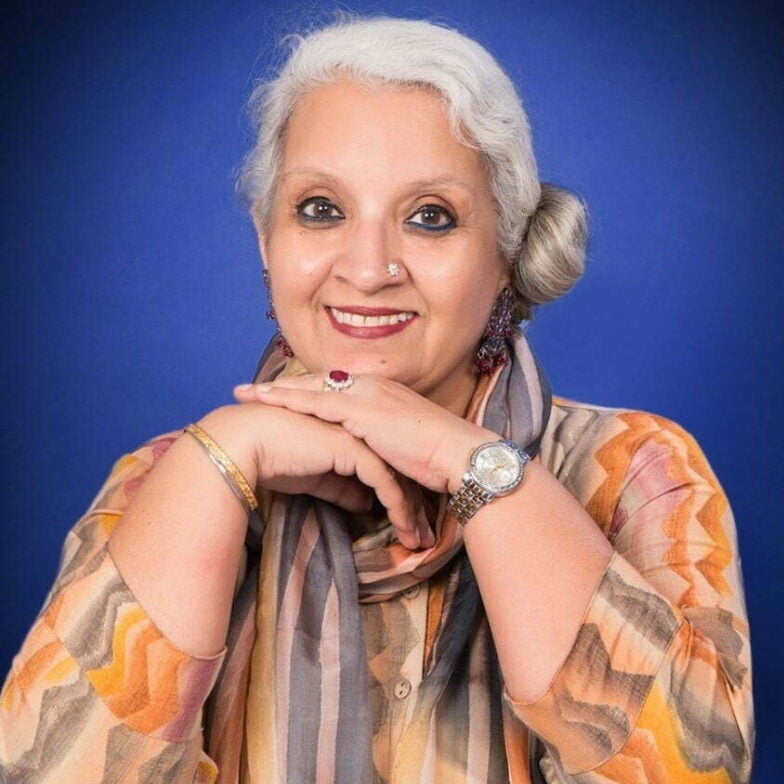
Hello, everyone! My name is Joanne. Look what i'm your host for the inclusion Byes Podcast.In this series I have interviewed a number of amazing people that simply had a conversation about the subject to inclusion belonging,and generally making the world a better place for everyone to driveso to join me in the future. Then please do drop me aligned to Joe Dot Lockwood. That's the change. Happen dot co dot ukas s w change happen dot Co Uk:you can catch up with all of the previous shows on itunes spotify and the usual places.So plug any headphones. Gravity Caf: Let's get goingtoday is episode seventy,with a title, a new diversity,and I the absolute honor and privilege to welcome me to seeingin Asia, describes itself as someone who brings home to people that crying need for generational relevance,and who opens their eyes to the threat. Generational dissidents can hold to our collective mental and emotional health,and asked Nature to describe a super, she said, a deep desire to leave behind her. A generation is more potent, progressive,and productive that her generation.Hello, Nature! Welcome to the show!
Neerja Singhguest
Hi, Joe! It's lovely to be here, and it's like a dream. We were in Dublin just twenty days ago, attending the global Speaker Summit. And here we are across the oceans, doing a podcast on my favorite subject, Generational diversity. Thank you, Joe, for this opportunity.
Joanne Lockwoodhost
Absolute pleasure, and it was absolutely wonderful to meet you in person, as you say, a couple of weeks ago.So natureum! What do you mean by a new diversity.
Neerja Singhguest
We talk about diversity in terms of gender ethnicity, socio-economic differences, but generational is a diversity that is just beginning to emerge.I do believe that it presents very unique challenges.The interesting thing about generational diversity. Joe, is that each and every one of us is going to be experiencing this because we are going to enter different age groups,so everyone is going to be affected by it. There are very special circumstances today that make this a very crucial critical diversity which ought to be studied very, very seriously.Yes, you
Joanne Lockwoodhost
Yeah, I Iyou're right. And I think that's quite insightful. We are all going to a step. Is this experience generational diversity? Because we will all boss, we may stay within our own generational bound.That bound relatively changes as time progresses and new generations. Come along, you cultures come along new ways of thinking. Come along,and we almost like decay into the past, if you like, for a better way of putting it. So. Yeah, it's It's It's something that everybody that we all experience, and it's saying isn't it, We we're all in. We all in the same storm but different boats. So we're all in the same generational um momentum.But we're experiencing in a slightly different way.
Neerja Singhguest
In fact, there are micro-generations today because things are changing so fast, and it is the technology around us that has givengenerations that are coming up now a form of autonomy and agency that perhaps you and Ihave never seen before. So they are very fundamentalsocial systems, dynamics that are under threat. Today, for instance, the collapse of authority, you might have a young person.We feel today that they don't need their grandparents anymore. They don't need their parents anymore. They have such power and their fingertips, thanks to the Internet, one hundred and fifty.So these are phenomena that need to be very, very closely studied, researched, and spoken about, so that everybody at places of work at home in public spaces, is awareof what is at play.And how can we be more productive and happier,who doesn't want a happy workforce that over delivers. Right?
Joanne Lockwoodhost
Yeah, we want discretionary effort. We want that sense of belonging. We want that um empowerment we want that that isis connections within our workplace, and and those those can be tricky when you've got same multiple generations.Multiple viewpoints, both of all thebiases we may be to develop a perspectives in our own life because we've been brought upacross generationally.Our viewpoints are often anchoredto the situation. We were where we grew when we developed, or grew, or or experience something
Neerja Singhguest
absolutely.And we need to remind ourselves, Joe, that this generation gap is unique,never ever unprecedented. And The reason isthat this is not about style, or music, or sexual experimentation or consumption.This gap is about language.There are battles over inclusivity, about diversity and power structures.And just to make a representative case, I usually use two terms: Pomer and Zuma.They are not entirely accurate, but for the sake of argument. Let's say a boomer wanted a paycheck. Once a zoomer looks for purpose. For one, it is satisfaction for the other. It is development. One Once a boss or worked with the boss and the otherit looks for a coach today.One it is a job for the other. There's a life for one. There's a job in a government military public sector, and for the other it's their own business. So there are very, very fundamental differences that we need to be aware of, because at work they present themselves in different expectations, onein different definitions of yes, different definitions of let's say excellence or ethics, or what culture expectations.That's why this new generational diversity needs to bestudied.
Joanne Lockwoodhost
Yeah, I mean the reason, I think that's insightful andopening my eyes is because I I live and work, and I've been spent most of my life in the Uk uh the south of the south of England,and you are based in hydra bad in India. Uh, presumably you've spent a a good proportion of your life in a very similar area to that. So what you're saying there from the other side of the world across several continentsis very similar to my perception of my reality. So this is a cost generational, cross, cultural experience as Well, so we're not saying A a boomer from your continent has vastly different expectations than the boomer for my constant Yes, we have differentum nuances because of our cultures, the fundamentally the desires and needs because we're living in a global world. Now, connected global, we're, we're homogeneizing around common thinking and common experiences aren't we.
Neerja Singhguest
So today each generation is like a culture, so that is one with their own language, with their own visuals, with their own values that they internalize, and they practice. So that is one second, one hundred and one
Neerja Singhguest
in India. There has,you know, the social revolution has happened so fast. Currently several revolutions are going on in my country there is the industrial. There is your political one.The most important is a social revolution, a foot around me, and until the two thousand and thirteen. I was quite blissfully unaware of this generational gap, and how fundamental it could be. There were two incidents, Jo, that happened in two thousand and thirteen.My husband is a fighter pilot, and we were posted at an Air Force base, where a mig twenty one crashed and the twenty five-year-old pirate lost his life.Of course. The plane went down too. Now crashes have happened before What was disturbing about this was the cause. The cause was sleep, deprivation, social media addiction. This young Violet was up at nightchatting up with his girlfriend. Now this is something that did not happen in one thousand nine hundred and eighty six. When I got marriedmy husband was flying those days, and he told me very firmly that escape is very important,that is one. Imagine the extent of the loss, and the second was in two thousand and thirteen. My daughter! She was twenty three. Then she went to depression completely out of the blue for us unexpected. We considered ourselves fairly progressive parents. We read up on thenew ideas around, and we thought we were on top of it.But here we were faced with thisvery desolate, bleak, and frightening experience with our older one, whoall the check boxes. And here she waswith this very dark space that made me set up and start looking around what is going on. And that's how my engagement with generational diversity started,And sothe more I started the more I realized that because of the hyp connectedness to Rajo,whether it's Uk: whether it's South Africa, or whether it's India.This is. There is a mass, mind, you know, almost a colonization of minds, young minds, I say colonization of young minds that is happening around us,So it's hard to saywhat is influencing the young people the next generation all across the world.It is mostlythe same similar information that they are getting from the Internet unfiltered information.
Joanne Lockwoodhost
Yeah, as I As I was talking now, I was thinking that uh,my generation, if you like. Um, we'll always see. I I think you would class as a Gen. X. Uh born in the mid sixty S. I'm, i'm just a Gen. X, not a a a boomer.SoI But I spent most of my lifein a technical. It connected. So I was always at the leading edge of technology. Um, creating knowledge, training other people to use it. And also I spent a lot of my lot of myformative years, my twenties about thirty to fortys, traveling around the world. Um for work and also for pleasure. Um going toworld meetings of of of of in networking and home hosting in people's, homes, and living with people in their countries. So I I've always considered myself to be not a uh,a true Gen. X. So in terms of technology or connectedness, because I I feel like I've got those aspirations. I think one thing that's taught me in the last two years with Covidis that I was already ready for a technical, global perspective and not seeing things very parochial, a very low Cal based, but more what we do globally. Um. So iswhat I think we're trying to say is, we've got to be careful. We don't create stereotypes or label people as being of a certain age. Some some of it is,it's mindset,but I also appreciate. There is. There is some definitegenerational anchoring of my age. That means, I do think, in different ways than someone who's maybe uh a a a zoomer, as you, as you call them. Yeah,
Neerja Singhguest
that's true.The only thing today is thatwhat's happening is again the rate of change.For instance, today the average age of founders of unicorns would be, let's say, thirty, one,and the age of the Ceos will be forty, one, perhaps, and many of them have little guidance or experience to run companies that are scaling very quickly,like they say this has yet no microwave in the market for leadership skills.So one is awareness, a global viewpoint like you, developed because of your traveling, which is, which is great. Butthe otheriswhat is what is going on in in what places, in companies and businessessofar is moving younger and younger, and the older people, many of them begin to feel irrelevant, George Day, and that's a paradox, because longevityis that it gets better and better. People are living longer. They stay healthy. They are quite aware of medical issues, and they would like to stay relevant. And however they begin to feel out of place. So the thing in being aware of generational diversity isto examine and apply ways in which we can include the different generations, and read the benefits of their very unique strength. Because, let's say, for the younger unicorns,there's no microwave as yet in the market for leadership skills, so you can't instantly have them learn how to lead,so they,while the older generation may lack in what you call digital intelligence, maybe team, but they can make up an accumulated in you.So these are ways to get together various diverse generations, age diversity, andmake the most of their strengths. But for that, managers and their leaders have to be up to speed with thehow differently these various generations think, and what their life paradigms are.Finally, that is important.
Joanne Lockwoodhost
Yeah. And I saw so my generation Um, without casting any discussions on your age. But maybe our both senior generation here is that we grew up in a world where leadership wasn'tnurtured with Eq.Or even see queue or d queues d key with an exist that time, so we can open it very much more command to control hierarchical.Um:Yeah. Not necessarily. Dictatorship, certainly authoritative, like leadership, whereas the leadership styles that work better today.A more collaborative, the more transformational, the more bottom up. Um, and some, maybe leaders who areforty forty-five, fifty plushaven't necessarily grown their careerwith that mindset. And that's a That's a real tough,tough, retraining for me at least, to get a head. I understand
Neerja Singhguest
absolutely.Certainlyit is, it is, and it requires an entire process of reframing, their assumptions,being willing to listen, being willing to speak. Only, like they say, twenty five percent of what they're thinking and itYes, it is, but it has to be done. Because today, Joe,we need to appreciatethat.For instance, I call myself a temperature. But what is preaching today? What does it imply? Well, breaching today is start where the next generation is not from where you are,so it's not a bridge from me to the next. You know you are helping them build a bridge from where they are and where they want to go.That is Jed prison here in this case.So that level of empathy, that willingness to acknowledge that things have changed so drastically, Joe, that to tame, For example, let's say something beautiful. I read it says thatour young may need us for the timeless valuesand virtues that makes civilization work, butwe may need them to envision where the future is taking us.They are the ones who are going to envision where the future is taking us. So it's true. What you're describing was a very different form of leadership, authoritative, prescriptive,that is, not working any more, because in many cases a millennial or a G. And it might turn around like seven. But I really don't need them.All my questions have been answered by Alexa by series by Google, What do I need older generation for,and i'm empowered by social media. If I have an idea, I don't have to wait to give a proposal. Have it approved and then implemented.I can just put a note on Facebook. I can put it out on Linkedin, and I can connect with people, mobilize funds and just get this doneso that agency and the autonomy that technology has given to the next generation has really tipped the balance.So we are in a new World job.
Joanne Lockwoodhost
So I mean, if we just think about uh cultural intelligence as a as a concept. The first element of that is to be aware is is that drive that drive to recognize that you need to find out more, and in our conversation about different generations.But we have to. We have to realize that not everybody has that drive has that aspiration. Many people locked into their ownway of working. We get to certain point in our lives where we've been through so much change over our years, we want to to say, Actually, we just carry on as I am now want to stick and and carry on. So for for many now introducing this this new concept of leadership,the way the world works with our hyper connective, we're more in touch with different generations. It must. A lot of people who Haven't perceived this need to to create knowledge and drive around different generations of uh, probably struggling, we struggling. Ha! Actually they?How do they become aware? And how do they embark on this journey?
Neerja Singhguest
So they become aware, Uh, firstly, this podcast that we are doing this is one way, and this is a step closer uh this generational diversity and the need for generational, I call it benevolence, which is not a given anymore.If generations begin to feel that they don't need each other to survive Joe theand that tillthey can, they can get on with their lives, and They live very very polarized, you know the Indonesia, and very narrow,narrow eco-chambers. The same age group will live in the same age Group interact with the same age group. So if you are not interacting with your grandparents, if that is not happening,then this is this is a red flag. This is a red flag for humans, I feel so. That's one. And second is that when they start losing they have trouble with retaining employees.If they have trouble with estrangement from their childrenwhen there is a sudden crisis like I faced. I faced a crisis in two thousand and thirty. That was that was out of the blue, I should have been sensitive enough and informed enough, and prepared enough to anticipate it. I didn't,but we can't afford that. That proved to be extremely expensive and affordable.So when people start tobe faced with these difficult situations in their lives, that's one of your waking up. The other is people who are in a position of authority and power.They enjoy something. Very, verydid they step up to this challenge. Mostly they recognize this, and then they start addressing it, for example, at the workplace,a comprehensivehiring strategy. For instance,there is a lot of lip service show that is paid to diversity. But how many companies havethe processes in place? Diversity, hiring processes in place. So if a generational diversity is acknowledged, companies can do this, the bosses at the leaders can be doing this. They can also make sure that oneother leaders understand the benefits of an age diverse workforceandbasically strategize better. You address employee on boarding team integration,that communication problems that arise from an H diverse workforce are addressed and keep talking to the wider team about age, diversity, normalize it make it make it imperative for people to accept it and to justit anticipated, in fact.And so these are some ways of ensuring thatpeople become aware ofof diversity, and they begin torecognize the benefits that they stand to gain. So a happier life, a healthier life, a better communication, a more wholesome social system, and our collective, emotional and mental health progresses and flourishes.
Joanne Lockwoodhost
Yeah, i'm.I ISo I suppose, as someone in my age and my my late fiftiesis that the on this is now on meto build that bridge as you talk about building the bridge at generations, because the younger generations.I'll probably looking down. Not up.So we we have to disconnect. We have to take responsibilities, the older generation to build that bridge rather than the the younger ones to meet us halfway. Is that right?
Neerja Singhguest
Yes, absolutely. And to prove my point, let me talk a little about what is coming up next, we are talking about generational C agency. There is an Alpha generation that's coming up next. So children who are born in let's say, in two thousand and fifteen, two thousand and sixteen.Ah!That there is debate! Some people want to say that the Alpha generation came in at two thousand and ten, buttwo thousand and sixteen, Let's say, because a lot of a lot of very pivotal points pivotal events happen in two thousand and sixteen. Sothis generationthat there is a There is a Whatsapp message that was doing the round some time ago. You may have seen it. There is this pitcher of an Alpha toddler trying to.Ah, he that that the child is using the index finger on a book and trying to move it and treat it as a smartphone or a smart screen. He hasn't the child Hasn't seen a traditional book. The child doesn't know that this this thing has to be opened so that they can look at the pictures.A very, very immersed generation, completely, most immersed generation in technology. That is one. And also remember that every generation is a product of the world that they grow up in. And this particular generationis very interesting, becausefor them,pandemic, mental health. Of their parentsthirty three percent of their lives has been affected by watching a particular brand of adulting, which includes a very polarized world.
Neerja Singhguest
Well, uncivil world yelling, going on, neighbors not being neighborly. I've talked about the even the political leaders we've had during that period. So they've seen all these events and onethey are.Ah, there are certain things which are predicted about this generation. It's also said it's too early to seen too much, because that kind of research isn't, very accurate. When you're just, you know, basing it on very, very young people. However, this generation will be the most educated oneI mentioned. They'll be most tech embossed. They'd also be most materially endowed generation, most impatient generation.The generation that gets the root with Alexa screens at an excelalso very self-directed most self-directed generation ever and the other generation they'll be used to giving directions to technology as well as receiving directions from technology. And, interestingly,this generation is going to experience more virtual relationships, perhaps, than human ones because they areworking with robotics,not electronics. There's a difference there, andthey, unfortunately they're also a generation that's going to be probably probably spending their childhood without both of thembiological parents.Sothe three is the three is that willprobably again, probably because this generation is very young. They say that they are going to define in this generation as the level of autonomy is onehigh level of autonomy, because you're working with a tablet in preschoolanxiety in preschoolbecause they are exposed to the war in Ukraine. You can't keep it from them.They are exposed tothat. There is a talk that the extinction of child likenessandextension of childishness whichwhich may happen with this generation, because in the later years you want to compensate for what you lost when you were younger, and finally your own agency.They have this sense of agency. They don't feel the need to need to put their ideas into practice.You have Youtube, that can teach them quickly how to do what they want to do. And then there is social media to getwhat they want.So today, Joe, What is being spoken of is that parents and bosseshave to stop being guards,but begin to be guidesfrom guards to guides.So These are the kind of you know, the reorientation, reorientation of our perspectives and our approaches when when managing, when taking care of the younger generation. This is what we need to be aware we need to anticipate. We need to anticipate what is coming at us and not assume wethat this is how it's going to be. Do not assume,
Joanne Lockwoodhost
I think, as you're talking there. I'm finally understanding about building this bridge. I'm i'm finally understanding because what I am doing is I've I've recognized
Joanne Lockwoodhost
some of the things you just mentioned. I I can't function with that, my Alexa.It turns the lights on it as a telly on it it. I change the color of light. If I could control even more of my home with it, I would just be shouting at it. And and you're right. I get really really frustrated. If it doesn't do what I say. So i'm i'm acting already Petulant was my my my digital assistance. So I'm:I'm. Now have to reach into the modern technology and bring that to me, as you say. So i'm building that bridge upwards to me and Youtube and tik Tok: I'm. Now i'm now, uh absorbing the knowledge through these channels, which is is the native, for, as you say, jen out for even a a to it.I i'm being driven by technology. My, what beeps at me tells you to stand up. My watch tells me it's raining. My watch tells me it's going to stop raining. So i'm now taking instructions for my Ai or my digital assistant, as well as giving instruction. So everything you're saying Now i'm thinking, Hang on with it.I've bridged into this world, and I've had to build that into my life. Um, it helps. I'm a bit tech savvy. It helps. I have a bit intrigued by all this. Um! It would definitely scare people who are maybe not in that environment uh who are maybe detached from technology where that wasn't part of their business.So yeah, and yeah, we weFacebook, the metaverse.And you said that we we're living our lives in in this digital world with digital relationships, digital everything, and even deep fake technology. I it.We don't need actors anymore. We don't need voice. I was actually thinking the other day, If I wanted to build a show, real or a video training course, I could. I could create a diverse set of actorswith A. Idevelop an entire course and give it a script with different actions, different languagesin time, maybe not quite today, but by this time, in three or four years time I could to build all of that for my computer and and build a complete film as an amateur, let alone what Hollywood, let alone what everybody else can do, and we've already seen. Is it aCarrie Fisher played Princess Layer in Star Wars? She was Avatar Wasn't she, and that last steps in that last one she'd already died, and we've seen the aging going on. We've seen all these kind of things
Neerja Singhguest
erez agmoni and bolograms for speakers and leaders holograms where you don't need to be present physically to be able to do that. There's a famous story in India, because in India and some of the religious during elections. One of the political leaders, one hundred and fifty,and, in fact, a prime minister. There was a hologram, and the reporter narrated how the religious tentatively stepped up and pulled back the curtain to see Where has he disappeared? They couldn't believe that he was not there. One hundred and fifty.It caused them such amazement and surprise. So yes, technology is. It is going to change.It's already changed, and with the Ai already already so integral a part of our lives.
Joanne Lockwoodhost
I I I see it already with my parents, who arelate eighties, early nineties, and they are used to having a certain level of trust with authority. They see authorities being the police, the bank government, so they take without question instruction and order from people in authority,and that manifests itself as as as being targets for scamming for fraud, because it's very easy to create that that power perception of somebody in authority to instructmy parents how to behave, and they they just go. Okay, you and authority I will be. I will listen. I will do as you tell me,my generation and younger. I'm more savvy. I I I start with. Everything is is like it to be a scam until I can prove otherwise, especially if it has money, or they want something, so I always i'm with it. Kind of can't keep. Prove it to me to me. Okay, I now trust you.So what i'm saying here is when we talk about deep fight. Talk about Ai, which is all this. We just talked about that the challenge there is. The emerging generation are going to have to build trust into into the interfaces here that I, as A. As a Gen. X won't understand, and i'll be vulnerable to.So they will deep distrustvideo media television imagery because I will know about deep faking inherently. They'll be living in that metaphor.Whereas I won't. I Won't. Just mistrust that yet I have to. I have to build that bridge again and and learn that that modern concept of of of it, and build a new trust with technology, and that'sI could see why my parents are worried about that. I'm not thinking, How do How do I? How do I live in this world.
Neerja Singhguest
No, that's true, because there is a trust deficitas it is you. Andagain, you know there is it.I have to say this that um wisdom is, and the everybody says, Don't stereotype and Don't studio time by generation. But the fact is that they are stereotypical. I mean they are about stereotypical. There are characteristics that we can useto address wellness programs for generations. For instance, you just mentioned trust and authority for a boomer for me a Doctor's word isthe Bible. He knows what he's doing, he says, but i'm not going to question the doctor, but for the next generation, for the younger generation. What they're going to do is first go online and do all their surfing, and that's where the anxiety also begins. One hundred and fiftyat what they need. I realized that that with my daughter who went into depression, and who had to see doctors and psychiatrists,she she needed a partner. She didn't need an authority figure, and a wellness program for her would have been ideally something that included not just nutrition, but financial planning, mental health. All of this a middle ground, so to say,so. The needs of every generation is very different.You look for somebody who can partner with youin your recovery,but not not an uncle, not an uncle psychiatrist, who, you know, telling you, put on your shoes and go and run, or you knownot, is not compassionate enough enough with behavioral health. Let's say challengesso,and that's That's where, if they were more aware, if they were more open and compassionate, and judged a little less and more aware of the circumstances of the next generation and their struggles.Then we could help them stay important, and they could prevent lives from spiraling out ofout of control.That is what I feel very strong in your budget. That's why we need to understand what is happening and What are the new realities that we are dealing with?We need to be proactive. Step up and find out. Anticipate. I write a column, Joe. I write a column. I want to mention that, and I got it a step ahead.So parents, teachers, posesbe aware of the language of the next generation of what their belief systems are, of what they value of when they are going where they want to be,andthenbe therebe the ally, be an assetbe relevant,be relevant because the mandate are mandate. I believe every generation's a mandate is to leave behind one that's more important to progressive anda productive.
Joanne Lockwoodhost
So you've been used used to micro generations earlier, and I'm: i'm seeing in in my own reality that the pace of change is far more rapid. Yeah, it change. We don't go back one hundred and fifty years. Society fundamentally didn't change that quickly. We went frommany hundreds of years, using horses to suddenlysteam to suddenly from steam to pet, for from petrol to it. Yeah, and that pace of change we're going to the moon with with with it crossing planets, so I can see the pace of change rapidly increasing, especially when we're talking aboutclimate change,planetary care, sustainability, removing plastics, which is whatthe younger generation really deeply care about. They care about their future, their planet, they they, they, they they've owned it is their planet now, not ours.
Neerja Singhguest
They get their telling us so. The same cannot show the to die of the way, to have the luxury of time of old age.They could die of climate. Some other catastrophe,which is, which is, which is pointing, which is not right, which is unacceptable, which is not the way of nature, which is not the law of nature, and therefore again,and for workplaces for leaders, for managers of the new generations. They need to really be clear on what leadership, Let's say we were talking about the Alpha generation, which is the time going to be joining the workforce. What is the leadership of Alpha going to look like one?What are the skills that leaders will have to focus on with this generation,for instance, and not just out by even change the the generation that is right now one thousand nine hundred and ninety, five or one thousand nine hundred and ninety, five, one thousand nine hundred and ninety six onwards.
Neerja Singhguest
The emotional development,Joe, so focus on development of the emotional,the emotional Ah, sorry, the emotional management, the self management. That is what we are seeing around us. With young people. The self management is somewhere going all right, one hundred and fifty.The one more thing you see, and I saw that with my children my children are in millennials.This is served in repressed anger,and sometimes it's that anger which is manifesting which is presenting as depression. There is a lot of anger about the state of things around them,about what they see, as what they perceive as injustice. How the world has been messed up Greater Thunberg is an example, a young girl standing in the Urban Parliament and saying, i'm redust from book i'm sixteen, i'm from Sweden, and then I want you to panic.So there is this sense of urgency that things are spiraling out of control.Uh which again, I talk about this, which is why we have to which which is Renaissance also around us. When a generation feelsthat they arenot in control of things, that things are slipping out of their hands. That's when they turn tolet's say portions or portions, or the lunar, the Lunar Festival land.Oh,I I I don't know if you're aware, or you're kind of you know about the which is run a solar. So. But I was really really struck by this new development of how the young people are trying tosoothe themselves literallytempting with these interpersonal skills, and how to manage conflict andhelp them cultivate deeper relationships.That's that's That's a that's huge. Today. I mean a lot of young people are not able to sustain relationships,and of course promoting physical activity, outdoor exercise. So these are some of the things that leader of the next generation needs to be focused on.
Joanne Lockwoodhost
Yeah, I
Joanne Lockwoodhost
But when I was growing up, you know, when I was sixteeni'm not I. I wasn't hy for aware of every little thing going on because you were. You got the news once a day. If you were lucky as a teenager, you probably didn't watch it or care about it.So I think, becauseyounger people are hyper connected with devices. They're getting notifications. They're seeing the news pop up. They're seeing this the Facebook is on everywhere. I want to talk where they're going, so they they can't ignore it, so that, as you say,they becoming hyper aware that they being, I, I would say, overwhelmed with knowledge and data, where,if you're sixteen years old, four years is a quarter of your life,if your for our generation. It's five percent of your life.So what is a big deal to when it's a quarter of your life is it becomes less of a big deal when it's such a small percentage of your life. And obviously time goes quicker when you're older, because you perceive it because you've done it before, and it's in a different different frame. So yeah, I can understand why the younger generation are feeling thisanxiety. This overwhelmed when we talk about well-being is mental wealth being is is more hyper intense than physical. Well, being in in many cases. And you said the point about the doctor is, I want my doctorto know how I feel, not where it hurts. I want to know how I feeling about something, and I I guess the when we talk about the the next generation of of medical intervention. Here is it's about treating my my mind as much as treating my symptomsand making me feel as though I trust you as you. I've done this. I've walked into my doctor with Google on my phone, saying,I've got I've got. I've got. I've got colleagues, and my goal bladder needs to come out and they went. They'd be They'd be so hasty we need to do ultrasound to them on my scared. I said, what you need to do.It's three weeks later they admit you me to hospital to my go blood around. Um, but I I self diagnosed this through. Um, I can't. Yeah.Goldstone support grips online through Facebook channels through this and people's lived experience. I mean, that's exactly what I have to be. That's exactly what. So when they started telling me that I had the indigestion, I said, No, it's not in just you. You're not these aren't the droid you're looking for. This is completely different. Sobut yeah, I mean, okay, I'm: i'm A:I've built that bridge, if you like, into that technology zone. So I I feel quite comfortable doing that. But again not everybody is, and it's it's a real challenge in business. Isn't it, becausewe we, I, as I always say is, you can't be inclusive by excluding people, and we're going to recognize that some peoplewho aremid life later life. They, their their role has changedimmensely because the rapid change of pace, of of technology, et cetera.Our organization is doing enough to help them build that bridge. We talked about, help them retrain, help them to become more relevant,or we just assuming everybody has to pick it up from sales, and I think that's the challenge to business have is seeing the worth of peoplein their fifties, in their sixties and in the seventies, becausethe reality is, most of us were better retire because pension funds are depleted. There's more people drawing than I've ever contributed. Um! Our health is actually our averageuh lifespan actually going down again. Now isn't it. We're becoming, I I think, for the first time, many generations. But we're dying early, and now due to pollution and mental health well being and other other factors. So there's a lot of. There's a lot of challenges for the older generation to try and adapt to the younger one, and and it's, I suppose it's the prerogative ofnot to care to be to think about yourselves rather than what went before you.
Neerja Singhguest
Yes,and that's happening.You mentioned anxiety. II know that for some young people just a buzz of the phone, cause they're not stupid.It's like, Oh, what? Oh, what's coming Now You know what's the message now. Sothat's happening with young people. And you talked aboutthe doctors. Joe, my my my daughter, my thirty, one year old, would also talk about the Pharma big Pharma frauds. So my personal is political. For many of this generation they are social justice warriors, andthey choose. They choose, they take sides, and she would say that I don't want to eat medicines, because these, you know, pharmacy companies areuh lying or uh it's it's very commercial that profit oriented, and all kinds of uh bigger, bigger issues would sometimes of influence the decisions, and our attitude would be. The doctor has told you to eat this medicine just to take the medicine. This is for your good one hundred and fifty.But there was so many other underlying concerns that wouldinfluence their choices.Soyou talked about the onus, whether the unusuh should be with the young one. Did you say that with you? I don't believe that the
Joanne Lockwoodhost
meet us halfway, or at least help us with our bridge.
Neerja Singhguest
Well, that will not happen just by wanting it to happen that's going to happen withwhen we build a sense, give them a sense of connection where they feel invested. Enough, like, I said, the reality today is that it's easy for the younger generation to mean just.It is a cancelled culture, just just shut out People just shut out ideas that Don't.I know you have people who aremoving away from their biological families.They they are charting, they are writing down the living wills in which their friends are involved.So they're creating families outside of what was once therereal family. You always say this is a real family. It's a biological family. Well, that family.It no longer holds the kind of sanctity that it once held.Then, like young people who are not marrying today, Joe, the young people, if they're marrying, they don't want children. They don't want to havechildren. There are. There are countries where the you know the rate of replacement and how that is going.They're not enough to. Yeah, that the population is going down bad for iconically bad for society. It's not a good sign for survival of the human species, i'm saying one hundred and fifty.So when you say that the owners ought to be on the younger one. Well,that that's going to happen. Only if they feel hard seeing, andif they feel that term.There is a genuine desire from the older generation, too,to help them. I think they have a very keen bullshit meter, and they they pick on that very fast. Sonone none of that works anymore. I've I've you know. I I've done that with my children, and I've been told. Now I've been passive, aggressive in my communication, and all of that. They they they they very, very quick, they very sensitive to all of this. I I I go so far as to say that you feel as though they can read your mind.So be very, very, very straight. Cut out the nonsense, cut over the shaft like, get to the core,and then, if they then they begin to trust you. They are coming from a place of integrityand a clean desire to help,that is, when they might meet you. Coughthat that's that's what my experience has been to,
Joanne Lockwoodhost
and that's going to create a challenge in the business world isn't it becausewith the leaders and the senior people in the organizations are disconnected from the younger generation,and the younger generation is is not taking any part of responsibility to build that bridge it. It's all on the oldest of the leaders, and if they don't recognize that they need to build this bridge. They just get it. It's going to grow wider, and then it's going to be poor communications. Anduh, we, we're not gonna be collaborative, and all the all the good things about the modern way of working won't be realized in some organizations where that bridge can't be built
Neerja Singhguest
suddenly. That's why leaders and business bosses have to stop operating from a place of fear and a place ofthis fight, or flee, or just shutting the cabin. And because you are not able to communicate with them,that I don't think that's working with a lot of people, and this is the time to make an attempt.Make an attention for yourself. Get into the trenches with them, and try and understand, because remember theAh! There are micro-generations today, and more and more age diversity coming in that many different cultures, If you accept that in generation is functioning like a culture in a cell, and it's that big a headache and exhaustion of communicating with this onevast variety ofUh!Well,you know generations.Sowhich is why I say that this is a subject thatit has to be taken up, and this subject that has to be studied and addressed and talked about.You can't just presume that communication is happening on its own, and you know you are communicating, and it's working. It's not working. It's not working.There are very different ways of, for instance, authority. Some of them are.They just don't accept authority.They don't understand it.So what are you going to do with a workforcethat might tell you If you are the boss and their phone. They get a phone call and they pick up the call in your presence and go so far as to tell you to go out of the room, so that they can have some privacy with their call.This is a new. It's a new template.But if you made an effort to understand where all that is coming from, where their behavior is coming from,thenwe can have that productive and happy workplace,therefore very important to study this new diversity, be aware of it being conscious, andget into it,
Joanne Lockwoodhost
because right now we have five generations that we there's five generations that bridge has multiple spans to get down to the bottom doesn't it
Neerja Singhguest
so, Joe. They say that never before in mankind's history have so many generations been alive because of longevity,andthat many generations that that many years aboutearlier it was closer. So there were three generation they would be yesterday, today, and tomorrow.Today is different. So this is an unprecedented age. Diversity that we see around us
Joanne Lockwoodhost
on the message you're saying, hereis it's cross-cultural as well cross continent cross time zone cultural, and we can't look at it in isolationand be siloed into our own thinking. Because the world is global, We're connected globally. Um things that happen on one side of the world have impact on the other. We saw happened with the Uk economy when we tried to play with our our interest rates, and it Here the markets around the worldkicked in what's going on in Ukraine with Russia. It's affecting the global markets. Everybody is interconnected,and you add into that. As you said, this generational diversity that is inherent, and it andit it it so in eight into our livesthat we can do really is, is, learn to adapt around it or be aware of it.
Neerja Singhguest
You have to be aware of it. You have to treattreat them not as as so they are all the same. They are not,and you have to treat them because each person is different with their own, and needs their own expectations. Andagain the need to build a bridge and not be a wall. Joe, we talked about creating a bridge, and thefinally, I would say one particular phenomena that could and is working beautifully where people have managed to pull into office, reverse, mentoring,reverse mentoring. If we practicedthe right way,can give phenomenal phenomenal results, and probably is the answerto all these generational issues or dissonance that we face around us at work and at all.So they would be the secret to every generation, adding and gaining value from each other from each Other's stress
Joanne Lockwoodhost
was the voice of the pitfall of the the reverse, mentoring being a one way street, where the thethe most senior person does all the drawing of the knowledge without giving back, so sometimes they'll be careful with reverse mentioned. This could be truly symbiotic. A win win. A Both parties have to get some, some inspiration and some motivation out of it, and I and I think that goes for also.We think of other other elements of diversitybe able to understand different lived experience, different, both challenges different needs. That's an excellent Well, I I agree with reverse mentoring is it should be baked into many leadership uh development programs. And uh, yeah, and we can learn absolutely. It's an art. It's an art and science of reverse, mentoring
Neerja Singhguest
an entire subject.
Joanne Lockwoodhost
But itnature, I mean, we've been chatting away for just over an hour. Now it's time is flying. Um! We probably both age generations since we've been talking. Um, Jen, Charlie is is is already on the way somewhere. Um, absolutely amazing. Soi'm sure our listens would love to be able to get hold of you. Um! I believe you got a book a website Linkedin prefer to to tell us about your book test about how how we get all of you.
Neerja Singhguest
Yes, I have written for books, Sir Joe, on generational issues, andI have an author's page on Amazon. I have a website. You just sing comwith the Url, Http. Ps. All of that you're just in com, and my linkedin is also linkedin com and new. Just signature. Singand Twitter is Underscore, New Jersey,
Joanne Lockwoodhost
fantastic and just for people who are listening. It's a nature is N. E. E. R. J. A. And Sing is S. I. N. G. H. So if anyone do aneeds to help the spell in that. But you also find all the teachers on the show notes on this podcast as well.Amazing. Thank you so much. It's been a a absolute pleasure to meet you in person a few weeks ago, and also catch up in now, and I appreciate your time and
Joanne Lockwoodhost
so huge. Thank you to you. The listeners tuning in for getting to the end of the podcast. I always appreciate it when my listen to get to this point to the show. Um, we've obviously inspired you to keep listening. So please keep describe to keep updates on future episodes of the inclusion bytes. Podcast. That's the it. Yes,please tell your friends, please tell your colleagues, please share the love and the links.I have a number of otherexciting guests lined up that i'm sure you'd be equally inspired by over the next few weeks, months, maybe even years. And remember, if you'd love to be a guest, i'd love to have you on, and I also welcome any feedback suggestions. So please contact me at Joe Dot Wilkwood St. Change up on the K.And finally, my name is Joanne Lockwood.It's just been an absolute pleasure to host, this for today. Catch you next time, Bye,
Joanne Lockwood is joined by Neerja Singh to explore “a new diversity”: generational diversity, and why it creates distinctive tensions in today’s workplaces and wider society. They discuss how rapid technological change, unfiltered online information, and shifting expectations of authority are widening the gap between age groups, creating different definitions of work, purpose, success, and even what good leadership looks like.
Neerja shares personal catalysts that led her to study generational difference more deeply, including the impact of social media habits and a family experience of depression. Together they examine how younger generations can feel overwhelmed, anxious, and angry about the state of the world, and how those pressures show up in communication, trust, and relationships.
The conversation focuses on what leaders, managers, and organisations can do: moving from command-and-control to coaching, building bridges rather than walls, and designing more intentional approaches to age-diverse teams. They also explore practical approaches such as reverse mentoring, the need to normalise age diversity, and why creating connection across generations is essential for healthier, happier, and more productive workplaces.
“This gap is about language. There are battles over inclusivity, about diversity and power structures. For 1, it is a job, for the other there's a life, for 1 there's a job in a government, military, public sector, and for the other it's their own business.”
“The thing in being aware of generational diversity is to examine and apply ways in which we can include the different generations and reap the benefits of their very unique strengths.”
“Today, our young may need us for the timeless values and virtues that make civilization work, but we may need them to envision where the future is taking us.”
“If generations begin to feel that they don't need each other to survive, and that they can get on with their lives and live very polarized, this is a red flag for humans, I feel.”
“This generation will be the most educated. They'd also be most tech immersed. They'd also be most materially endowed generation, most impatient generation. The generation that gets rude with Alexa, screams at Alexa. Also very self-directed, most self-directed generation ever.”
“The needs of every generation is very different. You look for somebody who can partner with you in your recovery, but not an uncle, not an uncle psychiatrist who's, you know, telling you put on your shoes and go and run or, you know, not, not, is not compassionate enough, enough with behavioral health, let's say challenges. So that's that's that's where if if they were more aware, if they were more open and compassionate and judged a little less and were aware of the circumstances of the next generation and their struggles, then we could help them stay potent and we could prevent lives from spiraling out of control. That is what I feel very strongly about.”
“There's a lot of anger about the state of things around them, about what they see as what they perceive as injustice, how the world has been messed up. Greta Thunberg is an example, a young girl standing in the European Parliament and saying, I'm Greta Thunberg, I'm 16, I'm from Sweden, and then I want you to panic.”
“You can't just presume that communication is happening on its own and you know you are communicating and it's working. It's not working. It's not working.”
The goal is for each generation to leave behind a more potent, progressive, and productive world.
Questions this episode helps answer
How do you think the younger generation's ability to easily cancel people and ideas they don't understand or support affects inclusivity and diversity?
What are your thoughts on the trend of younger people creating their own families outside of traditional biological ones?
In what ways do you believe the choice of younger people not to marry and have children might negatively impact population growth and the economy?
How can the older generation make younger people feel heard, seen, and genuinely supported?
The speaker mentions that younger people have a keen ability to recognize dishonesty and expect honest communication. How can leaders and companies build trust and show integrity in order to connect with younger generations?
How would you describe the importance of generational diversity for societal survival and well-being?
Explore topics
Ideas from this episode
Inclusive Leadership Management
Belonging
Allyship
Change & Transformation
Community & Connection
Resilience
Share this episode
Heard something worth passing on? Send this conversation to someone who needs to hear it.