Discover the power of authenticity, first impressions, and the intersection of passion and ability in this thought-provoking episode of The Inclusion Bites Podcast.
In this episode of Inclusion Bites, Joanne Lockwood speaks with Sylvie di Giusto about careers growth confidence.
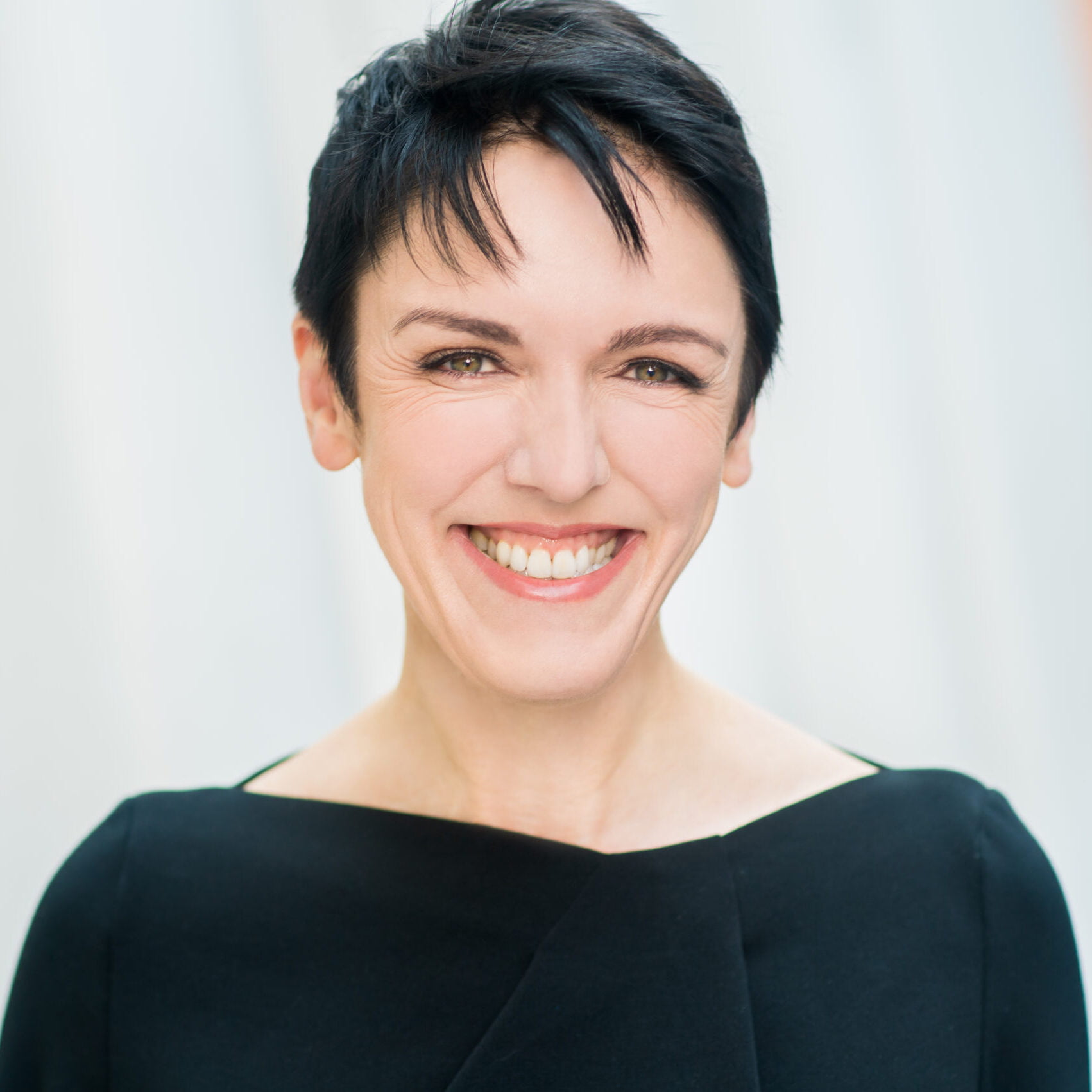
Hello, everyone. My name is Joanne Lockwood, and I am your host for theInclusion Bites podcast. In this series, I have interviewed a numberof amazing people and simply had a conversation around the subject ofinclusion, belonging and generally making the world a betterplace for everyone to thrive. To join me in the future, thenplease do drop me a line tojo.lockwood@seechangehappen.co.uk that'sS-E-E Change Happen dot co dot uk. You cancatch up with all of the previous shows on iTunes, Spotify andthe usual places. So plug in your headphones, graba decaf and let's get going.Today. It's episode 73 with the title You'veSeven Seconds, Make Them Count. And I have the absolutehonour and privilege to welcome Sylvie di Giusto. Sylvie describesherself as someone who helps professionals around theworld understand what their first and lasting impressionsays about them and how it impacts the way they perceivethemselves. When I asked Sylvie to describe her superpower,she said in her work, it's substance, significance andcreativity, and at home, empathy, happinessand responsibility. Hello, Sylvie, welcometo the show. Thank you so much for having me. I'm so
Sylvie di Giustoguest
thrilled and excited to be with you. I've been looking forward to this
Joanne Lockwoodhost
as well since we met a few weeks back, that conference in Dublin. It'sbeen great to have you finally here. So,Sylvie, tell me, You've SevenSeconds, how do we make them count?
Sylvie di Giustoguest
Well, let me start with an example, one that you actually just mentioned. Afew weeks ago, I had the pleasure to join a conference inDublin where some of the most successful speakers from around the worldgather to learn. And just imagine me walkinginto this room where there are around 300 people,and instantly, within the first seconds,somebody in that huge crowd stood out to me. Iinstantly saw her, noticed her, wanted to knowmore about her, wanted to get to know her, wantedto feel out that person because she stood out. And guesswhat? That was you, Joanne. And so you made your 7seconds definitely count, because we knowthat it has nothing to do with the fact if you are a good humanbeing, a bad human being. We walk into meetings atwork, we walk into meetings with clientsand people instantly, instantly kindof judge you, like it or not. We make assumptions. And in thebest case, those are good assumptions, like I had about June. And Iinstantly thought, this is a person I need in my life. And I'm soexcited that we reconnected.
Joanne Lockwoodhost
Wow, you kind of maybe got flustered there.Thank you. I'm very honoured to think so. And I completely agreecompletely that we are, as a human species, we are kindof have this bias, this fight, flight, freeze mechanism in ourhead. And that 1st 7 seconds is that windowof opportunity to establish who we are with somebody elseisn't exactly and. Again, it has nothing to do
Sylvie di Giustoguest
if you are a female or a male, if you are old or young, ifyou are your body or in the body of Mother Teresawe all do it. It's actually brain performance happening. There isscience behind it that tells us kind of exactlywhat happens in our brains. It doesn't really matter if it's 7 secondsor milliseconds if it's 11 seconds. There are different studies outthere but all of them have in common that we doform opinions about somebody instantlybased on what I call theABCDE of a first impression. And if you don'tmind, I run you quickly through that framework that you knowhow you can use this to your advantage, especially atwork. The A stands for your appearance, the wayyou look. Like it or not, we are all visual creatures.Our brains are actually quite lazy. They don't like towork so they take a shortcut through our eyes. We look atsomebody and instantly, based on their body image,their clothing, their skin, their teeth, their smile, theirhair, their accessories, we think we know something about thatperson. Is it fair? No, it isn't. Does ithappen? Absolutely. But just to be clear,looking good is great, but it's not enough becauseat one point we are going to be for behave yourattitude, is it positive, is it negative?Do you have the aura like you have that I instantly wasgravitating towards you and thought I want to know more about thatperson based on her behaviour, emotionalintelligence. How do you,for example, apply business etiquette skills? Do you look somebodyin the eyes or not? Do you shake somebody's hands or not? Are you onyour phone all the time? So how do you behave in micromoments that might not be relevant to you but at work mightbe relevant for your client or for your boss or for your teammember and then at one point you're going to say something. Soit's the C four communication and it's about whatyou say and how you say it. Let's first start with howyou say it. Your voice is a very powerful tool. It's like aninstrument that you play every single day and most of usnever learn to play that instrument, we just play it.And how do you communicate? Are you a clearcommunicator? Are you a passive aggressive communicator? How do youstart conversations? What do you actually say?Your tone, your pace, your voice. Do you have anaccent like I have? Do you have specificpatterns, communication patterns that you applythat ABC with a very common model?I have added the diesel for your digitalfootprint because I find that nowadays mostoften we don't make a first impression anymore inperson. I was lucky to meet you in personthe first time, but in reality most often we makea first impression with the emails that we send with the social mediaprofiles that we create with the conscious and unconsciousdigital footprints that we leave behind on theinternet. And if you are at work and think,well, my social media that is personal, that is private,that has nothing to do with my personal, with myprofessional life, then you are very wrong. Because if there are two thingsthat don't belong together, it's the internet and it's private. Right.And then the environment, the environment youoperate in, the E Four environment, the people you hangout with, the people you surround yourself, are they allalikes? Lookalikes or do you putconscious effort into surrounding yourself with people youcan learn something from, but also your environment, suchas the office, the car that you drive, the house that you live, we aregoing vacation. Everything that we find out about you andyour environment will influence the instantopinion we have about you. So thank you verymuch for letting me quickly run through. But now you knowhow with your ABCDE you can actuallya little bit control the imprint you make onothers. What you can't control, and you are such an expert in thattopic, is which unconscious biasesyou are fighting on the other side.
Joanne Lockwoodhost
Yeah, that's really, really interesting because one of the things I'vecome to think about over the last few years is that whilst we want tostrive to eliminate unconscious bias to createfairness, create opportunity, as anentrepreneur, as you are, we want to play thosebiases. We have to understand the biases that are in play. Andas you say the ABCDE, we haveto think about how we're going to come across. So we want toinfluence someone's bias positively, not letthem almost like control that conversation inthat way, isn't it? Because we're giving them the help that we want to beperceived, they're then reacting to the information we're providing.So I think if you think about sales, we think about marketing, it's all aroundplaying to someone's bias or their emotions ortheir connection. Whilst I love to removeunconscious bias, I want to make sure that I'm playing the biaspositively. I love what you said about the digitalfootprint. I've been very conscious that mypersonal and business life online presenceare blending into one. And I'm not saying thatI'm inauthentic, but I am very measuredabout the stories I share personally and I'mvery conscious about what it says about me.If I'm going to say that I'm sad and unhappy or struggling orstressed, I put it in context notas a wound, but as a scar. So I'm saying thetakeaway from this is what I've learned from this. I think what you'resaying there is we've got to be there's 7 seconds, as you say. 10seconds. 7 seconds, 2 seconds. ThisABCDE is beyond just that first visualimpression of someone, isn't it? Absolutely. And when
Sylvie di Giustoguest
it comes to your digital footprint. I know that many peoplethink, well, let me just be authentic online the way I'm authenticoffline. But here's the problem with authenticity,something that authenticity means I don't have to careanymore. I can just do, say, behavewhatever I want. And I think the opposite.Obviously, you are a human being with ups anddowns. We all have them. But at the end ofthe month, at least, I rely on a paycheck and so do manypeople who work in corporations. So I need to take intoconsideration that, yes, I should be authenticeven online. But there is kind of alimit on how I can share my opinions,always knowing that possibly I can offend somebody onthe other side, for example, or also being aware ofyou don't know which opportunities you miss out because of yourdigital footprint. We don't know how many clients don'tcall us to speak at their conferences becausethey found that post online or that picture online, orthat email that has been forwarded to them and we don't even knowabout it, and decide, no, that is not the speaker I want to workwith. Yeah, and I suppose the rule I
Joanne Lockwoodhost
have is that my mum is on Facebook,so whenever I post something, I think mymum is going to read this. Yes, how do I want my mum tointerpret it? And my children and my wife and myfriends, not just my business professionals. ButI don't want to alarm people. And Iconsider myself quite a positive person. So any post I havethat has a deep reflection has to havea positive outcome, or at least say, this is how Ifelt, this is why I'm down, this is why I'm not feeling great, butI'm taking away from this positivity or this is what I'm going to bounceback. So I always have that kind ofmantra, if you like, in my social media posts, to leave people in astory and a journey and leave them with a punchline that's positiveor at least informative or something to take away. Andthat's not inauthentic. And I agree with you, authenticity isn't being able tospeak without regard, notbeing offensive, being derogatory.People who take that view of authenticity, I think, have misread thesituation. It's about being true to yourself, but alsounderstanding your place in society as well. I think you have to understand your socialresponsibility. Some other thoughts.
Sylvie di Giustoguest
First of all, I'm excited that you put so much effort into this and alsoalways ending up ending on a positive note, even if youshare something sad or something that impacted you negatively.Because the reality is, if we don't need one more thing, it'smore negative. People, even in the online space, right? We all liketo surround ourselves with positive people who allhave struggles. You and I have struggles, and you can absolutelyshare those struggles online as long as you always keep inmind who is reading it and how could they possibly interpretit. And I'm going to add two more Ms for you. I alwayssay your mom should be able to read it without having aheart attack. Your manager and your minister.The three m's. Three M's. In the end, it's all aboutshowing respect. I think respect is incredibly important.First and foremost, respect for yourself, becauseyou are the most important person in your life.You are the CEO of your career. It's not humanresources, it's not your boss, it's not your CEO.You are the CEO of your career. So you need to showyourself some respect in that role. And then, obviously,only if you show respect to yourself, you have the capability toshow respect to others too.
Joanne Lockwoodhost
Yeah. One of the things I don't know if you remember, there was I won'tmention the person in detail, but there's someone atthe conference we were both at and he was talkingabout the fact that he would never share his political viewsor otherpolarising beliefs he may havein case it turned one side offor lent. Or he would, as you say, lose business.I take a slightly different approach that I would rather say whatI believe, say why I believe something and if thatturns people off, for me, it's almost like we probablyweren't good fits anyway.My identity as a trans woman can polarise people. I'm not going to hidethat I'm going to be me. If that turns you off, then that'sfine, because I recognise that it's going to turn more people on orthe right people on than the wrong people off, sort of thing. SoI think in terms of my authenticity,hinting at my political beliefs without being a politicalcommentator is important because I want to talk about social justice.I don't want to be leaning to the right, I want to be leaning tothe centre and to the left slightly, where we are looking atcommunities and governments that are investing in people,not minimalizing the state. SoI'm happy to talk about that. I'm happy to sort of commentate on some ofthe injustices that are going on in the world throughthat lens as well. And I think that's important because that's part of my brand,to have those opinions. Here's exactly the point.
Sylvie di Giustoguest
You are an expert in this area. We need youto talk about things like that. We need you toeducate us on those different things andhelp us understand the world because we haveblind spots, we have our own biases andpossibly don't see the things or quite sure, don't see thethings through the lenses. You see them. However, here's thedifference. You are an expert in that area and you cantake a stand. If I'm a sales speaker or ifI am a customer experience speaker, then mypolitical opinions are not relevant. For myaudience it's always audience andoccasion, right? And so I agree anddisagree with what that speaker said. Of course peoplelike you need to take a stand and need toeducate us and part of that education is yourpersonal view on things that helps meas somebody who don't have the same lenses toidentify my blind spots and learn from youbut I on the other side. I speak about firstimpressions and when I post something aboutpolitics it rather has nothing to do with my personalpolitical opinion I never take a stand but I helppeople to see both sides of the coin and how firstimpressions of a politician, for example, impact voterdecisions. So it really depends on the audience and on theoccasion, especially if you are a leader in acorporation, what you say out there, what doesyour political opinion really orhow does it really help or does it just add noiseto the world? I completely agree with what you're saying
Joanne Lockwoodhost
and my view is that you talk about the problem, not theperson or the politics so the impact of adecision, not the decision itself or who madeit so you're talking about how it affects people and lives.I would never criticise a person ordemonise a person or create judgement on a person because generally Idon't know them. All I know is what I see on the news or thepaper or hear about. So I'm really conscious aboutthat judgement you make. And it actually annoys my wifethat I will say thatmaybe one of her comments is unfair. And she goes, well, you always take somebodyoutside. No, I'm not taking somebody outside. What I'm doing is trying tostep back from the person and look at the decision or theproblem. And that's what I want to commentate about my viewon the opinion, not who made it and why they made it.
Sylvie di Giustoguest
Very well done. And that view helps us to understandthe problem without also on top notjudging the person you are commenting on.
Joanne Lockwoodhost
You said audience and occasion. I think that is and I talk aboutcontext, which is what we're saying there, isn't it?What is good language, what is good to conversation, what is good inone situation, in a different context, with a different audience, canhave a different connotation, can have different meanings andcan polarise in the wrong way so I think it is important to understandwho your audience is. One problem there is when we communicate
Sylvie di Giustoguest
very often we focus on the things that we say and howwe should say them and when we should say them and what we should saybut the reality, the most important part ofcommunication is actually not speaking, it islistening, active listening. I think we all cando a better job in active listeningto the other person and then adjustingour communication but very often we start with what shouldwe say to impress the person, tosound interesting, but we rathershould be interested. Not interesting.
Joanne Lockwoodhost
That's so true. And I find when wecommunicate and talk, often we're trying to persuade the otherperson of our belief. So if you think aboutmany conversations, you initiate it's. Like I'm saying now, I'm trying topersuade you that I'm right by what I say.And most conversations are like that. And if we're not careful, we don't actually listento the other people's view or opinion or perspective,we're never going to change our view. So it's trying to work out how wecan be, as you say, active listener, not reinforceour confirmation bias, not play to those biases when wehave and be kind of open to new thinking.
Sylvie di Giustoguest
Empathy all it requires empathy. If you're anempathetic communicator, you know how tolisten well to the other personand respond based on what they just toldyou. Yeah, completely. And
Joanne Lockwoodhost
I think that is sometimes notnot as prevalent in leadership.In many organisations. We tend to promote goodtechnicians, senioradministrators, into leadership roles without givingthem the right tools, because we know we can train leadership. We knowwe can train leadership. You're not born. Maybe some people have inherently differentpersonalities that are more attuned to leader roles, butwe know we can train leaders now and we often don't investwell enough in those soft skills. The empathy, the emotion, thecompassion, the emotional intelligence, the listening. Yes. I spent
Sylvie di Giustoguest
20 years in human resources myself, working fora big organisation in Europe. Some of you mightactually know them. Kashdat Kwali, which was aretailer, and Thomas Cook, which you certainlyknow. And I was responsible for building up their managementacademy for their top 100 leaders. And what wasfascinating for me is I always found that wehired leaders for their hard skills,but we fired them because of their soft skillsor. The lack of yes. Or the lack of soft skills. Exactly.And so things like emotionalintelligence, conflict management,communication skills, to a certain degree, they are allso important for leaders in organisation. AndI encourage everybody listening who is somehowinfluential in their organisation to figure out how tohelp those leaders get ahead in the way they representthemselves, because they also represent your organisation byapplying these soft skills or the lack of soft skills.
Joanne Lockwoodhost
But I don't think we invest enough time. You're completelyright. I think it is a case of recognising that we cantrain technical skills, we can't always trainhuman attitudes or values. And I thinkin the modern world, we look at the way we've moved on from a commandand control, hierarchical, very top downstyle of management and leadership. We're now in a more collaborative,transformational sort of style, where people wantto be empowered. They're artisans, they're creators in manyroles. Now, we want to empower people to succeed and we have tomotivate them and manage them and lead them in different ways than we've ever done.And I think COVID brought this home to us, that none of us had theexperience of COVID in any part of the business.Our leaders were just as scared as our colleagues. Exactly.They had no tools and how they reactedwas, I think, quite incredible because they adapted very quickly.They came from a world where the standard message was, we can't dothat,we have to do that now. Andit was even agile by agile standards, wasn't it?
Sylvie di Giustoguest
I think one of the mistakes we often make when we hireleaders in organisation is that we so much focus on those hardskills, so much on their pastexperiences, in terms of the titles they had,the responsibilities they had, and don't look enoughinto their soft skills and especially into theirtalents, because, as you say, it's soft skills.Still, there are ways to kind of trainthem. We have leadership training programmes or othersoft skills programmes. What you can't train is actually atalent. A talent is something you are born with. When you goback into your childhood and you think of something youhave always been somehow magically be goodat, you just were born with that talent. Could be inthe creative space, could be in the physical space, could be in theanalytical area. Thenfor the rest of your life, you will do two things. First of all, youare always interested in learning more and more and more because it brings youjoy, it fulfils you to apply that talent. You can neverstop learning about it. Second, it drives you crazy. If otherpeople can't do that, you think, It's so easy to me, whyis it so hard to others? Then that's a very good signal. It could beone of your natural talents because it feels easy to you, because you were bornwith. And when we apply our talents at work,when we have that opportunity, we thrive. Weare better employees, we are better leaders, wejust contribute better to the organisational successbecause we have the ability to apply ournatural talents and not just our hard skills,which nowadays are given hard skills in anyindustry are, and I hope I don't offendsomebody easy to learn. I can go on YouTube.I can go on YouTube and watch videos abouta specific hard skill and tomorrow I could possiblystart to do it yourself, build a house if I want to,and I'm not a contractor at all. Right? So hard skills arenot hard to acquire anymore. Soft skills,possibly you can educate and train themover the time of your career. Butthink about your natural talents. What is a natural talent youcan bring to your organisation? Because if you can apply yournatural talent, you will thrive, your team will thriveand your company will thrive. Yeah. And I think that's
Joanne Lockwoodhost
one of the key essences of belonging. You're using yourstrengths every day. You're not out of yourcomfort zone. Maybe you're in your stretch zone, but you're not in your paniczone, you're not complacent, you're not doing something that'stoo routine. You're right in that sweet spot of my strengthis, and I think what you were saying there, it made me thinkthat maybe that's the cause of some maybe myown impostor syndrome, because some of the things I do arequite innate, they're quite automatic, they're just the way I dothings. And then people go, but you're so good at that. Igo, I don't understand. I feel kind of animposter, or I feel a bit embarrassed that you pointed that out.I don't think I've earned it and you're going to find me out. And Ithink maybe that's where the mismatch can occur in ourlimiting beliefs, our imposter syndrome, because we have an innateability. Very good thought. Very good thought. I might
Sylvie di Giustoguest
actually steal that a little bit anduse it when I help people to understand how theyshould identify, first of all, their natural talentsand make sure that they apply them at work and also finda connection, because very often when people identify theirtalents, they are actually not talents that they use atwork. But everything is connected witheverything. Right? If you are a very creative person,there will be opportunities for you to show that creativityin work might be in your PowerPoint presentations, might bein the way you organise team meetings, but make sureto focus on that talent because it will bring you joy and once again,help you thrive. Yeah. Is
Joanne Lockwoodhost
it a Japanese saying? Is it ikagi orikigai or something? What it'snot saying is that if you find your passion,find something that brings you joy. Find something you can make moneyout of. And when they all intersect,that's when you're self actuating. That's when you're in your position of mostPower. And I think I look back at my career. So I spent32 years in It, in computing. I ranmy own business in It for 20 or 530 years. Andpeople used to say to me, wow, you're brilliant at this. You've got a naturaltalent, or what you've just done is incredible. And Iwas at the end of it. I used to go, I don't see it. Andthen what I realised towards the end of that part of my career wasthat I didn't see that as something that I wanted to be recognisedfor. It was something that I was good at, something I had a flairfor, but it wasn't something I was really proud of. It wasn't something that Iwent, oh, thank you. I want to be the best It person in the world.It's like, okay, all right, thank you. And I felt a bit embarrassed byit. But I think now I found adifferent passion in diversity, inclusion, in speaking,in training. So when people give mefeedback in a positive way about that, I go, thankyou. And it means something because I go because I want to be good atthis, I want to be recognised for this. Whereas in the past I maybedidn't. And so what you're saying there is really, really resonating with methat finding that sweet spot ofthat passion and ability. Yes,it's where the magic happens. So we know that probably
Sylvie di Giustoguest
the most important part of emotional intelligence is selfawareness. And really do we take the timeto think about ourselves and what makes usunique and stand out? Right? I have abook coming up called Discover Your FairAdvantage and it helps lead us to identify15 unique selling points. Unique sellingpoints? USP is a term that we very often use inmarketing or sales to describe whatis so unique about a product or a service thatI'm going to buy it from you and not from your competitor.And I applied those principles to a humanbeing, to a professional in the workplace. What is so uniqueabout you as a professional that I should hire you,promote you, buy from you, buy into you?And some of those unique selling points are, for example,your values and beliefs. We both arekeynote speakers, but probably apply very different valuesand beliefs to the way we make business. Yourorigin and your story. I mean, look at youramazing story that you went through. Do you apply that in yourmarketing, in your positioning, that people understand? It's such aunique story that helps you stand out your natural talents and gifts,your skills and competencies, your experiences andlessons learned, your accomplishments and achievements,or your passions and obsessions. Becausewe often think when we think of passions, passions are onlyallowed in our personal life. But no, absolutelynot. If you have the opportunity to bring yourpassion to work, it again will fulfil you withjoy and make you thrive. I evenalways encourage leaders to identify a fun fact aboutthemselves and share it. Because after all, we are in apeople business, right? We have to go beyond thetransaction, the professional transaction between us. And in a peoplebusiness, find something that is unique about you,a fun fact. You might have a collection of4000 vinyl records, for example. Or you might have aunique hobby, or you might be one of 18 siblingsor something fun unique about you that you can, forexample, use as a conversation starter and where youhave instantly a common ground that, yes, this is apeople business and you make yourselflikeable, approachable accessible by goingbeyond the business transaction.
Joanne Lockwoodhost
Yeah, that is so true. I learned very quicklyin the business we're both in is that that frictionless,that easy to transact withyou. Know they're going to ask this question. So you have that answer,you've got your finger poised on the send button. There it is, it'sin the chat for you. There it is. I'll get that over to you next.And I think that's so important. And we can all haveour ego and our diva and we can all have our sort of don't youknow who I am? And these are my riders, we can all have that. Butreally it comes down to do I like you? Do I want to do businesswith you? I always startconversations with how would I like you to feel about me whenwe leave? So you talk aboutstarting with the end in mind. When I have a conversation,what impression do I want to have left that person about me withand have I achieved that? Have I left a positive impression?My values, clever, intelligent, good speaker, knowledgeable,friendly, open all the kind of words we can use. HaveI left you with that? I always think that's important,that I don't just bump into conversations,I set out with that in mindagain. So when I'm trying to create that first impression I'mthinking about the last impression exactly, not just how it theend goal. I always tell people we know that the first
Sylvie di Giustoguest
eleven words of every conversation are the most importantones. People are going to remember you for the firsteleven words in average, of course, that you say. Andso most people, at least in the United States,start conversations with how are you doing? There isnothing wrong with asking how are you doing? If you're actually reallyinterested in how the other person is doing. But other than thatyou just wasted half of the eleven words,right? Preparation is key. Do you have aconversation starter thatinstantly pulls in the other person, that instantlyshows the other person that you care, that you care about them,that you cared to prep, that you went, let's say, ontheir LinkedIn profile, find out something about them that justhappened at work, something positive about their organisation.Maybe you have a common contact you could use, anythingthat helps people to instantly realisethat you care. I have sourced around24,000 people in the meantime in my audiencesand every time I use that app and ask them what isthe picture perfect first impression somebodyelse should make on you? Depending if they are, for example, arealtor or a financial manager or somebody from humanresources or a speaker or an event planner. Different roles.24,000 responses and the number oneword across all, across all industriesis care. Show me that youcare. And by the way, it's one of myfavourite words because it's actually very easy toimprint that in milliseconds without even doingsomething obviously near. It's more an unconsciousprocess. The moment you takecare of yourself first,people think you have the capability to take careof them too. I repeat that for you. If you don'ttake care of yourself first, people donot assume that you have the capability totake care of them too. So when I go back toyour ABCDE, what wasit, for example, about Joanne when I walked intothat room and instantly realised that is a person whocares because she takes care of herself too? AndI can see that. I can see that in your appearance.I noticed that in your behaviour, in your communication and soon. And some people think self care is selfish. No, it is not.Again, you are the most important person in your life and if you don't takecare of yourself, others don't think that you have thecapability to take care of them.
Joanne Lockwoodhost
And I know for a fact you walked the talk on that, becausefor the first time I saw you standing up at that event when you spokeon that was it Thursday morning? I could tell that youwere pitch perfect in terms of your presentation, your message.You stood up to talk about first impressions and youlived that mantra from start to finish.And every time we met over the course of those four days,again, you were pitch perfect on every occasion you were on brand.And it wasn't fake or inauthentic, it waswho you were. And you had that smile and that you were beamingand whatever you were wearing, it showed you off.I became a fangirl. Same
Sylvie di Giustoguest
here. I'm glad we connected fangirls of each. Other,
Joanne Lockwoodhost
but I was drawn to look at your website, I've watched someof your show reels and when you goback, you talk about your apcde. You areconnected from the A through to the E in terms of your brand,your message, the way you behave, your attitude, yourcompassion, your smile, your interest in people and your digitalfootprint reinforces that message.That's really, I think a power you have isto create that complete on messageness.It's not at all fake, it's not at all inauthentic. It isinnate within you as part of who you are.Communicate that with people. It comes across as that is,you are truly a person that has thisaligned. Thank you very much. Thank you.
Sylvie di Giustoguest
It was hard work. It was years offocusing on, once again, selfawareness. I needed to learn about myself,who I am and who am I not. And evenif we all play some sort of role, especially in aprofessional world, how can I play the role that I amstill okay with it, that it makes me happy, that it bringsme joy? Right. And since you mentioned theABCDE again in my audience, I let them at onepoint vote on what do you think? Which of thoseelements is the most important one?And actually, it's an unfair question because they all matter. There isno more important. One,you can't look good and behave horrible.It's going to be difficult if you're a great communicator withwords, but your behaviour and your appearance doesn'talign right, so it's all five of them.However, I always then switch the order for them and say,you need to start with your digital footprint. First,you want to be online. The same person as you areoffline. But secondly, you don't know how muchyou miss out on opportunities, that you nevermeet people in a room because they somehow foundsomething in the digital space, a version of your digitalyou that pushed them away. And you don'tknow about those opportunities. So start there. First.
Joanne Lockwoodhost
Do you ever find that people arescared of you?You're too polished, you're too impressive.
Sylvie di Giustoguest
Yes. So maybe you can link that inyour show notes or somewhere on your website. I have something calleda free perception audit. You take tenminutes of your time to answer a series of questionsand then you will find out what yourprimary or secondary perception DNAis. And so my primary issomebody called the Cosmopolitan, and my secondary isthe dramatic one. There are seven different categories. You,Joanne, will probably find out that you are somebody calledthe avant garde and the caregiver. Let's giveit a try. You test it afterwards and see if I'm right.So, just to describe, you one of those categories, my own, theCosmopolitan. The Cosmopolitan has a keyword calledquality. Everything in their life needs to screamquality. They are willing to invest into their clothing,into their education, into their house, into their cars.Because quality is important, theydon't want to distract from them. If you look into theirwardrobes, for example, everything is plain. There are rarely pattern. If thereare pattern, they are probably geometric patterns, sharppatterns. Nothing is flowery, nothing is cute,there are no ruffles, nothing isnice about them. So the Cosmopolitan isvery often perceived assophisticated, as strong, as powerful.And every of these categories has a downside.So, unfortunately, the Cosmopolitan is also not perceived asa people person. They often scare people awaybecause they are so polished, so clean, sosharp, that it takes people a whilethat they actually go beyond that philtre, thatharsh philtre they have in front of them to find out we are nicepeople, we are really nice people, andto now close the circle. What I do is I know thatmy appearance comes off this way, so I puta lot of effort in my body language, inmy facial expressions, in the way that I speak topeople, to show them a little bit more of thatI'm actually a nice human being and kind. You mentioned mysmile. It's nothing that I trained, right? I'm notteaching myself how to smile, but I know it's importantfor me to smile, because if I would walk into a roomand my facial expressions are like my outfits,then, oh, they would be really scared. I look very differentwhen I work with coaching clients one on one, then you wouldfind another version of me because I know it's a very personalsituation. I need that warmth that you as acaregiver, for example, has. Does that mean I dress up andI'm somebody else? No, I just use and borrowelements of one of the other six categories that you canfind out when you take that free online assessment.
Joanne Lockwoodhost
Thank you for saying that, because myfirst impression of you was someone who was a little bitaloof, maybe wouldn't want to speak to me,but I'm of the personality where I will speak to everybody and anybodyand avoid those biases or judgments. I will speak to the people serving coffeebecause I have great conversations with everybody that way. I think when we firstchatted, you weregenuinely interested in me. That came acrossand that completely diffused any apprehension I had about talkingto you. You were interested in me, I was interested in you. We had agreat conversation. So I think what you're saying there is that, yes, you can havethis persona that you project,but you have to remember that you have to let people intoit. Otherwise you will end up being the person you don'twant to be. And I asked the question because I getpeople who come up to me and say, oh,Joanne, sorry for taking your time. I really appreciateI've been following you for ages. I didn't think you'd ever have the timeto speak to little old me. And I go, how do I create thatimpression? How do I make it sound like I'm scary and unapproachable?That's the opposite of who I am. Of course. Within the first few seconds ofconversation, I'm warm, I'm open, I'm hugging, I'mbeaming and interested in that person. And I think it'spart of that ABCDE again, it's that self management, selfawareness of who we are and making sure we're aligning withhow we want to be perceived as well, isn't it? Absolutely.
Sylvie di Giustoguest
And it's part of self awareness, but alsounderstanding that, for example, my assumption isyou being transgender, that some people feeluncomfortable. Uncomfortable not knowing how toaddress you. Right? Not knowing how to speak toyou, not knowing so much about the things thatyou know so well. And then it makes them feel uncomfortable.I have this approach that first I surroundmyself consciously, very consciously, with peoplewho can learn me, teach me those skills. So Ihave friends that I reach out and say, help meunderstand, because it's something I didn't go through, sohow would I know, right? And very often, it's not justreading literature. You really need a human being telling youhow to react and act in such asituation. And the best thing is always just tobe humble and address it or ask, Iwould think that would be more comfortable for you than beingconfronted with somebody who feels uncomfortablebecause of you. Am I right? I
Joanne Lockwoodhost
completely and one of the biggest fears of getting it wrong and saying and doingthe wrong thing, big barrier to inclusion. And I agree, ifI can detect someone who's leaning away from me or nervous inmy presence, I go my first reaction is what's wrong with me? Why are youscared of me? What have I done wrongin the education I do is getting people to overcome that fear.So part of that is we've already talked about the emotional intelligence. They're willing tolisten, be self aware, self regulate, self managed, social awareness, all these kindof things. But the other side of that is the CQ, the cultural intelligenceand you talked about it there is you've got the drive to find outmore. You're actually interested in people, to find out more about people. Sofrom drive you got knowledge. If you got that knowledge you can start to thento apply that and contextualise it and usethat. If you're always afraid or you're not interested enough in peopleor difference or those challenges, you're never going to learn. And Ithink as you say there, cultural intelligence fits with theemotional intelligence, makes us better people peopleand we. Will always make mistakes. I will make mistakes, you will
Sylvie di Giustoguest
make mistakes, others will make mistakes. But I think the mostimportant part is to have theawareness that it possibly was a mistake that you justmade and learn from it. And if you don't knowyourself how to do better the next time,ask your friends. I recently was at an eventand with my whole heart I said something outloud where then once the wordswere out, I thought, oh, did I just offendpossibly the Afro American audiencemembers by saying something that I even not meant thisway? And I went back to one of my best friends, calledhim, described the situation, he taught me how tophrase it differently in the future so that there is not such arisk that I offend anyone because I always want to berespectful and I'm going to make mistakes. I'm making badfirst impressions too, as we just heard, right? And you saw me thefirst time but it's all about being aware of it andtrying to do the best you can.
Joanne Lockwoodhost
Yeah, I think that's so true and I think what you're talking about there isthe accountability. If I make a mistake, I have toown that mistake. I have to apologise, I have to learn, I have to moveon because if I don't learn and I make the mistakeagain, that says that I don't care enough about you to get itright the second time. So again, that human connection is making sure thatwe take that personal responsibility to grow and learn and not pushit back on somebody else. Exactly. So what have yougot planned? Just lookingat your bio again and I remember when you came onstage, you were introduced,you've got like an opening saying, haven't you? When people read it out about,they describes you. I am Austrian by
Sylvie di Giustoguest
birth, French in my heart, Italian in mykitchen, German in my work ethic andAmerican by choice. I think that's amazing because
Joanne Lockwoodhost
as you say, that sums up a lot of the dynamics of who you are,
Joanne Lockwoodhost
doesn't it? Yes, that also sums up the accent.
Sylvie di Giustoguest
And if you don't mind talking about standing out andbeing visible and having a unique selling point, I share aquick personal story. Years ago, I have been invitedto comment on a politician on a TVshow. I didn't even know the politician, but the TV centre called and I said,of course I want to be in front of a camera. Right? And then Ibecame a regular guest on that TV show. And when Iwatched the TV show in the evenings myself,oh my God, it was horrible. It was horrible tohear myself in front in between all thosewell spoken American politicalexperts. They used so yummy, sophisticatedwords that I didn't even understand, but they sounded to meso incredible and so smart. And when I said something inbetween, it really made me feeluncomfortable. And a few months in, I wasinvited to the holiday party and theproducer, the TV producer I was working with, he and I weresitting down and I shared it with himand I said how embarrassed I am and that I don't understandwhy they still invite me, basically. And he said to mesomething that changed forever. Forever myview on my uniqueness and my value. Hesaid, Your accent is the reasonwhy we invite you, because first,you sound like an international expert,which made me feel instantly better about myself.But second, you say things so simple that everybody in theaudience understands you, while they don't understand what the otherpolitical experts say. So I had tolearn the hard way thatsomething that I thought is my weakness hasactually become one of my superpowers. When I speaknowadays, I regularly notice that theprospects that reach out to me are looking for asomehow diverse speaker. And since two things here cometogether she's a woman and she has an accent, obviouslysome international background that is often when they make thecheque mark and say, yes, she is our next speaker.So even if you think that one of your weaknesses isholding you back, consider for a moment if it actuallycould be your superpower and if you could use it to youradvantage. Love
Joanne Lockwoodhost
that. And sometimes we have to justaccept that we're being tokenized. If I boxes,there's a paycheck. Thank you very much. If I don't, you're going to give itto somebody else, so why won't I take it? And I did a conferencein Berlin, 2018. It wasmy first proper keynote. I got invited to speak in front of 700people, mainly German speakers, withI mean, speaking English is not a problem in most parts of Germany, but therewas a simultaneous translation of the earpieces and all the stuff at the back ofthe room. And I stood up in front of this audience and delivered a talkon the power of words. And honestly, it was the first properkeynote. I'd done well in that size of audience. I'd done little things,small stages. So my impostor syndrome was going mental.And I remember standing on stage and as I walked up,I just paused and I walked to the other end of the stage and Ijust paused and looked at the audience and I walked back. Then I delivered myopening line. Andwhat happened was the audience hadn'tappreciated that I was transgender because it wasn't part of my bio. It wasjust, here's Joanne, she's here to talk about it. Most of the audience werethat big. It was quite tiny because it's a big stage and seeme and someone came up to me afterwards and they said,wow, you had me captivated. Because in thatopening sentence, your voiceboomed out and it was so disconnected from your appearance that Iwas captivated by it. And that taught me thatmy voice is part of my brand as well.However much sometimes it frustrates me that it's a bit too deep, bit tooresonant. It is a superpower that I amable to grab people's attention andpeople do tell me it's quite a smooth radio voice. It's easy to listento. So I think, well, let's just own it. It's not thevoice I've chosen, but it's mine and let's use it.
Sylvie di Giustoguest
Absolutely. Use it to your advantage.
Joanne Lockwoodhost
Sylvie, it's been amazing. I mean, we've been talking almost an. Hour,
Sylvie di Giustoguest
all the places that we went, right? I'm so fascinated.It has been such a great conversation with you. Thank youso much for inviting me. I'm so honoured to be yourguest and so glad that we reconnected. And I hope this isnot going to be the last conversation you and I have.
Joanne Lockwoodhost
I mean, for sure, you're going to be in the UK in Octobernext year for the ProfessionalSpeaking Association UK and Ireland Conference summitin Birmingham. So we're definitely going to see each other there. And whoknows, we may bump into each other somewhere in the world in the meantime.And if we do, that'd be amazing. Yes. How canpeople get hold of you? Your name isn'tobvious from the pronunciation. So what'syour website? What's your LinkedIn profile? How do you spell your name?
Sylvie di Giustoguest
Well, everything goes along with my name, whichis not an easy one.https://sylviedigiusto.com.But here's the trick. If you google first impressions orfirst impression and speaker and I don't show up on that list, then youprobably don't have internet, so there are manyways to find me. I'm very active onInstagram, I'm very active on LinkedIn.Always reach out to me if you have anyquestions about first impressions oreverything beyond Joanne's or Jo's. Friends aremy friends and I would love to help you in any way.
Joanne Lockwoodhost
Brilliant. And I've been on Sylvie's website andif you're looking for a great example of a speakerwebsite, Sylvie's website is top notch andI'm actually in awe of it, thinking, well, I feel so inadequate by the sideof it. But it's a great example. The show reels are there, all yourprogrammes are there, your testimonials are there, and it is honour to haveyou on the show today. So thank you so much and I really do lookforward to keeping in yourcircle as a business friend and networking and meeting up some other place aswell. So thank you so much and a huge thank youalso to you, the listeners, for tuning in, for getting thisfar. I really appreciate it. Please do subscribe and keepupdated on future episodes of the Inclusion Bites podcast. That'sbites. Please share with your colleagues andfriends. Share the link, reshare the LinkedInpost. I have a number of other excited guests lined up that I'm sure you'dbe equally inspired by over the next few weeks and months. And, of course, ifyou'd like to be a guest, I'd love to hear from you. And I'd alsowelcome any feedback and suggestions how we can improve. My
Joanne Lockwoodhost
email address is Jo.Lockwood@seechangehappen co uk. Andfinally, my name is Joanne Lockwood. It's been an absolute pleasureto host this podcast for you today. Catch you next time. Bye.
Joanne Lockwood is joined by personal branding and first-impression expert Sylvie di Giusto to unpack what really happens in the first few seconds of meeting someone, and why it matters for credibility, opportunity and inclusion.
Sylvie shares her ABCDE framework for first impressions: appearance, behaviour, communication, digital footprint and environment. Together they explore how these cues influence the assumptions people make at work, and how professionals can be more intentional about the signals they send in rooms, meetings and online. They also discuss authenticity in the context of professional life, including the trade-offs of sharing personal views on social media and how to communicate with respect for different audiences.
The conversation broadens into leadership and development: why organisations often hire for hard skills but lose leaders due to soft-skill gaps, and how self-awareness and emotional intelligence underpin better communication, empathy and active listening. Both reflect on confidence, imposter feelings, and the role of natural talents in helping people thrive and feel a stronger sense of belonging.
Along the way, Joanne references her identity as a trans woman and how discomfort or fear of “getting it wrong” can become a barrier to inclusion, while Sylvie shares a moment of learning after worrying she may have caused offence, highlighting accountability and growth as essential habits for respectful workplaces.
“We make assumptions. And in the best case, those are good assumptions, like I had about June. And I instantly thought, this is a person I need in my life.”
“There are different studies out there but all of them have in common that we do form opinions about somebody instantly based on what I call the ABCDE of a first impression.”
“Yes, I should be authentic even online. But there is kind of a limit on how I can share my opinions, always knowing that possibly I can offend somebody on the other side, for example, or also being aware of you don't know which opportunities you miss out because of your digital footprint.”
“People like you need to take a stand and need to educate us...part of that education is your personal view on things that helps me...to identify my blind spots and learn from you.”
“When we have the ability to apply our natural talents...we thrive, we are better employees, we are better leaders, we just contribute better to the organisational success.”
“First, you want to be online. The same person as you are offline. But secondly, you don't know how much you miss out on opportunities, that you never meet people in a room because they somehow found something in the digital space, a version of your digital you that pushed them away. And you don't know about those opportunities. So start there. First.”
“The Cosmopolitan has a keyword called quality. Everything in their life needs to scream quality. They are willing to invest into their clothing, into their education, into their house, into their cars. Because quality is important, they don't want to distract from them.”
“Your accent is the reason why we invite you, because first, you sound like an international expert, which made me feel instantly better about myself. But second, you say things so simple that everybody in the audience understands you, while they don't understand what the other political experts say. So I had to learn the hard way that something that I thought is my weakness has actually become one of my superpowers.”
Forming first impressions is not based on gender, age, or appearance, but rather on brain performance.
Questions this episode helps answer
How can biases be both positive and negative when it comes to entrepreneurship?
In what ways can personal political opinions be used to educate and open up conversations about biases and blind spots?
How can one turn perceived weaknesses or vulnerabilities into strengths when it comes to personal branding or public speaking?
What are some practical strategies for making a strong first impression in a business or networking setting?
How can caring for oneself be seen as an important aspect of creating a positive first impression with others?
Do you agree that soft skills and talents are often overlooked by organizations in favor of hard skills?
Explore topics
Ideas from this episode
Careers Growth Confidence
Authenticity
Confidence Self Worth
Change & Transformation
Belonging
Community & Connection
Learn
Frequently asked questions
Q: What is the ABCDE framework mentioned in the episode?
The ABCDE framework stands for Appearance, Behaviour, Communication, Digital footprint, and Environment - all factors that influence first impressions.
Q: How can biases be utilized in entrepreneurship?
Understanding biases allows entrepreneurs to shape perceptions and control conversations, positively influencing others' biases towards their business or idea.
Q: How can personal and business online presence be balanced?
While there's a blending of personal and business presence online, it's essential to be measured and conscious about the information we share, taking into account the impact on perceptions.
Q: What is the significance of making a strong initial impression within seconds?
Studies show that people form lasting impressions within seconds of meeting someone. Making a positive impact within those initial moments is crucial for building successful relationships.
Q: Can you provide an example of how one's perceived weakness can become a superpower?
The speaker shares their personal story of feeling uncomfortable with their accent. Eventually, they realized their accent made them sound like an international expert, turning what they initially saw as a weakness into one of their superpowers.
Q: How can I make the best first impression in a conversation?
Start by genuinely caring about the other person, use their name, and show preparation by researching their background or organization. Lastly, focus on displaying care, the most valued word in a first impression.
Share this episode
Heard something worth passing on? Send this conversation to someone who needs to hear it.