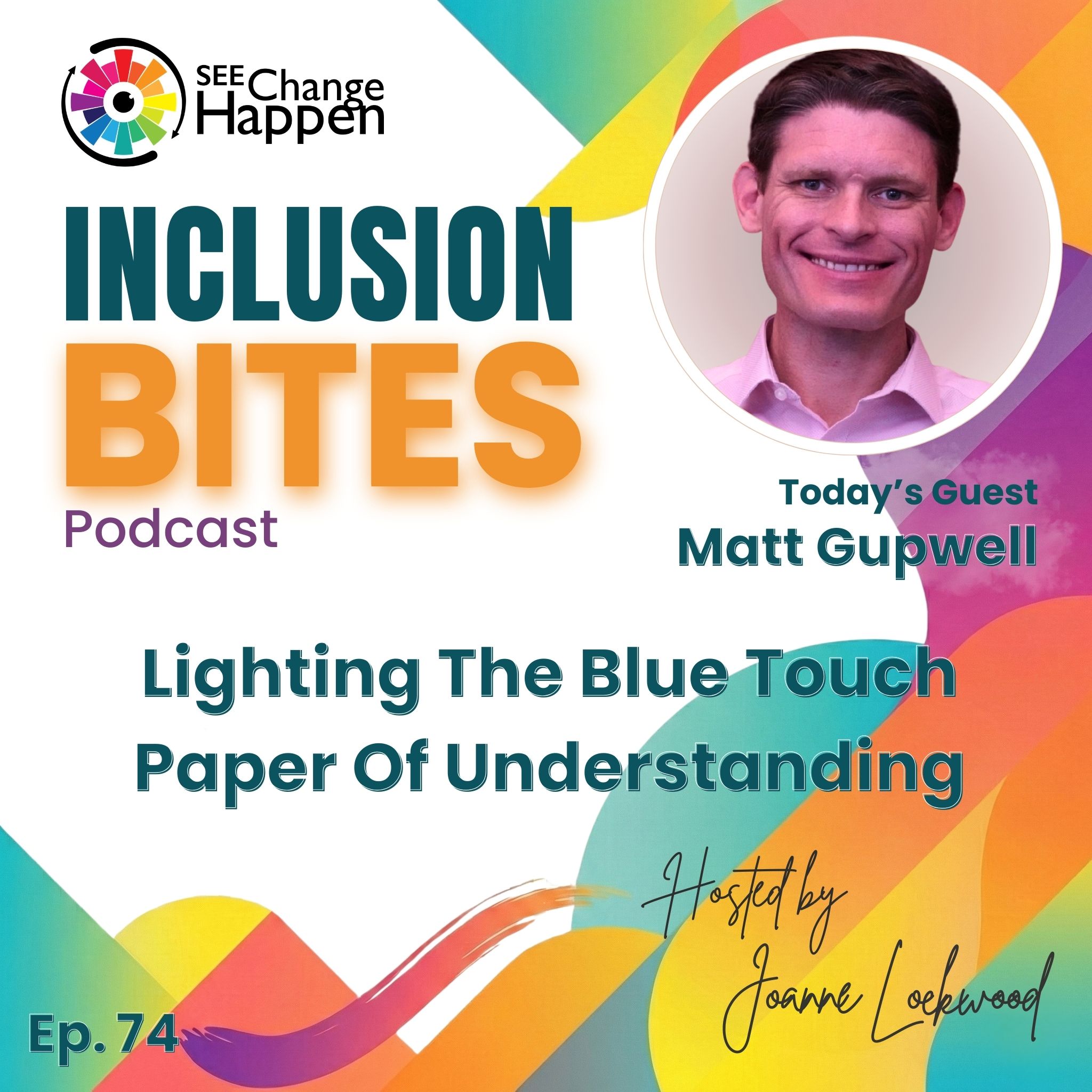
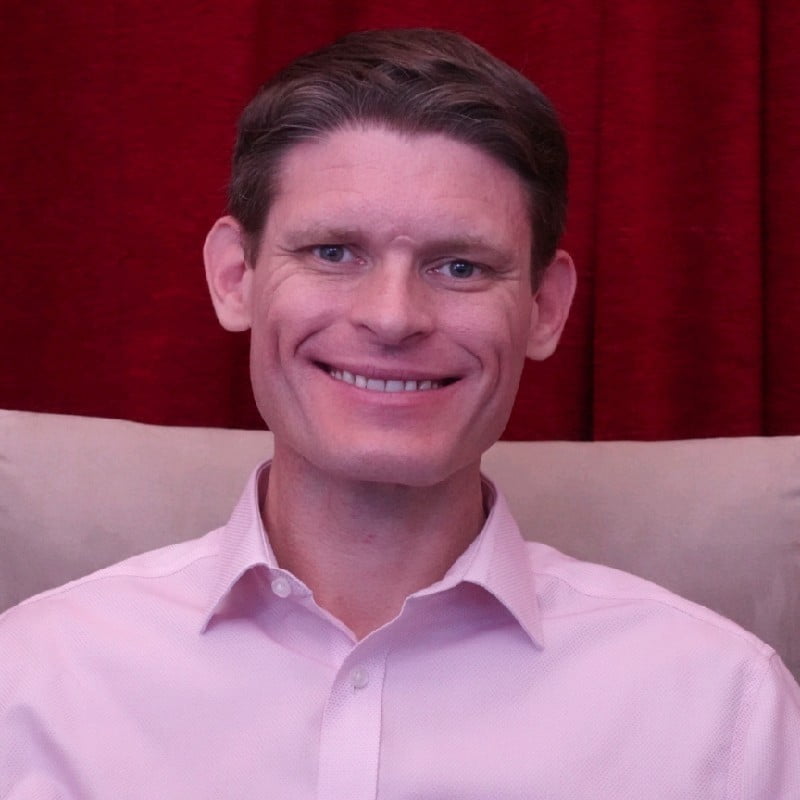
Lighting the blue touch paper of understanding, join Joanne Lockwood and guest Matt Gupwell as they delve into the complexities and personal experiences of neurodivergent conditions, aiming to foster acceptance and support in a world that needs to embrace diversity.
In this episode of Inclusion Bites, Joanne Lockwood speaks with Matt Gupwell about lived experience identity.
“By the way, it's not masking I hate that term it's nonsense and I can explain why.”
Explore
Navigate this episode
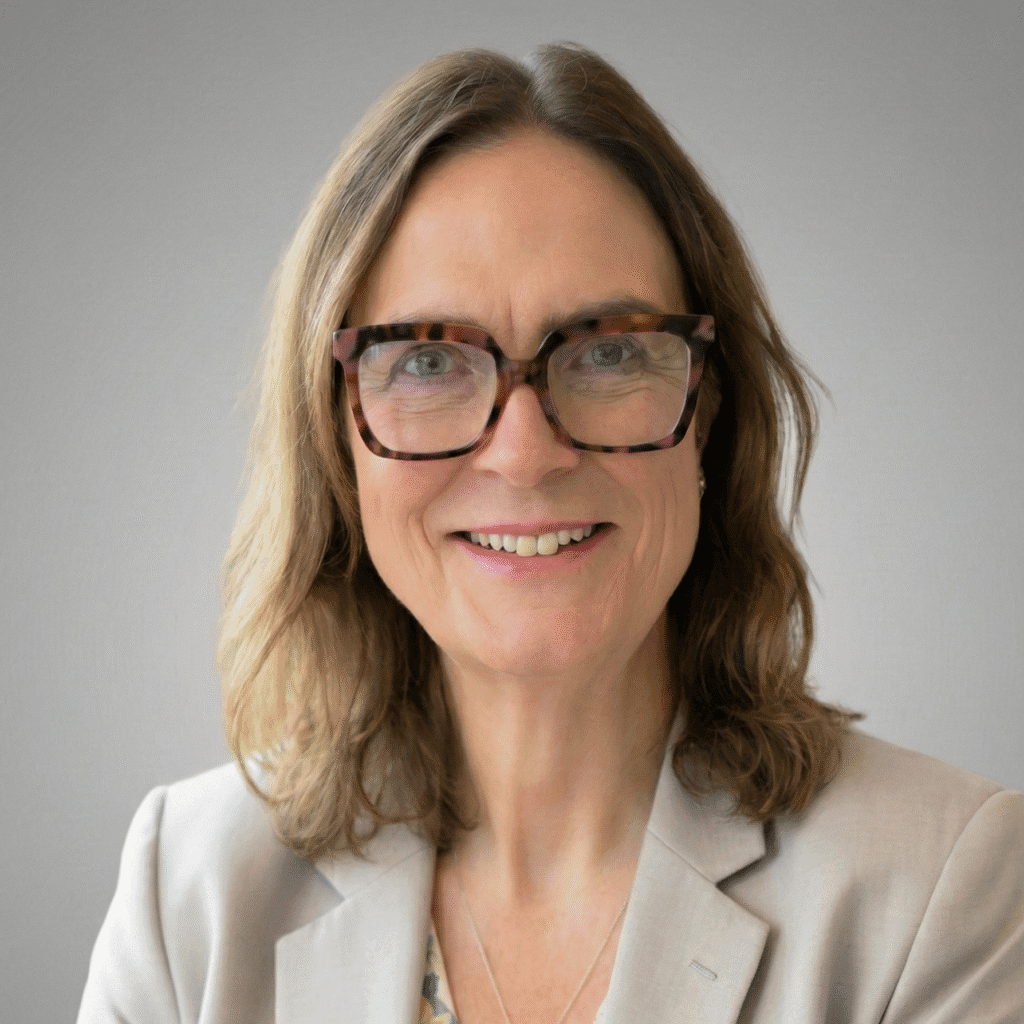
Joanne Lockwoodhost
Hello everyone my name is Joanne Lockwood and I'm your host for the inclusion Bites podcast in this series I have interviewed a number of amazing people has simply had the conversation about the subject of inclusion belonging and generally making the world a better place for everyone to thrive. Like to join me in the future then please do drop me a line to Jo Dot Lockwood at sea change happen dot code at uk that's s doublely change happen dot code or Uk. You can catch up with all of the previous shows on Itunes Spotify and the usual places so plug in your headphones. Gravity caf and let's get going today is episode 74 with the title lighting the blue touch paper of understanding and I have the absolute honor and privilege to welcome Matt Gupwell Matt describes itself as a neurodiversity awareness consultant. And speaker when I asked Matt to describe his superpower. He said I'm the fact that I'm actually still alive despite my best efforts in my younger years I can't wait to find out about that hello matt welcome to the show.
Matt Gupwellguest
Hello Thank you for having me nice to hear you nice to see you.
Joanne Lockwoodhost
Our pleasure. Thanks Matt so tell me lighting the blue touch paper of understanding. What do you mean.
Matt Gupwellguest
Really simply.. It's my way of saying that when I talk to people whether it's consulting training speaking on topic of Neurodiversity I'm not trying to give them all the information and all the knowledge about the topic. Because that's just not possible in the time frames we often have so lighting the blue touch paper is exactly that I want to give them enough information that they're informed that they feel confident that they can go away and have meaningful conversations and helpful conversations with. Colleagues or clients or suppliers or friends and family and then that if they want to carry on learning themselves. They've got some idea of what to look for and where to look for it. So It is really like the firework I like the touch paper and hopefully. They take it from there.
Joanne Lockwoodhost
I love that I love that because people expect you to come in for an hour do a quick chat and you as you say what? you can do is that little quick dip is is is is the basic knowledge and I talk about cultural intelligence and one of the key actors of that is the drive.
Matt Gupwellguest
Get yeah.
Joanne Lockwoodhost
So you have to want to find out more than the second part of that is is the knowledge. So what you're doing is you're you're teaching a man to fish so that the man can go with the the woman or the nonbinary person can go out and and find the information for themselves not expect to be spoonfed with everything.
Matt Gupwellguest
And yeah, absolutely and I think the more I've done this the more I've learned that sometimes there's an expectation that people will. Standing for it and somebody say I am an expert I'm the expert on this topic and I'm I'm probably the only person profession says please don't call me an expert I'm not an expert I've got 15 years of studying is I've got 15 years of living it of working with hundreds and hundreds of neurodivergent people of supporting them. My own experience of my children but that doesn't mean that I think I'm an expert if somebody else wants to call me that that's their decision. But what I am is able to communicate everything I know in a manner that hopefully people can understand that they can then take away. And decide what they want to do with it next. So it's it's using the abilities I know I've always had and particularly somebody once described me as being very odd because I can teach anybody anything even if I can't do it myself now that made me chuckle but that the. The lady that said that was quite right? But when it comes to this when it comes to neurodiversity and neurodivergent conditions I do know this this is my wheelhouse. This is my thing. What I want to do is make it a normal conversation and I don't think that needs someone with the expert hat on it needs someone with the.
Matt Gupwellguest
I can help you understand it hat on. So that's what I do That's the approach I take every time I meet people and and it seems to work.
Joanne Lockwoodhost
So I completely agree with your um, shying away from the word expert I I would never use the word expert to describe myself as you say if people want to call me it. That's fine. That's their choice I'm not going to argue with you I prefer specialist this is I specialize in um, that's.
Matt Gupwellguest
Ah, yeah, yeah.
Joanne Lockwoodhost
Immutable and undeniable. But I think it's expert subjective I agree and that you can't know everything about everything. Um, you just know a lot about something and that's so how would you describe yourself. So I seen in your bio So you.
Matt Gupwellguest
Um, yeah, this Yeah absolutely.
Joanne Lockwoodhost
Neurodiversity in what way? What was? what's what's the description of you.
Matt Gupwellguest
Um, right? So okay, so neurodiersion is is pure because of 3 things so and diagnosed clinically in 2019 or at the end of 2019 with combined. But rather with severely disabling combined subtype Adhd um a year later came to the recognition and the self-awareness that yes there was autism there as well with well you can take you pick either pathological demand avoidance or opposition or demand avoidance depends on. Which which 3 letters you want to use but essentially you know I I think of it as pda and then this year despite my best efforts had to ah admit after doing multiple tests that oh actually yes there is dyslexia here as well. And I would say it shouldn't have come as a shock it shouldn't have been a surprise I know enough to know that it's a very common comorbid condition. It's just that it actually made me reframe my own perceptions of Dyslexia and I I knew enough to know differently. But so I sit here with you know this this triple. Ah, label if you like all these letters after my name and but they've always been there just because I got my diagnosis formally when I was 45 and 46 47 Respectively it it
Matt Gupwellguest
It's always things that have been in me part of me affected me made me do everything I've done the way I've done them and so it's very much my identity I'm proud of it I'm happy about it but before I even ever thought about talking about me. I'd got 2 sons who were diagnosed with autism both of them when they were age four to fifteen months apart but both age 4 and who've later gone on to be diagnosed with Adhd and the passion and the drive and the desire to learn from both me and my wife who who was a professional in this industry as well came. From their diagnosis. Okay, we need to know everything we know about this, we need to study everything we can about this and then suddenly you find yourself learning about other conditions by sort of by default and I just always became fascinated I never wasn't fascinated by it and never stopped talking about it. Um, which I think means that I come at it from a different angle. So. There are many people who are late diagnosed. There are many people who have that recognition as late diagnosis and then you know me included decide. They want to talk about it or help other people understand it. But what I very often see is they don't have and they haven't had that wealth ah of previous experience of not thinking about them. It not been all about their experience. It being about others and understanding others.And and I think that's really important because I see it through some very different lenses to a lot of people. Um, but it helps me give ah a much more rounded description of things and so.
Joanne Lockwoodhost
And.
Matt Gupwellguest
That's what I always try to do I start with others and then if people want to know my experience I'll tell them but my experience is a percentage of the whole picture.
Joanne Lockwoodhost
I've heard other people tell me that they were diagnosed later in life as a result of having their children diagnosed and once the children were diagnosed it almost reminded them or or or gave them an awareness. Of hang on that's me as Well. You're talking about me here. Not just my children. Yeah.
Matt Gupwellguest
So yeah, yeah, and listen and I'd be lying if I said that wasn't how it came about with me. Um, so the first sort of recognition I suppose the adh d may have been a thing. Ah. Ah, came about really strangely I was attending a conference on children with asperger's hosted by a phenomenal australian professor. Um, and at the time I was the circus skills teacher that was the career previously and. And I had had some success in using circus skills to help children with additional needs but particularly autism and be included in in after school clubs. So I ran several after school school clubs and it had just become a sort of a a thing where. 60% of the kids that attended were autistic or their parents thought they were or they were dyslexic or dyspraxic or adhd now that was never something I actively set out to achieve. It's just that they they seem to ah resonate with me. And I seem to be able to get the best out of them so when I went to the conference or in fact, that in the weeks up running up to the conference I bombarded this poor chat with emails.
Matt Gupwellguest
Giving him my my theory about how juggling would change the world for kids in education with autism and why it was the best thing since sliced bread and and I'm in bombarded is an understatement and I was just desperate for some time with him. You know I already thought this guy was incredible and he eventually said look I can give you 10 minutes a lunch but it's my lunch. It's the only break I get that's all great and I remember standing over a coffee with him and and about to launch into this and he said can I just stop you so before you say anything. Everything you've done and the way you've approached it says to me that you might not have the awareness of yourself that would really help you going forwards. That's a curve ball. Okay I'm sorry what do you mean? he said you've got 2 children with Las Burgess yes have you ever considered that you might be. Somewhere on the same spectrum of course not otherwise I'd no well no, you wouldn't he said actually I believe that you are displaying really really pronounced ad Hd and by the way everything that you've overshared privately about your wife tells me, she's probably autistic. Here are two non-clinical assessments to do online what I'd like you to do is go away and do those and send me an email and let me know what you find out now that was the conversation I never got to tell him about the ju like and I kind of went away a bit shellshot sat through the rest of the conference thinking I don't but ah what what and blow and behold got home.It administered these tests to each other and that was the first awareness that I was as off the scale with Adhd as it was likely ever to be and that my wife probably did have asperger's and it blew me away. Because I'd never thought about it. But then when I stopped and I started learning what I could then about Adhd it was the penny drop moment. In fact, it wasn't a penny drop. It was like that and was that game Ben Shearddow's tipping point. You know where all the coins go yeah. It wasn't one. It was thousands of the things going d in indian need' getting everything. It was just a life experience and something that had happened that made me go oh now I get it and at that point so that would have been um, 20.But are we now 2022 maybe around 2016 I think at that point I took that quite happily thought yet this fits and then started speaking in schools locally including my sons because they were still in school at the time trying to help other kids and parents understand that it was okay to be different. Because I felt that there was a problem and there still is um so I started to speak publicly about it. This is great and but because I was still trying to run my own business at the time and because adhd makes it so phenomenally difficult at certain times as much as it makes it. Better at others by the time really the start of 2019 came around I knew that I was heading for some kind of a crash I could tell that things weren't right? I'd lost all the passion for what I was doing I'd lost all the energy I'd lost all the. Enthusiasm and I started doing what I always do when I get very depressed and I suffer with with sort of lifelong depression and and suicidal ideation is just part of my makeup. Um I started to desperately seek other projects. That I thought would make things better so I dropped everything that if I focused on it and stuck with it could have made money to try and do the next great thing none of which ever worked and it all came to a head when I decided I was going to be an event host because all I can do is speak right.People had said oh could you host this event that event I had a few small events people. Love me that's fine and then for some reason I don't I can't of remember how I'd got it in my head that I was going to host a fairly sizable charity event at the n I in Birmingham in front of. Hundreds of sort of celebrities and dignitaries I was going to get to interview 2 very famous people about their their history and addictions and things and I just convinced myself I'd got this gig nobody ever said I had nobody. Once said, you've got it. They said we'll put you forward. But because I was so bad I decided I had and then 3 three and a half months went by and um I don't know maybe a fortnight out from the gig eventually someone brave enough called me and said look you were never in the running. Never we just didn't know how to say you weren't. And I was I remember it was clear as day I was lay on the sofa with my wife on a chair opposite me and I was already bad I was you know I was teary and I was stressed and they said that and I threw my mobile phone across the room I don't know how I didn't smash the television to this day and. I just broke down I mean the most uncontrollable sobbing I can imagine and it's the first time I'd ever because I couldn't stop myself said to my wife I just don't see the point in living anymore I'm too tired I've had enough.I'm I'm I'm tired of trying I'm tired of failing I'm tired of life being difficult i' tired of letting you dance kids all this came out and through all the sobbing all I could get out to her was I think I need to know whether adh d has got more to do with this than I'm admitting. And I'm aware that medication can help some people with with Adhd as bad as mine and I don't think I'm going to get any peace until I know but it's expensive and we don't have any money and the weight in this for the nhs is ridiculous fine. Spokes to my father and mother who were separated but I spoke to them both on the same night. They were incredible. They said look we didn't know why didn't you tell us that's suicide for you. That's ideation for you. Don't tend to share it until and they said great. Okay, well look. It's expensive. We want you to go away and give us 3 options of private diagnosis and we want you to go to the gp and talk to them about it. Put yourself on a weight in this and see what we can do now I did that I knew I'd get nowhere with the doctors they tried to give me antidepressants I said this isn't just depression. So I'm not taking them. That's that's just prescription for the sake of prescription put me on a weight in this for Adhd and expedite it. Well they can't do that. But you know came home said to my parents well in which case it's got to be private. Um.And I was fortunate that a couple of weeks later they booked and I got a private diagnosis. Um, and I mean that literally changed everything on that day cut like it was towards the end of December Twenty nineteen and I went in knowing what I was going in for. Knowing that I was going to have a diagnosis knowing that and ah done all the preclinical trials that said I was definitely adhd knowing that I was angling for medication is the wrong term but you know I thought that was the only route to help and yet spent an hour with an assessment with the psychiatrist kind of told her everything that I thought was salient at the time she just sat there making lots of notes I you didn't know um and then she stopped me and said okay, do you want to get your parents and your wife in.Do I need to? Yeah I think you need to okay, let's get my parents and my wife in then let's let's do that fine. Got them in and she said okay so it's at this point matthewie I can tell you that there's no question. You have one of the most severely disabling cases of combined subtype Adhd i've. Ever diagnosed in an adult of your age and it's no hyperbole to say that it's a miracle that you're still alive despite your best intentions or your best efforts which is where that comes from she did she said in fact I think the only reason you are still alive is because you're lucky enough to be married to your wife. Everything you's told me is has said that she's there at which point I was li I'm never silent right? Jo I don't do quiet and I was stunned I knew I was going to be diagnosed but I didn't know it was going to be that even though I should have I'm a parents. Started asking questions and and and trying to you know, qualify it. My wife was just she went from being very neutral to sort of smiling and going. Okay, this is good. This is good and she kept saying to me this is good. This is okay, um.And and then oddly at that point she asked my parents a couple locations she said did you ever suspect? No okay, did he ever do things that you thought were different. No not particularly was he naughty no not particularly and then it all came out well he never shut up. I mean he was never quiet and and and he was cheeky. He always had an answer for everything and he only got on with adults didn't know how to get on with his peers and then my dad told me that something I never do I remembered the holiday I'd been taken to Disney world with him on a. Business trip when I was 9 um and he said you know I mean I guess that's why we were almost thrown out of Disney World twice because of you. So what? you mean thrown out of what did I do said you didn't know how to cue. Had no concept of patience or waiting for a queue and if you wanted to see daffy duck or Mickey Mouse or go on the biggest ride you would just literally barge past people to get to the front of the queue and you were returned to me by unpeen security guards to the point that turns out we were taken. Into an office in the bowels of Disney world and told under nose unto uncertain terms control this child or you're never coming back. I didn't know nobody told me but I mean wow just wow.So yeah, it all came out I got the diagnosis which would have been fine start deration period for drugs would have been fine but then Covid hit so all of the therapies that were supposed to have all of the counselling I was supposed to go to all of the things that were supposed to start helping me co just suddenly vanished. And it turned out that I was left just coming out the other side of suicidal ideation with this new diagnosis of a disabling condition something being told you disabled um and kind of fending for myself taking medication that had completely changed my brain. Struggling to Adapt and having to figure out how to make money in a virtual world because Cover did hit just unbelievable, right? Um, unbelievable set of circumstances. But you know what? somehow.
Joanne Lockwoodhost
Ah, ah yeah.
Matt Gupwellguest
But I know some out because of my wife I'm still here.
Joanne Lockwoodhost
So so you mentioned so several terms you mentioned Adhd which is attention deficit eye foractivity disorder you've mentioned autism asperia's which are part of the asd autism spectrum disorder how had how do they manifest? yeah.
Matt Gupwellguest
Yeah, get get. Ah.
Joanne Lockwoodhost
The as is is more about the the attention deficit and then the hyperactivity you you kind of always ah, always on fire. You always bouncing around but you know you find it hard to focus to.
Matt Gupwellguest
So this is the thing sort of no so it's weird for me and what I've learned since is really interesting and for me I was never classically hyperactive as he and I was I was physical I did a club every single day of the week as a child from the age of 4 that was my mom knowing I had quote unquote lots of fizz lots of energy so I needed to be tired out so I'd sleep. Okay, so while she could say that was hyperactive I wasn't naughty in that way I didn't bounce off the walls I didn't do these things but I never. Ever shut up and it wasn't because I wanted to talk. It's because what I realized is my brain never stopped going I from the minute I woke up to the minute I eventually slept would have a million thoughts a million miles an hour 24 hours a day and at some point they come out and they have to come out. And they come out. Ah inappropriate moments or they come out as a lack of patience and that just carried on into adulthood right? It's just a way I've always been I've always overspoken I've always overshaed so that for me was how the hyperactive came out. It's a hyperactive brain the inattentive.
Joanne Lockwoodhost
A.
Matt Gupwellguest
Side of it is exactly that I get very distracted if I'm not engaged when the dopamine levels are low and the neuroreprophine levels are low and the serotonin levels low I'm not interested I'm not gonna pay Bills do tax Returns. Do admin do the things I know it should do because they don't hold any interest. It has to get to critical someone knocking on the door saying now for me to take action still now that's insane because I know that's part of me but it still happens because I go into full on sort of hyper fixation on other things I have this.
Joanne Lockwoodhost
And.
Matt Gupwellguest
Stream avoidance tactics. You know it it just everything is one compars the other compounds the other the autism interestingly was really strange because the way that came out was um, midlast year now. I decided I wanted to try and get some counseling because I was still I was in a really bad place I was really depressed again. Well why I finally said look go for counts thing I found somebody I thought I could trust had an online pre count session with her. Um, and she was saying you like tell me about yourself not da there everything tab her about the Adhd now bear in mind I was on a super strong dose of Adhd Meds at this point. So what I not quite picked up on was how very different I presented on meds to not but that was fine. So I'm talking to her adh d ad Hd ad Hd and she stopped me she said great. what about the autism what autism what on earth do you want to? I'd have told you I had autism if I had autism. She's no I'm sorry can I be blunt with you. She said my granddaughters and my daughter. All have autism with pda and I went silent again and she said I'm sorry have I upset you and I said no I've just now got to talk to my wife and say you were right again and it's getting to be a joke.What do you mean? So five years ago when my children were home educated. We met a lot of children with pda pathological demand avoidance. We learn about it because we had to learn how to work with them and cope with them and daddada and she said five years ago I swear blind you've got pda. no no I haven't don't be ridiculous. Yeah, you have no I haven't and the the council that's just happening from I'm telling you now I'm almost sure you have here's a couple again preclinical online assessments to do I'd suggest you go away and do them so one was a pda. Adult pd and the other then was what's known as a um I forget the term of it now but a a missed diagnosis adult autism test. So if you took the original test like the eq test as you know took that and missed it acu test. Sorry the missed it. It's a different style of questioning. Take the pda a test What do you know off the charts I mean literally as high as the ad hdscore. Okay, take the misdiagnosis test blow me down unequivocally without question. There's autism. There is autism glaring you in the face and then when I looked at it and I thought about it it again. It was that penny machine again. Just all ever going. Ah yeah, yeah yet I've never got jokes.I've never quite fitted in I've never felt like I've had my place I've never felt like I belonged I've never felt able to to really be part I've been part of clubs right? I've been part of organizations and all the time never felt I fitted in. Never felt it was right I always thought people were talking about. Maybe I'm a back or I wasn't right. That was the autism this massive lifelong anxiety of I don't belong here coupled with a lot of other stuff that I've since realized. Was the autism and the anxiety coming out and when I put the two together I went and now I'm beginning to build an even better feature of this now I'm seeing even more how these both work in Tandem. They're coorbid. They're coexisting conditions I think what did I read the other day something like though.
Joanne Lockwoodhost
Um, me.
Matt Gupwellguest
Seventy or eighty percent of those with Adhd have autism and vice versa. This should not have been a surprise. It shouldn't have been but it did still floor me again. See you sit.
Joanne Lockwoodhost
Um.So you you functioned for 45 or so of your years on the planet without a diagnosis and yeah, so yeah, so how? what.
Matt Gupwellguest
Well functioned is a loose description stayed alive. Yeah, but but.
Joanne Lockwoodhost
Yeah I would assume based on what you said is there. There are many people out in the world in the workplace who are undiagnosed so how can employers spot. Um, someone maybe maybe some of these Asd the spectrum disorder or some sort of a HD or add.
Matt Gupwellguest
Yeah, oh.And right now. Ah yeah I say this all the time. It's a really hard question to answer to say how can they spot it lead us down a bit of a dangerous path off someone kind of taking someone aside which we know they can't really do and saying look.
Joanne Lockwoodhost
Eda check.Yep.
Matt Gupwellguest
Ah, you? Okay because right now what they can do is take some awareness training take someone on board to deliver like I do deliver neurodiversity awareness which is a broad stroke that covers everything they. They need to know and nothing that they don't need to know it gives them enough knowledge to be helpful so that then if somebody says to them look I'm struggling. They maybe have something they can refer back to they have something in Place. What's great now is lots of the bigger um sort of employee assistance programs do have referrals for psychiatric assessments for Adhd Autism on them dyslexia on them that you know people people can access those for free but it has to come from the person.
Joanne Lockwoodhost
So move.
Matt Gupwellguest
It can't come the other way around it just can't you know it, it just wouldn't work. Um, but if employers are willing to invest in that what they then are able to do is support people and potentially retain people who. At their best could be fantastic employees and at the worst could really struggle. It's helping those people manage the struggles right? That's what I didn't have I say this regularly The only reason I remain to be self-employed now and I've been self-employed for 15 years is because. Um, unemployable fact, nobody can cope with me I can't cope with working for anyone else. Pda tell me what to do and I just refuse right? and employers are very much you need to do this nope i.
Joanne Lockwoodhost
And.
Matt Gupwellguest
Employers Don't tend to give you options to say would you do one or the other which is how my brain tends to work right? However, if an employer understands it and then the sad truth is it will normally come about when somebody's struggling and they go to the mental health first aid or they go to hate jar.
Joanne Lockwoodhost
A.
Matt Gupwellguest
And say I'm struggling or worse they get signed off sick with stress anxiety or depression and then they sit at home doing some digging thinking. What's going on. They have to come to a realization of what the the cause rather than the symptom is to be able to then go back and say look is there anything we can do.
Joanne Lockwoodhost
8
Matt Gupwellguest
Right? If it doesn't happen that way. It's unlikely to be effective but it doesn't mean it's not possible and and once an employer starts saying to their staff hey we've been invested in neurodiversity awareness training and you're all going to be put through it and. If after the training anyone has any private concerns. Please do feel free to talk to us. We are hope here to talk to you might get that 1 person that's been going. Oh thank god because I never thought they would I read something earlier today. There are still so many people. But yeah, this was in the city. In fact, it was an article about people working in a city in London there are so many people in the city who refuse to declare that they know they've got a neurodivergent condition because they are fearful that it will affect their career which means they go to work every day they do the very best they can to be the best version of themselves they can. By the way. It's not masking I hate that term it's nonsense and I can explain why so they go out trying to be the best version of them they can and then come home burnt out frazzled exhausted and crash and what tends to happen is then they go down the route of addiction. Because they try and self-medicate with alcohol with drugs with cigarettes with sex with whatever it may be because they're looking for a dopamine high that makes them feel better. Makes them feel quote unquote normal and then they do it all again doesn't work. It only ends up in a crash.But if employers can say look you will not lose your job if you disclose it and we can support you guess what you might retain that plus that's what I think the approach should be.
Joanne Lockwoodhost
As you're talking now just looking up a D D because I I don't have any hyperactivity I don't believe nor what no one's ever told me of but I certainly see myself of having some signs of the ad D I and I I certainly drift off into my own.
Matt Gupwellguest
Yet.Right? yeah.
Joanne Lockwoodhost
Thoughts if I'm into something I do 1000% if I'm if I'm not into it. It just gets dropped to ig ignore I move on. Um I need that I need that hit as you say the brain chemicals. The brain chemicals aren't being hit.
Matt Gupwellguest
Yeah, yeah, yeah, yeah, right.
Joanne Lockwoodhost
I I procrastinate I distract myself I go What's shiny. Let's look at the shiny stuff. So.
Matt Gupwellguest
Yeah, absolutely right now look here's the thing. Okay, so there's 2 things a this is me being a disruptor again I don't buy into ad d as a term it was used in America by adults that didn't want to say they were hyperactive. You're either Adhd or you're not that's just there's they' just put that out there.
Joanne Lockwoodhost
I.
Matt Gupwellguest
But again, it's not physical. It's this when you say you're distracted you go shy. You go what going to do next. Your brain's going the best description I can give you do you know what? a zootrope is.
Joanne Lockwoodhost
Um, nope.
Matt Gupwellguest
Right? So it's the old victorian animation device. It looks like a cylinder with slots cutting it vertical slots all the way around it and it used to have pictures of a horse typically and you'd spin it right? right? So an ad Hd brain is a zootroppe with a thousand slots.
Joanne Lockwoodhost
Oh yeah, ah oh yes, yeah yep, got you.
Matt Gupwellguest
With a thousand different pictures that spins at a thousand miles an hour all day every day and what your brain is fighting to do if you don't know how to help it is. It's fighting to catch one of those thoughts and do something with it. What happens.
Joanne Lockwoodhost
But.
Matt Gupwellguest
Your brain will start seeing it go round and round enough to go why I don't want to do that and I don't want to do that and I don't all shiny and it will keep watching the shiny thing come round until you can stop it grab it and focus on that that's Adhd and it's it's so hard not to do it. It's. Ridiculous the art not to do it. But that's how it works now medication helps for those that need it. It's a tool because it it artificially floods the brain with dopamine neuro epaphine as well serotonin to a degree which. Ah, ah, can't describe this any other way forgive me using the drug reference here. Okay, if you've ever seen images of people in nightclubs who've taken speed right? They are completely wired Whoop Whoop disco disco disco disco 24 hours eyes wide can't stop. Okay. You give somebody with Adhd their medication which is essentially doing a similar thing and they will go to sleep when I first took my strongest dose of of what's known as fast acting methylenidate which is this artificial dopamine and. Drug at the time I had an old acquaintance of mine was questioning whether I was putting it on was questioning whether I needed this stuff right? What was fascinating was I took this drug ten Milligrams and the next thing I know my wife was waking me up two and a half hours laterAh, literally passed out. It was the single best sleep I've ever had and I recorded a veo a message this chat going if you want to say me this is fake if you took this, you'd go the other way I compared this stringer sentence together and this is exactly what this drug is doing and it's just brain chemistry.
Joanne Lockwoodhost
So.
Matt Gupwellguest
It's just the way our brains are wired. It's what happens now look what's the current figures I think we're still stating one in 7 purse people around the world live with adhd known or not it's not uncommon it's not uncommon right 1 of the greatest things I found out that helped me answer a lot of questions this year again in its knowledge is this um and not a new term I haste I sort of hesitate to say that I think it was coined in the early two thousand s but it's getting more credibility now it was this term of being um neuro queer right? So it's this. Joining of people who are neurodivergent and identify as lgbtq I plus well I've been bisexual all my life I know I've been bisexual all my life right? I just never understood what maybe drove that the minute I realized that it's very much connected. To the autism and the adhd everything again made sense and I went ah right? Okay yet I understand how these things fit together and all I'm on this mission to do go back to light the blue touchraper. I want everyone else to be open enough to discuss everything with an open mind to say. Okay, yeah, we understand that how do we support people. What is it? they need. What is it. We can do to help them and if it's a 2 way conversation then that's the best route isn't it.But it takes a lot of bravery. A lot of conversations and and you know it's it's been interesting for me to to admit that publicly on Linkedin this year but you know what I think well why why eyed it? Why not? why not tell people that but.
Joanne Lockwoodhost
Um, what I've always wondered is when do we decide that being neurotypical was typical and you know I think I think think about our human evolution.
Matt Gupwellguest
Ah.
Joanne Lockwoodhost
100000 years where however long we've been the ah class as human we we didn't used to write in those days we didn't have a kind of ah an office environment. So I would have thought that dyslexia for example is kind of like a modern thing. You know we didn't need to write or be able to read to.
Matt Gupwellguest
Yeah, no.
Joanne Lockwoodhost
Twenty Thousand years ago so we've decided that people who can read and write now are clever and people who can't aren't you think now hang on a minute. Ah, my brain is never designed this way.
Matt Gupwellguest
Yeah, yeah, yeah, you're right? but I suppose then again, what that comes back to is helping people gain the knowledge of what these things do actually mean in totality like Dyslexia Okay reading.
Joanne Lockwoodhost
Next.
Matt Gupwellguest
Going to be reading and writing is part of it but it isn't all of it. You know it's about problem solving it's about creativity. It's about the ability to see around solutions that other people may not see.
Joanne Lockwoodhost
So.
Matt Gupwellguest
So when you know that most people with the Adhd have probably got this lecture have've probably got autism and what you've got is 3 very different ways of thinking about things that other brains just will never get to I mean they'll never get there right? Fine is that deficit. No.
Joanne Lockwoodhost
Yeah.I Don't think so.
Matt Gupwellguest
Is it deficit if these people are told it's deficit. Well now there's a different argument isn't it but you want to go back to the Hunter Gather a solution or the hunter can gather a sort of scenario right? Go back to early man. Yeah, we didn't read all right? but I guarantee. I guarantee that the people that figure out the ways to entrap different animals to know what berries were the safe one to eat and which weren't they weren't the ones who we would now class as neurotypical at all. They were the worst The the.
Joanne Lockwoodhost
I agree. Yeah I completely agree.
Matt Gupwellguest
The best analogy I was ever ever given I ever heard was um when when the comedian Rory Bremner was diagnosed. He did it as part of a documentary and the ah the specialist tsaw said something. Fantastic. He said okay, imagine this imagine tomorrow morning. In the middle of the indian ocean a thousand miles from anywhere in any direction an island suddenly pops up and it's an island populated with 10000 people and they have no reference of the rest of the world they have just appeared. They don't know what's on the island they don't know shelter. They don't know food. They don't know fear within time there will be people that will walk around that island looking at things hanging from trees looking into the water and there will be those that look up and look in going up. That might be dangerous and at the same time there will be those that are alreadyc climbing eating and swimming now they're probably the ones with Adhd and no filter. But you know what they're doing. They're proving the concept because they'll either die or they'll survive and go guys I found food. Or guys I'm food but we need that the world needs that the world needs that ability to say okay, do you in the best way you can do you because it might just be what we need now.Is that typical or different. No not to me. It's not I can't bear the word neurotypical if I'm honest I think it was just a lazy term because we went neuro divergent but what's the opposite of divergent. It must be normal. Oh please right? And the fact that there's 1 in 5 people I think 1 in 7 is it the other way around 1 in 7 1 in 8 globally neurodiergent says enough to say this isn't not abnormal anymore and by the way that's only based on figures. We know who have been diagnosed think about all the undiagnosed people in the world that we were talking about earlier on right? Guaranteed it's higher guaranteed. It's.
Joanne Lockwoodhost
Button.
Matt Gupwellguest
But it's what we do to make it normal in conversation.
Joanne Lockwoodhost
We do. We want to put people in these look boxes and say we you're this, you're that and it's like as you as you talk you mentioned Neuro Queer Yeah, the inection Queer identity. Yeah, understanding your own gender your sense of self your sexuality Um, stepping out the social construct that you've been told you have to live by.
Matt Gupwellguest
Get get it yet.
Joanne Lockwoodhost
Um, and I think a lot of it. It comes down to how self-refecttive are how introspective you are how you prepare to question your own identity about who you are many people don't many people just go and go through life. Just.
Matt Gupwellguest
E.
Joanne Lockwoodhost
Taking every day as as it comes where some people actually analyze it and you say oh shiny just could see if I can eat that if I can climb that. Yeah yeah.
Matt Gupwellguest
Yeah, yeah, exactly right? exactly and look at the end of the day. It's going to take a long time before more people are willing to accept people stepping out of the constructs I think okay but it will happen. Yeah I'm sure it will happen.
Joanne Lockwoodhost
Um.
Matt Gupwellguest
It just takes more brave people like you than hopefully like me and everyone else talking about these things openly and honestly and not shying away from stuff that's difficult saying look I'm not embarrassed to tell you this I'll tell you this. That's fine. You want to know Mego there's that there is everything go on the table. Fine. Right? If it helps someone else find their place in the world. That's perfect because when we don't talk when we're not open where we still are riddled with social norms and and and what's right and wrong, acceptable and unacceptable to coin a phrase people. Are too afraid to live authentically to be who they feel they want to be right? that's just not right. sorry that's just not right
Joanne Lockwoodhost
No, no, you could. But I completely agree and that's the challenge getting people to to realize that they're not on this convey about of life that they have no option on they can press stop. They can get off and go who am I.
Matt Gupwellguest
No, no, yeah, absolutely yeah yeah.
Joanne Lockwoodhost
Who am I what's important to be what do I want but society wants you on this convey about society wants order society wants predictability and when you say out of that it it goes ah society becomes frightened that your you.
Matt Gupwellguest
Yeah, yeah, yeah, yeah, yeah, yeah, no I can push.
Joanne Lockwoodhost
You're radical. You're anarchic. You're different. It's like you're not kind of by the rules. Well no I like rules rules are fine I'd just like to know I Just like to know where the rules are so I can either ignore them and challenge them or conform them. Yeah I don't know slight rules.
Matt Gupwellguest
And listen here's the thing right? you you can talk about a period of enlightenment in the past ten years fifteen years whether it's to do with race gender neurodivergence. It doesn't matter what it is I learned some fascinating things about my own family earlier this year in things that blew me away that make you think these things have always existed. They just haven't been spoken about not not publicly, not not you know, openly, but they've always been there right? We are now at a point where people are talking about things more wonderful. Great. It's making those conversations then go somewhere. Be useful develop into something does that make sense and and and I still have a fear that particularly in neurodiversity what I see is.
Joanne Lockwoodhost
And.
Matt Gupwellguest
There are lots of people trying to do good work but they they're not. They're not quite sure what they're doing. They think they know and they're they're blurring the lines between being an influencer and an advocate right.
Joanne Lockwoodhost
So.
Matt Gupwellguest
And there's this whole I've got lived experience and therefore I'm an expert and you should listen to me and I'm going to do it. Sorry your lived experience is Lovely. It's wonderful and it's perfectly valid but it's yours and yours alone and it doesn't tell anyone anything about other people so you need to step back. Go away do some work work with other people understand other people get a depth of knowledge then come back and say you're an expert if that's what you want to call yourself specialist I think I prefer like you said, right? because it's not about being an influencer.
Joanne Lockwoodhost
Yeah, yeah.
Matt Gupwellguest
The only influence I want to have is that when my senior age son so were 17 and 16 going to the world of work. There are more people that understand them accept them and are just happy for them to be who they are.
Joanne Lockwoodhost
So are we setting people up for unfair expectations because I hear lots of things are people with autism are mathematical geniuses people with Adhd have superpowers. Are we creating this this stereotypical myth where people say like.
Matt Gupwellguest
No, ah yes, yes, yes, right? So here's the thing. Yes, we are I hate it I hate it I.
Joanne Lockwoodhost
I've been diagnosed by ah but I'm not mathematical Genius I'm not rain man I'll be creating this belief. So.
Matt Gupwellguest
Fight it with a passion it. It is between that and masking. They're the 2 terms I hear every day that I just think are the most destructive and damaging for anyone who is neurodiergent and a lot of the time. It's the neurod divergent people saying it. Because they just haven't realized why yet. So let's break the superhero thing down superheroes as an analogy in my understanding was used initially way back in the 1980 s to help little children between the ages of 3 and 7 except that they might be a bit different to their classmates. So little children whose parents were brave enough to have had them diagnosed with Adhd or autism or dyslexia describe. Whatever it was their way of saying it's okay because it's your superpower. Because you're really good at being creative. Artistic, funny quick fast sporty doesn't matter what their talent was saying it was their superpower fantastic and I still say it to the young children I still support when I do. But when a grown person I know I'm I listen when someone over the age of 18 start saying I'm a neuro divergent superhero. It's my dyslexic superpower I just think why are you belittling yourself and everyone else.And worse. Yay you if you really believe that it's your dyslexia to pick a thing that makes you so good at this right? And if you're going to tell the world that it's only that you're right. You're setting everyone else up with Dyslexia who doesn't achieve like that and doesn't think like that and can't do what you do to feel like and forgive me now the shit dyslexic the shit autistic the shit adh because what they do and believe me I know because I've been there is they sit there going. Oh well, not only have I got this but I'm really rubbish at having it as well. Great guess what that leads to more often than not anxiety depression suicidal ideation and worse. Well done everyone that keeps saying superheroes online. Thank you for doing that I'm I'm so grateful for you pushing so many people over the edge when are they going to realize it's nonsense and it's wrong the same I'm afraid to say goes for asking I understand. Where that comes from and guess who it was first aimed. Ah it was aimed at little children because what do superheroes wear in comic books they wear masks when they're 1 thing and not when they're the other right. Is it a good analogy to use. Yes, where does it belong once we get above 18 years old.In Marvel comics and um films it doesn't belong in conversations with grownups about neurodiversity or anything else for that matter and by the way you're talking to a man that spent 15 years in a costume performing as an entertainer at no point ever.
Joanne Lockwoodhost
Um.
Matt Gupwellguest
In my life have I gone out with a mask on metaphorical or otherwise I have never gone out being anything other than what I felt at that point was my authentic self and yes it was a challenge and no one never felt like I fitted in and yes it was exhausted and yes I'd come back burnt out that isn't because I was masking. I wasn't trying to fit in I was trying to get other people to accept me right to like me when people say oh, It's so Hard. Oh God I You don't understand I have to mask every day and it makes me so tired.
Joanne Lockwoodhost
Yeah, so.
Matt Gupwellguest
Guess what the response to anyone else who doesn't mask is anyone who's typical is why am I supposed to help you if you wear in a mask. How am I supposed to know what you need if you're not being your authentic self. That's not fair and do you know what? they're absolutely right? They're absolutely right.
Joanne Lockwoodhost
Yeah.
Matt Gupwellguest
Any one supposed to know what someone needs if apparently they're wearing masks and pretending all the time now think about it for a second. It makes absolutely no sense. It makes no sense that people mask but they say it because they've heard it because they've heard it parrot theory kicks in. Oh they said masking I say masking if you just stop and think about it for 5 minutes you realize it makes no sense. Not there being a superhero but you know what I get I get called out on this day in day out day in day out when I say these things online right.
Joanne Lockwoodhost
So yeah.No I agree. Yeah so.
Matt Gupwellguest
You can't say that you're somebody somebody accused me recently of um what was I was I was not paying any respect or something along those lines to their their experience and their difficulty. You don't know how difficult it's been for me and my response was no no you write I don't.But I have spoken with thousands of neuro divergent people and I've seen them doing their very best to be themselves and not fit again and how exhausting it is so I know that masking does more harm than good when you tell people that's what you're doing I can evidence this if you want to keep saying masking until you've got enough experience to understand. Why saying something else is better. Fine. You go ahead. But believe me your life's going to carry on being hard if you could being me I am going ga you if you're brave enough to say look I've got autism I've got adh d I've got dyslexia.
Joanne Lockwoodhost
So what is that? What's a better way of describing it than.
Matt Gupwellguest
This is how they help me and this is what I find difficult and when I find it difficult. Yeah I might be blunt. No I might not get conversational nuance. No I might not keep up with the office politics. Yes I might need a quiet space. Whatever it may be that you need.
Joanne Lockwoodhost
Um.
Matt Gupwellguest
You just have to be open and say I need this because if I don't have it. It causes me anxiety. It causes me difficulty. It makes me shut down.
Joanne Lockwoodhost
Okay, you're you're creating a a kind of a little mini manual how to deal with me. These are my these are my instructions. Yeah, if I do this This is how I'm feeling if in order to make me feel safe secure valued This is how it's a good way of treating me I don't think that's.
Matt Gupwellguest
Yes, Yes, E yes. Get.
Joanne Lockwoodhost
And these should be specific to people who are Adhd neurotypical and I think we we all sometimes need that little manual if people are honest about it.
Matt Gupwellguest
But but here's my fantastic part about this right? I read something mean lock down I think it was about um, reasonable adjustments in the workplace for neurodivergent people. So. The first thing was that 90% of reasonable adjustments were either less than £100 or completely free. So they don't cost businesses a great deal of money and secondly almost exclusively. They benefit everyone else who doesn't have a neurodivergent condition as well. They make environments a happier and a better place to work and make people more productive but because they come out from the label of.
Joanne Lockwoodhost
Yep, yeah.
Matt Gupwellguest
Well Dave's a bit weird Dave does this Dave wants a quiet space. Whatever they get sort of barriers put up against them now that's ridiculous. Sorry that's just ridiculous.
Joanne Lockwoodhost
Yeah, well I'm I'm not labeled with any Neuro diversity at all. But I don't like working about with his noise I like choir I don't like the radio one I like silence.
Matt Gupwellguest
Um, no, no yeah, fine.
Joanne Lockwoodhost
And if people disturb me it takes me about an hour half to recover from ah a disturbance I have to get my brain back in it. So a lot of people would benefit as you say from quiet space from ah cubicles from lack of but yeah, the expansion into open plan offices hasn't helped anybody apart from.
Matt Gupwellguest
It.Yeah, yeah, yeah, absolutely yeah.
Joanne Lockwoodhost
Apart from the command and control management that want to be able to look out and see you and check you're doing stuff.
Matt Gupwellguest
Yeah I completely agree I completely agree and that's that's what I keep aiming towards I keep aiming towards this world and this approach where we recognize that Yes people live with conditions but they are people they are people with.
Joanne Lockwoodhost
And.
Matt Gupwellguest
Right? Yes, it might make things difficult for them. But yes by the same token. It might mean they're really good at things and I'm the first to admit that I'm the first to admit that there is no way I would have achieved some of the things I've achieved I would be able to do some of the things I've been able to do if I didn't have Adhd if my autism wasn't prison. Right? And to some extent my dyslexia I get that and I accept that didn't mean I'm a superhero of course it doesn't it means I have a skill set that I can leverage when I need to but that at certain times it will flip that narrative for me and make it hard. Okay, all right. I have to live with that understand that except that know what to do with that and all I'm trying to do is help organizations see that bigger picture as well and I want to have the difficult conversations Jo I want to talk about the suicidal ideation I want to talk about things when they're at the worst I want to talk about the the. Crossing of the lines between gender and neurodiversity all of these things are important to discuss with more people because the more people that understand them the more we can affect actual meaningful change and the people that are living in these conditions will start finding things a lot easier. I hope that he says.
Joanne Lockwoodhost
I Matt this has been fascinating absolutely fascinating and I can't believe we've been chatting away for one over an hour I mean with 56 minutes on this podcast already I have so much time I wanted to talk to you I want to talk about your your magic your alter ego. But we run at a time I will have to come back have another day. So.
Matt Gupwellguest
Yeah, yeah, never know so Linkedin is my primary platform Twitter is a dark art to me so Linkedin just searched Matt and then gupwell which is ah.
Joanne Lockwoodhost
How can people get hold of you. What's the best way of reaching you if they want to find out more.
Matt Gupwellguest
I'll do the Poshway Golf Uniform Papa Whiskey Echo Lima Lima. So that's gupwell and if you search around there and think neurodiversity.com is the consultancy name as well and you can find me there and yeah and feel free to reach out, ask me questions I'm always willing for people to sort of. Comment on post ask me questions challenge things that I've said um and and to start debates because the world thrives on debates.
Joanne Lockwoodhost
Are you still doing any of your online magic and stuff illusions up till.
Matt Gupwellguest
No no stopped it all. No I stopped it that was that was part of the process of of reinventing myself so you know we spoke off air I used for 15 years I've been called Monty that was my nonmloment. It was a stage name I was proud of it. But when I stopped that. The name stopped and it's been one of the hardest things I've ever done asking people not to call me that is so hard but you know what I need it. This is me you know, um, and and so Matt's the name I was born with it's the name I'll I'll take with me and and so yeah, it's ah it's a good change.
Joanne Lockwoodhost
Um, but yeah.
Matt Gupwellguest
Helps the head.
Joanne Lockwoodhost
Well coming from one person who had to find their own identity six years ago um back at you Matt for finding out who you are and lining yourself that authenticity. So it's been an absolute pleasure to chat today and I seriously hope you meet in person one day somewhere somewhere. Yeah.
Matt Gupwellguest
Ah.Yeah, thank you.Yeah, you never know I know a no yeah through all the mutual connections. It's bonkers that we haven't but I'm sure we will at some point.
Joanne Lockwoodhost
Um, yeah.Thanks yeah, well thank you so much and also a huge thank you to all the listeners who are tuned in right now and getting to the end really appreciate it. Um, do subscribe to keep updated on future episodes of the inclusion Bites spot cards at b I t yes, please share this with your friends and colleagues. Post on Linkedin spread the word spread the love I've got a number of other exciting guests lined up that I'll sure you'd be equally inspired by over the next few weeks months hopefully even the years and also if you'd like to be a guest yourself then please do let me know I would always welcome your feedback suggestions to Jo Dot Lockwood C change happen dot code k. Future shows and how we can improve if you think we can and finally my name is Joanne Lockwood it's been an absolute pleasure to host this podcast for you today. Catch you next time. Bye.
Matt Gupwell joins Joanne Lockwood to unpack what he means by “lighting the blue touch paper of understanding”: giving people enough grounded knowledge about neurodiversity to start better conversations, rather than trying to turn a one-hour session into instant expertise.
Matt shares his own late-diagnosis journey, including living for decades without a formal explanation for how his brain worked, the impact of ADHD, and the later recognition of autism and dyslexia. He speaks candidly about depression and suicidal ideation, the barriers to assessment and support, and how a private diagnosis and medication changed his day-to-day reality.
The conversation also turns to workplaces: why employers shouldn’t try to “spot” neurodivergence, what awareness training and employee support pathways can do, and how small, often low-cost adjustments can improve working life for everyone.
Finally, Matt challenges popular narratives he believes can be harmful, including the “superhero” framing and the way “masking” is discussed, arguing instead for clearer, more honest self-advocacy and practical communication about needs, strengths and struggles.
“If somebody else wants to call me that, that's their decision. But what I am is able to communicate everything I know in a manner that hopefully people can understand, that they can then take away and decide what they want to do with it next.”
The speaker aims for a world where people with conditions are recognized as people with rights and potential.
Questions this episode helps answer
How does the speaker's journey of self-discovery and understanding their neurodivergent conditions impact their perspective on diversity and inclusion?
Why do you think the speaker believes their unique perspective on neurodiversity comes from understanding others, rather than solely focusing on their own experiences?
How might the use of analogies like "superhero" and "masking" be harmful in the context of understanding and supporting neurodivergent individuals?
In what ways do you think employers can better support and retain neurodivergent employees in the workplace?
What are some common fears or concerns that neurodivergent individuals may have about disclosing their conditions to their employers, and how can employers help alleviate these concerns?
The speaker mentions that ADHD and autism often coexist, with around 70-80% of individuals with ADHD having autism and vice versa. How does this comorbidity impact the understanding and support for individuals with these conditions?
Explore topics
Ideas from this episode
Lived Experience Identity
Authenticity
Belonging
Change & Transformation
Resilience
Community & Connection
Learn
Frequently asked questions
What is neurodiversity?
Neurodiversity is the concept that neurological differences, such as ADHD, autism, and dyslexia, are natural variations of the human brain. It celebrates the unique perspectives and abilities of neurodivergent individuals.
How common are neurodivergent conditions?
Current estimates suggest that one in seven or one in eight people globally are neurodivergent. However, there may be many more undiagnosed individuals who are also neurodivergent.
Are ADHD and autism related?
Yes, ADHD and autism are often comorbid, meaning they frequently coexist. Studies indicate that 70-80% of individuals with ADHD also have autism, and vice versa.
How can employers support neurodivergent employees?
Employers can invest in awareness training to understand neurodivergent conditions better and learn how to provide appropriate support. Employee assistance programs can also offer referrals for psychiatric assessments, ensuring employees receive appropriate diagnoses and access to necessary resources.
Why do neurodivergent employees fear disclosing their condition?
Many neurodivergent individuals fear disclosing their condition due to concerns about potential negative impacts on their career. There is still a lack of understanding and stigma surrounding these conditions in many workplaces.
What impact can medication have on ADHD?
Medication for ADHD works by flooding the brain with dopamine, norepinephrine, and serotonin, helping to improve focus and attention. Medication can be beneficial for those who need it, but it is not suitable or necessary for everyone.
Share this episode
Heard something worth passing on? Send this conversation to someone who needs to hear it.