Joanne Lockwood interviews Simon Mont, a strategist and mystic, who explores navigating complex inclusion challenges through diverse perspectives. They discuss how clarity in conflict arises by choosing the right lens to see power dynamics, identity, and organizational change, offering insights for thriving mission-driven environments.
In this thought-provoking episode of The Inclusion Bites Podcast, Joanne Lockwood explores the complex interplay between clarity and complexity with Simon Mont. The conversation delves into how individuals and organisations navigate competing perspectives, particularly in the context of diversity, equity, and inclusion. Both reflect on how tensions arise when different lenses—be they race, gender, power dynamics or psychological approaches—are used to interpret the same scenario. Simon introduces the idea that real progress comes from holding space for multiple viewpoints and discerning which lens will be most constructive in a given moment. Together, Joanne and Simon discuss how the need for belonging, individual and collective power, and the search for authenticity influence how people show up at work and in wider society.
“I think complexity is about understanding that there's so many different ways to perceive a situation and perceive reality.”
Explore
Navigate this episode
Joanne Lockwoodhost
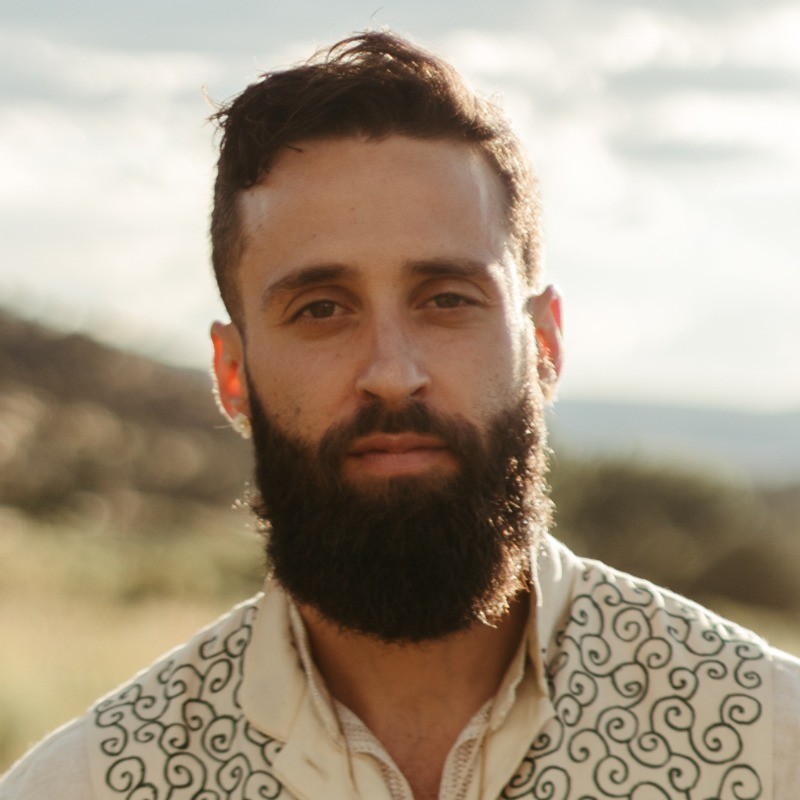
Welcome to Inclusion Bites, your sanctuary for boldconversations that spark change. I'm Joanne Lockwood, yourguide on this journey of exploration into the heart of inclusion,belonging and societaltransformation. Ever wondered what it truly takes to create aworld? Remember, everyone not only belongs, butthrives. You're not alone. Join me as we uncover the unseen,challenge the status quo and share stories that resonate deepwithin. Ready to dive in? Whether you're sipping your morningcoffee or winding down after a long day, let's connect, reflectand inspire action together. Don't forget, you can be part of theconversation too. Reach out tojo.lockwood@seechangehappen.co.uk to share your insights orto join me on the show. So adjust your earbuds and settlein. It's time to ignite the spark of inclusion with InclusionBites. And todayis episode 225 with the title ClarityWithin Complexity. And I have the absolute honour and privilege to welcome SimonMont. Simon is a lawyer, strategist, facilitator,mystic and problem solver who helps mission driven organisationsalign their values, vision and impact whilst creating environments where peoplecan thrive and contribute meaningfully. When I asked Simon to describe his superpower, he saidthat it is his ability to hold complexity and clarity at the sametime. Hello, Simon, welcome to theshow.
Simon Montguest
Hi Joanne, thanks so much for having me.
Joanne Lockwoodhost
Where that's in the world Are you Simon?
Simon Montguest
I'm in the mountains above Santa Fe, New Mexico, in the UnitedStates.
Joanne Lockwoodhost
That's beautiful. Lovely weather at the moment. Is it getting warmer?
Simon Montguest
Yes, actually. Incredible weather the past couple days.
Joanne Lockwoodhost
And for those of you listening, you can't see this, but I can see behind Simon is at least two orthree saxophones hanging on the wall. So you're into jazz or justcollect?
Simon Montguest
No, I grew up playing saxophone. Jazz and funk mostly, andblues. So I grew. Yeah, I grew up, grew up playingthem. Got a degree in it when, when I went tocollege. I don't play as much as I used to, but I've kind of transitioned more to stringinstruments because you can just pick them up off the ground and strum them for a coupleminutes.
Joanne Lockwoodhost
It was always one of my lifelong ambitions was to play thesax. Our son, he had lessons when he was, when he was a child, so we got him an alto saxand we've still got it somewhere. And I always wished that I couldjust. I'm talking about going to a party and someone has a sax on theirwall. You walk up to it, grab it and you just peeloff. Baker street in the corner and just. And just hang it back up andgo. That's it. Yeah, just that one song orsomething. Just feel. pour something out of sax.
Simon Montguest
Why saxophone for you?
Joanne Lockwoodhost
I think it's. I don't know, it's just that kind of. It's aniconic instrument, isn't it? It's got that sort of vibe about it, that sortof. I don't know. Trumpet is a bit too shouty, and I think saxophone isreally subtle and sound that comes out of it. I think that's what itis. It just drew me into that kind of. It's a friendliersound.
Simon Montguest
I think it's got quite a mythology around it,too.
Joanne Lockwoodhost
There's a.
Simon Montguest
There's a great book about, like, a biography of the saxophone called the Devil's Horn, which is reallyfun. Well, and yeah, the. The person who created itwas. He had the factory bombed a couple times because he was such a threat to thekind of rigid military band establishment as he was creating a instrument to attemptto replace it. And then it kind of carried over this mythos to the United States, where itbegan to represent kind of like an erotic soul that then kind of gotpicked up in jazz also. Often people attribute it to itbecause it's a. The reed instrument really mimics the human voice a lot and then has a lot of, like,breadth and flexibility that the brassesdidn't. So it was seen as like a.Yeah. A threat to rigid, structured. Its establishmentin. In the music world.
Joanne Lockwoodhost
Is it the only brass that has a read, then? Is that. Is that it's. It'sunique?
Simon Montguest
No, there's a bunch of woodwinds. So, like a clarinet is also awoodwind.
Joanne Lockwoodhost
Yeah, but the sax is a brass instrument, whereas the clarinet's wooden orplastic these days, isn't it? Yeah.
Simon Montguest
So it's made of. It's made of brass.
Joanne Lockwoodhost
But the.
Simon Montguest
But the difference between brass and woodwind is actually about themouthpiece. So a brass instrument has a full brass mouthpiece and a woodwind has areed.
Joanne Lockwoodhost
Right. Okay. Okay. That's the difference. Wow. You see?
Simon Montguest
There we go.
Joanne Lockwoodhost
This podcast is amazing. We're covering. This is.
Simon Montguest
This is what people are coming for when they. When they sign up forthe. For the Inclusion Bites podcast.
Joanne Lockwoodhost
It is. Yeah. And it's. Well, we like to just do a bit of background onour. On the guest as well, rather than just launch into the work, if youlike. Yeah, I like to get to know people. So one thing I lovedabout. I pulled it out. Your superpower. Whole complexity andclarity. At the same time. And you nodded when I, when I said that was what's going to readout? What does that mean to you then?
Simon Montguest
I think complexity is about understanding that there's so manydifferent ways to perceive a situation and perceivereality. So many paradigms, so many lenses that we can look throughthat each reveal certain things, certain elements of what's real, certainchoices, they point us to certain ideas of what is right and wrong, desirable, notdesirable, because there's a lot going on. And then clarity is the abilityto kind of maintain focus inside of all of that,to discern what we truly ought to be doingin a given moment. Just like to make it grounded, for example, like in the world oforganisational development, DEI and HR and allthat. There's a lot of situations where if you takea conflict, for example, and if you look through it from one perspective through arace based lens, you'd be like, oh, I can see how anti blackness is playing outhere. So you look through the anti blackness lens, you see that, but you move and you look throughthe gender lens and you say, oh, there's something else happening. But then you switch and you lookthrough. I'm not going to look through an identity based lens. I'm really going to look at the structural power dynamics and theroles and responsibilities. I'm gonna see something else and then, okay, I'm not gonna look through any ofthose. I'm gonna look through a, like a psychological lens, like an internal family systemslens. I'm gonna see something else. You can keep seeing all these different lenses, which is great,but then at the end of the day there's a conflict of what are we gonna, how are we gonna move inside of it, whatare we gonna talk about and how do we maintain clarity to not get lost in all thosepossibilities. And some of it's about clarity about which lens to prioritise in amoment. Right. Sometimes it, it's really important to prioritise a race basedlens. And sometimes prioritising a race based lens is actually gonna escalate the conflict anddehumanise everyone involved.
Joanne Lockwoodhost
So it's a bit like being at the opticians where they swap the lens out and you're having to look atthe scenario, evaluate each through each of thevarious lens or no lens, and extrapolate that and then swap in themost important layers, lenses to, to achievewhat you're trying to look for. More than one lens.Yeah.
Simon Montguest
And being able to discern which one. And the question of like, well, which lens do we use at whichtime always comes back to like, well, what are we really trying to achievehere? And being able to stay clear about that.
Joanne Lockwoodhost
Do you think that some people come with a preconceived or a pre baked lensscenario and the problem maybe is trying to get people to step back from thatpreconceived idea and look it through other, otherperspectives?
Simon Montguest
Yeah, I think we all have. We're all operating with some lenses thatwe're not even aware of. And I think the more aware of whatever lens we're bringing, themore we can ask the question of whether it's appropriate for the givenmoment. If I don't even know what lens I'm looking through, then I can't ask if it'sappropriate. And I think that, like in the realm of HR and DEItype practitioners, I think some of us make an assumption the lenseswe use are good and appropriate in allcircumstances. And after, you know, 10 years in the game, I've noticed that actually some of thelenses that I thought were going to be appropriate in all circumstances actually, actually weren't andwere harmful in some of them. Some of the things, some of the lenses that I used to wear allthe time because I thought that by wearing them I would be a good person or a moral personor work toward the world that I wanted to see. I realised that actually Icared more about what I looked like while I was wearing the lenses than what the lensesactually allowed me to see.
Joanne Lockwoodhost
Most people, I would say most people, all people generally come from a placeof good. They come from a place where they genuinely believe they're rightand that their perspective is the most valid. Andthat's. And then when you're engaging, you come with your own perceived ideathat you're right and your perspective is valid. And it's really hard to try andmeet those two perspectives that are maybe diametrically opposed or in conflictand better see our way through that.
Simon Montguest
Yeah, there's a tool that I use a lot in my work calledpolarities. When there's those diametrically opposed perspectives orbeliefs, and it's just a really basicobservation. If we enter the game when we've noticed that polaritythat feels diametrically opposed, if we enter that conversation with anassumption that each of our perspectives carries a gift and a risk,there's something beautiful in what you're saying. And there's something that if we overfixate and only use yours, a risk we're exposed to, and that's the same withmine. And then the game Becomes okay, how can we unearth the gifts andrisks of both of our perspectives in order to create something newthat harnesses as much of the gifts and as little of the risks aspossible? And then the way like that becomes really tricky is thatas we're doing that we're also liable to judge each otherfor the perspective. It's one thing for me to say I disagree with you and there's a risk in yourperspective. Then there's a judgement that's like, and you're a bad person because you are holding thatperspective. And then when we get in those judgments then we like escalate and it'snonsense. And then there's also underlying power dynamics that are based on all thedifferent things from identities to structures to roles, whatever itis. So if we enter and you have significantly more powerthan I do, then and we don't negotiate that well, yourperspective is going to dominate. We're going to get the gifts and the risks of yourperspective. We're not going to get very many of the gifts of my perspective and we're notactually going to be able to play this human creation game as well as we couldhave.
Joanne Lockwoodhost
One thing I've noticed recently is quite a few people accuse people with other viewsof holding the power. This whole semi globalanti wokeness that's occurred, it's because people who were seen as woke,marginalised suddenly have more power than the majority. And of course thosewho are feeling marginalised and the woke people are looking back and going, hang on a minute, I haven't gotpower, I'm being oppressed, I'm trying to fight for myexistence. And so there's often mismatch between who has the power andwho perceives who has the power. And people are feeling threatened because they see it as a zero sumgame. If you have it, I can't.
Simon Montguest
Yeah, power is very odd and complex and most of us have very oversimplifiedunderstandings of how it operates because we have to understand like how itoperates. My internal experience of how it operates and how I believe it thenactually like interpersonally, how we actually are exerting power and thenorganizationally and systemically. But I think that one of the things that hasa lot of power in a lot of different areas is the ability to cast oneself as avictim, cast someone else as a threat or an oppressor and then behave as if youractions toward your presumed oppressor are therebyjustified. It happens everywhere the mo like in most situations, if I canconvince all the People around me or enough people around me that I'm the onethat's the victim, then I can kind of do whatever I want and nobody's reallygonna. Nobody's really gonna check me. And you can see that,right? The anti wokeness is a. And American, you know, kind ofTrumpism. And MAGA is absolutely a victimnarrative. Their whole idea is we are atthreat. Those people over there are taking power, those people over there aregetting something out of us, therefore we ought to attack or dosomething. And actually like, really interesting on an organisationallevel. You know, I work, most of my work is in kind of American leftist socialjustice kind of spaces. We actually do the same thing in our organ in thoseorganisations, right. You have somebody who says, I'm being treatedinequitably, I'm being treated unjustly, that boss has too much power over,over me. If they can then get people to buy into that narrative, oftentimes theycan do a lot of things. Sometimes it's really accurate and sometimes theybecome really disruptive and sometimes aggressive and sometimesproblematic and violent themselves because they believe that they are thevictim. So this idea of like the difference between this victim mindsetwielded for power and like true victimisation is something that it's reallyhard to tease apart.
Joanne Lockwoodhost
Yeah, I see more of it where people who hold the viewsyou were talking about, the MAGA and the. Those sort of views really truly believe thatthey are the victims. We see it, the rise of the manosphere, the rise oftoxic masculinity. Women are oppressing men. We're seeing a lot of that in youngboys now, probably in the US as well as the uk. And it's this belief thatpeople are losing power or losing someone else that holds control overthem.
Simon Montguest
Yeah, yeah, I think the, That's a. You know, my read of all of that is that like,if you go into like the polarity idea, right, If I interact with that and say,okay, there's something real that they're saying, there's some gift herethat they're trying to bring and there's some risk,okay. At the same time, if I take the pause and say, all right, I'm not gonnajudge them, I'm not gonna just be like those wackadoodles, those evilpeople, even though I'm aware of the risk. Because if I, if I don't check thatmanosphere belief structure, right, what we're actually advocating for islike a really violent form of patriarchy that's terrible to queer and Transpeople, terrible to women, ends up controlling bodies and actually thenbecomes terrible to the males and the men as well as their identities becomecollapsed into these kind of shells ofthemselves. And then it also gives them an excuse to, to kind of treat earthand not earth itself and non human inhabitants as objects for their owndesires. In the same way. It's. It's kind of gross,actually. The gross. You heard me. That's the judgement,right? What I was before was, okay, those are the risks of thatthing. But then I went gross and like, okay, there, that's more of thejudgement. But there's a gift. They're actually, I think they're actuallyreally trying to point us to, which is like first in the United States, thesense of, right, the sense of loss that they're experiencing, I think is veryreal, right? There was a. There's a whole generation of people who are
Simon Montguest
growing up essentially like rooted, what is theword? Rootless, right? They don't have a place to ground their sense ofself. They don't have their place to ground their sense ofidentity. It's being attacked, it's being undercut from all sides,right? So because you have a kind of capitalist patriarchal narrative thatsays you're not worth anything unless you have high status, high money,sexually engaged with a high status female,right? All of these things, but then makes all of those incredibly scarce andincredibly hard to access, especially though like money and status,right? So they're like, okay, what is myworth? What am I doing? And then they go to the left and you know, to thepolitical left. And as a white guy who has spent, you know, more than a decadein leftist spaces, especially years ago, it washard. A lot of side eye, right? A lot of scepticism, a lot of having to swallowother people's projections. And then the left built this idea of what a goodman is. And the good man is actually very quiet, always in a support role,always listening, always. And then, and then the left like really went farinto a very kind of like old school original sin narrative, which was like, ifyou're, if you're a white, if you're a guy, if you're straight, you are borninto your role as a problem because of thesestructures. And because of that, what we expect of you is to kind ofconstantly apologise and make yourself small and believe that you areinherently sinning by virtue of your embodiedexistence. It was very. And then, okay, like you go over there as a guy, it'snot really easy to find belonging it's not really easyto. To find it. And. And then in that vacuum,right? Then people come and they say, okay, men and boys, you're lost, you'rehurting, you feel abandoned, you feel at risk, you feelscared. All those feelings incredibly real. And now we get a narrative thatthen takes that and moves that intosomething. I think there's a lot of risks with the narrative, but I think ifyou look underneath it, I think what you see is like this big vacuum and painthat some of us who are trying to create a world based on more like, you know,liberatory, feminist type principles, we left that vacuum there in someways, in the way that we organised ourselves. We didn't strategize toward itas much as.
Joanne Lockwoodhost
Yeah, no, I think the other thing is that we are in a world now whereinfluencers can monetize their influence and peoplefollow them. And so we look at TikTok, YouTube, whatever platform you're using,people sell a brand and they sell aperspective. And if you're feeling disenfranchised in any way from,as you say, maybe these ideals, who are what a man shouldbe. And you. Hang on, hang on a minute. That doesn't sound like me, but this persondoes. And you can very easily get sucked into that world, can'tyou?
Simon Montguest
Yeah, and it doesn't. And there's this, like, really deep, I think, internalattunement and discernment that we have tohave. I'll just say, like, as a straight white guy, becauseevery. Every thought that I've ever heard somebody on the manospherearticulate is a thought that I have had in my own mind,right? Everyone, Right, the. About whatit. What it means to be a man and how I ought to be and what I'm entitled to and how peopleshould treat me. All of those thoughts are things that have run through myhead. So I have to be in a practise of discerning what isreally, really true for me and who do I really want to beotherwise? Somebody outside. I think it's a lot of what's happening,
Simon Montguest
right? Somebody outside of me who says a thought out loud thatI have had inside but I have thought is a bad or shamefulthought. They've now just given me permission to identify with thethought. So then what we have is this very interesting thing, right? I'm sitting here having thoughts, and that group ofpeople over there on the left is telling me I'm bad for having thethoughts. And that group of people over there is telling me I'm normal and I'm good for having thethoughts. And unless I have like an incredible level of moral clarity, what am I going todo? I'm going to say, forget you guys, I'm going to acceptmyself. They're telling me it's okay. I'm going over there, I'm going to find belonging, I'm going to findplace, I'm going to find meaning, I'm going to find purpose overthere. If I go over there, I'm going to find exclusion and side eye andscepticism. It's actually like a challenging thing to navigate and I think it'scool because there are people who are very aware of this and they're trying to build that spacethat's both kind of morally clear and also centredon creating like a belonging for people to navigate this in a betterway.
Joanne Lockwoodhost
Yeah. That sense of belonging you talked about, it's. It's a bit like osmosis, isn'tit? You're always going to go to the migrate to the point of less salinity if you like, and try and even itout. So you're going to always permeate across to what resonates where you feel mostcomfortable, where you can be yourself, your thoughtsalign. If you're having to fit yourself into the other perspective, you're always going to feel uncomfortable, alwaysgoing to feel threatened, always going to feel you're masking andcovering. If you're going that way, feeling free thisway. So, yeah, our affinity group builds amongst that aswell. Yeah.
Simon Montguest
And I think it's also like, what part of the self is that spaceresonating with? Because parts of me are really comfortable in somespaces. Like I've never been in a space where I'm like, okay, everysingle part of me feels really comfortable and really welcomehere. Some spaces I bring out something, some spaces I bring out anotherthing. And I think we all have different parts and different needs that we'renavigating and those are drawing us around and it'sreally. Yeah, it's really fascinating. And I think that people then go to a place where somepart of them that feels like has not had a place suddenly feels like it hasa place. And then they can often fully identify with that and they're like, okay, this is me, this is thereal me. And then interestingly enough, they'll then start absorbing all of the other norms inthat where that part of them feels belonging and then getconfused. That's actually one of the things that happened to me years ago when I really, like, was moving intoqueer community. There's a time where I was wearing a dress, wearing highheels. That's how I was being in the world. And part of parts of me when I did that feltsuper reflected and super cared for and super seen in a way that theyhadn't. And then I was in a very particular community, a very particular geography, and Inoticed what I was doing was all of a sudden I was scared of being excluded from thatcommunity. So I would just say all the things that would let me stay and I wouldn't challenge any of the normsthere. I wouldn't. There were parts of myself I wouldn't bring in the same way in anycommunity. And then I kind ofkept. So that's one of the reasons why I keep moving around through so many differentplaces. It's fascinating.
Joanne Lockwoodhost
Yeah, I hear you. I mean, certainly the community, the queer community, the part of itI. You could. You could argue I'm alignedto. Has its own rule set, has its own mantras, has its own, you know, daresay ideology that people talk about. And sometimes you have to sort of step back and go, hang on a minute,I'm not drinking that Kool Aid. This is not. That's. That's not. That's not me, that'syou. And I actually have a different view on this than you do. And you'reright. If you're not careful, you get ostracised or shunned out of that community into thisno man's land where you're not. You don't fit anywhere. And so you're desperate to hang ontoit. So you believe what people believe. I think it takes a brave person to be able to go,actually, I'm not buying all of that.
Joanne Lockwoodhost
Yeah.
Simon Montguest
And I think some of what we're talking right now is about the relationship between power andbelonging. Because we all need belonging so deeply,right? There's psychological, emotional needs and there's still the very real material andphysical needs for folks. And it's coming from an embodied history of, like, if you wereexcluded from the tribe and you had to feed yourself, that was it,Right? So we need this belonging. And then it means that whoever, whateverideology or structure then brokers that belonging has atremendous amount of power over us. And that's, I think, one ofthe reasons why some of navigating some, like, complex and nuanced DEIstuff in organisations can be really, reallytender. Because if, like, I've seen a number, like in onenumber of groups, I'll think of one in Particular like there was a whole bunch of staffwho were saying that, you know, there's a toxic power structure and it's a white supremacist power structure and kind of bringingthat analysis. And then the leader of this, the kind of director of this organisationis a woman of colour who had a good analysis, was like, I actually don't think that isreally the best way to understand this. It creates this moment for that leaderwhere it's like, oh, to push back and say, no,that's not the way we're gonna understand this in thiscircumstance. Daf, you're actually using that narrative to
Simon Montguest
exercise power against me that you're not being accountablefor. For that person to do that is thisdeep challenge because they're gonna, they're gonna feela belonging threat. They might even get fired over it. If they can convince the board that thisperson is white supremacist, at the very least they're going to feel a severing ofrelationships and a stark question to their soul of like, hang on, am I actuallydoing this bad thing? It's way easier psychologically to just go alongwith. Yeah, you're right, it is white supremacist. It's actually wayeasier. So then you're in this fascinate. This group is in this fascinating moment where there's people who haveless structural power, role based power because their staff,kind of junior staff, the CEO has more structural power, has moreinformational power, has more connections to people. But then the people, the staffare saying that the CEO has way more power because they do have someforms. But actually what's happening is the staff are exercising the most influential amount of powerby shaping a narrative and using ideology to create a sphere of belonging and then threatensomeone with that. And they're not aware that that's actually exactlyhow they're using power because they're so convinced the other person is the person who has power overthem. Right. So. And that's what I mean by like the complexity andclarity. It's like all of it's happening all at the sametime. And then they're in a room and they're. And we're having a meeting and we're trying to figure out what thebudget's gonna be and how are we gonna talk to each other. How are we gonna actually then move forwardgiven all of that swirl of dynamics?
Joanne Lockwoodhost
It's fascinating. I'm. This is a great perspective on a dynamic Iprobably hadn't appreciated the collective power versus the individual power and thecollective power is far more influential. Even when you look atthe. In the politics, the collective power of the communities outthere shape the political agenda nationally,maybe. Certainly we look at some of the influences in the political scene in the US and the UKaround religion, Christianity, those sort of things. There are collective bodies thatinfl. That will power, structural power, to influencehow people are going to react by.The narratives that come out, the influence that way.
Simon Montguest
So powers take so many different. So many different forms andexpresses it itself in so many different ways.
Joanne Lockwoodhost
Yeah. And then you've got energy, oil, money. Well, there's other dynamics aswell.
Simon Montguest
Yeah. All these different forms of power.
Joanne Lockwoodhost
When I read out your bio, the word mystic was in there. So how does mystic fitinto your psyche?
Simon Montguest
There's like a moral sense and an epistemologicalsense. I think the epistemological sense, like way ofknowing. I think you're seeing it in the way that I'm expressing myselfnow. Right. I'm. I have this really strong value for seeing manydimensions of something while knowing that I'll never be able to get to theessential, objective truth of that thing. And then kind of also from, youknow, my lineage and tradition, that first thing that I did where I said,you know, when you. When I meet a perspective, the first question is, whereis the light inside of this perspective? Where is the gift inside ofthis? And how can I find it and draw it out to learn from it and to reflect it tothe person? That is like a kind of comes from. Comes from that lineage andthen out of. More like straight to the guts of itthere. I think we all are faced with a question of what are we ultimatelyconcerned with? This is language from my theologian, PaulTillich. What are we ultimately concerned with when we're makingdecisions? What are we actually driving. Driving toward whenI. And consciously or unconsciously, you know, when I choose to put on aperspective, what am I trying to achieve with theperspective? What am I actually about? And I think I'm on a journey ofasking that question to myself over and over to try to get deeper and deeperdown into a core essence of what I consider the soul and say, like, well,what I'm really concerned with is my soul's relationship to reality andall and a sense of sacredness. That's what I'm really concernedwith. So now if I. If I'm going to use a feminist analysis, I'm going to say,
Simon Montguest
is the feminist analysis in this particular context allowing my soul tobreathe and repair its relationships with all of reality and peoplearound me, or is it not? And then kind of the mystic senses, the sense that,that like in an experiential way it is possible for us to reach thesemoments of like deep bliss and deep awe. Those moments where like, oh mygosh, everything makes sense and is imbued with sacredness and withlove. Suddenly all of the pain in my life makes sense because of where I amnow. I understand like these glimpses of, of like true deep sacredness andholiness, that those are the reference points I have for like what I hope Ican, how I can live and how I hope everyone and you canlive. Like, my hope of the world that we're trying to create is that you canexperience that sense of like deep meaning and belonging to the cosmos andsafety and soul and love and awe. That you can experience that as much as, aspossible and that we remove all barriers to access tothat. That's the game.
Joanne Lockwoodhost
Sometimes the search for that can be, can be quite exhausting mentally, can'tit? Because you're, you're constantly looking for meaning in everything, but you'retrying to second guess yourself. Sometimes you're trying to find the ultimate answer to theultimate question. And sometimes there is no answer, it justis. Yeah. Yeah.
Simon Montguest
I think that the need to know and the need toconstantly have peak experiencesand the like journey of doubt and angst is like,well known to be part of the, like part of the terrainof trying to, to, to findthat. You know, if we want to get all the way into the like spirituality and psychology like thatPeople have different teachings about how to navigate that. But I definitely experience it alot. Right. I have a lot of my own personal experience of it is like the oftentimes the closerI get to what I feel like is a life that's truly aligned with my, my purposeand my place. The more painful, more pain I feel because I'm,I'm so close, but I can feel that I'm not there.
Joanne Lockwoodhost
Right.
Simon Montguest
And that, that itself is a sense of like, angst for me, that's definitely part of my, part ofthe. Part of the set of knots I'm untangling in my life.
Joanne Lockwoodhost
I remember looking back at my life 10, 10 or so years ago, where I felt Iwas. I. I call it the vortex of confusion or the Bermuda Triangle where you,you go into this zone and there's no up, there's no down, there's no left, there's noright. You're just spinning and tumbling and you've kind of in thatmode. You're mentally all over the place. You've got no clarity and you'vegot. You've almost got two X's, because staying there is not anoption. Escape the other side with clarity or bottle it and go backknowing full well you've got to come back into the vortex to get to the other side anothertime. So what do you do? Do you stay? Do you go? And I remember the only wayI could get to the other side and get out was to stopoverthinking. I almost had to say to myself, I am. Thisis. I don't have to find an answer. I don't have to explain it to you, me oranybody. Just have to say I am so I can leave the door and thatbecomes my new reality. Which is fine. I'm trying to question how I gotthere. It's just put myself back in the vortex. I've learned over the years that sometimesyou don't have to have the answer. Just accept.
Simon Montguest
Yeah, there's this space.
Joanne Lockwoodhost
How does that fit into your model?
Simon Montguest
I resonate with that On a. On a personal. Like a personal level of like,not being fixated in the mind and the need to understand or control andreduce the universe to the size of my own ideas is part of thepath. That's something that feels really true tome. I also was laughing. I was like smiling as you were, as you weretalking about it. Because the way that you map that out isso. Is so much one of the particular interpretations ofa. Of the Exodus story in the Hebrew Bible. Even to the right, youleave. You leave a place of constriction. And we don't go from a place ofconstriction into a place of freedom. We actually go into, in Hebrew,called the midbar, which is a desert orwilderness. But it's also known as midbar is a desert orwilderness. Midaber is both speak and from where it isspoken. So the wilderness from where it is where truth is spoken is wherewe go. And then the name, the way that kind of the source of sacrednessappears in that place is I will be what I willbe. I am that I am. So it was so funny that you were like, you gotta leavefrom one place into the liminal. And then I am that Iam. And then you kind of move from thereinto. Into a more embodied knowing. It feels very like resonant on ahuman, on a personal and a like, lineage level forme.
Joanne Lockwoodhost
Well, they say there's no original idea. It's just recycling other people'sideas. So I came up with that analogy on my own without knowing any of the storyfrom the Exodus. So, yeah, I guess you look at other examples like the Matrixfilms, and you have to go through thatconfusion. You have to wake up and go and fly down the chute before you can findwhat the reality is and then decide whether that's the reality you want tostay in. Yeah, it seems dark when you getthere. Yeah.
Simon Montguest
And I think, like. Yeah, it seems to me that it's. It's just a thing rightbeyond. Before it was mythologized or storied in all these different ways, it wasjust there. And then it gets storied and mythologized in all these differentways, each of which reveals somethingdifferent. Something that I think is, like, very meaningful to me about theExodus, Hebrew Bible version of it is they really emphasise the period ofwandering and so could go on for a long time about this, but just that in the periodof wandering, the story is very much people struggling to try to repattern all ofthe things that they learned from the place of narrowness and watching failureafter failure after failure, fear after fear after fear, and then doing the bestthey could to get as much of that out of their collectivebody. And then they enter into, you know, the promisedland. And we see still that the. The extent to which they couldn't get it out of them
Simon Montguest
made them replicate some of the things. So even though they were able toenter. Enter that promised land, in some ways they weren't able to do it as fullyembodied as they wanted to, and they left it to us to continue as the storygoes. But. But the quip about it is it was way easier to get the people out of Egyptthan to get Egypt out of the people. And I think that that is something that a lot ofus on identity journeys and unplugging from the Matrix journeys contemporarilyis, like, really important. Is like, yeah, I can see that it'sa. I can see that that system over there is nonsense and I can try to get out, but if Igo too fast into a new thing without really taking the time to be in the unknown, I'mgoing to carry a bunch of that stuff over and that the ability to reside in theunknown is actually like a really important part of the process, as you just said,from your own direct experience,
Joanne Lockwoodhost
does that play back to what we were saying earlier, where you've got the draw ofthis perspective? The draw of that perspective, and if you're not careful, you End up drinking theKool Aid over here and then realising that actually it doesn'tresonate. You haven't found yourself. What you've done is you've bought somebody else's ideal, somebody else's promised land,not your promised land. And actually you want to, you need to go, I've made a mistake, I've gone the wrong direction, I need togo back. You don't feel satisfied at all then, do you?
Simon Montguest
Yeah, that's feel. I just from my. One of the ways I've experienced thatin my life is, you know, I kind of unplugged from a reallystatus based, kind of whitedominant academic value set, we'll call itthat. And I tried to unplug from that and as I did I found my placein the kind of lefty community organising scene and thenI immediately was like, oh, this is the real stuff, this is where I want it tobe. And then took on all of their thoughts and all of their thoughts aboutme. And in some ways it was really uplifting. In some ways it wassuper dehumanising and like put me in some really, really dark places for a longtime. And in some ways it allowed me to continue with something Ihad from my previous life, which is a sense of superiority. I just went over there and I was like, okay, now I'mbetter than all those people and now I'm just going to try to be the intellectually smartest, I'm going to be thewokest one in the room and that's going to get my status right. So I had that and then youknow, I in some ways built legitimacy and connections in some like the beginnings of my careerout of that. And then I was like watching the ways that work through and the ways it really doesnot work when you're actually trying to build organisations and create a liberated world now intonow I'm. And then I entered like a real unknown land of like okay, I'mstill working with organisations and I have developed my own embodied knowledge abouthow to do this. And, and that has been like an edge to claimbecause I have to be, I have to be in a group of people challenging a powerdynamic, potentially getting fired. If I do it too extremely,I lose my credibility and I don't have a career. It's, it's a very definitely livedthat thing. And now I'm trying to hang out in that unknown as much as I canand offer something from it.
Joanne Lockwoodhost
Do you find that then that you're constantly having to micro calibrateYour how you're dealing with people, the emotional intelligence,feeding back, adjusting yourself slightly, course correcting, butyou're not the finished product. You're on this journey of evolutionconstantly. And I think as you say, going through the badlands into theplace of comfort, you still gotta find the next door and the next door andyou still gotta keep evolving yourself, be willing to invest in yourselfand readjust your own and recalibrate your own sense of how you fit into theworld as well.
Simon Montguest
Yeah, definitely. And the more times,the more times we realise that we're wearing a mask, the easier itis to take the mask off and burn it if youneed. And the faster we go through the processes, the lessattached we are. You know, I've spent a, I've spent more than a decade creating the identityof kind of a social justice organisational developmentstrategist. And now I'm in a place of questioning and be like, hang on, is this really the mask Iwant to wear? And because I've spent 10 years with it, it's hard to shake it loose and it's hard tothink about putting on a different one. But there are other masks that, you know,if I only wear them for a couple months, then I can put themoff. And that at least because I've let go of enough masks that I've held fora long time, I know that the process I'm going through right now of this one falling off isgoing to be okay and it's going to lead me somewhere deeper and truer and morehonest. And that kind of comes back to the mystic thing which is likemost of us shed masks through our lives and then most of us decide kind ofwhich mask to put on. Right? We're making a decision about are we going to allow this toshed. We, what else are we going to do? And we're listening to something deep inside ourselvesto discern right now. I'm trying to listen for, is it the best thingfor me to keep this identity, this justice, justice organiser development,Is that the best identity for me to continue to really invest in andembody or is there something else? And I have to listen tosomething deeper than all of those identities to make thedecision. And that's the thing that I'm kind of talking about is like the soul and the connection to the source ofsacredness and the source of blessing and the true source ofplace. So how, how strong can Icreate that connection and how much can I make that my primarygoal and identity? And if I can, I'M like, way moreflexible. And then that allows me to be of service in the way the momentcalls.
Joanne Lockwoodhost
I look back at my life and I can see those masks you calledthem. I was always describing them as retracing my ideal of who I shouldbe. I think, is it the song by you too? I still haven't found what I'm lookingfor. You keep. I try the next thing I try the next thing I try thenext. Well, that makes finally sense. Well, that finally makessense. And then you realise that you're so far from who you are because you'vecollected all these masks. Like it's all the things you're wearing thataren't really you. But they. They create a sense of belonging in acommunity. Suddenly you're in the middle of this community, realisingthat, actually I feel I'm a stranger in the middle of all myfriends. This is not me. And then you've got that disconnect and then you'vegot to. You then got to reverse back and lose your friends, lose yourcommunity and shun yourself and say, actually, finding me is more importantthan hanging onto you. That's a real. A real challenge to do, isn'tit? Yeah.
Simon Montguest
Where for you, when you've made those decisions, what's been the thing that's given youthe clarity and the investment to make that choice, to invest in yourself in that way, where does that comefrom?
Joanne Lockwoodhost
I think it's literally the pain of staying stillbecame less than the pain of going forward and being in this vortex, youknow? You know something's got to change and the vortex is so painful, so not good,that you've got to almost like force yourself in and force yourself out the other side andrecognise that you have to exitnaked. Anything you happen to bring with you is abonus. If you go into the vortex expecting to have it all that youhad and take it with you, you can't. You've got to. You gotta exiteverything. And then. Bit like playing poker, you gotta. You gotta go all in with your chipsand sometimes it'll win, sometimes it won't. But, yeah, I had to work out that I was gonnaprepare to sacrifice everything. And I'm not saying I did or didn't, but, yeah, a lot of things fell bythe wayside and they were just. That was just stuff. And I realised afterwards I washanging on to things I didn't care about. But I also found that I hadn'tshed everything I needed to shed when I got the other side either.I. I was still Drinking too much, and I drank too much for most of mylife. And about four years ago, four and a half years ago, I thought, hang on aminute. This drinking is still something that I've carried through that transition and thevortex. And that's something I need to let go of because that'snot. I don't like that person anymore. I think that helped aswell. So, yeah, there's still things in there that I think actually this doesn't serve me anymore, butI'm far more willing to. To let go of things now than I everwas. Some of that's age, you know, I'm 60 years old. So you do getmaturity. And age does bring a bit more wisdom as well.Yeah. How about you? Did you. You crossed that journeyyet? Completely.
Simon Montguest
I think the awareness of pain being thepointer to enter the wilderness resonates alot. The sense of like, Ijust. This isn't it. And I've had somepretty extreme experiences of that, you know, including one like real bigkind of a psychotic breakdown. I had to kind of emergencyevacuate from a area to know. It's reallybig.
Joanne Lockwoodhost
Yeah.
Simon Montguest
And then it's, it's, it's. So I've had some of those and I didthem. I had them like that. And then I would do, you know, be with blood medicine andpsychedelics and meditation retreats. And that also is like, can kind of do some ofthat process or it's not as actually like, like fully integrated is just doing it inyour whole life. But that experience of watching things shed and figuring out howyou're going to come out of the ceremony or the retreat, that's like the whole idea ofthe aesthetic practise in some ways, which I've like, toyedwith. And then it's really interesting now in my life because it's like that rhythmhas such a big important part of my life. And now I'm, for the first timeproperty-owner, have a house with all the complexity thatentails. And then I'm married with a son, so it's very interesting,right? This idea of like, knowing that. Knowing that to really align often requires ashedding of everything. And then also being like, oh, there's actually certainthings I'm unwilling to shed right now. And I'm not willing to shed certain thingsbecause of my own heart and soul. And I'm also not willing to shed certain thingsbecause of my relationships and obligations toothers. So that's very interesting. Like, okay, sowhat.
Joanne Lockwoodhost
How do I.
Simon Montguest
How do I go through that, that exodus journey here in this newcontext. And that's one of the things that I really appreciate about my own ancestral lineage islike, it has ascetic practise and it has mystical practise, it has a lot of thesethings. But the paradigm of the practitioner is somebody who's also in relationshipwith kids, with a job, which I think is like a really interestingparadigm.
Joanne Lockwoodhost
Yeah, no, I completely relate to that. I mean, I have my red lines and my red lines effectivelywere my wife, my children, my parents, my immediatefamily. And that was my non negotiable, they're coming withme. But then you know what you have to work with, don'tyou? You have to put effort into those relationships to make sure they dowork. And once you've realised what's important and what isn't, then you canfocus on it. Simon's been absolutely. We could go. We could carry on forhours. We could really go deep in this. It's been fascinating to learn about Exodus and some ofthe. My own belief systems map onto otherthinking styles. How can people get a hold ofyou? You've got.
Simon Montguest
I got a website, programmes, I got a website. Harmonise Work is thewebsite. And then what we do is organisationaldevelopment. So we'll do, you know, whether it's strategy or structure or direct,like DEI work or power negotiation, all that stuff, basically anything you canthink of. And we've got a cool tool there you candownload. It's called the Collaboration manual, which is just like a big map of allthe different agreements you can make to have successfulorganisations. Whether it's like meeting styles or roles andresponsibilities. But I think like, like the realthing. And the reason why I do that work is because this level that we've beencommunicating on, this is what's happening for us and this is what's happening forpeople. This is a lot of the internal guts of what then produces our behaviours andthen our organisations and our societies and oursystem. Our system. So, like, how are we going to maintain this kind of awareness ofall this when we go in and change the way we facilitate a meeting, knowing thateverybody's on a wild soul journey where they're navigating power and belongingon their search for justice and like what? And that's what's happening when we aretrying to design a new recruitment pipeline fordiversity. So how do we be with it?
Joanne Lockwoodhost
Love it. Absolutely fantastic. So also find you onLinkedIn. And you're Simon Mont, M O N T. Yep.
Simon Montguest
S I M O N M O N T. That's a good.
Joanne Lockwoodhost
Drop your message on there. Connect, say hello. Yeah,yeah.
Simon Montguest
And the website's nice. You can download that thing. There's also just like a button to set up a 30 minutephone call to talk about whatever and see if we're like a good match to do a project
Joanne Lockwoodhost
that was harmonise work. That's it.Fabulous. I'll put that in the show notes. Simon, it's been absolutely fascinating to talkto you. Thank you so much.
Simon Montguest
Yeah, thanks so much.
Joanne Lockwoodhost
As we bring this conversation to a close, I want to express my deepestgratitude to you, our listener, for lending your ear and heart to thecause of inclusion. Today's discussion struck achord. Consider subscribing to Inclusion Bites and become part ofour ever growing community driving realchange. Share this journey with friends, family andcolleagues. Let's amplify the voices thatmatter. Got thoughts, stories or a vision toshare? I'm all ears. Reach out to JoLockwood@seechangehappen.co.uk and let's make your voiceheard. Until next time, this is Joanne Lockwood signing off with apromise to return with more enriching narratives that challenge,inspire and unite us all. Here's to fostering a more inclusive worldone episode at a time. Catch you on the nextbite.
Clarity Amidst ComplexityThe Power and Perils of LensesBelonging, Masks, and the Pull of CommunityReimagining Power and VictimhoodLiminal Journeys and Inner Transformation
In this thought-provoking episode of The Inclusion Bites Podcast, Joanne Lockwood explores the complex interplay between clarity and complexity with Simon Mont. The conversation delves into how individuals and organisations navigate competing perspectives, particularly in the context of diversity, equity, and inclusion. Both reflect on how tensions arise when different lenses—be they race, gender, power dynamics or psychological approaches—are used to interpret the same scenario. Simon introduces the idea that real progress comes from holding space for multiple viewpoints and discerning which lens will be most constructive in a given moment. Together, Joanne and Simon discuss how the need for belonging, individual and collective power, and the search for authenticity influence how people show up at work and in wider society.
Simon is a lawyer, strategist, facilitator, and mystic with a deep commitment to helping mission-driven organisations align their values, vision, and impact. His special talent lies in balancing the intricacies of organisational life while staying focused on the essentials—enabling people to thrive and contribute meaningfully. Simon draws on a wealth of experience in social justice, organisational development, and systems thinking, bringing a nuanced understanding to the challenges faced by both leaders and teams. Grounded in his own journey, he brings candour, philosophical insight, and psychological depth to conversations about transformation and inclusive cultures.
Joanne and Simon examine how individuals can become trapped in communities or ideologies that do not truly serve them, leading to the adoption of 'masks' or identities that mask their core selves. They highlight the courage it takes to step into the unknown, shed limiting beliefs, and pursue a deeper sense of belonging and purpose. The discussion touches on practical tools for navigating polarised perspectives, the subtlety of organisational power, and the importance of leader self-awareness when shaping culture and facilitating change.
Show notes drafted with AI assistance and reviewed by Joanne.
“It's one thing for me to say I disagree with you and there's a risk in your perspective. Then there's a judgement that's like, and you're a bad person because you are holding that perspective.”
“One of the things that has a lot of power in a lot of different areas is the ability to cast oneself as a victim, cast someone else as a threat or an oppressor.”
“I have this really strong value for seeing many dimensions of something while knowing that I'll never be able to get to the essential, objective truth of that thing.”
“My hope of the world that we're trying to create is that you can experience that sense of like deep meaning and belonging to the cosmos and safety and soul and love and awe.”
The importance of recognising and consciously choosing the lenses through which situations and conflicts are analysed.
Understanding gifts and risks within diametrically opposed perspectives and how to harness both for organisational growth.
The often misunderstood complexities of power, including its social, organisational, and narrative dimensions.
Why belonging needs can drive individuals to adopt or maintain ideological positions, even at the expense of self-authenticity.
How collective narratives and victimhood can be leveraged as forms of influence and control within and beyond the workplace.
The challenges of navigating identity, affinity groups, and the constant recalibration required to remain authentic amidst evolving norms.
The value of embracing uncertainty and the “wilderness” on the journey to deeper clarity, alignment, and true inclusion.
One thing to remember
The central insight from this episode lies in the nuanced relationship between complexity and clarity—particularly in how individuals and organisations navigate competing perspectives, power dynamics, and the deep need for belonging. Rather than clinging to a single lens or ideology, sustainable progress in diversity, equity, and inclusion demands an adaptive, reflective approach that both honours the richness of multiple viewpoints and remains attuned to ethical purpose. True clarity emerges when we are courageous enough to dwell in uncertainty, unmask our assumptions, and continually recalibrate our stance in pursuit of collective flourishing.
Questions this episode helps answer
How can we discern clarity amidst the swirling complexity of organisational conflict?
What does it mean to consciously choose and prioritise which lens we apply to a problem?
In what ways do power and belonging interact and influence behaviours within organisations?
How can collective narratives of victimhood shape real or perceived power dynamics?
What happens when the pain of conformity outweighs the discomfort of genuine self-exploration?
How do we recognise when the mask we wear no longer serves us—and find the courage to remove it?
Explore topics
Ideas from this episode
Clarity Amidst Complexity
Harnessing multiple perspectives to discern a meaningful way forward within turbulent organisational, social, and personal landscapes.
The Power and Perils of Lenses
How our chosen frameworks—identity, structural, or psychological—influence both what we see and what remains hidden in conflict and collaboration.
Belonging, Masks, and the Pull of Community
Navigating the tension between authentic selfhood and the seduction or security provided by affinity groups, ideology, and collective power.
Reimagining Power and Victimhood
Unpacking how perceived power, victim narratives, and collective influence shape dynamics within organisations and society at large.
Liminal Journeys and Inner Transformation
Embracing wilderness, uncertainty, and discomfort as essential stages for personal realignment, letting go, and genuinely inclusive practice.
Learn
Frequently asked questions
What does "holding complexity and clarity" mean?
It refers to the ability to see multiple perspectives or paradigms within a situation and, amidst this complexity, discern which lens or approach to prioritise for purposeful action.
How do "lenses" influence organisational dynamics?
Lenses—such as those focused on race, gender, power dynamics, or psychology—shape how individuals interpret and respond to situations. Being aware of which lens one uses, and its appropriateness, is critical to meaningful and constructive engagement.
Why is power so difficult to define in workplaces?
Power takes many forms, from formal authority to collective influence and even the capacity to shape narratives. It can be misperceived, overlap, and shift, leading to tensions over who "holds" power in any given context.
What is the risk of rigidly adopting group ideologies or belonging narratives?
Over-identifying with any group or ideology can result in masking or suppressing parts of oneself and, paradoxically, lead to exclusion or misalignment with one’s authentic values.
How can individuals navigate transitions of identity or belonging?
The process often requires entering a "wilderness" or unknown, shedding old masks or affiliations, and recalibrating to make choices grounded in deeper values or one’s sense of soul, even if this means facing discomfort or loss.
Share this episode
Heard something worth passing on? Send this conversation to someone who needs to hear it.