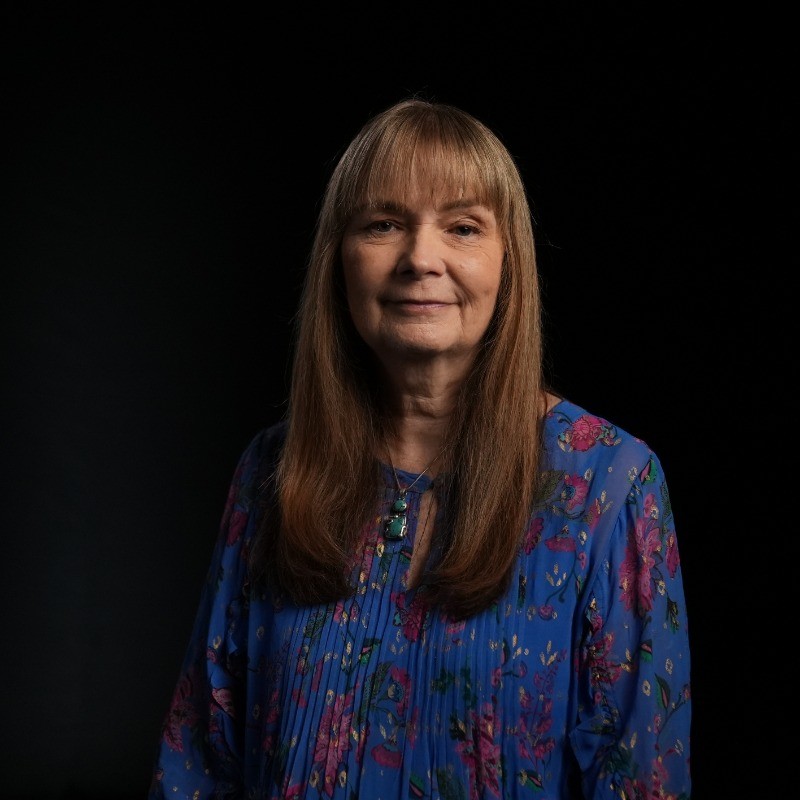
Jo Berry shares her remarkable journey of disarming division through empathy, exploring how understanding, vulnerability, and courageous dialogue can transcend conflict, transform pain, and nurture genuine belonging amidst deep societal divides.
In this episode of The Inclusion Bites Podcast, Joanne Lockwood is joined by Jo Berry for an open-hearted exploration of empathy’s transformative power in the aftermath of terrorism and conflict. Joanne reflects on how Jo’s perspective fundamentally shifted her approach to difficult conversations, inspiring deeper self-reflection and compassion. The conversation courageously confronts the complexities of trauma, othering, and the human capacity for healing, with both delving into how empathy can disarm division, build trust, and open the door to honest dialogue even in the most polarised settings. Together, they examine contemporary issues around exclusion, political rhetoric, and toxic masculinity, with practical discussion on how language, media, and leadership fuel either polarisation or peacebuilding.
“I lost my dad, but I also lost part of me in that bomb.”
Explore
Navigate this episode
Joanne Lockwoodhost
Welcome to Inclusion Bites, your sanctuary for boldconversations that spark change. I'm Joanne Lockwood, yourguide on this journey of exploration into the heart of inclusion,belonging and societaltransformation. Ever wondered what it truly takes to create aworld? Remember, everyone not only belongs, butthrives. You're not alone. Join me as we uncover the unseen,challenge the status quo and share stories that resonate deepwithin. Ready to dive in. Whether you're sipping your morningcoffee or winding down after a long day, let's connect, reflectand inspire action together. Don't forget, you can be part of theconversation too. Reach out tojo.lockwood@seechangehappen.co.uk to share your insights orto join me on the show. So adjust your earbuds and settlein. It's time to ignite the spark of inclusion with InclusionBites.And today is episode 224 with the titleDisarming Through Empathy. And I have the absolute honour and privilege to welcomeJo Berry. Jo is an international speaker, dialoguefacilitator. Facilitator who helps people and organisations navigate conflict,division and difficult conversations, courage, compassion andhumanity. When I asked Jo to describe her superpower, she said that it is herability to use empathy to disarm division, build trust across differenceand create conditions for honest healingdialogue. Hello, Jo. Welcome to the show.
Jo Berryguest
Hi, Jo. Thank you for having me on your show.Fantastic.
Joanne Lockwoodhost
We met. I think we were just trying to work it out probably about four years ago in Dublin, didn't we, at aprofessional speaking conference and you were one of the keynotesor. No, you were part of a mini panel, weren't you?
Jo Berryguest
No, keynote.
Joanne Lockwoodhost
Keynote. It's a keynote. Yeah. And we kind of kept in touch loosely over the last fouryears. But it's an absolute pleasure to meet you again. I've been so looking forward to thisconversation.
Jo Berryguest
Me too. Was lovely meeting you in Dublin. Yeah,we've. It's just taking us time, but I believe this is the right time for us to dothis.
Joanne Lockwoodhost
Yeah, I'm not going to. I'm not going to ruin the moment of you explaining the storeyyou. At that moment, when you gave your. You gave your talk in Dublin,you changed the way I think about a lot of things and it really, reallyinspired me to dig deeper into myself, to truly understandaround empathy, around compassion and around also realisingthat your opinion is your opinion, which you're allowed to hold, doesn't meanthat's the truth or the fact. And everybody has opinions and we have to somehow livein a world where. Where we can coexist with people who think differently toourselves. I think you were pivotal in a real change in my thinkingat that time.
Jo Berryguest
Wow. I had no idea. That's amazing. That's reallytouching.
Joanne Lockwoodhost
So what happened? What led you on the path? You want todie?
Jo Berryguest
Yes. Thank you. I have to go back to October 12, 1984, when I was just27. Waking up that morning, I'll never forget my twin sistersaying to me, a bomb had gone off at the Grand Hotel in Brighton andwas at the hotel that our dad was stayingat. Now, my dad was a Tory MP and he was attending the ConservativeParty, their annual conference, and I knew he was in thathotel. So their waiting started, waiting to find out whether hewas alive, whether he was injured. And about eight hours later, hewas one of five people who were killed who was blown up by a bomb bythe IRA. Probably many of your listeners don't know about the IRA,but I, as a teenager did have experiences of, like, sometimes Icouldn't get to school, there were bomb scares inLondon. But I never thought it was myproblem. You know, I thought it was a problem in NorthernIreland. So I didn't live in fear. I lived inpeacetime. You know, my dad was safe. I never realised he'd be atarget. And from the moment that we heard that he'd been killed andthey found his body, part of me also died in thatbomb. You know, the me that believed in life was something to havefun, to play, to be peaceful, because now this is the realworld. In the real world, people getkilled. And so it opened me to what war is, what terrorism is, whatgenocide is. And I couldn't go back to the person I hadbeen. It weighed heavily on my shoulders and my heart because Icould feel it. So I lost my dad, but I also lost part of me in thatbomb.
Joanne Lockwoodhost
I do remember it at the time, and obviously the news coverage was quite considerable, but Iguess it focused on the Prime Minister, Margaret Thatcher. The Cabinet member, NormanTebbit was very, well, sort of publicised in that. But your father, I guess,wasn't one of the leading lights and probably didn't get the same media focus as thecelebrity, if you like politicians or from your point of view, didhe? Or is it fortunate that you didn't get the same media attention he did
Jo Berryguest
for us, get the media attention. Like his photograph was oftenthere. He was the only MP who was killed and he had a minor role in thegovernment, but because he was the only MP, he was talked about alot. Terrorism is so public. It's not something just happens to you andyour family. It happens to everyone. And because the Conservativegovernment was a target, I guess it was the worst terrorist attack we'd hadat that time. Obviously things changed a few years later with 9 11, but thisis 84, you know, and there was the. I think it was the time when, you know, thewhole country just had to kind of sit up and takenote. And, you know, the IRA themselves said that that bomb did more tocreate the change they wanted than any bomb that had gone off in NorthernIreland because it nearly got the wholegovernment. Like if the, if the Grand Hotel hadn't been built so well,there would be many, many more deaths.
Joanne Lockwoodhost
It was a big bomb or potentially the Prime Minister and most of thecabinet could have, could have lost their lives in that.Yeah. And all the support staff, all ofthem.
Jo Berryguest
Like the Grand Hotel was where the more iMPortant ministerswere. And the only reason my dad was there was thathe'd. There was a minister who'd left the day before and said to my dad and mystepmother, do you want my room? It's spare. So theymoved.
Joanne Lockwoodhost
Right.
Jo Berryguest
Otherwise he wouldn't have been in one of the prime rooms at the front, which coMPletelycollapsed.
Joanne Lockwoodhost
I suppose it's the modern day equivalent of the Gunpowder Plot from the Houses of Parliament and GuyFawkes, isn't it? It's the modern equivalent to yes.
Jo Berryguest
Except Patrick Magee was more successful.
Joanne Lockwoodhost
Yes. Yes. It wasn't cool on the way in.
Jo Berryguest
No. Oh, yeah.
Joanne Lockwoodhost
You must have what emotions going through you at thetime? Obviously sadness and loss. But didit. Did anger creep into those emotions at the time?
Jo Berryguest
No, that was later. No. I felt very disassociated, that I was in my ownworld and I couldn't connect with anyone else apart from people wholove my dad. And even then I felt very alone becauseof. Of the questions I had about how ithappened. And two days later, on my own, I made a silent pledge tounderstand those who'd killed him and to bring something positiveout of it. And that helped the part of me that didn't know who I wasanymore, didn't know how to act, didn't know what my life was going tobe like because I had a plan, I had a journey and had no map and I didn'tknow how. You know, these days, if you put in AI, how do you bringsomething positive out of a terrorism? You'd find so much, so muchthere. But like, this is 84. And I kept it veryquiet. To myself, no one knew, but it gave me a sense of where to go andwhere to start. And the starting point was, I'm not going to hate, I'mnot going to go for revenge. I'm going to try andunderstand. So it's back to empathy that youmentioned. I'm going to bring empathy to. To those who killed mydad. Now the papers, the media was full of these monsters they calledthem and worse names, you know, See, I was never going to get answersfrom reading newspapers or listening to the radio because they werelike the most demonised terrorists we had at thattime. And that didn't help me because I knew they had astory. I knew they were. They were people withhumanity. And so how do I find that out? And that's what I'd been doingall these years.
Joanne Lockwoodhost
I was quite affected when I visited Kilmainham Jail in Dublin andlistened to the storys of the people who were involved in the firstuprising, the General Post Office and the attempts there, and howthey were summarily hung, hanged and the whole story about theindividuals that hanged at that time. I found huge amounts ofempathy for their cause and the way that the British at the timetreated them. And I guess some of the roots of what you experiencedyour father lost his life through, trace right back to thosehistorical injustices, if you like, the way the British and theIrish were at loggerheads back at the turn of the lastcentury. And it's really ingrained in people, isn'tit?
Jo Berryguest
Yes, yes. It goes back hundreds and hundreds ofyears. And recently the lack of justice, the difference between howProtestants were treated and how Catholics were treated, that's back in the 60sand the 70s. So what I find in conflict, in. Well, in conflict that has turnedviolent is people, they justify why they're right, you know, they justify thattheir cause is absolutely right. And then having defended their cause, the nextstep is to take actions to prove their right to act that they'reright. And then that moves into the spectrum ofviolence. And we're going a bit further in the story, so I'll leave that fornow. But it's something that I've certainly experienced, the politicalrighteousness on all sides.
Joanne Lockwoodhost
And the old adage, you know, history is written by the victors, is so the storys you hearare the storys of the winning side, if you want to. But if you ever want to have winners,losers, and one person's terrorist is another person's freedomfighter. And it's really understanding the echo chamber and the belief system and whypeople do this. And I'm a great believer that nobody wakes up in the morning to be a badperson. Everybody wakes up in the morning believing in what they believe they'redoing for the right reasons and their righteouscause. And I think being able to have that empathy for that belief means that you can sitdown with people that you have no respect for, for their views, but you have respect forthem as human beings.
Jo Berryguest
Definitely. You've hit the spot with that, like,definitely. And as human beings, we have the capacity, I think, to hearstorys from different sides from opposing sides and to be able to listenand acknowledge them all. But that's not something that you see in ourpoliticians or is taught in history. So when I go to Northern Ireland, Ican sit in a room with someone who was an ex ira, someone who was one of theloyalist paramilitaries, an ex Britishsoldier. I can listen and give empathy to all threestorys. You know, I think at that point our brains, sortof. My brain can't quite compute that, but sort of, for me, the hearttakes over. Like there is a space in us to be able to listen to peoplewithout that judgement going, well, you're wrong, because thishappened in history, but actually listen and witness it and go, okay,this is interesting. This is yourexperience. And then you hear someone else who's got a perspective froma completely different side and it's asvalid. But that's not what's really modelled to us, isit?
Joanne Lockwoodhost
Yeah. Understanding why somebody thinks something isn't the same as agreeing with what theythink.
Jo Berryguest
Exactly.
Joanne Lockwoodhost
Yeah. I think that was one of the powerful lessons, I think, that you gave meat the time that has allowed me to. I think the word isequanimity. Someone told me that word be able to better hold thosepositions, those paradoxes, and not rush tojudgment.
Jo Berryguest
Yeah. And it is a skill that I think it's hard. I think it requires emotionalmaturity. And I still. I don't know about you, but I still sometimes havepart of me that wants to rush in judgment and go,
Joanne Lockwoodhost
yeah, but I think that's a human thing. I do exactly that. I can feelmy chimp brain kicking in, my amygdala's kicking in my emotions, my vagus nerve triggers itand I go, wait. I can feel myself beingjudgmental. I know I'm being judgmental. Okay, stepback. So I've almost got a little subroutine in my brain that fires offnow. And I can now not necessarily stop it coming out, but at least Manageit and better work myself back. I can pull myself out of thathole. But I think it's so human to bejudgmental and it's our survival mechanism, isn'tit?
Jo Berryguest
Yeah, but that's brilliant that you've got the self awareness and then theskills to hold back and then sometimes it's toodifficult. I say things that I do regret but then I also know how to healany harm that I've inflicted and to put my hands up and go, okay, that wasn't okay,like. And then do whatever I need to do to, to healit. Because it's not about being perfect and that's soimportant.
Joanne Lockwoodhost
That's the emotional intelligence, isn't it? It's the self awareness to know howyou've impacted somebody else and then owning that, beingaccountable.
Jo Berryguest
Yeah. Ask them how, how did that impact you? Do, do let me know andthen to be able to hear it without feeling so much shame that we can't hearit. I think shame is an obstacle for hearing how we've impacted people andit tries to stop us from hearing and go but yeah, but I was doing my best, youknow. But actually to say, yeah, you're right, I messed up means almost goingbeyond.
Joanne Lockwoodhost
We're trying to apologise and excuse ourselves, aren't we? We're trying to justify it almostrather than saying it's inexcusable, I messedup. What should I do differently next time or help me? How can I learn fromthis? And actually doing something about it, isn't it? That's the keything.
Jo Berryguest
That's disarming, that's healing.
Joanne Lockwoodhost
Because if you do it once, it's a mistake. If you do it repeatedly, it's your choice not to change,isn't it?
Jo Berryguest
That's true,
Joanne Lockwoodhost
that's true. And that's not judgmental. It's just allowing people thechoice to change. Because I try not to tell people what to do, think or say,just that they should think about what they do and say and they haveto find their own decisions and their own points in the way they want tocommunicate. All I can do is say the impact was this or could be
Joanne Lockwoodhost
this.
Jo Berryguest
Definitely. And you're right. People don't change because we tell themthey have to. People change because they feelsafe enough to make that change. They feel heard allsorts of reasons why people change. But change happens withinus. And as you know, I've had the most extraordinaryrelationship for the last. Well, it'll be 26 years at the end of this yearand I know the man I met would not have changed if I'd gone intothat meeting and said, you're a bad man, you have tochange.
Joanne Lockwoodhost
Yeah. I look at conflicts around the world and Northern Ireland is one ofthem. But you look at apartheid, you look at Nelson Mandela, you look atother regions in the world where you have. The sides are so polaropposite. The challenge really is stepping forwardand not ignoring the past, but not letting the past dictate thefuture. That's the heartbeat, really. Is letting go of your prisoners and agreeinga destination that you can all get behind?
Jo Berryguest
Yes. And people need to be heard. People who've gone through traumaneed to be listened to. People who've gone through suffering, they just need to beheard. And that in itself allows a space to open upfor maybe something else to happen. But we can't expect people to move on andmeet other people who represent their other without them being really, really listenedto.
Joanne Lockwoodhost
That must be really, really tough, because if you're the person that has beenimpacted, giving the other person space to be heardhas a detrimental effect on your own mental health and your ownresilience. So you're the pain healer and the paingiver. It's kind of this little paradox there of allowingpeople to be heard but also wanting to be healed yourself.
Jo Berryguest
Well, I think that's why we quite often have afacilitator. So I do restorative justice, and I would never bringpeople together after harm has happened straightaway. There's always the preparation so they feel heard and listenedto, so that when they are in the room with the person who's hurt them, andI've done it after murder, homicide, sexual abuse, all sorts ofcrimes, they're enough, they're resourced enough to be able to be inthe room so they can hear what the other person has to say and they canshare the impact on them. But I wouldn't do that if I didn't feel theywere ready. What's different for me is whenI. Is this the right time? I could mention my meeting was that there wasno pra. There was no one in the room. So I decided that I really wanted tosee the humanity in here, the story of the man who actually planted thebomb in Brighton. And he was released after the peaceprocess. And I knew that when he came out, he stopped joining the IRA sothat he was no longer violent. I met people who knew him, I met other menin the ira, so that was like mypreparation. But I went to meet him in someone's house in Dublin with noone there to facilitate it. And I wasscared. But there was something in me that just had a need to see him as ahuman being. Not to get an apology, not to tell him he was a bad man, butjust to be there with him. And I thought he would come with a mindset of,we were freedom fighters, we had injustice, we were oppressed, therewas no other way. And that bomb was successful because eventually ledto the peace process. And I knew he'd come with a sense of righteousnessand that he wouldn't be thinking about any victim because I'd met othermen in the IRA and I'd learned that about them, that they didn't thinkabout their victims. And that first meeting I thought, well, I thoughtit'd be a one off meeting. No one knew I was going to seehim. I'd meet him once and then that would bethat. I would leave and no one would know I'd methim. But what happened in that first meeting was beyond my imaginationof what could happen, which was that hechanged. And he would later say that he was disarmed by my
Jo Berryguest
empathy. And if I'd gone in there ranting and raging, arguing history,he would have stayed in a very safe place ofjustification. But instead he opened up and became vulnerable andsaid to me, I don't know anymore who I am, Tell me how you are, tell meabout your anger, tell me about your dad. And he went from seeing my dadas a legitimate target to seeing him as a human being with asoul. And that for him was a huge shift, hugechange. And it started his own journey. And it's a journey that he'sstill on after all these years of coming to terms that when he plantedthat bomb, he didn't see anyone in the hotel, he didn't care who was inthe hotel, he just wanted the bomb to gooff. That was his only thing he wanted to realising that he isresponsible for killing and that the qualities he sees and respects inme must have come from my dad. So that brings him closer to mydad. So he's gone from completely dehumanising to rehumanizing andrecognising that he could have had a conversation withhim. And that is a huge change.
Joanne Lockwoodhost
You've picked up a couple of words there, humanising,dehumanising. When you dehumanise somebody or a group ofpeople, you don't haveempathy. I mean, one of the things about humanization is the empathy. So you can do things to somebody whoyou've dehumanised withoutempathy. Coldly, because you don't see them as human, you see them as other,as a target. And I've noticed thatpolitical leaders in other parts of the world right now use dehumanising language todescribe their opposition. They give them nicknames, they give them dehumanisingterms and devalue who they are through these nicknames, and then everybodypicks up on those and that person becomes an avatar, adehumanised avatar, rather than actually humanising theirempathy. And it's a very powerful tool that certain factions in the politics andorganisations do now, is they. They use this demonising dehumanisation asa. As a way of justifying the means to theend.
Jo Berryguest
Yes. So as Patrick Magee knows now, he couldn't kill my dadknowing what he knows about him. In the same way, if politicians had empathyfor people in different parts of the world, different communities, they couldn't hurtthem. But when we make people our other and dehumanise them, that then allowsus to hurt them without a sense of shame orsadness. Because that part, we've lost ourhumanity. And that's what I see happening. Like it's lost through many, many differentways. And how do we regain thathumanity?
Joanne Lockwoodhost
You see it going on in the Middle east right now, I think, where you're two factions whojust see the word terrorist at the other end ofthe. The other end of the bomb, if you like, or the other end of the trajectory, and you're not actually thinkingabout the lives, the people you're destroying, the families, the smiles,the laughs, the communities that were once there are justcasualties in a. An exercise to achieve anobjective.
Jo Berryguest
Exactly. And that really breaks my heart, because I know every bomb thatgoes off, there's exactly what you said. There's family, grieving,real people, you know, And I hear stories from people in Gaza, I hearpeople stories in Lebanon, in Iran, inIsrael. And I feel we are a global family. We're all connected and it'spossible. I call it unbounded empathy, because people think empathy isjust for those that are like us. But actually they're all people withhumanity. They've all got their stories, they all deserve dignity andto be safe. And at the moment, that's not the focus we give thelabels. I think the labels can be really harmful because once you givesomeone a label like a terrorist, then you stop respectingthem. And even when I speak about Patrick Magee, I always say he's the manwho planted the bomb which killed my father, rather than he's theterrorist because that gives him choice to be more thanthat. Well, if I call him a terrorist, then that kind of narrows who heis.
Joanne Lockwoodhost
Yeah, it's a label you can lean into or dehumaniseusing. You know, he may, he may welcome that label because that's how he maybe saw himself orhe wanted to create terror. Maybe that. Yeah. But I think you'reright. You bring it back to the function of whatoccurred. He planted a bomb without any justification or motivationbehind that. That's an act which isundeniable.
Jo Berryguest
Yeah, it is. It takes away the judgments. I guess he would have seen himself more as afreedom fighter than aterrorist. But I've spoken with him when he's been accused of beinga terrorist in the audience, and I think it stops theconversation when people do that because that judgement almost blinds peoplethat actually he has a storey. And what interventionscould have happened to stop him from planting that bomb? Because at 10 years old,he wouldn't want to grow up and be a terrorist. You know, there are reasons why people doit. Never excuse the violence. Like for me, violence neverworks. But can we understandit? And that's a really interesting question because I thinkany terrorist hasreasons. They have needs they're trying to meet. Now, could they meet those needs in a morepeaceful way? That's the question.
Joanne Lockwoodhost
Yeah. I think when we look at discrimination and these sort of things, they all have ismsand phobias. There's some deep rooted fear ofsomeone who's different or a lack of understanding of someone who'sdifferent. So it's easier to say, I'm righteous in my echo chamber,my group. In group, you are different, you're from over the hill, you must be a threat,et cetera, et cetera. So I think the language we use can quicklyescalate from casual name calling into discrimination,exclusion and eventually genocide, where we have noempathy. Do you think that we saw that,yeah.
Jo Berryguest
Do you think fear, fear of someone
Joanne Lockwoodhost
different is part of that lack ofunderstanding? Well, it's. It's the lack of empathy, isn't it? It's the wondering why someoneelse is trying to take something from you or just challenging your rule set,maybe. And you cannot absorb their challenge or you have no empathy for their position,I would guess is the.
Jo Berryguest
So maybe insecurity, fear in themselves,which causes a lack of empathy.
Joanne Lockwoodhost
Yeah.
Jo Berryguest
Yeah, maybe.
Joanne Lockwoodhost
Who knows? I mean, people could say the same to me, why do I believe what Ibelieve? And I'd like to think if someone said to me, why Do I believesomething? I'd be willing to have a conversation about why I believe and I'd also be willing to listen tosomebody else who believed differently and then try and find there'll be a point in time where we could bothprobably start to agree that yes, we both want the same thingand we just want, we forked at this point where we have a different view of how to implement thatthing we want to achieve. You know, safety, security, freedom, smilingfaces, a world where we all live happily, we all want those things and it's just howwe, how we achieve those things. People have different ideas
Joanne Lockwoodhost
on.
Jo Berryguest
Yes. And there are people who, when they have grievances, when they'rescared, when they're hurting, they blame otherpeople. They make other people the reason why their lives are difficultand then once we project that onto people, make them an other, thenit's really difficult because the more certain they get that the reason whytheir lives are difficult is because of those people and they other them, thenthe more solid they get and the less they can perhaps get theirwell being back. Because that doesn't make anyone feel good in themselves. I think when we blamepeople, we actually give our power away. We say they're the reason why and that's nothealthy. And then once you other people, as you know, you can then like hurtthem. So how do we stop that reaction to say, okay,I'm struggling, my life is difficult, but I'm notgoing to make other people responsible for it. I'm going to find solutions for merather than blaming a whole community which, face it, it's never usually thatcommunity's fault.
Joanne Lockwoodhost
No, the community you talk about generally don't have the power in the firstplace. They're. Yeah, probably marginalised or voiceless in the first place andeasy victims.
Jo Berryguest
Exactly.
Joanne Lockwoodhost
Do you think the media and politicsor money fuels these divisions and it's in the vested interest of,of power, privilege, money to keep the divisionthere.
Jo Berryguest
I think our media really sells the idea right now of sort ofoutrage that other people are taking the jobs, taking ourhouses, taking the NHS from us. It's other people'sfault. I think there's some newspapers that sell stories onthat, always blaming and this sense ofoutrage. I was by mistake in London. I think it was the end of lastyear when there was the big Tommy Robinsonmarch.
Joanne Lockwoodhost
I was there. I was there at Waterloo station. I walked out and there was a sea of Peoplewith St. George Cross flags and Union Jackseverywhere.
Jo Berryguest
Were you surprised? Did you know it was going to happen because I missedit.
Joanne Lockwoodhost
No, I didn't know either. I was first. First I knew about it was the trainseemed very, very busy for Saturday morning and I couldn't figure itout. And then I walked out Waterloo Station and I mean, withoutsounding too dramatic, it's the least safe I've ever felt in my own country as amarginalised person myself, walking into that sea of people thinking, whoa,I feel uneasy. I feel what's gonna. It felt like it was gonna bea. It didn't know if it was gonna be a flashpoint or something was gonna kickoff. It was just. I felt really, really unsafe at that time.
Jo Berryguest
Well, I can really relate to that. I was the samethat day. I was in London in a lot of different places and I was working withmy. There's a new documentary coming up about me called the Hardest Bridge and theguy who produced it, directed, is from Gaza, he lives inCambridge. So I was travelling around London with him as well, and then left himand went on my own to meet some friends. And I saw how people reactedin North London in tubes. And at that pointthey were quite drunk. And eventually, my last train back homefrom Paddington, I had one of them shout at me very, veryloudly. And I felt really scared. So in me, I had a sense of like,
Jo Berryguest
why are they doing this? And I saw 97% white men, weren't that manywomen, didn't see anyone black. And what'scaused you to come this day? Like,curiosity. So part of me was like, I want to ask them and are theyaware of how they're impacting people? Are they aware that they're causingfear in people? And then another part of me was really judgmental,you know, like, you talking about, this is about beingtogether. No, it's not. It's reallynot. And so, like, a lot I kind of kaleidoscope of emotionsof that day and there's. I'm still left with, I would like tomeet someone and I might know someone, you know, might be someone down the road who, youknow, I've met. But I would like to sit down and hear whatcaused you to go that day. What need was it meeting inyou? And did the day meet thatneed? What did you hear in the speeches? How do you feelabout people who represent your other and have thatconversation?
Joanne Lockwoodhost
When I came out of organisation, I actually saw a very broad demographic ofpeople. There were young children, you did seewomen. And it looked like there was a family day out, all wearing Union Jacks orSt. George Cross. And that's what scared me themost. You couldn't demonise that group and say, you're racist, you're radical,you're this, you're National Front, you're all, all thelabels. It'd be easy to dismiss their. Theiropinion. I saw everyday families, everyday people, and that said to me, why doyou feel so disenfranchised enough that this has enfranchised you intoan. Into this Cause what have I seen in my echo chamber that yousee? And that's what really, really sort of woke meup. If it had just been people who I would categorise as footballsupporters. Yeah. And that's a real stereotype and a real judgmental thing tosay. But people I could dismiss as being that type ofperson. I didn't. I saw a really broad demographic and that's what scared me themost. It was ordinary people, everyday people, who were enfranchised by this,by this message. That's what really worried me.
Jo Berryguest
Yeah. So what's the answer to that question? Have you found ananswer?
Joanne Lockwoodhost
I haven't found the answer, but I think it's trying to actually understand what's disenfranchisedand what's the thing that's turning them on. And you could call it the rise of populism, the rightwing type, populist type messaging. I'll solve yourproblem. I'll solve your problem. This problem needs solving without looking at all of themtogether. It's just you're speaking to one person with one issue all thetime. And I think people are resonating with that message. You're poking in the hole saying, life'sbad, immigration's doing this, gay people are doing that, trans people are doing this, thegovernment's wasting money on this. We want to solve that. We can fix these problems without havinga solution. Just pushing your finger in the, in the pain hole, saying, this is where you feel yourpain. I was like, yeah, that's exactly where I feel my pain. Vote forus. We have the answer, they don't. No one has the answer. Youjust. You just end up with different pain points.
Jo Berryguest
Yeah, exactly.
Joanne Lockwoodhost
I think that's the trouble at the moment. We're being wooed by promisesthat probably can't be, can't be delivered effectively oreasily. Not without upsetting the other group ofpeople. It would end up with people who are happy and people are sad and it just flip them, flipthem over. I mean, we look in every time people talk about the president ofthe US, I keep saying, well, 76 odd million people voted forhim. Why do those people believe he would do a good job? And a good number of those still believeit. So it's not. You can't just say that people are stupid,people are uninformed. Why do people believe it? Why do people voteBrexit? Why do people vote Remain? You can't say that they'reignorant because that many people just aren't collectivelyignorant.
Jo Berryguest
No, I agree. It's far more complex than that. Yeah,absolutely.
Joanne Lockwoodhost
It's that resonating message that somehow the harmonics of that message make you think,that's me. That's my sense of belonging. That's my tribe, isn'tit?
Jo Berryguest
I think everyone wants to belong, don't they? Everyone wants to belong,but the bigger question is, you know, how can we create a world ora country where people feel that they belong without making people notbelong? Because there must be a way in which we can all belong,whatever, whoever we are. But at the moment, belonging seems tobe like we belong and you don't, and it sort of dividesit. And my vision is about creating a world where everyonebelongs to. I mean, wouldn't that be different?
Joanne Lockwoodhost
I've got a fairly young puppy, and you know, if you try and grab a toy off her, sheresource guards, she runs away and hides it and tries to hang ontoit. Is that what people are doing? Are they resourceguarding? Are they saying, well, hang on a minute, if you take some of that, I won't have it. You're taking stuff from my people who wantthat. My people need that. Why should you be tied? Is that what theythink? There's a limited supply of resources and they're trying to protectit?
Jo Berryguest
Yes. Yeah, they're scared things are running out. Scared they're not gonna have enoughmoney to feed their families. Like really understandablefears. And we all have fears is what we do withthem. And I think there's a wayto. For people to express their fears without making other people the reasonwhy. And that's sort of the work that I do, whether Iwork in, in schools of young people or go into corporate,is really try and change your culture so thateveryone matters. And then the question is, well, how do wecommunicate difference? How do we communicate when there aredifficult conversations to be had without making you wrong and meright? And I believe there are ways. There are ways we can doit. We can challenge people without blaming, shaming, judging them,their ways. And we can talk about what our needs are without other people feeling like that means that theirNeeds aren't relevant and they're the kind of conversations and the culture that we need tochange.
Joanne Lockwoodhost
You mentioned schools there and it popped into my head as you said that, thatrecent miniseries called Adolescents. How aboutthat? The young boy who had been, let's use the word, radicalised by theAndrew Tate type messaging, the, the toxic masculinity, the manosphere,that's saying to me that men are feeling disenfranchised, even though onewould perceive that men have power and privilege and that womendon't. As a kind of historical saying, men must be start to feeldisenfranchised and that they see that women have all the power and they'refighting back, saying, hang on a minute, women are disempowering me,they're demasculating me. Is that, is that some of the fundamental causethere, do you think?
Jo Berryguest
I think it is. I think it is. And it's a hugeproblem. It's always. That's like a kind of competitive way of looking atit. Rather than young boys having role models that they can live up to, which allowsthem to be open and vulnerable and to be able to know thatstrength. You can be strong and cry, you can be strong andvulnerable. That strength isn't about suppressing your
Jo Berryguest
emotions. Strength can be kindness, it can be havingempathy. So we need different role models and a lot needs tochange. In lots of schools I go to, I talk about what, like the Andrew Tateinfluence, as teachers are trying to address it, but often they don'treally know what's happening sort of underneath the surface, but they occasionally hear things and they go, okay, that'snot okay. Where did that come from? So, but yeah, it's a hugeproblem. What does it mean to be a man? What's me to be awoman? What does it mean to be a humanbeing? What do you mean to be trans, to be gay? It's all, all thesequestions need to be asked without diminishinganyone.
Joanne Lockwoodhost
Yeah, I suppose if you're trying to sell a 12 year old boy success,then this is what an alpha male looks like. This is what a beta male lookslike. If you want to have fast cars, lots of money, big house, attractive women on yourarm, then this is how you, this is how this personacts. And if you, they seem to have that. So if I act like them, I will getthat. That's the kind of aspiration that's being sold. Do you think?
Jo Berryguest
I think so, yeah. I think you, you hit it on the head. That's exactly what itis. And it's what they want. They want some, some youngboys. That's what they want and that's how they're going to get it. There was a really interesting documentary on recently,the Manosphere. Did you watch that one? Which showed some of the lifestyle and maybe it's alifestyle that some people want. Is it going to be fulfilling? Probablynot. Is it even going to happen for a lot of the youngmen? Probably not. So, yeah, I guess the educationsystem itself has to change, but it's creating
Joanne Lockwoodhost
an industry for people who are selling this dream, isn'tit? They're making money out of YouTube or whatever social mediaplatform. They're getting advertising revenue, they've got membership schemes, they've got peoplebuying their caps, their, their hoodies and their, theirproduct. They're merchandising and, and, and monetizing this,this brand of. I don't know how, how I want to describeit. Yeah, Toxic masculinity is. That is, that's a phrase or whatever it is, but they're selling that as abrand that people are buying and they're getting revenue. So of course they're going to keep selling it because they're makingmoney out of it. That's their, that's their, that's their industry. That's, that's their, that's what they're making aliving. I think sometimes their belief system gets overtaken by theirmonetization.
Jo Berryguest
Yes. So one of the things I do in schools is I always start by sharing my story, sothey understand why it's me, why I'm there. And it also creates a trust and aconnection. Wherever I go, young people really open up withme. And then I then move into a workshop where I look at, okay, you've inherited adifficult world. There's lots of challenges, there'sgrievances. How can you be a positive changemaker? What can you do to make a difference? And then they work together ondifferent projects. And what I find from that is that they leave feelingempowered that they can have a voice, they can dosomething. And I also talk about the cost if we hurt people, the cost to our
Jo Berryguest
humanity. And that empathy itself is one of the most difficult and mostimportant skills we can develop. And I got a slide of two men who representincredible, incredible empathies. An Israeli man and a Palestinianman. They're both friends of mine and they got their arms around each other andthey look like they're brothers and both of them have had daughters killed byeach other's community. So they got A huge reason tohate. And I showed that image. One to show that, you know, empathy isn't just asoft skill that girls do, but also to talk about what qualities do these menhave? And these men are extraordinary. I mean, they have so muchempathy. They go around the world together saying thatyou. You don't help us by taking sides. They have the most empathy of anyone I'vemet with, the most reason not to. You know, their daughters werekilled. And I think storys like that can really, really help conversationsthat, yes, they need to talk about their fears and their worries, but have a wayof expressing it which isn't going to be about losing their humanity and hurtinganyone else.
Joanne Lockwoodhost
I've seen examples, certainly in the communities I hang out in, wherepeople who are trying to step into the centre ground and have empathy andcompassion and try to broker conversations are almost dragged back bytheir own communities, being accused of selling out or dancing with thedevil. Or if you talk to them, you're acknowledging them, you'reletting them in. You've got to stand back on our side of the wall and throwbricks. If you move to the middle, you're a traitor toyourself. So the communities themselves have a vested interest instaying polarised.
Jo Berryguest
You make such an interesting point, and it's something I've gonethrough. I've been called traitor, accused of betraying my father, because I'vebecome friends with the man who killed my father. He was an IRA terrorist, that's whathe's called. And so I've been accused, all of that. And I've really gone deep intowhat is betrayal? What is itfor? What's the purpose of betrayal? Because I felt I betrayedmy father, like, really early on. I felt like I did this terrible thing and nowI betrayed my father. And that voice wanted me to stop meeting him and go back to mycommunities. Even in this poem that I wrote for Patrick Magee, thus told to be a goodgirl, not meet the enemy. And that's such a strong convictionand message in our world. And the way I now see it is thatbetrayal is like a kind of wall that comes at us which tells you,you don't. You don't go beyond this. The other side is theother. And maybe there was a time when that was important, you know, when we lived in a time where the next villagecould be the enemy, you know, but it's not important now, it's not relevant, but that wallis. It's fierce, it's hard, it's a kind of ablockage. But When I dived into that wall, I just found likean ocean of tears and the recognition that there is no betrayal other thanbetrayal of our hearts that wants to connect and can see the humanityof every person. But there's a strong influence of if yougo to the other side, then you can't come back. And in the early days in Northern
Jo Berryguest
Ireland when we used to do these workshops and there were people there from all overspectrum of society and we could not talkabout who was in the room after because some of the people, if they'd gone back to theircommunity, they would have been seen as traitors because they'd gone to meet theirother. And especially back in 2000, 2001, that was notokay. Now cross community work's sort of much more common andunderstood. So it's a real risk for those of us that put our hands up andgo, I refuse to hate, I refuse toother. I'm gonna walk to the other side of the room, find out who's there and have aconversation. When we go back to our community, we'll find that people won'tbe so welcoming. So the answer to this is toget support, to find other people who take thisrole. Because the people who might originally given us support might not be thereanymore in time. I think things change when you know some people, when they see thatyou're kind of like, oh, it's okay, I can, you know, I can see you, you've made thatjourney, it's a few years later, maybe I can make it aswell. And there's a lot of people I know who are like they werein organisations and now they've left and they left for all sorts of reasonsand then they're given a really, really hardtime. So we need to support people who are going to make thatchange.
Joanne Lockwoodhost
Yeah. It's also important to remember that one person has one person's story, oneperson. Whilst they can try to represent the voice of others, they can't effectivelyrepresent everybody's voice. So when you speak on behalf of, you've got to be careful ofwho you're speaking on behalf of. And you may not actually be speaking on behalf ofeverybody because people may, they're not behind you anymore, they're to the side of youthrowing stuff at your spouses. It's important to remember your own sanity in this is youare representing a small part of your community. And if you're speaking for yourself,you've got to be careful that you're not disenfranchising others from Your voice aswell.
Jo Berryguest
Yeah. And, Neil, I've always had time for people who found whatI've done difficult. Other people who were at the Grand Hotelthat night, other bereaved people. I've had a lot of peoplecriticise me and I'm always willing to hear their story and findout what their feelings. I don't need to prove I'm right atall.
Joanne Lockwoodhost
Yeah. Cause if you look at this, I mean, correct me if I'm wrong, but the Northern Ireland history isthat you had to be tackled in layers, because you would tackle maybesome people at this level and they could have the empathy, you could start having conversations, but they didn't representa more fundamental layer behind them or a more fundamental layer behindthem. So you had to really drill down the layers to get tothe. Get to the people who are the most fundamental. And even then, you're probably not even touching onit, but you've got so much, so much buffer between you andthe. And the people who are still disenfranchised that they're managing themselves at thatpoint. And that's the difficulty getting to everybody, isn'tit?
Jo Berryguest
Well, I believe I can only change myself. And then I create workshops orconditions where people might choose to change, but I can't be attached toit, just like I'm not attached to the way I'vechosen. Like it's been an experiment. I don't think itworks. Going for violence and revenge. So I've gone a differentroute. You may not agree, and that is absolutelyfine. Same time, when I work with people, you know, it's an
Jo Berryguest
offering. And I have no expectation of what you're going to do withthis. In fact, I'm quite often surprised by what people get out ofit. And every time, I mean, the last school I went to, I did seven sessions inone day, which is a lot. And the last one, I was thinking, oh, my gosh, I don'thave energy for this. And it was a big group, they were first year of A levelsand two young men came up to me and said, thank you, you've changed mylife. And one of them, I did say, is it okay to ask in whatway? And he said, I have abuse in my home and now it's going to be different,and walked off. Now, I have no idea about his story or what he got out of it, buthe received something that he was ready to receive through my talk andworkshop. I find that profoundly moving. Like, I'm not in a place where Isort of think I'M sort of used to it. It's not like that every time thathappens, like, my heart just sort of overflows with gratitude at thisopportunity to touch people's lives.
Joanne Lockwoodhost
And I said to you at the beginning that you had a profound effect on the way I see theworld. Having sat in the audience and listened to you four years ago, it stillresonates and it nudged me into a different orbit. And I keep quotingyou.
Jo Berryguest
Really?
Joanne Lockwoodhost
Yeah, that effect. And it does. And I think you said to yourself just now that youcan't change everybody, but you can changeyourself. Show how you show up, and if you can hopefully influence one otherperson, your job is done that day. And I think that's the mission I have as well, is ifI can be a better person myself and influence one other person to think deeper, thenthat's all I can do and not tell people how to think, say or do, just that they shouldthink. And I think that's what you did to me. You gave me permission to thinkdifferently and that allowed me to dive deeper and go, yeah, I do believe that, yes,you've given me. You've unlocked that door now and I can open it and step through itmyself. And yeah, it makes a difference. But I also know at that conference therewere people who did not go because of the person you were on stage with at one time,who was, I believe they were convicted of gun running for theira. They were a British person and they supplied arms to the IRA or something, andthey wouldn't go because you were going to be on stage when in the same vicinity assomebody who. Who are. Participated in theterrorism. And I thought, okay, that's a. That's a valid perspective, but youhave, you have to be able to listen to the story. If you just want to deplatform,switch people off, then you're not going to hearthat. That story. And.
Jo Berryguest
Wow.
Joanne Lockwoodhost
I've met Frank since. I met Frank, since a couple of times at speakermeetings, and I've had lunch with him and he hasempathy for the situation at the time. He knows what hedid. I think he believed he served time. But, yeah, am I hisfriend? Probably not. But am I somebody who I could. I could have lunchwith? Yeah, definitely.
Jo Berryguest
So I did a second, second panel after I did the keynoteand now I remember. Yes.
Joanne Lockwoodhost
Yeah.
Jo Berryguest
All right.
Joanne Lockwoodhost
With Frank. Yeah, yeah. And, yeah, I think there were a number ofpeople. I'm not sure how many people it was, but there were a few people making noises about how he shouldn't bein the room. But you can't have a balanced debate or conversation to understandwhat went on without hearing both sides. And I believe he hasaccepted that what happened at the time waswith regret. Now that's. I feel. So, yeah, we all have to have theopportunity to be. Is forgiven the right word or is justacknowledging that what went on wasn'tright. And can I forgive you? I can forgive something aboutthat. Never forget.
Jo Berryguest
Yes. I mean it's everyone's choice to not be with someone if in the room, ifthey feel uncomfortable. But that issad. At a speaker's conference where there wasn't reallyany threat to anyone, we were all safe. So that, that issad. But I think that's what we do. We, we have people whowe won't include in the room. I'm always interested in who's not inthe room. You know, who are we not listening to rightnow? And we need to know. We need to know who is there. Pat and I dida talk in loyalist East Belfast, which I thinkwas. I think that's where Frank comes from, more the loyalistside. But we did this talk and we had a full blown riothappening and there were riot police there and it was utterly terrifying, utterlyterrifying. And at one point in the room we had incredibleempathy, quality of silence like I've never witnessed. And people there from all overBelfast, all communities were there in the room. Even lawless were
Jo Berryguest
there. We had Lawless, ex paramilitary in the room, the communityleaders. But outside this riot. And someone said to me, jo, you're so intoempathy and listening, why don't you go outside and speak to therioters? And I was like, okay, not today, like I'll come back tomorrowbecause I do want to speak to them. You know, what made them feel they couldn't come and join thetalk? The only way was to riot outside. I am interested, but I'm notgoing to do it right now when they are out for blood because I have to also look aftermyself. And I did go back a few days later, one of my daughtersand heard they were all at their Bible study the next day. But they were in afrenzy, you know, frenzy of like, anyone who's there should bekilled. That was what they were saying and thinking and actuallyacting. The next day they were back to their livesand I could have those conversations with them then.
Joanne Lockwoodhost
Jo, it's been absolutely amazing chatting to you and we've been chatting away for an hour and a half nowand this episode's coming to an end. Absolutelyamazing. It's such an honour to meet you again and have a conversation and on a one to one aswell. Very special. How can people get hold ofyou?
Jo Berryguest
Oh, well, thank you. I've loved, loved this conversation withyou. So I have my charity, Building Bridges forPeace. Let's go to BuildingBridgesforPeace.org I have my own Jo Berrywebsite, Jo Berry.com I'm on LinkedIn. I'm on LinkedIn as Jo Berry CBEbecause there's lots of Jo Berrys. And please, if anyone wants to get intouch, invite me to contribute to their community in any way or screening ofthe new documentary the Hardest Bridge, then please let meknow.
Joanne Lockwoodhost
And of course, well, TEDx is out there as well that you did a whileback. So there's plenty of ways to connect and you open to someonedropping you a LinkedIn message and saying hi, presume.
Jo Berryguest
Of course, of course. I always replyalways.
Joanne Lockwoodhost
Fantastic. And you did to me. Thank you so Jo, thank you somuch.Thank you. As we bring this conversation to a close,I want to express my deepest gratitude to you, our listener, for lendingyour ear and heart to the cause ofinclusion. Today's discussion struck achord. Consider subscribing to Inclusion Bites and become part of ourever growing community driving realchange. Share this journey with friends, family andcolleagues. Let's amplify the voices thatmatter.Got thoughts, stories or a vision toshare? I'm all ears.
Joanne Lockwoodhost
Reach out to jo.lockwood@seechangehappen.co.uk and let's makeyour voice heard. Until next time, this is Joanne Lockwood signing offwith a promise to return with more enriching narratives thatchallenge, inspire and unite us all. Here's to fostering a moreinclusive world one episode at a time. Catch you on the nextbite.
Empathy as a Catalyst for ChangeHumanising the OtherRestorative Encounters and Shared DialogueNavigating the Paradox of BelongingResisting Polarisation in the Age of Populism
In this episode of The Inclusion Bites Podcast, Joanne Lockwood is joined by Jo Berry for an open-hearted exploration of empathy’s transformative power in the aftermath of terrorism and conflict. Joanne reflects on how Jo’s perspective fundamentally shifted her approach to difficult conversations, inspiring deeper self-reflection and compassion. The conversation courageously confronts the complexities of trauma, othering, and the human capacity for healing, with both delving into how empathy can disarm division, build trust, and open the door to honest dialogue even in the most polarised settings. Together, they examine contemporary issues around exclusion, political rhetoric, and toxic masculinity, with practical discussion on how language, media, and leadership fuel either polarisation or peacebuilding.
Jo Berry is an international speaker and dialogue facilitator whose life was irrevocably changed at age 27 when her father, a Conservative MP, was killed in the IRA bombing at the Grand Hotel, Brighton. Driven by a silent pledge for understanding rather than retaliation, Jo devoted her life to reconciliation and transformative dialogue. Over the past 26 years, she has fostered unlikely conversations—including with the man responsible for her father’s death—to model restorative justice and authentic healing. Through her charity, Building Bridges for Peace, and her extensive work in schools, corporates, and peacebuilding contexts, Jo helps individuals and organisations address conflict with courage, self-awareness, and humanity.
Joanne and Jo unpack the dangers of dehumanisation, unravelling how political leaders, the media, and online influencers shape divisive narratives. The conversation also highlights the emotional skill and support required to foster compassion and accountability across divides—whether addressing generational trauma, toxic online cultures, or societal resource-guarding. Jo’s real-life experiences and practical insights offer a compelling case for empathy-led change.
Show notes drafted with AI assistance and reviewed by Joanne.
“You can be strong and cry, you can be strong and vulnerable. That strength isn't about suppressing your emotions. Strength can be kindness, it can be having empathy.”
The challenges and impact of humanising conflict, even with those responsible for personal loss.
The psychological and societal risks of dehumanisation and how it perpetuates cycles of violence and exclusion.
The crucial role of self-awareness and emotional intelligence in managing personal biases and repairing harm.
How restorative justice and safe spaces enable dialogue between victims and perpetrators, paving the way for authentic change.
The influence of media, politics, and populism in fuelling division, and the importance of questioning narratives and labels.
Navigating difficult conversations without betraying one’s own community and the significance of support for bridge-builders.
Practical strategies for fostering inclusive cultures in schools, workplaces, and communities by centring dignity, empathy, and belonging for all.
One thing to remember
Empathy possesses inherent transformative power—disarming division, bridging differences, and fostering genuine connection—even amidst profound trauma and conflict. By intentionally humanising others, seeking to understand rather than judge, and acknowledging the stories behind every perspective, we move beyond polarisation and pave the way for meaningful, healing dialogue.
Questions this episode helps answer
How can empathy genuinely disarm division and build trust in the aftermath of conflict?
What happens when you refuse to dehumanise your ‘other’, even in the face of grave personal loss?
Can honest dialogue transform entrenched enemies into agents of change?
How do facilitators prepare individuals for restorative conversations after trauma?
Why is lasting change within societies impossible without deep listening and unbounded empathy?
What blocks our willingness to hear difficult truths – and how can we overcome it?
Explore topics
Ideas from this episode
Empathy as a Catalyst for Change
Harnessing compassion to understand, not excuse, those with whom we disagree.
Humanising the Other
Challenging dehumanisation by listening without judgment and restoring dignity to every voice.
Restorative Encounters and Shared Dialogue
Facilitating difficult conversations with courage, so conflict becomes an opportunity for healing.
Navigating the Paradox of Belonging
Addressing how communities can foster inclusion for all, not just those who fit prevailing norms.
Resisting Polarisation in the Age of Populism
Unpacking how fear, media, and identity narratives can fracture or unify societies, depending on our response.
Learn
Frequently asked questions
How did Jo Berry begin her journey towards empathy after losing her father?
Jo Berry made a silent pledge shortly after her father's death not to seek revenge, but to understand those responsible and to strive to bring something positive out of the tragedy 08:01.
Why is dehumanisation so dangerous in conflict?
Dehumanisation strips individuals or groups of their humanity, enabling acts of harm without empathy or remorse, and is often perpetuated by powerful rhetoric and labelling that justifies violence or exclusion 22:11.
Can empathy coexist with disagreement or condemnation of actions?
Yes, empathy allows one to understand another's perspective without condoning their actions, respecting their humanity while holding firm against the harm they may have caused 12:46.
How can people change deeply entrenched views or behaviours?
Change happens when individuals feel safe, heard, and respected; imposing change through blame or force is rarely effective—compassion fosters conditions for personal transformation 16:04.
What role does media and politics play in perpetuating division?
Media and political messaging often amplify outrage and othering, attributing societal issues to certain groups and, in doing so, promote division and hinder genuine understanding and inclusion 29:17.
Why is it challenging to act as a bridge between opposing communities?
Those who engage across divides may be criticised as traitors or excluded by their original communities due to collective loyalty norms, making it essential for bridge-builders to seek alternative support networks and remain grounded in their values 44:08.
Share this episode
Heard something worth passing on? Send this conversation to someone who needs to hear it.