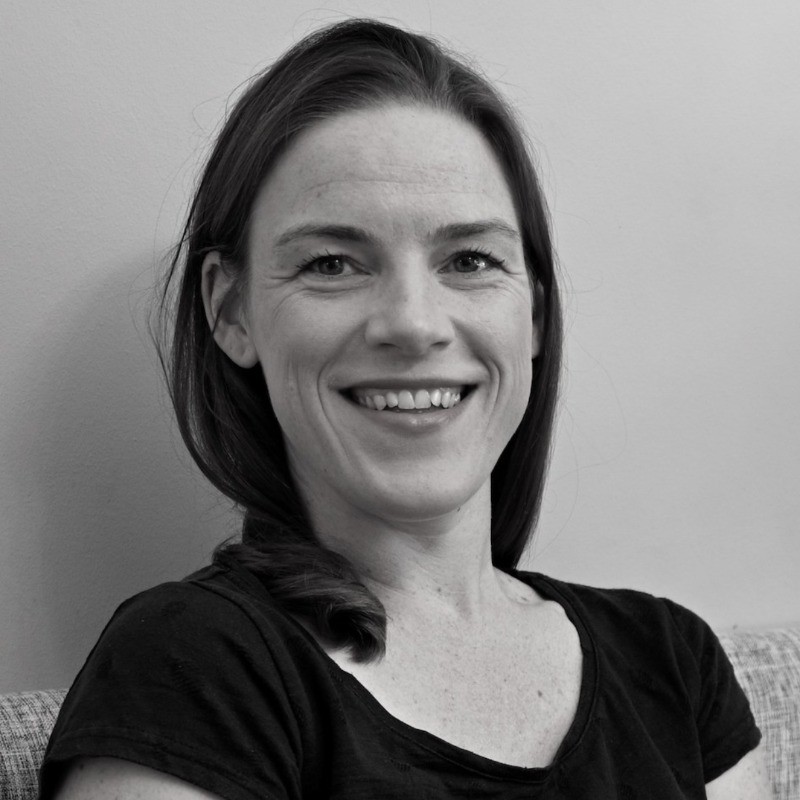
Kate Gaskell explores the nuanced realities of social mobility, privilege, and belonging, emphasising how authentic inclusion and active allyship dismantle barriers and empower individuals to thrive beyond the confines of their upbringing.
In this episode of The Inclusion Bites Podcast, Joanne Lockwood is joined by Kate Gaskell to explore what authentic belonging means beyond one’s background, social status, or upbringing. Their conversation traverses the unspoken rules and systemic barriers that can limit social mobility, highlighting the nuanced interplay of privilege, identity, and opportunity. Joanne and Kate reflect on their early life experiences, addressing the stigma attached to socioeconomic status and the emotional journey of advancing into new spaces, from state school and free school meals to Oxford University and leading a purpose-driven business. The episode unpacks the realities of imposter syndrome, assimilation, and why contextual recruitment is crucial for genuine inclusion within organisations.
Welcome to Inclusion Bites, your sanctuary for boldconversations that spark change. I'm JoanneLockwood, your guide on this journey of explorationinto the heart of inclusion, belonging and societaltransformation. Ever wondered what it truly takesto create a world? Remember, everyone not onlybelongs, but thrives. You're not alone. Join me as weuncover the unseen, challenge the status quo andshare stories that resonate deep within. Ready todive in? Whether you're sipping your morning coffeeor winding down after a long day, let's connect,reflect and inspire action together. Don't forget,you can be part of the conversation too. Reach out tojoanne.lockwood@seechangehappen.co.uk to shareyour insights or to join me on the show. So adjust yourearbuds and settle in. It's time to ignite the sparkof inclusion with Inclusion Bites.And today is episode 228 with thetitle Belonging beyond the Background. And I havethe absolute honour and privilege to welcome Kate Gaskell. Kate is theCEO of Flex Legal, a purpose led legal servicesprovider where she heads up the Flex Trainee social mobilityscheme that champions inclusive hiring and brings diverse newways of thinking into the legal sector. When I asked Kateto describe her superpower, she said that it is balancing professionalexcellence with holistic mental well being bydrawing on her qualifications as a hypnotherapist, a yoga teacher,a sound meditation teacher and breath work practitioner tochampion somatic therapy and whole person workplacewellness. Wow. Hello Kate, welcome to the show.
Kate Gaskellguest
Hello, Jo. Thank you so much for having me. It's a real pleasure to behere. Absolute pleasure. And we were just chatting away in the green room before we
Joanne Lockwoodhost
went live that you're one of the closest guests I've had on the show fora while. Whereabouts in the country are you? I am based in southeast
Kate Gaskellguest
London. I live down here with my husband and two daughters.
Joanne Lockwoodhost
Fabulous. Fantastic. Southeast London. Yeah, I tend tojust drive through that or train through it. I don't tend to stop in.
Kate Gaskellguest
That's okay. You're very welcome anytime. Very welcome.
Joanne Lockwoodhost
We're also talking about the World cup, you know, just to put a bit ofa timestamp on this. We're recording this just in themiddle, I guess the middle, middle part of the World cup where we got outthe group stages and I asked you whether you support England and what did yousay? Well, contrary to what my accent suggests, I was
Kate Gaskellguest
actually born in Aberdeen. So I was supporting Scotland veryenergetically when they were in the beginning parts of the World cup. But now thatthey're out I've somewhat lost interest in the remaining stages, but. No, it'll be goodto watch the match on Saturday. Yeah. So you're
Joanne Lockwoodhost
not an England fan, but you're not anti England?
Kate Gaskellguest
I'm certainly not anti England. I mean, I've lived in England for well over30 years. 35 years. And my children were born here. My children are obviously bigEngland supporters. They're a bit split loyalties when it's England playing Scotland atanything. But no, I'm certainly not anti. But it was lovely to see Scotland geta chance on the big stage. It's strange that, isn't it, when we.
Joanne Lockwoodhost
I've talked to a lot of people from around the world on this show andwhat. How people align with the cultural identity of where theylive now. It doesn't change yourroots where your. Your. Your spiritual home, your, your,Your anchor. And you can live in England for the rest of your life, butyou'll always feel Scottish. Always. I mean, I lived in Scotland for such a
Kate Gaskellguest
small proportion of my life, but I would neveridentify as English. Very, very much attached tomy Scottish roots, as you say. So, yeah, I think that that never goes away.I mean, my, my for obviously 30,35 years and think she sounds English, but she is incrediblyGlaswegian still. And yeah, it's a very, very strong part of ouridentity. Love celebrating Burns Night. So, because, well, I
Joanne Lockwoodhost
assume both your parents were Scottish, or at least your mother was. Yeah, that's right.
Kate Gaskellguest
Both Scottish. Yeah. My dad worked on the oil rigs, which is whyI was born in Aberdeen. So my family, they were. Both my parentswere born just outside Glasgow in a place called Paisley. Town calledPaisley. Yeah. Which. And then we moved up toAberdeen and then came down to England when I was just before school age. So.Been down here a long time. My. My mum's
Joanne Lockwoodhost
mum, my maternal grandmother came from east ofEdinburgh, that sort of area. Very nice. The place hasjumped out of my head. I can't remember where it is now, but we didan anthology tour last year and I went up with my mum. Mymum's what, late 80s now, we went up on the train to go and visither family graveyards, effectively, and met someof her. Her second or third cousins that we'd not seen since. SinceI got married back in the 80s. And so it's a really goodtour and so it reminded me that I'm a quarter Scottish, alwaysproud of that, but I don't have any kind of anchor to it. It'sjust. It's just A thing because I was, I was actually born in Singapore.
Kate Gaskellguest
Wow. Because my father was in the Navy in the 60s and. And
Joanne Lockwoodhost
so it became, that became a thing. But I don't identify asbeing Singaporean because my parents are both English and I guess I don'tremember it. Interesting. We did a similar thing a few years ago
Kate Gaskellguest
with my mum. So she grew up in what's called a tenement building,like a sort of council flat and it was a two roomdwelling and there's a tenement building inGlasgow that was owned by a lady who hadn't done anyrenovation work or any updating to it since the sort of 60s, I think,50s. And when she died, Scotland Heritage took it onas a museum effectively. So we took my mum andmy kids up to see it and my kids were wide eyed.Imagining growing up in a place like that was sort of suspendedin time. So it was very nostalgic for my mum to see it exactly asit was when she would have been a kid. So for those roots, you know,
Joanne Lockwoodhost
I think you say in your, in your biothat your own journey is from free school meals to beingthe first one to attend university and now you're running amajor business and you've got responsibility. Yeah,the girl from Scotland's done good, you know, so
Kate Gaskellguest
that's certainly what my mum would say. Yeah.
Joanne Lockwoodhost
So how's that journey, if you like, how has thattaught you or about your own sort of self awareness, yourown confidence, your own growth and some of the unspoken rules thattend to hold people back. I mean that's a big question. So
Kate Gaskellguest
yeah, you're right. We moved down to England as I said, just beforeI started school and my parents separatedaround about that time as well. My dad actually had, was bipolar,had very difficult mental health issues. So my mumraised us single handedly. Single parents, single income family.So as you say, I was on free school meals, very low income,to some extent. Wasn't necessarily completely aware of that atthe time. You know, you don't really know any different from the environment thatyou grow up in and the circumstances you grow up in. But as you getolder you start to become sort of more aware of where you arein the kind of pecking order of things. So I worked really hard atschool. My mum is a teacher so she is veryinvested in education. She didn't get the opportunity to go to university,although she did a distance learning degree whenshe was in her 40s. So she did finally get her degree, just not straightout of school, so worked really hard at school and then got offereda place to study law at Oxford. So first in my family to goto university, and a very unusual universityexperience by most measures. And I think that wasprobably the moment when I realised very starkly howdifferent my background was from some, A lot of the other people who were around
Kate Gaskellguest
me. So I feel very strongly that theseunwritten rules that you mentioned are often, yousort of have to take responsibility for helping people who haven't hadthe opportunity to be exposed to the unwritten rules and don't even know what theunwritten rules are. It's really important tomake sure if you do have the. If you've learned. If you've had the opportunityto learn them and you've been in environments where you have sort of picked themup, that you're sharing all of that with, people are coming behind you in the.In the journey. So that's what's taken me through to where I am now atFlex Legal. So I started off my career as a practising lawyer in Londonand then I went to Australia for a few years, came back to London, thenjoined a big legal publishing company and then joined Flexjust as it was launching, or just after it had launched the Flex Trainee Scheme,which is our social mobility initiative, helping aspiring lawyers from backgrounds likemine. So, yeah, I feel very passionate aboutit. I came across a phrase or a term
Joanne Lockwoodhost
called contextual recruitmenta while ago and have you heard of that term? Yes.Yeah, I'll let you explain it then. Yeah. So contextual recruitment is
Kate Gaskellguest
putting somebody's CVs and experience into the widercontext of the environment they've grown up in, or thecontext of where they have developed that skills and experience. SoI guess, to take a very simple example, if youhave gone to a state school in an underfundedarea and you've achieved a very good set of exam results,then arguably that's more difficult to do than if you hadgone to a very well funded private school, for example.So it's about looking at the wider. Rather than just looking at the words onthe CV or the exam results on the piece of paper, it's tryingto look more broadly at the context in which all of that was achieved.
Joanne Lockwoodhost
Yeah. The way I look at it is if you. If you went to. Ifyou came from a certain background, went to a certain school and you got. Yougot three Bs, then you performed above expectation. If you wentto. If you had a gifted path and you got three Bs, youwould have underperformed Expectations. So what you're trying to do isthe context there is making sure that you're rewarding people who'veoutperformed their programming, if you like. Definitely. And seeing that asa real value add, as a. A bit of grit, determinationand capability in there, isn't there? Definitely, exactly that. And I think
Kate Gaskellguest
it's interesting because when I was at that stage, very beginning stage of mycareer, I absolutely never would haveadmitted I was quite ashamed of the context thatI'd grown up in, and I never would have talked about it openly. Icertainly wouldn't have done something like this back then, because you're tryingso hard to act like everybody else and sound like everybody else andjust fit in. You do not want. I didn't want anybody to know that Ihad come from a low economicbackground, for example. Yeah. I feel very. Itmakes me feel optimistic that we can have these sorts of conversations now. Andhopefully it's difficult when you're. Particularly witheconomic status, it can be difficult to identify who thepeople are that have come from similar beginnings to you unless they're open aboutit. So I think it's really important to have these kind of conversations.
Joanne Lockwoodhost
I mean, I grew up. So I was born in the mid-60s and I grewup in a world where they were called council houses at the time.They're social housing delay. And you could have comefrom the other side of the street in. In the council house. And there wasa real stigma about that from the. From the. This side of the street.But there was also a camaraderie around the people who came from that. Thatenvironment. So you kind of had this sort of split between beingstigmatised but also feeling empowered as being. Yeah, I'm proud to becoming from this side of the street. And now we have this concept, really, withsocial housing. The stigma being. Social housing is very similarwhere the social mobility around that or the stigma attached.You're being labelled by postcode almost, aren't you? Yeah, I agree. It's
Kate Gaskellguest
interesting. I think I was, as I say, very ashamed when I wasyounger, particularly around. I remember the free schoolmeals. You had a pink card. You got given a pink piece ofcardboard that you had to hand over. So it was very obvious whenyou were kind of getting your lunch that you were not paying forit. And I remember trying so desperately to show the pink card inas least and obvious way as possible. But now I feel very proud ofit. I think it's easier to say when you're further along in yourjourney and Especially I've had lots of sliding doors, momentsalong the way, where opportunities have come, presentedthemselves or been made available to me that have, I guess, kindof accelerated that mobile journey, the socially mobilejourney for me. So I recognise it's easier for me to say now Idon't have any shame around it, but it isn't something to beashamed of. It really isn't. And I sort of wish and hope thatpeople realise that when they're, you know, starting out at thebeginning as well. People often use the word privilege.
Joanne Lockwoodhost
Do you associate yourself with having a lack of privilege or.Because it can become quite loaded, you know, what does privilege mean? Is ita weaponized term? Is it, you know, you quite admityou just said there you've come from this background and some mightsay that you lacked the social privilege that othershad. Yeah, I think it's a really
Kate Gaskellguest
interesting question and I think thatI often think there's two things can be true at the same time. So youcan have a lot of privilege in some respects and not alot of privilege in other respects. I. Absolutely.Now where I sit today, I have a huge amount ofprivilege in lots of different ways and lots of differentfacets. And even back when I wasmuch younger, where I would say you that in a lot ofrespects, I didn't have a lot of privilege. I certainly didn't have a lot offinancial privilege. But there were other waysin which you could argue I did have certain degrees of privilege. You know, I
Kate Gaskellguest
grew up in a home with a very supportive mother.You know, people don't necessarily have that family support around them. So Ithink it's important not to be too black and white aboutthe concept of privilege. And I also think you're right, it's a very loadedterm. And people can feel quite defensive aboutthe idea that they have a degree of privilege. And I thinkit would be good to take that sort of weight away from it and seeit quite neutrally. We've all got degrees of privilege and it can shiftaccording to context as well. So right now I would say absolutely, I have alot of privilege and I hope that that's one of the reasons why I'm tryingto use that in a positiveway. Yeah, I often try and describe privileges. It's not what you've.
Joanne Lockwoodhost
What you've been through, it's what you haven't had to go through. I love that.
Kate Gaskellguest
Yeah, I agree. That's the difference. So, because of who. Because
Joanne Lockwoodhost
of where you are now, you've. You've got here because of whoyou are, rather than something holding you back. So it's quiteeasy. But, yeah, I think most of us, everybody who'sbeen on this podcast has a privilege that they speak English, that theyhave an income, they have a job, that they. They have money in their pocket.Refurbish your head, refurb your head. So, fundamentally,you think about yourself as landing on a boaton the Kent shoreline with basically a life jacket anda pair of trousers. And then that's where you don't speak any language, you've gotno money, you've got no passport, you've got nothing. And suddenly you are this vulnerableperson that is almost the epitome of no privilege, isn'tit, in this country? Absolutely, Yeah, I agree.And everything that happens to you from that point forward on your landing, you haveno agency over. You know, are you going to be arrested? Are you going tobe thrown into something if I'm going to listen to you? So, yeah,when people arrive here, it really is. They've given up everything just toplant themselves. And I think that that's. That to me, is I haveprivilege over those people. Oh, absolutely. Regardless of where I am.
Kate Gaskellguest
Yeah, agree. I sometimes think from my own perspective,because I've had. I've been on quite a journey from. Fromwhere I started. And I think your identity and yourunderstanding of yourself can be sometimes too heavilyinformed by the past. And so I sometimes think, if I landedin my situation, in my circumstances, as me arrived on theplanet today with everything I have available to me rightnow, what would I do with that? Because sometimes you canlet the version of yourself from the past kind of hold youback a bit. You know, that story of what's available andnot available to you can linger for too long sometimes. SoI think sometimes it's exactly thinking about, if Ilanded here, you know, dropped out of the sky, how would Ifeel? And I'd feel so lucky, you know, I've got so much to beincredibly grateful for. So it's good to get a bit ofperspective, I think, sometimes, and just to pause.
Joanne Lockwoodhost
Yeah. So going back to talking about the social mobility,one thing that often occurs to me is the sense of imposter syndrome that peoplehave, coming from different backgrounds, wherever that maybe, wherever your lack of privilege is, how much is it in themindset of the person, not just the environment?
Kate Gaskellguest
I think so. I have a slightlytricky relationship with imposter syndrome, because Iabsolutely recognise it as a thing, as a concept. I thinkthe language around it, for me feels uncomfortablebecause I think I sort of see it in two ways.Sometimes you feel like an imposter in an environmentbecause you are. You don't look or soundlike the people in the environment. So if you think about thesort of definition of imposter, it's. It's somebody who's sort of not meant to bethere or kind of not the norm. So sometimes you can bein a room or an environment where that is actuallyfactually the case. So it's not really to do with you or how youfeel about it, but sometimes you can be in a room. And. And I thinkthat's to your point, that's where it is about your mindset. Like you tell yourselfyou don't belong there or that you shouldn't be there. And so Ithink, though, that the idea that it's a syndrome, feel is a bitdisempowering. It's almost like it's happening to me andit's a kind of pathology that I can't help, and I think you can, obviously.But that's where I think having all sorts of things you can do to helpwith that, whether it's coaching or mentoring orhaving role models, I think are just very important. Andhaving people, even around you, who appears just to reflect back to youthat the way you see yourself is not the way necessarily other peoplesee you. So I remember having. I went to a reunion, sort ofdinner with people who I had done my training with when Iwas a baby lawyer. So I was sort of 22, I guess 23,and we're now much older than that. And we were chatting veryopenly about what that experience was like for us all. And I remember saying tosomebody, I felt constantly like I stuck out likea sore thumb. I was constantly anxious, I was constantly waiting for somebody totap me on the shoulder and say, there's been a terrible mistake. The CV gotmuddled up. You're not actually meant to be here. And he said to me, Ican't believe that you never. You never looked unconfident, you never lookedanxious. And interestingly, he was saying the same thing as well. We were sort ofhaving a very. He had felt the same way at the same time, and Ihadn't recognised that in him either, because I think you. You worked so hardto not give it away that it's not obvious for people around youunless you're sort of open about it. So I think imposter syndrome,you can kind of fake it till you make it. But I would say Istill have moments where I have to make aneffort to remind myself that I belong. I deserveto be here. I deserve to be in some of the spaces that I'm in.I deserve to have the opportunities that I've got. So for me, it'sprobably a lifelong. It's going to be a lifelong mission. I did some
Joanne Lockwoodhost
work with, I think it was a college or university in London.And what they were doing was they were preparingyounger people from low socioeconomic backgroundsto be ready to work in magic circle firms, big cityfirms. So they were teaching them how to. How to havedinner, about the etiquette of dining around, howto sit in a chair, all this kind of etiquette sothat people would fit in. And I thought, that's really sad becausethe opposite of belonging is fitting in, isn't it? So what we're trying to dois we're. We're trying to remould people to be fit into someoneelse's culture. And I thought, wow, that's assimilation. It's assimilation.It's the world of the work, isn't it? It is the world of the work.
Kate Gaskellguest
And I think the. Yeah, again, interesting,tricky topic. I remember something very similararound going to a client meal andthere was more than one wine glass. There's more than one glass. And I thought,what are you supposed to do with all of these? So I think theway I feel about that is, I agree with you. We shouldn't be tryingto kind of shave people and mould people into the versionof themselves that they need to be to fit it. Fit into those environments, asyou say. But equally, I do think it's important to do that
Kate Gaskellguest
because if you find yourself in an environment like that and you feelanxious or overwhelmed and you don't know what to do, it's so damaging to yourconfidence. So I think there's a little bit of both. I thinkfor as long as there are spaces and situations like that thatrequire you to know those unwritten rules and those etiquettes and thosesocial expectations or professional expectations, then we mustequip people to go in ready for that. But then I alsothink we should be looking at the spaces more broadly and thinking, well, how canwe make this more so that we don't have to do all of that trainingon the right wine glasses and the right fork to use and what to wearand how to network and all of those. Yeah, So I. I think it's.
Joanne Lockwoodhost
I think, yeah, my role with the wine glass wasalways use the biggest one and Ins and insist they fill it to the top.
Kate Gaskellguest
That's a good rule of thumb. So generally the red wine glass is always the
Joanne Lockwoodhost
bigger one, isn't it? And, well, I know that now, but I mean, back then
Kate Gaskellguest
I had no idea. Not a clue. No. But
Joanne Lockwoodhost
it is daunting. I mean, again, we're here talking about social mobility. We talk abouttrying to get people accelerating. You know, whether we call it imposter syndrome or callit limiting beliefs or whatever it may be, there is this socialanxiety around not wanting to feel stupid orfeel, feel like you, you, you've, you've, you've put your foot in it. And Idon't think these privileged environments are often thatwelcoming and that they, they almost likereinforce the barrier sometimes. You know, let's keep the lower people outand keep it for us nice people. And,and that's the perception from the outside. You're looking up, thinking, wow, I can neverclimb that ladder. Absolutely. Yeah. I, I, I think, I think
Kate Gaskellguest
sometimes a friend of mine actually said this yesterday, that thepeople who hold the privilege, you know, hold the map, typicallyoften don't even realise they're holding it. They don't, they don'trealise how exclusive they're being. They, and I think they justtherefore think about it's so normal to them that there's no secondthought for. They never stop to think how might this feel to somebodywho hasn't been in this environment before? But I agree it can feelvery exclusionary. And that fear of putting your foot in it or sayingthe wrong thing, I mean, I've done it so many times. I remember one ofthe first conversations I had when I started my training contract.
Kate Gaskellguest
We were talking about we'd met some senior partners from the law firmand there were a group of us talking about what we'd done over thesummer. And we were sort of going around the circle and everyone haddone really impressive things and I'd worked in a fencing factory, afencing company, sort of filling in purchase orders and stuff likethat, and in a Portakabin. And I didn't know whether to be honest andsay that and just kind of own it, or to say nothing or to makesomething up. But so I said what I'd done and I spent the rest ofthe conversation thinking, this is horrendous. I feel awful, I'm soembarrassed. And they must be judging. And I'm sure, looking backnow, no one gave that as much of a second thought. I mean, they've gotbetter things to worry about than me working in a fencing company.But at the time I thought, this is horrendous. So that fear of. I thinkthat fear of saying the wrong thing can just stop you from sayinganything at all. And then you really lose the benefit of having adiverse range of people in the environment. If you're going to have.If the people get the opportunity to get there, then we just must makesure that they have the opportunity to contribute to their full. Totheir full extent, because otherwise it's pointless letting themin the door. Do you see what I mean? Yeah, yeah.
Joanne Lockwoodhost
My first job, proper job, I used to clean toilets with a toothbrush.
Kate Gaskellguest
Why was it with a toothbrush? I joined the Royal Air Force.Okay. You end up having to do cleaning and
Joanne Lockwoodhost
the inspections were such that you had to get a toothbrush under the rim ofthings to make sure that when they inspected it in the morning with their whiteglove, there was no marks on it. So, yeah, I always say to people, yeah,I used to clean toilets with a toothbrush for my first job, but that is
Kate Gaskellguest
character building. A lot more than that. A lot more than that, I'm sure. But
Joanne Lockwoodhost
you're saying that about, you know, when people come in and making them feelwelcome, that's where you come back to this belonging, isn't it? Yes.How do you describe belonging? It's very nebulous andethereal. How would you describe it? I
Kate Gaskellguest
think the first thing that comes into my mind is feelingcomfortable to be yourself in the space. And so I thinkit's trying to think if I've ever felt that immediately.Do you know? I have felt it actually quite recently at anevent I attended, which was a conference forneurodivergent members of the legal profession orpeople supporting neurodivergent members of the legalprofession. I have adhd and the whole conference hadbeen curated with the audience in mind, not in aperformative way, in big ways and small ways. And it wassuch a shock to me to have got to this stage of my career,been working, you know, 25 years, and to walk into a spaceand know immediately that I belonged there. So I haven'thad lived experience of that until whatever it was twomonths ago, maybe. And now that I've felt it myself, it'sso much easier to know, to be able to answer yourquestion, because I agree it is quite nebulous. And Ithink if you'd asked me two months ago, I might havestruggled a bit more to be so succinct in the answer. Buthaving had that experience, as I Say, just knowing thatyou don't have to assimilate, don't have to mask, don'thave to shave bits off, don't have to think carefullyabout how you enter a conversation, how you respond in aconversation. It's such a. It's like an exhale,breathing a sigh of relief. So, yeah, I think there are.We've got a lot of work to do because, as I say, that's thefirst time I've experienced that. And so I think we'vegot a lot of work to do to create more spaces like that isthe difference that you experienced, fundamentally, because the people
Joanne Lockwoodhost
organising that event proactively and deliberately wantedto make sure every single person who walked in through that door felt apositive experience. Whereas normally you don't do that levelof care on an individual basis. You just go, it's there, they'll figureit out. Whereas you felt that someone actually cared about you as anindividual and everything you wanted was met. Absolutely. I think that's
Kate Gaskellguest
exactly it. I think it was because they had really thought aboutthe things that they knew would createan environment, create that environment. And I think, you know, I hope.I like to think at Flex, where I work, wehave an open culture, we have a very welcoming culture, but Ithink possibly it's a little bit to do with the fact that the audiencewas so well defined, you know, and sowhereas in an organisation of lots of different people, people'sneeds are very different. And so being so specificto everybody is more challenging. So, as you say, sometimes it's alittle bit sort of, we'll create the foundational ground and then hope that peoplefind themselves in the right spot within that. But. But where. Where you're in aspace that was, as I say, targeted at neurodivergent people andpeople supporting neurodivergent people, it was just so much care andattention had gone into every aspect of that. How, how we gotthere, how we were registered, the environment itself. We even had littlebadges to say, you know, my social battery's got to here now, I'm a bitdepleted, so don't expect too much of me. And,yeah, and I think because everybody, everyone had come into the space with that inmind, it was very, very refreshing.
Joanne Lockwoodhost
And you also appreciate that everybody else around youis going through the same things in their head. You know, everyone's going, exactly. Idon't want to be here, I don't want to talk to anyone. Can I siton the toilet and play my phone for half an hour, then go Home, please.And you know that everyone's got those sort of things going on in their headand the organisers have created quiet spaces, there's sofas, there's chilled outzones. Exactly. And said quite openly during
Kate Gaskellguest
the talks or the panels, if you need to get up and walk around, getup and walk around and you think that's the kind of thing where if you'rein a different environment and you're sitting there listening to somebody and you think Ijust need to move, but I'm going to look rude or I'm going to lookunprofessional. The fact that you've been given permission to do that and thattherefore nobody is thinking negatively aboutthat is just very freeing. I think that's what belonging is as well, it's feeling,it's feeling free, as I said, to be yourself. So
Joanne Lockwoodhost
yeah, that old buzzword, you know, the psychological safety, it's all those kind of things,you know, you can be yourself. I spoke to someone recently and we kind ofcame up with the word trust as well in there. So I trust you withme. I'm going to hand responsibility over for mehaving a good time or for me feeling welcome. And I believeyou're going to do that and I really like that. Yeah, you won't let medown. So I, because I think in order for you to go to that conferenceyou had to have trust that it was going to be okay. Because I don'tknow about you, but there's a number of times I'm booked into anevent. I think CBA. I've got, I've got. It's not fear of missingout, it's joy of missing out. I don't want to go. I've got, Iwouldn't say social anxiety, but I just can't be botheredanymore. I've got the energy. No. And I, I, I. And in my, I'm saying,
Joanne Lockwoodhost
in my head I'm saying to myself, when you go, you will have a goodtime, you will come away, glad you went. All those kind of messages to giveyourself. And sometimes I go, nah, nah, Ireally don't want to. And you just go, I'm not going to. And then peoplesay, well, I missed you last week. I just, I just couldn't feeling itbecause there was a gap between knowing that I would beokay and having a good time and the energy it would take meto get myself to a point where I achieved that. I just didn't want tospend it. And I think that's the barrier, isn't it. And I think when wetalk about social mobility again, the barrier to get people to go,would I give my energy here to apply for a job? And I think what'sthe chances of me being selected for an interview? I've been turned away so manytimes, why do I bother? I'm just going to walk away now. Andalmost that defeat his attitude. But it was also realistic.I haven't got the spoons to play this game today. Yeah, I mean it is
Kate Gaskellguest
a slog and people talk a lot about resilience in thatcontext. And I think it's. That isn't easy.It's not easy when you're being rejected from a lot ofdifferent places. And especially now, I think getting standingout in the crowd when there are so many people applyingfor roles, there are so many people using AI to apply for roles,differentiating yourself and standing out in the crowd is really hard. Ittakes a lot of energy just to get an application in, let alone to gothen get through an interview process and all of that sort of stuff. And Ijust, maybe this is a bit Pollyanna, but I really believewhat's for you doesn't go by you. What's for you will not go by you.
Kate Gaskellguest
And it might not happen on the timeframe that you would like it to, mightnot come as quickly as you want, but I think that you will end upwhere you're supposed to be. I really do believe that. But it's not that. Thatisn't to say that it doesn't take a lot of grit and determination and energywhen you're getting knocked back all of the time. And I think that's why it'sso important to look after yourself. So if you're going to run amarathon, if you're, you know, you don't go out and, and have ahuge night out for the week in the run up to the marathon and youdon't not take breaks and you don't not eat well and, anddrink plenty of water and all of that. And I think you should sort of,you need to see it in that context of like training to be a proathlete. How do I look after myself so I can keep going?
Joanne Lockwoodhost
Yeah. As you're talking, I was thinking that this plays intoprobably my own imposter syndrome because in my early career or my early partmy life, I used to find that I waslucky. Often this would happen, this wouldhappen. And I started believing that it was almost like the hand ofGod coming down, touched me on the shoulder going, you shall have something.And I started believing that it wasn't necessarily down to me, it was just downto my luck. But then I started saying to myself,lucky things happen to lucky people for the right reasons. AndI also thought, well, how do I become lucky? And it's you're doing thingsthat successful people do. And I used to describe it asrunning out into the rain and running around and around circles as much as youcould to get as wet as possible by getting as many raindrops on you. Ifyou just stand still, you only get the raindrops that are falling on you. Butif you can run around and collect raindrops from everywhere, you're going to get wetter.So I think you have to sort of put yourself out there andget yourself wet with as many raindrops and then one of them is going tobe your lucky one. Absolutely. I think luck plays a huge part
Kate Gaskellguest
or can play a huge part. And I think I agreewith you. Sometimes there can be an element of self made luck for sure.Sometimes luck is just luck and you happen to be in the right place atthe right time. But I think you can increase your chances, as you say, ofhaving those lucky kind of sliding doors moments by runningaround in the rain. I love that phrase. And also not beingtoo fixed in your mind about what the rightnext step is or what the right opportunity is becausevirtually nothing is irreversible. Is it? So if you just sayyes to most things that come your way, chances arethat one of them is going to be the door to the lucky room. SoI think sometimes you need to be okay as well with going a littlebit backwards to go forwards. So just not being toofixed minded and being a bit kind of humility I think is important aswell. Just say yes to it all and have a conversation.Put yourself in. Stretching your comfort zone I think is important rather than. Idon't. Personally I find it difficult to put my. Put myselfout of my comfort zone. That phrase to me makes me feel like, oh God,that sounds awful. But stretching my comfort zone. I think, yeah, just a little bitof discomfort. You do have to somewhat embrace to try andcreate those lucky moments, I think. Yeah, fear,
Joanne Lockwoodhost
anxiety, discomfort, all those kind of things are almostyour psychological trigger that you're in your stretch zone, aren't they? They're the thing sayingyou're not in comfort anymore, you're moving out there and it's trying tonavigate stretch, not panic. Isn't it just like that fine line between.
Kate Gaskellguest
Yeah. And hold the stair with it. And kind of, that's what, youknow, breathe through it. Just keep, keep going.Hold the stair and. And then exactly as you say, try not tokind of tip over into fear. That's when you just retract and pullback and then, you know, go into a cave for a month and sort of.Yeah, so it's a, it's a bit like an accordion, I think. Youkind of stretch and contract and stretch and contract and every time you stretch, hopefullyyou stretch a little bit more. Yes. Yeah. Just
Joanne Lockwoodhost
breathe and eventually you get there, don't you? Yeah. Do you think thechallenge for people who are. We're going back to the contextual recruitment again, Peoplewho come from maybe a background where their expectations are lower.The, the people they hang out with, the network they hang out with, the environmentthey hang out with, aren't as, asprivileged, for a better word, as people from the other side of the street whohave, who are hanging out with CEOs and funders and people like this.The hard thing is getting into the right room where the rain, where the rainis nicer, you know, nice rain as opposed to dirty rain.So that, that's, that's the challenge really. It's knowing where the
Joanne Lockwoodhost
conversations exist. And I, I go back to Covid again andlooking at some of these contracts that were awarded for PPE andsomeone's mate was producing it and it wasn't this, this person'smate was a bad person or, or they're, they were bad at doing what theydid. But there were plenty of other people that didn't even know the contract wasavailable. And we often don't know the contractor the opportunity or the conversation or even that roomexists where I could go in and find opportunity. Sothat's the challenge for people who are trying to aspire up the ladder.You've got to get about 15 rungs up before yourealise, wow, there's a whole world out here. I never knew. I agree.
Kate Gaskellguest
And I think that's what. It's the network, isn't it, that you get from beingin those privileged spaces. You've got a ready madecommunication team, support team, information team.I remember that very clearly. And as I said, I think when I got touniversity, that was when I really felt like a fish. That was, that was impostersyndrome times a thousand. Because therewere lots of people around me who already knew. Lots ofpeople. They were obviously filteringschools. Certain schools send lots of kids toOxford. So you had 30 or 40 people dotted all around the citywho were Yeah, I guess you just, youlook out for each other and you kind of bring each other up with you.I knew nobody didn't know a single person when I got there. And I wasvery lucky that I then met, you know, some of my closest friends, whoI'm still dear friends today. But I thinkthat's. I had underestimated how important that was, buildingthat network and making connections. And the word network to me was very offputting when I, I didn't understand what that meant andI didn't have a faintest idea how to start. But it's really justconversations, you know, it's meeting people, having conversationsand staying connected with them. I think that's. You're exactly rightbecause often you don't even know what you don't know. Well, you don't know whatyou don't know until somebody takes the time to tell you or opens thedoor for you or invites you into the room. Soit's tricky. I did some work with her, a legal sector recruiter,
Joanne Lockwoodhost
oh, four or five years ago, maybe even longer. And I remember inthis training course on inclusive recruitment, I hate that phrase, but yeah,that's what we called it. And someone on the course said, it's really hardto find young black lawyers. I said, okay, whydo you think that? He said, well, we don't know. We can't find, we can'tattract young black lawyers. I said, well, if you were black and you worked fora black legal firm, you would find it very easy to find young blacklegal firm. So you're looking at it from your whiteprivileged lens saying, we can't find anybody. Well, thebarrier is you. And using the football analogy, if you're not winninggames, you change your manager. And so if you're not gettingthe talent pool or getting people to apply, then you've got to take along hard look at who you are and the message you're putting out there tosay, why don't people see us as a candidate of,as an employer of choice? What's the barrier? What are you stoppingthem? Absolutely. The talent is absolutely there.
Kate Gaskellguest
It's there. And if it, and if it's not, if you're notattracting the talent, then you're right that you need to goright back to the beginning of the, you know, right upstream tothe way you're crafting your job descriptions, what's on your website, thespaces you're advertising in. You know, it's definitely a youproblem, not a talent problem. So, yeah, couldn't agree more.
Joanne Lockwoodhost
I did some work with a football club up north somewhere and again, I wasrunning an inclusive recruitment workshop and we were talking about thechallenges of finding underrepresented or marginalised talent. Said,yeah, we live in a predominantly white working class area. There'snobody out there. You know, we just can't find people who are, who are notwhite working class. And then they gave us, they showed us round theirfacilities and they had this big sports hall and there were peopleplaying football, five-a-side football in little tournaments in thesports hall. And I just looked around and said, but everybody playingfootball here is black, Asian. And you say you can't find people who arewhite working class. You got every single one of your service usersprobably hits the demographic of the people you're looking to employ.So have you ever had a conversation with them? No. The penny was, I'm noteven sure the penny dropped. There was a gulf between the penny droppingand their understanding. You mean we can go and talk to these people? Yes.You've got. Why are you putting your adverts out onto the website and allthese advertising. You've got people walking through the front door,you never ask them? No, yeah, exactly. Yeah, there's no talent, there's
Kate Gaskellguest
no shortage of talent. And I think that's, that's, yeah, it's that, that's whyyou really have to think about. It's easy to say we want to attractcandidates from, you know, a low socioeconomic background,underrepresented socioeconomic background, but thenyou really have to think through, well, what does that mean? What does that meanwe have to do. It doesn't just happen. It's not as simple asjust saying it and then suddenly they'll all appear. So, yeah, I thinkbeing really conscious about the things you can do to pull in the talentthat you are hoping to attract is the name of the game.
Joanne Lockwoodhost
How do you stop people getting a bit twitchy? Can we take a risk onthat person? They haven't got this type of. They don't know the right people, theyhaven't been to this or they haven't had that. So because there's a real kindof barrier of bias and perceptions, we have tokeep employing the usual people. Otherwise don't you know who we are? We're a topfirm, we've got to have the best. Yeah, I think that's, I mean,
Kate Gaskellguest
you do sometimes still see views like that. I find it reallyfrustrating and I think that that's something we probably need tobe even more mindful with. Everything that's happening with AI. So the world we'reliving in now, lots of the work that we would have been done bya broad number of junior lawyers or juniorprofessionals is going to be absorbed by AI. And so that I think if thetalent pool, if we need fewer people, I think there's definitely a dangerthat organisations, firms will startreverting back to just recruit this.I'm putting air quotes, safe pairs of hands, you know, don't take risks anddon't pick the wild cards. So I'm very sort of aware ofthat and conscious of that. And I mean, I think the answerto that is probably again comes back to storytellingand, you know, giving a platform to the people whohave been successful, who haven't come from the traditional backgroundbecause there are so many out there. Andit hopefully reduces that feeling of it being. It's not arisk, you know, it's not a risk that to bring somebody in who doesn'tfit the traditional mould. It does mean you need to be more, more intentional aboutmaking sure they feel they can be themselves and, you know, all the things we'vespoken about, but they're no more risky than anybody else.I don't, I don't, no. But I mean, you could easily
Joanne Lockwoodhost
say to people, do you want more clients? And they willgo, of course we want more clients. How about if I can give you anew sector of client? You don't tap into who are this, that and the other.They go, oh, yeah, that sounds really interesting. How do we get those? Well, youneed people who look and sound and feel like the clients you're trying toattract. And then you'll attract people because you've got. Yeah, and of course.
Kate Gaskellguest
Exactly. It's that easy, isn't it? It is. People buy from people,
Joanne Lockwoodhost
they do more clients, better decisions, better
Kate Gaskellguest
innovation. Especially again with the sort of prevalenceof AI now having different perspectives and people who can just challengeeach other a bit more on different ways of thinking. Such an asset, it'snot a. It shouldn't be seen as a sort of obstacle or achallenge to overcome. It should as a real positive, a real asset in anorganisation. So how do we put human, humans back in
Joanne Lockwoodhost
the loop? Because, you know, you talked about AI a couple of times andso we're writing job descriptions with AI. We're probably autoposting them with AI. Our ATS has got AI built into it now, then we'resending it out there. Candidates are now scraping job sites andgenerating cover letters and applications based on the JD that'sbeen Posted in the role specific, taking their own CV, hopefully,and blending them together and then auto sending it to you. So peopleare now applying for 100 jobs a day and then never actually seeingthem. So we've got AI generating the role, we've got AI applying forthe role. AI is rejecting you or accepting you and eventually youhave a conversation. There's not many humans in that loop if we'renot careful. No, agree. It's really, really hard and
Kate Gaskellguest
I think it's, as I said earlier, really difficult tostand out in the crowd in that context. I mean, I would sayto people making applications, it's hard because it'san. To some degree, it is a numbers game, but in many ways,less is more. It's better to spend time not using AI andnot craft, you know, creating cookie cutter versions ofcover letters and really think about the type oforganisation that you want to be in. How well does italign to your values and your career aspirations andyour strengths and your experience, and trying as muchas possible to create the application yourself and tellthat story about who you are from as human a perspectiveas possible. It is noisy. It's so noisy. And you see somany slight variations on the same cover letter or evenCVs, which should be very personal, start to look thesame. So I think it's going to require a lot of effort fromtalent acquisition teams and hiring teams to make surethat we keep the playing field level and accessible toeverybody, because we have the same. Everybody has thesame challenge. I was talking to somebody in acompletely different industry who opened up a role andhad about 700 applications within an hour and a half, andyou think, how can you possibly see the wood for the treeswith that? So I hope at some point that maybe that bubblewill just burst and we'll start to recalibrate, but it'stough. The challenge with contemporary recruitment methods is that we're trying
Joanne Lockwoodhost
to anonymize, we're trying to sanitise, we're trying totake the subjectivity out of it and becoming objective.And so that inevitably strips your humanity out of it as well, becausethe whole idea of a cover letter and a CV was. It's a sales prospectus.Sales and marketing. I'm trying to sell and market me, and now you're telling methat I can't put any of me in there. I've just got to put mycapabilities, which. Which is fine, you know, that's what we're trying to hire. But it'shard to be me now, isn't it? It's hard. Yeah. That's interesting. Yeah. I
Kate Gaskellguest
hadn't thought of it like that. That's interesting. Yeah, itis hard. And I think the other thing I would say is sometimes Isee people try what's the right way of describing it. So theysort of, I think that they have to sanitise their CVs, so takeout, for example, experience they've had in industries likehospitality or retail and only present a professional andinverted commas version of their CV. And I would say thosesorts of skills that you gain in those kind of environments,you know, dealing with an angry customer in a shop or dealingwith an angry customer in a restaurant, are going to get moreand more and more important as the machines, the AI does moreof our work. So, yeah, I would be really. Just be honest aboutwho you are on your CV and what you've done. You're right, it'shard, harder to do that as we're sort of sanitisingrecruitment documents. But don't lose, let's not lose ourhumanity, let's not pretend we're, you know.
Joanne Lockwoodhost
Because the advantage of that is if, if you actually get the job, you've beenhired for being you, completely hired for being somebody else. So you go back tothat. Fitting in versus belonging. You want people to hirebecause they like you. Absolutely. And it should be a two way
Kate Gaskellguest
match as well. Like I often think, you think as the candidate, oh, Ihope they pick me, I hope they pick me. But you're picking too. You wantto know that the organisation that you're going to invest an awful lotof your time and energy into is the right match for you as well.So it should work both ways. I think
Joanne Lockwoodhost
it's like when you watch adverts for computer games, it always says in the bottomcorner, not actual game footage. And sometimes the jobapplication process is you're not actual game footage. You know, what you're seeing there isthe demo mode of the company. That's true. Yeah. Even if they walk you aroundthe floor, it's kind of. Everyone's like, I've got a candidate coming in.
Kate Gaskellguest
Yeah, that's true. Everyone behave. Yeah. Clean the toilets,
Joanne Lockwoodhost
right? Yeah. All good. Yeah. So it'stwo people trying to sell to each other really, isn't it? AndI'm not saying it's false, but there is a, there is a potential here wherewhat you're looking at is not the real environment and you're not being a realyou. And then day one, everyone goes, was what I was Expecting. No, itwasn't. I was missold. Yeah. Andthe first, the first 90 days are a real challenge for any newstarter, aren't they? Because it's, if it's, if it's your second or third job, you'vegot previous culture, you've got your friends or you've got everything, all your processes arenew, everything doesn't work, your onboarding becomes pretty critical.Are you feeling that instant welcome and belongingness from the firstsecond you walk in the door? And a lot of organisations just aren'tready for people. Yeah, I agree with our trainee scheme. The model
Kate Gaskellguest
that we use is we employ them with us, but we have to second themout to our clients so that they can get practical experience as traineesolicitors or trainee company secretaries. So before they set foot inthe client's office, we take them through a three week, we call itreadiness programme. So we bring them to us, lots of it, in person, andwe give them a whole range of different training sessions on obviouslytechnical topics, legal skills topics, so drafting and reviewingcontracts, legal research. But all of that unwritten rule stuff thatwe talked about earlier. For example, we teach them or help themdeliver a 30 second elevator pitch, introduce themselves. If theybump into, you know, the CEO in the lift, how do they introducethemselves confidently and get across who they are and what they do? Wegive them training around how to prepare for a meeting with yoursupervisor, how to conduct yourself at a networking event, how tobuild a network. And then we also bring in people who are in seniorpositions in lots of different organisations to just tell theirstories and sort of, as I said, give them reinforce that idea that, oh,there are people who've kind of been successful and made it, who'vecome from where I've come from. And then of course, that also helps them
Kate Gaskellguest
start to build that peer network around them because they spend thosethree weeks together in a bunker with each other. So by the time they setfoot in the client's office, they've had that whole preparation to notfeel quite so overwhelmed and to feel like they're ready for it andthey're confident and that they've got the scaffolding, the supportnetwork around them from each other. Even though they go off to allsorts of different organisations, they've all got each other on thephone. You can call up and say, I've had a bad day, this is reallyhard. Are you finding it hard? And just have somebody reflect back andsay, yeah, I'm finding it hard as well. Makes you feel like, okay, it'snot just me. This is difficult. So I think that's underestimated. Likeit's not. That was a real learning for me at that stage in my journey.I thought, if I get the training contract and I just get into the firm,that's it. All these feelings of inadequacy and not belonging andimposter syndrome will go away because I'll have made it. And actuallythat's step one. It's not the final step. So I think it's an ongoingprocess after that. It is. That whole pre hire
Joanne Lockwoodhost
to retire is a. You're constantlyevolving. Definitely. Constantly looking for validation, constantlylooking for reassurance. Definitely. Because we all know we're doing a goodjob. Again, that belongingness isn't it. It's making sure that we. We feelvalued and we're doing. It's meeting our needs,we're doing a great job and people tell us we're doing a good job andwe're growing and learning and we're supported by colleagues around us. And as you say,your peer network is giving them extended family, which theytake with them. And I often talk about, I don't necessarilyneed you as an organisation to give me your culture. I need you to supportthe culture I have. And what you're saying is that you've got a transferable cultureyou can now take with you, which is brilliant. Yeah, love that.
Kate Gaskellguest
Definitely. Kate, we could yak on all day.
Joanne Lockwoodhost
I really enjoyed this conversation. How can people get hold of you? So the
Kate Gaskellguest
best place to get hold of me is on LinkedIn. Kate Gaskell. There aren'ttoo many of us or Flex Legal on LinkedIn or the Flex Legal website. Soa few places you can find me on the Internet. Fabulous. I'll
Joanne Lockwoodhost
put all those links in the. In the show notes. So before we. Before wehang up, what is one thing you want to leave? You know,we've talked about a lot of things about belonging, wellbeing, running around inthe rain, football, whatever. What do you want to leave?Aspiring candidates or Aspire or leaders who are looking foraspiring candidates? I think for the leaders,
Kate Gaskellguest
I would say I go back to what we were talking about, about privilegeand taking the emotional intensity out of that word. And Iwould really encourage people to just take a couple of minutes to thinkabout what privilege they have and whether they're using it. You know, youdon't necessarily have to make a big deal of using it every single day,but using it in small ways every now and then, throwing down the ladder, openingup the door. How can you use your time to support somebody who's coming behindyou? And for the candidates, I would say I loved your analogy of runningaround in the rain. I think that's really useful and good adviceto just give yourself. Get wet, you know, getwet. You deserve. Yeah, exactly. Run around in the rain, get wet andbe. Be open minded to what the universe is going to deliver to you. Yeah,
Joanne Lockwoodhost
I think, as well as rolling down the ladder, walk down the ladder as welland help and offer a hand up. Absolutely. Yeah. Because often thatbottom rung is just out of reach for a million people, isn't it? Yeah,definitely on that ladder. Really shoulder them up, give them aboost. Boost, yeah. Kate, thank you so much.
Kate Gaskellguest
Thank you. As we bring this conversation
Joanne Lockwoodhost
to a close, I want to express my deepest gratitude toyou, our listener, for lending your ear and heartto the cause of inclusion. Today's discussion struck achord. Consider subscribing to Inclusion Bitesand become part of our ever growing community, driving realchange. Share this journey with friends, family and colleagues. Let'samplify the voices that matter. Got thoughts,stories or a vision to share? I'm all ears.Reach out tojo.lockwood@seechangehappen.co.ukand let's make your voice heard. Until next time, thisis Joanne Lockwood signing off with a promise to return withmore enriching narratives that challenge, inspire andunite us all. Here's to fostering a more inclusive world oneepisode at a time. Catch you on the next bite.
Belonging Beyond AssimilationContextual Recruitment: Rewriting MeritPrivilege: A Nuanced PerspectiveSocial Mobility and the Power of NetworksResilience, Imposter Phenomena, and TrustHumanity in the Age of AI
In this episode of The Inclusion Bites Podcast, Joanne Lockwood is joined by Kate Gaskell to explore what authentic belonging means beyond one’s background, social status, or upbringing. Their conversation traverses the unspoken rules and systemic barriers that can limit social mobility, highlighting the nuanced interplay of privilege, identity, and opportunity. Joanne and Kate reflect on their early life experiences, addressing the stigma attached to socioeconomic status and the emotional journey of advancing into new spaces, from state school and free school meals to Oxford University and leading a purpose-driven business. The episode unpacks the realities of imposter syndrome, assimilation, and why contextual recruitment is crucial for genuine inclusion within organisations.
Kate is the CEO of Flex Legal, where she heads the Flex Trainee social mobility scheme—an initiative dedicated to inclusive hiring in the legal sector. Drawing from her background as a lawyer, hypnotherapist, yoga teacher, sound meditation guide, and breath work practitioner, she champions whole-person wellbeing and somatic workplace wellness. Raised by a single mother after moving to England from Scotland, Kate is passionate about demystifying privilege and widening access for aspiring legal professionals from non-traditional backgrounds, using both lived experience and professional insight to mentor and uplift others.
Together, Joanne and Kate dissect the pitfalls of traditional recruitment, the dangers of sanitising individuality in favour of ‘fitting in’, and the power of networks and peer support for maintaining confidence. They spotlight the importance of creating psychologically safe environments where everyone can contribute, thrive and be themselves. With practical anecdotes—ranging from surviving council estates to navigating magic circle firms—the discussion brings lived experience to the forefront and asks: are we really designing systems that allow true belonging, or merely new forms of assimilation?
Show notes drafted with AI assistance and reviewed by Joanne.
Watch
Watch the highlight
It's not a risk to bring in someone who doesn't fit the traditional mould.
“You sort of have to take responsibility for helping people who haven't had the opportunity to be exposed to the unwritten rules and don't even know what the unwritten rules are.”
“I was constantly anxious, I was constantly waiting for somebody to tap me on the shoulder and say, there's been a terrible mistake. The CV got muddled up. You're not actually meant to be here.”
“You don't have to assimilate, don't have to mask, don't have to shave bits off, don't have to think carefully about how you enter a conversation, how you respond in a conversation. It's such a. It's like an exhale, breathing a sigh of relief.”
“What’s for you doesn’t go by you. What’s for you will not go by you. And it might not happen on the timeframe that you would like it to, might not come as quickly as you want, but I think that you will end up where you’re supposed to be.”
“But I think you can increase your chances, as you say, of having those lucky kind of sliding doors moments by running around in the rain. I love that phrase.”
“It's better to spend time not using AI and not craft, you know, creating cookie cutter versions of cover letters and really think about the type of organisation that you want to be in.”
“All these feelings of inadequacy and not belonging and imposter syndrome will go away because I'll have made it. And actually that's step one. It's not the final step.”
The impact of social mobility and unspoken barriers on self-confidence and career progression.
How contextual recruitment offers a fairer assessment of candidates’ achievements and potential.
The nuanced conversation around privilege, shifting it from a defensive topic to a tool for inclusive leadership.
Why fostering belonging means moving away from forced assimilation and creating spaces where individuals can truly be themselves.
Addressing imposter syndrome: practical approaches to combat self-limiting beliefs and cultivate resilience.
The role of networks, context, and peer support in breaking through traditional access barriers.
Rethinking recruitment and onboarding to enable authentic culture fit, ensuring lasting inclusion and psychological safety.
One thing to remember
If the people get the opportunity to get there, then we just must make sure that they have the opportunity to contribute to their full extent, because otherwise it’s pointless letting them in the door.
Questions this episode helps answer
What does it truly mean to belong beyond our background or postcode?
How can contextual recruitment break down traditional barriers in the legal sector?
In what ways do privilege and perceived privilege intersect with social mobility?
How does imposter syndrome manifest for those from underrepresented backgrounds—and how do we counteract it?
What role should leaders play in supporting holistic wellbeing and genuine inclusion in the workplace?
Can deliberate acts of inclusion create spaces where people are free to be themselves, not just fit in?
Explore topics
Ideas from this episode
Belonging Beyond Assimilation
Redefining inclusion by creating spaces where authenticity thrives, not just conformity.
Contextual Recruitment: Rewriting Merit
Understanding achievement through the lens of individual circumstance rather than privilege.
Privilege: A Nuanced Perspective
Viewing privilege as a complex spectrum—acknowledging both the advantages and challenges each person carries.
Social Mobility and the Power of Networks
Breaking barriers by providing access to networks and scaffolding support for untapped talent.
Resilience, Imposter Phenomena, and Trust
Navigating self-doubt and societal bias with community, honesty, and psychological safety in the workplace.
Humanity in the Age of AI
Ensuring recruitment and workplace processes centre the whole person amid technological change.
Learn
Frequently asked questions
What does “belonging beyond the background” mean?
It refers to creating environments where individuals feel valued and included for who they are, rather than being limited or defined by their socioeconomic, cultural, or educational backgrounds.
What is contextual recruitment?
Contextual recruitment considers a candidate’s achievements within the context of their personal circumstances, recognising the additional challenges faced by those from less advantaged backgrounds and interpreting their successes accordingly.
How does privilege play a role in social mobility?
Privilege is multidimensional; both Kate Gaskell and Joanne Lockwood highlight that it’s not simply what one has experienced, but what one hasn’t had to endure, and that using one’s privilege to support others is vital for progress.
Why is the concept of “fitting in” different from “belonging”?
“Fitting in” often means adjusting oneself to match an established culture, whereas “belonging” is about being accepted and valued without the need to conceal or alter one’s identity.
What practical barriers inhibit social mobility in recruitment?
Barriers include bias in traditional hiring methods, lack of networks or role models for underrepresented groups, and recruitment practices that reward familiarity with privileged social codes over diverse lived experience.
How can leaders foster genuine inclusion for aspiring talent?
Leaders can use their privilege to open doors, offer mentorship, and create spaces of psychological safety and trust, ensuring candidates are welcomed for their authentic selves and not required to assimilate.
Share this episode
Heard something worth passing on? Send this conversation to someone who needs to hear it.